Industrial boiler inspection is not just a paperwork requirement; it directly affects plant safety, production continuity, insurance compliance, and legal operation. If inspections are missed or certification expires, a facility may face forced shutdowns, safety risks, equipment damage, fines, or invalid insurance coverage. The safest approach is to follow local boiler authority requirements, perform routine operator checks, and schedule professional inspections before the certificate expires.
Most industrial boilers should receive a professional inspection at least once per year, but the exact inspection and certification interval depends on boiler type, pressure rating, fuel system, location, insurance requirements, and local regulations. High-pressure and power boilers commonly require annual inspection, while some low-pressure boilers may be certified annually, biennially, or at another interval set by the jurisdiction. Boilers should not be operated without a current valid certificate where certification is legally required.
For boiler owners and plant managers, the real question is not only “how often,” but also which inspections are required, who is authorized to perform them, what documents must be maintained, and how to avoid compliance gaps. The following outline explains the inspection and certification process from a practical industrial user’s perspective.
How Often Should Industrial Boilers Be Inspected and Certified According to Boiler Type?
Industrial boiler inspection is often delayed until a shutdown, a leak, a failed safety valve, or a certification deadline forces urgent action. This is risky because boilers operate under pressure, heat, combustion, water chemistry stress, thermal cycling, and mechanical load. If inspection intervals are too long, scale, corrosion, burner faults, low-water protection failure, safety valve leakage, refractory damage, tube thinning, and control problems can remain hidden until they cause downtime or safety hazards. The practical solution is to build an inspection and certification schedule based on boiler type, pressure level, fuel, duty cycle, water treatment condition, local regulations, insurer requirements, and manufacturer recommendations.
Industrial boilers should generally receive daily or shift-based operator checks, monthly safety and control checks, quarterly or semiannual preventive inspections, and at least annual professional inspection. Certification frequency depends on local law, boiler type, pressure class, service severity, and inspection authority requirements. High-pressure steam boilers usually need the strictest inspection program, including external operating inspections and internal inspections during outages. Low-pressure steam and hot-water boilers may have different intervals, but still require routine inspection, safety-device testing, water treatment review, and periodic certification. Exact legal certification intervals must always be confirmed with the local boiler authority, insurance inspector, and applicable code requirements.
The best inspection program is not just a calendar. It is a risk-based maintenance system. A clean, well-treated, lightly loaded hot-water boiler may not need the same internal inspection frequency as a high-pressure watertube boiler in continuous process service. A biomass boiler with ash fouling may need more frequent fireside inspection than a gas-fired package boiler. A boiler with poor condensate return, high makeup water, or repeated low-water alarms should be inspected more often than a stable system. The guide below explains practical inspection and certification frequencies by boiler type and helps companies build a safer, more reliable boiler management plan.
All industrial boilers can follow exactly the same inspection and certification interval regardless of pressure, fuel, duty, and boiler type.False
Inspection frequency depends on boiler type, pressure, fuel, operating severity, water treatment condition, local regulations, insurer requirements, and manufacturer instructions.
High-pressure steam boilers generally require stricter inspection and certification control than low-pressure heating boilers because they operate at higher stored energy and higher operating risk.True
Higher-pressure steam boilers usually require more rigorous inspection, safety-device testing, water treatment control, and certification oversight because failure consequences can be more severe.
⚠️ First Rule: Certification Frequency Is Legal, Inspection Frequency Is Operational
Companies should separate certification from inspection. Certification is the formal approval that allows the boiler to continue operating under the applicable jurisdiction, insurance policy, and regulatory framework. Inspection is broader. It includes operator checks, maintenance inspections, combustion tuning, water treatment testing, safety-device testing, internal inspection, external inspection, nondestructive examination, and performance review.
A boiler may have a valid certificate but still be poorly maintained. Likewise, a maintenance team may inspect the boiler often but still need a formal authorized inspection before certification renewal. The safest approach is to treat certification as the minimum legal requirement and inspection as the operating discipline that keeps the boiler safe between certifications.
| Term | Meaning | Who Is Usually Involved | Typical Purpose |
|---|---|---|---|
| 👁️ Operator inspection | Routine visual and operating checks | Boiler operator / maintenance team | Detect abnormal pressure, water level, flame, leaks, alarms |
| 🔧 Preventive inspection | Scheduled maintenance inspection | Maintenance technician / service engineer | Check controls, pumps, burner, valves, water treatment |
| 🧪 Water-side inspection | Inspection of internal water-contact surfaces | Boiler technician / inspector | Detect scale, corrosion, sludge, pitting |
| 🔥 Fire-side inspection | Inspection of combustion and flue-gas side | Boiler service team | Detect soot, ash, refractory damage, burner issues |
| 🛡️ Safety inspection | Safety valve, low-water cutoff, interlocks, controls | Qualified technician / inspector | Confirm protective devices work correctly |
| 📋 Certification inspection | Formal inspection for certificate renewal | Authorized inspector / local authority / insurer | Confirm legal fitness for continued operation |
Recommended Inspection Frequency by Boiler Type
The following table provides a practical baseline. Exact requirements must be adjusted according to local authority rules, insurance requirements, manufacturer instructions, operating pressure, water quality, fuel type, and service severity.
| Boiler Type | Routine Operator Checks | Preventive Maintenance Inspection | Internal / Fireside Inspection | Certification Review |
|---|---|---|---|---|
| 🔥 High-pressure steam boiler | Every shift or daily | Monthly to quarterly | Usually annually, or at major outage | Usually annually or as required by authority |
| 🏭 Watertube boiler | Every shift | Monthly to quarterly | Annually or more often in severe service | According to jurisdiction, often strict |
| 🚂 Firetube steam boiler | Daily | Monthly to quarterly | Annually for waterside/fireside cleaning and inspection | Usually annual or jurisdiction-defined |
| ♨️ Low-pressure steam heating boiler | Daily to weekly | Monthly to quarterly | Annually or as required | Often annual or jurisdiction-defined |
| 💧 Hot-water heating boiler | Weekly to monthly, daily in critical service | Quarterly to annually | Annually or every 1–3 years depending on design/service | Jurisdiction-defined |
| ⚡ Electric boiler | Daily to weekly | Monthly to quarterly | Annually, including electrodes/elements and controls | Jurisdiction-defined |
| 🛢️ Thermal oil heater | Daily | Monthly to quarterly | Annual heater inspection plus oil analysis | Jurisdiction-defined if regulated as pressure equipment |
| 🪵 Biomass / solid-fuel boiler | Every shift or daily | Monthly or more often | Fireside often quarterly to annually; internal annually | Usually annual or authority-defined |
| 🌿 Biogas / dual-fuel boiler | Daily | Monthly to quarterly | Annually; fuel system may need more frequent checks | Jurisdiction-defined |
| ♨️ Waste heat boiler / HRSG | Every shift in continuous plants | Quarterly to semiannual | Annual or major outage inspection | Jurisdiction-defined |
| 🧪 Unfired steam generator | Daily to weekly | Quarterly to annually | Annual or as required | Jurisdiction-defined |
🏭 High-Pressure Steam Boilers: Inspect Most Strictly
High-pressure steam boilers require the most disciplined inspection program because they operate with high stored energy and are often essential to production. These boilers may include power boilers, process steam boilers, watertube boilers, large firetube boilers, waste heat boilers, and boilers serving chemical, paper, textile, food, pharmaceutical, refinery, and manufacturing plants.
A practical high-pressure steam boiler inspection plan should include daily operator readings, monthly safety checks, quarterly burner and control review, regular water treatment verification, annual internal inspection, annual external inspection, and formal certification according to local requirements. For continuous-duty boilers, inspections should also be planned around production outages so that tube condition, refractory, drums, headers, burners, economizers, safety valves, blowdown valves, and controls can be checked properly.
| Inspection Item | Recommended Frequency | What to Check |
|---|---|---|
| Water level, pressure, flame, alarms | Every shift / daily | Gauge glass, level transmitter, pressure, burner status |
| Feedwater pump and deaerator | Daily to weekly | Pump pressure, vibration, tank level, feedwater temperature |
| Water chemistry | Daily to weekly depending on system | Conductivity, pH, hardness, oxygen scavenger, phosphate, sulfite |
| Low-water cutoff test | Weekly to monthly, depending on procedure | Safe response of low-water protection |
| Burner combustion check | Monthly to quarterly | Flame stability, O₂, stack temperature, fuel pressure |
| Safety valve inspection | Visual routinely; functional/service per authority | Leakage, discharge piping, set pressure documentation |
| Internal waterside inspection | Usually annually or outage-based | Scale, corrosion, sludge, pitting, tube condition |
| Fireside inspection | Annually or more often by fuel | Soot, ash, refractory, burner tile, flue gas path |
| Certification inspection | Authority/insurer schedule | Legal approval for continued operation |
🔥 Firetube Boilers: Annual Internal and Fireside Inspection Is Usually Essential
Firetube boilers are widely used because they are compact, efficient, and practical for many industrial steam applications. However, their large shell, tubes, tube sheets, furnace, and reversal chamber require careful inspection. Firetube boilers are vulnerable to waterside scale, tube leakage, furnace overheating, refractory damage, soot accumulation, burner misalignment, and tube-sheet stress.
For most industrial firetube steam boilers, a practical program includes daily operating checks, monthly safety-device checks, quarterly combustion checks, and annual shutdown inspection. During annual inspection, the boiler should be opened, cleaned, and inspected on both waterside and fireside surfaces. Tube ends, tube sheets, furnace, handholes, manholes, gaskets, refractory, burner throat, and flue passages should be checked carefully.
| Firetube Boiler Area | Inspection Priority | Typical Frequency |
|---|---|---|
| Gauge glass and level controls | Prevent low-water damage | Daily / weekly testing |
| Burner and fuel train | Ensure stable combustion | Monthly to quarterly |
| Furnace and firetubes | Detect soot, overheating, cracks | Annual or more often if dirty fuel |
| Waterside shell and tubes | Detect scale and corrosion | Annual |
| Tube sheet and tube ends | Detect leakage and stress | Annual |
| Safety valves | Prevent overpressure risk | Visual checks routinely; service/test per authority |
| Blowdown valves | Prevent sludge and TDS buildup | Weekly to monthly checks |
| Certification | Maintain legal operation | Authority-defined, commonly annual |
🏗️ Watertube Boilers: Inspect Tubes, Drums, Headers, and Controls Closely
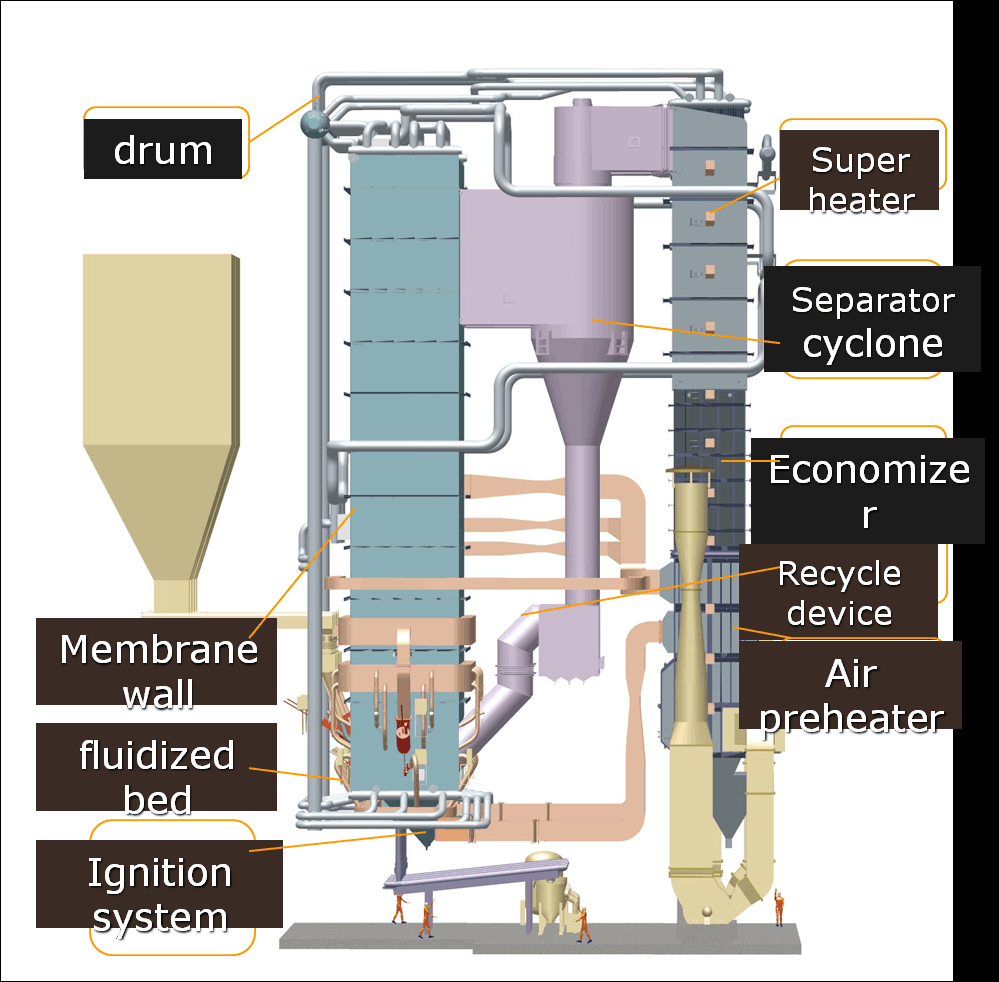
Watertube boilers are common in high-pressure and high-capacity service. They respond quickly to load changes and are used in process plants, power generation, chemical production, pulp and paper, and heavy industry. Because watertube boilers contain many tubes, headers, drums, and membrane walls, inspection should focus on tube thinning, overheating, deposits, corrosion fatigue, thermal stress, refractory, burners, sootblowers, economizers, superheaters, and drum internals.
Watertube boiler inspection frequency depends strongly on operating severity. A clean gas-fired watertube boiler in stable service may follow annual internal inspection, while a biomass, coal, waste-heat, or high-cycling boiler may require more frequent fireside inspection and outage checks.
| Watertube Inspection Area | Why It Matters | Recommended Frequency |
|---|---|---|
| Steam drum / mud drum | Water separation, sludge, corrosion | Annual outage inspection |
| Tubes and membrane walls | Overheating, erosion, corrosion | Annual or risk-based |
| Headers | Cracking, corrosion, flow distribution | Major outage / risk-based |
| Economizer | Fouling, corrosion, tube leaks | Annual or more often in dirty service |
| Superheater, if installed | Overheating and creep risk | Major outage / specialist inspection |
| Sootblowers | Heat-transfer maintenance | Monthly to quarterly checks |
| Burner and air system | Combustion stability | Monthly to quarterly |
| Safety and control system | Pressure and water-level protection | Monthly to annual testing program |
♨️ Low-Pressure Steam and Hot-Water Boilers
Low-pressure steam and hot-water boilers often serve heating, washing, sterilization, light process heating, commercial facilities, hospitals, schools, hotels, and smaller factories. Because they operate at lower pressure, some companies mistakenly treat them as low-risk. That is a mistake. Low-pressure boilers can still fail due to low water, corrosion, scale, fuel leakage, control failure, safety valve problems, or poor maintenance.
Inspection frequency may be less severe than high-pressure steam boilers, but the program should still include routine checks, safety-device testing, annual service, burner inspection, water treatment review, and certification as required. Hot-water boilers should also be checked for expansion tank condition, circulation pumps, pressure relief valves, air removal, flow switches, temperature controls, and corrosion.
| Boiler Type | Key Inspection Focus | Practical Frequency |
|---|---|---|
| Low-pressure steam boiler | Water level, low-water cutoff, pressure controls, burner, safety valve | Daily/weekly checks; annual service |
| Hot-water heating boiler | Temperature, pressure, flow, expansion tank, pumps, relief valve | Weekly/monthly checks; annual service |
| Condensing hot-water boiler | Condensate drain, heat exchanger, burner, venting, water chemistry | Monthly/annual depending on duty |
| Commercial heating boiler | Controls, pumps, combustion, safety relief devices | Seasonal startup plus annual inspection |
⚡ Electric Boilers
Electric boilers do not have burners, fuel trains, or flue gas systems, but they still require inspection and certification because they produce pressurized steam or hot water. Their risks include electrical hazards, pressure hazards, scaling, electrode or heating-element damage, control failure, low-water protection failure, contactor or switchgear overheating, and water conductivity problems.
Electric boiler inspection should include water level, pressure controls, safety valves, electrical panels, grounding, insulation condition, electrode condition, heating elements, contactors, control relays, water chemistry, and blowdown. Electrode boilers also require careful conductivity control because water chemistry affects current flow and steam output.
| Electric Boiler Item | What to Inspect | Frequency |
|---|---|---|
| Water level and pressure | Normal operating condition | Daily to weekly |
| Electrical cabinet | Heat, loose connections, contactors, alarms | Monthly to quarterly |
| Electrodes or elements | Wear, scale, damage | Quarterly to annual |
| Water conductivity | Output and safety control | Daily to weekly depending on design |
| Safety valves | Overpressure protection | Per authority and manufacturer |
| Internal inspection | Scale, corrosion, vessel condition | Annual or authority-defined |
| Certification | Legal operation | Jurisdiction-defined |
🛢️ Thermal Oil Heaters
Thermal oil heaters are not always classified the same way as steam boilers, but they still require serious inspection because they operate at high temperature. Risks include oil degradation, leakage, fire, pump failure, expansion tank problems, burner issues, coil overheating, insulation damage, and poor flow. Thermal oil systems should be inspected based on heater type, oil temperature, oil analysis, fuel type, and process criticality.
Oil analysis is especially important. Thermal fluid should be tested for viscosity, acidity, flash point, carbon residue, contamination, and degradation. A heater with degraded oil may experience fouling, poor heat transfer, pump stress, and fire risk.
| Thermal Oil Inspection Item | Why It Matters | Recommended Frequency |
|---|---|---|
| Oil level and temperature | Prevent overheating and pump damage | Daily |
| Circulation pump | Flow, vibration, seal leakage | Daily to weekly |
| Expansion tank | Level, venting, nitrogen blanket if used | Weekly to monthly |
| Burner and combustion | Efficiency and flame safety | Monthly to quarterly |
| Thermal oil analysis | Detect degradation and contamination | Quarterly to semiannual |
| Coil / heater inspection | Detect fouling and overheating | Annual |
| Safety interlocks | Low flow, high temperature, flame failure | Monthly to annual testing |
| Certification | If regulated as pressure or fired equipment | Authority-defined |
🪵 Biomass and Solid-Fuel Boilers
Biomass and solid-fuel boilers usually require more frequent fireside inspection than clean gas-fired boilers because ash, slag, fouling, clinker formation, fuel moisture, particulate loading, and grate wear can change quickly. Fuel variability is a major reason to inspect more often. A biomass boiler burning dry, consistent wood chips may operate more predictably than one burning mixed agricultural residue with high ash and moisture.
Daily inspection should include fuel feed, grate or bed condition, ash removal, combustion air, furnace temperature, smoke, emissions indicators, and abnormal noise. Monthly or quarterly inspection should include refractory, fuel conveyors, fans, dampers, sootblowers, ash handling, baghouse or dust collector condition, and safety systems. Internal pressure-part inspection should still be performed during annual or scheduled outages.
| [Biomass Boiler](https://coalbiomassboiler.com/product/biomass-boilers/) Area | Inspection Frequency | What to Check |
|---|---|---|
| Fuel feed system | Daily | Blockage, bridging, feed rate, moisture variation |
| Grate / bed | Daily to weekly | Clinker, ash buildup, uneven combustion |
| Ash handling | Daily to weekly | Blockage, leakage, hot ash risk |
| Refractory | Monthly to quarterly | Cracks, spalling, overheating |
| Heat-transfer surfaces | Monthly to annual depending on fouling | Ash, slag, soot, deposits |
| Dust collector / baghouse | Weekly to monthly | Differential pressure, bags, ash discharge |
| Combustion air fans | Monthly | Vibration, damper operation |
| Internal waterside inspection | Annual | Scale, corrosion, sludge |
| Certification | Authority-defined | Formal inspection and approval |
🌿 Biogas, Biomethane, and Dual-Fuel Boilers
Biogas and biomethane boilers require standard boiler inspection plus fuel-quality inspection. Biogas may contain moisture, hydrogen sulfide, siloxanes, carbon dioxide, and variable methane content. Poor gas cleaning can cause corrosion, deposits, burner instability, and emissions problems. Dual-fuel boilers also require inspection of both fuel trains, changeover logic, pressure regulators, shutoff valves, flame detection, and combustion tuning for each fuel.
| Inspection Area | Why It Matters | Recommended Frequency |
|---|---|---|
| Gas cleaning system | Prevent corrosion and deposits | Weekly to monthly |
| Moisture traps / condensate drains | Prevent water carryover into fuel train | Daily to weekly |
| Fuel pressure and methane content | Maintain stable combustion | Daily to weekly |
| Burner tuning for each fuel | Prevent poor combustion | Quarterly or after fuel changes |
| Fuel shutoff valves | Safety-critical | Per maintenance and authority schedule |
| Flame detection | Prevent unsafe firing | Monthly to annual testing |
| Internal boiler inspection | Scale/corrosion/fouling | Annual |
| Certification | Formal approval | Authority-defined |
♨️ Waste Heat Boilers and HRSGs
Waste heat boilers and heat recovery steam generators operate behind engines, turbines, incinerators, furnaces, kilns, or process exhaust systems. Inspection frequency depends on exhaust gas temperature, dust loading, sulfur content, cycling, thermal shock, and process contamination. Because the heat source may be variable, inspection should focus on tube erosion, thermal fatigue, economizer corrosion, gas-side fouling, expansion joints, casing leakage, bypass dampers, and steam/water-side condition.
| HRSG / Waste Heat Area | Inspection Concern | Practical Frequency |
|---|---|---|
| Gas inlet and casing | Hot spots, leakage, expansion issues | Monthly to quarterly visual checks |
| Tubes and fins | Fouling, erosion, corrosion | Annual or major outage |
| Economizer | Low-temperature corrosion and fouling | Annual |
| Bypass dampers | Control and safety | Quarterly |
| Steam drum | Water treatment and internals | Annual |
| Safety valves and controls | Overpressure and level protection | Per authority/manufacturer |
| Certification | Legal operation | Authority-defined |
Inspection Frequency Should Increase Under Severe Conditions
Boiler type is important, but service condition is just as important. A boiler may need more frequent inspection if it operates continuously, cycles heavily, uses dirty fuel, has poor water treatment, suffers frequent trips, has high makeup water, shows rising stack temperature, or has a history of tube leaks.
| Condition | Why More Inspection Is Needed |
|---|---|
| High makeup water | More oxygen and minerals enter the system, increasing corrosion and scale risk |
| Poor water treatment | Scale, pitting, foaming, and carryover may develop quickly |
| Biomass or solid fuel | Ash and fouling can accumulate faster |
| Heavy oil or poor-quality fuel | Soot and deposits may form on fireside surfaces |
| Frequent cycling | Thermal stress increases risk of fatigue and leakage |
| Repeated low-water alarms | Critical safety risk requiring root-cause review |
| Rising stack temperature | May indicate scale, soot, or heat-transfer loss |
| Repeated safety valve lifting | May damage valve seats and indicate pressure-control problems |
| Corrosive condensate | Can damage return lines and return iron to the boiler |
| Old boiler age | More attention needed for thinning, cracking, and fatigue |
| Recent repair or alteration | Follow-up inspection may be required |
📋 Practical Annual Boiler Certification Preparation Checklist
Before a formal certification inspection, companies should prepare the boiler properly. Poor preparation can delay certification, extend downtime, or create repeat inspection costs.
| Preparation Task | Purpose |
|---|---|
| Review previous inspection report | Confirm all past defects were corrected |
| Clean waterside surfaces | Allow inspector to see scale, corrosion, pitting, sludge |
| Clean fireside surfaces | Allow inspection of tubes, furnace, refractory, flues |
| Open manholes, handholes, and inspection doors | Provide access for internal inspection |
| Prepare safety valve records | Show service/testing history |
| Prepare water treatment records | Prove chemistry control |
| Prepare repair records | Document qualified repairs or alterations |
| Check pressure gauges and controls | Confirm accurate indication and safety response |
| Inspect low-water cutoff | Verify critical safety protection |
| Inspect burner and fuel train | Confirm safe combustion system condition |
| Check blowdown valves | Confirm sludge and TDS control |
| Prepare operator logs | Show operating history and abnormal events |
| Arrange qualified personnel | Support opening, cleaning, testing, and reassembly |
Daily, Monthly, Quarterly, and Annual Inspection Plan
A good boiler program uses layered inspection. Daily checks catch obvious operating problems. Monthly checks confirm safety-device condition. Quarterly inspections detect developing maintenance issues. Annual inspection confirms internal condition and certification readiness.
| Frequency | Inspection Scope | Examples |
|---|---|---|
| Every shift / daily | Operating condition | Pressure, water level, flame, alarms, feedwater, leaks, fuel pressure |
| Weekly | Safety and reliability checks | Low-water cutoff test where applicable, blowdown, pump checks |
| Monthly | Mechanical and control inspection | Burner, valves, gauges, interlocks, combustion air, pumps |
| Quarterly | Preventive maintenance | Combustion test, water treatment review, controls, vibration, safety devices |
| Semiannual | Deeper service review | Burner service, refractory inspection, economizer inspection, trap survey |
| Annual | Internal/external inspection | Waterside, fireside, safety valves, controls, certification inspection |
| Major outage | Advanced inspection | NDE, tube thickness, refractory repair, pressure-part inspection |
What Inspectors Usually Look For
A formal boiler inspector or qualified service engineer will usually focus on pressure integrity, safety devices, combustion safety, water-side condition, fire-side condition, controls, installation condition, and documentation. The purpose is to determine whether the boiler is safe for continued operation.
| Inspection Category | Typical Findings |
|---|---|
| Pressure parts | Corrosion, cracks, bulging, thinning, leakage |
| Tubes | Scale, pitting, overheating, erosion, leaks |
| Shell/drums | Corrosion, sludge, deposits, cracking |
| Safety valves | Leakage, wrong set pressure, poor discharge piping |
| Water level devices | Blockage, faulty gauge glass, transmitter errors |
| Low-water cutoff | Failure to trip or poor maintenance |
| Burner system | Poor combustion, fuel leakage, flame safeguard fault |
| Controls | Incorrect setpoints, poor calibration, unsafe bypasses |
| Refractory | Cracks, spalling, overheating |
| Piping | Leaks, poor support, corrosion, expansion stress |
| Blowdown system | Valve leakage, blockage, unsafe discharge |
| Records | Missing logs, repair documents, water treatment records |
Common Mistakes Companies Should Avoid
One common mistake is assuming that certification equals complete reliability. Certification confirms legal fitness at the inspection point, but it does not replace daily operation and maintenance. Another mistake is using the same inspection interval for all boilers. A biomass boiler, high-pressure steam boiler, thermal oil heater, and hot-water heating boiler have different risks. A third mistake is ignoring water treatment until annual inspection. Scale and corrosion can develop long before the inspector arrives. A fourth mistake is delaying repairs to safety valves, low-water cutoffs, pressure controls, and burner interlocks. These devices protect people and equipment.
Another major mistake is failing to keep records. Boiler logs, water treatment results, safety valve service reports, combustion test reports, repair records, and previous inspection findings help inspectors and service engineers understand the boiler’s true condition. Without records, the company loses evidence of safe operation and may face longer downtime during certification.
Final Summary
Industrial boilers should be inspected and certified according to boiler type, pressure level, service condition, fuel, water treatment quality, operating history, manufacturer instructions, insurer requirements, and local authority rules. High-pressure steam and watertube boilers usually need the strictest inspection program, with frequent operator checks, regular safety testing, annual internal inspection, and formal certification. Firetube boilers typically need annual waterside and fireside inspection. Low-pressure steam and hot-water boilers still require routine checks and certification even though they operate at lower pressure. Electric boilers require pressure and electrical inspection. Thermal oil heaters require heater inspection plus thermal fluid analysis. Biomass and solid-fuel boilers often need more frequent fireside inspection because of ash and fouling. Biogas and dual-fuel boilers require additional fuel-quality and gas-train checks.
The safest approach is to treat regulatory certification as the minimum requirement and build a stronger internal inspection program around real operating risk. If the boiler has poor water quality, high makeup water, dirty fuel, frequent cycling, repeated alarms, tube leaks, rising stack temperature, or safety valve problems, increase inspection frequency immediately and perform root-cause analysis.
How Often Should Industrial Boilers Be Inspected and Certified Under Local Regulations?
Industrial boiler inspection deadlines are easy to underestimate until a certificate expires, an inspector finds a serious defect, or production must stop because the boiler is no longer legally approved to operate. This creates safety risk, compliance risk, insurance risk, and costly downtime. The practical solution is to manage boiler inspection and certification as a structured compliance program: confirm the local authority requirements, classify the boiler type and pressure, follow the manufacturer’s maintenance schedule, keep operating records, prepare for formal inspection early, and inspect more frequently when operating conditions are severe.
Industrial boilers should be inspected and certified according to the local boiler authority, pressure vessel law, insurance requirements, boiler type, pressure class, fuel, and service condition. Many jurisdictions require formal inspection annually or every one to two years depending on the equipment, but some systems are governed by a written scheme of examination or risk-based schedule instead of one universal interval. Companies should treat local certification as the legal minimum and add routine operator checks, monthly safety checks, quarterly preventive inspections, annual internal inspection, water treatment review, combustion testing, and safety valve verification to keep the boiler safe between certifications.
Because local regulations differ by country, state, province, city, industry, and pressure category, no responsible supplier should give one universal certification interval for every industrial boiler. For example, some U.S. local authorities require annual boiler inspections, New York City uses an annual boiler inspection cycle, Maryland describes annual or biennial inspection depending on equipment type, the U.K. system requires examination according to a Written Scheme of Examination under pressure system rules, Singapore requires regular examinations by an Authorised Examiner or authorised boiler inspector, and Ontario requires inspection to obtain a Certificate of Inspection through the applicable provincial process.
A valid boiler certificate always means the boiler can be ignored until the next official inspection.False
A certificate confirms regulatory approval at a point in time, but safe operation still requires daily checks, maintenance inspections, water treatment control, burner service, safety-device testing, and proper records.
Industrial boiler certification intervals depend on local regulations, equipment classification, pressure, fuel, operating condition, and inspection authority requirements.True
Boiler laws and certification rules vary by jurisdiction and equipment type, so owners must confirm the applicable local inspection and certificate requirements before operation.
⚠️ Certification Is a Legal Requirement; Inspection Is a Safety Program
The first thing companies must understand is the difference between certification and inspection. Certification is the formal legal approval that allows the boiler to operate under a jurisdiction, insurer, or inspection authority. Inspection is broader. It includes operator checks, service inspections, combustion testing, water chemistry review, internal inspection, external inspection, nondestructive testing, safety valve service, and preventive maintenance.
A company may pass a formal certification inspection but still operate inefficiently or unsafely if routine maintenance is weak. For example, scale can form after certification if water treatment fails. A burner can drift out of adjustment. A low-water cutoff can become blocked. A safety valve can start leaking. A feedwater pump can begin cavitating. Therefore, the safest approach is to treat certification as the minimum legal gate and internal inspection as the continuous safety system.
| Compliance Layer | Typical Responsible Party | Main Purpose |
|---|---|---|
| 👁️ Daily operator check | Boiler operator | Detect abnormal pressure, water level, flame, leakage, alarms |
| 🔧 Preventive inspection | Maintenance team / service engineer | Check burner, pumps, valves, controls, instruments |
| 🧪 Water treatment review | Water treatment technician / operator | Prevent scale, corrosion, foaming, carryover |
| 🔥 Combustion inspection | Burner technician | Verify air-fuel ratio, flame stability, O₂, stack temperature |
| 🛡️ Safety-device inspection | Qualified technician / inspector | Confirm safety valves, low-water cutoffs, interlocks |
| 📋 Certification inspection | Authorized inspector / local authority / insurer | Confirm legal fitness for operation |
How Often Should Boilers Be Certified Under Local Regulations?
The correct answer is: as often as the local authority requires for that boiler classification. Some regions define inspection intervals by boiler type, pressure, heating surface, service category, public occupancy, fuel type, or risk level. Others require a written examination scheme prepared by a competent person. Some insurers may require more frequent inspections than the law. Some local authorities may also require inspection before first use, after relocation, after repair, after alteration, or after an extended shutdown.
A practical compliance manager should confirm these five items before setting the schedule:
| Item to Confirm | Why It Matters |
|---|---|
| Local jurisdiction | Boiler rules may differ by country, province, state, city, or industrial zone |
| Boiler classification | High-pressure steam, low-pressure steam, hot water, thermal oil, electric, biomass, etc. may have different rules |
| Certificate validity | Determines legal operating period before renewal |
| Authorized inspector requirement | Some inspections must be done by government, insurer, or approved third-party inspector |
| Special event inspections | Repairs, alterations, relocation, incidents, or ownership changes may trigger extra inspection |
Practical Baseline Inspection Schedule
The following table is a practical operating baseline, not a substitute for local law. It helps companies build a strong internal program around the official certification requirement.
| Frequency | Practical Inspection Scope | Why It Matters |
|---|---|---|
| Every shift / daily | Water level, pressure, flame, alarms, feedwater, leaks, fuel pressure | Detects immediate operating hazards |
| Weekly | Low-water cutoff check where allowed, blowdown, pump status, visible safety valve condition | Confirms critical protective functions |
| Monthly | Burner, fuel train, pumps, valves, gauges, controls, combustion air, alarm history | Finds developing mechanical and control faults |
| Quarterly | Combustion test, water treatment review, control calibration, vibration, safety interlocks | Prevents efficiency loss and unsafe drift |
| Semiannual | Deeper service inspection, economizer check, trap survey, refractory review | Prepares for annual inspection and reduces downtime |
| Annual | Internal and external boiler inspection, waterside/fireside cleaning, safety valve records | Common best-practice interval for many industrial boilers |
| Per local law | Formal certification inspection | Required for legal operation |
| After repair/alteration | Authorized reinspection where required | Confirms safe return to service |
Recommended Inspection Focus by Boiler Type
Different boilers have different risks. Local regulations may set the legal interval, but the boiler type should shape the maintenance inspection plan.
| Boiler Type | Higher-Risk Areas | Practical Inspection Focus |
|---|---|---|
| 🔥 High-pressure steam boiler | Stored energy, tube failure, low-water risk | Daily checks, strict water treatment, annual internal inspection, certified inspection |
| 🚂 Firetube boiler | Tube sheet stress, furnace overheating, scale, soot | Annual waterside/fireside opening, burner inspection, safety valve records |
| 🏭 Watertube boiler | Tube thinning, drum deposits, header cracking, thermal fatigue | Outage inspection, NDE where needed, water chemistry, refractory, sootblowers |
| ♨️ Low-pressure steam boiler | Low-water cutoff failure, corrosion, pressure control | Operator checks, annual service, certification as required |
| 💧 Hot-water boiler | Relief valve, expansion tank, circulation, corrosion | Annual service, pump/flow checks, pressure/temperature controls |
| ⚡ Electric boiler | Electrical hazards, scaling, electrode/element wear | Electrical inspection, water conductivity, safety valve, pressure controls |
| 🪵 Biomass boiler | Ash, slagging, fuel feed, particulate control | Frequent fireside checks, fuel handling, ash removal, refractory inspection |
| 🌿 Biogas boiler | Fuel impurities, moisture, H₂S, burner instability | Gas cleaning, condensate drains, fuel quality, flame safety |
| 🛢️ Thermal oil heater | Oil degradation, overheating, leakage, fire risk | Thermal oil analysis, coil inspection, pump flow, burner safety |
| ♨️ Waste heat boiler / HRSG | Erosion, fouling, thermal cycling, economizer corrosion | Tube inspection, gas-side cleaning, bypass dampers, drum inspection |
What Local Inspectors Commonly Require
Although the exact regulation changes by location, formal boiler inspections usually focus on pressure integrity, safety controls, installation condition, operating records, and maintenance evidence. Inspectors often review whether the boiler is safe to continue operating, whether previous defects were corrected, and whether the owner has maintained the boiler responsibly.
| Inspection Area | What Inspectors May Check |
|---|---|
| Pressure vessel condition | Corrosion, pitting, cracking, bulging, leakage, tube thinning |
| Safety valves | Correct capacity, service records, leakage, discharge piping |
| Water level protection | Gauge glass, low-water cutoff, level transmitter, blowdown connection |
| Burner and fuel train | Flame safeguard, shutoff valves, combustion safety, fuel leakage |
| Controls and instruments | Pressure controls, temperature controls, gauges, alarms, interlocks |
| Waterside condition | Scale, sludge, corrosion, oxygen pitting, water treatment evidence |
| Fireside condition | Soot, ash, refractory damage, furnace condition, flue gas path |
| Piping and supports | Expansion, leaks, vibration, insulation, blowdown discharge |
| Records | Operating logs, repair records, inspection reports, water chemistry data |
| Repairs and alterations | Whether approved procedures and qualified personnel were used |
How to Prepare for Certification Renewal
Certification delays often happen because the boiler is not ready for inspection. A company should prepare before the certificate deadline, not during the final week. Cleaning, opening, cooling, draining, isolating, testing, documentation, and reassembly all require planning.
| Preparation Task | Purpose |
|---|---|
| Review previous inspection report | Confirm old defects were corrected |
| Confirm certificate expiry date | Avoid illegal operation or emergency shutdown |
| Schedule authorized inspector early | Prevent last-minute inspection delays |
| Clean waterside surfaces | Allow proper inspection of scale, corrosion, sludge |
| Clean fireside surfaces | Allow inspection of furnace, tubes, refractory, flue passages |
| Open manholes and handholes | Provide access for internal inspection |
| Prepare safety valve records | Show test/service history |
| Prepare water treatment records | Prove chemistry control |
| Prepare repair documentation | Show qualified repair and alteration records |
| Check low-water cutoff and controls | Confirm critical safety function |
| Verify pressure gauge calibration | Support accurate pressure indication |
| Inspect burner and fuel train | Prevent combustion safety findings |
| Arrange maintenance staff | Support inspector access and corrective action |
When Boilers Need More Frequent Inspection Than the Minimum
Local law may define the minimum, but real operating conditions may require more frequent inspection. If a boiler shows repeated problems, waiting until the next certificate renewal is poor risk management.
| Condition | Why Inspection Frequency Should Increase |
|---|---|
| High makeup water | More oxygen and minerals enter the system, increasing corrosion and scale risk |
| Poor water treatment | Scale, pitting, foaming, and carryover may develop quickly |
| Rising stack temperature | May indicate scale, soot, or heat-transfer loss |
| Repeated burner lockouts | May indicate fuel, air, flame detection, or control problems |
| Safety valve lifting or leakage | May indicate pressure-control problems or valve damage |
| Low-water alarms | Critical safety risk requiring root-cause investigation |
| Biomass or dirty fuel | Ash and fouling can accumulate quickly |
| Heavy cycling | Thermal fatigue and gasket leakage risk increase |
| Tube leaks or pressure-part repairs | Follow-up inspection may be required |
| Old boiler age | Higher risk of thinning, corrosion, fatigue, and outdated controls |
| Change of fuel | Burner, emissions, and safety systems must be revalidated |
| Major repair or alteration | Formal reinspection may be legally required |
Local Regulation Compliance Checklist
A company can use the checklist below to build a practical boiler compliance file.
| Compliance Question | Required Action |
|---|---|
| Which authority regulates our boiler? | Identify local boiler department, pressure vessel authority, insurer, or approved inspection body |
| What is the boiler classification? | Confirm pressure, temperature, volume, heating surface, fuel, and service type |
| What certificate is required? | Determine certificate type, validity period, and renewal process |
| Who may inspect it? | Confirm whether inspector must be government, insurer, authorized examiner, or competent person |
| Are internal and external inspections required? | Schedule outage and access preparation |
| Are safety valves required to be tested or serviced? | Keep records and use qualified service providers |
| Are repairs and alterations regulated? | Use approved repair procedures and document all work |
| Are operating logs required? | Maintain daily pressure, water level, fuel, water treatment, and alarm records |
| Are emissions tests required? | Coordinate combustion and environmental compliance testing |
| What happens if the certificate expires? | Plan renewal early to avoid forced shutdown |
Common Mistakes Companies Should Avoid
One common mistake is assuming that the same inspection interval applies everywhere. It does not. A boiler in one city may need annual inspection, while another jurisdiction may classify the same equipment differently. Another mistake is assuming that a low-pressure boiler is not dangerous. Low-pressure boilers still require water level protection, safety valves, pressure controls, burner safety, and maintenance. A third mistake is preparing only for the inspector, rather than maintaining the boiler throughout the year. A fourth mistake is failing to document water treatment, repairs, safety valve service, and operator checks. Without records, it becomes harder to prove responsible operation.
Another major mistake is ignoring insurer requirements. In many plants, the insurance inspector is as important as the government inspector. If the insurer requires specific inspection records, safety valve documentation, or repair evidence, failure to comply may create insurance and liability problems even if the local certificate is still valid.
Final Summary
Industrial boilers should be inspected and certified under local regulations according to the exact jurisdiction, boiler classification, pressure level, fuel, service condition, and inspection authority requirements. Many locations require annual or one-to-two-year inspection cycles, but others use written examination schemes, insurer-led inspections, or risk-based rules. The only safe answer is to confirm the applicable local regulation before operation and then build an internal inspection program that exceeds the minimum where risk justifies it.
A practical company should perform daily operator checks, weekly safety checks where appropriate, monthly preventive inspections, quarterly combustion and water treatment reviews, annual internal and external inspections, and formal certification renewal according to local law. High-pressure steam boilers, watertube boilers, biomass boilers, thermal oil heaters, biogas boilers, and older or severe-service boilers usually require closer attention than lightly loaded hot-water systems. Certification keeps the boiler legally approved; routine inspection keeps it safe, efficient, and reliable between certificates.
How Often Should Industrial Boilers Be Inspected and Certified for Internal and External Safety Checks?
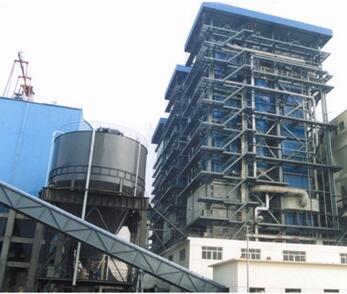
Industrial boiler safety problems often begin long before a visible failure occurs. Scale may form inside the boiler, corrosion may thin pressure parts, burner controls may drift, safety valves may leak, low-water devices may become unreliable, and external piping may weaken through vibration or thermal stress. If internal and external safety checks are performed only when the certificate is about to expire, the plant may face shutdown, repair delays, insurance issues, or serious safety hazards. The practical solution is to separate routine external checks, formal external inspections, internal shutdown inspections, safety-device testing, and legal certification into a clear inspection calendar based on boiler type, pressure, fuel, duty, age, water treatment, and local authority requirements.
Industrial boilers should receive external safety checks daily or every shift by operators, more detailed external inspections monthly to quarterly by maintenance personnel, and formal external inspection at least annually or according to local regulation. Internal safety checks usually require shutdown, cooling, draining, opening, cleaning, and inspection; for high-pressure steam boilers, internal inspection is commonly performed annually or during major scheduled outages, while lower-risk hot-water or low-pressure boilers may follow longer intervals if allowed by local rules and operating condition. Certification must follow the local boiler authority, insurer, and applicable pressure-equipment regulations, but companies should treat legal certification as the minimum and inspect more often when risk is high.
A good inspection program should not ask only, “When is the next certificate due?” It should ask, “What can fail before the next certificate?” External checks protect the boiler while it is operating. Internal checks reveal hidden pressure-part damage that cannot be seen from outside. Certification confirms legal fitness for continued service. Together, these layers create a practical safety system for industrial steam boilers, hot-water boilers, firetube boilers, watertube boilers, electric boilers, biomass boilers, biogas boilers, thermal oil heaters, and waste heat boilers.
External boiler safety checks can replace internal inspections because operators can see the boiler while it is running.False
External checks are essential for operating safety, but they cannot fully reveal internal scale, corrosion, sludge, pitting, tube thinning, or waterside damage. Internal inspection is still required according to boiler condition and local rules.
Internal and external boiler inspections should be scheduled according to boiler type, pressure, service severity, fuel, water treatment quality, operating history, manufacturer requirements, insurer rules, and local certification regulations.True
Different boilers have different safety risks, so inspection frequency should be based on legal requirements and actual operating risk rather than one universal interval.
⚠️ Internal vs. External Boiler Safety Checks: What Is the Difference?
Internal and external safety checks serve different purposes. An external safety check is performed while the boiler is assembled and often while it is operating or available for operation. It focuses on visible condition, operating behavior, pressure, water level, burner status, safety valves, controls, pumps, leaks, alarms, gauges, piping, insulation, flame condition, and general safety. External checks are frequent because they catch active operating problems.
An internal safety check requires the boiler to be safely shut down, isolated, cooled, drained, opened, ventilated, cleaned, and inspected. Internal inspection focuses on pressure-part condition, waterside surfaces, fireside surfaces, tube condition, shell or drum condition, headers, handholes, manholes, mud drums, furnace, refractory, scale, corrosion, sludge, pitting, cracking, erosion, overheating, and deposit formation. Internal checks are less frequent because they require outage time, but they are essential because many dangerous problems are hidden inside the boiler.
| Inspection Type | When It Happens | Main Purpose | Typical Findings |
|---|---|---|---|
| 👁️ Routine external check | Every shift, daily, or weekly | Confirm safe operation | Low water, high pressure, leaks, abnormal flame, alarms |
| 🔧 Detailed external inspection | Monthly to quarterly | Find developing maintenance issues | Burner drift, pump vibration, valve leakage, control faults |
| 📋 Formal external inspection | Usually annual or authority-defined | Confirm operating safety and compliance | Safety device condition, records, controls, visible defects |
| 🧪 Internal waterside inspection | Annual, outage-based, or regulation-defined | Detect hidden water-side damage | Scale, corrosion, sludge, pitting, tube deposits |
| 🔥 Internal fireside inspection | Annual or more often for dirty fuels | Detect combustion-side damage | Soot, ash, refractory damage, overheating, erosion |
| 🛡️ Certification inspection | Local authority or insurer schedule | Legal approval for operation | Fitness for continued service and documentation review |
Recommended Frequency for Internal and External Boiler Safety Checks
The exact legal certification interval must always be confirmed with the local boiler authority, insurer, and applicable code. However, the following practical schedule is a strong baseline for industrial boiler management.
| Check Type | Practical Frequency | Who Usually Performs It | What It Covers |
|---|---|---|---|
| Operator external check | Every shift or daily | Boiler operator | Pressure, water level, flame, alarms, fuel, feedwater, leaks |
| Weekly safety check | Weekly | Operator / maintenance | Blowdown, low-water device checks where allowed, pumps, visible valves |
| Monthly external inspection | Monthly | Maintenance technician | Burner, fuel train, controls, gauges, valves, pumps, piping |
| Quarterly preventive inspection | Quarterly | Service engineer / maintenance team | Combustion, safety interlocks, water treatment, vibration, control response |
| Semiannual service inspection | Every 6 months | Boiler service team | Burner service, economizer, traps, refractory, instrumentation |
| Annual external inspection | Annually or regulation-defined | Authorized inspector / insurer / qualified person | Visible condition, safety devices, records, controls |
| Annual internal inspection | Commonly annually for high-pressure and industrial steam boilers | Authorized inspector / qualified boiler technician | Waterside, fireside, tubes, drums/shell, deposits, corrosion |
| Major outage inspection | During planned shutdown | Inspector / specialist contractor | NDE, thickness testing, tube inspection, refractory repair |
| Post-repair inspection | After major repair, alteration, overheating, tube leak, or incident | Authorized inspector where required | Confirms safe return to service |
🔥 High-Pressure Steam Boilers: Usually Require the Strictest Schedule
High-pressure steam boilers should have the most disciplined internal and external safety-check program because they operate with high stored energy and often support critical industrial production. A practical plan includes external operator checks every shift, formal external inspections at least annually or as required, and internal inspection during annual or major scheduled outages. Severe-service high-pressure boilers may need more frequent internal or partial inspections.
For high-pressure boilers, internal checks should examine the steam drum, mud drum, tubes, headers, tube ends, handholes, manholes, furnace, refractory, economizer, superheater if installed, blowdown connections, feedwater inlet areas, and areas exposed to high heat flux. External checks should focus on pressure controls, water level devices, safety valves, burner management system, feedwater pumps, deaerator, fuel train, flame safeguards, alarms, and pipe supports.
| High-Pressure Boiler Check | Suggested Frequency | Safety Purpose |
|---|---|---|
| Operator external check | Every shift | Detect immediate pressure, water level, flame, or leak hazards |
| Water level device check | Daily to weekly depending on procedure | Prevent low-water damage |
| Water treatment test | Daily to weekly | Prevent scale, corrosion, foaming, carryover |
| Burner and combustion review | Monthly to quarterly | Prevent unstable combustion and efficiency loss |
| External safety inspection | Quarterly internally; formal annually or regulation-defined | Confirm controls, valves, piping, and visible condition |
| Internal inspection | Commonly annual or outage-based | Detect scale, corrosion, pitting, tube damage |
| Safety valve verification | Per local rule and service plan | Confirm overpressure protection |
| Certification | Authority-defined | Maintain legal operating approval |
🚂 Firetube Boilers: Internal and Fireside Inspection Are Critical
Firetube boilers are common in industrial steam applications. Their inspection program should include frequent external checks and annual internal/fireside inspection in most industrial service. Firetube boiler internal inspection is especially important because scale on the waterside can cause furnace overheating, tube damage, and poor efficiency. Fireside inspection is also important because soot, oil residue, refractory damage, and burner misalignment can increase stack temperature and reduce boiler life.
During internal inspection, inspectors should check the shell, furnace, tube sheets, tubes, staybolts where applicable, handholes, manholes, waterside deposits, sludge, pitting, gasket surfaces, and blowdown areas. Fireside inspection should check the furnace, reversal chamber, firetubes, refractory, burner throat, flue passages, and signs of overheating.
| Firetube Boiler Area | External Check Frequency | Internal/Fireside Check Frequency |
|---|---|---|
| Water level and pressure | Daily | Annual verification during outage |
| Burner and fuel train | Monthly to quarterly | Annual burner opening/service |
| Safety valves | Visual routine checks | Formal test/service per rule |
| Tube sheets and tube ends | Not fully visible externally | Annual internal/fireside inspection |
| Furnace and refractory | External signs monthly | Annual fireside inspection |
| Waterside scale/corrosion | Not visible externally | Annual internal inspection |
| Blowdown valves | Weekly/monthly | Annual internal connection inspection |
🏭 Watertube Boilers: Inspect Based on Pressure, Load, and Service Severity
Watertube boilers often operate at higher pressure and larger capacity. Their inspection frequency should be based on duty, fuel, water chemistry, cycling, load swings, and tube failure history. External checks should be frequent because watertube boilers respond quickly to changing conditions. Internal inspection should focus on drums, headers, tubes, membrane walls, economizers, superheaters, refractory, burners, sootblowers, and areas of high heat flux.
A clean gas-fired watertube boiler in stable service may follow annual internal inspection, while biomass, coal, waste-heat, or high-cycling watertube boilers may need more frequent fireside checks and risk-based tube assessment.
| Watertube Boiler Check | Recommended Frequency | Key Concern |
|---|---|---|
| External operating check | Every shift | Pressure, level, flame, alarms, feedwater |
| Burner and draft inspection | Monthly to quarterly | Combustion stability and furnace pressure |
| Drum water chemistry review | Daily to weekly | Scale, corrosion, carryover prevention |
| Economizer inspection | Annual or more often in dirty service | Fouling, corrosion, tube leakage |
| Tube inspection | Annual or outage-based | Overheating, erosion, corrosion, thinning |
| Header inspection | Major outage / risk-based | Cracking, corrosion, flow distribution |
| Safety valve and interlock review | Per rule and maintenance plan | Overpressure and low-water protection |
| Certification | Local requirement | Legal fitness for continued operation |
♨️ Low-Pressure Steam and Hot-Water Boilers
Low-pressure boilers may have less severe legal requirements than high-pressure steam boilers in some locations, but they still require regular internal and external safety checks. Many failures in low-pressure boilers come from poor water treatment, low-water cutoff failure, corrosion, pressure control failure, burner problems, relief valve leakage, circulation problems, and neglected annual service.
Low-pressure steam boilers should receive daily or weekly external checks depending on duty, monthly preventive checks, and annual service/internal inspection as required. Hot-water boilers should be checked for pressure, temperature, flow, expansion tank condition, relief valve, pumps, corrosion, air removal, and water quality. Internal inspection frequency may vary by local rules and equipment design, but annual service is still a practical minimum for most industrial and commercial systems.
| Boiler Type | External Safety Checks | Internal / Detailed Inspection |
|---|---|---|
| Low-pressure steam boiler | Daily to weekly | Annually or regulation-defined |
| Hot-water heating boiler | Weekly to monthly; daily in critical service | Annual service; internal interval by design/rule |
| Condensing hot-water boiler | Monthly operating review | Annual heat exchanger and condensate system inspection |
| Commercial/industrial heating boiler | Weekly/monthly | Annual service and certification if required |
⚡ Electric Boilers
Electric boilers do not have combustion systems, but they still operate under pressure and may involve high electrical energy. External safety checks should include water level, pressure, safety valve condition, electrical panel alarms, contactors, controls, pump operation, and water conductivity where applicable. Internal checks should inspect electrodes or heating elements, scale, corrosion, vessel condition, wiring penetrations, and internal components.
| Electric Boiler Check | Frequency | Purpose |
|---|---|---|
| External operating check | Daily to weekly | Confirm pressure, water level, alarms |
| Electrical cabinet inspection | Monthly to quarterly | Detect overheating, loose connections, contactor wear |
| Conductivity check | Daily to weekly for electrode boilers | Maintain stable and safe steam output |
| Safety valve inspection | Per rule and service plan | Confirm overpressure protection |
| Internal vessel inspection | Annual or regulation-defined | Detect scale, corrosion, electrode/element damage |
| Certification | Local authority-defined | Maintain legal approval |
🪵 Biomass and Solid-Fuel Boilers
Biomass and solid-fuel boilers often need more frequent external and fireside safety checks than clean gas-fired boilers because ash, slag, clinker, fuel moisture, fuel size variation, particulate loading, and refractory wear can change rapidly. External checks should be performed every shift or daily. Fireside checks may be weekly, monthly, quarterly, or annual depending on fuel quality and fouling rate. Internal waterside inspection should still be performed during annual or scheduled outages.
| Biomass Boiler Check | Suggested Frequency | Reason |
|---|---|---|
| Fuel feed and grate/bed check | Every shift/daily | Prevent fuel blockage and uneven combustion |
| Ash removal check | Daily/weekly | Prevent buildup and hot ash hazards |
| Combustion air and fan check | Weekly/monthly | Maintain stable firing |
| Refractory visual inspection | Monthly/quarterly | Detect cracks, spalling, overheating |
| Fireside cleaning/inspection | Monthly to annual depending on ash | Prevent fouling and efficiency loss |
| Waterside internal inspection | Annual or regulation-defined | Detect scale, corrosion, sludge |
| Dust collector/baghouse inspection | Weekly/monthly | Maintain emissions control and draft |
| Certification | Local requirement | Legal operation |
🌿 Biogas, Biomethane, and Dual-Fuel Boilers
Biogas and dual-fuel boilers need standard boiler safety checks plus fuel-quality and gas-treatment inspections. Untreated or poorly conditioned biogas can contain moisture, hydrogen sulfide, siloxanes, and variable methane content. These can cause corrosion, deposits, flame instability, and emissions problems. External inspection should include gas treatment skid, condensate drains, fuel pressure, flame signal, burner tuning, fuel changeover logic, and gas shutoff valves.
| Inspection Area | Frequency | Safety Purpose |
|---|---|---|
| Fuel pressure and gas quality | Daily to weekly | Maintain stable combustion |
| Moisture drains and filters | Daily to weekly | Prevent water carryover |
| Gas cleaning system | Weekly/monthly | Reduce corrosion and deposits |
| Burner tuning for each fuel | Quarterly or after fuel changes | Maintain safe combustion |
| Fuel shutoff valves and interlocks | Per maintenance plan | Prevent unsafe fuel release |
| Internal boiler inspection | Annual or regulation-defined | Detect water-side and fire-side damage |
| Certification | Local authority-defined | Maintain legal operation |
🛢️ Thermal Oil Heaters
Thermal oil heaters may not always follow the same certification rules as steam boilers, but they require serious internal and external safety checks because they operate at high temperature. External checks should include oil temperature, flow, expansion tank, pump condition, burner flame, leakage, insulation, and safety interlocks. Internal or detailed inspection should include heater coil condition, refractory, burner chamber, oil degradation, fouling, and thermal fluid analysis.
| Thermal Oil Heater Check | Frequency | Main Risk Controlled |
|---|---|---|
| Operating temperature and flow | Daily | Prevent overheating |
| Pump vibration and seal condition | Daily/weekly | Prevent oil leakage and poor circulation |
| Expansion tank level | Weekly/monthly | Maintain safe expansion volume |
| Burner safety check | Monthly/quarterly | Prevent combustion hazards |
| Thermal oil analysis | Quarterly/semiannual | Detect degradation and contamination |
| Heater coil inspection | Annual/outage-based | Detect fouling, overheating, leakage |
| Safety interlock testing | Monthly to annual | Confirm shutdown protection |
| Certification | If required locally | Legal compliance |
What External Safety Checks Should Include
External safety checks should be performed much more frequently than internal inspections because they do not require opening the boiler. Operators and maintenance teams should document findings in boiler logs.
| External Check Item | What to Look For | Frequency |
|---|---|---|
| Pressure gauge | Normal pressure, stable reading, no unusual fluctuation | Every shift/daily |
| Water level gauge | Correct level, clear gauge glass, no blockage signs | Every shift/daily |
| Burner flame | Stable flame, no rumbling, smoke, lockouts | Every shift/daily |
| Safety valves | No leakage, clear discharge path, no unauthorized modifications | Daily visual / formal per rule |
| Feedwater pump | Pressure, noise, vibration, leakage | Daily/weekly |
| Fuel train | Fuel pressure, valve status, no leakage | Daily/monthly |
| Blowdown system | Valve condition, safe discharge, no leakage | Weekly/monthly |
| Piping and supports | Leaks, vibration, expansion stress, insulation damage | Weekly/monthly |
| Control panel | Alarms, interlocks, trend history | Daily/monthly |
| Combustion data | O₂, stack temperature, fuel use where available | Monthly/quarterly |
| Water treatment | Conductivity, pH, hardness, chemical residuals | Daily/weekly |
| Housekeeping | Clear access, no combustible storage, ventilation clear | Daily/weekly |
What Internal Safety Checks Should Include
Internal inspection must be planned carefully because it requires safe shutdown and access. The boiler should be isolated from steam, fuel, feedwater, blowdown, electrical, and control energy as required. It should be cooled, drained, opened, ventilated, cleaned, and tested for safe entry where applicable.
| Internal Check Area | What to Inspect |
|---|---|
| Waterside surfaces | Scale, sludge, corrosion, pitting, oil contamination |
| Tubes | Deposits, thinning, bulging, leaks, overheating signs |
| Shell or drums | Corrosion, cracking, sludge accumulation, weld condition |
| Tube sheets | Leakage, cracking, corrosion, tube-end condition |
| Headers | Corrosion, cracking, flow restriction |
| Mud drum / lower areas | Sludge, sediment, poor blowdown evidence |
| Handholes and manholes | Gasket surfaces, corrosion, sealing damage |
| Furnace and refractory | Cracks, spalling, overheating, burner impingement |
| Firetubes / gas passes | Soot, ash, erosion, blockage |
| Economizer | Fouling, corrosion, tube leakage |
| Blowdown connections | Blockage, erosion, valve condition |
| Feedwater inlet area | Thermal shock, oxygen corrosion, impingement damage |
When Internal Inspection Should Be Done Earlier Than Scheduled
Do not wait for the annual shutdown if the boiler shows signs of serious internal risk. Early inspection may be needed when operating evidence suggests hidden damage.
| Warning Sign | Why Internal Inspection May Be Needed |
|---|---|
| Repeated low-water events | Possible overheating or pressure-part stress |
| Tube leak or suspected pressure-part leak | May indicate corrosion, erosion, or cracking |
| High stack temperature at same load | Possible scale, soot, or fouling |
| Poor water treatment results | Scale and corrosion may be forming |
| High makeup water | Higher oxygen and mineral entry |
| Foaming or carryover | Internal water condition may be unstable |
| Oil contamination | Can cause foaming and deposit formation |
| Safety valve lifting repeatedly | Pressure-control issue may stress equipment |
| Major burner malfunction | Possible furnace overheating or refractory damage |
| After repair or alteration | Reinspection may be legally required |
| Change of fuel | Fire-side condition and combustion pattern may change |
| Long shutdown or poor layup | Corrosion may occur during idle period |
Certification Timing: How It Connects to Internal and External Checks
Certification usually requires inspection by an authorized inspector, local authority, insurer, or approved competent person. Some certifications require both internal and external inspection; others may accept external inspection for certain low-risk boilers depending on classification and local rules. Some inspections are performed while the boiler is operating, while internal inspections require shutdown.
| Certification Situation | Inspection Usually Needed |
|---|---|
| New boiler installation | Initial inspection, pressure test documentation, installation review |
| Annual renewal | External inspection and sometimes internal inspection |
| High-pressure steam boiler renewal | Often internal and external checks according to authority |
| After major repair | Authorized inspection before return to service |
| After alteration | Engineering review and reinspection |
| After relocation | Installation inspection and certification |
| After accident or overheating | Special inspection before restart |
| Change of fuel or burner | Combustion safety and emissions review |
| Extended shutdown restart | Condition review, safety checks, water treatment verification |
Practical Inspection Matrix by Risk Level
A risk-based approach helps companies decide whether the minimum legal interval is enough or whether more frequent checks are needed.
| Boiler Risk Level | Typical Boiler Condition | External Check Frequency | Internal Check Frequency |
|---|---|---|---|
| Low risk | Stable hot-water boiler, good water treatment, low cycling | Weekly/monthly | Annual service or rule-defined |
| Medium risk | Industrial firetube boiler, normal steam service | Daily external checks | Annual internal inspection common |
| High risk | High-pressure steam, continuous process service | Every shift | Annual or outage-based, plus risk-based checks |
| Severe risk | Biomass/dirty fuel, poor water, old boiler, repeated alarms | Every shift plus frequent maintenance | Annual or more frequent partial/internal checks |
| Post-incident risk | Tube leak, low-water event, overpressure, major repair | Immediate inspection | Immediate internal/special inspection before restart |
Common Mistakes Companies Should Avoid
One common mistake is assuming that external checks are enough because the boiler “looks fine.” Many dangerous problems, including waterside scale, oxygen pitting, sludge, under-deposit corrosion, and tube thinning, are hidden internally. Another mistake is assuming that internal inspection once a year is enough even when the boiler has severe service conditions. If water treatment is poor, fuel is dirty, or alarms repeat, inspection frequency should increase.
A third mistake is treating certification as a paperwork exercise. Certification depends on real equipment condition, safety-device reliability, documentation, and inspector access. A fourth mistake is failing to prepare the boiler for internal inspection. If the boiler is not properly cleaned, opened, cooled, and documented, inspection quality suffers and certification may be delayed. A fifth mistake is not keeping records. Operator logs, water test results, safety valve service reports, repair records, combustion reports, and previous inspection findings help prove responsible operation and guide future inspection frequency.
Final Summary
Industrial boilers should be inspected through both external and internal safety checks. External checks should occur frequently because they confirm operating safety while the boiler is in service. For many industrial boilers, operators should perform external checks every shift or daily, maintenance teams should perform monthly to quarterly inspections, and formal external inspection should occur annually or as required by local regulations. Internal checks require shutdown and are usually performed annually for many high-pressure and industrial steam boilers, or according to local rules, manufacturer recommendations, insurer requirements, and risk condition.
The correct inspection frequency depends on boiler type, pressure, fuel, age, duty cycle, water treatment, operating history, safety events, and local certification requirements. High-pressure steam boilers, watertube boilers, biomass boilers, biogas boilers, thermal oil heaters, and severe-service boilers usually require more frequent and detailed inspection than stable low-pressure hot-water systems. Certification is the legal minimum; a strong inspection program is what keeps the boiler safe, efficient, and reliable between certificates.
How Often Should Industrial Boilers Be Inspected and Certified by Authorized Inspectors or Insurance Companies?
Industrial boiler owners often assume that routine maintenance is enough until an authorized inspector or insurance company refuses certification, identifies a safety defect, or requires shutdown before renewal. This can disrupt production, delay insurance approval, increase repair cost, and expose the company to compliance risk. The practical solution is to manage boiler inspection as a formal safety and insurance program: confirm who has authority to inspect, understand the legal and insurance inspection interval, prepare internal and external inspection records, correct defects before the inspector arrives, and schedule more frequent checks when operating conditions are severe.
Industrial boilers should be inspected and certified by authorized inspectors or insurance companies at the interval required by the local boiler authority, insurance policy, boiler classification, pressure level, fuel type, and service condition. In many industrial settings, formal authorized or insurance inspections are commonly scheduled annually, but some boilers may require more frequent external checks, internal inspections during planned outages, special inspections after repairs or incidents, or risk-based examination under an approved inspection scheme. Companies should treat authorized inspection and insurance certification as the minimum compliance requirement and maintain daily, monthly, quarterly, and annual internal inspection routines between official visits.
A valid certificate or insurance inspection report is not just paperwork. It is evidence that the boiler has been reviewed by a qualified party and is considered fit for continued service under defined conditions. However, certification does not remove the owner’s responsibility to operate and maintain the boiler safely every day. As a professional industrial boiler manufacturer and supplier, we recommend combining authorized inspector requirements, insurance company expectations, manufacturer maintenance instructions, operator checklists, water treatment data, burner service records, and risk-based maintenance into one integrated boiler compliance plan.
If an industrial boiler has passed insurance inspection, the owner does not need to perform routine checks until the next inspection date.False
Insurance or authorized inspection confirms condition at a point in time, but safe operation still requires daily checks, maintenance inspections, water treatment control, burner service, safety-device testing, and proper records.
Authorized inspector and insurance company inspection intervals depend on boiler type, pressure, jurisdiction, insurance policy, service severity, repair history, and operating condition.True
Formal inspection schedules are not universal. They are determined by regulatory requirements, insurer rules, equipment classification, and the actual risk profile of the boiler system.
⚠️ Who Counts as an Authorized Boiler Inspector?
An authorized boiler inspector is a person or organization legally or contractually accepted to inspect boilers and pressure equipment. Depending on the country or region, this may be a government boiler inspector, an approved inspection agency, an insurance company inspector, a notified body, a competent person, an authorized examiner, or a third-party inspection body recognized by the local authority. In many plants, the insurance company inspector plays a major role because the insurer wants evidence that the boiler is safe enough to insure.
The key point is that not every maintenance technician can issue a formal operating certificate. Your maintenance team can inspect, service, clean, and prepare the boiler, but certification usually requires an authorized person or approved body. This distinction matters because a boiler may be mechanically serviced but still not legally certified to operate.
| Inspection Party | Typical Role | What They Usually Check |
|---|---|---|
| 🏛️ Local boiler authority | Legal inspection and operating approval | Boiler classification, certificate status, safety compliance |
| 🛡️ Insurance company inspector | Risk and insurability review | Pressure parts, safety devices, maintenance records, operating risk |
| 📋 Authorized third-party inspector | Formal inspection for compliance | Internal/external condition, test records, defects, repair documentation |
| 🔧 Boiler service engineer | Maintenance and technical inspection | Burner, controls, pumps, valves, combustion, cleaning |
| 👷 Boiler operator | Daily operating checks | Pressure, water level, flame, alarms, leaks, feedwater |
| 🧪 Water treatment specialist | Chemistry and corrosion prevention | Hardness, pH, conductivity, oxygen control, chemical residuals |
How Often Should Authorized or Insurance Inspections Be Scheduled?
The safest practical answer is: follow the official interval required by your jurisdiction and insurance policy, then add internal plant inspections based on risk. Many companies schedule authorized or insurance boiler inspections annually, especially for industrial steam boilers. However, the actual interval may be shorter or longer depending on boiler type, pressure, size, service, location, risk category, and legal rules.
High-pressure steam boilers, continuous process boilers, biomass boilers, waste heat boilers, thermal oil heaters, and older boilers usually require closer inspection attention than lightly loaded low-pressure hot-water boilers. Insurance companies may also require additional inspection if the boiler has a history of tube leaks, corrosion, overheating, repeated safety valve lifting, burner lockouts, water treatment failure, fuel conversion, or major repair.
| Boiler Situation | Authorized / Insurance Inspection Approach |
|---|---|
| High-pressure steam boiler | Usually requires strict formal inspection; annual review is common in many plants |
| Firetube industrial steam boiler | Often inspected annually, with internal and fireside inspection during outage |
| Watertube process boiler | Annual or outage-based inspection, plus risk-based tube and drum review |
| Low-pressure steam boiler | Formal interval depends on local rules and insurer requirements |
| Hot-water boiler | May have different inspection interval depending on pressure, size, and service |
| Biomass or solid-fuel boiler | May need more frequent fireside review due to ash, slag, and fouling |
| Biogas or dual-fuel boiler | Requires boiler inspection plus fuel-quality and gas-train review |
| Electric boiler | Requires pressure and electrical safety inspection |
| Thermal oil heater | Requires heater inspection plus thermal fluid analysis and fire-safety review |
| Boiler after major repair | Usually requires special inspection before return to service |
| Boiler after incident | Requires immediate special inspection and root-cause review |
Recommended Practical Inspection Calendar
The authorized or insurance inspection is only one layer. A reliable boiler program uses multiple inspection frequencies.
| Frequency | Inspection Type | Performed By | Main Purpose |
|---|---|---|---|
| Every shift / daily | Operating safety check | Boiler operator | Confirm pressure, water level, flame, feedwater, alarms, leaks |
| Weekly | Functional safety check | Operator / maintenance | Blowdown, pump status, visible safety valve condition, low-water checks where allowed |
| Monthly | Preventive maintenance inspection | Maintenance team | Burner, fuel train, gauges, valves, controls, pumps, piping |
| Quarterly | Technical performance inspection | Service engineer / maintenance | Combustion, water treatment, safety interlocks, vibration, control response |
| Semiannual | Deeper service review | Boiler service provider | Burner service, economizer, traps, refractory, instrumentation |
| Annual | Internal/external inspection preparation | Plant + service team | Cleaning, opening, records, safety valve documents, repair evidence |
| Official interval | Authorized / insurance inspection | Authorized inspector / insurer | Certification, compliance, insurability, legal operation |
| After repair/incident | Special inspection | Authorized inspector where required | Confirm safe return to service |
Internal and External Inspection by Authorized Inspectors
Authorized and insurance inspections may include external inspection, internal inspection, or both. External inspection can often be performed while the boiler is operating or assembled. Internal inspection requires shutdown, cooling, draining, isolation, opening, cleaning, ventilation, and safe access.
| Inspection Type | Typical Timing | What the Inspector Reviews |
|---|---|---|
| 👁️ External inspection | During operation or shutdown | Pressure, water level, safety valves, controls, burner, piping, leaks, records |
| 🧪 Internal waterside inspection | During outage | Scale, corrosion, pitting, sludge, tube condition, shell/drum condition |
| 🔥 Fireside inspection | During outage | Soot, ash, refractory, furnace, tubes, flue gas passages |
| 🛡️ Safety-device review | During service or outage | Safety valves, low-water cutoffs, interlocks, flame safeguard, pressure controls |
| 📋 Documentation review | Before or during inspection | Operator logs, repair reports, water treatment records, previous defects |
| 🔬 NDE inspection | Risk-based or defect-based | Ultrasonic thickness, crack testing, tube assessment, weld evaluation |
What Insurance Companies Usually Care About
Insurance companies are concerned with risk. They want to know whether the boiler is likely to fail, cause injury, damage property, interrupt production, or create liability. Their inspection may go beyond simple certificate renewal. They may review maintenance discipline, operating logs, water treatment quality, safety valve service, previous failures, repair quality, operator training, and whether recommendations from previous inspections were completed.
| Insurance Review Area | Why It Matters |
|---|---|
| Pressure vessel integrity | Prevents catastrophic pressure-part failure |
| Safety valve condition | Protects against overpressure |
| Low-water protection | Prevents overheating and tube damage |
| Burner management system | Prevents unsafe fuel and flame conditions |
| Water treatment records | Shows scale and corrosion control |
| Repair documentation | Confirms repairs were done correctly |
| Operator logs | Shows responsible operation and abnormal-event tracking |
| Maintenance history | Reveals repeat failures and neglected assets |
| Combustion reports | Shows safe and efficient firing |
| Housekeeping and access | Affects emergency response and safe maintenance |
What Can Trigger Extra Authorized or Insurance Inspection?
A boiler may require inspection before the normal renewal date if something changes or goes wrong. These special inspections are important because a major repair, overheating event, fuel conversion, or pressure-part leak can change the boiler’s risk profile.
| Trigger Event | Why Extra Inspection May Be Required |
|---|---|
| Tube leak | May indicate corrosion, erosion, overheating, or water treatment failure |
| Low-water event | May damage pressure parts through overheating |
| Safety valve lifting repeatedly | May damage valve seat or indicate pressure-control fault |
| Major repair | Repair quality must be verified before operation |
| Boiler alteration | Design or pressure boundary changes require approval |
| Fuel conversion | Burner, emissions, and safety systems must be revalidated |
| Relocation | Installation, piping, supports, and controls must be inspected |
| Long shutdown | Corrosion or layup damage may occur |
| Overpressure incident | Pressure boundary and controls must be reviewed |
| Fire, explosion, or burner incident | Full safety investigation is required |
| Change of ownership or insurance | New insurer may require baseline inspection |
Inspection Frequency Should Increase for Higher-Risk Boilers
Even if the law or insurer allows a certain formal interval, the plant should inspect more often when risk is high. Risk is not only about pressure. It also includes fuel, water treatment, operating hours, cycling, age, maintenance quality, and failure history.
| Risk Factor | Why It Requires More Attention |
|---|---|
| High-pressure steam | Higher stored energy and greater consequence of failure |
| Continuous operation | Less downtime for natural inspection and cleaning |
| High makeup water | More oxygen and minerals entering the boiler |
| Poor water treatment | Higher risk of scale, corrosion, foaming, carryover |
| Biomass or dirty fuel | Faster ash, soot, slag, and fouling buildup |
| Heavy oil firing | Soot and combustion deposits may form faster |
| Frequent cycling | More thermal stress and gasket fatigue |
| Old boiler age | Increased risk of thinning, corrosion, outdated controls |
| Repeated burner lockouts | Possible fuel, air, flame detection, or control faults |
| Poor recordkeeping | Makes risk harder to prove and manage |
| Previous insurance recommendations | Unresolved findings increase insurability risk |
How to Prepare for an Authorized or Insurance Boiler Inspection
Preparation should begin weeks before the inspection, not the day before. Poor preparation can delay certification, increase downtime, or create repeat visits.
| Preparation Task | Purpose |
|---|---|
| Confirm inspection date and certificate deadline | Avoid expired certification and production interruption |
| Review previous inspection recommendations | Ensure old defects are corrected |
| Clean waterside surfaces | Allow proper inspection of scale, corrosion, sludge |
| Clean fireside surfaces | Allow inspection of furnace, tubes, refractory, flues |
| Open manholes and handholes if required | Provide internal access |
| Prepare lockout and isolation plan | Protect personnel during inspection |
| Prepare safety valve service records | Show overpressure protection is maintained |
| Prepare water treatment records | Prove chemistry control |
| Prepare combustion test reports | Show burner performance and safety |
| Prepare repair documents | Prove qualified repair work |
| Verify pressure gauge and control calibration | Support accurate operation |
| Check low-water cutoff and alarms | Confirm critical safety protection |
| Arrange service technicians | Support opening, testing, and corrective action |
Practical Documentation Checklist
Good documentation can make the inspection smoother and improve trust with authorized inspectors and insurance companies.
| Record Type | Why It Helps |
|---|---|
| Boiler certificate | Shows current legal operating status |
| Previous inspection reports | Tracks recurring defects and completed actions |
| Operator logs | Shows daily pressure, water level, fuel, alarms, and abnormal events |
| Water treatment records | Proves scale and corrosion control |
| Blowdown records | Shows dissolved solids management |
| Safety valve records | Confirms service, testing, or replacement history |
| Burner service reports | Shows combustion safety and tuning history |
| Repair and alteration records | Documents qualified repair work |
| NDE reports | Supports pressure-part condition assessment |
| Incident reports | Shows root-cause investigation and corrective action |
| Training records | Proves operator competency |
| Manufacturer manuals | Supports correct maintenance and inspection scope |
Authorized Inspection Frequency by Boiler Type
The table below is a practical planning guide. Always adjust it to local law and insurance policy.
| Boiler Type | Authorized / Insurance Inspection Planning | Internal Inspection Planning |
|---|---|---|
| 🔥 High-pressure steam boiler | Strict formal inspection; annual planning is common | Annual or major outage; more often after defects |
| 🚂 Firetube steam boiler | Formal inspection commonly planned annually | Annual waterside and fireside inspection |
| 🏭 Watertube boiler | Formal inspection plus risk-based outage review | Annual or outage-based tube/drum/header inspection |
| ♨️ Low-pressure steam boiler | Interval depends on local classification | Annual service; internal inspection as required |
| 💧 Hot-water boiler | Interval varies by pressure and size | Annual service; internal interval by rule/risk |
| ⚡ Electric boiler | Formal pressure and electrical safety review | Annual or regulation-defined |
| 🪵 Biomass boiler | May need closer insurance review due to fireside fouling | Frequent fireside checks plus annual internal |
| 🌿 Biogas boiler | Boiler inspection plus fuel system review | Annual internal plus gas-cleaning review |
| 🛢️ Thermal oil heater | Insurer may focus on fire and fluid degradation risk | Annual heater review plus oil analysis |
| ♨️ Waste heat boiler / HRSG | Outage-based inspection often important | Tube, drum, economizer, and casing inspection |
Common Reasons Boilers Fail Authorized or Insurance Inspection
| Failure Reason | What It Usually Means | Corrective Action |
|---|---|---|
| Heavy scale | Poor water treatment or blowdown | Clean boiler and correct treatment program |
| Corrosion or pitting | Oxygen ingress, poor pH, condensate issue, poor layup | Identify source and repair affected areas |
| Safety valve leakage | Seat damage or pressure-control problem | Service or replace valve through qualified provider |
| Missing safety valve records | Documentation gap | Establish service and recordkeeping program |
| Low-water cutoff problem | Critical safety risk | Repair, test, and document before operation |
| Burner safety fault | Flame safeguard or fuel train issue | Service burner and verify interlocks |
| Poor combustion | Unsafe or inefficient firing | Tune burner and provide combustion report |
| Cracked refractory | Heat damage risk | Repair refractory and investigate cause |
| Tube leakage | Pressure-part damage | Repair and inspect root cause |
| Missing repair documentation | Compliance uncertainty | Provide qualified repair records |
| Unresolved previous recommendations | Poor risk management | Complete corrective actions before inspection |
How Authorized and Insurance Inspections Support Long-Term Reliability
Authorized and insurance inspections are not only about compliance. They help companies identify hidden risks and improve long-term reliability. A good inspector may notice early signs of corrosion, poor maintenance patterns, unsafe modifications, inadequate water treatment, pressure-control instability, safety valve problems, or poor documentation. Acting on these findings can prevent production loss and extend boiler life.
Companies should treat inspection recommendations as risk-reduction actions, not administrative burdens. The best plants review inspection findings after every visit, assign corrective actions, set deadlines, and confirm completion with evidence.
Common Mistakes to Avoid
One mistake is waiting for the insurance inspector to find problems that the maintenance team should already know about. Another is assuming that the insurer’s inspection interval is enough for all safety needs. A third mistake is failing to clean the boiler properly before internal inspection, which prevents accurate assessment. A fourth mistake is operating with unresolved recommendations from previous inspections. A fifth mistake is ignoring documentation. If a repair, valve test, water treatment result, or safety check is not recorded, it may not be accepted as evidence.
Another serious mistake is hiding or minimizing defects before inspection. Inspectors and insurers need accurate information to judge risk. Concealing tube leaks, low-water events, overpressure incidents, or repeated burner lockouts can lead to unsafe operation and larger losses later.
Final Summary
Industrial boilers should be inspected and certified by authorized inspectors or insurance companies according to local regulations, insurance policy requirements, boiler type, pressure class, service severity, operating history, and manufacturer instructions. In many industrial facilities, formal authorized or insurance inspections are commonly planned annually, but the actual interval must be confirmed for the specific jurisdiction and equipment. Some boilers may need more frequent inspection, special inspection after repair or incident, or internal inspection during planned outages.
The best practice is to treat authorized and insurance certification as the minimum requirement, then build a stronger internal inspection program around daily checks, monthly maintenance inspections, quarterly technical reviews, annual internal/external inspection preparation, safety valve records, water treatment control, burner service, and predictive maintenance. This approach improves safety, protects insurance coverage, reduces downtime, and extends boiler life.
How Often Should Industrial Boilers Be Inspected and Certified to Maintain Valid Operating Permits?
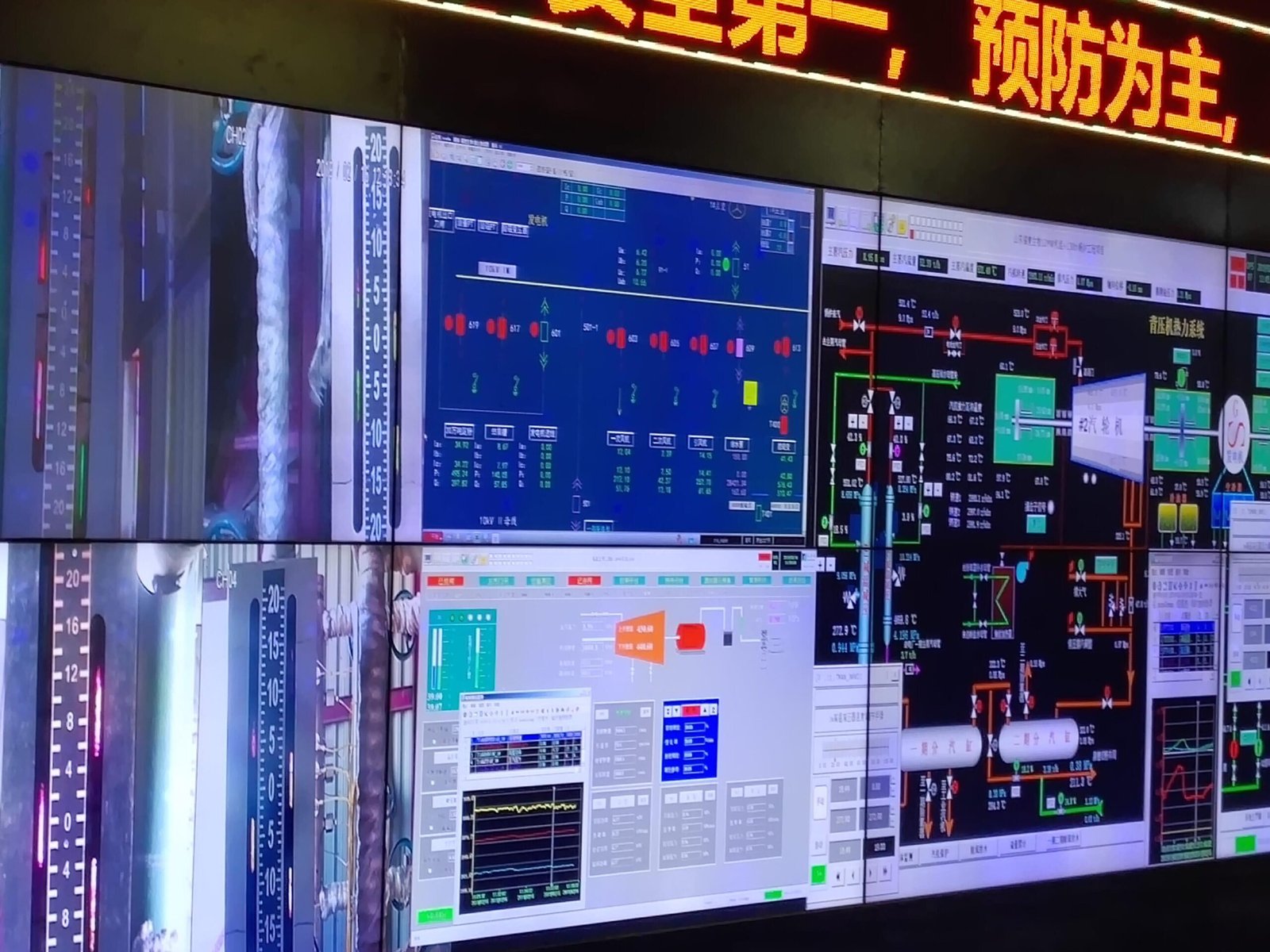
Industrial boiler operating permits can become a serious production risk when companies treat inspection as paperwork instead of safety management. If a boiler certificate expires, an inspector rejects the unit, or an insurance company refuses coverage, the plant may lose legal operating permission, face emergency shutdown, delay production, and pay for urgent repairs. The practical solution is to manage boiler inspection and certification as a continuous compliance system: know the local permit interval, schedule authorized inspections before expiry, maintain daily operating checks, prepare internal and external inspection records, correct defects early, and increase inspection frequency when boiler risk is high.
Industrial boilers should be inspected and certified often enough to keep the operating permit or certificate valid at all times, which usually means following the local boiler authority, insurance company, and applicable pressure-equipment rules before the current permit expires. In many industrial plants, formal authorized inspection is planned annually, but some boilers may follow annual, biennial, multi-year, or written-scheme intervals depending on boiler type, pressure, size, fuel, service condition, and jurisdiction. Companies should never wait until the expiration date; they should schedule inspections early, maintain daily to monthly safety checks, perform annual internal/external reviews where required, and complete repairs before certification renewal.
The most important rule is simple: the legal operating permit controls whether the boiler may run, but the plant’s inspection program controls whether it runs safely. A valid permit is not a substitute for daily water-level checks, burner inspection, water treatment control, safety valve service, low-water cutoff testing, and preventive maintenance. As a professional industrial boiler manufacturer and supplier, we recommend treating permit renewal as the final compliance confirmation, not the first time the boiler is seriously inspected.
A boiler can continue operating after its permit expires as long as the plant plans to renew it soon.False
Industrial boilers must follow the applicable operating permit or certificate requirements. If the permit expires, the boiler may not be legally allowed to operate until inspection, approval, and renewal requirements are satisfied.
Boiler inspection and certification frequency should be based on local permit rules, boiler type, pressure, fuel, service severity, inspection history, manufacturer instructions, and insurance requirements.True
Operating permit validity depends on local regulations and equipment classification, while safe inspection frequency also depends on real operating risk and boiler condition.
⚠️ Operating Permit Frequency Depends on Local Rules
There is no single worldwide inspection interval for all industrial boiler operating permits. Permit frequency depends on where the boiler is installed and how the equipment is classified. Some authorities require annual inspection; others define annual or biennial inspection depending on boiler type; some systems use a written scheme of examination prepared by a competent person; and some insurers may require additional checks before they continue coverage. For example, Maryland states that boilers and pressure vessels are inspected annually or biennially depending on equipment type and that boilers should not operate without a valid certificate; Washington, D.C. states that boilers and unfired pressure vessels must be inspected at least once a year; Texas rules require certificate inspection before the current certificate of operation expires; and the U.K. pressure-system approach requires examination according to a written scheme before operation and during service.
For a company, the practical answer is: confirm the exact permit interval with the local authority or authorized inspection agency, then schedule inspection well before the certificate expiry date. A safe plant should also maintain its own inspection calendar that is stricter than the minimum legal requirement when the boiler is high-risk, older, heavily loaded, or operating under severe conditions.
| Requirement Area | What Companies Must Confirm | Why It Matters |
|---|---|---|
| 🏛️ Local boiler authority | Which agency controls the operating permit? | Determines legal inspection and renewal rules |
| 📋 Certificate validity | When does the current permit expire? | Prevents illegal operation and forced shutdown |
| 🛡️ Insurance requirements | Does the insurer require inspection or records? | Protects coverage and risk approval |
| 🔥 Boiler classification | High-pressure steam, low-pressure steam, hot water, electric, biomass, thermal oil | Determines inspection category |
| 🧪 Internal inspection requirement | Is internal inspection needed for renewal? | Requires shutdown and preparation |
| 👁️ External inspection requirement | Is operating inspection required? | Confirms visible safety condition |
| 🔧 Repair approval | Are repairs or alterations regulated? | Prevents invalid permit after modification |
| 📑 Documentation | What records must be available? | Speeds certification and reduces rejection risk |
Recommended Inspection Program to Maintain Permit Validity
Formal certification is usually not enough by itself. A company should use a layered inspection program so that the boiler is always ready for authorized inspection and renewal.
| Frequency | Inspection Activity | Purpose |
|---|---|---|
| Every shift / daily | Operator check of water level, pressure, flame, alarms, fuel pressure, feedwater, leaks | Detect immediate safety problems |
| Weekly | Blowdown checks, pump checks, visible safety valve condition, low-water protection checks where allowed | Verify routine safety reliability |
| Monthly | Burner, fuel train, gauges, valves, controls, piping, pumps, and alarm history review | Detect developing maintenance issues |
| Quarterly | Combustion test, water treatment review, interlock check, vibration review, control response check | Prevent efficiency and safety drift |
| Semiannual | Deeper service inspection, refractory review, economizer check, steam trap survey | Prepare for annual or permit inspection |
| Annual | Internal/external inspection planning, cleaning, safety valve records, repair documentation | Support certification renewal |
| Before permit expiry | Authorized inspection and certificate renewal | Maintain valid legal operating permit |
| After major repair or incident | Special inspection where required | Confirm safe return to service |
How Early Should Companies Schedule Permit Inspection?
Companies should not schedule the inspection on the expiration date. A practical policy is to begin preparation 60 to 90 days before permit expiry for normal boilers and earlier for complex, high-pressure, biomass, waste heat, or continuous-process boilers. This gives enough time to clean the boiler, arrange shutdown, collect records, inspect safety valves, repair defects, schedule the authorized inspector, and complete reinspection if needed.
| Time Before Expiry | Recommended Action |
|---|---|
| 90 days | Review permit expiry date, previous inspection findings, repair status, and outage schedule |
| 60 days | Book authorized inspector or insurance inspection; order gaskets, parts, and service support |
| 45 days | Review water treatment records, safety valve certificates, burner service reports, and operator logs |
| 30 days | Complete pre-inspection maintenance, combustion check, low-water protection review, and leak repairs |
| 14 days | Confirm shutdown plan, lockout procedure, access, cleaning, and inspection readiness |
| Inspection day | Provide access, records, qualified staff, and safe boiler condition |
| After inspection | Correct findings, submit reports, renew certificate, update compliance calendar |
Internal and External Inspections for Permit Renewal
Operating permit renewal may require external inspection, internal inspection, or both. External inspection checks the boiler while assembled or in operation. Internal inspection requires shutdown, isolation, cooling, draining, opening, cleaning, and safe access. High-pressure and industrial steam boilers often need stricter internal inspection planning than lower-risk heating boilers.
| Inspection Type | What It Checks | Permit-Relevance |
|---|---|---|
| 👁️ External inspection | Pressure, water level, safety valves, burner, controls, piping, leaks, gauges, records | Confirms operating condition and visible safety |
| 🧪 Internal waterside inspection | Scale, corrosion, sludge, pitting, tube condition, shell/drum condition | Confirms hidden pressure-part condition |
| 🔥 Fireside inspection | Soot, ash, furnace, refractory, burner throat, flue passages | Confirms combustion-side safety and efficiency |
| 🛡️ Safety-device review | Safety valves, low-water cutoff, pressure controls, flame safeguard, interlocks | Confirms protective systems |
| 📑 Documentation review | Operator logs, water treatment records, repair records, previous reports | Confirms responsible operation |
| 🔬 NDE / thickness testing | Tube thinning, shell condition, welds, cracks where required | Supports fitness-for-service decisions |
Permit Inspection Frequency by Boiler Type
The exact legal interval must be confirmed locally, but this table gives a practical planning framework.
| Boiler Type | Permit-Renewal Planning | Internal / External Safety Focus |
|---|---|---|
| 🔥 High-pressure steam boiler | Plan formal inspection before every certificate expiry; annual planning is common in many plants | Water level protection, safety valves, tubes, drums, burner controls |
| 🚂 Firetube steam boiler | Usually prepare for annual internal and fireside inspection unless local rules differ | Tube sheets, furnace, firetubes, scale, soot, refractory |
| 🏭 Watertube boiler | Schedule around major outage and permit requirements | Tubes, drums, headers, refractory, economizer, controls |
| ♨️ Low-pressure steam boiler | Follow local certificate interval; still perform annual service | Low-water cutoff, pressure controls, corrosion, burner safety |
| 💧 Hot-water boiler | Interval may vary by pressure, size, and use | Relief valve, expansion system, circulation, temperature control |
| ⚡ Electric boiler | Follow pressure-equipment permit rules plus electrical safety checks | Elements/electrodes, controls, water conductivity, safety valve |
| 🪵 Biomass boiler | Often needs more frequent fireside inspection before permit renewal | Ash, slag, refractory, fuel feed, particulate controls |
| 🌿 Biogas boiler | Requires boiler inspection plus gas-treatment review | Moisture, H₂S control, burner stability, fuel shutoff valves |
| 🛢️ Thermal oil heater | Follow local fired-heater/pressure-equipment rules where applicable | Oil degradation, coil condition, flow, expansion tank, burner safety |
| ♨️ Waste heat boiler / HRSG | Plan inspection during process outage | Tube erosion, fouling, economizer corrosion, casing, dampers |
What Can Cause a Boiler to Lose Permit Validity?
A boiler operating permit can become invalid or unusable for several reasons. Expiry is the obvious one, but major repairs, alterations, relocation, incidents, fuel conversion, or unresolved inspection defects may also trigger additional approval requirements.
| Permit Risk | What It Means | Preventive Action |
|---|---|---|
| Certificate expires | Boiler may not be legally permitted to operate | Track expiry and inspect early |
| Required inspection missed | Renewal delayed or penalties possible | Maintain compliance calendar |
| Serious defect found | Inspector may reject operation | Pre-inspect and repair early |
| Major repair performed | Reinspection may be required | Use approved repair process |
| Boiler altered | Existing approval may not cover new condition | Obtain engineering and authority approval |
| Fuel conversion | Burner/emissions/safety review may be needed | Plan conversion with inspector/authority |
| Safety valve not documented | Permit renewal may be delayed | Keep test/service records |
| Missing water treatment records | Inspector may question boiler condition | Maintain chemistry logs |
| Unauthorized bypasses | Serious safety and compliance violation | Remove and correct immediately |
| Insurance inspection failed | Coverage or permit process may be affected | Complete insurer recommendations |
What Inspectors Look For Before Renewing Operating Permission
Authorized inspectors and insurance inspectors usually focus on whether the boiler is safe for continued operation and whether the owner has maintained it responsibly.
| Inspection Area | Typical Concern |
|---|---|
| Pressure parts | Corrosion, pitting, cracking, bulging, thinning, leakage |
| Tubes | Scale, overheating, erosion, leaks, under-deposit corrosion |
| Safety valves | Leakage, incorrect set pressure, missing records, poor discharge piping |
| Water level controls | Gauge glass condition, low-water cutoff reliability, transmitter agreement |
| Burner and fuel train | Flame safeguard, shutoff valves, fuel leaks, poor combustion |
| Pressure controls | Calibration, setpoints, response, unauthorized changes |
| Blowdown system | Valve leakage, unsafe discharge, blocked connections |
| Water treatment | Hardness leakage, high TDS, oxygen corrosion, poor chemical control |
| Fireside condition | Soot, ash, refractory damage, flame impingement |
| Documentation | Logs, inspection reports, repair documents, safety valve service records |
Records Needed to Maintain Permit Confidence
Good records make permit renewal smoother and reduce the risk of inspection delays. Poor records make even a well-maintained boiler look risky.
| Record Type | Why It Matters |
|---|---|
| Current operating permit | Confirms legal status and expiry date |
| Previous inspection reports | Shows past findings and corrective actions |
| Operator logs | Shows pressure, water level, fuel, alarms, blowdown, abnormal events |
| Water treatment records | Proves scale and corrosion control |
| Safety valve certificates | Supports overpressure protection evidence |
| Burner service reports | Shows combustion safety and efficiency control |
| Low-water cutoff test records | Supports critical safety protection |
| Repair and alteration records | Proves qualified repair work |
| NDE reports | Supports pressure-part condition assessment |
| Incident reports | Shows root-cause analysis and corrective action |
| Training records | Supports operator competency |
| Manufacturer manuals | Confirms inspection and maintenance basis |
Increase Inspection Frequency When Risk Is High
Permit rules define the minimum. Real boiler risk may justify more frequent inspection.
| Risk Condition | Why More Inspection Is Needed |
|---|---|
| High-pressure steam service | Higher stored energy and more severe consequences |
| Continuous production duty | Failure causes major production loss |
| High makeup water | More oxygen and minerals increase corrosion/scale risk |
| Poor water treatment | Scale, pitting, carryover, and tube damage can develop quickly |
| Biomass or dirty fuel | Ash, soot, slag, and fouling accumulate faster |
| Heavy cycling | Thermal stress increases fatigue and leaks |
| Old boiler age | Higher probability of thinning, corrosion, outdated controls |
| Repeated low-water alarms | Possible overheating risk |
| Repeated safety valve lifting | Pressure-control or valve-seat damage risk |
| Rising stack temperature | Possible scale, soot, or fouling |
| Tube leak history | Pressure-part condition needs closer review |
| Fuel conversion | Burner and safety systems must be revalidated |
Practical Permit Compliance Workflow
| Step | Action | Result |
|---|---|---|
| 1 | Identify local authority and permit rules | Confirms legal interval |
| 2 | Record permit expiry date in maintenance system | Prevents missed renewal |
| 3 | Review boiler type, pressure, fuel, and risk level | Sets inspection depth |
| 4 | Schedule authorized inspection early | Avoids last-minute shutdown |
| 5 | Complete pre-inspection maintenance | Reduces rejection risk |
| 6 | Prepare internal/external access as required | Supports proper inspection |
| 7 | Provide documentation to inspector | Speeds approval |
| 8 | Correct findings immediately | Protects permit renewal |
| 9 | File renewed certificate | Maintains legal operation |
| 10 | Update next inspection date | Keeps cycle controlled |
Common Mistakes to Avoid
One common mistake is treating the operating permit expiry date as the inspection scheduling date. It is not. Inspection should be completed early enough to allow repairs and administrative renewal before expiry. Another mistake is assuming the insurance inspection automatically satisfies every local authority requirement. In some locations it may, but in others additional filing, fees, or authority approval may still be required. A third mistake is ignoring internal inspection preparation. If the boiler is not clean and accessible, the inspector cannot properly evaluate it.
A fourth mistake is operating with unresolved previous inspection findings. Repeated recommendations that are not corrected can create permit, insurance, and safety problems. A fifth mistake is poor recordkeeping. If safety valve service, water treatment results, burner tuning, repairs, and operator checks are not documented, the company may struggle to prove safe operation.
Final Summary
Industrial boilers should be inspected and certified often enough to maintain a valid operating permit at all times. The exact inspection and certification frequency depends on local regulations, boiler type, pressure, fuel, service severity, insurer requirements, manufacturer instructions, and inspection history. Many industrial plants plan formal authorized inspections annually, but some boilers may require annual, biennial, multi-year, written-scheme, or special inspection intervals depending on jurisdiction and equipment classification.
The safest strategy is to treat the operating permit as the legal minimum and build a stronger internal inspection program around it. Operators should check the boiler daily or every shift. Maintenance teams should inspect monthly and quarterly. Internal and external inspections should be planned before renewal deadlines. Authorized inspections should be scheduled well before certificate expiry. High-risk boilers should be inspected more frequently than the minimum. This approach protects safety, uptime, insurance coverage, regulatory compliance, and long-term boiler reliability.
How Often Should Industrial Boilers Be Inspected and Certified to Reduce Downtime, Risk, and Repair Costs?
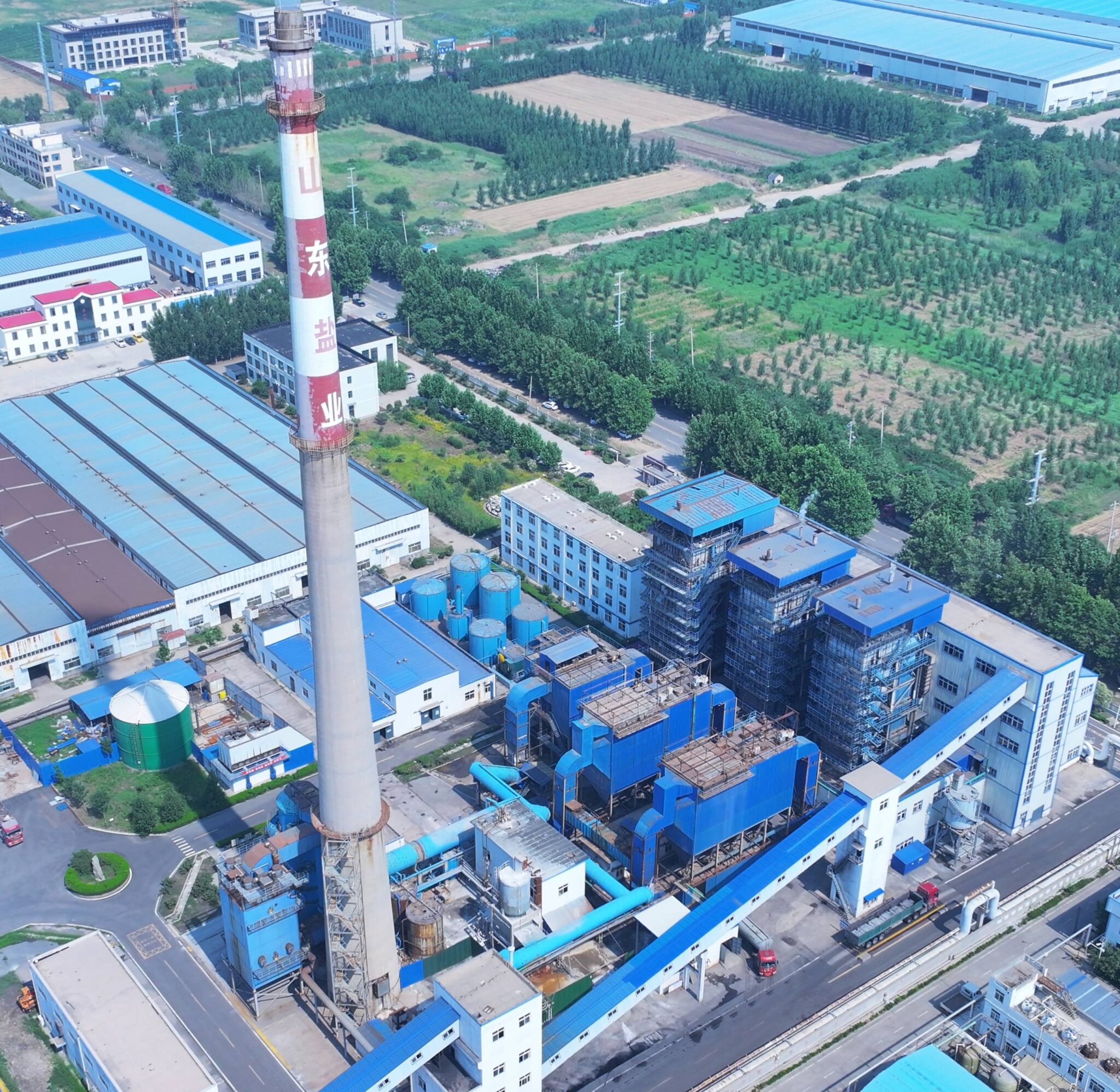
Industrial boiler downtime is rarely caused by one sudden problem; it usually develops from missed inspections, weak water treatment, burner drift, neglected safety valves, leaking steam traps, pump vibration, scale buildup, corrosion, poor combustion, and incomplete maintenance records. When these issues are not found early, the result can be emergency shutdown, failed certification, production loss, expensive pressure-part repairs, rush spare-part orders, insurance complications, and higher fuel cost. The practical solution is to inspect and certify industrial boilers on a planned, risk-based schedule that combines daily operating checks, monthly preventive inspections, quarterly technical reviews, annual internal and external inspections, and formal certification before the legal deadline.
Industrial boilers should be inspected frequently enough to detect safety, efficiency, water treatment, combustion, pressure-part, and control problems before they cause failure. A practical downtime-reduction program includes operator checks every shift or daily, weekly safety and blowdown checks, monthly mechanical and control inspections, quarterly combustion and water treatment reviews, semiannual service inspections, annual internal and external inspections, and formal certification according to local regulations, insurer requirements, boiler type, pressure, fuel, and service severity. High-risk boilers should be inspected more often than the minimum legal interval.
The lowest-cost inspection plan is not the plan with the fewest inspections. It is the plan that prevents the most expensive failures. As a professional industrial boiler manufacturer and supplier, we recommend treating inspection and certification as part of asset protection, not just compliance. A boiler that is inspected only for permit renewal may still waste fuel, damage tubes, fail unexpectedly, or require emergency repair. The following guide explains how often industrial boilers should be inspected and certified to reduce downtime, risk, and repair costs in real plant operation.
Reducing boiler inspection frequency always reduces operating cost.False
Fewer inspections may reduce short-term maintenance spending, but missed problems can lead to emergency downtime, tube failure, fuel waste, failed certification, safety risk, and much higher repair costs.
A risk-based inspection and certification program can reduce downtime and repair costs by finding boiler problems before they become failures.True
Routine checks, preventive maintenance, internal inspection, safety-device testing, and certification planning help identify scale, corrosion, burner faults, leaks, pump problems, and control issues early.
⚠️ Why Inspection Frequency Directly Affects Downtime and Cost
A boiler is a pressure system, combustion system, water treatment system, heat exchanger, control system, and production utility at the same time. If one part fails, the whole plant may lose steam. This is why inspection frequency has a direct relationship with downtime and repair cost. A small steam leak repaired during planned maintenance is inexpensive compared with a ruptured gasket during peak production. A burner tuned quarterly costs far less than months of excess fuel consumption. A softener problem found early is cheaper than chemical cleaning or tube replacement. A feedwater pump bearing replaced during a planned outage is far cheaper than an emergency low-water shutdown.
Certification also affects downtime. If a boiler is not ready for authorized inspection, certification renewal may be delayed. If an inspector finds heavy scale, corrosion, leaking safety valves, missing records, damaged refractory, or failed low-water controls, the boiler may not be approved until repairs are completed. That means production downtime can be caused not only by mechanical failure, but also by compliance failure.
| Problem Found Early | Low-Cost Planned Action | If Ignored |
|---|---|---|
| 🔥 Burner drift | Tune burner during service visit | High fuel cost, lockouts, poor emissions |
| 🪨 Scale buildup | Correct water treatment and clean surfaces | Tube overheating, efficiency loss, repair outage |
| 🧲 Corrosion | Adjust deaeration, pH, condensate treatment | Tube leak, pressure-part repair |
| 💧 Pump vibration | Replace bearing or correct alignment | Pump failure, low-water trip |
| 💨 Steam leak | Repair valve packing or gasket | Energy loss, insulation damage, burn hazard |
| 🛡️ Safety valve leakage | Service valve during outage | Failed inspection, steam loss, safety risk |
| 📋 Missing records | Update compliance file | Certification delay |
| 🎛️ Control instability | Calibrate and tune controls | Pressure swings, cycling, safety valve lifting |
Recommended Inspection Schedule for Downtime Reduction
The best inspection schedule has layers. Daily checks detect immediate hazards. Weekly checks confirm critical functions. Monthly checks catch mechanical problems. Quarterly checks prevent efficiency drift. Annual inspections reveal hidden internal damage. Certification keeps the boiler legally approved. Together, these layers reduce unplanned downtime.
| Frequency | Inspection Activity | Main Downtime-Reduction Benefit |
|---|---|---|
| Every shift / daily | Check pressure, water level, burner flame, feedwater, alarms, leaks, fuel pressure | Finds immediate operating problems before shutdown |
| Weekly | Check blowdown, pump condition, visible safety valve status, low-water protection where allowed | Confirms routine safety reliability |
| Monthly | Inspect burner, fuel train, valves, gauges, controls, pumps, piping, insulation | Detects developing mechanical and control issues |
| Quarterly | Perform combustion test, water treatment review, control response check, vibration review | Prevents efficiency loss and equipment degradation |
| Semiannual | Service burner, inspect economizer, review traps, refractory, safety interlocks | Reduces probability of major outage |
| Annual | Internal and external inspection, waterside/fireside cleaning, safety valve documentation | Detects hidden pressure-part and heat-transfer problems |
| Before certificate expiry | Authorized inspection and certification renewal | Prevents permit-related downtime |
| After major repair or incident | Special inspection where required | Confirms safe return to service |
🔧 Daily and Weekly Checks: The First Line of Downtime Prevention
Daily checks may seem simple, but they are one of the most powerful ways to prevent downtime. Boiler operators should verify that steam pressure, water level, burner flame, feedwater pressure, fuel pressure, stack condition, alarms, pumps, and visible leaks are normal. Abnormal readings should be logged and investigated early. A water level that fluctuates more than usual may indicate feedwater valve problems, foaming, pump issues, or load instability. A flame that looks unstable may indicate fuel pressure problems, burner contamination, or draft issues. A new sound from a pump may be the first sign of cavitation or bearing wear.
Weekly checks should include blowdown system condition, visible safety valve condition, feedwater pump operation, chemical tank level, water treatment tests, condensate return observations, and low-water protection checks where allowed by the site procedure and boiler design. The goal is to prevent small abnormalities from becoming emergency shutdowns.
| Daily / Weekly Check | What to Watch | Downtime Risk Prevented |
|---|---|---|
| Water level | Low, high, unstable, gauge disagreement | Low-water trip, carryover, unsafe operation |
| Steam pressure | Hunting, overshoot, slow recovery | Safety valve lifting, production instability |
| Burner flame | Rumbling, flicker, smoke, lockout | Combustion failure and burner shutdown |
| Feedwater pump | Noise, vibration, leakage, low pressure | Low-water event and pump failure |
| Fuel pressure | Low, unstable, regulator problems | Flame failure and lockout |
| Blowdown | Valve leakage, poor operation | High TDS, scale, energy loss |
| Chemical feed | Empty tank, pump failure, blocked line | Scale, corrosion, foaming |
| Steam leaks | Hissing, hot insulation, valve leakage | Energy loss and safety risk |
🧪 Monthly and Quarterly Inspections: Prevent Expensive Failure Modes
Monthly and quarterly inspections are where maintenance teams move beyond observation into prevention. Monthly inspection should cover burner components, flame scanner, ignition system, fuel train, valves, gauges, feedwater pumps, control panel alarms, pressure controls, low-water devices, piping supports, insulation, and condensate return. Quarterly inspection should include combustion analysis, oxygen reading verification, stack temperature trend, water chemistry review, safety interlock testing, pump vibration, control valve response, and boiler efficiency review.
This frequency is important because many boiler problems develop over weeks or months. Burner air-fuel ratio can drift. Oxygen sensors can lose accuracy. Conductivity probes can foul. Steam traps can fail. Condensate return can decline. Stack temperature can rise slowly as soot or scale accumulates. If these trends are reviewed quarterly, repair can usually be planned. If ignored for a year, the plant may face emergency downtime.
| Inspection Area | Monthly Focus | Quarterly Focus |
|---|---|---|
| 🔥 Burner | Flame scanner, ignition, fuel train, linkage | Combustion test, O₂, stack temperature, modulation |
| 💧 Feedwater | Pump condition, valve movement, leaks | Vibration, motor current, suction/discharge pressure |
| 🧪 Water treatment | Chemical inventory, softener status | Full trend review, hardness, pH, conductivity, residuals |
| 🎛️ Controls | Alarm history, setpoints, visible faults | Calibration, PID response, actuator feedback |
| 💨 Steam system | Leaks, trap stations, insulation | Trap survey and condensate return trend |
| 🛡️ Safety devices | Visual condition and records | Interlock testing according to procedure |
| ♨️ Heat recovery | Economizer leaks or fouling signs | Feedwater temperature rise and stack trend |
🏭 Annual Internal and External Inspection: The Main Repair-Cost Control Point
Annual internal and external inspection is one of the most important ways to reduce major repair costs. External inspections show visible safety and operating condition, while internal inspections reveal hidden damage. Internal inspection requires shutdown, cooling, draining, opening, cleaning, ventilation, and safe access. Although this outage requires planning, it is far cheaper than emergency failure.
Internal inspection should look for scale, corrosion, sludge, pitting, tube thinning, overheating, deposits, oil contamination, gasket damage, refractory damage, soot, ash, and economizer fouling. External inspection should review safety valves, pressure gauges, low-water cutoffs, burner controls, fuel train, feedwater system, blowdown valves, piping supports, insulation, control panels, and operating records.
| Annual Inspection Area | What It Finds | Cost Prevented |
|---|---|---|
| Waterside surfaces | Scale, sludge, corrosion, pitting | Tube failure, chemical cleaning, efficiency loss |
| Fire-side surfaces | Soot, ash, refractory damage | High stack temperature and burner problems |
| Tubes and tube sheets | Leaks, overheating, corrosion | Pressure-part repair and emergency outage |
| Safety valves | Leakage, poor records, seat damage | Failed certification and overpressure risk |
| Low-water protection | Blocked connections, failed controls | Catastrophic low-water damage |
| Feedwater system | Pump wear, valve issues, deaerator problems | Low-water trips and pump failure |
| Burner and fuel train | Unsafe combustion, valve leakage | Lockouts, emissions problems, fuel waste |
| Documentation | Missing logs and service reports | Certification delay |
Certification Timing: Do Not Wait Until the Deadline
Certification should be scheduled early enough to allow repairs before the permit or certificate expires. For normal industrial boilers, companies should begin preparation 60 to 90 days before expiration. For high-pressure, biomass, waste heat, large watertube, or continuous-process boilers, preparation may need to begin even earlier because outage planning, cleaning, scaffold access, refractory repair, NDE, safety valve service, and spare parts may require more time.
| Time Before Certificate Expiry | Recommended Action |
|---|---|
| 90 days | Review certificate date, previous defects, outage schedule, spare parts |
| 60 days | Schedule authorized inspector or insurance inspection |
| 45 days | Review water treatment, safety valve records, burner service, repair reports |
| 30 days | Complete pre-inspection maintenance and obvious repairs |
| 14 days | Confirm shutdown, isolation, cleaning, opening, and access plan |
| Inspection day | Provide records, access, technician support, and safe condition |
| After inspection | Correct findings, renew certificate, update next inspection plan |
Inspection Frequency by Boiler Risk Level
Not all boilers need the same inspection intensity. The correct frequency depends on risk. A stable hot-water boiler in light service may not need the same inspection frequency as a high-pressure steam boiler in continuous production. A biomass boiler may need more frequent fireside inspection than a natural gas boiler. A boiler with poor water treatment should be inspected more often than one with stable chemistry.
| Risk Level | Typical Boiler Condition | Recommended Inspection Strategy |
|---|---|---|
| Low risk | Stable hot-water or low-pressure system, good records, light load | Daily/weekly checks, annual service, certification by rule |
| Medium risk | Industrial firetube steam boiler, normal duty, stable water treatment | Daily checks, monthly inspection, quarterly review, annual internal inspection |
| High risk | High-pressure steam, watertube, continuous production | Every-shift checks, monthly/quarterly technical review, annual outage inspection |
| Severe risk | Biomass, dirty fuel, high cycling, poor water, old boiler | Every-shift checks, frequent fireside review, annual or more frequent internal checks |
| Post-incident risk | Tube leak, low-water event, overpressure, major repair | Immediate special inspection before return to service |
Boiler Type Matters: Practical Inspection Planning
| Boiler Type | Downtime Risk | Inspection Priority |
|---|---|---|
| 🔥 High-pressure steam boiler | High consequence of failure | Strict daily checks, annual internal inspection, formal certification |
| 🚂 Firetube steam boiler | Scale, tube leaks, furnace overheating | Annual waterside/fireside inspection and burner service |
| 🏭 Watertube boiler | Tube thinning, header issues, thermal stress | Outage-based tube/drum inspection and water chemistry control |
| ♨️ Low-pressure steam boiler | Low-water cutoff failure, corrosion | Routine safety checks and annual service |
| 💧 Hot-water boiler | Relief valve, circulation, corrosion | Pump, expansion, flow, and water quality checks |
| ⚡ Electric boiler | Electrical hazards, scale, element wear | Electrical inspection, conductivity control, pressure safety checks |
| 🪵 Biomass boiler | Ash, slag, refractory wear, fuel feed failure | Frequent fireside inspection and ash system maintenance |
| 🌿 Biogas boiler | Fuel impurities, moisture, burner instability | Gas cleaning, fuel quality, burner tuning |
| 🛢️ Thermal oil heater | Oil degradation, overheating, leakage | Oil analysis, flow checks, burner and coil inspection |
| ♨️ Waste heat boiler | Fouling, erosion, thermal cycling | Tube inspection, gas-side cleaning, outage planning |
How Inspection Reduces Repair Costs
Inspection reduces repair costs by turning emergency work into planned work. Planned repairs are cheaper because the plant can order parts ahead, schedule labor, coordinate shutdown, clean equipment properly, and avoid secondary damage. Emergency repairs are expensive because they involve lost production, rush shipping, overtime labor, temporary boilers, incomplete diagnosis, and possible regulatory delays.
| Failure Mode | Early Inspection Finding | Lower-Cost Repair |
|---|---|---|
| Tube leak | Pitting or thinning found during outage | Planned tube repair or replacement |
| Burner lockout | Weak flame signal or ignition wear | Clean scanner, adjust pilot, replace electrode |
| Pump failure | Rising vibration or seal leakage | Planned bearing/seal replacement |
| Scale damage | Hardness leakage or early deposits | Correct softener and clean before overheating |
| Safety valve failure | Leakage or poor reseating | Planned valve service |
| Water hammer | Failed trap or condensate pooling | Trap repair and drainage correction |
| High fuel cost | High O₂ or rising stack temperature | Burner tuning and heat-transfer cleaning |
| Failed certification | Missing records or visible defects | Pre-inspection correction |
Use Digital Monitoring to Inspect Continuously
Modern boiler rooms can reduce downtime further by using IoT sensors, AI analytics, and predictive maintenance. Digital monitoring does not replace authorized inspection, but it helps detect problems between inspections. Useful data includes fuel flow, steam flow, oxygen, stack temperature, feedwater temperature, water level, pump vibration, motor current, blowdown, condensate return, safety valve discharge events, burner cycling, and alarm history.
| Digital Signal | Early Warning | Action |
|---|---|---|
| Rising stack temperature | Scale, soot, economizer fouling | Inspect and clean heat-transfer surfaces |
| Falling condensate return | Steam trap failure or leaks | Conduct trap survey and repair |
| Pump vibration increase | Bearing wear or cavitation | Inspect pump before failure |
| Oxygen drift | Burner tuning or analyzer issue | Calibrate analyzer and tune burner |
| More burner cycles | Load mismatch or control issue | Adjust sequencing and control logic |
| High makeup water | Condensate loss or leakage | Inspect returns and steam system |
| Safety valve temperature rise | Seat leakage or lifting event | Inspect valve and pressure control |
| Conductivity instability | Blowdown or contamination issue | Review water treatment and condensate |
Practical Downtime-Reduction Inspection Matrix
| Inspection Goal | Minimum Practical Frequency | Best Practice for Critical Boilers |
|---|---|---|
| Operating safety | Daily | Every shift |
| Burner reliability | Monthly | Monthly plus quarterly combustion testing |
| Water treatment control | Daily to weekly | Daily testing with trend review |
| Feedwater reliability | Weekly | Daily observation plus monthly pump checks |
| Steam trap and leak control | Quarterly to semiannual | Quarterly in large steam networks |
| Safety valve documentation | Annual or per rule | Review before every certification cycle |
| Internal boiler condition | Annual or rule-defined | Annual plus special checks after abnormal events |
| Certification readiness | Before expiry | Begin preparation 60–90 days early |
| Risk review | Annual | Quarterly for critical production boilers |
Common Mistakes That Increase Downtime and Repair Cost
One common mistake is relying only on the legal certification inspection. Certification is important, but it is not enough to manage daily risk. Another mistake is delaying annual shutdown inspection because the boiler “still runs fine.” Boilers often continue operating while scale, corrosion, and heat-transfer loss develop internally. A third mistake is ignoring water treatment trends. Poor water chemistry is one of the fastest paths to expensive boiler damage. A fourth mistake is treating burner tuning as optional. Poor combustion can waste fuel, increase emissions, damage refractory, and cause lockouts.
Another costly mistake is failing to keep records. If inspection reports, water chemistry logs, safety valve records, repair documents, and burner service reports are missing, certification may be delayed and troubleshooting becomes harder. A final mistake is not increasing inspection frequency after warning signs such as low-water alarms, rising stack temperature, repeated burner lockouts, tube leaks, or safety valve lifting.
Final Summary
Industrial boilers should be inspected and certified on a planned, risk-based schedule to reduce downtime, risk, and repair costs. A practical program includes daily or every-shift operator checks, weekly safety checks, monthly preventive inspections, quarterly combustion and water treatment reviews, semiannual service inspections, annual internal and external inspections, and formal certification according to local regulations and insurer requirements. High-risk boilers should be inspected more often than the legal minimum.
The purpose of inspection is not only to pass certification. It is to prevent emergency shutdowns, protect pressure parts, reduce fuel waste, improve steam reliability, lower repair cost, and extend boiler life. The best inspection program finds problems early, schedules repairs before failure, keeps records ready, and treats certification as the final confirmation of a well-maintained boiler system.
🔍 Conclusion
In summary, industrial boilers should generally be inspected at least annually, but certification frequency must always be confirmed with the local boiler authority, applicable code, insurance provider, and manufacturer’s maintenance requirements. ASME and National Board frameworks are widely used for boiler construction, inspection, repair, and pressure equipment safety, but final operating certification is usually controlled by the local jurisdiction.
Contact us today for professional industrial boiler selection, installation guidance, inspection preparation, maintenance planning, and compliance support to help keep your boiler system safe, certified, and reliable.
FAQ
Q1: How often should industrial boilers be inspected and certified?
A1: Industrial boilers should be inspected through a layered schedule that includes daily operator checks, routine maintenance inspections, safety device testing, and formal certification inspections. In many facilities, operators check boiler conditions daily or every shift, while maintenance teams perform weekly, monthly, quarterly, and annual tasks based on manufacturer guidance, operating conditions, and site safety procedures.
Formal inspection and certification frequency depends on the boiler type, pressure rating, jurisdiction, insurance requirements, and local authority having jurisdiction. Many power boilers are professionally inspected annually, and an external inspection while the boiler is under pressure may be recommended between annual inspections. However, exact certification intervals vary by location, so facilities should always confirm requirements with the local boiler authority, authorized inspector, and insurance provider.
Certification usually means the boiler has passed required inspection and is approved to operate for a defined period. A valid certificate or operating permit may be required before the boiler can legally remain in service.
Q2: What is the difference between routine boiler inspection and certification inspection?
A2: Routine boiler inspection is usually performed by operators or maintenance teams to monitor daily operating health. These checks may include water level, steam pressure, fuel pressure, burner flame, feedwater temperature, stack temperature, leaks, alarms, blowdown activity, and unusual vibration or noise.
Certification inspection is more formal. It is typically performed by an authorized inspector or qualified inspection body. The inspector may review the boiler shell, pressure parts, tubes, safety valves, low-water cutoffs, burner controls, pressure controls, inspection records, repair history, and operating logs. ASME’s Boiler and Pressure Vessel Code provides major technical requirements used in boiler and pressure vessel design, construction, and operation, while ASME certification applies to pressure equipment quality programs. ([美国机械工程师协会][2])
Routine inspection helps prevent problems between official inspections. Certification inspection verifies compliance and safe operating status.
Q3: What daily and weekly boiler checks should operators perform?
A3: Daily boiler checks should focus on safe operation and early warning signs. Operators should verify proper water level, stable steam pressure, normal burner operation, correct fuel supply, feedwater pump performance, chemical feed operation, blowdown status, and alarm history. They should also look for leaks, strange noises, poor combustion, pressure fluctuations, and unusual stack temperature changes.
Weekly checks may include testing low-water cutoffs where required, reviewing water treatment logs, checking blowdown valves, inspecting visible piping, confirming gauge operation, and reviewing boiler logs. The National Board recommends keeping separate boiler logs for each boiler and recording readings consistently for future analysis.
These routine checks do not replace certification, but they help catch unsafe conditions early. A boiler that is only inspected once per year without daily monitoring can still develop serious issues between inspections.
Q4: What is included in an annual industrial boiler inspection?
A4: An annual industrial boiler inspection may include both external and internal inspection, depending on the boiler type and regulatory requirements. External inspection can involve reviewing visible boiler surfaces, piping, gauges, controls, burners, fuel trains, valves, alarms, and operating conditions. Internal inspection usually requires the boiler to be shut down, cooled, drained, opened, cleaned, and made safe for examination.
During internal inspection, the inspector may check for scale, sludge, corrosion, pitting, overheating, cracking, tube damage, refractory damage, and pressure-part defects. Safety devices are also important inspection points, including safety valves, low-water cutoffs, pressure controls, flame safeguard systems, emergency shutdown systems, and fuel shutoff valves.
The National Board Inspection Code provides guidance for inspecting pressure-retaining equipment, including inspection documentation, examination methods, personnel safety, damage mechanisms, and fitness-for-service considerations.
Q5: How should facilities prepare for boiler certification?
A5: Facilities should prepare for boiler certification by reviewing previous inspection reports, correcting known defects, organizing maintenance records, cleaning boiler surfaces, verifying safety devices, and coordinating shutdown requirements with the authorized inspector. Internal inspections require careful preparation, including cooling, draining, isolation, ventilation, lockout/tagout, and safe access.
Documentation should include operating logs, maintenance records, water treatment logs, safety valve records, burner service reports, repair reports, pressure test records, and previous certificates. In some jurisdictions, a current certificate of inspection must be posted at or near the equipment.
If defects are found, the facility may need repairs, retesting, reinspection, or updated documentation before certification is issued. Repairs involving pressure parts, welding, burner safety controls, or code-related components should be handled by qualified professionals.
References
- Maintaining Proper Boiler Inspections Through Proper Relationships — https://www.nationalboard.org/index.aspx?ID=233&pageID=164 — National Board of Boiler and Pressure Vessel Inspectors
- National Board Inspection Code — https://www.nationalboard.org/index.aspx?pageID=4 — National Board of Boiler and Pressure Vessel Inspectors
- Boiler Logs Can Reduce Accidents — https://www.nationalboard.org/index.aspx?ID=209&pageID=164 — National Board of Boiler and Pressure Vessel Inspectors
- Boiler and Pressure Vessel Certification — https://www.asme.org/certification-accreditation/boiler-and-pressure-vessel-certification — ASME
- ASME Boiler and Pressure Vessel Code — https://www.asme.org/codes-standards/bpvc-standards — ASME
- Pressure Vessels Overview — https://www.osha.gov/pressure-vessels — OSHA
- Pressure Vessels Standards — https://www.osha.gov/pressure-vessels/standards — OSHA
- Acceptable Certifications, 29 CFR 1926.29 — https://www.osha.gov/laws-regs/regulations/standardnumber/1926/1926.29 — OSHA
- Written Schemes of Examination — https://www.hse.gov.uk/pubns/indg178.htm — Health and Safety Executive
- Boiler and Pressure Vessels — https://ehs.vt.edu/programs/occupational-safety/boiler-and-pressure-vessels.html — Virginia Tech Environmental Health & Safety