Biomass fuel quality can vary significantly between deliveries, even when the fuel originates from the same supplier. Changes in moisture content, calorific value, particle size, ash properties, and contamination can affect boiler output, fuel feeding stability, combustion performance, and operating reliability.
Effective biomass boiler fuel acceptance criteria translate approved boiler engineering requirements into measurable purchasing specifications, supported by representative sampling, reliable testing methods, and predefined conformity decision rules.
The objective is not simply to determine whether a fuel can burn, but whether the delivered material meets contractual requirements and can be released for use under approved boiler operating conditions.
This guide explains how to establish and implement such an acceptance system.
1. What Should Biomass Boiler Fuel Acceptance Criteria Be Based On?
Start with Approved Boiler Fuel Requirements
Fuel acceptance criteria must reflect the requirements of the specific boiler and its associated fuel handling and combustion systems.
Before preparing a fuel purchasing specification, obtain the following engineering information:
- Approved design fuel properties and permitted fuel types.
- Confirmed fuel operating ranges and equipment limitations.
- Fuel conditions associated with guaranteed steam output and thermal efficiency.
- Relevant emissions, ash handling, and operational requirements.
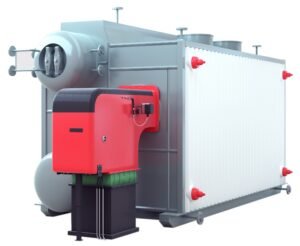
Different configurations of industrial biomass boilers may have different tolerances for fuel moisture, particle dimensions, ash characteristics, and chemical composition.
A purchasing specification developed for one installation should therefore not be transferred directly to another without engineering review.
Distinguish Fuel Suitability from Contractual Acceptance
Four related requirements serve different purposes:
- Design fuel specification: Establishes the fuel properties used for boiler engineering calculations.
- Approved fuel operating range: Defines the fuel conditions under which operation is permitted.
- Performance guarantee conditions: Establish the fuel properties and combinations associated with guaranteed performance.
- Contractual fuel acceptance criteria: Determine whether a delivered batch complies with the purchasing agreement.
A fuel can fall within an approved operating range without satisfying all performance guarantee conditions. Likewise, a commercially acceptable biomass fuel grade may not be suitable for a particular boiler.
Fuel purchasing limits should therefore protect equipment compatibility, operating reliability, and the intended performance requirements rather than merely reflect general market fuel classifications.
2. How to Establish Biomass Fuel Quality Parameters and Acceptance Limits
Identify the Fuel Parameters That Require Acceptance Control
The selection of acceptance parameters should reflect the potential consequences of fuel quality variation.
General quality parameters include fuel identity, origin, moisture content, net calorific value (NCV), ash content, and foreign materials.
Physical parameters may include particle size distribution, oversized particles, bulk density, fines content, and mechanical durability, depending on the fuel form and feeding system.
Project-specific requirements may also address chlorine, sulfur, potassium, sodium, and ash melting behaviour where these properties are relevant to equipment compatibility or operating risks.
The ISO 17225-1 solid biofuel specifications and classification framework provides a useful reference for describing fuel characteristics. However, fuel classifications do not replace boiler-specific engineering requirements.
Follow a Six-Step Method to Set Acceptance Limits
A practical fuel acceptance specification can be developed through six steps:
- Confirm the approved fuel requirements. Establish the documented engineering basis, including operating limitations and performance guarantee conditions.
- Identify critical quality parameters. Determine which properties require contractual control because of their effects on fuel feeding, combustion, equipment reliability, or safety.
- Establish measurable limits. Define maximum values, minimum values, permitted ranges, approved fuel identities, and prohibited materials.
- Specify measurement conditions. Establish the reporting basis, units, test method, and applicable standard edition for each parameter.
- Define conformity decision rules. Determine how compliant, borderline, and nonconforming results will be assessed, including retesting and concession procedures.
- Assign verification responsibilities. Establish inspection frequencies, sampling responsibilities, laboratory requirements, approval authority, and release procedures.
Establish Three Levels of Fuel Quality Control
Where appropriate, distinguish three levels of fuel quality requirements.
Engineering operating limits define the approved technical boundaries of the boiler and associated equipment. These limits must not be exceeded without appropriate engineering approval.
Contractual acceptance limits establish the conditions for normal fuel acceptance. They may be more restrictive than engineering operating limits to protect guaranteed performance and purchasing objectives.
Internal quality alert levels provide early warning of deteriorating fuel quality before contractual limits are exceeded. For example, an increasing moisture trend may trigger additional verification or supplier investigation even when the fuel remains contractually compliant.
An internal alert does not automatically constitute contractual nonconformity.
The relationship between these limits should be supported by engineering requirements, expected fuel variability, and the agreed measurement and decision rules.
Consider Interactions Between Fuel Properties
Fuel parameters should not always be assessed independently.
Increasing moisture generally reduces as-received net calorific value, while particle size and bulk density together influence volumetric feeding capacity. Acceptable ash content alone does not establish acceptable ash melting behaviour.
For projects sensitive to combined fuel conditions, the purchasing specification should include approved parameter combinations or require engineering assessment when individual results are acceptable but their combined effects may compromise boiler performance.
Build a Practical Fuel Acceptance Criteria Matrix
| Fuel parameter | Acceptance limit | Reporting basis | Verification method | Frequency | Decision rule |
|---|---|---|---|---|---|
| Fuel identity and origin | Approved fuel list | As delivered | Document and identity check | Each lot | R2 |
| Moisture content | Project maximum | As received | ISO 18134-1 | Routine plan | R1 |
| Net calorific value | Project minimum | As received | ISO 18125 | Agreed plan | R1 |
| Ash content | Project maximum | Dry basis | ISO 18122 | Periodic plan | R1 |
| Particle size | Approved distribution and oversize limits | Mass fractions | Applicable part of ISO 17827 for uncompressed fuels | Agreed plan | R1 |
| Bulk density | Approved range, if required | Defined test conditions | ISO 17828 | Risk-based plan | R1 |
| Foreign materials | Defined limits and prohibited items | Contractual basis | Agreed inspection or test | Delivery inspection | R1/R2 |
| Chemical and ash properties | Project-specific limits | Defined reporting basis | Applicable laboratory methods | Risk-based plan | R1/R2 |
Table 1. Example biomass fuel acceptance criteria matrix.
In this illustrative matrix:
- R1 — Quantitative conformity: Apply the predefined decision rule to measured results. Confirmed nonconformities require controlled disposition.
- R2 — Mandatory conformity: Verify approved fuel identities and prohibited-material requirements. Failure triggers the specified isolation or rejection procedure.
The selected test methods must be suitable for the fuel form and contractual requirements.
Reporting bases must also remain consistent. For example, a dry-basis calorific value cannot be compared directly with an as-received contractual limit without an appropriate conversion.
Actual numerical acceptance limits must come from approved project documentation rather than generic recommendations.
3. How Do Acceptance Criteria Differ Across Biomass Fuel Types?
Different biomass fuels present different acceptance priorities because of variations in physical form, composition, processing, and handling characteristics.
| Biomass fuel | Priority acceptance parameters | Main quality concern |
|---|---|---|
| Wood chips | Moisture, particle size, oversized pieces, contaminants | Feeding compatibility and uniformity |
| Wood pellets | Moisture, fines, mechanical durability, ash | Pellet integrity and handling stability |
| Rice husk | Moisture, ash, bulk density | Feeding characteristics and ash-related requirements |
| Bagasse | Moisture, net calorific value, contaminants | Available energy and quality variability |
| Straw and crop residues | Moisture, physical form, chlorine, alkali metals | Handling and chemical compatibility |
| Mixed biomass | Feedstock composition, blend ratio, contaminants | Consistency with the approved fuel specification |
Table 2. Priority acceptance parameters for different biomass fuels.
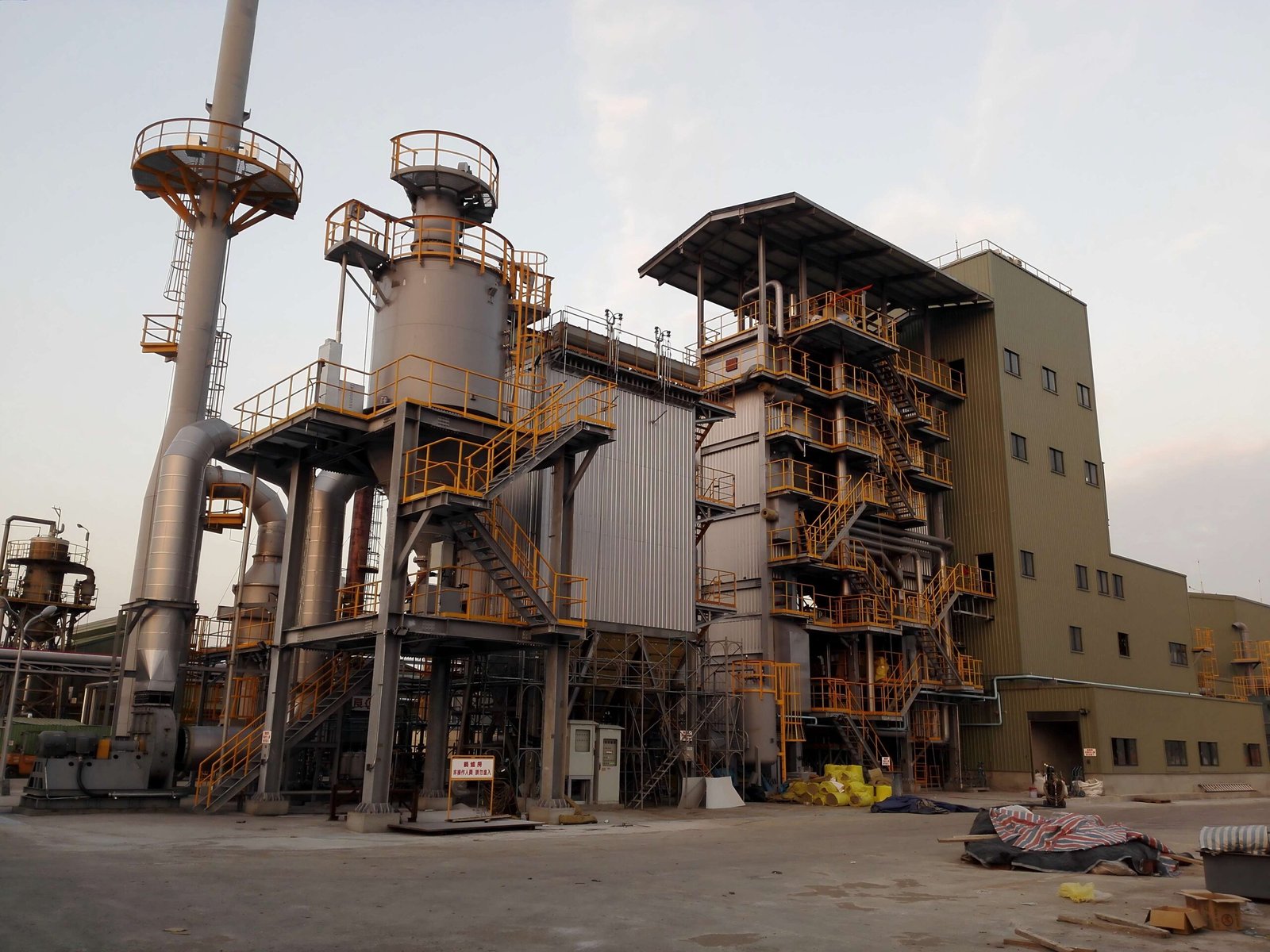
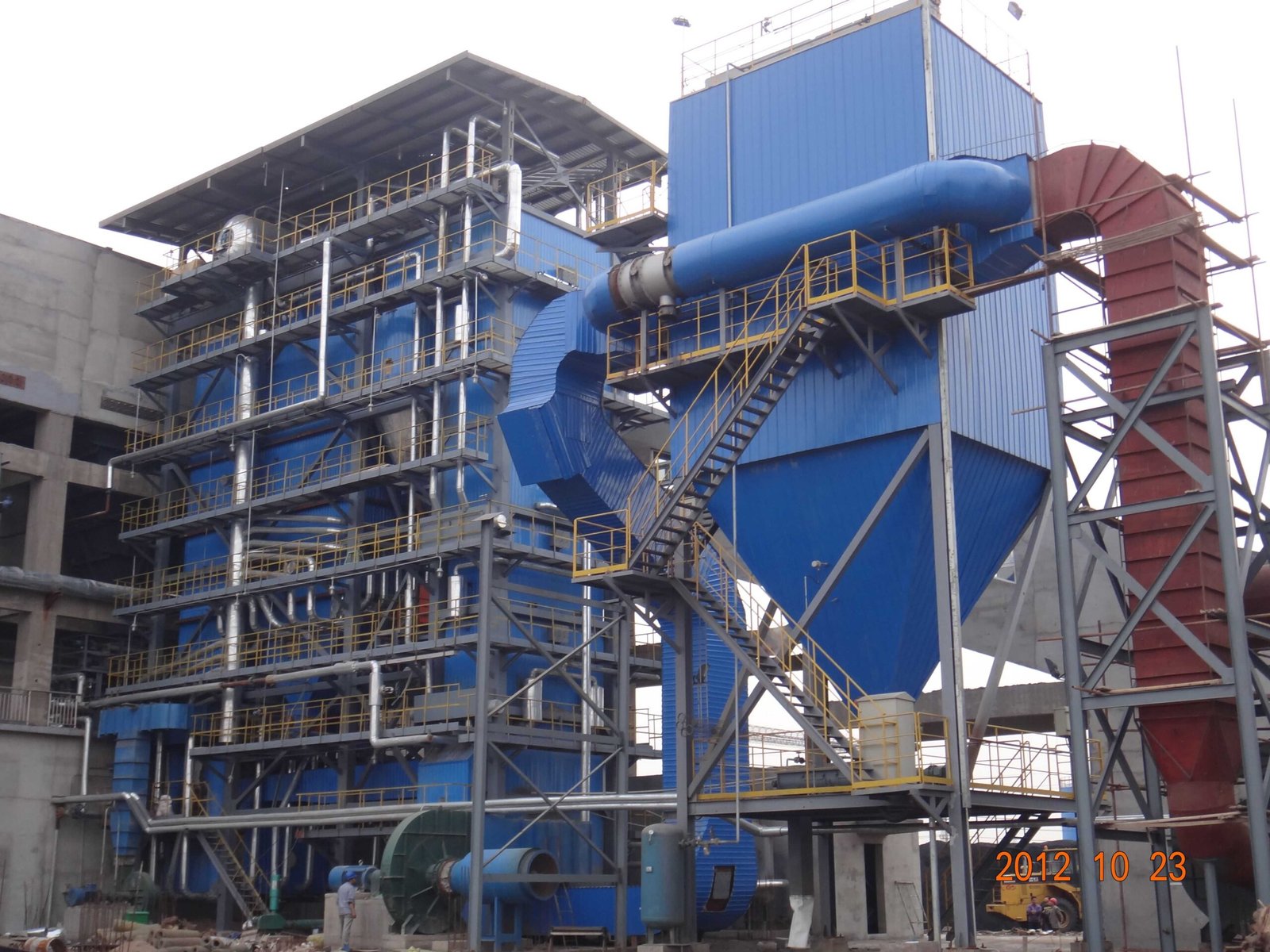
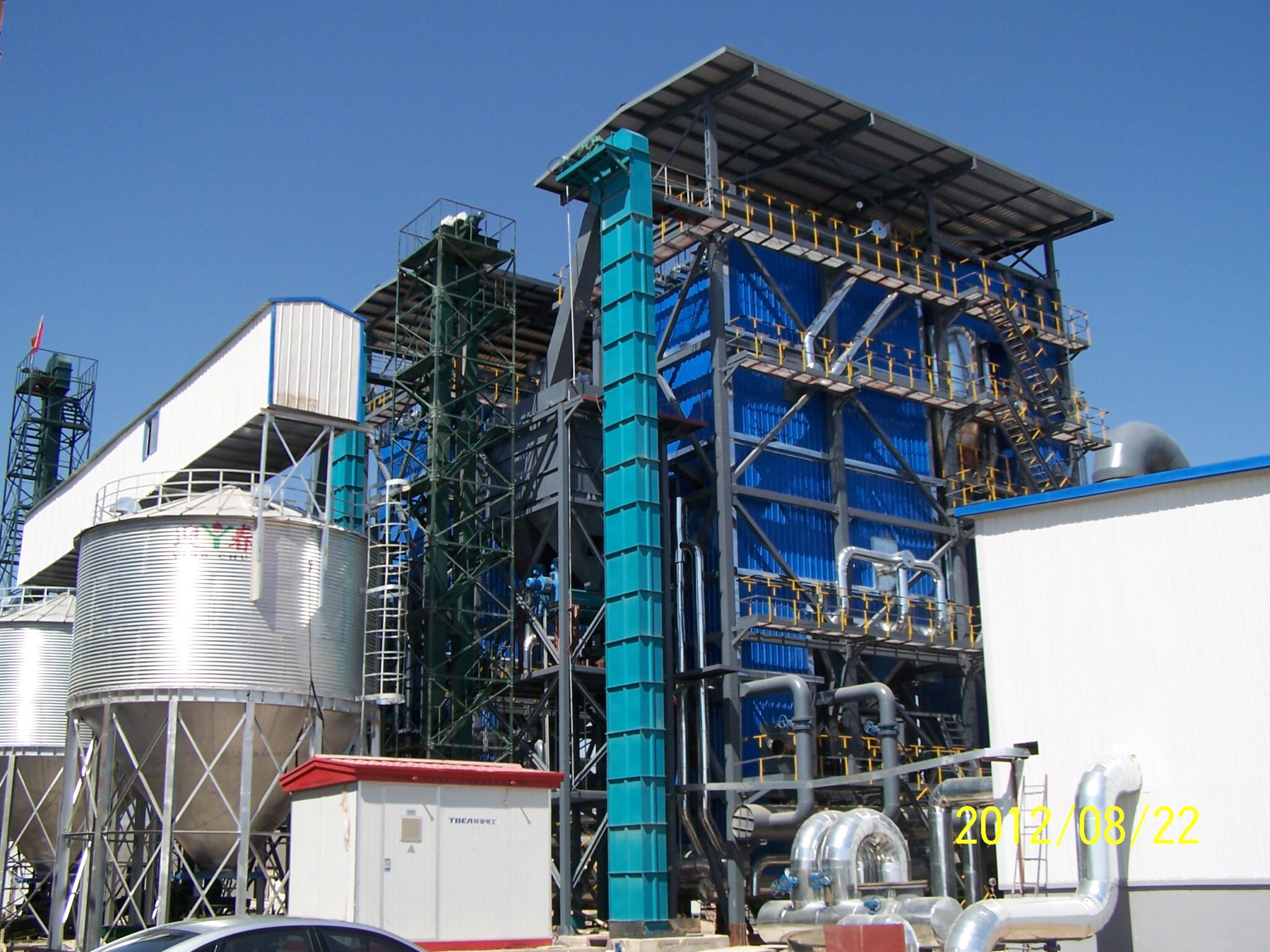
Taishan Group’s industrial boiler projects include a 4 TPH wood chip-fired steam boiler in Uruguay and a 38 TPH palm fiber-fired steam boiler for a palm oil producer in Thailand. These applications illustrate why biomass fuel acceptance requirements must reflect the actual fuel and equipment configuration.
The parameters listed above are priorities, not universal mandatory requirements. Changes in feedstock origin, composition, or processing may require renewed qualification even when the commercial fuel description remains unchanged.
4. How to Sample Biomass Fuel Deliveries for Acceptance Testing
Define the Delivery Lot and Sampling Plan
A reliable acceptance decision begins with a clearly identified delivery lot.
Depending on the purchasing agreement, a lot may consist of one truckload, several deliveries from an identified production batch, or another defined quantity of fuel.
The sampling plan should account for lot size, fuel origin, particle characteristics, heterogeneity, and the required sampling precision.
The international standard ISO 18135 for solid biofuel sampling provides a technical basis for preparing sampling plans and collecting samples from solid biofuel deliveries and stocks.
The buyer and supplier should establish sampling locations, responsibilities, batch identification, and safe sampling procedures before deliveries begin.
Collect Representative Samples and Preserve Sample Integrity
Biomass fuels present several practical sampling challenges. Coarse and fine particles may segregate during transportation, exposed fuel surfaces may be affected by rainfall or drying, and deliveries from different sources may contain localized quality variations.
A sample collected from a convenient location may therefore produce a misleading result.
A practical sampling procedure includes:
- Identify the delivery lot and verify its associated records.
- Collect representative increments according to the approved sampling plan.
- Combine increments to form the required composite sample.
- Reduce and prepare test samples using suitable methods.
- Preserve moisture samples and any agreed retained samples.
- Label, seal, and document samples to maintain traceability.
Sample reduction and preparation can follow ISO 14780 for solid biofuel sample preparation, including applicable amendments.
Moisture samples require particular protection against unintended drying, moisture absorption, and contamination.
Where quality disputes are possible, establish retained-sample quantities, storage conditions, retention periods, and sample custody procedures in advance.
5. What Fuel Tests Are Required and How Often Should They Be Performed?
Distinguish On-Site Screening from Reference Testing
Fuel delivery inspection typically combines documentation checks, visual examination, rapid screening, and laboratory testing.
Visual inspection helps identify obvious contamination, oversized material, or inconsistencies in fuel appearance. Portable moisture instruments can support rapid screening when their suitability for the relevant biomass material has been established.
For contractual moisture verification, ISO 18134-1 provides a reference determination method. Calorific value, ash content, and detailed chemical properties generally require suitable laboratory methods.
Rapid screening results should only determine final acceptance when the method and decision rules have been agreed.
Laboratories must demonstrate competence in the relevant test methods. For independent testing or dispute resolution, consider laboratories accredited to ISO/IEC 17025 with the applicable fuel testing methods within their accreditation scope.
A supplier’s Certificate of Analysis (CoA) can support acceptance but should not automatically replace the buyer’s verification requirements.
Establish a Risk-Based Sampling and Testing Schedule
| Verification stage | Parameters to verify | Typical verification approach |
|---|---|---|
| Supplier qualification | Full set of applicable fuel quality parameters | Laboratory testing and engineering assessment |
| Routine delivery | Identity, contamination, moisture, specified physical properties | Delivery inspection and agreed testing |
| Periodic verification | Calorific value, ash, and specified chemical properties | Laboratory analysis |
| Fuel origin or composition change | Properties affected by the change | Additional testing and engineering review |
| Suspected nonconformity | Abnormal or disputed parameters | Agreed reference testing or retesting |
Table 3. Example risk-based fuel inspection and testing schedule.
A supplier with inconsistent moisture results may require more frequent delivery testing. Conversely, a supplier with a documented history of conformity may qualify for reduced testing frequency under an approved inspection plan.
The testing schedule must also define how deliveries are accepted between periodic laboratory tests and how pending results affect fuel release.
6. How to Evaluate Test Results and Handle Nonconforming Fuel Deliveries
Apply Predefined Conformity Decision Rules
Before assessing a delivery against contractual acceptance limits, confirm that the sample represents the identified lot and that the test method, reporting basis, and measurement units are correct.
Results close to acceptance limits require particular attention. Measurement uncertainty can create a risk of accepting nonconforming fuel or rejecting conforming material.
The Global ACI guidance on decision rules and statements of conformity, designated Global ACI-TECH-1-002 (G), provides a useful framework for addressing these risks.
The purchasing agreement should define:
- The applicable conformity decision rule, including how measurement uncertainty is addressed.
- Conditions under which retesting is permitted.
- The reference method and independent laboratory arrangements for disputed results.
- Responsibilities for reviewing results and authorizing final disposition.
Decision rules must not be modified retrospectively simply to obtain a preferred acceptance outcome.
Separate Physical Receipt, Quality Acceptance and Release for Use
Allowing a biomass delivery to be unloaded does not necessarily mean that its quality has been accepted.
Physical receipt concerns delivery registration, quantity verification, and authorized unloading.
Quality acceptance concerns conformity with the applicable contractual fuel quality requirements.
Release for use requires the authorization necessary to introduce the fuel into the boiler system.
When laboratory results remain outstanding, the affected fuel should be segregated and identified unless a predefined, technically justified staged-release procedure is in place.
Accept, Hold, Conditionally Accept or Reject the Delivery
| Delivery condition | Recommended disposition |
|---|---|
| Applicable acceptance requirements are satisfied | Accept and authorize release |
| Required results are incomplete or questionable | Hold pending verification |
| Results are close to contractual limits | Apply the agreed conformity decision rule |
| Confirmed deviation eligible for concession | Hold for engineering review and formal approval |
| Fuel exceeds approved engineering limits | Prohibit use as delivered; reject or assess approved corrective options |
| Prohibited contamination is identified | Isolate and follow the specified rejection or disposition procedure |
Table 4. Biomass fuel delivery acceptance and disposition framework.
Conditional acceptance requires documented engineering assessment and contractual authorization. Any effects on guaranteed boiler performance must also be addressed.
Commercial discounts, blending, screening, or drying must not be used to bypass engineering or safety requirements. Where corrective treatment is approved, the treated fuel must be verified before release.
Illustrative Example: A Wood Chip Delivery with Excess Moisture
Assume a fuel purchasing contract specifies a maximum as-received moisture content of 35%. On-site screening indicates 38%, while testing using the agreed reference method reports 37%.
The batch remains on hold while the contractual decision rule is applied.
If nonconformity is confirmed, the engineering review should consider the actual as-received calorific value, fuel feeding capacity, achievable steam output, and performance guarantee conditions.
Even if the boiler can technically use the material, the delivery remains contractually nonconforming unless an authorized concession is granted.
These hypothetical values illustrate the acceptance process. They are not recommended fuel limits or data from an actual Taishan Group project.
Record Nonconformities and Require Corrective Action
Confirmed nonconformities should be documented in a Nonconformance Report (NCR), including lot identification, test results, technical assessment, approval, and final disposition.
Repeated failures should trigger supplier corrective action and a review of the inspection plan. Responsibility for retesting, transportation, and disposition costs should follow the purchasing agreement.
7. Industrial Biomass Boiler Fuel Acceptance Checklist
Use the following checklist to establish and implement a fuel delivery acceptance plan.
Before Fuel Procurement
- Confirm approved boiler fuel requirements and operating limits.
- Establish measurable contractual acceptance limits.
- Specify reporting bases and test methods.
- Agree on sampling plans and testing frequencies.
- Define conformity decision rules and approval responsibilities.
During Fuel Delivery
- Verify fuel identity and delivery lot records.
- Collect and preserve representative samples.
- Complete the required inspections and tests.
- Evaluate results against contractual criteria.
Before Release for Use
- Segregate questionable or nonconforming deliveries.
- Complete required retesting or engineering assessment.
- Obtain authorized disposition and release.
- Retain acceptance and nonconformity records.
Conclusion
Effective biomass boiler fuel acceptance criteria connect equipment requirements with measurable purchasing limits, representative sampling, reliable testing, and controlled release procedures.
The objective is to maintain fuel quality within approved engineering and contractual boundaries while reducing operational risks and purchasing disputes.
For new biomass boiler projects or changes in fuel supply, representative fuel analysis reports, expected quality variations, and operating requirements can support a more reliable boiler engineering assessment and the development of project-specific fuel acceptance requirements.
References
- ISO 17225-1:2021 — Solid biofuels — Fuel specifications and classes — Part 1: General requirements
- ISO 18135:2017 — Solid biofuels — Sampling
- ISO 14780:2017 — Solid biofuels — Sample preparation, including Amendment 1:2019
- ISO 18134-1:2022 — Solid biofuels — Determination of moisture content — Part 1: Reference method
- ISO 18122:2022 — Solid biofuels — Determination of ash content
- ISO 18125:2017 — Solid biofuels — Determination of calorific value
- ISO 17827 Series — Solid biofuels — Determination of particle size distribution for uncompressed fuels
- ISO 17828:2025 — Solid biofuels — Determination of bulk density
- ISO/IEC 17025:2017 — General requirements for the competence of testing and calibration laboratories
- Global ACI-TECH-1-002 (G) — Guidelines on Decision Rules and Statements of Conformity, June 2026