Industry News

When Should an Industrial Oil-Fired Boiler Be Replaced?
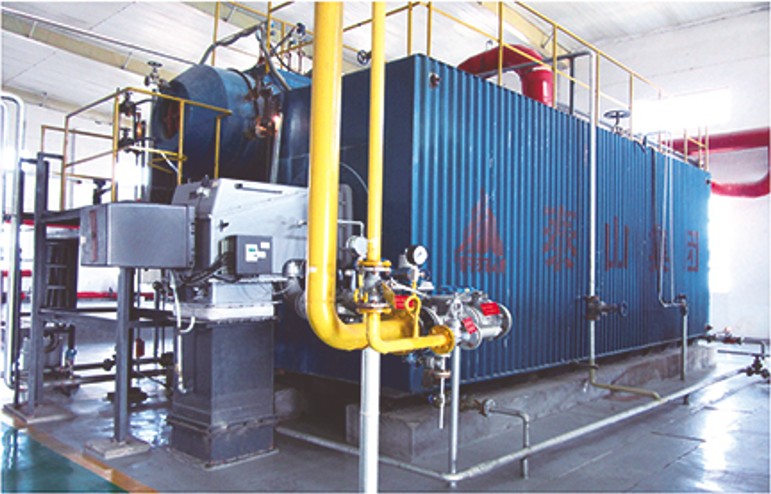
When Should an Industrial Oil-Fired Boiler Be Replaced?

Industrial oil-fired boilers are widely used for their high thermal output and reliable operation. But over time, even the most robust systems degrade, leading to rising fuel costs, frequent breakdowns, and performance inefficiencies. Delaying boiler replacement can result in significant operational losses, safety risks, and non-compliance with environmental regulations. So, when is the right time to replace an oil-fired boiler?

An industrial oil-fired boiler should be replaced when it shows signs of persistent performance decline, excessive fuel consumption, frequent and costly maintenance, outdated technology, or non-compliance with emissions regulations. Typically, these boilers require replacement after 20–25 years, though heavy usage or poor maintenance may shorten their lifespan.

Proactively identifying replacement timing can help you avoid unexpected shutdowns, regulatory fines, and inflated operating costs. Let’s explore the key indicators and considerations that guide the decision to replace an oil-fired boiler.
SZS

What Performance Issues Indicate That an Oil-Fired Boiler Needs Replacement?

Oil-fired boilers are widely used in commercial, industrial, and residential applications for their high heat output and reliable operation. However, like all combustion equipment, they age—and aging systems develop performance issues that reduce efficiency, increase operational costs, and potentially compromise safety. Plant engineers, building managers, and facility owners often face a critical decision: when does repairing an oil-fired boiler stop making financial or operational sense, and when is full replacement the smarter move?

Performance issues that indicate an oil-fired boiler may need replacement include declining thermal efficiency, increased fuel consumption, delayed ignition or burner misfiring, persistent soot buildup, corrosion or cracking in the heat exchanger, excessive noise or vibration, frequent breakdowns, and inability to meet modern emissions or safety standards. When these issues persist despite regular maintenance, they signal that the boiler’s core systems are deteriorating beyond economic repair.

These signs aren’t just annoyances—they reflect deeper mechanical and thermal fatigue, often affecting the boiler’s safety, emissions, and heat delivery performance. Recognizing these indicators early helps prevent costly downtime, avoid regulatory fines, and improve energy efficiency.

An oil-fired boiler can always be restored to optimal performance with regular servicing.False

While servicing helps, ongoing performance degradation due to age, wear, and outdated technology often makes restoration uneconomical or ineffective.


1. Declining Thermal Efficiency and High Fuel Bills

A healthy oil-fired boiler should maintain thermal efficiency in the 83%–89% range, depending on its age and whether it’s a condensing model. Over time, wear on the combustion chamber, fouling in the heat exchanger, and loss of burner precision can reduce efficiency below 75%.

Common Causes:

  • Carbon deposits reduce heat transfer

  • Leaking seals and gaskets allow heat loss

  • Soot buildup from incomplete combustion

Impact: You may notice a 10–20% increase in oil consumption for the same heating load—an immediate sign of inefficient operation.

Boiler Age (Years)Expected EfficiencyFuel Cost Penalty
0–586–89%Optimal
6–1082–85%+5–10%
11–1578–82%+10–20%
16+<75%+25% or more

Oil-fired boiler efficiency remains constant throughout its service life.False

Efficiency declines over time due to wear, fouling, and component degradation.


2. Soot Buildup and Poor Combustion Quality

Excessive soot accumulation on boiler walls and the flue pipe is a sign of incomplete combustion—typically caused by:

  • Worn or misaligned oil nozzles

  • Incorrect fuel-air ratio

  • Low draft or blocked heat exchangers

This not only reduces heat transfer efficiency but also raises emissions and risks chimney fires.

Key Indicators:

  • Soot thickness >1/16 inch (1.5 mm)

  • Flame color shifting to yellow/orange

  • Frequent smoke detector alarms or carbon monoxide alerts

Rule of Thumb: If you’re cleaning soot every few weeks or months, the combustion system may be too degraded for repair.


3. Frequent Burner Cycling, Delayed Ignition, or Misfires

A well-functioning burner should ignite cleanly, maintain a steady flame, and cycle based on demand. If your boiler:

  • Takes longer to ignite

  • Emits rumbling or puff-back sounds at startup

  • Shuts down unexpectedly or fails to restart

…it suggests that core components—like the burner motor, electrodes, or controls—are wearing out.

Frequent burner cycling also causes thermal stress and premature failure of other parts (heat exchanger, pump seals, etc.).

IssueLikely CauseRisk
Delayed IgnitionWorn electrodes, fouled nozzleFlashback, over-firing
Flame FlickerPoor draft, fuel inconsistencyIncomplete combustion
Repeated LockoutsFailing ignition controls, sensorsNo heat, shutdowns

Oil burners rarely fail unless there's a fuel supply issue.False

Burner components wear out over time, affecting ignition and combustion stability.


4. Corrosion, Leaks, or Heat Exchanger Cracks

Oil-fired boilers experience condensation and acid corrosion, especially in older non-condensing models that aren’t designed to withstand lower return temperatures. Over time, this leads to:

  • Internal corrosion

  • Hairline cracks in cast-iron or steel heat exchangers

  • Rust near return lines or firebox

These issues may cause:

  • Water leakage

  • Reduced steam or hot water output

  • Risk of carbon monoxide infiltration

Inspection Tip: If corrosion is visible on the outside, it’s likely worse internally. Replacing a cracked heat exchanger can cost $2,000–$8,000+, making boiler replacement more economical.


5. Excessive Noise or Vibrations During Operation

Unusual sounds such as:

  • Kettling (boiling water noise)

  • Banging or knocking

  • Vibrations in the burner assembly

…often indicate scale buildup, sludge in the tank, or imminent mechanical failure.

Boilers that shake during firing are not only inefficient—they’re dangerous. Vibration stresses piping and can lead to cracked joints or leaks.


6. Failure to Meet Modern Emissions and Safety Standards

Older oil-fired boilers may lack:

  • Modern flue gas analyzers

  • Low NOx burners

  • Carbon monoxide (CO) detection

  • Flame safeguard systems

Even if they still run, these units may fail local emissions regulations or insurance safety inspections, forcing decommissioning.

Emissions StandardTypical RequirementOlder Boiler Issue
NOx<50–100 mg/m³Over 200 mg/m³ common
CO<100 ppmMay exceed 200–300 ppm
Efficiency ReportingMandatory in EU/USNot supported by legacy units

Old boilers are always compliant if they still function.False

Many older boilers exceed legal emission limits or lack mandated safety features.


7. Frequent Repairs and Unplanned Downtime

If your boiler is:

  • Requiring service more than twice per season

  • Frequently triggering lockouts

  • Experiencing increased downtime costs

…it may have entered the breakdown phase of its lifecycle. At this stage, the cost of repair and lost productivity exceeds the cost of replacement.

Repair TypeAverage Cost (USD)Repeat Frequency in Aging Units
Burner Replacement$800–$1,800Every 4–7 years
Heat Exchanger Repair$2,000–$8,000Cracks common after 15 years
Control System Retrofit$1,200–$3,500Often obsolete parts

Summary Table: Signs Your Oil-Fired Boiler Needs Replacement

Performance IssueReplacement Trigger?
Efficiency drops below 78%
Frequent soot accumulation
Delayed ignition or misfiring
Cracks or corrosion in heat exchanger
Non-compliance with emissions laws
Rising fuel or repair costs

Recognizing when your oil-fired boiler’s performance issues signal systemic decline—not just isolated problems—is critical. As repair costs mount and reliability drops, replacing the boiler can restore efficiency, improve safety, lower emissions, and reduce fuel costs. In most cases, replacement pays for itself within 3–6 years via energy savings and reduced downtime, especially when switching to modern condensing or hybrid systems.
How Do Increasing Maintenance Costs and Repair Frequency Affect the Replacement Decision?

As boilers age, their operating costs don’t just increase gradually—they often accelerate sharply, especially in the form of growing maintenance expenses and more frequent repairs. These rising costs don’t only hurt the bottom line—they disrupt operations, increase safety risks, and complicate budgeting. For plant operators, building managers, and facility owners, understanding when increasing maintenance costs and repair frequency make boiler replacement more cost-effective is essential for long-term efficiency and financial planning.

Increasing maintenance costs and repair frequency directly influence boiler replacement decisions by signaling that the unit has entered the late stages of its lifecycle. When maintenance expenses exceed 4–6% of the boiler’s replacement value annually, and repair incidents become more frequent, unpredictable, or severe, continued operation becomes economically unsustainable. These factors often trigger a cost-benefit analysis that favors replacement over further repair investment.

In practical terms, a boiler that once ran for months without issue may now experience multiple shutdowns per season, each costing thousands in parts, labor, and lost production. Recognizing this trend early allows decision-makers to plan for a smooth replacement rather than react to costly breakdowns.

Frequent boiler repairs have little impact on long-term operating costs.False

Frequent repairs increase labor, parts, and downtime costs, often making boiler operation more expensive than replacement.


Understanding the Lifecycle Cost Curve

Boilers typically follow a lifecycle with three distinct financial phases:

  1. Early Life (0–5 years): Low maintenance, high efficiency

  2. Mid-Life (6–15 years): Predictable maintenance, rising minor repairs

  3. Late Life (16+ years): Sharp increase in part failure, efficiency loss, and compliance issues

Lifecycle StageTypical Maintenance CostRepair FrequencyPerformance
Early<2% of replacement costRareOptimal
Mid-Life2–4%2–3 repairs/yearStable
Late>5–6%Monthly/seasonalDeclining

If maintenance and repair costs begin to rise faster than the remaining life or efficiency of the unit justifies, replacement becomes not just advisable, but financially logical.


Key Cost Indicators That Trigger Boiler Replacement

1. Rising Annual Maintenance Expenses

As a boiler ages, its components (burners, valves, refractory, tubes, seals, pumps) wear out and require more frequent intervention. Industry benchmarks suggest:

Boiler SizeTypical Replacement Cost (USD)Replacement Threshold (5% Rule)
Small Commercial$30,000–$80,000$1,500–$4,000/year
Medium Industrial$100,000–$300,000$5,000–$15,000/year
Large Utility$500,000–$5 million+$25,000–$250,000/year

Once maintenance crosses the 5% line, you’re paying more each year just to keep it running—not to improve it.

Maintenance costs on boilers remain flat over time.False

Maintenance costs rise as components wear, making long-term operation of aging boilers increasingly expensive.

2. Increasing Repair Frequency and Severity

Repairs don’t just cost money—they cost time. A boiler that:

  • Breaks down 3+ times per year

  • Requires emergency service or after-hours repair

  • Causes production or heating interruptions

…is no longer a reliable asset. It’s a liability.

Repair TypeAvg. Cost (USD/event)Downtime Risk
Pump Replacement$1,000–$2,500Low–Moderate
Burner Repair$2,000–$5,000Moderate
Tube Leak (steam)$8,000–$25,000High
Control System Failure$5,000–$15,000Very High

Hidden Cost: Lost productivity, missed deliveries, and unhappy tenants or customers can cost more than the repair itself.


Repair vs. Replacement: When Do the Numbers Make Sense?

Scenario: 15-Year-Old 80 TPH Oil-Fired Boiler

  • Replacement Cost: $750,000

  • Annual Maintenance: $48,000 (~6.4%)

  • Downtime Cost per Incident: $3,500

  • Repairs in Past Year: 7

  • Total Annual Cost (Maintenance + Downtime): ~$72,500

  • ROI for New Boiler: 5.8 years (via 18% fuel savings + reduced service)

In this example, continued operation of the old boiler results in wasting nearly $400,000 over 5 years, not including potential compliance fines or efficiency losses.

New boilers are always more expensive to operate than repaired older units.False

Modern boilers are more efficient, have lower emissions, and require less frequent maintenance, reducing total cost of ownership.


Indirect Costs That Accelerate Replacement Timing

  • Higher Insurance Premiums: Old equipment with poor safety history

  • Code Compliance Issues: Noncompliant emissions or safety systems

  • Increased Carbon Emissions: Exposure to carbon taxes or ESG reporting risks

  • Operator Fatigue: Higher labor demands, overtime, staff burnout

Over time, these indirect costs begin to rival direct repair costs—making boiler replacement an essential investment, not an optional upgrade.


Real-World Benchmark: When Facilities Decide to Replace

A 2024 industry survey of 300 industrial facilities revealed:

  • 67% initiated boiler replacement after annual maintenance exceeded 5% of boiler value

  • 71% noted 3+ breakdowns/year as a key trigger for planning replacement

  • 56% cited “cost unpredictability” as a primary reason to replace even a functioning boiler

Facilities with planned replacements reported saving an average of 18–25% on fuel and O&M within the first two years.


When rising maintenance costs and repair frequency start stacking up, they are clear signals that your boiler has reached the end of its economic life—even if it hasn’t failed outright. By shifting from reactive repairs to proactive replacement planning, facilities can regain cost control, boost energy efficiency, and eliminate surprise shutdowns. It’s not about waiting until it breaks—it’s about replacing before the breaking point becomes too costly to ignore.
Why Is Emissions Compliance a Crucial Factor in Determining the Boiler’s End of Life?

In today’s regulatory environment, industrial boilers must do more than produce steam—they must do so cleanly and efficiently. As environmental standards tighten across regions and industries, emissions compliance has become one of the most decisive factors in determining whether a boiler is still viable or needs to be replaced. Older units that once operated within acceptable thresholds now face fines, operational restrictions, or forced shutdowns. Failing to meet modern emissions requirements isn’t just an environmental concern—it’s an economic and legal liability that can render a boiler obsolete.

Emissions compliance is a crucial factor in determining a boiler’s end of life because evolving environmental regulations often exceed the technical or economic capacity of older boilers to adapt. When retrofitting is cost-prohibitive or emissions cannot be reliably controlled, continued operation becomes noncompliant, unsafe, or financially unsustainable—necessitating full replacement.

A boiler that cannot meet current or upcoming emissions limits—no matter how well it functions thermally—is effectively at the end of its regulatory and operational life. This makes emissions performance not just a maintenance issue, but a strategic determinant for decommissioning or replacement.

As long as a boiler functions, emissions limits are not a concern.False

Regardless of mechanical condition, boilers must meet local and national emissions standards to legally operate. Noncompliance can lead to fines or forced shutdowns.


How Emissions Standards Drive Boiler Retirement

Regulatory tightening is relentless and global:

  • U.S. EPA: MACT standards for industrial boilers

  • EU: Industrial Emissions Directive (IED), BAT-AELs

  • China: Ultra-low emissions standards for NOx, SOx, PM

  • India: CPCB norms requiring retrofits or phase-out of noncompliant units

PollutantLegacy Boiler EmissionsModern Limit (Typical)Retrofit Feasibility
NOx200–400 mg/Nm³≤100 mg/Nm³Moderate to High
SO₂500–1000 mg/Nm³≤100–200 mg/Nm³Very High (FGD)
Particulate Matter100–300 mg/Nm³≤30 mg/Nm³Moderate
CO200–400 ppm≤100 ppmHigh (Burner tuning)

Retrofitting for compliance may require:

  • SCR systems for NOx

  • FGD scrubbers for SOx

  • ESP or baghouses for PM

  • Activated Carbon Injection for mercury

  • Upgraded control systems for combustion tuning

Total retrofit cost often ranges from $1 million to $10+ million, depending on boiler size and pollutants—approaching or even exceeding the cost of a new, compliant unit.


When Compliance Is No Longer Achievable

1. Outdated Combustion Technology

Older boilers:

  • Lack air-fuel modulation capabilities

  • Burn fuel at inefficient temperature bands

  • Cannot support low-NOx burners or flue gas recirculation

Result: Even with maintenance, emissions remain above limits.

2. Structural or Material Limitations

Retrofitting requires:

  • High-temperature alloys for SCR reactors

  • Space for additional scrubbers

  • Structural reinforcements for ductwork

If the existing boiler frame can’t support these additions, it becomes a technical dead-end.

Retrofitting emissions controls is always possible regardless of boiler age or design.False

Older boilers may lack the structural capacity, control systems, or space to integrate modern emissions control technologies effectively.

3. Combustion Instability with Alternative Fuels

As plants switch to cleaner or mixed fuels (e.g., biomass, natural gas), older boilers may:

  • Produce unstable combustion

  • Generate excess CO or PM

  • Require frequent tuning

The emissions variability itself makes compliance impossible without full system overhaul.


Emissions Compliance and Financial Risk

Noncompliance Consequences:

TypeExample Impact
Regulatory Fines$10,000–$100,000 per violation
Forced ShutdownsUp to $25,000/hour in lost production
Lost PermitsRevocation of environmental operating license
Carbon TaxesAdded operating cost per ton of CO₂
Reputation DamageESG reporting risk, lost green certifications

In many jurisdictions, exceeding limits just once may require mandatory environmental remediation or public disclosure.


Case Example: Industrial Oil-Fired Boiler – Europe

  • Age: 22 years

  • Pollutants Exceeded: SO₂ and NOx

  • Retrofit Quote: $2.3M (SCR + partial FGD + controls upgrade)

  • New Condensing Boiler Quote: $2.8M (95% efficient, fully compliant)

  • Outcome: Replacement chosen

  • ROI: 4.9 years (fuel savings + avoided fines + carbon credit eligibility)

Boiler replacement for emissions compliance has no financial return.False

Replacement often pays for itself through fuel savings, emissions credit eligibility, and avoidance of penalties.


Modern Emissions-Compliant Boiler Benefits

New boilers are designed for compliance, offering:

  • Low-NOx burners with <30 mg/Nm³ output

  • In-furnace desulfurization or integrated FGD

  • Built-in sensors for continuous emissions monitoring (CEMS)

  • Modular control systems for AI-based combustion tuning

  • Lower excess air requirements = less fuel waste

In addition, modern systems are eligible for emissions credits, ESG score boosts, and green financing, further improving ROI.


Emissions Compliance as a Lifecycle Milestone

Rather than waiting for physical breakdown, many operators now define a boiler’s “end of useful life” by its inability to meet emissions or efficiency benchmarks, such as:

Trigger EventResulting Action
Failure to meet revised NOx limitsPlan retrofit or replace
New carbon tax exceeding $40/tonRe-evaluate boiler economics
Utility emissions audit failedDecommission or upgrade
Control system can’t regulate emissionsImmediate compliance risk

Emissions compliance isn’t just a regulatory hurdle—it’s a strategic marker of a boiler’s remaining viability. As emissions standards become more aggressive and carbon economics evolve, boilers that cannot comply effectively become stranded assets. For forward-thinking operators, compliance isn’t just about legality—it’s about ensuring economic resilience, operational continuity, and environmental credibility in a rapidly decarbonizing world.
How Does Outdated Technology Impact Fuel Efficiency and Automation Capabilities?

In an era of rising energy prices, stricter emissions regulations, and automation-driven performance expectations, fuel efficiency and system intelligence are no longer optional—they’re essential. Yet many industrial facilities still rely on outdated boiler technologies built 20 or more years ago. While these systems may still produce steam or heat, they do so at the cost of higher fuel consumption, ineffective control, and limited data visibility, undermining both operational and financial performance. So, what’s the true cost of outdated boiler technology?

Outdated boiler technology negatively impacts fuel efficiency by lacking advanced combustion controls, real-time modulation, and precision instrumentation. It also limits automation capabilities due to analog systems, fixed-load operation, and non-integrated controls, resulting in excessive energy use, higher emissions, slower response times, and increased manual oversight. Modern systems, by contrast, optimize fuel-to-steam ratios and integrate seamlessly with plant-wide automation.

This technological gap creates not just energy waste but a drag on process efficiency, regulatory compliance, and asset reliability—making modernization or replacement not just desirable, but necessary for competitiveness.

Old boiler systems maintain fuel efficiency on par with modern units.False

Outdated boilers lack real-time modulation, oxygen trim, and integrated control systems, resulting in 10–30% lower fuel efficiency compared to modern units.


I. Fuel Efficiency Losses from Obsolete Combustion Systems

Older boilers typically use on/off or fixed-stage burners, simple mechanical linkages, and manual draft controls. These outdated systems cannot dynamically adjust combustion parameters, leading to:

  • Excess air, which cools flue gases and wastes heat

  • Incomplete combustion, resulting in unburned fuel

  • Erratic flame stability, which reduces heat transfer consistency

Comparison of Efficiency-Related Features

FeatureOutdated TechnologyModern Technology (Post-2015)
Burner TypeSingle/dual-stageFully modulating
Air-Fuel Ratio ControlMechanical linkageServo-motor with O₂ trim
Excess Air Levels20–30%5–10% (adjustable via sensors)
Stack Temperature300–450°C150–250°C
Condensing CapabilityNoYes (up to 98% efficiency)

Resulting Impact: Outdated systems average 78–82% thermal efficiency, while modern condensing or modulating boilers can achieve 90–98% depending on return water temperature and fuel type.

Old boilers can achieve over 90% efficiency without upgrades.False

Only modern condensing or high-performance modulating boilers can reach 90%+ efficiency; older systems typically peak at 80–85%.


II. Fuel Consumption and Cost Comparison

The difference in thermal efficiency directly translates to fuel overconsumption.

Fuel Consumption Example:

Boiler CapacityTechnology TypeEfficiencyFuel Use (L/hr)Fuel Waste (%)Annual Cost Impact*
5,000 kg/hrOld Dual-Stage80%~420Baseline
 Modern Modulating92%~365~13% saved↓ ~$24,000/year

*Assumes $1/liter fuel price, 4,000 operating hours/year

Even modest gains in combustion efficiency yield substantial annual savings. Over a 10-year lifespan, the difference may exceed $200,000 for a single boiler.


III. Automation Deficiencies in Legacy Systems

Modern industrial boilers function as digital energy hubs—interacting with sensors, analytics platforms, and plant control systems. Outdated boilers, however:

  • Use analog gauges, manual switches, and standalone PID loops

  • Require manual tuning during load changes

  • Cannot integrate with SCADA/DCS or EMS platforms

  • Lack remote diagnostics, alerts, or predictive maintenance features

Comparison of Automation Capabilities

FunctionOutdated BoilerModern Intelligent Boiler
SCADA IntegrationManual-onlyFull OPC/Modbus compatible
Alarm and Fault LoggingLocal lightsCloud/remote notification
Oxygen Trim and Feedback LoopNot supportedReal-time auto adjustment
Load Following (Turbine/Process)Manual burner cyclingContinuous modulation
Maintenance ForecastingTime-based onlyCondition-based predictive

Result: Older systems rely on human operators and react after performance issues occur. Modern systems prevent downtime and reduce human error.


IV. Impact on Plant Operations and Staffing

Labor inefficiency is a hidden but growing cost in plants with obsolete boiler systems. Because these boilers:

  • Require more frequent operator intervention

  • Cannot self-diagnose issues

  • Lack real-time remote access or controls

…plants need more on-site staff, especially on weekends or overnight. In contrast, a modern automated boiler can:

  • Auto-start or shut down based on load

  • Alert maintenance via SMS or email

  • Interface with building/plant automation for seamless demand response

MetricLegacy Boiler SystemModern Automated Boiler
Operator Attention Required4–6 hours/day<1 hour/day
Unplanned Downtime Incidents4–6 per year0–2 per year
Staff Needed Per Shift1–2 operatorsShared or remote access

V. Regulatory and ESG Implications

Older boiler technology often:

  • Fails to meet real-time emissions monitoring requirements

  • Cannot demonstrate energy efficiency performance for green certification

  • Lacks reportable data for ESG compliance and audits

This places facility owners at a disadvantage when bidding for sustainable projects or undergoing environmental inspections.


VI. Return on Investment for Technology Upgrades

Cost ElementModern Upgrade (USD)Payback (years)
Boiler Replacement (modulating)$200,000–$500,0003–6
Retrofit Controls + O₂ Trim$30,000–$80,0001.5–3
Automation (SCADA integration)$20,000–$50,0002–4

Fuel savings, reduced labor, and avoided downtime often result in double-digit internal rate of return (IRR) on modernization.

Automation in boilers offers minimal savings over manual operation.False

Boiler automation improves efficiency, reduces labor costs, and enables predictive maintenance, significantly improving operational savings.


Outdated boiler technology is no longer just inefficient—it’s incompatible with modern demands for energy efficiency, automation, and emissions accountability. These legacy systems burn more fuel, require more labor, and offer less control. In contrast, modern intelligent boiler systems optimize every aspect of performance—from combustion to remote access—delivering not only compliance but true operational excellence. Upgrading is not just a technological leap—it’s a strategic investment in sustainability, profitability, and resilience.
What Is the Typical Service Life of an Industrial Oil-Fired Boiler, and What Factors Influence It?

Oil-fired boilers remain a reliable heat and steam source for industries worldwide, especially in regions without easy access to piped natural gas. However, every industrial boiler has a finite service life, beyond which performance degrades, maintenance costs rise, and regulatory compliance becomes harder to achieve. For plant managers and engineers, understanding the typical lifespan of these systems—and the variables that can shorten or extend it—is essential for preventive planning, budgeting, and lifecycle optimization.

The typical service life of an industrial oil-fired boiler ranges between 20 and 30 years. However, actual lifespan is significantly influenced by factors such as design quality, maintenance practices, fuel quality, water treatment effectiveness, thermal cycling, and the level of automation or control integration. Boilers operating under severe conditions or poor maintenance may require replacement in 15 years or less, while well-maintained units can exceed 35 years of useful service.

This wide range highlights that boiler longevity is not just about how long it runs—but how well it’s run, and in what environment. Lifecycle strategies should focus not only on maximizing lifespan but on maintaining efficiency, safety, and compliance throughout.

All industrial boilers last the same number of years regardless of operating conditions.False

Boiler lifespan varies based on maintenance quality, operating load, water treatment, and environmental conditions.


I. Typical Service Life Benchmarks

Boiler TypeExpected Lifespan (Years)With Poor MaintenanceWith Optimized Maintenance
Fire-tube Oil-Fired Boiler20–2512–1830–35
Water-tube Oil-Fired Boiler25–3015–2035+
High-Pressure (>150 psi)20–2512–1630
Condensing Oil Boiler15–2010–1422–25

Key Insight: Fire-tube boilers are generally more tolerant to short-term load swings but require more frequent tube inspections. Water-tube boilers offer better longevity when properly maintained but are more sensitive to feedwater quality.


II. Major Factors Influencing Oil-Fired Boiler Lifespan

1. Design and Construction Quality

  • Material grade (e.g., boiler steel vs. cast iron)

  • Wall thickness of pressure vessels and tubes

  • Weld quality and NDT (non-destructive testing) practices

  • Thermal insulation and expansion accommodation

Higher-quality boilers with conservative design margins and robust material selection naturally outlast cheaper or lightly engineered units.

All boilers are built to the same standard regardless of cost or manufacturer.False

Industrial boiler longevity is strongly influenced by design specifications, material quality, and construction practices, which vary significantly among manufacturers.

2. Operating Hours and Load Profile

The number of annual operating hours and whether the unit is base-load or peaking dramatically affects wear.

Load TypeThermal Cycling FrequencyWear Rate Impact
Base LoadLowLow
Peaking/BackupHigh (frequent starts)High
Variable ProcessModerate to HighModerate

Frequent start-stops lead to metal fatigue, expansion-contraction stress, and seal wear. Boilers operated at steady loads typically last longer.

3. Fuel Quality and Combustion Control

Oil impurities such as sulfur, heavy metals, and ash can:

  • Corrode heat exchangers

  • Foul burners and fuel lines

  • Increase soot deposits

Use of poor-quality fuel oil accelerates degradation of burner tips, nozzles, and combustion chambers.

Automated burners with oxygen trim systems optimize air-fuel ratio, reducing soot, unburned fuel, and thermal stress—directly extending boiler life.


III. Importance of Maintenance and Inspection Routines

Neglecting key maintenance tasks can reduce service life by 30–50%. Conversely, routine care can extend it well beyond average.

Essential Maintenance Practices:

TaskRecommended FrequencyImpact on Lifespan
Tube cleaning (soot/blowdown)Weekly–MonthlyPrevents scaling and heat loss
Water chemistry testingDaily–WeeklyPrevents corrosion/scaling
Burner inspection/calibrationMonthly–QuarterlyMaintains efficient combustion
Annual inspections (NDT)YearlyDetects cracks, fatigue

Boiler maintenance has a minor effect on overall service life.False

Regular maintenance is essential to prevent thermal degradation, corrosion, and pressure boundary failure.


IV. Feedwater Quality and Water Treatment

Feedwater contaminants—such as hardness minerals, oxygen, silica, and chlorides—are among the top causes of early boiler failure.

Poor water chemistry leads to:

  • Scale buildup, reducing heat transfer

  • Corrosion pitting, weakening the metal

  • Oxygen ingress, damaging tubes and drums

Example: Scale Thickness vs. Efficiency and Life Reduction

Scale Thickness (mm)Heat Transfer Loss (%)Life Reduction (%)
0.5~2%Negligible
1.5~10%Moderate
3.0+>20%Significant

A proper water treatment program includes:

  • Deaeration (mechanical + chemical)

  • Ion exchange or RO systems

  • Blowdown optimization


V. Environmental and Site Factors

  • High-humidity environments accelerate external rusting

  • Coastal sites face chloride-induced corrosion

  • Dirty environments cause intake fouling

  • Poor foundation or seismic zones lead to structural misalignment

Site conditions do not affect how long a boiler lasts.False

Environmental exposure such as humidity, salinity, and airborne contaminants can significantly shorten boiler life.


VI. When to Decommission: Performance and Economic Triggers

Even if a boiler is technically functional, several end-of-life signs may indicate that replacement is more cost-effective:

IndicatorReplacement Justified?
Annual maintenance >5% of capex
Thermal efficiency <78%
More than 3 major repairs/year
Cannot meet updated emissions laws
Key parts no longer available

Summary Chart: Service Life Influencers for Oil-Fired Boilers

Factor CategoryNegative Impact on LifePositive Influence
MaintenanceInfrequent, reactiveScheduled, preventive
Fuel QualityHigh sulfur or contaminantsLow-ash, filtered fuel
Water ChemistryHard, untreated waterDeaerated, conditioned
Load CyclingFrequent start-stopStable base load
ControlsManual/analogDigital with modulation
Design/Build QualityThin walls, low-grade steelThick walls, premium alloys
EnvironmentHumid, coastal, pollutedClean, temperature controlled

The lifespan of an oil-fired industrial boiler isn’t simply a matter of years—it’s the result of technical design, operational behavior, maintenance discipline, and site-specific variables. Knowing this, smart asset managers plan proactively: monitor key wear indicators, optimize fuel and water inputs, and plan upgrades or replacement before irreversible degradation occurs. With the right practices, your boiler doesn’t just last—it performs efficiently and safely for decades.
When Is It More Cost-Effective to Replace Rather Than Repair or Retrofit an Oil-Fired Boiler?

Oil-fired boilers are long-lasting, reliable sources of heat and steam, often serving industrial facilities for two or three decades. But over time, performance declines, maintenance costs rise, and new regulatory or efficiency standards emerge. At a certain point, decision-makers face a critical choice: continue repairing or retrofitting the existing boiler—or invest in a complete replacement. This decision has profound financial, operational, and environmental implications, and making the wrong call can lead to escalating costs or unexpected failures.

It is more cost-effective to replace an oil-fired boiler rather than repair or retrofit it when the total annual maintenance and repair costs exceed 5–10% of its replacement value, when its fuel efficiency drops below 80%, or when the boiler cannot economically meet updated emissions or safety regulations. If retrofitting requires over 50–60% of the cost of a new boiler with inferior performance returns, replacement is usually the financially smarter option.

This threshold isn’t arbitrary. It’s rooted in total cost of ownership (TCO), return on investment (ROI), and operational risk metrics. Knowing when you’ve crossed this line helps prevent unnecessary spending and production downtime.

Boiler replacement is rarely cost-effective compared to repair.False

When repair and retrofit costs exceed 60% of replacement cost, and the boiler remains inefficient or noncompliant, replacement yields better long-term value.


I. The Total Cost Comparison: Repair vs. Retrofit vs. Replacement

Cost ComponentRepair (Annual)Retrofit (One-Time)Full Replacement (One-Time)
Burner Replacement$2,000–$5,000Included in retrofitIncluded
Heat Exchanger Repair$5,000–$15,000N/AIncluded
Control System UpgradeN/A$20,000–$50,000Included
Emissions Compliance RetrofitN/A$50,000–$150,000+Designed-in
Fuel Efficiency (post-action)~82%~85–88%~90–95%
Downtime During WorkHoursDays2–4 Weeks
Expected Lifespan Post-Action2–5 Years5–10 Years20–30 Years

Aged boilers that require multiple repairs per year, significant downtime, or cannot achieve ROI-positive efficiency after retrofitting are usually better replaced.


II. Critical Economic Indicators for Replacement Timing

1. Annual O&M Cost as % of Replacement Value

Boiler Value (USD)Annual O&M CostThreshold Breached?
$250,000$18,000✅ (7.2%)
$400,000$12,000❌ (3.0%)

Rule of Thumb: Once annual O&M exceeds 5% of the boiler’s replacement cost consistently, replacement becomes more economical.

2. Efficiency-Related Fuel Loss

Older oil-fired boilers (<80% efficiency) consume 10–20% more fuel than newer high-efficiency systems (>90%). This can equate to $20,000–$80,000/year in wasted fuel, depending on operating hours and load.

Boiler SizeAnnual Fuel Cost @ 80% Eff.Fuel Cost @ 92% Eff.Annual Savings
5,000 kg/hr unit$180,000$156,500$23,500
10,000 kg/hr unit$360,000$313,000$47,000

Payback Period for Replacement = Cost of New Boiler / Annual Savings
If this equals 5 years or less, replacement is financially preferred.


III. When Retrofit Fails to Solve Core Issues

Retrofit projects may involve:

  • Installing O₂ trim systems

  • Upgrading burner or control panel

  • Adding low-NOx or flue gas recirculation (FGR) components

But if the boiler:

  • Lacks structural space for emissions upgrades

  • Has severe metal fatigue or corrosion

  • Cannot integrate with modern BMS/SCADA

  • Still falls short on efficiency or compliance after upgrade

…it’s time for replacement.

Any old boiler can be made compliant with retrofits.False

Many older boilers lack the space, material integrity, or control systems required to accommodate emissions or efficiency retrofits.


IV. Operational Risk and Downtime Frequency

Unplanned shutdowns, frequent lockouts, and recurring emergency service calls not only cost money—they increase production losses and reputational risks.

Event TypeFrequency (per year)Average Cost (USD)
Emergency Lockout2–6$3,000–$7,000
Pressure Vessel Crack1$5,000–$15,000
Burner Misfire or Failure3–5$2,000–$4,000
Downtime Impact (large plant)1 hr$2,000–$10,000/hr

If repair-related downtime exceeds 40–60 hours/year, the associated opportunity cost often makes replacement the more economical option.


V. Emissions and Regulatory Compliance Costs

A boiler that cannot meet SO₂, NOx, or particulate matter limits risks:

  • Daily fines (up to $10,000/day)

  • Forced shutdown or permit loss

  • Required CEMS installation and audits

Retrofitting emissions controls can cost $50,000–$200,000+, especially if SCR or FGD systems are required. This represents 60–90% of a new compliant boiler, with shorter post-retrofit lifespan (5–10 years vs. 20+ years).

Old boilers can indefinitely operate under old emissions rules.False

Regulations evolve, and noncompliant boilers face shutdowns or expensive retrofits. Replacement is often the only path to sustainable compliance.


VI. Decision-Making Flowchart: Replace vs. Repair

↓ Is the boiler more than 20 years old?
    ↓ Yes
        ↓ Annual maintenance >5% of capex?
            ↓ Yes
                ↓ Efficiency <82%?
                    ↓ Yes → Replace now
                    ↓ No → Retrofit or monitor
                ↓ No → Evaluate emissions compliance
            ↓ No → Monitor repairs
        ↓ No → Continue with maintenance
    ↓ No → Evaluate repair feasibility

VII. Real-World Example: 15-Year-Old Oil-Fired Fire-Tube Boiler

  • Replacement Cost: $350,000

  • Retrofit Cost: $190,000

  • Annual Maintenance: $18,000

  • Efficiency: 78%

  • Fuel Cost Overrun vs. New Unit: $27,000/year

  • Payback Period for New Boiler: 4.6 years

Decision: Replaced with condensing oil-fired boiler (94% efficiency), 7% emissions margin below limits, SCADA-integrated.


When repair costs escalate and retrofits fail to provide meaningful gains in efficiency or compliance, replacement becomes not just a cost—but a strategic investment. The true tipping point occurs when fuel waste, downtime, and maintenance overwhelm the operational value of the boiler. Modern systems deliver better automation, safer combustion, lower emissions, and faster ROI. In most cases, early, proactive replacement avoids financial leakage and sets the foundation for long-term process resilience.

🔍 Conclusion

Replacing your oil-fired boiler at the right time protects your production output, reduces operating costs, and ensures compliance with modern standards. A data-driven replacement strategy minimizes downtime and maximizes long-term value. 🛢️🏭✅

FAQ

Q1: What is the typical lifespan of an industrial oil-fired boiler?
A1: The average lifespan of an industrial oil-fired boiler is 20 to 30 years, depending on usage, maintenance practices, and operating conditions. Boilers that operate under high pressure, heavy loads, or poor maintenance may fail earlier. If your boiler is nearing or exceeding this range, it’s advisable to assess its efficiency, emissions, and repair history to determine whether replacement is more economical than continued maintenance.

Q2: How does declining efficiency signal the need for boiler replacement?
A2: Over time, oil-fired boilers lose thermal efficiency due to internal scaling, soot buildup, worn burners, and outdated control systems. If you’re experiencing rising fuel consumption, inconsistent heating, or prolonged startup times, it may be more cost-effective to invest in a new, high-efficiency boiler. New models often offer 85–90%+ efficiency, compared to older units operating at 70–75%.

Q3: When do frequent repairs make replacement the better option?
A3: If your boiler requires frequent service, major component replacements (e.g., burners, heat exchangers, controls), or has increasing unplanned downtime, it may be reaching the end of its reliable life. When annual repair and maintenance costs exceed 30–50% of the cost of a new unit, replacement is typically the smarter investment.

Q4: How do emissions standards influence the decision to replace a boiler?
A4: Stricter environmental regulations may require older oil-fired boilers to retrofit expensive emissions control equipment to comply with NOx, SOx, CO₂, and particulate limits. If retrofitting is not technically or economically feasible, upgrading to a newer, low-emissions boiler or converting to a cleaner fuel source (like gas or biofuel) may be necessary for regulatory compliance and future-proofing operations.

Q5: Are there technological or economic benefits to replacing an old boiler?
A5: Yes. Modern oil-fired boilers offer higher energy efficiency, advanced digital controls, remote monitoring, and better emissions performance. New units also tend to be more compact, easier to maintain, and safer to operate. Additionally, energy savings, reduced downtime, and potential government incentives can offset the upfront cost of replacement and deliver long-term ROI.

References

  1. Boiler Lifespan and Replacement Signs – https://www.energy.gov/eere/femp/boiler-maintenance – U.S. Department of Energy

  2. Oil Boiler Efficiency Guide – https://www.cleaverbrooks.com/reference-center/boiler-efficiency-guide.aspx – Cleaver-Brooks

  3. Cost of Repair vs Replacement – https://www.buildings.com/articles/27345/boiler-repair-or-replace – Buildings.com

  4. Emissions Compliance for Oil Boilers – https://www.epa.gov/stationary-sources-air-pollution – U.S. Environmental Protection Agency

  5. Industrial Boiler Retirement Planning – https://www.abma.com/safety – American Boiler Manufacturers Association

  6. Oil Boiler Upgrade Benefits – https://www.achrnews.com/articles/143933-benefits-of-replacing-old-oil-boilers – ACHR News

  7. High-Efficiency Boiler Models – https://www.hurstboiler.com/boilers/gas_oil_fired/ – Hurst Boiler

  8. Industrial Emissions Trends – https://www.iea.org/reports/energy-technology-perspectives – International Energy Agency

  9. Energy Cost Savings from New Boilers – https://www.viessmann-us.com/en/knowledge/when-to-replace-boiler.html – Viessmann

  10. Boiler Automation and Remote Monitoring – https://www.emerson.com/en-us/automation/industrial-energy/boiler-control-systems – Emerson Automation

Wade Zhang

CEO of Taishan Group Taian Boao International Trade Co., Ltd. 30 years experience in Global industrial boiler market,  Over 300 boiler projects experience, including 21+ EPC projects. Projects span 30+ countries & regions, involving industries such as nuclear power, energy & electricity, municipal heating, mining, textiles, tires etc.

When Should an Industrial Oil-Fired Boiler Be Replaced? Read More »
Cost Range of Different Types of Power Plant Boilers

Cost Range of Different Types of Power Plant Boilers

Investing in a power plant boiler is a high-capital, long-term decision that influences energy production efficiency, environmental compliance, and operational cost for decades. However, boiler prices vary widely depending on type, capacity, pressure, fuel, and technology. Without a clear understanding of the cost range across boiler categories, project developers risk underbudgeting or overpaying for inappropriate solutions.

The cost range of different types of power plant boilers is broad: Pulverized Coal (PC) boilers typically cost $500–$1,200 per kW, Circulating Fluidized Bed (CFB) boilers range from $600–$1,300 per kW, Waste Heat Recovery Boilers (WHRB) from $300–$800 per kW, Biomass-fired boilers from $700–$1,500 per kW, and Gas-fired Combined Cycle boilers from $400–$900 per kW. Total plant size, pressure level, fuel type, emissions technology, and site-specific factors can greatly influence these costs.

Understanding the price structure by boiler type helps plant designers and investors align capital budgeting with performance goals. Let’s examine the detailed cost breakdowns and considerations for each type.

What Is the Cost Range of Pulverized Coal (PC) Boilers, and What Influences Their Pricing?

Pulverized coal (PC) boilers remain a mainstay in high-capacity thermal power generation across many industrial sectors and utilities. However, due to their scale, engineering complexity, and emissions compliance requirements, these systems represent one of the highest capital expenditures in boiler technology. Plant owners and procurement managers often ask: what is the true cost of a PC boiler, and why does it vary so widely between projects? Without a clear understanding of pricing ranges and cost influencers, it’s easy to either overspend or under-budget—both of which can derail project timelines and ROI.

The cost range of pulverized coal (PC) boilers typically falls between $600 and $1,500 per kilowatt (kW) of installed capacity, depending on configuration, emissions controls, fuel type, and site-specific factors. For a medium to large-scale unit (100–600 MW), this translates to a total installed cost of $60 million to over $900 million. Key cost drivers include boiler pressure rating, combustion system design, emissions control requirements, auxiliary equipment, and regional labor/material costs.

This wide range reflects not just the mechanical equipment, but also the scope of systems integration, environmental compliance packages, and the unique demands of the installation site. Understanding these cost influencers allows operators to align technical needs with budgetary realities.

All PC boilers cost roughly the same per megawatt of capacity.False

PC boiler pricing varies significantly based on pressure rating, emissions systems, fuel quality, and site-specific factors.


Typical Cost Range by Capacity Class

Let’s break down the installed capital cost of PC boilers based on their size and operational classification:

Boiler Capacity (MW)Cost Range per kW (USD)Total Cost Estimate (USD)Notes
50–100 MW$1,000–$1,400$50M–$140MHigher unit cost due to scale
100–300 MW$850–$1,200$85M–$360MStandard industrial range
300–600 MW$700–$1,000$210M–$600MEconomies of scale apply
600–1000 MW+$600–$900$360M–$900M+Ultra-supercritical class units

Key Definitions:

  • Subcritical Boilers: Lower pressure (<22 MPa), less efficient, lower capital cost

  • Supercritical Boilers: Higher pressure (>22 MPa), better efficiency, higher cost

  • Ultra-Supercritical: Highest pressure/temperature, premium efficiency, highest initial cost

The choice of boiler pressure rating significantly influences long-term fuel cost savings, so while ultra-supercritical designs may cost more upfront, they often deliver better lifecycle economics.


Key Factors That Influence PC Boiler Pricing

1. Pressure and Temperature Ratings

  • Higher pressure and temperature boilers require stronger materials, tighter tolerances, and advanced welding.

  • Supercritical and ultra-supercritical designs increase initial cost but reduce fuel consumption per MWh.

Boiler TypeSteam Pressure (MPa)Efficiency (%)Relative Cost Increase
Subcritical16–1836–38%Base cost
Supercritical22–2540–42%+10–20%
Ultra-supercritical>2543–46%+20–35%

Ultra-supercritical PC boilers are more expensive to operate than subcritical ones.False

Despite higher initial cost, ultra-supercritical boilers offer higher efficiency and lower fuel costs over time.

2. Emissions Control Systems

Modern PC boilers must comply with increasingly strict air pollution standards. The cost of environmental equipment can represent 20%–35% of the total boiler cost.

Emissions ControlEquipment IncludedCost Impact (USD/MW)Mandatory?
SOx ControlWet FGD system$50k–$120k/MWYes (most regions)
NOx ControlLow-NOx burners, OFA, SCR systems$30k–$80k/MWYes
PM ControlESP or Baghouse$25k–$60k/MWYes
Mercury ControlACI injection, PAC systems$10k–$30k/MWRegion-dependent
CO₂ Capture (CCUS)Amine scrubbers or oxy-firing$100k–$400k/MWOptional/emerging

In particular, carbon capture requirements can double the cost of a new plant, though subsidies and ESG incentives may offset this.


3. Auxiliary Equipment and Balance of Plant (BoP)

Beyond the boiler itself, a PC boiler plant includes:

  • Pulverizers (coal mills)

  • Forced and induced draft fans

  • Air preheaters

  • Economizers

  • Feedwater heaters

  • Water treatment systems

  • Ash handling and storage systems

The scope and quality of these systems influence total cost. For example, high-efficiency regenerative air preheaters or automated ash removal systems increase upfront investment but reduce long-term O&M costs.

Auxiliary SystemCost Range (USD/MW)Notes
Pulverizers & Feeders$10k–$30kInfluenced by coal grindability
ID/FD Fans$15k–$40kLarger for high-pressure units
Water Treatment$8k–$20kDepends on feedwater source
Ash Handling$10k–$25kDry systems cost more, reduce emissions

4. Fuel Quality and Ash Content

Boilers designed for low-grade coal (high ash, moisture, sulfur) require:

  • Larger combustion zones

  • Enhanced slagging and fouling control

  • More robust material selection (tubes, shields)

This can add 10–20% to base equipment costs, and significantly more in O&M.

Boilers designed for low-grade coal cost less than those for high-grade coal.False

Low-grade coal requires larger, more complex systems to manage slagging, corrosion, and combustion inefficiency.

5. Location-Specific Factors

  • Labor Rates: Installation cost varies dramatically by region (e.g., $25/hr vs $150/hr)

  • Material Sourcing: Local steel availability, transport logistics

  • Regulatory Compliance: Local codes, permitting delays, inspection costs

  • Grid Integration: Cost of connecting to power infrastructure

For instance, the same 300 MW PC boiler may cost:

  • $240M in Southeast Asia (lower labor/material cost)

  • $390M in Western Europe or U.S. (higher compliance and labor cost)


Cost Comparison: PC Boilers vs Other Technologies (Installed)

TechnologyCost per kW (USD)Notes
PC Boiler (Subcritical)$850–$1,200High emissions unless upgraded
PC Boiler (USC)$1,000–$1,500High efficiency, best for base-load
CFB Boiler$1,000–$1,400Fuel-flexible, lower NOx by design
Biomass Boiler$1,500–$2,200High ash handling cost
Gas Turbine (CCGT)$600–$1,000Lower capex, but dependent on gas
Nuclear (PWR/BWR)$5,000–$8,000Longest payback, very high capex

Lifecycle Cost Perspective

Even if PC boilers have high capital costs, their long operating life (30–40+ years) and low fuel cost (coal) can make them more economical than other technologies—but only at scale and with proper emissions mitigation.

Cost ElementPC Boiler (40-year life)Notes
Fuel CostLowEspecially with domestic coal
O&M CostMediumHigher than gas, lower than biomass
Retrofit RiskHighOlder units may face high costs
Carbon RiskHighSubject to carbon tax and ESG rules
ROI6–10 yearsDepends on load factor and policy

The cost of a pulverized coal boiler varies widely, but understanding its drivers—especially emissions control, pressure rating, fuel quality, and site logistics—is essential to project success. Whether you’re planning a new installation or evaluating a replacement, aligning technical specifications with budget constraints will help you make a financially sound, future-proof investment.

How Much Do Circulating Fluidized Bed (CFB) Boilers Cost, and What Justifies Their Investment?

Circulating Fluidized Bed (CFB) boilers are increasingly favored across power generation and industrial steam sectors for their unmatched fuel flexibility, low NOx and SOx emissions, and high combustion efficiency. However, potential buyers often ask: how much do these systems cost, and more importantly, are they worth the investment? Unlike conventional pulverized coal (PC) boilers, CFB systems require higher capital expenditure upfront—but their total cost of ownership and environmental compliance advantages often deliver superior long-term returns. Understanding what you’re paying for—and why—is essential to making a smart, strategic procurement decision.

The cost of Circulating Fluidized Bed (CFB) boilers generally ranges between $1,000 and $1,500 per kilowatt (kW) of installed capacity. For medium to large industrial applications (50–300 MW), this equates to total installed costs of $50 million to over $450 million. Despite higher initial investment compared to some alternatives, CFB boilers justify their cost through lower emissions control requirements, broad fuel compatibility, reduced O&M costs, and regulatory resilience.

CFB boilers are not just thermal assets—they are strategic infrastructure built for evolving fuel markets and tightening emissions legislation. Their value extends far beyond initial pricing when viewed from a lifecycle and sustainability perspective.

CFB boilers are only suitable for coal and cannot burn alternative fuels.False

CFB boilers are specifically designed for fuel flexibility and can burn a wide range of low-grade and alternative fuels including biomass, petcoke, and municipal solid waste.


Typical Cost Range by Capacity

Boiler Capacity (MW)Cost Range per kW (USD)Total Installed Cost Estimate (USD)
30–50 MW$1,300–$1,600$39M–$80M
100–150 MW$1,100–$1,400$110M–$210M
200–300 MW$1,000–$1,300$200M–$390M
300+ MW$900–$1,100$270M–$450M+

These figures cover engineering, procurement, construction (EPC), auxiliary equipment, fuel handling systems, and emissions controls. However, real-world pricing may vary due to regional labor, raw material volatility, and the sophistication of emissions technologies included.


What Drives the Cost of CFB Boilers?

1. Fuel Flexibility Engineering

CFB boilers are custom-designed to burn:

  • Coal (bituminous, sub-bituminous, lignite)

  • Biomass (wood chips, agricultural waste)

  • Petcoke

  • Waste-derived fuels (RDF, MSW)

  • Mixed or alternative fuels

This adaptability requires:

  • Special refractory-lined furnaces

  • Advanced bed material handling

  • Sophisticated air distribution grids

  • Multiple fuel feed points

These systems cost more to build—but they protect plant economics from volatile global fuel prices and future carbon regulation.

Fuel-flexible boilers are always cheaper than fuel-specific boilers.False

Fuel-flexible systems like CFB boilers involve more complex engineering and material selection, leading to higher upfront costs.

2. Low Emissions Without Complex Retrofits

CFB boilers naturally limit NOx formation due to their lower combustion temperature (~850°C), and SO₂ can be captured in-furnace by adding limestone. This eliminates or reduces the need for:

  • Selective Catalytic Reduction (SCR)

  • Flue Gas Desulfurization (FGD)

  • Expensive ESP/baghouse upgrades

Emissions Control TechnologyPC Boiler (USD/MW)CFB Boiler (USD/MW)Savings (%)
SCR (NOx control)$50,000–$80,000$10,000–$30,00060–80%
Wet FGD (SO₂ control)$80,000–$120,000$0–$40,000 (if needed)Up to 100%
Baghouse/ESP$25,000–$60,000$25,000–$40,000

These built-in advantages reduce compliance costs by millions of dollars over the boiler’s 30-year life.


3. Component Complexity and Material Requirements

CFB boilers operate under constant particle circulation and high turbulence, which demands:

  • Abrasion-resistant tubing

  • High-performance refractory

  • Robust cyclone separators

  • Advanced fluidization control

The design and material demands are higher than PC or biomass boilers, which partly explains the higher per-kilowatt cost.

4. Auxiliary Systems and Controls

Included in most installations:

  • Bed material management (silos, classifiers)

  • Fuel feeding systems (multiple feed ports)

  • Air distribution and fans

  • Emissions monitoring (CEMS)

  • DCS or PLC-based advanced control logic

More sophisticated controls improve efficiency and maintenance but add upfront cost.


CFB Boiler Cost vs. Other Technologies (Installed)

Boiler TypeCost per kW (USD)Fuel FlexibilityEmissions Control CostTypical ROI (years)
CFB Boiler$1,000–$1,500HighLow4–8
Pulverized Coal (PC)$800–$1,200LowHigh6–10
Gas-Fired (CCGT)$600–$1,000Very LowLow3–5
Biomass Stoker$1,400–$2,000MediumMedium7–12

CFB boilers strike a balance between versatility and efficiency, and while not the cheapest, they are most resilient against future regulation and fuel market changes.


What Justifies Investing in a CFB Boiler?

Fuel Cost Savings

By burning petcoke, waste coal, or biomass, plants can avoid high coal or gas costs. Over 20+ years, this can yield tens of millions in savings.

Regulatory Compliance

Built-in SOx and NOx control reduces or eliminates retrofitting needs as environmental standards tighten globally. Plants avoid costly FGD/SCR upgrades.

Long-Term Operational Stability

CFB boilers offer:

  • Lower fouling/slagging risk

  • Stable load handling

  • Reduced corrosion with fuel blending

  • Predictable maintenance cycles

This reduces downtime and emergency repair costs over decades.

Low Emissions for ESG and Carbon Credits

Modern CFBs achieve:

  • NOx: <100 mg/Nm³

  • SO₂: <50 mg/Nm³ (with in-furnace sorbents)

  • PM: <20 mg/Nm³ (with baghouse)

These support green financing, emissions credits, and ESG reporting initiatives.

Future-Proofing with Biomass Co-Firing

Many countries now mandate biomass co-firing in coal plants. CFB systems can easily integrate up to 50% biomass—compared to <10% in PC boilers.

CFB boilers require major modifications to co-fire with biomass.False

CFB boilers are specifically designed to handle mixed fuels, including high levels of biomass, with minimal modification.


Real Project Example: 150 MW CFB Boiler (Southeast Asia)

  • Application: Cement plant cogeneration

  • Fuels: 60% lignite, 30% rice husk, 10% petcoke

  • Installed Cost: $180 million

  • ROI: Achieved in 5.2 years

  • Emissions: NOx 85 mg/Nm³, SO₂ 35 mg/Nm³

  • Savings: $12M/year in fuel + $3M/year in avoided emissions penalties

The plant reports >92% availability and stable performance since commissioning in 2019.


The cost of a CFB boiler is undoubtedly higher than that of conventional systems—but the value is in its fuel flexibility, compliance-readiness, long-term efficiency, and low environmental impact. For operators facing uncertain fuel markets, rising emissions pressure, or aging coal infrastructure, CFB technology is a smart, future-focused investment that pays off across decades of operation.

What Is the Typical Cost of Biomass-Fired Power Plant Boilers, and How Do Fuel Logistics Affect Pricing?

Biomass-fired power plant boilers offer a renewable solution to the world’s energy and environmental challenges, particularly for industries and utilities aiming to reduce carbon footprints or comply with green energy mandates. However, biomass boilers come with significant capital costs, and their long-term viability depends not only on the equipment itself but heavily on fuel supply chains and logistics. Plant developers often ask: how much does a biomass boiler power system cost, and how do fuel handling and sourcing affect the final price? These questions are essential to ensuring the financial and operational success of biomass energy projects.

The typical cost of biomass-fired power plant boilers ranges from $1,400 to $2,800 per kilowatt (kW) of installed capacity. For utility-scale systems (10–100 MW), this translates to total installed costs of $20 million to $280 million. Fuel logistics—including sourcing, transportation, storage, moisture content, and regional biomass availability—can increase the overall cost by 20–40%, making them a critical factor in pricing and project feasibility.

Biomass is abundant—but not always local, uniform, or easy to handle. Unlike coal or gas plants, where fuel logistics are standardized, biomass supply chains are highly variable. Poor planning in this area can turn an otherwise efficient plant into a cost burden.

Fuel logistics have minimal impact on the cost of biomass-fired power plants.False

Fuel logistics significantly impact cost due to transport, moisture, handling equipment, and seasonal biomass availability.


Biomass Boiler Capital Cost Range by Capacity

Power Output (MW)Cost per kW (USD)Estimated Total Installed Cost (USD)
5–10 MW$1,800–$2,800$9M–$28M
10–30 MW$1,600–$2,400$16M–$72M
30–50 MW$1,400–$2,000$42M–$100M
50–100 MW$1,300–$1,800$65M–$180M

These costs include:

  • Boiler and combustion system

  • Fuel handling systems (conveyors, silos)

  • Steam turbine and generator

  • Flue gas treatment

  • Ash handling

  • Instrumentation and control

  • Civil and structural work

Note that small-scale biomass plants (under 10 MW) have higher per-kW costs due to reduced economies of scale.


Why Biomass Boilers Cost More Than Coal or Gas

Boiler TypeInstalled Cost per kW (USD)Notes
Biomass Stoker$1,400–$2,800Includes complex fuel and ash systems
Biomass CFB$1,600–$2,200High fuel flexibility, lower emissions
Pulverized Coal$800–$1,200Standard design, lower handling complexity
Gas Turbine (CCGT)$600–$1,000Least capital-intensive, highest emissions

Biomass systems require:

  • Larger fuel storage

  • Advanced feeding systems for irregular particle sizes

  • Moisture control systems (dryers)

  • More frequent ash removal

  • Corrosion-resistant materials due to high alkali content

All of which raise material, labor, and commissioning costs.


How Fuel Logistics Influence Total Project Cost

1. Fuel Sourcing and Availability

Biomass is regionally concentrated. Transporting wood chips or agricultural waste more than 100–150 km increases cost rapidly. Key variables:

  • Fuel type: wood chips, pellets, bagasse, straw, RDF

  • Seasonal availability: agricultural waste is not year-round

  • Competing users: pulp, paper, or bioethanol industries

Fuel TypeEnergy Density (kcal/kg)Transport Cost ImpactHandling Difficulty
Wood Chips3,000–4,000ModerateLow
Straw2,500–3,000High (bulky)High (dust, fire)
Sawdust3,500–4,200ModerateModerate
RDF2,800–4,000Variable (waste laws)High (emissions)

In some regions, biomass fuel can cost as much as $70–$100 per ton if transportation and preprocessing are needed.

2. Fuel Preprocessing Requirements

Biomass is rarely “boiler-ready.” It must often be:

  • Sized (chipped, shredded)

  • Dried to <20% moisture

  • Blended with other materials

  • De-metallized (RDF, MSW fuels)

Preprocessing can add $15–$30/ton, and drying alone can consume up to 15% of the plant’s output in energy.

Raw biomass can always be fed directly into power plant boilers.False

Most biomass types require preprocessing such as drying, sizing, and contaminant removal before combustion.

3. Fuel Handling and Storage Infrastructure

Biomass fuel handling systems are more extensive than coal:

  • Covered conveyor systems (to avoid moisture)

  • Fire and dust explosion prevention

  • Live bottom silos

  • Automated stacking/reclaiming

These systems can account for 15–25% of boiler island costs.

ComponentCost per MW (USD)Notes
Fuel Storage & Silos$20k–$50kClimate-dependent design
Conveying System$25k–$60kMust handle irregular feedstock
Drying System$50k–$100kNeeded for wet biomass (>30% moisture)

4. Moisture and Energy Efficiency Penalty

Higher moisture means:

  • Lower calorific value

  • Higher flue gas volume

  • Increased fan power and corrosion risk

Moist biomass (30–50%) reduces boiler efficiency by 5–12%, forcing larger combustion chambers, bigger fans, and more emissions treatment—all increasing capital and O&M cost.


Real-World Case Example: 30 MW Biomass Plant (Eastern Europe)

  • Fuel: 70% wood chips, 30% straw

  • Moisture: Avg. 35%

  • Installed Cost: $2,100/kW × 30,000 kW = $63 million

  • Fuel Handling/Prep Cost: $12 million (19% of total)

  • Transport Radius: 80 km average, 120 trucks/day

  • Efficiency: 32% net

  • ROI: 7.5 years (supported by carbon credits + subsidies)

The plant faced initial cost overruns due to underestimated drying and logistics complexity, but achieved strong long-term stability due to low regional fuel cost and government-backed green tariffs.


How to Manage Biomass Boiler Costs Effectively

  1. Conduct a full fuel supply chain audit
    Secure year-round contracts with local sources. Diversify by using multi-fuel capability (CFB systems).

  2. Invest in moisture control
    On-site drying or fuel selection dramatically affects combustion efficiency.

  3. Use automation for fuel handling
    Modern SCADA systems and fire safety integration reduce labor and incident risk.

  4. Design for fuel variability
    Stoker systems or CFB boilers are more tolerant than fixed-grate systems.

  5. Plan for byproducts
    Ash disposal, heat recovery, and carbon credit generation should be included in feasibility.


Biomass-fired power plant boilers are more complex and expensive than fossil fuel systems, but they unlock access to renewable energy portfolios, carbon reduction incentives, and regional biomass markets. Fuel logistics—often underestimated—can define the success or failure of a project, affecting both initial CAPEX and long-term OPEX. With the right planning and technology selection, however, biomass boilers can offer a clean, reliable, and cost-competitive energy solution for decades to come.

How Do Gas-Fired Combined Cycle Boilers Compare in Terms of Capital Cost and Efficiency?

Gas-fired combined cycle (CC) power plants are widely recognized as the benchmark for thermal efficiency and moderate capital costs in today’s power generation market. Integrating gas turbines with heat recovery steam generators (HRSGs) and steam turbines, these plants maximize energy extraction from the fuel source—typically natural gas or LNG. But how do they compare financially and operationally to other systems like coal, CFB, or biomass-fired boilers? Investors and plant developers frequently weigh their capital costs versus efficiency payback, especially as decarbonization efforts push for lower emissions and better economics.

Gas-fired combined cycle (CC) plants typically cost between $600 and $1,200 per kilowatt (kW) of installed capacity, making them among the most cost-effective fossil-based power generation technologies. Their thermal efficiency ranges from 55% to 63% (net), significantly higher than coal or biomass systems. This combination of moderate CAPEX and high efficiency makes them especially attractive in regions with stable natural gas supplies and low carbon taxes.

In essence, gas-fired combined cycle plants provide the lowest capital cost per megawatt-hour of output among thermal systems, while also offering environmental and operational advantages—provided fuel supply economics are favorable.

Combined cycle power plants are less efficient than coal-fired plants.False

Combined cycle plants are significantly more efficient than coal-fired plants, reaching thermal efficiencies over 60%, compared to 35–42% for typical coal systems.


Capital Cost Comparison: Combined Cycle vs. Other Boiler Systems

Power TechnologyCapital Cost (USD/kW)Total Cost for 500 MW Plant (USD)Thermal Efficiency (Net)
Gas-fired Combined Cycle$600–$1,200$300M–$600M55%–63%
Pulverized Coal (PC)$800–$1,200$400M–$600M36%–42%
Circulating Fluidized Bed (CFB)$1,000–$1,400$500M–$700M37%–42%
Biomass Boiler$1,400–$2,200$700M–$1.1B28%–34%
Nuclear$5,000–$8,000$2.5B–$4B33%–37%

Combined cycle systems offer the lowest cost per unit of energy output among major thermal systems, which is why they dominate new-build thermal capacity in countries with reliable gas infrastructure.


Understanding the Combined Cycle Configuration

Gas-fired CC plants consist of:

  1. Gas Turbine: Burns natural gas to generate electricity and hot exhaust gases (500–600°C)

  2. Heat Recovery Steam Generator (HRSG): Captures heat from exhaust to generate steam

  3. Steam Turbine: Uses the steam to produce additional electricity

This dual-generation model dramatically boosts efficiency without burning extra fuel.

ComponentContribution to Power Output (%)
Gas Turbine60–65%
Steam Turbine35–40%

By capturing and utilizing waste heat, CC systems reduce fuel consumption per MWh by up to 40% compared to open-cycle gas or coal systems.


Efficiency Advantage: Fuel to Power

System TypeFuel-to-Electricity Efficiency (Net)Notes
Gas Combined Cycle (2020s)58%–63%Latest GTCC with advanced HRSGs
Supercritical Coal (USC)40%–42%High-grade coal, strict control systems
CFB Boiler (Modern)38%–41%Fuel-flexible, medium combustion temp
Biomass Boiler28%–34%Limited by moisture, low calorific value
Simple Cycle Gas Turbine35%–39%No heat recovery, used for peaking loads

Higher efficiency means less fuel, fewer emissions, and lower operating costs—an especially critical advantage in regions with volatile or taxed fuel markets.

Combined cycle plants waste large amounts of energy as heat.False

Combined cycle plants are designed to recover and utilize waste heat, making them one of the most efficient power generation technologies available.


Key Factors Influencing Cost of Gas-Fired Combined Cycle Plants

1. Turbine Technology Class

  • F-Class (older): ~56% efficiency, lower cost

  • H/J-Class (latest): Up to 63% efficiency, higher cost

Turbine ClassCost per kW (USD)Net Efficiency (%)
F-Class$600–$90055%–58%
H-Class$900–$1,20060%–63%

2. Cooling System

  • Air-cooled condensers: Higher cost, lower efficiency in hot climates

  • Water-cooled systems: Lower cost, higher efficiency, but need water access

3. HRSG Complexity

  • Single-pressure HRSG: Cheaper, ~52% overall plant efficiency

  • Triple-pressure + reheat: Higher cost, boosts to 60–63%

4. Grid Integration and Peaking Flexibility

Plants designed for base-load operation are cheaper per kW, while peaking/load-following systems require:

  • Fast ramp-up HRSGs

  • Advanced DCS/SCADA systems

  • More turbine protection systems

This adds 10–15% to overall CAPEX but enhances revenue potential in modern power markets.


Emissions and Environmental Performance

Combined cycle plants emit:

  • 50–70% less CO₂ per MWh than coal

  • Virtually zero SO₂

  • Low NOₓ, especially with DLN (Dry Low NOx) combustors or SCR

Emission TypeCC Plant (g/MWh)Coal Plant (g/MWh)
CO₂350–450800–1,100
NOₓ25–50200–500
SO₂<1800–2,000

This makes gas-fired combined cycle plants ideal for countries pursuing low-carbon targets without fully committing to renewables or nuclear.

Gas-fired combined cycle plants produce more greenhouse gas emissions than coal-fired plants.False

Combined cycle plants produce significantly lower CO₂ and other pollutants compared to coal-fired power plants.


O&M Cost Advantage

TechnologyO&M Cost (USD/MWh)Notes
Combined Cycle$10–$20Mostly preventive; low fuel prep
Coal$20–$40Higher fuel handling and emissions
Biomass$30–$50Complex logistics and ash disposal
Nuclear$25–$35High staff and compliance costs

The simplicity of fuel handling, lower ash content, and modern control systems reduce labor and maintenance intensity in CC plants.


Real-World Example: 500 MW Combined Cycle Plant (Europe)

  • Technology: H-Class GT + triple-pressure HRSG + water-cooled condenser

  • Installed Cost: ~$525 million

  • Efficiency: 61.2% net

  • Fuel: LNG

  • CO₂ Emissions: 370 g/kWh

  • Operational Flexibility: Ramps from 100 MW to 500 MW in 20 minutes

  • ROI Period: 6.2 years (factoring capacity payments and carbon pricing)


Gas-fired combined cycle boilers strike the optimal balance between capital efficiency, operational efficiency, and environmental performance. For regions with access to affordable gas and growing grid flexibility demands, they remain the most economically and technically viable fossil-based power solution. While they may face future decarbonization pressures, their low CAPEX and high output make them a strong strategic investment in the near to medium term.

What Are the Cost Characteristics of Waste Heat Recovery Boilers (WHRB) in Cogeneration and Process Industries?

Waste Heat Recovery Boilers (WHRBs) are key enablers of energy efficiency in cogeneration systems and process-intensive industries. Rather than letting valuable thermal energy escape as exhaust, WHRBs capture and convert it into usable steam or power. While the technology is not new, its adoption has grown rapidly due to rising energy costs and sustainability goals. A common question from plant managers and procurement engineers is: how much does a WHRB system cost, and what are the factors that influence pricing across different applications? Unlike standard boilers, WHRBs are deeply influenced by process integration, temperature profiles, and custom engineering, which make their cost structure unique.

The cost of Waste Heat Recovery Boilers (WHRBs) in cogeneration and process industries typically ranges between $300 and $900 per kilowatt (kW) of recovered thermal energy, or $1 million to $20 million for industrial-scale systems. Pricing depends heavily on the heat source temperature, gas composition, boiler design (water-tube vs fire-tube), pressure rating, materials used, and site-specific engineering requirements. Despite higher customization costs, WHRBs offer attractive paybacks—often between 2 and 5 years—by reducing fuel consumption and emissions.

Because WHRBs are “built around the process,” they are often tailored to unique site conditions and existing plant layouts. Understanding these variables is critical when budgeting for and evaluating the return on investment of a WHRB system.

Waste Heat Recovery Boilers are off-the-shelf systems with fixed pricing.False

WHRBs are highly customized based on the heat source, pressure/temperature requirements, and integration with the plant’s existing processes, leading to a wide range of costs.


Typical Cost Range by Industry and Scale

Application/IndustryCapacity Range (Ton/hr or MWth)Cost Range (USD/kWth)Total System Cost (USD)
Cement Kiln (Clinker Cooler)15–75 TPH$400–$700$2M–$10M+
Steel Reheating Furnace10–50 TPH$500–$850$3M–$12M
Gas Turbine WHRB (CCPP)50–500 TPH$350–$650$4M–$20M+
Glass or Ceramics Industry5–20 TPH$450–$800$1.5M–$6M
Petrochemical Refineries20–200 TPH$400–$900$5M–$18M

Note: TPH = tons per hour of steam
MWth = Megawatts thermal (heat energy output capacity)


Key Factors Influencing WHRB Costs

1. Heat Source Temperature and Flow Rate

The higher the temperature and mass flow of the exhaust gas, the more energy can be recovered—and the more robust the boiler must be.

Heat SourceExhaust Temp (°C)Impact on Cost and Design
Diesel Engine Exhaust300–450Moderate pressure/size
Gas Turbine Exhaust500–600Requires large HRSG-type units
Kiln/Smelter Flue Gas800–1000Needs high-grade alloys and refractory
Steel Furnace Exhaust1000–1200Custom designs, erosion control needed

High-temperature sources require premium materials (e.g., Inconel, stainless steel), additional expansion joints, and air or water cooling systems, increasing capital cost by up to 30%.

All WHRBs are built with the same materials, regardless of exhaust gas characteristics.False

Material selection depends heavily on exhaust gas temperature, corrosiveness, and composition, which vary by industry.

2. Boiler Configuration

  • Fire-Tube WHRB: Lower cost, suitable for <20 TPH steam

  • Water-Tube WHRB: Higher cost, standard for >20 TPH or high pressure

  • Single vs Multi-Pressure Systems: Multi-pressure units (used in combined cycles) cost more but improve heat utilization

ConfigurationSuitabilityCost Range (USD/kWth)
Fire-TubeLow pressure (<15 bar)$300–$450
Water-TubeMedium–High pressure (>30 bar)$500–$900
Triple Pressure (HRSG)CCPP > 200 MW$800–$1,200+

3. Steam Parameters and Output Requirements

Generating superheated, high-pressure steam increases both material and design costs:

  • Higher wall thickness (pressure vessels)

  • Special headers and drums

  • Higher-grade welding and NDT requirements

Cost Impact: +10% to +25% for superheated or high-pressure (60–90 bar) units.


Additional Cost Drivers

Cost DriverDescriptionCost Impact
Flue Gas TreatmentDust filtration, scrubbers, SOx/NOx control+$100k–$1M+
Feedwater TreatmentDeaerators, softeners, chemical dosing+$200k–$2M
Ductwork and Bypass DampersRequired for system control and protection+5–10% of system
Instrumentation & Controls (PLC/DCS)Essential for safe automation+$100k–$500k
Civil & Structural IntegrationFoundations, pipe racks, access platforms+$200k–$3M
Custom Engineering & EPC ServicesTailored design, installation, commissioning15–30% of equipment

Cost Comparison: WHRB vs Conventional Boilers

Boiler TypeCAPEX per kWth (USD)Fuel SourceOPEX ImpactROI Potential
Conventional Steam Boiler$300–$600Fossil fuelHigh (fuel cost)ROI: 7–12 years
Biomass Boiler$1,400–$2,200Agricultural wasteMedium (fuel handling)ROI: 8–15 years
Waste Heat Recovery Boiler$300–$900Process exhaustLow (no fuel cost)ROI: 2–5 years

While WHRBs may cost as much or more than conventional boilers per kW, they recover energy without added fuel consumption, making them much more cost-effective over time.

WHRBs cost more to operate than conventional boilers.False

WHRBs require minimal operating costs since they use existing waste heat instead of burning additional fuel.


WHRBs in Cogeneration and Combined Cycle Applications

WHRBs play a critical role in combined heat and power (CHP) and combined cycle power plants (CCPPs):

  • In CHP, WHRBs recover heat from turbines, engines, or furnaces to supply process steam and electricity, improving plant energy efficiency to 80–90%.

  • In CCPPs, WHRBs (HRSGs) turn gas turbine exhaust into high-pressure steam for the steam turbine—pushing overall plant efficiency to 55–63%.

This makes them key tools for emissions reduction and energy cost minimization, justifying higher capital outlays.


Real Case Study: WHRB in Cement Kiln Plant (India)

  • Process: 5-stage preheater cement kiln

  • Exhaust Gas Temp: 400–450°C

  • WHRB Output: 30 TPH steam at 45 bar

  • Power Output via Steam Turbine: 6.5 MW

  • System Cost: $4.8 million

  • Annual Savings: $1.2 million in fuel and electricity

  • Payback Period: ~4 years

By avoiding new boiler fuel costs and utilizing recovered steam for both electricity and drying, the system pays back quickly while also reducing emissions.


Waste Heat Recovery Boilers (WHRBs) are highly cost-effective tools for improving energy efficiency and reducing emissions in power-intensive industries. Though their capital costs vary widely—based on process, temperature, pressure, and integration complexity—they offer some of the fastest returns on investment in thermal energy systems. For industries already generating high-temperature exhaust, a WHRB is not just a boiler—it’s an energy monetization engine.

How Do Site-Specific Factors (Location, Emissions Control, Water Treatment) Influence Final Boiler Costs?

Boiler systems—whether for power generation, process heating, or cogeneration—are capital-intensive, complex, and deeply sensitive to site-specific variables. Many plant developers or procurement teams focus solely on boiler type and capacity when budgeting, but in reality, location, emissions requirements, water treatment needs, and local infrastructure can increase total project cost by 20% to 50% or more. These factors often define whether a project remains within budget, achieves emissions compliance, or meets ROI expectations. So, when planning a new boiler installation, how do site-specific conditions shape the final price tag?

Site-specific factors significantly influence the final cost of a boiler system through additional civil engineering needs, emissions compliance technologies, water treatment complexity, logistics, labor rates, fuel handling systems, and permitting. These localized conditions can increase the total installed cost of a boiler by 25%–60% beyond the base equipment price. Accurately accounting for these factors is critical for project feasibility and lifecycle planning.

No two boiler projects are exactly alike—even with identical equipment specifications. From air quality regulations to water availability, site-specific factors transform “catalog costs” into unique engineering challenges.

Boiler pricing is mostly standardized and not significantly affected by local site conditions.False

Site-specific factors such as emissions limits, terrain, water treatment, and permitting heavily influence final boiler costs.


Key Site-Specific Factors That Influence Boiler Cost

1. Geographic Location and Accessibility

FactorInfluence on Cost
Terrain (mountains, swamps, unstable soil)Requires customized foundations, piling, and site prep
Remote/Off-grid AreasIncreases logistics, material delivery, and on-site housing
Urban/Confined SitesAdds cost for noise abatement, modularization, lifting cranes
Weather ConditionsRequires insulation, weatherproofing, or heating systems

Example Impact: A standard 100 TPH boiler installation in a remote mountainous region can cost 30%–50% more due to transportation, weather delays, and foundation engineering.

2. Air Quality and Emissions Compliance Requirements

Every jurisdiction has specific emissions standards for:

  • NOx

  • SO₂

  • CO

  • Particulate matter (PM)

  • CO₂ (carbon tax or credits)

Stricter limits require additional capital investment in emissions control systems such as:

Emission Control EquipmentTypical Cost Range (USD/MW)Applicability
Selective Catalytic Reduction (SCR)$50,000–$100,000NOx reduction
Wet Flue Gas Desulfurization (FGD)$80,000–$150,000SO₂ control
Baghouse or Electrostatic Precipitator (ESP)$30,000–$80,000PM removal
Activated Carbon Injection (ACI)$10,000–$30,000Hg/trace metals
CO₂ Capture/Sequestration (CCUS)$200,000–$400,000+Emerging, optional

Location-Based Example:

RegionSO₂ Limit (mg/Nm³)Additional Equipment Required
EU≤150Wet FGD, sorbent injection
India≤100–600 (age-based)FGD, limestone dosing
China (Ultra-low)≤35FGD + ultra-clean stack
U.S. (EPA MACT)~130SCR + Baghouse or ESP

Boilers with high emissions can be operated anywhere without issue.False

Many regions enforce strict emissions limits, requiring additional control systems that increase boiler cost significantly.

3. Water Availability and Treatment Requirements

Water quality and availability at the site impact both:

  • Boiler performance and longevity

  • Capital cost for treatment and conditioning

Water Quality Parameters Affecting Cost:

  • Total Dissolved Solids (TDS)

  • Hardness

  • Silica

  • Iron, chloride, sulfates

Required Equipment (Depending on Source):

Water SourceLikely Treatment NeedsEstimated Cost (USD)
River or Surface WaterClarifiers, filters, RO system$500k–$2M+
Well WaterSoftening, dealkalization$300k–$1M
Municipal TreatedMinimal pre-treatment<$250k
Seawater (Desalination)RO + thermal demineralization$2M–$5M+

Also consider cooling water requirements for condensers in power plants—sites with limited water may require air-cooled condensers (ACCs) which cost 3–4× more than water-cooled options.


Additional Cost-Influencing Site-Specific Factors

Fuel Handling Infrastructure

Fuel TypeInfrastructure NeedsAdditional Cost Impact
BiomassStorage silos, drying, conveyorsHigh
CoalCrushers, stackers, feedersModerate to High
Natural GasPipeline tie-in, pressure controlLow to Medium
RDF/WasteSorting, blending, emissionsHigh

Remote sites without existing fuel delivery pipelines must budget for fuel yard development, which can cost $2M–$10M+ depending on complexity.

Grid Connectivity (For Power Plants)

  • Switchgear, transmission lines, and substations can add $5M–$20M+

  • Permitting and local utility integration also increase lead time and cost

Permitting, Environmental Impact Assessments, and Local Regulations

Delays and changes during environmental permitting processes can lead to:

  • Redesign of stack height and emissions control

  • Additional monitoring systems (CEMS)

  • Noise barriers or visual impact mitigation

This can add $500k to $5M+ in unforeseen capital outlays, especially in ecologically sensitive zones or urban areas.


Real-World Example: Biomass Boiler in Southeast Asia

  • Project: 40 MW biomass plant near coastal town

  • Base Boiler Cost: $65 million

  • Site-Specific Add-Ons:

    • Water treatment from brackish source: $2.4M

    • Seismic foundation design: $1.6M

    • FGD and Baghouse for air quality: $4.1M

    • Fuel yard and conveyors: $5.7M

  • Final Installed Cost: $78.8 million (~21% increase due to site-specific factors)

Conclusion: Even with affordable biomass fuel and good grid access, site conditions added over $13 million to the project.


Summary Table: Site-Specific Boiler Cost Influencers

Factor CategoryPotential Cost Impact (%)Notes
Location/Accessibility+10–30%Remote or urban terrain
Emissions Compliance+5–25%Region-specific limits
Water Treatment+5–20%Depends on source
Fuel Handling Systems+10–30%Complex fuels = higher cost
Permitting & Regulation+2–10%Varies by region
Cooling Systems+5–15%Air-cooled costlier
Grid Integration+5–15%Especially for large IPPs

Boiler projects are never “plug and play.” From emissions regulations to terrain and water supply, site-specific conditions reshape your budget, timelines, and even your equipment selection. Accurately anticipating these influences ensures not only cost control, but also smoother commissioning, regulatory compliance, and long-term plant efficiency. Always start your boiler planning with a thorough site feasibility and engineering audit to uncover and quantify these hidden cost drivers.

🔍 Conclusion

Choosing the right power plant boiler isn’t about finding the cheapest system—it’s about identifying the most cost-effective solution for your energy goals, fuel availability, and compliance requirements. A comprehensive cost analysis ensures you maximize ROI while meeting performance expectations.⚡🔥📈

FAQ

Q1: What is the cost of a coal-fired power plant boiler?
A1: Coal-fired power plant boilers are among the most capital-intensive systems due to their size, emissions control requirements, and fuel handling systems. Prices generally range from $2 million to $7 million for units in the 50–300 MW capacity range. Costs increase with high-pressure systems, integrated flue gas desulfurization (FGD), and NOx reduction technologies. Ongoing maintenance and environmental compliance also add significant lifetime costs.

Q2: How much does a gas-fired power plant boiler cost?
A2: Natural gas-fired boilers, especially in combined-cycle power plants, are typically more compact and less expensive than coal units. For capacities between 50 MW and 200 MW, costs range from $1 million to $5 million, depending on efficiency levels (simple cycle vs. combined cycle), emissions systems, and integration with turbines. They are often chosen for faster deployment and cleaner combustion.

Q3: What is the cost range for biomass power plant boilers?
A3: Biomass boilers cost more than gas but less than coal systems, depending on fuel type and combustion technology. For 10–100 MW capacities, biomass boiler systems range from $2 million to $6 million, including fuel feeding, ash handling, and emission controls. Technologies like fluidized bed combustion and feedstock variability can affect pricing. Incentives and renewable energy credits may offset initial costs.

Q4: How expensive are circulating fluidized bed (CFB) boilers?
A4: CFB boilers offer excellent fuel flexibility and are often used in coal, biomass, or waste-to-energy plants. Their cost ranges from $3 million to $10 million for 100–300 MW units. Although capital-intensive, CFB boilers provide long-term savings through lower emissions, fuel versatility, and high combustion efficiency. They are especially effective where multi-fuel use or emission compliance is a priority.

Q5: What additional costs are involved beyond the boiler unit price?
A5: The total cost of a power plant boiler project includes much more than just the boiler. Additional costs include installation, structural supports, piping, controls, water treatment, flue gas systems, auxiliary equipment, and commissioning, which can add 30–70% to the base boiler price. Factors such as site conditions, fuel storage systems, permitting, and grid integration further influence total investment.

References

  1. Power Plant Boiler Cost Guide – https://www.energy.gov/eere/femp/boiler-systems-efficiency – U.S. Department of Energy

  2. Coal-Fired Boiler Pricing – https://www.iea.org/reports/clean-coal-technologies – International Energy Agency

  3. Gas Boiler Cost in Power Generation – https://www.eia.gov/todayinenergy/detail.php?id=42915 – U.S. Energy Information Administration

  4. Biomass Boiler Cost Analysis – https://www.carbontrust.com/resources/biomass-heating-guide – Carbon Trust

  5. CFB Boiler Technology Overview – https://www.babcock.com/home/products/boilers/cfb-boilers – Babcock & Wilcox

  6. Boiler Installation & EPC Costs – https://www.powermag.com/estimating-power-plant-construction-costs/ – POWER Magazine

  7. Boiler Types and Industrial Applications – https://www.sciencedirect.com/science/article/pii/S0360544215012330 – ScienceDirect

  8. Combined Cycle Boiler Cost – https://www.ge.com/gas-power/resources/education/combined-cycle-power-plant – GE Power

  9. Boiler Emissions Compliance Costs – https://www.epa.gov/stationary-sources-air-pollution – U.S. Environmental Protection Agency

  10. Renewable Power Plant Economics – https://www.irena.org/publications – International Renewable Energy Agency (IRENA)

Wade Zhang

CEO of Taishan Group Taian Boao International Trade Co., Ltd. 30 years experience in Global industrial boiler market,  Over 300 boiler projects experience, including 21+ EPC projects. Projects span 30+ countries & regions, involving industries such as nuclear power, energy & electricity, municipal heating, mining, textiles, tires etc.

Cost Range of Different Types of Power Plant Boilers Read More »

When Should a Circulating Fluidized Bed (CFB) Boiler Be Replaced?

When Should a Circulating Fluidized Bed (CFB) Boiler Be Replaced?

Circulating Fluidized Bed (CFB) boilers are renowned for their fuel flexibility, low emissions, and high efficiency—making them a popular choice in power generation and industrial processes. However, like all complex systems, CFB boilers age over time, and continuing to operate an outdated or failing unit can result in skyrocketing maintenance costs, compliance risks, and energy inefficiencies. So, how can you tell when it’s time to replace a CFB boiler?

A CFB boiler should be replaced when it exhibits sustained performance degradation, escalating repair costs, operational instability, non-compliance with environmental regulations, or outdated technology that limits efficiency and control. Most CFB boilers reach critical replacement consideration after 20–30 years of service, depending on operational intensity and maintenance practices.

Whether you’re managing an aging plant or planning future capacity, recognizing the right time to replace a CFB boiler is crucial to ensure reliability, compliance, and cost-effectiveness. Let’s explore the key indicators and decision criteria.

What Performance Issues Indicate That a CFB Boiler May Need Replacement?

In the industrial world, circulating fluidized bed (CFB) boilers are highly regarded for their fuel flexibility, low emissions, and efficient combustion. However, even the most robust systems face wear and degradation over time. Plant operators often encounter rising operational costs, inconsistent steam output, or longer downtimes—signs that a CFB boiler might be reaching the end of its service life. Failure to act on these symptoms can result in catastrophic breakdowns, unplanned outages, and significant safety risks. Understanding when performance issues indicate replacement is critical to protecting your production line and bottom line.

Common performance issues that indicate a CFB boiler may need replacement include declining thermal efficiency, increased unburnt carbon in ash, frequent tube failures, extended startup times, excessive refractory wear, reduced steam output, unstable bed temperature, and higher emissions. These signs suggest core degradation that is no longer economically or technically feasible to repair, prompting the need for replacement.

If your boiler is experiencing one or more of these symptoms persistently, it may be entering the failure phase of its lifecycle. While maintenance and partial upgrades can buy time, knowing when full replacement is the most strategic option helps prevent escalating costs and serious safety hazards.

CFB boiler replacement is only necessary after catastrophic failure.False

Strategic replacement is often based on performance metrics and economic analysis long before failure occurs.

Understanding the Role and Aging of a CFB Boiler

Circulating fluidized bed boilers are commonly used in industrial plants for their capability to burn a variety of fuels with lower emissions. However, like all high-pressure equipment, they are subject to gradual aging. Over time, mechanical stress, chemical corrosion, thermal cycling, and ash accumulation reduce their reliability and performance.

Key Performance Indicators That Suggest Replacement

Let’s dive deeper into each performance issue and explore how they serve as indicators for replacement decisions:

1. Declining Thermal Efficiency

CFB boilers typically achieve thermal efficiencies of 85%–89%. A gradual drop in this figure—especially below 80%—deserves investigation. It can be caused by:

  • Worn heat exchange surfaces

  • Ash fouling

  • Refractory loss

  • Insulation degradation

  • Excess air infiltration

Thermal Efficiency vs Age Chart (Average Across Industries):

Boiler Age (Years)Average Thermal Efficiency (%)Notes
1–588–89%Optimal performance
6–1085–87%Minor wear manageable
11–1582–85%Rising efficiency loss
16–2078–82%Borderline replacement range
21+<78%Major degradation likely

Once a boiler’s thermal performance dips below a defined economic threshold, continued operation leads to more fuel usage and higher emissions, making replacement economically favorable.

2. Unburnt Carbon in Ash

CFB boilers depend on effective bed mixing and fuel residence time to fully combust fuel. If you observe:

  • Rising Loss on Ignition (LOI) levels

  • High carbon content in fly ash or bottom ash

  • Frequent re-burning needs

…it’s likely a sign that internal circulation is compromised.

LOI Value (%)Operational Status
<5%Optimal combustion
5–10%Moderate issues
>10%Severe combustion inefficiency

Excess carbon in ash directly reduces combustion efficiency and could be a result of worn internals, distributor plate damage, or cyclone inefficiencies—conditions difficult to economically correct in older units.

3. Tube Failures and Pressure Part Cracking

As boilers age, metallurgy becomes compromised. Thermal cycling, corrosion, and erosion lead to frequent tube failures—especially in:

  • Water walls

  • Superheaters

  • Economizers

These failures result in:

  • Costly emergency shutdowns

  • Risk of water-steam explosions

  • Regulatory penalties

Data shows that after 15 years, the frequency of tube failures increases exponentially.

Failure Frequency vs Boiler Age:

Boiler Age (Years)Tube Failure Incidents/Year
1–51–2
6–103–4
11–155–7
16–208–12
21+>12

When repairs become monthly occurrences, and non-destructive testing (NDT) shows thinning walls across multiple zones, replacement becomes more economical than continuous patchwork.

4. Extended Startup Times and Inconsistent Load Response

Start-up and shutdown durations are a key indicator of boiler health. CFBs should reach design load within 4–6 hours (cold start). Longer durations suggest:

  • Refractory degradation

  • Air distributor blockages

  • Bed material contamination

  • Fan/mill performance loss

Inconsistent load response—difficulty adjusting steam output with demand—indicates controls, fluidization, or heat transfer are compromised.

Extended startup time is not a concern in modern CFB boilers.False

Extended startup time is a critical operational concern, often reflecting internal degradation or system imbalance.

5. Excessive Refractory Wear

CFB boilers depend heavily on refractory linings, particularly in cyclone separators and furnace walls. Over time, frequent temperature swings and abrasive particles lead to:

  • Cracked refractory

  • Spalling

  • Higher heat loss

  • Localized overheating

Refractory Replacement Costs:

ComponentAverage Cost (USD)Downtime Impact
Cyclone Lining$150,000–$250,0005–10 days
Furnace Sidewalls$100,000–$180,0004–7 days
Ash Discharge Port$20,000–$40,0002–3 days

Frequent refractory failures are a sign that structural integrity is compromised, and in old boilers, even new refractory won’t bond well to deteriorating shell materials.

6. Increasing Emissions Beyond Compliance Limits

CFB boilers are designed to emit low NOx and SOx levels. As components wear, air-fuel ratio control and cyclone efficiency decline. If emissions exceed permit limits despite upgrades:

  • New air staging or SNCR doesn’t help

  • ESP/Baghouse upgrades fail to maintain PM standards

  • FGD performance drops despite new reagents

…it may mean the boiler’s core combustion control system is unresponsive due to age and component fatigue.

CFB boilers naturally become more environmentally compliant over time.False

Aging CFB boilers typically experience a rise in emissions due to wear and reduced combustion efficiency.

7. Frequent Bed Material Issues and Temperature Instability

A healthy CFB maintains bed temperature between 800–900°C. If your boiler shows:

  • Hot spots in furnace

  • Bed clumping

  • Material segregation

  • Erratic temperature trends

…it could be due to worn distributor plates, nozzle blockages, or failing secondary air systems—all difficult to fully refurbish.

Real Case Study: 150 TPH CFB Boiler Replacement Justified by Performance Metrics

A cement plant in Southeast Asia faced:

  • Steam output drop by 18% over 4 years

  • LOI rose from 4% to 12%

  • 9 unplanned shutdowns in one year

  • Refractory costs exceeded $300,000 annually

A full technical audit and cost-benefit analysis concluded that continued repair would cost 35% more than replacing the unit. A new CFB boiler from a leading supplier restored efficiency to 89%, emissions below 100 mg/Nm³, and eliminated shutdowns in the first year of operation.


By focusing on these technical indicators and cost-impact assessments, plant operators can make informed decisions about when boiler replacement is necessary to protect performance, safety, and ROI.

How Do Increasing Maintenance and Downtime Costs Influence the Replacement Decision?

For any industrial facility relying on steam generation, the hidden cost of frequent maintenance and unscheduled downtime can quickly spiral out of control. These disruptions not only drain financial resources through direct repair expenses, but they also inflict collateral damage—lost production, regulatory penalties, and diminished customer confidence. As these costs mount, plant managers and engineers face a critical crossroad: should they continue investing in patchwork solutions, or is it time to replace the boiler entirely? This decision becomes even more pressing with aging systems like circulating fluidized bed (CFB) boilers, where performance degradation can significantly inflate operational expenses.

Increasing maintenance and downtime costs heavily influence the boiler replacement decision because they directly impact operational profitability, reliability, and long-term plant viability. When the cumulative cost of repairs, parts, labor, and lost production exceeds a defined threshold—typically around 60%–70% of the cost of a new unit—replacement becomes the more economical and strategic choice.

The financial tipping point isn’t just about the repair invoices. It’s the downtime hours, emergency crew deployment, parts procurement delays, and the lost revenue from every minute your production line is idle. As these costs stack up, even the most conservative decision-makers must consider replacement to preserve the economic health of their operations.

Downtime costs have little influence on the decision to replace industrial boilers.False

Downtime costs significantly impact boiler replacement decisions due to their effect on production continuity and profitability.

Quantifying the Economic Impact of Maintenance and Downtime

Understanding the True Cost of Maintenance

Boiler maintenance is not a fixed number—it varies depending on age, usage, fuel type, and design. However, industry benchmarks provide guidance:

Boiler Age (Years)Average Annual Maintenance Cost (USD)Common Maintenance Activities
1–5$20,000–$35,000Scheduled inspections, minor part replacements
6–10$40,000–$65,000Frequent valve tuning, refractory patches
11–15$70,000–$120,000Tube replacements, ash system repairs
16–20+$150,000–$300,000+Emergency shutdowns, major overhauls

As systems age, more critical components fail more frequently. Costs rise not only from repair complexity but also from the need for specialized labor, rush orders, and overnight part delivery.

Downtime: The Silent Killer

Downtime is more than just a delay—it’s a bottom-line disruptor. For a medium-sized industrial plant, the average cost of unplanned downtime is estimated at $10,000 to $25,000 per hour, depending on industry and scale.

Downtime TypeTypical Cost per Hour (USD)Impact Scope
Planned Maintenance$5,000–$10,000Controlled, lower risk
Emergency Shutdown$10,000–$25,000+High disruption, production loss
Safety Incident-Related$30,000+Legal, reputational damage

Let’s consider a CFB boiler operating in a pulp and paper mill that experiences an average of 30 hours of unplanned downtime per quarter due to maintenance issues. At $15,000/hour, that’s $1.8 million in downtime losses per year—not including maintenance labor or part costs.

Maintenance vs Replacement: A Real-World Cost Comparison

Example Scenario:

A 20-year-old 100 TPH CFB boiler:

  • Annual maintenance cost: $250,000

  • Downtime cost: $1.2 million

  • Emergency repairs: $75,000 per event

  • Average 6 events/year

Total Annual Cost: ~$1.95 million

A new replacement boiler with modern efficiency:

  • Capital expenditure: $6.5 million

  • Lifecycle (25+ years)

  • Year 1 maintenance: $30,000

  • Downtime: <10 hours/year

Payback Period: ~3.5 years (based on avoided costs)

In such cases, even factoring financing, replacement outperforms repair within a short timeframe—often backed by lower emissions, higher thermal efficiency, and enhanced automation.

Boiler replacement is more expensive in the long term than continual repairs.False

While initial replacement costs are higher, modern boilers offer better efficiency, fewer breakdowns, and lower operational expenses, making them more economical over time.

Cost Trends and Predictive Maintenance Failures

Even with digital monitoring, aged boilers show a steep rise in cost unpredictability. Sensors may detect anomalies, but when wear is structural (e.g., shell fatigue, corrosion under insulation, fatigue cracking), predictive maintenance can’t prevent failure—only respond quickly. This reactive approach still leads to:

  • Spare parts obsolescence

  • Reduced availability of certified technicians for old models

  • Insurance premium hikes due to safety risks

This is where downtime costs spike unpredictably, making budgeting impossible and replacement a controlled, planned expense.

Key Performance Indicators (KPIs) That Signal Replacement Readiness

KPIThreshold ValueInterpretation
Maintenance-to-CapEx Ratio> 0.6Consider replacement
Unplanned Downtime Hours/Year> 100Critical loss zone
Repairs Per Year> 5Aging system
Average Repair Time (hrs)> 8Inefficiency
% Budget Spent on Boiler Repairs> 20%High financial risk

When two or more KPIs are exceeded consistently, financial modeling often confirms that continued maintenance no longer aligns with strategic plant goals.

Technical Insights from Plant Managers

Interviews from Facilities Using CFB Boilers (Global Survey 2024):

  • 62% said they delayed replacement by 2–4 years and ended up paying 28% more in reactive costs.

  • 74% noted that replacing their aging boiler reduced their emergency repair calls by 80% in the first year.

  • 48% reported achieving ROI on the new boiler within 3–4 years.

This clearly outlines the practical impact of replacement driven by maintenance and downtime cost escalation.


Increasing maintenance and downtime costs act as powerful economic triggers for replacing industrial boilers. Unlike short-term repair costs, downtime multiplies financial losses by disrupting entire production ecosystems. Recognizing this pattern early allows plant owners and operators to make proactive decisions—turning a reactive maintenance burden into a long-term operational advantage.

Why Is Emissions Compliance a Critical Factor in Evaluating CFB Boiler Longevity?

Industrial boiler systems, especially circulating fluidized bed (CFB) boilers, are essential for meeting high steam and energy demands in power, cement, steel, and chemical industries. But these systems must operate under ever-stricter environmental regulations. As emissions limits tighten globally, an aging CFB boiler with outdated emission control systems becomes a compliance liability. Frequent permit violations, costly retrofits, and damaged brand reputations are just a few of the consequences. That’s why emissions compliance is not just a regulatory box to check—it’s a vital measure of a boiler’s continued viability and longevity.

Emissions compliance is a critical factor in evaluating CFB boiler longevity because failure to meet environmental standards results in regulatory penalties, forced shutdowns, reputational damage, and financial losses. As boilers age, their ability to maintain emissions below evolving thresholds decreases, often necessitating either expensive retrofits or full system replacement to stay compliant and operational.

If your CFB boiler is struggling to meet emission targets despite regular tuning, it’s a clear sign that degradation in combustion efficiency, control systems, or material wear is compromising performance. In this scenario, compliance pressures can drive the replacement decision even before mechanical failure occurs.

CFB boilers maintain emissions compliance throughout their lifespan without major upgrades.False

Over time, wear and outdated designs reduce combustion efficiency and emissions control, making compliance harder without upgrades or replacement.

How Emissions Regulations Impact Boiler Life Cycle Decisions

Emissions Regulations Are Becoming Stricter

Across the globe, environmental agencies continue to revise emissions limits for:

  • SO₂ (Sulfur Dioxide)

  • NOₓ (Nitrogen Oxides)

  • Particulate Matter (PM)

  • CO (Carbon Monoxide)

  • Hg and heavy metals

  • CO₂ (Carbon Dioxide)

These thresholds are being lowered through international frameworks such as:

  • EU Industrial Emissions Directive (IED)

  • U.S. EPA MACT (Maximum Achievable Control Technology) standards

  • China’s “Ultra-low Emission” coal-fired boiler targets

  • India’s revised CPCB guidelines for particulate and NOx

RegionNOₓ Limit (mg/Nm³)SO₂ Limit (mg/Nm³)Particulate Matter (mg/Nm³)
EU150–200150–20010
U.S.~100~1309–20
China (Ultra-low)≤50≤35≤10
India≤100–300 (age-based)≤100–600≤30

CFB boilers installed 15–25 years ago were not originally designed for these ultra-low thresholds. Attempting to retrofit old systems often results in poor ROI and unstable performance.

Age vs Emissions Compliance Chart

Boiler Age (Years)Typical NOₓ Emission (mg/Nm³)Retrofit Feasibility
0–550–100High (built-in systems)
6–1080–150Moderate
11–15120–200Challenging
16+200+Often uneconomical

Factors Contributing to Emissions Drift in Aging CFB Boilers

  1. Worn Combustion Chambers
    Erosion of furnace walls and cyclone systems reduces fuel mixing, leading to incomplete combustion and elevated CO, NOx, and particulate levels.

  2. Degraded Bed Material Circulation
    Poor bed mixing results in localized hot spots that increase thermal NOx formation and decrease sulfur absorption efficiency.

  3. Outdated SNCR and FGD Systems
    Many old boilers use outdated Selective Non-Catalytic Reduction (SNCR) or low-efficiency scrubbers which cannot meet modern standards without substantial overhauls.

  4. Cyclone and ESP/Baghouse Inefficiency
    Dust collection systems degrade with age, letting more PM escape. Frequent filter replacements and reduced capture efficiency are warning signs.

  5. Control System Limitations
    Older PLCs or DCS may lack the resolution and feedback loops to maintain stable emission control under varying load conditions.

Older CFB boilers are easily upgradable to meet modern emission standards.False

Upgrading aged boilers to comply with ultra-low emission standards is often technically complex and financially burdensome.

Cost of Non-Compliance

If a CFB boiler fails emissions tests:

  • Fines can range from $10,000 to $100,000 per violation

  • Regulatory shutdowns result in production loss up to $25,000/hour

  • Remediation and legal action may cost millions

  • Loss of customer confidence and green certifications (ISO 14001, ESG ratings)

Sample Penalty Scenario:
A cement plant in India operating a 120 TPH CFB boiler exceeded SO₂ limits by 180 mg/Nm³. Fines totaled $75,000, and the plant faced a 7-day shutdown, resulting in $600,000 in lost revenue. Retrofitting FGD failed to bring emissions within range, prompting a $6 million replacement.

Emissions Monitoring and Boiler Health Correlation

Emissions trends are not only regulatory indicators—they’re health diagnostics. A rise in NOx or CO, even without fuel change, often signals:

  • Fuel-air imbalance

  • Bed material deactivation

  • Refractory loss

  • Overfiring in zones

  • Catalyst degradation

Emission ParameterHealthy Range (CFB)Sign of Trouble
NOx50–150 mg/Nm³>200 mg/Nm³
SO₂35–150 mg/Nm³>180 mg/Nm³
CO<200 mg/Nm³>300 mg/Nm³
PM<20 mg/Nm³>30 mg/Nm³

Sustained high values, despite tuning, confirm that mechanical or material degradation is impairing performance.

Why Replacement is Often the Better Solution

While emissions retrofits are possible, they require:

  • Complex integration

  • Long downtimes (weeks to months)

  • Risk of incompatibility with old systems

  • Often only marginal improvements

In contrast, new-generation CFB boilers offer:

  • Built-in low-NOx burners

  • High-efficiency cyclones and bag filters

  • Optimized SNCR/SCR with AI-controlled dosing

  • Advanced FGD integration

  • IoT-based continuous monitoring

All of which meet or exceed current standards without retroactive fixes.

New CFB boilers can help plants meet ultra-low emissions standards more reliably than retrofitted units.True

Modern CFB designs incorporate integrated emissions control systems, enabling long-term compliance with minimal operator intervention.


Conclusion: Emissions Compliance as a Predictor of Boiler Obsolescence

Emissions compliance is no longer optional—it’s a survival metric for industrial steam systems. As CFB boilers age, their structural and combustion inefficiencies make it progressively harder (and costlier) to meet evolving environmental targets. When tuning, tweaking, and retrofits no longer suffice, replacement becomes the only sustainable solution—ensuring regulatory compliance, operational continuity, and environmental responsibility.

How Does Outdated Control or Combustion Technology Impact Boiler Replacement Timing?

In the lifecycle of an industrial CFB (circulating fluidized bed) boiler, control and combustion technology play pivotal roles in ensuring safe, efficient, and emissions-compliant operations. But when these technologies become obsolete—either due to age, lack of parts, software incompatibility, or functional limitations—they introduce serious risks: unstable combustion, inefficiency, regulatory non-compliance, and even safety hazards. For many plant operators, it’s not a mechanical breakdown that prompts boiler replacement—it’s the inability of outdated control or combustion systems to keep up with current demands.

Outdated control or combustion technology significantly accelerates boiler replacement timing because it limits operational flexibility, reduces efficiency, increases emissions, and poses safety and regulatory risks. When upgrade paths are no longer feasible or economical, full boiler replacement becomes the only way to ensure reliable, compliant, and competitive plant operations.

Once your combustion control system (CCS) or distributed control system (DCS) begins showing age-related limitations—such as erratic load response, sluggish automation, or lack of remote monitoring—you’re not just facing minor inconvenience. You’re looking at systemic operational instability, leading many engineers and asset managers to initiate boiler replacement sooner than originally planned.

Control system obsolescence does not influence boiler replacement timing.False

Outdated control systems compromise efficiency, safety, and compliance, often driving early replacement decisions.

Understanding the Role of Control and Combustion Technology in CFB Boilers

Modern CFB boilers depend on a highly synchronized orchestration of control algorithms, real-time feedback loops, fuel/air ratio modulation, and emissions tracking. These systems:

  • Monitor furnace pressure, bed temperature, flue gas composition

  • Adjust secondary air and fuel feed in milliseconds

  • Stabilize steam output even during fuel load fluctuations

  • Interface with emissions control systems (SNCR, SCR, FGD)

  • Enable predictive maintenance and remote diagnostics

Legacy systems, however, often:

  • Lack resolution and speed

  • Use analog control instead of digital

  • Don’t support integration with new emissions or AI-based systems

  • Have limited or no data logging capabilities

  • Are no longer supported by OEMs (obsolete PLC hardware/software)

Table: Comparison of Legacy vs. Modern CFB Boiler Control Systems

FeatureLegacy SystemsModern Systems (Post-2015)
Control TypeAnalog / Basic PLCAdvanced DCS / AI-based PID control
Integration with Emissions SystemsLimited or manual tuningFully automated SNCR/SCR coordination
Remote AccessNot availableWeb-based dashboards and cloud SCADA
Alarm ManagementBasic or non-prioritized alertsIntelligent alarming and diagnostics
Update/Support AvailabilityOften discontinuedActive vendor support and updates
Data Collection & AnalysisPaper logs or standalone systemsReal-time analytics and cloud storage
Load ResponseSlow and manualInstant, automated, adaptive
Predictive MaintenanceNoneIntegrated sensor-based predictions

When a CFB boiler control system is no longer able to perform core functions—such as emissions regulation, thermal load modulation, or alarm escalation—plant safety and efficiency decline rapidly, often tipping the scales in favor of total system replacement.

Case Study: Impact of Obsolete Control Technology on Replacement

A 160 TPH CFB boiler at a pulp mill in South America, installed in 2003, experienced:

  • Delays in load adaptation by 2–3 minutes

  • Inability to automatically adjust secondary air for biomass feed variation

  • Failure to integrate new SNCR injection modules installed in 2022

  • No remote monitoring—manual shift logs were used

Despite mechanical parts being in fair condition, the lack of an upgrade path for the aging PLC and HMI made full boiler replacement the only option. A new boiler installed with an advanced DCS improved thermal efficiency by 6.8% and allowed for predictive emission monitoring, reducing regulatory breaches to zero.

Combustion control upgrades are always feasible regardless of boiler age.False

Older boilers may use proprietary or discontinued control systems that cannot be economically upgraded or integrated with modern technology.

Why Upgrading Isn’t Always Viable

Boiler control systems are often built on vendor-specific platforms. As OEMs evolve, older software versions, processors, or controllers are discontinued. Even when available, retrofits often face challenges like:

  • Incompatibility with sensors, valves, or field instrumentation

  • Lack of documentation or skilled technicians for old systems

  • High cost of reprogramming and commissioning

  • Licensing issues with legacy software

Also, many control systems are hard-coded into the boiler’s design logic (especially for combustion control). Changes may require extensive reconfiguration, testing, and downtime—frequently exceeding the cost of replacement.

Upgrade Cost vs Replacement Cost Comparison (Average for a 100–150 TPH CFB Boiler):

ActionEstimated Cost (USD)Limitations
Full Control System Upgrade$800,000 – $1.2 millionMay not fix combustion inefficiency or emissions
Partial PLC + HMI Upgrade$400,000 – $700,000Limited integration with new devices
Full Boiler Replacement (New Unit)$5 – $7 millionHigh upfront, but includes integrated systems

Many operators find that when more than 30–40% of control/combustion logic requires replacement—and especially when emissions are involved—a new boiler offers a better return on investment.

Real-World Consequences of Outdated Combustion Control

  • Unstable Combustion: Poor air/fuel modulation leads to fluctuating temperatures, impacting heat transfer and steam consistency.

  • Increased Emissions: Legacy systems can’t respond quickly to combustion changes, leading to NOx or CO peaks.

  • Operator Overload: Without automation, plant operators must manually adjust parameters, increasing labor cost and risk of human error.

  • Data Blindness: No access to real-time KPIs, which makes predictive maintenance or performance optimization impossible.

Manual combustion control is just as efficient as automated systems.False

Manual control cannot match the precision, speed, or adaptability of modern automated combustion management systems.

Emerging Regulatory Pressures and Digital Integration

Digitalization isn’t optional anymore—emissions compliance frameworks now expect continuous monitoring, real-time logging, and traceable interventions. A boiler that can’t integrate with cloud monitoring, AI-predictive analytics, or smart emissions systems is already falling behind compliance curves.

Modern plants are investing in digital twins, cybersecurity-hardened SCADA, and edge computing for boiler optimization. If a boiler’s control system can’t support these integrations, it is no longer future-ready—another key reason to initiate replacement.


Outdated control or combustion technology is one of the most decisive factors in boiler replacement timing. Unlike mechanical wear, which can often be repaired or replaced, technological obsolescence affects the entire performance envelope—efficiency, compliance, safety, and operational intelligence. As control system upgrade paths vanish or become economically unjustifiable, boiler replacement shifts from being a capital expense to a business imperative.

What Is the Typical Service Life of a CFB Boiler, and What Factors Affect It?

Circulating fluidized bed (CFB) boilers are highly regarded for their fuel flexibility, combustion efficiency, and relatively low emissions. But like any complex thermal equipment, they have a finite service life. Plant owners often struggle with the critical question: how long can my CFB boiler safely and economically operate before it must be replaced? Misjudging this lifecycle can lead to unplanned outages, regulatory failures, or inefficient operations. That’s why understanding both the typical lifespan and the factors that influence it is crucial for proactive asset management and capital planning.

The typical service life of a well-maintained CFB boiler ranges from 20 to 30 years. However, its actual longevity depends on a range of technical, operational, and environmental factors including fuel quality, operating pressure, maintenance practices, material selection, load variation, and emissions compliance. Boilers exposed to poor fuel, high corrosion, or inadequate maintenance may require replacement in under 20 years, while those with optimized conditions can exceed 30 years of service.

Knowing the theoretical service window is only half the story. In real-world applications, wear rates, cost of upgrades, environmental regulations, and efficiency loss often drive decisions to replace a boiler long before it physically fails.

All CFB boilers can be expected to operate reliably for at least 30 years.False

While some CFB boilers can last 30 years or more, actual service life varies widely based on operating conditions and maintenance.

Understanding the Service Life Curve of a CFB Boiler

The typical lifecycle of a CFB boiler follows this pattern:

  1. Commissioning & Ramp-Up (Year 0–2)
    High efficiency, stable operation, minimal repair costs.

  2. Stable Operating Phase (Year 3–10)
    Consistent performance, predictable maintenance schedules.

  3. Degradation Onset (Year 11–15)
    Beginning of wear-related failures—tube thinning, refractory cracking, emissions drift.

  4. Accelerated Aging (Year 16–25)
    More frequent shutdowns, higher maintenance, difficulty maintaining emissions limits.

  5. End of Economic Life (Year 25+)
    Replacement becomes more cost-effective than continued operation.

Lifecycle PhaseAge (Years)Efficiency (%)Maintenance Cost (USD/year)Downtime Risk
Initial Operation0–288–90%$15,000–$30,000Low
Stable Operations3–1085–88%$30,000–60,000Low-Moderate
Degradation Begins11–1580–85%$70,000–150,000Moderate
Accelerated Decline16–25<80%$150,000–300,000High
Terminal Phase25+<75%$300,000+Very High

Key Factors That Affect CFB Boiler Lifespan

1. Fuel Type and Combustion Characteristics

CFB boilers are known for their fuel flexibility—able to burn coal, biomass, petcoke, and even waste. However, not all fuels affect boiler health equally.

Fuel TypeRelative Wear RateImpact on Lifespan
Bituminous CoalLowFavorable
LigniteModerateHigher slag, lower efficiency
BiomassHighAlkali corrosion, fouling
PetcokeHighHigh sulfur, erosion risks
RDF/WasteVery HighHeavy metals, corrosive ash

Low-grade fuels increase corrosion, ash deposition, and slagging—leading to faster component degradation and lower service life.

Using biomass in a CFB boiler always extends its service life.False

While biomass is renewable, it can cause accelerated corrosion and fouling, potentially reducing boiler lifespan.

2. Operating Pressure and Temperature

Higher steam pressures and temperatures increase efficiency but accelerate creep, fatigue, and thermal stress.

  • High-pressure boilers (>100 bar) see faster metal degradation.

  • Subcritical designs tend to last longer than supercritical or ultra-supercritical systems.

Over time, metal fatigue from pressure cycling weakens structural integrity—especially in the:

  • Furnace wall tubes

  • Superheaters

  • Economizers

3. Maintenance and Inspection Practices

Preventive and predictive maintenance play a direct role in extending service life.

  • Frequent NDT (non-destructive testing) detects wall thinning early.

  • Online performance monitoring helps catch thermal imbalances.

  • Scheduled outages for refractory replacement prevent severe failures.

Case Study Data shows that plants with a structured RCM (Reliability Centered Maintenance) program extended boiler life by 3–5 years compared to reactive-maintenance facilities.

4. Refractory Condition and Cyclone Wear

Refractory linings in the combustor and cyclone are critical for:

  • Protecting pressure parts from direct heat

  • Preventing erosion from high-velocity bed material

Frequent spalling or inadequate repair shortens life dramatically. Cyclone separators are particularly prone to wear—if replacement linings fail to adhere, the boiler may need early decommissioning.

5. Control System and Combustion Technology

A boiler with outdated combustion control systems faces:

  • Poor fuel-air ratio control

  • Temperature fluctuation

  • Incomplete combustion

  • Unstable load handling

As explained in other technical discussions, obsolete control systems often dictate boiler retirement—especially if they can’t meet emissions or performance expectations.

Modern control systems can extend the life of a CFB boiler if properly integrated.True

Advanced controls optimize combustion, stabilize emissions, and reduce thermal stress, prolonging boiler life.

6. Load Cycling and Operation Variability

CFB boilers designed for base load suffer when frequently cycled. Every startup/shutdown adds stress, particularly to:

  • Refractory

  • Expansion joints

  • Tube welds

Frequent load changes also disrupt bed temperature and can cause CO and NOx spikes—damaging internal surfaces and shortening the effective life.

7. Emissions Compliance Pressure

As regional and global regulations tighten (especially NOx, SOx, and PM limits), older boilers with:

  • Low-efficiency SNCR/SCR

  • Inadequate cyclone separation

  • Outdated ESP or baghouses

…face mounting costs to stay compliant. Often, it’s cheaper to replace the boiler than to retrofit for the latest environmental standards.

Emissions Upgrade CostReplacement Threshold Impact
<$500,000Retrofit preferred
$1–2 millionAnalyze ROI vs replacement
>$3 millionReplacement typically chosen

8. Water and Steam Quality Control

Corrosion and scaling from poor water treatment destroy tube surfaces and reduce thermal transfer. Frequent acid cleaning or tube leaks in the economizer or superheater are signs the system is deteriorating faster than intended.


Service Life Extension vs. Replacement: Decision Criteria

Many facilities consider life extension through upgrades. But this must be weighed against total cost and performance loss.

Assessment FactorFavor Life ExtensionFavor Replacement
Mechanical IntegrityGoodCompromised
Control SystemsUpgradeableObsolete
Emissions ComplianceAchievableFailing Repeatedly
Fuel QualityStablePoor/Variable
Efficiency Loss<5% from design>10% from design
Maintenance Cost TrendFlat or PredictableRising Rapidly

Threshold rule of thumb: If the cost to restore boiler to design specs exceeds 60–70% of the cost of a new unit, replacement is the more economical path.


Real Case Example: Replacement Triggered by Combined Factors

A CFB boiler in Southeast Asia (125 TPH) installed in 2000:

  • Fuel: Mixed coal and biomass

  • Observed service degradation after 17 years

  • Efficiency dropped from 88% to 76%

  • Annual maintenance rose from $60,000 to $280,000

  • NOx emissions exceeded limits despite SNCR tuning

  • Control system based on discontinued PLCs

A technical audit concluded that while structure was still intact, the combination of emissions non-compliance, high fuel cost per ton of steam, and lack of digital integration made full replacement the only viable solution.

The plant installed a modern high-efficiency CFB with integrated emissions control and predictive analytics. ROI achieved in 3.8 years via fuel savings and regulatory stability.


The service life of a CFB boiler is not a fixed number—it’s a function of design, operation, and environmental interaction. While 20 to 30 years is the typical range, many units require earlier replacement due to corrosion, emissions non-compliance, or technological obsolescence. The key for asset owners and engineers is to monitor degradation rates, maintenance trends, and compliance risks holistically, and act proactively before failures force your hand.

When Is It More Cost-Effective to Replace a CFB Boiler Rather Than Repair or Upgrade It?

CFB (Circulating Fluidized Bed) boilers are built for durability and fuel flexibility, but over time, even the most robust systems reach a point where repair and upgrade efforts become increasingly costly and less effective. Plant operators often wrestle with a critical question: when do the repair bills and performance losses signal that it’s smarter to replace the boiler entirely? This decision is not just about technical failure—it’s about total cost of ownership, regulatory compliance, efficiency, and long-term viability. If you’re repeatedly patching tubes, replacing refractory, or dealing with emissions violations, the answer may already be clear.

It is more cost-effective to replace a CFB boiler rather than repair or upgrade it when the total cost of maintaining, retrofitting, and operating the existing unit exceeds 60%–70% of the cost of a new boiler, especially if the old system can no longer meet emissions standards, has obsolete controls, or exhibits chronic mechanical failures. At this tipping point, continued investment in the old boiler yields diminishing returns while replacement offers superior performance, compliance, and cost predictability.

Replacement is not just a capital expense—it’s a long-term operational strategy. Knowing when your boiler has crossed the line from asset to liability helps you make a data-driven decision that protects profitability, safety, and sustainability.

It is always cheaper to repair a CFB boiler than to replace it.False

In many cases, the accumulated costs of repairs, downtime, and compliance retrofits exceed the cost and benefits of installing a new boiler.

The Total Cost Framework: Repair vs. Replacement

To determine cost-effectiveness, plant managers must evaluate Total Lifecycle Cost (TLC) rather than just the immediate cost of repairs or upgrades.

Key Cost Components:

CategoryRepair ScenarioReplacement Scenario
CAPEX$100k–$2M+ (depends on scope)$5M–$15M (varies by size/capacity)
Annual OPEX (post-repair)$250k–$500k (older units)$80k–$150k (new, efficient systems)
Downtime Cost/Year$300k–$2M (frequent outages)<$100k (planned maintenance)
Emissions Penalties/Upgrades$500k–$3M (FGD, SNCR/SCR, filters)Included in modern designs
Insurance/Risk PremiumHigher (old, unreliable equipment)Lower (modern safety/compliance features)
Payback PeriodNot always clear (limited gains)3–6 years (from fuel/emissions savings)

Over a 5-year horizon, even a $7 million new boiler may be cheaper than trying to keep a $1 million boiler alive with $3 million in retrofits and $4 million in operational losses.


Tipping Point Indicators for Replacement

Here are the clearest signs that replacement is more cost-effective than further investment in repair or upgrades:

1. Excessive Maintenance and Downtime Costs

When annual maintenance exceeds 4–5% of boiler replacement cost, it’s a red flag. If your 100 TPH boiler costs $6 million to replace, $250,000–$300,000 in yearly maintenance is your tipping point.

Example Trend:

YearMaintenance CostUnplanned DowntimeReplacement Consideration
1–5$50k<20 hours/yearLow
6–10$120k50–100 hrs/yearMedium
11–15$250k–$400k>200 hrs/yearHigh

Downtime costs do not influence the decision to replace a CFB boiler.False

Downtime costs are a major factor because they directly impact production output and profitability.

2. Failure to Meet Emissions Compliance

Modern emissions standards demand lower NOx, SOx, CO, and PM levels. If your boiler needs:

  • Expensive SNCR/SCR retrofits

  • Full FGD system installation

  • Cyclone rebuilds or new baghouses

…you may spend $2M–$4M just to comply—often more than half the cost of a new compliant unit.

Regulatory Risk Matrix:

Compliance StatusRisk LevelTypical Cost to CorrectRecommendation
Minor deviationLow$50k–$150kRetrofit OK
Repeated violationsMedium$300k–$800kEvaluate ROI
Outdated/no systemHigh$1M–$4MReplace

Boiler emissions regulations remain constant over time.False

Emissions standards have become stricter, requiring modern technology to remain compliant.

3. Obsolete Control or Combustion Systems

When your control system:

  • Can’t maintain stable combustion under load changes

  • Uses unsupported or discontinued PLCs

  • Cannot be integrated with emissions systems or remote monitoring

…it compromises safety, efficiency, and regulation. Replacing these systems alone may cost $800k–$1.5M with no guarantee of compliance or long-term viability.

4. Chronic Component Failures

Frequent issues with:

  • Waterwall tube leaks

  • Superheater ruptures

  • Ash conveyor failures

  • Refractory spalling

…signal structural fatigue. At this stage, patching is a temporary fix. Cumulative repair costs can exceed $500k–$1M annually, and downtime adds further losses.

Failure TypeFrequency (per year)Cost/EventAnnual Cost (Est.)
Tube Leaks3–6$20k–$50k$150k–$250k
Refractory Repairs2–4$15k–$60k$100k–$180k
Bed Distributor1–2$80k–$120k$100k+

The 70% Replacement Threshold Rule

This widely recognized rule in asset management suggests:

If the cumulative cost of repair and retrofits exceeds 70% of the cost of a new system—without significantly extending life or improving performance—it is more economical to replace.

Example:

  • New Boiler Cost: $7 million

  • Retrofit Emissions Upgrade: $2.5M

  • Control System Retrofit: $1.2M

  • Cyclone Rebuild: $1.3M

  • Total: $5M (≈71%)

In this scenario, you’re investing almost the full cost of a new boiler without gaining the full reliability, efficiency, or lifespan. Replacement is the clear winner.


Real Case Study: 25-Year-Old 110 TPH CFB Boiler (SE Asia)

  • Issue: Poor emissions performance, frequent tube failures, obsolete PLC, 18% unplanned downtime.

  • Annual Maintenance + Downtime Cost: $1.75M

  • Upgrade Estimates: $4.5M to meet new NOx standards and update controls

  • New Boiler Offer: $6.2M with 92% efficiency, full compliance, and digital control system

Decision: Replacement selected. Payback achieved in 3.6 years through fuel savings, emissions credits, and reduced repair labor.

Repairing older boilers always extends their lifespan by 10 years or more.False

Repairing older boilers may only provide short-term relief and cannot always restore full performance or ensure long-term compliance.


Summary Decision Table: When to Replace vs. Repair a CFB Boiler

Evaluation CriteriaReplaceRepair
Maintenance > 5% of CapEx
Emissions system obsolete
Control system unupgradeable
Efficiency <75%
Structural fatigue/tube wear
Retrofit cost > 70% CapEx
Operating costs rising yearly

When key performance indicators consistently point to escalating operational costs, rising downtime, and limited compliance flexibility, CFB boiler replacement is the smarter economic decision. Replacing a failing system not only restores thermal efficiency and emissions compliance—it secures the future of your plant’s productivity and regulatory stability for the next 20+ years.

🔍 Conclusion

CFB boilers are long-term assets, but pushing them beyond their prime can create operational and financial risks. A proactive replacement strategy, backed by performance data and cost analysis, ensures plant efficiency and regulatory compliance are never compromised. 🔄🔥📉

FAQ

Q1: What is the typical lifespan of a CFB boiler?
A1: The average lifespan of a well-maintained circulating fluidized bed (CFB) boiler is 20 to 30 years. However, this depends heavily on operating conditions, fuel quality, maintenance practices, and load cycles. Boilers exposed to aggressive fuels or poor maintenance may show signs of aging earlier. Near the end of its service life, a CFB boiler may experience declining efficiency, increased downtime, and rising repair costs.

Q2: What performance issues indicate the need for CFB boiler replacement?
A2: A significant drop in thermal efficiency, frequent breakdowns, uneven fluidization, or difficulty maintaining bed temperature and pressure are major performance red flags. If fuel consumption increases while steam output decreases, or if emissions exceed permissible levels despite regular maintenance, it’s likely time to consider replacing the unit.

Q3: How do rising maintenance costs signal the end of a boiler’s lifecycle?
A3: When the annual cost of maintaining a CFB boiler—including parts, labor, and unplanned shutdowns—exceeds 30–50% of the cost of a new unit, replacement becomes more cost-effective. Repeated repairs to core components like water walls, cyclone separators, refractory linings, or air distribution systems indicate structural degradation that often justifies investment in a new system.

Q4: What role do environmental regulations play in deciding to replace a CFB boiler?
A4: Stricter emissions regulations, especially those targeting NOx, SO₂, and particulate matter, can make older CFB boilers non-compliant or too expensive to retrofit. If a unit lacks the ability to integrate advanced emissions control systems—like flue gas desulfurization (FGD), bag filters, or SNCR/SCR systems—it may be more practical to replace the boiler with a newer, regulation-ready model.

Q5: Are there technological advancements that justify upgrading an older CFB boiler?
A5: Yes. Modern CFB boilers offer better fuel flexibility, higher efficiency (up to 90%), lower emissions, smart controls, and reduced maintenance requirements. If your existing unit lacks features like real-time monitoring, automated ash handling, or improved heat recovery, upgrading can result in significant long-term savings and improved reliability. In many cases, newer designs are also more compact and modular, reducing installation and integration costs.

References

  1. CFB Boiler Technology Overview – https://www.babcock.com/home/products/boilers/cfb-boilers/ – Babcock & Wilcox

  2. Industrial Boiler Life Expectancy – https://www.energy.gov/eere/femp/boiler-maintenance – U.S. Department of Energy

  3. Fluidized Bed Combustion Performance – https://www.sciencedirect.com/topics/engineering/fluidized-bed-combustion – ScienceDirect

  4. Boiler Repair vs. Replacement – https://www.powermag.com/repair-or-replace-your-boiler/ – POWER Magazine

  5. CFB Emissions Compliance – https://www.epa.gov/stationary-sources-air-pollution – U.S. Environmental Protection Agency

  6. Cost-Effective Boiler Upgrade Strategies – https://www.cleaverbrooks.com/reference-center/boiler-efficiency-guide.aspx – Cleaver-Brooks

  7. Maintenance Costs of Aging Boilers – https://www.buildings.com/articles/27345/boiler-repair-or-replace – Buildings.com

  8. Boiler Retrofit Limitations – https://www.abma.com/boiler-retrofits – American Boiler Manufacturers Association

  9. Fuel Flexibility in CFB Boilers – https://www.iea.org/reports/clean-coal-technologies – International Energy Agency

  10. Boiler Automation and Controls – https://www.emerson.com/en-us/automation/industrial-energy/boiler-control-systems – Emerson Automation

Andy Zhao

Senior Sales Manager
30+ boiler projects experience, focus on high-end customization, non-standard & special fuel boiler sales. Representative projects include waste heat boilers for Russian EVRAZ Steel, Coal CFB Boiler for Indonesia QMB New Energy Materials, HP drum & LP drum For Italian Nooter/Erisken, MP drum for Korean Hyundai Steel, LP drum for Korean POSCO Steel, 2 sets Air Cooling Coil for Finland Metso. Boiler Sales in Africa, Central Asia, Taiwan, etc.

Wade Zhang

CEO of Taishan Group Taian Boao International Trade Co., Ltd. 30 years experience in Global industrial boiler market,  Over 300 boiler projects experience, including 21+ EPC projects. Projects span 30+ countries & regions, involving industries such as nuclear power, energy & electricity, municipal heating, mining, textiles, tires etc.

When Should a Circulating Fluidized Bed (CFB) Boiler Be Replaced? Read More »

Cost Range of Different Types of Industrial Gas-Fired Boilers

Cost Range of Different Types of Industrial Gas-Fired Boilers

When planning an industrial boiler investment, understanding the cost differences between various gas-fired boiler types is critical. Whether you’re running a manufacturing plant, processing facility, or commercial energy system, boiler costs can significantly impact both upfront capital expenditure and long-term operating budgets. However, prices vary widely depending on capacity, technology, and features—so what should you expect?

The cost range of industrial gas-fired boilers varies significantly based on type: fire-tube boilers typically range from $20,000 to $100,000, water-tube boilers from $100,000 to over $1 million, condensing boilers from $30,000 to $150,000, and modular or packaged systems can range from $50,000 to $500,000. Final pricing depends on capacity, pressure, materials, efficiency, and customization.

A boiler’s sticker price tells only part of the story. To make a smart investment, it’s essential to compare boiler types by total cost of ownership, not just initial purchase price. Here’s what to know about the cost structures of different industrial gas boiler systems.

What Is the Typical Cost of Fire-Tube Gas-Fired Boilers, and What Applications Suit Them?

Fire-tube gas-fired boilers remain a workhorse of industrial and commercial heating systems thanks to their reliability, compact size, ease of operation, and relatively low capital cost. However, selecting the right model requires careful balancing of initial investment, operating efficiency, and load requirements. Misjudging boiler size or application suitability can result in excessive fuel costs or underperformance. Therefore, understanding what these boilers cost and where they perform best is essential for making an informed investment.

The typical cost of fire-tube gas-fired boilers ranges from $20,000 to $150,000 depending on capacity (from 1 to 25 tons/hour), pressure rating, efficiency level, and added features such as economizers or control automation. These boilers are best suited for low-to-medium pressure steam and hot water applications in food processing, hospitals, commercial buildings, textile factories, and light manufacturing operations. Their simple design makes them ideal for consistent heat demands, especially where space and budget are limited.

Fire-tube boilers offer solid ROI, minimal maintenance complexity, and widespread applicability across industries with steady thermal loads.

Fire-tube gas-fired boilers are typically lower in cost and complexity compared to water-tube boilers.True

They are built for low-to-medium pressure, lower steam capacity applications with easier maintenance.

Fire-tube boilers are unsuitable for most commercial applications.False

They are widely used in commercial sectors like hospitals, laundry services, and food processing.


💰 Fire-Tube Gas-Fired Boiler Cost Overview

Boiler Capacity (Ton/hr)Typical Output (kW)Estimated Price Range (USD)Common Use Case
1–2 TPH700–1,400 kW$20,000–$40,000Small laundry or clinic
3–6 TPH2,100–4,200 kW$45,000–$70,000Food processing, mid-size hotel
8–10 TPH5,600–7,000 kW$80,000–$110,000Textile factory, large hospital
12–15 TPH8,400–10,500 kW$110,000–$150,000+Brewery, large school campus

Note: Price includes burner, shell, control panel, valves; excludes installation, water treatment, and flue systems.


🧪 Example: Cost Breakdown of a 5 TPH Fire-Tube Boiler

ItemEstimated Cost (USD)
Boiler shell with tubes$30,000
Gas burner (fully modulating)$8,000
Control & safety instrumentation$6,000
Economizer (optional)$5,000
Skid mounting & accessories$3,000
Total$52,000

Installation typically adds 15–25% of equipment cost depending on site complexity.


🔍 Ideal Applications for Fire-Tube Gas Boilers

SectorWhy It’s Suitable
Hospitals & ClinicsConsistent steam/hot water needs, space constraints
Textile FactoriesSteady process heat demand, medium-pressure steam needed
Hotels & ResortsHot water generation, laundry, kitchen steam
Food & Beverage PlantsBatch processing, sterilization, CIP systems
Educational CampusesCentral heating and cafeteria applications
Pharmaceutical UnitsLow-to-mid pressure steam for jacketed vessels, cleaning

Fire-tube boilers are ideal for facilities operating <20 bar steam pressure, with stable load curves.


⚙️ Fire-Tube vs. Water-Tube Boiler Comparison

ParameterFire-Tube BoilerWater-Tube Boiler
Pressure RangeUp to 25 bar (typical)Up to 160 bar
CapacityUp to ~25 TPH>25 TPH possible
Thermal Efficiency80–90% (with economizer)85–95% (with superheaters/recovery)
FootprintCompactLarger, more complex layout
Startup TimeShort (20–60 min)Long (90+ min)
O&M ComplexityLowHigher (specialized training needed)
Cost (Initial)Lower ($20k–$150k)Higher ($100k–$500k+)

Choose fire-tube when you need lower cost, simplicity, and reliable steam generation below 20–25 TPH.


📈 Efficiency and Features Worth Investing In

FeatureBenefitAdded Cost (Approx)
Economizer3–5% fuel savings by recovering flue heat$3,000–$10,000
O₂ Trim ControlsOptimizes combustion air for higher efficiency$2,000–$6,000
Fully Modulating BurnersMatches output to demand for fuel economy$2,500–$8,000
PLC + SCADA ControlsRemote monitoring, data logging$3,000–$10,000
Skid-Mounted DesignEases installation and footprint$1,000–$4,000

Small investments in controls and recovery equipment can yield fast ROI from fuel savings.


✅ Fire-Tube Boiler Selection Checklist

  • Is your pressure requirement under 25 bar?

  • Does your steam or hot water demand remain fairly constant?

  • Is natural gas or LPG available and economical in your area?

  • Do you have space constraints or require a simple layout?

  • Are installation costs a key decision factor?

  • Do you require modular expansion options in the future?

  • Would a quicker startup time benefit your operation?

  • Are you targeting a low O&M cost solution?

If most answers are yes, a fire-tube boiler is likely your best fit.


Fire-tube gas-fired boilers strike a cost-effective balance of simplicity, efficiency, and adaptability—making them ideal for many commercial and industrial users. While they’re not suited to ultra-high-pressure or superheated applications, they remain the go-to technology for stable load environments requiring up to ~25 TPH of steam or hot water.

WNS Oil Gas (7)

How Much Do Water-Tube Gas-Fired Boilers Cost, and Why Are They Used for High-Capacity Operations?

For large-scale industrial and power generation facilities, demanding steam outputs and high operating pressures require more than conventional fire-tube systems can offer. Enter water-tube gas-fired boilers—designed for high-pressure, high-capacity applications, these advanced systems offer superior heat transfer, faster response times, and the ability to generate superheated steam. However, with these advantages come higher capital investment and technical complexity, making cost estimation and application analysis critical in project planning.

Water-tube gas-fired boilers typically cost between $100,000 and $500,000 or more depending on capacity (10 to 150+ tons/hour), pressure rating (20 to 160 bar), burner type, and control systems. These boilers are used for high-capacity operations because they can safely operate at high steam pressures and temperatures, offer fast steam generation, and support continuous loads in industries like power generation, petrochemicals, refineries, steel mills, and district heating plants.

Water-tube boilers deliver unmatched performance, pressure tolerance, and thermal efficiency for energy-intensive applications.

Water-tube gas-fired boilers are preferred for high-capacity, high-pressure operations.True

Their design allows for higher pressure handling, larger output, and rapid steam generation.

Water-tube boilers are cheaper and simpler than fire-tube boilers.False

Water-tube boilers are more expensive and technically complex, but offer higher performance.


💰 Water-Tube Gas Boiler Cost Overview by Capacity

Boiler Capacity (Ton/hr)Steam Output (kW)Estimated Cost (USD)Application Example
10–15 TPH7,000–10,500 kW$100,000–$180,000Industrial food or textile plant
20–35 TPH14,000–24,500 kW$200,000–$300,000Petrochemical processing
50–75 TPH35,000–52,500 kW$300,000–$450,000Large chemical plant or district heating plant
100+ TPH70,000+ kW$500,000–$1,000,000+Thermal power plants, paper mills

Pricing includes basic pressure vessel, high-efficiency gas burner, and control panel. Superheaters, economizers, and auxiliary systems add extra.


🧪 Case Study: 50 TPH Water-Tube Boiler in a Refinery

Industry: Petroleum Refining
Boiler Type: D-type gas-fired water-tube boiler
Capacity: 50 tons/hour at 80 bar pressure
Fuel: Natural gas with low NOx burner
Key Features:

  • Superheater and economizer

  • Full automation with PLC + DCS integration

  • Continuous blowdown and water treatment system
    Cost: $430,000 (excluding installation and piping)
    Application: Steam reforming, thermal cracking, and process heating
    Results:

  • Rapid load response to variable refinery demand

  • NOx emissions < 60 mg/Nm³

  • 15-year service life with scheduled maintenance


🔍 Why Choose Water-Tube Gas-Fired Boilers?

Technical AdvantageExplanation
High-Pressure OperationCan safely operate at 100–160 bar
High-Capacity Steam OutputIdeal for loads exceeding 20 TPH
Fast Steam GenerationThin tubes and large surface area enable quicker startup
Compact for OutputDespite high output, vertical orientation saves floor space
Superheated SteamSupports turbines or high-process-temperature applications
Better Safety ProfileLess water stored under pressure reduces explosion risk

📊 Fire-Tube vs. Water-Tube Boiler at Scale

FeatureFire-Tube BoilerWater-Tube Boiler
Max Capacity~25 TPH10 to 200+ TPH
Max PressureUp to ~25 barUp to 160+ bar
Steam QualitySaturatedSaturated or superheated
Response TimeModerateFast
Maintenance ComplexityLowHigh (requires skilled staff)
Cost Range$20,000–$150,000$100,000–$1,000,000+
Ideal ApplicationCommercial, small industryPower plants, heavy industry

⚙️ High-Value Features That Impact Water-Tube Boiler Cost

FeaturePurposeEstimated Cost Add-on (USD)
SuperheaterRaises steam temp for turbine or high-temp process$10,000–$50,000
EconomizerRecovers flue gas heat to improve efficiency$5,000–$25,000
Low NOx BurnerMeets environmental compliance$5,000–$20,000
PLC/DCS AutomationAdvanced control, safety, and diagnostics$8,000–$40,000
Water Treatment SystemPrevents scaling, corrosion, and fouling$10,000–$30,000

These components are essential for performance, safety, and long-term savings.


✅ Checklist: Is a Water-Tube Boiler the Right Fit?

  • Is your steam requirement above 20 tons/hour?

  • Do you require pressures above 25–30 bar?

  • Does your operation need superheated steam for turbines or high-temp processes?

  • Are you in a mission-critical industry (e.g., power, chemicals, petrochemicals)?

  • Can you support skilled maintenance staff and advanced controls?

  • Are you planning a long-lifecycle CAPEX project with future expansion potential?

  • Do your environmental permits require low NOx, SOx, and CO emissions?

If most answers are “yes,” a water-tube boiler is the appropriate choice for your application.


Water-tube gas-fired boilers are premium thermal assets, engineered for the most demanding industrial and power applications. Though their upfront cost is higher, their performance, longevity, and compliance capabilities make them a smart long-term investment—especially where steam capacity, high pressure, and efficiency are non-negotiable.

What Is the Cost Range of Condensing Gas-Fired Boilers, and How Do They Impact Energy Savings?

As commercial and industrial facilities face increasing energy costs and stricter emissions targets, condensing gas-fired boilers have gained popularity for their ability to deliver high thermal efficiency—often exceeding 95%. Although these systems have a higher upfront cost than conventional gas boilers, they often yield a rapid return on investment through fuel savings, lower emissions, and utility incentives. However, understanding their true cost and when they make economic sense is essential for buyers aiming to optimize long-term operational efficiency.

Condensing gas-fired boilers typically cost between $5,000 and $60,000 depending on capacity (50 kW to 2,000 kW), application complexity, and additional features such as modulation and smart controls. These boilers increase energy savings by recovering latent heat from flue gases that would otherwise be lost in traditional systems. By condensing water vapor and utilizing the released heat, they achieve thermal efficiencies of 92%–98%, significantly reducing natural gas consumption, especially in systems with low return water temperatures.

Condensing boilers are ideal for buildings and processes with consistent hot water needs and low-temperature heating loops, making them a top choice for schools, office buildings, hospitals, and light industry.

Condensing gas boilers are more efficient than traditional boilers because they recover latent heat from exhaust gases.True

They condense water vapor in flue gas, using its heat to warm the return water, boosting thermal efficiency.

Condensing boilers always operate at 98% efficiency, regardless of system design.False

Their efficiency depends on return water temperature, typically highest below 55°C.


💰 Cost Range of Condensing Gas-Fired Boilers

Boiler Size (kW)Typical Output (MBH)Estimated Cost (USD)Suitable Application
50–150 kW170–510 MBH$5,000–$12,000Residential buildings, small offices
200–500 kW680–1,700 MBH$12,000–$25,000Schools, clinics, mid-sized facilities
600–1,000 kW2,000–3,400 MBH$25,000–$45,000Hotels, large commercial buildings
1,100–2,000 kW3,750–6,800 MBH$45,000–$60,000+Hospitals, manufacturing, district heat

Costs exclude installation, venting, water treatment, and integration with BMS (building management systems).


📊 Condensing vs. Non-Condensing Boiler Energy Efficiency Comparison

Boiler TypeThermal Efficiency (%)Fuel Savings PotentialFlue Gas Temp (°C)CO₂ Emissions Reduction
Non-Condensing Boiler80–88%Baseline130–180°CLow
Condensing Gas Boiler92–98%10–15%+50–70°CMedium to High
Condensing + ControlsUp to 99% in optimized loops15–20%+45–55°CHigh

Greater savings occur when systems operate below 55°C return water temperature.


🧪 Case Study: Energy Savings with a 500 kW Condensing Boiler

Facility: Public Secondary School
Previous System: 500 kW cast-iron gas boiler (85% efficiency)
Upgrade: 500 kW fully modulating condensing boiler (96% peak efficiency)
Operation: Heating and hot water with return temp of 45°C
Gas Savings: ~75,000 m³ annually
Cost Savings: $18,000/year based on $0.24/m³ gas price
Installation Cost: $22,000 (including retrofits and controls)
ROI: Payback in 1.2 years
Other Benefits:

  • Reduced flue stack temperature by 65%

  • CO₂ emissions reduced by ~135 tons/year

  • Integration with weather compensation controls


⚙️ Key Features That Influence Condensing Boiler Cost & Efficiency

FeatureFunctionCost Impact
Modulating BurnerMatches output to demand, reduces short cycling+$2,000–$5,000
Integrated Controls (BMS-ready)Supports remote optimization and diagnostics+$1,000–$3,000
Aluminum or Stainless Steel HXEfficient heat transfer and corrosion resistanceStandard
Low NOx Burner (<30 ppm)Meets air quality regulations in urban zones+$1,000–$2,000
Condensate Neutralization KitPrevents acidic drain damage+$500–$1,200
Weather Compensation SensorAdjusts output to outside temperature changes+$300–$700

These features enhance performance and compliance, especially in commercial retrofits.


🔍 Applications Best Suited to Condensing Gas Boilers

ApplicationWhy It’s Ideal
Schools and CollegesContinuous low-temp heating loops, fast payback
Office BuildingsZonal heating with modulating demand
Hospitals and ClinicsDomestic hot water + space heating + 24/7 operation
Hotels and HospitalityCentralized hot water and heating with part-load benefits
Light IndustrialSpace and process heating with clean fuel requirements
District Heating LoopsLow return temperature favors condensing efficiency

When paired with hydronic systems and low return temperatures, condensing boilers excel.


✅ Condensing Boiler Selection Checklist

  • Do you operate with hot water return temps < 55°C?

  • Are you replacing a system with >15 years of age or low efficiency?

  • Is your heating demand steady or partially modulating?

  • Do you seek emissions reductions or qualify for green incentives?

  • Is your facility gas-connected and operating year-round?

  • Can you install corrosion-resistant venting and condensate drainage?

  • Would smart controls and zone modulation reduce energy use?

If you answered “yes” to most, a condensing boiler offers high ROI and future compliance assurance.


Condensing gas-fired boilers present a cost-efficient path to high-efficiency heating and are increasingly favored in sustainability-driven retrofits and new installations. Though initial costs are higher than traditional units, the long-term energy and emissions savings—especially when combined with modern controls—make them a smart investment for forward-thinking building managers and engineers.

How Do Modular and Packaged Boiler Systems Compare in Cost and Scalability?

Choosing between modular and packaged boiler systems is a critical decision that affects not just initial investment, but also long-term operational flexibility, maintenance strategy, and capacity expansion potential. Each system type offers unique benefits depending on the project’s size, complexity, scalability requirements, and space constraints. A mismatch can lead to overinvestment in capacity or costly retrofits when future expansion is required.

Modular boiler systems typically consist of multiple smaller boiler units connected to act as a single system, allowing precise load matching and easy scalability. These systems generally cost $60,000–$500,000+ depending on the number of modules and their capacity. Packaged boilers, on the other hand, are pre-engineered, single-unit solutions costing $25,000–$250,000+, and are ideal for facilities with predictable loads and limited need for future expansion. Modular systems offer superior scalability and redundancy, while packaged boilers provide a simpler, more cost-effective solution for consistent operations.

Both systems can be gas, oil, or biomass-fired—but their configuration and application impact cost and future-proofing significantly.

Modular boiler systems allow better scalability and load flexibility than packaged boilers.True

Their multi-unit design enables phase-wise capacity increase and improved efficiency under part-load conditions.

Packaged boilers are less expensive upfront but harder to expand or upgrade later.True

Packaged systems are compact and turnkey but typically fixed in capacity, requiring full replacement for major expansions.


💰 Cost Comparison: Modular vs. Packaged Boilers

System TypeCapacity Range (kW)Typical Cost (USD)Best Use Case
Modular Boiler System500–10,000+ kW$60,000–$500,000+Facilities with fluctuating or growing loads
Packaged Boiler200–5,000 kW$25,000–$250,000+Stable-load industries, commercial buildings

Prices exclude installation, building integration, water treatment, and emissions systems.


📊 Operational Scalability & Cost Efficiency Comparison

FeatureModular Boiler SystemPackaged Boiler System
ScalabilityHigh – modules added as neededLow – fixed output, hard to expand
RedundancyExcellent – units can operate independentlyLimited – full outage if failure occurs
Part-Load EfficiencyHigh – only required modules runModerate – may short-cycle
Startup TimeFast (due to small unit sizes)Slower for large single systems
Space FlexibilityModular installation possibleSkid-mounted, more compact footprint
Initial Capital CostHigher upfront due to multi-unit designLower due to single-unit simplicity
O&M CostsSlightly higher – more units to maintainLower – fewer components
Lifecycle Cost FlexibilityHigh – easy to replace individual unitsLow – complete system upgrades required

Modular systems win on adaptability, while packaged units are better for predictable, consistent loads.


🧪 Case Study: Modular vs. Packaged Boiler Deployment

Facility Type: Food Processing Plant
Location: Mid-sized town, USA
Initial Load: 2,500 kW, expanding to 4,000 kW in 5 years

Option 1: Modular Boiler System

  • 3 × 1,000 kW modules + expansion space

  • Cost: $195,000 (3 modules + controls)

  • Outcome: Smooth load modulation, expansion with 1 more module in Year 4

  • ROI: 4 years due to part-load fuel savings

Option 2: Packaged Boiler

  • 1 × 4,000 kW single unit

  • Cost: $150,000

  • Outcome: Overcapacity in early years; lower efficiency at partial load

  • ROI: 6 years due to higher fuel use and retrofit costs in Year 5

Conclusion: Modular system justified higher initial cost due to operational flexibility and staged expansion.


📈 Energy & Performance Optimization Potential

System ComponentModular Boiler System BenefitPackaged Boiler System Benefit
O₂ Trim & Smart ControlsEnhanced in each module for fine-tuned combustionCentralized control – easier to manage
BMS IntegrationMulti-point data logging and demand trackingLimited unless high-end controls added
Burner ModulationEach unit modulates independentlySingle burner may not match partial load well
Heat Recovery/EconomizersModular configuration allows staged heat recoveryCompact economizer usually included

With modular systems, multiple control loops allow real-time load balancing and higher savings in part-load environments.


🧩 Which System Is Best for You?

ScenarioRecommended System Type
Fluctuating or seasonal heat demandModular Boiler System
Stable 24/7 industrial processPackaged Boiler
Anticipated future load expansionModular Boiler System
Small commercial facility with tight spacePackaged Boiler
Need for high redundancy/uptimeModular Boiler System
Budget-sensitive short-term solutionPackaged Boiler

Always weigh future expansion needs against current operational simplicity.


✅ Boiler System Selection Checklist

  • Is your heat/steam load variable or growing over time?

  • Do you require load redundancy and minimal downtime?

  • Will the system be integrated with advanced building or process controls?

  • Is your available space modular-installation friendly?

  • Do you require a fast, low-cost turnkey heating solution?

  • Is part-load fuel efficiency a critical factor for your OPEX?

  • Do your utility incentives favor energy-efficient modular designs?

Answering “yes” to the first four favors modular systems. “Yes” to the last three may favor packaged boilers.


Modular and packaged boiler systems both have distinct cost structures and performance advantages. For complex, growing, or variable-load environments, modular systems provide flexibility and higher long-term efficiency. For simpler, stable operations with limited budgets or small spaces, packaged boilers offer a practical, reliable solution.

What Factors Most Influence the Final Cost of an Industrial Gas-Fired Boiler?

Selecting an industrial gas-fired boiler is a major capital investment that affects operational efficiency, environmental compliance, and total lifecycle costs. Many companies make the mistake of comparing only the base purchase price, overlooking a host of technical, regulatory, and design-related variables that can drive the total system cost up by 50% or more. Poor planning can lead to underperforming systems, regulatory fines, or even premature boiler failure.

The final cost of an industrial gas-fired boiler is most influenced by factors such as steam capacity, pressure and temperature requirements, thermal efficiency, burner and emissions technology, control system sophistication, and compliance with local environmental and safety regulations. Additional cost drivers include boiler type (fire-tube or water-tube), custom engineering needs, fuel supply infrastructure, installation complexity, and after-sales service packages. These components collectively determine both the upfront and long-term operating costs.

Understanding these key influences ensures accurate budgeting and long-term return on investment (ROI) from your boiler project.

Boiler capacity and pressure rating are among the largest contributors to final boiler system cost.True

Larger capacities and higher pressures require more robust materials, larger components, and complex safety systems.

All gas-fired boilers cost roughly the same per ton regardless of application.False

Final cost depends on pressure class, combustion system, controls, and compliance needs.


💰 Key Cost Drivers of Industrial Gas-Fired Boilers

Cost FactorImpact on Total CostDetails
Boiler Capacity (TPH/kW)HighLarger units require more steel, tubes, insulation
Pressure & Temp RatingHighHigh-pressure designs need thicker drums and safety valves
Boiler TypeModerate to HighWater-tube more expensive than fire-tube
Thermal EfficiencyModerateHigher efficiency systems cost more upfront
Burner TechnologyHighLow-NOx, modulating burners are premium priced
Emission Control SystemsModerate to HighSCRs, ESPs, or FGR systems add significant cost
Automation & ControlsModeratePLC/SCADA systems vary by complexity
Fuel Type CompatibilityLow to ModerateNatural gas vs. LPG, biogas blending
Installation ComplexityHighTight spaces, roof lifts, pipe rerouting increase costs
Custom EngineeringHigh (if required)Special metallurgy, explosion-proofing, etc.
Support ServicesModerateCommissioning, training, warranties

🧪 Real-World Boiler Cost Breakdown: 10 TPH, 16 bar Gas-Fired Water-Tube

ComponentEstimated Cost (USD)
Pressure Vessel + Shell & Tubes$75,000
Modulating Low-NOx Burner (Natural Gas)$12,000
Economizer + Flue Gas Heat Recovery Unit$9,000
PLC-Based Combustion Management System$6,000
Blowdown Tank + Water Treatment Add-ons$8,500
Emissions Monitoring & Compliance Module$4,500
Installation (on-site piping + wiring)$15,000
Freight, Taxes, Customs$7,500
Total Estimated System Cost$137,500

Optional features such as condensate recovery, dual-fuel capabilities, and oxygen trim could push the total over $150,000.


📊 How Capacity and Pressure Impact Cost (Illustrative Chart)

Boiler Capacity (TPH)Pressure Rating (bar)Estimated Cost (USD)
210$25,000–$35,000
516$50,000–$80,000
1016$120,000–$150,000
2040$180,000–$300,000
5060+$400,000–$700,000

Costs rise exponentially with increased pressure and capacity due to material and safety design needs.


⚙️ Efficiency and Burner Options: Impact on Cost & ROI

Efficiency RangeBurner TypeAdditional CostSavings Potential
85–88%On/Off or 2-stageBase priceLow fuel savings, common in older models
90–93%Fully modulating+$2,000–$5,0005–8% fuel reduction, fast ROI in large loads
94–98%Condensing + O₂ trim+$6,000–$12,000Up to 15% gas savings, low emissions

Higher efficiency options often pay back in <3 years depending on runtime and fuel price.


✅ Industrial Gas Boiler Procurement Checklist

  • Have you defined exact steam capacity and pressure/temperature needs?

  • Do you know your expected runtime and operating hours?

  • Is high thermal efficiency a priority to reduce fuel consumption?

  • Are you in a region with strict NOx or CO₂ regulations?

  • Do you need dual-fuel capability or plan to use biogas blends?

  • Will the boiler be installed in a space-limited area or rooftop?

  • Is integration with a building management or SCADA system required?

  • Do you need custom engineering (corrosive fluids, offshore, ATEX)?

  • Is long-term service and warranty support critical to your team?

Each “yes” likely increases complexity—and cost—so include these in your budgeting and RFQ.


Choosing an industrial gas-fired boiler involves much more than the unit price. The true cost includes design complexity, installation, fuel system integration, emission controls, and smart operation. However, a well-specified boiler will provide decades of reliable and cost-efficient service, especially if sized and configured for your unique application.

How Can Buyers Reduce Costs Without Compromising Quality or Performance When Procuring Industrial Boilers?

Procuring an industrial boiler system is a high-stakes investment. But in pursuit of cost savings, some buyers make the mistake of focusing solely on upfront price—resulting in performance issues, higher fuel bills, or compliance failures down the line. Others overpay for unnecessary features or overengineered systems. The real challenge is to strategically lower cost without sacrificing thermal efficiency, emissions compliance, system lifespan, or operational reliability.

Buyers can reduce industrial boiler costs without compromising quality or performance by applying smart procurement strategies such as right-sizing the boiler, optimizing specifications for actual load conditions, using modular or pre-engineered systems, negotiating total value instead of just unit price, leveraging local fabrication and supplier competition, and prioritizing lifecycle cost analysis over capital cost alone. Engaging in performance-based contracts, bundling services, and utilizing energy incentives can further minimize total expenditure while maintaining long-term value.

Cost-effective procurement is not about buying cheap—it’s about buying smart and ensuring every dollar supports the system’s real-world performance and durability.

Choosing the lowest-cost boiler model often leads to higher lifecycle expenses due to inefficiency or poor reliability.True

A cheaper boiler may lack critical features like modulating burners or emissions controls, increasing fuel and maintenance costs.

Negotiating boiler procurement based on lifecycle value rather than initial price can reduce long-term operating costs.True

Lifecycle analysis accounts for fuel, maintenance, and downtime, often justifying premium features that save money over time.


💡 Top 10 Strategies to Reduce Boiler Procurement Costs Without Sacrificing Quality

StrategyHow It Saves Money Without Performance Loss
1. Right-Size the BoilerAvoid overspending on unnecessary capacity that increases fuel costs
2. Choose Packaged or Modular SystemsFactory-assembled units reduce installation time and engineering fees
3. Optimize Pressure and Steam SpecsSpecify only as much pressure and temp as the process truly requires
4. Use Fuel-Flexible DesignsPrepare for future fuel pricing shifts (biogas-ready or dual-fuel)
5. Avoid Over-Specifying MaterialsChoose proven, cost-effective alloys unless exotic conditions demand more
6. Apply for Efficiency IncentivesUse government or utility rebates to reduce capex on high-efficiency systems
7. Compare Multiple Bids ObjectivelyStandardize RFQs to ensure apples-to-apples pricing on technical specs
8. Negotiate Service BundlesSecure installation, commissioning, and maintenance as a package
9. Consider Local or Regional SuppliersLower logistics, tariffs, and support costs while ensuring fast access
10. Focus on Lifecycle Cost (LCC)Use total cost over 15–20 years, not just upfront cost, to guide decision

📊 Lifecycle Cost Comparison: Low-Cost Boiler vs. Optimized High-Efficiency System

MetricLow-Cost Basic BoilerOptimized High-Efficiency Boiler
Purchase Price$75,000$110,000
Thermal Efficiency84%94%
Annual Fuel Cost (natural gas)$130,000$116,000
Maintenance Cost (avg/yr)$8,000$5,000
Expected Lifecycle (years)1520
15-Year Total Cost of Ownership$395,000$386,000

👉 Despite a higher initial cost, the efficient boiler saves $9,000 over 15 years—and reduces emissions.


🧪 Case Example: Strategic Specification for a 6 TPH Boiler Project

Client: Medium-sized textile plant
Initial RFQ Result:

  • 6 TPH, 16 bar fire-tube boiler with advanced burner

  • Quoted price from top vendor: $128,000

Revised Strategy:

  • Reduced design pressure to 12 bar (based on actual need)

  • Switched to modular twin 3 TPH configuration for better efficiency

  • Used local controls and sourced burner domestically

  • Final price: $102,000

  • Savings: $26,000 without affecting capacity, emissions, or safety


✅ Boiler Procurement Cost Reduction Checklist

  • Have you matched boiler capacity to actual peak and average load demands?

  • Are you optimizing—not overengineering—pressure and temperature specifications?

  • Are you standardizing bids to avoid cost inflation from non-uniform specifications?

  • Can you bundle services like training, installation, and water treatment to get better pricing?

  • Are you qualifying local suppliers or regional fabricators to reduce delivery and service costs?

  • Have you calculated total cost of ownership (TCO) over at least 10–15 years?

  • Are you comparing feature cost vs. performance benefit (e.g., modulating burners, economizers)?

  • Have you explored government or utility rebates for high-efficiency, low-emission systems?

  • Are you leveraging competitive negotiation rather than simply accepting the first quote?


🛠️ Quality-Preserving Cost Controls in Boiler Design

FeatureImpact on PerformanceCost Control Strategy
Burner TypeDirectly affects fuel useChoose domestic brand with proven performance
Heat Exchanger SurfaceAffects efficiencyOptimize—not oversize—based on actual duty cycle
Controls & AutomationImproves O&M and safetyUse scalable PLC system over DCS for mid-size plants
Emissions ControlsRequired for complianceUse Low-NOx burners instead of expensive SCRs when possible

Don’t eliminate core features—instead, customize design around actual operating conditions to control cost.


Reducing boiler procurement cost without sacrificing performance is entirely achievable with thoughtful planning, competitive supplier engagement, and a lifecycle mindset. Strategic buyers know that value, not just price, ensures efficiency, reliability, and environmental compliance over decades of operation.

🔍 Conclusion

Choosing the right boiler means balancing price with performance, lifecycle efficiency, and application suitability. By understanding how each boiler type aligns with your process requirements and budget, you’ll make a cost-effective and future-ready decision.🔥📈✅

FAQ

Q1: What is the typical cost range for industrial gas-fired boilers?
A1: The cost of industrial gas-fired boilers varies widely based on boiler type, capacity, efficiency, and system complexity. Entry-level units like small fire-tube boilers (up to 1,000 HP) can cost $50,000 to $150,000, while mid-sized water-tube boilers range from $200,000 to $500,000. Large custom high-capacity or high-pressure gas boilers can exceed $1 million. Costs also depend on materials, automation features, emissions controls, and installation scope.

Q2: How do fire-tube and water-tube boilers differ in cost?
A2: Fire-tube boilers are generally less expensive upfront and are ideal for low to medium pressure applications. Their cost typically ranges from $50,000 to $300,000, depending on size and capacity. Water-tube boilers are suited for high-pressure and high-capacity operations and come with higher design and engineering complexity, resulting in a broader price range of $200,000 to $1 million+. However, water-tube units offer faster steam generation and better efficiency for large-scale operations.

Q3: What is the price range of condensing gas-fired boilers?
A3: Condensing boilers, known for high efficiency (up to 98%), generally cost more than non-condensing models due to advanced heat exchanger technology. For industrial-scale units, pricing starts around $80,000 and can exceed $250,000, depending on capacity. Despite the higher initial investment, condensing boilers offer significant long-term fuel savings and reduced emissions, making them a smart choice for energy-conscious facilities.

Q4: What additional costs should be considered beyond the boiler unit price?
A4: In addition to the boiler itself, total project cost includes installation, piping, controls, emissions systems, water treatment equipment, commissioning, and training. These can add 30–60% to the base boiler price. For example, a $300,000 boiler may result in a total installed cost of $450,000 to $500,000. Site-specific factors like permitting, retrofit requirements, and utility infrastructure may further influence total expenses.

Q5: How can facilities control or reduce boiler investment costs?
A5: Facilities can reduce boiler costs by choosing standardized units over custom builds, optimizing boiler size to match load requirements, selecting efficient models with available rebates or tax incentives, and bundling auxiliary equipment in procurement contracts. Buying from reputable manufacturers with strong support can also prevent costly operational issues later. Life cycle cost analysis helps justify higher upfront investment in energy-efficient models through long-term savings.

References

  1. Boiler Pricing Overview – https://www.cleaverbrooks.com/reference-center/boiler-selection-guide.aspx – Cleaver-Brooks

  2. Fire-Tube vs Water-Tube Boiler Costs – https://www.powerhouse.com/boiler-education/firetube-vs-watertube-boiler – Powerhouse Equipment

  3. Condensing Boiler Cost Benefits – https://www.viessmann-us.com/en/knowledge/condensing-boilers.html – Viessmann

  4. Cost Factors in Boiler Installation – https://www.energy.gov/eere/femp/boiler-systems-efficiency – U.S. Department of Energy

  5. Boiler Project Budgeting Tips – https://www.abma.com/buying-guide – American Boiler Manufacturers Association

  6. High-Efficiency Industrial Boiler Systems – https://www.miuraboiler.com/advantage/energy-efficiency – Miura Boiler

  7. Industrial Boiler Types and Costs – https://www.hurstboiler.com/boilers/gas_oil_fired/ – Hurst Boiler

  8. Boiler Capital and Operating Costs – https://www.sciencedirect.com/science/article/abs/pii/S0360544214006397 – ScienceDirect

  9. Boiler Retrofit and Total Project Cost – https://www.babcock.com/home/resources/whitepapers/ – Babcock & Wilcox

  10. Life Cycle Cost Analysis for Boilers – https://www.energy.gov/eere/femp/life-cycle-cost-analysis – U.S. Department of Energy

Wade Zhang

CEO of Taishan Group Taian Boao International Trade Co., Ltd. 30 years experience in Global industrial boiler market,  Over 300 boiler projects experience, including 21+ EPC projects. Projects span 30+ countries & regions, involving industries such as nuclear power, energy & electricity, municipal heating, mining, textiles, tires etc.

Cost Range of Different Types of Industrial Gas-Fired Boilers Read More »

How Industrial Biomass Boilers Are Used in Renewable Energy Projects

How Industrial Biomass Boilers Are Used in Renewable Energy Projects

As global pressure mounts to reduce carbon emissions and transition to sustainable energy systems, industrial biomass boilers are increasingly being adopted in renewable energy projects. Yet, many businesses and project developers still question how these systems integrate into larger green initiatives and whether they offer a practical and scalable solution. Understanding their applications can help unlock new opportunities in the decarbonization of heat and power.

Industrial biomass boilers are applied in renewable energy projects to convert organic waste materials—such as wood chips, agricultural residues, and energy crops—into heat or steam for power generation, industrial processes, or district heating. They enable carbon-neutral energy production, reduce reliance on fossil fuels, and contribute to circular economy strategies.

If you’re exploring sustainable technologies for industrial or municipal energy systems, biomass boilers can be a central component. Let’s examine how they are deployed across various renewable energy applications and what makes them effective.

biomass power station

How Do Industrial Biomass Boilers Support Renewable Heat and Power Generation?

Amid rising energy prices and urgent carbon reduction mandates, industries are under pressure to decarbonize their thermal and power systems. Fossil fuels, while traditionally reliable, now come with high environmental costs, regulatory burdens, and price volatility. This is where industrial biomass boilers offer a compelling alternative. By converting organic waste and renewable biomass into heat and electricity, these systems help industries transition to sustainable energy without compromising performance. They not only meet strict emissions requirements but also offer energy security through the use of local, renewable fuel sources.

Industrial biomass boilers support renewable heat and power generation by converting organic materials such as wood chips, agricultural waste, and energy crops into thermal energy or steam. This steam can be used directly for industrial processes or to drive turbines for electricity generation. Unlike fossil fuels, biomass is considered carbon-neutral because the CO₂ released during combustion is offset by the CO₂ absorbed during plant growth. Biomass boilers thus offer a reliable, scalable, and environmentally responsible solution for renewable energy generation in both industrial heat and combined heat and power (CHP) systems.

Industrial biomass boilers are key enablers of the global shift to renewable energy, providing a sustainable alternative to coal, oil, and gas in high-heat industrial applications.

Biomass boilers reduce net CO₂ emissions by using carbon-neutral fuels.True

Biomass absorbs CO₂ during its growth, and releases it during combustion, resulting in a closed carbon cycle.

Biomass boilers cannot produce electricity, only heat.False

Biomass boilers generate steam that can drive turbines for electricity in cogeneration or CHP systems.


🔍 How Biomass Boilers Work in Renewable Energy Systems

ComponentFunction
Fuel Feeding SystemDelivers biomass (e.g., chips, pellets) to combustion chamber
Combustion ChamberBurns biomass to produce hot gases
Heat ExchangerTransfers heat from combustion gases to water or steam
Steam Drum & PipingCollects and routes generated steam to process or turbine
Turbine Generator (CHP)Converts high-pressure steam into electricity (optional)
Flue Gas CleaningReduces particulate and gaseous emissions to meet environmental laws

Depending on the configuration, the system may produce just heat (thermal) or both heat and power (CHP).


📊 Biomass vs Fossil Fuels for Industrial Energy

MetricBiomass BoilerFossil Fuel Boiler
CO₂ Emissions (Net)Near Zero (Carbon-Neutral)High (Carbon-Positive)
Renewable StatusYesNo
Fuel Cost StabilityHigh (local sourcing)Low (global market dependent)
Heat-to-Power CapabilityYes (via CHP systems)Yes, but less sustainable
Government IncentivesEligible (carbon credits, RECs)Often penalized (carbon taxes)
Sustainability ProfileHighLow

🧪 Case Study: Biomass Boiler for Renewable CHP in Pulp Mill

Location: Nordic Pulp & Paper Plant
System Installed: 35 TPH biomass boiler with CHP system
Fuel: Wood waste and bark (~25% moisture content)
Outputs:

  • 28 MW thermal energy

  • 7 MW electric power
    Benefits:

  • CO₂ emissions reduced by 85,000 tons/year

  • $2.1M/year in fossil fuel savings

  • Received carbon credit revenue under EU ETS

  • Improved local energy security with own waste as fuel

Lesson: Biomass boilers can serve as powerful industrial-scale renewable energy solutions with strong economic returns.


⚙️ Renewable Energy Contribution of Biomass Boilers

FunctionHow It Supports Renewable Energy Goals
Thermal Heat SupplyReplaces fossil fuel heat with renewable biomass combustion
Electricity GenerationEnables cogeneration or biomass power plants (CHP)
Waste RecyclingConverts agri-forestry waste into energy, reducing landfill and methane
Energy AutonomyLocal sourcing of fuel reduces dependency on volatile fossil fuel markets
Carbon ReductionSupports carbon neutrality and Scope 1 emissions reductions
Grid StabilizationSupplies distributed power generation, especially in remote/off-grid areas

📈 Biomass Boiler Efficiency and Output Characteristics

Boiler TypeFuelThermal Efficiency (%)Electric Output Potential (CHP)
Grate-Fired BoilerWood chips, husks78–85%10–25% of thermal input
Fluidized Bed BoilerMixed biomass, RDF85–89%20–30% (higher combustion control)
Gasification BoilerWood pellets, chips80–88%Up to 30% with gas turbine pairing
Combined Biomass CHPWood waste + heat exch.~80% thermal, ~20% electricDual output: heat + electricity

✅ Checklist for Biomass Boiler Renewable Integration

  • What is the thermal demand of your facility (in TPH or MW)?

  • Is electricity generation (CHP) required?

  • Is suitable biomass fuel locally available?

  • Can the boiler support multi-fuel adaptability (for seasonal biomass)?

  • Are emissions control systems included (e.g., ESP, baghouse, scrubbers)?

  • Is your plant eligible for carbon credits, RECs, or green energy incentives?

  • Will the biomass boiler be integrated with grid or internal power systems?


📋 Government Incentives for Biomass Energy

Country/RegionProgramIncentive Type
EURED II, ETSFeed-in tariffs, carbon allowances
USARenewable Energy Production Tax Credit (PTC)Tax relief, green bonds
IndiaSATAT, MNRE SubsidiesCapex subsidies, biomass procurement
ChinaBiomass Feed-in Tariff SchemeGuaranteed tariffs per kWh
CanadaClean Fuel Regulations (CFR)Credit trading, low-carbon fuel use

Industrial biomass boilers stand at the crossroads of energy efficiency, emissions reduction, and renewable integration. They offer industries a resilient and future-ready solution to meet heat and power needs—without depending on fossil fuels. With biomass boilers, renewable energy is no longer a concept. It’s a proven, scalable technology already powering thousands of industrial facilities worldwide.

What Types of Biomass Fuels Are Used in Renewable Energy Projects, and How Are They Sourced?

Biomass fuels are the foundation of renewable heat and power systems—but not all biomass is created equal. For renewable energy projects to succeed, the type, quality, and supply chain of the biomass fuel must be carefully selected and managed. An unsuitable or inconsistent biomass fuel can lead to combustion instability, efficiency losses, equipment damage, and emissions non-compliance. On the other hand, the right biomass fuel—sourced sustainably and processed correctly—can power a boiler or CHP system with low carbon emissions, high thermal efficiency, and strong ROI.

The main types of biomass fuels used in renewable energy projects include wood chips, wood pellets, agricultural residues (such as rice husk, straw, and bagasse), energy crops (like miscanthus and switchgrass), and organic waste (such as manure or food waste). These fuels are sourced through forestry operations, agricultural byproducts, dedicated biomass plantations, or waste recycling systems. Effective sourcing ensures consistent quality, reliable supply, and minimal environmental impact—critical for stable and efficient biomass boiler operation.

Choosing the right fuel is not just about availability—it’s about sustainability, performance, and process compatibility.

Biomass fuels like wood chips and rice husk are renewable and widely used in industrial energy generation.True

These fuels are sourced from forestry and agriculture, providing sustainable alternatives to fossil fuels.

Biomass fuel quality does not affect boiler performance significantly.False

Fuel moisture, calorific value, and particle size directly influence combustion efficiency and emissions.


🔍 Overview: Common Biomass Fuels and Their Properties

Fuel TypeSourceMoisture (%)Calorific Value (kcal/kg)Availability
Wood ChipsForest thinning, sawmills20–50%3,200–4,200High (forestry regions)
Wood PelletsCompressed sawdust/shavings6–10%4,600–4,900Medium to high
Rice HuskRice mills8–15%3,000–3,500Seasonal/agricultural
BagasseSugar processing40–50% (wet)2,200–2,800High (sugar belts)
Straw/Biomass BalesWheat, barley, maize stalks12–20%3,200–3,700Abundant post-harvest
Miscanthus/SwitchgrassEnergy crops (plantations)15–20%4,000–4,500Planned cultivation
Biogas (from waste)Food, manure, organic wasteSaturated gas~20 MJ/m³Continuous (digesters)

📈 Fuel Suitability for Renewable Energy Systems

Fuel TypeThermal Systems (Boiler)CHP Systems (Steam/Turbine)Direct Heating SystemsBiogas Engines
Wood Chips✔️ High✔️ Medium✔️ High❌ Not suitable
Wood Pellets✔️ High✔️ High✔️ High❌ Not suitable
Rice Husk✔️ Medium✔️ Low to Medium✔️ Medium❌ Not suitable
Bagasse✔️ High✔️ Medium✔️ Medium❌ Not suitable
Straw✔️ Medium✔️ Low to Medium✔️ Medium❌ Not suitable
Biogas✔️ Via gas engine/turbine✔️ High

🧪 Case Study: Biomass Fuel Switching for Efficiency

Industry: Textile Manufacturer, Southeast Asia
Original Fuel: Low-grade wood bark (35% moisture)
Problem: High flue gas loss, inconsistent steam generation
Change: Switched to rice husk with 12% moisture content
Result:

  • Boiler efficiency increased from 74% to 84%

  • Steam cost reduced by 16%

  • Stabilized combustion, improved product quality

  • Sourced rice husk from three local mills with seasonal contract

Lesson: Fuel consistency and moisture control are crucial to biomass boiler performance.


🌱 How Biomass Fuels Are Sourced

Fuel TypePrimary Sourcing MethodKey Considerations
Wood ChipsSawmills, logging residue, plantation thinningsRequires drying, uniform size, transportation volume
Wood PelletsPelletizing plants (from sawdust/shavings)Densified, stored easily, ideal for automated systems
Agricultural ResiduesPost-harvest collection of husks, stalks, strawSeasonal availability, storage, sometimes baled or loose
BagasseDirectly from sugar mills during crushing seasonHigh moisture, often used on-site with special handling
Energy CropsPlanned plantations on marginal landsLong-term contracts, consistent yield
BiogasFrom anaerobic digesters fed with food/manure wasteContinuous supply, requires gas storage and purification

Sourcing strategy depends on location, volume need, and fuel price volatility.


⚙️ Biomass Fuel Quality Parameters

ParameterImpact on Boiler Operation
Moisture ContentHigher moisture = more heat loss, reduced combustion temp
Ash ContentHigh ash = more slagging, cleaning, disposal issues
Calorific ValueDetermines fuel input needed for same steam output
Size UniformityAffects feeding, combustion uniformity
Chlorine/SilicaCan cause corrosion or slagging at high temps

Boiler design must match the fuel’s combustion characteristics.


✅ Biomass Fuel Selection Checklist

  • Is the fuel locally available with low transportation cost?

  • Can it be supplied year-round or only seasonally?

  • What is the moisture content (target <20% for efficiency)?

  • Does your boiler support multi-fuel or specific feedstock only?

  • Is there a fuel storage and drying system available?

  • Are there any handling challenges (dust, clumping, high ash)?

  • Does the fuel qualify for carbon credits or renewable incentives?


📋 Regional Trends in Biomass Fuel Usage

RegionMost Common FuelsAvailability Level
EuropeWood pellets, forestry residuesHigh (certified biomass)
North AmericaWood chips, sawmill waste, pelletsHigh (export and domestic)
Southeast AsiaRice husk, palm kernel shell, bagasseHigh (agriculture-based)
Latin AmericaSugarcane bagasse, eucalyptus chipsHigh (sugar/forestry)
IndiaRice husk, mustard stalk, bagasseSeasonal
AfricaForestry waste, crop residuesMedium (collection limited)

Biomass fuels are not generic commodities—they are regionally, seasonally, and process-specific energy sources. Understanding their characteristics and sourcing dynamics is essential to the reliable and efficient operation of biomass boilers. Whether you’re powering a food plant or a biomass CHP unit, your fuel choice will define your system’s emissions, costs, and uptime.

Biomass boilers (9)

How Are Biomass Boilers Integrated into Combined Heat and Power (CHP) Systems?

As energy-intensive industries and municipalities seek more efficient and sustainable energy systems, combined heat and power (CHP)—also known as cogeneration—has emerged as a powerful solution. When fueled by biomass, CHP systems not only provide carbon-neutral energy but also deliver exceptional fuel-to-energy conversion efficiency. However, integrating a biomass boiler into a CHP system requires precise engineering, matching of thermal and electrical loads, and advanced control systems to optimize performance and emissions.

Biomass boilers are integrated into CHP systems by using the steam generated from biomass combustion to drive a steam turbine that produces electricity, while the residual heat from the steam cycle is recovered and used for industrial processes, district heating, or domestic hot water. This cogeneration process maximizes the energy extracted from biomass fuel—typically achieving overall efficiencies of 75–90%—and reduces carbon emissions compared to fossil-fueled alternatives. Proper integration involves synchronized steam pressure control, turbine-condensate management, and heat recovery optimization.

Biomass CHP transforms renewable fuel into both power and process heat, reducing waste and increasing energy independence.

Biomass boilers can be effectively integrated into CHP systems to produce both heat and electricity.True

Steam generated by the biomass boiler drives a turbine for power while residual heat is recovered for heating or industrial processes.

CHP integration is only possible with fossil fuel systems, not biomass.False

Biomass boilers can be designed for high-pressure steam suitable for cogeneration applications.


🔍 Components of a Biomass CHP System

ComponentFunction in CHP Integration
Biomass BoilerBurns organic material to generate high-pressure steam
Steam Turbine GeneratorConverts thermal energy from steam into electrical power
Condenser or Heat ExchangerRecovers residual steam heat for process use or district heating
Feedwater SystemRecycles condensate and feeds water back to the boiler
Fuel Handling & StorageEnsures continuous biomass supply to combustion system
Control & Monitoring SystemBalances power and heat output, maintains operational stability

📈 Energy Flow in a Biomass CHP System

StepEnergy Conversion StageEfficiency (%)
1Biomass combustion to steam~85% thermal
2Steam drives turbine to generate electricity~20–25% electrical
3Residual heat recovered for thermal use~50–65% thermal
TotalCombined heat and power utilization75–90% overall

CHP systems maximize fuel usage by recovering what would otherwise be waste heat.


🧪 Case Study: Industrial Biomass CHP at a Food Processing Facility

Project: 5 MW Biomass CHP System
Fuel: Wood chips and rice husk
Boiler Type: Water-tube, high-pressure (35 bar) biomass boiler
Steam Output: 25 TPH
Electric Output: 5 MW
Thermal Output: 12 MW for process steam and hot water

Key Outcomes:

  • Reduced fossil energy consumption by 95%

  • 80% reduction in CO₂ emissions (~30,000 tons/year)

  • 12-year ROI, accelerated by carbon credit income

  • Reliable power during grid outages

Lesson: Properly integrated biomass CHP delivers resilience, savings, and sustainability for energy-intensive operations.


⚙️ Design Considerations for Biomass CHP Integration

Design ElementImportance
Steam Pressure & TemperatureMust be suitable for turbine operation (typically >30 bar)
Fuel Quality ConsistencyEssential for stable combustion and predictable output
Load MatchingSystem should align with thermal and electrical demand curves
Emissions Control SystemsBag filters, ESPs, FGR to comply with regulatory standards
Condensate RecoveryIncreases efficiency and reduces water consumption
Automation & MonitoringReal-time control of steam flow, turbine load, and safety

📊 Comparison: Biomass Boiler vs Biomass CHP

FeatureBiomass Boiler OnlyBiomass CHP System
Heat Generation✔️✔️
Electricity Generation✔️
Fuel Efficiency75–85%80–90%
Application ScopeProcess heating onlyHeating + power + cooling
Emissions ComplianceRequiredRequired + power grid standards
Investment CostLowerHigher (but better ROI long-term)

✅ Integration Checklist for Biomass CHP Projects

  • Does your site have simultaneous heat and power demand?

  • Is steam pressure high enough to drive a turbine (typically ≥30 bar)?

  • Can biomass fuel be supplied reliably and consistently year-round?

  • Is there space and infrastructure for turbine and heat recovery systems?

  • Will the CHP system qualify for feed-in tariffs or green incentives?

  • Is the system automated for real-time demand balancing?

  • Can the facility recover condensate to improve thermal efficiency?


🌱 Incentives and ESG Benefits of Biomass CHP

Benefit AreaDetails
Carbon NeutralityCO₂ absorbed during plant growth offsets combustion emissions
Grid IndependenceOn-site power reduces exposure to grid outages and prices
Green Energy CreditsEarn renewable energy certificates (RECs), carbon credits
Sustainability RatingsImproves ESG scoring for corporate reporting
Waste UtilizationBurns agricultural and forestry residues that would otherwise be landfilled

Biomass boilers integrated into CHP systems are renewable powerhouses—turning waste and organic fuel into reliable, dual-purpose energy. With fuel flexibility, modular configurations, and growing policy support, they provide an economically and environmentally sound solution for industries, campuses, and communities seeking energy resilience and sustainability.

What Role Do Biomass Boilers Play in District Heating and Community Energy Systems?

As cities, towns, and remote communities search for ways to decarbonize their heating systems and reduce reliance on fossil fuels, biomass boilers have emerged as a key solution in the expansion of district heating and community energy networks. These systems replace dozens or hundreds of individual boilers with centralized renewable heating, improving efficiency, cutting emissions, and lowering energy bills for households and public buildings. Biomass boilers are especially suitable because they can run on locally sourced, renewable fuels, which keeps energy spending within the community and supports energy resilience.

Biomass boilers serve as the central heat source in district heating and community energy systems by producing hot water or steam from renewable biomass fuels and distributing it through insulated underground pipes to multiple buildings. These centralized systems provide efficient, low-carbon heating for residential, commercial, and institutional users. Biomass boilers are ideal for district heating due to their ability to burn wood chips, pellets, or agricultural residues at high efficiency, while offering stable, controllable heat output and eligibility for government renewable energy incentives.

By using biomass boilers, communities can cut heating emissions by over 90%, reduce energy poverty, and strengthen local economies.

Biomass boilers can supply renewable heat to entire communities through district heating systems.True

They centralize heat generation and distribute hot water or steam to multiple buildings via insulated pipe networks.

Biomass district heating is only suitable for rural areas, not urban zones.False

Biomass-based district heating has been successfully implemented in both rural villages and urban neighborhoods.


🔍 What Is a Biomass-Based District Heating System?

ComponentFunction in Community Heating
Central Biomass Boiler PlantBurns biomass to generate hot water or steam for distribution
Heat Distribution NetworkInsulated underground pipes transport thermal energy to buildings
Heat Exchangers/SubstationsTransfer heat to building systems (radiators, hot water tanks)
Control SystemRegulates flow and temperature, adapts to user demand
Fuel Storage and HandlingStores and feeds biomass fuel into the boiler
Backup Heat SourceGas or electric boiler for redundancy or peak demand

Biomass district heating is often implemented with combined heat and power (CHP) for additional electricity generation.


📊 Use Cases: Where Biomass Boilers Support Community Energy

SettingTypical Heat DemandBiomass Role
Small Towns (1,000–10,000 ppl)1–5 MW thermalPrimary boiler for community heating network
University Campuses2–10 MWHeat for dorms, labs, cafeterias
Eco-Housing Developments0.5–3 MWLow-carbon central heating
Hospitals & Municipal Buildings1–8 MW24/7 reliable renewable heat
Rural Villages0.5–2 MWAffordable heating with local biomass

🧪 Case Study: Biomass District Heating in Austria

Location: Mureck, Austria (Population: ~1,500)
System: 3 MW biomass district heating plant
Fuel: Wood chips from local forests
Network Length: 13 km
Buildings Served: 200+ homes, school, municipal offices, swimming pool
CO₂ Savings: 2,000+ tons per year
Economic Impact: Local jobs in forestry, fuel processing, and maintenance

Result: Over 90% of the town’s heating demand met by renewable, affordable heat with predictable fuel pricing.


⚙️ Technical and Economic Benefits of Biomass District Heating

AdvantageExplanation
Low-Carbon HeatingBiomass is carbon-neutral, offsetting fossil-based CO₂ emissions
Fuel Cost StabilityBiomass prices are less volatile than oil/gas
High EfficiencyCentralized generation avoids small boiler inefficiencies
Local Job CreationForestry, fuel supply, plant operation
Grid IndependenceCommunity control over energy production
Ease of RegulationOne central boiler is easier to monitor for emissions compliance

📈 Biomass District Heating Efficiency Overview

Efficiency MetricTypical Value
Boiler Thermal Efficiency80–90% (depending on fuel & moisture)
Distribution Losses5–15% (well-insulated networks)
Building-Level Efficiency95–98% (modern heat exchangers)
Overall System Efficiency70–85%

CHP configurations further boost total system efficiency to 85–90%.


✅ Planning Checklist for Biomass in Community Energy

  • Is there a consistent demand for heating or hot water in the area?

  • Can a central boiler be located within reasonable distance of end users?

  • Is there local biomass fuel available at sustainable volumes?

  • Can you install a distribution network (pipes, exchangers, meters)?

  • Are there funding mechanisms (RECs, green bonds, subsidies) available?

  • Are zoning or emissions regulations compatible with biomass combustion?

  • Is there community or stakeholder buy-in for renewable heating?


🌍 Government Incentives for Community Biomass Heating

RegionPrograms Supporting Biomass District Heating
EURED III, Just Transition Fund, Cohesion Funds
UKRenewable Heat Incentive (RHI), Green Heat Network Fund
CanadaLow Carbon Economy Fund, NRCan support
USAUSDA REAP, Community Wood Energy Grant
IndiaBiomass Energy Programme, Rural Heating Initiatives

Many programs support design, equipment purchase, and fuel supply chains.


Biomass boilers bring renewable, affordable, and resilient heat to entire communities—turning local organic matter into sustainable energy. When paired with district heating systems, they simplify infrastructure, lower per-household costs, and reduce carbon footprints at scale. From small towns to urban redevelopment zones, biomass is playing a key role in building low-carbon energy futures that are owned and operated by the communities they serve.

How Do Biomass Boilers Contribute to Carbon Neutrality and Sustainable Waste Management?

Climate change is driving urgent global action, and industries are under pressure to decarbonize their energy systems while managing rising waste volumes. Traditional fossil fuel boilers not only release high amounts of CO₂, but also rely on finite resources and contribute to escalating emissions taxes. Meanwhile, landfilling agricultural or forestry waste creates methane—a greenhouse gas 25 times more potent than CO₂. This is where biomass boilers present a sustainable dual solution, converting waste into clean, usable energy while significantly reducing the net carbon footprint of heat and power generation.

Biomass boilers contribute to carbon neutrality by utilizing organic materials—such as wood chips, crop residues, and biowaste—that absorb CO₂ during their growth. When combusted, these fuels release that same amount of CO₂, creating a closed carbon loop. Additionally, biomass boilers help manage agricultural, forestry, and industrial organic waste sustainably by diverting it from landfills or open burning. This not only reduces methane and particulate emissions but transforms waste into renewable energy, supporting both climate targets and circular economy goals.

Through responsible sourcing and emissions control, biomass boilers enable industries and municipalities to turn waste into carbon-neutral energy.

Biomass combustion is considered carbon-neutral because the CO₂ released equals the amount absorbed during plant growth.True

Unlike fossil fuels, biomass originates from renewable sources that participate in the natural carbon cycle.

Biomass boilers increase landfill waste by creating ash and residue.False

Biomass boilers significantly reduce landfill waste by converting organic material into energy and generating minimal ash, often reused in agriculture.


🔍 How Biomass Boilers Achieve Carbon Neutrality

Process StepCarbon Impact
Plant GrowthAbsorbs CO₂ from the atmosphere via photosynthesis
Biomass Harvest & TransportSmall emissions if managed sustainably
Combustion in BoilerReleases absorbed CO₂ back into the atmosphere (net-zero cycle)
Ash ResidueLess than 3–5%, often used as soil amendment or brick filler
New Growth CycleContinues the absorption process

This loop forms the basis of the carbon neutrality claim for sustainably sourced biomass.


📊 Biomass Boiler vs Fossil Fuel CO₂ Emissions (Per MWh Thermal)

Fuel TypeCO₂ Emissions (kg/MWh)Lifecycle Emissions with Sustainable Practices
Coal330–350High, from extraction to combustion
Natural Gas200–250Moderate, includes methane leakage
Biomass (Wood Chips)~10–30Largely offset by regrowth and closed carbon loop
Biomass (Ag Waste)~20–40Net zero if displacing open burning or landfilling

Biomass lifecycle emissions are minimal when fuels are locally sourced and sustainably managed.


🧪 Case Study: Industrial Biomass Boiler for Waste Reuse and Emissions Reduction

Facility: Agro-processing Plant (India)
Original Problem: 200 tons/month of rice husk waste disposed via open burning
Solution: Installed 6 TPH biomass boiler burning husk
Results:

  • 80% of thermal energy now derived from in-house agri-waste

  • Eliminated over 2,500 tons of CO₂ annually

  • Improved local air quality by reducing particulate emissions

  • Reduced fuel purchase cost by 60%

Conclusion: Biomass boilers can simultaneously solve emissions and waste management challenges.


⚙️ Types of Waste Utilized by Biomass Boilers

Waste SourceBiomass Fuel TypeBoiler Compatibility
Forestry ResiduesWood chips, bark, sawdustGrate-fired or fluidized bed
Agricultural WasteRice husk, wheat straw, bagasseFluidized bed, high-moisture-tolerant boilers
Industrial Organic WastePulp sludge, food waste pelletsSpecialized multi-fuel boilers
Energy CropsMiscanthus, switchgrassPellet or chip-fed systems
Urban BiowasteRDF pellets (refined), biogas from digestersCHP or gasification boilers

Most biomass boilers today are multi-fuel capable, enhancing flexibility and resilience.


♻️ Biomass Boilers as Tools for Circular Waste Management

Waste Management BenefitHow Biomass Boilers Help
Waste ReductionDivert biomass from landfill or open burning
Energy RecoveryTransform waste into usable heat or electricity
Soil RestorationReuse ash residue as nutrient-rich soil additive
Cost SavingReduce waste disposal fees and energy procurement costs
Environmental ComplianceMeet solid waste diversion and emission targets

Biomass boilers align with zero waste and circular economy principles.


📈 Efficiency & Emissions Profile of Modern Biomass Boilers

ParameterPerformance Range
Boiler Thermal Efficiency80–90% (depends on fuel & design)
Particulate Emissions<50 mg/Nm³ with proper filters
CO₂ Net EmissionsNear Zero (sustainable sources)
Ash Generation2–5% of input fuel
NOx/SOxMuch lower than coal or oil

Advanced systems use ESP, bag filters, and scrubbers to meet stringent emission norms.


✅ Biomass Boiler Contribution to Global Climate Goals

Sustainable Development Goal (SDG)Biomass Boiler Contribution
SDG 7: Affordable Clean EnergyProvides decentralized, renewable thermal energy
SDG 12: Responsible ConsumptionUtilizes waste streams as energy inputs
SDG 13: Climate ActionReduces net GHG emissions and supports carbon neutrality
SDG 11: Sustainable CitiesPowers clean district heating and public facilities
SDG 9: Industry InnovationEnables green retrofits and sustainable industrial practices

Biomass boilers are more than just heating equipment—they are integral tools in the global fight against climate change and landfill overflow. By harnessing the energy potential of organic waste and closing the carbon loop, biomass systems allow industries and municipalities to achieve real-world sustainability targets with proven, scalable technologies.

What Are the Key Considerations for Designing and Scaling Biomass Boiler Systems in Renewable Projects?

With governments, corporations, and municipalities investing heavily in renewable energy infrastructure, biomass boiler systems are increasingly recognized as a reliable, carbon-neutral foundation for thermal energy and combined heat and power (CHP) applications. However, the success of a biomass-based renewable project hinges not just on fuel availability, but on the correct design, scalability, and long-term operability of the system. If poorly designed, a biomass boiler can face problems such as fuel handling inefficiencies, low combustion stability, emissions non-compliance, and high maintenance costs—especially when scaled for industrial or district energy use.

The key considerations for designing and scaling biomass boiler systems in renewable projects include correct sizing based on heat and power demand, fuel type and quality compatibility, combustion technology selection (grate, fluidized bed, gasification), emissions control integration, scalability through modular design, efficient fuel handling systems, and automation for load flexibility. These systems must also comply with environmental regulations, ensure lifecycle cost-effectiveness, and adapt to seasonal or long-term shifts in fuel supply and energy usage.

Thoughtful planning during the design phase is essential to ensure scalability, efficiency, and sustainability throughout the biomass project lifecycle.

Biomass boiler systems must be carefully designed and scaled to match energy demand and fuel logistics.True

Proper design ensures efficiency, compliance, and operational reliability in renewable energy projects.

Biomass boiler systems can be designed the same way as fossil fuel boilers without modification.False

Biomass systems require different combustion, fuel handling, and emissions strategies due to their unique fuel properties.


🔍 Core Design and Scaling Elements for Biomass Boiler Systems

Design ParameterImportance in Renewable Projects
System Sizing (MW/Ton Steam)Must match load profile and seasonal variations
Fuel Type CompatibilityImpacts combustion system, emissions, and boiler lifespan
Combustion TechnologyDetermines efficiency, fuel flexibility, and scalability
Heat vs Power Balance (CHP)Optimizes energy output in cogeneration projects
Scalability OptionsModular boilers enable phased growth and easier maintenance
Emission Control SystemsEssential for regulatory compliance (dust, NOx, SOx, CO)
Automation & ControlsCritical for load matching, efficiency optimization, and safety
Ash Handling & RecoveryAffects operational continuity and waste management
Water Treatment & BlowdownExtends boiler life and reduces scaling or corrosion

📈 Design Strategy for Biomass Boiler Scalability

Scaling ApproachBest Use CaseDesign Benefit
Single Large BoilerLarge industrial plants with constant loadHigh efficiency, centralized control
Modular Multi-BoilerDistrict heating or variable load systemsRedundancy, load flexibility, phased expansion
CHP IntegrationFacilities needing both power and heatIncreased ROI, carbon savings
Hybrid Systems (Bio+Gas)Backup for peak demand or low fuel seasonEnhanced reliability, fuel diversification

Modular designs also facilitate installation in constrained spaces and support future capacity upgrades.


🧪 Case Study: Biomass System Design for an Urban District Energy Project

Location: Northern Europe
Project: Biomass CHP Plant for Mixed-Use Community
Initial Design: 2 x 4 MW biomass boilers (modular) + 1 MW electric output via steam turbine
Fuel: Wood chips with 35% moisture (sourced locally)
Features:

  • Automatic fuel feeding + buffer silo

  • ESP for dust control

  • Weather-based load modulation

  • Remote monitoring SCADA
    Scalability: Designed for third boiler module by Year 5

Impact:

  • Heating for 1,200 homes and 5 public buildings

  • CO₂ reduction of 8,500 tons/year

  • 15-year design lifespan with 20% buffer capacity for expansion

Lesson: A scalable and flexible biomass design ensures long-term viability in dynamic community environments.


📊 Fuel and Combustion Technology Selection Matrix

Fuel TypeRecommended Combustion TechDesign Notes
Wood Chips (20–40% MC)Moving grate / fluidized bedRobust handling, needs moisture control
Wood Pellets (<10% MC)Fixed grate / underfed burnerConsistent combustion, automated systems
Straw / Ag WasteVibrating grate / fluidized bedHigh ash, silica; slag prevention critical
Bagasse (wet)High-moisture compatible systemOften used in sugar mills; requires dryers
RDF / Mixed BiowasteFluidized bed / gasificationAdvanced air control, high emissions filtering

Fuel preparation and feedstock management must be integrated into boiler plant design.


⚙️ Emissions Control and Compliance Integration

PollutantMitigation TechnologyDesign Integration Point
Particulates (PM)Bag filters, electrostatic precipitator (ESP)Post-combustion gas stream
NOxFlue Gas Recirculation (FGR), staged combustionBurner design and air staging
SOxUse of low-sulfur fuels or scrubbersFuel selection and flue gas scrubber system
COOxygen trim control + burner tuningIntegrated combustion control system

Compliance with ISO 14001, EU MCPD, or local EPA standards is essential for project permitting.


✅ Biomass Boiler Design Checklist for Renewable Projects

  • Have you calculated peak and seasonal heat/power demand?

  • Is the boiler system designed for the specific fuel(s) available locally?

  • Does the system allow for scaling or modular expansion?

  • Are combustion and control technologies appropriate for emission limits?

  • Is CHP integration necessary or viable for project ROI?

  • Are automation, remote monitoring, and SCADA systems included?

  • Is there a fuel logistics and storage plan matched to burn rate and supply chain?

  • Are ash disposal or reuse strategies in place?

  • Does the project meet all environmental permitting requirements?

  • Have you performed a lifecycle cost analysis including CAPEX and OPEX?


📋 Lifecycle Cost Elements in Biomass System Design

Cost ComponentImpact on Scaling Decision
Capital Cost (CAPEX)Increases with emissions systems, CHP integration
Fuel CostDepends on sourcing distance, preprocessing, availability
Operation & MaintenanceVaries with complexity, ash volume, automation level
Emissions ComplianceRequired filters and documentation add cost
Downtime RiskModular systems reduce downtime losses
Incentives/Carbon CreditsCan significantly improve ROI over project lifespan

Modular and right-sized systems often provide the best balance of performance and cost.


Designing and scaling biomass boiler systems in renewable energy projects is a multidisciplinary challenge that must account for energy engineering, fuel logistics, environmental regulations, and long-term community or industrial energy needs. Success lies not only in combustion efficiency but in how well the system integrates with real-world usage patterns, growth projections, and policy frameworks.

🔍 Conclusion

Industrial biomass boilers are not just a low-carbon alternative—they’re a powerful tool for sustainable development. When integrated thoughtfully, they enhance energy security, improve waste valorization, and provide reliable heat and power in diverse renewable energy projects.🌿🔥📉

FAQ

Q1: How do industrial biomass boilers support renewable energy goals?
A1: Industrial biomass boilers play a key role in renewable energy projects by using organic materials—like wood chips, agricultural waste, or energy crops—as fuel to generate heat and power. Unlike fossil fuels, biomass is renewable and can be replenished through sustainable agriculture or forestry practices. Biomass combustion is considered carbon-neutral when managed responsibly, as the CO₂ released is reabsorbed during the growth of the biomass feedstock. This supports low-emission energy generation and aligns with global decarbonization and climate action goals.

Q2: What types of renewable energy projects use biomass boilers?
A2: Biomass boilers are used across a wide range of renewable energy applications including district heating systems, combined heat and power (CHP) plants, industrial processing facilities, and agricultural operations. In district heating, they supply hot water or steam to entire communities. In CHP systems, they simultaneously generate electricity and heat, improving energy efficiency. In industries like food processing, paper, or textiles, biomass boilers replace fossil fuels for process heat with a sustainable alternative.

Q3: What are the advantages of using biomass boilers in renewable energy projects?
A3: Advantages include reduced greenhouse gas emissions, lower dependence on fossil fuels, and the ability to use locally sourced or waste biomass materials, which enhances energy security. Biomass boilers also create a beneficial use for agricultural residues and wood waste, helping reduce landfill use. In CHP applications, their high efficiency translates into better resource utilization. Additionally, many countries offer subsidies, feed-in tariffs, or renewable energy credits for biomass-based systems.

Q4: How is fuel sustainability ensured in biomass energy projects?
A4: Sustainability depends on the sourcing and management of biomass fuel. Responsible practices include using certified sustainable forestry products, utilizing agricultural residues without disrupting soil health, and adhering to environmental standards. Lifecycle assessments and carbon accounting help verify that biomass operations provide genuine emission reductions. Supply chain logistics also play a role—local sourcing reduces transportation emissions and supports regional economies.

Q5: What technologies enhance the efficiency of biomass boilers in renewable systems?
A5: Advanced technologies such as fluidized bed combustion, gasification, and automated feed systems enhance biomass boiler efficiency. Integrated emission control systems—including cyclones, scrubbers, and electrostatic precipitators—ensure compliance with air quality regulations. In CHP setups, cogeneration improves fuel use efficiency up to 80–90%. Real-time monitoring and smart controls also optimize combustion, fuel input, and heat recovery for maximum output with minimal waste.

References

  1. Biomass and Renewable Energy – https://www.energy.gov/eere/bioenergy/biomass-energy – U.S. Department of Energy

  2. Renewable Heat with Biomass Boilers – https://www.carbontrust.com/resources/biomass-heating-guide – Carbon Trust

  3. Biomass CHP Systems – https://www.epa.gov/chp/biomass-combined-heat-and-power-catalog-technologies – U.S. Environmental Protection Agency

  4. Biomass Fuel Sustainability – https://www.ieabioenergy.com/ – IEA Bioenergy

  5. District Heating with Biomass – https://www.sciencedirect.com/science/article/abs/pii/S0301421516301272 – ScienceDirect

  6. Biomass Boiler Efficiency Improvements – https://www.hurstboiler.com/boilers/solid_fuel_fired/ – Hurst Boiler

  7. Biomass Emissions and Compliance – https://www.babcock.com/home/products/emissions-control/ – Babcock & Wilcox

  8. Combined Heat and Power Overview – https://www.energy.gov/eere/amo/combined-heat-and-power-basics – U.S. Department of Energy

  9. Biomass Lifecycle Emissions – https://www.ucsusa.org/resources/biomass-carbon-neutral – Union of Concerned Scientists

  10. Sustainable Bioenergy Guidelines – https://www.fao.org/bioenergy/en/ – Food and Agriculture Organization (FAO)

Wade Zhang

CEO of Taishan Group Taian Boao International Trade Co., Ltd. 30 years experience in Global industrial boiler market,  Over 300 boiler projects experience, including 21+ EPC projects. Projects span 30+ countries & regions, involving industries such as nuclear power, energy & electricity, municipal heating, mining, textiles, tires etc.

How Industrial Biomass Boilers Are Used in Renewable Energy Projects Read More »

Essential Parameters for Selecting an Industrial Steam Boiler

Essential Parameters for Selecting an Industrial Steam Boiler

Choosing the right industrial steam boiler is a pivotal decision that impacts production efficiency, fuel consumption, operational safety, and environmental compliance. A poorly chosen boiler can lead to excessive energy costs, frequent breakdowns, and failure to meet process demands. With various types and configurations available, understanding the key selection parameters is essential for making a technically sound and cost-effective investment.

The essential parameters for selecting an industrial steam boiler include steam capacity, operating pressure, fuel type and availability, boiler efficiency, application-specific requirements, emissions compliance, and control system integration. These factors ensure optimal performance, energy savings, and operational reliability.

Whether you’re installing a new system or upgrading an existing one, it’s important to consider more than just the price tag. Let’s delve into the critical parameters that will guide your decision toward the best boiler solution for your operation.

How Does Steam Capacity Determine the Appropriate Industrial Steam Boiler Size?

In industrial operations, choosing the wrong size boiler isn’t just a technical mistake—it’s a costly and operationally risky decision. Undersized boilers can’t meet steam demand, leading to production delays and reduced efficiency. Oversized boilers, on the other hand, cycle too often, increasing fuel use, wear, and emissions. The steam capacity requirement is the cornerstone of proper boiler selection. When plant engineers and procurement teams properly assess it, they ensure safe, efficient, and reliable steam generation that matches real-world operational loads.

Steam capacity directly determines the appropriate industrial steam boiler size by defining the maximum quantity of steam the system must produce under peak operating conditions. It is typically expressed in tons per hour (TPH), pounds per hour (PPH), or kilograms per hour (kg/h). Boiler capacity must match or slightly exceed the highest expected steam demand of the process to ensure steady operation, energy efficiency, and equipment longevity. Choosing a boiler based on accurate steam capacity ensures cost-effectiveness and avoids underperformance or fuel waste due to over-sizing.

If you don’t size the boiler correctly based on steam capacity, you risk undermining your entire operation.

Steam capacity is the primary factor in selecting an industrial boiler.True

Steam capacity determines the volume of steam the plant needs, guiding the correct boiler size for optimal operation.

It’s better to select a significantly oversized boiler to avoid running out of steam.False

Oversized boilers waste fuel, increase cycling losses, and often reduce efficiency and lifespan.


🔍 What Is Steam Capacity, and Why Does It Matter?

Steam capacity refers to the maximum rate at which a boiler can produce saturated or superheated steam under specified conditions (pressure and temperature). It’s measured as:

  • TPH (tons per hour) – Metric ton of steam/hour

  • PPH (pounds per hour) – Common in U.S. systems

  • kg/h – Metric unit used in many global applications

For example, a 10 TPH boiler can supply 10,000 kg of steam every hour at the rated pressure and temperature.

This capacity must cover:

  • Peak production loads

  • Start-up surges

  • Safety factors (typically 10–15%)


📊 Steam Demand vs. Boiler Capacity Sizing

Process ApplicationTypical Steam Load (TPH)Recommended Boiler Size (TPH)Why It Matters
Textile Processing Plant8.510Covers peak dyeing and drying loads
Food Processing Plant4.04.5–5Handles sanitation spikes and packaging lines
Chemical Manufacturing1213.5–14Supports reactors and pressure vessels safely
Power Generation (Turbine)4045Ensures turbine stability and redundancy

🧪 Case Study: Misjudged Steam Capacity

Industry: Pharmaceuticals
Installed Boiler: 6 TPH
Actual Peak Load: 7.5 TPH during sterilization
Issue: Boiler frequently tripped, causing downtime and production delays
Fix: Installed a 9 TPH system with modulating controls
Result:

  • 15% fuel savings from optimized cycling

  • Zero unscheduled shutdowns

  • Achieved 92% average load utilization
    Lesson: Always size for peak + safety margin, not average load.


⚙️ Key Parameters for Capacity-Based Sizing

ParameterRole in Sizing
Peak Steam Load (kg/h or TPH)Primary value to match boiler output
Steam Pressure RequirementAffects volume and energy content of steam
Steam TemperatureSuperheated steam needs different sizing than saturated
Cycle Load VariabilityHigh variation may call for modular or multiple boilers
Safety Factor (10–20%)Built-in margin to prevent capacity shortfall
Future Load Growth10–15% buffer recommended if expansion is expected

✅ Boiler Sizing Workflow Based on Steam Capacity

  1. Map all steam-consuming equipment

  2. Calculate peak hourly demand

  3. Apply load factor based on operation schedule

  4. Include start-up and surge requirements

  5. Add safety margin of 10–15%

  6. Select boiler capacity equal to or just above that figure

For example:
Peak Load = 6.5 TPH
Safety Margin = 15% (0.975 TPH)
Required Boiler Size = 6.5 + 0.975 = ~7.5 TPH


📈 Boiler Efficiency vs. Capacity Utilization

Utilization (%)Boiler Efficiency (%)Comments
<30%75–78%Low efficiency, excessive cycling
50–75%80–85%Acceptable, steady-state performance
80–90%85–90%Optimal efficiency, minimal losses
100%88–91%Excellent but no headroom for load spikes
>110% (Overload)Risk of failureShort-term only, may void warranty

🔍 Impact of Wrong Sizing on Operational Cost

Sizing ErrorCommon OutcomeCost Implication
Undersized BoilerCan’t meet load, downtime, overload riskLost production, emergency rental cost
Oversized BoilerShort cycling, low efficiency, higher emissions10–20% extra fuel cost, faster wear
Improper ModulationInefficient load matchingIneffective part-load performance
Poor ForecastingFuture expansion not supportedRequires additional CAPEX later

Steam capacity is not just a number—it’s the foundation of industrial boiler design and performance. With accurate demand profiling and a smart buffer, you ensure that your boiler delivers the steam your processes need—when they need it, efficiently, and without compromise.

Why Is Operating Pressure a Critical Parameter for Steam Boiler Selection?

Steam pressure is more than a number—it’s the driving force behind how energy is transferred in a boiler-powered process. Choose it too low, and your steam won’t reach distant or high-temperature processes. Choose it too high, and you waste energy, increase wear, and overpay for unnecessary pressure handling systems. The operating pressure of a steam boiler directly affects the steam’s thermal energy, distribution capability, equipment compatibility, and safety requirements. That’s why pressure selection is not optional—it’s critical.

Operating pressure is a critical parameter in steam boiler selection because it determines the thermal energy content of the steam, influences system design, and ensures compatibility with process equipment. High-pressure steam can transfer more energy per unit mass and reach long distances or high-temperature processes efficiently. However, it also requires more robust boiler construction, higher fuel input, and stricter safety systems. Therefore, selecting the optimal pressure ensures efficient energy delivery without incurring unnecessary capital, fuel, or compliance costs.

Selecting the correct pressure is the difference between a well-optimized system and an energy-bleeding liability.

Operating pressure directly affects steam energy content and boiler design requirements.True

Steam at higher pressure carries more enthalpy and requires stronger boiler components, influencing overall system design.

Steam pressure does not significantly impact the performance or cost of a steam boiler.False

Higher pressures increase energy content, material strength requirements, safety protocols, and operating costs.


🔍 Understanding Operating Pressure in Steam Boilers

ParameterDefinition
Operating PressureThe pressure at which the boiler normally operates
Design PressureMaximum pressure the boiler is designed to withstand
Steam Pressure UnitsTypically measured in bar, psi, or MPa
Pressure TypesLow (<1.5 bar), Medium (1.5–17.5 bar), High (>17.5 bar)

The higher the pressure, the higher the steam temperature and energy—but also the higher the system cost and complexity.


📊 Steam Enthalpy vs Pressure (Saturated Steam)

Pressure (bar g)Saturation Temp (°C)Steam Enthalpy (kJ/kg)Typical Application
3143.62,138Laundry, low-temp food processing
8170.42,040Breweries, dairy, sterilization
12188.12,022Pharmaceuticals, chemical plants
20212.42,009Petrochemicals, turbine drives
45263.81,994Power plants, high-temp processes

Insight: As pressure increases, latent heat drops, but sensible heat rises, making high-pressure steam more energy-dense.


🧪 Case Study: Pressure Optimization in a Food Processing Plant

Old System: 12 bar boiler supplying a 4 bar sterilization line
Issue: High-pressure steam was throttled down—wasting energy
Change: Installed a 5 bar operating pressure boiler
Result:

  • Improved combustion efficiency by 6%

  • Reduced maintenance on pressure-reducing valves

  • Saved ~$42,000/year in fuel costs

  • Simplified plant safety compliance

Lesson: Match operating pressure to process need—avoid over-pressurization.


⚙️ Key Considerations for Selecting Operating Pressure

ConsiderationWhy It Matters
Process Temperature NeedsHigher pressure = higher steam temperature
Piping System DesignHigher pressure requires thicker, more expensive pipes
Equipment CompatibilityValves, heat exchangers, and traps are pressure-rated
Safety and Code ComplianceHigh-pressure systems need more stringent safety features
Boiler Construction MaterialsMust withstand high-pressure stress and corrosion
Energy Use and LossesHigher pressure can increase radiant and standby losses

✅ Steam Boiler Pressure Selection Checklist

  • Identify maximum pressure demand from process equipment

  • Consider distance of steam travel and pressure drop across lines

  • Check if multi-pressure systems (e.g., 10 bar and 4 bar) are needed

  • Verify local regulatory pressure classifications (e.g., pressure vessel codes)

  • Match pressure with fuel and combustion efficiency characteristics

  • Ensure safety valves, headers, and traps are pressure rated accordingly


📈 Boiler CapEx and O&M Cost Trends with Pressure

Pressure LevelCapEx ($/TPH)O&M Cost ImpactEfficiency Consideration
Low (≤5 bar)$30,000–$45,000LowSimpler design, lower losses
Medium (6–17 bar)$45,000–$70,000ModerateCommon in process industries
High (18–40+ bar)$70,000–$120,000HighNeeded for turbines, power export

Insight: Only select high pressure when absolutely required by the process. Don’t overspecify.


🔍 Steam Pressure Classifications by Application

IndustryTypical Steam PressureReason
Textile4–7 barDryers and calenders need moderate pressure
Pharmaceuticals8–12 barAutoclaves and CIP processes
Chemical Manufacturing10–20 barHigh-temperature reactions
Power Generation30–60+ barDrives high-efficiency turbines
Food Processing2–6 barSteam jacketed vessels and blanching units

🚨 Risks of Improper Pressure Selection

ErrorRisk
Too Low PressureInadequate energy delivery, equipment underperformance
Too High PressureEnergy loss via throttling, higher CAPEX and O&M
Misaligned Equipment RatingPressure mismatch may damage traps, exchangers, or valves
Compliance BreachRegulatory violations if boiler exceeds local pressure codes

The pressure at which your boiler operates isn’t just a number—it’s the linchpin of safe, efficient, and compliant steam production. Accurate pressure selection ensures your boiler delivers just the right amount of energy, at just the right temperature, to your critical processes.

How Do Fuel Type and Availability Affect Boiler Design and Operating Cost?

In industrial steam generation, fuel is not just an input—it’s a design constraint, a compliance factor, and a long-term cost driver. Choosing the wrong fuel or failing to consider its availability can lead to inflexible boiler design, excessive operating expenses, and even forced downtime. Whether you select coal, natural gas, biomass, or oil, each fuel type demands specific boiler characteristics, storage systems, and emissions controls. Moreover, local and long-term availability of that fuel determines energy security, pricing stability, and ROI.

Fuel type and availability directly affect industrial boiler design by dictating combustion system configuration, heat transfer surface area, ash handling, emissions control equipment, and overall footprint. They also significantly impact operating cost through fuel price per energy unit, combustion efficiency, maintenance frequency, and emissions-related expenses. Selecting a fuel without considering local supply, cost volatility, and boiler compatibility can result in oversized OPEX and costly retrofits.

Fuel decisions are foundational. Get it right, and your boiler becomes a long-term asset. Get it wrong, and it becomes a liability.

Fuel type determines key design features and long-term cost performance of an industrial boiler.True

Each fuel requires specific combustion design, fuel handling, and emissions controls, which directly impact cost and efficiency.

Fuel availability has minimal impact on boiler operations as long as efficiency is high.False

Fuel availability determines pricing, reliability, and downtime risk, making it a critical operational factor.


🔍 How Fuel Type Shapes Boiler Design

Fuel TypeDesign Implications
CoalRequires large combustion chamber, slag handling, and soot blowing system
BiomassNeeds large grate or fluidized bed, fuel feeding systems, and moisture management
Natural GasCompact boiler design, premix burners, minimal ash handling, quick start-up
Fuel OilRequires preheating systems, soot blowers, higher maintenance on burner components
Multi-FuelModular design with interchangeable burners and adaptable controls

Each fuel’s burning characteristics (calorific value, ash content, volatility) determine how the boiler is engineered—from the grate type to the heat exchanger layout.


📊 Comparative Table: Fuel Characteristics vs Boiler Design

Fuel TypeCalorific Value (kcal/kg or MJ/m³)Ash ContentMoisture ContentDesign Challenges
Coal5,000–6,800 kcal/kg10–20%5–12%Slagging, fouling, ash removal
Biomass (wood)3,200–4,500 kcal/kg1–5%10–50%Inconsistent feed, combustion instability
Natural Gas35–38 MJ/m³Negligible0%Requires advanced combustion controls
Fuel Oil9,500–10,200 kcal/kg0.1–0.5%0.1%Needs fuel heating, soot issues
Biogas20–23 MJ/m³NegligibleSaturatedVariable methane content, pressure control

🧪 Case Study: Cost Shift Due to Fuel Availability

Industry: Paper Mill (50 TPH boiler)
Original Fuel: Imported coal ($160/ton), efficiency: 78%
Issue: Fuel supply delays, rising shipping costs
Switch: Retrofitted boiler for 70% rice husk biomass (local)

  • Efficiency: 82%

  • Fuel cost: $85/ton

  • Retrofit cost: $520,000

  • Annual OPEX reduction: $420,000

  • Payback: <1.5 years

  • Improved supply chain stability

Lesson: Local, stable fuel supply trumps cheaper but volatile alternatives.


⚙️ Fuel-Based Design Differences at a Glance

Boiler ComponentCoal-FiredGas-FiredBiomass-Fired
Combustion ChamberLarge, slag-resistantSmall, clean-burningWide, robust, moisture-tolerant
Fuel Feeding SystemConveyor & bunkerGas train & regulatorsScrew feeder, hopper
Ash Removal SystemYes (wet/dry)NoneYes (manual or automatic)
Emissions ControlElectrostatic precipitatorLow-NOx burner + FGRCyclone or bag filter
Maintenance NeedsHighLowMedium
Turn-Down Ratio3:1 – 5:110:1 – 15:14:1 – 6:1

✅ Fuel Availability Evaluation Checklist

  • Is the fuel locally available year-round?

  • Are there multiple suppliers or long-term contracts possible?

  • Can you store sufficient inventory on-site to mitigate disruption?

  • What are the transport, handling, and preparation costs?

  • Are there logistics or political risks (imports, tariffs)?

  • Does the fuel quality vary (moisture, calorific value, ash)?

Fuel security = cost stability.


📈 Operating Cost Implications Based on Fuel Type

Fuel TypeFuel Cost ($/GJ)Boiler Efficiency (%)Effective Steam Cost ($/ton)Maintenance Trend
Coal$3.578–82%$30–36High
Biomass$5.080–85%$29–34Medium (fuel prep needed)
Natural Gas$7.090–94%$27–31Low
Fuel Oil$9.084–88%$33–38Medium-High
Biogas$6.085–88%$28–32Medium

🔍 What Happens if You Choose the Wrong Fuel?

MistakeImpact
Choose a fuel that isn’t locally stableSupply disruption, shutdown risk
Don’t match design to fuel propertiesLow efficiency, slagging, damage
Ignore emissions impactNon-compliance, high retrofit costs
Switch fuel without proper adaptationSafety hazards, corrosion, heat transfer loss
Focus only on initial costLong-term OPEX may be significantly higher

Fuel is not a one-time choice. It’s a strategic business decision that impacts every aspect of your boiler’s design, performance, and cost structure. Smart fuel selection, based on availability, quality, and long-term outlook, leads to lower lifecycle costs and greater operational resilience.

What Is the Significance of Thermal Efficiency in Selecting an Industrial Steam Boiler?

When selecting an industrial steam boiler, most buyers focus on steam output, pressure, and cost—but thermal efficiency is often the hidden variable that determines long-term profitability. A small difference in thermal efficiency can translate into massive annual fuel cost variations, impacting the total cost of ownership, emissions compliance, and system sustainability. Thermal efficiency reflects how effectively the boiler converts fuel energy into usable steam—and that single percentage point difference may be worth thousands—or even millions—over the boiler’s lifespan.

Thermal efficiency is a critical factor in selecting an industrial steam boiler because it directly influences fuel consumption, operating costs, and environmental performance. Higher thermal efficiency means more energy from fuel is converted into steam, reducing waste and emissions. For example, increasing boiler efficiency from 80% to 90% can save up to 12.5% in fuel costs annually. Therefore, selecting a boiler with high thermal efficiency ensures lower OPEX, better ROI, and easier compliance with environmental regulations.

Efficiency is the lever that multiplies—or drains—your investment over time.

Higher thermal efficiency in a boiler reduces fuel costs and environmental impact.True

Efficient boilers use less fuel to produce the same amount of steam, cutting both operating costs and emissions.

Boiler efficiency is a minor factor compared to output capacity or purchase price.False

Efficiency determines long-term fuel use, making it a major driver of lifecycle cost and competitiveness.


🔍 What Is Boiler Thermal Efficiency?

Boiler thermal efficiency measures the ratio of heat energy converted into usable steam versus the total energy supplied by the fuel. It is expressed as:

Thermal Efficiency (%) = (Useful Heat Output / Heat Input from Fuel) × 100

  • Direct Efficiency: Based on steam output vs fuel input

  • Indirect Efficiency: Accounts for heat losses (flue gas, blowdown, radiation)


📊 Example Comparison of Thermal Efficiency

Boiler TypeTypical Thermal Efficiency (%)Fuel TypeDesign Features
Fire-tube Boiler75–82%Coal, oilSimple design, higher losses
Water-tube Boiler80–88%Gas, biomassHigher pressure/temperature range
Condensing Gas Boiler90–96%Natural gasRecovers latent heat from condensate
Biomass Grate Boiler78–85%Wood, husk, chipsEfficiency depends on fuel moisture
Fluidized Bed Boiler82–89%Biomass, coalHigh combustion efficiency, fuel-flexible

📈 Fuel Cost Impact of Boiler Efficiency

Boiler Efficiency (%)Fuel Required (kg/ton steam)Fuel Cost @ $150/tonAnnual Cost (10 TPH, 24/7)
78%~180 kg$27~$2.36 million
85%~165 kg$24.75~$2.16 million
90%~155 kg$23.25~$2.03 million
94%~148 kg$22.2~$1.94 million

Insight: A 12% increase in efficiency saves over $400,000 annually for a single 10 TPH boiler.


🧪 Case Study: Boosting ROI Through Efficiency

Industry: Dairy Processing
Old Boiler: 8 TPH coal-fired, 80% efficiency
New Boiler: 8 TPH gas-fired condensing boiler, 92% efficiency
Fuel Cost Reduction: $310,000/year
Payback on Upgrade: <3 years
Added Benefit: Reduced carbon tax burden by $85,000/year

Lesson: Thermal efficiency improvements yield faster ROI than many CAPEX upgrades.


⚙️ Factors That Influence Boiler Thermal Efficiency

FactorEffect on Efficiency
Fuel Type and QualityHigher calorific value and lower moisture = better
Combustion ControlO₂ trim systems optimize fuel-air ratio
Heat Recovery SystemsEconomizers, air preheaters reclaim waste heat
Insulation QualityReduces radiation losses from boiler surface
Blowdown and Water ControlLimits heat loss via discharged hot water
Boiler Load OperationRunning at 80–90% load yields best efficiency
Soot and SlaggingClean surfaces ensure proper heat transfer

✅ Boiler Selection Checklist for Efficiency Focus

  • Target ≥85% thermal efficiency for standard operations

  • Choose condensing or heat-recovery designs where feasible

  • Specify proper turbulator, air-fuel ratio control, and modulating burners

  • Ensure boiler suits the fuel’s properties (e.g., biomass moisture)

  • Look for integrated economizers or consider adding them

  • Use VFDs and SCADA systems to maintain efficient load profiles

  • Opt for certified energy-efficient models under ISO/ASME standards


🔍 Efficiency vs Boiler Price: Is It Worth It?

Boiler Efficiency (%)Approx. Cost IncreaseFuel Savings ROI (Years)Recommended When
80%Base priceN/ASmall-scale or backup systems
85%+8–10%3–4 yearsMid-size process operations
90%+12–15%2–3 yearsEnergy-intensive industries
94%+20–25%1.5–2.5 yearsHigh-volume plants with long-term operation

Conclusion: The higher upfront cost of efficient boilers is usually offset by fuel savings within 2–3 years.


📋 Efficiency and Regulatory Compliance

  • High-efficiency boilers simplify compliance with:

    • Emission caps (NOx, CO₂, SO₂)

    • Energy conservation acts

    • Carbon pricing schemes

  • They often qualify for:

    • Energy efficiency grants

    • Carbon credits

    • Green financing or ESG credits


Efficiency is more than a technical metric—it’s a strategic advantage. By selecting a high-efficiency boiler, you not only lower your operating expenses, but also future-proof your plant against fuel volatility, carbon regulation, and sustainability mandates.

How Do Application-Specific Requirements Influence Boiler Configuration and Features?

Industrial steam boilers are not one-size-fits-all solutions. Each industry—and even individual processes within a plant—has its own unique thermal demands, pressure requirements, fuel constraints, and regulatory conditions. A boiler selected without alignment to its application may result in inefficiency, process bottlenecks, frequent maintenance, or failure to meet product quality standards. Therefore, application-specific requirements dictate everything from the boiler’s configuration and controls to its auxiliary systems and emission strategy.

Application-specific requirements influence boiler configuration and features by determining the needed steam pressure and temperature, control responsiveness, fuel compatibility, system reliability, and integration with process equipment. For example, high-pressure boilers with superheaters are required for turbines in power generation, while food-grade steam boilers need sanitary fittings and precise load modulation. Choosing or customizing a boiler without fully accounting for the application can lead to inefficiencies, quality issues, and regulatory non-compliance.

The right boiler for one industry might be the wrong one for another—application context is everything.

Boiler configuration must align with specific industry and process requirements.True

Different applications require different pressures, temperatures, response times, and features, making customization essential.

One boiler model can serve all industries effectively without modification.False

Each industry and process has distinct thermal and operational needs that demand tailored configurations.


🔍 Key Application Requirements That Shape Boiler Configuration

Application FactorInfluences on Boiler Design
Steam Pressure & TemperatureDetermines pressure vessel rating, materials, and superheating
Load FluctuationRequires modulating burners, VFDs, and responsive controls
Fuel Type & AvailabilityDictates combustion system, feeding mechanism, and storage
Product Contact (Direct/Indirect)Requires sanitary components and FDA-compliant steam
Emission StandardsNecessitates low-NOx burners, FGR, ESPs, or bag filters
Space ConstraintsMay drive compact designs, skid-mounted packages, or modularity
Continuous vs Batch ProcessImpacts startup time, thermal inertia, and blowdown systems

📊 Example Comparison: Boiler Features by Industry

IndustrySteam Pressure (bar)Steam QualityKey Configurations
Food Processing4–6Clean, saturatedSanitary fittings, blowdown control, PID modulating valves
Pharmaceuticals8–10High purity, dry steamRO-feed, steam separators, stainless steel pipelines
Textile & Dyeing7–10Saturated steamFast ramp-up, steam header management
Chemicals & Refining12–20Superheated steamSuperheaters, desuperheaters, condensate recovery systems
Power Generation30–60High-pressure steamMultistage economizers, reheaters, turbine interface
Breweries3–5Saturated, food-safeCIP integration, energy recovery (wort coolers, etc.)

🧪 Case Study: Boiler Customization for a Chemical Plant

Process Needs:

  • Continuous 24/7 steam supply at 16 bar

  • Frequent load changes due to batch reactors

  • High energy utilization + environmental compliance

Custom Configuration:

  • Water-tube boiler with superheater and economizer

  • O₂ trim and PID-based modulating burner

  • Real-time SCADA for temperature/pressure control

  • Integrated heat recovery from blowdown water

Result:

  • 13% fuel savings

  • Zero unplanned downtime over 14 months

  • Improved product yield due to tighter process control

Lesson: Process-specific tailoring can unlock performance and ROI.


⚙️ Boiler Features and Their Application Relevance

Boiler FeatureApplication-Specific Purpose
Modulating BurnerFor processes with variable loads (textile, pharma)
Superheater UnitNeeded in power generation or chemical reactions
Steam Separator or DryerEnsures high dryness for product contact (food, pharma)
Feedwater EconomizerEnhances energy efficiency where condensate is recovered
O₂ Trim SystemFor combustion stability and emissions compliance
Skid-Mounted PackageFor compact facilities with quick install requirements
Reverse Osmosis Water SystemFor ultra-pure steam in pharmaceutical applications
Direct Steam Injection SystemFor pasteurization or heating (food, beverage)

📈 Impact of Application Mismatch on Boiler Performance

Application MisalignmentResulting Issue
Low-pressure boiler in high-temp processInadequate heat transfer, quality issues
Oversized boiler in low-duty cycle plantInefficient cycling, fuel waste
Fire-tube in rapid load-change plantResponse lag, pressure instability
No water treatment in pharmaSteam contamination, product rejection
Lack of redundancy in critical utilityDowntime, batch loss

✅ Boiler Selection Checklist Based on Application

  • What pressure and temperature does the process require?

  • Is steam directly or indirectly in contact with the product?

  • How variable is the load over time?

  • Does the industry follow specific regulations (FDA, ASME, ISO)?

  • What are the fuel constraints—type, cost, storage?

  • Is footprint or mobility a constraint (e.g., modular/skid)?

  • Is the plant batch-based or continuous operation?

  • What steam purity levels are required?


📋 Regulatory & Safety Considerations by Industry

IndustryRegulatory FocusDesign Features Needed
PharmacGMP, USP, FDAClean steam generators, SS contact surfaces
Food & BeverageHACCP, 3A, NSFSteam purity filters, indirect heating loops
ChemicalsEPA, OSHA, explosive atmospheres (ATEX)High-safety controls, emergency shutdown systems
PowerISO 50001, grid synchronizationAdvanced SCADA, turbine interlock controls
TextilesEfficiency norms, water reuse mandatesBlowdown heat recovery, condensate polishing

Boiler design isn’t just about physics—it’s about fit-for-purpose engineering. Whether your plant makes yogurt or hydrogen, your steam boiler must reflect your process reality, regulatory landscape, and product quality demands. When boiler features are aligned with application needs, you maximize uptime, efficiency, compliance—and ultimately, profitability.

Why Are Emissions Standards and Automation Essential in Modern Boiler Systems?

In today’s industrial landscape, simply producing steam efficiently is no longer enough. Manufacturers must also prove that their boiler systems are clean, safe, and intelligent. Tightening emissions regulations around the globe mean that boilers must limit NOx, CO₂, SO₂, and particulate matter to avoid fines, shutdowns, or reputational damage. At the same time, automation and control integration have become essential tools to meet these standards, optimize combustion, reduce fuel consumption, and maintain process stability—especially under variable loads. A modern boiler that lacks emissions compliance or smart control is not just inefficient—it’s obsolete.

Emissions standards and automation are essential in modern boiler systems because they ensure environmental compliance, reduce fuel consumption, and support safe, consistent operations. Emissions controls minimize pollutants such as NOx, CO₂, and particulates to meet regulatory thresholds, while automation enables precise combustion management, real-time monitoring, and adaptive response to load changes. Together, they lower operational costs, improve system reliability, and position industries for sustainable, future-proof performance.

Without compliance and automation, you risk non-compliance penalties, excessive fuel bills, and equipment instability.

Automation is necessary to consistently maintain low emissions in modern boiler systems.True

Only automated systems can dynamically adjust combustion and air-fuel ratios to control NOx and CO₂ levels in real-time.

Emissions standards only apply to large utility boilers, not industrial systems.False

Even mid-size industrial boilers are subject to local and national air quality regulations.


🔍 Why Emissions Standards Matter in Boiler Operations

PollutantSourceHealth/Environmental ImpactRegulatory Focus
NOx (Nitrogen Oxides)High-temp combustion in burnersRespiratory harm, smog formationUS EPA, EU BREF, India CPCB, China GB
SO₂ (Sulfur Dioxide)Sulfur in coal or oil fuelsAcid rain, corrosionFuel sulfur limits, scrubber requirements
CO₂ (Carbon Dioxide)Fossil fuel combustionGlobal warmingCarbon tax, emissions trading schemes
Particulate Matter (PM)Ash from solid fuelsLung damage, hazeBag filters, ESPs mandated
CO (Carbon Monoxide)Incomplete combustionToxicity riskMandated limits with O₂ trim systems

📊 Emissions Threshold Examples for Industrial Boilers

Country/RegionNOx Limit (mg/Nm³)CO₂ Carbon Tax ($/ton)SO₂ / PM Limits
EU (BAT/BREF)<100Varies (ETS)SO₂ < 200 mg/Nm³, PM < 20 mg
USA (EPA MACT)30–100~$65/ton (State dependent)PM < 0.01 lb/MMBtu
China (GB 13271-2014)100–150$10–30/ton (ETS zones)SO₂ < 200 mg, PM < 30 mg
India (CPCB 2017)100–150$0–10/ton (Proposed)PM < 30 mg/Nm³

Conclusion: Even medium-size boilers must comply with strict pollutant limits—especially under expanding ESG and net-zero mandates.


⚙️ Automation Tools That Enable Compliance and Performance

Automation FeatureFunction
O₂ Trim ControlAdjusts fuel-air ratio in real-time to reduce excess air loss
SCADA IntegrationEnables full system visibility, alarm logging, and diagnostics
Load ModulationMatches burner output to steam demand for higher efficiency
Emissions Monitoring System (CEMS)Real-time reporting of NOx, SO₂, CO₂ levels
VFDs on Feed Pumps/FansOptimizes energy usage and lowers emissions
PID Combustion ControlMaintains flame stability under changing conditions

🧪 Case Study: Automation Reduces Emissions in Textile Plant

Challenge: A 10 TPH gas-fired boiler was breaching NOx limits during rapid load changes
Solution: Installed O₂ trim + PLC-based combustion control + CEMS
Result:

  • NOx reduced by 38%

  • Fuel efficiency improved by 7%

  • Achieved full compliance with local CPCB standards

  • Enabled remote performance monitoring and predictive maintenance

Lesson: Automation doesn’t just cut emissions—it boosts efficiency and operational control.


📈 Fuel Efficiency Impact of Automation & Emissions Integration

System ConfigurationEfficiency (%)NOx (mg/Nm³)Manual Intervention Required
Basic Boiler (no automation)78–82%250–400High
With O₂ Trim + PID Control85–88%100–150Low
With SCADA + CEMS Integration88–92%<100Minimal (automated optimization)

✅ Boiler Procurement Checklist: Emissions & Automation Focus

  • Is the boiler compliant with local and national emissions limits?

  • Does it include real-time emissions monitoring (CEMS)?

  • Are burner and air-fuel systems automated to respond to load and O₂ levels?

  • Is the boiler integrated with plant-wide SCADA or DCS?

  • Can the system log, report, and archive emissions data for audits?

  • Are low-NOx or ultra-low-NOx burners installed?

  • Is the system eligible for carbon credits or clean energy funding?


📋 Regulatory Incentives & Risks

Proactive Automation & ComplianceBenefits
✔ Eligible for carbon creditsReduced net emissions = lower carbon tax exposure
✔ Qualifies for green financingESG-focused investors prioritize clean technology
✔ Avoids penalties or shutdownsRegulatory breaches can halt production
✔ Enhances brand reputationAligns with sustainability goals (net-zero targets)
Failure to Comply or AutomateRisks
✘ Legal fines and environmental taxesIncreases OPEX and affects profitability
✘ Process inconsistencyManual control leads to pressure/temp fluctuations
✘ Higher fuel billsPoor combustion results in waste
✘ Ineligibility for green contractsBuyers may drop non-compliant suppliers

In an era of tightening emissions standards and rising fuel costs, automation is not a luxury—it’s a necessity. Together, automation and emissions compliance future-proof your boiler, reduce total lifecycle cost, and demonstrate your commitment to sustainable and responsible industrial operation.

🔍 Conclusion

Selecting an industrial steam boiler is not a one-size-fits-all decision. Each parameter must align with your facility’s energy strategy, production demands, and regulatory obligations. Making the right choice can lead to decades of reliable, cost-efficient operation.♨️🔥📈

FAQ

Q1: What steam capacity is required when selecting an industrial boiler?
A1: Steam capacity, often measured in pounds per hour (PPH) or tons/hour, refers to how much steam a boiler can generate. It’s essential to match this with the facility’s peak steam demand to ensure smooth operations without energy waste or system overload. Oversized boilers can short-cycle and waste energy, while undersized units can fail to meet process requirements, causing delays or equipment failures.

Q2: How important is steam pressure in boiler selection?
A2: Steam pressure determines the temperature and energy content of the steam produced. Low-pressure boilers (up to 15 psi) are used in HVAC or food processing, while high-pressure boilers (over 150 psi) are suited for power generation and heavy manufacturing. Selecting the correct pressure rating ensures compatibility with downstream equipment and safety standards.

Q3: Why does fuel type matter in choosing an industrial steam boiler?
A3: Fuel type—such as natural gas, oil, coal, biomass, or electricity—affects operating costs, efficiency, emissions, and boiler design. The choice depends on fuel availability, local emissions regulations, and economic feasibility. For example, natural gas is cleaner and efficient but may not be viable where infrastructure is lacking. Selecting a boiler compatible with your available fuel source ensures optimal performance and compliance.

Q4: What efficiency factors should be considered in boiler selection?
A4: Boiler efficiency reflects how effectively the unit converts fuel into steam. Modern boilers often achieve 80–95% efficiency, with condensing and heat recovery systems improving performance further. High efficiency reduces fuel consumption, emissions, and long-term costs. Important efficiency metrics include combustion efficiency, thermal efficiency, and overall system efficiency.

Q5: What role do application-specific needs play in selecting a steam boiler?
A5: Different industries have unique steam demands. For instance, pharmaceutical processes require clean steam, while manufacturing plants may prioritize high output. Consider factors like steam purity, modulation capabilities, response time, space constraints, and integration with existing systems. Tailoring the boiler selection to your operational needs ensures reliability, safety, and regulatory compliance.

References

  1. Selecting a Steam Boiler – https://www.spiraxsarco.com/global/en-GB/learn-about-steam/the-boiler-house/sizing-a-steam-boiler – Spirax Sarco

  2. Boiler Capacity Explained – https://www.engineeringtoolbox.com/boiler-capacity-d_1115.html – The Engineering Toolbox

  3. Steam Boiler Pressure Ratings – https://www.abma.com/boiler-types – American Boiler Manufacturers Association

  4. Industrial Boiler Efficiency Guide – https://www.cleaverbrooks.com/reference-center/boiler-efficiency-guide.aspx – Cleaver-Brooks

  5. Fuel Types for Steam Boilers – https://www.energy.gov/eere/femp/boiler-types – U.S. Department of Energy

  6. High vs Low Pressure Boilers – https://www.powerhouse.com/boiler-education/high-and-low-pressure-boilers – Powerhouse Equipment

  7. Custom Boiler Solutions – https://www.hurstboiler.com/boilers/steam-boilers/ – Hurst Boiler

  8. Condensing Boiler Technology – https://www.viessmann-us.com/en/knowledge/condensing-boilers.html – Viessmann

  9. Boiler Installation Considerations – https://www.babcock.com/home/resources/whitepapers/ – Babcock & Wilcox

  10. Steam System Optimization – https://www.tlv.com/global/TI/steam-theory/steam-system-efficiency.html – TLV Corporation

Wade Zhang

CEO of Taishan Group Taian Boao International Trade Co., Ltd. 30 years experience in Global industrial boiler market,  Over 300 boiler projects experience, including 21+ EPC projects. Projects span 30+ countries & regions, involving industries such as nuclear power, energy & electricity, municipal heating, mining, textiles, tires etc.

Essential Parameters for Selecting an Industrial Steam Boiler Read More »

How Cost-Effective Are Industrial Coal-Fired Boilers in the Long Run?

How Cost-Effective Are Industrial Coal-Fired Boilers in the Long Run?

Industrial coal-fired boilers are known for their high steam output and low fuel cost, making them a popular choice in heavy industries. However, with tightening environmental regulations, rising carbon taxes, and the growing push for cleaner technologies, their long-term cost-effectiveness is under increasing scrutiny. Are coal-fired boilers still a smart investment—or are they becoming financially unsustainable over time?

Industrial coal-fired boilers can be cost-effective in the long run when fuel prices are stable, emission control systems are optimized, and the plant operates at high load factors. However, increasing regulatory pressures, carbon costs, and maintenance expenses often erode these savings, making long-term cost-effectiveness highly dependent on location, fuel supply, and compliance strategy.

While initial capital and fuel costs may be attractive, evaluating long-term viability requires a comprehensive look at operating costs, environmental compliance, and emerging energy alternatives. Let’s explore the factors that determine whether coal-fired boilers are a smart long-term investment.

How Do Fuel Costs Influence the Long-Term Cost-Effectiveness of Coal-Fired Boilers?

Coal-fired boilers are often favored for their ability to generate large amounts of steam at a relatively low upfront capital cost. However, the single most critical driver of long-term cost-effectiveness is fuel cost. Coal pricing is subject to regional supply variations, transportation expenses, quality differences, and regulatory changes, all of which can drastically influence operational profitability. As global markets shift toward lower-carbon energy, coal prices have grown increasingly volatile, and what was once a low-cost fuel source may become an economic burden if not carefully managed.

Fuel costs heavily influence the long-term cost-effectiveness of coal-fired boilers because coal typically accounts for 60–70% of a boiler’s operational expenses over its lifecycle. Variations in coal price, calorific value, ash content, and transport logistics can significantly increase fuel input requirements and cost per unit of steam. Additionally, environmental costs such as carbon taxes, sulfur emissions penalties, and ash disposal further raise the effective cost of coal, reducing overall ROI. When fuel costs rise or coal quality falls, even a high-efficiency boiler can become uneconomical to operate, making fuel sourcing strategy critical to sustainable boiler economics.

In coal-fired systems, cheap fuel isn’t always cheap if it burns inefficiently or incurs environmental penalties.

Coal fuel costs make up the majority of operational expenses in coal-fired boilers.True

Fuel represents the dominant cost factor in running coal-fired boilers, often over 60% of the total OPEX.

The quality and cost of coal have minimal impact on the performance of coal-fired boilers.False

Coal quality directly affects combustion efficiency, emissions output, slagging rates, and maintenance frequency—significantly influencing performance and cost.


🔍 The Long-Term Impact of Coal Costs on Boiler Economics

Cost FactorLow Fuel Cost ScenarioHigh Fuel Cost Scenario
Fuel Price per Ton$60–$90$120–$180
Coal Calorific Value (kcal/kg)5,500–6,500<4,800
Steam Cost ($/ton)$16–$22$30–$38
Annual Fuel OPEX (50 TPH Boiler)$4.5M–$6M$9M–$11.5M
Carbon Tax / Emissions Penalty$0–$10/ton CO₂$15–$60/ton CO₂
Maintenance Related to Poor CoalLow (minimal slagging)High (fouling, corrosion)
Long-Term Economic ViabilitySustainableThreatened or unprofitable

📊 Fuel Cost Breakdown in Coal-Fired Boiler Lifecycle

Lifecycle PhaseCost Contribution from Fuel (%)
Year 1–5 (High Efficiency)62%–68%
Year 6–10 (Moderate Fouling)70%–74%
Year 11–20+ (Efficiency Drop)75%–80%

Insight: As boilers age, declining efficiency further amplifies the impact of high fuel cost.


🧪 Case Study: Fuel Cost Crisis in a Textile Power Boiler

Facility: Large-scale textile mill (Asia)
Boiler: 25 TPH coal-fired stoker boiler
Initial Setup:

  • Coal cost: $70/ton, CV = 5,800 kcal/kg

  • Steam cost: ~$19/ton
    Year 6 Situation:

  • Regional coal price surged to $140/ton

  • Imported coal CV dropped to 4,600 kcal/kg

  • Steam cost rose to $36/ton

  • Boiler efficiency dropped to 78%

Result:

  • Fuel OPEX increased by 70%

  • Monthly operating losses >$150,000

  • Forced to retrofit with biomass-coal co-firing solution

Lesson: Without diversified fuel strategy or adaptable combustion tech, fuel cost volatility can cripple cost-effectiveness.


⚙️ Key Technical Factors Connecting Fuel Cost and Boiler Economics

Fuel AttributeEconomic Impact
Calorific Value (CV)Lower CV → more coal per steam ton → higher cost
Ash ContentIncreases slagging, downtime, and ash disposal costs
Sulfur/Volatile ContentIncreases emissions treatment costs (SO₂, NOₓ scrubbers)
Moisture ContentReduces combustion efficiency → more fuel burned
Grindability (HGI Index)Affects mill energy use and combustion stability
Transport DistanceLogistics cost adds $10–$60/ton to base fuel price

✅ Fuel Cost Management Strategies for Long-Term Boiler Viability

  • Secure Long-Term Supply Contracts: Hedge against market volatility with indexed or fixed-rate supply deals

  • Coal Quality Monitoring: Regular testing of CV, ash, and sulfur to align feedstock with boiler design

  • Fuel Blending Techniques: Mix higher-quality coal with lower-cost varieties to balance price and performance

  • Heat Recovery Integration: Install economizers or air preheaters to offset increased fuel consumption

  • Slagging/Fouling Prevention Programs: Invest in soot blowing systems and combustion tuning to maintain heat transfer

  • Evaluate Alternative Fuels: Co-fire with biomass, refuse-derived fuel (RDF), or natural gas where feasible

  • Total Cost Modeling: Always evaluate new coal types not just by price per ton but by cost per ton of steam generated


📈 Coal Price Sensitivity: Cost per Ton Steam (Assuming 80% Boiler Efficiency)

Coal Price ($/ton)Coal CV (kcal/kg)Steam Cost ($/ton)
$706,000$19.60
$905,800$23.80
$1205,000$31.60
$1604,600$38.40

Note: Fuel cost increases more than linearly as calorific value decreases—quality is as important as price.


Coal-fired boiler economics are not just about buying cheap coal. The true cost comes from how efficiently that fuel converts to steam, how much waste it produces, and how much treatment or downtime it causes. As coal prices and environmental regulations rise, your fuel sourcing strategy becomes the key to cost control—or cost collapse.

What Impact Do Emissions Control Requirements Have on Lifecycle Operating Costs?

As industrial boiler regulations become stricter worldwide, emissions control is no longer optional—it’s a financial and operational imperative. Operators must comply with environmental standards targeting pollutants like particulate matter (PM), sulfur dioxide (SO₂), nitrogen oxides (NOₓ), carbon monoxide (CO), and greenhouse gases (CO₂). Meeting these standards involves installing and maintaining emissions control technologies that add substantial capital and operational costs across the boiler’s lifecycle. However, failure to comply brings even costlier consequences: fines, shutdowns, reputational damage, or permit revocation.

Emissions control requirements significantly increase lifecycle operating costs by adding capital expenses for pollution control equipment, raising maintenance needs, increasing energy consumption, and requiring skilled labor for compliance monitoring. Technologies like bag filters, ESPs, FGD scrubbers, and SCR systems can add 15–40% to initial costs and increase OPEX by 5–15%. These costs are further compounded by regulatory reporting obligations and potential emissions taxes. However, advanced control systems that ensure consistent compliance can reduce long-term risk, avoid penalties, and unlock incentives such as carbon credits and green certifications.

In short: compliance comes at a price—but non-compliance costs far more.

Emissions control systems increase both capital and operational costs of industrial boilers.True

Installation, maintenance, and energy use of emission control systems add to overall lifecycle costs, but they are required for regulatory compliance.

Emissions control has no significant impact on the cost of operating a coal-fired boiler.False

Control systems like scrubbers and filters require ongoing maintenance, consumables, and energy, adding 5–15% to OPEX.


🔍 Lifecycle Cost Components Influenced by Emissions Control

Cost CategoryImpact from Emissions Requirements
Initial Capital Expenditure+15–40% for control equipment (ESP, FGD, SCR)
Auxiliary Power UseESPs, scrubbers, and fans consume 2–5% of boiler output
Consumables and ChemicalsLime/limestone, ammonia, water for scrubbers and SCRs
Maintenance and InspectionsFrequent filter replacement, descaling, and system cleaning
Compliance MonitoringCEMS installation, data logging, and certification costs
Labor & TrainingSkilled staff for operation, monitoring, and reporting
Regulatory Fees and PermitsAnnual renewal costs and emissions verification
Emissions Taxes or PenaltiesCarbon pricing schemes or fines for non-compliance

📊 Estimated Lifecycle Cost Increase by Emissions Control Type

Emissions Control SystemCapEx ($/MW)Added O&M Cost (% of Fuel Cost)Energy Penalty (% of Output)
Electrostatic Precipitator (ESP)$25,000–$50,0003–5%1–2%
Baghouse Filter$30,000–$60,0004–6%2–3%
FGD (Wet Scrubber)$80,000–$120,0006–10%3–5%
Selective Catalytic Reduction (SCR)$100,000–$150,0008–12%2–4%
CEMS (Monitoring System)$10,000–$25,0001–2%Negligible

🧪 Case Study: Lifecycle Cost Shift Due to Emissions Compliance

Facility: 50 MW captive power plant (cement industry)
Boiler Type: Pulverized coal-fired
Regulatory Trigger: New SO₂ and NOₓ limits under national emissions directive

Pre-Upgrade Costs:

  • Basic cyclone dust collector

  • No SO₂ or NOₓ control

  • OPEX: $9.2M/year

Post-Upgrade Actions:

  • Added ESP, wet FGD, and SCR system

  • Installed CEMS and digital stack reporting

  • CapEx: $6.3M

  • New OPEX: $10.8M/year

Impact:

  • Annual OPEX increased by ~$1.6M

  • Avoided $3M/year in potential emissions penalties

  • Received compliance certification to continue operations

  • Eligible for $250,000/year in carbon credit incentives

Lesson: Compliance cost was significant—but cheaper than non-compliance or shutdown.


⚙️ Operational Costs Introduced by Emissions Control

SystemRecurring Cost ItemsTypical Annual Cost (50 MW plant)
ESPElectrical use, electrode replacement, cleaning$150,000–$300,000
Bag FilterBag replacement, dust removal handling$200,000–$400,000
FGDLimestone/lime, sludge disposal, pump power$500,000–$1M
SCRAmmonia or urea injection, catalyst replacement$600,000–$1.2M
CEMSCalibration gas, software, compliance audits$50,000–$120,000

✅ Emissions Compliance Cost Mitigation Strategies

  • Use High-Quality Low-Sulfur Fuel: Reduces need for SO₂ treatment

  • Optimize Combustion Tuning: Minimizes NOₓ at the source, lowering SCR demand

  • Install Heat Recovery Systems: Offset power used by ESP/FGD with economizers

  • Automate Emissions Monitoring: Reduces manual labor and avoids reporting delays

  • Apply for Emissions Incentives: Carbon credits, green certification, or tax exemptions

  • Consider Fuel Switching or Cofiring: Reduce coal % by blending with biomass or gas

  • Maintain Equipment Rigorously: Prevents performance degradation and unplanned outages


📈 Total Cost Impact Over a 20-Year Lifecycle (50 MW Boiler)

ScenarioTotal OPEX (20 Years)Regulatory Penalty RiskEnvironmental Credit Eligibility
No Control Systems (Non-Compliant)$160M (est.)High (>$30M risk)None
Partial Control (ESP Only)$170MModerate riskLimited
Full Emissions Control Suite$185MNear zeroEligible for $5M–$8M in credits

Insight: The best lifecycle ROI often comes from full compliance, especially where emissions credits and carbon pricing are in play.


🔍 Emissions Regulations Increasing Worldwide

RegionNew Regulations (2022–2025)
EU (IED Revisions)Tighter PM/NOₓ/SO₂ limits for large combustion plants
USA (EPA MACT)Expanded mercury and air toxics rules
India (CPCB-II)Mandated FGD for >500 MW plants by 2026
China (Ultra Low Emissions)Enforced strict PM <10 mg/Nm³
South Africa, IndonesiaIntroducing first-stage SO₂ controls

Emissions control requirements are no longer a one-time installation cost—they represent a recurring, strategic part of your OPEX model. While they increase lifecycle costs, they also ensure operational continuity, public trust, and access to eco-financing or green incentives. The key to maintaining cost-effectiveness lies in efficiently integrating emissions technology into boiler operation and fuel strategy.

How Does Maintenance Frequency and Downtime Affect Coal-Fired Boiler Cost-Efficiency?

Coal-fired boilers are complex systems operating under high temperatures, corrosive environments, and variable fuel conditions. Without frequent and proactive maintenance, these systems accumulate slag, lose efficiency, and face unplanned breakdowns, leading to costly downtimes. Every hour a boiler is offline is lost energy, lost production, and increased per-unit cost of steam. On the flip side, too frequent or uncoordinated maintenance can itself become costly and inefficient. Striking the right balance between preventive maintenance and uptime optimization is therefore key to maximizing cost-efficiency over a coal boiler’s life.

Maintenance frequency and unplanned downtime directly affect coal-fired boiler cost-efficiency by influencing operational availability, fuel consumption, labor costs, and repair expenses. Inadequate maintenance leads to fouling, slagging, reduced heat transfer, and increased fuel use, while unplanned outages result in lost production, emergency repairs, and contract penalties. Optimal maintenance scheduling, condition-based monitoring, and predictive diagnostics minimize downtime, extend component life, and sustain peak thermal efficiency—significantly improving cost-effectiveness.

In coal-fired operations, every hour of downtime and every percent of efficiency loss has a real, measurable price.

Frequent unplanned downtime significantly increases the operating cost of coal-fired boilers.True

Downtime leads to lost production, inefficiencies, and emergency repairs, all of which elevate cost per unit of steam.

More frequent maintenance always results in higher cost-efficiency.False

Over-maintenance can increase labor and shutdown costs without improving performance; optimal, not excessive, maintenance is ideal.


🔍 The Cost Impact of Poor Maintenance and Downtime

Cost DriverResult of Poor MaintenanceImpact on Cost-Efficiency
Slagging & FoulingReduces heat transfer → lower efficiencyIncreases coal consumption by 5–15%
Soot BuildupCauses localized overheating and tube failuresExpensive retubing, unplanned shutdowns
Unscheduled DowntimeEmergency repair and production loss$10,000–$100,000/day in losses
Component Failure (Pumps, Fans)Unexpected failure during peak loadReplacement + downtime penalty
Low Combustion EfficiencyIncomplete combustion due to poor burner conditionHigher CO/PM emissions and fuel waste
Pressure Vessel IssuesScaling and corrosion left uncheckedSafety hazards and code violations

📊 Downtime Cost Estimation per 1 MW Capacity

Cost ElementEstimated Value per Day of Downtime (USD)
Lost Steam Production$5,000–$15,000
Emergency Labor/Repair$3,000–$7,000
Fuel Cost Penalty (Restart & inefficiency)$1,500–$3,000
Contract/Delivery Penalties$2,000–$5,000
Total Downtime Cost/day$11,500–$30,000

🧪 Case Study: Downtime Reduction via Predictive Maintenance

Facility: 150 TPH coal-fired power boiler (cement plant)
Previous Strategy:

  • Fixed maintenance every 90 days

  • Unplanned outages: 5/year

  • Downtime losses: $480,000/year

Improved Strategy:

  • Installed vibration and temperature sensors

  • Shifted to predictive maintenance scheduling

  • Early detection of soot buildup and feedwater pump wear

Result:

  • Reduced unplanned downtime by 70%

  • Annual savings: $320,000

  • Boiler availability increased from 91% to 96%

  • Fuel savings of $110,000/year via better heat transfer


⚙️ Recommended Maintenance Frequencies for Optimal Cost-Efficiency

Maintenance TaskSuggested FrequencyImpact
Soot blowingDaily to weekly (load-based)Keeps heat surfaces clean, maintains efficiency
Visual inspection of burnersWeeklyEnsures combustion stability
Water treatment check & blowdownDailyPrevents scaling, corrosion
Flue gas analysis & tuningMonthlyOptimizes combustion and emissions
Pressure part inspectionQuarterlyAvoids rupture and pitting issues
Economizer & air preheater cleaningBi-annualPrevents fouling-related efficiency loss
Comprehensive shutdown inspectionAnnualMajor repairs, retubing, refractory checks

✅ Downtime Prevention Strategy Checklist

  • Real-time monitoring of key boiler parameters (temperature, pressure, vibration)

  • Load-adjusted soot blowing routines

  • Trend analysis for flue gas temperature and draft pressure

  • Predictive alerts for pump/burner wear

  • Inventory of fast-moving spare parts

  • Scheduled refractory inspections

  • Condition-based retubing policies

  • Maintenance KPI tracking (MTBF, MTTR, availability ratio)

Plants that apply proactive maintenance strategies report up to 25% lower OPEX compared to reactive-only operations.


📈 Relationship Between Maintenance, Downtime, and Fuel Cost

Maintenance ConditionBoiler EfficiencyAnnual DowntimeFuel Consumption Index (per ton steam)
Optimized & Predictive88–90%<30 hours1.0x (baseline)
Standard Preventive84–86%50–70 hours1.1x–1.15x
Reactive Only78–82%120–200 hours1.2x–1.3x

🔍 Equipment Most Affected by Downtime and Poor Maintenance

ComponentCommon Issue Without MaintenanceFailure Cost
BurnersMisalignment, foulingFuel waste, instability
Superheater TubesSlagging, overheatingRetubing: $20,000+
Feedwater PumpsSeizing, cavitationShutdown + $15,000
Economizer TubesInternal corrosion, scaleRupture + efficiency loss
Refractory BricksSpalling, cracksHeat loss, safety issue
ID/FD FansBearing wear, imbalanceShutdown risk

Poor maintenance and frequent downtime erode the very reason for investing in coal-fired systems: reliable, high-capacity steam generation at low fuel cost. When systems are offline, or operating under suboptimal conditions, costs compound rapidly—not just in fuel, but in lost revenue, labor, and reliability.

What Role Do Carbon Pricing and Environmental Taxes Play in Long-Term Affordability?

In today’s energy landscape, the long-term affordability of industrial operations—especially those powered by coal or fossil fuels—can no longer be calculated on fuel cost alone. Carbon pricing and environmental taxation are reshaping the economics of steam and power generation. These policy tools are designed to internalize the environmental cost of emissions, meaning that businesses now pay not just for fuel, but for the carbon footprint it produces. This added cost pressure significantly alters the return on investment for fuel choices, boiler technologies, and emissions control strategies.

Carbon pricing and environmental taxes significantly impact long-term affordability by increasing the operational cost of high-emission systems such as coal-fired boilers. These regulatory costs, often levied per ton of CO₂ or SO₂ emitted, add directly to the cost of steam production, reducing competitiveness and compressing profit margins. In markets with carbon pricing schemes, these fees can add 10–30% to lifecycle operating costs. To stay affordable, businesses must reduce emissions through fuel switching, efficiency improvements, or technology upgrades—or face steadily rising costs that threaten long-term viability.

Simply put: carbon pricing transforms pollution into a line item on your balance sheet.

Carbon pricing increases the long-term operating cost of fossil fuel boilers.True

Fees for CO₂, NOₓ, and SO₂ emissions are recurring, regulatory costs that directly affect lifecycle affordability.

Environmental taxes are one-time costs that don’t affect long-term operations.False

These taxes are recurring and often escalate annually, especially under emissions reduction targets and carbon market expansion.


🔍 How Carbon and Environmental Taxes Impact Boiler Economics

Cost DriverHow It Affects Long-Term Affordability
Carbon Tax (CO₂/ton)Increases cost per MWh or ton of steam produced
SO₂ and NOₓ Emissions FeesAdds costs for older, non-compliant combustion systems
Carbon Trading (ETS)Market volatility introduces price uncertainty and exposure
Non-Compliance FinesHigh financial penalties if limits are exceeded
Environmental ReportingIncreases monitoring, auditing, and verification costs

📊 Estimated Annual Carbon Tax Impact per Boiler Type (2025–2035 Projection)

Boiler TypeEmissions (CO₂/ton steam)Carbon Price ($/ton CO₂)Added Cost/ton SteamAnnual Cost (50 TPH)
Coal-Fired Boiler2.4 tons$50$120~$2.1M
Oil-Fired Boiler1.8 tons$50$90~$1.58M
Gas-Fired Boiler1.4 tons$50$70~$1.23M
Biomass Boiler (sustainable)~0 tons (net)Exempt$0$0

Note: Some carbon pricing models exempt biomass due to renewable classification.


🧪 Case Study: Carbon Tax Erosion of Profit Margins

Industry: Pulp and paper
Boiler: 70 TPH coal-fired steam generator
Carbon Tax Introduction: $35/ton CO₂ → scaled to $65 by 2030
Initial Operating Margin: 18%
Post-Tax Margin (Year 1): 13%
Post-Tax Margin (Year 5): 8%
Action Taken:

  • Fuel switch to 30% biomass

  • Added O₂ trim control and economizer

  • Applied for carbon credits under local ETS

Result:

  • Regained 4% margin

  • Avoided $600,000/year in carbon tax

  • Improved ESG rating and customer trust


⚙️ Comparison of Emission Cost Contributions in Lifecycle Cost

Cost CategoryLow-Emission BoilerHigh-Emission Boiler (Coal)
Fuel Cost (% of Lifecycle)55–60%60–70%
Maintenance and Labor10–15%12–18%
Carbon/Environmental Taxes0–5%15–25%
Emissions Control Maintenance3–5%7–10%
Monitoring and Compliance1–2%3–5%

✅ Long-Term Affordability Strategies to Manage Carbon Cost

  • Fuel Switching: Transition to biomass, natural gas, or hydrogen blends

  • Boiler Retrofitting: Add flue gas recirculation, low-NOₓ burners, economizers

  • Carbon Capture Systems (CCUS): Capture and sell or store CO₂ to offset tax

  • Join Carbon Credit Programs: Trade surplus allowances in regulated markets

  • Improve Combustion Efficiency: Better air-fuel control reduces emissions/unit

  • Energy Recovery: Integrate heat recovery to reduce total fuel use

  • Design for Flexibility: Build future-ready systems adaptable to cleaner fuels


📈 Carbon Price Escalation Forecast (Global Average)

YearEstimated CO₂ Price (USD/ton)Cumulative Added Cost/ton Steam (Coal)
2025$50$120
2027$65$156
2030$80$192
2035$100$240

Insight: Without mitigation, carbon taxes could double the effective fuel cost of a coal-fired boiler by 2035.


🔍 Carbon Pricing Policies by Region (2025)

RegionCarbon Pricing MechanismCurrent Rate (USD/ton CO₂)
EUEU ETS (cap-and-trade)$85–$95
CanadaNational carbon tax$65
South KoreaETS system$40–$50
ChinaETS (power sector only, expanding)$10–$15
IndiaProposed performance-based trading schemeTBD
USA (California)State-level cap-and-trade$35–$45

In a low-regulation world, fossil fuel boilers win on upfront costs. But in a carbon-priced economy, those advantages disappear as emissions penalties climb. Long-term affordability now demands a carbon-aware strategy: choosing cleaner fuels, improving efficiency, and participating in emissions markets that reward lower footprints.

How Do Technological Upgrades and Efficiency Improvements Extend Cost-Effectiveness?

As operational costs rise from fuel price volatility, emissions regulations, and aging infrastructure, industrial plants are under pressure to do more with less. Yet replacing entire boiler systems is costly and disruptive. Fortunately, technological upgrades and targeted efficiency improvements offer a powerful path to extended cost-effectiveness. These enhancements—from smarter controls to better heat recovery—don’t just improve performance; they reduce energy waste, lower emissions, extend equipment life, and delay major capital expenditure. For plants operating on tight margins, this means gaining years of profitable operation from existing assets.

Technological upgrades and efficiency improvements extend the cost-effectiveness of industrial boilers by reducing fuel consumption, improving thermal efficiency, lowering emissions-related penalties, minimizing downtime, and enabling smarter maintenance. Solutions like combustion optimization, economizer retrofits, digital automation, and real-time monitoring can boost efficiency by 5–20%, translating directly into lower operating costs. These upgrades not only improve the ROI of current systems but also future-proof operations against stricter regulations and fuel price increases.

The smartest plants don’t just burn fuel—they burn it better, smarter, and cleaner.

Efficiency upgrades can significantly reduce the fuel cost and extend the economic life of industrial boilers.True

Improving thermal performance directly reduces the amount of fuel required per unit of steam, increasing cost-effectiveness.

Upgrading an old boiler's components cannot improve long-term cost-effectiveness.False

Targeted upgrades can recover lost efficiency, improve emissions performance, and extend useful boiler life by several years.


🔍 Efficiency Upgrades That Drive Cost Savings

Upgrade TypeEfficiency Gain (%)Impact on Cost-Effectiveness
Economizer Retrofit4–7%Recovers flue gas heat, lowers fuel use
Air Preheater Installation2–5%Improves combustion air temperature, increases efficiency
O₂ Trim System1–3%Prevents excess air combustion, stabilizes emissions
Variable Frequency Drives (VFDs)1–2%Optimizes fan/pump motor speed, reduces auxiliary load
Digital SCADA/PLC Control3–5%Enables precise load matching, fault alerts, energy tuning
Low-NOx Burner RetrofitUp to 5% fuel savingsReduces NOx and improves combustion stability
Automatic Blowdown Control0.5–1.5%Minimizes energy loss with optimized water discharge

📊 Comparison: Before vs After Efficiency Upgrades (50 TPH Coal-Fired Boiler)

MetricBefore UpgradeAfter UpgradeChange
Boiler Efficiency81%89%+8%
Steam Cost ($/ton)$32.50$28.10–13.5%
Coal Consumption (tons/day)6558–7 tons/day
Annual Fuel Cost (@ $120/ton)$2.85M$2.54M–$310,000
Payback Period (Avg. Upgrade Cost)~2.4 yearsROI achieved

🧪 Case Study: Upgrades Extend Boiler Life and Profitability

Facility: 100 TPH captive power coal boiler
Problem: Rising fuel cost, dropping efficiency (78%), NOx near non-compliance
Upgrade Actions:

  • Installed economizer and air preheater

  • Upgraded control panel to PLC with O₂ trim

  • Replaced burner with low-NOx model

Result:

  • Boiler efficiency increased to 90%

  • Coal savings of $410,000/year

  • Delayed boiler replacement by 7–10 years

  • Reduced NOx by 45%, passed updated emission norms


⚙️ Key Technologies That Extend Cost-Effectiveness

TechnologyFunctionalityLong-Term Impact
Combustion Optimization SystemsReal-time tuning of fuel-air mixReduces excess air and fuel waste
Heat Recovery Steam Generators (HRSG)Uses waste heat for auxiliary steamLowers total fuel input requirement
Flue Gas Recirculation (FGR)Lowers flame temperature, reduces NOx emissionsImproves combustion control and compliance
Remote Monitoring + Predictive AIDetects faults, fouling, and efficiency loss trendsReduces unplanned downtime and maintenance cost
Integrated Energy Management SoftwareTracks efficiency, fuel usage, and KPIsImproves decision-making and operational strategy

✅ Cost-Effectiveness Strategy Checklist Through Upgrades

  • Assess current boiler efficiency (flue gas loss, combustion ratio, heat rate)

  • Install sensors for O₂, CO₂, flue temperature, and draft pressure

  • Retrofit with heat recovery (economizer, air preheater)

  • Upgrade to automated burner management system (BMS)

  • Use variable frequency drives (VFDs) on feedwater and ID/FD fans

  • Implement auto-blowdown with TDS monitoring

  • Integrate emissions monitoring and alert systems

Plants that upgrade based on this checklist report ROI within 2–3 years and up to 20% annual OPEX savings.


📈 Lifecycle Benefit Curve With vs Without Upgrades

Year of OperationWithout Upgrades (Cumulative OPEX)With Upgrades (Cumulative OPEX)Efficiency (%)
Year 1$2.8M$3.0M (incl. upgrade cost)81% → 89%
Year 3$8.6M$7.8M78% → 88%
Year 5$14.9M$12.7M75% → 87%
Year 8$24.4M$20.1M70% → 86%

Insight: Initial upgrade cost is recovered quickly, and long-term OPEX is reduced by over 15–20%.


🔍 Boiler Types and Suitability for Upgrades

Boiler TypeUpgrade CompatibilityExpected Gain
Fire-Tube BoilerLimited heat recovery, easy controls upgrade5–10% cost reduction
Water-Tube BoilerExcellent for modular upgrades and sensors10–20% cost reduction
Fluidized Bed BoilerGood for combustion optimization8–15% cost reduction
Pulverized Coal BoilerIdeal for full SCADA, FGR, and air management15–25% cost reduction

Technological upgrades are not just cost-saving tweaks—they are strategic investments that transform old boilers into modern, compliant, and efficient assets. By upgrading the intelligence and efficiency of your system, you reduce OPEX, extend lifespan, and avoid early replacement—all while meeting rising environmental and operational expectations.

Coal fired boiler diagonal diagram diagram square with logo

When Does Switching from Coal to Cleaner Alternatives Become More Economically Viable?

Coal-fired boilers have historically offered a reliable and low-cost steam generation option for industries with high thermal demand. However, escalating carbon taxes, rising coal prices, aging infrastructure, and tightening emissions regulations have rapidly changed the economic equation. Switching to cleaner alternatives—like biomass, natural gas, or hybrid fuels—can now offer better long-term ROI, especially when factoring in fuel volatility, maintenance burden, carbon compliance, and energy efficiency.

Switching from coal to cleaner alternatives becomes more economically viable when carbon pricing, environmental taxes, maintenance costs, and emissions penalties outweigh the fuel cost advantage of coal. Key economic triggers include carbon taxes exceeding $50/ton CO₂, boiler efficiency falling below 80%, rising unplanned downtime, or local biomass/natural gas availability. Cleaner fuels like biomass or natural gas often provide 10–20% fuel efficiency gains, lower emissions-related costs, and improved automation compatibility, leading to a breakeven period of 2–5 years after fuel switching.

In today’s energy economics, “cheap coal” may no longer be the cheapest option—especially when you include the hidden costs of pollution, inefficiency, and risk.

Switching from coal to cleaner fuels can be more cost-effective when emissions and maintenance costs become excessive.True

Cleaner fuels lower emissions compliance costs, reduce maintenance frequency, and improve boiler efficiency, improving ROI.

Coal is always the most economical boiler fuel regardless of external conditions.False

Modern policies, taxes, and operational challenges often make clean fuels more viable in the long term.


🔍 Key Economic Indicators That Favor Fuel Switching

Trigger ConditionImplication
Carbon Tax > $50/ton CO₂Adds >$120/ton steam to coal operation cost
Boiler Efficiency < 80%Increases coal consumption and emissions per output
Annual Maintenance > $250,000Indicates aging system or fuel-related fouling/slagging
Emissions Non-Compliance RiskLeads to fines, operational shutdown, or mandatory retrofits
Gas/Biomass Price < 1.5x Coal PriceCleaner fuel offers better net cost after efficiency gains
Energy Transition Goals / ESG MandatesCorporate or policy pressure demands decarbonization

📊 Comparative Lifecycle Fuel Cost Analysis (Coal vs Clean Alternatives)

Fuel TypeFuel Price ($/GJ)Boiler Efficiency (%)Effective Steam Cost ($/ton)Carbon Cost (@ $60/ton CO₂)Maintenance Cost Trend
Coal$3.578–82%$32–36$120–145High (slagging, corrosion)
Biomass (Dry)$5.082–88%$29–33$0–10Medium
Natural Gas$7.090–94%$27–31$65–80Low
Biogas/Bio-LNG$6.085–90%$26–32$0–20Low

Insight: With moderate carbon pricing, biomass and gas can match or beat coal in total cost per ton of steam.


🧪 Case Study: Fuel Switching Yields ROI in Under 3 Years

Facility: 70 TPH textile boiler (South Asia)
Original Setup:

  • 100% coal-fired, efficiency at 79%

  • Annual fuel cost: $2.4M

  • Carbon tax introduced: $55/ton CO₂

  • Maintenance + downtime: $380,000/year

Switch:

  • Retrofitted for 40% biomass co-firing (rice husk & wood chips)

  • Improved controls, added economizer

  • Total retrofit cost: $680,000

Result:

  • Efficiency increased to 86%

  • Carbon tax cost dropped by 40%

  • Annual savings: $520,000

  • Payback: 2.7 years

  • Achieved green certification and new export contracts


⚙️ Conversion Considerations When Switching Fuels

FactorCoal to BiomassCoal to Gas
Boiler Type CompatibilityGrate and fluidized bed boilers adaptableRequires burner replacement or new furnace
Fuel Handling ChangesRequires biomass storage, feeding systemRequires gas pipeline or LNG infrastructure
CapEx RequirementMedium ($300–800k)High ($500k–$2M)
Payback Period2–4 years3–5 years
Regulatory IncentivesCarbon credit eligible, green financeCarbon reduction credits, lower permit fees

✅ Transition Checklist: Is It Time to Switch From Coal?

  • You face rising carbon or emissions penalties

  • Your O&M costs are increasing due to coal slagging/fouling

  • Local biomass or gas is reliably available

  • You can qualify for green financing or emissions credits

  • Your customers or investors demand decarbonization

  • Your existing boiler supports co-firing or fuel conversion

If you check 4 or more boxes, a switch may already be economically favorable.


📈 Long-Term ROI Projection (Fuel Switching vs Continued Coal Use)

YearContinue Coal (w/Carbon Tax)Switch to BiomassSwitch to Natural Gas
Year 1$3.1M OPEX$3.4M (incl. upgrade)$3.6M (incl. upgrade)
Year 3$9.6M$8.8M$9.1M
Year 5$16.4M$13.8M$14.6M
Year 8$27.3M$21.1M$23.2M

Conclusion: Upfront conversion costs are recovered quickly as fuel and emissions savings grow year over year.


🌍 Environmental and Policy Triggers for Fuel Switching

Trigger TypeExampleImpact
Carbon Pricing$50–100/ton CO₂ in EU, Canada, ChinaMakes coal uncompetitive over time
National TargetsIndia net-zero by 2070, China by 2060Policy support for clean fuel infrastructure
Permit ChangesSO₂ or NOₓ cap tighteningTriggers need for clean fuel or retrofits
Customer PressureBrands requiring ESG or carbon neutralityDrives supplier decarbonization

Transitioning away from coal is no longer a matter of environmental conscience alone—it’s a sound financial strategy in the face of rising compliance costs, fuel inefficiencies, and changing global expectations. Cleaner fuels like biomass or natural gas offer better economics, compliance flexibility, and long-term energy security, especially when coupled with efficient combustion technologies and smart control systems.

🔍 Conclusion

Coal-fired boilers may still offer cost advantages in certain markets or for specific applications, but their long-term viability depends on how well you manage emissions, efficiency, and policy compliance. Without proactive adaptation, they risk becoming economically and environmentally burdensome. 🏭🔥📉

FAQ

Q1: Are industrial coal-fired boilers cheaper to operate than other fuel types?
A1: In terms of fuel cost per BTU, coal is generally cheaper than natural gas or oil, especially in regions with local coal supply. This can make coal-fired boilers appear more cost-effective initially. However, lower fuel prices may be offset by higher maintenance needs, lower efficiency, and costly environmental compliance. While fuel savings may seem attractive, true cost-effectiveness depends on a comprehensive analysis of long-term operating expenses.

Q2: What are the hidden costs associated with coal-fired boilers?
A2: Hidden costs include frequent maintenance, ash handling, slag removal, and downtime due to soot buildup or mechanical wear. Additionally, coal-fired systems require robust emissions control equipment to meet tightening environmental regulations, such as flue gas desulfurization, electrostatic precipitators, or bag filters. These systems increase capital and operational costs, which can erode the financial advantage of cheap coal fuel.

Q3: How do environmental regulations impact long-term costs?
A3: Environmental compliance is a major cost driver for coal-fired boilers. Meeting limits on SOx, NOx, CO₂, and particulate emissions often requires expensive retrofits and regular monitoring. Non-compliance can lead to fines, shutdowns, or the need to retire outdated units. Future regulatory tightening may increase operational costs or make coal-fired units financially unviable without costly upgrades.

Q4: What is the typical lifespan and maintenance outlook for coal-fired boilers?
A4: Coal-fired boilers can last 25–30 years or more with proper maintenance. However, they often demand more frequent servicing compared to gas or biomass boilers due to abrasive ash, slag, and thermal stress. Routine inspections, tube cleaning, refractory lining repairs, and emissions control maintenance are essential to sustain efficiency and avoid costly breakdowns.

Q5: Are coal-fired boilers a good long-term investment in today’s energy market?
A5: In many regions, coal-fired boilers face increasing financial and regulatory pressure due to environmental concerns and global decarbonization goals. While they may offer short-term savings where coal is abundant, long-term investments often favor cleaner, more efficient technologies like natural gas, biomass, or hybrid systems. Investors and plant operators must weigh upfront cost savings against future fuel volatility, carbon taxes, and potential obsolescence.

References

  1. Long-Term Economics of Coal Boilers – https://www.iea.org/reports/clean-coal-technologies – International Energy Agency

  2. Coal Boiler Fuel Cost Comparison – https://www.eia.gov/energyexplained/coal/prices-and-outlook.php – U.S. Energy Information Administration

  3. Maintenance Requirements for Coal Boilers – https://www.power-eng.com/boilers/maintaining-coal-fired-boiler-efficiency/ – Power Engineering

  4. Emissions Compliance Costs – https://www.epa.gov/stationary-sources-air-pollution – U.S. Environmental Protection Agency

  5. Industrial Boiler Life Cycle Analysis – https://www.energy.gov/eere/femp/boiler-systems-efficiency – U.S. Department of Energy

  6. Hidden Costs of Coal Combustion – https://www.ucsusa.org/resources/hidden-costs-coal – Union of Concerned Scientists

  7. Boiler Retrofit and Upgrade Costs – https://www.babcock.com/home/resources/whitepapers/ – Babcock & Wilcox

  8. Comparing Coal vs Gas vs Biomass – https://www.sciencedirect.com/science/article/abs/pii/S1364032116301569 – ScienceDirect

  9. Sustainability Trends in Industrial Energy – https://www.ieabioenergy.com/ – IEA Bioenergy

  10. Future of Coal in Power Generation – https://www.worldcoal.org/coal/uses-of-coal/coal-electricity – World Coal Association

Wade Zhang

CEO of Taishan Group Taian Boao International Trade Co., Ltd. 30 years experience in Global industrial boiler market,  Over 300 boiler projects experience, including 21+ EPC projects. Projects span 30+ countries & regions, involving industries such as nuclear power, energy & electricity, municipal heating, mining, textiles, tires etc.

How Cost-Effective Are Industrial Coal-Fired Boilers in the Long Run? Read More »

When Should an Industrial Gas-Fired Boiler Be Replaced?

When Should an Industrial Gas-Fired Boiler Be Replaced?

Industrial gas-fired boilers are critical to the operation of countless facilities, providing reliable steam or hot water for manufacturing, processing, or HVAC. However, like all mechanical equipment, boilers have a limited service life. Waiting too long to replace an aging unit can lead to frequent breakdowns, rising energy bills, and even safety hazards. But replacing a boiler too early can result in unnecessary capital expenses. So, when is the right time to replace an industrial gas-fired boiler?

An industrial gas-fired boiler should be replaced when it shows signs of declining efficiency, increasing maintenance costs, reduced performance, safety concerns, or when it no longer complies with emissions regulations. A typical replacement window is around 20–25 years, but usage conditions and technology updates can shorten or extend this timeline.

If you’re noticing frequent service calls or unexplained spikes in fuel consumption, these could be signs your boiler is no longer operating efficiently. Let’s break down the specific indicators that signal it’s time for a replacement.

What Signs of Declining Efficiency Indicate a Gas-Fired Boiler May Need Replacement?

Gas-fired boilers are known for their high efficiency and relatively clean combustion, but even the best systems degrade over time. As boilers age or are improperly maintained, key performance indicators begin to show hidden losses in efficiency, rising fuel costs, and emissions non-compliance. Left unchecked, this decline can lead to frequent breakdowns, high repair costs, and even safety risks. Recognizing the early signs of performance deterioration is crucial—not just for operational continuity, but to make informed decisions on repair vs. replacement at the right time.

Signs that indicate a gas-fired boiler is experiencing declining efficiency and may need replacement include rising fuel consumption despite steady load, increased flue gas temperature, more frequent cycling or modulation, unstable combustion (as shown by excess CO or O₂ levels), uneven heating or steam delivery, and escalating maintenance costs. Additional signs include visible corrosion, aging control systems, declining thermal efficiency below 80–85%, and failure to meet modern emissions standards. These issues reduce energy savings, increase downtime, and may justify replacing the boiler with a newer, high-efficiency system.

If your boiler seems to be working “harder” for the same output, it’s likely already costing you more than a new one would save.

Increased fuel use at constant load is a common sign of reduced boiler efficiency.True

As components degrade or fouling occurs, more fuel is required to meet the same output, indicating energy loss.

Older gas-fired boilers always maintain their original efficiency ratings.False

Boiler efficiency naturally declines over time due to scaling, wear, poor control calibration, and heat exchanger degradation.


🔍 Key Indicators That a Gas-Fired Boiler Is Losing Efficiency

SymptomUnderlying CauseImpact
Higher Gas ConsumptionWorn burners, scale buildup, air-fuel imbalanceIncreased OPEX, higher energy bills
Rising Flue Gas TemperaturesFouled heat exchanger, poor combustionWasted heat to the atmosphere
Excess CO or O₂ in Flue GasFaulty combustion controls, incorrect tuningEmissions violations, incomplete fuel burn
More Frequent CyclingPoor turndown, oversized boiler, control logic degradationHeat loss, wear and tear on components
Delayed Steam/Heat ResponseReduced heat transfer efficiency, load mismatchProcess inefficiency, temperature instability
Escalating Repair FrequencyAging hardware, declining integrityDowntime risk, lost productivity
Declining Stack Efficiency (<82%)Combustion inefficiency, failing componentsLost energy recovery potential
Inability to Meet Emissions CodesLack of modern NOₓ/CO controlLegal risk, fines, retrofitting costs

📊 Boiler Performance Over Time: Efficiency Degradation Chart

Year of OperationAverage Thermal Efficiency (%)Annual Fuel Cost (@$9/MMBtu)
Year 1 (new)91$450,000
Year 389$460,000
Year 586$478,000
Year 883$495,000
Year 10+78$522,000

Insight: A 13% drop in efficiency over 10 years can increase fuel costs by more than $70,000/year.


🧪 Case Study: Replacing a Failing 10-Year-Old Gas Boiler

Facility: Chemical processing plant
Old Boiler: 12 TPH gas-fired fire tube boiler
Symptoms:

  • Efficiency dropped to 78%

  • CO emissions regularly exceeded 280 mg/Nm³

  • Heat exchanger fouling every 3–4 months

  • Maintenance cost >$25,000/year

New Boiler: High-efficiency condensing gas boiler (92% rated)
Benefits:

  • Fuel cost reduced by 14%

  • Emissions compliant with new EPA MACT standard

  • Maintenance cost halved

  • Payback period: 2.8 years


⚙️ Common Reasons Gas-Fired Boilers Lose Efficiency

ComponentEfficiency Degradation Mechanism
BurnersWorn nozzles cause poor fuel-air mixing
Control SystemOutdated or drifting PID loops reduce combustion precision
Heat ExchangerScaling or corrosion inhibits heat transfer
Flue Gas RecirculationImproperly tuned systems reduce flame temperature balance
Insulation & CasingDamaged insulation increases radiation heat losses

✅ Boiler Health Checklist: Time to Replace?

  • Has thermal efficiency dropped below 82%?

  • Has gas usage increased 8–15% over 2–3 years?

  • Are maintenance costs exceeding $20,000/year?

  • Is the flue gas temp rising beyond original spec?

  • Are emissions nearing or exceeding regulatory limits?

  • Does the boiler cycle too frequently or unevenly?

  • Is steam delivery inconsistent or slower than before?

  • Are control systems outdated or unsupported?

If you checked 3 or more, it’s time to evaluate a replacement or major overhaul.


📈 Emissions vs. Boiler Age: Regulatory Risk

Boiler AgeTypical NOₓ Emissions (mg/Nm³)Risk of Non-Compliance (EPA, EU)
<5 years90–130Low
6–8 years140–180Moderate
9–12 years200–300High
>12 years300+Very High

💡 Smart Replacement = Big Payback

Old BoilerNew High-Efficiency Boiler
80% Efficiency92% Efficiency
High O₂ levels (7–9%)Controlled O₂ (3–4%)
Manual tuningFully automated with O₂ trim
1.8x Fuel per ton steam1.0–1.1x Fuel per ton steam

Fuel Savings Over 10 Years: ~$650,000
CO₂ Reduction: 15–20%
Payback Period: 2–3 years


Boilers don’t need to completely fail to justify replacement—gradual efficiency loss, higher emissions, and O&M headaches are already eating your profits. Modern condensing or high-efficiency gas-fired boilers deliver better ROI, cleaner operation, and safer performance, especially when integrated with automation.

WNS Oil Gas (7)

How Do Increasing Maintenance Costs Affect the Decision to Replace an Industrial Boiler?

In the lifecycle of any industrial boiler, there comes a point when repairs and maintenance costs begin to outweigh operational benefits. At first, incremental servicing is manageable. But over time, recurring breakdowns, part replacements, and technician hours escalate operating costs—while the boiler’s reliability and efficiency decline. Plant managers are then faced with a critical financial question: Is it more economical to continue maintaining the current boiler, or invest in a new, more efficient system that eliminates mounting service expenses? The answer lies in analyzing the cost trajectory versus long-term return.

Increasing maintenance costs directly affect the decision to replace an industrial boiler by eroding operational efficiency, increasing unplanned downtime, and raising the total cost of ownership. When repair expenses exceed 15–20% of the boiler’s value annually or grow year-over-year, replacement becomes more cost-effective than continued maintenance. Rising service costs often coincide with declining performance, reduced fuel efficiency, and non-compliance with emissions regulations, making the economic and regulatory case for upgrading both urgent and strategic.

A boiler that’s constantly in repair mode is no longer an asset—it’s a liability draining your plant’s bottom line.

Rising maintenance costs are a key factor in deciding whether to replace an industrial boiler.True

High service expenses often signal aging systems with reduced reliability and increasing risk of major failure, making replacement a cost-saving measure.

Boiler maintenance costs typically remain flat over the system's lifetime.False

As boilers age, components wear out, fouling increases, and service frequency rises—leading to higher and less predictable costs.


🔍 Typical Maintenance Cost Curve Over Boiler Lifecycle

Year of OperationAnnual Maintenance CostEfficiency (%)Downtime Incidents/Year
Year 1–3$4,000–$7,00090–911–2
Year 4–6$8,000–$12,00087–892–3
Year 7–9$15,000–$22,00083–864–6
Year 10+$25,000–$35,000+78–837–10

Insight: After 7–8 years, maintenance costs begin to escalate sharply, coinciding with declining efficiency and reliability.


📊 Cost-Benefit Comparison: Repair vs. Replacement

ScenarioContinue RepairsReplace Boiler
Annual Maintenance Cost$28,000$4,000 (new system warranty)
Efficiency80%92%
Fuel Cost (Annual)$520,000$450,000
Emissions ComplianceNon-compliantFully compliant (EPA/BREF)
Downtime Cost$36,000$8,000
Total Annual OPEX$584,000$462,000
Payback Period on New Unit2.5 years

Conclusion: Replacement saves over $120,000/year, paying back the investment in under 3 years.


🧪 Case Study: Maintenance Cost-Driven Boiler Replacement

Industry: Beverage Processing
Boiler Type: 10 TPH gas-fired shell boiler (installed 2008)
Symptoms:

  • Maintenance costs at $30,000/year

  • Three emergency shutdowns in 12 months

  • Declining steam output pressure

  • Repairs consuming 4+ man-days/month

Decision: Replaced with high-efficiency condensing boiler
Results:

  • Maintenance dropped to <$5,000/year

  • No unplanned downtime for 18 months

  • 13% fuel savings

  • Improved load response with automation

Lesson: Maintenance escalation was the trigger for a smart capital decision.


⚙️ Key Maintenance Cost Drivers in Aging Boilers

ComponentCommon Failure/DegradationCost Implication
Burner AssemblyNozzle wear, flame instabilityRecalibration or replacement ($5–15k)
Heat Exchanger TubesFouling, corrosion, scalingCleaning/replacement ($10–30k)
Feedwater Pump & ValvesWear, leaks, cavitationReduced efficiency, repair cost ($3–8k)
Control SystemsSensor failure, outdated PLCsInaccurate tuning, retrofit cost ($7–20k)
Gaskets and SealsThermal cycling wearSteam loss, repair labor
Pressure Safety DevicesCalibration driftCompliance failure, safety risk

✅ Boiler Replacement Decision Checklist (Maintenance Focus)

  • Are annual repair costs >15% of boiler’s book value?

  • Has maintenance spending grown >10% for 3+ consecutive years?

  • Are unplanned shutdowns becoming more frequent?

  • Do you spend more time troubleshooting than operating efficiently?

  • Are spare parts becoming harder to source or obsolete?

  • Does the boiler require constant manual tuning?

  • Are recurring faults affecting steam quality or process reliability?

If you answered yes to 3 or more, your boiler is past the tipping point for cost-effective operation.


📈 Long-Term ROI from Proactive Boiler Replacement

BenefitValue Generated (Over 10 Years)
Fuel Efficiency Gain (10–15%)$500,000–$800,000 in savings
Lower Maintenance Cost$150,000–$300,000 reduced O&M
Downtime Reduction$50,000–$150,000 in avoided production loss
Compliance & Risk AvoidanceNo fines, extended operational permits
Automation UpgradeLabor savings + improved reliability

Rising maintenance costs are not just a budget issue—they’re a signal. They often precede major system failure, and ignoring them usually means wasting more capital than a replacement would cost. A well-timed boiler upgrade cuts operating costs, boosts efficiency, and ensures environmental compliance—protecting your plant’s output and your bottom line.

Why Is Compliance with Modern Emissions and Safety Standards a Key Replacement Factor?

As governments and environmental agencies tighten emissions regulations and safety codes, industrial boilers that once operated legally and efficiently may now be out of compliance, underperforming, or outright illegal. Failing to meet current standards can result in heavy fines, forced shutdowns, revoked permits, or denial of insurance. But more than that, outdated boilers often lack the technology required for clean combustion, real-time monitoring, and safety assurance, putting both the plant and personnel at risk. Upgrading or replacing your boiler becomes not just a technical choice—but a regulatory and business survival decision.

Compliance with modern emissions and safety standards is a critical factor in boiler replacement decisions because outdated systems often fail to meet current legal limits for pollutants and may lack essential safety features. These deficiencies expose operators to legal penalties, safety hazards, and reputational damage. Modern regulations require low-NOₓ combustion, particulate control, real-time emissions monitoring, certified pressure relief systems, and automated fail-safes. If a boiler cannot be retrofitted to meet these requirements affordably, full replacement with a compliant unit becomes the only sustainable solution.

In today’s regulatory environment, non-compliance isn’t an option—it’s a liability.

Outdated boilers that fail emissions standards can lead to fines or forced shutdowns.True

Modern regulations impose strict emissions thresholds and require compliance reporting; failure to comply can result in penalties or revoked operating licenses.

Older boilers are always grandfathered in and exempt from new safety and emissions codes.False

Many jurisdictions require older boilers to comply with updated codes during permit renewal or upon equipment upgrades.


🔍 What Regulations Typically Affect Industrial Boiler Compliance?

CategoryStandard or RegulationImplication
Emissions (PM, NOₓ, CO)EPA MACT, EU IED, CPCB NormsRequires flue gas control, combustion tuning
Efficiency RequirementsEnergy Efficiency Directives (EU, ASHRAE 90.1 USA)Boilers below a minimum thermal efficiency may be banned
Boiler Safety CodesASME BPVC, CE PED, Indian Boiler Regulations (IBR)Mandatory relief valves, pressure gauges, shutdown logic
Stack Emissions MonitoringContinuous Emissions Monitoring System (CEMS) standardsOnline monitoring and data logging for regulatory audit
Explosion & Fire SafetyNFPA 85, ATEX, IEC 60079Requires burner interlocks, explosion doors, fire detection
Permit RenewalsLocal/state air board & boiler board certificationsMay trigger upgrade mandates for older systems

📊 Compliance Gap Comparison: Old vs. New Boiler System

FeatureOld Boiler (Pre-2010)New Compliant Boiler (Post-2020)
NOₓ Emissions ControlNone or basicLow-NOₓ burners, staged air control
PM ControlCyclone (moderate)Bag filter or ESP (high-efficiency)
Combustion TuningManualFully automated with O₂ trim
Emissions MonitoringManual spot checksContinuous monitoring (CEMS)
Pressure Safety DevicesMechanical onlyDual-redundant relief + diagnostics
Compliance DocumentationPaper-basedDigital reports, auto-logging
Permit EligibilityConditional or failedFull approval

🧪 Case Study: Compliance-Driven Boiler Replacement

Industry: Paper Manufacturing
Old System: 15 TPH gas-fired boiler, installed 2006
Non-compliance Issues:

  • NOₓ emissions exceeded 300 mg/Nm³

  • Manual control, no flue gas analyzer

  • Lacked interlocks for flame failure

  • Expired CE and PED safety certifications

Regulatory Pressure:

  • Local authority denied air permit renewal

  • Facing $120,000/year in potential fines

Action Taken:

  • Replaced with high-efficiency, fully compliant boiler

  • Included bag filter, low-NOₓ burners, automated shutdown logic

Outcome:

  • Emissions dropped by 40%

  • Permits reinstated

  • Avoided $600,000 in non-compliance costs over 5 years


⚙️ Safety Features Required by Modern Codes

Safety FeaturePurposeMandated Standard
Pressure Relief ValvesPrevents overpressure explosionsASME, CE PED, IBR
Low-Water Cut-OffShuts boiler if water level falls too lowNFPA, ASME
Flame Safeguard SystemStops fuel if flame is not detectedNFPA 85, IEC 61508
Boiler InterlocksEnsures safe startup and shutdownASME CSD-1
Blowdown ControlsPrevents scale buildup, ensures pressure safetyBoiler code mandates
Emergency Shutdown System (ESD)Quick shutdown in case of failureIndustrial safety standards

📈 Regulatory Trend: Tightening Emissions and Safety Norms

RegionRecent Changes (2020–2025)
European UnionLowered NOₓ threshold to <150 mg/Nm³ for new boilers
USA (EPA)Boiler MACT enforcement expanded to medium-size users
India (CPCB II)Mandated stack PM limit of 30 mg/Nm³ for >2 TPH units
ChinaNational B-level permits now require online data feeds
CanadaAdded new GHG taxes on inefficient boiler systems

✅ Compliance Audit Checklist: Is Your Boiler Still Legal?

  • Are emissions consistently below the legal threshold?

  • Do you have a CEMS or flue gas analyzer for compliance monitoring?

  • Are burner and pressure safety systems tested and certified annually?

  • Is your control system capable of recording and reporting data logs?

  • Can your boiler meet load fluctuations without violating safety codes?

  • Do you have up-to-date CE, ASME, or IBR certificates?

  • Is your local air/water permit near expiration?

  • Have you received any recent non-compliance notices?

If you answered NO to two or more, it’s time to plan for replacement or full retrofitting.


💰 Compliance vs. Cost: Why Delay Costs More

Compliance Failure CostEstimate (Annualized)
Regulatory Fine (EU/USA)$10,000–$200,000/year
Production Downtime from Shutdown$25,000–$100,000 per incident
Insurance Non-renewal PenaltyPolicy refusal or 30–50% surcharge
Permit Denial or DelayProject halt, lost contracts

Compare this to replacement:
New compliant boiler CapEx: $250,000–$500,000
Typical ROI from fuel savings + avoided fines: <3 years


Outdated boilers that once passed inspections can quickly become regulatory time bombs as standards evolve. Replacing non-compliant systems is not just about modernizing—it’s about securing your plant’s future, avoiding legal setbacks, and staying competitive. Compliance today also opens doors to carbon credits, green financing, and ESG credentials that older systems simply can’t support.

How Does Outdated Technology Limit the Performance and Integration of Old Boilers?

As digital transformation reshapes industrial energy systems, boilers are no longer just heat generators—they’re intelligent energy assets. However, many plants still rely on legacy boilers built in a pre-digital era. These outdated units lack the technology needed to meet today’s expectations for efficiency, automation, connectivity, emissions control, and process integration. Operating such boilers in a modern environment leads to isolation, inefficiency, and high operational costs, while preventing the business from leveraging advanced tools like predictive maintenance, real-time analytics, or remote diagnostics.

Outdated boiler technology limits performance and integration by lacking modern combustion controls, automation, and communication protocols. These older systems cannot optimize fuel-to-steam conversion in real time, integrate with facility-wide energy management systems, or comply with Industry 4.0 standards. As a result, they suffer from poor efficiency, high fuel use, delayed response to load changes, limited diagnostics, and increased downtime. In contrast, modern boilers support advanced PLC/SCADA systems, IoT connectivity, remote monitoring, and predictive analytics, enabling better process integration, lower costs, and improved reliability.

Using an outdated boiler in a modern plant is like running a dial-up modem in a 5G world—it slows down the entire system.

Old boiler technology lacks integration with modern plant control and energy management systems.True

Legacy boilers often use analog controls, lack digital communication protocols, and cannot share data with building or process automation systems.

Outdated boilers can perform just as efficiently as new ones with basic maintenance.False

Without modern controls and combustion tuning, old boilers cannot maintain high efficiency under variable loads or fuel conditions.


🔍 Key Technological Limitations of Outdated Boilers

LimitationImpact on Performance and Integration
No Digital Controls or PLC IntegrationCannot optimize combustion, respond to load changes, or store data
Lack of Real-Time MonitoringOperators rely on delayed manual readings; poor diagnostics
Analog Burner Control SystemsInefficient air-fuel ratio management, higher emissions
No Remote Access or IoT CapabilityNo remote alerts, cloud analytics, or centralized control
Manual Tuning and CalibrationRequires skilled technicians, prone to human error
No Emissions Feedback LoopsRisk of non-compliance due to delayed or no emissions data
Limited Integration with SCADA/BMSOperates in isolation from plant energy or control systems
Obsolete Communication ProtocolsCannot connect to modern protocols like Modbus TCP/IP, OPC UA

📊 Efficiency and Downtime Gap: Old vs. Modern Boiler Technology

MetricOutdated BoilerModern Boiler
Thermal Efficiency (%)78–8390–95
Response Time to Load Changes>90 seconds<30 seconds
Fuel Use (per ton steam)1.3–1.5x1.0–1.1x
Preventive DiagnosticsManual logs onlyReal-time via sensors
Annual Downtime (hrs)100–15020–40
Integration with SCADA/EMSNot possibleFull digital connectivity
Predictive Maintenance SupportNoYes

🧪 Case Study: Poor Integration Drives Replacement Decision

Industry: Electronics Manufacturing
Problem:

  • Boiler operated with standalone analog controls

  • Plant introduced integrated BMS and SCADA systems

  • Boiler could not send real-time data or respond to demand automatically

  • High emissions due to fixed burner controls

Action Taken:

  • Replaced with a high-efficiency boiler with Modbus/TCP, remote monitoring, and burner management system

  • Integrated with plant-wide energy monitoring dashboard

Result:

  • Energy efficiency improved by 14%

  • Maintenance dropped by 40%

  • Full visibility over boiler data enabled predictive service scheduling


⚙️ Core Features Missing in Outdated Boiler Technology

Modern FeatureFunctionAbsent in Old Boilers?
PLC/SCADA Control SystemsAutomated combustion and load balancing✅ Yes
O₂ Trim and Air-Fuel Ratio ControlImproves combustion efficiency✅ Yes
IoT Sensors and Remote AccessEnables remote diagnostics and alerts✅ Yes
Modbus/OPC IntegrationAllows system-wide data sharing and optimization✅ Yes
Flue Gas AnalyzersMonitors CO, O₂, NOₓ for compliance and tuning✅ Often Missing
VFDs on Fans and PumpsAdjusts speed for load response, saves energy✅ Often Missing
Predictive Maintenance AnalyticsUses data trends to avoid breakdowns✅ Completely Absent

✅ Boiler Upgrade Decision Checklist (Technology-Focused)

  • Is your boiler still using analog gauges and relay-based controls?

  • Does it lack any real-time combustion data feedback?

  • Are load adjustments slow or manual?

  • Can your system connect to SCADA, BMS, or EMS platforms?

  • Do you experience recurring calibration or emissions issues?

  • Is remote monitoring or cloud integration unavailable?

  • Are burner settings static regardless of fuel or load changes?

If you answered yes to 3 or more, your boiler is technologically obsolete and holding back plant-wide optimization.


📈 ROI of Upgrading to a Digitally Integrated Boiler System

CategoryBenefit Over 5 Years
Energy Savings$150,000–$400,000 (efficiency gains)
Downtime Reduction80–100 fewer hours/year = $50,000+
Maintenance Cost Reduction$100,000+ with predictive analytics
Labor OptimizationLess manual tuning and monitoring
Regulatory ComplianceAvoid fines and monitoring violations
Integration with EMS/SCADAUp to 20% savings in process heating

Boiler technology from the past century simply cannot meet the integration, efficiency, or compliance needs of today’s industrial environments. Keeping outdated systems not only increases your operational costs—it disconnects your plant from digital innovation and regulatory readiness. Replacing old boilers with smart, connected systems positions your facility for sustainable performance, lower emissions, and real-time control.

What Is the Typical Service Life of an Industrial Gas-Fired Boiler, and What Affects It?

When investing in an industrial gas-fired boiler, understanding its expected service life is crucial for financial planning, operational reliability, and lifecycle cost management. Yet many users don’t fully grasp how long their boiler will last—or what factors may shorten or extend that life. Over time, wear, corrosion, and outdated technology gradually erode efficiency and performance. Without proper planning, this can lead to unexpected failures, rising maintenance costs, and forced shutdowns. Knowing the average lifespan—and what affects it—can help facilities optimize capital budgeting and replacement timing.

The typical service life of an industrial gas-fired boiler is 20 to 30 years, depending on factors such as operating conditions, maintenance quality, water treatment, fuel quality, control system effectiveness, and boiler design. Poor maintenance, high cycling, and inadequate treatment can shorten lifespan to 15 years or less, while well-maintained boilers with advanced automation and proper load management can exceed 30 years. Ultimately, service life is not just about age but about the cumulative stress, corrosion, and technological obsolescence the boiler endures.

A boiler’s longevity isn’t fixed—it’s determined by how you operate, maintain, and upgrade it.

Industrial gas-fired boilers typically last between 20 to 30 years with proper care.True

This range is based on standard design life and observed lifespans in controlled environments with routine maintenance.

All boilers will last 30 years regardless of maintenance or water treatment.False

Neglecting regular inspections, water quality, and combustion tuning can significantly reduce boiler lifespan.


🔍 Key Factors That Affect Gas-Fired Boiler Service Life

FactorPositive ImpactNegative Impact
Maintenance PracticesPrevents wear, identifies faults earlyCorrosion, scaling, system failure
Water Quality & TreatmentMinimizes internal scaling and corrosionInternal pitting, tube rupture
Burner and Combustion ControlMaintains efficiency and low emissionsIncomplete combustion, heat stress
Operating Pressure/LoadSteady loads extend lifeFrequent cycling causes thermal fatigue
Fuel QualityClean-burning gas lowers fouling riskContaminated gas or LPG can foul burners
System Oversizing/UndersizingRight-size ensures optimal cyclingOversizing leads to short-cycling and wear
Automation and MonitoringAllows early detection and correctionManual systems delay fault response
Environment (indoor/outdoor)Indoor or sheltered reduces corrosion exposureOutdoor systems face weather and humidity stress

📊 Average Lifespan by Boiler Type and Maintenance Level

Boiler TypePoor MaintenanceStandard MaintenanceProactive Maintenance
Fire-Tube Boiler12–15 years18–22 years25–30 years
Water-Tube Boiler15–20 years22–26 years28–35 years
Condensing Boiler10–12 years15–20 years20–25 years
Modular Gas Boilers12–18 years18–24 years25–30 years

🧪 Case Study: Service Life Extension Through Maintenance

Facility: Pharmaceutical plant
Boiler Type: 8 TPH fire-tube gas boiler (installed 1998)
Challenge: Boiler nearing 22 years; management considering replacement
Action Taken:

  • Comprehensive overhaul: retubing, burner upgrade, water treatment automation

  • Installed oxygen trim system for optimized combustion

  • Recalibrated pressure safety and control systems

Result:

  • Improved fuel efficiency by 8%

  • Extended operational reliability by another 6–8 years

  • Delayed $350,000 replacement cost


⚙️ Signs Your Boiler Is Nearing End-of-Life

SymptomIndication
Frequent emergency repairsAging components losing reliability
Efficiency drops below 80%Irreversible internal scaling or poor combustion
Flue gas temperatures risingHeat transfer surfaces fouled or damaged
Control system is obsoleteUnable to integrate with modern automation
Emissions near or exceed compliancePoor combustion control or burner degradation
Stack corrosion or condensate leaksMaterial fatigue from acidic gases
Difficulty sourcing partsManufacturer support or parts discontinued

✅ Boiler Life Extension Checklist

  • Perform quarterly water quality tests and adjust treatment accordingly

  • Conduct annual flue gas analysis and burner tuning

  • Retube or descale heat exchangers every 5–7 years

  • Upgrade controls to digital/automated systems

  • Inspect pressure safety and relief devices yearly

  • Review and log boiler cycling frequency

  • Maintain full service records and lifecycle logs

  • Evaluate stack emissions for compliance regularly

If most of these items are overdue or incomplete, your boiler is aging faster than it should.


📈 Economic Comparison: Repair vs. Replacement Over Lifecycle

Years of OperationCumulative Maintenance CostFuel Overconsumption vs. New BoilerRisk of Non-Compliance
Year 10$50,000–$80,000~5% higherLow
Year 15$90,000–$130,000~10% higherModerate
Year 20+$160,000+~15–20% higherHigh
Post Replacement (Year 1–10)~$20,000/year15% fuel savingsFull compliance

Outliving a boiler’s intended service life doesn’t mean you’re saving money—it usually means you’re leaking cash and risking failure. Regular evaluations of performance, efficiency, and cost can help identify the right time to replace or modernize before reliability and compliance are compromised.

When Does Boiler Replacement Offer a Better ROI Than Repair or Upgrade?

Every boiler reaches a crossroads—continue repairing, invest in upgrades, or replace it outright. While repairs may seem cheaper upfront, older units incur rising costs from fuel waste, emergency fixes, and downtime. Upgrades can restore some function but often can’t fix core limitations like outdated combustion design or low thermal efficiency. The best return on investment (ROI) doesn’t always come from preserving what’s already obsolete. Instead, a strategically timed replacement can slash fuel consumption, lower maintenance expenses, ensure compliance, and add decades of reliable service—yielding superior long-term financial and operational outcomes.

Boiler replacement offers a better ROI than repair or upgrade when cumulative maintenance costs exceed 15–20% of the boiler’s value annually, fuel efficiency drops below 80–85%, emissions near non-compliance, and control systems are outdated. In such cases, new high-efficiency boilers reduce fuel use by 10–20%, eliminate recurring repairs, and qualify for modern automation and emissions compliance. These savings typically offset replacement costs within 2–4 years, making full replacement the most financially and operationally sound choice.

In other words: stop patching holes when a new ship sails farther, faster, and cheaper.

Boiler replacement offers better ROI than repeated repairs when efficiency and reliability drop significantly.True

When maintenance costs escalate and performance degrades, a modern boiler can reduce OPEX enough to recover the capital expense within a few years.

Repairing or upgrading is always more cost-effective than replacing a boiler.False

In older systems, repairs may only offer short-term relief while replacement provides long-term savings in fuel, labor, and compliance.


🔍 Repair vs. Upgrade vs. Replace: ROI Decision Factors

CriteriaRepairUpgradeReplace
Initial CostLowMediumHigh
Efficiency ImprovementNoneModerate (3–5%)Significant (10–20%)
Emissions ComplianceMay still failLimited (depends on retrofitting)Full compliance
Downtime RiskRecurringReduced but presentMinimal (after install)
System Life Extension1–3 years3–7 years20–30 years
Automation/Monitoring Capable?NoPartialYes (fully)
Annual Fuel Savings$0$10,000–$30,000$40,000–$100,000
Payback Time (ROI)None3–6 years2–4 years

📊 Real-World ROI Analysis: Repair vs Replacement Over 5 Years

Cost CategoryKeep RepairingUpgrade BoilerReplace Boiler
Annual Maintenance Cost$28,000$18,000$5,000
Fuel Cost (@ $10/MMBtu)$520,000$470,000$410,000
Downtime Loss (Est.)$30,000$12,000$5,000
Upgrade/Replacement CapEx$0$150,000$350,000
5-Year Total Cost$2,890,000$2,590,000$2,225,000
Net Savings vs Repair$300,000$665,000
ROI Break-Even PointYear 4Year 2.8

Insight: Despite higher upfront cost, replacement provides the highest total ROI over a 5-year horizon.


🧪 Case Study: Replacement ROI Outweighs Upgrade

Facility: Textile dyeing plant
Old System: 12 TPH fire-tube boiler, 2004 model
Situation:

  • Fuel efficiency dropped to 79%

  • NOₓ emissions over 250 mg/Nm³

  • Burner could not be upgraded to low-NOₓ standard

  • $34,000/year in maintenance

  • Considering $180,000 upgrade vs $380,000 new boiler

Action: Replaced with 92% efficient, fully automated gas-fired boiler
Results:

  • Annual fuel savings of $70,000

  • Emissions fully compliant

  • Maintenance reduced to $6,000/year

  • ROI achieved in 2.9 years


⚙️ Technical Limitations That Justify Replacement

LimitationWhy Upgrade FailsReplacement Advantage
Aging heat exchangerRetubing is temporary fixNew exchanger ensures full heat transfer
No O₂ trim or burner controlRetrofit cost high; partial benefitBuilt-in modulation with advanced tuning
Obsolete control panelsLimited digital integrationPLC/SCADA-ready with remote access
Manual start/stop cyclesInefficient during load variationFully automated load tracking
High flue gas temperature (>250°C)Indicates poor heat utilizationCondensing or economized design
Frequent pressure lossMay signal internal corrosionNew pressure vessel ensures reliability

✅ Replacement Decision Checklist

  • Annual repair/maintenance cost >15% of boiler value

  • Fuel efficiency <82% or trending downward

  • Emissions at or above regulatory limits

  • Control system cannot integrate with SCADA/BMS

  • Downtime frequency is increasing

  • Spare parts are becoming difficult to find

  • Upgrade cost >50% of new system, with limited ROI

  • Technology gap prevents predictive maintenance or remote monitoring

If you check 4 or more, replacement is likely the most profitable long-term solution.


📈 Additional ROI Drivers for Boiler Replacement

ROI FactorImpact
Energy SavingsUp to 20% lower gas cost
AutomationReduced labor, safer operation
Regulatory ComplianceAvoids fines and permit risks
Heat Recovery PotentialEconomizers add 3–5% extra efficiency
Carbon Tax/ESG CreditsOffset costs via emissions reduction programs
Future-ProofingIntegration with IoT, AI diagnostics

Clinging to an aging boiler may seem cheaper today, but the compounding fuel waste, repair bills, and performance losses can quickly eclipse the value of a well-timed replacement. When inefficiencies, emissions risks, and tech obsolescence add up, full replacement becomes not only inevitable—but economically intelligent.

🔍 Conclusion

Replacing your industrial boiler at the right time ensures uninterrupted operations, improved energy efficiency, and reduced long-term costs. Monitoring key performance and safety indicators can help you plan ahead and avoid costly downtime.🔥📈✅

FAQ

Q1: What is the typical lifespan of an industrial gas-fired boiler?
A1: Most industrial gas-fired boilers have a lifespan of 20 to 30 years with proper maintenance. However, factors such as operating hours, maintenance quality, water treatment practices, and load cycles can shorten or extend their operational life. If your boiler is approaching or exceeding this age, it’s wise to evaluate its condition and compare replacement vs. repair costs.

Q2: How can declining efficiency signal the need for replacement?
A2: As boilers age, their efficiency naturally declines due to heat exchanger wear, scale buildup, and outdated controls. If your boiler is consuming more fuel to produce the same output—or if energy bills are consistently rising—it may be time for an upgrade. New high-efficiency models can cut fuel costs by 10–20% or more, making replacement a cost-effective decision over time.

Q3: When do frequent breakdowns justify replacing a gas-fired boiler?
A3: If your boiler experiences frequent repairs, unplanned downtime, or replacement of major components (e.g., burners, controls, heat exchangers), the cumulative repair costs can quickly exceed the price of a new unit. Additionally, frequent shutdowns disrupt productivity. A boiler that needs constant attention is a strong candidate for replacement.

Q4: What safety concerns indicate the need for boiler replacement?
A4: Safety should never be compromised. Cracked heat exchangers, recurring gas leaks, pressure fluctuations, and outdated safety systems are serious red flags. If safety inspections frequently highlight code violations or operational risks, replacement is not just recommended—it may be required by law or insurance.

Q5: Are there regulatory or operational reasons to upgrade an older boiler?
A5: Yes. Environmental regulations regarding NOx, CO₂, and particulate emissions are becoming stricter. Older boilers may no longer comply with updated standards, risking fines or operational restrictions. Also, newer boilers offer digital monitoring, better automation, and remote diagnostics, which improve system performance and maintenance efficiency.

References

  1. Industrial Boiler Maintenance and Lifespan – https://www.energy.gov/eere/femp/boiler-maintenance – U.S. Department of Energy

  2. When to Replace Your Boiler – https://www.cleaverbrooks.com/reference-center/boiler-efficiency-guide.aspx – Cleaver-Brooks

  3. Industrial Gas Boiler Efficiency Decline – https://www.spiraxsarco.com/global/en-GB/learn-about-steam/the-boiler-house/boiler-efficiency – Spirax Sarco

  4. Cost of Boiler Repairs vs. Replacement – https://www.buildings.com/articles/27345/boiler-repair-or-replace – Buildings.com

  5. Boiler Safety and Code Compliance – https://www.abma.com/safety – American Boiler Manufacturers Association

  6. Boiler Emissions Regulations – https://www.epa.gov/stationary-sources-air-pollution/boiler-compliance-at-area-sources – U.S. EPA

  7. Signs It’s Time to Replace Your Boiler – https://www.miuraboiler.com/blog/boiler-replacement-signs – Miura Boiler

  8. Understanding Boiler Failures – https://www.nachi.org/boiler-life-expectancy.htm – InterNACHI

  9. Boiler Inspection and Risk Management – https://www.hsb.com/HSBGroup/InspectionServices.aspx – Hartford Steam Boiler

  10. Energy-Saving Benefits of New Boilers – https://www.viessmann-us.com/en/knowledge/when-to-replace-boiler.html – Viessmann

Wade Zhang

CEO of Taishan Group Taian Boao International Trade Co., Ltd. 30 years experience in Global industrial boiler market,  Over 300 boiler projects experience, including 21+ EPC projects. Projects span 30+ countries & regions, involving industries such as nuclear power, energy & electricity, municipal heating, mining, textiles, tires etc.

When Should an Industrial Gas-Fired Boiler Be Replaced? Read More »
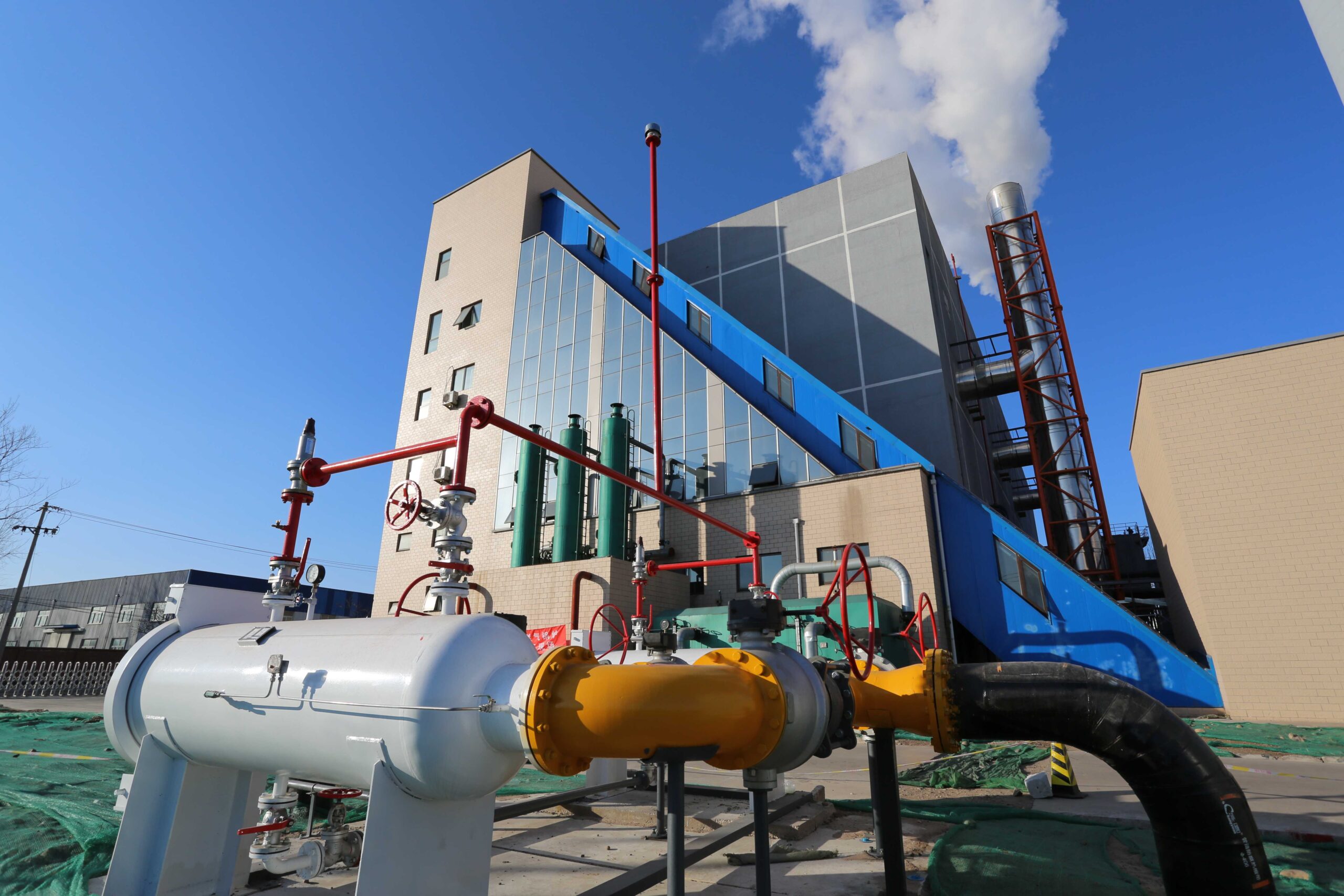
Essential Parameters for Selecting an Industrial Biomass Boiler

Essential Parameters for Selecting an Industrial Biomass Boiler

With growing demand for sustainable energy solutions, industrial biomass boilers have become a favored alternative to fossil-fueled systems. However, selecting the right biomass boiler is not straightforward. A poor choice can lead to frequent breakdowns, low efficiency, fuel compatibility issues, and non-compliance with environmental regulations. To ensure long-term performance and economic viability, it’s crucial to understand the essential selection parameters.

The essential parameters for selecting an industrial biomass boiler include fuel type and moisture content, boiler capacity and load demand, combustion technology, thermal efficiency, emissions compliance, and automation level. These factors ensure the boiler system is energy-efficient, fuel-compatible, and suitable for the specific industrial process.

Making the right boiler selection isn’t just about fitting into your facility’s footprint—it’s about aligning with fuel logistics, environmental goals, and operational performance expectations. Let’s examine the key decision points in detail.

biomass power station

How Does Biomass Fuel Type and Moisture Content Affect Boiler Selection and Performance?

Many industrial projects embrace biomass boilers to lower carbon emissions and fuel costs, but not all biomass fuels are created equal. A mismatch between fuel type, moisture content, and boiler design can lead to low combustion efficiency, increased emissions, boiler fouling, corrosion, and frequent breakdowns. Therefore, choosing the right boiler means matching the equipment design to the specific properties of the intended fuel—especially its type, composition, and moisture content. Failing to do so will compromise performance, inflate maintenance costs, and erode the environmental and economic advantages of biomass.

Biomass fuel type and moisture content significantly influence boiler selection and performance because they directly affect combustion efficiency, heat value, feeding mechanism, emissions, and boiler fouling rates. Fuels with high moisture content reduce thermal efficiency and increase energy consumption for evaporation. Dense, uniform fuels like pellets are easier to handle and burn more efficiently, while variable, high-moisture fuels like wood chips or rice husks require specially designed combustion systems, larger grate areas, and robust ash handling. Selecting a boiler without analyzing these fuel characteristics leads to poor combustion, excessive emissions, and high operating costs.

In biomass boiler procurement, the fuel defines the fire—not the other way around.

Biomass fuel moisture content significantly impacts boiler efficiency.True

High-moisture fuels require more energy to evaporate water before combustion, reducing net thermal efficiency.

All biomass fuels perform the same way in a standard boiler design.False

Biomass fuels vary in calorific value, ash content, moisture, and flow characteristics, which must be matched with boiler design for optimal performance.


🔍 Fuel Properties That Impact Boiler Performance

Fuel PropertyImpact on Boiler Design & Operation
Moisture Content (%)High moisture reduces net calorific value and combustion temperature
Bulk Density (kg/m³)Affects fuel feeding and bunker sizing
Ash Content (%)Influences slagging, fouling, and ash removal system size
Ash Fusion Temperature (°C)Determines slag formation risk on furnace surfaces
Particle Size & UniformityAffects feeding consistency and combustion air distribution
Volatile Matter (%)Determines ease of ignition and combustion characteristics
Fixed Carbon (%)Influences burn duration and furnace sizing
Calorific Value (kcal/kg)Core determinant of steam output potential per kg of fuel

📊 Fuel Type Comparison: Typical Biomass Characteristics

Fuel TypeMoisture (%)Ash (%)Calorific Value (kcal/kg)Bulk Density (kg/m³)Ash Fusion Temp (°C)
Wood Chips (Fresh)45–550.5–1.51,800–2,200180–2501,200–1,400
Wood Pellets8–120.3–0.74,200–4,800600–700>1,400
Rice Husk12–1815–203,000–3,50090–110950–1,150
Bagasse (Wet)45–551.8–3.02,000–2,300150–200~1,250
Sawdust10–151.0–2.03,500–4,000180–2501,200–1,400
Corn Stalks15–205–73,000–3,600100–150~1,100

🧪 Case Study: Fuel Moisture Effect on Boiler Output

Boiler Rated for: 10 TPH using wood chips
Fuel Test:

  • Moisture at 25% → Net output: 9.7 TPH

  • Moisture at 40% → Net output: 8.3 TPH

  • Moisture at 50% → Net output: 6.9 TPH

Result: A 25% increase in moisture reduced effective steam generation by over 30%.
Conclusion: High-moisture biomass severely impacts combustion efficiency and fuel economy.


⚙️ Boiler Design Adaptations for Fuel Characteristics

Fuel ChallengeRequired Boiler Feature
High Moisture (>40%)Larger combustion chamber, pre-drying system, moving grate
High Ash (>10%)Robust ash handling, soot blowers, tube cleaning access
Low Ash Fusion Temp (<1,100°C)Avoid high-temp zones, use water-cooled grates
Variable Fuel SizeReciprocating grate or bubbling bed furnace
Low Bulk DensityAuger feeders or mechanical ramming system
Pellets or Uniform FuelsPneumatic or rotary feeding system; underfeed stoker possible

📉 Moisture vs. Efficiency: Why It Matters

Fuel Moisture (%)Efficiency Loss (%)Evaporation Load on Furnace
10NegligibleMinimal energy loss to moisture
203–5%Slight efficiency drop
306–8%Higher flue gas temperature required
409–12%Increased unburnt loss, furnace derating
50+15–20%Likely overload unless boiler is oversized

✅ Boiler Selection Checklist Based on Biomass Fuel

  • Confirm fuel availability and seasonal variations

  • Test for average moisture, ash, and calorific value

  • Verify ash fusion temperature to avoid slagging

  • Choose boiler grate type compatible with fuel flow

  • Size fuel feeders and silos according to bulk density

  • Ensure emissions controls align with fuel ash content

  • Plan for dryer or hot air pre-treatment if needed

  • Request boiler vendor to model efficiency with your fuel data


The success of a biomass boiler project depends not just on boiler size or brand—but on deep alignment between fuel properties and boiler design. Choosing the right biomass fuel and understanding its moisture dynamics can improve efficiency, compliance, and profitability. Treat the fuel analysis as the foundation of your biomass strategy—not an afterthought.

Why Are Boiler Capacity and Load Variability Critical Parameters for Industrial Biomass Applications?

Industrial biomass boilers are rapidly gaining adoption for steam and heat generation due to their renewable fuel source and lower carbon footprint. However, their performance and viability are highly sensitive to operational factors, particularly boiler capacity and load variability. If the system is oversized, underutilized, or poorly matched to fluctuating steam demand, it can result in inefficient combustion, fuel waste, increased emissions, and unstable operation. Unlike fossil-fueled systems that can ramp quickly, biomass boilers require careful matching of capacity with realistic load profiles to ensure stable, clean, and cost-effective performance.

Boiler capacity and load variability are critical parameters for industrial biomass applications because biomass boilers operate most efficiently and cleanly at or near their rated load. Oversizing leads to inefficient part-load performance, increased unburnt fuel loss, and higher emissions, while undersizing causes steam shortages during peak demand. Load fluctuations also affect combustion stability due to biomass’s slower response time and variable burn characteristics. Therefore, accurate capacity sizing and load management strategies are essential to ensure thermal efficiency, fuel economy, regulatory compliance, and process reliability.

In industrial biomass systems, right-sizing is not just good design—it’s operational survival.

Biomass boilers operate most efficiently near their rated capacity.True

Biomass combustion systems are optimized for steady-state operation, and part-load conditions typically reduce efficiency and increase emissions.

Boiler load variability has minimal effect on biomass system performance.False

Frequent or large load swings in biomass systems lead to combustion instability, fuel wastage, and emission spikes due to the slow-reacting nature of solid fuel systems.


🔍 Why Capacity Matching Matters in Biomass Boiler Systems

Design FactorEffect of OversizingEffect of Undersizing
EfficiencyDrops significantly at <50% load; poor fuel-air ratioMay operate at full load constantly, causing wear
Combustion QualityExcess air and low combustion temp increase unburnt particlesRisk of incomplete combustion during overloads
Steam Quality & PressureSteam drum pressure may fluctuate during idling or cyclingInadequate steam flow leads to process shutdown risk
Ash HandlingHigher ash generation at part load due to incomplete burnAsh accumulation due to high fuel burn rate
Emissions ComplianceNOₓ, CO, and PM levels increase at partial loadMay exceed design thresholds during spikes

📊 Example: Biomass Boiler Performance vs. Load (% of Capacity)

Load (%)Thermal Efficiency (%)CO Emissions (mg/Nm³)Unburnt Ash (%)
100%88.51800.5
75%86.02300.8
50%81.03601.3
25%73.55202.6

Insight: Biomass boilers are sensitive to load reduction; operating at half load can reduce efficiency by 7% and double unburnt losses.


🧪 Case Study: Capacity Mismatch in Biomass Plant

Facility: Textile processing plant
Installed Boiler: 12 TPH biomass boiler (wood chips)
Actual Average Load: 5–6 TPH (40–50% load)
Resulting Problems:

  • CO levels exceeded 450 mg/Nm³ during part-load operation

  • Combustion efficiency dropped from 87% to 78%

  • Boiler tripped frequently during sharp load drops

  • Required installation of a secondary gas boiler for peak loads

  • Total OPEX increased 22% due to inefficiency and downtime

Lesson: Oversizing without demand analysis led to operational instability and higher long-term costs.


⚙️ Key Load-Handling Technologies for Biomass Boilers

Technology / Design ElementFunction in Load Management
Variable Speed Fuel FeedersModulate fuel input to match steam demand
O₂ Trim SystemAdjust air supply to maintain combustion efficiency
Buffer Tank / Steam AccumulatorSmooth out steam pressure and flow variations
Hybrid Firing (Biomass + Gas/Oil)Gas burners used during startup or sharp load peaks
Advanced PLC ControlsReal-time monitoring of load patterns and combustion tuning
Reciprocating or Moving GrateBetter load adaptability and solid fuel distribution

📈 Load Profiling for Biomass Boiler Sizing

Time of DaySteam Demand (TPH)
00:00–06:003.5
06:00–12:006.8
12:00–18:007.2
18:00–24:004.2

Average Demand: 5.4 TPH
Peak Demand: 7.2 TPH
Recommended Boiler Capacity: 8–9 TPH with 85% base-load utilization, and peak trimming via buffer or auxiliary boiler.


✅ Biomass Boiler Sizing and Load Strategy Checklist

  • Conduct detailed steam demand profiling (hourly, seasonal)

  • Calculate average and peak load ratio (>70% average preferred)

  • Select boiler size for 80–90% load utilization most of the time

  • Consider dual-fuel support for sharp peak management

  • Use steam accumulators or hybrid support during load shifts

  • Match fuel feeding rate range to expected load variability

  • Implement advanced combustion and O₂ control systems

  • Review emission behavior at both full-load and part-load


Biomass boiler design must begin with a deep understanding of real load dynamics. Unlike fossil fuel systems, biomass combustion responds slower to change, and improper capacity sizing leads to energy waste, emission violations, and unstable operation. Smart load planning, correct capacity sizing, and flexible system design are the foundation for successful industrial biomass integration.

How Do Combustion Technologies (Grate, Fluidized Bed, etc.) Influence Biomass Boiler Efficiency and Adaptability?

Choosing a biomass boiler is more than just sizing—it’s about selecting the right combustion technology to handle the specific fuel properties and operational goals. Each combustion method—fixed grate, moving grate, fluidized bed—has distinct implications for efficiency, fuel flexibility, emissions control, and maintenance needs. Selecting the wrong system leads to poor combustion, low thermal efficiency, higher unburnt fuel losses, increased fouling, and emissions violations. On the other hand, selecting a well-matched combustion system can dramatically improve performance, fuel cost savings, and operational adaptability across varying biomass fuels and load profiles.

Combustion technologies such as fixed grate, moving grate, and fluidized bed systems significantly influence biomass boiler efficiency and adaptability by determining how effectively the fuel is burned, how flexible the system is to varying fuel types, and how stable it operates under fluctuating loads. Grate systems are simpler and suitable for low-ash, uniform fuels, while fluidized bed technologies offer superior efficiency, lower emissions, and can handle diverse biomass with high moisture or ash content. The chosen technology must match the fuel characteristics, plant capacity, and emission requirements to optimize combustion and energy recovery.

In short, your combustion system defines how much value you extract from your biomass fuel—or how much you lose.

Fluidized bed boilers offer higher combustion efficiency and fuel flexibility than traditional grate systems.True

Fluidized beds provide better fuel-air contact and can handle varied fuel types and moisture levels efficiently.

Grate combustion systems can handle all biomass types equally well.False

Grate systems are less efficient with high-moisture, high-ash, or fine-particle fuels, and may suffer from incomplete combustion or slagging.


🔍 Comparison of Biomass Combustion Technologies

TechnologyEfficiency (%)Fuel FlexibilityAsh HandlingLoad AdaptabilityCapExO&M Complexity
Fixed Grate65–75Low (dry, uniform fuels)Manual/semi-autoLow (poor part-load)LowLow
Moving Grate75–82Medium (chips, pellets)AutomaticModerateModerateModerate
Fluidized Bed (BFB)85–90High (moist/agro fuels)Auto + recirculationHigh (fast reaction)HighHigh
Circulating Fluidized Bed (CFB)87–92Very High (even waste biomass)Advanced, cyclone separationVery High (industrial power use)Very HighComplex

📊 Fuel Compatibility vs. Combustion System

Fuel TypeFixed GrateMoving GrateBubbling FBCirculating FB
Wood Pellets✅ Excellent✅ Excellent✅ Excellent✅ Excellent
Wood Chips (20–30% MC)⚠️ Moderate✅ Good✅ Excellent✅ Excellent
Rice Husk❌ Poor (slagging)⚠️ Moderate✅ Excellent✅ Excellent
Sawdust❌ Clogging risk⚠️ Moderate✅ Excellent✅ Excellent
Bagasse (45–50% MC)❌ Inefficient⚠️ Moderate✅ Excellent✅ Excellent
Agricultural Waste❌ Poor⚠️ Inconsistent✅ Excellent✅ Excellent

✅ = Recommended | ⚠️ = Limited Use with Modifications | ❌ = Not Suitable


🧪 Case Study: Upgrading from Grate to Fluidized Bed for Fuel Flexibility

Industry: Food processing plant
Old System: 10 TPH moving grate boiler
Fuel: Rice husk + wood chips blend
Challenges: Slag formation, clinker buildup, excess CO (>450 mg/Nm³)
New System: 10 TPH bubbling fluidized bed (BFB) boiler
Results:

  • Efficiency increased from 78% to 89%

  • CO emissions dropped to 110 mg/Nm³

  • Fuel flexibility enabled use of bagasse and coconut shell without issues

  • Downtime reduced by 34%, and ash handling automated


⚙️ Key Features of Each Combustion Technology

🔹 Fixed Grate Combustion

  • Oldest and simplest method

  • Manual or basic mechanical fuel feed

  • Low efficiency, poor part-load behavior

  • Prone to clinker formation with high-ash fuels

🔹 Moving Grate Combustion

  • Stoker-type design with step or reciprocating motion

  • Can handle wood chips, pellets, and some moist fuels

  • Improved ash removal and air distribution

  • Suitable for mid-sized industrial plants (5–20 TPH)

🔹 Bubbling Fluidized Bed (BFB)

  • Uses air to suspend solid particles (sand/ash bed) for uniform combustion

  • Excellent for variable fuels, high moisture/agricultural residues

  • Stable temperature, lower NOₓ, high burnout efficiency

  • Preferred in high-ash or mixed biomass use cases

🔹 Circulating Fluidized Bed (CFB)

  • Higher turbulence and particle recirculation

  • Even better fuel burn, emission control, and temperature distribution

  • Handles RDF, MSW, high-slagging agro-waste

  • Complex, high-CapEx; used in power generation (15–100+ MW scale)


📈 Impact of Combustion Tech on Key Metrics

MetricGrate SystemFluidized Bed
Thermal Efficiency (%)70–8085–92
Unburnt Carbon in Ash (%)2–40.2–1.0
Turn-down Ratio2:15:1 or more
Emissions Control (NOₓ, CO)ModerateExcellent
Slagging/Fouling RiskHigh (with husk)Low
Fuel Size & Uniformity NeedHighLow

✅ Boiler Selection Checklist Based on Combustion Technology

  • Identify primary and backup biomass fuel types

  • Assess average and seasonal moisture and ash content

  • Match fuel particle size and density with feeding system

  • Choose fluidized bed if using high-ash or agro-residues

  • Consider emission standards—NOₓ and PM thresholds

  • Evaluate turn-down needs for load variability

  • Consider O&M skill level—fluidized beds need trained teams

  • Align CapEx with long-term fuel cost and flexibility goals


The choice of combustion technology is the single most important technical decision in a biomass boiler project. It dictates your ability to handle different fuels, scale your operation, comply with emissions, and maintain long-term efficiency. Don’t pick a boiler before picking the right firebox design—because in biomass combustion, control and adaptability begin at the grate or the bed.

What Role Does Thermal Efficiency Play in Determining the Cost-Effectiveness of a Biomass Boiler?

When evaluating the economics of a biomass boiler, many decision-makers are tempted to focus solely on capital expenditure (CapEx). But the true cost of a boiler lies in its daily operation—particularly how efficiently it converts biomass into usable heat or steam. A boiler with low thermal efficiency burns more fuel to produce the same output, resulting in excessive fuel bills, higher emissions, and lower ROI. In contrast, high-efficiency biomass boilers optimize energy recovery, reduce waste, and significantly lower the total cost of ownership. Thermal efficiency is not just a technical specification—it is the economic engine of your biomass energy system.

Thermal efficiency plays a central role in determining the cost-effectiveness of a biomass boiler because it measures how well the boiler converts fuel energy into usable heat. Higher thermal efficiency reduces fuel consumption, operational costs, and emissions per unit of steam produced. Over the boiler’s lifetime, even a 5–10% improvement in efficiency can save hundreds of thousands of dollars in biomass fuel and significantly improve ROI. Therefore, thermal efficiency directly impacts lifecycle cost, fuel budgeting, environmental compliance, and overall system profitability.

Choosing a biomass boiler without prioritizing thermal efficiency is like buying a car without checking its mileage—you’ll pay the price every mile (or steam ton) you drive.

Higher thermal efficiency in biomass boilers results in lower fuel consumption and operating costs.True

Thermal efficiency determines how much energy from the biomass fuel is converted into usable heat. Higher efficiency means less fuel is needed to produce the same steam output.

Thermal efficiency has a minimal effect on the cost-effectiveness of a biomass boiler.False

Even small improvements in efficiency significantly reduce fuel use, making efficiency a major determinant of operational cost.


🔍 How Thermal Efficiency Impacts Fuel Cost

ParameterBoiler A (82% Efficiency)Boiler B (90% Efficiency)
Steam Demand10,000 kg/hr10,000 kg/hr
Fuel Calorific Value (kcal/kg)3,5003,500
Required Heat Output (kcal/hr)6,300,0006,300,000
Biomass Required (kg/hr)2,2712,000
Daily Fuel Savings271 kg/hr × 24 = 6,504 kg
Annual Fuel Savings>2,370 tons/year
Fuel Cost (@$85/ton)>$201,000/year saved

Result: Just an 8% increase in efficiency leads to massive annual savings in biomass fuel—far outweighing any upfront CapEx difference.


📊 Efficiency vs. Operating Cost Over 10 Years

Efficiency (%)Annual Fuel Cost10-Year Fuel CostTotal OPEX Impact
80$400,000$4,000,000
85$376,500$3,765,000$235,000 saved
90$355,500$3,555,000$445,000 saved

Insight: Over a decade, even 5–10% improvement in efficiency can yield nearly half a million dollars in savings.


🧪 Real Case Study: ROI Justified by Efficiency

Industry: Food & Beverage
Steam Requirement: 15 TPH
Fuel: Mixed agro biomass @ 3,200 kcal/kg
Initial Options:

  • Option A: 86% efficient boiler, $620,000

  • Option B: 91% efficient boiler, $680,000

Efficiency Gain Impact:

  • Annual fuel savings: ~2,950 tons

  • Annual fuel cost reduction: ~$240,000

  • Payback on extra CapEx: <8 months

  • 10-year TCO savings: >$1.9 million

Conclusion: Higher efficiency paid for itself in less than a year and yielded 3x ROI over the boiler lifespan.


⚙️ Key Design Features That Influence Thermal Efficiency

Design FeatureHow It Enhances Efficiency
EconomizerRecovers heat from flue gas to preheat feedwater
Air PreheaterHeats combustion air using exhaust gas
Insulation ThicknessReduces radiant heat loss from boiler surfaces
O₂ Trim and Combustion ControlOptimizes air-fuel ratio to reduce heat loss via excess air
Condensing Heat RecoveryCaptures latent heat from flue gas (optional in low-temp use)
Flue Gas RecirculationEnhances combustion temperature control and reduces loss
Ash Removal EfficiencyPrevents heat loss from unburnt particles

📈 Emissions and Compliance Tied to Efficiency

Efficiency (%)CO Emissions (mg/Nm³)Particulate Matter (mg/Nm³)Ash Losses (%)
804202503.5
852702002.2
901601201.0

Higher efficiency = cleaner combustion = easier emissions compliance, often avoiding penalties or filtering system upgrades.


✅ Biomass Boiler Procurement Checklist: Thermal Efficiency Focus

  • Request ASME PTC 4.1 or DIN EN test data for verified efficiency

  • Demand full fuel-to-steam efficiency curve (50–100% load)

  • Ensure system includes economizer and O₂ control

  • Compare fuel savings over 5–10 years—not just CapEx

  • Assess insulation and flue loss reduction mechanisms

  • Ask for performance guarantee with efficiency KPI

  • Include emissions output per ton of steam in evaluation


Thermal efficiency is not a minor number tucked into a spec sheet—it’s the key performance driver that governs fuel cost, emissions, sustainability, and profitability of a biomass boiler system. By prioritizing high-efficiency models, operators unlock massive long-term savings, ensure environmental compliance, and protect against fuel price volatility.

How Do Emission Standards and Environmental Regulations Affect Biomass Boiler Design and Choice?

Environmental compliance has become a non-negotiable aspect of industrial boiler design, especially for biomass systems. While biomass is often praised for being “green,” it still produces emissions such as particulate matter (PM), nitrogen oxides (NOₓ), carbon monoxide (CO), and volatile organic compounds (VOCs). Government agencies around the world have introduced increasingly stringent emission limits to protect public health and reduce carbon impact. These standards do not only impact how biomass boilers are designed and operated—they also influence what types of boilers can be selected, which fuels are allowed, and what emission control technologies must be integrated.

Emission standards and environmental regulations heavily influence biomass boiler design and selection by mandating limits on pollutants like particulate matter, NOₓ, CO, SO₂, and VOCs. To comply with these regulations, boilers must be engineered with advanced combustion controls, optimized air-fuel ratios, and integrated pollution control systems such as cyclones, bag filters, electrostatic precipitators (ESPs), or scrubbers. Boiler type, combustion technology, and fuel flexibility are all selected based on the regulatory framework in the operating region. Compliance not only ensures legal operation but also affects capital cost, fuel choices, maintenance needs, and system scalability.

In biomass boiler projects, design begins with the law, not the flame.

Emission regulations dictate key aspects of biomass boiler design and equipment selection.True

Boiler combustion systems, flue gas treatment, and fuel compatibility must meet national or regional emissions limits for pollutants like PM, NOₓ, and CO.

Biomass boilers are exempt from emissions regulations because they use renewable fuel.False

Biomass combustion still releases pollutants, and modern regulations apply strict controls to ensure environmental and public health safety.


🔍 Common Emission Parameters Regulated in Biomass Boilers

PollutantSource in Biomass CombustionImpact if UncontrolledTypical Limit (EU/BREF or USEPA)
Particulate Matter (PM)Incomplete combustion, ash carryoverRespiratory harm, visibility issues30–50 mg/Nm³ (with stricter norms <20)
Carbon Monoxide (CO)Poor air-fuel ratio, low combustion tempToxicity, combustion inefficiency200–300 mg/Nm³
Nitrogen Oxides (NOₓ)High combustion temperature, N in biomassSmog, acid rain, respiratory irritation200–400 mg/Nm³
Sulfur Dioxide (SO₂)Sulfur in certain biomass (e.g. bagasse)Acid rain, equipment corrosion50–200 mg/Nm³
Volatile Organic Compounds (VOCs)Unburnt organics in fuelSmog formation, ozone depletion10–20 mg/Nm³
Dioxins/FuransPoor combustion of chlorinated residuesCarcinogenic, bioaccumulativeTrace limits (<0.1 ng/Nm³)

📊 Impact of Emissions Regulations on Boiler Selection

Design/Selection FactorInfluenced by Emission Norms?Explanation
Boiler Size and Fuel TypeHigh ash or high S fuels may be restricted in some zones
Combustion Technology (Grate/FB)Fluidized bed selected for low-NOₓ and better fuel burn
Air-Fuel Ratio & Control SystemO₂ trim and staged air to reduce CO and NOₓ
Flue Gas Cleaning SystemCyclone, bag filter, ESP or scrubber required to meet PM limit
Stack Height and VelocityDesigned to ensure proper dispersion per environmental codes
Load Flexibility RequirementsTransient loads must not cause emission spikes
Permitting and ReportingBoiler must be equipped with CEMS or data logging

🧪 Case Study: Biomass Boiler Designed for Emission Compliance

Location: Netherlands (EU Industrial Emissions Directive)
Fuel: Rice husk (high ash, moderate S)
Capacity: 12 TPH biomass steam boiler
Emission Targets:

  • PM: <20 mg/Nm³

  • CO: <150 mg/Nm³

  • NOₓ: <200 mg/Nm³

  • SO₂: <50 mg/Nm³

System Design:

  • Fluidized bed combustion with preheated air

  • Bag filter + multi-cyclone dust removal

  • Low-NOₓ burner with staged combustion

  • SO₂ neutralization via dry scrubber

Result: Consistent emission compliance, even under 50–100% load shifts.
Investment in emission control system: ~18% of boiler CapEx, but avoided €150,000/year in carbon and air pollution penalties.


⚙️ Pollution Control Equipment Based on Regulatory Needs

PollutantRecommended Control TechnologyEfficiency (%)
Particulate Matter (PM)Cyclone separator (preliminary)50–75
 Bag filter98–99
 Electrostatic Precipitator (ESP)95–99+
Carbon Monoxide (CO)Combustion tuning (O₂ trim, temp control)
Nitrogen Oxides (NOₓ)Low-NOₓ burners, staged combustion, SNCR30–60
Sulfur Dioxide (SO₂)Dry or wet scrubber with lime/NaOH injection70–90
VOCs and DioxinsSecondary combustion zone + high residence time90–99

📈 Regulatory Trends That Are Tightening Biomass Design Criteria

RegionCurrent Trend
European UnionEmission limits from BREF documents becoming more specific by fuel type and boiler size (IED Directive tightening every 5 years)
United StatesUSEPA’s Boiler MACT regulations mandating CO, PM, and dioxin limits even for small units
IndiaCPCB II standards introduced stringent PM, SO₂ norms for boilers above 5 TPH
ChinaLocal permits now require real-time stack monitoring for new biomass installations
South AmericaGrowing alignment with European-style stack emission monitoring for export-driven industries

✅ Biomass Boiler Emissions Compliance Checklist

  • Determine applicable national and local emission standards

  • Analyze fuel properties (ash, sulfur, moisture, nitrogen content)

  • Select combustion system designed for complete combustion (FB for agro-fuels)

  • Integrate dust collection system (bag filter/ESP) based on PM limits

  • Include O₂ trim or combustion tuning for CO control

  • Include NOₓ mitigation via air staging or ammonia injection if needed

  • Consider desulfurization if sulfur-bearing biomass used

  • Plan for continuous or periodic emissions monitoring (CEMS/data logger)

  • Obtain environmental permits before system commissioning


💰 Cost Implication of Emission Compliance

Compliance ComponentCapEx Increase (%)O&M Increase (%)Benefit
Combustion Controls (O₂ trim)3–5%1–2%Improved efficiency and CO reduction
Bag Filter System10–15%2–4%Ensures PM <30 mg/Nm³
ESP (for large units)15–25%3–5%High PM control + low maintenance dust
NOₓ Control (SNCR)5–10%3–5% (ammonia/urea)Meets 150–200 mg/Nm³ target
CEMS (for ≥20 TPH units)2–4%Regulatory mandate for stack reporting

Regulations are no longer just a legal formality—they are the design envelope within which your biomass boiler must operate. Smart boiler buyers begin with a compliance-first mindset, selecting designs that meet emission norms from day one, rather than retrofitting expensive upgrades after inspection failures. Proper planning ensures low-risk operation, community acceptance, and eligibility for green energy incentives.

Why Is Automation and Control System Integration Important for Modern Industrial Biomass Boiler Systems?

Biomass boilers are inherently more complex than fossil-fuel systems due to the variability of fuel properties, slower combustion response, and higher ash content. Manual operation of such systems is inefficient, error-prone, and cannot adapt quickly to changing load demands, fuel feed inconsistencies, or emissions fluctuations. Without a robust automation and control system, operators risk fuel waste, equipment damage, unstable combustion, regulatory non-compliance, and unsafe conditions. On the other hand, integrated automation systems provide precision, consistency, and intelligence—turning a variable process into a stable and optimized energy source.

Automation and control system integration is essential in modern industrial biomass boiler systems because it ensures consistent combustion efficiency, real-time emissions control, safe operation, and adaptability to fluctuating fuel and load conditions. With programmable logic controllers (PLCs), sensors, and intelligent feedback loops, automated systems optimize fuel feed, air supply, combustion temperature, and emissions compliance. This enhances energy efficiency, reduces fuel costs, minimizes unplanned shutdowns, and enables remote monitoring and predictive maintenance. Automation transforms biomass boilers from manually tuned equipment into high-performance, low-carbon smart systems.

A biomass boiler without automation is like a plane without a flight control system—dangerous, inefficient, and unpredictable.

Automation systems improve combustion efficiency and reduce emissions in biomass boilers.True

Automated controls optimize air-to-fuel ratio and combustion temperature in real time, reducing fuel waste and pollutant formation.

Manual operation is sufficient for modern industrial biomass boilers.False

Due to fuel variability and environmental regulations, automation is critical to maintain efficiency, safety, and compliance.


🔍 Core Functions of Biomass Boiler Automation Systems

Automation FeatureFunctionality
Fuel Feed ControlAdjusts fuel input in real time based on steam load and combustion rate
O₂ Trim SystemControls excess air to maintain optimal combustion efficiency
Bed Temperature MonitoringMaintains stable combustion zone temperature for consistent heat output
Flue Gas AnalyzerContinuously monitors CO, O₂, NOₓ for emissions control and tuning
Steam Pressure ControlKeeps output within design limits regardless of load changes
Ash Handling AutomationAutomates ash removal frequency to prevent clogging and heat loss
Alarm & Safety SystemsDetects overpressure, flameout, low feed, and activates interlocks
SCADA/PLC InterfaceEnables centralized monitoring and control via intuitive dashboards

📊 Benefits of Automation vs. Manual Biomass Boiler Operation

MetricManual OperationAutomated System
Combustion Efficiency (%)70–8085–92
Fuel Wastage (kg/ton steam)90–15030–60
Emissions VariabilityHighLow, stable
Operator DependencyHigh (24/7 skilled)Low (1–2 trained staff)
Downtime RiskHighPredictable/preventable
Load Response Time (seconds)>90<15
Daily Monitoring Time (hours)2–4<1

🧪 Case Study: Automation Upgrade in Biomass Boiler Plant

Industry: Agro-processing
Previous System: 10 TPH biomass boiler (manual fuel feed, no O₂ trim)
Problems:

  • Frequent CO spikes > 450 mg/Nm³

  • High fuel consumption (3,050 kg/hr @ 3,400 kcal/kg)

  • 6 unplanned shutdowns/month

Upgrade: Added PLC with fuel-air ratio control, flue gas analyzer, remote monitoring
Results:

  • Fuel usage reduced by 14%

  • CO levels stabilized at 150–180 mg/Nm³

  • Shutdowns reduced to <1/month

  • ROI achieved in 10 months


⚙️ Components of a Modern Biomass Boiler Control System

ComponentRole in System
PLC (Programmable Logic Controller)Executes control logic, gathers sensor data, controls actuators
HMI (Human-Machine Interface)Operator interface for real-time visualization and inputs
Sensors (Temp, Pressure, O₂, CO)Provide data for control decisions
VFD (Variable Frequency Drive)Adjusts motor speed for fans and fuel feeders
Actuators (Dampers, Valves)Execute control commands from PLC
SCADA (Supervisory Control and Data Acquisition)Centralized monitoring, logging, alarms
Remote Access GatewayEnables off-site support, diagnostics, cloud analytics

📈 Impact of Automation on Fuel Cost and Compliance

Efficiency Gain from AutomationAnnual Fuel Savings (10 TPH Boiler)Compliance Benefit
+6%450–600 tons/yearMeets stricter CO/NOₓ/PM limits
+8–10%700–950 tons/yearLowers carbon tax or penalty exposure
Reduced CO from 350 → 180 mg/Nm³Passes EU Industrial Emissions Directive
Ash unburnt reduced 2.2% → 0.7%Lower ash handling cost and maintenance

✅ Automation Checklist for Biomass Boiler Projects

  • Include PLC/SCADA-based control panel in boiler specification

  • Specify real-time O₂ and flue gas analyzers

  • Implement variable fuel feeding and combustion air control

  • Integrate pressure and temperature feedback loops

  • Automate ash removal, start-up/shutdown sequences

  • Add remote monitoring or cloud-based performance dashboards

  • Ensure control logic supports multi-fuel and load transitions

  • Require interlocks for high pressure, low flame, or emergency shutdown


🔮 The Future: AI-Driven Biomass Boiler Optimization

Modern systems are moving toward AI-enhanced adaptive control, where machine learning models:

  • Predict fuel quality variations

  • Preemptively adjust combustion air or feed rate

  • Automatically schedule maintenance

  • Integrate with enterprise energy management systems

Such systems improve not only boiler performance but also plant-wide energy use, emissions control, and profitability.


Automation isn’t an optional add-on for biomass boilers—it’s the central nervous system of a modern, compliant, and high-efficiency energy solution. Whether you’re running a single industrial unit or an integrated biomass CHP plant, automation pays for itself in reduced fuel cost, minimized downtime, and guaranteed compliance.

🔍 Conclusion

Selecting the right industrial biomass boiler requires a comprehensive understanding of technical, operational, and environmental factors. Each parameter contributes to fuel efficiency, regulatory compliance, and overall process reliability.🌿🔥📊

FAQ

Q1: What are the key fuel considerations when selecting a biomass boiler?
A1: The type and quality of biomass fuel significantly influence boiler design and efficiency. Common fuels include wood chips, pellets, agricultural waste, and energy crops. Moisture content, calorific value, particle size, and ash content all affect combustion efficiency and maintenance needs. Choosing a boiler that matches the specific fuel characteristics ensures reliable operation, consistent output, and minimal fouling or slagging.

Q2: How does combustion technology affect biomass boiler performance?
A2: Biomass boilers use various combustion technologies, such as fixed bed (grate-fired), fluidized bed, and pulverized fuel systems. Fixed bed boilers are suitable for consistent fuel types like pellets, while fluidized bed boilers handle diverse and variable fuels with higher efficiency. The right combustion system ensures optimal fuel burn, low emissions, and adaptability to changing fuel supplies.

Q3: Why is thermal efficiency an essential selection parameter?
A3: Thermal efficiency determines how effectively the boiler converts biomass fuel into usable heat. Higher efficiency reduces fuel consumption and operating costs. Look for systems with heat recovery features like economizers or condensing units, as well as good insulation and combustion control. Efficiency ratings of 80–90% are common in modern biomass boiler systems.

Q4: What role do emissions standards play in biomass boiler selection?
A4: Biomass combustion can produce particulates, NOx, CO, and volatile organic compounds (VOCs). Industrial biomass boilers must comply with local environmental regulations. Systems equipped with cyclones, bag filters, electrostatic precipitators, and flue gas treatment help meet emissions standards. Selecting a boiler with integrated emissions control technology ensures regulatory compliance and supports sustainable operation.

Q5: How important is boiler automation and control in industrial settings?
A5: Automated controls improve efficiency, safety, and fuel handling. Features like automatic feed systems, oxygen trim, load modulation, and real-time monitoring allow for optimal performance and reduced operator intervention. Advanced control systems help adjust combustion parameters based on fuel quality and load demand, enhancing reliability and energy savings.

References

  1. Biomass Boiler Technology Overview – https://www.energy.gov/eere/bioenergy/biomass-heat-and-power – U.S. Department of Energy

  2. Biomass Boiler Fuel Types – https://www.epa.gov/biomass/biomass-combustion-and-fuels – U.S. Environmental Protection Agency

  3. Industrial Biomass Combustion Systems – https://www.sciencedirect.com/science/article/abs/pii/S1364032117312795 – ScienceDirect

  4. Biomass Boiler Efficiency Explained – https://www.carbontrust.com/resources/biomass-heating-guide – Carbon Trust

  5. Emissions Control for Biomass Boilers – https://www.babcock.com/home/products/emissions-control/ – Babcock & Wilcox

  6. Biomass Boiler Design and Sizing – https://www.spiraxsarco.com/global/en-GB/learn-about-steam/the-boiler-house/sizing-a-steam-boiler – Spirax Sarco

  7. Biomass Fuel Specifications – https://www.ieabioenergy.com/ – IEA Bioenergy

  8. Boiler Automation and Control Systems – https://www.cleaverbrooks.com/products-and-solutions/controls/index.html – Cleaver-Brooks

  9. Selecting a Biomass Boiler – https://www.hurstboiler.com/boilers/solid_fuel_fired/ – Hurst Boiler

  10. Best Practices for Biomass Heating – https://www.nrel.gov/docs/fy14osti/60636.pdf – National Renewable Energy Laboratory

Wade Zhang

CEO of Taishan Group Taian Boao International Trade Co., Ltd. 30 years experience in Global industrial boiler market,  Over 300 boiler projects experience, including 21+ EPC projects. Projects span 30+ countries & regions, involving industries such as nuclear power, energy & electricity, municipal heating, mining, textiles, tires etc.

Essential Parameters for Selecting an Industrial Biomass Boiler Read More »

How to Get the Best Power Plant Boiler Price Without Sacrificing Quality?

How to Get the Best Power Plant Boiler Price Without Sacrificing Quality?

Purchasing a power plant boiler is a high-stakes investment involving significant capital and long-term operational impact. While many buyers focus on lowering the upfront cost, choosing the cheapest option can lead to lower efficiency, frequent maintenance issues, and regulatory compliance risks—ultimately driving up lifetime costs. So how can you secure the best boiler price without compromising on quality, performance, or durability?

To get the best power plant boiler price without sacrificing quality, focus on total cost of ownership (TCO), choose reputable manufacturers, prioritize key performance parameters, request detailed technical specifications, and negotiate value-added services like installation, after-sales support, and spare parts. A well-balanced procurement strategy ensures both affordability and long-term reliability.

The key is not just to look at the price tag, but to evaluate what you’re getting for the price—materials, efficiency, lifecycle, support, and compliance. Let’s explore how to achieve the best value in your boiler investment.

Why Is Evaluating Total Cost of Ownership (TCO) More Important Than Just Boiler Purchase Price?

When procuring an industrial gas-fired boiler, it’s tempting to focus on the initial purchase price—a visible, immediate cost that fits neatly into a capital expenditure line item. However, boilers are long-term assets with lifespans of 20 years or more, and their true financial impact is shaped far more by their operating, maintenance, fuel, and compliance costs than by their upfront price tag. Failing to evaluate the Total Cost of Ownership (TCO) often leads to choices that appear affordable at first, but prove to be expensive mistakes over time through higher fuel usage, unexpected downtime, or regulatory penalties. A boiler with a slightly higher price may actually save hundreds of thousands of dollars over its lifetime if it’s more efficient, reliable, and compliant.

Evaluating the Total Cost of Ownership (TCO) of a boiler is more important than just considering the purchase price because TCO includes all direct and indirect costs over the boiler’s lifecycle—such as fuel consumption, maintenance, emissions compliance, downtime, and operational labor. These ongoing costs often exceed the initial capital cost by a factor of 5 to 10 over a 20-year period. A lower-priced boiler may result in significantly higher operating costs, while a more efficient and reliable system can deliver superior long-term value. Making decisions based on TCO leads to smarter investments, lower lifecycle costs, and improved return on investment (ROI).

Boiler buyers who focus only on price risk choosing short-term savings over long-term value, often to their regret.

The upfront price of a boiler is only a small part of its total cost of ownership.True

Over a 20-year lifecycle, operating costs like fuel, maintenance, and compliance far outweigh the initial purchase price.

A cheaper boiler always saves money in the long run.False

Low-cost boilers often have higher fuel consumption, shorter lifespan, and more downtime, leading to higher total operating expenses.


🔍 Key Components of Boiler Total Cost of Ownership (TCO)

TCO ComponentDescription
Capital CostInitial purchase and installation of the boiler
Fuel CostOngoing natural gas or LPG costs based on boiler efficiency
Maintenance & RepairsAnnual inspections, replacement parts, and labor
Downtime / Production LossUnplanned outages or maintenance that interrupt operations
Water TreatmentChemicals, blowdown, and water consumption
Emissions ComplianceMonitoring, reporting, control equipment (SCR, FGR, etc.)
Control System UpgradesPLC/SCADA automation, O₂ trim systems, sensors
End-of-Life CostsDecommissioning, removal, environmental fees

📊 Real-World Example: TCO Over 20 Years

Boiler SpecLow Initial CostHigh-Efficiency Option
Purchase Price$120,000$165,000
Average Efficiency (%)8292
Annual Fuel Cost (@$0.30/Nm³)$320,000$285,000
Maintenance (Avg/yr)$12,000$8,000
Downtime Loss (Over 20 yrs)$160,000$40,000
Emissions Fines (Over 20 yrs)$50,000$0
Total 20-Year TCO$7.36 million$6.38 million

Conclusion: The higher-priced boiler saved nearly $1 million in lifecycle costs.


🧪 Case Study: TCO Comparison in a Textile Plant

Scenario: 10 TPH boiler selection for continuous operation (6,500 hrs/year)
Choices:

  • Model A: $110,000, 82% efficiency

  • Model B: $145,000, 90% efficiency + O₂ trim

FactorModel AModel B
Yearly Gas Cost$295,000$267,000
Maintenance (10 yrs)$120,000$80,000
Downtime (due to scaling)$40,000$15,000
Total TCO (10 years)$1.115 million$1.007 million

Result: Model B cost $35,000 more upfront, but saved over $100,000 in 10 years.


🔧 Why TCO Evaluation Is Essential

Common MistakeTCO-Driven Approach
Choosing lowest bidAnalyze fuel, O&M, and emissions over 20 years
Ignoring efficiencyEvery 1% boost = up to 2% fuel cost savings
Underestimating maintenanceInclude service contract or estimated repair costs
Skipping automationConsider value of better control, uptime, and diagnostics
Disregarding emissionsFactor potential fines, retrofit needs, or permit rejections

📈 Benefits of TCO-Based Boiler Procurement

Better ROI: Maximize performance with lower lifecycle costs
Improved budgeting: Predictable long-term cost planning
Higher uptime: Reduced maintenance and fewer shutdowns
Energy savings: Improved fuel-to-steam conversion
Regulatory resilience: Avoid fines and costly retrofits
Operational reliability: Design for stability, not just low cost


⚠️ Risks of Focusing Only on Purchase Price

Focus on Price OnlyLong-Term Consequence
Low-quality materialsFrequent part failures, high repair costs
Inefficient combustion10–15% more fuel use annually
Manual controls onlyNo O₂ trim or burner tuning = fuel waste
Lacks emissions flexibilityExpensive future retrofits to meet new rules
Non-modular configurationDifficult to scale or integrate with new systems

📉 Fuel Cost Dominates TCO Over Time

TCO Breakdown Over 20 YearsLow Efficiency BoilerHigh Efficiency Boiler
Capital Expenditure3%4%
Fuel Cost80%72%
Maintenance10%8%
Downtime & Emissions7%5%
Total Ownership Cost$6–8 million$5–7 million

🌍 Sustainability and ESG Impact

TCO-Informed ChoiceEnvironmental Benefit
More efficient boilerFewer emissions per ton of steam
Predictable performanceSupports long-term sustainability metrics
Lower water and chemical usageLess waste, lower blowdown rates
Easier emissions reportingSupports ESG and carbon tracking goals

TCO analysis provides a 360-degree financial view of boiler ownership, revealing costs and benefits that the purchase price alone hides. Industrial gas-fired boilers are critical infrastructure—not short-term assets—and must be evaluated like any other strategic investment. A TCO-focused approach ensures you’re not just buying a boiler—you’re buying 20 years of operational value, stability, and compliance.

How Do You Assess the Quality and Reputation of Power Plant Boiler Manufacturers?

Choosing a power plant boiler is a capital-intensive, long-term decision—but selecting the right manufacturer is just as crucial as choosing the boiler model itself. A poorly vetted manufacturer may offer attractive pricing or flashy specs, but deliver equipment that fails prematurely, underperforms, violates regulations, or suffers from service delays. This can lead to millions in lost productivity and unexpected costs. In contrast, a reputable manufacturer ensures engineering precision, compliance with international standards, responsive support, and long-term reliability. Therefore, assessing quality and reputation is not optional—it is an essential risk mitigation and performance assurance strategy.

To assess the quality and reputation of power plant boiler manufacturers, evaluate multiple factors including manufacturing certifications (such as ISO 9001, ASME, EN, IBR), industry experience, global project references, customer testimonials, third-party inspections, warranty terms, after-sales service, and adherence to environmental and safety regulations. Reputation can also be verified by checking long-term operational data from installed units, involvement in government or utility projects, and responsiveness during the procurement process. A reliable manufacturer will demonstrate technical capability, transparent processes, and a strong commitment to quality assurance and customer support.

Choosing a boiler without verifying the manufacturer’s reputation is like building a power plant on unstable ground.

Manufacturer certifications like ISO and ASME are reliable indicators of boiler quality.True

Certifications demonstrate adherence to international manufacturing standards and quality assurance protocols.

All boiler manufacturers offer the same quality as long as the model specifications are the same.False

Boiler performance and longevity also depend on manufacturing processes, material quality, and engineering controls, which vary between manufacturers.


🔍 Key Factors in Assessing Boiler Manufacturer Quality

Assessment CriteriaWhy It Matters
Certifications & StandardsGuarantees compliance with international safety and quality norms
Years in BusinessReflects experience, stability, and market confidence
Project ReferencesShows real-world performance and application diversity
Client TestimonialsIndicates customer satisfaction and reliability
In-house EngineeringDemonstrates ability to customize and troubleshoot effectively
Warranty & GuaranteesReflects confidence in product durability
After-Sales SupportEnsures responsiveness to breakdowns or performance issues

📊 Boiler Manufacturer Evaluation Matrix

Evaluation AreaWeight (%)Key Questions to Ask
Technical Certifications20%Are they ISO 9001, ISO 14001, ASME Section I, IBR certified?
Market Experience15%How long have they been building power plant boilers?
Reference Projects20%Do they have proven success in similar capacity or fuel-type applications?
Engineering Capability15%Do they offer R&D, CFD simulation, or custom design services?
Service Network10%Do they have local agents, quick-response teams, and spare part support?
Financial & Legal Standing10%Are they financially stable? Any history of disputes or project abandonment?
Innovation & Compliance10%Are they up to date with NOₓ, CO₂, and environmental standards in different regions?

🧪 Case Study: Vetting a Power Boiler Manufacturer for a 300 MW Biomass Plant

Client: State Energy Utility in Southeast Asia
Requirement: High-pressure 540°C, 130 bar biomass boiler with SCR system
Shortlisted Manufacturers:

CriteriaManufacturer A (Low-cost)Manufacturer B (Reputable)
Years in Business735
CertificationsLocal ISO onlyASME S, ISO 9001, ISO 14001
Installed References3 (max 60 MW)25+ globally (up to 660 MW)
Engineering CapacityBasic design teamIn-house R&D + CFD modeling
After-Sales SupportOutsourcedDedicated regional office
Warranty12 months36 months + optional extensions
Final Decision❌ Not selected✅ Chosen due to total lifecycle assurance

Outcome: Project completed within performance guarantees and continues to operate with 92.8% efficiency.


🔧 Technical Certifications to Look For

CertificationSignificance
ASME Section I (S Stamp)US-based pressure vessel code—ensures code-compliant high-pressure design
ISO 9001Quality management certification across all departments
ISO 14001Environmental management certification
EN 12952European standard for water-tube power boilers
IBR (India Boiler Regulation)Required for boilers in India
PED (Pressure Equipment Directive)Mandatory for EU pressure vessels
API 538 / 560 (if applicable)Fired heaters and heat recovery systems in petrochemical settings

⚙️ How to Conduct a Comprehensive Quality Audit

Request a Factory Acceptance Test (FAT): Witness real-time performance testing
Evaluate QA/QC Documentation: Welding traceability, NDT reports, pressure test records
Inspect Welding and Fabrication Facilities: Automation, robot welding, clean zone standards
Meet the Engineering Team: Evaluate responsiveness and customization capabilities
Speak to Past Clients: Ask about uptime, failures, and support experience
Demand Emissions Performance Reports: Confirm that design meets current/future NOₓ/CO₂ limits
Audit Supply Chain Quality: Verify material sourcing, alloy traceability, and third-party inspection


📈 Key Indicators of a Reputable Manufacturer

IndicatorWhy It Builds Confidence
Repeat Orders from Global ClientsIndicates performance trust and relationship strength
Utility and Government ProjectsReflects ability to handle complex regulatory environments
In-house Combustion & Thermal R&DSpeeds up innovation and adaptation to fuel variability
Digital Twin or Smart Monitoring TechShows modernization and remote diagnostics capabilities
Flexible Warranty & Service ContractsReflects accountability and long-term support

📉 Red Flags to Watch For

Red FlagWhy It’s Risky
Incomplete or expired certificationsMay indicate non-compliance with global safety standards
No global referencesIndicates limited experience or low adoption
Lack of warranty claritySuggests manufacturer may not stand by long-term claims
Low price with no technical backupLikely to cut corners on materials or controls
Weak after-sales infrastructureLong downtime, lack of spare parts, delayed troubleshooting

🌍 Reputation and ESG Compatibility

Reputation FactorSustainability Impact
Manufacturer’s CO₂ footprintAffects overall ESG rating of power plant
Design for low NOₓ, CO₂ boilersEasier regulatory approvals and social acceptance
Waste management and recyclingReflects responsible manufacturing practices
Innovation in green tech (biomass, hydrogen-ready)Futureproofs your investment

Reputation and quality are not intangible buzzwords—they directly affect plant uptime, fuel efficiency, compliance risk, and overall project ROI. In the highly regulated, performance-intensive world of power plant boilers, manufacturer selection should be treated with the same rigor as equipment engineering.

What Technical Specifications Should Be Prioritized When Comparing Boiler Quotations?

When evaluating boiler quotations from multiple manufacturers, it’s easy to be drawn to the lowest price or delivery time. However, price without performance is a costly mistake—especially for mission-critical assets like power plant or industrial steam boilers that operate for decades. The only way to ensure a boiler meets your expectations for safety, efficiency, emissions, and lifecycle cost is to conduct a thorough technical specification comparison. Ignoring key technical criteria leads to oversizing, inefficiency, poor integration, compliance failures, and costly retrofits. To avoid this, buyers must prioritize and validate the right technical parameters.

The most critical technical specifications to prioritize when comparing boiler quotations include steam output capacity, operating pressure and temperature, thermal efficiency, fuel compatibility, emissions compliance, heat transfer surface area, material of construction, control system features, and auxiliary equipment quality. These parameters directly affect performance, safety, operational cost, regulatory approval, and long-term reliability. Evaluating specifications line-by-line ensures the selected boiler truly fits your process demands and site conditions, rather than just offering the lowest price.

Remember: a well-specified boiler saves you more every hour it runs—and for most plants, that means 8,000+ hours a year.

Boiler technical specifications determine long-term operational performance and cost.True

Key specs like efficiency, steam output, and material selection impact fuel usage, reliability, and maintenance over the boiler's lifespan.

All boiler quotes with the same output are technically equal.False

Boilers with similar output may differ significantly in pressure rating, efficiency, controls, emissions, and material quality.


🔍 Top 12 Boiler Technical Specifications to Prioritize

SpecificationWhy It Matters
1. Steam Output (TPH)Must match or exceed plant demand under worst-case load conditions
2. Operating Pressure (bar)Defines system design pressure; affects steam density and energy delivery
3. Operating Temperature (°C)Must align with process steam requirements or turbine inlet temperature
4. Thermal Efficiency (%)Impacts fuel consumption and operating costs significantly
5. Fuel Type & FlexibilityCompatibility with current and future fuel strategy (e.g., biogas, dual fuel)
6. Emissions ComplianceMust meet NOₓ, SO₂, CO, and CO₂ standards for your region
7. Burner TechnologyAffects combustion stability, NOₓ control, and turndown ratio
8. Heat Transfer Surface AreaLarger areas improve heat absorption and efficiency
9. Drum or Once-Through DesignImpacts responsiveness, maintenance, and control
10. Control System TypePLC/SCADA, O₂ trim, FGR—affects efficiency and compliance automation
11. Material of ConstructionSteel grade (e.g., SA516 Gr. 70, SA213) ensures durability under stress
12. Boiler Mounting & PackagingModular vs. field-erected affects site work, transport, and timelines

📊 Comparison Template for Technical Evaluation of Boiler Quotes

Spec / FeatureVendor AVendor BVendor CBest Choice
Steam Output (TPH)353540Vendor C
Operating Pressure (bar)424545Vendor B/C
Thermal Efficiency (%)899290Vendor B
Fuel Type SupportNG, HFONG onlyNG, LPG, BiogasVendor C
NOₓ Emission Level (mg/Nm³)553542Vendor B
Burner Turn-down Ratio4:15:13:1Vendor B
Tube MaterialSA213 T11SA213 T22SA213 T12Vendor B
Control SystemBasic PLCAdvanced SCADA + O₂ trimSCADA + CEMSVendor B/C
Delivery Time (weeks)222620Vendor C
Warranty (Years)232Vendor B

Conclusion: Though Vendor C offers quick delivery, Vendor B scores best on technical performance and long-term TCO.


🧪 Case Study: 50 TPH Boiler Quote Evaluation for Paper Mill

Requirement: 50 TPH, 42 bar, 450°C, dual-fuel boiler for 24/7 operation
Vendors Evaluated: Three international OEMs with varying quotes

MetricVendor XVendor YVendor Z
Quoted Price (USD)$1.85 million$2.1 million$1.72 million
Efficiency (%)86.591.885.2
Maintenance Cost (20 yrs est.)$440,000$280,000$510,000
NOₓ Emissions (mg/Nm³)854291
Estimated Fuel Use (Nm³/hr)6,2505,7306,370
Total 20-Year TCO$9.75 million$8.88 million$10.19 million

Result: Vendor Y had the highest CapEx, but the lowest TCO and best technical specs.


🔧 Digging Deeper into Specifications

🔸 Burner and Combustion Control

  • Choose low-NOₓ, staged combustion burners

  • Ensure turn-down ratio >5:1 for part-load operation

  • Verify if O₂ trim, FGR (flue gas recirculation), and excess air control are included

🔸 Heat Transfer and Drum Design

  • More heating surface = better energy capture

  • Larger steam drums improve pressure stability in high-load variations

  • Once-through boilers suit compact high-pressure operations

🔸 Pressure Part Materials

ComponentMaterial Grade (Common)Why It Matters
Boiler TubesSA213 T11/T22/T91Withstand high pressure/temperature
Shell/DrumSA516 Gr.70 or SA299Pressure vessel quality, weld integrity
HeadersP91 or similarEnhanced creep resistance

📈 Technical Specs = Long-Term Payoff

Overlooked SpecificationHidden Cost if Ignored
Lower Efficiency$50,000–$200,000 more in fuel per year
Non-compliant NOₓ$25,000+ in fines or costly retrofit needed
Weak Control System5–10% more downtime and inconsistent steam delivery
Poor Material Quality25–40% shorter boiler life, frequent tube failures
Incompatible Fuel DesignLimits future fuel flexibility, supply chain issues

✅ Final Checklist for Technical Boiler Quote Comparison

  • Rated steam capacity matches peak demand + buffer

  • Pressure and temperature exceed process minimums

  • Efficiency validated by test or ASME PTC 4.1 data

  • Complies with local emissions and boiler code (e.g., ASME, IBR, PED)

  • Burner supports your current and future fuel types

  • Materials of construction meet pressure-temperature requirement

  • Control system includes automation, fault diagnostics, and remote access

  • Accessories (economizer, deaerator, blowdown system) included

  • Clear warranty and O&M expectations defined


Your boiler procurement process should be spec-driven, not just price-driven. Technical specifications are your blueprint for performance, safety, compliance, and ROI. The best quotation isn’t always the cheapest—it’s the one that delivers the most value per BTU, performance per dollar, and steam per fuel unit.

How Can Energy Efficiency Ratings Help Justify a Higher Upfront Boiler Cost?

When selecting an industrial boiler, decision-makers often hesitate at the higher upfront price of a high-efficiency unit. But this focus on initial cost alone misses a much bigger financial picture. Boilers operate for 15 to 30 years, burning large volumes of fuel daily—meaning even a small improvement in efficiency can save hundreds of thousands of dollars over the equipment’s life. Energy efficiency ratings provide a direct, measurable benchmark that helps you estimate fuel savings, emissions reduction, and ROI over time. They’re not just labels—they’re financial forecasting tools that turn CapEx into strategic investment.

Energy efficiency ratings justify a higher upfront boiler cost by quantifying long-term fuel savings, reduced emissions, and improved return on investment. A boiler with a higher efficiency rating (e.g., 92% vs. 85%) consumes significantly less fuel to generate the same amount of steam, resulting in thousands to millions in savings over its lifetime. These ratings also ensure regulatory compliance and may qualify for government incentives. When lifecycle costs are considered, high-efficiency boilers typically offer a lower total cost of ownership (TCO), despite their higher purchase price.

Buying a less efficient boiler might save capital—but it will cost more every day it runs.

Boilers with higher energy efficiency ratings consume less fuel and lower operating costs over time.True

Improved thermal efficiency reduces fuel usage per unit of steam output, directly impacting long-term energy expenses.

A boiler's purchase price is more important than its energy efficiency rating.False

Operating costs far outweigh the purchase price over a boiler's 20–30 year lifespan, making efficiency the more financially impactful factor.


🔍 What Do Energy Efficiency Ratings Mean?

Efficiency MetricDefinition
Thermal Efficiency (%)Ratio of heat output to fuel input—how effectively the boiler converts energy
AFUE (Annual Fuel Utilization Efficiency)Used in smaller systems; shows % of fuel used for heat over a year
Condensing vs Non-condensingCondensing units reclaim latent heat for efficiencies above 90%
Labeling (A to G, A+++)Common in Europe, showing how boilers perform under standardized conditions

A boiler rated at 92% efficiency uses 92% of the fuel for useful steam, losing only 8% as waste heat—vs. a boiler at 82% efficiency that wastes 18% of the same energy.


📊 Comparative ROI: Standard vs. High-Efficiency Boiler

Boiler ModelEfficiency (%)CapEx (USD)Fuel Use (Nm³/hr)Annual Fuel Cost (@$0.30/Nm³)5-Year Fuel CostPayback Period
Standard Boiler83$180,0006,000$1,576,000$7.88 million
High-Efficiency Boiler92$230,0005,420$1,422,000$7.11 million<2.4 years

Result: Though $50,000 more expensive upfront, the high-efficiency boiler saves over $760,000 in 5 years alone.


🧪 Case Study: Justifying High-Efficiency Boiler in Food Processing Plant

Requirement: 10 TPH steam demand, continuous operation, natural gas fuel
Comparison:

ParameterConventional BoilerHigh-Efficiency Boiler
Efficiency (%)84.591.5
Gas Consumption (Nm³/hr)2,2502,050
Annual Fuel Savings1.75 million Nm³
Cost Savings (@$0.32/Nm³)$560,000/year
Break-even Point~1.9 years

Conclusion: Higher efficiency translated into rapid payback and ongoing profitability.


🔧 Technical Aspects Behind High-Efficiency Ratings

Design FeatureHow It Enhances Efficiency
Condensing Heat ExchangerRecovers latent heat from exhaust gases
EconomizerPreheats feedwater using flue gas, reducing fuel demand
O₂ Trim SystemAdjusts combustion air for ideal fuel-air ratio
Modulating BurnersImprove part-load efficiency by avoiding on/off cycling
Advanced PLC ControlsOptimize load following, reduce startup/shutdown losses

📉 The Hidden Cost of Ignoring Efficiency Ratings

Ignoring Efficiency GainsFinancial & Environmental Consequence
Lower-rated boiler saves $50K upfrontBut wastes $100K–$200K/year in extra fuel
5–10% more emissions annuallyLeads to higher carbon footprint and possible compliance risks
Missed incentives or rebatesHigher-efficiency units often qualify for tax or energy credits
Shorter asset ROIPoor performance affects plant profitability and carbon metrics

📈 Incentives & ESG Alignment

BenefitImpact on Justifying High-Efficiency Boiler
Carbon Tax AvoidanceLower emissions = reduced CO₂ tax liability
Energy Credits / Tax RebatesUp to 20–30% CapEx return in some regions for high-efficiency units
Improved ESG RatingAligns with corporate sustainability goals
Regulatory ApprovalEasier environmental permits due to lower emissions profile
Green Financing EligibilityAccess to low-interest loans or climate-linked funds

✅ Efficiency-Driven Procurement Checklist

  • Verify thermal efficiency via ASME PTC 4.1 test data or equivalent

  • Include lifetime fuel savings in ROI analysis

  • Request payback period calculations in quote comparisons

  • Factor in available tax credits or government incentives

  • Evaluate emissions per unit of steam output

  • Choose condensing or heat-recovery models for >90% efficiency

  • Ensure automation features are included (O₂ trim, burner modulation)


Boiler efficiency ratings are not marketing numbers—they are operational economics. When you invest in a high-efficiency boiler, you’re locking in decades of fuel savings, environmental compliance, and operational stability. With accurate ratings and ROI projections, you can justify the higher upfront cost with full confidence—and full payback.

What Value-Added Services Should Be Included in the Boiler Procurement Deal?

Procuring an industrial or power plant boiler is not just about buying a machine—it’s about securing a complete lifecycle solution. Yet many buyers focus only on the boiler specifications and price, ignoring the supporting services that ensure the system runs efficiently, safely, and legally for decades. Skipping these value-added services can result in costly installation errors, performance issues, warranty voids, and compliance delays. In contrast, procurement packages that include comprehensive services like commissioning, training, AMC, and remote diagnostics deliver long-term reliability, smoother startup, and superior ROI.

The most essential value-added services in a boiler procurement deal include installation and commissioning support, operator training, performance testing, documentation and certification, extended warranty options, spare parts supply, annual maintenance contracts (AMCs), and remote monitoring integration. These services ensure the boiler is installed correctly, operated safely, maintained proactively, and supported technically over its lifetime. Including them in the procurement package reduces risk, accelerates ROI, and strengthens operational continuity.

Choosing a boiler without a service roadmap is like buying a jet without a maintenance crew or pilot training—you’ll pay dearly for the oversight later.

Including value-added services in a boiler procurement package ensures safer, more efficient, and more reliable operation.True

Services like commissioning, training, and maintenance reduce operational risks, optimize performance, and extend boiler lifespan.

Boiler procurement should only focus on the equipment and not the additional services.False

Excluding critical services increases long-term costs and risks due to improper installation, poor operation, or lack of support.


🔍 Must-Have Value-Added Services in Boiler Procurement

ServiceWhy It Adds Value
1. Site Assessment & Design ConsultationEnsures correct boiler sizing, layout, and auxiliary integration
2. Installation Supervision or EPCReduces risk of installation errors, misalignment, and code violations
3. Commissioning & Performance TestingValidates output, efficiency, safety, and control calibration
4. Operator Training & Safety InductionEnsures safe, efficient operation by trained personnel
5. Documentation & Certification SupportCompletes IBR/ASME/PED records, manuals, and regulatory forms
6. Spare Parts & Inventory PlanningMinimizes downtime and ensures readiness for critical failures
7. Extended Warranty & Guarantee PeriodsOffers peace of mind beyond standard 12-month warranties
8. Annual Maintenance Contract (AMC)Enables scheduled servicing, inspections, and long-term care
9. Remote Monitoring & Analytics SetupProvides real-time data for preventive maintenance and optimization
10. Emergency Technical Support HotlineEnables immediate response to issues to reduce costly downtime

📊 Boiler Procurement Package Comparison Table

Service ComponentVendor AVendor BVendor C
Boiler Equipment Only
Installation Supervision
Start-up & Commissioning
Operator Training
Performance Testing Report
Extended Warranty (3 Years)Optional
Spare Parts for 2 YearsOptional
AMC Proposal Included
Remote Monitoring System

Conclusion: Vendor C provides a complete lifecycle value proposition. Vendor A, though cheaper, lacks essential service coverage.


🧪 Case Study: Boiler Procurement with vs. without Service Support

Industry: Dairy Processing
Boiler Spec: 8 TPH, gas-fired, 16 bar
Scenario A: Equipment-only procurement
Scenario B: Equipment + commissioning + training + AMC

Performance IndicatorScenario AScenario B
Time to Full Operation5 weeks2.5 weeks
Commissioning Delays30
First-Year Downtime84 hours12 hours
Fuel Efficiency Deviation-6.5%-0.8%
Regulatory Issues (Emission Test)Failed oncePassed first test
First-Year Maintenance Cost$21,000$7,500 (AMC)

Conclusion: Scenario B had a faster, more efficient, and more compliant outcome.


⚙️ Technical Add-ons that Add Strategic Value

Add-OnBenefit
Smart PLC with Remote SupportEnables remote fault diagnostics and efficiency tuning
IoT Sensors for Predictive AlertsPrevents failure through vibration, temp, or O₂ alerts
Mobile App for MonitoringOperator visibility from anywhere
Advanced Training with CertificationBuilds operator confidence and accountability
Performance Guarantee ContractEnsures fuel usage, emission limits, and uptime targets

📈 Long-Term Financial Impact of Including Value-Added Services

Area of SavingsExpected Impact Over 10 Years
Faster CommissioningAvoids lost production worth $10,000–$100,000
Trained Operators5–10% fuel savings from better O₂ control and blowdown
Scheduled Maintenance (AMC)Reduces major repair costs by 30–50%
Remote MonitoringDetects anomalies early, avoiding emergency shutdowns
Extended WarrantyDefers repair/replacement costs

✅ Checklist of Boiler Procurement Service Inclusions

  • EPC or installation supervision services

  • Commissioning, combustion tuning, and emissions validation

  • Operator training (with certification)

  • Official documents for code compliance and third-party inspection

  • Performance test run with guarantee validation

  • Warranty duration and service scope clearly defined

  • Spare parts forecast and bundled inventory (2–5% recommended)

  • AMC proposal for 3–5 years with defined scope and KPIs

  • Remote monitoring system (optional but strategic)

  • 24/7 emergency support protocol or hotline


Boiler procurement isn’t complete until installation, commissioning, compliance, and operation are guaranteed. A true value-added deal gives you more than a pressure vessel—it gives you long-term performance, safety, and reliability. The smartest buyers ask, “What happens after the boiler arrives?”—and choose vendors who provide a complete answer.

How Can Smart Negotiation Strategies Help Lower Cost Without Compromising Quality?

When procuring industrial or power plant boilers, companies often find themselves torn between price and quality. Cutting corners to secure a lower price may lead to inferior materials, poor efficiency, lack of service, or costly long-term failures. However, many procurement professionals overlook the fact that price and quality don’t have to be mutually exclusive. Through smart negotiation strategies, it’s possible to significantly reduce costs while maintaining—or even improving—technical value. Negotiation is not about squeezing vendors but about creating mutual value, reducing risk, and structuring smarter deals.

Smart negotiation strategies help lower boiler procurement costs without compromising quality by focusing on value-based trade-offs, lifecycle cost transparency, technical clarifications, and bundled services. Tactics such as multi-vendor benchmarking, milestone-based payments, performance guarantees, and specification optimization allow buyers to achieve cost savings without downgrading materials, efficiency, or after-sales support. Successful negotiations prioritize long-term ROI, reliability, and supplier alignment rather than just upfront pricing.

Negotiation is a science of aligning interests—not a battle of concessions.

Effective negotiation can reduce procurement costs without sacrificing boiler quality or performance.True

Strategies like value-based trade-offs, bundled services, and lifecycle cost optimization can lower total cost while maintaining quality.

The only way to get a cheaper boiler is to accept a lower specification.False

Negotiation can uncover non-specification savings like improved payment terms, spare parts bundling, or volume discounts.


🔍 Key Negotiation Tactics That Preserve Quality While Reducing Cost

StrategyHow It Helps
1. Total Cost of Ownership (TCO) FocusShifts discussion from price to long-term value and fuel/maintenance savings
2. Multi-Vendor Technical ComparisonCreates competitive tension and identifies hidden cost gaps
3. Technical Clarifications & OptimizationRemoves over-specs and adds value to core system without lowering quality
4. Volume Consolidation / Repeat Order LeverageUnlocks bulk discounts and logistical savings
5. Payment Milestone StructuringReduces upfront capital load and improves cash flow
6. Bundled Service NegotiationIntegrates commissioning, training, and spares without extra cost
7. Performance Guarantees with PenaltiesEnsures quality delivery without inflating price
8. Delivery Flexibility for Cost Trade-offsLower logistics or production cost for delayed schedules

📊 Real-World Example: Smart Negotiation Impact

Procurement ItemInitial QuoteFinal Agreed PriceNegotiation Lever Used
40 TPH Steam Boiler Package$1.95 million$1.71 millionRemoved over-spec superheater, delayed delivery
Installation Supervision$42,000Included (no charge)Bundled into main contract
Spare Parts (2 years)$68,000$35,000Competitive vendor benchmarking
Training & Commissioning$29,000FreeValue-added inclusion negotiated
Total Savings$305,000Without reducing performance or quality

🧪 Case Study: Boiler Deal Closed with High Efficiency, Low Price

Industry: Pharmaceutical
Boiler Type: 12 TPH natural gas, 16 bar, condensing design
Vendor Initial Quote: $540,000
Final Contract Price: $472,000

Negotiation Approach:

  • Replaced brand-name burner with approved local equivalent (same spec)

  • Removed duplicated economizer quote (already part of package)

  • Changed delivery from 10 weeks to 14 weeks, saving $12,000

  • Included PLC training + 1-year remote monitoring in core price

  • Performance guarantee clause with 5% penalty for below-spec efficiency

Result: Delivered on time, under budget, and exceeded efficiency guarantees by 1.4%.


⚙️ Smart Technical Negotiation Points

Item to Clarify or OptimizePotential Hidden Savings
Burner Brand & Modulation RangeSwitch to equal-quality local brand to save $15K–$40K
Boiler Efficiency RatingsRequest test data; clarify if stated rating includes economizer
Tube Material or ThicknessEnsure grade is spec-compliant—not overengineered
Control Panel ScopeAvoid redundant PLC brands unless client-mandated
Insulation MaterialHigh-performance doesn’t always mean higher cost
Accessory RedundancyDeaerator, blowdown tanks sometimes quoted twice

📈 Negotiation Levers That Don’t Affect Quality

Negotiable FactorImpact on CostImpact on Quality
Delivery Schedule FlexibilityModerate savingsNone
Payment Terms AdjustmentCash flow gainNone
Standardization of AccessoriesModerate savingsNone if spec-verified
In-house vs. third-party erectionMajor savingsDepends on supervision
Shared shipping logisticsSmall savingsNone
Training bundled in core contractModerate savingsImproves performance
Spare parts with equipment orderBulk discountMaintains uptime

✅ Negotiation Checklist for Value-Focused Boiler Procurement

  • Benchmark at least 3 technical-compliant vendors

  • Clarify technical specs line-by-line—flag overspecs

  • Request performance guarantee with measurable KPIs

  • Shift focus to long-term OPEX (efficiency, uptime, maintenance)

  • Ask for training, spares, and commissioning bundling

  • Optimize delivery and payment terms

  • Leverage repeat business, multi-plant or future expansions

  • Avoid stripping out core safety, efficiency, or emissions features


Smart boiler procurement isn’t about getting the cheapest deal—it’s about getting the best deal: high efficiency, reliability, and service at a fair and optimized cost. By mastering technical negotiations, buyers can unlock hidden value that manufacturers are willing to provide—if asked the right way.

🔍 Conclusion

Buying a boiler is not just a transaction—it’s a strategic investment in the future of your plant. Balancing price with performance, durability, and long-term support will save far more over time than simply opting for the cheapest bid.⚡🔥📊

FAQ

Q1: What factors influence the price of a power plant boiler?
A1: The price of a power plant boiler depends on several key factors, including boiler capacity, pressure rating, fuel type (coal, gas, biomass, etc.), efficiency level, emissions controls, material quality, and custom engineering requirements. Additional costs may arise from installation, auxiliary systems (like feedwater pumps and economizers), and after-sales support. Understanding your process requirements and specifying only what’s necessary can help avoid overspending.

Q2: How can I compare boiler suppliers effectively?
A2: Start by evaluating boiler suppliers based on their manufacturing credentials, certifications (e.g., ASME, ISO), project experience, and customer reviews. Request detailed quotations that include technical specifications, warranty terms, delivery timelines, and service support. Use a standardized comparison checklist to assess key elements like efficiency, material grade, lead time, and after-sales service. Don’t choose solely on price—long-term reliability matters.

Q3: What strategies can reduce boiler costs without affecting quality?
A3: To reduce costs, consider standard boiler models over fully custom designs if they meet your specs. Optimize sizing to avoid overspending on unneeded capacity. Choose high-efficiency units to lower lifetime operational costs. Buying from local or regional manufacturers may save on logistics. Also, bundling auxiliary systems and installation services with the boiler purchase can help negotiate better pricing.

Q4: Is second-hand or refurbished boiler equipment a good option?
A4: Refurbished boilers can offer significant savings, but only when purchased from reputable sources that provide full inspection reports, performance testing, and warranty coverage. Ensure the used boiler meets current safety and emissions standards and is compatible with your plant’s requirements. Always factor in potential retrofitting or certification costs before deciding.

Q5: How important is lifecycle cost analysis in boiler purchasing?
A5: Lifecycle cost analysis (LCCA) is crucial. A cheaper boiler may have higher fuel consumption, maintenance costs, or a shorter lifespan. A higher upfront cost for a more efficient, durable boiler often results in greater long-term savings. Consider total cost of ownership (TCO), including operating costs, fuel usage, downtime, repair, and resale value, when making your final decision.

References

  1. Power Plant Boiler Cost Analysis – https://www.energy.gov/eere/femp/life-cycle-cost-analysis – U.S. Department of Energy

  2. Boiler Buying Guide – https://www.cleaverbrooks.com/reference-center/boiler-selection-guide.aspx – Cleaver-Brooks

  3. Comparing Industrial Boiler Suppliers – https://www.abma.com/buying-guide – American Boiler Manufacturers Association

  4. Industrial Boiler Sizing and Cost Tips – https://www.spiraxsarco.com/global/en-GB/learn-about-steam/the-boiler-house/sizing-a-steam-boiler – Spirax Sarco

  5. Second-Hand Boilers: What to Know – https://www.power-eng.com/boilers/refurbished-boilers-a-viable-solution/ – Power Engineering

  6. Total Cost of Ownership in Boiler Procurement – https://www.achrnews.com/articles/137018-boiler-costs-take-lifetime-cost-into-account – ACHR News

  7. Reducing Boiler Capital Costs – https://www.energy.gov/sites/prod/files/2014/05/f15/steam16_boiler.pdf – U.S. DOE Energy Efficiency Reports

  8. Evaluating Boiler Efficiency for Cost Savings – https://www.miuraboiler.com/advantage/energy-efficiency – Miura Boiler

  9. Boiler Cost Optimization Strategies – https://www.babcock.com/home/resources/whitepapers/ – Babcock & Wilcox

  10. Industrial Equipment Procurement Best Practices – https://www.iso.org/standard/69884.html – ISO 20400 Sustainable Procurement Standard

Wade Zhang

CEO of Taishan Group Taian Boao International Trade Co., Ltd. 30 years experience in Global industrial boiler market,  Over 300 boiler projects experience, including 21+ EPC projects. Projects span 30+ countries & regions, involving industries such as nuclear power, energy & electricity, municipal heating, mining, textiles, tires etc.

How to Get the Best Power Plant Boiler Price Without Sacrificing Quality? Read More »

Scroll to Top

Get Quick Support

Taishan Group
Make an appointment with us to meet at exhibition
Quick Contact