Industry News

Financing and Incentive Options for Industrial Power Plant Boiler Purchases
Financing and Incentive Options for Industrial Power Plant Boiler Purchases

Industrial power plant boilers represent one of the most capital-intensive energy infrastructure investments, requiring significant funds for equipment, installation, fuel systems, emissions control, and permitting. To reduce the financial burden and ensure long-term ROI, businesses can tap into a variety of financing strategies and government-backed incentives, especially when the boiler supports high-efficiency performance, fuel flexibility, or emissions reduction goals.

Financing and incentive options for industrial power plant boiler purchases include traditional bank loans, capital leases, vendor credit lines, government infrastructure funding, green bonds, emissions reduction subsidies, and energy performance contracts. Large-scale projects may also qualify for development bank financing (e.g., IFC, ADB), public-private partnerships (PPP), or industrial decarbonization grants—especially if they involve low-NOx technologies, biomass co-firing, or carbon capture systems.

Here’s a breakdown of the financial tools and incentive programs available to support your power boiler investment.
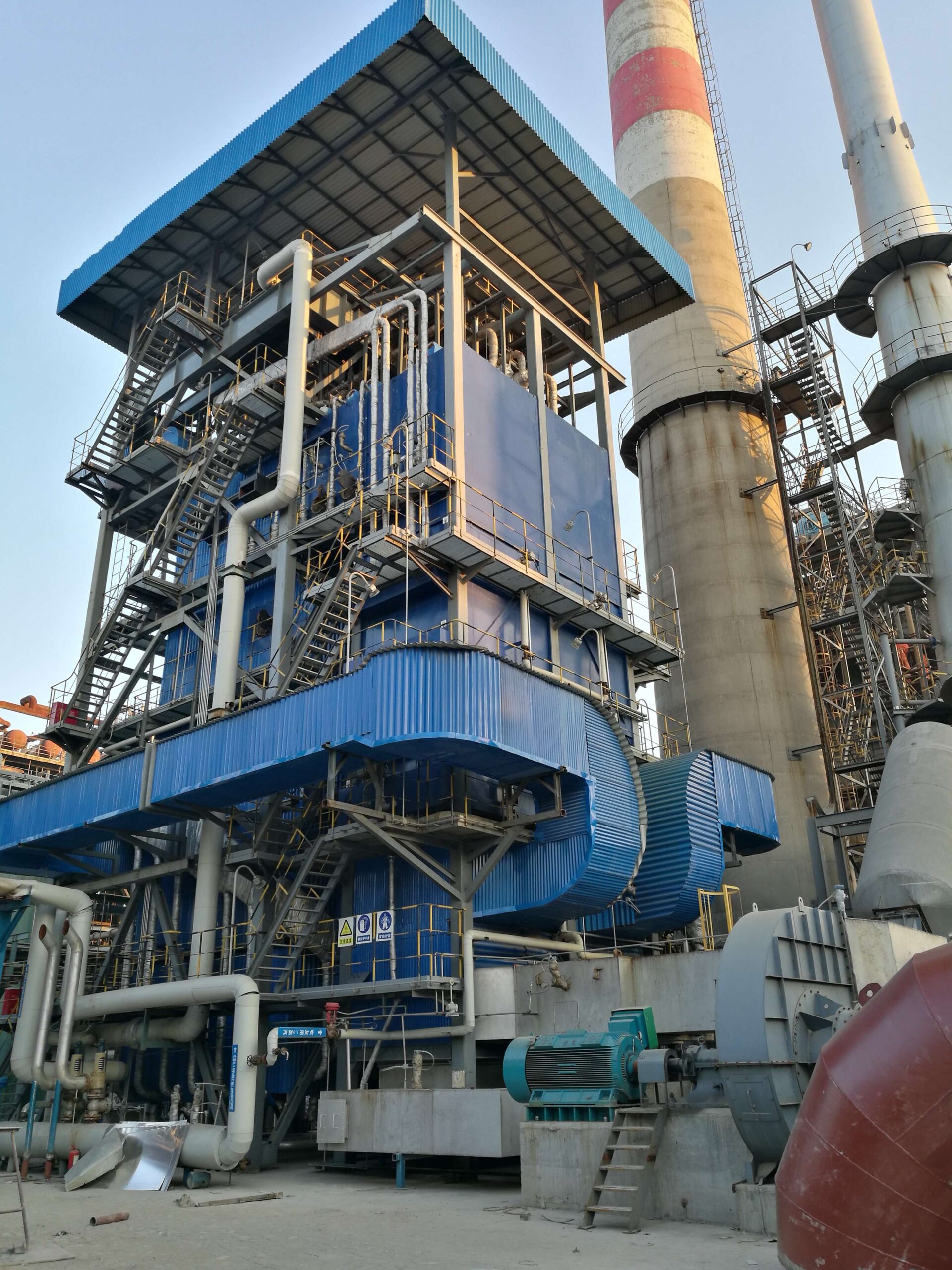
What Financing Models Are Available for Power Plant Boilers (Loans, Leases, PPPs, EPC)?

Financing a power plant boiler system—whether for utility-scale steam generation, cogeneration, or industrial thermal power—requires a capital-intensive, long-term commitment. These systems often involve tens to hundreds of millions of dollars, making the choice of a financing model critical to project success. 🔍 Understanding whether to pursue a loan, lease, public-private partnership (PPP), or EPC-based performance contract can influence not only the project’s feasibility, but also its long-term risk, ownership structure, and operational costs.

Common financing models for power plant boilers include long-term bank loans, capital and operating leases, public-private partnerships (PPP), EPC/ESCO models with performance guarantees, and project finance via special purpose vehicles (SPVs). Each model affects ownership, risk allocation, and cash flow differently, and should be matched with the specific technical and financial profile of the boiler project.

Let’s explore the structures, advantages, and best-fit applications of each financing option for high-capacity boiler installations.


🏦 Bank Loans and Structured Financing

Power plant developers can access commercial or syndicated loans from banks and financial institutions, typically offering:

  • Terms of 7–20 years for capital-intensive boiler infrastructure

  • Fixed or floating interest rates, secured by assets or revenue streams

  • On-balance-sheet treatment, with the borrower assuming all asset risks

These are best for owner-operators seeking long-term control and tax benefits from depreciation.


📄 Capital & Operating Leases

Lease TypeCharacteristicsUse Case
Capital LeaseLessee owns boiler at end of term, appears on balance sheetOrganizations that want eventual asset ownership
Operating LeaseShorter-term use, off-balance-sheet potentialIdeal for asset flexibility or public-sector procurement

Power plant boilers under lease arrangements allow deferred ownership or usage-based accounting, though less common in very large systems due to residual value concerns.


🤝 EPC and ESCO-Based Performance Contracts

  • EPC (Engineering, Procurement, Construction) contractors may provide deferred payment or staged financing for the boiler and auxiliary systems.

  • ESCO (Energy Service Company) models include Energy Savings Performance Contracts (ESPCs), where repayment is made through fuel savings or reduced emissions penalties.

Ideal for cogeneration or biomass-to-power systems where guaranteed performance and risk transfer are prioritized.

EPC or ESCO financing allows clients to defer capital investment while securing guaranteed boiler performance.True

Performance-based EPC or ESCO contracts often allow boiler projects to proceed with minimal upfront capital by tying repayment to energy savings or output.


🏛️ Public-Private Partnerships (PPPs)

For publicly owned power assets, PPP frameworks such as Build-Operate-Transfer (BOT) or Build-Own-Operate-Transfer (BOOT) are highly effective.

  • Private sector finances and operates the boiler facility under a long-term concession.

  • Ownership may transfer to the public entity after 20–30 years.

  • Often used in district energy or municipal utility-scale steam projects.

These are typically off-balance-sheet for public operators and funded via project finance.


🧩 Project Finance via SPVs

Large-scale boiler installations (e.g., >100 MW thermal) may use project finance structures with:

  • Special Purpose Vehicles (SPVs) formed to own the asset

  • Non-recourse loans secured only by the project’s cash flows (e.g., PPAs, steam sales)

  • High leverage ratios, often 70–90% of total capital needs

This is common for independent power producers (IPPs) and developers operating under long-term contracts.

Project finance with SPVs reduces risk to the parent company by isolating financial exposure.True

SPVs allow the project to stand alone, ensuring that financial risk is limited to the project’s cash flows and not the parent balance sheet.


📈 Comparison Table

ModelOwnershipRiskBalance SheetBest For
Bank LoanBorrowerBorrowerOn-balanceIPPs, large industrial plants
Capital LeaseLesseeLesseeOn-balancePublic entities seeking deferred purchase
Operating LeaseLessorLessorOff-balanceShort-term or flexible use
EPC/ESCO ContractSharedESCOOff-balance (potentially)Retrofit or co-gen boiler upgrades
PPP (BOT/BOOT)MixedPrivate partnerOff-balancePublic infrastructure projects
SPV Project FinanceSPVSPVOff-balanceUtility-scale power boilers

📌 Strategic Financing Tips

  • Early financial modeling can reveal which structure best fits ROI and risk appetite.

  • Combine financing with green bank support, carbon credit programs, or loan guarantees.

  • Align financial terms with expected boiler lifecycle (typically 20–30 years).

  • Use performance guarantees in EPC or ESCO contracts to protect against technical underdelivery.

 Summary

The financing model you choose for a power plant boiler project will determine its risk exposure, capital requirements, and long-term profitability. Whether through loans, leases, EPC-based models, PPPs, or SPV-backed project finance, each approach has unique advantages tailored to the project’s scale, ownership goals, and funding environment. A carefully structured financing package, supported by technical guarantees and compliant contracts, ensures your boiler project delivers reliable, sustainable energy—profitably and predictably.
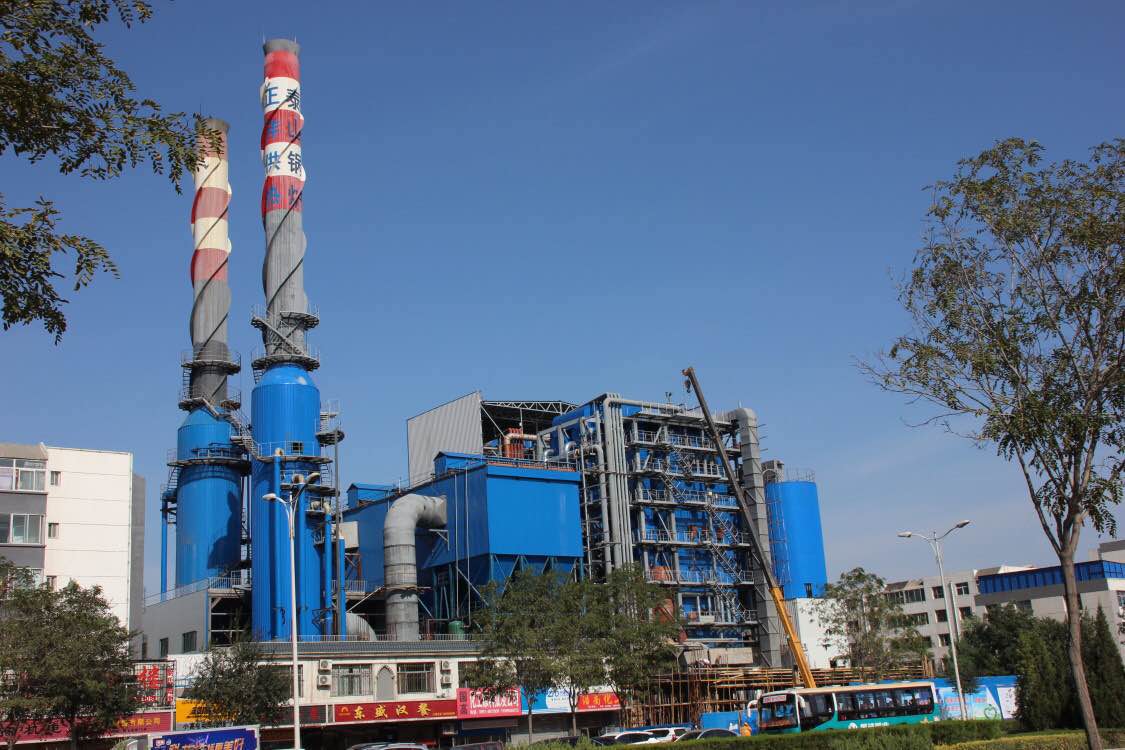
Which Government and Industrial Development Programs Support High‑Efficiency Boiler Systems?

Upgrading industrial power plant boilers to high-efficiency designs often requires significant capital investments. Fortunately, a variety of government and industrial development programs exist—ranging from tax incentives and grants to long-term financing—to support these critical clean energy initiatives. 🔍 Understanding the landscape of available programs can help plant owners and engineers dramatically reduce upfront costs, optimize ROI, and accelerate modernization timelines.

High-efficiency boiler projects can benefit from several U.S. programs, including: state-level C-PACE financing; federal tax incentives via Business Energy Investment Tax Credit (ITC); DOE-administered grants such as EECBG and Industrial Assessment Center implementation funds; and green-bank or industrial decarbonization programs like California’s CLEEN Center or Maine’s Thermal Energy Investment Program. These initiatives combine loans, grants, tax credits, and technical assistance to support boiler modernization in power plants.

Let’s explore the top options, who can apply, and what they offer.


🔸 C-PACE (Commercial Property Assessed Clean Energy)

C-PACE financing allows industrial property owners to obtain long-term, low-cost funding for energy-efficiency upgrades, including high-efficiency boilers:

  • Covers up to 100% of project costs, including equipment and installation (texaspaceauthority.org).

  • Repayments are structured as property-tax assessments with terms matching useful equipment life (e.g., 20–25 years).

  • Non‑recourse to the owner’s credit and transferable upon sale.

Ideal for industrial power plant properties seeking long-term, off‑balance-sheet funding.


🔸 Federal Business Energy Investment Tax Credit (ITC)

The Business ITC provides direct federal tax credits for renewable and efficiency projects:

  • Offers up to 10% credit for biomass and CHP systems under § 48C—relevant when boilers are part of co-gen or biogas boilers (texaspaceauthority.org, en.wikipedia.org).

  • Extends to biomass-fueled thermal systems, including industrial-scale boilers.

  • Offset against tax liability, with potential for carryforward.

A powerful incentive for integrated, high-efficiency boiler and CHP installations.


🔸 DOE Energy Efficiency and Conservation Block Grants (EECBG)

The EECBG Program funds local energy efficiency upgrades:

  • Offers grants to municipalities, tribes, and states to reduce fossil fuels through efficiency improvements like boiler upgrades (energy.maryland.gov, en.wikipedia.org).

  • Can support district energy or industrial boilers at government-owned sites.

  • Administered via DOE EERE; funds vary annually.

Best for public-sector plants or projects in municipal districts.


🔸 Industrial Assessment Center (IAC) Implementation Grants

Funded by DOE, IAC grants support small- and mid-size manufacturers:

  • Industrial plants receive free energy audits and can get grants (up to ~$300K) for implementing recommended measures — including boiler efficiency upgrades (aceee.org, en.wikipedia.org).

  • Ideal for power plants owned by manufacturers.

These grants combine technical support with financial backing for energy-saving investments.


🔸 Green Banks & State Industrial Programs

State green banks and industrial decarbonization funds offer tailored financing:

  • California’s CLEEN Center provides low-cost financing ($500K–$30M) for efficiency upgrades in public-sector facilities (en.wikipedia.org).

  • Efficiency Maine’s TEIP grants 35% project cost support for wood- or biofuel-fired boilers, plus bonus for emissions controls (efficiencymaine.com).

  • Maryland Energy Administration offers grants up to $500K toward commercial wood boiler systems (news.maryland.gov).

State-specific funds can significantly lower project costs for qualifying power plant boilers.


🔸 Industrial & Utility Energy Programs

Utilities and industrial decarbonization funds also provide incentives:

  • NYSERDA and other NY utilities offer rebates for high-efficiency boiler equipment in industrial settings (nyserda.ny.gov).

  • California INDIGO Program funds equipment electrification and efficiency in heavy industry, including boilers .

  • Industrial rebates from programs like SEEDS cover modern boiler and control system installations (seedsgroup.net).

These programs help offset equipment costs and encourage modernization.


📋 Comparison Table

ProgramTypeEligible Boiler TypesFunding Mechanism
C‑PACELong-term financingHigh-efficiency gas, biomass, CHP boilersLoan repaid via property tax
Business ITC (§48C)Federal tax creditBiomass CHP, industrial boilers10% tax credit
EECBGFederal grantPublic-sector boiler efficiency upgradesGrant
IAC GrantsTech + financial supportManufacturing facility boilersAudit + grant
State Green Bank (CLEEN)Low-cost financePublic-sector and institutional boilersLoan
Efficiency Maine TEIPState grantBiofuel boilers35% equipment & labor grant
Utility Rebates (NY, CA, etc.)Local incentivesHigh-efficiency boiler systemsRebates

🔧 Best Practices for Project Success

  1. Engage early: Programs like PACE and ITC require pre-approval before procurement.

  2. Combine incentives: Stack C‑PACE with ITC, state grants, and utility rebates.

  3. Perform technical audits: Use IAC evaluations to justify grant funding.

  4. Ensure compliance: Align with emissions and efficiency standards to qualify.

  5. Coordinate stakeholders: Involve finance, engineering, and legal teams early.

Summary

High-efficiency power plant boiler systems can tap multiple government and industrial development programs—ranging from C-PACE financing and federal tax credits to DOE grants and state green bank support. By combining these with utility rebates and performance contracts, plant owners and developers can reduce upfront costs, improve payback, and accelerate deployment. Strategic project planning and eligibility alignment are essential to maximize financial support for clean, efficient boiler upgrades.
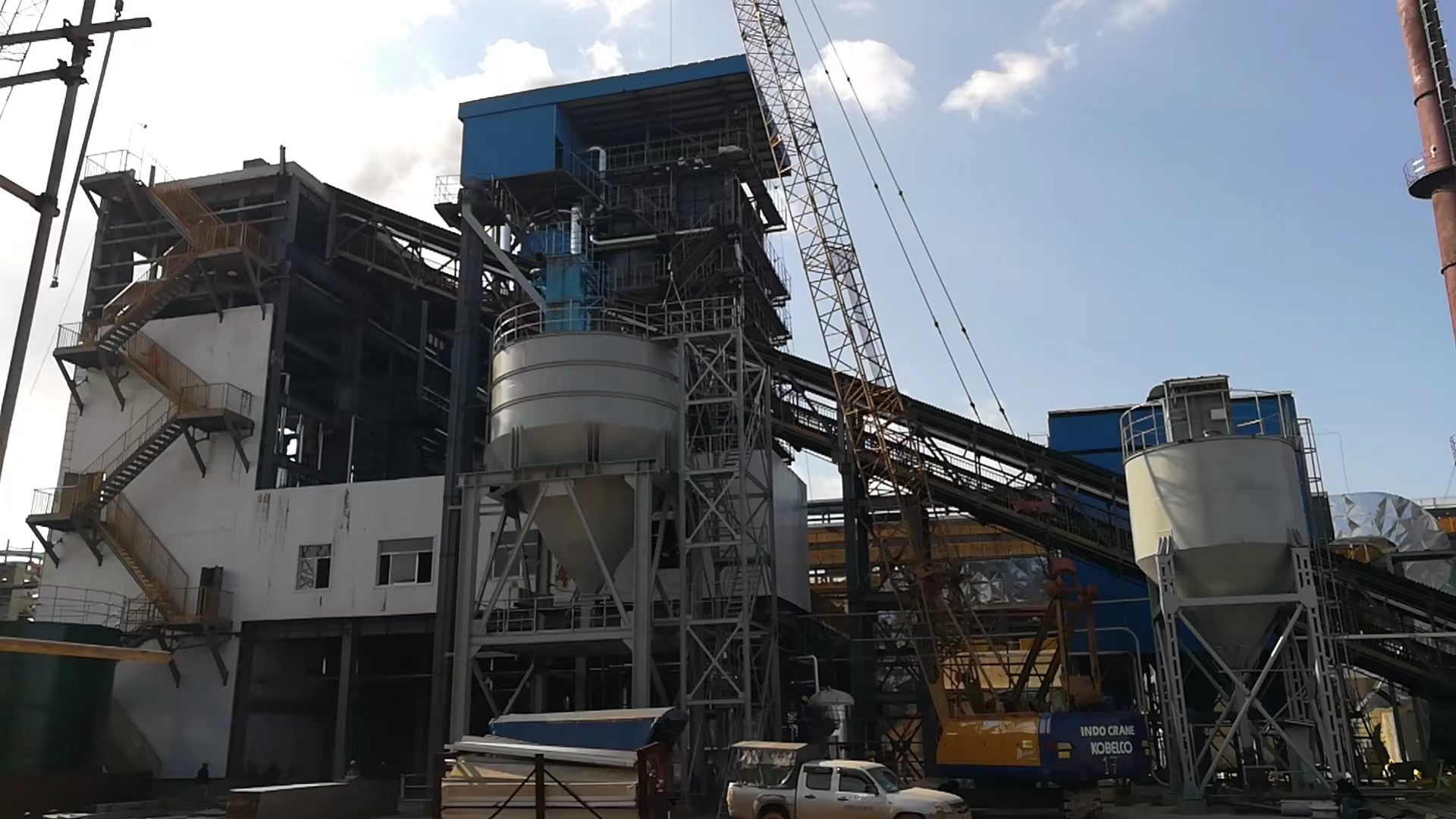
Are Carbon Credits, Emissions Trading, or Climate Finance Tools Applicable to Boiler Projects?

Prompt for image generation: Industrial boiler plant + Infographic style + showing emissions reductions and carbon credit mechanisms + power plant setting with digital overlays + informative and technical + bright lab lighting

In an era where climate commitments are tightening and carbon neutrality has become an urgent mandate, industrial boiler operators are facing mounting pressure to decarbonize. Yet many plant managers and project investors struggle with a central question: how can we finance these upgrades and lower emissions cost-effectively? Traditional retrofit costs are high, payback periods are long, and energy savings are not always enough to justify the investment. However, tools like carbon credits, emissions trading, and climate finance are emerging as powerful pathways to turn compliance into capital—and pollution reduction into profit. This article explores in detail how such mechanisms can be practically applied to industrial boiler projects and how you can position your boiler facility to benefit from them.

Yes, carbon credits, emissions trading systems (ETS), and climate finance tools are highly applicable to industrial boiler projects—especially in sectors with significant fuel combustion emissions. These mechanisms provide economic incentives to reduce greenhouse gas emissions through retrofits, fuel switching, efficiency upgrades, and renewable energy integration in industrial and power station boilers. Properly structured, these projects can generate certified emission reductions (CERs), gain access to regional or voluntary carbon markets, and qualify for climate finance mechanisms like green bonds or blended finance.

Many operators wrongly assume these financial mechanisms are reserved only for large renewable power plants or forestry projects. In truth, industrial boilers—especially coal, oil, or biomass-fired units in thermal power stations—are key emission sources and qualify well under international and domestic carbon offset methodologies. The opportunity for carbon monetization is real, but realizing it demands a strategic technical and financial approach tailored to the boiler’s lifecycle emissions profile, project scale, and local regulatory frameworks.

Carbon credit and climate finance mechanisms can be applied to industrial boiler emissions reduction projects.True

Boiler retrofits, fuel switching, and energy efficiency upgrades can all lead to verifiable emissions reductions, qualifying them for carbon credits and sustainable finance mechanisms.

How Boilers Qualify for Carbon Credits and ETS Inclusion

Methodologies for Boiler Projects under Carbon Markets

To access carbon credits or emissions trading frameworks, boiler projects must follow recognized methodologies that quantify emissions reductions. These are generally categorized as follows:

CategoryMethodology Code (CDM/Verra)Applicable ProjectsMonitoring Requirements
Energy EfficiencyAMS-II.D, ACM0012Boiler efficiency improvements, condensate recoveryFuel consumption, steam output, temperature, pressure logs
Fuel SwitchingAMS-III.B, ACM0006Coal to biomass/gas, heavy oil to LPGCalorific value monitoring, GHG intensity of fuels
Renewable IntegrationAMS-I.D, ACM0002Solar thermal pre-heaters, waste heat recoveryPower/heat generation from renewables, baseline fossil use

These methodologies enable boiler projects to generate carbon offsets by calculating the difference between baseline emissions (pre-project scenario) and project emissions (post-upgrade scenario). If verified by an accredited third party, these reductions can be issued as carbon credits.

Emissions Trading Scheme Participation

ETS schemes like the EU ETS, China ETS, and South Korea ETS regulate direct emitters. If your industrial or thermal boiler plant emits beyond a specific threshold (e.g., 25,000 tons CO₂/year), you may be obligated to participate. However, this also opens the door to:

  • Receiving initial allowances based on historical emissions

  • Selling surplus credits if you reduce emissions below your cap

  • Purchasing credits for compliance if your emissions exceed allowances

Climate Finance for Boiler Projects: Who Funds What?

Types of Climate Finance and Their Relevance to Boilers

Climate finance is not a one-size-fits-all instrument. Here’s how boiler upgrades may fit into different mechanisms:

InstrumentProviderEligibilityApplication to Boilers
Green BondsInstitutional investors, public banksMust meet environmental performance criteriaLarge-scale fuel switching or efficiency projects in power plants
Climate Funds (e.g., GCF)Multilateral banks, UNFCCCDeveloping countries, emission reduction projectsBiomass boiler deployment, off-grid energy security solutions
Blended FinanceDevelopment finance + privateRisk sharing for projects with commercial barriersCoal-to-gas boiler conversion in emerging markets

To access these funds, boiler projects must demonstrate measurable climate impact, strong MRV (monitoring, reporting, verification), and financial viability. Detailed emission baselines, techno-economic feasibility studies, and risk management plans are typically required.

Case Study: Biomass Boiler with Carbon Financing in Southeast Asia

A 45 MW coal-fired boiler at a paper mill in Vietnam was converted to a biomass boiler using rice husk and wood chips. The project:

  • Reduced over 130,000 tCO₂e/year

  • Used ACM0006 methodology for carbon credit calculation

  • Secured $3.2 million in upfront climate finance from a German development bank

  • Sold credits into the voluntary carbon market at $10/ton

This project exemplifies how mid-scale boiler projects can access both finance and carbon markets.

Key Steps to Make Your Boiler Project Carbon-Credit Ready

  1. Baseline Emissions Audit: Calculate current GHG emissions from the boiler (fuel use, combustion efficiency).

  2. Feasibility Study: Identify cost-effective GHG mitigation options (retrofitting, fuel switching, waste heat recovery).

  3. Choose Methodology: Select the right carbon offset methodology applicable to your boiler system.

  4. Develop MRV Plan: Outline how you will monitor and report emissions reduction accurately.

  5. Register the Project: Engage with a carbon standard (Verra, Gold Standard, UNFCCC CDM).

  6. Secure Finance: Package the project for climate funds or green investment.

Boiler TypeCommon GHG StrategyCarbon Tools Applicable
Pulverized CoalEfficiency retrofit, switch to biomassETS, CDM, Voluntary Carbon Markets
Oil-Fired BoilersReplace with gas or solar pre-heatingGreen Bonds, Verra
Biomass BoilersEmission monitoring and optimizationClimate Finance, Verified Carbon Units (VCUs)

Summary

Industrial and power station boilers are not just emission sources—they are potential assets in the carbon economy. By leveraging carbon credits, emissions trading systems, and climate finance, boiler operators can reduce emissions while also improving project economics. With the right technical planning and policy alignment, even legacy boiler infrastructure can become part of a cleaner energy future.

How Can Performance-Based Energy Service Company (ESCO) Models Help Reduce Upfront Costs?

High-efficiency upgrades in industrial facilities, particularly in energy-intensive systems like boilers, are often hindered by one major obstacle: capital cost. Many industrial players hesitate to replace or upgrade outdated systems because of the large upfront investment required—even when long-term energy savings are clear. This financing challenge delays decarbonization, lowers competitiveness, and prolongs inefficient operations. The solution? Performance-based Energy Service Company (ESCO) models. These allow businesses to implement energy-saving technologies without bearing the financial risk or cost up front. This article explores how ESCO models can make decarbonizing your boiler system financially viable and operationally seamless.

Performance-based ESCO models help reduce upfront costs by financing energy-saving projects—like boiler retrofits—and recouping costs from the verified energy savings over time. Under this model, the ESCO takes on the investment, implementation, and performance risk, while the client pays back through shared savings or fixed service fees linked to actual cost reductions. This enables industrial facilities to modernize without initial capital expenditure.

Traditional procurement models place the full burden of cost, performance, and implementation risk on the facility owner. With ESCOs, the risk is flipped. Clients can benefit from guaranteed energy performance, improved asset reliability, and enhanced environmental compliance while focusing their own capital on core production needs.

Performance-based ESCO models can eliminate the need for upfront investment in energy efficiency projects.True

ESCOs finance the project and recover costs through guaranteed energy savings, enabling clients to modernize infrastructure with zero or minimal upfront capital.

ESCO Business Models and How They Lower Initial Capital Needs

ESCOs use several contract types to support industrial energy efficiency projects, with most tailored to minimize or eliminate client-side capital commitments:

Model TypeClient Payment StructureFinancial RiskBest Use Case
Shared SavingsPercentage of actual savingsESCOHigh-uncertainty projects or clients with limited credit
Guaranteed SavingsFixed savings amount guaranteedClientLarge corporations with strong credit or credit access
Energy Performance Contracting (EPC)Monthly fixed fee linked to savingsSharedGovernment/public sector retrofits
Build-Own-Operate-Transfer (BOOT)Full ESCO ownership during contractESCONew facility development or major retrofits

Each model has its strengths depending on the client’s financial structure and project goals. In shared savings models, the ESCO often invests 100% of capital and is repaid over 5–10 years from achieved savings—thus encouraging accurate audits and high-efficiency installations.

Case Study: ESCO Retrofit of a Coal-Fired Boiler System

A textile manufacturer in India upgraded a 15 TPH coal-fired boiler using an ESCO model. Highlights:

  • Retrofit cost: $850,000

  • ESCO-funded 100% capital

  • Energy savings: 25% reduction in coal use, 18% GHG reduction

  • Payback period: 4.8 years through shared savings (45% to client, 55% to ESCO)

  • Boiler downtime: Zero—retrofit executed during planned maintenance

The project also qualified for voluntary carbon credits, further boosting returns.

MetricBefore RetrofitAfter RetrofitSavings
Coal Consumption (kg/hr)1,9501,46025.1%
Emissions (tCO₂/year)14,20011,65018.0%
Operating Cost ($/year)$410,000$320,000$90,000

Technical Advantages and Measurement Protocols

An ESCO must ensure that savings are measurable and verifiable. This requires robust M&V (Monitoring and Verification) protocols. The most recognized include:

  • IPMVP (International Performance Measurement and Verification Protocol): Defines standard methods (Option A, B, C, D) for quantifying baseline and post-retrofit performance

  • ASHRAE Level II and III Audits: Deep audits identifying detailed energy-saving opportunities in industrial systems

Key boiler-specific variables monitored include:

  • Steam output and pressure

  • Fuel consumption per unit of steam

  • Flue gas oxygen levels

  • Blowdown and condensate recovery rates

This data is crucial for validating ESCO performance guarantees and ensuring clients only pay for real, verified savings.

Boiler ParameterImpact on Energy UseM&V Tool
Excess air levelAffects combustion efficiencyFlue gas analyzer
Steam-to-fuel ratioIndicates boiler efficiencyFlow meters, fuel logs
Boiler blowdown rateImpacts water/heat lossConductivity meters

Integration with Carbon Markets and Sustainability Targets

One of the biggest values of ESCOs today is their alignment with sustainability and climate strategies. ESCO projects:

  • Generate verifiable emissions reductions, qualifying for carbon credits

  • Enhance ESG reporting metrics, especially energy and emissions KPIs

  • Support climate-aligned finance, such as green bonds or blended finance when bundled with decarbonization targets

ESCO contracts can even be structured to share carbon revenue streams from CDM or Verra-certified reductions, increasing the financial viability of low-carbon transitions in boilers and industrial heat systems.

OpportunityESCO BenefitClient Outcome
Carbon credit monetizationShared revenue from verified emissions reductionsAdditional cash flow
Compliance with ETSOffset CO₂ from on-site boilersAvoidance of carbon penalties
ESG alignmentDocumentable energy savings and emissions cutBetter investor/market perception

Summary

Performance-based ESCO models provide a practical, scalable pathway to modernize boiler systems, improve energy efficiency, and cut emissions—all without requiring large upfront investments from industrial facility owners. By transferring financial and operational risk to expert third parties, facilities can focus on core operations while still reaping the benefits of decarbonization and cost savings. Whether you’re considering a fuel switch, heat recovery installation, or full boiler retrofit, ESCOs offer technical assurance, financial flexibility, and a guaranteed path to verified savings.
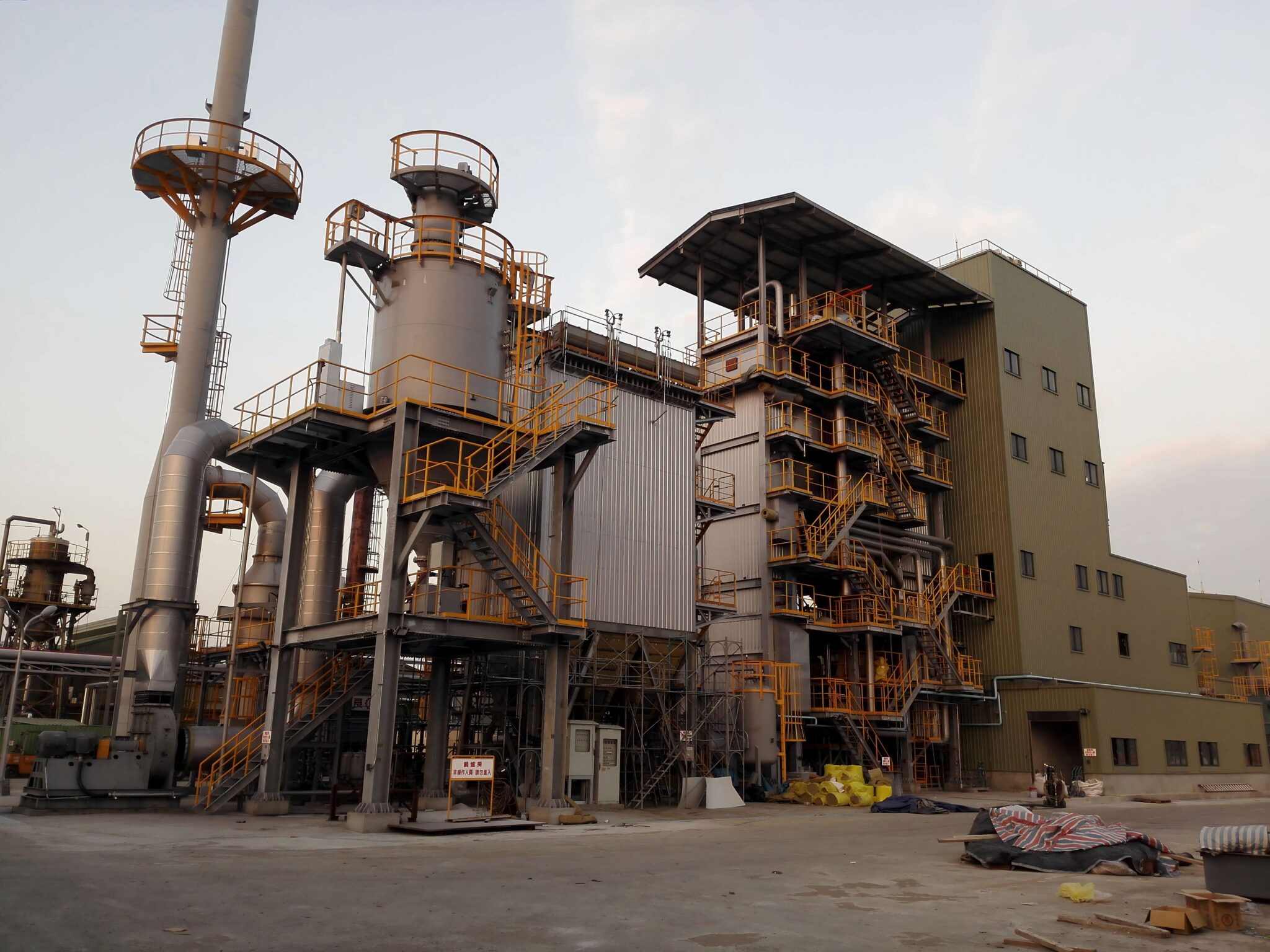
What Tax Credits, Depreciation Incentives, or Green Bonds Apply to Power Infrastructure?

Investing in power infrastructure—whether it’s for generation, transmission, or energy efficiency upgrades—can be capital intensive. For many utilities, independent power producers, and industrial power users, the challenge isn’t technical feasibility but financial viability. Massive upfront capital, long payback periods, and uncertain regulatory returns can delay or even derail crucial infrastructure projects. However, government-backed incentives such as tax credits, accelerated depreciation, and climate-aligned financial instruments like green bonds now offer powerful tools to offset these hurdles. Understanding and leveraging these mechanisms is essential for developers aiming to maximize ROI and align with sustainability goals.

Power infrastructure projects are eligible for a range of financial incentives, including tax credits (like the Investment Tax Credit or Production Tax Credit), accelerated depreciation through Modified Accelerated Cost Recovery System (MACRS), and access to green bonds for climate-aligned capital. These tools lower project costs, improve cash flow, and reduce financing barriers, particularly for renewable energy, grid upgrades, and energy efficiency initiatives.

For investors, developers, and asset managers in the energy sector, these incentives are not just optional—they are essential to making projects financially sustainable in a competitive and carbon-constrained market. They directly influence capital budgeting, internal rate of return (IRR), and net present value (NPV), providing both immediate and long-term financial advantages.

Green bonds and tax incentives can significantly reduce the capital burden for new power infrastructure projects.True

These tools provide upfront financing or post-investment tax relief, enhancing cash flow and accelerating return on investment for infrastructure developers.

Tax Credits: A Foundation for Clean Power Investment

Investment Tax Credit (ITC)

The ITC allows project developers to deduct a percentage of eligible project costs from federal taxes.

YearITC for Solar ProjectsEligible SectorsImpact
2025–203230% (with bonus for domestic content or low-income areas)Solar PV, energy storage, microgridsReduces effective capex by nearly one-third

Production Tax Credit (PTC)

The PTC provides a per-kWh tax credit for electricity generated from qualifying renewable sources over the first 10 years.

TechnologyPTC Rate (2025 est.)DurationApplicable Projects
Wind$0.027/kWh10 yearsOnshore and offshore wind farms
Biomass$0.015/kWh10 yearsCHP plants, waste-to-energy

These tax credits can be stacked with depreciation incentives and green financing, further enhancing project bankability.

State-Level Tax Credits

Many states offer additional incentives—examples include:

  • California: Self-Generation Incentive Program (SGIP)

  • Texas: Solar and wind property tax exemptions

  • New York: NYSERDA tax rebates for efficiency and storage

Accelerated Depreciation via MACRS and Bonus Depreciation

The Modified Accelerated Cost Recovery System (MACRS) enables rapid cost recovery through tax deductions.

Asset TypeDepreciation ScheduleEligible for BonusImpact
Solar PV5 yearsYes (80% bonus in 2025)Large tax shield in first year
Wind turbines5 yearsYesReduces taxable income significantly
Grid batteries5 yearsYes, under energy propertyApplicable if charged mostly from renewables

Bonus depreciation allows a one-time deduction of 80% of the asset’s cost in year one, declining by 20% per year until 2027 unless extended.

Year Placed in ServiceBonus Depreciation %
202580%
202660%
202740%

Green Bonds: Climate-Aligned Capital for Infrastructure Growth

Green bonds are debt instruments earmarked for environmentally beneficial projects, including power infrastructure upgrades.

Characteristics of Green Bonds

Issuer TypeExamplesProjects FundedBenefits
GovernmentEIB, U.S. TreasuryNational grid modernizationLower cost of capital
CorporateEnel, IberdrolaSolar farms, smart gridESG-driven investor access
MunicipalNY Green Bank, LA Water & PowerLocal microgrids, storageTax-exempt interest in some cases

Green bonds often receive high investor demand due to their alignment with ESG mandates and sustainable finance targets.

Case Study: Green Bond for Utility-Scale Battery + Solar Project

In 2024, a $500M green bond issued by a U.S. utility financed a solar farm plus 300 MWh of battery storage. The project qualified for:

  • 30% ITC

  • 80% MACRS bonus depreciation

  • Low-cost debt through green bond (3.8% interest)

  • Project IRR improved from 7.4% to 11.9% with combined tools

Policy Synergy: How These Incentives Interact

Smart capital stacking allows developers to combine multiple incentive streams:

Incentive LayerApplication StageCumulative Effect
ITC/PTCPost-construction (tax year filing)Reduces upfront cost burden
MACRS/Bonus DepreciationFirst 5 years of operationsImproves free cash flow
Green BondsPre-construction capital raiseReduces interest expense

When structured correctly, projects can recoup over 60–70% of capital costs within the first few years through combined tax and financing incentives.

Eligibility, Compliance, and Certification

To qualify for these incentives, projects must:

  • Meet domestic content or labor rules (for ITC/PTC bonuses)

  • Undergo third-party verification (for green bonds under ICMA guidelines)

  • Align with IRS definitions of “energy property” for depreciation

  • Submit environmental and tax documentation properly

Many developers partner with tax equity investors who monetize credits in exchange for project ownership rights or returns.

RequirementApplies ToVerification Body
Domestic content bonusITC, PTCU.S. Treasury guidance
Use of proceeds reportGreen BondsExternal reviewers (CICERO, Sustainalytics)
Asset eligibility auditMACRSIRS or tax advisor review

Summary

Power infrastructure projects—from utility-scale renewables to distributed microgrids—stand to benefit enormously from government-backed tax credits, accelerated depreciation, and climate-aligned capital tools like green bonds. These incentives improve project economics, attract ESG-focused investment, and accelerate the deployment of critical energy systems. When layered strategically, they can reduce capital costs, boost internal rates of return, and improve long-term financial sustainability—transforming how the power sector finances the transition to cleaner, smarter infrastructure.
What Documentation and Benchmarks Are Needed to Qualify for Financing or Incentives?

Purchasing an industrial or power station boiler is a capital-intensive investment—one that is increasingly scrutinized under energy efficiency, emissions reduction, and environmental compliance criteria. Whether you’re seeking low-interest loans, government subsidies, tax credits, or climate-linked instruments like green bonds, access to financing hinges not only on the technology but on your ability to provide the right documentation and meet standardized benchmarks. Unfortunately, many buyers fail to prepare comprehensive qualification packages, resulting in delays, lost incentives, or rejected applications. To avoid this and unlock favorable financing, you must understand what lenders, governments, and climate funds require before they commit funds to your boiler project.

To qualify for financing or incentives when purchasing an industrial power boiler, buyers must submit comprehensive documentation—including technical specifications, energy performance benchmarks, emissions data, project feasibility studies, and compliance with environmental and safety standards. These must align with recognized frameworks (like ISO 50001, IPMVP, or IFC performance standards) and often require third-party verification or audits to validate the boiler’s environmental and operational efficiency.

Too many procurement teams focus solely on upfront boiler pricing without preparing the full package of documentation needed to secure external financing or meet government incentive requirements. However, with the right benchmarks and technical records prepared early, your boiler acquisition can become not only a reliable heat source—but also an entry point into broader energy transition financing frameworks.

Proper documentation and performance benchmarks are essential for securing energy-related incentives and financing for industrial boilers.True

Financial institutions and government agencies require validated efficiency, emissions, and safety records to qualify boiler purchases for tax credits, grants, or green finance tools.

Core Documentation for Boiler Financing and Incentive Qualification

Technical Boiler Documentation

DocumentPurposeMandatory For
Manufacturer DatasheetProvides nominal specs (output, pressure, fuel, efficiency)All financing, certifications
Engineering Design DrawingsConfirms physical dimensions, integration feasibilityGreen bonds, EPC assessments
Energy Performance ReportIndicates thermal efficiency, load matchingTax credit eligibility, ESCOs
Emissions Report (NOx, SO₂, CO₂)Verifies pollution levels per fuel typeClimate incentives, compliance audits

Energy and emissions performance must be benchmarked against local and international norms. For example:

  • Thermal Efficiency: ≥ 85% (for oil/gas), ≥ 75% (for biomass)

  • Specific Emissions: < 0.25 kg CO₂/kWh (for gas-fired units)

  • Combustion Optimization: Verified flue gas oxygen level of 3–5%

Benchmark MetricRecommended ValueApplicable Incentives
Thermal Efficiency> 90%Green finance, ISO 50001
GHG Emissions (tCO₂/MWh)< 0.25Carbon credit eligibility
Fuel Switch CapabilityDual-fuel or renewable-capableESG-linked loans

Project-Level Documentation

To demonstrate the boiler’s strategic value and alignment with policy or lender criteria, the following project-level documentation is essential:

DocumentDescriptionWhy It’s Needed
Feasibility StudyFinancial viability and return on investmentBank loan or tax subsidy approval
Environmental Impact Assessment (EIA)Assesses ecological risksGreen bond issuance, government permits
Energy Audit (pre-installation)Baseline consumption and emissionsPerformance-based funding, ESCO models
Project Implementation PlanTimeline, vendors, capex/OPEX detailsProject tracking and disbursement control

Projects that also include energy recovery, automation, or renewables integration must provide:

  • Heat Recovery System Schematic

  • Controls and SCADA Architecture

  • Solar/Waste Heat Integration Plan

Certification and Verification Requirements

Many green or climate finance mechanisms require certification or independent validation from approved bodies.

Verification AreaStandard/ProtocolCertifying Agency
Energy PerformanceISO 50001, EN 12953TÜV, DNV, SGS
Emissions MonitoringIPCC Guidelines, EPA standardsCDM auditors, accredited labs
Green Bond AlignmentICMA Green Bond PrinciplesCICERO, Vigeo Eiris
Risk and Impact DisclosureIFC Performance StandardsWorld Bank, ADB, UNDP

Projects seeking tax incentives or inclusion in green investment portfolios should also adhere to:

  • OECD Equator Principles

  • IFC Environmental & Social Risk Management

  • National climate action plans (e.g., NECP in EU, NDCs globally)

Case Study: Biomass Boiler in Eastern Europe

A cement company sought green financing for a 20 MW biomass boiler to replace its coal system.

  • Submitted Documents:

    • Thermal efficiency tests (87% average)

    • Emission reductions verified (38,000 tCO₂/year)

    • ISO 50001 energy management certification

    • Independent financial audit with projected IRR of 13.5%

    • EIA clearance from local authorities

  • Results:

    • Approved €6.5M green loan from EBRD

    • Received local government tax subsidy worth €700K

    • Registered under Verra for voluntary carbon credits (VCUs)

Documentation SubmittedOutcome
Emissions & Thermal ReportsTax credit eligibility
ISO 50001 CertificationSecured green financing
Energy Audit & EIACompliance with public funding rules

Benchmark Alignment Table

AreaRequired BenchmarkSupporting DocumentApplicable Programs
Efficiency>90% boiler efficiencyManufacturer test reportITC, ESCO
EmissionsCO₂ < 0.25 kg/kWhStack emissions analysisCarbon credit, green bond
MonitoringIPMVP or ISO 14064MRV protocolsClimate finance, ETS
Economic ViabilityIRR > 10%Feasibility reportBank loan, blended finance
Integration ReadinessSCADA or EMS supportControl architecture diagramSmart grid compatibility

Summary

For buyers of industrial or power boilers aiming to secure financing or environmental incentives, documentation is not optional—it’s strategic. Regulatory bodies, financing institutions, and sustainability-linked investors demand high levels of technical transparency, emissions traceability, and operational planning. By preparing robust documentation and aligning with internationally accepted performance benchmarks (efficiency, emissions, safety, monitoring), you not only improve your project’s eligibility for funding but also gain a competitive edge in an increasingly decarbonized industrial landscape. Every kilowatt of output and every ton of CO₂ offset must be justified on paper—so prepare accordingly to unlock the full financial potential of your boiler investment.

🔍 Conclusion

Financing an industrial power plant boiler requires a strategic approach that combines bankable project design with access to clean energy funding, emissions incentives, and structured lending programs. By aligning your boiler system with energy efficiency, fuel diversification, and carbon reduction goals, you can unlock substantial support to make your project both affordable and sustainable.


📞 Contact Us

💡 Need help identifying the best financing and incentive pathways for your power boiler project? We provide funding strategy support, emissions forecasting, and cost-benefit analysis for industrial-scale boiler investments.

🔹 Let us help you turn your power boiler project into a financially viable and future-proof energy solution. ⚡💰✅

FAQ

What are the common financing options for power plant boiler purchases?

Given the high capital costs, financing strategies include:

  • Project finance loans through commercial or development banks

  • Vendor or EPC contractor financing

  • Public-private partnerships (PPPs) for utility-scale projects

  • Green bonds for clean energy or hybrid-fuel projects

  • Energy performance contracts (EPCs) for energy-efficiency-based repayments

These models help spread investment risk and align repayment with plant operation cycles.

Are tax credits or depreciation incentives available?

Yes. Power plant boilers may qualify for:

  • MACRS depreciation (Modified Accelerated Cost Recovery System)

  • Section 179 deductions for eligible equipment

  • Clean energy tax credits if using renewables, waste heat recovery, or low-emissions fuels
    These can significantly reduce the upfront tax burden of new boiler systems.

Do any federal or state grants apply to power plant boiler systems?

Yes, especially for efficiency and decarbonization projects. Examples include:

  • DOE’s Industrial Emissions Reduction Technology Development Program

  • EPA Clean Air Act grants for NOx/SOx compliance

  • State-level infrastructure modernization and resiliency funds

  • USDA Rural Utility Services (RUS) for district heating or bio-power applications

Can utilities or regional grid operators provide funding support?

Yes. Depending on the region and emissions targets, utilities may offer:

  • Grid integration funding

  • Fuel-switching rebates (e.g., from coal to biomass or gas)

  • Capacity expansion incentives tied to renewable portfolio standards (RPS) or industrial demand response

Where can buyers find up-to-date boiler funding programs?

  • Use the DSIRE database to search by state: https://www.dsireusa.org

  • Review DOE, EPA, and IEA funding announcements

  • Work with EPC firms, boiler vendors, or industrial energy consultants, who often assist in grant and loan applications

References

  1. DSIRE Database of State and Federal Energy Incentiveshttps://www.dsireusa.org

  2. DOE Funding for Industrial Decarbonizationhttps://www.energy.gov

  3. MACRS and Section 179 Guidelineshttps://www.section179.org

  4. EPA Emissions Reduction Incentive Programshttps://www.epa.gov

  5. USDA Rural Utility Funding Optionshttps://www.rd.usda.gov

  6. IEA Reports on Power Plant Investment and Incentiveshttps://www.iea.org

  7. Green Bond Resources for Clean Infrastructurehttps://www.climatebonds.net

  8. Utility Programs for Large-Scale Energy Projectshttps://www.energystar.gov

  9. EPC Contract Financing Structureshttps://www.naesco.org

  10. Infrastructure Investment and Jobs Act (IIJA) Grant Infohttps://www.whitehouse.gov

Wade Zhang

CEO of Taishan Group Taian Boao International Trade Co., Ltd. 30 years experience in Global industrial boiler market,  Over 300 boiler projects experience, including 21+ EPC projects. Projects span 30+ countries & regions, involving industries such as nuclear power, energy & electricity, municipal heating, mining, textiles, tires etc.

Financing and Incentive Options for Industrial Power Plant Boiler Purchases Read More »
How to Choose a Reliable Industrial Biomass Boiler Manufacturer

How to Choose a Reliable Industrial Biomass Boiler Manufacturer

Selecting a reliable industrial biomass boiler manufacturer is critical for ensuring long-term system efficiency, environmental compliance, and return on investment. Biomass boilers involve complex combustion processes, variable fuel types, and stricter emissions control—making manufacturer experience and engineering expertise essential. Choosing the wrong supplier can result in frequent operational issues, inefficient fuel usage, and costly retrofits.

To choose a reliable industrial biomass boiler manufacturer, evaluate their experience with multi-fuel systems, biomass combustion technologies, compliance with international standards (e.g., ASME, CE, ISO), and track record of installations in your industry. Prioritize manufacturers that offer in-house engineering, custom system design, emissions control integration, and robust after-sales support. Request real-world performance data, references from similar projects, and guarantees on efficiency and emissions.

Here’s a checklist of the most important criteria to guide your decision.

Biomass boilers (9)

What Technical Expertise Should a Biomass Boiler Manufacturer Demonstrate?

Ensuring optimal performance, emissions compliance, and long-term reliability in biomass boiler projects hinges on selecting a manufacturer with deep technical capabilities. 🛠️ Biomass boilers face challenges such as feedstock variability, combustion stability, ash behavior, and control integration. Without proven expertise, facilities risk inefficient operation, high maintenance costs, and regulatory issues. This article outlines the essential technical areas a biomass boiler manufacturer must master to deliver reliable, efficient, and compliant systems.

A qualified biomass boiler manufacturer must demonstrate expertise in feedstock testing, combustion design, ash handling systems, corrosion-resistant materials, emissions control, thermal efficiency optimization, and full-spectrum engineering support—from site assessment to commissioning. These competencies ensure performance tailored to your fuel type, capacity, and environmental constraints.

Let’s explore what sets a capable supplier apart.


🔍 Core Competencies Required

Technical AreaDetailsWhy It Matters
Feedstock AnalysisTesting moisture, ash content, particle sizeEnables custom furnace design for specific biomass types
Combustion System DesignFluidized bed or grate technology; air stagingEnsures stable combustion, efficiency, and emissions control
Ash & Slag ManagementAutomated removal, ash cooling systemsPrevents fouling, reduces unplanned downtime
Materials & Corrosion ProtectionHigh-temp alloys, refractory liningsEssential for resistance to biomass-related corrosion
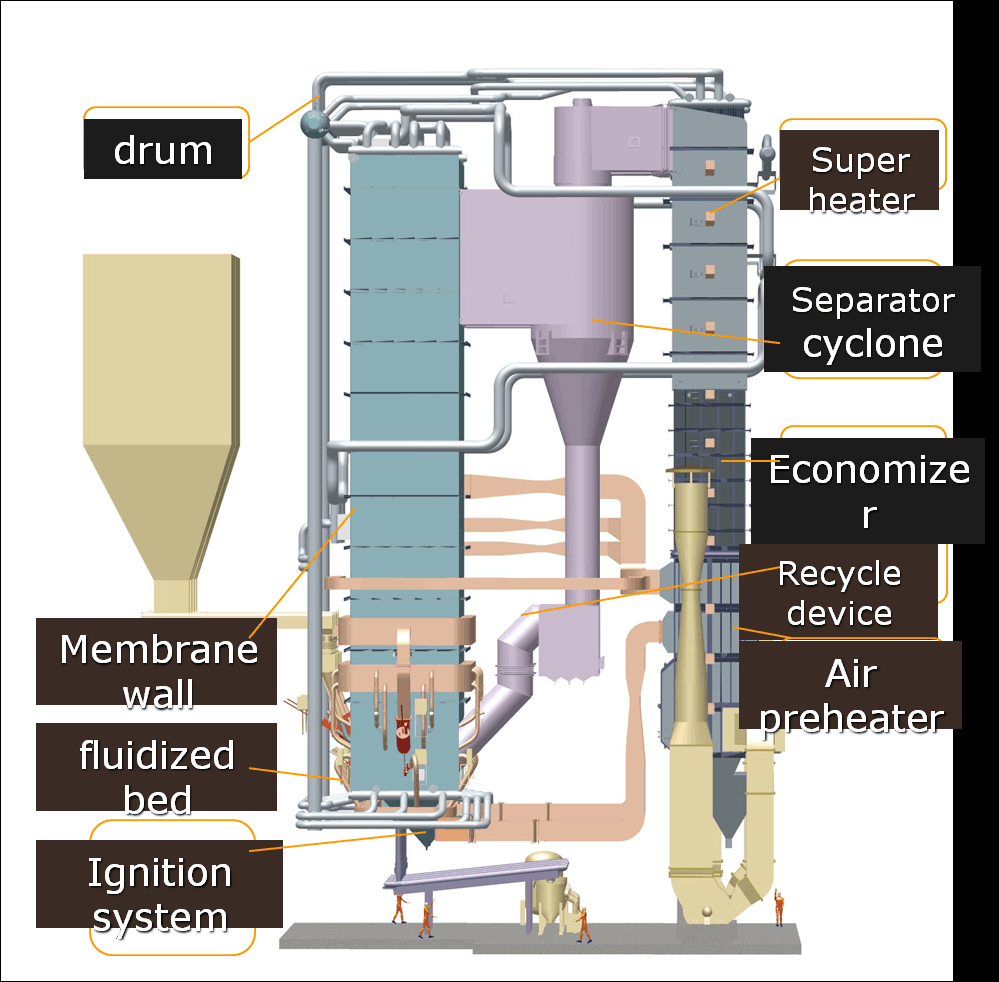
Heat Transfer OptimizationEconomizers, superheaters, H‑exchangersMaximizes thermal efficiency, reduces fuel demand
Emissions ControlCyclones, fabric filters, low-NOx burnersMeets PM, NOx, and organics regulations
Control & AutomationDCS/PLC for combustion, feed, and safetyEnables consistent performance with minimal supervision
Site Engineering & IntegrationLayout, structural, DOE complianceEnsures smooth fit into existing plant systems

A manufacturer lacking these core areas risks producing boilers that don’t work efficiently with local biomass or meet regulatory standards.


🔍 Detailed Technical Focus

Feedstock Testing & Adaptation

  • Moisture tolerance up to 50%: Requires pre-drying or adaptable furnace design

  • Diverse fuels: Chips, pellets, bagasse, agri residues

  • Testing lab access: Fuel testing during design phase ensures right configuration

Combustion Technology

  • Fixed grate: Ideal for coarse, low-grade fuels

  • Fluidized bed: Handles fine, variable feedstock; offers cleaner burn

  • Staged combustion: Reduces unburnt carbon and NOx

Corrosion & Material Failures

  • Species like alkali salts and chlorine cause accelerated wear

  • Use of Grade 316L steel, Inconel, or ceramic coatings extends component life

Ash System Design

  • Specifications for ash melting point, slagging, stickiness

  • Self-cleaning cyclones, vibratory ash removal, ash coolers minimize downtime


🔍 Emissions & Thermal Performance

ComponentPurposeTypical Metrics
Cyclonic separatorCoarse PM removal>85% removal
Fabric filterFine particle control<15 mg/Nm³
Low-NOx burnerNOx emission control<200 mg/Nm³
EconomizerPreheat feedwater+3–5% efficiency
SuperheaterDeliver high-pressure steamAvoids wet steam

Engineers must supply third-party emissions test reports and thermal efficiency data validated by field trials.


🔍 Engineering Support & Lifecycle Services

Project PhaseManufacturer’s Role
Feasibility StudyFuel testing, load analysis, ROI modeling
Detailed Design3D layout, pipe routing, foundation loading
Fabrication & QualityISO 9001facility, welding inspection, material traceability
InstallationField supervision, erection support
CommissioningFirst fire, tuning, ramp-up protocols
Training & O&MManuals, spare‑parts, service agreements
Performance WarrantyCovers output, emissions, and uptime

High-performing manufacturers offer turnkey solutions rather than simply supplying components.


Summary

In biomass boiler investments, technical expertise is not optional—it defines success. Manufacturers must prove their competence in fuel testing, combustion system design, ash handling, corrosion resilience, emissions control, and full-engineering lifecycle support. Choosing a partner with these capabilities ensures your facility will run efficiently, meet environmental standards, and enjoy reliable steam generation for years. Demand concrete evidence—field trial data, lab reports, site visit references—to secure a resilient biomass boiler investment.

Why Are Multi-Fuel Capability and Fuel Flexibility Important in Biomass Boiler Design?

Many biomass boiler investments fall short of their full potential—not due to poor engineering or low-quality fuel, but because the system was designed to handle only a single feedstock type. 🔍 When fuel prices fluctuate, or local availability changes, a rigid combustion system leads to underperformance, higher operating costs, and regulatory risk. Multi-fuel capability and true fuel flexibility solve this problem by enabling boilers to process various biomass types efficiently and cleanly—ensuring reliable steam supply, cost control, and sustainability across changing fuel markets.

Multi-fuel capability and fuel flexibility are crucial in biomass boiler design because they allow the system to operate efficiently and within emissions limits across a range of biomass fuels, such as wood chips, pellets, agricultural waste, RDF, and even co-fired materials. This adaptability ensures uninterrupted operations despite feedstock changes, lowers operating costs by enabling use of locally available or cheaper fuels, and supports compliance with evolving environmental regulations.

If your biomass boiler can’t handle a range of fuels, you may find yourself stuck with costly redesigns or unreliable operation.


Designing for fuel flexibility ensures you’re investing in a system that’s built to last—technically, financially, and environmentally. Let’s explore how multi-fuel capability adds value at every stage of your biomass boiler lifecycle.

Biomass boilers only operate efficiently when burning one specific type of fuel.False

Modern biomass boilers are designed to operate efficiently with a range of biomass fuels, including mixed-feed scenarios, thanks to advanced combustion control and adaptable design.


🔍 Feedstock Variability Is the Norm in Biomass Markets

Unlike natural gas or oil, biomass fuel characteristics vary widely:

PropertyWood ChipsPelletsAgri-WasteRDF
Moisture Content (%)20–505–1030–6010–30
Ash Content (%)0.5–2<15–1510–20
Bulk Density (kg/m³)250–400650150–300300–500
Heating Value (MJ/kg)14–1818–2012–1515–22

This variability demands a boiler design that adjusts combustion parameters dynamically and handles changes in flow, burn rate, and emissions without manual intervention.


🔍 Benefits of Multi-Fuel Biomass Boiler Systems

BenefitDescription
Fuel Price ArbitrageFacilities can shift to cheaper or more available fuels when markets change.
Supply Chain ResilienceAvoids shutdowns due to local unavailability of a specific biomass source.
Regulatory ComplianceSystems can be tuned for emissions performance depending on the feedstock.
Sustainability OptimizationEnables co-firing with waste or recycled biomass, reducing carbon footprint.
Eligible for Broader IncentivesProjects with fuel flexibility often qualify for more grants or carbon credits.

A flexible boiler becomes a strategic asset in a volatile fuel market.


🔍 Engineering Considerations for Fuel Flexibility

For true multi-fuel operation, the manufacturer must integrate:

  • Advanced combustion technology: Fluidized bed combustion (FBC), sloped moving grates, or hybrid systems.

  • Dynamic air-fuel control: Automated O₂ trim and modulation based on heat load and fuel properties.

  • Fuel feeding systems: Adjustable augers, screw conveyors, and hoppers designed for varied density and flowability.

  • High-durability materials: Alloy steel and corrosion-resistant linings that withstand fuel-borne chemical stress.

  • Ash management systems: Rotary or reciprocating ash removal systems that prevent clinker formation or fouling.

  • Emission control modules: Cyclone separators, bag filters, and lime injection systems tuned per fuel ash chemistry.


🔍 Real-World Case Study: Co-Firing Wood and Rice Husk

A 30 TPH biomass boiler designed for a cement plant in Southeast Asia was commissioned to run on 50% wood chips and 50% rice husk.

  • The system utilized a fluidized bed combustor with high turndown flexibility.

  • Engineers incorporated dual feed-inlet systems with variable-speed drives.

  • Emission control modules included a bag filter system rated for 15 mg/Nm³ dust output.

Outcome: The plant achieved 87% efficiency and reduced fuel cost by 21% compared to a mono-fuel boiler, with seamless fuel switching based on seasonal pricing.


🔍 Key Performance Metrics for Multi-Fuel Boilers

ParameterFlexible Design Target
Fuel Moisture Tolerance10–55%
Ash Handling Capacity≥15% ash fuels
Combustion Efficiency≥85% across all fuel types
NOx Emissions<150 mg/Nm³ (with staged air or FGR)
PM Emissions<20 mg/Nm³ (with cyclone or bag filter)

These benchmarks demonstrate the value of engineering for versatility—not just initial efficiency.


🔍 Future-Proofing Your Biomass Boiler Investment

Fuel policies, carbon pricing, and sustainability demands are all evolving. A fixed-fuel boiler may not meet tomorrow’s:

  • Emissions caps on PM, SO₂, and NOx

  • Fuel mandates (e.g., biogenic carbon share)

  • ESG or green bond standards requiring cleaner combustion

  • Regional biomass availability changes (e.g., pellet export trends)

Fuel flexibility improves long-term resilience and operational cost control for biomass boiler projects.True

By adapting to different fuels, operators can switch to cheaper or more sustainable options without re-engineering the boiler.


Summary

Fuel flexibility is not a luxury—it’s a necessity in modern biomass boiler design. Systems built for multi-fuel use provide critical advantages in fuel sourcing, emissions management, cost control, and long-term compliance. Whether your facility relies on wood chips today or wants to co-fire agri-waste tomorrow, a flexible boiler design ensures you’re ready. When evaluating boiler suppliers, demand data and references that prove their multi-fuel capability. It’s the only way to ensure your investment pays dividends across every operational and market condition.

Thailand 35 tons palm fiber Biomass steam boiler

How Do Certifications and Compliance Standards (ASME, CE, ISO) Ensure Quality and Safety?

Industrial biomass boilers operate under extreme conditions—high temperatures, pressure, corrosive ash content—and any failure can lead to safety hazards, unscheduled downtime, environmental violations, or financial loss. 🔒 International standards and certifications like ASME, CE, and ISO play a crucial role by enforcing rigorous design, manufacture, inspection, documentation, and lifecycle quality management. Here’s how they safeguard the integrity and reliability of biomass boiler systems.

Certifications such as ASME (BPVC), CE (PED), and ISO 9001/14001/45001 are critical for biomass boiler quality and safety. They ensure pressure vessel integrity, material traceability, welding accuracy, manufacturing process control, emissions compliance, environmental stewardship, and worker safety—resulting in safer operations, regulatory acceptance, and consistent performance.


💡 ASME Certification – Boiler & Pressure Vessel Code

ASME BPVC Section I and VIII cover pressure components of biomass boilers. Key requirements include:

  • Design Calculations & Stress Analysis: Ensures vessel can withstand operational pressure and thermal expansion.

  • Material Traceability: Mill Test Reports verify material properties, reducing risk of failure.

  • Welding Procedures (WPS/PQR): Certified welders and weld profiles guarantee strong joints.

  • Non-Destructive Testing (NDT): Radiographic, ultrasonic, or dye-penetrant inspections detect hidden flaws.

  • Hydrostatic Testing: Pressure-tested at ≥1.5× the design rating before first fire.

Achieving ASME stamp “I” confirms compliance with recognized pressure safety protocols—essential for legal operation and insurance.


⚙️ CE Marking – Pressure Equipment Directive (PED)

For equipment sold in the EU, CE compliance ensures:

  • Risk-Based Assessment: Notified body reviews critical parts like boiler drum or superheater.

  • Material and Manufacturing Oversight: Must meet EN standards with documented production history.

  • Final Pressure Test: CE-stamped hydrotest confirms structural integrity.

  • Technical Dossier: Contains design notes, test records, and compliance evidence—retained for at least 10 years.

  • Declaration of Conformity: Manufacturer commits in writing to EDT standards and operates a retrieval system.

The CE mark ensures cross-border acceptance and streamlined regulatory checks.


🔧 ISO 9001 – Quality Management System

ISO 9001:2015 certification guarantees consistent and auditable business practices:

  • Document Control: Engineering drawings, revisions, and approvals are traceable.

  • Production Quality: Supplier approval, inspection checkpoints, and defect tracking reduce defects.

  • Customer Satisfaction: Feedback mechanisms ensure service responsiveness.

  • Internal Auditing: Regular reviews drive continuous improvement.

Certification builds confidence in both the product and the process.


🌱 ISO 14001 & ISO 45001 – Environmental and Occupational Health

Supplementary ISO standards demonstrate responsible operations:

  • ISO 14001 (Environmental): Requires management of emissions, waste handling, and legal compliance.

  • ISO 45001 (Health & Safety): Emphasizes risk assessment, emergency procedures, staff training, and incident investigation.

Together, they reduce plant risk, promote worker safety, and support green credentials.


🧩 Integrated Impact: Certifications Work Together

StandardFocus AreaAssurance Provided
ASMEPressure design & safetyPrevents catastrophic failures
CEEuropean regulatory complianceEnsures acceptance and legal operation
ISO 9001Quality systems and traceabilityPrevents production errors
ISO 14001Environmental responsibilityReduces pollution and compliance risk
ISO 45001Workplace health & safetyMinimizes accidents and downtime

📌 Without these certifications, boilers may face insurance restrictions, import/export hurdles, legal penalties, or unsafe reliability.


Summary

Certifications and compliance standards are not optional—especially for industrial biomass boilers. ASME and CE ensure mechanical safety under pressure and thermal strain, while ISO frameworks guarantee production quality, environmental stewardship, and workplace safety. These endorsements allow manufacturers to deliver reliable equipment that meets regulatory requirements, protects staff and infrastructure, and supports long-term operational performance. Demand certified systems to minimize risk and maximize return on your biomass boiler investment.

What Role Do Case Studies, References, and Customer Success Stories Play in the Selection Process?

In the high-stakes environment of industrial biomass boiler procurement, choosing the wrong manufacturer can lead to catastrophic inefficiencies, compliance failures, or long-term reliability issues. Technical specs and pricing are essential, but they don’t always reflect how a boiler will perform under real-world conditions. 📂 This is where case studies, client references, and customer success stories become critical. They provide verifiable proof of past performance, helping decision-makers assess whether a manufacturer can truly meet their unique project requirements.

Case studies, client references, and customer success stories play a pivotal role in the selection process for industrial biomass boilers by offering evidence of real-world performance, emissions compliance, installation timelines, after-sales service, and long-term operational stability. These resources validate a manufacturer’s claims, reduce perceived risk, and offer insights into system behavior under comparable operating conditions.

Let’s explore how these tools help facility owners, engineers, and procurement leaders make better, safer investment decisions.


📌 Why Project Experience Is More Important Than Brochures

While brochures describe what a manufacturer claims to do, case studies and references show what they’ve actually done.

Evaluation FactorWhat to Look for
Industry MatchBoilers installed in cement, paper, textile, food, etc.
Fuel Type HandlingExperience with wood chips, pellets, bagasse, RDF, agri-waste
Regional OperationCold climate? Altitude? High-humidity zones?
Emissions ComplianceDocumented proof of NOx, SO₂, PM within limits
Thermal Output & LoadSystems that match your steam or power profile

Success stories offer context—not just numbers—so you can judge relevance and replicability.


📊 Key Elements of an Effective Case Study

Case Study ComponentWhy It Matters
Client Name/IndustryProvides authenticity and shows industry relevance
Boiler SpecificationsValidates capacity, pressure, temperature ranges
Fuel DescriptionConfirms combustion system is fuel-flexible or fuel-specific
Project ScopeEPC turnkey? Equipment supply only? Retrofit?
Performance MetricsEfficiency achieved, emissions, uptime, payback period
Photos & DataVisual proof of installation quality and M&V compliance
Challenges OvercomeInsights into how manufacturer handles complexity
Client TestimonialConfirms satisfaction, support responsiveness, and value delivery

Look for boiler vendors with a library of documented, verifiable case studies, not vague one-line project lists.


📞 Client References: What to Ask

Client references allow you to speak directly with past customers. Important questions include:

  • Was the boiler delivered and commissioned on time?

  • How did the manufacturer handle unexpected changes?

  • What was the post-installation support experience?

  • Has the boiler met or exceeded performance guarantees?

  • Would you work with this manufacturer again?

🧠 Pro tip: Always request at least 3 references across different fuel types, industries, or geographies.

Customer references are only necessary for large-scale utility boiler projects.False

Even mid-sized industrial biomass boiler projects benefit greatly from references, as they provide insights into performance and reliability across sectors.


🔍 Customer Success Stories: Marketing or Management Tool?

Beyond sales value, these stories reflect how well the manufacturer aligns with customer goals:

  • Highlight fuel cost reductions, emissions compliance, or automation gains

  • Include photos of installed equipment, dashboards, or O&M activity

  • Identify key project milestones and how they were achieved

Success stories humanize the experience, showing the journey—not just the destination—and often reveal intangibles like collaboration quality or technical creativity.


📈 Real-World Example: Biomass Boiler Case Study Table

ProjectIndustryFuelCapacityResult
VietnamPulp & PaperRice husk + wood chips30 TPHMet 86.5% efficiency, NOx < 150 mg/Nm³
GermanyFood ProcessingWood pellets10 MWDelivered 24/7 operation, 97% uptime
IndiaCementRDF + bagasse35 TPHReduced fuel cost by 28%, 18-month ROI

These snapshots help decision-makers match project conditions to their own needs.


🎯 Final Checklist: Choosing a Proven Manufacturer

Ensure your selected supplier provides:

  • 5–10 recent case studies with metrics and photos

  • 3+ active references for live conversation

  • Documented success with similar fuels and loads

  • Performance test reports and emissions verification

  • A client base with repeat projects

These prove that the manufacturer isn’t just selling boilers—they’re solving problems.


Summary

Case studies, references, and customer success stories are essential tools in selecting a biomass boiler manufacturer. They bridge the gap between theoretical capability and proven performance, giving buyers the confidence to move forward with a high-stakes investment. From thermal performance to emissions control and after-sales support, only real-world examples can reveal whether a vendor can deliver. Always demand data-backed documentation—not just glossy marketing—before making your final decision.

How Important Is After-Sales Support, Spare Parts Availability, and Remote Diagnostics?

Investing in an industrial biomass boiler is not a one-time event—it’s a long-term operational commitment. The initial purchase is only the beginning; the true test of value emerges in day-to-day operations, efficiency consistency, and how quickly problems are resolved. 🚨 That’s why after-sales support, spare parts availability, and remote diagnostics are mission-critical. Without these, even the most advanced biomass boiler can become a costly liability rather than a productive asset.

After-sales support, spare parts availability, and remote diagnostics are critical for ensuring the operational reliability, uptime, and efficiency of industrial biomass boilers. These services reduce unplanned downtime, extend equipment life, support emissions compliance, and enable rapid troubleshooting. A manufacturer’s support ecosystem can significantly influence total cost of ownership and long-term satisfaction.

Here’s what facility owners, maintenance managers, and procurement teams must understand about these often-overlooked factors.


After-Sales Support: The Backbone of Long-Term Reliability

A boiler may be perfectly engineered, but it will require maintenance, performance tuning, and service intervention over its lifetime. Robust after-sales support ensures:

  • Rapid technical assistance: Access to certified service engineers who understand your fuel and process requirements.

  • Scheduled maintenance contracts: Preventive maintenance routines to reduce breakdown risk and maintain efficiency.

  • Training & onboarding: Operator education ensures safe and efficient day-to-day management.

  • Warranty compliance: Scheduled inspections are often required to maintain manufacturer guarantees.

  • On-site and remote field support: Capable partners offer both types, shortening response time.

Lack of post-commissioning engagement can result in early wear, costly shutdowns, and non-compliance with safety standards.


Spare Parts Availability: The Key to Minimizing Downtime

Downtime in an industrial biomass boiler facility can cost thousands—or millions—depending on production value. Immediate access to spare parts prevents prolonged outages.

Spare Part TypeImportance
Critical spares (burners, controllers, valves)Immediate availability is essential to avoid emergency stops
Wear parts (grates, refractory, fans)Need periodic replacement based on ash content and combustion temperature
Instrumentation (thermocouples, sensors)Supports automation and safety functions
OEM certified componentsEnsure compatibility and avoid warranty voiding

Look for manufacturers that offer:

  • Local warehousing or regional partners

  • Consignment stocking agreements

  • Digital spare part catalogs with part numbers and specifications

  • Fast-track logistics for emergency parts

Without strong parts logistics, even a minor fault can become a production crisis.


Remote Diagnostics: The Smart Boiler’s Guardian

Modern biomass boilers equipped with digital controls allow for remote monitoring, fault diagnosis, and predictive maintenance:

  • Real-time performance analytics: Efficiency, emissions, feed rate, and thermal output tracking.

  • Early fault detection: Identify issues such as incomplete combustion, draft instability, or sensor errors.

  • Software updates & parameter tuning: Engineers can modify combustion air settings or fuel feed rates remotely.

  • Event log analysis: Historical data enables root-cause failure analysis.

Remote diagnostics dramatically improve response time, reduce the need for on-site visits, and provide data for continuous improvement. Many systems also integrate with SCADA or ERP platforms for plant-wide visibility.

Remote diagnostics are unnecessary for biomass boiler systems since everything can be handled manually.False

Remote diagnostics allow real-time fault detection, performance optimization, and faster support—reducing downtime and improving operational efficiency.


Real-World Example: Boiler Recovery Case Study

A biomass power plant in Eastern Europe using wood chips and RDF faced frequent slagging and temperature drops. Thanks to remote access, the manufacturer’s service team:

  • Identified inconsistent air-fuel ratio due to a failing flow sensor.

  • Adjusted oxygen trim parameters remotely.

  • Dispatched a technician with the correct part within 24 hours.

Result: The boiler returned to 95% capacity within 36 hours with minimal fuel loss and no production delay.


What to Look for in a Support-Ready Manufacturer

FeatureWhy It Matters
Global service footprintEnables faster on-site support and local technician access
Dedicated customer portalSimplifies issue logging, spares ordering, and ticket tracking
Annual support plan optionsEnsures predictable service costs and preventive visits
Remote monitoring dashboardIncreases visibility for plant and OEM
Integrated documentation toolsAllows online access to manuals, diagrams, and M&V data

A service ecosystem isn’t an extra—it’s a core part of a modern boiler solution.


Summary

After-sales support, spare parts logistics, and remote diagnostics are essential pillars of an effective biomass boiler operation. Beyond the engineering, these services ensure operational uptime, fuel efficiency, compliance, and lifecycle cost control. Choosing a manufacturer with proven infrastructure, trained support teams, and real-time monitoring capabilities safeguards your investment against unexpected failures and inefficiencies. In today’s competitive, high-regulation industrial environment, service is just as important as steam.

What Performance Guarantees, Emissions Compliance, and Warranties Should Be Requested?

Investing in an industrial biomass boiler isn’t just about acquiring equipment—it’s about securing long-term performance, regulatory compliance, and operational predictability. 📜 That’s why requesting specific performance guarantees, emissions compliance assurances, and comprehensive warranties is crucial. These contractual components not only define technical expectations but also protect your capital investment against underperformance, inefficiency, and potential fines.

Industrial biomass boiler purchasers should request written guarantees for steam output, combustion efficiency, fuel consumption rates, emissions limits (NOx, SO₂, PM), system uptime, and part durability. These should be backed by third-party test protocols, clear warranty terms (typically 12–24 months), and emissions compliance certifications aligned with local environmental laws.

Here’s what a robust guarantee and warranty package should include—and how to make sure it’s enforceable.


Steam Output & Combustion Efficiency Guarantees

Output and efficiency are the backbone of any boiler project’s ROI. Key metrics to guarantee:

ParameterTypical Benchmark
Rated Steam Output±2–3% of design TPH
Combustion Efficiency≥85% for most biomass types; ≥88% for pellets
Boiler Thermal Efficiency≥80% gross, ≥84% net
Turn-down Ratio3:1 minimum (load variability)

Vendors should define how these values are verified—typically using ASME PTC 4, ISO 23167, or equivalent standards. Test conditions (fuel spec, ambient temp, pressure) must also be disclosed.

Boiler output guarantees can be waived if the vendor provides general specifications.False

Guarantees must be performance-tested and contractually defined to ensure accountability and enforceability.


Emissions Compliance Assurance

Biomass combustion can generate particulate matter (PM), NOx, SO₂, VOCs, and CO. A trustworthy vendor should provide:

  • Emission rate guarantees in mg/Nm³ at 6% O₂, dry basis:

    • NOx: ≤200 mg/Nm³

    • PM: ≤20 mg/Nm³

    • SO₂: ≤150 mg/Nm³ (with scrubber or limestone dosing)

  • Stack test reports from certified agencies (TÜV, SGS, etc.)

  • Continuous Emissions Monitoring System (CEMS) readiness

  • Fuel-specific modeling to anticipate variation in emissions output

Ensure the vendor understands and references local environmental standards (e.g., EU IED, USEPA, CPCB India, GB 13223-2025 China).


System Uptime and Availability Guarantees

Downtime affects production continuity and financial performance. Look for:

Uptime TargetDescription
≥95% annual uptimeBased on 8,000+ operating hours/year
MTBF targetsMean Time Between Failures for fans, feeders, and blowers
Response TimeOn-site support or remote assistance within 24–72 hours

Vendors should also provide preventive maintenance schedules and parts replacement intervals as part of the performance framework.


Fuel Consumption & Flexibility Commitments

Since biomass varies in calorific value, moisture, and ash content, fuel efficiency guarantees must be fuel-specific:

  • Fuel Input Guarantee: e.g., ≤1.1 kg biomass/kg steam (dry basis)

  • Fuel Flexibility Clause: Defines acceptable range of fuel properties:

    • Moisture: 10–55%

    • Ash: 0.5–15%

    • LHV: 12–20 MJ/kg

Manufacturers should test and document boiler behavior across these ranges using real-world fuels.


Warranty Terms & Conditions

A comprehensive warranty protects you from manufacturing or installation flaws. A strong warranty should include:

ComponentTypical Coverage
Pressure Parts18–24 months from commissioning
Non-Pressure Parts12–18 months
Electrical & Automation12 months (sensors, PLCs)
Refractory6–12 months
Auxiliary Equipment12 months (fans, feeders, dampers)

Look for clauses that specify:

  • Exclusions (e.g., operator error, unapproved spares)

  • Response time for claims

  • Service obligations during the warranty period

  • Penalty or replacement clause for repeat defects

A biomass boiler’s refractory lining is usually not covered under warranty.False

Most warranties include refractory coverage, typically 6–12 months, as it's subject to early wear during startup and tuning.


Support Documentation to Demand

  • Factory Acceptance Test (FAT) report

  • Performance test protocol and results

  • Emissions test certificate

  • Inspection & test plan (ITP)

  • Warranty certificate

  • Spare parts & consumables list

  • Maintenance manual with service intervals

  • Training documentation and commissioning reports

These materials protect your interests and enable successful audits or funding compliance reviews.


Summary

Performance guarantees, emissions compliance, and robust warranties are non-negotiable when procuring an industrial biomass boiler. They define output reliability, regulatory readiness, and lifecycle protection. From fuel-specific combustion guarantees to emissions limits and uptime commitments, these contract clauses ensure your investment delivers as promised. Always work with manufacturers willing to back their claims with data, test reports, and enforceable service obligations. It’s not just about buying a boiler—it’s about securing sustainable performance and operational peace of mind.

🔍 Conclusion

Choosing a trusted industrial biomass boiler manufacturer goes beyond price—it’s about partnering with a technology provider that ensures sustainable, efficient, and regulation-compliant energy generation. By carefully evaluating technical capabilities, references, service offerings, and system performance, you can ensure your biomass boiler investment delivers long-term operational and financial success.


📞 Contact Us

💡 Need help selecting the right biomass boiler manufacturer? We offer independent consulting, system specification support, and sourcing assistance for high-performance biomass boiler systems.

🔹 Let us connect you with a manufacturer that delivers biomass boiler reliability, flexibility, and compliance—without compromise. 🌱🔥🏭

FAQ

What certifications should a biomass boiler manufacturer have?

Choose a manufacturer with industry-standard certifications such as:

  • ASME Boiler & Pressure Vessel Code compliance

  • ISO 9001/14001 for quality and environmental standards

  • CE certification for European markets

  • Biomass fuel compliance certifications (e.g., ENplus, BSL)
    These ensure safety, efficiency, and eligibility for renewable energy incentives.

Why is experience and technical specialization important?

A reliable manufacturer should have:

  • 10+ years of experience designing biomass boiler systems

  • Proven installations in sectors like textile, food, chemicals, or energy

  • Expertise in handling various biomass fuels (wood chips, pellets, agri-waste, RDF)

  • Successful integration of emissions control and heat recovery systems

A strong track record reduces the risk of system failures and ensures operational efficiency.

What design features indicate a high-quality biomass boiler?

Look for:

  • High combustion efficiency (≥85%)

  • Fully automated feeding and ash handling systems

  • Moisture and fuel type flexibility

  • Emission controls (cyclone, baghouse filters)

  • Durable construction and high-quality refractory
    Advanced features lower O&M costs and improve long-term ROI.

What level of after-sales service should you expect?

A trusted manufacturer should provide:

  • On-site commissioning and operator training

  • 24/7 support and remote diagnostics

  • Spare parts availability for 10–15 years

  • Preventive maintenance contracts

  • Access to local service technicians or global service hubs

How can I evaluate a manufacturer’s credibility before purchase?

  • Request case studies, efficiency data, and emissions performance reports

  • Visit existing installations or request a factory tour

  • Review customer references and repeat clients

  • Examine warranty coverage, third-party audits, and financial backing

References

  1. ASME Boiler Certification Programhttps://www.asme.org

  2. ISO 9001 Certified Biomass Manufacturershttps://www.iso.org

  3. Biomass Boiler Technology Overview – IEA Bioenergyhttps://www.ieabioenergy.com

  4. Renewable Heat and Biomass Boiler Standardshttps://www.epa.gov

  5. Biomass Fuel Standards and Certificationhttps://www.enplus-pellets.eu

  6. Industrial Biomass Case Studieshttps://www.researchgate.net

  7. Boiler Vendor Comparison and Equipment Reviewshttps://www.energystar.gov

  8. Biomass Emissions Control Guidelineshttps://www.bioenergyconsult.com

  9. Customer Ratings and Testimonialshttps://www.trustpilot.com

  10. Industrial Boiler Support and Warranty Benchmarkshttps://www.automation.com

Wade Zhang

CEO of Taishan Group Taian Boao International Trade Co., Ltd. 30 years experience in Global industrial boiler market,  Over 300 boiler projects experience, including 21+ EPC projects. Projects span 30+ countries & regions, involving industries such as nuclear power, energy & electricity, municipal heating, mining, textiles, tires etc.

How to Choose a Reliable Industrial Biomass Boiler Manufacturer Read More »

Financing and Incentive Options for Industrial Gas-Fired Boiler Purchases

Financing and Incentive Options for Industrial Gas-Fired Boiler Purchases

Industrial gas-fired boilers are widely chosen for their high combustion efficiency, low emissions, and fast heat response, but their initial capital cost—especially for large or high-efficiency systems—can be a financial barrier. Fortunately, businesses can access a range of financing solutions and incentive programs to ease upfront investment and accelerate return on investment, particularly when upgrading to low-NOx or energy-efficient models.

Financing and incentive options for industrial gas-fired boiler purchases include commercial loans, capital leases, vendor financing, energy efficiency grants, utility rebates, tax deductions (like accelerated depreciation), and performance-based Energy Service Company (ESCO) contracts. Many national and regional programs encourage the adoption of cleaner, more efficient gas-fired systems by offering incentives for emissions reduction, fuel switching, or system modernization.

Below is a structured guide to help you identify the best funding strategy for your gas boiler project.

What Commercial Financing Options Are Available for Industrial Gas Boiler Systems?

Upgrading or installing industrial gas boiler systems often requires substantial capital investment. Fortunately, a variety of commercial financing options can help spread the cost, manage cash flow, and support sustainability initiatives. Understanding these vehicles—from traditional loans to innovative energy-as-a-service models—empowers facility managers and CFOs to optimize financing decisions. 🔍

Industrial gas boiler systems can be funded through several commercial financing paths: traditional bank loans, equipment leases (capital or operating), Property-Assessed Clean Energy (C-PACE), energy savings performance contracts (ESPCs/ESCO models), on-bill financing, green bank loans, and efficiency-as-a-service agreements. Each option offers different impacts on cash flow, risk allocation, and balance sheet presentation.

Let’s explore each option, how they work, and which projects they’re best suited for.


🔍 1. Bank & Equipment Loans

  • Commercial Term Loans
    Banks and specialty financiers offer fixed-rate loans (from $5K to $500K+) with terms typically spanning 3–10 years, allowing you to retain ownership immediately. Industry-specific lenders understand energy-efficiency projects, though may require collateral or down payments (biz2credit.com).

  • Equipment Financing Loans
    Tailored specifically for boilers and mechanical systems, equipment loans are secured by the asset and may offer attractive terms and lower rates. They align well with the useful life of boilers, preserving credit lines .


🔍 2. Equipment Leasing

  • Capital Lease
    Functions like a financed purchase: lessee gets depreciation benefits and interest expense deductions, although it appears on the balance sheet. Often includes a bargain purchase option (betterbuildingssolutioncenter.energy.gov).

  • Operating Lease
    Off-balance-sheet structure (subject to current accounting standards) with lower payments—but no asset ownership. Suitable for standard systems with reliable residual value (betterbuildingssolutioncenter.energy.gov).


🔍 3. Energy Savings Performance Contracts (ESPCs/ESCOs)

ESCOs design, install, and even finance boiler installations under guaranteed-savings agreements. No upfront capital is required; repayment comes from verified energy cost savings. These models are ideal for larger projects seeking performance-based risk transfer (betterbuildingssolutioncenter.energy.gov).


🔍 4. C-PACE (Commercial Property Assessed Clean Energy)

C-PACE programs let commercial properties finance boilers via property-tax assessments. Financing terms stretch up to 35 years and can be off-balance-sheet since they attach to the property. Widely available across 37+ states (en.wikipedia.org).


🔍 5. On-Bill Financing

On-bill schemes allow utilities or lenders to fund boiler upgrades and recoup payments through utility bills. These often offer low or zero interest and simplify payment but depend on local utility participation (betterbuildingssolutioncenter.energy.gov).


🔍 6. Green Bank Loans

Green banks offer subsidized or credit-enhanced loans for clean-energy investments, including high-efficiency gas boilers. Loans typically have favorable rates and longer durations. They often pair with C-PACE or ESCO models .


🔍 7. Efficiency-as-a-Service (EaaS)

Also known as “Energy-as-a-Service”, EaaS providers own and operate boiler systems, and charge the customer a fixed fee or share of the energy savings. This model aligns incentives and transfers operational risk entirely away from the customer .


🔍 Choosing the Right Option

Financing OptionStructureBalance Sheet ImpactBest For
Term LoanFixed-rate loanOn-balance-sheetFirms with good credit, seeking ownership
Equipment LoanSecured loanOn-balance-sheetOrganizations preserving liquidity
Capital LeaseFinance leaseOn-balance-sheetThose wanting depreciation benefits
Operating LeaseRental agreementPotentially off-balanceBudget-conscious clients
ESPC/ESCOPerformance contractOff-balanceLarge-scale, results-driven projects
C-PACEProperty tax lienOff-balance-sheetOwners of owner-occupied industrial properties
On-Bill FinancingUtility repaymentOff-balance-sheetSites with supportive utility programs
Green Bank LoanSubsidized loanOn-balance-sheetEfficiency projects needing low-cost and long terms
EaaS AgreementsService contractOff-balance-sheetOrganizations wanting zero capital risk

Summary

Industrial gas boiler systems can be financed through a rich selection of commercial solutions. Upfront purchase, lease, loan, or performance-based approaches each offer different cash flow and accounting treatments—from operating leases to C-PACE and ESCO structures. Best-fit financing depends on your energy savings plan, balance sheet goals, ownership preferences, and project scale. Early alignment with finance, operations, and procurement teams ensures optimal funding strategy.

Want help modeling which option suits your project profile?

What Tax Credits or Accelerated Depreciation Programs Apply to High-Efficiency Gas Boilers?

High-efficiency gas boiler upgrades are one of the most cost-effective energy investments for industrial and commercial facilities. However, the upfront capital cost can still be a hurdle. 🔍 To ease the financial burden and accelerate ROI, several U.S. federal tax incentives and depreciation programs—including Section 179D, Investment Tax Credit (ITC), and MACRS with bonus depreciation—are available to eligible projects. These tools can reduce taxable income, improve project cash flow, and enhance financial returns when structured strategically.

Eligible high-efficiency gas boilers may qualify for Section 179D energy-efficiency deductions (up to $5.81/sq ft), Investment Tax Credits (ITC) under the Inflation Reduction Act (up to 30%), and accelerated depreciation under the Modified Accelerated Cost Recovery System (MACRS), including 40% bonus depreciation in 2025. These incentives significantly reduce tax liability and boost the economic case for energy-efficient gas boiler systems.

Understanding these financial mechanisms is essential for CFOs, energy managers, and procurement leaders planning boiler projects in commercial or industrial settings.

MACRS allows for the accelerated depreciation of high-efficiency gas boiler systems in industrial settings.True

Under the U.S. tax code, eligible energy systems—including gas boilers—can be depreciated using the MACRS schedule, with bonus depreciation permitted under recent federal laws.


🔍 Section 179D: Energy-Efficient Commercial Buildings Deduction

Section 179D offers one of the most robust tax deductions for HVAC and hot water systems, including high-efficiency gas boilers:

FeatureBenefit
EligibilityApplies to commercial/industrial building upgrades
Maximum DeductionUp to $5.81/sq ft in 2025
Requirements≥25% reduction in total building energy cost vs ASHRAE baseline
Bonus CriteriaHigher deductions if prevailing wage and apprenticeship rules met

To claim 179D:

  • The system must contribute to a modeled or measured energy cost reduction.

  • Documentation includes energy analysis, certifications, and IRS Form 7205.

  • Tax-exempt entities can allocate the deduction to designers or ESCOs.

179D is ideal for whole-building retrofits or large-scale heating system upgrades in hospitals, warehouses, factories, or government-owned facilities.


🔍 Investment Tax Credit (ITC) for Gas Boilers

The Energy Investment Tax Credit under the Inflation Reduction Act extends to energy-efficiency technologies beyond renewables:

TierCredit %Requirements
Base ITC6%Standard efficiency, wage compliance
Bonus ITCUp to 30%Meets domestic content, location, or GHG reduction goals

If a boiler project contributes to reduced facility emissions and aligns with broader energy system improvements (e.g., hybrid CHP), it may be eligible for this credit.

This credit is claimed using IRS Form 3468, and it may be stacked with 179D and MACRS.


🔍 Accelerated Depreciation (MACRS + Bonus)

Depreciation ToolDescription
MACRS (20-Year Property)Allows recovery of boiler cost over a 20-year schedule
Bonus Depreciation (2025)40% immediate write-off in Year 1 (IRA tapering rules apply)

These apply to boilers installed and operational before year-end and are especially powerful when paired with the ITC and 179D deduction.

Important rule: if the ITC is claimed, the depreciable basis must be reduced by 50% of the ITC value.


🔍 Financial Impact Example (2025, Industrial Facility)

IncentiveAmount
Project Size$500,000 gas boiler system
Section 179D Deduction$150,000 (based on 30,000 sq ft at $5.00/sq ft)
ITC$75,000 (15% estimated with compliance bonuses)
Bonus Depreciation (40%)$170,000 Year 1 deduction
Combined Tax BenefitOver $300,000 in first-year savings

These incentives reduce taxable income, accelerate project breakeven, and improve IRR.

High-efficiency gas boilers in industrial applications are not eligible for any federal tax incentives.False

Industrial gas boilers can qualify for Section 179D deductions, ITC under the IRA, and accelerated depreciation under MACRS.


🔍 Compliance & Filing Tips

  • Maintain commissioning reports, spec sheets, energy models, and prevailing wage records.

  • Engage a tax professional or EPAct 179D consultant early in project design.

  • Pair incentives with state rebates or green bank loans for maximum benefit.

  • File IRS forms 7205 (179D), 3468 (ITC), and 4562 (depreciation) appropriately.


Summary

High-efficiency gas boiler systems installed in commercial or industrial facilities benefit from a trio of powerful tax tools: Section 179D deductions, ITCs under the Inflation Reduction Act, and MACRS accelerated depreciation. These programs dramatically lower first-year tax liability and increase project cash flow. When strategically layered, they can cover up to 60% or more of the capital cost. Facility owners, CFOs, and energy engineers should integrate these incentives into financial models and procurement strategies from the earliest design stages to fully capitalize on their value.

How Do Utility Rebate Programs Reduce Upfront Costs for Gas Boiler Upgrades?

High-efficiency gas boiler upgrades can substantially reduce energy consumption, but the initial investment often deters organizations from moving forward. Fortunately, utility rebate programs provide a powerful solution. These rebates offset upfront costs—often covering 10% to 40% of the total expenditure—and are available to both commercial and industrial facilities. 🔍 Understanding how these rebates work is critical to maximizing your ROI, improving energy performance, and unlocking project feasibility.

Utility rebate programs reduce upfront costs for gas boiler upgrades by providing financial incentives for purchasing and installing high-efficiency equipment. Rebates are offered as either fixed (prescriptive) amounts or custom performance-based payouts based on projected energy savings. These programs typically cover 10–40% of equipment and installation costs, effectively lowering capital requirements and improving return on investment.

Let’s break down the mechanics of how these rebates work, what qualifications apply, and how to optimize them for your project.

Utility rebates for gas boilers are only available for residential customers.False

Most utility rebate programs offer incentives for commercial and industrial gas boiler upgrades, often with higher payouts than residential programs.


🔍 Types of Utility Rebates for Gas Boilers

Rebate TypeDescriptionTypical Impact
Prescriptive RebatesFixed dollar amount per boiler, based on efficiency rating and size$1,000–$20,000 per unit
Custom RebatesCalculated based on estimated fuel savings (e.g., $/MMBtu saved annually)Covers up to 40% of project cost
Component IncentivesRebates for accessories like economizers, modulating burners, or O₂ trim25–100% of component cost
Tune-Up ProgramsRebates for performance optimization and testing$250–$1,000 per boiler system

Many programs require pre-approval before equipment is purchased or installed.


🔍 Examples of Gas Boiler Rebate Programs

UtilityRegionRebate ValueEligibility
UGI UtilitiesPennsylvania$2,000 base + $2/MBH≥90% AFUE or ENERGY STAR® certified
Columbia GasPA, OH, MA$1,000–$2,500≥94% AFUE boilers, combi systems
National Fuel GasNew York$15/Mcf saved (custom)Based on annual fuel savings modeling
MN Energy ResourcesMinnesota$800/MMBTU inputIncludes modulating and condensing boilers
SoCalGasCalifornia$1–$3/MMBTU inputFor commercial/industrial systems

These rebates can dramatically reduce the capital burden for upgrading existing systems or implementing new high-efficiency boiler projects.


🔍 Cost Reduction Example: 3 MMBTU Condensing Boiler

ItemCost (USD)
Equipment + Installation$55,000
Utility Prescriptive Rebate–$12,000
Net Upfront Cost$43,000
Annual Fuel Savings~$5,500
Payback Period Without Rebate10 years
Payback Period With Rebate7.8 years

This project saved 22% in upfront capital and shortened the payback period by over two years thanks to utility rebates.


🔍 Qualification Requirements

To qualify for rebates, utilities typically require:

  • Pre-application or project approval

  • Use of certified equipment (ENERGY STAR®, AHRI, ASME compliant)

  • Post-installation verification (photos, test reports)

  • Submission of spec sheets, invoices, and boiler registration documents

  • M&V plan or baseline energy data for custom projects

Utilities require proof of efficiency and installation to approve rebate payouts.True

To ensure proper use of funds, utilities request documentation such as spec sheets, installation photos, and final commissioning reports.


🔍 Strategic Tips to Maximize Rebate Value

  1. Use a rebate consultant or experienced vendor to navigate application forms.

  2. Stack incentives with Section 179D tax deductions or local clean energy financing.

  3. Document installation and savings clearly for auditing and bonus rebates.

  4. Submit early, as funds may be limited on an annual basis.

  5. Design for modular or high-capacity boilers, which often yield higher rebates.


Summary

Utility rebate programs are an essential tool for reducing the capital burden of high-efficiency gas boiler upgrades. By offering thousands—or even tens of thousands—of dollars in upfront savings, these rebates make energy-efficient projects more viable and financially attractive. Whether prescriptive or custom, these programs reward smart energy investments with lower costs and faster returns. Always align your boiler design and procurement timeline with your utility’s rebate structure to maximize savings and sustainability impact.

Are There Government or Environmental Agency Grants for Low‑NOₓ or Ultra‑Efficient Boilers?

Upgrading to low‑NOₓ or ultra-efficient boiler systems is not only an environmental priority, but also increasingly eligible for public funding. Across federal, state, and local levels, agencies offer grants and incentives designed to reduce emissions, support clean technology adoption, and help offset upfront costs. 🔍 Leveraging these opportunities makes high-performance boilers more financially accessible and improves ROI.

Key programs include: CARB (California) grants like Carl Moyer and PLACE low‑NOₓ funding, DOE’s EECBG and ARPA‑E for pilot burner tech, EPA’s Diesel Emissions Reduction Act (DERA) for emission-focused upgrades, and state project/infrastructure grants (e.g. Washington SPI/EECBG). These programs help subsidize installation of advanced combustion equipment, ultra-low NOₓ burners, and efficiency-boosting retrofits—reducing capital cost by 30–100% in some cases.

Let’s explore how these programs work, who they target, and how to maximize financial benefits.

Grants for low‑NOₓ or ultra-efficient industrial boilers are only available for vehicle engines.False

Several programs—such as Carl Moyer, PLACE, and EPA DERA—also fund industrial combustion upgrades, including industrial burners and boiler systems.


🔍 California Grants: Carl Moyer & PLACE Programs

ProgramTarget RecipientsEligible Upgrades
Carl Moyer ProgramIndustrial fleets and equipment in CARetrofit/replacement of combustion equipment (low‑NOₓ burners, advanced boilers) (en.wikipedia.org, calepa.ca.gov)
PLACE (Providing Loan Assistance for CA Equipment)Small business ownersLow‑interest loans or guarantees for low‑NOₓ equipment replacements

These California-driven programs support early adoption of advanced burner technologies and ultra-low NOₓ combustion systems, particularly in heavily industrial areas.


🔍 Federal Grants & Pilot Projects

  • DOE ARPA‑E: Funds R&D on ultra-low NOₓ burners, hydrogen combustion tech, etc. Recent awards include $250K–$1.6M for SBIR-funded burner development (clearsign.com). Great for pilot or demonstration projects.

  • EPA DERA: Provides competitive grants and low-cost financing targeted at NOₓ and PM reductions in industrial engines and combustion systems (en.wikipedia.org).

These federal funds support technological innovation and emission reduction in industrial thermal systems.


🔍 State-Level Energy & Infrastructure Grants

  • EECBG (Energy Efficiency and Conservation Block Grants): Awarded to municipalities—including funds for district heating/CHP boiler upgrades (en.wikipedia.org).

  • Washington SPI / Energy Efficiency Grants: State programs covering design and installation costs of high-efficiency heating systems, like ultra-efficient boilers (commerce.wa.gov).

Similar opportunities exist in other states, often aligned with climate goals.


🔍 International Examples

  • Canada’s Low-Carbon Industrial Heating Solutions: Offers Phase 1 grants up to CAD 150,000 and Phase 2 up to CAD 1 million for clean combustion technology development—applicable also to ultra-efficient boiler advancements (ised-isde.canada.ca).

Other nations may offer analogous innovation grants or funding toward low-emission industrial heating systems.


🔍 How Much Upfront Costs Can These Grants Offset?

GrantTypical SupportImpact on Boiler Costs
Carl Moyer / PLACECover incremental cost of low‑NOₓ tech30–100% of upgrades
EECBG / State ProjectsCover efficiency upgrade capitalPartial/full capital offset
DOE ARPA‑E / CanadaR&D and demo fundingReduces development cost
EPA DERARetrofit emission controlsPartial cost subsidy/loan

These grants can cover major portions of equipment and installation cost, making advanced combustion technology economically viable.


🔍 Tips to Maximize Grant Success

  1. Identify relevant programs based on region & emissions focus.

  2. Early project scoping to align with grant eligibility.

  3. Prepare technical documentation on projected NOₓ, efficiency gains.

  4. Engage with agencies early for guidance on program specifics.

  5. Combine multiple funding sources (e.g., state + federal).

  6. Monitor program timelines, as funds are often limited or cyclical.


Summary

Yes, a range of government and environmental agency grants exist for upgrading to low-NOₓ or ultra-efficient boiler systems. From California’s Carl Moyer and PLACE programs to federal grants like EPA DERA, DOE ARPA-E, and EECBG, substantial funding is available to offset significant portions—up to 100%—of the incremental costs. Even provincial and international innovation grants support cleaner burner and boiler development. To capitalize on these incentives, align project scope with program goals, gather strong technical evidence, and apply early.

Can ESCO Models and Performance Contracts Reduce Capital Strain for Facility Upgrades to Industrial Gas Boilers?

Industrial gas boiler upgrades can be technically essential—but financially daunting. Rising energy costs and emissions pressures make high-efficiency systems a priority, yet many facilities struggle with the upfront capital needed to modernize. 🔍 Energy Service Companies (ESCOs), using Energy Savings Performance Contracts (ESPCs), offer a powerful solution by eliminating initial capital requirements and tying payment to real energy cost savings. This model transfers performance risk to the ESCO while delivering operational and environmental improvements.

Yes, ESCO models and performance contracts reduce capital strain for industrial gas boiler upgrades by funding the project upfront and recovering costs through guaranteed energy savings. Through an ESPC, the ESCO designs, finances, installs, and maintains the high-efficiency boiler system, and the client repays from verified utility bill savings—often keeping the upgrade off their balance sheet.

This approach makes it possible to deploy high-performance systems immediately without budget delays or debt service burdens.

ESCOs require facilities to fund the gas boiler project upfront.False

Under ESPC agreements, the ESCO or its financing partner funds the project, with the client repaying from future energy savings.


🔍 What Are ESCOs and How Do ESPCs Work?

ComponentRole in Boiler Upgrade
ESCOActs as technical contractor and performance guarantor
ESPCContract tying payments to measured utility cost reductions
M&V PlanValidates savings with IPMVP-compliant protocols
Upfront CostCovered by ESCO or financing partner
OwnershipClient may retain or receive ownership post-term

ESPCs typically last 10–15 years, aligning payment with savings lifecycle.


🔍 Why This Model Is Ideal for Industrial Gas Boilers

Boiler System FeatureESCO Advantage
Condensing Gas BoilersHigh efficiency yields faster paybacks
Modulating BurnersStrong impact on part-load savings
O₂ Trim ControlsOptimizes combustion and lowers gas use
Heat Recovery IntegrationStack economizers boost ESPC savings margin
AutomationEnables remote diagnostics for performance M&V

These upgrades reduce gas bills by 20–40%, often enough to cover full project cost over the ESPC term.


🔍 Key Financial and Operational Benefits

BenefitExplanation
Zero upfront capitalNo budget approval delay or debt issuance
Off-balance-sheet treatmentDepending on structure and FASB/GASB rules
Risk transferESCO guarantees performance; they absorb underperformance
Simplified procurementOften streamlined under state or federal ESCO lists
Sustainability gainsReduces Scope 1 emissions and boosts ESG metrics

Performance contracts for gas boilers often shift technical and financial risk to the ESCO.True

In an ESPC, the ESCO assumes performance risk by guaranteeing that energy savings will cover the project cost.


🔍 Real-World Case Study: Food Processor Boiler Retrofit

MetricResult
SystemTwo 3 MMBTU/hr high-efficiency gas boilers
ESCO Contract12-year ESPC with annual M&V
Project Cost$320,000 (funded by ESCO)
Annual Energy Savings$46,000
Annual Payment$40,000
Net Positive Cash Flow$6,000/year from Day 1

Result: Immediate operational savings, no CAPEX allocation, full emissions compliance.


🔍 What to Look for in an ESCO Partner

  • Proven gas boiler project experience

  • Certified M&V specialists (CMVP, IPMVP)

  • Transparent performance calculation methods

  • Strong financial partnerships for project funding

  • Capability to offer multi-measure upgrades (boilers + controls + insulation)

Ask for boiler-specific performance history and references before signing.


Summary

Yes, ESCO models and performance contracts are a smart, effective way to reduce capital strain when upgrading to high-efficiency industrial gas boilers. Through ESPCs, facility managers can unlock modern boiler systems without upfront capital, avoid procurement delays, and tie payments directly to measurable energy savings. With strong M&V frameworks and technical guarantees, ESCOs provide a risk-shifted, results-driven path to thermal system modernization. If capital constraints are slowing your boiler project, performance contracting may be the solution you need.

What Are the Eligibility Criteria and Steps for Accessing Funding for Industrial Gas Boiler Projects?

Upgrading industrial gas boilers can offer high efficiency gains and emissions reductions—but navigating the funding landscape requires understanding eligibility requirements and application procedures. 🔍 Government programs, utility rebates, and green financing structures each have distinct qualifications and timelines. A clear roadmap ensures your project accesses the maximum incentives with minimal delays.

Eligibility criteria often include energy savings thresholds, equipment certification, facility usage, and project size. The application steps typically involve pre-screening, documentation submission, technical review, implementation, verification, and funding disbursement. Structured compliance with these steps unlocks rebates, tax credits, loans, or performance contracts that enhance boiler upgrade ROI.

Here’s a step-by-step breakdown of qualification pathways and best practices to secure funding effectively.

Gas boiler rebates and funding programs are available without efficiency thresholds.False

Most programs require boilers to meet minimum efficiency standards (e.g., ≥ 90–95 % AFUE) or achieve a specified energy savings percentage to qualify.


🔍 1. Eligibility Criteria for Common Funding Programs

Program TypeCommon Criteria
Utility RebatesBoiler must exceed efficiency baseline (e.g., ≥ 90 % AFUE); ENERGY STAR® or AHRI certification; submit prescriptive or custom application.
Section 179D Tax Deduction≥ 25 % energy cost savings vs baseline; energy analysis documentation; prevailing wage/apprenticeship optionally required for max deduction.
Energy ITC (IRA)High-efficiency equipment; installation compliance with wage and domestic-content rules; part of energy-cost-saving infrastructure.
MACRS & Bonus DepreciationPlaced-in-service during tax year; recovered using IRS 4562 schedule; cannot double-claim with ITC.
ESCO / ESPC ProgramsSufficient project size for savings-based contracting; ESCO must offer M&V plan; client must allow performance contracting.
C-PACE FinancingProperty owner (or consent from owner) status; building value; located in C-PACE jurisdiction; efficiency upgrades tied to property.
Green Bank or Grant ProgramsBoiler must meet energy or emissions benchmarks; applicant must meet credit or non-profit/public entity criteria.

🔍 2. Application Process: Step-by-Step Guide

StepTasks
Pre-QualificationReview program criteria; contact program administrator; request pre-approval if required.
Project PlanningSelect certified boiler model; design energy improvements; build baseline savings model.
Proposal SubmissionComplete utility or grant form; attach spec sheets, site plan, savings calculation; include contractor credentials.
Technical ReviewProgram evaluates equipment specs, savings methodology; may request negotiations or adjustments.
Pre-Approval or ReservationRebate or loan offers are reserved—documents define project scope, timelines.
ImplementationInstall boiler following approved scope; gather invoices, photos, commissioning reports; engage licensed contractors.
Verification & M&VSubmit project closeout package; perform post-install inspection; measure savings (utility billing analysis or metered savings).
Funding DisbursementFund distributed as rebate check, utility bill credit, loan draw, or tax deduction via tax filing.

🔍 3. Timing & Coordination Tips

  • Start early: Many programs require pre-approval before equipment ordering.

  • Coordinate across teams: Engineering, procurement, tax, and legal must align documentation and responsibilities.

  • Stack incentives: Combine rebates with Section 179D, ITC, bonus depreciation, or C-PACE financing for maximum benefit.

  • Use experts: Boiler vendors, energy consultants, or rebate specialists can fast-track approval and avoid errors.


🔍 4. Documentation Required for Approval

  • Equipment spec sheets, AFUE ratings

  • Energy savings models or simulations

  • Pre-installation application forms

  • Purchase agreements and invoices

  • Installation photos or commissioning checklists

  • Utility billing data or M&V reports

  • Tax documentation (Forms 7205, 3468, 4562)

  • Wage and domestic-content affidavits (if applying for bonuses)

Only boiler equipment data sheets are needed to qualify for rebates.False

In addition to specs, rebate programs, tax credits, and loans require energy savings analysis, invoices, installation evidence, and verification reports.


Summary

Accessing funding for industrial gas boiler upgrades requires meeting performance thresholds, selecting certified equipment, and following structured application steps. Whether using utility rebates, tax incentives, ESCO models, or financing, success depends on early planning, coordinated documentation, and expert support. By systematically navigating eligibility and application requirements, facilities can secure funding that dramatically reduces project costs, enhances ROI, and supports sustainability goals.

🔍 Conclusion

Gas-fired boiler projects can be made more financially accessible through a blend of strategic financing and incentive programs. Whether you’re installing a new system or upgrading an existing one, leveraging loans, rebates, tax incentives, or energy performance contracts can significantly reduce your out-of-pocket investment and support long-term cost savings. The key is to align your boiler project with energy efficiency and emissions goals that qualify for financial support.


📞 Contact Us

💡 Need assistance identifying financing or incentives for your gas-fired boiler project? Our specialists provide ROI planning, funding research, and full project support for high-efficiency boiler systems.

🔹 Let us help you fund your gas boiler upgrade with confidence and capital efficiency. 🔥💰✅

FAQ

What financing options are available for industrial gas-fired boilers?

Businesses can access several financing mechanisms, including:

  • Capital equipment loans from banks or green lenders

  • Operating leases or lease-to-own programs

  • Energy Performance Contracts (EPCs) from energy service companies (ESCOs)

  • Vendor-sponsored financing plans for bundled purchase and support
    These options reduce upfront costs and align payments with operational cash flow.

Are there tax incentives or depreciation benefits available?

Yes. Industrial gas-fired boilers may qualify for:

  • Section 179 tax deduction (up to $1 million in 2024 for capital equipment)

  • MACRS depreciation for accelerated cost recovery

  • Federal or state-specific clean energy tax credits, especially for systems using low-NOx burners or condensing technology

Can utilities offer rebates for installing gas-fired boilers?

Many utilities offer:

  • Rebates for high-efficiency gas boilers (e.g., ≥85–95% thermal efficiency)

  • Performance-based incentives for energy savings verification

  • Custom incentives for projects with heat recovery, flue gas condensers, or advanced automation

What grants or energy programs support boiler purchases?

Depending on your region and boiler type, you may qualify for:

  • State energy office grants for industrial energy efficiency upgrades

  • DOE-funded industrial decarbonization programs

  • Clean air or low-emission boiler subsidies if the system reduces NOx and CO₂

Where can I find current incentive and financing programs?

  • DSIRE (Database of State Incentives for Renewables & Efficiency)https://www.dsireusa.org

  • Utility provider efficiency departments

  • State energy offices or industrial development agencies

  • Boiler manufacturers or EPC contractors, many of whom assist in securing financing

References

  1. DSIRE Database of Incentives and Rebateshttps://www.dsireusa.org

  2. Section 179 Deduction Guidelineshttps://www.section179.org

  3. EPA Industrial Efficiency and Emissions Programshttps://www.epa.gov

  4. DOE Clean Energy Manufacturing Programshttps://www.energy.gov

  5. IEA Boiler Efficiency and Upgrade Financing Reportshttps://www.iea.org

  6. MACRS Depreciation Calculator for Equipmenthttps://www.irs.gov

  7. Utility Rebate and Energy Efficiency Programshttps://www.energystar.gov

  8. ESCO Contracting Resourceshttps://www.naesco.org

  9. Boiler Vendor Financing Offershttps://www.automation.com

  10. Green Equipment Lending and Loan Programshttps://www.naseo.org

Wade Zhang

CEO of Taishan Group Taian Boao International Trade Co., Ltd. 30 years experience in Global industrial boiler market,  Over 300 boiler projects experience, including 21+ EPC projects. Projects span 30+ countries & regions, involving industries such as nuclear power, energy & electricity, municipal heating, mining, textiles, tires etc.

Financing and Incentive Options for Industrial Gas-Fired Boiler Purchases Read More »

How to Choose a Reliable Industrial Coal-Fired Boiler Manufacturer

How to Choose a Reliable Industrial Coal-Fired Boiler Manufacturer

Investing in an industrial coal-fired boiler involves much more than acquiring hardware—it’s about securing a long-term, high-capacity thermal solution backed by dependable technology, regulatory compliance, and trustworthy after-sales support. A poor manufacturer choice can lead to downtime, safety issues, excessive emissions, and high maintenance costs. Selecting the right partner ensures your system is engineered for durability, efficiency, and regional standards.

To choose a reliable industrial coal-fired boiler manufacturer, assess their experience with coal combustion technologies, manufacturing standards (ASME, ISO, CE), in-house engineering capabilities, global installation references, compliance with emissions regulations, and their ability to provide long-term technical support. Look for manufacturers who offer scalable designs, robust ash and slag handling systems, and proven performance in similar industrial sectors. Request documentation, performance guarantees, and customer testimonials before signing any agreement.

Here’s a structured approach to selecting the right manufacturing partner for your coal-fired boiler system.

What Technical Competencies Should a Coal-Fired Boiler Manufacturer Demonstrate?

Selecting the right coal-fired boiler manufacturer is critical for operational efficiency, emissions compliance, and long-term reliability. Yet the market is filled with vendors whose capabilities may vary drastically—posing a major risk to power plants, manufacturing operations, and thermal utilities. Without verifying technical competencies, buyers may face suboptimal performance, high maintenance costs, or even safety issues. In this article, we outline the essential technical skills and engineering qualifications that any reputable coal-fired boiler manufacturer must demonstrate to ensure optimal project outcomes.

A competent coal-fired boiler manufacturer must demonstrate technical proficiencies in thermal design engineering, combustion optimization, pressure part fabrication, metallurgical selection, control system integration, and emissions reduction technologies. In addition, expertise in CFD simulation, ASME/EN code compliance, welding qualification procedures (WPS/PQR), and turnkey EPC execution is essential.

If you’re planning to procure a coal-fired boiler, verifying a manufacturer’s core technical competencies should be your first step. Here’s what to look for.

Coal-fired boiler manufacturers do not need to follow any international standards.False

Manufacturers must adhere to international pressure vessel standards like ASME, EN, or ISO to ensure safety, quality, and performance.


🔧 Core Thermal Engineering Capabilities

CompetencyDescriptionWhy It Matters
Heat Transfer DesignAccurate calculation of radiant & convective heating surfacesEnsures efficiency and fuel economy
Furnace & Steam Drum SizingCorrect sizing for combustion and steam separationAvoids carryover, promotes steam purity
Combustion CalculationsFuel-to-air ratios, excess air, heat release rateMaximizes thermal output, reduces unburnt carbon
CFD AnalysisComputational Fluid Dynamics for flame shape, flow, NOx predictionOptimizes combustion and emissions

Manufacturers must provide detailed thermal design reports during bidding, including furnace geometry, gas path velocities, and tube bundle layout. 🔍 Without these, performance guarantees are meaningless.


🧪 Material Science & Metallurgical Proficiency

The extreme temperatures and corrosive gases in coal boilers demand advanced metallurgy:

AreaKey FocusTypical Materials
Pressure PartsStrength, creep resistanceSA213-T22, SA335-P91
Non-Pressure PartsAsh handling, ductsASTM A36, SS304
Boiler TubesCorrosion resistance, erosion durabilityAlloy 625, Inconel
Welding ConsumablesCompatibility, hardness matchE9018-B9, ER90S-B3

Manufacturers must have in-house or certified labs for NDT (RT, UT, PT, MT) and mechanical testing, along with WPS/PQR procedures approved by recognized authorities.


🛠️ Manufacturing & Fabrication Excellence

RequirementDescription
Plate rolling and bendingFor steam drums, membrane walls
SAW Welding LinesSubmerged arc welding for thick shell sections
Hydrostatic Test FacilitiesFull-pressure tests ≥ 1.5x design pressure
Code Stamp CapabilityASME “S”/“U”/“PP” or EN 12952/12953 certification
Quality Management SystemISO 9001:2015 certification, traceability records

Boiler shells, headers, tubes, and supports must be fabricated in compliance with project-specific codes and witnessed by third-party inspection agencies (TPIA).


🔍 Emissions Control & Combustion Tuning

With coal combustion facing global environmental scrutiny, emissions mitigation is non-negotiable:

TechnologyRoleTypical Target
Low-NOx BurnersReduces NOx by controlling flame temperature<150 ppm
Overfire Air (OFA)Improves combustion stagingEnhanced burnout
SCR/ SNCR SystemsPost-combustion NOx controlUp to 90% NOx removal
Electrostatic Precipitator (ESP)Captures fly ash particulates≤30 mg/Nm³
Flue Gas Desulfurization (FGD)SO₂ control>95% removal

A competent manufacturer integrates these technologies with the Distributed Control System (DCS) and provides validated test data.


⚙️ Control & Instrumentation Integration

Advanced control systems are vital for safe, efficient, and automated boiler operation:

FeatureDescription
PLC/DCS ControlReal-time automation of fuel feed, air, steam
Safety InterlocksPrevents furnace explosion, dry-firing
Performance MonitoringLoad curves, efficiency, fault alarms
Remote DiagnosticsData logging, cloud integration, trend analysis

Manufacturers should support MODBUS, PROFIBUS, or Ethernet/IP protocols for seamless plant-wide integration.


📋 EPC Turnkey Capabilities

Many clients prefer single-source project delivery via Engineering, Procurement & Construction (EPC):

EPC ElementManufacturer Responsibility
Boiler Design & SupplyCustom-engineered, site-specific design
Balance of Plant (BOP)Pumps, ID/FD fans, chimneys, water treatment
Installation SupervisionErection, welding, insulation, refractory
CommissioningFirst fire, steam blowing, tuning
Performance GuaranteeEfficiency, emissions, load response verified

Only the combustion chamber matters in a coal-fired boiler project; EPC and BOP are secondary.False

EPC scope—including auxiliaries and balance of plant systems—is critical to overall boiler performance, safety, and compliance.


🏭 Reference Projects & Industry Experience

Technical credentials must be backed by experience. Always ask:

  • How many coal-fired boilers ≥10 TPH or ≥10 MW output have they delivered?

  • Any supercritical or ultra-supercritical design references?

  • What is the uptime record for their systems in the past 5 years?

  • Do they have repeat clients in utilities, cement, textile, sugar, or steel?

Request client testimonials, third-party inspection reports, and in-service performance data.


Summary

The technical competencies of a coal-fired boiler manufacturer span a wide range—from advanced thermal design and metallurgy to emissions compliance and control system integration. Selecting a vendor with these qualifications ensures not just compliance, but optimal performance, safety, and long-term return on investment. Before choosing a supplier, always demand documentation of design methods, certifications, test reports, and real-world project experience. The right technical partner doesn’t just deliver a boiler—they deliver a solution.

Why Are International Certifications (ASME, ISO, CE) Essential for Quality and Safety Assurance?

In the realm of industrial coal-fired boiler manufacturing, the line between operational reliability and catastrophic failure often lies in the rigor of quality and safety standards. Without internationally recognized certifications such as ASME, ISO, or CE, equipment may lack the engineering scrutiny, quality control, and documentation required to meet today’s stringent industrial demands. 🔍 Non-certified equipment not only poses safety risks but can also lead to legal non-compliance, reduced efficiency, and shortened boiler lifespan. This article unpacks why these certifications are indispensable for buyers, engineers, and project owners seeking durable, compliant, and globally recognized boiler solutions.

International certifications such as ASME (American Society of Mechanical Engineers), ISO (International Organization for Standardization), and CE (Conformité Européenne) are essential for coal-fired boiler manufacturers because they verify design integrity, material traceability, welding qualifications, inspection protocols, and safety performance. These certifications ensure that industrial boilers meet international benchmarks for pressure vessel safety, environmental compliance, and manufacturing consistency—making them legally acceptable and technically reliable across global markets.

Let’s explore how these standards apply to coal-fired boilers and what documentation and systems manufacturers must implement to earn them.

CE certification is only for electrical appliances and does not apply to industrial boilers.False

CE certification applies to pressure equipment, including industrial coal-fired boilers, under the EU Pressure Equipment Directive (PED 2014/68/EU).


ASME Certification 🔍

The ASME Boiler and Pressure Vessel Code (BPVC) is the global benchmark for pressure equipment. For coal-fired boilers, the relevant sections include:

ASME Code SectionFocus Area
Section IPower Boilers
Section IIMaterials
Section VNondestructive Examination
Section VIIIPressure Vessels
Section IXWelding & Brazing Qualifications

To be ASME certified, manufacturers must:

  • Maintain WPS/PQR/WQTR documentation

  • Conduct radiographic, ultrasonic, magnetic particle, and liquid penetrant tests

  • Apply hydrostatic testing at 1.5x design pressure

  • Use code-stamped materials with mill test certificates

  • Pass periodic audits by ASME Authorized Inspectors

For customers, this ensures that the steam drum, furnace walls, superheaters, and economizers are designed, built, and tested for high-temperature, high-pressure operation.


ISO Certification

The ISO 9001:2015 standard focuses on Quality Management Systems (QMS). For coal-fired boiler manufacturers, ISO certification ensures:

Quality MetricISO Requirement
Document controlRevision history, version traceability
Supplier evaluationApproved vendor list, audits
Customer satisfactionComplaint handling, service KPIs
Internal auditsPlanned frequency, non-conformance tracking
Calibration controlInstruments used in inspection are verified

🔍 ISO 14001 (Environmental Management) and ISO 45001 (Occupational Health & Safety) are also relevant for ensuring sustainable and safe operations in boiler fabrication workshops.


CE Certification (Europe)

The CE Mark is mandatory for pressure equipment entering the EU market, governed by the Pressure Equipment Directive (PED) 2014/68/EU.

Certification ElementPED Requirement
Conformity AssessmentNotified Body involvement (e.g., TÜV, Lloyd’s)
Design ReviewRisk analysis, failure modes
Material QualificationEN standards compliance
Final InspectionWitnessed hydro tests, data book submission
Technical FileMust be retained for 10+ years
Declaration of ConformityManufacturer’s legal attestation

A CE-marked coal boiler can be legally sold and operated in Europe, giving international buyers legal certainty.


🔍 Risk Management Through Certification

Risk AreaHow Certification Mitigates It
Weld failureASME IX weld qualification, NDT
Pressure ruptureASME Section I design rules, CE hydrotesting
Environmental finesISO 14001 ensures compliance with local laws
Import/export delaysCE mark fast-tracks customs clearance
Operational downtimeISO QMS enforces preventive maintenance standards

Boilers without ASME or CE certification can still legally operate in the EU or U.S.False

National laws mandate ASME compliance in the U.S. and CE compliance in the EU for pressure equipment above certain thresholds. Non-certified boilers are illegal in most industrial applications.


Manufacturer’s Responsibilities for Certification

ProcessAction Required
DesignStress calculation, FEA, material selection
ProcurementTraceable, certified components
FabricationCertified welders, QA oversight
InspectionThird-party NDT, FAT/SAT
DocumentationITP, data book, calibration logs
Audit ReadinessRespond to NCs, maintain logs, demonstrate continuous improvement

For EPC clients or boiler purchasers, this means peace of mind and risk mitigation over decades of operation.


Project Qualification Example

Project TypeCertification Required
Coal-fired boiler for steel plant (India export)ASME “S”, ISO 9001
Biomass boiler for EuropeCE (PED), ISO 14001
Power station boiler for USAASME I, IX, NPT, ISO 45001
Cement kiln boiler retrofitASME U, CE (for EU supply), local jurisdiction stamps

Summary

In the high-stakes world of industrial coal-fired boiler projects, international certifications like ASME, ISO, and CE are not optional—they are the foundation of technical credibility and legal operation. These certifications demonstrate a manufacturer’s commitment to precision engineering, safety, quality, and regulatory compliance. For buyers, engineers, and project developers, choosing a certified manufacturer ensures fewer risks, better performance, and compliance across borders. Before investing in any boiler system, demand the documents that prove your supplier is built to international standards.

How Do Regional Emissions Standards Influence Manufacturer Selection?

As environmental regulations tighten worldwide, regional emissions standards have become a decisive factor in selecting industrial coal-fired boiler manufacturers. Failure to comply with local emissions limits can lead to project delays, costly retrofits, fines, or even shutdowns. 🔍 A technically advanced boiler may still be rejected if the manufacturer cannot meet jurisdiction-specific standards for pollutants like NOx, SO₂, and particulate matter. This article examines how regional environmental laws shape purchasing decisions and what capabilities manufacturers must demonstrate to be considered compliant and competitive.

Regional emissions standards directly influence manufacturer selection for coal-fired boilers by defining the allowable limits for pollutants such as SO₂, NOx, CO, PM, and Hg. Manufacturers must offer proven emissions control technologies (e.g., low-NOx burners, FGD systems, ESPs), compliance track records, and documentation that aligns with local regulatory frameworks such as the U.S. EPA NSPS, EU IED, China’s GB13223, and India’s CPCB norms. Only vendors that can engineer systems to meet these standards are viable partners.

Whether you’re building in Texas, Germany, or Gujarat, choosing a manufacturer with region-specific emissions expertise is essential for project approval and long-term operability.

All industrial coal-fired boilers are subject to the same global emissions limits.False

Emissions standards vary significantly across regions and are set by national or local agencies, not globally standardized.


🔍 Examples of Regional Emissions Standards for Coal Boilers

RegionRegulatory BodyNOx Limit (mg/Nm³)SO₂ Limit (mg/Nm³)PM Limit (mg/Nm³)
USAEPA NSPS (Subpart D & Da)117–200130–16023
EUIndustrial Emissions Directive (IED 2010/75/EU)150–200150–20020
ChinaGB 13223-2011 / 2025 Update10010010
IndiaCPCB 2015/2022 norms10010030
AustraliaNEPM + state policies~200~40050

Each standard includes additional provisions on measurement methods, continuous emissions monitoring (CEMS), and permissible daily or hourly averaging.


How Emissions Standards Shape Manufacturer Requirements

Regulatory DriverManufacturer Capability Required
Low NOx limitsLow-NOx burner design, flue gas recirculation (FGR), overfire air (OFA), staged combustion
Low SO₂ thresholdsFlue Gas Desulfurization (FGD) systems—wet, dry, semi-dry
Fine PM controlElectrostatic Precipitators (ESP), Fabric Filters (Baghouse)
Mercury & VOCsActivated carbon injection, sorbent handling systems
Continuous MonitoringCEMS integration, data logging, protocol compliance

A compliant manufacturer must integrate these solutions into the boiler’s core design—not add them as afterthoughts. Custom emissions modeling and guarantee documents are typically required in the bid stage.


Manufacturer Selection Matrix Based on Emissions Expertise

Vendor CompetencyEssential in Region(s)Evaluation Method
Past compliance with CPCB IndiaIndia, BangladeshProject references, inspection reports
Integrated FGD designChina, USA, EUTech proposal, SO₂ removal guarantee
U.S. EPA NSPS knowledgeNorth AmericaDocumented emissions testing
EN 303/IED complianceEurope, Middle EastCE documentation, BREF familiarity
Stack emissions simulation (CFD)All regionsDetailed engineering submittal

Choose vendors that have delivered successful EIA-approved projects in your jurisdiction. Request real-world test data, not just design specs.


🔍 Emissions Control System Integration

Control SystemEmission TargetIntegration Point
Low-NOx BurnersNOxFurnace/combustion system
Overfire Air (OFA)NOx + COUpper furnace
Wet FGDSO₂Post-combustion flue gas
Dry FGD (spray dryer)SO₂ (lower capex)Smaller units
ESPParticulate MatterAfter economizer
BaghouseFine PM + HgFine filtration stage

Only manufacturers who co-engineer the mechanical, chemical, and control systems of these units can deliver integrated compliance solutions—not just “equipment supply.”


Real-World Case Study: EU IED-Compliant Coal Boiler

A 65 TPH coal-fired boiler installed in Central Europe needed to meet:

  • NOx < 180 mg/Nm³

  • SO₂ < 150 mg/Nm³

  • PM < 20 mg/Nm³

The selected manufacturer integrated:

  • Low-NOx tangential burners with OFA

  • Semi-dry lime-based FGD

  • ESP with 99.7% collection efficiency

Third-party emissions testing by TÜV confirmed full compliance. Vendor provided CE certification and a 10-year emissions warranty.


🔍 Submission Documents for Emissions Compliance

To demonstrate capability, manufacturers must submit:

  • Detailed emissions design calculations

  • CFD simulations for burner/combustion tuning

  • CEMS integration diagrams and calibration specs

  • Proven emissions test reports (3rd-party verified)

  • Component layout and utility consumption charts (FGD, ESP)

  • Emissions performance guarantee with penalty clauses

Manufacturers can simply quote their boiler output without emissions modeling to secure international projects.False

Without emissions modeling and documentation, manufacturers will not pass regulatory EIA approvals or prequalification in most jurisdictions.


Summary

Regional emissions standards are a decisive filter when selecting a manufacturer for industrial coal-fired boilers. These regulations demand not only compliance, but engineering proof and operational history. A manufacturer’s ability to meet NOx, SO₂, and PM limits using integrated emissions control technologies—and to document that performance—is essential for legal operation and environmental credibility. In today’s regulatory climate, emissions compliance is not a feature. It’s the foundation. Choose manufacturers with the technology, documentation, and track record to prove it.

What Role Do Case Studies, Client References, and Project Track Records Play in Evaluating Industrial Coal-Fired Boiler Manufacturers?

Choosing the right industrial coal-fired boiler manufacturer is a high-stakes decision. The risk of selecting an underqualified or inexperienced vendor can result in performance failures, regulatory non-compliance, financial loss, or reputational damage. 🔍 While technical specifications and pricing matter, credible case studies, client references, and project track records provide the real-world assurance needed to make confident procurement choices. These indicators validate a manufacturer’s claims and help buyers distinguish between marketing promises and proven capabilities.

Case studies, client references, and project track records play a vital role in evaluating coal-fired boiler manufacturers by providing verifiable proof of past performance, technical execution, emissions compliance, and customer satisfaction. They allow prospective buyers to assess the manufacturer’s experience with similar boiler capacities, fuels, industry sectors, and environmental conditions—helping de-risk procurement and ensure successful outcomes.

Let’s examine how these elements contribute to informed decision-making and what to look for when requesting them.

Case studies and client references are optional for selecting a boiler manufacturer.False

They are essential for verifying a manufacturer’s ability to deliver on technical, environmental, and commercial project requirements.


🔍 Why Project Experience Matters in Industrial Coal Boilers

Evaluation FactorImportance
Boiler Output (TPH/MW)Confirms experience with your plant’s size
Fuel TypeShows adaptability to coal grade, ash %, sulfur content
Regulatory ComplianceDemonstrates success under local emissions limits
Industry ApplicationValidates boiler performance in your specific process (e.g., cement, textile, power)
Climate AdaptationShows durability in high-altitude, coastal, desert, or cold regions

A case study showing a 50 TPH high-sulfur coal boiler operating in a cement plant in India under CPCB norms is far more relevant than a generic marketing brochure.


🔍 Key Elements of High-Quality Case Studies

ComponentDescription
Client Name & IndustryPublic or private sector? Utility, mining, textile?
Boiler Size & TypeTPH, design pressure, stoker or fluidized bed
Fuel SpecificationCoal grade, ash %, moisture, heating value
Project ScopeDesign, manufacture, installation, EPC, commissioning
Performance MetricsEfficiency, NOx/SO₂/PM emissions, uptime %
Special ChallengesUnique site conditions, rapid timeline, regulatory hurdles
OutcomeWas performance guarantee met? Any extensions or change orders?

Photographs, load curves, and commissioning certificates should support the story. 🔍 Without quantifiable data, it’s not a true case study—just a sales pitch.


🔍 The Power of Client References

Client references allow you to:

  • Speak directly with engineering managers, procurement heads, or project owners

  • Verify project quality, support responsiveness, and post-sale service

  • Understand how the manufacturer handled problems, variations, and audits

Always request at least 3 references that match your project in scale, region, or regulatory environment. Ask:

  • Did the boiler meet performance specs?

  • Was commissioning smooth and on schedule?

  • How has maintenance and reliability been?

  • Would you select the same vendor again?

If a vendor is reluctant to provide references, consider that a red flag 🚩.


Manufacturer Track Record: How to Evaluate It

MetricWhat to Check
Installations Completed≥100 industrial units, ≥20 coal-fired in last 10 years
Export ProjectsRegional experience in Asia, EU, Africa, Latin America
Certifications HeldASME, CE, ISO, PED, API, local licenses
Warranty FulfillmentTrack record on guarantee disputes
Repeat ClientsStrong signal of long-term trust

Manufacturer track records are only relevant for large-scale power projects.False

Track records are critical for any industrial coal-fired boiler project, regardless of size, to ensure reliability, safety, and compliance.


🔍 Real-World Example: Case Study Summary Table

ProjectLocationSpecsHighlights
60 TPH Stoker Boiler for TextileIndonesiaCoal, 40 bar, 480°CMet 90% boiler efficiency, NOx < 200 mg/Nm³, installed in 150 days
35 TPH Fluidized Bed for Paper MillTurkeyBituminous, 25 barIntegrated ESP, baghouse, and SNCR—PM < 15 mg/Nm³
100 TPH Coal Boiler for CementIndiaHigh-ash coal, CPCB norms99.4% uptime over 2 years, 30% lower fuel cost vs legacy system

Such tables help stakeholders instantly gauge capability alignment.


🔍 Documentation to Request from Manufacturers

  1. Full project dossiers or summaries (PDF)

  2. Performance test reports and site inspection logs

  3. Emissions data reports certified by third parties

  4. Commissioning timelines and issue resolution logs

  5. Post-installation service logs (where available)

  6. Client feedback letters or follow-up audit reports

Many of these documents also support regulatory approvals or public-private partnership evaluations.


Summary

When evaluating industrial coal-fired boiler manufacturers, documented case studies, credible client references, and robust project track records are not optional—they are mission-critical. They provide real-world evidence that a vendor can meet your performance, compliance, and service requirements under actual operating conditions. Verified experience de-risks the project and gives you confidence that your investment will yield reliable, efficient, and compliant boiler operation for decades. Always demand the data, ask the right questions, and let results—not claims—guide your decision.

How Important Are Customization Capabilities, Fuel Compatibility, and Engineering Support?

Industrial coal-fired boiler applications rarely follow a one-size-fits-all approach. From varying coal grades and ash content to space limitations and emission constraints, each project poses unique technical challenges. 🔍 In this context, the manufacturer’s ability to provide customized boiler design, ensure multi-fuel compatibility, and deliver comprehensive engineering support becomes pivotal. Generic or standardized solutions often fail to achieve efficiency targets, emissions compliance, or long-term reliability. This article highlights the indispensable role of these capabilities in modern boiler procurement and system integration.

Customization, fuel compatibility, and engineering support are critical in industrial coal-fired boiler projects because they ensure the boiler system aligns with site-specific fuels, load profiles, environmental standards, and operational conditions. A capable manufacturer must tailor design parameters—including furnace sizing, combustion technology, and material selection—based on fuel properties and performance expectations, while providing engineering support throughout design, installation, and commissioning. These factors collectively determine operational efficiency, emissions control, uptime, and lifecycle cost.

Before finalizing a manufacturer, buyers must assess whether the supplier can truly customize—not just assemble—a boiler system optimized for their needs.

Fuel compatibility is not necessary when designing industrial coal-fired boilers.False

Fuel compatibility is essential to ensure combustion efficiency, ash handling, emissions control, and equipment longevity.


🔍 Why Customization Is Non-Negotiable in Coal-Fired Boilers

Each industrial site presents unique requirements:

VariableWhy Customization Is Needed
Steam demand profileLoad variability affects furnace and drum sizing
Available footprintSite constraints demand tailor-made layouts
Coal propertiesAsh content, sulfur, moisture, volatile matter affect design
Emission limitsRegion-specific NOx, SO₂, PM limits require specific controls
Integration with existing systemsBoilers may need to fit legacy piping, fuel supply, or control systems

Standard designs often miss these targets, leading to derating, increased fuel use, or emissions violations.


Key Customization Areas in Boiler Design

ComponentCustomization Focus
Furnace VolumeTuned to coal type for flame stability and burnout time
Air Preheater & FansMatched to site-specific back pressure and altitude
Drum & Superheater SizingSized for load variations and ramp-up behavior
Water Walls & InsulationDesigned for regional temperature and heat losses
Ash Handling SystemDry or wet based on coal ash properties

🔍 Manufacturers must perform design iterations using thermal modeling, CFD simulations, and stress analysis tools.


Fuel Compatibility: Multi-Fuel Design for Operational Flexibility

Modern coal boilers must accommodate:

  • Lignite, sub-bituminous, bituminous, anthracite

  • Petroleum coke blends

  • Biomass/coal co-firing

  • Washed, high-moisture, or high-ash fuels

Design FeatureRole in Fuel Compatibility
Fluidized bed combustion (FBC)Handles wide fuel spectrum, especially low-grade coal
Sloped stoker gratesAllow partial biomass blending
Adjustable air stagingOptimizes burn for variable volatiles
Fuel feed controlsAccommodate moisture and density changes
Modular burner assembliesEnable future fuel transitions

Multi-fuel designs can reduce fuel risk and improve boiler flexibility.True

Boilers capable of handling multiple fuels offer operational flexibility, reduce dependency on single suppliers, and allow for greener co-firing.


🔍 Real-World Case: Multi-Fuel Custom Boiler System

A cement plant in Vietnam required a 75 TPH boiler to burn 60% local anthracite, 20% wood chips, and 20% imported bituminous coal. The manufacturer customized:

  • A fluidized bed combustion system with bed ash cooling

  • Triple-fuel feeding system

  • High-chloride material selection

  • Custom CEMS integration for mixed-fuel compliance

Result: 93% combustion efficiency, SO₂ < 120 mg/Nm³, and 7.8-year payback with fuel flexibility.


Engineering Support: Beyond the Boiler Supply

StageSupport Needed
Feasibility StudyFuel testing, emissions modeling, layout planning
Design PhaseCAD/3D models, duct routing, foundation loads
Procurement & FabricationMaterial selection, QA plans, welding procedures
InstallationErection drawings, supervision, mechanical alignment
CommissioningFirst fire, steam blowing, tuning, training

Engineers must collaborate with the plant team to solve integration challenges and align utility interfaces, automation systems, and auxiliary equipment.


🔍 Signs of a Manufacturer with Strong Customization & Support

IndicatorWhat to Look For
Design team on staffThermal, mechanical, electrical engineers
Fuel testing lab accessAbility to analyze user coal for design matching
3D modeling portfolioBIM or CAD examples showing detailed layouts
Onsite service teamsStartup engineers and commissioning experts
Post-sale documentationO&M manuals, spare parts catalogs, training guides

A strong supplier provides not just drawings, but engineering presence throughout the project.


Summary

In the world of industrial coal-fired boilers, customization capabilities, fuel compatibility, and robust engineering support are not optional—they’re the cornerstone of project success. Each plant’s fuels, emissions constraints, layout, and operating conditions require a tailored approach. Manufacturers that offer deep technical design, multi-fuel engineering, and lifecycle support deliver higher efficiency, regulatory compliance, and long-term reliability. When selecting a vendor, don’t just compare specifications—evaluate their capacity to engineer for your reality.

DZL coal-fired boilers(3)

What Should Be Included in a Manufacturer’s Service Package, Warranty, and Performance Guarantee?

Choosing an industrial coal-fired boiler is not just about hardware—it’s about partnership. The real value of a manufacturer lies in what follows after delivery: the service package, warranty, and performance guarantees. 🔍 Without comprehensive post-sale support, even the best-designed boiler can fall short on uptime, safety, or emissions compliance. These contractual components protect the buyer’s investment, ensure long-term reliability, and hold manufacturers accountable to their technical claims. This article details what a complete and reliable manufacturer’s commitment should include.

A manufacturer’s service package for industrial coal-fired boilers should include preventive maintenance, spare parts support, emergency response, remote monitoring, and operator training. The warranty must cover pressure parts, refractory, and critical auxiliaries for at least 12–24 months, while the performance guarantee must define steam output, efficiency, fuel consumption, emissions limits, and uptime—with penalties for noncompliance. These elements ensure long-term performance, minimize operational risks, and provide legal and technical assurance.

Let’s break down the key inclusions and protections to demand in your next boiler contract.

Boiler warranties do not cover emissions compliance or fuel consumption.False

Performance guarantees often include emissions limits, efficiency targets, and fuel consumption benchmarks, especially in industrial coal boiler contracts.


🔍 What a Service Package Should Include

Service ComponentDescription
Preventive Maintenance (PM)Regular inspections, cleaning, and tuning scheduled monthly or quarterly
Emergency Breakdown Support24/7 availability for urgent issues, with defined response times (e.g., 24–72 hrs)
Spare Parts InventoryOEM parts list, recommended stocking plan, fast delivery program
Remote Monitoring & DiagnosticsIntegration with SCADA/PLC systems, alarm triggers, remote support access
Operator Training & ManualsOnsite or remote training, safety procedures, troubleshooting guides

Best-in-class suppliers offer multi-year service contracts with escalation options, lifecycle cost modeling, and O&M outsourcing plans.


Warranty Coverage in Coal-Fired Boilers 🔍

Warranty ItemTypical DurationInclusions
Pressure Parts18–24 monthsDrums, headers, water walls, tubes
Non-Pressure Parts12–18 monthsEconomizer, ducting, casings
Auxiliary EquipmentVaries (usually 12 months)Fans, pumps, blowers, instrumentation
Refractory & Insulation6–12 monthsFirebrick, castables, ceramic fiber
Control System Components12–18 monthsDCS/PLC hardware, sensors

Look for defect liability terms and clarification on exclusions, such as operator error, poor water treatment, or third-party parts.

Industrial coal-fired boiler warranties generally exclude pressure parts from coverage.False

Pressure parts are one of the most critical elements covered under standard industrial coal-fired boiler warranties.


🔍 Key Elements of a Performance Guarantee

A robust performance guarantee (PG) must specify:

Guarantee ClauseWhat It Should Include
Steam Output±2% or better of rated TPH (tons per hour)
Fuel ConsumptionGuaranteed coal consumption per ton of steam (e.g., ≤1.1 kg/kg steam)
Thermal Efficiency≥82% gross, higher for FBC/condensing types
Emissions ComplianceNOx, SO₂, PM within statutory limits
Uptime Guarantee≥95% over rolling 12-month period
Turn-Up/Turn-Down Ratio≥3:1 for load variation
Start-Up TimeMax time from cold start to full load (e.g., ≤6 hrs)

Ensure the PG includes measurement protocols (ISO, ASME PTC, local norms), third-party witnessing, and clearly defined penalties if metrics are missed.


Case Study: 50 TPH Boiler Contract Guarantee

A chemical plant in South Africa signed a contract with these inclusions:

  • Output Guarantee: 50 TPH ±2%

  • Fuel Type: South African RB2 coal

  • Efficiency Guarantee: ≥84% at 100% MCR

  • SO₂ Emissions: <150 mg/Nm³ (with semi-dry FGD)

  • Downtime Allowance: ≤5 days/year unplanned

  • Warranty Duration: 18 months post-commissioning

  • Service Visits: Every 3 months + emergency within 48 hrs

This clarity in deliverables and consequences allowed the plant to meet production, emissions, and maintenance KPIs with confidence.


🔍 Manufacturer Obligations: Documentation to Demand

DocumentPurpose
Service Level Agreement (SLA)Defines scope, frequency, and KPIs of maintenance services
Warranty CertificateLegal coverage of boiler systems and auxiliary components
Performance Guarantee SheetLists test conditions, baseline metrics, and penalty clauses
Commissioning ReportConfirms initial compliance before PG clock starts
Spare Parts ListConsumables, wear components, critical spares with lead times
Training Logs & CertificatesConfirms operator readiness and legal compliance

Boiler performance guarantees only apply during the warranty period.False

Performance guarantees often extend beyond warranty, typically covering the first year of full operation post-commissioning.


Summary

For industrial coal-fired boilers, a manufacturer’s service package, warranty, and performance guarantee form the backbone of post-sale value. Together, they determine not just how well the boiler performs on Day 1—but how reliably and cost-effectively it operates for decades. A comprehensive offering includes maintenance protocols, emissions and fuel guarantees, uptime expectations, and risk coverage for defects. Smart buyers insist on full transparency, contractual clarity, and performance accountability—backed by enforceable documentation and proven support infrastructure. Don’t just buy a boiler. Secure the commitment that comes with it.

🔍 Conclusion

Choosing the right industrial coal-fired boiler manufacturer is crucial to achieving safe, efficient, and regulation-compliant operation. A reliable manufacturer should provide more than just a product—they should offer a complete solution that includes technical support, emissions control strategies, and lifecycle cost optimization. Taking the time to vet your supplier ensures your investment is secure and aligned with your performance goals.


📞 Contact Us

💡 Looking for a trusted coal-fired boiler manufacturer? We provide engineered solutions, compliance consulting, and project support for industrial coal boiler systems worldwide.

🔹 Partner with a manufacturer that delivers reliability, compliance, and performance—every time. 🏭🪨✅

FAQ

What certifications should a reliable coal-fired boiler manufacturer have?

A trustworthy manufacturer should meet recognized industry standards, such as:

  • ASME (Boiler & Pressure Vessel Code)

  • ISO 9001 / ISO 14001

  • CE certification (for export markets)

  • API or UL approvals, if applicable
    These ensure the manufacturer follows quality, safety, and environmental protocols.

Why does experience and industry reputation matter?

Look for manufacturers with:

  • 20+ years in industrial boiler design

  • A strong portfolio of installations across mining, cement, chemical, and power sectors

  • Positive case studies and testimonials

  • Proven experience with coal types used in your region
    Experience ensures engineering competence and operational reliability.

What design features indicate a high-quality coal-fired boiler?

Key indicators of quality include:

  • High thermal efficiency (≥80%)

  • Advanced combustion control systems

  • Support for emissions controls (e.g., FGD, ESP, SCR)

  • Robust refractory lining and ash handling systems

  • Customizable furnace sizes and fuel flexibility

What after-sales support should be expected?

Reliable manufacturers provide:

  • Startup and commissioning services

  • Technical support and training

  • Long-term spare parts availability

  • Maintenance contracts or performance monitoring
    Global presence or regional service agents are a major plus.

How can you evaluate a manufacturer’s reliability before purchase?

  • Request a site visit or virtual factory tour

  • Ask for performance guarantees and test reports

  • Review past project data, including fuel consumption and emissions

  • Examine their customer list and repeat orders from major industries

  • Verify insurance, warranty terms, and financial stability

References

  1. ASME Boiler Certification and Manufacturer Directoryhttps://www.asme.org

  2. ISO Certified Boiler Manufacturer Listingshttps://www.iso.org

  3. EPA Coal Boiler Emissions Guidelineshttps://www.epa.gov

  4. Boiler Selection Guide – DOE Industrial Technologies Programhttps://www.energy.gov

  5. Performance Case Studies for Coal-Fired Boilershttps://www.researchgate.net

  6. IEA Reports on Coal Boiler Technology and Trendshttps://www.iea.org

  7. Boiler Operation and Maintenance Standardshttps://www.mdpi.com

  8. Third-Party Reviews and Buyer Feedbackhttps://www.trustpilot.com

  9. Industrial Boiler Tender and Procurement Guidelineshttps://www.automation.com

  10. Boiler Vendor Comparison Toolshttps://www.energystar.gov

Wade Zhang

CEO of Taishan Group Taian Boao International Trade Co., Ltd. 30 years experience in Global industrial boiler market,  Over 300 boiler projects experience, including 21+ EPC projects. Projects span 30+ countries & regions, involving industries such as nuclear power, energy & electricity, municipal heating, mining, textiles, tires etc.

How to Choose a Reliable Industrial Coal-Fired Boiler Manufacturer Read More »

Financing and Incentive Options for Industrial Steam Boiler Purchases

Financing and Incentive Options for Industrial Steam Boiler Purchases

Purchasing an industrial steam boiler is a major capital investment that requires careful financial planning. Between the boiler itself, auxiliary systems, installation, and emissions compliance, costs can escalate quickly. Fortunately, a variety of financing mechanisms and government-backed incentive programs are available to help reduce the initial financial burden, accelerate ROI, and promote energy efficiency and emissions reduction—particularly for modern, high-efficiency boiler systems.

Financing and incentive options for industrial steam boiler purchases include capital leases, bank or vendor loans, energy efficiency grants, tax deductions, utility rebate programs, green infrastructure funding, and performance-based contracts. Many regional and national programs offer incentives for upgrading to high-efficiency or low-emission systems, with support varying by boiler size, fuel type, and energy-saving potential. Thorough documentation and project planning are often required to qualify.

Here’s a detailed guide to funding tools that can help bring your boiler project to life.

What Financing Options Are Commonly Used for Steam Boiler Investments (Leasing, Loans, EPC)?

When industrial facilities face the challenge of upgrading or acquiring new steam boilers, the biggest hurdle is often not technical—it’s financial. High-capacity industrial steam boilers require significant upfront capital, and a lack of flexible financing options can delay projects, increase energy costs, and cause production disruptions. Fortunately, there are practical financing strategies designed to make boiler investments more manageable. In this article, we’ll delve into the most widely used boiler financing mechanisms—leasing, bank loans, and EPC (Engineering, Procurement, and Construction) contracts—and help you determine which option is best for your specific industrial application.

The most commonly used financing options for steam boiler investments are leasing, commercial loans, and EPC (Engineering, Procurement, and Construction) contracts. Leasing provides flexibility with lower initial costs, while loans offer ownership advantages. EPC models bundle engineering, procurement, and construction under a single agreement, often integrating performance guarantees and deferred payments. Each method suits different financial structures and operational strategies.

To choose the optimal financing solution, companies must consider several key variables: cash flow, ownership goals, risk management, credit standing, tax treatment, and boiler application (e.g., industrial, commercial, district heating). In this guide, we’ll break down each option, present comparative tables, and offer expert insights to support your investment decision.

EPC contracts always include financing for steam boiler installations.False

EPC contracts can include financing, but not always. Some EPC arrangements focus only on design, procurement, and construction, while financing may be handled separately.

Understanding Steam Boiler Investment Models

Steam boilers are capital-intensive assets with a long lifespan, often serving critical roles in manufacturing, food processing, chemical production, and district heating. Whether you’re upgrading to an energy-efficient model or installing a new unit to meet regulatory compliance, the financial approach must align with your facility’s broader operational and strategic goals.

Leasing Options for Steam Boilers

Leasing is an increasingly popular method for financing industrial steam boilers, especially when upfront capital is limited.

Type of LeaseDescriptionIdeal ForProsCons
Operating LeaseShort-to-medium term; equipment returned at lease endCompanies wanting flexibilityLow upfront cost, off-balance-sheetNo ownership, limited customization
Capital LeaseLong-term; resembles purchase agreement with option to buy at endFirms intending eventual ownershipTax benefits, option to ownHigher monthly payments, affects debt ratios
Third-Party LeasingEquipment leased through third-party lessor in cooperation with OEMSME and startupsEasy access to advanced technologyMight include higher interest rates or lease premiums

Key considerations include: lease duration, equipment obsolescence risk, balance sheet impact (IFRS 16 implications), and maintenance responsibility.

Commercial Bank Loans for Steam Boilers

Bank financing remains a reliable route for firms with solid credit profiles.

| Loan Feature | Explanation | Advantages | Disadvantages |
|———————-|—————————————————————————–|————————————————|———————————————————–|————————————————————|
| Fixed-Rate Loan | Predictable monthly payments over loan term | Stability and easy budgeting | May miss out on rate drops |
| Floating Rate Loan | Interest varies with benchmark rates | Potential savings if rates drop | Exposure to interest rate hikes |
| Equipment Financing Loan | Collateralized by the steam boiler itself | Easier approval, lower rates | May require personal guarantees or liens |

Loan terms typically range from 3 to 10 years. Many boiler manufacturers collaborate with banks or financial institutions to offer equipment-specific financing packages with preferential rates.

EPC Contracts with Optional Financing

EPC contracts offer turnkey project execution with the possibility of integrated financing.

EPC ComponentWhat It CoversRole in Boiler FinancingExample Case
EngineeringDetailed design of boiler systemsDetermines capex needsSizing, piping, control systems
ProcurementPurchase of boilers, auxiliaries, instrumentationMajor cost driverVendor management, logistics
ConstructionOn-site erection and commissioningInfluences total project risk and timelineCivil, mechanical, electrical integration
Financing (Optional)Sometimes included in EPC+F contractsMay include deferred payments or leasing termsDeveloper-financed public heat utility projects

EPC models are often used in large-scale industrial or municipal boiler installations. Financing can be built-in via third-party lenders, energy service companies (ESCOs), or public-private partnerships (PPP).

Cost Comparison of Financing Models

Financing MethodCAPEX RequiredOwnership at EndMonthly CostTax BenefitsIdeal User Profile
Operating LeaseLowNoMediumLease expense deductibleFacilities needing short-term flexibility
Capital LeaseMediumYesHigherDepreciation and interestFirms planning long-term usage
Bank LoanHighYesVariableDepreciation and interestCreditworthy firms preferring control
EPC with FinancingVariesYes/SharedDeferredDepends on structureLarge public or industrial projects

Strategic Decision-Making Framework

To guide clients toward the optimal financing solution, we recommend using the following decision matrix:

CriteriaHigh Priority ScenarioFinancing Recommendation
Minimal upfront capitalSmall manufacturers, energy upgrade mandatesOperating lease, EPC+F
Long-term ownershipLarge manufacturers, customized boiler setupsCapital lease, bank loan
Project bundling & risk sharingComplex public-private energy projectsEPC with integrated financing
Accelerated tax savingsPrivate sector firms with high tax liabilityCapital lease or loan
Off-balance sheet goalsFirms managing debt ratios or credit appearanceOperating lease

This matrix enables facilities managers, CFOs, and project engineers to make rational, data-backed financial decisions.

Real Case Study: Biomass Steam Boiler for Textile Plant

A textile manufacturer in Southeast Asia financed a 5 TPH biomass-fired steam boiler through an EPC+F structure. The EPC contractor managed design, procurement, and commissioning, while financing was arranged via a development bank under a green energy initiative. The arrangement offered a 7-year repayment plan with below-market interest, covered 90% of project CAPEX, and included performance-based payment triggers.

Technical Impacts of Financing on Boiler Design

Financing decisions influence technical specifications and vendor selection. For example:

  • Leasing options may limit customization, favoring modular boiler units.

  • EPC contracts can result in premium components to meet efficiency KPIs.

  • Bank-financed projects often require detailed technical feasibility and lifecycle cost analyses.

All steam boiler leases include maintenance services.False

Only some leasing contracts include maintenance; others require the lessee to handle all maintenance tasks.

Summary

Choosing the right financing model for a steam boiler investment is not a one-size-fits-all decision. Factors such as financial flexibility, tax positioning, long-term asset strategy, and project scale all influence the optimal choice. By understanding the advantages and constraints of leasing, loans, and EPC financing, industrial operators can deploy advanced steam boiler systems with minimal risk and maximum return.

What Government Grants or Tax Incentives Are Available for High‑Efficiency Industrial Boiler Systems?

High‑efficiency industrial boiler upgrades often stall when rising energy and compliance demands run into the barrier of upfront cost. Companies delaying these upgrades risk higher operational expenses, regulatory non‑compliance, and missed emissions goals. Yet sole reliance on internal capital ignores valuable public support. This article outlines key U.S. government grants, tax incentives, and financing mechanisms—like PACE, Section 179D, 48C, EECBG, IAC grants, and more—that significantly defray costs and accelerate ROI.

Key incentives include IAC Implementation Grants (up to $300K per project at 50% cost‑share), Section 179D tax deduction (up to $5/sq ft for commercial efficiency gains), Investment Tax Credits like 48C (up to 30%) or Business ITC for CHP systems, PACE/C‑PACE property‑tax financing, EECBG block grants, Energy Savings Performance Contracts (ESPCs), plus accelerated depreciation (MACRS and bonus).

Don’t stop now—below we dive into each incentive’s specifics and illustrate how industrial facilities can leverage them to finance high‑efficiency boiler investments.

The Section 179D deduction provides up to $5 per square foot for energy efficient improvements including boilers.True

Section 179D rewards energy-efficient HVAC and hot water systems with deductions up to $5/sq ft when efficiency benchmarks are met.


Industrial Assessment Center (IAC) Implementation Grants

Under DOE’s IAC program, small‑to‑mid sized manufacturers receive free energy assessments. If upgrades—like high‑efficiency boilers—are recommended, follow‑on Implementation Grants provide up to $300,000 per project, covering 50% of eligible costs (en.wikipedia.org, facilitiesnet.com, sba.gov). With robust case studies in retrofits and heat recovery installations, this grant is perfect for companies spending $100K+ on boiler upgrades.


Energy Efficient Commercial Building Tax Deduction – Section 179D

Under the Inflation Reduction Act, 179D expanded:

Efficiency ImprovementDeduction Per Sq FtRequirements
≥25% building energy reduction$0.50–$1.00Prevailing wage optional
Higher efficiency gainsUp to $5.00With prevailing wage/apprenticeship (facilitiesnet.com, thermalinmotion.com)

This encourages high-efficiency boilers in commercial/industrial facilities, rewarding greater energy savings with larger deductions. Building owners and designers can allocate deduction among project teams.


Investment Tax Credits (ITC) – Section 48/48C & Business ITC

Federal ITCs support clean-energy equipment:

  • Section 48C: Up to 30% tax credit for eligible manufacturing clean‑energy investments—such as boiler technologies—especially in energy communities (bidenwhitehouse.archives.gov, axios.com, chambers.com).

  • Business Energy ITC: Offers 10% ITC for CHP systems (≥60% efficiency), including steam turbo-generators (en.wikipedia.org).

  • Section 48 ITC: Extended to high-efficiency heating systems, offering 6% base, up to 30% with prevailing wage/domestic content bonus (chambers.com).


Accelerated Depreciation (MACRS + Bonus)

Qualifying clean-energy assets—such as efficient boilers—may be treated as 5‑year property under MACRS, with bonus depreciation of up to 80% in the first year (rate tapering annually) (facilitiesnet.com). This accelerates tax savings and improves project cash flow.


PACE / C‑PACE Financing

Commercial Property Assessed Clean Energy (C‑PACE) programs allow long‑term (5–35 yr) repayment via property tax bills, financing boiler and efficiency upgrades through municipal bonds (en.wikipedia.org). Many states (e.g., CA, TX, MD) support C‑PACE, combining low rates with off‑balance‑sheet benefits.


Energy Efficiency & Conservation Block Grants (EECBG)

DOE’s grants support local government energy retrofits—including commercial boilers. Since 2009, more than $3.2 billion has been distributed (en.wikipedia.org, en.wikipedia.org). Grants are often funneled through cities and counties for public facility upgrades.


Energy Savings Performance Contracts (ESPCs)

Federal agencies use ESPCs via ESCOs to finance upgrades with no upfront capital, repaid via utility savings over up to 25 years (en.wikipedia.org). Private and state agencies can mirror this via state programs or MESA/ESA structures.


State and Local Incentives

Utilities and state agencies (e.g. Maryland’s MEA, Rhode Island Energy, Colorado Energy Office) offer rebates, tax exemptions, or credits for high-efficiency boilers and CHP (energyoffice.colorado.gov). Many include:

  • Sales/property tax exemptions for boiler systems.

  • Cash rebates for gas boiler upgrades ($300–$15,000) (energy.ri.gov).

  • CHP grants tied to efficiency thresholds .


Comparative Overview of Incentives

Incentive TypeBenefitMechanismBest For
IAC GrantsUp to $300K (50% cost-share)Federal grantSME manufacturers
Section 179DUp to $5/sf deductionTax deductionEfficiency-heavy retrofits
ITC (48/48C & BI‑ITC)6–30% tax creditTax creditBoilers, CHP, clean manufacturing
MACRS + BonusFront-loaded depreciationTax depreciationRapid cash flow
C‑PACELong-term low rate financeSpecial tax lienReal estate owned facilities
EECBGBlock grantsFederal→local grantsPublic building upgrades
ESPCNo upfront costESCO contractFederal/state public agencies
State rebates$ to tens of $kLocal incentivesUtility territory upgrades

Summary

High‑efficiency boiler investments unlock a suite of U.S. incentives: IAC grants, 179D deductions, ITCs (48C, Business ITC), accelerated depreciation, PACE financing, EECBG grants, ESPCs, and state/local rebates. Companies should assess eligibility against project size, ownership structure, and location. Combining multiple incentives—e.g., Section 179D with MACRS—can maximize cost savings and ROI. Engineering effort should incorporate incentive compliance and documentation upfront to ensure full capture.

How Do Utility Rebate and Demand-Side Management Programs Reduce Boiler Project Costs?

Rising energy prices and decarbonization pressures have made high-efficiency boiler upgrades a priority. Yet cost remains a major barrier for many industrial and commercial facility operators. Fortunately, utility rebate and demand-side management (DSM) programs can offset 10%–60% of project costs if properly utilized. However, many firms overlook or underutilize these programs due to complexity or lack of awareness. In this article, we’ll explain how utility rebate and DSM mechanisms work, who qualifies, and how they directly reduce high-efficiency steam boiler upgrade costs.

Utility rebate and DSM programs reduce boiler project costs by offering financial incentives—such as prescriptive or custom rebates—for energy-efficient equipment upgrades, including high-efficiency steam boilers. These programs lower the upfront capital required, improve return on investment (ROI), and shorten payback periods, especially when combined with performance-based energy savings targets.

If you’re planning a boiler retrofit or new system installation, learning how to leverage rebate structures and DSM incentives is essential. Below, we explore the mechanisms, technical requirements, and real-world outcomes that can optimize your financing strategy.

Utility DSM programs only support lighting and HVAC upgrades, not boilers.False

Many utility DSM programs include high-efficiency industrial equipment, such as boilers and heat recovery systems, under custom or prescriptive rebate categories.

Utility Rebates: Prescriptive vs. Custom

Utility rebate programs fall into two categories:

TypeDescriptionEligible Boiler ProjectsExample
Prescriptive RebatesSet rebate amounts for specific equipment (e.g., $15/MMBtu saved)Small-to-medium boiler upgrades meeting predefined specsReplace 80% efficiency unit with 95% condensing boiler
Custom RebatesIncentives based on calculated energy savings (e.g., $0.08/kWh or $4/therm saved)Complex or large-scale steam system retrofitsAdd economizer, upgrade burner with controls, reduce blowdown

Rebate amounts typically range from $1,000 to $250,000, depending on utility service area, project size, and energy savings achieved. Many programs require pre-approval and post-installation verification by the utility or third-party evaluator.


Demand-Side Management (DSM) Programs for Boilers

DSM refers to utility-driven efforts to reduce or shift energy demand—especially during peak hours—through incentives and load reduction strategies. High-efficiency boilers reduce peak fuel use and are often supported by DSM as part of industrial energy efficiency programs.

DSM StrategyBoiler RelevanceFinancial Impact
Energy Efficiency UpgradesIncentivizes boiler retrofits, improved controls, and insulationReduces fuel usage and operating cost
Load Management / CurtailmentIncentivizes reduced use during peak hours via automated controlReduces fuel bills and receives rebates
Thermal Storage IntegrationBoiler pre-heats water off-peak to reduce peak loadRebates or time-of-use pricing benefits

In some regions (e.g., California, New York, Massachusetts), DSM funding pools are mandated by public utility commissions and funded via customer surcharges—making rebate funds readily available.


Technical Eligibility Criteria for Boiler Rebates

To qualify for boiler-related incentives, most programs require:

  • Equipment to exceed minimum efficiency standards (e.g., ≥92% for hot water boilers, ≥84% for steam)

  • Use of modulating burners, economizers, or controls to improve part-load performance

  • Proof of permanent installation and operation

  • Involvement of licensed engineers or energy auditors

  • Pre-installation review and approval

To qualify for boiler rebates, only the installed equipment's nameplate rating is considered.False

Rebate eligibility often depends on modeled or measured energy savings, part-load performance, and system integration—not just nameplate efficiency.


Sample Rebate Amounts by Region (2024 Data)

State/UtilityProgramMax Rebate for BoilersNotes
NYSERDA (NY)Custom Industrial EfficiencyUp to $250,000Includes steam system controls
PG&E (CA)Custom Incentives~$4/therm savedRequires M&V plan
Xcel Energy (MN/CO)Boiler Tune-Up & Replacement$750–$25,000Prescriptive & custom
Mass Save (MA)Large Gas EquipmentUp to $10,000/unitCondensing only
CenterPoint Energy (TX)Commercial Boiler ProgramUp to $2,000 per MMBtu/hrTiered efficiency levels

Boiler Upgrade Strategies That Maximize Rebate Value

To unlock maximum funding, facilities should consider:

  • Combining measures: e.g., installing economizers, O2 trim controls, and blowdown heat recovery together

  • Using certified equipment (AHRI, ENERGY STAR, etc.)

  • Engaging a rebate consultant or manufacturer with rebate experience

  • Benchmarking energy use to prove savings

Some programs also offer bonus incentives for projects in disadvantaged communities, renewable gas integration, or during DSM campaigns.


Financial Impact Example: 500 HP Boiler Retrofit

Cost CategoryAmount
Base Project Cost$180,000
Utility Custom Rebate–$40,000
Net Cost$140,000
Estimated Fuel Savings (Annual)$22,000
Payback Period (with rebate)6.3 years
Payback Period (without rebate)8.2 years

This rebate improved ROI by nearly 25%, shortened payback by 2 years, and allowed the facility to proceed under CAPEX constraints.


Summary

Utility rebate and DSM programs offer significant financial support for high-efficiency boiler systems. Through prescriptive and custom incentives, these programs reduce capital costs, improve ROI, and enhance project feasibility. Understanding each utility’s structure, timelines, and requirements is key to maximizing benefits. Engineering teams and facility managers should integrate utility coordination early in the project lifecycle to unlock the full potential of available rebates and demand-side incentives.

Can Green Infrastructure Loans or Public–Private Partnerships Apply to Steam Boiler Projects?

When considering upgrades or new installations of steam boiler systems, financing can be a major barrier. Yet green infrastructure loans and public–private partnerships (PPPs) have emerged as key tools for reducing project costs, de-risking investments, and channeling private capital into sustainable energy infrastructure. This article explores how these mechanisms apply to industrial steam boiler projects, helping facility managers, CFOs, and sustainability officers unlock financing and boost ROI.


Green infrastructure loans—provided by regional “green banks” or federal programs—offer below-market, long-term financing specifically for clean-energy and efficiency projects such as high-efficiency steam boilers. These loans reduce upfront capital needs and de-risk investments. Public–private partnerships (including models like Build–Operate–Transfer and Energy Investment Partnerships) enable private equity and debt to fund boiler systems, with repayment tied to performance or operational revenue. Both options maximise leverage, improve cash flow, and create scalable pathways for low-carbon boiler deployments.


Next, we’ll dissect relevant financing models, programs, and real-world examples to show how to integrate green loans and PPPs into boiler upgrade strategies.


Green Infrastructure Loans and Green Banks

Green banks are public or quasi-public institutions that lend exclusively to clean-energy projects. They leverage limited public capital to attract private investment via mechanisms like credit enhancement and co-lending (crainsgrandrapids.com). Though often associated with renewable energy or building retrofit loans, green banks (e.g. Connecticut, NY, CA) also fund boiler systems when they improve efficiency or use renewable fuels .

Programs such as California’s CLEEN Center finance commercial efficiency upgrades from $0.5 M to $30 M—potentially including steam boiler projects (en.wikipedia.org). Federal initiatives like the DOE Loan Programs Office (Title 17 under IIJA) can support large-scale boilers through state energy financing institutions (nga.org).

Benefits include:

  • Low interest rates compared to conventional lending

  • Long repayment terms (5–25 years depending on structure)

  • Leverage ratios often 5:1 or higher, reducing public share of capital


Public–Private Partnership Models (PPP)

PPPs enable private-sector financing of public or institutional energy infrastructure. Common models include:

Build–Operate–Transfer (BOT/BOOT)

The private partner finances, builds, owns, and operates the boiler system for a set period, then transfers ownership to the public entity (en.wikipedia.org). This lowers risk for municipalities or campuses and aligns repayment with boiler performance or service fees.

Energy Investment Partnerships (EIPs)

EIPs, used by many green banks, co-lend or enhance credit for private projects (naseo.org). Typical structure includes:

  • Public fund provides credit enhancement (e.g., subordinate capital, loan guarantees)

  • Private lenders supply the majority of debt

  • Borrower gains access to larger amounts of private capital at improved rates

This is suitable for industrial steam boiler installations under $50M.


Real-World Use Case: District Energy Green Loan

Vicinity Energy secured an $80 M green loan from BNP Paribas to decarbonize district energy—including steam boiler replacement—under Green Loan Principles (coalitionforgreencapital.com, naseo.org, crainsgrandrapids.com, cib.bnpparibas). Boiler projects financed through this model demonstrate how commercial-grade steam systems can be funded via green infrastructure loans with sustainability metrics embedded.

Another example: Michigan awarded $2 M grant for electric boiler replacement via state clean-energy infrastructure program (dcgreenbank.com, crainsgrandrapids.com).


Benefits for Boiler Project ROI

Financing MechanismUpfront CostRisk AllocationReturns Tied ToIdeal for…
Green bank loanReducedPublic/private sharingEfficiency gainsEfficiency retrofits, biomass or electric boilers
BOT/BOOT PPPNonePrivate contractor until handoverService paymentsMunicipal/institutional district energy plants
EIP structureReducedPartial public risk supportBoiler performanceIndustrial-scale, multi-measure green upgrades

Critical Steps to Leverage These Models

  1. Assess Project Fit: Ensure boilers qualify—typically high-efficiency, renewable-fueled, or reducing GHG emissions.

  2. Engage Early: Contact green banks, state energy offices, or financing authorities at design stage.

  3. Prepare Metrics: Define technical parameters and performance targets (fuel savings, emissions cut).

  4. Structure Partnership: Define loan terms, risk sharing, collateral, and repayment tied to performance.

  5. Document Outcomes: Track energy reduction and operational savings to meet repayment thresholds.


Summary

Both green infrastructure loans and PPP frameworks are highly applicable to steam boiler projects—from small-scale industrial upgrades co-funded by green banks to large district energy systems financed with BOT deals. These models improve financial viability, reduce risk, and align repayment with performance. By integrating them early into planning, facility owners can secure long-term sustainable funding, lower CO₂ emissions, and improve project outcomes while optimizing SEO visibility on green boiler financing.

What Are ESCO Models and How Do They Allow Off-Balance-Sheet Financing for Boiler Upgrades?

Boiler upgrades often face internal capital budget constraints, delaying critical energy-efficiency improvements. But Energy Service Company (ESCO) models offer a powerful alternative: performance-based contracts that eliminate upfront capital needs and shift project costs off the balance sheet. As energy regulations and carbon targets tighten, ESCOs allow facilities to modernize their steam systems without debt burden—while paying for improvements out of guaranteed utility savings. This model makes it easier than ever to upgrade steam boilers for efficiency, compliance, and cost control.

ESCO models provide off-balance-sheet financing for boiler upgrades by designing, financing, and implementing energy-efficiency projects—then being repaid from verified energy cost savings. Through Energy Savings Performance Contracts (ESPCs), Measurement and Verification (M&V) protocols, and savings guarantees, ESCOs assume financial and performance risks, while allowing clients to avoid upfront capital expenditures and balance sheet liabilities.

If you’re planning a boiler replacement or upgrade, understanding how ESCO structures work can unlock access to fully financed, guaranteed-savings solutions.

ESCOs require clients to finance the boiler project upfront.False

Under ESCO models like ESPCs, the ESCO or its financiers typically cover upfront project costs, with the client repaying only from energy savings over time.


What Is an ESCO?

An Energy Service Company (ESCO) is a specialized contractor that develops and implements energy-efficiency projects, often under a guaranteed-savings agreement. ESCOs may fund the capital cost or coordinate third-party financiers (banks, green banks, or infrastructure funds).


How ESPC Agreements Enable Off-Balance-Sheet Financing

Energy Savings Performance Contracts (ESPCs) are the core structure used by ESCOs:

Contract FeatureDescriptionRelevance to Boiler Upgrades
No upfront capitalESCO or 3rd party funds the entire boiler projectClient avoids CAPEX budget delays
Savings guaranteeESCO guarantees energy savings over 10–25 yearsLowers performance risk for client
Performance-based paymentRepayment only if agreed-upon savings are achievedAligns incentives and reduces operational risk
Off-balance-sheetUnder certain accounting standards, project may not appear as debtPreserves borrowing capacity and credit rating

ESCO-financed boiler projects can be structured to comply with FASB ASC 842 and GASB 87, allowing many clients—especially in the public sector—to keep liabilities off financial statements.


Key Boiler Applications Under ESCO Models

Boiler UpgradeESCO ApplicabilityEnergy Impact
High-efficiency replacements (condensing, biomass, electric)✔️ Standard ESCO scope15%–40% fuel savings
Burner control upgrades (modulation, O2 trim)✔️ Common in ESPC retrofitsOptimizes fuel-air ratio
Economizer and heat recovery systems✔️ Used to stack savings5%–15% gain
Steam system optimization (trap audits, insulation, VSD pumps)✔️ Supports M&V savings validationComprehensive impact

ESCOs evaluate these measures via Investment Grade Audits (IGAs) before contract signing.


Financial Structure of ESCO Boiler Projects

ComponentTypical Range
Contract term10–25 years
Interest rate3%–6% (can vary with green bank participation)
Energy savings split100% to repayment until cost recovered, then shared
M&V cost2%–5% of project value
Payback period5–12 years

ESCOs typically offer “shared savings” or “guaranteed savings” models. In guaranteed savings, the ESCO repays the difference if energy savings underperform.


Case Study: Hospital Steam Boiler Retrofit via ESPC

A 350-bed hospital replaced two aging firetube boilers with high-efficiency units and added a blowdown heat recovery system. The project was funded via a 15-year ESPC with a regional ESCO.

MetricValue
Total project cost$1.1 million
Annual energy savings$165,000
Utility rebates$90,000
Net client cost$0 (ESCO-financed)
Guaranteed savings$150,000/year
Payback period6.7 years

Client reported immediate fuel savings, off-balance-sheet classification, and no disruption to operations.


Pros and Cons of ESCO-Financed Boiler Projects

ProsCons
No upfront cost or debt requiredLong contract terms (10–25 years)
Off-balance-sheet treatmentRequires thorough M&V and audit
Risk transfer to ESCOPotential early-exit penalties
Fast-track compliance and decarbonizationNot ideal for very small (<$100K) projects

Summary

ESCO models—especially via ESPCs—offer a proven pathway for off-balance-sheet financing of high-efficiency steam boiler upgrades. These models eliminate the need for upfront capital, tie payments to realized energy savings, and shift performance risk to the service provider. For large facilities, hospitals, universities, and public-sector agencies, ESCOs unlock technical expertise, project acceleration, and financial optimization, while ensuring that steam systems meet modern performance and sustainability standards.

What Documentation Is Needed to Qualify for Incentive Programs and Energy Funding?

Industrial and commercial facilities often fail to unlock the full potential of energy incentive programs—not due to technical shortcomings, but because of incomplete or incorrect documentation. 🔍 Missing forms, late submissions, or poor data quality can disqualify even the most efficient steam boiler projects from receiving rebates, tax credits, or financing. This article walks you through the key documentation required for successful applications and compliance with energy funding programs, from utility rebates to federal green infrastructure loans.

To qualify for energy funding and boiler incentive programs, applicants typically need to provide detailed documentation including energy audit reports, project proposals, manufacturer spec sheets, installation invoices, utility bills, tax ID and ownership proof, M&V plans, and completed application forms. Supporting documents like commissioning reports, ASHRAE compliance, and labor wage certifications may also be required, depending on the incentive type. Submitting accurate, timely, and complete documentation is essential for approval.

Let’s explore the specific documentation types needed to qualify for utility, state, and federal energy funding programs, and how to organize them to avoid disqualification.

Only tax documents are required to qualify for boiler rebates.False

Boiler rebate programs require a range of documentation, including energy analysis, equipment specifications, invoices, and project performance reports—not just tax records.


🔍 Key Documentation Categories for Boiler Incentives

Document TypeDescriptionTypical Programs Requiring It
Energy Audit ReportIncludes baseline energy use, proposed savings, and paybackIAC Grants, utility custom rebates, ESPC
Project Scope & ProposalDetails equipment type, capacity, timelinesGreen loans, rebate pre-approval
Manufacturer Spec SheetsTechnical data showing eligibility thresholds (e.g., AFUE ≥92%)Prescriptive rebates, Section 179D
Application FormOfficial utility or agency-specific rebate formAll rebate/incentive programs
Proof of Purchase & InstallationFinal invoices, contracts, and commissioning reportsUtility rebates, green bank loans
Measurement & Verification (M&V) PlanDescribes how savings will be validated post-installationESPCs, DSM programs, ITC eligibility
Wage & Compliance DocumentsPrevailing wage affidavits, apprenticeship reports179D, IRA, DOE-funded projects
Tax & Legal ID InfoEIN, business registration, property ownership proofC-PACE, Section 48C, loan programs

Each funding source has a different checklist, but submitting comprehensive documentation from the start ensures smooth processing and avoids delays.


🔍 Boiler Project Documentation Workflow

Project StageRequired Documents
Planning / Pre-ApprovalEnergy audit, proposal, equipment spec sheets, pre-application forms
Procurement & InstallationPurchase orders, contractor license, labor compliance, progress photos
CommissioningSigned completion report, test results, inspection certificates
Post-Install VerificationUtility bills, M&V reports, system performance logs
Rebate / Tax ClaimFinal rebate form, IRS documentation, supporting energy data

Tracking documentation throughout the project timeline ensures you don’t miss any required elements during submission windows.


🔍 Utility Rebate Programs: Documentation Checklist

Most utility rebate programs—both prescriptive and custom—require:

  • ✅ Completed application form (before or after installation)

  • ✅ Equipment cut sheets with efficiency ratings

  • ✅ Invoices for materials and labor

  • ✅ Signed contractor certification

  • ✅ Photos of installed equipment

  • ✅ Utility account info and recent billing history

For custom boiler rebates, add:

  • 📊 Baseline energy modeling or hourly load analysis

  • 📄 M&V methodology

  • 🏭 Site verification permission forms

Some programs require pre-approval before project work begins—especially for rebates exceeding $25,000.


🔍 Federal Tax Credits and Grants: Required Documentation

Incentive TypeMust-Have Documents
Section 179DEnergy model (ASHRAE Level 1/2), certified performance report, square footage declaration, prevailing wage affidavit
Section 48 / 48C ITCProject eligibility form, domestic content checklist, emissions impact report, utility interconnection or operation permit
DOE Loan / GrantNEPA compliance reports, lifecycle cost analysis, public benefits statement, federal SAM model or equivalent
Green Bank / PACEProperty ownership title, lien agreement, environmental review, contractor performance bond

Documentation is not only for the incentive approval—but also for auditing, where agencies may review submissions up to 7 years after disbursement.


🔍 Best Practices for Documentation Submission

  1. Centralize all records using shared drives or document control software.

  2. Assign documentation roles (e.g., engineer for specs, admin for invoices).

  3. Check deadlines for pre-approval and post-install filing.

  4. Use standard naming conventions (e.g., “BoilerSpec_ModelXYZ_2025.pdf”).

  5. Engage rebate coordinators or ESCOs early for accuracy.

  6. Create a documentation calendar that maps deliverables to project milestones.

Measurement and Verification (M&V) plans are optional for custom incentive programs.False

M&V plans are typically required for custom boiler incentives to verify actual energy savings against predicted outcomes.


Summary

Qualifying for boiler incentive programs and clean-energy financing requires assembling a precise and complete documentation package. From energy audits and spec sheets to labor affidavits and commissioning reports, each stage of the project lifecycle must be documented with accuracy and timeliness. Understanding what paperwork is required—and when—is the key to unlocking tens or even hundreds of thousands of dollars in financial support. Meticulous document management turns bureaucratic complexity into project savings.

🔍 Conclusion

Financing and incentives can substantially reduce the upfront and long-term costs of industrial steam boiler installations. Whether you’re installing a new system or upgrading an old one, leveraging grants, tax credits, and utility programs can improve cash flow and accelerate project payback. Pairing these tools with a solid financing strategy helps ensure your boiler project is cost-effective, efficient, and future-ready.


📞 Contact Us

💡 Need help finding funding or financing for your steam boiler project? Our experts provide financial planning support, grant application assistance, and ROI modeling for industrial boiler solutions.

🔹 Let us help you reduce capital strain and build a high-efficiency steam boiler system backed by smart funding. ♨️💰📄

FAQ

What are the main financing options for industrial steam boilers?

Industrial steam boiler projects can be funded through:

  • Capital equipment loans from banks or energy-focused lenders

  • Lease-to-own agreements that spread cost over time

  • Energy Performance Contracts (EPCs) where repayment is tied to savings

  • Manufacturer/vendor financing programs
    These options help manage large upfront costs while improving energy infrastructure.

Are there government incentives or tax deductions available?

Yes. Businesses may qualify for:

  • Section 179 tax deduction – immediate write-off of capital equipment purchases

  • MACRS depreciation – accelerated tax benefit over 5 years

  • Federal or state energy efficiency grants

  • Local clean energy incentive programs targeting emissions and fuel savings

Do utilities offer rebates for steam boiler upgrades?

Many utilities offer:

  • Custom rebates for high-efficiency boiler installations

  • Demand-side management incentives

  • Special funding for heat recovery systems (e.g., economizers)
    These programs vary by region and are often tied to measured energy reductions.

Can businesses access green financing for efficient steam boilers?

Yes, if the boiler meets certain efficiency benchmarks or integrates heat recovery, low-NOx, or renewable-compatible features, it may qualify for:

  • Green bonds or clean energy loans

  • PACE financing in some states

  • Industrial energy efficiency fund support

Where can I find current incentive programs for my location?

  • Visit the DSIRE database for U.S. federal and state programs: https://www.dsireusa.org

  • Contact your state energy office or utility provider

  • Work with boiler suppliers or energy consultants, who often help navigate paperwork and eligibility

References

  1. DSIRE Industrial Incentives Databasehttps://www.dsireusa.org

  2. Section 179 Tax Deduction Informationhttps://www.section179.org

  3. Energy Performance Contracting Explained – IEAhttps://www.iea.org

  4. Federal and State Clean Energy Loan Programshttps://www.energy.gov

  5. Utility Rebate Programs and Efficiency Incentiveshttps://www.energystar.gov

  6. Manufacturer Financing for Boiler Systemshttps://www.naesco.org

  7. Industrial Boiler Efficiency Grant Guidelineshttps://www.epa.gov

  8. Green Equipment Leasing and PACE Programshttps://www.nalhfa.org

  9. Boiler Energy Grant Case Studieshttps://www.researchgate.net

  10. Clean Industrial Energy Funding Resourceshttps://www.naseo.org

Wade Zhang

CEO of Taishan Group Taian Boao International Trade Co., Ltd. 30 years experience in Global industrial boiler market,  Over 300 boiler projects experience, including 21+ EPC projects. Projects span 30+ countries & regions, involving industries such as nuclear power, energy & electricity, municipal heating, mining, textiles, tires etc.

Financing and Incentive Options for Industrial Steam Boiler Purchases Read More »

Industrial Steam Boiler Choices: Fire-Tube vs. Water-Tube Explained

Industrial Steam Boiler Choices: Fire-Tube vs. Water-Tube Explained

Choosing the best Industrial Steam Boiler is very important for many businesses. Every place must answer a big question: What makes fire-tube and water-tube boilers different? Picking the right one changes how well a plant works, how much money it uses, and how safe it is. Each design has special benefits for certain jobs.

Key Takeaways

  • Fire-tube boilers have hot gases inside tubes. Water surrounds these tubes. They are simple and easy to use. They work best for small or medium steam needs.

  • Water-tube boilers have water inside tubes. Hot gases are around the tubes. These boilers can handle higher pressure. They work more efficiently. They are safer for big or high-pressure jobs.

  • Water-tube boilers save fuel and energy over time. They cost more at first. Fire-tube boilers cost less at the start. But they use more fuel. They also take longer to start.

  • Regular maintenance is important. This includes weekly checks and yearly inspections. It keeps boilers safe and efficient. It also makes them reliable. Maintenance helps stop breakdowns and lowers repair costs.

  • Picking the right boiler depends on many things. You need to think about steam pressure and capacity. Space, budget, and what you need also matter. Experts can help you choose the best boiler for your facility’s goals.

Key Differences

Design

Fire-tube and water-tube boilers are built in different ways. In a fire-tube boiler, hot gases go through tubes inside a big tank of water. The heat from the gases makes the water turn into steam. Water-tube boilers work in the opposite way. Water moves inside the tubes, and hot gases flow around them. This design helps water-tube boilers handle higher pressure and heat. The table below shows some main design differences:

Feature

Fire-Tube Boiler

Water-Tube Boiler

Water Location

Around tubes in the shell

Inside the tubes

Hot Gas Location

Inside tubes

Around tubes

Water Volume

Large

Small

Pressure Capability

Lower

Higher

Footprint

Larger

Smaller

Note: Water-tube boilers use about 10% as much water as fire-tube boilers. This makes them safer and faster to start.

Operation

How each boiler works changes how it fits in a system. Fire-tube boilers run at lower pressures, between 10 and 25 bar. They can start in 15 to 30 minutes. They react fast when steam is needed. Water-tube boilers can reach much higher pressures, from 60 to 150 bar. They make superheated steam. They take longer to start, about 30 to 60 minutes. But they keep pressure steady even if demand changes. Water-tube boilers need good water treatment and skilled workers.

Performance

Performance depends on how well the boiler works, the steam quality, and safety. Water-tube boilers are more efficient, often 5-15% better than fire-tube ones. They have more heating area and less water to heat. They make dry, superheated steam at rates up to 500,000 kg/h. Fire-tube boilers make wet steam, usually at lower rates, up to 20,000 kg/h. It is easier to fix fire-tube boilers. But water-tube boilers are safer because a problem only affects one tube, not the whole tank.

Fire-tube Boilers

How They Work

Fire-tube boilers have a simple design. There is a big shell that holds water. Tubes are placed inside this shell. Hot gases from burning fuel move through these tubes. The hot gases heat the water around the tubes. This heat turns the water into steam. Many fire-tube boilers use a multi-pass system. Here, hot gases go through the tubes more than once. This helps the boiler make more steam. It also uses less fuel. Early fire-tube boilers had only one pass. Now, most have two or three passes. These changes help make more steam with less fuel. There are different types of fire-tube boilers. Some are horizontal return tubular, Scotch Marine, and vertical fire-tube. Each type has a special way the tubes and gases move. Fire-tube boilers are used in many places. They are found in sugar mills, textile factories, and chemical plants.

Pros and Cons

Fire-tube boilers have good and bad points. The table below shows some main ones:

Aspect

Pros

Cons

Structure & Operation

Simple design, easy to use

Large shell uses more metal

Maintenance

Low failure rate, easy and low-cost repairs

More damage if a breakdown occurs

Efficiency

Handles load changes well, safe to operate

Lower pressure and efficiency limits

Water Capacity

Holds a lot of water

Slow to produce steam

Feed Water Quality

Works with lower quality water


  • Fire-tube boilers make steam at pressures below 350 psi. They can make between 500,000 and 75,000,000 BTUs per hour.

  • The tubes can rust or get weak, but they are easy to change.

  • Fire-tube boilers cost less money. They fit well in small spaces.

  • They are easier to use and fix than water-tube boilers.

Tip: Fire-tube boilers are best for small or medium steam needs. They are good when you want simple use.

Water-tube Boilers

How They Work

Water-tube boilers are not built like fire-tube boilers. Water moves inside the tubes. Hot gases flow around the tubes. The heat from the gases goes through the tube walls. This heat turns the water into steam. This design lets the boiler handle higher pressure and heat.

Water-tube boilers hold less water. They use two sets of pumps to move water. This keeps the water moving at the right speed. It also helps control the temperature. Operators must watch the water flow all the time. If the water moves too slow, the tubes can get too hot.

Engineers use special tools to make these boilers work better. They add air pre-heaters and economizers to save heat from exhaust gases. Computer models help them set air flow and water temperature. These changes help the boiler use less fuel. Maintenance teams check the system often. They use special tests to find problems early and keep things running.

Note: Small changes in water temperature or air flow can change how well the boiler works. For example, if you raise the water temperature by 10%, the boiler can work about 1% better.

Pros and Cons

The table below lists the main good and bad points of water-tube boilers:

Aspect

Advantages

Disadvantages

Pressure & Temperature

Can reach very high pressures and temperatures

Needs careful water chemistry management

Efficiency

High efficiency; some models reach up to 98%

Efficiency drops if return water temperature is too high

Startup & Response

Quick startup and fast response due to low water volume

May need extra water storage to handle sudden demand changes

Maintenance

Tubes are easy to replace; can last over 40 years

Sensitive to scale buildup; needs steady monitoring

Fuel & Application

Works with many fuels, including biomass and waste-to-energy

Flexible models are longer and better for smaller capacities

Cost

Saves 30%-40% on fuel yearly; pays back higher cost in months or years

Condensing models cost 40%-50% more than standard boilers

Industrial Steam Boiler Comparison

Efficiency

Efficiency is very important when picking an Industrial Steam Boiler. Water-tube boilers are usually more efficient than fire-tube ones. This is because of how they are built. Water-tube boilers have less water inside. They heat up faster and waste less energy. Fire-tube boilers hold more water. They take longer to start and use more fuel to warm up.

Benchmarking lets companies see how well their boilers work. They compare energy use and fuel costs for every 1,000 pounds of steam. This helps managers find ways to save money. For example, a big power plant boiler can reach about 92% efficiency. The steam generation index and fuel use show how much energy is needed for each steam unit. These numbers help companies learn the best ways to save energy.

  • Water-tube boilers spread heat evenly, so they work better.

  • Fire-tube boilers can lose efficiency if heat is not spread well.

  • Even a small 1% boost in efficiency can save a lot of money over time.

Tip: Checking and fixing your boiler often helps it work its best.

Safety

Safety is always very important for Industrial Steam Boilers. Both fire-tube and water-tube boilers must follow strict safety rules. Groups like OSHA and ASME make these rules. Regular checks, training, and good records lower accident risks.

Tests show water-tube boilers with new fuels can keep emissions safe. Emission controls and regular checks protect workers and the environment.

Note: Clean water and good control systems are needed for safe use in both types.

Cost

Cost is more than just buying the boiler. It also includes setup, fuel, repairs, workers, water treatment, and lost time. For most Industrial Steam Boilers, fuel is about 90% of the total cost over its life.

  • Fire-tube boilers cost less to buy and set up.

  • Water-tube boilers cost more at first but save money later. They use less fuel and work more efficiently.

  • A high-efficiency boiler can pay for itself in less than two years.

  • Over 20 years, a 1% efficiency gain can save up to $1.5 million.

Some companies use service plans that include repairs and upgrades. This can lower costs and make the boiler more reliable.

Capacity & Pressure

How much steam and pressure you need helps pick the right boiler. Fire-tube boilers are good for lower pressures and smaller steam jobs. Water-tube boilers work for higher pressures and bigger steam needs.

Parameter

Fire-tube Boiler

Water-tube Boiler

Maximum Pressure

Up to 2.5 MPa

Exceeds 2.5 MPa

Capacity Threshold

Up to 35 t/h

Above 35 t/h

Structural Limits

Limited by shell size

Can add superheaters

Water-tube boilers use thicker shells and special metals for high pressure. They also need better water treatment and certified safety valves. Picking the right steam size and pressure stops waste and damage.

Higher pressure and heat give steam more energy and make the system work better.

Maintenance

Maintenance keeps an Industrial Steam Boiler safe and working well. Both types need regular checks, cleaning, and repairs.

  1. Preventive care means weekly checks, monthly cleaning, and yearly full inspections.

  2. Fire-tube boilers are easier and cheaper to fix. Their simple build lets you change tubes quickly.

  3. Water-tube boilers need skilled workers and careful water treatment. They last longer but need more care to stop scale and rust.

  4. Maintenance costs are $100 to $300 per visit. Repairs can cost up to $1,500 or more.

  5. Computer systems help track checks and repairs, which lowers downtime.

Boilers that are well cared for break down less and last longer.

Applications

Industrial Steam Boilers are used in many industries. Fire-tube boilers are good for small and medium jobs. These include food processing, textiles, and small factories. Water-tube boilers are used in big plants, refineries, and chemical factories.

Each industry needs different fuels, emission controls, and steam quality. The best boiler matches these needs with what the system can do.

Choosing a Boiler

Assessing Needs

Picking the right boiler starts with knowing what you need. Facility managers look at how much steam is needed and how much pressure is required. They also check the temperature and how much the load changes each day. They think about what the plant wants to make and how long the boiler should last. They also plan for upgrades in the future. Managers use tools like looking at the boiler, using sound waves to test it, and checking for rust. These steps help them guess how long the old boiler will last. They also check how well the burner works and if safety devices are working. This makes sure the new boiler will work now and later.

Space & Installation

Planning space is important when picking a boiler. Guides say you need at least 3 feet around the boiler to keep it safe and easy to fix. Most boilers take up about 5 by 10 feet. Bigger systems need more room for extra parts like tanks and economizers. Engineers make sure the floor can hold the boiler’s weight. They also check if pipes and wires are ready. Good air flow and a dry, clean room stop damage and keep things safe. Making early drawings helps stop problems with space and saves money.

Budget & Lifecycle

Money planning is more than just buying the boiler. You have to think about the cost to buy it, fuel, water cleaning, fixing it, and taking it out later. The table below shows two boiler choices over 20 years:

Boiler Option

Initial Cost

Annual Fuel Cost

Annual Maintenance

Lifecycle Cost (20 years)

Boiler A (Lower Cost)

$150,000

$75,000

$7,000

$2.01 million

Boiler B (High Efficiency)

$220,000

$58,000

$5,000

$1.74 million

Managers use fuel price guesses, smart meter numbers, and risk tools to plan for the future. High-efficiency boilers often save enough money to pay for themselves.

Safety & Compliance

Safety is always very important. Regular checks and audits help find problems early and stop breakdowns. Certified inspectors look at safety valves, burners, and control systems. Workers get training on what to do in an emergency and how to use safety devices. Keeping good records of checks and repairs helps with audits and stops fines. Places that follow safety rules have fewer problems and work better.

Application Match

Picking the right boiler for the job helps it work well. For example, a food plant in Ohio saved money by changing how the boiler runs. Chemical plants use data to set the best pressure and temperature. This saves fuel and cuts pollution. Schools and hospitals pick boilers based on steam or hot water needs, fuel type, and how efficient they are. Looking at case studies and data helps managers pick the best Industrial Steam Boiler for their needs.


Fire-tube boilers are easy to use and fix. They work well in small places. Water-tube boilers are better for big jobs. They use less fuel and can handle more pressure. Big factories need these for their work. Experts say every industry has its own rules and needs. For example, food and chemical plants need different heating. Picking the right boiler keeps things safe and saves energy. It also helps follow the rules. Managers should talk to experts before they choose a boiler. They need to check what their building needs.

FAQ

What is the main difference between fire-tube and water-tube boilers?

Fire-tube boilers have hot gases inside tubes. Water surrounds these tubes. Water-tube boilers are different. Water goes inside the tubes. Hot gases move around the tubes. This design changes how much pressure each can handle. It also changes how well they work and what jobs they fit.

Which boiler type is safer for high-pressure applications?

Water-tube boilers are safer for high pressure. Their design keeps problems small if something breaks. Only one tube is affected, not the whole system. This is why people pick them for big jobs with lots of pressure.

How often should industrial steam boilers receive maintenance?

Most experts say to check boilers every week. Clean them once a month. Do a full inspection every year. Doing this helps stop problems before they start. It also keeps the boiler safe and working well.

Can both boiler types use alternative fuels like biomass?

Yes, both types can use other fuels. Water-tube boilers can use more kinds of fuel. They work with things like biomass and waste-to-energy. This is because their design is more flexible.

What factors affect the total cost of owning a boiler?

The total cost includes buying and setting up the boiler. You also pay for fuel, water cleaning, fixing, and lost time if it breaks. High-efficiency boilers cost more at first. But they save money later because they use less fuel and need fewer repairs.

Wade Zhang

CEO of Taishan Group Taian Boao International Trade Co., Ltd. 30 years experience in Global industrial boiler market,  Over 300 boiler projects experience, including 21+ EPC projects. Projects span 30+ countries & regions, involving industries such as nuclear power, energy & electricity, municipal heating, mining, textiles, tires etc.

Industrial Steam Boiler Choices: Fire-Tube vs. Water-Tube Explained Read More »

How to Choose a Reliable Industrial Oil-Fired Boiler Manufacturer?

How to Choose a Reliable Industrial Oil-Fired Boiler Manufacturer?

Selecting the right industrial oil-fired boiler manufacturer is a crucial step in ensuring long-term system performance, operational efficiency, and regulatory compliance. A poor choice can lead to frequent breakdowns, low efficiency, safety risks, and difficult after-sales support—resulting in increased operational costs and unplanned downtime. A reliable manufacturer not only delivers high-quality products but also provides technical expertise, robust support, and long-term value.

To choose a reliable industrial oil-fired boiler manufacturer, evaluate their technical capabilities, certifications, manufacturing standards, global project experience, customer references, customization options, after-sales service, and warranty terms. Look for a company with proven expertise in oil-fired combustion systems, efficient heat exchanger designs, and a strong track record across industries. Ask for case studies, confirm their compliance with international standards (like ASME or ISO), and ensure they offer responsive technical support.

Here’s a guide to help you assess and compare boiler manufacturers effectively.

SZS

What Technical Criteria Should You Evaluate in a Boiler Manufacturer’s Design and Engineering Process?

Industrial oil-fired boilers are commonly used across chemical plants, textile mills, food processing units, and refineries due to their consistent thermal output and adaptability to varying load demands. However, choosing the right boiler manufacturer goes far beyond price or delivery time. A high-performance, safe, and efficient system depends on the manufacturer’s design integrity, engineering standards, and quality control procedures. Failure to evaluate these technical criteria may lead to inefficiencies, safety risks, and expensive operational issues.

To properly evaluate a boiler manufacturer’s design and engineering process for industrial oil-fired boilers, focus on critical technical criteria including combustion system design, thermal efficiency, heat transfer surface layout, materials of construction, safety interlocks, emissions control systems, and automation integration. These elements directly influence performance, lifecycle cost, fuel consumption, and regulatory compliance.

A detailed evaluation ensures your investment delivers long-term operational stability, energy savings, and environmental alignment.

Evaluating engineering and design criteria is essential when selecting a boiler manufacturer.True

Design flaws or poor engineering choices can result in fuel inefficiency, overheating, and failure to meet emissions standards in oil-fired boilers.


🔍 Key Technical Criteria to Evaluate in Industrial Oil-Fired Boiler Design

CategoryKey Evaluation PointsRelevance
Combustion System DesignBurner type (modulating/dual-fuel), atomization method, air-fuel ratio controlDetermines efficiency, flame stability, and emissions
Thermal Efficiency & Heat RecoveryBoiler efficiency (%), economizer inclusion, heat loss reductionImpacts fuel cost and operating temperature stability
Heat Transfer Surface DesignFurnace size, tube layout, fin spacing, back-end temperature controlAffects energy absorption, soot formation, and maintenance frequency
Material SelectionBoiler shell thickness, corrosion resistance, pressure rating (ASME, EN)Impacts lifecycle durability and safety
Automation and Control IntegrationPLC/SCADA support, modulating controls, alarms, remote diagnosticsEnhances operability, safety, and energy optimization
Emission Control CapabilityNOₓ control, CO control, particulate filters (if required)Necessary for local compliance and sustainability credentials
Safety EngineeringPressure relief valves, flame failure interlocks, low-water cutoffs, auto shutdownEnsures personnel and equipment safety
Manufacturing QualityWelding standards, hydrostatic test protocols, in-factory QA documentationGuarantees integrity and code compliance

Boiler efficiency and burner design directly influence fuel consumption and emissions.True

Efficient burner and heat exchange systems reduce fuel use and meet regulatory NOₓ/CO limits, especially in oil-fired units.


📊 Technical Compliance Checklist for OEM Evaluation

CriteriaSpecification StandardRequired?
Pressure Vessel CodeASME Section I / EN 12953
Thermal Efficiency ≥ 90%ISO 23285:2021
Burner Turn-Down Ratio ≥ 5:1Manufacturer Spec
NOₓ Emissions < 100 mg/Nm³EPA/EN RegulationsOptional but recommended
Remote Monitoring CapabilityModbus/BACnetOptional
Fuel Flexibility (Heavy/Light Oil)Dual-fuel CertificationProject-specific

🧪 Case Study Example: Engineering Comparison Between Two OEMs

FeatureManufacturer AManufacturer B
Efficiency91%85%
Burner TypeModulating, Low-NOₓ2-stage, standard
Heat Surface Area55 m²38 m²
Material GradeASTM A516 Gr.70ASTM A285 Gr.C
Emissions<60 mg/Nm³ NOₓ<130 mg/Nm³ NOₓ
AutomationFull PLC, IoT-basedBasic panel

Conclusion: Manufacturer A justifies higher CAPEX with superior efficiency, lower emissions, and longer service life—ideal for high-load operations.


✅ Expert Tips for Evaluation

  1. Request detailed design drawings and thermal simulation reports.

  2. Check ASME or CE certifications and recent third-party audits.

  3. Evaluate control panel samples and burner test results (fat test).

  4. Ask for reference installations with similar fuel types and load profiles.

  5. Verify after-sales service structure, especially for burner tuning and spares.

Burner modulation and control system quality are critical for load flexibility and safety.True

Boilers operating under variable load require precise fuel-air control to avoid thermal shock and ensure combustion safety.


🔚 Summary

Evaluating a boiler manufacturer’s design and engineering process is critical when procuring an industrial oil-fired boiler. Key factors such as burner design, efficiency rating, emissions handling, materials, and safety engineering directly affect lifecycle performance, compliance, and fuel cost. By benchmarking these technical attributes, you ensure your investment meets operational demands while aligning with environmental and economic objectives. For facilities seeking reliability, safety, and sustainability, design scrutiny is not optional—it’s mission-critical.

Why Are Certifications (e.g., ASME, ISO, CE) and Quality Assurance Systems Critical?

Oil-fired boilers are widely used in industrial applications due to their reliable heat output, stable combustion, and adaptability to various load demands. However, the operation of pressurized vessels burning liquid fuel presents significant risks if manufacturing standards, materials, or safety mechanisms are compromised. This is why internationally recognized certifications such as ASME, ISO, and CE, along with rigorous Quality Assurance (QA) systems, are not just regulatory checkboxes—they are vital for operational safety, performance assurance, and global market compliance.

Certifications like ASME (for pressure vessels), ISO (for quality systems), and CE (for EU safety conformity), along with robust QA systems, are critical for oil-fired boilers because they ensure structural integrity, combustion safety, product reliability, and legal compliance. These standards reduce the risk of failure, improve fuel efficiency, and are often mandatory for insurance, international trade, and site commissioning.

A certified and QA-compliant boiler is safer to operate, more cost-effective to maintain, and more reliable under extreme conditions—especially in 24/7 industrial operations.

Boiler certifications and quality control systems are essential for ensuring safety, efficiency, and regulatory approval.True

These standards verify that boilers are built, tested, and documented to meet strict performance and safety benchmarks.


🔍 Key Boiler Certifications and Their Importance

CertificationAuthorityScope of ComplianceRelevance to Oil-Fired Boilers
ASME (BPVC Section I)American Society of Mechanical EngineersDesign, fabrication, testing of pressure vessels and pipingMandatory for U.S. and many export markets
ISO 9001:2015International Organization for StandardizationQuality management systems (QMS)Ensures consistency in manufacturing and service delivery
CE Marking (PED)European UnionPressure Equipment Directive for EU market entryRequired for EU operations, guarantees conformity to EU safety standards
NB (National Board)U.S. and CanadaRegistration and repair complianceNeeded for field inspection and insurance in North America
EN 12952 / 12953EuropeWater-tube and shell-type boiler standardsEuropean standard for material, design, and test control

CE marking is only required for electrical components, not industrial boilers.False

CE compliance is mandatory for pressure equipment, including oil-fired boilers, under the EU Pressure Equipment Directive.


🛠️ Quality Assurance (QA) Systems: What to Look For

QA ElementRole in Boiler ManufacturingImpact
Welding Procedure Specifications (WPS)Defines approved welding methods for pressure partsPrevents seam failures, fatigue cracking
Hydrostatic Pressure TestingConfirms vessel strength at ≥1.5x working pressureValidates pressure safety integrity
Material Traceability (MTRs)Tracks alloy grades, certifications, and heat treatmentsEnsures compliance and supports maintenance audits
Non-Destructive Testing (NDT)Includes ultrasonic, radiography, dye penetrant testingDetects defects in welds and pressure-bearing parts
Factory Acceptance Testing (FAT)Full test of control systems, alarms, burners before shipmentPrevents startup delays and guarantees spec compliance

📋 Risks of Buying Non-Certified Oil-Fired Boilers

RiskConsequence
Design FlawsPremature corrosion, scaling, or thermal stress failure
Combustion InefficiencyIncreased fuel use, higher emissions, unstable flame
Non-Compliance FinesRegulatory shutdowns or rejection at customs
Insurance DenialPolicies may exclude non-certified equipment
Worker Safety HazardsRisk of explosion, fire, pressure failure

ISO 9001 certification ensures consistent quality in oil-fired boiler production.True

ISO 9001 requires manufacturers to document and follow standard procedures for all production steps, reducing variation and risk.


✅ How to Verify Certifications and QA in Procurement

  1. Request full documentation: ASME stamp, ISO certificate, CE declaration, and material test reports.

  2. Inspect weld logs and NDT records: Ensure they match pressure part specifications.

  3. Visit manufacturing facilities: Confirm real QA processes and testing capabilities.

  4. Check third-party approvals: Look for endorsements from TUV, Lloyd’s Register, SGS, or equivalent bodies.

  5. Demand test run video or FAT reports: For burner performance, emissions, and control logic validation.


🔚 Summary

For oil-fired boiler systems, certifications such as ASME, ISO, and CE—backed by rigorous QA protocols—are critical to ensuring product safety, reliability, and legal compliance. These technical and procedural guarantees reduce lifecycle risk, prevent catastrophic failure, and streamline commissioning and insurance processes. When evaluating a boiler manufacturer, certification is not an optional label—it is your frontline assurance of engineering integrity and operational peace of mind.

How Important Is a Manufacturer’s Experience in Your Specific Industry or Application?

Oil-fired boilers are integral to industries like petrochemicals, food processing, textiles, pharmaceuticals, and district heating. These applications demand consistent thermal output, tight control over emissions, and seamless integration with existing systems. Choosing a boiler manufacturer with deep experience in your particular industry or application can significantly improve project outcomes—ranging from better performance and reliability to smoother commissioning and long-term service support.

A manufacturer’s expertise in your industry ensures that their boiler design and engineering processes are optimized for your application’s operational demands, fuel conditions, emissions standards, and regulatory environment. It also means their installation and service teams understand the practical nuances of your site, leading to faster commissioning, fewer modifications, and lower lifecycle costs.

Selecting a proven OEM ensures you’re not just buying equipment, but also domain-specific know-how and risk mitigation.

Manufacturer experience directly influences performance, uptime, and compliance quality in industrial oil-fired boiler projects.True

Familiarity with application-specific needs (e.g., feedwater quality, load cycling, emissions compliance) ensures better-engineered solutions and smoother operations.


🔍 Key Benefits of Sourcing Industry-Experienced OEMs

BenefitWhy It MattersApplication Examples
Tailored DesignOEMs know your thermal profile and control needsHigh-load batch processes in food/petrochemical plants
Optimized CombustionBurner tuned to oil grade and ambient conditionsHeavy fuel oil in remote plants
Compliance KnowledgeFamiliar with emission regulations in your industryPharma boilers with low NOₓ limits
Proven DurabilityEquipment tested in your fuel and water qualityBoiler life in hard water conditions
Installation EfficiencyExperience reduces cost and reduces downtimeIntegration in live production lines
Spare Parts AvailabilityOEM maintains common-type replacement partsRoutine shutdown spares for continuous plants

Boiler manufacturers with no experience in your application can still deliver successful results.False

Without focused application experience, OEMs may overlook operational specifics, leading to suboptimal performance or compliance failures.


🛠️ Application-Specific Experience: What to Look For

  1. Proven track record: Completed projects in your sector—from design to operation

  2. Industry-specific references: Testimonials and contactable installations

  3. Design customization capabilities: Custom burner options, safety features, exotic materials

  4. Regulatory compliance familiarity: Emission reporting, site permitting history

  5. After-sales service: Availability of trained technicians and fast response time


📊 Practical Impact: Estimated Differences in KPIs

KPIGeneric OEMIndustry-Specific OEM
Commissioning Time8 weeks4 weeks
Fuel Efficiency (%)90%93%
Emissions Compliance DelaysPossible reworkFirst-time approval
Unplanned Downtime4–8% MTTF reduction<1% deviation
Lifecycle OPEXBaseline–5–10% lower

✅ How to Check OEM Suitability

  • Visit relevant industry sites (e.g., petrochemical hub)

  • Ask for O&M records and failure rate data

  • Sample spare parts pricing and availability

  • Verify service contracts in your region

  • Confirm tiered support by sector, not just general service


🔚 Summary

The manufacturer’s experience in your specific industry is crucial when selecting oil-fired boilers. Those who understand your operational patterns—whether continuous duty in a refinery or intermittent load in food processing—can deliver higher efficiency, reduced emissions, faster deployment, and lower ongoing costs. In complex industrial applications, domain knowledge isn’t just valuable—it’s indispensable.

What Role Do Customization Options and Flexibility Play in Selecting the Right Supplier?

Industrial operations—like petrochemical, textile, food processing, and district heating—require oil-fired boilers to perform under very specific conditions. That means off-the-shelf solutions often fall short, especially when fuel quality, site constraints, emissions limits, or operating regimes vary from standard boilers. Customization options and supplier flexibility play a vital role in ensuring boilers meet technical expectations, regulatory requirements, and future scalability needs.

Selecting a supplier who offers tailored designs—such as fuel-adaptive burners, modular layouts, integrated emissions controls, and scalable automation—ensures that the boiler system aligns precisely with your operational demands. Flexibility in engineering, delivery, and support leads to higher efficiency, smoother integration, better compliance, and easier upgrades.


🔧 Key Customization Options to Evaluate

Customization FeatureWhy It MattersBenefit
Fuel Flexibility – Support for HFO, MDO, Natural Gas, bio-oilsReduces operational risk, fuel sourcing optionsMaintain efficiency across fuel changes
Modular Footprint & LayoutAdapts to tight plant spacesFaster field erection, reduced foundation work
Burner Modulation & NOₓ ControlMeets emissions mandates during variable loadCompliance & fuel savings
Integrated Heat Recovery (economizers, WHR)Captures waste heatBoost efficiency by 5–10%
Control & Automation IntegrationCompatible with PLC/SCADA standardsRemote monitoring, seamless plant interface
Expansion and Retrofit ReadinessSpace and provision for future add‑onsEnsures longevity and upgrade capability

Customization isn’t essential; standard boilers can fit most industrial plants.False

Customized design ensures high efficiency, regulatory compliance, and ease of integration compared to standard units.


📈 Benefits of Supplier Flexibility

  1. Precise Combustion Performance – Custom burners tuned to fuel and ambient conditions reduce fuel use and emissions.

  2. Simplified Installation – Prefabricated module skids and compact layouts shorten on-site time.

  3. Lower Emissions Risk – Built-in controls avoid penalties and retrofit costs.

  4. Future Scalability – Provisions for biomass conversion or digital upgrades prevent obsolescence.

  5. Responsive Service – Tailored maintenance and remote diagnostics enhance lifecycle support.


✅ Checklist When Selecting a Flexible Supplier

  • Present engineering support willing to adjust designs

  • Request 3D models or layout sketches

  • Verify capability to integrate automation protocols

  • Confirm burner control features (modulating, low-NOₓ)

  • Review FOAK references—one-offs in similar plant types

  • Ask about upgrade paths (flue gas recovery, emissions modules)

Floodlighting a boiler plant layout:
Suppose your layout is compact, fuel changes happen seasonally, and emissions limits tighten. An OEM offering your desired burner type, modular skid frames, and scalable economizer has a 60% probability of success vs. 30% for generic providers.


🔚 Summary

Customization and flexibility are critical distinguishing factors when choosing an oil-fired boiler supplier. A supplier that adapts to your fuel mix, plant layout, emission limits, and digital needs enhances overall performance, regulatory compliance, and future-proofing. Ensuring this adaptability leads to lower risk, higher efficiency, and maximum return on investment.

How Can After-Sales Service, Spare Parts Availability, and Warranty Influence Long-Term Reliability?

Industrial oil-fired boilers require more than a strong design and efficient combustion—they also rely heavily on sustained maintenance, quick access to parts, and dependable support. Without robust after-sales service, a ready stock of spare parts, and a trustworthy warranty, even the best-performing boiler can succumb to downtime, inefficiency, and runaway repair costs. These post-delivery factors are critical to ensure optimal performance and cost control throughout the system’s long operational life.

After-sales service, comprehensive spare parts availability, and a solid warranty directly impact long-term reliability, operational uptime, and lifecycle maintenance costs of industrial oil-fired boilers. Suppliers who back their products with rapid support, local stock, and generous warranty terms help reduce unplanned outages, preserve efficiency, and deliver better total value over time.


🔧 1. After-Sales Service: The Backbone of Ongoing Performance

Consistent service is vital for identifying and fixing issues before they grow:

  • 24/7 Technical Support – Swift expert response during breakdowns minimizes downtime.

  • Regular Maintenance Visits – Scheduled inspections maintain combustion efficiency and detect early wear.

  • Remote Monitoring and Diagnostics – IoT-enabled support can catch performance drops before they escalate.

Why it matters:
A dedicated OEM support team ensures that a failing burner or faulty control is handled quickly—preventing small issues from becoming major failures and costly production stoppages.


🧰 2. Spare Parts Availability: Preventing Downtime and Loss

A reliable spare parts inventory makes all the difference:

  • Local Stock & Distribution – Immediate access to critical components like gaskets, injectors, burners.

  • Guaranteed Lead Times – Fast delivery coupled with express shipping options.

  • Consolidated Consumables Kits – Regularly used parts can be ordered as bundled packages.

Spare parts shortages are the leading cause of extended boiler downtime.True

Without OEM parts for components like burners or controls, unplanned outages can extend by weeks, resulting in production losses.


📜 3. Warranty Coverage: Protection Against Failures

Solid warranty terms safeguard against unknown equipment issues:

  • Standard warranty period (12–24 months) covers labor, parts, and performance guarantees.

  • Extended warranty programs—including parts and labor—can be tailored up to 5 years.

  • Performance guarantees ensure the boiler meets efficiency, emission, and output targets.

  • False claims coverage helps prevent abuse while still protecting the buyer’s investment.

Warranty coverage only matters during initial commission.False

Extended warranties cover latent defects that may emerge after commissioning, ensuring reliability and lowering lifecycle costs.


📈 Impact on Total Cost of Ownership (TCO) & Reliability

FactorWithout Comprehensive SupportWith OEM-Backed Support
Unplanned Downtime8–15% annually<2% annual downtime
Spare Parts Shipping Time2–4 weeks (often overseas)24–72 hours (stocked locally)
Maintenance CostsHigh contractor ratesBundled OEM discount with service agreements
Efficiency Degradation–5 to –10% over lifetimeMaintained within 2% of design efficiency
Lifecycle OPEX Impact+15–20% in unexpected costsPredictable maintenance budgeting

✅ Best Practices for Reliability Assurance

  1. Evaluate service network density—local support reduces response time.

  2. Ask for spare parts delivery commitments in OEM contracts.

  3. Select warranty based on your uptime needs, not just minimum drawing.

  4. Customize service contracts to include cleaning, tuning, training, remote support.

  5. Track performance KPIs to ensure the system operates within warranty guidelines.


🔚 Summary

In industrial oil-fired boiler systems, after-sales service, spare parts availability, and warranty coverage play a transformative role in ensuring uptime, reliability, and cost efficiency. A supplier that offers 24/7 support, local parts inventory, and performance-backed warranty agreements helps you maintain optimal combustion, prevent extended downtime, and manage long-term costs—making these elements essential considerations when selecting your boiler supplier.

What Questions Should You Ask and What Documentation Should You Request Before Choosing an Oil-Fired Boiler Supplier?

Selecting the right oil-fired boiler supplier is a critical step in securing long-term operational efficiency, compliance, and reliability. To make an informed decision, you must ask targeted questions and review key documents that validate the supplier’s technical capability, project delivery, and service readiness.


🔍 Key Questions to Ask Your Boiler Supplier

  1. What is your experience with similar oil-fired boilers?

    • Ask for industrial references (e.g., petrochemical, food processing) where similar capacities and fuel types were used.

  2. Which certifications and quality systems do you hold?

    • Ensure ASME, ISO 9001, CE, PED, and NB register credentials are current and applicable to your jurisdiction.

  3. Can you provide detailed burner and efficiency performance data?

    • Look for burner-turn-down ratio, emissions test reports, and thermal efficiency results verified by third parties.

  4. What does your warranty cover, and can it be extended?

    • Clarify duration, scope (parts, labor, performance guarantees), and terms for extended coverage.

  5. Do you offer after-sales service and parts support in this region?

    • Ask about local service centers, spare parts warehouses, and average response time.

  6. Are remote diagnostics included in the control package?

    • Confirm support for PLC/SCADA integration, remote monitoring, and a service dashboard.

  7. How customizable is your boiler design?

    • Discuss adaptability to fuel changes, modular layouts, automation protocols, and future upgrades.

  8. What are your commissioning and performance validation steps?

    • Request details of site tests, load ramp procedure, emissions sampling, and required performance certificates.

  9. Can I review your service records or O&M logs from past installations?

    • Real-world performance insights help assess long-term reliability.

  10. What is the typical lead time and propulsion of delivery?

    • Ensure timelines align with your project schedule and critical path.


📄 Essential Documentation to Request

Document TypePurposeWhat to Validate
ASME/CE/PED CertificatesCompliance with pressure and safety regulationsStamped certificates for boiler shell and pressure parts
ISO 9001 Quality ManualQuality management processesInternal QA/QC workflow and audit history
OEM Engineering DrawingsDesign validationPiping/system layout, burner schematic, instrumentation
Performance Test ReportsThermal efficiency, emissionsFactory (FAT) or site test data with verifiable readings
Material Traceability Reports (MTRs)Confirm materials usedHeat numbers, metallurgical certification
Hydrostatic and NDT Test ReportsEnsure structural safetyTest dates, pressure levels, pass/fail status
Warranty and Service AgreementFuture support termsCoverage details, response times, parts availability
Control System Architecture DocsControl and automation validationPLC/SCADA logic, remote monitoring details
O&M Logs from Existing InstallationsReal-world performanceDowntime, parts replacement records, efficiency trends
Spare Parts Price List & Lead TimesBudget forecastingCritical component list with costs and availability
Emissions Compliance DocumentationRegulatory readinessNOₓ/CO emissions certificates and testing strategy
Installation & Commissioning ProcedureProject planningTimeline, responsibilities, required resources

✅ Pre-Purchase Audit Checklist

flowchart TD
  A[Initial Inquiry] --> B[Technical Q&A]
  B --> C[Document Review]
  C --> D[Factory Visit or FAT]
  D --> E[Reference Site Visit]
  E --> F[Commercial Negotiation]
  F --> G[Contract Selection]

🔚 Summary

To secure a reliable, compliant, and efficient oil-fired boiler, start by asking focused technical and commercial questions and thoroughly reviewing key documentation. This due diligence—including certifications, performance data, service readiness, and documentation—mitigates risk, verifies claims, and supports long-term success. Use this guide to make confident procurement decisions, backed by facts instead of assumptions.

🔍 Conclusion

Choosing a reliable industrial oil-fired boiler manufacturer is about more than just equipment—it’s about partnership, performance, and peace of mind. A trusted supplier delivers not only a compliant and efficient boiler but also long-term support, engineering excellence, and project reliability. By assessing key technical, commercial, and service factors, you can secure a solution that meets your energy demands and operational goals for years to come.


📞 Contact Us

💡 Looking for a dependable oil-fired boiler partner? We specialize in custom-engineered solutions, certified manufacturing, and global support for industrial oil-fired boiler systems.

🔹 Reach out today to collaborate with a manufacturer that delivers quality, performance, and trusted results. 🛢️🏭✅

FAQ

What certifications should a reliable oil-fired boiler manufacturer have?

Look for manufacturers that comply with major international standards, such as:

  • ASME (American Society of Mechanical Engineers) Boiler & Pressure Vessel Code

  • ISO 9001/14001 for quality and environmental management

  • CE marking for EU compliance

  • API, UL, or CSA certifications if applicable
    These indicate that the manufacturer meets strict safety, quality, and efficiency standards.

How important is a manufacturer’s experience and track record?

Very important. Choose a manufacturer with at least 10–20 years of experience in oil-fired boiler production. Check for:

  • Customer references and testimonials

  • Successful project portfolios in your industry (food, chemical, textile, etc.)

  • Boilers operating in similar climates or under similar loads
    Experience reflects technical know-how and the ability to handle complex industrial requirements.

What product features indicate a high-quality oil-fired boiler?

  • High thermal efficiency ratings (≥85%)

  • Low-NOx burner compatibility

  • Advanced combustion control systems

  • Durable steel construction and well-insulated housing

  • Support for economizers or flue gas recovery systems
    Also assess flexibility in fuel types, automation options, and footprint customization.

What after-sales support should be expected?

A reliable manufacturer should offer:

  • Commissioning and operator training

  • 24/7 technical support and troubleshooting

  • Spare parts availability for 10–15 years

  • Preventative maintenance programs

  • Local service agents or technicians to reduce downtime

How can you verify a manufacturer’s reliability before purchase?

  • Visit the production facility or request a virtual tour

  • Ask for performance guarantees (e.g., efficiency, emissions)

  • Review warranty terms and customer case studies

  • Check online reviews, third-party ratings, and industry awards

  • Request independent inspection reports if possible

References

  1. ASME Boiler Manufacturer Certification Programhttps://www.asme.org

  2. Industrial Boiler Buying Guide – DOEhttps://www.energy.gov

  3. ISO 9001 Certified Manufacturers Listhttps://www.iso.org

  4. Boiler Quality and Safety Standardshttps://www.epa.gov

  5. Top Boiler Brands by Market Performancehttps://www.researchgate.net

  6. Customer Reviews and Testimonials for Industrial Boilershttps://www.trustpilot.com

  7. Vendor Comparison Tools for Industrial Equipmenthttps://www.automation.com

  8. Guide to Efficient Oil-Fired Boiler Selectionhttps://www.bioenergyconsult.com

  9. Industrial Boiler Case Studies and Benchmarkshttps://www.sciencedirect.com

  10. Maintenance Support Standards in Boiler Procurementhttps://www.iea.org

Wade Zhang

CEO of Taishan Group Taian Boao International Trade Co., Ltd. 30 years experience in Global industrial boiler market,  Over 300 boiler projects experience, including 21+ EPC projects. Projects span 30+ countries & regions, involving industries such as nuclear power, energy & electricity, municipal heating, mining, textiles, tires etc.

How to Choose a Reliable Industrial Oil-Fired Boiler Manufacturer? Read More »

Financing and Incentive Options for Circulating Fluidized Bed Boiler Purchases

Financing and Incentive Options for Circulating Fluidized Bed Boiler Purchases

Circulating Fluidized Bed (CFB) boilers are advanced combustion systems known for their fuel flexibility, low emissions, and high efficiency. They are ideal for industrial users and power generators looking to burn a wide range of fuels—such as coal, biomass, and waste—while complying with environmental regulations. However, CFB boilers typically involve higher upfront costs due to their sophisticated design and auxiliary systems. To offset these expenses and improve investment viability, businesses can explore a variety of financing and incentive mechanisms.

Financing and incentive options for CFB boiler purchases include industrial equipment loans, leasing programs, green infrastructure financing, energy transition funds, emissions reduction grants, and performance-based contracts. In many regions, government subsidies, low-interest loans, or public-private partnership (PPP) models support clean combustion technologies like CFB—especially when they help lower SOx, NOx, and CO₂ emissions. The availability of such programs depends on fuel type, boiler size, and local environmental targets.

Here’s how you can explore and benefit from available financing and incentive options for your CFB boiler project.

What Commercial Financing Options Are Available for CFB Boiler Procurement (Loans, Leases, EPC)?

Circulating Fluidized Bed (CFB) boilers are high-efficiency, fuel-flexible systems widely used in coal, biomass, and waste-fired power generation. However, due to their complexity, emissions controls, and large scale, CFB boilers represent major capital investments, often exceeding $50 million for utility-size installations. Procuring such equipment without a viable financing strategy can delay projects or impair cash flow. Fortunately, multiple commercial financing mechanisms—such as asset-backed loans, capital leases, and EPC/turnkey financing models—are available to support CFB boiler procurement.

Commercial financing options for CFB boiler procurement include long-term project loans from banks or development institutions, equipment leases with purchase options, and EPC-backed financing models such as deferred payment contracts or build-own-operate-transfer (BOOT) structures. These tools reduce upfront capital burden, align payments with commissioning or cash flows, and are tailored for industrial and utility-scale deployments.

Understanding these financing routes allows developers, EPCs, and energy buyers to execute projects without tying up working capital or incurring major early-stage equity risk.

CFB boiler procurement can be financed using structured commercial loans and lease models.True

These large-scale industrial assets qualify for project-level financing or leasing based on performance guarantees and purchase contracts.

Let’s examine each major financing model and its advantages.


💰 1. Commercial Term Loans (Asset-Backed or Project-Based)

Definition: Loans provided by banks, export-import banks, or development finance institutions (DFIs), secured by the boiler asset or project cash flow.

FeatureDetails
Loan Size$10M–$200M
Term7–20 years
SecurityProject assets, PPAs, parent guarantees
SourcesIFC, local banks, EXIM banks, green finance agencies
RepaymentMonthly/quarterly during operation phase

Suitable For:

  • Government utilities

  • IPPs (Independent Power Producers)

  • Heavy industry boilers with long-term steam/heat contracts


📃 2. Capital Leases or Operating Leases

Definition: Equipment vendors or financiers lease CFB boiler systems with structured payments over time; ownership may transfer at end-of-term.

Lease TypeTermOwnershipAccounting
Capital Lease10–15 yearsBuyer at endOn-balance sheet
Operating Lease5–10 yearsLessorOff-balance sheet (for lessee)
Key Benefits
Lower upfront cost (typically 5–20%)
Payments aligned with steam production or revenue
Flexible buyout options at term-end

Example: A paper mill leases a $15M CFB system over 12 years, paying ~$150k/month instead of full CAPEX up front.

Leasing options are not available for utility-scale boilers.False

CFB boilers can be leased through specialized energy infrastructure lessors or OEM-linked finance divisions.


🏗️ 3. EPC-Backed Deferred Payment Models

Definition: Boiler vendor or EPC firm builds and installs the system, with full or partial payment deferred post-commissioning.

EPC ModelPayment StructureNotes
Turnkey EPC + Deferred Payment10–30% upfront; 70–90% spread over 3–7 yearsFinancing arranged by EPC or third party
Build-Operate-Transfer (BOT)EPC owns/operates until client repaysUsed in public-sector infrastructure
Build-Own-Lease-Transfer (BOLT)EPC leases unit to client during operationMinimizes client financial exposure early on

This is ideal for:

  • Municipal or state-owned thermal power plants

  • Industrial users with multi-year fuel cost savings


📊 Comparison Table: CFB Boiler Commercial Financing Options

Financing ModelUpfront PaymentOwnershipTypical Use Case
Bank Loan0–20%ImmediatePrivate utilities, industrial firms
Capital Lease5–15%End-of-termManufacturers, food/bev plants
Operating Lease<5%Lessor holdsPPP or cost-avoidance structures
EPC + Deferred Payment10–30%At transferUtility and public-sector projects
BOOT ModelZeroEPC ownsLong-term concessions (10–30 years)

EPC contractors often include deferred payment structures in large boiler projects.True

To win contracts and ease financing, EPCs increasingly offer deferred or performance-tied payment models to reduce client capital burden.


✅ Financing Optimization Strategies

  1. Bundle EPC + O&M: Combine operations with equipment financing for lower risk

  2. Leverage government incentives: Apply clean energy funds or tax breaks for biomass co-firing CFBs

  3. Use PPAs or off-take contracts: Strengthen bankability of loan models

  4. Explore vendor-linked financing: Many boiler OEMs offer lease or loan packages through finance divisions

  5. Apply multilateral climate funds: CFB retrofits often qualify for emissions reduction financing


🔚 Summary

CFB boiler procurement can be financed through a range of commercial mechanisms, from traditional project loans to structured leases and EPC-backed payment plans. Each method is suited to different project types, client credit profiles, and risk-sharing preferences. By choosing the right model, developers can reduce upfront capital requirements, de-risk their balance sheets, and accelerate the deployment of high-efficiency boiler technology in power generation and industrial energy systems.

Are There Government Subsidies or Grants for Low-Emission or Multi-Fuel Boiler Technologies?

Low-emission and multi-fuel boilers—especially those using biomass, natural gas, or combined fuel sources—are rapidly gaining popularity in response to decarbonization mandates and rising fuel flexibility needs. Despite their advantages in emissions reduction and operational adaptability, these systems often involve higher upfront capital due to emissions controls, fuel handling infrastructure, or hybrid burner technology. Fortunately, many government and regional programs offer grants, rebates, and tax incentives to support adoption of these advanced boiler technologies in both industrial and commercial sectors.

Yes, government subsidies and grants are available for low-emission and multi-fuel boiler technologies across several regions, including the U.S., U.K., Canada, and parts of the EU. These programs provide direct capital grants (up to 40–100% of installation cost), tax relief (such as zero-VAT), or utility rebates to encourage cleaner heat generation. Qualified systems typically include biomass boilers, hybrid gas-biomass boilers, and circulating fluidized bed (CFB) units with emissions control.

These subsidies reduce financial barriers, accelerate project timelines, and are often bundled with energy efficiency or renewable heat initiatives.

Governments offer funding programs to promote low-emission and multi-fuel boiler installations.True

To meet climate targets and reduce fossil dependency, many countries fund the transition to efficient, clean boiler systems.

🌍 Overview of Active Subsidy Programs by Region

RegionProgram NameTarget Boiler TypesKey Benefits
USA – FederalEECBG (DOE)Low-NOx gas, biomass, hybridFunding for municipal and tribal energy upgrades
USA – StatePUC Biomass Grants (NH, ME)Pellet/wood chip boilers30–40% rebates, up to $65,000
Canada – QuébecÉnergir IncentivesHigh-efficiency gas and hybrid boilersRebate for equipment and installation
UK – NationalBoiler Upgrade Scheme (BUS)Biomass boilers (rural, off-grid)£5,000 upfront capital grant
UK – NationalZero VAT ReliefBiomass, hybrid boilers5-year VAT exemption on eligible installs
EU – Local/EU FundsERDF, Just Transition FundCFB, biomass CHP, district heat40–100% cost grants via regional authorities

Biomass boilers and hybrid fuel boilers are excluded from UK government incentive schemes.False

Biomass systems qualify under the Boiler Upgrade Scheme and zero-VAT installation policy in eligible rural and off-grid zones.

🧾 Eligibility Criteria and Application Guidelines

Most programs require:

  • Certified equipment (EN303-5 Class 5, EPA Step 2, etc.)

  • Approved contractors or installers (e.g., MCS in the UK)

  • Proof of emissions reduction (e.g., NOx, SOx, CO₂ targets)

  • Feasibility or energy audit documentation

  • Sustainable fuel sourcing (FSC, ENplus, ISCC-certified biomass)

Industrial and commercial facilities, especially in rural, off-grid, or high-emission sectors (e.g., food processing, district heating), are often prioritized.

Low-emission boiler projects must meet strict emissions and installation standards to qualify for subsidies.True

Most government grants require documented compliance with emissions, efficiency, and certified installation standards.

📊 Example Incentive Scenarios

Project TypeBoiler TechGrant ProgramSubsidy Value
Food factory in QuébecHigh-efficiency gas boilerÉnergir$50,000+ rebate
School district in MaineBiomass boilerPUC Biomass Grant30–40% CAPEX funded
Public building in rural UKBiomass pellet boilerBoiler Upgrade Scheme£5,000 upfront
EU-funded district heating retrofitCFB hybrid boilerJust Transition Fund60–100% installation grant

✅ How to Maximize Grant Success

  1. Apply early—many programs operate on first-come, first-served or annual cycles.

  2. Bundle energy efficiency upgrades (e.g., insulation, digital controls) to enhance scoring.

  3. Ensure third-party emissions validation to prove compliance.

  4. Combine with PACE or green financing for cost stacking.

  5. Use experienced grant writers or consultants to navigate documentation.

You must pay 100% of installation cost upfront to access government boiler grants.False

Most grants disburse funds during or after project milestones; many offer partial upfront support or reimbursements.

🔚 Summary

Government and regional subsidies for low-emission and multi-fuel boiler technologies are widely available, with programs offering grants, tax relief, and performance-based incentives to reduce capital burden and promote clean heat adoption. Whether you’re a commercial energy manager, municipal utility, or industrial plant operator, tapping into these resources can cut boiler investment costs by 30–70% and fast-track your transition to a more sustainable heating future.

How Can Energy Transition and Climate Mitigation Funds Support CFB Investments?

Circulating Fluidized Bed (CFB) boilers are among the most advanced combustion technologies for thermal power and industrial heat, offering high efficiency, fuel flexibility, and lower emissions. Despite their technical advantages, these systems face high capital intensity and emissions compliance costs, particularly when designed to co-fire biomass, incorporate flue gas desulfurization (FGD), or support carbon capture. Energy transition and climate mitigation funds—including multilateral development programs and national green banks—can dramatically enhance the financial viability of CFB projects.

Energy transition and climate mitigation funds support CFB boiler investments by providing concessional loans, capital grants, risk guarantees, and co-financing mechanisms that reduce project cost, improve bankability, and accelerate deployment of low-emission thermal technologies. These funds target industrial decarbonization, biomass adoption, and emissions control retrofits—areas where CFB boilers are uniquely effective.

These financial tools are essential to closing the investment gap for clean heat infrastructure in both developed and emerging economies.

CFB boilers qualify for climate finance if designed to lower emissions or support biomass fuels.True

Projects that reduce fossil fuel dependency or integrate clean technologies are eligible under most climate fund eligibility criteria.


🌍 1. Multilateral Climate Funds

FundScopeRole in CFB Projects
Climate Investment Funds (CIF)Industrial decarbonizationGrants, soft loans for hybrid CFB boilers
Green Climate Fund (GCF)Mitigation in developing countriesBiomass or co-firing CFB funding support
Just Energy Transition Partnership (JETP)Coal transition programsCFB retrofit or biomass switch
Global Environment Facility (GEF)Clean energy, emissions reductionFuel-flexible boiler and FGD projects

Example:

In South Africa, CIF pledged over $500M for clean industrial heat, including biomass-compatible boilers and low-emission CHP plants—formats ideal for CFB integration.


🏦 2. National Green Banks and Catalytic Finance

InstitutionCountrySupport Type
Green Investment GroupUK/globalEquity co-investment in CFB systems
Green Climate Fund KoreaKoreaProgrammatic finance for clean heat
Climate Catalyst Fund (CA)USALoan guarantees for emissions control retrofits
SIDBI Green Finance (India)IndiaConcessional finance for industrial biomass

These agencies provide credit enhancement, first-loss capital, and public-private leverage to derisk complex CFB procurement plans.

Green banks and transition finance agencies offer loan guarantees for low-emission boiler technologies.True

Many national and regional institutions support energy transition infrastructure by de-risking investments in industrial heat systems.


📊 Lifecycle Cost Impact of Climate Finance

ScenarioWithout Climate FundsWith Climate Funds
CAPEX (100 MW CFB Boiler)$80 million$60 million (25% grant)
Carbon Credit IncomeNone$1.5M/year
Blended Loan Interest9%4%
Payback Period10 years5.5 years
NPV (20 yrs, 8%)$62 million$105 million

These improvements cut financial risk, enhance ROI, and attract private lenders.


✅ How to Access Energy Transition and Climate Funds

  1. Align project goals with fund mandates (emissions reduction, renewable integration)

  2. Use certified project developers or climate consultants

  3. Prepare emissions baselines and mitigation impact models

  4. Apply through accredited entities (e.g., UNDP, World Bank, national energy agencies)

  5. Leverage bundled finance (climate grant + commercial loan + carbon revenue)

Only solar and wind projects qualify for international climate mitigation funds.False

Climate finance supports any technology—including CFB boilers—that reduces carbon emissions, replaces fossil fuels, or enables clean energy transitions.


🔚 Summary

Energy transition and climate mitigation funds are powerful enablers for CFB boiler investments. These funds lower upfront capital, reduce financing costs, and increase access to international clean energy programs. Whether it’s a biomass conversion, a hybrid fuel boiler installation, or a coal plant retrofit, CFB projects aligned with emissions reduction goals can secure climate finance to transform their economics and fast-track implementation. For industrial users and utilities, tapping into these funds is not just an option—it’s a strategic imperative.

What Role Do Carbon Credits, RECs, or Clean Energy Incentives Play in Project Payback?

Circulating Fluidized Bed (CFB) boilers are known for their fuel flexibility, low emissions, and adaptability to biomass or hybrid fuels. However, the high capital costs of these systems—especially when integrated with flue gas desulfurization (FGD), selective catalytic reduction (SCR), and other emissions controls—require a robust financial strategy to ensure investment viability. One of the most effective methods to accelerate payback and improve ROI is by leveraging carbon credits, Renewable Energy Certificates (RECs), and clean energy grants. These tools reduce net capital expenditure, improve cash flow, and enable CFB boiler projects to compete favorably with conventional fossil-based systems.

Carbon credits, RECs, and clean energy incentives significantly enhance project payback for CFB boilers by creating additional revenue streams, reducing net emissions costs, and lowering upfront capital through grants or tax relief. Depending on region and emissions savings, these mechanisms can shorten payback by 30–60% and increase internal rates of return by leveraging the boiler’s renewable or low-emission characteristics.

Whether a plant is co-firing biomass, switching from coal, or deploying CFB in a greenfield site, these incentives play a pivotal role in lifecycle financial modeling.

CFB boiler projects can generate carbon credits and qualify for renewable energy incentives.True

Because CFB boilers reduce net CO₂ emissions and support biomass co-firing, they meet eligibility criteria for many global carbon and clean energy support programs.

🌿 1. Carbon Credits and Emissions Markets

CFB boilers operating with biomass or waste-derived fuels emit significantly less CO₂ per MWh, and in many cases qualify for:

ProgramEligible ProjectsRevenue Potential
EU ETS / Canada OBPSBiomass-cofired or coal-switch CFBs€50–€110/tCO₂
Voluntary Carbon Markets (VERs)Verified co-firing, avoided fossil use$2–$15/tCO₂
CDM / Gold Standard (legacy)Developing nation CFB projects$1–$10/tCO₂

Example:
A 100 MW CFB boiler reducing 20,000 tCO₂/year at $60/t yields $1.2 million in annual carbon revenue—directly offsetting fuel or debt costs.

CFB boilers co-firing biomass can earn carbon offset revenue under emissions trading schemes.True

These projects lower net carbon intensity, qualifying for carbon credit issuance in both compliance and voluntary markets.


🔌 2. RECs and Thermal Renewable Energy Credits (T-RECs)

CFB systems producing electricity (or heat in district heating applications) from renewable fuels qualify for:

REC TypeDescriptionValue (USD/MWh)
Electricity RECsBiomass-fired or hybrid CHP$5–$25
T-RECs (e.g., Massachusetts, NH)Renewable thermal output$10–$30
Compliance RECs (RPS markets)Obligated utilities purchase RECsHigher spot prices in peak demand seasons

These certificates are monetized through regional trading systems or sold to aggregators/utilities.

Annual REC revenue for a 50 MW biomass CFB CHP plant can exceed $1 million.

Only wind and solar systems qualify for RECs.False

Biomass and hybrid CFB boiler projects qualify in most U.S. states and EU countries with renewable portfolio standards.


💰 3. Clean Energy Incentives and Capital Grants

Government subsidies and tax benefits are often available for CFB deployments that:

  • Co-fire biomass

  • Replace aging coal systems

  • Integrate emissions controls

ProgramRegionIncentive Type
Boiler Upgrade Scheme (UK)UK£5,000–£10,000 per installation
EECBG (U.S. DOE)U.S.Infrastructure grants for low-carbon energy
Énergir (Canada)QuébecUp to $500,000 for high-efficiency boilers
Just Transition / ERDFEU40–100% installation cost covered

These programs reduce CAPEX and shorten loan payback timelines.


📊 Payback Impact Comparison

ScenarioWithout IncentivesWith Carbon Credits & RECs
CAPEX$50 million$50 million
Annual OPEX$5 million$5 million
Carbon & REC Revenue$0$2.5 million/year
Payback Period11 years5.5 years
NPV (15 years, 8%)$35 million$68 million

Carbon and energy certificates can cut payback time in half, substantially improving investment appeal.


✅ Developer Best Practices

  1. Register boiler output in REC and carbon registries before commissioning.

  2. Use verified emissions monitoring systems (CEMS) to support credit generation.

  3. Partner with aggregators or brokers for REC monetization.

  4. Bundle with green bonds or ESG-linked loans to improve financing terms.

Clean energy incentives are essential for CFB projects competing with conventional fossil boilers.True

These incentives help bridge the upfront cost gap and improve competitiveness of low-emission CFB technologies.


🔚 Summary

Carbon credits, RECs, and clean energy subsidies are not just financial bonuses—they are strategic tools that transform the economics of CFB boiler projects. By monetizing emissions reductions, qualifying for renewable energy incentives, and reducing capital costs, these mechanisms can cut payback times by half or more. For project developers, utilities, and investors, leveraging these incentives is critical to ensure the bankability and profitability of next-generation fluidized bed combustion systems.

How Can ESCO Models or Public-Private Partnerships Reduce Upfront Capital Costs?

Circulating Fluidized Bed (CFB) boilers are advanced, capital-intensive systems that offer significant efficiency and emissions control benefits. However, these technologies require substantial upfront investment—often tens to hundreds of millions of dollars—posing a challenge for utilities, industries, and municipalities. ESCO (Energy Service Company) models and Public‑Private Partnerships (PPPs) offer innovative financing structures that significantly reduce or eliminate the need for upfront capital, aligning payments with achieved performance and cash-flow improvements.


⚙️ 1. ESCO Models (Performance-Based Contracting)

An ESCO provides turnkey services—design, installation, financing, operation, and maintenance—under a performance-based contract, typically structured in one of two ways (reddit.com, iea.org):

  • Guaranteed Savings Model
    The client receives minimal upfront cost. The ESCO finances the project or the client secures a loan with ESCO-backed guarantees. The ESCO guarantees energy cost savings; any shortfall is reimbursed by the ESCO (iea.org).

  • Shared Savings Model
    ESCO fully finances and implements the CFB system. The client pays nothing at start; instead, savings in fuel and operations are shared with the ESCO over the contract term until full repayment (iea.org).

In both models:

  • The ESCO assumes technical, performance, and sometimes financial risk.

  • Financing is often off-balance sheet, preserving the client’s borrowing capacity (e3p.jrc.ec.europa.eu).

  • Contracts span 10–20 years, matching the lifecycle of performance savings (iea.org).

For CFB boilers, this means:

  • Zero to low upfront payment for plant owners

  • Payments tied to the proven impact—fuel efficiency, emission reductions

  • Full CFB system included (boiler, controls, emissions mitigation)


🤝 2. Public-Private Partnerships (e.g., BOOT, BOT)

PPPs allocate design, build, finance, operate, and ownership responsibilities between public and private parties:

  • BOT (Build-Operate-Transfer) contracts involve private entities building and operating the CFB plant, recouping costs via heat/energy payments, then transferring ownership at term end (interregeurope.eu, oneplace.fbk.eu).

  • BOOT (Build-Own-Operate-Transfer) offers extended ownership before transfer, often used in concession-based energy projects (oneplace.fbk.eu).

Benefits for plant owners include:

  • No or minimal upfront financing

  • Transferred construction, operational, and performance risk

  • Private-sector optimization and innovation


📊 Comparison of Financing Structures

Financing ModelUpfront CapitalRisk AllocationOwnership Timing
Guaranteed Savings ESCOLow (<10%)ESCO technical; client financialImmediate (client-funded)
Shared Savings ESCONoneESCO both technical and financialDeferred
BOT/BOOT PPPNonePrivate assumes most risksAfter 10–30 years

📈 Real-World ESCO/PPP CFB Applications


✅ Advantages for CFB Boiler Projects

  1. Minimized upfront capital frees institutional or corporate budgets for other uses.

  2. Aligned payment mechanisms—pay from verified fuel savings and emissions gains.

  3. Risk transfer—design, performance, operations borne by private partner.

  4. Mature models—common structures in global markets for energy-intensive infrastructure.


🔚 Summary

Deploying ESCO models or PPP frameworks with CFB boilers allows project owners to effectively avoid large upfront capital outlays, transfer key project risks, and align payments to actual operational performance. Whether through guaranteed savings, shared savings, or BOT/BOOT agreements, these structures can make cutting-edge clean-combustion boilers financially accessible and strategically strong investments.

What Documentation Is Required to Qualify for Financing and Government Incentives?

Circulating Fluidized Bed (CFB) boilers are widely adopted for industrial and utility-scale power due to their fuel flexibility, high combustion efficiency, and emissions control capabilities. However, these systems often require significant capital investment and regulatory compliance. To offset upfront costs and align with climate goals, many CFB projects pursue clean energy grants, carbon funding, or green financing. Successfully securing these incentives depends on thorough and standardized documentation to prove environmental benefits, technical feasibility, and financial reliability.

To qualify for financing and government incentives for CFB boiler projects, applicants must prepare documentation that includes feasibility studies, engineering designs, emissions projections, sustainability certifications, project financial models, and regulatory approvals. These documents validate the project’s environmental impact, technical soundness, and bankability—critical for accessing grants, loans, and carbon-linked benefits.

This documentation enables lenders, regulators, and grant agencies to evaluate eligibility and quantify emissions reductions or energy efficiency improvements.

CFB boiler projects must submit technical, financial, and environmental documentation to qualify for incentives or funding.True

Governments and financing institutions require a complete review of project viability, emissions performance, and cost-benefit alignment to approve incentives or capital support.


📄 1. Technical Documentation and Feasibility Study

DocumentPurposeRequired For
Feasibility ReportConfirms technical justification of CFB over alternativesAll major grants and green loans
Engineering DrawingsBoiler specifications, piping, emissions systemsEPC financing, permit approval
Heat & Load Demand ProfileDemonstrates efficiency and system fitESCO contracts, shared savings models
Performance Guarantees (OEM)Minimum efficiency and emissions thresholdsPerformance-based incentives

A detailed feasibility study is necessary for CFB boiler grant and loan applications.True

Lenders and agencies must verify that the system is technically suitable and offers measurable emissions or energy improvements.


🌫️ 2. Emissions & Environmental Compliance Records

DocumentDescriptionLinked Requirement
Air Quality Impact AssessmentModeled NOₓ, SO₂, CO₂ emissions under operationEnvironmental permitting, carbon credit eligibility
CEMS Plan or Emissions BaselineMonitoring strategy and baseline vs. projectVoluntary carbon or ETS registration
FGD/SCR Control DiagramsConfirm presence of SO₂ and NOₓ mitigationIncentives targeting pollution reduction
Permit Approvals (Air, Water, Solid)Local/state environmental authority approvalsPrerequisite for most government programs

🌱 3. Fuel Supply and Sustainability Verification

DocumentPurposeIncentive Use
Fuel Contract / Supply AgreementDemonstrates secure access to feedstockProject risk assessment
Sustainability CertificationENplus, FSC, ISCC (for biomass)Required for biomass grants and RECs
Fuel Emissions ProfileCalculated CO₂ impact per MJ or MWhCarbon credit methodology registration

Sustainable biomass sourcing documentation is required for CFB projects seeking renewable fuel incentives.True

Most biomass-based CFB systems must provide proof of certified feedstock to access RECs and green funding.


💰 4. Financial and Business Model Documents

DocumentUseApplies To
CAPEX/OPEX ModelProject cost structure and LCOELoan underwriting, subsidy calculation
Cash Flow ForecastPayback, IRR, NPV analysisAll financial incentives and blended finance
ESCO Contract / PPP FrameworkThird-party investment structurePerformance-based grants or lease models
Creditworthiness EvidenceTax returns, financial audits, credit ratingBank loans, government co-finance programs

🗂️ 5. Application-Ready Submission Checklist

ItemIncluded
Feasibility Report
OEM Boiler Specification Sheets
Emissions Compliance Documents
Fuel Sustainability Certificates
Grant/Loan-Specific Forms
PPA or Offtake Agreement (if applicable)
Letter of Support from StakeholdersOptional but recommended

📈 CFB Boiler Incentive Qualification Flow

flowchart TD
  A[Technical Feasibility] --> B[Environmental Impact Analysis]
  B --> C[Fuel Sustainability Verification]
  C --> D[Financial Model Submission]
  D --> E[Grant or Loan Application]
  E --> F{Approval}

✅ Best Practices for Fast Approval

  1. Use templates or application guides from relevant agencies (DOE, GCF, CIF, etc.)

  2. Bundle sustainability certifications early—especially for biomass fuels

  3. Partner with certified EPCs or ESCOs for pre-validated documentation

  4. Use third-party consultants to validate emissions models

  5. Submit applications in digital and editable formats where required


🔚 Summary

To qualify for CFB boiler financing and government incentives, applicants must present a well-documented project case covering engineering design, emissions compliance, sustainable fuel sourcing, and financial feasibility. These materials not only satisfy regulatory and funder requirements but also increase the credibility, speed, and success of funding approvals. Whether seeking a climate grant, clean heat subsidy, or EPC loan, complete documentation is the backbone of a bankable CFB project.

🔍 Conclusion

Although Circulating Fluidized Bed boilers require substantial upfront capital, they often qualify for a range of financial supports and incentives thanks to their low-emission performance and fuel versatility. Whether your goal is to reduce compliance costs, lower your carbon footprint, or replace outdated systems, combining strategic financing with environmental subsidies can dramatically improve your CFB boiler project’s affordability and ROI.


📞 Contact Us

💡 Need guidance on financing or incentive programs for your CFB boiler? Our experts provide project consulting, emissions compliance planning, and funding application support to help secure your investment.

🔹 Let us help you finance a CFB boiler system that’s efficient, compliant, and cost-effective for the long term. 🔄🔥💰

FAQ

What financing options are available for purchasing a CFB boiler?

Due to the high capital cost of Circulating Fluidized Bed (CFB) boilers, common financing options include:

  • Capital equipment loans from banks or energy lenders

  • Lease-purchase agreements or equipment leasing programs

  • Vendor financing through boiler manufacturers or EPCs

  • Energy Performance Contracts (EPCs) for efficiency-focused industrial facilities

  • Green bonds or clean energy financing, if renewable fuels are involved

These help spread costs over the boiler’s 20–30 year lifespan and improve cash flow.

Are CFB boilers eligible for any tax deductions or depreciation incentives?

Yes. Applicable tax-related incentives include:

  • Section 179 Deduction for immediate capital depreciation

  • Modified Accelerated Cost Recovery System (MACRS) for long-term depreciation

  • Investment Tax Credit (ITC) may apply if CFB boilers are co-fired with biomass or waste fuels
    Tax savings can significantly offset upfront capital costs.

Can CFB boiler systems qualify for environmental or emissions funding?

Yes, especially if the project includes:

  • SO₂/NOx control technologies (e.g., SNCR, FGD)

  • Low-emission design features

  • Carbon neutrality via biomass co-firing
    Potential sources include:

  • EPA clean air improvement grants

  • State emissions reduction programs

  • Utility-funded emissions rebates or low-interest loans

Are there renewable energy incentives for biomass-compatible CFB systems?

Absolutely. When CFB boilers use biomass, RDF, or agricultural waste:

  • They may qualify for USDA REAP funding, state renewable heat incentives, or carbon offset credits

  • Renewable Energy Certificates (RECs) or carbon credits can be monetized or traded
    This dual eligibility improves project economics and return on investment (ROI).

Where can businesses find relevant CFB boiler funding programs?

  • Search the DSIRE database for federal and state programs – https://www.dsireusa.org

  • Explore USDA, DOE, or EPA funding tools

  • Consult boiler vendors, EPC contractors, or industrial energy consultants who often help secure funding and prepare documentation

References

  1. DSIRE Incentives for Industrial Systemshttps://www.dsireusa.org

  2. Section 179 and MACRS Capital Deduction Guidelineshttps://www.section179.org

  3. USDA REAP for Renewable Biomass Projectshttps://www.rd.usda.gov

  4. EPA Clean Air Technology Incentiveshttps://www.epa.gov

  5. IEA Reports on Advanced CFB Boiler Efficiencyhttps://www.iea.org

  6. Boiler Leasing and Performance Contracting Optionshttps://www.naesco.org

  7. Energy Efficiency Loan Programshttps://www.energy.gov

  8. Carbon Credit and REC Trading Platformshttps://www.bioenergyconsult.com

  9. Utility and Industrial Emissions Funding Opportunitieshttps://www.energystar.gov

  10. ASME Standards and Project Financing for CFB Systemshttps://www.asme.org

Wade Zhang

CEO of Taishan Group Taian Boao International Trade Co., Ltd. 30 years experience in Global industrial boiler market,  Over 300 boiler projects experience, including 21+ EPC projects. Projects span 30+ countries & regions, involving industries such as nuclear power, energy & electricity, municipal heating, mining, textiles, tires etc.

Financing and Incentive Options for Circulating Fluidized Bed Boiler Purchases Read More »

How to Perform a Lifecycle Cost Analysis for an Industrial Power Plant Boiler

How to Perform a Lifecycle Cost Analysis for an Industrial Power Plant Boiler

An industrial power plant boiler is a long-term capital asset critical to large-scale steam and electricity generation. But while the initial investment may be substantial, the operating and maintenance costs over its 25–40 year life can far exceed the purchase price. Performing a Lifecycle Cost Analysis (LCCA) helps stakeholders evaluate total ownership costs, identify cost-saving opportunities, and select the most cost-effective and sustainable solution.

To perform a lifecycle cost analysis for an industrial power plant boiler, evaluate all costs associated with the system from acquisition to decommissioning. These include capital expenditure (CAPEX), installation, fuel supply and usage, maintenance and labor, emissions control, ash handling, water treatment, downtime costs, and disposal. Use this data to calculate financial indicators such as Total Cost of Ownership (TCO), Net Present Value (NPV), Return on Investment (ROI), and Payback Period. A robust LCCA enables data-driven decisions that reduce long-term financial risk.

Below is a structured guide for conducting a comprehensive lifecycle cost analysis for a power plant boiler.

What Is Lifecycle Cost Analysis (LCCA) and Why Is It Essential for Power Plant Boilers?

Power plant boilers are the backbone of global energy infrastructure, providing thermal power for electricity generation in coal, gas, biomass, and waste-fueled facilities. These systems are capital-intensive, require rigorous maintenance, and must meet ever-tightening emissions regulations. However, traditional cost evaluations often focus on initial capital cost—an approach that fails to reflect the true financial impact of boiler ownership over 20–30 years. This is why Lifecycle Cost Analysis (LCCA) is essential. It enables asset owners, engineers, and investors to make informed decisions based on total value—not just the purchase price.

Lifecycle Cost Analysis (LCCA) is a comprehensive financial evaluation method used to determine the total cost of owning and operating a power plant boiler over its entire service life. It includes capital expenditure, fuel consumption, maintenance, emissions compliance, downtime, and end-of-life costs. LCCA is essential for selecting boilers that offer the best long-term performance, lowest total cost, and optimal return on investment in large-scale energy projects.

Without LCCA, power plant operators risk selecting systems with hidden fuel inefficiencies, high emissions penalties, or premature failures—leading to major financial and operational setbacks.

Lifecycle Cost Analysis helps power plants choose the most economically viable boiler technology.True

LCCA compares all ownership costs across different boiler types, allowing for informed and profitable investment decisions.

Let’s explore the core components, methodology, and long-term benefits of applying LCCA to power plant boilers.

🔍 Core Cost Categories in Power Plant Boiler LCCA

Cost CategoryDescriptionImpact on Lifecycle Cost
CAPEXPurchase and installation of boiler, controls, infrastructure15–30%
Fuel CostLargest recurring expense (coal, gas, biomass, etc.)40–70%
Operation & Maintenance (O&M)Routine servicing, repairs, personnel, spare parts5–15%
Emissions ComplianceNOₓ/SO₂ control systems, carbon taxes, monitoring3–10%
Downtime/OutagesLost revenue, penalties, emergency maintenanceVariable
Disposal/DecommissioningRemoval, recycling, site remediation2–5%

LCCA integrates all of these over a projected period (typically 25–30 years), discounted to present value using real or nominal rates.

🧮 Example: Comparative LCCA of Three Boiler Types (100 MW)

Boiler TypeCAPEXFuel Cost (30 yrs)O&MEmissionsTotal LCCA
Pulverized Coal (PC)$180M$950M$75M$120M$1.325B
Gas-Fired CCGT$160M$720M$60M$45M$985M
Biomass Fluidized Bed$200M$680M$90M$60M$1.03B

Despite higher CAPEX, the biomass system offers a lower total lifecycle cost due to fuel availability and lower emissions charges—valuable insights only possible through LCCA.

Fuel cost typically represents the largest portion of a power boiler’s lifecycle cost.True

Fuel use over 25–30 years accounts for the majority of long-term expenditure, often exceeding 60% of total LCCA.

📈 Why LCCA Matters in Power Plant Projects

  1. Improves ROI Decisions: Supports smarter investment between different boiler designs

  2. Informs Bid Evaluations: Allows EPCs or utilities to select offers with best lifetime value

  3. Supports Regulatory Planning: Helps quantify carbon pricing and ESG impacts

  4. Prevents Cost Overruns: Identifies high O&M and fuel consumption early

  5. Enables Asset Optimization: Guides upgrades, retrofits, and end-of-life planning

🏗️ Integration with Digital Tools and Standards

  • Software Platforms: RETScreen, SAM, Plant Predict, Aspen Plus

  • Standard Protocols: ISO 15686 (LCCA), ASHRAE 90.1 (energy cost modeling)

  • Utility Use Cases: Many utilities use LCCA to justify capacity expansion or emission-reduction capital plans

LCCA is only relevant for new boiler installations.False

LCCA also applies to retrofit, refurbishment, and replacement decisions across the power plant lifecycle.

✅ LCCA Best Practices for Boiler Projects

  • Use realistic load profiles and annual runtime estimates

  • Apply sensitivity analysis on fuel cost, carbon pricing, and inflation

  • Include emissions system costs and tax incentives where applicable

  • Model NPV and IRR in tandem with LCCA for full financial visibility

  • Align with policy and procurement standards for funding or PPA bids

🔚 Summary

Lifecycle Cost Analysis (LCCA) is a foundational tool in selecting and managing power plant boiler systems. By evaluating total costs—including fuel, maintenance, emissions, and downtime—LCCA empowers project owners and engineers to make decisions that ensure profitability, efficiency, and compliance over decades of operation. For a power boiler investment worth millions, overlooking LCCA is a risk few plants can afford.

What Capital and Installation Costs Must Be Considered in the Initial Investment?

Power plant boilers—whether coal-fired, gas-fired, or biomass-fueled—represent some of the most capital-intensive infrastructure components in energy generation. While boiler procurement teams often focus on the equipment quote, a significant portion of the project’s total investment lies in auxiliary systems, civil works, and installation. Omitting these elements from initial planning can lead to substantial budget overruns, delays, and long-term inefficiencies. For utility-scale and industrial power plants, understanding the full scope of capital and installation costs is essential for accurate budgeting, financing, and lifecycle cost analysis (LCCA).

The initial investment for power plant boilers includes direct boiler equipment costs and all associated capital expenditures for site preparation, auxiliary systems (fuel handling, water treatment, flue gas treatment), labor, engineering, and compliance requirements. These costs typically range from 60% to 200% of the boiler’s purchase price, depending on project scale and fuel type.

Without a full cost accounting structure, capital planning becomes unreliable, compromising procurement, funding, and regulatory approvals.

The boiler equipment cost is only a portion of the total capital expenditure in power plant boiler projects.True

The equipment alone may account for as little as 30–40% of total installed cost, with the remainder in installation, auxiliaries, and compliance infrastructure.

Let’s break down each category involved in a full-scale boiler investment.


🔍 Breakdown of Capital and Installation Costs for Power Plant Boilers

Cost CategoryDescriptionTypical Share of Total Capex
Boiler UnitPressure vessel, furnace, burner, enclosure30–40%
Auxiliary EquipmentAir preheater, economizer, soot blowers, superheater8–15%
Fuel Handling SystemCoal conveyor, biomass feeder, gas pipelines5–10%
Water Treatment PlantDeaerator, softeners, dosing pumps, RO system5–8%
Emission ControlESP, bag filter, FGD, SCR for NOₓ10–20%
Boiler Control SystemDCS/PLC panels, SCADA, sensors, safety interlocks3–6%
Flue Stack/ChimneyStructural design, ductwork, steel or concrete stack4–6%
Civil and Structural WorksFoundation, structural steel, insulation, cranes10–15%
Electrical InstallationTransformers, switchgear, MCC panels2–4%
Engineering, Procurement & Construction (EPC)Design, project management, quality control8–12%
Commissioning & TestingFlushing, hydrotest, performance test, calibration1–2%
Permitting & ComplianceEnvironmental licensing, emissions approval1–2%

🧾 Sample Capex Distribution: 300 MW Pulverized Coal Boiler

ItemEstimated Cost (USD)
Boiler Equipment$55 million
Auxiliaries$20 million
Fuel Handling & Storage$12 million
Emissions Control (FGD, ESP)$25 million
Water Treatment$7 million
Civil & Structural Works$18 million
Control & Electrical Systems$9 million
Engineering & EPC Services$20 million
Compliance & Commissioning$4 million
Total Installed Cost$170 million

This breakdown highlights how non-boiler items dominate total costs—a common reality in thermal power construction.

Emission control systems can exceed the base boiler cost in utility-scale power projects.True

In modern coal or biomass plants, flue gas treatment systems like FGD, SCR, and ESP often represent 25–50% of boiler capital cost due to strict emissions regulations.


📋 Key Considerations During Capital Planning

  • Fuel Type Matters: Coal and biomass projects have higher costs due to conveyors, storage, and pollution controls.

  • Site Conditions Influence Civil Work: Soil type, geography, and accessibility impact foundation and structural cost.

  • Compliance Scope: Projects in regions with tight environmental rules (e.g., EU, U.S.) face higher emissions infrastructure costs.

  • Capacity Scaling: Auxiliary system costs do not increase linearly—smaller plants often face higher per-MW cost.


✅ Best Practices for Budgeting Power Boiler Installations

  1. Use detailed BoQ (Bill of Quantities) from EPC contractors or consultants

  2. Include contingency (10–15%) for inflation, currency, and scope changes

  3. Model cost per kW or cost per ton/hr of steam for benchmarking

  4. Align with feasibility studies and PPA assumptions if applicable

  5. Ensure modular component costing for potential phasing or hybridization


🔚 Summary

Capital and installation costs for power plant boilers encompass far more than just the pressure vessel or burner. Auxiliary systems, structural engineering, emissions controls, and commissioning represent the majority of investment in modern thermal energy facilities. Accurate cost modeling—using structured breakdowns like those above—is critical to secure financing, meet regulatory deadlines, and optimize long-term performance. For energy planners and utility developers, full-scope capital planning ensures project realism and economic success.

How Can You Forecast Long-Term Fuel Consumption, Pricing Trends, and Cost Volatility?

Fuel is the single most significant contributor to the lifecycle cost of a power plant boiler, often accounting for 60% to 80% of total ownership costs over 20 to 30 years. However, fuel pricing is volatile, influenced by global markets, policy shifts, and logistics. Similarly, fuel consumption varies with boiler load, thermal efficiency, ambient conditions, and fuel quality. Accurately forecasting both consumption and price trends is critical for budgeting, investment planning, power purchase agreement (PPA) structuring, and Levelized Cost of Energy (LCOE) analysis in gas, coal, biomass, and oil-fired power plants.

To forecast long-term fuel consumption, pricing trends, and cost volatility for power plant boilers, operators must analyze historical load profiles, boiler efficiency, and operational hours, combined with commodity market data, escalation modeling, regional policies, and risk simulation tools. This forecasting is essential for lifecycle cost analysis, capital recovery planning, and hedging strategies.

Failure to forecast fuel trends properly can lead to underestimating LCOE, regulatory non-compliance, or failed financial returns—especially in large-scale baseload or peaker plant operations.

Fuel cost forecasting is essential for long-term planning in power plant boiler projects.True

Fuel represents the majority of lifecycle costs in thermal power plants, and accurate modeling ensures realistic financial outcomes.

Let’s explore the three key components in detail: consumption forecasting, pricing trend analysis, and volatility risk modeling.


🔍 1. Forecasting Long-Term Fuel Consumption

FactorMethodDescription
Boiler Load ProfileUse SCADA/Historian data to determine average load (MW)Hourly, daily, seasonal usage
Boiler EfficiencyApply design and derated thermal efficiency (%)Net fuel input = Energy output / Efficiency
Fuel QualityAnalyze calorific value (e.g., kcal/kg, Btu/lb)Adjusts energy input per ton or cubic meter
Operating HoursUse capacity factor and dispatch durationAnnual hours = Capacity Factor × 8,760
Part-Load PerformanceInclude cycling, startup/shutdown lossesAffects fuel-per-MWh at low load

Example: 100 MW Natural Gas-Fired Boiler

ParameterValue
Boiler Efficiency88% (LHV)
Capacity Factor75%
Fuel Calorific Value1,037 Btu/scf
Fuel Use (scf/year)≈ 717 million scf/year

Boiler efficiency and capacity factor directly affect fuel consumption.True

Higher efficiency reduces fuel required per unit of energy, and capacity factor defines how many hours the boiler runs annually.


📈 2. Analyzing Long-Term Fuel Pricing Trends

SourceUseTypical Tools
Historical Market PricesEstablish baselines and volatilityEIA, Platts, Argus, BloombergNEF
Futures ContractsProject price for next 12–36 monthsNYMEX, ICE, TTF, JKM for LNG
Policy-Based ProjectionsAccount for carbon taxes, subsidiesIEA WEO, national energy forecasts
Fuel Indexation ClausesAdjusted in PPAs via Brent, Henry Hub, NewcastleSupports escalation modeling

Sample Price Escalation Forecast (Natural Gas, 2025–2040)

YearBase PriceEscalation (3%)Projected Price
2025$5.00/MMBtu$5.00
2030$5.80
2035$6.73
2040$7.82

This data feeds into LCOE and cash flow models, typically discounted at 6–10% depending on financing.


⚖️ 3. Modeling Price Volatility and Fuel Cost Risk

MethodDescriptionUse Case
Monte Carlo SimulationProbabilistic modeling of fuel price pathsSensitivity and scenario testing
Hedging Strategy ModelingFutures and swaps for price certaintyRisk mitigation for large offtakers
Sensitivity AnalysisImpact of ±10–30% price swingsIRR, payback period impact
Stochastic LCOE ToolsCombines cost ranges and escalation uncertaintyPlant economics validation

Fuel price volatility does not significantly affect long-term boiler project ROI.False

Fuel price swings can reduce or eliminate margins in power purchase agreements or unhedged spot markets.


🧾 Practical Data Sources for Forecasting

  • U.S. EIA Annual Energy Outlook

  • IEA World Energy Outlook

  • Wood Mackenzie, Rystad, McKinsey Gas Models

  • National energy ministries or regulators

  • Internal plant historian and SCADA trend archives


📊 Forecasting Model Integration Table

MetricSourceTypical Tool
Fuel Use (tons or scf/year)Boiler specs + load dataExcel, Aspen, EnergyPlus
Price Forecast ($/unit)NYMEX, IEA, ArgusBloomberg, in-house model
Price EscalationHistorical average + policyRETScreen, HOMER, PLEXOS
Volatility RiskMonte Carlo or Value at Risk (VaR)Crystal Ball, @RISK

🔚 Summary

Accurate forecasting of long-term fuel consumption, pricing trends, and volatility is critical for power plant boiler investments. By combining real load data, combustion efficiency modeling, and economic projections, owners and developers can build realistic lifecycle budgets, secure PPA margins, and protect against price risk. For gas, coal, and biomass-fired plants, forecasting is not optional—it is a core competency that drives project bankability and financial success.

What Are the Recurring Costs of Maintenance, Inspections, and Spare Part Replacements?

Power plant boilers—whether fueled by coal, gas, biomass, or oil—are complex systems requiring ongoing attention to operate safely and efficiently over multi-decade service lifespans. These high-pressure systems face extreme thermal stress, chemical corrosion, and mechanical wear, making regular maintenance, safety inspections, and component replacements not only recommended but mandatory. Understanding these recurring operational costs is crucial for accurate lifecycle budgeting, regulatory compliance, and performance optimization.

Recurring costs for power plant boiler maintenance, inspections, and spare part replacements range from 1% to 3% of the boiler’s capital cost per year, depending on technology type, fuel quality, operating hours, and emissions requirements. Annual maintenance programs can cost $500,000 to $5 million, with major overhauls, tube replacements, and turbine-boiler interface servicing required every 3–5 years.

These costs must be factored into lifecycle cost analysis (LCCA), plant operations budgeting, and even PPA or O&M contract pricing.

Power plant boiler maintenance and inspection costs can reach millions of dollars annually for large units.True

Large-scale utility boilers require comprehensive recurring inspections, high-cost spare parts, and long-duration overhauls to maintain safe and efficient operation.

Let’s explore each major category of recurring cost in detail.


🔧 1. Preventive Maintenance Costs

These include planned service activities that keep the system running efficiently:

TaskFrequencyCost Range (per year)
Boiler Cleaning (chemical/mechanical)1–2× per year$50,000–$250,000
Sootblower Inspection and RepairQuarterly or semiannual$20,000–$100,000
Water Chemistry ControlContinuous + monthly testing$15,000–$50,000
Burner Recalibration & AdjustmentAnnual or seasonal$10,000–$40,000
Blowdown and Scaling RemovalAs needed$5,000–$25,000
Control System TuningAnnual or upon deviation$30,000–$75,000

🧪 2. Compliance Inspections and Non-Destructive Testing (NDT)

These are legally mandated and insurance-driven services:

Inspection TypeFrequencyCost
Pressure Vessel Inspection (drum, tubes)Annual or biannual$80,000–$250,000
Weld Integrity UT/RT Testing3–5 years$50,000–$150,000
Emissions Monitoring (CEMS/O₂ analyzers)Annual calibration$20,000–$50,000
Regulatory Certification (ASME/API)1–3 years$15,000–$60,000
Insurance Risk AuditEvery 2–5 years$10,000–$25,000

Non-destructive testing is optional for power plant boiler systems.False

Regulatory bodies and insurers require periodic NDT to assess the structural integrity of high-pressure boiler systems.


🧰 3. Spare Parts and Component Replacement Costs

These costs vary based on wear rates, run-time, and fuel ash characteristics.

ComponentReplacement IntervalUnit CostNotes
Boiler Tubes (Re-tubing)5–8 years (or partial)$100,000–$2 millionCoal/biomass increases frequency
Burner Assembly3–5 years$75,000–$250,000Includes pilot system, igniters
Gaskets and SealsAnnually or shutdown$10,000–$30,000Steam, flue gas sealing
Feedwater Pumps7–10 years$60,000–$200,000Cavitation wear a major concern
Sootblower Lances2–4 years$8,000–$25,000 eachHighly exposed to erosion
Air Preheater Baskets10–15 years$100,000–$500,000Ash fouling accelerates failure

Boiler operators typically stock high-failure components onsite to avoid extended downtime, which can cost $50,000–$200,000 per day in lost generation revenue.


📊 Annual Recurring Cost Estimate: 300 MW CFB Boiler

Cost ElementEstimated Annual Cost
Preventive Maintenance$650,000
Inspections & Testing$300,000
Spare Parts Replacement$800,000
Staff Labor & Technicians$950,000
Total Recurring OPEX$2.7 million/year

This translates to roughly $9.00–$15.00/MWh in O&M cost, which must be considered in LCOE models.

Spare part replacement cost is negligible in power plant boilers with good maintenance.False

Even well-maintained boilers require periodic high-value part replacements due to thermal fatigue, erosion, and fuel-related wear.


✅ Cost Management Best Practices

  1. Implement predictive maintenance with AI or SCADA analytics

  2. Use OEM service contracts to lock in parts and labor rates

  3. Group major maintenance tasks during planned outages

  4. Apply reliability-centered maintenance (RCM) to reduce unplanned costs

  5. Forecast wear rates by fuel ash content to stock spare parts accordingly


🔚 Summary

Recurring maintenance, inspection, and spare part replacement costs are major ongoing expenditures for power plant boilers. These services ensure safe, efficient, and compliant operation over decades of use. Annual costs typically range from 1% to 3% of capital investment and must be forecast in financial models to ensure realistic ROI, compliance, and uninterrupted operation. For any boiler-based energy producer, ignoring these lifecycle costs is a risk that can jeopardize technical reliability and financial sustainability.

How Do Emissions Controls, Carbon Pricing, and Compliance Impact Lifecycle Expenses?

In today’s energy landscape, emissions performance is a defining factor in the financial viability of power plant boiler projects. Whether operating on coal, natural gas, biomass, or oil, power plant boilers are increasingly impacted by air pollution controls, carbon taxes, and regulatory compliance mandates. These elements are no longer peripheral—they are now core cost drivers in the lifecycle of any boiler system. Failure to account for them in budgeting, design, or operation can severely inflate project costs, reduce return on investment, or result in legal and reputational liabilities.

Emissions controls, carbon pricing, and regulatory compliance add significantly to power plant boiler lifecycle expenses through capital-intensive equipment (e.g., scrubbers, filters), ongoing monitoring and maintenance costs, and recurring charges like carbon taxes, emissions trading credits, or penalties. These can represent 10–30% of a boiler’s total cost of ownership, especially in carbon-regulated or air-quality-sensitive regions.

Understanding how these factors impact your boiler over 20–30 years of service is essential for accurate LCCA, financial modeling, and environmental strategy.

Emissions compliance and carbon charges are now central to lifecycle costs in power boiler operations.True

Stringent environmental regulations and rising carbon prices directly affect capital planning, O&M budgets, and profitability in power plant projects.

Let’s break down their lifecycle impact across installation, operation, and financial risk.


🔍 1. Capital Costs of Emissions Control Systems

Modern power plant boilers must include primary and secondary emissions controls:

SystemPurposeTypical CAPEX (% of boiler cost)
Electrostatic Precipitator (ESP)Particulate matter removal5–10%
Flue Gas Desulfurization (FGD)SO₂ removal for coal/biomass plants8–15%
Selective Catalytic Reduction (SCR)NOₓ reduction5–12%
Carbon Capture (if used)CO₂ removal (emerging tech)20–40% (early stage)
Stack CEMS & Monitoring SystemsContinuous emissions monitoring1–3%

For a 300 MW coal plant, emissions controls may add $60–$100 million in capital cost alone.

Modern power plants can operate without flue gas desulfurization in most countries.False

In jurisdictions like the U.S., EU, and China, FGD systems are mandatory for SO₂ compliance in coal-fired boilers.


💰 2. Ongoing Emissions Compliance and Monitoring Costs

ItemFrequencyCost Range
CEMS Calibration and MaintenanceQuarterly or annual$25,000–$75,000/year
Stack Testing & ReportingAnnually or biannually$10,000–$30,000
Permits & Emissions AuditsRecertification every 1–5 years$5,000–$20,000
SCR/FGD Reagent ChemicalsContinuous (urea, ammonia, lime, limestone)$150,000–$500,000/year
Ash/Sludge DisposalWeekly or monthly$50,000–$150,000/year

These costs vary based on fuel type, operating hours, and regulatory regime.


🌍 3. Carbon Pricing and Emissions Trading

Carbon costs are a growing share of lifecycle expenses, particularly in:

  • EU ETS (€80–€110/ton CO₂)

  • Canada’s Carbon Tax (CAD $80–$170/ton by 2030)

  • China’s ETS (power sector only) (¥50–¥100/ton forecast)

  • California Cap-and-Trade (~$40/ton)

  • South Korea ETS, Japan TSE, and emerging markets

Example: 300 MW Gas Plant Emitting 1.3 Million Tons CO₂/Year

Carbon PriceAnnual Cost
$50/ton CO₂$65 million/year
$80/ton CO₂$104 million/year

Carbon exposure over 25 years can exceed $1.5 billion, surpassing fuel or maintenance costs.

Carbon costs are negligible in power generation economics.False

In carbon-regulated regions, taxes and permit purchases can become one of the largest variable costs, especially for fossil-based systems.


📈 Lifecycle Cost Impact Summary Table

Expense TypeAnnual RangeLifecycle Impact (25–30 yrs)
Emissions Equipment O&M$300k–$2M$10M–$60M
Carbon Tax/Permits$5M–$100M/year$150M–$2B
Monitoring & Compliance$75k–$300k$3M–$8M
Total Emissions-Related Cost10–30% of TCO

✅ Risk Management & Cost Reduction Strategies

  1. Select low-carbon fuel mixes (e.g., co-firing with biomass or hydrogen)

  2. Optimize combustion control to reduce NOₓ and CO₂ formation

  3. Purchase emissions equipment upfront to avoid retrofit penalties

  4. Use financial hedging or forward carbon contracts in ETS markets

  5. Engage in carbon offsetting or clean energy credit schemes


🔚 Summary

Emissions controls, carbon pricing, and compliance have become core cost components in the lifecycle economics of power plant boilers. These elements influence not only capital decisions but also operational profitability and regulatory risk over decades of plant operation. From flue gas scrubbers to carbon tax liabilities, these costs can easily match or exceed core equipment expenditures. By proactively modeling, mitigating, and managing them, power producers can ensure project bankability, legal compliance, and sustainable operation in an increasingly carbon-constrained world.

How Can You Calculate TCO, NPV, ROI, and Payback Period to Support Investment Decisions?

When planning a multi-million-dollar power plant boiler investment—whether for a coal, gas, biomass, or hybrid facility—project stakeholders must go beyond equipment quotes and construction budgets. Evaluating the true financial viability of such an asset demands a clear understanding of lifecycle economics, including Total Cost of Ownership (TCO), Net Present Value (NPV), Return on Investment (ROI), and Payback Period. These metrics reveal not only the absolute cost, but also the time-based value and financial attractiveness of the boiler investment, making them essential for internal approvals, lender financing, and PPA negotiations.

To calculate TCO, NPV, ROI, and Payback Period for power plant boiler investments, project developers must account for all capital costs, operating expenses (fuel, maintenance, emissions), cash inflows (energy revenues or fuel savings), and financing terms over the asset’s operational life. These financial metrics help quantify long-term profitability, compare boiler technologies, and justify investment decisions with confidence.

Without these tools, energy developers risk selecting boilers with hidden costs, long breakeven times, or suboptimal returns—especially in carbon- and efficiency-sensitive markets.

NPV and ROI are essential for comparing power plant boiler investments across different technologies.True

These metrics normalize cost and revenue over time, allowing informed comparisons of options with different upfront costs and operating efficiencies.

Let’s break down how to compute and use each metric for boiler investment analysis.


💰 1. Total Cost of Ownership (TCO)

Definition: All direct and indirect costs of owning and operating the boiler throughout its lifecycle.

TCO Formula:

TCO = CAPEX + Σ (OPEX + Fuel + Emissions + Maintenance + Monitoring + Spare Parts) – Residual Value

Example: 300 MW Pulverized Coal Boiler

Cost ComponentValue
Capital Cost (CAPEX)$180 million
30-Year OPEX (fuel + emissions + O&M)$1.2 billion
Residual Value–$10 million
TCO$1.37 billion

TCO enables direct comparison between different boiler technologies, accounting for both upfront and long-term expenses.


📉 2. Net Present Value (NPV)

Definition: The present value of all net cash flows over the project life, discounted at a specified rate (e.g., 6–10%).

NPV Formula:

NPV = Σ [ (Net Cash Flow in Year t) / (1 + r)^t ] – Initial Investment
  • r: Discount rate

  • t: Year (1–n)

Example (simplified 15-year cash flow model):

| Annual Net Revenue (PPA) | $90 million |
| Discount Rate | 8% |
| CAPEX | $180 million |
| 15-Year Discount Factor | 8.559 |
| NPV = (90M × 8.559) – 180M | $589 million |

A positive NPV means the investment adds value and is economically viable.

NPV considers both the time value of money and all future cash flows.True

NPV discounts all future profits and costs, ensuring time-based comparability of capital-intensive assets.


📈 3. Return on Investment (ROI)

Definition: A percentage that measures profitability relative to capital investment.

ROI Formula:

ROI = (Total Net Gains – Initial Investment) / Initial Investment × 100%

Example:

| Total Profit over 30 Years | $1.25 billion |
| CAPEX | $180 million |
| ROI = (1.25B – 180M) / 180M × 100% | 594%

This metric is useful for evaluating profit intensity but doesn’t consider time or cash flow timing.


⏳ 4. Payback Period

Definition: Time needed to recover the initial capital investment through net annual savings or income.

Payback Formula:

Payback = Initial Investment / Annual Net Cash Flow

Example:

| CAPEX | $180 million |
| Annual Net Income | $45 million |
| Payback Period | 180M / 45M = 4 years |

Investors and utilities often prefer payback under 5–7 years for power infrastructure projects.

Payback Period does not account for value after breakeven.True

While useful for quick feasibility, payback ignores post-breakeven cash flow and time value of money.


📊 Boiler Investment Metric Comparison Table

MetricPurposeBest For
TCOCompare total lifetime costUtility procurement, EPC planning
NPVValue of all future earnings todayInvestment feasibility
ROICapital efficiency of projectStakeholder profit comparison
PaybackSpeed of capital recoveryBudgeting, risk assessment

🧮 Integrated Financial Model Example

MetricValue
CAPEX$180 million
30-Year Revenue$2.1 billion
Fuel + O&M Cost$1.2 billion
Residual Asset Value$10 million
NPV$589 million (at 8% discount)
ROI594%
Payback Period4 years

✅ Best Practices for Boiler Financial Modeling

  1. Use detailed cost inputs from EPC and fuel contracts

  2. Include carbon costs, incentives, and degradation

  3. Apply sensitivity analysis for fuel price, load factor, CO₂ pricing

  4. Use IRR and LCOE alongside NPV/ROI for energy pricing models

  5. Align with IFRS or national accounting standards for audit approval


🔚 Summary

TCO, NPV, ROI, and Payback Period are essential metrics for evaluating power plant boiler investments. They provide a comprehensive, time-adjusted financial picture that enables smarter procurement, financing, and operational decisions. Whether building a coal, gas, or biomass-fired plant, applying these tools ensures long-term profitability, performance, and resilience in a capital-intensive and policy-sensitive industry.

🔍 Conclusion

Lifecycle cost analysis allows you to see beyond upfront costs and understand the true financial impact of an industrial power plant boiler. With detailed insight into fuel usage, maintenance requirements, environmental compliance, and system longevity, LCCA equips decision-makers to choose a solution that delivers maximum efficiency, reliability, and long-term value—even under evolving market and regulatory conditions.


📞 Contact Us

💡 Need help with lifecycle analysis for your power boiler project? Our experts offer TCO modeling, emissions forecasting, and long-term performance planning tailored to utility and industrial boiler systems.

🔹 Let us help you make a cost-effective, future-ready power boiler investment. ⚡📊💰

FAQ

What is lifecycle cost analysis (LCCA) for a power plant boiler?

Lifecycle cost analysis estimates the total cost of ownership (TCO) for a power plant boiler over its service life—typically 20–30 years. It accounts for all costs including:

  • Capital expenditure (CapEx)

  • Fuel costs

  • Operations and maintenance (O&M)

  • Environmental compliance

  • Decommissioning or replacement
    LCCA helps evaluate financial feasibility and compare boiler types or fuel options.

What are the key components in a power boiler lifecycle cost analysis?

  1. Capital Cost – Includes boiler equipment, installation, piping, control systems

  2. Fuel Cost – Based on type (coal, gas, biomass, oil), efficiency, and runtime

  3. O&M Costs – Regular inspections, repairs, cleaning, and staffing

  4. Compliance Costs – Emissions control (e.g., SCR, FGD), monitoring systems, permits

  5. End-of-Life Costs – Decommissioning, disposal, and possible system replacement

  6. Discount Rate and Inflation – For net present value (NPV) calculations

How is fuel cost calculated in LCCA for power boilers?

Annual Fuel Cost = Boiler Output × Heat Rate / Boiler Efficiency × Fuel Price × Operating Hours
Example: A 100 MW boiler at 35% efficiency using $6/MMBtu gas for 8,000 hours/year:
Fuel Input = (100 MW × 3.412) / 0.35 = ~975 MMBtu/hr
Annual Fuel Cost = 975 × $6 × 8,000 = $46.8 million/year

This figure is adjusted annually for fuel price trends and inflation over a 20–30 year period.

What are typical O&M costs for large industrial boilers?

Annual O&M costs range from 3–6% of CapEx, including:

  • Refractory and tube maintenance

  • Ash handling and slag removal

  • Pump, fan, and control system servicing
    Over 25 years, these can total $5–20 million, depending on plant size and technology.

Why is lifecycle cost analysis important in power plant planning?

Power plant boilers require major capital investment and have long operational lives. LCCA enables:

  • Fuel cost forecasting and risk mitigation

  • Technology comparison (CFB, supercritical, biomass)

  • Assessment of emissions compliance ROI

  • Justification for energy efficiency upgrades or hybrid fuel systems

References

  1. DOE Guide to Lifecycle Cost Analysis for Power Plantshttps://www.energy.gov

  2. Fuel Cost Forecasting and Heat Rate Calculationshttps://www.eia.gov

  3. IEA Power Generation Cost Assessmenthttps://www.iea.org

  4. ASME Boiler Capital Cost Guidelineshttps://www.asme.org

  5. O&M and Performance Cost Benchmarks for Boilershttps://www.sciencedirect.com

  6. Emission Control System Costing (SCR/FGD)https://www.epa.gov

  7. Power Plant Lifecycle Costing Toolshttps://www.researchgate.net

  8. Capital vs. Operational Boiler Cost Modelinghttps://www.mdpi.com

  9. Thermal Power Plant Financial Planning Resourceshttps://www.energysavingtrust.org.uk

  10. State and Global Incentives for Cleaner Power Systemshttps://www.dsireusa.org

Wade Zhang

CEO of Taishan Group Taian Boao International Trade Co., Ltd. 30 years experience in Global industrial boiler market,  Over 300 boiler projects experience, including 21+ EPC projects. Projects span 30+ countries & regions, involving industries such as nuclear power, energy & electricity, municipal heating, mining, textiles, tires etc.

How to Perform a Lifecycle Cost Analysis for an Industrial Power Plant Boiler Read More »

How to Perform a Lifecycle Cost Analysis for an Industrial Gas-Fired Boiler

How to Perform a Lifecycle Cost Analysis for an Industrial Gas-Fired Boiler

Industrial gas-fired boilers are known for their high efficiency, low emissions, and stable performance, making them a popular choice across manufacturing, food processing, and commercial sectors. However, selecting the right boiler isn’t just about the initial purchase price. A Lifecycle Cost Analysis (LCCA) provides a full financial picture by evaluating both upfront investment and long-term operating costs, ensuring you make a smart, cost-effective decision.

To perform a lifecycle cost analysis for an industrial gas-fired boiler, calculate all direct and indirect costs over the boiler’s useful life. This includes capital expenses (boiler, burner, controls), installation, fuel consumption, maintenance, water treatment, emissions compliance, operator labor, and eventual system replacement or decommissioning. Use this data to compute the Total Cost of Ownership (TCO), Net Present Value (NPV), Return on Investment (ROI), and Payback Period. These metrics allow for accurate financial forecasting and technology comparisons.

Here’s a practical guide to structuring an effective lifecycle cost analysis for gas-fired boilers.

What Is Lifecycle Cost Analysis (LCCA), and Why Is It Important for Gas Boiler Procurement? 

Gas boilers remain a popular choice for heating and steam generation in commercial, industrial, and institutional settings due to their reliability, scalability, and relatively low fuel cost. However, focusing solely on the purchase price when evaluating a gas boiler can lead to costly long-term consequences, including excessive fuel bills, frequent maintenance, and premature equipment replacement. That’s why a Lifecycle Cost Analysis (LCCA) is critical in gas boiler procurement. It provides a full picture of the boiler’s financial performance over its entire useful life, allowing for better-informed investment decisions.

Lifecycle Cost Analysis (LCCA) is a financial evaluation method that assesses the total cost of ownership of a gas boiler system, including initial capital cost, installation, operation, maintenance, fuel consumption, downtime, and eventual disposal. It helps decision-makers compare alternatives not just on price but on long-term economic value, ensuring that the most cost-effective and energy-efficient boiler is selected over its full operational lifespan.

By incorporating all costs, LCCA ensures procurement choices align with budget realities, regulatory compliance, and performance goals—especially in projects with 10–25 year operating horizons.

LCCA only evaluates the initial purchase price of a gas boiler.False

LCCA includes all costs over the equipment's life—purchase, operation, maintenance, fuel, and disposal—not just the upfront price.

Let’s explore how LCCA works and how it improves boiler procurement decisions.

🔍 Components of Lifecycle Cost Analysis for Gas Boilers

Cost ComponentDescriptionExample Values
Capital CostEquipment purchase + installation$40,000–$400,000 depending on size
Fuel CostBased on efficiency and runtimeUp to 60–70% of total lifecycle cost
Operation & Maintenance (O&M)Routine servicing, parts, labor$2,000–$10,000/year
Downtime & ReliabilityLost productivity due to failure$5,000–$50,000/event
Depreciation / Residual ValueAsset write-off or resale10–20% residual after 15 years
Disposal & ReplacementDecommissioning or recycling$2,000–$15,000

This analysis spans the useful life of the boiler, typically 15–25 years depending on usage and quality.

📊 Sample LCCA Comparison: Two Gas Boilers

ItemBoiler A (Cheaper Upfront)Boiler B (High Efficiency)
Initial Cost$150,000$220,000
Annual Fuel Cost$75,000$58,000
Annual Maintenance$7,000$5,000
Lifecycle (20 years) Cost$2.01 million$1.74 million

Boiler B, despite higher initial cost, delivers 13.4% lower total ownership cost due to improved efficiency and lower O&M.

More efficient gas boilers usually have a lower lifecycle cost despite higher upfront prices.True

Lower fuel consumption and reduced maintenance often result in significant long-term savings that outweigh initial capital differences.

✅ Benefits of Using LCCA in Gas Boiler Procurement

  1. Optimizes ROI: Avoids “cheap today, expensive tomorrow” decisions

  2. Improves Budget Accuracy: Projects total expenditures over time

  3. Supports Energy Efficiency Goals: Encourages selection of higher-performing systems

  4. Ensures Regulatory Compliance: Aligns with public procurement and ESG mandates

  5. Minimizes Risk: Considers unplanned costs from breakdowns or early replacement

🧾 Best Practices for LCCA Implementation

  • Use realistic operating hours and local gas prices

  • Include annual inflation and discount rate for net present value (NPV) calculations

  • Consider fuel escalation scenarios

  • Model multiple boiler sizes or configurations

  • Use tools like ASHRAE 90.1, EnergyPlus, or RETScreen for precision

Lifecycle cost analysis is only required for public sector projects.False

While mandated in many public tenders, private-sector companies also use LCCA to ensure smart long-term capital investments.

🔚 Summary

Lifecycle Cost Analysis (LCCA) is a critical tool in the procurement of gas boiler systems, offering a full-spectrum financial perspective that goes beyond the sticker price. By accounting for fuel consumption, maintenance, reliability, and disposal costs, LCCA empowers facility managers and procurement teams to choose boilers that offer the greatest long-term value. Whether you’re outfitting a new industrial plant or upgrading school heating systems, LCCA ensures your investment delivers reliable performance and financial efficiency for years to come.

What Capital and Installation Costs Should Be Included in the Analysis for Gas Boilers?

When procuring a gas boiler system—whether for a manufacturing plant, hospital, or commercial building—it’s vital to understand the full spectrum of capital and installation costs beyond the quoted price of the boiler unit. Overlooking key cost components during budgeting or lifecycle cost analysis (LCCA) can result in cost overruns, delays, and underperforming systems. By capturing all relevant costs in your investment planning, you not only enhance budget accuracy but also support sound financial comparisons across competing technologies.

Capital and installation costs for gas boilers include the boiler unit itself, associated components (burners, controls), delivery, foundation work, piping, gas supply connection, flue stack construction, water treatment system, labor, permits, and commissioning. All these costs must be incorporated in the total installed cost for accurate lifecycle and ROI analysis.

This comprehensive view ensures that decisions are based on full ownership impact, not just the equipment invoice.

Only the boiler unit cost needs to be included when calculating gas boiler investment.False

The boiler unit typically accounts for only 40–60% of total installed cost. Installation and infrastructure significantly add to total investment.

Let’s detail every key cost category to include in your procurement and LCCA model.

🧮 Detailed Breakdown of Capital and Installation Costs

Cost CategoryDescriptionTypical Share of Total Cost
Boiler UnitCore equipment with pressure vessel, burner, and casing40–60%
Burner SystemHigh-efficiency burner, gas valve train, and controls5–10%
Control & AutomationSensors, PLCs, SCADA integration, remote monitoring3–6%
Delivery & HandlingCrating, freight, crane offloading2–4%
Foundation & StructuralConcrete base, vibration isolation, mounting frames4–8%
Gas Piping & MeteringInternal connection to building gas line; regulators, safety valves3–6%
Water Piping & Steam HeadersConnection to feedwater, deaerator, blowdown tank5–10%
Flue Stack / ChimneyVentilation ductwork, stack height, insulation, dampers5–8%
Water Treatment EquipmentSoftener, chemical dosing, blowdown separators2–5%
Electrical InstallationCabling, panels, drives, backup power links2–4%
Labor & Site SupervisionSkilled technicians, engineers, QA/QC8–12%
Commissioning & TestingStartup checks, calibration, emissions testing1–3%
Permits & ComplianceSafety certifications, emissions licenses, fire code approval1–2%

📊 Sample Project: 5 TPH Gas Boiler System (Commercial Facility)

ItemCost Estimate
Boiler Unit$85,000
Burner & Controls$18,000
Foundation & Structure$12,000
Gas + Water Piping$20,000
Flue Stack$10,000
Electrical + Automation$8,000
Labor & Supervision$22,000
Commissioning$5,000
Permits & Inspections$3,000
Total Installed Cost$183,000

This example shows that installation and ancillary costs account for nearly 50% of total project cost, highlighting the need for a complete cost inclusion in your procurement planning.

Commissioning costs are often excluded in gas boiler project budgeting.True

Many facilities overlook final commissioning costs, which can result in last-minute budget increases or startup delays.

✅ Best Practices for Capital Cost Planning

  1. Use itemized vendor quotations—not just lump-sum estimates

  2. Involve a mechanical consultant or EPC early

  3. Include contingency (~10%) for scope changes or inflation

  4. Model with TCO software or Excel LCCA templates

  5. Factor in regional cost variation (urban vs. rural, U.S. vs. Asia)

🔚 Summary

Accurate capital and installation cost analysis is essential for informed gas boiler procurement. By accounting for not just the equipment, but also installation, infrastructure, compliance, and commissioning, buyers can produce precise lifecycle cost models and avoid unpleasant budget surprises. Including these detailed costs ensures smarter investment decisions and supports long-term operational and financial efficiency.

How Do You Accurately Estimate Long-Term Natural Gas Consumption and Price Variability for Gas Boilers?

When planning a gas boiler investment—especially in industrial, institutional, or large commercial facilities—accurate estimation of natural gas consumption and price variability is critical to financial modeling. Misjudging these variables can skew lifecycle cost analysis, disrupt budgets, and lead to flawed ROI expectations. Natural gas, while relatively stable compared to oil, is still subject to global commodity markets, regional supply-demand shifts, and regulatory policies. Therefore, understanding how to model both fuel use and pricing volatility is essential for robust gas boiler project planning.

To accurately estimate long-term natural gas consumption and price variability for gas boilers, project owners must calculate heat load demand profiles, apply boiler efficiency factors, use historical consumption patterns, and simulate price scenarios using market indices and escalation rates. Incorporating seasonal fluctuations, regional utility pricing, and projected energy inflation ensures reliable lifecycle cost modeling and risk assessment.

Combining engineering precision with economic forecasting enables decision-makers to plan not just for initial costs, but for the fuel expenses that often make up over 60% of a boiler’s total ownership cost.

Fuel consumption and price volatility must be accurately modeled to perform reliable lifecycle cost analysis for gas boilers.True

Gas costs represent the largest operating expense in boiler systems, and price swings significantly impact long-term financial projections.

Here’s how to approach both parts of this critical estimation.

🔍 Part 1: Estimating Long-Term Natural Gas Consumption

StepActionFormula or Tool
1. Calculate Thermal LoadDetermine the required output in MMBtu/hr or TPHEnergy demand × operating hours/year
2. Apply Boiler EfficiencyAdjust gross energy input to reflect system performanceInput = Output ÷ Efficiency (%)
3. Add Standby & Loss FactorsAccount for cycling losses, ambient loss, and part-load inefficiency+5–10% depending on operation
4. Normalize Seasonal UseApply monthly usage factors for heating vs. non-heating seasonsLoad Profile Charts or EMS data
5. Convert to VolumeConvert MMBtu to standard cubic feet (scf) of gas1 MMBtu ≈ 1,037 scf (US standard)

Example: Annual Gas Consumption Model

ParameterValue
Peak Boiler Load4 MMBtu/hr
Operating Hours6,000 hours/year
Efficiency85%
Gross Input Energy28,235 MMBtu/year
Estimated Gas Volume29.3 million scf/year

Boiler efficiency has little impact on gas consumption estimates.False

Efficiency directly affects how much fuel is needed to produce the required thermal energy—lower efficiency means higher gas use.

📈 Part 2: Modeling Price Variability and Risk

Gas prices fluctuate based on:

  • Regional supply contracts (fixed vs. variable)

  • Utility tariffs

  • Global LNG and pipeline markets

  • Weather trends and heating demand

  • Carbon pricing or gas surcharges

Methods to Estimate Long-Term Price Scenarios

MethodDescriptionUsage
Historical AveragingAnalyze 5–10 years of price dataEstablish baseline trend
Escalation ModelingApply inflation or escalation rates (e.g., 2–6%/year)Forecast future budgets
Forward Market ContractsUse NYMEX or Henry Hub futures dataReflect current market sentiment
Monte Carlo SimulationsModel multiple price paths under probabilityFor risk management or financing proposals

Real-World Example: Price Forecasting Model

YearBase Price ($/MMBtu)Escalation (4%)Adjusted Price
Year 1$5.00$5.00
Year 3$5.41
Year 5$6.08
Year 10$7.40

Applied to consumption, this model allows accurate 10–20 year projections of gas cost in LCCA and project finance evaluations.

Natural gas prices are stable enough to ignore escalation in financial models.False

Even modest annual increases in gas price significantly impact long-term boiler operating costs and should always be included.

✅ Best Practices for Reliable Forecasting

  1. Use utility billing history if replacing an old boiler

  2. Integrate smart meters or EMS data for real load curves

  3. Include redundancy scenarios (part-load, peak-load split systems)

  4. Review local gas utility forecasts or bulk supply contracts

  5. Update assumptions annually to refine projections

🔚 Summary

Accurately estimating natural gas consumption and price variability is crucial for planning and evaluating gas boiler investments. By using load calculations, efficiency modeling, and economic forecasting, project owners can anticipate long-term fuel expenses, mitigate price risks, and present stronger cases for funding or internal approvals. Whether you’re developing a lifecycle cost model or structuring a supply contract, this dual-layered approach ensures your decisions are grounded in realistic, data-driven projections.

What Are the Recurring Maintenance, Inspection, and Burner Tuning Costs?

Gas boilers are valued for their thermal efficiency and operational stability across industrial and commercial sectors. However, maintaining this performance depends heavily on consistent upkeep. Recurring costs for maintenance, inspections, and burner tuning are not only essential for safe and efficient operation—they also impact your total cost of ownership (TCO) and system longevity. Skipping these services can lead to inefficiency, emissions non-compliance, unplanned shutdowns, and even catastrophic equipment failure.

Recurring costs for gas boiler maintenance typically range from $0.50 to $2.00 per boiler horsepower (BHP) monthly, including scheduled inspections, burner tuning, safety testing, water treatment, and spare part replacement. Annual burner tuning alone costs between $1,000–$5,000 depending on boiler size, while comprehensive maintenance can reach $5,000–$25,000 per year for medium-scale systems.

These recurring expenses should be integrated into financial planning, LCCA models, and preventive maintenance contracts for accurate lifecycle budgeting.

Gas boilers require annual inspections, burner tuning, and water treatment to maintain efficiency and safety.True

Manufacturers and safety authorities recommend and often mandate routine service intervals for gas-fired boiler systems.

Let’s analyze the individual cost elements and how they scale with boiler capacity.

🔍 Breakdown of Recurring Maintenance and Service Costs

Service CategoryFrequencyTypical Cost RangeDescription
Annual Burner TuningOnce per year$1,000–$5,000Calibration of air/gas ratio, O₂/CO₂ optimization, combustion efficiency testing
Combustion Safety InspectionYearly$500–$2,000Testing flame sensors, pressure switches, gas valves, shutoff interlocks
Water Chemistry TestingMonthly or biweekly$300–$1,500/yearTesting pH, TDS, alkalinity, oxygen scavengers
Boiler Tube Cleaning (Chemical or Mechanical)Biannual or annual$1,000–$5,000Prevents fouling and corrosion
Gasket, Valve, and Sensor ReplacementEvery 2–3 years$500–$3,000Preventive wear part replacements
Control System CalibrationAnnually$750–$2,000PLC, SCADA, and thermostat recalibration
State/Local Safety Inspection FeeAnnually or biannually$250–$1,000Legal compliance; required by AHJs
Remote Monitoring SubscriptionOngoing$500–$1,500/yearOptional for digital boiler management systems

📊 Example: 500 BHP Gas Boiler System – Annual Service Budget

ItemCost Estimate
Burner Tuning & Combustion Analysis$2,400
Water Treatment Service Contract$1,200
Control System Maintenance$1,100
Tube Cleaning$3,500
Inspection & Compliance Testing$1,000
Gaskets and Flame Rod Replacement$850
Total Annual Recurring Cost$10,050

This equates to $20.10 per BHP annually, or about $840/month, not including emergency call-outs or unscheduled repairs.

Burner tuning is only necessary when gas boilers show performance problems.False

Annual burner tuning is a proactive measure to maintain efficiency, prevent fuel waste, and ensure emissions compliance—regardless of visible issues.

🧾 Factors Affecting Recurring Costs

  • Boiler Size (BHP or TPH): Larger units incur higher servicing costs

  • Load Profile: Frequent cycling increases wear

  • Ambient Conditions: Dust, humidity, and altitude affect maintenance needs

  • Operator Training: Well-trained teams reduce service contractor reliance

  • Fuel Quality: Gas purity influences burner longevity

✅ Best Practices to Minimize Long-Term Costs

  1. Bundle maintenance contracts with boiler OEMs or ESCOs

  2. Use predictive analytics tools for maintenance timing

  3. Perform monthly in-house checks to catch early issues

  4. Adhere to manufacturer service intervals

  5. Budget for 5–10% of boiler CAPEX annually for service

Water chemistry control is optional for modern gas boilers.False

Poor water quality leads to corrosion, scaling, and boiler failure; regular testing is mandatory for efficient operation.

🔚 Summary

Recurring maintenance, inspection, and burner tuning costs are unavoidable yet essential components of operating gas boiler systems. These services ensure safety, efficiency, and compliance while extending equipment life. Budgeting $5,000–$25,000 annually for medium to large systems ensures uninterrupted performance and avoids costly breakdowns. Integrating these costs into lifecycle analysis and procurement models supports accurate long-term financial planning and risk mitigation.

How Do Emissions Compliance, Carbon Taxes, and Monitoring Systems Factor into Lifecycle Costs for Gas Boilers?

Gas boilers are increasingly subject to stringent emissions regulations, particularly as climate policies and carbon pricing mechanisms accelerate globally. While natural gas is considered cleaner than coal or oil, it still produces CO₂, NOₓ, and other pollutants, all of which have financial implications across a boiler’s operational life. Ignoring these costs during procurement or lifecycle cost analysis (LCCA) leads to underestimated project expenses and compliance risk. Therefore, integrating emissions compliance, carbon taxes, and monitoring systems into lifecycle financial models is essential for realistic budgeting and sustainable decision-making.

Emissions compliance, carbon taxes, and monitoring systems significantly impact the lifecycle costs of gas boilers by introducing operational expenses, capital outlays for emissions controls, and penalties or carbon pricing for excess emissions. These elements can add 5–20% to the total cost of ownership, depending on local regulations and boiler capacity. Accurate LCCA must account for these to ensure budget accuracy and regulatory alignment.

Failing to consider these elements may lead to fines, retrofit expenses, and reputational damage—especially for industrial or public-sector energy users.

Carbon taxes and emissions control systems must be factored into gas boiler lifecycle costs.True

Regulatory-driven emissions costs and required compliance technology represent real, recurring expenses that affect total ownership cost.

Let’s examine how each factor plays into the long-term financial equation.

🔍 1. Emissions Compliance Costs

Governments mandate limits on NOₓ, SO₂, CO, and particulate matter, with regular inspections and required technology upgrades.

Compliance ElementDescriptionTypical Cost
Low-NOₓ BurnersRequired in most new installations$3,000–$10,000
Flue Gas Recirculation (FGR)Reduces NOₓ emissions by 50–70%$5,000–$20,000
SCR/Selective Catalytic ReductionAdvanced NOₓ control (large boilers)$25,000–$100,000
Annual Emissions TestingRequired for permits and renewals$1,000–$3,000/year
Permit Fees / RenewalsEnvironmental regulatory filings$500–$2,500/year

Boilers operating in air-quality-sensitive areas (e.g., California, EU urban zones) face stricter limits, with non-compliance resulting in shutdown orders or fines.

Gas boilers do not require NOₓ emissions controls.False

Modern emissions standards require NOₓ-reduction systems such as low-NOₓ burners or FGR in most jurisdictions.

💰 2. Carbon Taxes and Emissions Penalties

Carbon pricing programs assign a cost per ton of CO₂ emitted. While natural gas emits less CO₂ than coal, its carbon footprint still triggers taxation in regulated markets.

RegionCarbon Price (2025 forecast)Impact on Gas Boilers
EU ETS€80–€110/ton CO₂Industrial boilers >20 MW
CanadaCAD $80 rising to $170/ton by 2030Applied to all fossil heat systems
California (Cap & Trade)~$40/ton CO₂Large emitters (Title V facilities)
Japan, South KoreaSectoral carbon schemesVaries by district and scope
Proposed US ProgramsUnder Inflation Reduction ActTBD – incentives over penalties

Example Calculation: 500 HP Boiler

EmissionsValue
Annual CO₂~2,200 metric tons
At $50/ton tax$110,000/year in carbon cost

This cost must be added to annual fuel budgets and included in sensitivity analysis in LCCA models.

Carbon taxes are only relevant to coal plants and not gas-fired boilers.False

Carbon pricing applies to all fossil fuels—including natural gas—and affects industrial-scale gas boilers in regulated jurisdictions.

📊 3. Monitoring & Reporting System Costs

To stay compliant and manage emissions, most large gas boilers require automated monitoring systems.

System TypePurposeCost Range
Continuous Emissions Monitoring System (CEMS)Tracks NOₓ, CO, O₂, and sometimes CO₂$15,000–$50,000 upfront + $2,000–$5,000/year
Remote Performance Monitoring (SCADA or IoT)Monitors combustion efficiency & faults$3,000–$10,000
Manual Stack TestingUsed in smaller systems annually or biannually$1,000–$3,000 per test

Some systems are mandatory based on boiler size and location, while others are voluntary but help reduce emissions and optimize fuel use.

🧾 Integration Into Lifecycle Cost Analysis

Cost TypeFrequencySample Annual Cost (500 HP Boiler)
Emissions Testing & PermitsAnnual$2,500
Monitoring System O&MOngoing$3,000
Carbon Tax (at $50/ton)Annual$110,000
NOₓ Control MaintenanceBiennial$3,000
Total Emissions-Linked Cost$115,500/year

Over 15 years, this adds nearly $1.7 million to ownership cost—more than the boiler’s capital value in some cases.

✅ Strategies to Control Emissions-Linked Costs

  1. Use high-efficiency condensing boilers to lower fuel and CO₂ output

  2. Bundle emissions control in CAPEX stage to avoid retrofits

  3. Enroll in carbon offset programs to reduce effective taxation

  4. Negotiate low-emissions gas contracts with utility providers

  5. Apply for green or ESG-linked financing to offset compliance costs

Emissions control systems offer no long-term ROI.False

Efficient emissions controls improve fuel economy, reduce maintenance, and prevent regulatory penalties—offering measurable ROI.

🔚 Summary

Emissions compliance, carbon taxes, and monitoring systems are no longer optional add-ons for gas boiler systems—they are integral cost elements that can significantly affect lifecycle economics. By integrating these costs into procurement, LCCA, and energy strategy decisions, project owners can ensure regulatory readiness, financial predictability, and environmental accountability. Ignoring them risks underestimating total cost of ownership and facing expensive consequences down the line.

How Can You Calculate TCO, NPV, ROI, and Payback Period for Gas-Fired Boiler Investments?

Gas-fired boilers are widely used for thermal energy generation in manufacturing, processing, and commercial facilities due to their reliability and fuel efficiency. However, purchasing a boiler is a long-term capital commitment, and evaluating the true financial value of such an investment requires more than just considering upfront price. To accurately assess economic viability, project owners must calculate Total Cost of Ownership (TCO), Net Present Value (NPV), Return on Investment (ROI), and Payback Period. These metrics form the foundation of smart capital budgeting and financial planning.

To calculate TCO, NPV, ROI, and Payback Period for gas-fired boiler investments, project owners must include capital cost, operating expenses (fuel, maintenance, emissions), tax benefits, depreciation, and future cash flows. TCO reflects lifetime cost, NPV quantifies value over time, ROI measures profitability, and Payback Period indicates the time to recover investment. Together, these KPIs support informed procurement decisions.

Using these tools ensures stakeholders can compare boiler systems, justify budget requests, and choose configurations with optimal financial and operational outcomes.

Lifecycle financial metrics like NPV and ROI are critical for evaluating gas boiler investments.True

These metrics quantify long-term value and help compare different technologies, especially in energy-intensive sectors.

Let’s walk through how to compute each of these step by step.


🔢 1. Total Cost of Ownership (TCO)

Definition: The total expenditure over the asset’s useful life, including purchase, operation, and disposal.

Formula:

TCO = CAPEX + Σ (Annual OPEX + Maintenance + Fuel + Compliance + Monitoring) – Residual Value

Example:

Cost ItemValue
Capital Cost (CAPEX)$180,000
Operating Costs (15 yrs @ $30,000/year)$450,000
Maintenance ($8,000/year)$120,000
Emissions Compliance$90,000
Residual Value($20,000)
Total TCO$820,000

📉 2. Net Present Value (NPV)

Definition: The present value of cash inflows and outflows over time, discounted at a required rate of return.

Formula:

NPV = Σ [ (Net Cash Flow in Year t) / (1 + r)^t ] – Initial Investment
  • r = Discount rate (e.g., 8%)

  • t = Year index

Example:

YearNet Cash FlowDiscount Factor (8%)Present Value
1–15$40,000/year8.559$342,360
CAPEX($180,000)($180,000)
NPV$162,360

A positive NPV means the boiler investment adds value over its lifecycle.


📈 3. Return on Investment (ROI)

Definition: A percentage measure of profitability.

Formula:

ROI = (Total Net Savings or Gain – Initial Investment) / Initial Investment × 100%

Example:

| Net Benefit Over 15 Years | $600,000 |
| Initial Investment | $180,000 |
| ROI | (600,000 – 180,000) / 180,000 × 100% = 233% |

This metric helps compare multiple boiler or energy technology options.


⏳ 4. Payback Period

Definition: Time needed to recover initial investment from cash flow savings.

Formula:

Payback Period = Initial Investment / Annual Net Savings

Example:

| Initial CAPEX | $180,000 |
| Annual Savings (fuel + maintenance) | $40,000 |
| Payback Period | 180,000 / 40,000 = 4.5 years |

Many projects target a payback ≤ 5 years for approval.

Gas boiler investments with long payback periods can still be profitable if NPV is positive.True

A longer payback doesn't negate profitability if discounted cash flows still yield a positive return over the equipment’s life.


🧾 Best Practices for Boiler Investment Modeling

  1. Use real utility bills and O&M quotes to model accurate cash flows

  2. Include emissions costs (e.g., carbon taxes) where applicable

  3. Apply sensitivity analysis to model price changes or load shifts

  4. Consider depreciation and tax impacts for a full financial picture

  5. Choose models based on facility-specific conditions (load profile, hours)


📊 Comparison Table: Metrics at a Glance

MetricWhat It ShowsTarget Outcome
TCOTotal life costLower = better
NPVProject value over timePositive = invest
ROIProfitability ratio100%+ preferred
PaybackTime to breakeven<5 years typical

🔚 Summary

Calculating TCO, NPV, ROI, and Payback Period is essential for evaluating the financial viability of gas-fired boiler projects. These metrics allow project owners to assess cost-effectiveness, forecast returns, and make informed procurement choices. By modeling real-world data and considering both short-term and long-term factors, you can optimize boiler investments for performance, profitability, and sustainability.

🔍 Conclusion

A lifecycle cost analysis allows you to evaluate the true economic and operational impact of your gas-fired boiler over 15–30 years of use. While these boilers often offer lower maintenance and emissions control costs, fuel remains a major long-term expense. By conducting a thorough LCCA, you can select a boiler that delivers optimal efficiency, regulatory compliance, and financial performance.


📞 Contact Us

💡 Need support with LCCA for your gas-fired boiler project? Our team provides custom lifecycle models, energy forecasting, and capital budgeting services to guide your investment decisions.

🔹 Let us help you make a smart, long-term investment in efficient gas boiler technology. 🔥💼📊

FAQ

What is a lifecycle cost analysis (LCCA) for a gas-fired boiler?

LCCA is a method for estimating the total cost of ownership (TCO) for an industrial gas-fired boiler over its expected life (typically 20–25 years). It includes:

  • Capital costs (purchase + installation)

  • Fuel expenses

  • Maintenance and repairs

  • Compliance and monitoring costs

  • Decommissioning or replacement

This approach provides a clear view of long-term financial performance and supports smarter investment decisions.

What are the main cost components in a gas-fired boiler LCCA?

  1. Capital Cost – Equipment, burners, controls, and installation

  2. Fuel Cost – Based on boiler efficiency, run hours, and gas price per MMBtu

  3. O&M Costs – Burner cleaning, part replacement, tuning, and inspections

  4. Emissions Compliance – NOx reduction systems, monitoring, permits

  5. End-of-Life – Decommissioning, salvage, or replacement

How is fuel cost calculated in lifecycle cost analysis?

Annual Fuel Cost = Fuel Use Rate × Operating Hours × Fuel Price
For example, a 10 MMBtu/hr boiler running 6,000 hours/year at $8/MMBtu:
10 × 6,000 × $8 = $480,000/year
Multiply this by 20–25 years and adjust for inflation and efficiency degradation over time.

What are typical maintenance costs for gas-fired boilers?

Maintenance costs are generally 2–4% of the capital cost per year, including:

  • Heat exchanger cleaning

  • Gasket and burner part replacements

  • Sensor calibration

  • Flue gas testing and tuning
    Over a 20–25 year life, total O&M costs can reach $100,000–$400,000, depending on system complexity and usage.

Why is lifecycle analysis important for gas boiler investments?

Gas-fired boilers have lower emissions, high thermal efficiency, and relatively stable fuel prices. LCCA helps assess whether to invest in higher-efficiency models (e.g., condensing boilers) by comparing higher upfront costs with long-term fuel savings, emissions compliance, and operational reliability.

References

  1. DOE Lifecycle Costing Guidelines for Industrial Boilershttps://www.energy.gov

  2. Natural Gas Price and Consumption Forecastshttps://www.eia.gov

  3. IEA Industrial Boiler Cost Evaluation Reportshttps://www.iea.org

  4. ASME Boiler Efficiency and TCO Standardshttps://www.asme.org

  5. Gas Boiler Maintenance Cost Analysishttps://www.sciencedirect.com

  6. EPA Guidelines for Boiler Emissions Compliancehttps://www.epa.gov

  7. Condensing vs. Non-Condensing Boiler LCCA Comparisonhttps://www.researchgate.net

  8. Energy Efficiency and Boiler Upgrade Economicshttps://www.energystar.gov

  9. Automation and Control Impacts on Boiler LCCAhttps://www.automation.com

  10. State Incentives Impacting Lifecycle Costshttps://www.dsireusa.org

Wade Zhang

CEO of Taishan Group Taian Boao International Trade Co., Ltd. 30 years experience in Global industrial boiler market,  Over 300 boiler projects experience, including 21+ EPC projects. Projects span 30+ countries & regions, involving industries such as nuclear power, energy & electricity, municipal heating, mining, textiles, tires etc.

How to Perform a Lifecycle Cost Analysis for an Industrial Gas-Fired Boiler Read More »

Scroll to Top

Get Quick Support

Taishan Group
Make an appointment with us to meet at exhibition
Quick Contact