Industry News

Financing and Incentive Options for Industrial Biomass Boiler Purchases
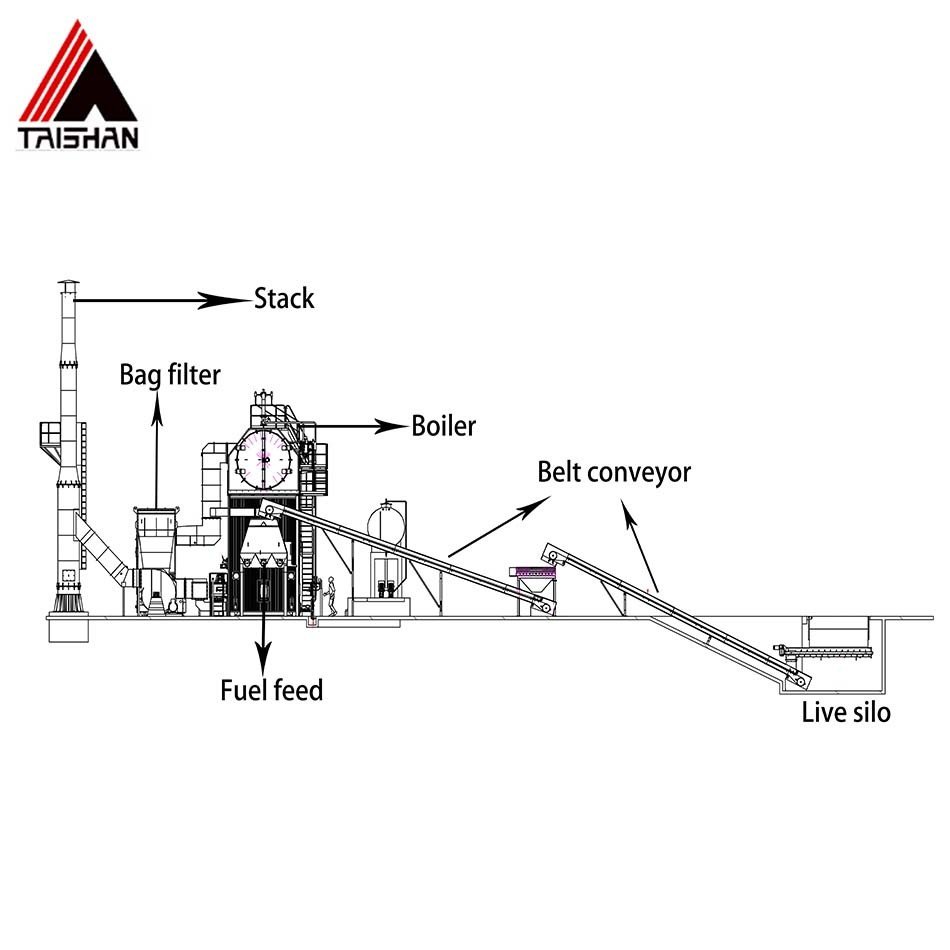
Financing and Incentive Options for Industrial Biomass Boiler Purchases

Industrial biomass boilers offer a compelling alternative to fossil fuel systems by providing renewable, carbon-neutral thermal energy. However, their higher upfront costs, specialized fuel handling systems, and compliance requirements can create financial barriers. Fortunately, a wide range of financing and incentive programs are available globally to support clean energy adoption and offset the capital investment of biomass boiler projects.

Financing and incentive options for industrial biomass boiler purchases include capital leases, energy performance contracts (EPC/ESCO models), green infrastructure loans, renewable energy grants, tax credits, carbon offset revenues, and emissions reduction subsidies. Many government agencies and environmental programs support biomass installations under renewable energy or energy efficiency mandates. Access to funding depends on system size, location, fuel type, emissions performance, and carbon savings potential.

Here’s a practical overview of financial tools available to support your biomass boiler investment.
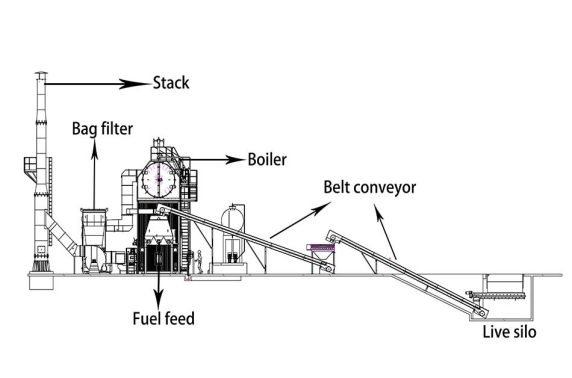
Biomass boilers (9)

What Commercial Financing Options Are Available for Biomass Boiler Projects (Leasing, Loans, EPC)?

Biomass boiler systems are increasingly favored for industrial steam and heating applications due to their renewable fuel base and regulatory incentives. However, while their operational costs may be lower over time, the upfront capital investment—often exceeding $1 million for medium-scale installations—remains a substantial hurdle for many businesses. Without the right financing strategy, industrial users may delay biomass adoption or settle for inefficient alternatives. Fortunately, a robust ecosystem of commercial financing options, including equipment leasing, term loans, and EPC-backed models, now supports biomass boiler deployment. These tools make clean energy investment more accessible and align project implementation with cash flow dynamics.

Commercial financing options for biomass boiler projects include leasing arrangements (operating and finance leases), traditional bank loans, EPC-backed (Engineering, Procurement, Construction) financing, and green capital structures such as sustainability-linked loans. These models help spread capital costs, optimize tax benefits, and accelerate project approvals while supporting environmental compliance goals.

Knowing how to access and structure these financial models can dramatically improve your ROI and remove adoption barriers. Read on to learn how each option works and which one best suits your biomass boiler project.

Biomass boiler projects are generally eligible for commercial leasing and EPC financing options.True

Many equipment vendors and EPC contractors offer structured financing and leasing plans to industrial clients for biomass boiler installations.

🔍 Overview of Commercial Biomass Boiler Financing Models

Financing OptionDescriptionTypical TermIdeal For
Operating LeaseShort-term lease without ownership; lessor retains asset3–7 yearsTemporary thermal demand, capex-light firms
Finance LeaseLease-to-own model; asset transfers after term5–10 yearsLong-term users, ROI-focused operations
Term Loans (Bank/Green Lending)Fixed-term debt for equipment and installation5–15 yearsBusinesses with credit access and energy budgets
EPC FinancingDeferred payment linked to EPC delivery4–10 yearsTurnkey installations, mid-large users
Sustainability-Linked Loans (SLLs)Loans with ESG performance pricing5–12 yearsCompanies with strong ESG alignment

Each model comes with unique eligibility, payment structures, and risk allocation strategies, making it critical to tailor your financing to your operational profile and biomass fuel logistics.

🧮 Biomass Boiler Leasing: Flexible Access Without Asset Ownership

Leasing options are widely used for industrial biomass boilers from 2 TPH to 50 TPH, particularly in sectors such as:

  • Agro-processing

  • Textile manufacturing

  • Food and beverage

Finance Lease Benefits:

  • Equipment installed at client site

  • Ownership transferred at lease-end

  • Monthly payments lower than loan amortization

  • Tax-deductible lease installments

Operating Lease Benefits:

  • Shorter terms (3–5 years)

  • No ownership risk

  • Off-balance-sheet treatment possible

  • Suitable for temporary heat loads or contract-based production

Boiler SizeMonthly Lease Estimate (Finance Lease)Ownership?Buyout Option
10 TPH$7,000–$10,000Yes$1 after 7 years
25 TPH$14,000–$18,000Yes5% residual value

Leasing allows manufacturers to align expenses with production cycles while avoiding CAPEX disruptions.

Finance leases are not tax-efficient for biomass boiler projects.False

Lease payments are typically tax-deductible, and in many regions, lease structures qualify for accelerated tax relief schemes.

🏦 Bank Loans and Sustainability-Linked Loans (SLLs)

Biomass boiler systems, due to their green credentials, can attract both traditional loans and specialized green financing:

Features of Standard Term Loans:

  • Fixed or floating interest rates (6–11%)

  • Tenors of 5–15 years

  • Security often required (equipment or land)

  • Suitable for creditworthy firms

Features of Sustainability-Linked Loans:

  • Interest rates reduced based on emissions savings

  • Require ESG reporting and emissions monitoring

  • Often combined with renewable heat incentives

CountryBank/ProgramBiomass Loan Features
USAUSDA REAP, Green BanksUp to 75% project financing
GermanyKfW Renewable Heat Loans1–2% interest, long terms
IndiaSIDBI Green Energy LoanFor boilers using agri-waste
South AfricaGreen Finance FacilityLoans + carbon credit bundling

Biomass boiler loans often require proof of fuel sustainability and long-term supply contracts.True

Lenders assess fuel reliability as part of technical and financial due diligence for biomass systems.

🏗️ EPC-Backed Financing for Biomass Boilers

An EPC firm (Engineering, Procurement, Construction) may offer financing linked to full-scope project delivery. Options include:

  • Deferred Payment: EPC completes project; client repays over 3–10 years

  • Build-Operate-Transfer (BOT): EPC owns and runs plant; client pays per unit of energy or heat

  • Performance-Linked Repayment: Based on fuel savings, emissions reduction, or steam output

Ideal for:

  • Clients lacking upfront capital

  • Projects requiring turnkey solutions with service guarantees

  • Industrial parks or processing zones with district energy needs

Real Example: 20 TPH Biomass Boiler in Vietnam

  • EPC: Local biomass integrator + Japanese turbine supplier

  • Total Cost: $1.6 million

  • Upfront: 12% deposit

  • Tenor: 7 years EPC-financed at 7.2%

  • Achieved ROI in 3.5 years from fuel switching (from coal to rice husk)

EPC-based financing is usually limited to large government or utility projects.False

EPC firms increasingly offer structured financing to private industrial clients, particularly in the biomass sector where turnkey supply chains can be managed.

📊 Financial Comparison: Leasing vs. Loan vs. EPC

ModelUpfront CostOwnershipMonthly OutlayTax BenefitApproval Time
Finance Lease10–20%Yes (after term)ModerateFull lease deductibleFast
Term Loan15–30%ImmediateLower monthlyDepreciation + interestMedium
EPC Deferred5–15%Yes or phasedHigher but flexibleBased on project structureSlow to medium

Choosing the right path depends on fuel security, project timeline, internal budgeting, and credit position.

🔚 Summary

Biomass boiler projects benefit from a wide range of commercial financing options, including leasing for flexibility, bank loans for ownership, and EPC-backed models for turnkey delivery with minimal upfront burden. By aligning financial strategy with project goals, industrial users can unlock renewable heat potential while maintaining strong cash flow and compliance with sustainability mandates. With the right modeling and partner selection, even capital-intensive biomass systems can become affordable, profitable, and scalable.
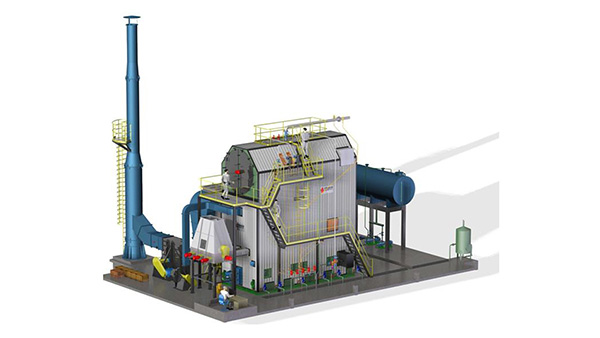
Which Government or Regional Grants and Subsidies Support Biomass Heating Systems?

Biomass heating systems offer a renewable, low-carbon alternative to fossil-fueled boilers in residential, commercial, and industrial applications. Despite their environmental benefits and operational efficiency, the initial investment costs for biomass boilers can be a significant barrier to adoption. Without financial support, many homeowners, small businesses, or agricultural processors cannot justify the upfront expense. The solution? Numerous government and regional subsidy programs—ranging from tax credits and grants to feed-in tariffs and carbon incentives—exist to make biomass heating financially viable and widely accessible. This article outlines the most relevant and high-impact funding sources for biomass systems globally.

Biomass heating systems are supported by various government and regional grants, including federal tax credits (like the U.S. Biomass Stove Tax Credit), EU renovation incentives (such as France’s MaPrimeRénov’ and Italy’s Conto Termico), rural energy grants (e.g., USDA REAP), and energy transition programs (like Canada’s Clean Fuels Fund and Japan’s biomass FIT). These programs typically offer between 25% to 100% of project cost coverage depending on location, applicant type, and system efficiency.

Understanding which grants or subsidies apply to your situation—based on location, fuel type, building use, or income level—can significantly reduce investment risk and speed up your path to energy independence.

Biomass heating projects in rural and agricultural areas often qualify for more generous grants.True

Governments prioritize renewable heat in off-grid or fossil-dependent regions, making biomass a key target for rural energy support.

Let’s explore major funding programs by region to help you navigate the incentives available for your next biomass boiler installation.

🌎 North America: U.S. & Canada Biomass Heating Subsidies

ProgramRegionTypeFunding LevelEligibility
Biomass Stove Tax Credit (30%)USAFederal Tax CreditUp to $2,000/yearResidential systems ≥75% efficiency
USDA REAP GrantsUSARural Business Grant25% of costAgricultural & rural enterprises
US Forest Service Wood InnovationUSACompetitive Grant$250k–$1MInstitutions, community facilities
Efficiency Maine / Vermont AWHSUSA (State)Rebate$3,000–$6,000Homes/businesses installing pellet boilers
Clean Fuels FundCanadaFederal GrantUp to 50%Bioenergy producers & heating districts
Carbon Tax Rebate (BC)Canada (BC)Carbon incentiveN/A (tax savings)Fossil-to-biomass switchers

🇪🇺 Europe: National & EU-Backed Biomass Incentives

CountryProgramGrant/SupportMax BenefitNotes
FranceMaPrimeRénov’SubsidyUp to €10,000Based on income & efficiency
ItalyConto TermicoReimbursement40–65% of costPrivate/public biomass heating
GermanyBAFA Market IncentiveRebate€8,000+For pellet systems in buildings
UKBoiler Upgrade SchemeGrant£5,000Replaces RHI (residential only)
SloveniaEco FundFull Subsidy100% for low-incomeBiomass replacements for coal

France's MaPrimeRénov’ does not support biomass heating systems.False

MaPrimeRénov’ offers up to €10,000 for switching to efficient biomass boilers, especially for low-to-mid-income households.

🌏 Asia-Pacific: Biomass Programs in Emerging Markets

CountryProgramFunding InstrumentScope
China14th Five-Year Plan Energy GrantsCAPEX SubsidyUp to 70% cost in industrial/rural projects
JapanBiomass FIT (Feed-In Tariff)20-year ContractGuaranteed heat/power payout
South KoreaRPS + Grants (MOE)Certificate CreditsIndustrial-scale biomass co-firing
IndiaMNRE Biomass ProgramCapital Subsidy35% on system + priority grid access

These programs are often linked with air quality improvement goals, district heating modernization, or agriculture waste management.

📊 Comparative Grant Table: Global Biomass Heating Support

RegionTypical Support RangeApplication FocusConditions
USA25–30% (federal), up to 40% (state)Rural, residentialMust meet EPA or DOE standards
EU40–100%Public, private, residentialBased on emissions & thermal efficiency
Canada50% or tax incentivesIndustrial, district heatingEmissions reduction compliance
Asia35–70% or FIT payoutRural/industrial bioenergyIntegration with policy goals

Japan’s FIT program includes financial support for biomass-based heat production.True

Japan’s feed-in tariff supports long-term payments for heat and power from approved biomass facilities.

✅ What Makes a Project Eligible?

To qualify for biomass heating subsidies, applicants generally need:

  • A certified biomass boiler (often >75% thermal efficiency)

  • Proof of sustainable fuel sourcing (pellets, agri-waste, woodchips)

  • Professional installation by approved contractors

  • Energy audits or emissions benchmarking

  • Post-installation performance monitoring

Some programs also require income verification, property ownership, or no access to gas infrastructure, especially in Europe and Canada.

🔚 Summary

Government and regional grants play a crucial role in accelerating the adoption of biomass heating systems by reducing capital costs and enhancing ROI. Whether through tax credits, performance-based subsidies, or direct grants, funding is widely available for residential, commercial, and industrial users across North America, Europe, and Asia. Understanding the requirements and leveraging the right program can make biomass a financially feasible and environmentally sound heating solution.
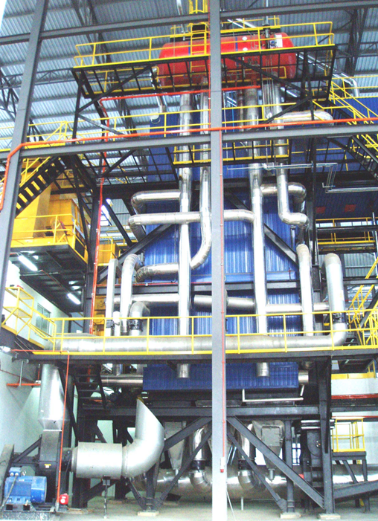
Thailand 35 tons palm fiber Biomass steam boiler

How Do Tax Incentives, Depreciation Allowances, and Carbon Credits Reduce Ownership Cost?

Biomass boilers are increasingly favored for renewable heating in industrial, agricultural, and commercial settings. However, their high upfront cost—often 20%–30% more than fossil-fueled systems—can deter adoption despite long-term fuel savings. Fortunately, financial mechanisms such as tax incentives, depreciation allowances, and carbon credits can drastically reduce the true cost of ownership. Without leveraging these tools, buyers miss out on thousands of dollars in cost recovery and risk longer payback periods. In this article, we examine how each of these financial levers works and how they combine to make biomass boiler projects more economically viable.

Tax incentives, depreciation allowances, and carbon credits reduce the ownership cost of biomass boilers by lowering tax liabilities, accelerating capital recovery, and creating additional income streams through emissions savings. Tax credits directly offset tax due, depreciation allows faster write-offs of capital expenditure, and carbon credits can be monetized through voluntary or compliance markets. Combined, these tools can reduce net project cost by 30–50%.

Understanding how to structure and claim these benefits is essential for CFOs, energy managers, and project developers aiming to minimize investment barriers while maximizing return.

Biomass boiler ownership costs can be significantly reduced through tax incentives and emissions credits.True

When combined, tax deductions, accelerated depreciation, and carbon credits can cut the effective capital cost of biomass systems by up to 50%.

Let’s break down the mechanics and financial impact of each mechanism.

🔍 Tax Incentives for Biomass Boilers

Governments encourage renewable energy use by offering tax credits or deductions for qualified biomass heating projects.

Examples:

CountryProgramBenefit TypeValue
USABiomass Stove Tax CreditTax credit30% (up to $2,000/year)
UKBoiler Upgrade SchemeInstallation Grant£5,000 (non-taxed)
FranceMaPrimeRénov’Tax-exempt subsidy€7,000–€10,000
GermanyBAFA IncentiveTax-exempt rebate€8,000+
IndiaAccelerated Depreciation + GST ReliefTax deduction + cost reductionUp to 40% first-year depreciation

Tax incentives either reduce income tax owed (credits) or the taxable base (deductions). This improves short-term cash flow and enhances project bankability.

🧮 Depreciation Allowances: Accelerating Payback

Depreciation allows businesses to recover capital costs over time, reducing taxable income annually. Some jurisdictions offer accelerated depreciation to promote renewable investments.

Depreciation Example: U.S. MACRS System

AssetDepreciation SystemYear 1 DeductionTotal Recovery
Biomass Boiler ($500k)5-Year MACRS + 80% bonus$400,000100% over 5 years
Annual Tax Savings (@25%)$100,000$125,000 total

With bonus depreciation, up to 80% of project cost may be written off in year one, dramatically improving ROI. Other countries offer Section 179, First-Year Allowance (UK), or Conto Termico (Italy).

Depreciation allowances can improve biomass boiler project ROI.True

Accelerated depreciation reduces taxable income, enabling faster capital recovery and higher project profitability.

🌱 Carbon Credits: Monetizing Emissions Reduction

Biomass boilers reduce net carbon emissions, often qualifying for carbon credits—tradable certificates in global and voluntary carbon markets.

Credit TypeValueBasisExample Use
VER (Voluntary Emission Reduction)$5–$15/ton CO₂Verified by 3rd parties (e.g., Gold Standard)Agro-industrial boiler retrofit
CER (Certified Emission Reduction)$2–$6/ton CO₂UN CDM ProgramDistrict biomass heating in developing countries
ITMO (Article 6 of Paris Agreement)NegotiatedBilateral tradeCross-border biomass projects

A 1 MW biomass boiler displacing coal might reduce 3,000–5,000 tCO₂/year, generating $15,000–$75,000 annually in credit revenue. Over 10 years, this can pay for 15–25% of total project cost.

Carbon credits only apply to large-scale biomass power projects.False

Smaller biomass heating systems also qualify for carbon credits if they meet verification standards and provide measurable CO₂ reductions.

📊 Integrated Financial Impact Table (Illustrative)

Biomass Boiler CAPEX$800,000
Tax Credit (30%)$240,000
First-Year Depreciation (80%)$640,000 (→ $160,000 tax saved)
Carbon Credits (5,000 tCO₂ @ $10)$50,000/year × 5 years = $250,000
Effective Net Cost$150,000–$250,000

By combining incentives, the effective ownership cost drops by 65–80%, enhancing financial feasibility even in cash-constrained industries.

🔚 Summary

Tax incentives, accelerated depreciation, and carbon credits significantly reduce the true ownership cost of biomass boiler systems. These financial tools improve short-term cash flow, create recurring income from emissions savings, and accelerate ROI. Whether you’re planning a commercial biomass installation or a rural thermal energy project, structuring your investment around these incentives is essential to maximizing your budget and sustainability outcomes.
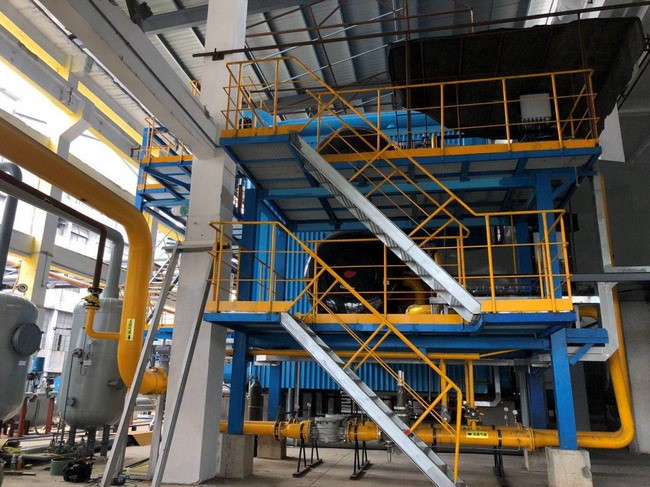
What Clean Energy Programs (RECs, Green Bonds) Are Accessible for Biomass Boiler Installations?

Biomass boiler systems play a crucial role in reducing carbon emissions and promoting renewable thermal energy across industrial, commercial, and institutional sectors. However, these systems often come with a high capital cost, prompting businesses and municipalities to seek out innovative clean energy financing tools. Fortunately, a range of modern green financing mechanisms—like Renewable Energy Certificates (RECs), Thermal RECs (T-RECs), green bonds, and sustainability-linked loans (SLLs)—are accessible to support the deployment and affordability of biomass boilers. Knowing how to navigate and leverage these options is essential to maximizing your return and aligning with ESG goals.

Clean energy programs available for biomass boiler installations include Renewable Energy Certificates (RECs and T-RECs), green bonds, sustainability-linked loans (SLLs), and PACE (Property Assessed Clean Energy) financing. These tools offer recurring revenue, capital access, interest rate benefits, and long-term financing to reduce upfront costs and improve cash flow for biomass heating projects.

These instruments are designed to encourage renewable thermal energy adoption, especially in industries aiming to decarbonize their heat infrastructure or replace fossil fuels with biomass.

Renewable Energy Certificates are available for biomass boilers in some U.S. states and international markets.True

Many jurisdictions now include biomass heating in their renewable energy standards, offering T-RECs to qualifying projects.

🌱 Renewable Energy Certificates (RECs and T-RECs)

RECs are tradable certificates issued per megawatt-hour (MWh) of renewable electricity or thermal energy produced.

TypeDescriptionValueEligible Projects
RECsFor electricity-producing biomass boilers (CHP)$5–$50/MWh (varies by state)Industrial-scale biomass CHP
T-RECsFor heat-only biomass systems$1–$25/MWh equivalent thermalPellet or chip-fueled boilers with metering

Examples:

  • New Hampshire T-REC Market: Offers ~$25/MWh for commercial biomass systems under the state’s Renewable Portfolio Standard.

  • Massachusetts APS Program: Provides T-RECs for high-efficiency biomass boilers, tracked via MassCEC.

To participate, systems must be:

  • Metered for energy output

  • Using certified sustainable fuel

  • Registered in a REC/T-REC tracking system (e.g., NEPOOL GIS, APX)

💰 Green Bonds for Biomass Boiler Projects

Green bonds are fixed-income instruments used to raise capital for environmentally beneficial projects, including biomass heating.

Bond TypeIssuerExample ApplicationKey Criteria
Corporate Green BondBiomass equipment supplier$20M bond for pellet boiler manufacturingAligned with ICMA Green Bond Principles
Municipal Green BondLocal governmentBiomass district heating for schoolsRequires green bond framework
Development Finance BondWorld Bank, ADBNational biomass boiler upgradesMeets Climate Bonds Initiative (CBI) taxonomy

Example:

  • ICBC China Green Bond (2021): Funded 16 biomass energy facilities, totaling RMB 1 billion, aligned with domestic and international green finance standards.

Biomass heating projects are excluded from most green bond frameworks.False

Biomass projects are eligible under most green bond guidelines if they meet sustainability criteria and emissions thresholds.

📈 Sustainability-Linked Loans (SLLs)

SLLs are commercial loans with interest rates tied to environmental KPIs such as:

  • Reduction in CO₂ emissions

  • Percent of energy derived from biomass

  • Verified biomass fuel sourcing

Benefits:

  • Lower interest rates if sustainability targets are met

  • Improves credit profile for green companies

  • ESG-compliant financing for scope 1 decarbonization

Example:

  • A Canadian biomass processing firm secured a $10 million SLL with a 50 basis point rate reduction upon proving 25% GHG reduction via pellet boiler deployment.

Sustainability-linked loans offer interest rate reductions based on emissions or biomass use targets.True

Lenders use ESG metrics like carbon reduction or renewable heat output to set incentive pricing in these loans.

🏢 PACE Financing for Biomass Heating

Property Assessed Clean Energy (PACE) financing allows property owners to repay renewable energy improvements (like biomass boilers) through a property tax assessment.

FeatureBenefit
No upfront paymentFull installation cost covered
Long terms (up to 25 years)Matches energy savings over time
Off-balance sheetPreserves borrowing capacity

PACE programs are active in many U.S. states including California, Ohio, and Colorado for commercial energy efficiency projects.

📊 Financial Comparison Chart

ProgramTypeRevenue or SavingsTypical Eligibility
T-RECsThermal certificate$1–$25/MWh thermalMetered biomass boilers
Green BondsProject capital$1M–$100M financingGovernment/enterprise projects
SLLsLoan reduction25–100bps rate cutESG performance targets
PACETax-based loan100% of cost, long termU.S. property owners

🔚 Summary

Biomass boiler installations can access multiple clean energy programs beyond traditional grants—such as RECs, green bonds, and performance-based loans. These tools reduce cost, provide ongoing financial value, and align your project with international green finance principles. Whether you’re a commercial facility, municipal district, or industrial heat user, integrating these instruments into your financing strategy ensures higher ROI and long-term project resilience.
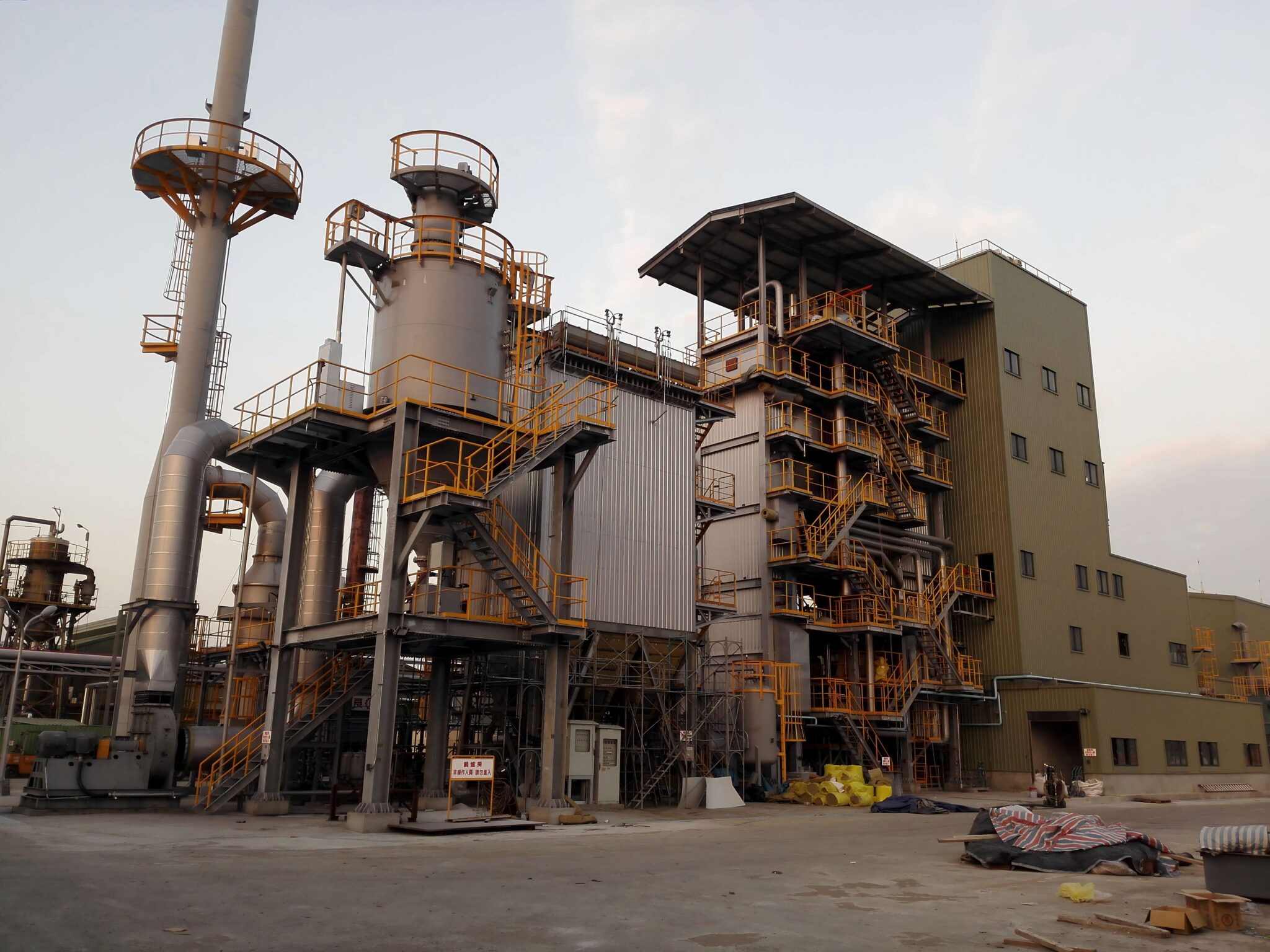
How Can ESCOs and Performance-Based Contracting Lower Upfront Capital Requirements?

Biomass boiler systems are an attractive renewable energy option for industries and institutions looking to decarbonize their heat supply. However, the high upfront cost of equipment, installation, and fuel infrastructure often delays adoption—especially for facilities without immediate access to capital. The risk of investing hundreds of thousands to millions of dollars before realizing savings is simply too great for many organizations. This is where ESCOs (Energy Service Companies) and performance-based contracting (PBC) come in. These models shift financial and operational risk away from the client and tie payment to actual performance—offering a powerful pathway to deploy biomass boilers without the usual capital burden.

ESCOs and performance-based contracting help lower the upfront capital requirements of biomass boiler projects by funding installation, operation, and maintenance in exchange for a share of energy savings. These agreements, such as Energy Performance Contracts (EPCs) or Build-Operate-Transfer (BOT) models, eliminate the need for full upfront investment and align costs with guaranteed fuel savings and emission reductions over time.

These models are especially effective for schools, hospitals, agro-industrial processors, and public sector facilities with tight budgets but high thermal demand.

ESCO financing models can reduce upfront capital to near zero for biomass boiler installations.True

By leveraging third-party investment and sharing savings, ESCOs enable clients to implement renewable systems without large upfront expenditures.

Let’s explore how this model works and how it applies specifically to biomass heating projects.

🔍 What Is an ESCO and How Does Performance Contracting Work?

An ESCO (Energy Service Company) is a third-party firm that designs, finances, installs, and sometimes operates energy systems—such as biomass boilers—under a performance-based agreement.

Typical Contract Structures:

ModelDescriptionClient Upfront CostPayment Basis
Energy Performance Contract (EPC)ESCO funds boiler, repaid from verified energy savings$0–15%Fixed % of actual savings
Build-Operate-Transfer (BOT)ESCO builds and operates system, then transfers to client after term<10%Heat purchase or fixed fee
Shared Savings ModelRevenue split from reduced energy billsZero30–50% of savings shared with ESCO
Chauffage ContractESCO delivers steam/heat as a serviceZero$/ton steam or $/kWh heat

These models last 5–15 years and are ideal for large heat consumers that want predictable energy costs without locking up capital.

🧾 Real-World Example: Agro-Food Biomass Boiler EPC in Kenya

In 2022, a food processor installed a 25 TPH biomass boiler using an EPC contract from a European ESCO:

  • Total CAPEX: $1.4 million

  • Client Upfront Cost: $70,000 (5%)

  • Annual Energy Savings: $220,000 (vs. diesel)

  • ESCO Share: 40% of savings for 7 years

  • Ownership Transfer: After 7 years, boiler becomes client asset

This structure enabled full decarbonization of the facility’s thermal operations with zero impact on core budgets.

Biomass ESCO contracts require upfront payments similar to traditional loans.False

Most ESCO and PBC models minimize or eliminate upfront payments by linking repayment to future energy savings.

📊 Financial Impact of ESCO-Based Biomass Contracts

OptionUpfront CapitalMonthly CostOwnershipRisk
Direct Purchase100%NoneImmediateClient bears tech and financial risk
Bank Loan20–30%Fixed repaymentImmediateCredit-dependent
ESCO EPC0–10%% of savings or heat feesDeferredESCO assumes performance risk

Clients benefit from:

  • No need for upfront financing or internal approval cycles

  • Expert project execution by energy professionals

  • Long-term O&M included in contract

  • Guaranteed savings with audited verification

🏢 Where Are ESCO Biomass Projects Common?

ESCO biomass boiler models are widely used in:

  • Food & beverage: Steam generation for cooking, drying, CIP processes

  • Textiles: Dyeing and finishing heat loads

  • District heating: Municipal and school energy systems

  • Agribusiness: Grain drying, greenhouse heating, sugar processing

Countries such as India, Kenya, China, Italy, and South Africa support biomass ESCOs through policy or green lending lines, such as SIDBI in India or EU Horizon 2020 clean heat initiatives.

ESCOs are only suitable for electricity-based energy systems.False

ESCOs increasingly serve thermal applications like biomass boilers where significant energy savings can be guaranteed and monetized.

✅ Steps to Implement an ESCO Biomass Contract

  1. Feasibility Study: Assess baseline energy use, costs, and biomass potential

  2. ESCO Proposal: Receive an energy services agreement based on projected savings

  3. Contract Signing: Define KPIs, risk allocation, fuel logistics, and pricing

  4. Implementation: ESCO installs and commissions the system

  5. Performance Verification: Savings are measured and shared monthly or quarterly

Clients must ensure:

  • Transparent metering and data access

  • Sustainable fuel sourcing agreements

  • Clear contractual ownership transition clauses

🔚 Summary

ESCOs and performance-based contracting offer a powerful alternative to traditional financing for biomass boiler projects. By removing the need for large upfront capital and tying repayment to guaranteed energy savings, these models help industrial, commercial, and public-sector clients decarbonize affordably and efficiently. Whether you’re planning a new boiler installation or retrofitting an existing system, the ESCO route can dramatically improve financial viability and sustainability performance.

What Steps Should Project Owners Take to Qualify for Biomass Boiler Incentives and Funding?

Biomass boilers are widely recognized for their environmental benefits and cost-effective heating capabilities in industrial, agricultural, and municipal applications. However, due to high upfront costs, most project owners rely on financial support from government grants, tax credits, green loans, or carbon markets. Yet, qualifying for these funding programs is not automatic—it requires thorough documentation, technical preparation, and compliance with program-specific criteria. Failing to meet even one requirement can disqualify your project or delay funding approval. This article outlines the critical steps every project owner must follow to access biomass boiler incentives and financing.

To qualify for biomass boiler incentives and funding, project owners must conduct an energy audit, select certified high-efficiency biomass equipment, confirm eligible sustainable fuel supply, prepare detailed financial and technical proposals, and submit complete applications to relevant authorities. Additional steps often include compliance with emissions standards, installer certifications, and post-installation performance verification.

Following a structured application process ensures smoother approvals, maximizes funding potential, and demonstrates your project’s readiness to investors or agencies.

Most biomass boiler funding programs require proof of fuel sustainability and emissions compliance.True

Government and regional subsidies prioritize low-emission, renewable heat systems with traceable biomass sources.

Let’s break down the exact steps you should follow.

✅ Step-by-Step Guide to Qualify for Biomass Boiler Funding

StepDescriptionPurpose
1. Conduct an Energy AuditAssess current heating system, energy use, and carbon footprintBaseline for estimating savings and sizing equipment
2. Select Certified EquipmentChoose boilers that meet efficiency and emissions standards (e.g., EN303-5 Class 5, EPA Step 2)Ensures technical eligibility
3. Verify Fuel SourceConfirm long-term supply of sustainable fuel (pellets, agri-waste) with FSC, ENplus, or ISCC certificationSupports CO₂ neutrality claims
4. Prepare Technical ProposalInclude boiler specs, schematics, installation plans, fuel logisticsDemonstrates project feasibility
5. Complete Financial PlanDetail CAPEX, OPEX, payback, and ROI; include depreciation and tax modelingRequired for funding evaluation
6. Confirm Installer CredentialsUse certified installers (e.g., NABCEP, BPEC, local authorities)Often mandatory for rebate programs
7. Apply to ProgramsSubmit application to state, national, or regional funding bodiesFormal entry into grant/loan evaluation
8. Plan for MonitoringEnsure post-installation performance metering and reportingNeeded for performance-linked payouts or RECs

🌍 Country-Specific Eligibility Examples

CountryRequired Compliance for Funding
USAEPA Step 2 emissions certification, efficiency ≥75%, fuel sourcing plan
GermanyBAFA registration, 80%+ thermal efficiency, carbon savings ≥30%
FranceMaPrimeRénov’ energy audit, accredited installer, labeled biomass system
IndiaMNRE approval, local pollution control board clearance, boiler inspection
CanadaGHG reduction modeling, renewable fuel traceability, approved contractor

Only large corporations qualify for biomass boiler incentive programs.False

Many funding programs specifically support small businesses, public institutions, and rural enterprises to promote wider adoption.

📋 Sample Document Checklist

  • ✅ Energy Audit Report

  • ✅ Biomass Boiler Specification Sheet

  • ✅ Fuel Supply Agreement (min. 5 years recommended)

  • ✅ Emissions Testing Certificate

  • ✅ Installer Accreditation

  • ✅ Project Budget with ROI Projection

  • ✅ Compliance Statement for Local Air Quality Standards

  • ✅ Carbon Credit Application (if applicable)

🧾 Tips for a Strong Application

  • Bundle technologies (e.g., with solar or CHP) to increase score

  • Use third-party consultants for complex funding applications

  • Engage early with grant administrators to clarify eligibility

  • Highlight co-benefits like local job creation or grid relief

  • Include GHG reduction projections in carbon-intensive industries

You must own the property to apply for biomass boiler incentives.False

Many programs allow tenants, leaseholders, or shared ownership models to apply if long-term operational control is demonstrated.

🔚 Summary

Qualifying for biomass boiler incentives and funding is a process that requires careful preparation and compliance with technical, financial, and environmental standards. By following key steps—such as conducting audits, selecting certified equipment, securing sustainable fuel, and using qualified installers—project owners can dramatically improve their chances of approval. Whether you’re applying for a grant, loan, tax credit, or carbon-based support, these best practices ensure your biomass project is both fundable and future-ready.

🔍 Conclusion

Biomass boilers often qualify for a wide spectrum of clean energy financing and government-backed incentives, making them more accessible and economically attractive than traditional systems. By leveraging grants, tax relief, carbon credits, and performance-based financing, businesses can lower capital costs, accelerate ROI, and align their operations with sustainability and decarbonization goals. Early-stage funding research is key to securing the best financial support for your project.


📞 Contact Us

💡 Need help identifying and securing financing for your biomass boiler project? Our team specializes in green funding acquisition, lifecycle cost planning, and emissions compliance consulting for renewable boiler systems.

🔹 Let us help you make your biomass boiler project a cost-effective, low-carbon energy success! 🌿💰🔥

FAQ

What financing options are available for industrial biomass boilers?

Industrial biomass boilers often qualify for specialized financing programs such as:

  • Equipment loans from green banks or clean energy lenders

  • Lease-purchase agreements with flexible terms

  • Power Purchase Agreements (PPAs) or Energy Performance Contracts (EPCs) for large-scale systems

  • Vendor financing from biomass boiler manufacturers or integrators

These options help mitigate high upfront capital costs while maintaining energy savings benefits.

Are there government grants and tax credits for biomass boiler systems?

Yes. Biomass systems are typically eligible for:

  • Federal Investment Tax Credit (ITC) for renewable thermal technologies (up to 30%)

  • USDA Rural Energy for America Program (REAP) grants and guaranteed loans

  • State-level clean energy incentives through programs like NYSERDA, MassCEC, or California’s CalSEED

  • Accelerated depreciation under MACRS or Section 179

Do utilities offer rebates or support for biomass installations?

Some utilities provide:

  • Custom rebate programs for high-efficiency biomass heating systems

  • Low-interest energy efficiency loan programs

  • Demand-side management incentives for thermal energy use reduction

Eligibility depends on regional fuel supply, air quality standards, and carbon reduction goals.

Can biomass boilers qualify for carbon credits or renewable energy certificates (RECs)?

Yes. Biomass systems using sustainable fuel sources may earn:

  • Carbon offset credits under voluntary or compliance markets

  • Renewable Energy Certificates (RECs) for heat energy generation

  • Biomass Renewable Identification Numbers (RINs) if part of a broader renewable fuel standard program

These credits can be sold or monetized to improve ROI.

Where can businesses find specific biomass boiler incentives by region?

  • Search the DSIRE Database for U.S. state and federal programs – https://www.dsireusa.org

  • Explore USDA REAP funding – https://www.rd.usda.gov

  • Contact local clean energy authorities or utility providers

  • Consult with biomass system integrators who often manage incentive applications

References

  1. DSIRE Renewable Energy Incentives Databasehttps://www.dsireusa.org

  2. USDA Rural Energy for America Program (REAP)https://www.rd.usda.gov

  3. Section 179 and MACRS Depreciation Tax Guideshttps://www.section179.org

  4. Energy Efficiency Financing Programs – DOEhttps://www.energy.gov

  5. Clean Energy Incentives by State (NASEO)https://www.naseo.org

  6. EPA Biomass Carbon Credit Programshttps://www.epa.gov

  7. Power Purchase and Performance Contracting Modelshttps://www.naesco.org

  8. Utility Efficiency Rebates for Biomass Projectshttps://www.energystar.gov

  9. Biomass Boiler Financing Best Practiceshttps://www.bioenergyconsult.com

  10. IEA Renewable Heat and Biomass Policy Reportshttps://www.iea.org

Wade Zhang

CEO of Taishan Group Taian Boao International Trade Co., Ltd. 30 years experience in Global industrial boiler market,  Over 300 boiler projects experience, including 21+ EPC projects. Projects span 30+ countries & regions, involving industries such as nuclear power, energy & electricity, municipal heating, mining, textiles, tires etc.

Financing and Incentive Options for Industrial Biomass Boiler Purchases Read More »
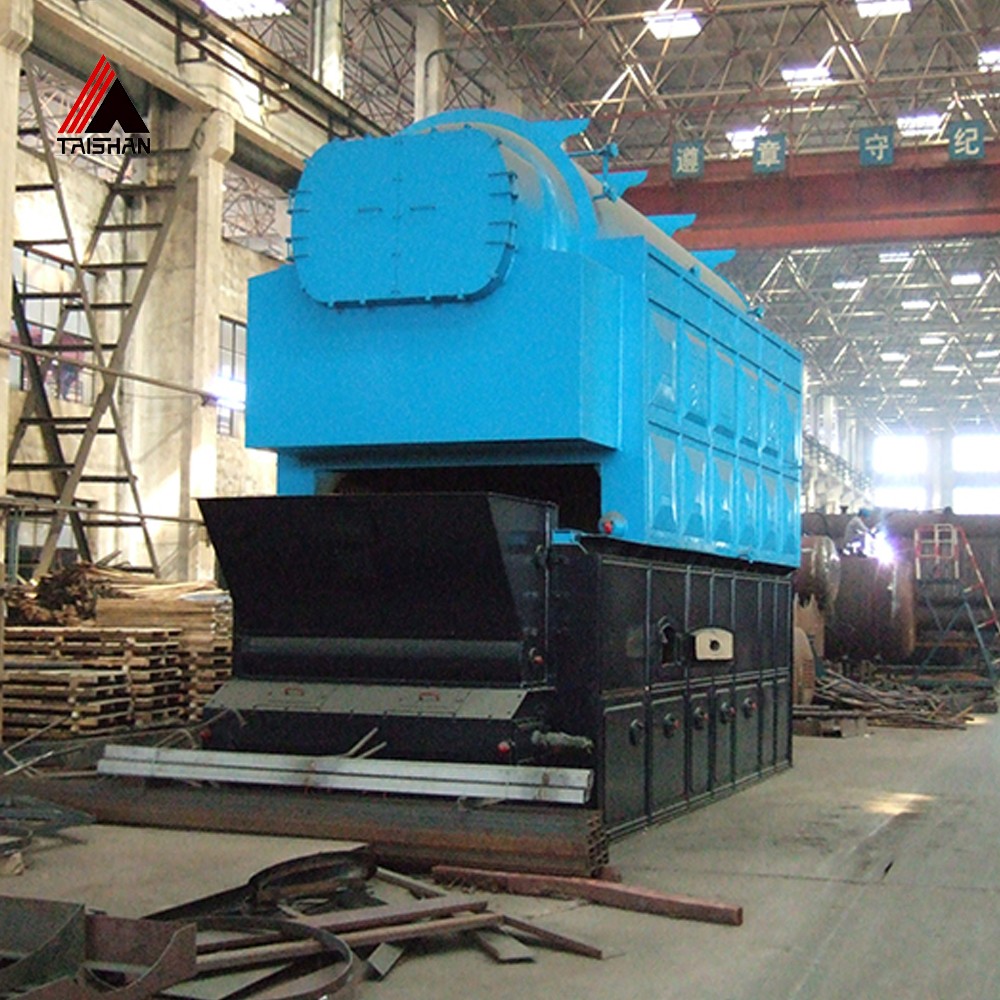
Financing and Incentive Options for Industrial Coal-Fired Boiler Purchases

Financing and Incentive Options for Industrial Coal-Fired Boiler Purchases

Industrial coal-fired boilers remain in use for their high steam capacity and fuel affordability, especially in regions where coal is abundant. However, these systems involve significant capital investment, complex infrastructure, and rising regulatory costs related to emissions and environmental impact. To make such projects viable, companies often explore financing solutions and incentive programs that can reduce upfront costs or improve return on investment.

Financing and incentive options for industrial coal-fired boilers may include equipment leasing, long-term bank loans, vendor or EPC contractor financing, state-backed infrastructure credits, and—depending on region—transitional energy subsidies or emissions reduction funding. In many areas, coal boilers may not qualify for modern clean energy incentives, but may benefit from legacy financing structures, modernization grants, or clean coal technology support, especially in developing countries or transitional energy economies.

Below is a practical framework for exploring financial tools to support coal boiler procurement or upgrades.

What Traditional Financing Options Are Available for Industrial Coal-Fired Boiler Purchases?

For industries dependent on high-output steam or thermal energy, such as paper mills, textile plants, and heavy manufacturing sectors, coal-fired boilers often remain indispensable due to their high thermal efficiency and fuel availability. Yet, the initial capital cost of purchasing and installing these systems—ranging from hundreds of thousands to millions of dollars—can be financially burdensome. This can lead to project delays, lower production efficiency, and difficulty complying with emissions regulations. The key to overcoming these challenges lies in utilizing proven, traditional financing options that help spread out the investment cost without compromising industrial growth. In this article, we’ll explore these established financial pathways to help buyers navigate the complexities of capital expenditure and ensure sustainable acquisition of industrial coal-fired boiler systems.

Traditional financing options for industrial coal-fired boiler purchases include commercial bank loans, equipment leasing, vendor credit arrangements, government-guaranteed loans, and asset-backed financing. These models offer predictable repayment terms, preserve operating capital, and often allow for tax benefits through interest deductions or accelerated depreciation.

To maximize financial effectiveness, buyers should tailor their financing strategies to their cash flow conditions, credit profile, and long-term production requirements. This article will help you understand the pros, cons, and key requirements of each traditional option—allowing you to make a well-informed purchasing decision.

Bank loans are the most commonly used financing method for industrial equipment purchases.True

Commercial banks have long provided capital for heavy industrial investments like boilers, making them a primary source of traditional financing.

🏦 Overview of Traditional Industrial Financing Models

Traditional financing methods remain foundational for acquiring capital-intensive equipment like coal-fired boilers. Here’s a breakdown of the most prevalent and time-tested options:

Financing OptionMechanismRepayment DurationInterest RatesSuitable For
Term Loans (Bank Loans)Lump-sum loan for equipment purchase, repaid monthly or quarterly3–10 years6–12% (varies by country and collateral)Businesses with strong credit and asset base
Operating LeaseMonthly payments for equipment use without ownership1–7 yearsFixed or variableBusinesses needing low upfront costs
Finance Lease (Capital Lease)Lease-to-own model where ownership transfers at term-end3–7 yearsModerate; ownership at term endFirms planning long-term asset use
Vendor FinancingCredit offered by the equipment supplier/manufacturer1–5 yearsNegotiable, often lower than banksSMEs and firms with limited credit access
Government-Backed LoansPublicly guaranteed commercial loans (e.g., SBA, SIDBI)5–15 yearsBelow-market interestSmall-medium enterprises or green retrofits

These models are often layered to create customized solutions. For example, companies might combine a 60% bank loan with a 40% vendor-financing package to improve capital flexibility while leveraging competitive credit rates.

🧮 Case Example: 20 TPH Boiler Acquisition in Vietnam

A mid-sized rubber processing company in Vietnam needed to purchase a 20-ton-per-hour coal-fired boiler in 2023. They chose a blended finance structure:

  • 60% Term Loan from a Vietnamese commercial bank at 8.5% interest over 7 years

  • 20% Equipment Lease with a 3-year buyout clause from the supplier

  • 20% Internal Capital from retained earnings

This approach allowed them to minimize upfront capital disruption while securing energy reliability. Interest payments were tax-deductible, and the lease allowed flexible replacement if technology upgrades were needed after 5 years.

Equipment leasing is less flexible than bank loans for industrial purchases.False

Leasing provides more flexibility than loans, especially in upgrading or terminating equipment use early.

💡 Equipment Leasing vs. Buying: Strategic Comparison

The choice between leasing and buying through loans depends heavily on your business’s operational needs:

FactorEquipment LeaseBank Loan Purchase
Capital OutlayLow initial costHigh upfront requirement
OwnershipNo ownership (except in finance lease)Full ownership
Tax BenefitsLease payments deductibleInterest and depreciation deductible
Upgrade FlexibilityHigh (easy replacement)Low (requires resale or retrofit)
Balance Sheet ImpactOften off-balance-sheetListed as liability and asset

For companies operating in volatile industries or undergoing rapid expansion, leasing offers the flexibility to scale up or shift technologies more easily. On the other hand, long-term stable manufacturers may prefer ownership via bank financing for asset control and value appreciation.

📊 Financial Modeling: Sample Payment Plans

Here’s a simplified projection for purchasing a $1 million coal-fired boiler via two different traditional financing options:

Financing MethodDown PaymentMonthly Payment (7 years)Total PaidOwnership
Bank Loan (80% financed)$200,000~$13,000 @ 7.5% APR$1.29 millionYes
Finance Lease$50,000~$14,500$1.27 millionOwnership at lease end

Both methods result in similar total payments but differ significantly in ownership timeline and upfront capital impact.

🔄 Risk Mitigation in Traditional Financing

Traditional financing carries predictable structures, but also risks such as:

  • Interest Rate Fluctuations (in variable-rate loans)

  • Default Penalties

  • Obsolescence Risk if the boiler technology is outdated before the loan is repaid

Mitigation strategies include:

  • Fixed-rate locking

  • Equipment insurance and performance warranties

  • Using modular boiler designs for future upgradability

These measures protect financial performance and ensure continuous production efficiency.

Vendor financing is rarely available for coal-fired boilers.False

Many boiler manufacturers, especially large OEMs, offer vendor financing to support sales and serve customers lacking traditional credit access.

📌 Summary

Traditional financing options like commercial loans, operating and capital leases, vendor credit, and government-backed lending remain practical and reliable routes for industrial coal-fired boiler purchases. These methods are especially effective for buyers with steady cash flow and long-term production goals. The right financing mix depends on your company’s capital structure, risk tolerance, and technology lifecycle. Understanding and comparing these options is crucial for optimizing ROI and operational stability.

Are There Government-Backed Loans or Export-Import Credits Available for Coal Infrastructure?

Coal infrastructure projects—ranging from power generation to industrial boiler systems—require extensive capital investment and long-term planning. However, shifting global attitudes toward carbon-intensive energy has made financing these ventures increasingly complex. Without adequate funding, essential infrastructure development in energy-hungry or industrializing regions could be stalled or derailed. The solution? Strategic access to government-backed loans and export-import credits that are still available under specific conditions, particularly in countries that prioritize energy security, industrial development, or emissions-efficient coal technology. This article explores where and how such funding options are still accessible and under what terms.

Government-backed loans and export-import (Exim) credits are available for coal infrastructure projects in select regions, primarily for cleaner, high-efficiency technologies or critical industrial applications. While many OECD nations restrict public funding for unabated coal, several emerging economies and strategic export credit agencies continue to support coal projects under energy transition frameworks or strategic economic policies.

For industrial players or national planners seeking to navigate this shifting financing landscape, it’s critical to understand the geopolitical, environmental, and economic conditions tied to these credits. This guide provides clarity and case-based insight into navigating coal-related finance in 2025.

Export-import banks globally have banned financing for coal-fired power plants.False

While many Western countries have implemented such bans, several nations like China, India, and Indonesia still offer export credits for high-efficiency coal infrastructure.

Many readers are surprised to learn that government funding hasn’t disappeared entirely—it has simply evolved. Keep reading to explore the current programs, limitations, and workarounds available globally.

🌐 Current Landscape of Government-Backed Coal Financing

Region/CountryProgram or InstitutionCoal-Eligible Financing?Terms/Conditions
ChinaChina EXIM Bank, SinosureYesFocus on ultra-supercritical tech; Belt & Road nations prioritized
IndiaIndian Renewable Energy Development Agency (IREDA), SIDBIYes (for high-efficiency/retrofitted boilers)Public-private projects or tech upgrades
IndonesiaMinistry of Finance & PT SMIYesClean coal focus; domestic manufacturing required
South AfricaIDC, DBSAConditionalMust meet emission control mandates
USAU.S. EXIM BankLargely restrictedLimited to clean coal tech with environmental clearance
JapanJBIC (Japan Bank for International Cooperation)PartiallyClean coal projects with CCS accepted
GermanyKfWNoFossil fuel projects excluded post-2022

Most Western economies have formally withdrawn from funding traditional coal infrastructure. However, many Asian, African, and Latin American states still leverage coal for energy stability and industrial heat. This opens financing pathways where technology integration (such as emissions reduction or cogeneration) can satisfy both industrial and environmental stakeholders.

🔍 Export-Import Credit Programs Supporting Coal Projects

Export-import banks (Exim) support bilateral trade through credit insurance, buyer’s credit, and direct loans. Some still support coal infrastructure where environmental compliance is ensured.

H3: China’s Dominant Role in Coal Infrastructure Export Financing

China’s state-owned Exim Bank remains one of the most influential coal project financiers globally. Through the Belt and Road Initiative (BRI), China has funded:

  • 500+ MW coal plants in Pakistan, Zimbabwe, and Bangladesh

  • Industrial boilers for metallurgical and chemical industries

  • Integrated emission control systems bundled into the project financing

These projects often receive:

  • 80–90% financing through buyer’s credit

  • Interest rates as low as 2–3%

  • Tenors of 10–20 years

H4: Indian Government’s Conditional Lending

India has maintained support for coal-based retrofits and high-efficiency units through entities like:

  • SIDBI’s Green Finance Scheme: Loans for energy-efficient coal boiler upgrades

  • IREDA Loans: If projects include emission reduction components like flue gas desulfurization (FGD)

Loan sizes typically range from ₹5–500 crore, with 7–10 year repayment schedules.

Indian government-backed loans are unavailable for coal boiler upgrades.False

India still offers support for energy-efficiency improvements and retrofits on coal-fired equipment, especially in the industrial sector.

📊 Export Credit Agency (ECA) Coal Financing Statistics (2015–2023)

CountryTotal ECA Coal Financing (USD Billion)Share in Total Energy Lending (%)
China$52.7B41%
India$6.3B25%
Indonesia$3.8B33%
South Korea$1.2B10%
USA$0.5B2%
EU States<$0.1B<1%

These figures highlight continued regional reliance on coal-backed public funding, particularly in Asia-Pacific.

🧾 Criteria and Compliance Requirements

To access these funds, applicants must typically demonstrate:

  • Use of best-available technology (e.g., ultra-supercritical boilers, NOx/SOx scrubbers)

  • Carbon intensity disclosures

  • Local employment or sourcing agreements

  • Alignment with national energy transition plans

Projects that embed cogeneration, carbon capture readiness, or waste heat utilization are more likely to qualify for support under current policy lenses.

Only coal-to-gas switch projects can receive export credit support.False

While gas transition projects are increasingly prioritized, several Exim and development banks still support coal infrastructure that meets high-efficiency or strategic criteria.

🔚 Summary

Yes, government-backed loans and export-import credits are still available for coal infrastructure, particularly in emerging economies and under strategic technology-driven frameworks. While financing is no longer freely available for conventional coal plants in many OECD countries, avenues remain open for cleaner, more efficient, and emission-compliant projects. Companies seeking such funding must navigate policy requirements carefully, focusing on compliance, energy efficiency, and long-term value creation.

What Are Clean Coal or Emissions Reduction Funds, and Who Qualifies for Them?

Coal remains a dominant fuel in global industrial and power sectors, but its high emissions profile places it under increasing scrutiny. Industries relying on coal are often pressured by carbon regulations, emissions caps, and corporate sustainability targets. Failure to reduce environmental impact can result in carbon taxes, permit losses, or public backlash. That’s where clean coal and emissions reduction funds step in—these specialized funding mechanisms are designed to help industries transition to lower-emission operations while still utilizing coal-based infrastructure. In this article, we’ll explore what these funds are, what technologies they support, and who qualifies for them.

Clean coal and emissions reduction funds are financial support programs—often government-backed or multilateral—aimed at reducing emissions from coal-based energy systems through technology upgrades, carbon capture, flue gas treatment, or fuel switching. Qualifying entities typically include industrial facilities, power plants, and governments investing in efficiency improvements, cleaner combustion, or pollution mitigation technologies.

Understanding eligibility and scope is critical for unlocking this form of green support—especially for high-intensity operations in cement, steel, textiles, and energy production sectors.

Clean coal funds are only available to power plants.False

Many clean coal and emissions reduction programs also support industrial boilers, process heat systems, and manufacturing facilities with high coal use.

Let’s examine how these funds work, what technologies qualify, and how your operation might access them.

🔍 Types of Clean Coal and Emissions Reduction Funds

Fund TypeSourcePurposeSupported Technologies
National Clean Coal FundsGovernment Ministries (e.g., DOE, MoEFCC)Support domestic clean coal R&D and retrofitsFGD, Low-NOx burners, CCS, IGCC
Multilateral Emissions FundsWorld Bank, ADB, Green Climate FundAid emissions reduction in developing nationsBiomass co-firing, Heat recovery, Monitoring tech
Carbon Credit-Linked GrantsCDM, Gold Standard, Verified Carbon StandardProvide funds based on CO₂ reductionCarbon offset-linked clean boiler upgrades
Private ESG FundsClimate-focused investment groupsFund sustainable retrofits for carbon reductionEnergy audits, new combustion systems
Innovation GrantsR&D-oriented funds (e.g., Horizon Europe)Drive development of new clean coal techDry sorbent injection, zero-carbon combustion

These funds may be delivered as:

  • Direct capital grants

  • Interest-rate subsidies

  • Performance-based payments

  • Tax credits or reimbursements

Each mechanism reduces the net cost of upgrading existing coal assets or transitioning to cleaner combustion modes.

🌎 Country Examples of Clean Coal/ER Funding

CountryFund/ProgramEligibilityCoverage
USADOE Clean Coal Program, CCPIUtilities, industrial emittersUp to 50% cost share for CCS and clean boilers
ChinaNational Key Clean Coal ProgramPower and industrial plantsGrants for ultra-low-emission retrofits
IndiaPAT Scheme, FAME II (for clean fuel adoption)High energy-consuming unitsIncentive trading for emissions savings
EUInnovation Fund, LIFE Climate ActionLarge emittersGrants for carbon capture, process heat reduction
South AfricaEnergy Efficiency Tax Incentives (12L)All sectorsDeductions based on measured CO₂ savings

Carbon markets can fund clean coal boiler upgrades.True

Projects that reduce CO₂ emissions through cleaner combustion or efficiency improvements can generate carbon credits used to obtain funding under global market schemes.

⚙️ Qualifying Technologies and Projects

Clean coal and ER funds do not finance business-as-usual equipment—they require specific environmental upgrades or innovations. Eligible technologies typically include:

H3: Emissions Reduction Systems

  • Flue Gas Desulfurization (FGD)

  • Selective Catalytic Reduction (SCR) for NOx

  • Electrostatic Precipitators (ESP)

  • Dry Sorbent Injection Systems

  • Low-NOx Burners and Advanced Combustion Chambers

H4: Energy Efficiency Upgrades

  • Variable Frequency Drives (VFDs)

  • Boiler Heat Recovery Units

  • Real-Time Monitoring & Control Systems

  • Combined Heat & Power (CHP) Solutions

H4: Carbon Capture and Utilization/Storage (CCUS)

  • Post-combustion capture

  • Pre-combustion gasification (IGCC)

  • Carbon mineralization and reuse processes

📊 Impact Metrics and Payout Structures

Funding approval and disbursement usually depend on measurable environmental improvements. Below is a typical evaluation table used by fund administrators:

MetricMinimum RequirementBonus Tier
CO₂ Reduction≥10% vs baseline>30%: High-priority funding
SO₂/NOx Reduction≥90% with scrubbers99%+ gets additional credits
Energy Efficiency Gain≥15% thermal savings>25% gains favored for industrial grants
Carbon Credit Potential≥1000 tCO₂/yr>5000 tCO₂/yr receives premium value

Clean coal programs support complete plant replacement with renewables.False

These funds are intended to reduce emissions from existing coal infrastructure—not to replace coal with non-coal technologies entirely.

🧾 Who Qualifies?

Eligible applicants often include:

  • Industrial Plants using coal-fired boilers or kilns

  • Power Generation Companies operating thermal stations

  • Engineering Firms or EPC Contractors implementing clean tech

  • Local Governments and Utilities seeking emission compliance

  • Research Institutions testing new combustion or capture technologies

Applicants must typically provide:

  • Baseline emissions and energy audit

  • Proof of technology integration

  • Post-implementation monitoring plans

  • Local compliance certificates or EIA approvals

🔚 Summary

Clean coal and emissions reduction funds offer targeted financial support to companies and governments that aim to reduce the environmental impact of coal usage without abandoning it entirely. By backing projects that improve efficiency, capture emissions, or transition to cleaner combustion systems, these funds help make industrial sustainability financially feasible. Eligibility is broad but tied to measurable improvements and verified technology applications, making strategic planning essential for successful applications.

Can Leasing or EPC-Backed Financing Reduce Upfront Capital Burden for Coal-Fired Boilers?

Investing in coal-fired boilers—especially medium to high-capacity systems (10 TPH to 75 TPH)—is a major capital-intensive endeavor. High upfront costs can limit a company’s ability to scale operations or upgrade to higher-efficiency systems, particularly in capital-constrained sectors like textiles, cement, or agro-processing. Without access to affordable upfront financing, businesses face delayed expansion, energy inefficiency, and missed production quotas. Fortunately, leasing models and EPC (Engineering, Procurement, Construction)-backed financing now offer a proven solution for spreading capital risk, accelerating project implementation, and preserving cash flow. This article details how these financing tools apply specifically to coal-fired boilers and why more industrial users are choosing them.

Yes, leasing and EPC-backed financing can significantly reduce the upfront capital burden for coal-fired boiler purchases. Through equipment leasing, businesses gain access to high-performance boilers with minimal initial investment. EPC-backed financing structures integrate project delivery with deferred or milestone-based payments, enabling companies to align cash flow with boiler commissioning and operational output. These models enhance affordability, accelerate implementation, and de-risk infrastructure investment.

These financing routes are rapidly gaining popularity across developing economies and among mid-sized manufacturers who must maintain thermal capacity while preserving liquidity. This article explains how both models work, their financial structure, and real-world outcomes.

Leasing is only viable for low-capacity industrial boilers.False

Leasing models are available even for medium to large coal-fired boilers up to 75 TPH, especially with long-term contracts or build-operate-transfer (BOT) options.

Let’s explore how these models are structured and where they provide the greatest benefit for coal-fired boiler procurement.

🔍 How Leasing Models Work for Coal-Fired Boilers

Leasing models provide businesses with the use of industrial boiler systems without outright purchase. Two main types exist:

Lease TypeStructureOwnershipUpfront CapitalUse Case
Operating LeaseShort-to-medium term; off-balance-sheetLessor retains ownershipMinimalTemporary or short-term heat demand
Finance Lease (Capital Lease)Long-term; lease-to-ownTransfers at term endModerate to lowPermanent infrastructure needs

Under a finance lease, the lessor (boiler manufacturer or third-party finance firm) builds and installs the boiler, and the lessee pays monthly or quarterly installments over 3–7 years. At the end of the lease, ownership transfers for a nominal value.

Benefits include:

  • Reduced initial investment (typically just 10–15% of total cost)

  • Maintenance and insurance included

  • Tax advantages (lease payments deductible as operating expenses)

In Asia and Africa, equipment suppliers like Thermax, Zhengzhou Boiler Co., and John Thompson increasingly offer bundled lease contracts on 10–50 TPH systems.

🏗️ EPC-Backed Financing: Full-Scope Project Support

In an EPC-backed financing arrangement, the EPC contractor handles:

  • Engineering design

  • Procurement of all boiler components

  • Construction and commissioning

  • Post-commissioning service

The client either pays in deferred installments, milestone-based payments, or a Build-Operate-Transfer (BOT) format.

Financing MethodEPC RolePayment ModelTypical TermIdeal For
Deferred Payment EPCFull project deliveryPost-commissioning or phased3–7 yearsMedium-large industrial users
EPC + Bank GuaranteeEPC arranges bank-financed modelUpfront + loan coverage5–10 yearsGovernment and large corporates
BOT (Build-Operate-Transfer)EPC owns & operates plant initiallyUsage fee during term7–15 yearsUsers with limited capex

This model suits businesses that cannot allocate $500,000–$3 million upfront for a new coal boiler. EPCs front the cost and recover investment through usage payments or deferred installments.

EPC firms often provide financing directly or in partnership with banks.True

Many EPC contractors, especially in Asia, offer bundled financing either from their own balance sheets or via pre-arranged commercial bank loans.

📊 Comparative Cost Table: Traditional vs. Leasing vs. EPC

ModelUpfront CostOwnershipMonthly Cost (20 TPH Boiler)Tax ImpactTime to Commission
Direct Purchase100% ($950,000 avg)ImmediateNoneDepreciation benefits6–10 months
Finance Lease10–20% ($95k–$190k)At term end$13,000–$16,000Lease deductible4–6 months
EPC Deferred5–10% upfrontPhased or BOT$10,000–$14,000 (project-tied)Interest + capex deductible6–12 months

EPC and lease models not only reduce upfront investment but also ensure that the technology selection and installation quality meet regulatory and operational standards.

🧾 Real-World Example: EPC Lease of 35 TPH Boiler in Kenya

A food processing plant in Kenya recently procured a 35 TPH coal-fired boiler using a 7-year lease-financing plan from a South Asian EPC contractor.

  • $2.1 million total value

  • $210,000 upfront (10%)

  • $29,000 monthly lease payments

  • Included scrubber systems, fuel handling, and remote monitoring

  • Break-even ROI achieved in 3.4 years due to energy cost savings and no CAPEX shock

This model allowed them to grow production while remaining cash-flow positive from year one.

Coal-fired boiler EPC models always require high down payments.False

Many EPC-financed or leased projects are structured with minimal upfront capital requirements, often under 10% of total project cost.

🔚 Summary

Leasing and EPC-backed financing models have emerged as powerful tools to reduce the upfront capital burden of coal-fired boiler projects. These approaches offer flexibility, tax advantages, and technical assurance—making them especially attractive for industries facing financial constraints or expansion needs. By deferring capital risk and ensuring expert implementation, businesses can secure reliable thermal energy without compromising liquidity or project timelines.

What Factors Disqualify Coal Boiler Projects from Modern Renewable Energy Subsidies?

As global focus intensifies on decarbonization and climate resilience, governments and financial institutions are aggressively channeling incentives toward renewable energy infrastructure. These programs—ranging from feed-in tariffs and tax rebates to performance-based grants—are designed to reward clean, low-carbon technologies. Unfortunately, coal-fired boiler projects, regardless of how efficient they may be, are usually disqualified from these subsidies. This lack of eligibility often leaves industrial coal users with limited financial support options for upgrades or expansions. To navigate this policy terrain, it’s essential to understand exactly why coal-fired boilers are excluded from modern renewable energy subsidy schemes.

Coal-fired boiler projects are disqualified from modern renewable energy subsidies primarily due to their fossil fuel nature, high carbon emissions, and incompatibility with decarbonization mandates. Factors such as non-renewable fuel input, lack of lifecycle carbon neutrality, high CO₂ intensity, and failure to meet clean energy taxonomy criteria are key disqualifiers. Additionally, most global green financing and incentive programs explicitly exclude coal-related projects to meet climate targets under frameworks like the Paris Agreement and EU Green Deal.

Industrial planners, energy consultants, and project developers must be aware of these exclusions before submitting funding applications or designing hybrid energy systems involving coal. The remainder of this article outlines the top reasons coal-fired systems are rejected from renewable programs.

Coal-fired boilers can qualify for solar or wind energy tax credits if paired with renewables.False

Tax credits for solar and wind are technology-specific and do not extend to coal-fired components, even if integrated into a hybrid system.

Understanding these factors will help you redirect funding strategies toward eligible areas or explore emissions-reduction grants instead.

🔍 Key Disqualifying Factors for Coal Boiler Projects

Disqualification FactorExplanationImpact on Subsidy Access
Fossil Fuel InputRenewable programs require primary use of solar, wind, hydro, or biomassAutomatic disqualification
High Carbon EmissionsCO₂ intensity >800g/kWh exceeds green thresholdsNon-compliance with ESG metrics
No Lifecycle NeutralityCoal combustion adds net CO₂ to the atmosphereFails carbon neutrality goals
Excluded by PolicyMost laws (e.g., IRA, EU Taxonomy) ban coal subsidy accessLegally barred from application
Non-Compliance with SDGsFails UN goals on clean energy (SDG 7)Disqualified from UN/World Bank grants

🧾 Specific Policy and Legal Barriers

H3: U.S. Inflation Reduction Act (IRA)

The 2022 IRA offers billions in tax incentives and funding for clean energy—but strictly excludes coal:

  • Eligibility limited to zero-emission or renewable systems

  • Energy community bonuses apply to transitions away from coal

  • No credit for high-efficiency coal or clean coal tech

H3: EU Sustainable Finance Taxonomy

The European Union defines energy sustainability through a “do no significant harm” principle:

  • Coal-based systems are explicitly excluded

  • Lifecycle emissions must fall below 100g CO₂e/kWh

  • No CAPEX subsidies or innovation funds for fossil fuel-based heat generation

The European Union allows high-efficiency coal boilers to access green energy funding.False

EU green financing rules exclude all coal combustion technologies, regardless of efficiency, under the 'do no significant harm' criteria.

H3: Global Development Bank Guidelines

Entities like the World Bank, ADB, and IMF have shifted toward climate financing:

  • World Bank has a coal exclusion policy for project finance

  • ADB banned new coal financing in 2021, including industrial use

  • African Development Bank and IDFC adopt ESG screening protocols

These frameworks prioritize electrification, energy efficiency, and renewable heat sources like biomass and geothermal.

📊 Comparison Table: Qualifying vs. Disqualifying Energy Systems

Energy SystemRenewable Subsidy Eligible?Reason
Solar PVZero-emission, scalable
Wind TurbineCarbon-neutral, policy-backed
Biomass Boiler✅ (if sustainably sourced)Renewable input, partial lifecycle neutrality
Geothermal HeatLow emissions, renewable base
Coal-Fired BoilerFossil fuel, net CO₂ emitter
Natural Gas Boiler❌ (except transitional cases)Fossil-based, mid-range emissions
Waste Heat Recovery (with coal)⚠️Partially eligible if decoupled from new coal combustion

A waste heat recovery system attached to a coal boiler can sometimes receive clean energy incentives.True

If the waste heat system operates independently and reduces overall fuel use or emissions, it may qualify for efficiency-related grants.

🧮 Real Case Rejection: 45 TPH Boiler Subsidy Denied

In 2023, a South Asian textile company applied for a renewable subsidy to finance a 45 TPH high-efficiency coal boiler bundled with heat recovery and SO₂ scrubbers. The proposal was rejected by both the Asian Infrastructure Investment Bank (AIIB) and national green funds because:

  • The primary fuel source was coal

  • Emissions reduction was not absolute, only relative

  • The system could not be reclassified under biomass or biogenic energy categories

Instead, the company was directed toward industrial emissions reduction funds, not renewable energy subsidies.

🔚 Summary

Coal-fired boiler projects are systematically disqualified from modern renewable energy subsidies due to their reliance on fossil fuels, high lifecycle emissions, and incompatibility with international decarbonization goals. Whether in North America, Europe, or emerging markets, renewable incentive programs now focus exclusively on zero- or near-zero-carbon technologies. While some emissions reduction programs may offer partial support for retrofits or pollution control, coal-fired systems must explore alternative financial paths rather than green energy grants.

DZL coal-fired boilers(3)

How Can Energy Cost Modeling and ROI Planning Support Financing Approval?

Coal-fired boiler systems remain a vital thermal energy source for industrial operations around the world, especially in manufacturing, textiles, chemicals, and food processing. However, their high capital expenditure—often ranging from $500,000 to $5 million per unit—makes financing approval a complex, data-heavy process. Without solid financial projections, lenders and investment committees hesitate to approve large-scale funding, particularly for fossil-based infrastructure. This is where energy cost modeling and ROI (Return on Investment) planning come in. These financial tools transform technical boiler specifications into investment-grade business cases that speak the language of financiers.

Energy cost modeling and ROI planning provide critical data that support financing approval for coal-fired boilers by quantifying fuel consumption, lifecycle operating costs, emissions savings (if applicable), and payback periods. These tools help lenders assess investment risk, demonstrate cost efficiency, and project long-term profitability, ultimately increasing approval rates for leases, EPC financing, and commercial loans.

For any business planning to procure a coal-fired boiler through financing, a well-prepared energy and ROI model is not just helpful—it is essential. In this article, we explain how these tools work and how to use them effectively in the context of coal boiler investments.

Most financiers require a formal ROI model before approving boiler project financing.True

Financial institutions need to evaluate risk, cash flow, and profitability, and ROI modeling provides this structure for industrial equipment financing.

Let’s now explore what makes an effective model and how it supports financial decision-making.

🔍 Components of Energy Cost Modeling for Coal-Fired Boilers

Energy cost modeling quantifies the long-term expenses and savings from a coal-fired boiler system, including:

Cost ElementDescriptionMeasurable UnitExample
Fuel CostCoal price per ton, thermal value$/ton, kcal/kg$115/ton at 5,500 kcal/kg
Boiler Efficiency% of thermal energy converted to useful steam%82% average for high-efficiency boilers
Operation & Maintenance (O&M)Annual servicing, staff, parts$/year$30,000–$100,000 per unit
Emission Control CostsCost of SO₂ scrubbers, ESP filters$/year or $/ton CO₂ reduced$12–$25/ton CO₂
Energy OutputSteam generation (tons/hour)TPH25 TPH system running 6,000 hrs/year

These figures feed into a Levelized Cost of Energy (LCOE) or Steam Cost per Ton model that can be compared with alternative heat sources like biomass, gas, or electricity.

📊 Example Table: Annual Energy Cost Modeling (25 TPH Boiler)

ParameterValueUnit
Operating Hours6,000hrs/year
Coal Consumption4.2tons/hr
Annual Coal Cost$2,898,000$115/ton × 4.2 × 6,000
Boiler Efficiency82% 
O&M Cost$55,000Annual
Emission Control Cost$65,000Annual
Total Annual Cost$3,018,000 

This total becomes the base for ROI comparison against production output or energy savings.

📈 ROI Planning: Key Metrics to Include

Effective ROI planning includes both simple payback and NPV/IRR projections:

MetricDescriptionFormula
Simple Payback PeriodTime to recover initial investmentCAPEX / Annual Savings
Net Present Value (NPV)Present value of net cash flow∑(Cash Flow / (1+r)^t)
Internal Rate of Return (IRR)Rate that zeroes out NPVTrial-and-error or solver-based
Profitability Index (PI)NPV relative to investmentNPV / Initial Investment

Lenders prefer ROI models with NPV and IRR calculations over simple payback.True

Simple payback ignores time value of money, while NPV and IRR reflect the full profitability and risk-adjusted returns over time.

🧾 Sample ROI: 35 TPH Boiler with Efficiency Upgrade

A sugar manufacturing plant evaluates a 35 TPH coal-fired boiler at $2.1 million with upgraded economizer and flue gas recirculation:

  • Fuel savings: $320,000/year from increased efficiency

  • Emissions savings: $90,000/year in avoided taxes

  • Maintenance reduction: $40,000/year

  • Annual gain: $450,000

  • Simple Payback: 4.7 years

  • NPV (10-year @ 8%): $1.58 million

  • IRR: 14.2%

This ROI model was included in the financing proposal, leading to an 80% project loan approval from a regional bank.

📋 Best Practices for Financing Proposals

To ensure modeling helps secure approval, companies should:

  • Use audited or certified inputs (coal cost, output assumptions)

  • Include sensitivity analysis for fuel price and operating hours

  • Show comparative LCOE or $/ton steam vs. alternative fuels

  • Include risk-mitigation measures (insurance, emission compliance)

  • Present in Excel, PDF, or integrated feasibility software format

Energy cost modeling is only relevant after the boiler has been installed.False

Pre-installation modeling is essential for project evaluation, financing approval, and strategic planning.

🔚 Summary

Energy cost modeling and ROI planning are vital tools for gaining financing approval for coal-fired boiler projects. They allow project sponsors to quantify costs, predict payback, and present credible, data-driven justifications to banks, EPC contractors, or leasing providers. In an increasingly regulated and cost-sensitive energy market, these models transform a technical investment into a financially bankable proposal—often making the difference between approval and rejection.

🔍 Conclusion

While coal-fired boilers are less likely to qualify for renewable energy incentives, there are still financing tools available to reduce capital strain—particularly through commercial loans, infrastructure programs, and clean coal funding channels. By aligning the project scope with financial viability, emissions control upgrades, and long-term operational cost forecasting, businesses can secure funding and ensure compliance. The key is to evaluate all available funding routes early in the project planning stage.


📞 Contact Us

💡 Need guidance navigating financing for your coal boiler project? Our team provides cost modeling, emissions compliance support, and financing strategy consultation for industrial energy systems.

🔹 Let us help you structure a financially viable, compliant, and operationally sound coal boiler project. 🏭💼💰

FAQ

What financing options are available for industrial coal-fired boilers?

Financing solutions typically include:

  • Equipment loans from commercial banks or energy lenders

  • Lease-to-own programs, where monthly payments lead to ownership

  • Vendor financing directly from boiler manufacturers or resellers

  • Private equity or third-party energy project financing, especially in large-scale industrial applications

These help spread high capital costs over several years and improve liquidity for businesses.

Are there government or state-level incentives for coal-fired boiler installations?

Due to emissions concerns, coal-fired boilers are rarely incentivized today. However, potential options include:

  • Section 179 Tax Deduction for capital equipment depreciation

  • Industrial efficiency grants for retrofitting older systems with cleaner technologies

  • State modernization funds for upgrading legacy infrastructure

Incentives are more accessible when the system incorporates emission controls or fuel co-firing (biomass blends).

Can emissions compliance upgrades qualify for funding support?

Yes. If the project includes technologies such as:

  • Flue gas desulfurization (FGD)

  • Selective catalytic reduction (SCR)

  • Electrostatic precipitators (ESP)
    then it may qualify for:

  • Environmental compliance loans or rebates

  • Air quality improvement grants

  • Carbon reduction initiative support at the regional or national level

Do private sector utilities offer financing or rebates?

Occasionally. Utility providers or industrial co-generation partners may offer:

  • Custom energy project rebates

  • Incentives for fuel-switching or hybrid systems

  • Support for combined heat and power (CHP) applications using coal and other fuels

How can businesses find region-specific financing programs?

  • Visit the Database of State Incentives for Renewables & Efficiency (DSIRE): https://www.dsireusa.org

  • Contact state energy offices or local air quality management districts

  • Consult with boiler suppliers or EPC contractors who often assist with financing applications

References

  1. DSIRE Incentives Database for U.S. Industrial Projectshttps://www.dsireusa.org

  2. Section 179 Tax Deduction for Equipmenthttps://www.section179.org

  3. DOE Financing Options for Energy Projectshttps://www.energy.gov

  4. EPA Compliance and Retrofit Funding Resourceshttps://www.epa.gov

  5. IEA Emissions Control and Modernization Reportshttps://www.iea.org

  6. Leasing and Loan Structures for Industrial Boilershttps://www.nalhfa.org

  7. Utility Rebates and Project Co-Financinghttps://www.energystar.gov

  8. State Energy Office Grant Programshttps://www.naseo.org

  9. Emissions Control Equipment Incentive Case Studieshttps://www.researchgate.net

  10. Industrial Boiler Project Funding Modelshttps://www.sciencedirect.com

Wade Zhang

CEO of Taishan Group Taian Boao International Trade Co., Ltd. 30 years experience in Global industrial boiler market,  Over 300 boiler projects experience, including 21+ EPC projects. Projects span 30+ countries & regions, involving industries such as nuclear power, energy & electricity, municipal heating, mining, textiles, tires etc.

Financing and Incentive Options for Industrial Coal-Fired Boiler Purchases Read More »
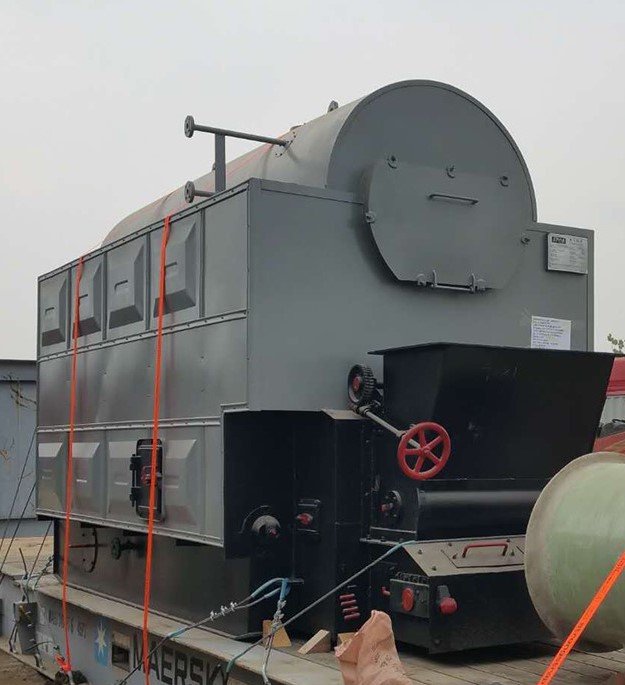
How to Perform a Lifecycle Cost Analysis for an Industrial Steam Boiler

How to Perform a Lifecycle Cost Analysis for an Industrial Steam Boiler

Industrial steam boilers are a cornerstone of energy-intensive operations—but selecting the right system goes beyond the initial purchase price. Many companies make costly mistakes by overlooking the long-term operational, maintenance, and energy consumption costs. To make a smart investment, you must perform a Lifecycle Cost Analysis (LCCA) that reveals the total cost of ownership (TCO) over the boiler’s lifespan, typically 15–30 years.

To perform a lifecycle cost analysis for an industrial steam boiler, assess all direct and indirect costs from purchase to decommissioning. This includes capital expenditure (CAPEX), installation, fuel or energy costs, water treatment, maintenance, emissions compliance, operator labor, and potential downtime. Use this data to calculate metrics like Net Present Value (NPV), Return on Investment (ROI), and Payback Period. A well-executed LCCA helps decision-makers compare technologies, anticipate expenses, and select the most cost-effective boiler solution.

Here’s how to structure a robust, data-driven LCCA for your steam boiler system.

What Is Lifecycle Cost Analysis (LCCA), and Why Is It Critical for Steam Boiler Selection?

When selecting a steam boiler for an industrial facility, it’s tempting to focus solely on purchase price—but that figure represents only a fraction of what the boiler will truly cost over its lifetime. Once installed, a steam boiler incurs fuel expenses, maintenance, repairs, water treatment, downtime losses, and eventual decommissioning. That’s why successful plant owners and engineers rely on Lifecycle Cost Analysis (LCCA)—a financial assessment method that models total ownership cost from purchase through disposal.

Lifecycle Cost Analysis (LCCA) is a financial planning tool used to calculate the total cost of owning and operating a steam boiler over its entire useful life. It includes initial capital expenses (CAPEX), operational costs (OPEX), maintenance, energy use, downtime, emissions compliance, and end-of-life costs. LCCA is critical for steam boiler selection because it reveals the most cost-effective and sustainable solution over 20–30 years—helping facilities avoid underperforming systems, budget overruns, and costly retrofits.

With LCCA, buyers stop asking “What’s the cheapest boiler to buy?”—and start asking “What’s the smartest boiler to own?”

Lifecycle Cost Analysis is essential for selecting steam boilers because it accounts for long-term operational and fuel costs, not just purchase price.True

These long-term costs often exceed the initial investment by five to ten times over the boiler's lifetime.


🧾 What Costs Are Included in an LCCA?

CategoryDescription
CAPEX (Capital Cost)Equipment, installation, piping, permits
Fuel CostLargest OPEX—based on fuel price and efficiency
Maintenance & RepairsAnnual servicing, part replacement, shutdown costs
Water & Chemical TreatmentBlowdown, softeners, dosing agents
LaborOperators, technicians, monitoring
Emissions ComplianceReagents (e.g. ammonia), permits, testing, carbon cost
Insurance & OverheadOperational risk coverage, plant insurance
DecommissioningRemoval, disposal, site remediation (optional)

In steam systems, fuel cost alone may account for 60–75% of the total lifecycle cost.


📊 Example: 10-Year LCCA Comparison (Steam Boiler Options)

Cost Element (USD)Firetube Boiler (Gas)Water Tube Boiler (Oil)
CAPEX$180,000$280,000
Fuel (natural gas vs. oil)$1.2 million$1.65 million
Maintenance$85,000$120,000
Emissions & Water Treatment$45,000$70,000
Labor$210,000$210,000
Total LCCA (10 years)$1.72 million$2.33 million

Despite a higher initial price, the gas system saves over $600,000 over its lifecycle due to lower fuel and emissions costs.


📈 Why LCCA Matters for Steam Boiler Selection

ReasonImpact on Business Decision
Identifies the most cost-effective systemBased on total cost, not lowest bid
Reduces financial riskAvoids unexpected OPEX overruns
Aligns with sustainability goalsIncludes emissions, water usage, carbon pricing
Justifies long-term investmentsSupports ROI, TCO, and capital approval
Informs predictive maintenanceHelps allocate O&M budgets based on lifecycle phases

Boiler lifecycle costs are often five to ten times the initial capital cost when fuel, maintenance, and compliance are considered.True

Focusing only on CAPEX leads to suboptimal decisions that cost more over time.


🔍 Key Inputs for Accurate LCCA Modeling

Input ParameterWhy It Matters
Boiler efficiency (%)Impacts fuel usage and emissions
Fuel cost projectionsDrives most of the OPEX
Operating hours per yearHigher loads = faster payback, more wear
Discount rateUsed to calculate net present value (NPV)
Maintenance scheduleAffects service costs and downtime risks
Emissions cost assumptionsReflect compliance costs and policy risk

✅ When Should LCCA Be Performed?

Project TypeLCCA Recommendation
New plant designEarly feasibility stage
Boiler replacementDuring budgeting and RFP stage
Fuel switch or emissions upgradeBefore applying for incentives or compliance funding
Efficiency retrofit evaluationTo validate ROI of burner or control upgrades

Summary

Lifecycle Cost Analysis (LCCA) is not just a spreadsheet exercise—it’s a strategic decision-making framework that empowers engineers, facility managers, and financial teams to choose the most economical and future-ready steam boiler. By factoring in every dollar the boiler will consume or save—over years of fuel, labor, maintenance, and emissions—LCCA ensures that short-term pricing doesn’t blind decision-makers to long-term performance. In today’s high-stakes energy environment, the best boiler is the one that costs the least over its life, not just at the point of sale. LCCA is how you find it.

What Capital and Installation Costs Should Be Included in the Analysis? 

When conducting a Lifecycle Cost Analysis (LCCA) or evaluating project feasibility for a new or replacement industrial steam boiler, one of the first steps is to establish a clear and complete capital expenditure (CAPEX) baseline. However, many decision-makers focus only on the boiler purchase price and overlook installation, site prep, auxiliary systems, controls, and startup costs—leading to underbudgeted projects, scope creep, and delayed ROI.

For industrial steam boilers, capital and installation costs include not only the boiler unit itself but also auxiliary systems (feedwater, blowdown, fuel delivery), structural integration, emission controls, controls/instrumentation, commissioning, and project management. These costs typically range from $400 to $1,200 per kW of capacity depending on boiler type, complexity, and emissions requirements. Comprehensive CAPEX accounting is essential for accurate lifecycle modeling and investment planning.

To understand the true cost of a boiler, you must look beyond the steel—and account for the system.

Installation, auxiliaries, and commissioning often double the capital cost of the boiler equipment itself.True

A boiler alone cannot operate without integrated piping, fuel systems, feedwater prep, control systems, and flue gas handling.


📊 Typical Capital Cost Breakdown – Industrial Steam Boiler Project

Cost Component% of Total Installed CAPEXDescription
Boiler Unit (shell, burner)25–35%Pressure vessel, flame tube, insulation, burner
Feedwater & Blowdown Systems10–15%Pumps, deaerator, tank, water softeners, chemical dosing
Piping, Valves & Steam Headers10–12%Steam distribution, condensate return, boiler connections
Fuel Handling & Delivery5–10%Oil storage tank, filters, pumps, piping
Stack & Emissions Equipment5–10%Chimney, draft fans, NOₓ/PM controls (if applicable)
Control Systems (DCS/PLC/HMI)8–12%Combustion controls, safety interlocks, sensors, data logging
Electrical & Integration5–7%Motors, switchgear, wiring, MCC
Structural & Foundations4–6%Concrete pad, supports, access platforms
Project Engineering & Permitting3–5%Design, approvals, emissions/air permits
Startup & Commissioning2–4%Test firing, tuning, training

A $400,000 boiler purchase may result in a $900,000+ installed project when all real costs are included.


🔧 Key Installation Cost Categories (Expanded)

1. Boiler Skid + Pressure Parts

  • Includes shell, burner, mount, insulation, manway, control panel.

  • Often excludes valves, trim piping, and stack.

2. Mechanical Installation

  • Rigging, setting, alignment, field welding.

  • Pipefitting steam, fuel, condensate, feedwater loops.

3. Utility Tie-Ins

  • Electrical connection to MCC/switchgear.

  • Gas or oil piping from tank farm or main.

  • Condensate/return line routing.

4. Feedwater System

  • Softener system (single or dual tank).

  • Deaerator and makeup tank.

  • Boiler feed pump sizing and install.

5. Controls and Instrumentation

  • PID controllers, modulating valves, O₂ trim sensors.

  • Alarm annunciators, fault recording, interlocks.

6. Flue & Emissions System

  • Stack height to meet draft and code.

  • NOₓ burner upgrades or FGR.

  • PM or opacity control where mandated.

7. Site Work & Permitting

  • Emissions permit (NOₓ, PM, CO).

  • Environmental clearance or zoning approval.

  • On-site training and SOP development.

Installation, control integration, and utility tie-ins often exceed the cost of the boiler pressure vessel itself.True

Most operational costs and scope complexity lie in what supports and surrounds the boiler—not the boiler alone.


💵 Example: Installed Cost for 3,500 kg/h Oil-Fired Steam Boiler (10 Bar)

ItemEstimated Cost (USD)
Boiler Unit (w/ burner)$160,000
Feedwater Skid & Pumps$55,000
Water Softening & Chemicals$22,000
Oil Storage Tank + Fuel Pumps$48,000
Steam Header + Piping$35,000
Chimney & Draft System$26,000
Control System (PLC + sensors)$40,000
Electricals (MCC, cabling, motors)$28,000
Foundation + Structural Works$25,000
Engineering, Permits & Commissioning$31,000
Total Installed Cost~$470,000

🧾 Common Oversights in CAPEX Planning

Commonly Missed ElementRisk if Not Included
Control integration (DCS/PLC)Delayed commissioning, rework
Flue draft or chimney costStack code violations
Water treatment infrastructureEarly scaling and warranty voids
Emissions compliance gearPermit rejection or retrofits
Fuel system upgradesStarvation or combustion failure
Training and O&M documentationOperator errors, insurance issues

Summary

When selecting an industrial steam boiler, the purchase price tells only half the story. A complete and effective Lifecycle Cost Analysis must include every element of capital and installation cost, from the boiler itself to the pumps, tanks, controls, and compliance systems that make it operational. Ignoring these costs leads to unrealistic ROI projections, budget overruns, and underperforming systems. By planning for the true installed cost, facility owners gain financial clarity, engineering accuracy, and the confidence to make long-term, cost-effective boiler investments. Because in the world of industrial steam, what you install beyond the boiler determines how well it performs.

How Do You Project Long-Term Fuel, Water, and Treatment Costs Accurately? 

For industrial steam boilers, fuel, water, and chemical treatment expenses make up the lion’s share of lifetime operating costs. Even small fluctuations in fuel price or water chemistry can shift total lifecycle costs by hundreds of thousands to millions of dollars over a 20–30-year operating window. As such, accurate projections of these recurring expenses are essential for realistic Lifecycle Cost Analysis (LCCA), ROI calculations, and procurement decisions.

To accurately project long-term fuel, water, and treatment costs for industrial steam boilers, you must model consumption based on boiler efficiency, load factor, and water usage rates; apply historical utility rates and supplier contracts; and account for inflation, fuel volatility, and treatment escalation. This involves using audited boiler data, fuel and water price trends, and chemical dosing schedules—factoring in operational hours and future regulatory changes. The result is a data-driven, transparent operating cost forecast that improves decision-making and financial planning.

Smart boiler selection is not just about heat—it’s about predicting what it will cost to keep that heat flowing for decades.

Fuel and water costs typically account for over 70% of a steam boiler’s lifetime operating expenses.True

These consumables are required continuously, and small inefficiencies scale massively over years of operation.


🔧 Step-by-Step Guide to Cost Projection

1. Establish Realistic Operating Parameters

ParameterRequired for Cost Modeling
Boiler capacity (kg/h or MMBtu/h)Determines baseline fuel/water load
Boiler efficiency (%)Impacts fuel input per unit of steam output
Load factor (% of capacity used)Daily and seasonal variability
Annual operating hoursImpacts fuel, water, chemical consumption
Feedwater cycle lossesAffects blowdown and makeup water rates

Use actual or audited runtime data if available. Avoid relying on nameplate assumptions alone.


2. Project Long-Term Fuel Costs

Fuel Projection StepInput Needed
Select fuel type (e.g. No. 2 oil, Bunker C)Market-specific base pricing
Determine boiler efficiency (η)Typically 82–89% for oil-fired systems
Use consumption formula: 
  
Annual Fuel Use (GJ) = Steam Load (GJ) ÷ Boiler Efficiency (η) 
  
  
Apply 10–20 year average price trendAdjust for inflation or hedging
Model volatility range (±15–30%)Account for geopolitical or supply risks

📊 Example: Fuel Cost Forecast

ParameterValue
Steam Load6,000 kg/h, 8,000 hrs/yr
Fuel UsedNo. 2 fuel oil
Boiler Efficiency85%
Fuel Price (2025 average)$3.40 per gallon
Estimated Fuel Cost/Year~$870,000
10-Year Projected Cost (with 2% inflation)~$9.8 million

Accurate long-term fuel modeling must account for boiler efficiency, runtime, and fuel price escalation.True

Ignoring inflation and load variability underestimates the financial burden of operating a steam boiler.


3. Estimate Water & Make-Up Usage

Calculation ComponentDetail
Feedwater RateBased on boiler load and steam usage
Blowdown RateTypically 2–8% of feedwater volume
Makeup Water Required= Blowdown + steam losses
Water Unit CostMunicipal or on-site treatment pricing
Water Use Formula: 
  
Makeup Water (m³/year) = [Steam Output × Hours × Blowdown%] ÷ (1 - Return Rate) 
  
  
Add softening/RO costs if applicableFilter replacement, electricity, brine

💧 Example: Water Cost Projection

ParameterValue
Steam Production8,000 hrs × 6,000 kg/h
Blowdown Rate5%
Water Unit Price$3.50 per 1,000 gallons
Estimated Annual Cost~$14,000
20-Year Projection (with treatment)~$350,000+

4. Forecast Chemical Treatment Costs

StepInput
Determine treatment regimeBased on boiler pressure and feedwater
Estimate dosing per m³ or per hourUse supplier recommendations
Track chemical costsScale inhibitors, pH control, oxygen scavengers
Include monitoring & testing kitsConsumables + labor if outsourced
Annual chemical budget$6,000 – $25,000 typical (mid-size plant)

Expect price escalation of 2–4%/year due to chemical inflation and regulatory changes.


📋 Consolidated Forecast Table Example – 15-Year Projection

Cost CategoryBase Annual CostEscalation Rate15-Year Estimated Total
Fuel (No. 2 oil)$870,0002.5%~$15.8 million
Water Supply & Treatment$14,0002%~$245,000
Chemical Dosing$12,0003%~$215,000
Total Consumables Cost~$16.26 million

Summary

In steam boiler ownership, what you burn and what you boil determine the majority of your operating cost. Accurately projecting fuel, water, and treatment expenses requires more than guesswork—it demands engineering rigor, historical price data, and operational transparency. From fuel price curves to blowdown percentages, each input shapes the cost trajectory of your boiler for decades. By modeling these inputs carefully, you gain a realistic, defensible operating budget—and the confidence to choose the boiler that won’t just perform, but perform profitably for the long haul.

What Are the Expected Maintenance, Inspection, and Repair Costs Over Time? 

An industrial steam boiler is a high-pressure, high-temperature system subject to extreme thermal cycling, chemical exposure, and mechanical stress. Over time, this environment leads to wear, corrosion, scaling, and component degradation—making regular maintenance, inspection, and repair essential to ensure safe operation, thermal efficiency, and compliance with codes. While maintenance can’t eliminate all wear, it significantly reduces unscheduled downtime, repair costs, and catastrophic failures.

For industrial steam boilers, the expected maintenance, inspection, and repair costs over time range from 2% to 5% of the boiler’s capital value per year. This includes preventive maintenance (PM), annual safety inspections, major overhauls, and unplanned repairs. Over a 20–25-year lifecycle, cumulative O&M costs can exceed 60–80% of the initial capital investment, depending on fuel type, load factor, water quality, and control systems. Proactive maintenance reduces long-term costs by preventing major failures and sustaining peak efficiency.

A boiler’s performance doesn’t decline with age—it declines with neglect.

Routine maintenance and inspections are essential to minimize long-term repair costs and ensure safety in industrial steam boilers.True

Preventive programs catch wear, corrosion, and fouling before they cause system-wide damage or unplanned shutdowns.


🔧 Categories of Maintenance Costs

CategoryDescriptionFrequency
Preventive Maintenance (PM)Cleaning, lubrication, testing controls, blowing downMonthly to Quarterly
Annual InspectionsUltrasonic thickness testing, safety valve calibrationAnnually (required by law)
OverhaulsRefractory relining, tube bank cleaning/replacementEvery 3–5 years
Unplanned RepairsFan bearing failures, pump seal leaks, electrical faultsAs needed
Water Treatment MaintenanceResin replacement, softener service, dosing recalibration1–2 times per year
Instrumentation CalibrationSensors, transmitters, PLC logic tuningAnnually or bi-annually

📊 Annual Maintenance & Inspection Cost Estimates

Boiler Size (Steam Output)Annual Maintenance & Repair Cost (USD)
1–2 tons/hour (Small)$5,000 – $12,000
5–10 tons/hour (Medium)$15,000 – $40,000
15–30 tons/hour (Large)$50,000 – $100,000+

A well-maintained system costs less to operate and has fewer unexpected shutdowns.


📈 Long-Term Cost Projection (20-Year Horizon)

Cost ElementAverage Cost/YearCumulative Over 20 Years
PM + Safety Checks$8,000$160,000
Annual Compliance Inspection$5,000$100,000
Major Overhauls (every 5 years)$40,000$160,000
Emergency Repairs (avg.)$6,000$120,000
Instrumentation Recalibration$4,000$80,000
Total Estimated Lifecycle Maintenance$620,000

For a $300,000–$500,000 boiler, O&M equals 125–200% of initial CAPEX over 20–25 years.


🔍 Common High-Cost Repairs and Their Triggers

Component AffectedCommon FailuresRepair Cost Range (USD)
Waterwall TubesErosion, scaling, pitting leaks$5,000 – $20,000+
Burners & IgnitersNozzle wear, fouling, misfire$3,000 – $10,000
Feedwater PumpsSeal leaks, bearing failure$2,500 – $7,000
Refractory BrickworkCracking, hot spots, degradation$10,000 – $30,000
Flame Sensors/PLCFaulty readings, false shutdowns$2,000 – $6,000
Stack or Draft FanMotor failure, impeller erosion$4,000 – $12,000

Major steam boiler repairs can cost tens of thousands of dollars, especially if failures are not caught during routine inspections.True

Neglecting maintenance leads to accelerated wear and higher cost interventions over time.


✅ Best Practices to Minimize Lifecycle Maintenance Costs

StrategyBenefit
Implement CMMS (maintenance software)Tracks schedules, logs failures
Use predictive tools (vibration, thermography)Catches faults early
Train in-house operatorsReduces reliance on expensive emergency service
Conduct pre-season burner checksAvoids startup failures
Partner with OEM-certified service teamsEnsures correct replacement specs
Maintain water chemistry & blowdownPrevents tube scale and corrosion

Summary

Over its lifetime, an industrial steam boiler may cost more to maintain and repair than it did to install. But with a smart, disciplined maintenance strategy—including regular inspections, predictive analytics, and proper water treatment—these costs can be kept under control. A well-maintained boiler lasts longer, operates more efficiently, and stays compliant with safety regulations. In industrial steam, reliability is not luck—it’s planned, scheduled, and earned through ongoing investment.

How Do Regulatory Compliance, Emissions, and Efficiency Losses Affect Lifecycle Expenses? 

In the lifecycle of an industrial steam boiler, regulatory compliance, emissions control, and efficiency losses aren’t just operational concerns—they’re significant financial drivers. Over 20–30 years, these elements can add hundreds of thousands to millions of dollars in operating expenses if not properly managed. Governments increasingly regulate emissions (NOₓ, SO₂, PM, and CO₂), while energy costs rise and equipment ages. Facilities that fail to address these factors early on face higher fuel bills, environmental fines, and forced capital upgrades—all of which erode the return on investment.

Regulatory compliance, emissions control, and efficiency losses affect the lifecycle expenses of industrial steam boilers by driving up fuel costs, adding monitoring and treatment expenses, and increasing the likelihood of fines or retrofits. Boilers that operate below efficiency or exceed emissions thresholds consume more fuel, incur higher reagent costs, and may require upgrades to stay permitted. Over time, these hidden costs can exceed the boiler’s original capital investment if not anticipated and controlled.

Compliance isn’t optional—and neglecting efficiency is the most expensive mistake you’ll never see coming until it’s too late.

Efficiency loss and emissions compliance are major contributors to long-term boiler operating costs, often exceeding maintenance costs.True

Falling efficiency raises fuel bills dramatically, while emissions regulations require costly monitoring and equipment upgrades.


📊 Lifecycle Impact Categories Breakdown

CategoryFinancial Impact Over Lifecycle (Est. %)
Fuel/efficiency loss50–65%
Emissions compliance (NOₓ, SO₂, CO₂)10–20%
Monitoring & inspections5–10%
Retrofits & penalties5–15% (risk-weighted)
Routine maintenance10–15%

🔥 1. Efficiency Loss: Fuel Cost Multiplier

Cause of Efficiency LossImpact on Fuel Consumption
Tube scaling or fouling2–8% more fuel required per MWh
Soot/ash buildup on heat surfacesUp to 10% drop in heat transfer
Burner misalignment or poor O₂ control3–6% increase in excess air/fuel waste
Improper blowdown or feedwater tempReduces steam energy output per unit fuel

📉 Example: Fuel Cost Escalation with 6% Efficiency Loss

| Base Fuel Cost/Year: $900,000 |
| Efficiency Loss: 6% |
| Additional Fuel Cost/Year: ~$54,000
| 20-Year Impact: ~$1.08 million

Just 1% loss in efficiency can raise annual fuel bills by $9,000–$30,000 depending on boiler size and fuel type.


🌫️ 2. Emissions Compliance Costs

ComponentCost Range (Annual)Notes
NOₓ burner tuning/upgrades$3,000 – $25,000Required for air permit renewals
Emissions testing & CEMS$5,000 – $12,000Annual or bi-annual compliance
SO₂/PM controls (if oil-fired)$8,000 – $25,000Baghouse or wet scrubber if required
CO₂ carbon pricing/tax$20–$90/ton (future trending)Adds $15,000–$75,000/year in carbon-heavy markets

Fines for non-compliance can exceed $100,000/year or result in shutdown orders.


🧾 3. Regulatory Inspection & Monitoring Costs

RequirementFrequencyTypical Cost (USD/year)
Annual boiler inspection (ASME/insurance)Yearly$3,000 – $7,500
State air quality permit renewalEvery 3–5 yrs$2,500 – $10,000
Stack testing & lab analysisYearly$4,000 – $8,000
Control recalibration & certificationAnnually$1,500 – $3,000

Industrial boilers require recurring emissions testing, instrumentation checks, and environmental reporting to maintain operating permits.True

Failing to comply can lead to fines, increased oversight, and potential shutdown.


🧰 4. Retrofit & Non-Compliance Risk Costs

ScenarioLikely Cost Impact (USD)
Retrofit for low-NOₓ burners$25,000 – $60,000
Stack upgrade for opacity/PM$30,000 – $90,000
Emergency derating due to violations$100,000+ in lost output
Legal/regulatory penalties$10,000 – $250,000

📈 Projected 20-Year Lifecycle Cost Model Example

CategoryCost Estimate (USD)
Fuel usage (base)$16 million
Efficiency degradation impact (6%)+$1.08 million
Emissions compliance costs$400,000
Testing, monitoring, permits$180,000
Efficiency-related repairs$300,000
Total Additional Lifecycle Expense~$2 million+

✅ Mitigation Strategies

ActionImpact
Annual burner calibration & O₂ tuningMaintains high combustion efficiency
Scheduled tube cleaning/descalingPreserves heat transfer effectiveness
Install economizer & stack temp monitorDetects declining efficiency early
Use predictive analytics for foulingPrevents unplanned fuel waste
Track emissions data in real-timeAvoids permit violations

Summary

The cost of operating a steam boiler isn’t just about fuel or maintenance—it’s about staying compliant, efficient, and in control over decades of use. Failure to manage emissions or efficiency loss compounds into higher operating costs, costly retrofits, and legal risk. With tighter environmental regulations and rising energy prices, the most successful facilities treat compliance and efficiency as ongoing investments—not one-time upgrades. In a modern industrial boiler room, compliance is currency, and efficiency is equity. Don’t lose either.

How Can TCO, ROI, and Payback Period Be Calculated to Guide Procurement Decisions?

When purchasing a new industrial steam boiler, the decision isn’t just about buying the cheapest unit—it’s about selecting the boiler that will deliver the best value over its entire lifecycle. To do this effectively, procurement teams and plant managers must calculate three key financial metrics: Total Cost of Ownership (TCO), Return on Investment (ROI), and Payback Period. These tools allow decision-makers to compare systems based on real operating costs, not just initial price tags.

TCO, ROI, and Payback Period are financial metrics used to evaluate the cost-effectiveness of an industrial steam boiler investment. TCO calculates the total cost over the boiler’s life—including capital, fuel, maintenance, and compliance. ROI measures the percentage return on that investment based on savings or revenue generation. Payback Period tells you how long it takes for savings to recover the initial cost. These calculations help buyers compare boiler options objectively and choose the system that provides the best long-term financial performance.

You don’t just buy a boiler—you invest in decades of efficiency, reliability, and compliance.

TCO, ROI, and Payback Period are essential financial metrics for comparing steam boiler investments and optimizing procurement decisions.True

They provide a complete picture of cost, benefit, and financial return over the system’s operating life.


🧮 1. Total Cost of Ownership (TCO)

TCO = CAPEX + OPEX over lifecycle

CategoryDescription
CAPEXPurchase, installation, and auxiliary equipment
Fuel CostsLargest lifecycle cost—based on efficiency/load
Maintenance & RepairsPreventive and corrective service over years
Water & TreatmentBlowdown, softeners, dosing chemicals
Emissions ComplianceReagents, testing, carbon tax, NOₓ/PM controls
Monitoring & LaborAnnual inspection, staff costs
DecommissioningSite cleanup, equipment removal (optional)

📊 Example – 15-Year TCO Comparison

Boiler TypeOil-Fired System AHigh-Efficiency System B
Installed CAPEX$350,000$450,000
15-Year Fuel Cost$7.5 million$6.1 million
Maintenance & Parts$450,000$400,000
Compliance & Testing$280,000$200,000
Total TCO$8.58 million$7.15 million

Even with higher upfront cost, System B saves $1.43 million over 15 years.


📈 2. Return on Investment (ROI)

ROI = (Net Savings or Gains ÷ Total Investment) × 100%

🧾 Simple ROI Formula:

ROI = [(TCO of baseline – TCO of selected option) ÷ CAPEX of selected option] × 100

📋 Example:

  • TCO of baseline boiler: $8.58 million

  • TCO of selected boiler: $7.15 million

  • Net savings = $1.43 million

  • Investment (CAPEX) = $450,000

ROI = ($1.43M ÷ $0.45M) × 100 = **317.8%**

Every $1 spent yields $3.17 in savings over 15 years.


⏳ 3. Payback Period

Payback Period = Initial Investment ÷ Annual Net Savings

ItemValue
Investment (CAPEX difference)$100,000
Annual savings in fuel, O&M$95,000
Payback Period~1.05 years

After the payback period, all savings become profit for the remainder of the boiler’s life.


🧾 Sample Consolidated Boiler Financial Summary

MetricValue
Installed Cost (CAPEX)$450,000
Total 15-Year OPEX$6.7 million
TCO (15 years)$7.15 million
Net Savings (vs. baseline)$1.43 million
ROI318%
Payback Period~1.05 years

Boilers with higher upfront cost can yield higher ROI and faster payback when total fuel and maintenance savings are considered.True

Procurement decisions should be based on lifecycle economics, not purchase price alone.


✅ Best Practices for Accurate Financial Analysis

StrategyPurpose
Use vendor-provided efficiency dataEnsures realistic fuel consumption models
Include utility escalation assumptionsReflects true operating cost trends
Include permit and compliance factorsPrevents future surprise costs
Compare multiple vendor bidsEnsures accurate CAPEX benchmarking
Involve finance & operations teamsCross-checks cost projections and risks

Summary

In the procurement of industrial steam boilers, total value matters more than sticker price. Using TCO, ROI, and Payback Period as decision tools empowers buyers to assess boiler systems based on how much they’ll cost, how much they’ll save, and how soon they’ll pay for themselves. These metrics bring clarity to long-term cost planning and help facilities choose systems that maximize efficiency, minimize emissions, and deliver financial performance year after year. In boiler investment strategy, the smartest spenders are the ones who calculate before they commit.

🔍 Conclusion

Lifecycle cost analysis is an essential tool for evaluating the true value and risk of an industrial steam boiler investment. By factoring in both upfront and recurring costs, LCCA allows you to compare systems fairly, plan for long-term expenses, and avoid underperforming assets. The result: a smarter purchase, more efficient operations, and greater financial and environmental sustainability.


📞 Contact Us

💡 Need assistance conducting a boiler lifecycle cost analysis? Our team offers custom LCCA models, energy usage forecasting, and procurement consulting tailored to your application.

🔹 Let us help you choose a steam boiler that delivers long-term performance, efficiency, and value! ♨️📊💰

FAQ

What is a lifecycle cost analysis (LCCA) for an industrial steam boiler?

Lifecycle cost analysis is a financial evaluation of all costs associated with a steam boiler over its operational lifespan. This includes:

  • Capital cost (purchase + installation)

  • Fuel consumption over time

  • Operation and maintenance (O&M)

  • Water treatment and emissions compliance

  • Decommissioning or replacement costs
    The purpose is to calculate the Total Cost of Ownership (TCO) to support long-term investment decisions.

What are the main components of a steam boiler lifecycle cost analysis?

  1. Capital Cost – Equipment, controls, auxiliary systems, and installation

  2. Fuel Costs – Based on efficiency, run hours, and fuel type (gas, oil, biomass)

  3. O&M Costs – Annual inspections, cleanings, replacements, and repairs

  4. Water Treatment – Softening, deaeration, and chemical dosing systems

  5. Compliance Costs – Emissions permits, monitoring systems, and NOx/SOx controls

  6. End-of-Life Costs – Decommissioning or boiler replacement planning

How do you calculate the annual fuel cost for a steam boiler?

Annual Fuel Cost = (Fuel Consumption Rate × Operating Hours × Fuel Price)
Example: A boiler using 10 MMBtu/hr for 6,000 hours/year with natural gas at $10/MMBtu would cost:
10 × 6,000 × $10 = $600,000/year
Adjust for boiler efficiency, which directly impacts actual fuel use.

What is a typical lifespan for a steam boiler?

Industrial steam boilers generally operate for 20–25 years, assuming proper maintenance. This is the baseline period used for lifecycle cost modeling.

Why is LCCA important when selecting or upgrading a steam boiler?

LCCA helps compare long-term value across different boiler types (e.g., fire-tube vs. water-tube), fuels, and efficiency ratings. It ensures you don’t overlook cheaper upfront options that result in higher fuel and maintenance costs over time.

References

  1. Lifecycle Cost Analysis Guidelines – DOEhttps://www.energy.gov

  2. Boiler Efficiency and Cost Modeling Toolshttps://www.iea.org

  3. Fuel Cost Trends and Consumption Calculationshttps://www.eia.gov

  4. Boiler O&M Cost Analysis Reportshttps://www.sciencedirect.com

  5. Water Treatment Cost in Steam Systemshttps://www.epa.gov

  6. Steam Boiler Replacement and Decommissioning Costshttps://www.researchgate.net

  7. Industrial Boiler LCCA Calculator Toolshttps://www.energystar.gov

  8. ASME Guidelines on Steam Boiler Design and Lifespanhttps://www.asme.org

  9. Emission Compliance for Industrial Boilershttps://www.bioenergyconsult.com

  10. NASEO State Energy Office Incentives and Cost Studieshttps://www.naseo.org

Wade Zhang

CEO of Taishan Group Taian Boao International Trade Co., Ltd. 30 years experience in Global industrial boiler market,  Over 300 boiler projects experience, including 21+ EPC projects. Projects span 30+ countries & regions, involving industries such as nuclear power, energy & electricity, municipal heating, mining, textiles, tires etc.

How to Perform a Lifecycle Cost Analysis for an Industrial Steam Boiler Read More »

Upfront and Long-Term Costs of an Industrial Power Plant Boiler

Upfront and Long-Term Costs of an Industrial Power Plant Boiler

Industrial power plant boilers are massive capital assets at the heart of large-scale steam and electricity generation. Choosing the right boiler involves more than just a price tag—without understanding the upfront and long-term costs, operators may face budget overruns, costly inefficiencies, or unexpected regulatory expenses. A complete financial perspective is necessary to ensure reliable performance, compliance, and return on investment over the boiler’s operating life.

The upfront costs of an industrial power plant boiler include the purchase of the boiler itself, site preparation, structural steel, piping, control systems, fuel and ash handling infrastructure, emissions controls, and installation. Long-term costs include fuel consumption, maintenance, system upgrades, staffing, water treatment, ash disposal, emissions compliance, energy losses, and eventual decommissioning or replacement. Since power plant boilers often operate for 25–40 years, fuel and maintenance represent the largest portions of Total Cost of Ownership (TCO).

Here’s a detailed breakdown of both short-term and long-term cost considerations.

What Are the Typical Upfront Capital Costs of a Power Plant Boiler System?

When planning a power generation facility—whether fossil-fueled, biomass, or hybrid—the boiler system is often the single largest capital cost component. This cost goes far beyond just the combustion unit. It includes boiler auxiliaries, fuel systems, emissions controls, electrical systems, water treatment, control instrumentation, civil works, and installation. These elements must be scoped and budgeted meticulously to avoid cost overruns, ensure commissioning success, and support long-term reliability.

The typical upfront capital costs of a power plant boiler system range from $400 to $1,500 per kilowatt (kW) installed, depending on boiler type, fuel source, emissions control requirements, plant size, and site complexity. For utility-scale systems, this translates to $50–200 million for a 100–150 MW facility. The largest cost elements include the boiler island itself, flue gas treatment, fuel and ash handling, and balance-of-plant infrastructure. Proper budgeting ensures that the boiler system is integrated, compliant, and cost-effective over its lifecycle.

Understanding these costs upfront is essential for bankability, feasibility studies, and lifecycle planning.

Total installed capital cost of a power plant boiler system typically represents 40–60% of a thermal plant’s total EPC cost.True

This includes all equipment and infrastructure required to support safe and compliant boiler operation.


🔧 Typical Capital Cost Ranges by Boiler Type

Boiler TypeTypical Cost Range ($/kW installed)Notes
Pulverized Coal (PC) Boiler$1,000 – $1,300High emissions controls and coal handling needed
Circulating Fluidized Bed (CFB)$800 – $1,200Flexible fuel use; more complex refractory/ash systems
Biomass Grate-Fired Boiler$600 – $1,000Lower capacity; extensive fuel handling and drying
Gas-Fired Package Boiler$400 – $800Lower CAPEX; minimal emissions equipment required
Oil-Fired Industrial Boiler$500 – $850Simple design, moderate emissions cost

Costs vary by region, project scale, and technology vendor.


🧮 Capital Cost Example – 150 MW CFB Power Boiler Project

System ComponentEstimated Cost (USD)
Boiler Island (CFB, separators, superheater)$30 million
Fuel Handling & Storage$15 million
Ash Handling Systems$8 million
Flue Gas Cleaning (Baghouse, SNCR)$18 million
Water Treatment & Blowdown$7 million
Electrical Systems (Switchgear, MCCs, cabling)$6 million
Instrumentation & Controls (DCS, CEMS)$5 million
Civil Works & Foundations$10 million
Mechanical Installation & Labor$12 million
Engineering, Design, Permitting$6 million
Total Installed CAPEX~$117 million

Equivalent to $780/kW installed for a high-performance CFB system.


📊 Cost Breakdown by Major System

System or Scope% of Total Boiler CAPEX
Boiler Island25–30%
Fuel & Ash Handling15–20%
Flue Gas Treatment15–20%
Water Systems5–8%
Electrical & Controls10–12%
Civil & Structural10–15%
Engineering & Permitting5–10%

Emissions systems often equal the boiler price in modern compliance-heavy environments.


📋 Key Factors That Influence Capital Cost

FactorImpact on Budget
Fuel TypeSolid fuels (coal/biomass) raise CAPEX
Emissions RegulationSCR, scrubbers, CEMS add major costs
Load Size & RedundancyLarger plants benefit from economies of scale
Site ConditionsGeotechnical work, access, labor costs
Automation & Controls LevelHigher intelligence adds cost but saves OPEX
Technology Vendor & EPC ContractProcurement strategy affects pricing

Fuel type and emissions regulation level are the two most significant factors in determining boiler system capital cost.True

They influence equipment complexity, environmental controls, and permitting scope.


📈 Upfront Investment by Scale

Plant Size (MW)Estimated Installed Boiler CAPEX
25 MW$18 – $25 million
50 MW$35 – $50 million
100 MW$70 – $110 million
150 MW$110 – $160 million
300 MW$220 – $350 million

Costs are project-specific—these are average, planning-grade values.


Summary

The typical upfront capital cost of a power plant boiler system is substantial and multifaceted, encompassing far more than the pressure vessel itself. From fuel logistics and flue gas treatment to water chemistry and automation, the boiler’s infrastructure defines its operational capability, efficiency, and environmental compliance. With cost ranges from $400 to $1,500 per kW installed, depending on technology and fuel type, careful planning and engineering are essential to keep projects on budget and on schedule. In power generation, the real power begins with the right boiler—and the right capital plan to build it.

How Do Auxiliary Systems (Fuel Prep, Ash Handling, Emissions Control) Add to Investment Cost?

When planning and budgeting for a power plant boiler system, the boiler island often gets the spotlight. However, auxiliary systems—such as fuel preparation, ash handling, and emissions control—can account for more than 50% of the total installed cost. These systems are essential for making the boiler functional, efficient, and compliant with environmental regulations. They also vary significantly depending on the fuel type, emissions targets, and site logistics, which means underestimating them can lead to budget overruns and commissioning delays.

Auxiliary systems like fuel preparation, ash handling, and emissions control can add 40% to 70% to the total investment cost of a power station boiler. These systems include conveyors, crushers, silos, pneumatic or mechanical ash conveyors, baghouses, scrubbers, and urea or ammonia dosing for NOₓ reduction. Their complexity and cost are driven by fuel properties, environmental regulations, and plant scale. Fully integrated, these systems ensure the boiler operates cleanly, safely, and efficiently, making them essential—not optional—parts of a complete power boiler project.

Ignoring these costs during planning is like budgeting for a car without the wheels, exhaust, or steering.

Auxiliary systems for fuel, ash, and emissions often exceed the boiler equipment cost in modern power plants.True

Stringent environmental standards and fuel variability require robust auxiliary infrastructure, driving up capital costs.


🔧 Breakdown of Major Auxiliary Systems and Their Functions

System TypeSubsystems IncludedPurpose
Fuel PreparationHoppers, crushers, screens, conveyors, dryersEnsures correct fuel size, moisture, and flow
Ash HandlingBottom ash extractors, fly ash silos, crushersRemoves and stores ash safely and efficiently
Emissions ControlBaghouse, SCR, SNCR, FGD, CEMSReduces NOₓ, SO₂, PM, CO emissions to legal limits
Air & Draft SystemsFD/ID fans, air preheaters, dampersControls air supply and flue gas movement
Water & BlowdownDeaerators, softeners, chemical dosingProtects boiler from scaling and corrosion

Each of these subsystems must be included in initial CAPEX estimates and sized for full load.


📊 Typical Auxiliary Systems Cost Share (% of Total Boiler System Investment)

System TypeShare of Installed Boiler CAPEX (%)
Fuel Handling & Prep10–20%
Ash Handling5–10%
Emissions Control15–25%
Water Treatment3–5%
Electrical & Controls8–12%
Total Auxiliaries40–70%

A modern coal- or biomass-fired boiler’s auxiliaries can double the raw boiler price.


🧮 Example: 100 MW Power Plant Boiler Project – Auxiliary CAPEX

SystemEstimated Cost (USD)
Boiler Island (core unit)$35 million
Fuel Prep & Handling$12 million
Ash Handling$6 million
Emissions Control (Baghouse, SNCR)$18 million
Water Treatment & Blowdown$4 million
Instrumentation & Controls$5.5 million
Electrical Integration$4.5 million
Civil, Foundations, Piping$10 million
Total Project Installed Cost~$95 million

The boiler itself is only 37% of the installed system investment—the rest is auxiliaries.


📋 Capital Cost Sensitivity Based on Fuel and Regulation

VariableCost Impact
High-ash fuel (e.g. lignite)Requires robust ash removal, larger silos
Biomass fuelsNeeds drying, screening, and metering
Petroleum coke or sulfur-rich coalTriggers need for SO₂ scrubbers
Stringent NOₓ limitsRequires SCR instead of cheaper SNCR
Remote sitesHigher civil and transport infrastructure

Fuel properties and emissions standards directly influence the design and cost of boiler auxiliary systems.True

They dictate equipment type, size, redundancy, and regulatory compliance infrastructure.


📈 Auxiliary Systems Payback Potential

Upgrade OptionAdded CAPEXPayback TimeBenefit
High-efficiency baghouse+$2M3–5 yearsLower PM emissions, less wear
Automated ash extraction+$1M2–4 yearsLess labor, fewer shutdowns
Biomass fuel drying system+$3M4–6 yearsHigher boiler efficiency
Low-NOₓ burner system+$1.5M3–5 yearsEmission compliance, fuel savings

Thoughtful auxiliary investment can reduce long-term OPEX and regulatory risk.


Summary

Auxiliary systems—fuel prep, ash handling, emissions control, and balance-of-plant—are integral and capital-intensive components of any power boiler installation. They ensure operability, efficiency, and compliance, and typically account for 40% to 70% of total boiler project costs. Failing to account for these systems in initial budgets leads to costly retrofits and delays. Smart engineering and accurate forecasting turn these support systems from cost burdens into efficiency and compliance assets. In power generation, the boiler may do the burning—but the auxiliaries do everything else to keep the flame burning clean and profitably.

What Long-Term Fuel and Operational Expenses Drive the Majority of Lifecycle Costs?

While the capital investment for a power station boiler is substantial, the majority of its total lifecycle cost (TLC) is determined by long-term fuel and operational expenses. These include not just the fuel consumed to generate thermal energy, but also the costs of maintaining the system, handling ash and emissions, paying for labor, consumables, and managing downtime. In most thermal plants, fuel alone can account for 60–70% of the total cost over a 20–30 year period, making it the single most influential financial factor.

The largest drivers of lifecycle costs in power station boilers are long-term fuel consumption, maintenance and repair, emissions control, and ash handling. Fuel costs represent the bulk of expenses—often exceeding 65% over the life of the asset—while maintenance and environmental compliance add another 20–30%. Variables such as fuel price volatility, ash content, sulfur levels, emissions regulations, and equipment aging further amplify these costs. Understanding and forecasting these expenses is essential for accurate total cost of ownership (TCO) analysis and sound investment planning.

A boiler burns fuel—but over its life, fuel and operations burn through the majority of your budget.

Fuel and operational expenses represent more than 80% of total lifecycle costs in most utility-scale boiler systems.True

These recurring costs—especially fuel and maintenance—far outweigh the initial capital investment over decades of operation.


🔥 Major Lifecycle Cost Drivers in Power Boilers

CategoryDescription% of Total Lifecycle Cost
FuelCoal, biomass, gas, or oil cost over boiler life60–70%
Maintenance & RepairsRefractory, pumps, fans, piping, instrumentation10–15%
Emissions ComplianceBaghouse, SCR/SNCR, limestone, ammonia, reporting8–12%
Ash Handling & DisposalConveyors, crushers, silos, landfill tipping3–6%
Labor & OperationsOperators, engineers, site admin5–8%
Water & Chemical TreatmentDeaerators, blowdown, dosing chemicals2–4%
Insurance, Permits, Misc.Facility coverage, monitoring, permit renewals1–3%

📊 Example: 150 MW CFB Boiler – 20-Year Lifecycle Cost Projection

Cost Element20-Year Estimate (USD)
Fuel (e.g. 500,000 tons/year @ $95 avg)$950 million
Maintenance & Refractory$100 million
Emissions Control (O&M + reagents)$90 million
Ash Handling & Disposal$45 million
Labor & Staffing$60 million
Water Treatment & Consumables$20 million
Insurance & Overhead$15 million
Total Lifecycle Cost~$1.28 billion

Fuel alone accounts for nearly 75% of total lifecycle cost.


📦 Fuel Cost Dynamics – Key Influencers

FactorImpact on Fuel Cost Over Time
Fuel Type (coal vs. biomass)Affects $/ton, CV, ash, sulfur
Moisture & Ash ContentIncreases tonnage burned per MWh
Market VolatilityFossil fuels subject to price swings
Transportation CostsRail, shipping, storage add to $/ton
Energy Density (CV)Lower CV = higher volume and cost

Low-calorific fuels with high moisture or ash content significantly increase lifecycle fuel costs.True

These fuels require more mass to produce the same heat, and create higher ash and emissions burdens.


🛠️ Maintenance Cost Considerations

AreaCommon Repairs & FrequencyCost Range (USD/year)
Refractory ZonesRe-lining cyclones, seal pots$250,000 – $500,000
Pumps & FansBearings, seals, vibration fixes$100,000 – $200,000
Tube Leaks/InspectionsUT scans, hydro tests, welds$150,000 – $300,000
Control System UpkeepCalibrations, PLCs, sensors$75,000 – $150,000

Annual maintenance costs increase with boiler age, ash loading, and fouling.


🌫️ Emissions & Environmental Cost Drivers

Emission TypeControl MethodOngoing Cost Elements
SO₂Limestone injectionLimestone supply, silo upkeep
NOₓSNCR/SCRUrea or ammonia, catalyst change
Particulates (PM)Baghouse/ESPBag replacement, dust collection
CO₂ (tax/credits)Carbon pricing (where applicable)Emissions reporting or offsets
Annual Compliance CostRange (USD)
Moderate regulation$300,000 – $500,000
Stringent regulation$600,000 – $1.2 million

Non-compliance results in fines, permit revocation, or forced derating.


📋 Strategies to Manage Long-Term Cost Drivers

Optimization AreaActionBenefit
Fuel ProcurementSecure long-term contracts, blend fuelsStabilize price & quality
Predictive MaintenanceCondition monitoring, early repairsReduce outages and repair cost
Ash Handling AutomationReduce manual handling and downtimeFewer trips and less O&M labor
Emission TuningAutomated SNCR and O₂ trim controlsReduce reagent use and overshoot
Lifecycle ModelingInclude all O&M and compliance costs upfrontAccurate investment decisions

Predictive maintenance can reduce long-term boiler O&M costs by up to 30% by avoiding unplanned outages.True

Condition-based monitoring catches issues early, extending component life and preventing failures.


Summary

In power station boilers, fuel consumption is by far the largest driver of lifecycle cost, followed by maintenance, emissions control, ash handling, and labor. These costs are magnified by the nature of the fuel (moisture, ash, sulfur), regulatory environment, and operating hours. While the boiler’s capital cost is substantial, it is the fuel and daily operations that define financial performance over decades. Long-term planning that includes accurate OPEX modeling and optimization strategies is critical to managing these drivers. In thermal generation, success lies not just in how a boiler is built, but in how economically it can be kept running.

What Are the Ongoing Maintenance, Labor, and Part-Replacement Costs?

Power station boilers operate under continuous high-pressure, high-temperature, and chemically aggressive environments. Over time, these conditions lead to wear, erosion, corrosion, and fatigue in critical components—necessitating planned maintenance, skilled labor, and part replacements to ensure safety, efficiency, and availability. These recurring costs are substantial and account for 10–20% of total annual operational expenses, depending on boiler type, fuel, and runtime. Budgeting for these correctly is essential to avoid unplanned outages and financial surprises.

Ongoing maintenance, labor, and part-replacement costs in power station boilers include annual inspections, preventive overhauls, refractory relining, burner and fan servicing, tube replacements, control calibrations, and labor staffing. These costs typically range from $5–15 per MWh or $500,000 to over $2 million per year for medium-to-large plants. Failure to maintain key components leads to forced outages, derating, and exponentially higher emergency repair expenses.

Planned maintenance costs far less than unplanned failure—and every hour of uptime depends on every dollar spent on upkeep.

Annual maintenance and part replacement costs for utility-scale boilers range from $500,000 to over $2 million depending on scale and fuel type.True

Fuel ash content, load factor, emissions systems, and age all influence recurring maintenance needs.


🔧 Breakdown of Major Maintenance & Part Replacement Areas

Component AreaMaintenance ScopeFrequency
Boiler TubesInspection (UT), leak detection, re-tubingAnnually / 3–6 years
RefractoryVisual check, hot-spot scans, patching or reliningEvery 1–3 years
Fans (ID, FD, PA)Bearing checks, motor alignment, vibration analysisQuarterly
Burners and ValvesCleaning, nozzle replacement, flow checksSemi-annually
Pumps (Boiler feed, condensate)Seal changes, vibration, wear part swapsAnnually
Sootblowers / Ash SystemsLance inspection, gearbox greasing, nozzle swapAnnually
Control SystemsPLC calibration, HMI replacement, actuator tuningAnnually

📊 Example Annual Maintenance Cost Range – 150 MW Coal-Fired Boiler

Cost ItemTypical Annual Cost (USD)
Tube Leak Repair & Inspections$200,000 – $400,000
Refractory Patching / Relining$150,000 – $300,000
Pump & Fan Maintenance$100,000 – $200,000
Burner Servicing$50,000 – $100,000
Ash & Soot Handling Gear$40,000 – $90,000
Instrumentation & PLC Upkeep$60,000 – $120,000
Total Maintenance Cost$600,000 – $1.2 million

Aged plants or those running >7,500 hours/year may spend 20–30% more on parts and service.


🧑‍🏭 Labor Staffing and Operational Costs

RoleHeadcount (Typical)Annual Cost per Role (USD)
Control Room Operators4–6$300,000 – $450,000
Maintenance Technicians3–5$200,000 – $350,000
Electrical & Instrumentation2–3$150,000 – $250,000
Management & Admin1–2$100,000 – $180,000
External Services/Consultants$80,000 – $200,000
Total Labor (Annual)$850,000 – $1.4 million

Labor costs vary based on region, unionization, and shift coverage (24/7 vs. 5-day).


🔩 Commonly Replaced Parts and Their Cost Impact

Part NameReplacement CycleUnit Cost (USD)Notes
Waterwall Tubes (sectional)3–7 years$8,000 – $15,000Per tube bank
Refractory Castables2–3 years$300 – $500/tonCyclones, loop seals
Sootblower NozzlesAnnually$500 – $1,200Can erode with high ash
Fan Bearings & Seals2–4 years$2,000 – $5,000Critical to avoid vibration failures
Burners or Lances2–5 years$10,000 – $30,000More for low-NOₓ or gas burners
Control Modules (PLCs, HMIs)5–10 years$5,000 – $15,000Obsolescence or surge failure

Some spares must be kept on-site to avoid long lead times and costly downtime.


📈 Annual Lifecycle Cost Percentages (Tied to Maintenance & Labor)

Category% of Annual OPEX
Fuel60–70%
Maintenance + Parts10–15%
Labor8–12%
Emissions Reagents5–8%
Water Treatment & Others2–5%

Combined, maintenance, labor, and spares = 20–30% of yearly operating budget.


📋 Strategies to Control Maintenance & Replacement Costs

MethodBenefit
Predictive Maintenance (vibration, temperature, corrosion)Avoids major failures and extends life
Standardized parts across unitsSimplifies inventory and lowers cost
Maintenance planning softwarePrevents missed inspections and logs failures
Annual shutdown optimizationConsolidates repairs into fewer events
OEM service contractsReduces emergency rates and costs

Properly planned preventive maintenance reduces part failure rates by over 30% in industrial boiler systems.True

Scheduled servicing extends the life of critical components and prevents catastrophic breakdowns.


Summary

Ongoing maintenance, labor, and part-replacement costs are critical and recurring expenses in power station boiler operations. From tubes to fans, sootblowers to sensors, every component has a wear cycle—and every failure carries a price. Combined with skilled labor needs and planned overhauls, these costs typically reach $1–2 million per year for a 100–150 MW boiler system. Managing them proactively through scheduling, monitoring, and intelligent stocking is key to keeping efficiency high, downtime low, and operating budgets under control. In boiler economics, it’s not just what you install—it’s what you maintain that makes all the difference.

How Do Emissions Regulations and Carbon Compliance Shape Future Operating Costs?

As global and regional efforts to combat climate change and air pollution intensify, power station boilers are under mounting pressure to operate cleaner and more efficiently. Emissions regulations—including limits on SO₂, NOₓ, PM, mercury, and CO₂—have become increasingly strict, requiring continuous compliance and long-term investment in emissions control technologies. At the same time, carbon compliance mechanisms like taxes, trading schemes, and offsets are introducing new cost layers that directly affect the future profitability of thermal power plants.

Emissions regulations and carbon compliance shape future operating costs for power station boilers by requiring ongoing investment in emissions control equipment, consumables, monitoring, and reporting systems. Carbon pricing mechanisms—such as taxes or cap-and-trade programs—impose direct financial penalties on CO₂ emissions, making fuel choice and boiler efficiency critical cost factors. Over time, these regulatory costs can account for 10–25% of total OPEX, and failure to comply results in steep fines, permit revocation, or forced shutdowns.

In today’s regulatory climate, compliance is not just a requirement—it’s a long-term operating cost.

Carbon and environmental compliance costs are projected to rise steadily, adding up to 25% to boiler operating expenses by 2035.True

Global carbon pricing, regulatory tightening, and ESG pressure increase emissions-related financial burdens.


📋 Key Emissions Regulations Affecting Power Boilers

PollutantRegulatory Limit ExampleCompliance Technology
SO₂<100 mg/Nm³ (EU), <1 lb/MMBtu (US EPA)Limestone injection, dry scrubbers
NOₓ<50 mg/Nm³ (EU), <0.15 lb/MMBtu (US EPA)SNCR, SCR, low-NOₓ burners
Particulates (PM)<10 mg/Nm³ or filterable PM limitsBaghouse, ESP
Hg, HCl, HFTrace emissions (especially for coal)Activated carbon injection
CO₂Carbon pricing/tax or trading permitsFuel switching, offsets, efficiency

💰 Recurring Emissions-Related Operating Costs

Cost ElementAnnual Range (USD)Notes
Reagents (urea, ammonia, limestone)$100,000 – $500,000Tied to NOₓ and SO₂ load
Baghouse Maintenance$80,000 – $150,000Bag replacement, leak detection
SCR Catalyst Replacement$200,000 – $600,000 every 3–5 yearsDependent on firing temperature
CEMS Operation & Calibration$40,000 – $70,000Required for continuous reporting
Emissions Testing & Compliance$20,000 – $50,000Third-party testing, permit renewals

These costs grow as regulation tightens and fuel sulfur or ash content increases.


🌍 Carbon Compliance Cost Structures

MechanismDescriptionCost Impact
Carbon TaxFixed cost per ton of CO₂ emitted$20–$100/ton in many regions
Cap-and-Trade (ETS)Purchase of CO₂ allowances or creditsMarket-driven, volatile pricing
Carbon OffsetsExternal investment in reforestation, etc.$10–$40/ton equivalent
Internal Carbon PricingUsed for budgeting and risk analysis$30–$80/ton (corporate planning)

Example: 100 MW Boiler (Coal-Fired) – Carbon Cost Projection

| CO₂ Emissions (tons/year) | 400,000 – 500,000 |
| Carbon Price ($/ton) | $50 |
| Annual Carbon Cost | $20–25 million|

Over 20 years: $400–500 million in carbon compliance costs.


📊 Emissions Compliance Share of Lifecycle OPEX

Category% of Total Operating Costs
Fuel60–70%
Maintenance & Labor20–25%
Emissions & Carbon10–25% (and growing)
Water & Consumables5–10%

Emissions-related costs are often higher than all other non-fuel O&M combined.


📈 Trends Shaping Future Cost Exposure

TrendLong-Term Impact
Tighter SO₂ & NOₓ limitsHigher reagent use, system upgrades
CO₂ pricing increasesPenalizes fossil fuels, especially coal
Carbon border taxesAdds export/import risks for power producers
ESG & investor scrutinyRequires transparent emissions reporting
Fuel blending and biomass co-firingHelps reduce net CO₂ but adds complexity

Carbon pricing and environmental rules will continue to tighten, with fossil-fired boilers facing the highest cost escalation risk.True

Energy transition policies increasingly target large stationary sources for decarbonization.


🧮 Strategies to Mitigate Compliance Cost Exposure

StrategyBenefit
Co-fire with biomass or low-carbon fuelsReduces net CO₂ output
Upgrade to low-NOₓ burner & SCRFuture-proofs against tightening NOₓ regs
Install predictive monitoring for emissionsOptimizes reagent use
Bank carbon credits earlyHedge against future carbon price spikes
Invest in efficiency gains (turbine/boiler)Reduces emissions per MWh produced

Summary

In today’s regulatory environment, emissions and carbon compliance are no longer just environmental obligations—they are core financial challenges. For power station boilers, these costs are increasing steadily, driven by carbon pricing schemes, emissions caps, stricter permit thresholds, and public disclosure requirements. Over a boiler’s 20–30 year life, emissions-related expenses can represent a quarter or more of all operating costs. Managing these risks requires smart technology investments, fuel flexibility, and continuous monitoring. In the future of power generation, cleaner is not just greener—it’s cheaper over time.

How Can TCO and ROI Be Calculated to Compare Boiler Options and Plan Long-Term Investments?

Choosing the right boiler system for a power station is a high-stakes capital decision—whether you’re building a new plant or retrofitting for fuel flexibility, emissions compliance, or efficiency. While upfront cost matters, it’s the Total Cost of Ownership (TCO) and Return on Investment (ROI) over the system’s life that determine long-term success. Poorly chosen systems may lock operators into decades of fuel overspending, maintenance headaches, or carbon tax exposure. That’s why using TCO and ROI calculations as part of Lifecycle Cost Analysis (LCCA) is essential to compare technologies and plan sustainable investments.

To calculate TCO and ROI for power station boilers, all capital and operating expenses over the boiler’s lifespan—typically 20–30 years—must be modeled. TCO includes initial investment (CAPEX), fuel, maintenance, emissions compliance, labor, water treatment, and decommissioning. ROI compares net financial gains or savings to that total investment. These metrics enable objective comparison of different boiler technologies (coal, CFB, gas, biomass) and reveal the most cost-effective option over time.

The cheapest boiler to buy is rarely the cheapest to own. TCO and ROI reveal the truth beneath the bid.

TCO and ROI calculations are essential tools for comparing power boiler options and guiding capital investment decisions.True

They integrate long-term cost drivers, enabling planners to evaluate operational feasibility and profitability over decades.


🧾 Step 1: Calculate Total Cost of Ownership (TCO)

TCO = CAPEX + ∑ (All OPEX over expected lifespan)

TCO ComponentDescription
CAPEXBoiler island, auxiliaries, installation
Fuel CostFuel price × usage over life
Maintenance & SparesPlanned overhauls, part replacement
Emissions ComplianceReagents, baghouse/SCR maintenance, carbon costs
Labor & OperationsAnnual staff and service contractor costs
Water & Chemical TreatmentWater prep, dosing, blowdown
Decommissioning (optional)End-of-life removal or remediation

📊 TCO Example Comparison – 150 MW Power Boiler (30 Years)

Cost CategoryCoal-Fired BoilerGas-Fired BoilerBiomass-Fired Boiler
CAPEX (Installed)$130 million$90 million$110 million
Fuel (30 years)$960 million$820 million$1.2 billion
Maintenance & Repairs$60 million$40 million$75 million
Emissions Compliance$85 million$45 million$55 million
Labor & Ops$50 million$45 million$55 million
Water & Treatment$20 million$18 million$22 million
Total TCO$1.305B$1.058B$1.517B

Even with higher CAPEX, gas offers lower TCO due to cleaner combustion and lower emissions cost.


🧮 Step 2: Calculate ROI (Return on Investment)

ROI = (Net Gain or Savings Over Lifecycle – Total Investment) ÷ Total Investment × 100%

ROI Application:

ScenarioValue
TCO of Option A (e.g. coal)$1.305 billion
TCO of Option B (e.g. gas)$1.058 billion
Net Savings$247 million
Investment (TCO of Option B)$1.058 billion
ROI = ($247M ÷ $1.058B) × 100 = **23.3%**

Switching to gas-fired boilers yields a 23.3% return over 30 years.


📈 Optional: Calculate Payback Period

Payback Period = Additional Investment ÷ Annual Savings

Example ComparisonValue
CAPEX Difference (Coal vs. Gas)$40 million more (coal)
Annual OPEX Savings$8.5 million
Payback = $40M ÷ $8.5M = **4.7 years**

Gas boiler’s additional investment pays back in under 5 years via lower OPEX.


📋 Key Inputs Needed for TCO/ROI Calculation

InputWhy It Matters
Fuel cost forecastsDominates lifecycle costs
Boiler efficiencyHigher efficiency = lower fuel consumption
Emissions limits & carbon priceDetermine reagent and penalty costs
Maintenance intervalsDrive long-term parts and labor spend
Discount rate (for NPV)Converts future cash flows to present value
Load factor (% utilization)Affects fuel, emissions, and wear

TCO and ROI calculations must include realistic fuel cost projections and emissions scenarios to be accurate.True

Omitting these factors skews investment comparisons and can lead to underperforming asset decisions.


📦 Cost Sensitivity Example – Fuel Impact on TCO

Fuel Cost ChangeEffect on 30-Year TCO (Coal-Fired Boiler)
+10% increase+$96 million
+25% increase+$240 million
–10% decrease–$96 million

Fuel price swings of just 10–15% can erase or create millions in ROI margin.


🧠 Use TCO/ROI to Compare:

Option TypeConsideration
Coal vs. GasLower emissions cost vs. fuel risk
Grate vs. CFB BiomassFlexibility vs. ash/refractory cost
New vs. RetrofitPayback period vs. downtime
High-Efficiency UpgradeReduced fuel cost vs. added CAPEX

Summary

TCO and ROI are essential financial metrics that reveal the true long-term cost and value of a power station boiler investment. By accounting for all capital and operating expenses across the system’s lifecycle—particularly fuel and emissions—these calculations enable smart comparison between technologies and fuel strategies. What looks cheap upfront may be expensive in the long run. By using TCO and ROI to plan, investors and operators ensure that their boiler systems deliver economic performance as well as thermal output—for decades to come.

🔍 Conclusion

An industrial power plant boiler represents a major, long-term infrastructure commitment. While upfront capital costs are substantial, it’s the operating expenses—especially fuel, emissions control, and maintenance—that dominate the lifecycle budget. Conducting a full lifecycle cost analysis ensures your project is technically, financially, and environmentally sustainable over decades of operation.


📞 Contact Us

💡 Need expert support in estimating or optimizing power boiler costs? Our engineers offer lifecycle cost modeling, system design consulting, and ROI forecasting for utility and industrial boiler projects.

🔹 Talk to us today to ensure your power boiler investment delivers maximum value across its entire lifespan. ⚡🏗️💰

FAQ

What is the average upfront cost of an industrial power plant boiler?

The upfront cost of an industrial power plant boiler typically ranges from $1 million to over $10 million, depending on:

  • Boiler type (subcritical, supercritical, CFB, pulverized coal)

  • Capacity (typically 50–500+ TPH)

  • Pressure/temperature ratings

  • Emission controls and fuel flexibility
    Installation costs, including civil works, piping, instrumentation, and auxiliary systems, can add $500,000 to $5 million.

What are the typical long-term fuel costs?

Fuel costs vary by energy source:

  • Coal: $40–$60/ton

  • Natural gas: $6–$12/MMBtu

  • Biomass: $30–$100/ton

  • Heavy oil: $3–$4/gallon
    Fuel often accounts for 70–80% of total operating costs, with large boilers spending $2 million to $10 million+ annually on fuel, depending on load and hours of operation.

How much do maintenance and O&M costs add up to over time?

Annual operation and maintenance (O&M) costs typically equal 3–6% of the capital cost, covering:

  • Tube inspections and replacements

  • Burner and refractory repairs

  • Ash and slag handling systems

  • Pump, fan, and valve maintenance
    Over 20–25 years, total maintenance can reach $2 million to $8 million or more.

What hidden or indirect costs should be considered?

  • Emissions control systems: FGD, SCR, ESPs add capital and annual O&M costs

  • Water treatment and cooling systems

  • Insurance, compliance, and permitting fees

  • Plant staffing, automation systems, and operator training

  • Downtime-related losses and spare part inventory costs

How does the total cost of ownership (TCO) compare across boiler types?

While supercritical and CFB boilers have higher upfront costs, they offer better thermal efficiency and lower fuel costs per unit output. In contrast, oil-fired and conventional coal boilers may have lower CapEx but higher fuel and emissions-related expenses. A 20–30-year LCCA (lifecycle cost analysis) is essential for accurate comparison.

References

  1. Capital and O&M Cost Estimating Guide for Boilershttps://www.energy.gov

  2. Fuel Price Forecast and Cost Impacthttps://www.eia.gov

  3. Lifecycle Cost Modeling of Power Plant Boilershttps://www.sciencedirect.com

  4. IEA Cost Reports for Thermal Power Plantshttps://www.iea.org

  5. Boiler Emissions Compliance and Equipment Costshttps://www.epa.gov

  6. Biomass vs. Fossil Fuel Boiler Cost Comparisonhttps://www.bioenergyconsult.com

  7. Boiler Operation & Maintenance Planninghttps://www.mdpi.com

  8. Industrial Boiler Insurance and Permitting Costshttps://www.energysavingtrust.org.uk

  9. Power Plant Equipment and Spare Parts Cost Planninghttps://www.automation.com

  10. ASME Guidelines on Power Boiler Capital Planninghttps://www.asme.org

Wade Zhang

CEO of Taishan Group Taian Boao International Trade Co., Ltd. 30 years experience in Global industrial boiler market,  Over 300 boiler projects experience, including 21+ EPC projects. Projects span 30+ countries & regions, involving industries such as nuclear power, energy & electricity, municipal heating, mining, textiles, tires etc.

Upfront and Long-Term Costs of an Industrial Power Plant Boiler Read More »

Financing and Incentive Options for Industrial Oil-Fired Boiler Purchases

Financing and Incentive Options for Industrial Oil-Fired Boiler Purchases

Purchasing an industrial oil-fired boiler is a significant capital investment, often involving high upfront costs for equipment, installation, and auxiliary systems. For many companies, securing the necessary funding while ensuring a reasonable payback period can be challenging. Fortunately, a variety of financing mechanisms and government-backed incentives are available to ease the financial burden and improve return on investment—especially when efficiency, emissions control, or modernization are involved.

Financing and incentive options for industrial oil-fired boiler purchases may include equipment leasing, capital loans, energy efficiency grants, tax deductions, emissions reduction subsidies, and government energy programs. These options can help reduce initial capital outlay, improve cash flow, or offset costs tied to energy efficiency improvements or emissions compliance. Qualification depends on boiler specifications, project scope, industry sector, and regional policy frameworks.

Below is a guide to the most common and beneficial financing avenues for industrial boiler investments.

What Are the Common Financing Options for Industrial Oil-Fired Boilers (Leasing, Loans, Vendor Credit)?

Industrial oil-fired boilers are a critical component in sectors such as manufacturing, food processing, textiles, petrochemicals, and institutional heating. But while these systems are compact and versatile, they come with a significant upfront investment—often ranging from $50,000 to over $500,000, depending on capacity and configuration. To ease this burden and align purchases with cash flow or project cycles, many companies explore financing options such as equipment leasing, commercial loans, and vendor credit arrangements. Choosing the right financial strategy can significantly affect the Total Cost of Ownership (TCO), tax liability, and cash flow stability.

The most common financing options for industrial oil-fired boilers include operating or capital leasing, commercial equipment loans from banks or financial institutions, and vendor credit agreements from boiler manufacturers or distributors. Each option offers different advantages in terms of ownership, tax benefits, initial cost reduction, repayment flexibility, and balance sheet treatment. The optimal solution depends on the buyer’s cash position, credit profile, and operational strategy.

Rather than delaying a critical equipment upgrade, smart financing unlocks timely installation, efficiency gains, and emissions compliance.

Leasing, equipment loans, and vendor credit are the three most commonly used financing options for industrial boiler systems.True

These methods offer flexibility and help businesses avoid large up-front capital expenditures.


🏦 1. Commercial Equipment Loans

FeatureDescription
Loan StructureFixed term (typically 3–7 years)
OwnershipBuyer owns the boiler once financed
Payment ModelMonthly principal + interest
Typical Interest Rate6–12% (credit and collateral dependent)
Down PaymentUsually 10–20%
Lender TypeBanks, credit unions, or equipment financiers

🔍 Pros:

  • You own the boiler at the end.

  • May offer depreciation and Section 179 tax benefits.

  • Predictable amortization for budgeting.

🔍 Cons:

  • May require strong credit or collateral.

  • Ties up capital that could be used elsewhere.


🧾 2. Equipment Leasing (Operating or Capital Lease)

TypeOperating LeaseCapital Lease
OwnershipLessor retains ownershipLessee owns at end (via buyout)
Balance SheetOff balance sheet (short-term asset)On balance sheet (capital asset)
Term2–5 years typically3–7 years
Buyout OptionNo (or FMV purchase)Yes ($1 or pre-agreed price)
Tax TreatmentLease payments are fully deductibleInterest and depreciation deductible

🧮 Typical Leasing Rates:

  • Monthly Payment Range: $900 – $5,000+

  • Total Lease Cost (5 years): $60,000 – $300,000+

🔍 Pros:

  • Low or no upfront capital.

  • Preserves working capital and credit lines.

  • Easier approval process than traditional loans.

🔍 Cons:

  • Higher long-term cost vs. direct purchase.

  • No equity unless capital lease is structured.


🤝 3. Vendor Financing & Deferred Payment Programs

FeatureDescription
ProviderBoiler OEMs or distributors
StructureInstallment contract or short-term credit
Term6–36 months typically
Down PaymentOften 0–15%
Interest RateVaries—can be 0% for promotional terms

🔍 Pros:

  • Fast approval and minimal paperwork.

  • Often bundled with service/maintenance packages.

  • Can be negotiated alongside system purchase.

🔍 Cons:

  • Limited to vendor’s financial capabilities.

  • Terms may be less competitive than independent lenders.


📊 Financing Option Comparison Table

OptionOwnershipDown PaymentTax BenefitsMonthly CostFlexibilityTypical Term
Equipment LoanYes10–20%Depreciation + Interest$$–$$$Medium3–7 years
Operating LeaseNo0–10%100% deductible lease$–$$$High2–5 years
Capital LeaseYesLowDepreciation + Interest$$–$$$Medium3–7 years
Vendor CreditSometimes0–15%Limited$–$$High6–36 months

📈 Strategic Financing Considerations

Business GoalRecommended Option
Maximize short-term cash flowOperating lease
Long-term equipment ownershipCapital lease or loan
Simplify procurement + installationVendor financing
Leverage tax benefitsLoan or capital lease
Rapid turnaround or limited creditVendor deferred payment

Equipment leasing is increasingly preferred by mid-sized industrial firms seeking boiler upgrades without large upfront costs.True

Leasing offers flexible terms and avoids balance sheet liabilities while providing immediate access to upgraded systems.


Summary

For industrial oil-fired boilers, the choice of financing strategy can dramatically influence both short-term affordability and long-term profitability. Whether you’re aiming to preserve capital, secure ownership, or ease into emissions compliance, options like equipment loans, leasing, and vendor credit provide paths tailored to your financial structure and operational needs. By evaluating TCO, tax impact, and repayment structure, plant operators can install the right boiler without draining the balance sheet—and ensure heat and production keep flowing without financial friction.

Are There Tax Deductions or Accelerated Depreciation Programs Available for Boiler Investments?

When investing in an oil-fired boiler for industrial or commercial use, the financial benefits extend beyond operational efficiency and heat output. Tax incentives and depreciation programs can significantly reduce the net cost of the investment, especially in countries like the United States, Canada, and parts of Europe. These mechanisms—such as accelerated depreciation, Section 179 expensing, or green energy tax credits—can make an oil-fired boiler system substantially more affordable over the first few years of operation, improving return on investment (ROI) and cash flow.

Yes, industrial oil-fired boiler investments often qualify for tax deductions and accelerated depreciation programs such as IRS Section 179, bonus depreciation, and energy efficiency credits. These programs allow businesses to deduct part or all of the equipment cost from their taxable income in the year it was placed in service, or to accelerate depreciation over 5–7 years. In many jurisdictions, capital equipment like boilers is considered a qualifying asset under commercial tax law. Businesses should consult tax professionals to maximize allowable deductions and incentives.

If your boiler helps your production, it can also help reduce your tax burden.

Industrial oil-fired boilers qualify as capital assets eligible for accelerated depreciation and Section 179 deductions in the U.S.True

They are categorized under depreciable tangible personal property used in trade or business.


🧾 U.S. Federal Tax Incentives Overview (Example)

Tax MechanismDescriptionEligibility for Oil-Fired Boilers
Section 179 DeductionDeduct full purchase price up to $1.16M (2023)✅ Eligible
Bonus Depreciation60% first-year depreciation (2025 phase-down)✅ Eligible
MACRS (Standard)Depreciate over 5–7 years based on asset class✅ Eligible
Energy Efficiency CreditsMay apply if system qualifies under local/state programs🔶 Varies by jurisdiction

A $150,000 boiler can reduce taxable income by over $100,000 in the first year via Section 179 + bonus.


📊 Depreciation Methods – Impact Comparison

Boiler Investment Value: $200,000MACRS (5-Year)Section 179 + Bonus
Year 1 Depreciation~$40,000~$160,000
Year 2 Depreciation~$32,000~$16,000
Total Deducted in 2 Years~$72,000$176,000
Tax Savings (@ 30% rate)~$21,600$52,800

The accelerated deduction front-loads savings, helping offset installation and start-up costs quickly.


📋 Eligibility Criteria for Depreciation & Deductions

RequirementApplies to Oil-Fired Boiler?
Tangible personal property✅ Yes
Used in active trade or business✅ Yes
Not acquired from a related party✅ Yes
Placed in service during tax year✅ Yes
Installed in the U.S. (for U.S. claims)✅ Yes
Used more than 50% for business use✅ Yes

Oil-fired boilers installed for business use meet IRS criteria for full depreciation and Section 179 expensing.True

They qualify as machinery used in industrial processes and are not excluded assets.


🌎 International Incentives Snapshot

CountryDepreciation SchemeDeduction Notes
United StatesSection 179 + MACRS/BonusUp to 100% expensing (phasing down)
CanadaCapital Cost Allowance (CCA)CCA Class 43.1 or 43.2 (if high-efficiency)
UKAnnual Investment Allowance100% write-off up to £1M/year
GermanyAfA depreciationStandard 5–10 years based on class
AustraliaInstant Asset Write-OffUp to AUD $150K for qualifying SMEs

Regional green incentives may apply if efficiency or emissions improvements are demonstrated.


📈 Strategic Tax Planning Recommendations

StrategyBenefit
Use Section 179 earlyMaximizes deduction and ROI in Year 1
Pair with energy-efficiency auditMay qualify for additional local grants
Bundle multiple equipment purchasesAggregate deductions across systems
Install before tax year-endEnsures eligibility for current year
Consult a tax advisorEnsures full compliance and optimization

Summary

Industrial oil-fired boilers are not just an energy investment—they’re a tax strategy opportunity. Thanks to programs like Section 179 and accelerated depreciation, businesses can offset a substantial portion of their boiler system investment through tax savings—often recovering 30% or more in the first year alone. These deductions improve cash flow, boost ROI, and make modern, efficient heating systems more financially accessible. With strategic timing and expert planning, your boiler upgrade can heat more than just your facility—it can heat up your balance sheet too.

What Federal or Regional Energy Efficiency Incentives Support Boiler Upgrades? 

Modernizing or replacing an industrial oil-fired boiler can drastically improve fuel efficiency, reduce operating costs, and lower harmful emissions—but the capital expense can be a barrier. To support energy efficiency improvements in commercial and industrial sectors, various federal and regional incentive programs offer tax deductions, rebates, and performance-based grants that directly offset boiler upgrade costs. While most incentives historically favored gas or renewable heating systems, many programs today include high-efficiency oil-fired boilers that meet specific emissions and thermal performance thresholds.

Yes, several federal and regional energy efficiency incentives are available to support oil-fired boiler upgrades, especially when systems achieve high thermal efficiency or contribute to emissions reductions. Programs such as Section 179 deductions, accelerated depreciation, commercial energy tax credits (179D), and utility energy rebate programs may cover 20–50% of eligible project costs. State energy agencies and air quality districts also offer grants for emissions control retrofits, burner upgrades, and high-efficiency oil boiler installations.

The right boiler upgrade can heat your facility—and cool down your capital expenses.

Oil-fired boiler projects can qualify for tax deductions, utility rebates, and state clean energy grants if they meet energy efficiency or emissions reduction benchmarks.True

High-efficiency and low-NOₓ oil boilers are increasingly recognized in incentive policies for industrial upgrades.


🏛️ Federal Tax-Based Incentives

Program NameTypeRelevance to Oil-Fired Boilers
Section 179 DeductionTax deductionDeduct up to $1.16M in capital costs for eligible equipment (2023–2025)
Bonus DepreciationAccelerated write-off60% first-year depreciation for equipment placed in service before 2026
Section 179D (Commercial Buildings)Deduction per square footHVAC and boiler retrofits in commercial buildings may qualify ($0.50–$1.00/sq ft)
Inflation Reduction Act (IRA)Energy project creditsMay apply to emissions-related retrofits or fuel-switching if oil boiler is replaced

A qualifying boiler project could reduce taxable income by 25–35% of project cost using deductions alone.


🌎 Regional & Utility Rebates and Grants (U.S.)

Region/ProgramIncentive TypeBoiler-Related Benefit
NYSERDA (New York)Performance grantsOil boiler upgrades that improve efficiency >10%
Mass Save (MA)RebateMay support high-efficiency replacement (>85% AFUE)
California AQMD/CECClean air grantsIncentives for low-NOₓ burners and oil system phase-out
Focus on Energy (WI)Custom & prescriptive rebateCase-by-case funding for oil system upgrades
PG&E (CA)Custom incentiveFuel savings-based rebate programs (oil-to-gas or upgrade)
PA DEP Small Business Advantage GrantEnergy efficiency grantUp to $5,000 toward high-efficiency boiler replacement

Many utility programs offer custom boiler rebates if the buyer can demonstrate measurable energy or emissions savings.


✅ Common Qualifying Criteria

RequirementApplies to Oil-Fired Boilers?
Efficiency improvement over baseline✅ Yes (typically >85% efficiency)
Emissions reduction (NOₓ, SO₂, CO₂)✅ Yes (especially with new burners)
Fuel cost savings✅ Yes (if fuel usage is monitored)
Pre-approval before purchase✅ Required for most state/utility programs
Installed by certified professionals✅ Often required for rebate release

Oil boiler upgrade incentives often require pre-project application and post-installation verification to confirm energy or emissions savings.True

Incentive providers need assurance that public or utility funds support measurable efficiency gains.


📋 Real-World Example: Combined Incentive Impact

Project: Replace 1.5 MMBtu/hr Oil BoilerCostIncentive TypeAmount Saved
High-efficiency boiler (87% TE)$85,000Section 179 deduction$21,250
Burner NOₓ retrofit$15,000State Clean Air Grant$7,500
Control & O₂ Trim System$12,000Utility custom rebate$5,000
Total IncentivesCombined$33,750
Effective Net Cost$78,250

🧭 Steps to Access Incentives

StepAction Needed
Audit your existing boiler systemQuantify inefficiencies and emissions
Identify regional and federal programsUse DSIRE database or state energy office
Request quotes for qualifying equipmentInclude performance specs (AFUE, NOₓ)
Submit pre-approval forms if neededEnsure eligibility before purchase
Install and retain documentationRequired for M&V and incentive reimbursement

Summary

Industrial oil-fired boilers may not seem like the obvious candidate for energy efficiency incentives—but when properly specified and installed, they can qualify for a wide range of financial support from federal and state agencies. With tax deductions, custom rebates, and clean air grants, many facilities can reduce the net cost of an oil boiler retrofit by 20–50%, improving ROI and shortening payback periods. The key is to align the project with program requirements, submit all documentation correctly, and start early. With the right planning, your boiler upgrade could pay for itself—before it even fires up.

How Do Emissions Reduction Programs and Clean Air Funding Offset Boiler Compliance Costs? 

Oil-fired boilers, while efficient and compact, are subject to increasingly strict air quality regulations aimed at reducing pollutants like NOₓ, SO₂, CO, PM, and greenhouse gases. Complying with these environmental mandates often requires upgrades such as low-NOₓ burners, oxygen trim systems, emissions monitoring, or boiler replacement. These improvements come with high capital and operational costs. However, emissions reduction programs and clean air funding mechanisms—available at federal, state, and regional levels—are designed to ease this financial burden through grants, rebates, technical assistance, and emissions trading credits.

Emissions reduction programs and clean air funding help offset compliance costs for oil-fired boilers by offering direct grants, equipment rebates, cost-sharing incentives, and access to emissions trading markets. These programs are administered by environmental agencies, utility commissions, and government energy departments to encourage pollution control technology adoption, promote cleaner combustion, and support emissions monitoring upgrades. Qualified facilities can reduce upgrade costs by 30–70% through these mechanisms, improving regulatory compliance and investment feasibility.

Compliance doesn’t have to be a cost center—funding programs turn it into a cost-saving opportunity.

Clean air and emissions reduction programs can cover 30–70% of emissions control upgrade costs for oil-fired boilers.True

These programs aim to accelerate clean technology adoption and reduce the financial barrier to environmental compliance.


🏛️ Common Funding Sources for Emissions Compliance

Program TypeExamplesBenefit to Oil-Fired Boiler Users
Clean Air State GrantsU.S. EPA DERA, NYSERDA, AQMD CA, CARBFunds for low-NOₓ burners, controls, retrofits
Energy Efficiency RebatesState utility efficiency programsUpgrades to oxygen trim or control systems
Carbon Market CreditsRegional Greenhouse Gas Initiative (RGGI), LCFSMonetize CO₂ reduction via credit sales
Diesel/Combustion Transition FundsEPA Targeted Airshed Grants, VW TrustReplacement funding if switching to gas
Climate Infrastructure FundsInflation Reduction Act (IRA), DOE OfficeMajor cost-share for decarbonization projects

📊 Example: Emissions Upgrade Cost Offset Model

Project DescriptionCost (USD)Offset ProgramFunded PortionNet Cost After Funding
Low-NOₓ Burner Installation$85,000State AQMD Clean Air Fund60%$34,000
CEMS Installation & Compliance Reporting$42,000EPA Clean Air Implementation Grant50%$21,000
Boiler Replacement (Oil → Low-NOₓ Gas)$350,000IRA + State Carbon Fund40%$210,000

Properly structured applications can cut compliance project costs in half.


💸 Eligible Boiler Upgrades for Funding

Upgrade TypeTypical Support Level (%)Notes
Low-NOₓ Burners30–60%Must meet local BACT or RACT thresholds
SCR or SNCR Retrofits40–70%For NOₓ reduction in high-use boilers
CEMS & Monitoring Systems40–60%Required for permit tracking
Oxygen Trim & Combustion Control30–50%Improves efficiency and reduces CO/NOₓ
Fuel Conversion (Oil to Gas)30–50% (sometimes more)Includes piping, burners, controls

🌍 Notable Regional Clean Air Incentive Programs

RegionProgram NameKey Benefit for Oil Boilers
California (SCAQMD)RECLAIM Buydown, Clean Air Grant FundNOₓ burner retrofit and monitoring grants
New York (NYSERDA)Industrial Energy Efficiency ProgramBoiler control upgrades and retrofits
Texas (TERP)Emissions Reduction Incentive GrantsFuel-switch and emissions tech funding
Midwest (RGGI States)CO₂ Allowance AuctionsOffset costs via tradable carbon credits
Federal (EPA DERA)Diesel/Combustion Retrofit FundingSupport for aged boiler phaseouts

📋 Requirements to Qualify for Clean Air Funding

CriteriaRequired for Most Programs
Located in nonattainment or priority zone✅ Yes
Boiler must be operational pre-project✅ Yes
Demonstrated NOₓ/PM/CO₂ reduction✅ Yes
Measurement or M&V post-upgrade✅ Yes
Use of certified equipment and installers✅ Yes

Funding programs often require documented emissions reductions and post-installation measurement to ensure compliance.True

Programs are performance-based and require transparency to justify public or regulatory subsidies.


✅ Steps to Access Emissions Funding

StepPurpose
Conduct emissions audit or baseline testEstablish eligibility and impact
Identify applicable programs (federal/state)Tailor application to funding source
Gather vendor quotes and project scopeNeeded for budget justification
Submit pre-approval applicationMany programs do not allow retroactive claims
Install equipment and submit M&V reportRequired for final fund disbursement

Summary

Emissions compliance doesn’t have to be a financial burden—thanks to clean air incentive programs and emissions reduction funding, many industrial oil-fired boiler upgrades can be partially or even substantially funded through public and regulatory programs. Whether upgrading burners, adding CEMS, or switching to cleaner fuels, these initiatives can reduce project costs by 30–70%, shorten payback periods, and ensure environmental compliance without exhausting capital budgets. In today’s regulatory and financial landscape, clean air isn’t just a mandate—it’s an investment opportunity with backing.

Can Performance Contracts (ESCO Models) Be Used for Oil-Fired Boiler Financing?

Industrial and institutional facilities often hesitate to invest in capital-intensive systems like oil-fired boilers due to the significant upfront cost and uncertain return on investment. In response, Energy Service Companies (ESCOs) offer a solution: performance-based contracts that finance, design, install, and maintain energy systems—including boiler retrofits—while guaranteeing performance outcomes. Known as Energy Performance Contracts (EPCs), this model allows facilities to upgrade to new oil-fired boilers without paying upfront, repaying the investment over time using energy savings generated by the new system.

Yes, performance contracts through ESCO models can be used to finance oil-fired boiler upgrades. Under an Energy Performance Contract (EPC), an ESCO covers the cost of equipment (like high-efficiency oil-fired boilers), installation, and maintenance. The client repays the investment over 5–15 years using guaranteed savings in fuel consumption, maintenance costs, or emissions penalties. If the savings do not materialize as projected, the ESCO absorbs the shortfall—minimizing financial risk for the facility.

Performance contracting turns deferred boiler upgrades into self-funding, guaranteed improvements.

Oil-fired boilers can be financed under ESCO performance contracts where energy savings cover the cost of system upgrades.True

ESCOs commonly support HVAC and boiler efficiency projects through shared-savings or guaranteed-savings agreements.


🔧 How ESCO Performance Contracts Work

PhaseDescription
Audit & FeasibilityESCO evaluates boiler performance, load, and savings
Project ProposalDetailed plan with guaranteed savings & payback
Installation & RetrofitESCO installs high-efficiency oil-fired boiler
Measurement & Verification (M&V)ESCO monitors actual performance
Repayment via SavingsCustomer repays from energy/fuel savings

If savings fall short, the ESCO is responsible for the financial gap.


🧾 Typical Boiler Project Scope Under ESCO Model

ComponentIncluded in Contract
New high-efficiency oil-fired boiler✅ Yes
Burner upgrade (low-NOₓ or modulating)✅ Yes
Combustion control systems (O₂ trim)✅ Yes
Insulation and piping improvement✅ Yes
CEMS or emissions compliance system✅ Optional (if justified)
Operator training and O&M service✅ Often included

📊 Example: Performance Contract – 5.5 MMBtu/hr Oil Boiler

ItemValue (USD)
Boiler + Controls Installation$180,000
Annual Fuel Savings (20%)$35,000
Annual Maintenance Savings$5,000
Total Annual Savings$40,000
Contract Term7 years
Annual Payment to ESCO$38,000 (fixed)
Net Positive Cash Flow$2,000/year

After 7 years, all savings accrue to the facility, with no more debt.


📈 Performance Contracting Models

Model TypeESCO RiskClient RiskOwnershipNotes
Shared SavingsHighLowShared or ESCOBoth parties split actual savings
Guaranteed SavingsMediumLowClientClient pays fixed fee, ESCO guarantees savings
Lease-to-OwnMediumMediumClientEquipment ownership at end of term

Performance contracts offer guaranteed energy savings that make boiler projects bankable for institutions with limited capital.True

They remove upfront cost barriers and align payment with realized savings, reducing financial exposure.


✅ Ideal Candidates for ESCO Boiler Financing

Organization TypeWhy ESCOs Fit Well
Universities and HospitalsLarge loads, long-term planning
Public Agencies / MunicipalitiesBudget constraints, need for efficiency
Industrial PlantsContinuous operations, large fuel usage
Private Facilities with CapEx LimitsESCOs offer off-balance sheet options

📋 Key Contract Considerations

ClauseWhy It Matters
Savings GuaranteeEnsures project viability and performance
M&V MethodologyClarifies how savings are measured
Term LengthAffects total interest cost and cash flow
Early Termination ClauseAvoid unexpected penalties
O&M ResponsibilityOften included in ESCO scope

Summary

Performance contracts through ESCO models offer an effective, low-risk pathway for financing oil-fired boiler upgrades, especially when efficiency gains and compliance needs must be addressed without straining capital budgets. With the ESCO assuming performance risk and funding responsibility, facilities can immediately benefit from reduced fuel consumption and improved emissions without upfront costs. As energy regulations tighten and efficiency becomes a financial imperative, performance contracting transforms boiler upgrades into self-financing, performance-verified investments.

WNS Oil Gas (7)

What Steps Should Buyers Take to Identify and Apply for Financing and Incentive Programs?

Replacing or upgrading an industrial oil-fired boiler is a strategic investment—one that impacts operational efficiency, emissions compliance, and long-term cost savings. However, such systems come with significant upfront costs and regulatory burdens. Fortunately, businesses can offset these through financing options (loans, leases, ESCOs) and incentive programs (tax deductions, grants, rebates). Yet identifying, qualifying for, and successfully applying to these programs requires a clear, structured approach to avoid missed opportunities or rejected applications.

To identify and apply for financing and incentive programs for oil-fired boilers, buyers should follow a structured process that includes conducting a boiler needs assessment, reviewing available tax and incentive programs (federal, state, and utility), engaging financing or ESCO partners, gathering documentation, and submitting applications before purchase. This ensures eligibility, maximizes financial support, and reduces project risk. Many programs require pre-approval, documented energy savings, and use of qualified equipment and installers.

The right steps at the start can cut capital costs and maximize ROI before a single gallon of oil is burned.

Most energy efficiency incentives and tax benefits for boiler projects require pre-application approval and proper documentation to qualify.True

These programs are performance-based and require verification to protect public or utility funds.


✅ Step-by-Step Guide: How to Identify and Apply for Boiler Financing & Incentives

Step 1: Conduct a Boiler Needs & Savings Assessment

ActionWhy It Matters
Perform a technical auditIdentifies size, efficiency loss, and replacement value
Estimate fuel and maintenance savingsRequired for ROI and payback modeling
Determine emissions compliance needsAligns upgrade with regional air quality goals

A third-party energy audit strengthens your funding and loan applications.


Step 2: Research and List Available Programs

ResourceWhat to Look For
Federal Tax Codes (Section 179, 179D)Immediate deductions or accelerated depreciation
State Energy Agencies (e.g. NYSERDA, CA AQMD)Rebates and grant funding
Utility Programs (e.g. Mass Save, PG&E)Prescriptive or custom boiler incentives
Federal Clean Air Grants (e.g. EPA DERA)Emissions upgrade or replacement assistance
ESCOs and Financial InstitutionsPerformance-based financing or low-interest loans

Use tools like DSIRE to search incentives by ZIP code and technology.


Step 3: Match Boiler Equipment to Program Requirements

Qualification CriteriaExample for Oil-Fired Boilers
Efficiency threshold (e.g. >85% thermal)Required for most utility rebates
Low-NOₓ or emissions certified equipmentNeeded for air quality funding
ENERGY STAR / listed product directoryOften preferred or required by grant programs
Installation by qualified contractorsMay be mandated by utility or government agencies

Incentive programs typically require that boilers meet minimum efficiency and emissions performance levels.True

This ensures that only projects with real environmental benefit receive public support.


Step 4: Explore Financing Options

OptionKey Features
Equipment LoanRetain ownership, amortized repayment
Operating LeaseOff-balance sheet, tax-deductible payments
ESCO Performance ContractNo upfront cost, paid from savings
Vendor FinancingDeferred or staged payments from manufacturer

Evaluate the total cost, interest rate, and ownership rights of each.


Step 5: Gather Application Documentation

Typical RequirementsDetails
Audit or feasibility study reportShows energy/emissions baseline
Equipment quote and performance specsIncludes efficiency, emissions data
Project timeline and contractor infoConfirms installation timeline
Corporate tax ID and W-9 form (US)Needed for grant or rebate disbursement
Utility bills or fuel consumption logsFor savings verification post-installation

Step 6: Submit Applications Before Purchase

Program TypeDeadline Advice
Federal tax deductionsFile during your tax year
Rebate/utility programsPre-approval required in most cases
Clean air grant programsApply during annual or quarterly cycles
ESCO contractsTypically structured and executed pre-install

Retroactive funding is rare. Submit before contract execution to remain eligible.


Step 7: Complete Project & Submit Verification

TaskRequired for Final Payment
Installation certificationOften requires sign-off by utility rep
Post-project inspection or testingVerifies emissions or efficiency targets
Final invoice & payment documentationCloses out funding or lease paperwork

Funding and rebate programs typically require post-installation verification of performance or energy savings.True

This ensures that public funds are used effectively and the installed equipment meets promised benchmarks.


Summary

Upgrading an oil-fired boiler is a major decision—but it doesn’t have to be a financial burden if approached strategically. By conducting a technical audit, researching all applicable incentive programs, and aligning your project with financing and regulatory requirements, you can secure substantial funding and minimize out-of-pocket costs. Most importantly, apply before you buy, meet performance specs, and document your success. With the right preparation, today’s energy-efficient boiler could become tomorrow’s smartest financial move—funded not just by you, but by the incentives designed to help you upgrade.

🔍 Conclusion

Industrial oil-fired boiler projects don’t need to rely on capital funding alone. From government subsidies and energy grants to vendor financing and tax-based incentives, there are multiple ways to reduce upfront costs and accelerate ROI. By exploring these options early in the procurement process, businesses can secure cost-effective, compliant, and future-ready thermal systems without straining their capital budgets.


📞 Contact Us

💡 Need help exploring your financing or incentive options? Our team offers procurement consulting, energy grant support, and project ROI analysis for oil-fired boiler installations and upgrades.

🔹 Let us help you reduce boiler investment costs and access the financial tools that power smarter energy decisions! 🛢️💰📄

FAQ

What financing options are available for industrial oil-fired boilers?

Common financing options include:

  • Capital equipment loans from banks or financial institutions

  • Lease-to-own agreements (equipment leasing with end-of-term buyout)

  • Energy performance contracts (EPCs) through third-party energy service companies (ESCOs)

  • Vendor or manufacturer financing, often at reduced interest rates
    These options help spread out the cost over time, preserving cash flow and making budgeting predictable.

Are there federal or state incentives for oil-fired boiler installations?

While oil-fired systems are less commonly incentivized than renewable or high-efficiency technologies, some programs may still apply:

  • U.S. Section 179 Tax Deduction allows accelerated depreciation of capital equipment

  • Local clean air grants or industrial modernization funds (state-dependent)

  • Low-interest energy efficiency loan programs offered by utilities or state energy offices

Can oil-fired boilers qualify for emissions-reduction funding?

Yes, if the boiler includes low-NOx burners, high-efficiency heat exchangers, or advanced emissions control systems, it may qualify for:

  • Air quality improvement credits

  • Rebates for fuel-switching (e.g., from older coal systems)

  • Environmental grant programs that support emissions reduction in industrial sectors

What private sector incentives exist for boiler upgrades?

Some utility companies and energy cooperatives offer:

  • Custom rebate programs for high-efficiency boiler upgrades

  • Incentives for demand-side energy management

  • Special rates or fuel purchase agreements tied to efficiency benchmarks

How can businesses identify relevant incentives for their region?

  • Use the Database of State Incentives for Renewables & Efficiency (DSIRE)https://www.dsireusa.org

  • Contact local utility providers or state energy departments

  • Work with boiler manufacturers or energy consultants, who often assist with paperwork and eligibility verification

References

  1. DSIRE – Incentives Database for U.S. Industrial Projectshttps://www.dsireusa.org

  2. Section 179 Tax Deduction Guidelineshttps://www.section179.org

  3. U.S. Department of Energy Financing Optionshttps://www.energy.gov

  4. EPA Clean Air Technology Incentiveshttps://www.epa.gov

  5. Energy Performance Contracting Explained – IEAhttps://www.iea.org

  6. Equipment Leasing Benefits for Industrial Projectshttps://www.nalhfa.org

  7. ESCO Boiler Upgrade Case Studieshttps://www.naesco.org

  8. State Energy Office Programshttps://www.naseo.org

  9. Industrial Efficiency Loan Programshttps://www.energytrust.org

  10. Utility Energy Efficiency Rebateshttps://www.energystar.gov

Wade Zhang

CEO of Taishan Group Taian Boao International Trade Co., Ltd. 30 years experience in Global industrial boiler market,  Over 300 boiler projects experience, including 21+ EPC projects. Projects span 30+ countries & regions, involving industries such as nuclear power, energy & electricity, municipal heating, mining, textiles, tires etc.

Financing and Incentive Options for Industrial Oil-Fired Boiler Purchases Read More »
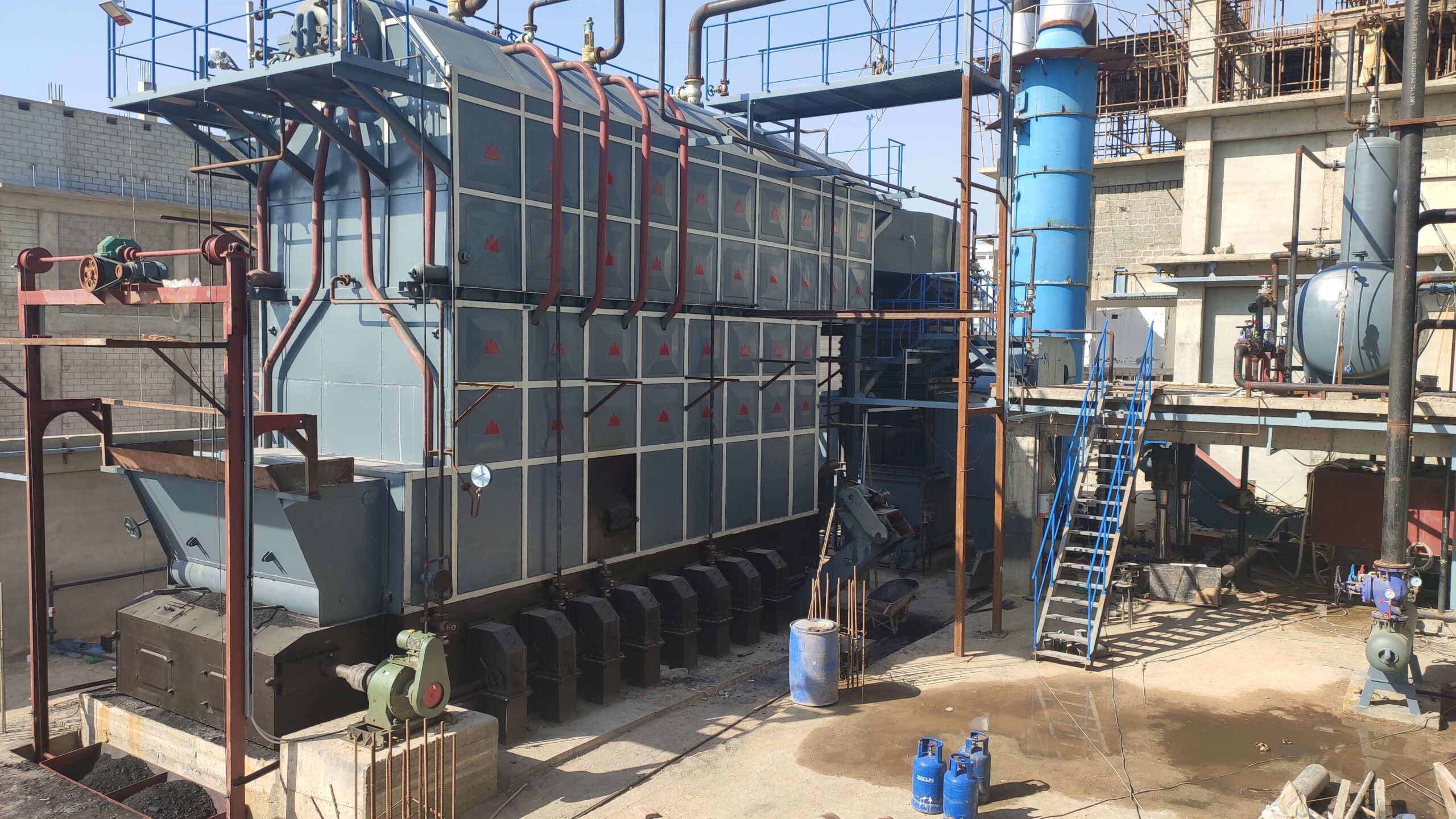
How to Perform a Lifecycle Cost Analysis for a Circulating Fluidized Bed Boiler

How to Perform a Lifecycle Cost Analysis for a Circulating Fluidized Bed Boiler

Circulating Fluidized Bed (CFB) boilers are valued for their fuel flexibility, low emissions, and high combustion efficiency, making them ideal for industrial and power generation applications. However, due to their complex design and higher capital cost, evaluating a CFB boiler solely on upfront pricing can be misleading. To understand the true economic impact, plant owners must perform a Lifecycle Cost Analysis (LCCA)—a comprehensive approach that assesses both initial investment and long-term operational costs.

To perform a lifecycle cost analysis for a CFB boiler, calculate all costs incurred over its expected life, including capital investment, installation, fuel supply, bed material consumption, emissions control systems, maintenance, labor, and decommissioning. You should also estimate the system’s expected performance, fuel flexibility benefits, and cost savings from regulatory compliance. The analysis should result in key financial indicators such as Total Cost of Ownership (TCO), Net Present Value (NPV), and Payback Period to inform investment decisions.

Below is a structured framework for conducting a thorough LCCA on a CFB boiler system.

What Is Lifecycle Cost Analysis (LCCA) and Why Is It Important for CFB Boiler Investments?

Circulating Fluidized Bed (CFB) boilers are widely valued for their fuel flexibility, lower NOₓ emissions, and excellent thermal efficiency. However, CFB systems are also complex, with high capital costs and unique operational requirements—such as bed material management, fuel classification, and emissions control. When considering a CFB boiler investment, it’s not enough to look at initial price or capacity. A comprehensive financial decision requires Lifecycle Cost Analysis (LCCA)—a tool that captures total cost of ownership (TCO) and long-term value.

Lifecycle Cost Analysis (LCCA) is a financial evaluation method that calculates all costs associated with owning, operating, maintaining, and decommissioning a CFB boiler over its service life. It includes capital investment, fuel costs, bed material replacement, maintenance, labor, emissions control, downtime losses, and residual value. LCCA is important for CFB boiler investments because it reveals the true economic impact over 20–30 years and allows comparisons with other technologies or fuel strategies. This helps power plant operators make financially sound, risk-aware decisions.

Initial savings can be deceptive—the real cost is what you’ll pay to own and run the system for decades.

Lifecycle cost analysis provides a full picture of economic performance for CFB boiler projects by including all operating and capital costs over time.True

CFB boilers have complex O&M and fuel dynamics that require long-term analysis beyond CAPEX.


📦 What’s Included in Lifecycle Cost Analysis for CFB Boilers?

Cost CategoryDescription
CAPEX (Capital Investment)Boiler, auxiliaries, installation, automation systems
Fuel Cost & DeliveryCoal, biomass, petcoke, or blends + logistics
Bed MaterialSand or limestone replacement and management
Maintenance & OverhaulsParts, labor, annual outages, refractory repair
Water & TreatmentFeedwater systems, softening, chemical dosing
Emissions ControlBag filters, SNCR, flue gas scrubbers, permit compliance
Labor & MonitoringOperators, control room staff, maintenance engineers
Downtime & Performance LossesCost of lost generation due to outages
Decommissioning/Residual ValueEnd-of-life dismantling or resale

LCCA captures both fixed and variable costs over a 20–30 year operational horizon.


🧮 Sample 20-Year LCCA for 50 MW CFB Boiler

Cost ElementEstimate (USD)
CAPEX (Turnkey)$28 million
Fuel & Transportation$70 million
Bed Material Replacement$4.5 million
Maintenance & Labor$12 million
Emissions Compliance$6 million
Water & Chemicals$2 million
Downtime/Forced Outages$3.5 million
Decommissioning$1 million
Total LCCA (20 Years)~$127 million

Compare with a PC (pulverized coal) boiler LCCA: ~$135–145 million due to higher emissions cost and lower fuel flexibility.


📊 Cost Breakdown by Percentage

Cost Component% of Total LCCA
Fuel & Logistics55–60%
Maintenance & Labor10–12%
Emissions Compliance5–8%
Bed Material3–5%
CAPEX20–25%

Fuel and maintenance are the largest drivers of total ownership cost.


📈 Why LCCA Matters for CFB Investments

ReasonExplanation
Evaluates long-term financial feasibilityIncludes hidden operational expenses
Allows comparison with alternative boiler typesSupports CAPEX vs. OPEX tradeoffs
Quantifies fuel strategy impactHelps choose between biomass, coal, blends
Reveals ROI and payback periodAssists with investment risk modeling
Supports finance and funding decisionsHelps justify grants, green bonds, or loans

LCCA helps CFB boiler investors accurately forecast fuel savings, emissions cost reductions, and long-term operating budgets.True

It captures operational flexibility and compliance savings that don't appear in upfront bids.


📋 Key Considerations for Accurate LCCA Modeling

Input/VariableWhy It’s Critical
Fuel Cost Escalation RateReflects future volatility
Annual Operating HoursDrives fuel, wear, and revenue values
Load VariabilityAffects efficiency and bed material usage
Emissions Regulations ForecastInfluences compliance costs
Discount Rate (NPV modeling)Adjusts future value to present terms
Expected Equipment LifeDetermines asset amortization

A good LCCA is both technical and financial, involving engineers and accountants.


Summary

Lifecycle Cost Analysis (LCCA) is essential for intelligent CFB boiler investment planning, capturing the full cost spectrum over 20–30 years—from construction to decommissioning. Unlike surface-level bids that only show CAPEX, LCCA includes fuel trends, emissions fees, maintenance cycles, and performance losses, providing decision-makers with a realistic picture of financial sustainability. In a world of fluctuating energy markets and tightening environmental policy, the winners are those who plan not just for startup—but for the full lifecycle. LCCA is how you turn combustion technology into an economic asset.

What Capital Costs Should Be Included in the Initial Investment for a CFB Boiler?

Circulating Fluidized Bed (CFB) boilers are complex, high-performance systems used in industrial and utility-scale power generation. While they offer excellent fuel flexibility and low emissions, they also demand significant upfront capital investment. Many project planners mistakenly focus only on the boiler unit price, underestimating the scope and scale of auxiliary equipment, civil works, and integration costs. For an accurate financial plan, it’s essential to fully account for all capital costs—including both boiler island and plant-wide infrastructure—to ensure budget realism and avoid mid-project funding gaps.

The capital costs that should be included in the initial investment for a CFB boiler comprise not just the boiler itself, but also auxiliary systems such as fuel feeding, bed material handling, ash removal, emissions control, water treatment, control and instrumentation, construction labor, and site preparation. These components typically represent 2 to 4 times the bare boiler price. A full-scope capital cost estimate ensures financial feasibility, smooth commissioning, and long-term system reliability.

Your boiler isn’t just a vessel—it’s an entire ecosystem. Budget accordingly.

The total capital investment for a CFB boiler system typically includes equipment, auxiliary systems, construction, and integration, not just the boiler unit itself.True

Over 60% of total CAPEX is usually spent on balance-of-plant infrastructure and installation.


📦 Comprehensive Capital Cost Components for CFB Boiler Projects

Capital ComponentDescriptionTypical Share of Total CAPEX
CFB Boiler IslandCombustion chamber, separators, cyclones, heat exchangers25–30%
Fuel Storage & Feeding SystemsConveyors, bins, feeders for coal, biomass, petcoke10–15%
Bed Material Handling SystemSand or limestone storage, circulation, classifiers5–8%
Ash Handling SystemBottom/fly ash conveyors, crushers, silos5–10%
Flue Gas CleaningBaghouse, ESP, SNCR/SCR, desulfurization, ductwork10–15%
Feedwater Treatment SystemSoftening, demineralization, deaerator, blowdown5–7%
Boiler Controls & InstrumentationSCADA, DCS, combustion analyzers, safety interlocks5–7%
Electrical & CablingTransformers, switchgear, MCC panels, power cabling3–5%
Civil Works & FoundationsConcrete pads, structural steel, foundations, crane systems10–15%
Installation & PipingMechanical assembly, pressure piping, insulation10–15%
Engineering & PermittingFEED, environmental permits, 3D modeling, inspections3–6%

All elements are critical—cutting corners at this stage creates costly retrofit risks.


🧮 Example: Capital Cost Estimate for a 150 MW CFB Boiler Project

ItemEstimated Cost (USD)
Boiler Island (CFB core)$28 million
Fuel Handling & Storage$12 million
Bed & Ash Handling$6.5 million
Emissions Control Equipment$13 million
Feedwater Treatment$5 million
Controls & Instrumentation$6 million
Electrical, Cabling, Power Integration$4.5 million
Civil Construction & Site Works$9.5 million
Mechanical Installation$8 million
Engineering, Permits, Contingencies$5.5 million
Total Capital Investment~$98 million

This aligns with average utility-scale project costs of $600–750/kW installed for CFB systems.


📊 Capital Cost Allocation Breakdown (%)

Category% of Total CAPEX
Boiler and Heat Recovery28%
Fuel/Ash/Bed Handling18%
Emissions & Air Quality13%
Electrical & Control9%
Water & Treatment6%
Civil & Construction14%
Engineering & Integration6%
Commissioning & Testing2%
Contingency4%

Flue gas cleanup and fuel infrastructure often exceed boiler price in modern projects.


📋 Hidden Capital Cost Risks to Avoid

Risk FactorImpact on Budget
Undersized Ash Removal SystemSystem clogging, emergency retrofits
Improper Civil ScopeDelays, cost overruns
Inadequate Emissions DesignNon-compliance, expensive retrofit
Poor Electrical CoordinationStart-up failure or transformer upgrades
Missing RedundancyBoiler downtime due to system bottlenecks

Overlooking auxiliary systems and integration costs leads to underbudgeting in more than 70% of new boiler projects.True

These non-boiler elements are essential to actual operation and commissioning.


Summary

The capital investment for a CFB boiler system goes far beyond the combustion chamber. It must include everything needed to store, handle, combust, control, clean, and safely operate the plant. Ignoring these auxiliary systems, integration efforts, and infrastructure costs results in budget overruns, project delays, and unsafe start-up conditions. With CAPEX typically ranging from $600–1,200 per kW installed, proper capital planning ensures financial and technical success. In high-stakes energy projects, what you don’t budget for can burn you later. Always build your numbers as carefully as you build your boiler.

How Do Long-Term Fuel Type, Cost Variability, and Bed Material Affect Operational Expenses?

Circulating Fluidized Bed (CFB) boilers are favored for their fuel flexibility—handling coal, biomass, petcoke, and waste fuels with relative ease. This adaptability helps reduce dependency on a single fuel source and allows operators to respond to market pricing. However, these fuels vary widely in calorific value, ash content, moisture, and combustion behavior, which directly affect operational efficiency, emissions, and wear on components. Additionally, bed materials like silica sand or limestone, essential for combustion and emissions control, must be periodically replenished—creating another recurring operational cost. The right fuel strategy and bed management approach can mean the difference between profitability and budget overruns.

Long-term fuel type, cost variability, and bed material consumption significantly influence the operational expenses of a CFB boiler. Different fuels have unique costs, energy contents, and ash behaviors, which affect the amount of fuel required, fouling rates, and emissions control needs. Fuel price fluctuations introduce budgeting risk, while high-ash or low-grade fuels increase maintenance. Bed material, consumed continuously through abrasion and reaction with SO₂, adds a recurring expense tied to fuel quality and sulfur levels. Together, these variables can make up over 70% of total operating cost, demanding close monitoring and strategic procurement.

CFB boilers can burn anything—but not everything burns profitably.

Fuel type and bed material are the most significant ongoing cost drivers in CFB boiler operations.True

Fuel can account for over 60% of OPEX, while bed material use is tied to combustion chemistry and fuel sulfur content.


🔥 Common Fuel Types and Their Operational Characteristics

Fuel TypeCV (kcal/kg)Ash (%)Moisture (%)Sulfur ContentCost VariabilityOperational Challenges
Bituminous Coal5,000–6,50010–15%5–10%MediumModerateModerate ash, slag risk
Sub-bituminous3,500–5,00015–30%10–25%Low–MedHighSlagging, higher bed loss
Biomass3,000–4,2002–8%20–50%Very LowVery HighCorrosion, flame instability
Petcoke7,500–8,5000.5–2%<1%HighLowHigh SO₂, slagging risk
Waste-Derived2,000–4,00020–40%15–35%VariableUnpredictableUnburnables, high fouling

Each fuel type impacts combustion efficiency, bed performance, and emissions control differently.


📊 Operational Expense Breakdown by Fuel Strategy (Example: 100 MW CFB Unit)

Cost ComponentHigh-Grade CoalMixed Biomass/Coal100% Biomass
Fuel Cost ($/MWh)$22$18$28
Bed Material ($/MWh)$1.5$2.2$3.0
Emissions Handling$2.0$2.5$2.8
Maintenance & Cleaning$3.5$4.0$5.5
Total OPEX ($/MWh)$29$26.7$39.3

Biomass appears cheaper by fuel cost per ton but often more expensive per MWh due to lower CV and higher maintenance.


🧪 Example: Fuel Switching and Bed Material Impact

Scenario80% Coal / 20% Petcoke100% Biomass
Fuel Price ($/ton)$85$50
Calorific Value (avg)6,700 kcal/kg3,500 kcal/kg
Fuel Use (tons/day)6001,000
Bed Material Use (tons/day)3.55.8
Bed Material Cost ($/ton)$150$150
Daily Bed Cost$525$870
Flue Gas SO₂Medium (needs limestone)Low
Maintenance FrequencyStandard30% higher

Fuel savings on paper can disappear when adjusted for combustion efficiency and bed usage.


📦 Bed Material as a Recurring Cost Driver

Bed Material RoleCost Influence
Sand (Inert)Abrades over time → replenishment needed
Limestone (Reactive)Combines with SO₂ → spent after reaction
Attrition LossAdds 0.2–0.5% loss per hour
Contaminant Build-UpCauses bed deactivation over time
Unburned Fuel InteractionIncreases fouling or agglomeration
Operating ParameterTypical Value
Bed Consumption Rate1.5–2.5 kg/MWh
Bed Cost Range$100–200/ton
Total Bed Cost (20 MW Plant)$300,000–500,000/year

CFB boiler bed material consumption increases with high-ash or high-sulfur fuels.True

Ash erodes particles and sulfur reacts with limestone, requiring more frequent bed makeup.


📈 Fuel Price Volatility Risk – Forecast Model

Fuel TypeHistoric Price Range ($/ton)Standard DeviationNotes
Imported Coal$70 – $130Medium (±15–20%)Tied to global market
Biomass Chips$40 – $95High (±30–40%)Seasonal, moisture-dependent
Petcoke$50 – $70Low (±10%)Stable, refinery-linked
RDF (waste)Highly VariableVery High (>50%)Local sourcing, disposal fees

LCCA must include price projections and fuel switching scenarios to prepare for volatility.


Summary

The long-term economics of a CFB boiler depend heavily on fuel type, cost variability, and bed material behavior. While CFB technology offers unmatched flexibility in fuel choice, each option carries unique operational implications—impacting combustion efficiency, emissions, bed replacement frequency, and maintenance cost. Understanding these variables and modeling their long-term impact is essential for accurate budgeting, risk management, and profitability. In fluidized bed systems, it’s not just what you burn—it’s how predictably and cleanly you can keep burning it over decades.

What Are the Routine Maintenance, Refractory Repair, and Ash Handling Costs?

Circulating Fluidized Bed (CFB) boilers are advanced combustion systems designed for fuel flexibility and low emissions. However, their unique operating conditions—such as high turbulence, high-velocity solids flow, and high-temperature combustion—place intense mechanical and thermal stress on internal components. This leads to routine maintenance demands, particularly for refractory linings and ash handling equipment, which are more extensive than in conventional boiler systems. These costs, if underestimated, can quickly erode operational budgets and reduce the boiler’s return on investment.

Routine maintenance, refractory repair, and ash handling costs for a CFB boiler are substantial and recurring, typically accounting for 15–30% of total O&M expenses. Routine maintenance includes mechanical inspections, fan servicing, fluidization system upkeep, and actuator recalibration. Refractory repair is required every 1–3 years due to erosion and spalling in high-stress areas like cyclones, seal pots, and furnace walls. Ash handling costs depend on fuel ash content, system design, and disposal method, ranging from $3 to $12 per ton of ash. Together, these activities ensure reliable performance, prevent unplanned outages, and sustain thermal efficiency.

In a CFB boiler, maintenance is not optional—it’s the price of high-performance combustion.

CFB boilers incur higher routine maintenance and refractory repair costs than conventional boilers due to abrasive bed materials and complex flow patterns.True

The circulating solids and thermal gradients erode refractory and wear components faster, requiring specialized upkeep.


🔧 Routine Maintenance Cost Components

Maintenance ActivityFrequencyTypical Annual Cost (USD)
Mechanical Inspections (Fans, Ducts, Pumps)Monthly/Quarterly$100,000 – $200,000
Control System CalibrationSemi-Annually$15,000 – $40,000
Soot Blowing Equipment ServiceQuarterly$20,000 – $50,000
Bed Pressure Control ChecksMonthly$8,000 – $25,000
Valve/Actuator RepairQuarterly/Annually$20,000 – $45,000
Instrumentation ReplacementAnnual$10,000 – $30,000

Total routine maintenance costs typically range from $180,000 to $400,000 per year, depending on boiler size and load profile.


🧱 Refractory Repair and Replacement Costs

Zone/ComponentRefractory TypeRepair CycleCost per Event (USD)
Furnace Sidewalls and RoofCastable or brick lining2–3 years$120,000 – $250,000
Cyclone SeparatorsHigh-dense castable1–2 years$180,000 – $300,000
Seal Pots and Loop SealsAbrasion-resistant castables1–2 years$40,000 – $90,000
Ash Coolers and ChutesSilicon carbide tiles2–4 years$30,000 – $70,000
Start-up Burners, WindboxInsulating castables2–3 years$15,000 – $40,000

Refractory work usually requires 1–2 weeks of downtime, planned during annual shutdowns.


📦 Ash Handling Costs and Key Drivers

Cost ElementUnit Cost / EstimateNotes
Bottom Ash Conveyor Maintenance$15,000 – $40,000/yearChains, motors, idlers
Fly Ash Collector/Baghouse Service$25,000 – $60,000/yearBag replacements every 3–4 years
Ash Transport & Trucking$5 – $10 per tonDepending on distance and vendor
Ash Disposal / Landfill Fee$10 – $25 per tonMay vary with local regulations
Ash Conditioning (moisture/odor)$5,000 – $15,000/yearEspecially with biomass/waste fuels
ParameterValue (typical)
Ash Production Rate5–20% of fuel input
Annual Ash Volume6,000–20,000 tons
Annual Handling Cost$80,000 – $300,000+

Ash handling costs scale with fuel ash content and local disposal regulations.True

High-ash fuels or limited landfill access raise transport and tipping fees significantly.


📊 Annual O&M Cost Estimate Breakdown (Example: 100 MW CFB Boiler)

CategoryAnnual Cost (USD)
Routine Maintenance$250,000
Refractory Repairs$180,000
Ash Handling & Disposal$220,000
Total Annual Cost (est.)~$650,000

Over a 20-year life: ~$13 million in maintenance-related costs, not including unexpected shutdowns.


📋 Ways to Reduce Maintenance and Ash Costs

Optimization ApproachImpact
Use low-ash fuels or blendingReduces ash handling and disposal
Install wear-resistant liningsExtends refractory life
Implement predictive diagnosticsAvoids premature refractory failure
Automate ash extraction systemsReduces labor and spillage loss
Contract disposal at fixed ratesShields against landfill cost hikes

A proactive maintenance strategy always costs less than reactive emergency repairs.


Summary

Routine maintenance, refractory repair, and ash handling are non-negotiable operational costs in the lifecycle of a CFB boiler. While the technology offers superior flexibility and efficiency, it demands regular attention due to its abrasive, high-temperature environment. These costs—ranging from $500,000 to $1 million annually depending on boiler size and fuel mix—must be factored into all lifecycle and profitability models. Reliable CFB performance doesn’t come free—it comes from consistent, intelligent investment in upkeep.

How Do Emissions Compliance and Environmental Equipment Impact Lifecycle Costs?

Circulating Fluidized Bed (CFB) boilers are well-known for their ability to burn low-grade fuels with relatively low emissions—but they are not immune to environmental regulations. In fact, because they often handle high-ash, high-sulfur, and variable fuels, robust emissions control systems are mandatory for compliance with stringent air quality standards. These systems—including baghouses, SNCR/SCR systems, limestone injection for SO₂ control, and CEMS (Continuous Emissions Monitoring Systems)—not only add to upfront capital costs, but also drive significant operational and maintenance expenses over the boiler’s lifecycle.

Emissions compliance and environmental equipment significantly impact the lifecycle costs of a CFB boiler by adding both capital investment and recurring operating costs. Regulatory compliance requires advanced control systems such as baghouses, lime or limestone injection, ammonia dosing, SNCR or SCR units, and CEMS. These systems demand regular reagent input, equipment maintenance, emissions monitoring, and reporting. Over a 20–30 year boiler life, emissions-related costs can represent 15–25% of total lifecycle operational expenses, particularly under tightening environmental regulations and carbon pricing frameworks.

Compliance isn’t optional—and in CFB operation, it’s an investment with long-term financial consequences.

Emissions control and environmental compliance account for up to a quarter of total lifecycle operational costs in CFB boilers.True

These systems require continuous inputs, maintenance, and upgrades to meet evolving standards.


🏭 Required Emissions Control Equipment for CFB Boilers

Pollutant ControlledEquipment TypeNotes
SO₂Limestone injection, semi-dry scrubberTied to sulfur content of fuel
NOₓSNCR (Urea/Ammonia), SCRDepends on temp zones and compliance levels
Particulate MatterBaghouse or Electrostatic PrecipitatorRequired for fine ash removal
CO & VOCsGood combustion + CO monitorsEnsured via air-fuel tuning
CO₂Not controlled but taxed/regulatedAffects lifecycle cost via carbon pricing
HCl, HF, HgActivated carbon, sorbents (optional)Required in some jurisdictions
CEMSContinuous Emissions Monitoring SystemMandatory for most industrial permits

🧮 Example: 150 MW CFB Boiler – Emissions Control Lifecycle Cost Model (20 Years)

Equipment/ServiceCAPEX (USD)OPEX (20-Year)Notes
Baghouse & Ductwork$8.5 million$3.5 millionBag replacement every 3–5 years
SNCR System (Ammonia/Urea + Injectors)$3.2 million$3.2 millionReagent cost: $80,000–$180,000/yr
Limestone Injection + Storage$2.5 million$5.8 millionLimestone use depends on SO₂ load
CEMS (O₂, CO, NOₓ, SO₂)$750,000$1.1 millionAnnual calibration + data validation
Emissions Permitting & Reporting$400,000Includes lab tests, audits
Carbon Tax/Offset (Optional)$3–10 millionBased on CO₂ tonnage and local policy
Total Emissions Lifecycle Cost$14.95M$17.9M–$25M$32.8M–$40M over 20 years

These figures represent 20–30% of total lifecycle costs in most LCCA models for CFB units.


📊 Emissions Compliance Cost Breakdown by Type (% of Emissions Budget)

Compliance Component% of Emissions LCCA Cost
Baghouse & Particulate Control20–25%
NOₓ Control (SNCR/SCR)15–20%
SO₂ Control (Limestone)25–30%
Monitoring (CEMS)10–12%
Reporting & Permitting2–5%
Carbon Tax (if applicable)20–30% (varies)

Most systems recurring costs exceed their installation costs within the first 8–12 years.


📦 Recurring Operational Costs for Emissions Systems

System/ServiceTypical Annual Cost (USD)
Baghouse Bags Replacement$80,000 – $150,000
SNCR Ammonia or Urea Reagent$90,000 – $200,000
Limestone Refill for SO₂ Capture$150,000 – $400,000
CEMS Calibration & Upkeep$40,000 – $70,000
Emissions Testing & Reporting$20,000 – $60,000
Total Annual Compliance Cost$400,000 – $800,000

These figures vary by fuel sulfur/ash content, load factor, and regulatory environment.


📋 Risk Factors from Underestimating Compliance Costs

OversightConsequence
Undersized limestone systemSO₂ violations, non-compliance fines
No SCR readinessInability to meet ultra-low NOₓ limits
Skipping CEMS maintenancePermit suspension or revocation
Poor baghouse upkeepPM exceedances and forced shutdowns
Ignoring carbon cost forecastSurprise tax exposure, lost competitiveness

Emissions non-compliance can result in fines, permit revocation, and shutdowns that outweigh all short-term savings.True

Modern regulations demand ongoing proof of performance; short-cutting control systems is financially reckless.


Summary

Emissions compliance and environmental equipment in CFB boilers are not just regulatory necessities—they are major contributors to capital and operating costs over the boiler’s lifecycle. From initial investments in baghouses and NOₓ/SO₂ controls to the recurring expenses of reagents, replacements, monitoring, and reporting, these systems consume 20–30% of long-term OPEX. As environmental rules tighten and carbon pricing expands, emissions-related costs will continue to grow. Accurately modeling these impacts in lifecycle cost analysis ensures financial sustainability and uninterrupted plant operation. In the world of modern boiler investment, compliance isn’t a cost—it’s the cost of staying in business.

How Can You Calculate TCO, ROI, and Payback Period Using LCCA Methodology?

Investing in a Circulating Fluidized Bed (CFB) boiler requires more than comparing purchase prices. These systems carry long-term obligations including fuel, maintenance, emissions, labor, and auxiliary system costs. Lifecycle Cost Analysis (LCCA) allows project developers and energy managers to evaluate total financial performance—not just the capital cost. With LCCA, you can calculate Total Cost of Ownership (TCO), Return on Investment (ROI), and Payback Period, offering a clear, quantifiable view of long-term feasibility and risk.

To calculate TCO, ROI, and Payback Period using LCCA methodology for a CFB boiler, you must model all relevant capital and operating costs across the system’s life—typically 20–30 years. TCO is the total of all expenses; Payback Period is the time it takes to recoup the capital investment via operational savings; ROI measures total profit generated over the life relative to investment. These metrics allow accurate comparisons with alternative technologies and validate the business case for high-efficiency, fuel-flexible CFB systems.

Financial clarity is the foundation of confident energy investment.

TCO, ROI, and Payback Period calculations using LCCA give investors a full-spectrum view of CFB boiler financial viability.True

These metrics account for both up-front and long-term costs, including fuel, maintenance, and environmental compliance.


🧾 Step 1: Calculate Total Cost of Ownership (TCO)

Formula (simplified expression):

TCO = Capital Costs + ∑(Annual OPEX over life)

OPEX includes:

  • Fuel

  • Bed material

  • Maintenance & repairs

  • Ash handling

  • Water treatment

  • Emissions compliance

  • Labor & downtime

  • Insurance and permitting

  • Decommissioning (if applicable)

📊 Example – 100 MW CFB Boiler (20-Year Model)

ComponentCost (USD)
CAPEX (Installed)$80 million
Fuel (20 years)$140 million
Maintenance & Refractory$15 million
Bed Material & Ash Handling$10 million
Emissions Control (O&M)$16 million
Labor & Water Treatment$8 million
Total TCO (20 Years)$269 million

The TCO represents the true cost of ownership, not just installation.


🧮 Step 2: Calculate Payback Period

Formula (simplified expression):

Payback Period = Initial CAPEX / Annual Savings

📋 Example Comparison – CFB vs. Pulverized Coal Boiler

MetricCFB BoilerPulverized Coal Boiler
CAPEX$80 million$70 million
Annual OPEX$9.45 million$11.2 million
Annual Savings (vs. PC)$1.75 million
Payback Period = $80M / $1.75M = **~4.6 years**

After this period, fuel and O&M savings turn into financial gain.


📈 Step 3: Calculate Return on Investment (ROI)

Formula (simplified expression):

ROI = (Total Net Savings over Life – Initial Investment) / Initial Investment × 100%

Total Net Savings = Difference in OPEX vs. baseline option (e.g. PC boiler) × lifespan

📊 Example – 20-Year Period

ItemValue (USD)
Initial CAPEX$80 million
Total OPEX (CFB)$189 million
Total OPEX (PC Boiler)$224 million
Net Savings over 20 Years$35 million
ROI = ($35M – $80M) / $80M × 100% = **–56.25% (loss if only savings considered)**

Now include electricity revenue or cost avoidance:

| Electricity Revenue over 20 years | $350 million |
| Net Profit (Revenue – TCO) | $81 million |

Adjusted ROI = $81M / $80M × 100% = **~101%**

Realistic ROI includes both cost avoidance and revenue generation.


📋 Key Inputs for Accurate LCCA Modeling

VariableImportance
Fuel cost forecastsImpacts 50–60% of OPEX
Operating hours (load factor)Drives fuel and wear-and-tear
Discount rate (for NPV)Converts future costs to present value
Ash content and sulfur levelAffects bed and emissions cost
Carbon pricing assumptionsAlters OPEX in future years

Accurate ROI and TCO calculations for CFB boilers require modeling fuel variability, emissions, and O&M over at least 20 years.True

Ignoring long-term costs or regulatory changes skews investment decision accuracy.


📊 Financial Metrics Snapshot: 100 MW CFB Boiler (20-Year)

MetricValue
Total CAPEX$80 million
Total OPEX$189 million
Total TCO$269 million
Total Revenue (power sales)$350 million
Net Profit$81 million
ROI101%
Payback Period~4.6 years

A well-managed CFB project becomes financially net-positive within 5 years.


Summary

Lifecycle Cost Analysis (LCCA) provides the financial foundation for any major boiler investment—and for CFB systems in particular, it helps quantify the long-term value of fuel flexibility, emissions performance, and efficiency. By calculating Total Cost of Ownership (TCO), Return on Investment (ROI), and Payback Period, plant developers and investors can make informed, data-backed decisions that account for both cost and risk. In the energy sector, the smartest boiler isn’t just efficient—it’s financially sound for 20 years or more. LCCA is how you find it.

🔍 Conclusion

Performing a lifecycle cost analysis for a CFB boiler ensures that decision-makers look beyond initial capital expenditure and understand the long-term financial and operational implications of the investment. While CFB systems may involve higher upfront costs, they often deliver superior value through lower emissions penalties, multi-fuel capability, and long-term operating efficiency. A well-executed LCCA allows for smarter, data-driven investment decisions in today’s cost- and carbon-conscious energy landscape.


📞 Contact Us

💡 Need help evaluating your CFB boiler project? Our team specializes in lifecycle cost modeling, emissions forecasting, and customized ROI analysis for industrial and utility-scale CFB systems.

🔹 Let us help you build a cost-effective, fuel-flexible, and future-ready CFB boiler solution! 🔄🔥📊

FAQ

What is a lifecycle cost analysis (LCCA) for a CFB boiler?

Lifecycle cost analysis (LCCA) is a method to evaluate the total cost of ownership (TCO) of a CFB boiler over its operational lifespan, usually 20–30 years. It includes capital costs, fuel expenses, maintenance, emissions compliance, labor, and decommissioning. This helps assess the boiler’s long-term financial viability.

What are the key components of LCCA for a CFB boiler?

  1. Capital Cost – Boiler equipment, installation, fuel handling, and control systems

  2. Fuel Cost – Annual consumption of coal, biomass, or RDF, and fuel price variability

  3. O&M Costs – Routine maintenance, bed material replacement, cyclone upkeep

  4. Emissions Control – SO₂, NOx, and PM compliance equipment and operating costs

  5. Labor & Training – Skilled operator staffing for CFB-specific systems

  6. End-of-Life Costs – Decommissioning, disposal, and potential boiler replacement

How do you calculate fuel cost in a CFB boiler lifecycle analysis?

Annual Fuel Cost = Annual Fuel Consumption (tons) × Fuel Price ($/ton)
Fuel flexibility allows CFB boilers to use low-cost or waste fuels. For example:

  • Coal: $40–$60/ton

  • Biomass: $30–$80/ton

  • Petcoke/RDF: $20–$50/ton
    Fuel mix and moisture content affect consumption rates and must be factored into total cost projections.

What are typical long-term maintenance costs for a CFB boiler?

Annual maintenance ranges from 4–7% of the capital cost, covering:

  • Cyclone separator upkeep

  • Refractory lining and tube erosion control

  • Bed material management and ash handling
    Over a 20–25 year lifespan, O&M costs can exceed $500,000–$2 million, depending on boiler size and fuel type.

Why is LCCA important when choosing a CFB boiler?

Though CFB boilers have higher initial costs than traditional boilers, their ability to use low-cost, varied fuels and meet strict environmental standards often leads to lower TCO. LCCA provides clarity when comparing CFB to other boiler technologies, especially for long-term planning, energy budgeting, and sustainability goals.

References

  1. LCCA Guidelines for Energy Systems – DOEhttps://www.energy.gov

  2. Cost Structure of Circulating Fluidized Bed Boilershttps://www.sciencedirect.com

  3. Fuel Flexibility and Economics in CFB Systemshttps://www.researchgate.net

  4. IEA Report on CFB Boiler Cost Efficiencyhttps://www.iea.org

  5. Emissions Control Equipment for CFB Boilershttps://www.epa.gov

  6. Boiler O&M and Lifecycle Planninghttps://www.mdpi.com

  7. Cost Benefits of Multi-Fuel CFB Technologyhttps://www.bioenergyconsult.com

  8. Advanced CFB Boiler Financial Modeling Toolshttps://www.automation.com

  9. Capital vs. Operational Cost in Boiler Systemshttps://www.energysavingtrust.org.uk

  10. ASME Standards for High-Efficiency Boiler Systemshttps://www.asme.org

Wade Zhang

CEO of Taishan Group Taian Boao International Trade Co., Ltd. 30 years experience in Global industrial boiler market,  Over 300 boiler projects experience, including 21+ EPC projects. Projects span 30+ countries & regions, involving industries such as nuclear power, energy & electricity, municipal heating, mining, textiles, tires etc.

How to Perform a Lifecycle Cost Analysis for a Circulating Fluidized Bed Boiler Read More »

How to Optimize Industrial Power Plant Boiler Performance for Lower Operating Costs

How to Optimize Industrial Power Plant Boiler Performance for Lower Operating Costs

Industrial power plant boilers are at the core of large-scale energy production. But without continuous performance optimization, they can become fuel-inefficient, maintenance-intensive, and environmentally costly. Even minor inefficiencies in combustion, heat transfer, or system control can result in significant operating losses over time. To remain competitive and sustainable, power plants must adopt a strategic and data-driven approach to performance optimization.

To optimize industrial power plant boiler performance for lower operating costs, focus on air-to-fuel ratio control, flue gas heat recovery, soot blowing and ash management, burner tuning, fuel quality control, and smart automation. Efficiency gains come from reducing excess air, maintaining clean heat transfer surfaces, minimizing unplanned downtime, and implementing real-time monitoring systems. A well-optimized boiler can reduce fuel consumption, cut emissions, extend equipment life, and improve output reliability.

Here’s a strategic breakdown of the most effective optimization measures.

How Does Air-Fuel Ratio Tuning Improve Combustion Efficiency and Reduce Fuel Costs?

In industrial power station boilers—especially large coal, oil, or gas-fired units—controlling the air-fuel ratio is critical for maximizing combustion efficiency and minimizing fuel waste. Most boilers burn fuel by mixing it with excess air to ensure full oxidation. However, too much air lowers flame temperature, reduces heat transfer efficiency, and wastes energy by heating unused oxygen and nitrogen. Too little air causes incomplete combustion, releasing carbon monoxide (CO), unburned hydrocarbons, and increasing soot and fouling. By tuning the air-fuel ratio precisely, plants can optimize heat release, reduce emissions, and achieve measurable fuel savings.

Air-fuel ratio tuning improves combustion efficiency in industrial power station boilers by balancing the minimum amount of air needed for complete combustion while avoiding excess oxygen that causes heat loss. This tuning process increases flame stability, maximizes heat transfer to the working fluid, and reduces flue gas losses. Optimized air-fuel ratios reduce fuel consumption by 2–5%, cut unburned fuel emissions, and lower fan power usage. Over time, this directly translates into lower operating costs, improved boiler reliability, and greater thermal efficiency.

Efficient combustion isn’t just about heat—it’s about how precisely air and fuel work together.

Tuning the air-fuel ratio in power boilers can reduce fuel usage by 2–5% annually.True

This is achieved by minimizing excess air while avoiding incomplete combustion, improving thermal efficiency.


🔧 What Is the Air-Fuel Ratio and Why Does It Matter?

TermDefinition
Stoichiometric RatioIdeal air needed for complete combustion (no excess oxygen)
Excess AirAir supplied above stoichiometric requirement to ensure complete burn
Air-Fuel Ratio (AFR)Actual ratio of air mass to fuel mass entering the furnace
  • Stoichiometric AFR for natural gas: ~17.2:1

  • Stoichiometric AFR for coal: ~10:1 (depends on grade and volatile matter)

Too much air = energy loss; too little air = incomplete combustion and emissions.


📊 Combustion Efficiency vs. Excess Air

Excess Air (%)Stack O₂ (%)Combustion Efficiency (%)
5%~1%~89–91%
15%~3%~86–88%
25%~5%~83–85%
40%+~7–8%<80%

Every 1% rise in stack oxygen (above target) can mean 0.5% to 1% efficiency loss.


🧪 Fuel Savings from Proper Air-Fuel Tuning – Example

ParameterBefore TuningAfter Tuning
Average Stack O₂6.5%3.0%
Combustion Efficiency84%88%
Fuel Consumption (coal)12,000 tons/mo11,400 tons/mo
Fuel Savings600 tons/month (~5%)
Monthly Cost Reduction (@ $100/ton)$60,000/month

A 4% improvement in efficiency saves $720,000 per year in this mid-size station boiler.


📦 Tools and Methods for Air-Fuel Ratio Tuning

MethodFunctionBenefits
Flue Gas Analyzer (O₂, CO)Measures combustion productsIdentifies optimal O₂
O₂ Trim SystemAutomatically adjusts air dampersMaintains target efficiency
Excess Air CurvesEmpirical charts for different loads/fuelsGuides tuning process
Advanced Controls (PID, AI)Predictive tuning based on load, temp, CO₂Real-time efficiency boost
Manual Tuning & TestingSetpoint adjustments by operatorUseful for small/older units

Modern systems use oxygen trim loops + CO feedback to continuously optimize in real-time.


📋 Common Signs of Poor Air-Fuel Tuning

SymptomPossible Cause
High stack oxygen (>6%)Excess air waste
Visible smoke or sootIncomplete combustion
Elevated CO or NOₓPoor air distribution or turbulence
Low superheater temperaturesFlame heat loss from excess air
Frequent burner tripsInstability from lean mixture

Tuning not only saves fuel—it protects the boiler from damage and derating.


📈 Long-Term Benefits of Optimal Air-Fuel Ratio

Performance MetricBenefit from Tuning
Fuel Efficiency2–5% improvement
NOₓ and CO Emissions10–30% reduction
Fan Power Usage5–10% savings (due to lower air volume)
Tube Fouling & SootingReduced maintenance
Flame StabilityFewer trips and forced outages
Heat Rate (kJ/kWh)Lower thermal input per MWh

Air-fuel ratio tuning reduces NOₓ emissions by lowering flame temperature and oxygen surplus.True

Optimal tuning avoids the conditions that lead to thermal NOₓ formation, improving emissions performance.


Summary

Air-fuel ratio tuning is a high-impact, low-cost strategy to boost combustion efficiency, reduce fuel waste, and minimize emissions in industrial power station boilers. By balancing oxygen levels to the combustion load and fuel quality, plants can improve heat transfer, stabilize flame profiles, and cut fuel bills by hundreds of thousands of dollars per year. Whether done manually or with advanced automated controls, AFR optimization is one of the most effective levers for performance and profitability in thermal power generation. Efficient combustion starts not with more fuel—but with smarter control of the air you burn it with.

Why Is Flue Gas Heat Recovery (Economizers and Air Preheaters) Vital for Thermal Performance?

In industrial power station boilers, a significant portion of energy is lost with flue gases exiting the stack at high temperatures. These gases still contain substantial thermal energy that, if left unrecovered, results in efficiency losses and higher fuel costs. Heat recovery systems such as economizers and air preheaters are specifically designed to capture this waste heat and return it to the system—either by preheating feedwater or combustion air. This simple principle has profound effects: it lowers flue gas temperature, increases thermal efficiency, reduces fuel consumption, and improves steam generation capacity.

Flue gas heat recovery using economizers and air preheaters is vital for thermal performance in industrial power station boilers because it captures otherwise wasted heat energy from exhaust gases and recycles it to improve boiler efficiency. Economizers preheat feedwater, reducing fuel needed to produce steam, while air preheaters warm incoming combustion air, enhancing flame temperature and fuel utilization. Together, these systems increase thermal efficiency by 3–7%, reduce fuel consumption, and lower stack losses, making them essential for cost-effective and environmentally compliant boiler operation.

Every degree of recovered heat is a degree of savings—and a step toward higher efficiency.

Installing economizers and air preheaters improves industrial boiler efficiency by 3–7%.True

They reduce stack temperature and recover useful heat for feedwater or air preheating, cutting fuel use.


🔧 Key Heat Recovery Systems in Power Boilers

SystemFunctionHeat Recovery Target
EconomizerRecovers heat from flue gases to preheat boiler feedwater160–300 °C to ~120–160 °C
Air Preheater (APH)Transfers heat from flue gas to combustion air300–400 °C to air at ~150–250 °C
Condensing EconomizerExtracts latent heat from flue gas below dew pointOnly viable with very low-temp exhaust

Combined, these systems cut stack losses and improve fuel-to-steam conversion efficiency.


📊 Efficiency Impact of Flue Gas Heat Recovery

Heat Recovery TypeEfficiency Gain (%)Fuel Savings (%)Typical Payback Period
Economizer3–5%3–5%1.5–3 years
Air Preheater2–4%2–4%2–4 years
Combined System5–7%5–7%2–3 years

For a 100 TPH boiler, 1% fuel savings = hundreds of tons of coal or gas annually.


🔢 Example: 150 TPH Coal Boiler Fuel Savings with Heat Recovery

ParameterWithout RecoveryWith Economizer + APH
Flue Gas Exit Temp320 °C160 °C
Boiler Efficiency82%88%
Annual Fuel Use (coal, tons)55,00050,000
Fuel Saved5,000 tons
Fuel Cost (@ $100/ton)$500,000/year saved

These savings pay for the heat recovery equipment in 2–3 years, then continue as profit.


🌡️ How Heat Recovery Improves Thermal Cycle

Boiler ComponentImpact from Recovery System
Steam Drum/GeneratorFaster pressure build-up, better control
Furnace & CombustionMore stable flame due to hotter combustion air
Air HeaterReduces unburned fuel and cold-end corrosion
Feedwater SystemHigher inlet temperature = less furnace duty
Stack/ChimneyLower exhaust temperatures = fewer heat losses

More energy stays in the system and less escapes up the stack.


🧰 Installation Considerations

Design FactorEngineering Recommendation
Flue Gas Flow RateSized for full-load exhaust volume
Material SelectionCorrosion-resistant alloys for wet flue sections
Gas-Side Fouling PotentialSoot blowers or bypass required
Integration with Control SystemTie into SCADA or DCS logic for safety
Condensation RiskEnsure gas temp stays above dew point (unless condensing recovery)

APH and economizer placement must consider flue gas flow sequencing and cleaning access.


📋 Long-Term Benefits of Heat Recovery

BenefitImpact
Fuel Efficiency3–7% improved thermal performance
Fuel Cost Reduction5–10% depending on system load
Emission Reduction (CO₂)Less fuel burned = lower carbon output
Extended Tube LifeReduced temperature differential stress
Improved Boiler CapacityMore steam output for same input

Economizers and air preheaters reduce CO₂ emissions by decreasing fuel usage.True

Less fuel burned means proportionally lower carbon dioxide output per MWh of steam or electricity.


Summary

In industrial power station boilers, flue gas heat recovery systems like economizers and air preheaters are essential for achieving peak thermal performance. These technologies reduce stack temperatures, improve fuel utilization, lower emissions, and provide substantial savings on fuel costs. With typical paybacks in 2–4 years and decades of continued benefit, they are not just engineering upgrades—they are financial and environmental imperatives. In boiler efficiency, you don’t just capture energy—you recover profit.

How Do Soot Blowing and Ash Management Sustain Heat Transfer Efficiency?

In industrial power station boilers—especially those burning coal, biomass, or heavy oil—soot, slag, and ash deposits accumulate on heat transfer surfaces such as waterwalls, superheaters, and economizers. These deposits act as insulating layers, significantly reducing the rate at which heat from combustion gases transfers to the working fluid (water or steam). Without regular cleaning, fouling leads to lower thermal efficiency, higher fuel consumption, overheating risks, and costly unplanned shutdowns. That’s why soot blowing and ash management are critical maintenance practices—they preserve heat transfer integrity, stabilize boiler output, and extend asset life.

Soot blowing and ash management sustain heat transfer efficiency in industrial power station boilers by removing insulating deposits from heat exchanger surfaces, restoring direct contact between hot flue gases and metal tubing. This maintains optimal heat flux, steam production, and combustion performance. Neglecting ash removal leads to 5–15% efficiency losses, increases fuel use, and risks tube overheating or boiler derating. Regular mechanical or steam soot blowing, combined with automated ash extraction, ensures consistent boiler output and thermal efficiency over time.

A dirty boiler doesn’t just lose heat—it burns money and invites failure.

Ash and soot fouling on heat transfer surfaces can reduce boiler efficiency by up to 15%.True

Deposits act as thermal insulators, requiring more fuel to maintain steam output.


🔥 Why Heat Transfer Efficiency Degrades Without Cleaning

Source of FoulingEffect on Heat Transfer
Unburned Carbon (Soot)Forms black insulating layer on superheater tubes
Ash & SlagAccumulates on economizer and waterwall surfaces
Alkali or Chloride ContentForms sticky residues that bind dust and soot
High Sulfur FuelIncreases acidic condensates and cold-end fouling

Fouling increases thermal resistance (R-value) between gas and steam, reducing Q in:
Q = ΔT / R (simplified, non-formula expression)


📊 Efficiency Impact of Fouling

Deposit ThicknessEfficiency Loss (%)Stack Temperature Rise (°C)
1 mm~2–3%+15–25 °C
3–5 mm~6–10%+40–70 °C
>10 mm>12–15%+90–120 °C

Every 10–20 °C rise in stack temperature means 1% loss in boiler efficiency.


🧰 Soot Blowing Techniques & Ash Systems

SystemDescriptionFrequency
Steam Soot BlowersDirect steam jets dislodge soot during operationEvery 4–24 hrs
Compressed Air BlowersDry cleaning for sensitive superheater sectionsDaily or shift-based
Retractable LancesProgrammable path through heat exchanger banksAutomated
Ash Conveyors & CrushersMoves bottom/fly ash to silosContinuous
ESP / Bag Filter Ash RemovalCaptures and extracts fine fly ash from flue gasWeekly/automated

Most plants use automated soot blowing with real-time monitoring of temperature drops and differential pressures.


📋 Example: 300 MW Coal Boiler – Ash Build-up vs. Performance

ConditionFouledClean (Post-Sootblow)
Stack Temp (°C)380310
Steam Outlet Temp (°C)510535
Fuel Use (tons/hr)6560
Efficiency (%)82%88%
Fuel Savings5 tons/hr = $500/hr

Over a year: >$4 million in fuel savings from regular soot blowing.


🌡️ Monitoring Tools for Fouling and Cleaning Timing

IndicatorPurpose
Differential Pressure SensorsDetect ash buildup across tubes
Infrared ThermographyIdentifies cold spots (fouling)
Flue Gas TemperatureTracks stack heat loss
Steam Output DropIndicates heat transfer reduction
Smart Soot Blowing SystemsUses real-time data to auto-trigger cleaning

Over-cleaning wastes energy and erodes tubes—data-driven scheduling is optimal.


📈 Long-Term Benefits of Clean Heat Surfaces

BenefitDescription
Fuel Savings3–10% by reducing wasted flue gas heat
Stable Steam OutputAvoids load drop from fouled heat exchangers
Tube Life ExtensionPrevents hot spots and metal fatigue
Lower EmissionsLess fuel burned = less CO₂, NOₓ
Uptime ImprovementReduces unscheduled maintenance for slagging

Regular soot blowing and ash removal protect boiler reliability and reduce forced outages.True

Clean heat surfaces lower stress on tubes and allow predictable operation under full load.


Summary

Soot blowing and ash management are non-negotiable for high-performance power boilers. Without them, even the most advanced system will experience rapid efficiency degradation, higher fuel consumption, and increased emissions. Regular, automated cleaning maintains thermal conductivity, improves fuel economy, and ensures full load delivery without derating. In power generation, clean tubes mean more steam, more efficiency, and more savings. Heat transfer starts with combustion—but it finishes at the surface. Keep it clean, keep it efficient.

What Impact Does Fuel Quality and Consistency Have on Boiler Performance?

In industrial power station boilers—especially those burning coal, biomass, petcoke, or waste-derived fuels—fuel quality and consistency are foundational to reliable and efficient operation. Fluctuations in fuel properties such as calorific value (CV), moisture content, ash content, particle size, and volatile matter can lead to major performance challenges. These include unstable combustion, flame impingement, poor heat transfer, slagging, increased emissions, and higher maintenance frequency. High-performance boiler systems are optimized for a specific fuel specification—deviations from that baseline can quickly degrade output, efficiency, and equipment integrity.

Fuel quality and consistency have a direct and profound impact on boiler performance in industrial power plants. Variations in moisture, calorific value, ash, and sizing affect combustion stability, heat release rate, emissions, and fouling. Poor or inconsistent fuel leads to lower thermal efficiency, increased fuel consumption, higher NOₓ and CO emissions, more frequent cleaning cycles, and unplanned downtime. Reliable boiler operation depends on fuels that meet design specifications in energy content, physical properties, and combustion behavior.

Fuel isn’t just input—it’s the engine of thermal performance. If it’s unstable, so is everything else.

Inconsistent fuel quality can reduce boiler efficiency by up to 10% and increase maintenance frequency by 30–50%.True

Fuel variability causes combustion imbalances, fouling, and mechanical stress, degrading operational reliability and performance.


🔬 Key Fuel Properties That Affect Boiler Operation

Fuel PropertyWhy It MattersPerformance Impact
Calorific Value (CV)Determines how much energy is released per unitLower CV = more tons per MWh
Moisture ContentAbsorbs combustion heat, lowers flame tempHigh moisture = low efficiency
Ash ContentNon-combustible material leads to slag and foulingMore ash = more cleaning and erosion
Volatile MatterInfluences ignition and flame propagationLow VM = harder ignition
Fines/Particle SizeAffects combustion air mixing and bed fluidizationPoor size control = localized burning

Each fuel property must align with boiler design parameters for stable performance.


📊 Example: Effect of Fuel Variation on Boiler Performance

ParameterDesigned FuelVariable FuelImpact
Calorific Value (kcal/kg)5,0004,20015% more fuel needed
Moisture Content (%)10%25%Higher drying load, flame instability
Ash Content (%)8%15%More slagging, less heat transfer
Emissions (NOₓ, CO)CompliantElevatedDue to uneven combustion
Steam Output (TPH)150135Derating under same fuel feed

Real-world plants report 6–12% derating from poor-quality or inconsistent fuel.


🔥 Combustion Impact of Low-Quality or Inconsistent Fuel

ProblemRoot CauseResult
Flame InstabilityMoisture or volatile content fluctuationBurner trips, CO spikes
Uneven Heat TransferVarying ash/fines layers on tubesHot spots and cold-end corrosion
High Stack TemperatureLow CV or excess air from moistureHeat loss, reduced efficiency
Increased NOₓHigh flame temperature zonesEmissions non-compliance
Slagging & FoulingHigh ash with low fusion tempTube damage, derating

Consistent fuel = consistent flame = consistent output.


🧪 Case Study: 300 MW Coal-Fired Boiler

ScenarioStable FuelVariable Fuel
Daily Fuel Use (tons)3,5003,950
Stack O₂3.2%6.0%
Sootblowing Frequency2/day6/day
Forced Outage Incidents (month)0.52.0
Efficiency (%)88%81%
Additional Fuel Cost/year$2.2 million

A 7% loss in efficiency and increased cleaning needs directly impact fuel budget and uptime.


📋 Strategies to Manage Fuel Quality Risks

StrategyBenefit
Fuel Blending and HomogenizationStabilizes CV, moisture, and ash properties
Real-Time Fuel Analyzer (NIR/XRF)Provides on-the-fly adjustments
Moisture Control (Dryers/Silos)Lowers heat loss, improves combustion
Fuel Procurement ContractsLock-in on quality spec with penalties
Combustion Optimization SystemAdjusts air-fuel ratio dynamically

Fuel drying and homogenization systems can increase thermal efficiency by 3–6%.True

Moisture reduction and consistency improve combustion stability and heat recovery efficiency.


📈 Long-Term Impact on Cost and Reliability

MetricStable FuelInconsistent Fuel
Fuel Cost per MWh$12.00$14.40
Maintenance Cost (Annual)$500,000$750,000
Forced Outage Rate2%5%
Heat Rate (kJ/kWh)9,50010,600
CO₂ Emissions (tons/year)1.1 million1.3 million

Fuel inconsistency erodes all key performance indicators—efficiency, uptime, and compliance.


Summary

In industrial power station boilers, fuel quality is directly tied to combustion reliability, thermal efficiency, and cost control. Moisture, ash, CV, and particle size all play critical roles in determining how well the system burns fuel and transfers heat. Variability in fuel properties disrupts combustion balance, increases wear and fouling, and drives up O&M and fuel expenses. The most advanced boiler will still underperform if the fuel doesn’t match its design. Long-term operational success starts with one core truth: your boiler is only as good as the fuel you feed it.

How Can Automation and Real-Time Monitoring Reduce Operating Risks and Maintenance Costs?

In large-scale industrial power station boilers, operating risks and unplanned maintenance are costly—not only in terms of downtime but also fuel waste, safety hazards, and equipment degradation. Traditional manual operation struggles to respond quickly to fast-changing combustion, load, or equipment conditions. However, with automation and real-time monitoring, boilers become intelligent systems that predict, prevent, and optimize, instead of just reacting. This reduces human error, enhances safety, and drives down operational and maintenance (O&M) costs.

Automation and real-time monitoring reduce operating risks and maintenance costs in industrial power station boilers by enabling precise control over combustion, air-fuel ratios, temperatures, and pressures while using predictive analytics to detect early signs of equipment wear, fouling, or failures. These systems automate routine adjustments, alert operators to anomalies, and trigger maintenance only when needed, preventing downtime and improving asset longevity. By reducing over-firing, avoiding thermal shock, and optimizing fuel usage, they enhance efficiency while cutting unplanned outages and maintenance expenses.

Smart boilers don’t just burn fuel—they learn, adapt, and protect themselves.

Automation and real-time monitoring reduce unscheduled maintenance by up to 40% in industrial power boilers.True

These systems catch anomalies early, preventing catastrophic failures and allowing planned interventions.


⚙️ Core Components of Boiler Automation & Monitoring

System/TechnologyFunctionImpact
SCADA/DCS PlatformsCentralized control and data acquisitionReal-time visibility, remote ops
Advanced Process Controls (APC)Dynamic load/combustion optimizationEfficiency + emission compliance
Smart Sensors & IoTPressure, temp, O₂, CO, NOₓ, vibration, corrosionPrecise diagnostics
Predictive Maintenance AIDetects early failure patterns (ML-based)Reduces emergency repairs
Automated Soot BlowingCleans only when needed based on delta-T/dPMinimizes erosion, saves steam
Fuel Flow & O₂ Trim ControlOptimizes air-fuel mix in real timeCuts fuel usage by 2–5%

These systems run continuously, even when operators shift out.


📊 Measurable Reductions in Cost and Downtime

MetricManual OperationWith Automation & Monitoring
Forced Outage Rate5–7% annually2–3% annually
Unplanned Maintenance Frequency10–14 events/year4–6 events/year
O&M Cost per MW$12,000$8,000–$9,000
Average Fuel Efficiency82–84%86–89%
Technician Labor Hours/Month300+180–220

$300,000–$700,000 annual savings for a 300 MW unit is common with full automation.


🔍 Real-Time Monitoring Capabilities

Parameter MonitoredBenefit to Operations
Flue Gas Composition (O₂, CO, NOₓ)Maintains optimal combustion balance
Steam Drum Pressure & Water LevelPrevents drum cracking or dry-out
Heat Exchanger dP (delta pressure)Triggers soot blowers when fouling detected
Vibration/Temp on BearingsDetects fan/pump failures early
Tube Wall TemperaturePrevents overheat and creep
Ash Build-Up SensorsInitiates automated ash extraction

Operators are notified before failure occurs, allowing planned interventions.


🧪 Case Example: 500 MW Coal Power Boiler (With vs. Without Automation)

Operational MetricManual (Legacy)Automated (Modernized)
Average Boiler Efficiency83%88%
Forced Shutdowns (per year)51–2
Maintenance Cost/Year$1.2 million$750,000
Emission Non-Compliance Events12<2
Fuel Use Reduction3.5% (~35,000 tons/year)

NPV of automation system investment over 10 years: ~$3–4 million positive ROI.


📋 Risk Factors Reduced by Automation

Operational RiskPrevention via Monitoring/Automation
Tube Rupture/OverheatReal-time TMT and flow monitoring
Combustion InstabilityAuto air-fuel ratio balancing
Excessive EmissionsO₂/CO/NOₓ tuning with feedback loops
Unnoticed Water LeaksFeedwater and drum level precision
Manual Operator ErrorRule-based controls and interlocks

Predictive monitoring and digital control reduce major boiler failures by detecting degradation trends early.True

This prevents catastrophic breakdowns that would otherwise be unanticipated in manual systems.


📈 Strategic Long-Term Benefits

BenefitDescription
Efficiency Improvement2–5% less fuel per MWh
Maintenance PlanningFrom reactive to proactive
Emission ComplianceReal-time adjustment to stay within limits
Staff OptimizationFewer manual checks = focused skilled labor
Extended Equipment LifeReduced thermal/mechanical cycling
Lower Insurance PremiumsDue to reduced risk and incident rate

Summary

Automation and real-time monitoring systems are not just technological luxuries—they’re operational necessities for today’s industrial power boilers. By continuously optimizing combustion, tracking performance, and predicting maintenance needs, these systems reduce fuel consumption, equipment wear, operating risks, and maintenance costs. Plants that invest in digital transformation gain more than just efficiency—they gain resilience, reliability, and readiness. In modern power generation, the smartest boilers aren’t just steel—they’re software-powered systems built to thrive.

What Role Does Predictive Maintenance Play in Minimizing Downtime and Repair Expenses?

Industrial power station boilers operate under intense thermal, mechanical, and chemical stress. With equipment working continuously at high temperatures and pressures, even minor component degradation can lead to catastrophic failures, forced outages, and multi-million-dollar repair bills. Traditional maintenance schedules—based on fixed intervals or reactive strategies—are often inefficient, either causing unnecessary shutdowns or allowing small issues to escalate. Predictive maintenance, powered by real-time monitoring and data analytics, revolutionizes this by using equipment condition and performance trends to detect faults before they cause downtime.

Predictive maintenance plays a critical role in minimizing downtime and repair expenses in industrial power station boilers by continuously analyzing sensor data, performance deviations, and historical failure patterns to detect early signs of wear, overheating, or mechanical anomalies. It enables targeted maintenance interventions before breakdowns occur, extends component life, optimizes spare parts inventory, and reduces the frequency and cost of emergency shutdowns. By transitioning from reactive to predictive strategies, power plants significantly improve availability, reduce O&M costs, and enhance operational safety.

In a high-stakes environment like power generation, predictive maintenance isn’t just smart—it’s mission-critical.

Predictive maintenance reduces unplanned boiler outages by up to 50% in industrial power plants.True

Real-time condition monitoring detects early signs of failure, enabling preventive action before serious damage occurs.


🔧 How Predictive Maintenance Works in Power Boilers

ComponentSensor Data CollectedCommon Predictive Algorithms Used
Boiler TubesWall temp, acoustic emissions, corrosion rateThermal fatigue modeling, crack propagation
Fans, Motors, PumpsVibration, temp, current drawVibration trend analysis, motor signature
BurnersFlame stability, gas pressureCombustion stability analytics
Superheater & ReheaterTube wall temp, steam flowHot spot detection, creep models
Soot BlowersDelta-T, fouling rateCleaning need prediction

Data is streamed to digital twin or AI models that compare current vs. optimal conditions.


📊 Maintenance Cost and Downtime Comparison

Maintenance StrategyAnnual Unplanned DowntimeAnnual Maintenance CostForced Outages/Year
Reactive (Run-to-Failure)8–12%$1.2–1.5 million4–6
Preventive (Time-Based)5–7%$900,000 – $1.2 million2–4
Predictive (Data-Driven)2–4%$600,000 – $950,0000–2

Predictive programs often pay for themselves in 1–2 years via avoided downtime alone.


🧪 Example: Predictive Tube Failure Avoidance

ParameterWithout MonitoringWith Predictive Maintenance
Tube Rupture IncidentUndetected creepIdentified hot spot early
Shutdown Time7 days8-hour planned replacement
Repair Cost$250,000$30,000
Fuel Loss & Missed Power$600,000$40,000
Total Savings$780,000

A single avoided rupture covers the cost of sensors and analytics for years.


📋 Key Predictive Maintenance Technologies

Tool/TechnologyFunctionExample Equipment Targeted
Infrared ThermographyDetects tube hot spots, insulation lossSteam headers, superheaters
Ultrasonic Thickness GaugingMeasures wall thinningWaterwall, economizer tubes
Vibration AnalysisIdentifies imbalance and bearing issuesID/FD fans, feed pumps
Oil & Grease AnalysisDetects metal wear particlesTurbine gearboxes, pump shafts
AI & Machine Learning ModelsForecasts wear trends and optimal replacementAcross boiler and auxiliaries

Integrated into SCADA/DCS systems or run through cloud-based predictive platforms.


📈 Strategic Benefits Over Boiler Lifecycle

BenefitResult
Extended Equipment LifeLess stress and early failure
Lower Repair CostsAvoids catastrophic failures
Increased UptimeFewer outages, better dispatchability
Optimized Labor UseFocused intervention instead of routine
Better Spare Parts PlanningReduces emergency inventory spend

Predictive maintenance cuts boiler repair costs by 25–35% by replacing components at the optimal time.True

Early detection enables lower-cost, planned repairs rather than expensive emergency fixes.


🧠 Predictive Maintenance vs. Preventive Maintenance

FeaturePreventive MaintenancePredictive Maintenance
Schedule BasisCalendar/time-basedCondition-based, real-time
Equipment DowntimePeriodic, often earlyOnly when needed
Maintenance CostModerate to highLower long-term
Failure RiskReduced, but not eliminatedVery low if well managed
Required ToolsChecklists, inspectionsSensors, analytics, software

Predictive maintenance maximizes asset performance per dollar spent.


Summary

Predictive maintenance transforms boiler reliability from guesswork to science-backed certainty. By continuously monitoring equipment health and applying AI-based analytics, plant teams can anticipate and prevent failures, dramatically reducing downtime, repair costs, and operational risk. In high-pressure environments like power generation, predictive strategies protect productivity, safeguard assets, and support regulatory and financial performance. With the right tools and insights, predictive maintenance helps your boiler run not only longer and cleaner—but smarter.

🔍 Conclusion

Optimizing the performance of an industrial power plant boiler is a continuous process that requires engineering precision, proactive maintenance, and digital insight. From combustion control to fuel quality management and heat recovery, each improvement contributes to lower fuel bills, higher output reliability, and reduced environmental impact. Smart optimization ensures your boiler remains a cost-effective and future-ready energy asset.


📞 Contact Us

💡 Need help improving the efficiency of your power plant boiler? We offer full-system audits, combustion tuning, automation upgrades, and lifecycle cost consulting tailored to industrial energy producers.

🔹 Contact us today to turn your boiler system into a high-efficiency, low-cost power generator! ⚡🔥📉

FAQ

What are the best ways to optimize industrial power plant boiler performance?

To reduce operating costs and improve reliability:

  • Implement real-time combustion tuning

  • Maintain optimal air-to-fuel ratio

  • Install economizers and air preheaters

  • Conduct predictive maintenance and regular inspections

  • Use automated control systems for performance tracking and load balancing

How does combustion control improve efficiency and reduce costs?

Advanced oxygen trim systems and flue gas analyzers dynamically adjust air and fuel inputs for optimal combustion. This reduces excess air, improves heat transfer, and minimizes fuel waste—cutting fuel costs by 3–8% annually.

What is the role of heat recovery systems in performance optimization?

Heat recovery systems like:

  • Economizers (preheat feedwater)

  • Air preheaters (warm combustion air)

  • Blowdown heat recovery units
    can improve overall thermal efficiency by 5–10%, lowering fuel demand and emissions.

Why is load management important in power plant boilers?

Running boilers at stable, optimized loads (70–90%) avoids short cycling, improves combustion consistency, and minimizes stress on components. Integrating load-sharing controls and modulating burners helps align steam output with real-time demand.

How can maintenance reduce long-term operating costs?

Routine and predictive maintenance extends equipment life and ensures high efficiency. Key tasks include:

  • Cleaning heat exchanger surfaces to prevent fouling

  • Monitoring erosion/corrosion of tubes and pressure parts

  • Calibrating control sensors

  • Inspecting pumps, fans, and valves
    Proper maintenance prevents costly downtime and energy waste.

References

  1. Industrial Boiler Optimization Guidehttps://www.energy.gov

  2. Power Plant Efficiency and Load Managementhttps://www.iea.org

  3. Combustion Tuning and Fuel Savingshttps://www.researchgate.net

  4. Heat Recovery Systems in Power Boilershttps://www.sciencedirect.com

  5. Predictive Maintenance in Thermal Plantshttps://www.epa.gov

  6. Air-Fuel Ratio Control Technologieshttps://www.bioenergyconsult.com

  7. Steam System Optimization Techniqueshttps://www.energysavingtrust.org.uk

  8. Advanced Control Systems for Boiler Efficiencyhttps://www.automation.com

  9. ASME Boiler Performance Standardshttps://www.asme.org

  10. Boiler Energy Efficiency Practices and Trendshttps://www.mdpi.com

Wade Zhang

CEO of Taishan Group Taian Boao International Trade Co., Ltd. 30 years experience in Global industrial boiler market,  Over 300 boiler projects experience, including 21+ EPC projects. Projects span 30+ countries & regions, involving industries such as nuclear power, energy & electricity, municipal heating, mining, textiles, tires etc.

How to Optimize Industrial Power Plant Boiler Performance for Lower Operating Costs Read More »
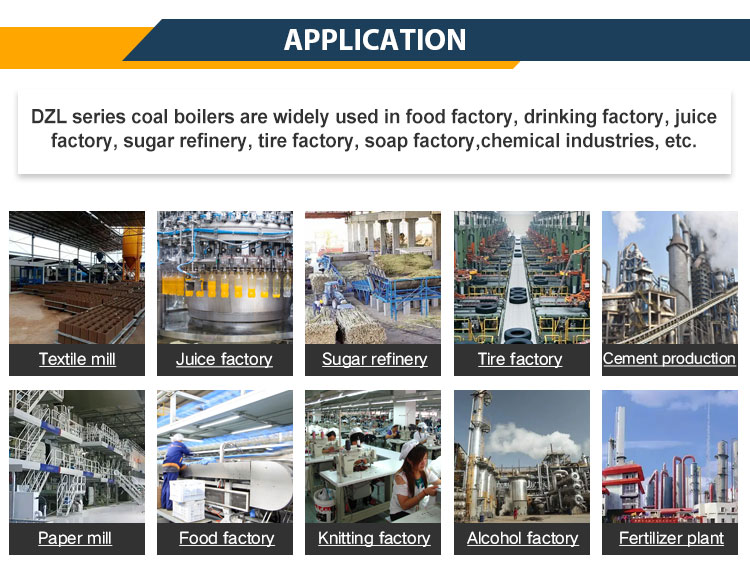
How to Perform a Lifecycle Cost Analysis for an Industrial Biomass Boiler

How to Perform a Lifecycle Cost Analysis for an Industrial Biomass Boiler

Industrial biomass boilers are increasingly adopted as a renewable, carbon-neutral alternative to fossil fuel-based systems. But while they offer long-term environmental and potential fuel cost advantages, biomass boilers also involve complex logistics, maintenance demands, and variable fuel quality. Relying on upfront pricing alone can misrepresent the total cost. A thorough Lifecycle Cost Analysis (LCCA) provides a clear financial roadmap for evaluating the true economic and operational value of a biomass boiler investment.

To perform a lifecycle cost analysis (LCCA) for an industrial biomass boiler, you must calculate all associated costs over the boiler’s lifespan—including initial capital expenditure (CAPEX), fuel supply and transport, maintenance, downtime, emissions compliance, ash disposal, labor, and end-of-life replacement. This data helps determine the Total Cost of Ownership (TCO), Net Present Value (NPV), and Return on Investment (ROI). Accurate LCCA supports informed decision-making and sustainable budgeting.

Below is a structured guide for conducting a reliable and comprehensive LCCA for biomass boiler systems.

What Is Lifecycle Cost Analysis (LCCA) and Why Is It Essential for Biomass Boilers?

Biomass boilers are increasingly popular for industrial energy generation due to their renewable fuel source and carbon neutrality. But unlike conventional boilers, their fuel handling complexity, moisture sensitivity, and ash generation introduce unique cost dynamics. Decisions based only on purchase price ignore the substantial long-term costs of fuel logistics, maintenance, emissions compliance, and operational labor. That’s where Lifecycle Cost Analysis (LCCA) becomes essential. It provides a full-scope view of what it truly costs to own and operate a biomass boiler over 20–30 years, enabling informed investment decisions that align with both financial and sustainability goals.

Lifecycle Cost Analysis (LCCA) is a financial modeling method that calculates the total cost of owning and operating a biomass boiler throughout its service life—including capital expenditures (CAPEX), fuel and transport, maintenance, ash handling, emissions compliance, water treatment, labor, downtime, and decommissioning. It is essential for biomass boilers due to their complex logistics, variable fuel quality, and higher O&M intensity compared to fossil fuel systems. LCCA helps organizations make smart, future-proof decisions by identifying the most cost-effective and sustainable solutions over decades—not just at the point of purchase.

In biomass projects, upfront savings can be dwarfed by long-term fuel and maintenance burdens.

Lifecycle cost analysis reveals the full long-term economic impact of biomass boiler systems, far beyond the purchase price.True

Biomass boilers have complex O&M requirements that make lifecycle evaluation essential for cost-effective investment.


📦 What’s Included in Lifecycle Cost Analysis for Biomass Boilers?

Cost CategoryDescription
CAPEXBoiler, fuel feed system, ash handling, controls
Fuel & DeliveryBiomass cost per ton + trucking, drying, storage
Ash HandlingBottom/fly ash removal, disposal, or reuse
Maintenance & RepairsRefractory, grate, screw feeders, tubes, fans
Water & ChemicalsSoftening, pH balancing, anti-foaming agents
Labor & MonitoringOperator shifts, fuel loader, instrumentation checks
Emissions ComplianceCyclone, ESP, bag filter, CEMS, CO₂ offset management
Downtime & Lost OutputForced outages, seasonal fuel variability
DecommissioningAsset removal and site restoration

LCCA gives you a full picture of system performance and cost stability.


🧮 Example: LCCA for a 5 MW Biomass Boiler Over 20 Years

Cost ElementEstimate (USD)
CAPEX (turnkey installation)$4.5 million
Fuel & Logistics (15,000 tons/year @ $60 avg)$18 million
Maintenance & Parts$1.6 million
Labor (staffing, training)$1.2 million
Ash Handling & Disposal$500,000
Water Treatment & Chemicals$350,000
Emissions Equipment & O&M$900,000
Downtime & Performance Losses$400,000
Decommissioning (EOL)$250,000
Total Lifecycle Cost (20 Years)~$27.7 million

Fuel + maintenance = 70–80% of TCO, making them key cost drivers.


📊 Why LCCA Is Essential for Biomass Systems

ChallengeHow LCCA Helps
Fuel variability (moisture, ash)Projects real combustion efficiency impact
Ash volume & handling costsIncludes frequency and disposal fees
High O&M intensityCaptures repair cycles for moving parts
Emissions compliance (PM, NOₓ)Forecasts filter maintenance, reporting
Carbon credit benefits or penaltiesModels credits, offsets, or regulatory risks
Load fluctuation sensitivityIncludes part-load inefficiency

Without LCCA, a biomass boiler that looks cheap may become the most expensive to own.


📈 Side-by-Side Example: Standard vs. Optimized Biomass Boiler

MetricStandard BoilerHigh-Efficiency Boiler
CAPEX$4.2M$4.8M
Efficiency (Net)72%83%
Fuel Use (tons/year)15,00012,900
Annual Fuel Cost$900,000$774,000
Maintenance + Ash Costs$135,000/year$115,000/year
TCO (20 years)$27.5M$24.3M
ROI vs. Standard13.1% annualized
Payback (Extra $600K CAPEX)~5.2 years

Investing in a more efficient biomass boiler pays back within 5–7 years through reduced fuel and maintenance costs.True

Better combustion and ash management reduce operating costs significantly over the system's lifecycle.


🧾 Best Practices for Biomass LCCA

StrategyBenefit
Model real fuel moisture scenariosAdjusts combustion efficiency, drying costs
Include load profiles (not full-load only)Reveals part-load inefficiencies
Include inflation and fuel escalationMore realistic future projections
Account for ash content by fuel typePrevents disposal cost underestimation
Consult operators for failure cyclesReflects real repair intervals and costs

LCCA is most powerful when combining financial modeling with technical field data.


Summary

Lifecycle Cost Analysis (LCCA) is not just useful—it’s essential when investing in a biomass boiler system. While biomass offers renewable, low-carbon heat, it also introduces unique challenges like fuel variability, ash production, and high maintenance needs. A smart buyer looks beyond CAPEX to see 20–30 years of real operating conditions and costs. LCCA reveals which system will serve you best—not just in the first year, but across its entire lifecycle. In the world of biomass boilers, the cheapest option upfront is rarely the most economical in the long run.

What Upfront Costs Should Be Included in the Biomass Boiler Investment Plan?

Investing in a biomass boiler requires more than just buying a combustion unit. Biomass systems are mechanically complex and fuel-handling intensive, requiring multiple auxiliary systems and civil infrastructure to support continuous, safe, and compliant operation. Many first-time investors make the mistake of budgeting for the boiler alone—only to discover that essential components like fuel storage, feed conveyors, emissions controls, and automation can double or triple the total installed cost. A comprehensive investment plan must include all related systems, installation labor, permits, and commissioning services to provide a realistic picture of capital requirements.

The upfront costs in a biomass boiler investment plan must include the boiler unit, fuel reception and handling system, combustion and control equipment, flue gas treatment, water treatment, ash handling, electrical integration, site preparation, labor, and compliance-related permits. These capital expenditures (CAPEX) typically range from $1.2 million to over $8 million depending on boiler capacity, fuel type, automation level, and regulatory environment. A full-scope plan avoids budgeting shortfalls and ensures a smooth path to commissioning and operation.

Your boiler won’t run without fuel, controls, and permits—so your budget shouldn’t either.

The total installed cost of a biomass boiler system is typically 2 to 4 times the cost of the boiler unit alone.True

Auxiliary systems such as fuel conveyors, emissions controls, and civil works significantly increase capital requirements.


📦 Full Breakdown of Biomass Boiler Upfront Capital Costs

Capital CategoryDescriptionTypical Share of CAPEX
Boiler UnitCombustion chamber, furnace, pressure vessel25–35%
Fuel Storage & Feeding SystemSilos, hoppers, conveyors, rotary valves, shredders15–20%
Combustion Air & Draft EquipmentFD/ID fans, air preheater, ducting, dampers5–10%
Ash Handling SystemBottom/fly ash conveyors, hoppers, storage bins5–10%
Control & InstrumentationPLC/SCADA, temperature/pressure sensors, safety alarms5–10%
Emissions Control EquipmentCyclone, bag filter, ESP, scrubber, CEMS10–15%
Feedwater & Blowdown SystemsPumps, softeners, condensate tank, deaerator5–8%
Electrical & Panel IntegrationPower supply, MCCs, lighting, grounding3–7%
Installation LaborPiping, rigging, welding, insulation10–15%
Civil Works & Site PrepConcrete foundations, structural platforms, access roads5–10%
Permits & Code ComplianceEnvironmental, fire, emissions, safety inspections1–3%

Each category is critical to achieving turnkey readiness and ensuring safe, legal operation.


🧪 Example: 5 MW Biomass Boiler (20 TPH Steam Capacity)

Cost ElementEstimated Cost (USD)
Boiler Unit$1,200,000
Fuel Storage & Feed System$850,000
Combustion Air & Fan System$400,000
Ash Removal Equipment$450,000
Controls (PLC + Safety Sensors)$380,000
Emissions Control (Cyclone + ESP)$600,000
Feedwater + Blowdown$300,000
Electrical Panels + Wiring$250,000
Site Prep & Civil Works$400,000
Installation & Labor$700,000
Permits & Engineering Services$100,000
Total Installed CAPEX~$5.63 million

Skipping ash or emissions systems would violate permits—and eventually cost more in retrofits or fines.


📊 CAPEX Sensitivity by Boiler Size

Boiler SizeInstalled Cost Range (USD)Key Drivers
2 TPH (Small plant)$1.2M – $2.5MBasic feed + minimal emissions control
5 TPH (Mid-size)$2.5M – $4.5MNeeds advanced ash & emissions systems
10–20 TPH (Large)$5M – $8M+Full automation + integrated feed & recycling

Higher capacity also scales up infrastructure, not just boiler steel.


📋 Factors That Influence Upfront Cost

FactorCost Impact
Fuel Type (chips vs. pellets vs. agri-waste)Changes feed system complexity
Moisture ContentAffects drying needs or furnace size
Ash ContentIncreases removal and disposal systems
Emissions RegulationsMore controls = higher cost
Automation & ControlsHigher capex, better O&M savings
Site AccessibilityRemote/complex sites = more civil works

Fuel choice alone can shift costs by 20–30%, due to handling and emissions differences.


Summary

A biomass boiler investment must budget for much more than just the boiler unit. Upfront costs should comprehensively include fuel handling systems, combustion support, emissions control, ash removal, automation, electrical, site work, and compliance. These capital elements are essential for safe, legal, and continuous operation—and they often represent more than half the total project cost. For realistic planning, budget with a total installed view, not a unit price mindset. In biomass systems, you don’t just install a boiler—you build an ecosystem.

Thailand 35 tons palm fiber Biomass steam boiler

How Do Fuel Logistics, Moisture Content, and Sourcing Affect Long-Term Fuel Costs?

Biomass boilers offer sustainable heat and power with reduced emissions—but their long-term economic performance is tightly linked to fuel quality, transportation logistics, and sourcing strategies. Unlike standardized fossil fuels, biomass fuel comes in many forms—wood chips, pellets, agricultural residues—each with unique handling, moisture, ash, and energy characteristics. Over the boiler’s lifetime, small variations in fuel type, moisture content, or supply chain structure can cause massive differences in fuel costs, combustion efficiency, maintenance frequency, and overall plant economics. Understanding these variables is essential for budgeting, procurement, and lifecycle cost analysis (LCCA).

Fuel logistics, moisture content, and sourcing critically affect long-term biomass fuel costs by influencing fuel price per ton, energy value per MMBtu, handling requirements, and combustion efficiency. Wet fuels cost more to burn due to lower calorific value, while long-distance transport increases unit fuel cost. Unreliable sourcing can lead to price volatility or shortages. Over 20–30 years, these variables significantly impact total cost of ownership and must be optimized to ensure fuel cost stability, plant reliability, and environmental compliance.

If you don’t manage your fuel variables, your costs will manage you.

Moisture content, fuel transport distance, and supplier reliability are the biggest variables affecting long-term biomass fuel cost.True

These factors determine how much energy you actually receive and what you pay per useful MMBtu.


📦 Key Biomass Fuel Cost Components

ComponentDescriptionCost Influence
Fuel Purchase Price (FOB)Base cost per ton (fresh weight or dry basis)Moderate
Moisture Content (%)Affects net energy content and boiler efficiencyHigh
Transport Distance & ModeAffects $/ton delivered (road, rail, ship)High
Supplier ReliabilityImpacts security of supply, price stabilityHigh
Fuel ConsistencyAffects combustion control and ash productionModerate
Handling RequirementsChipping, drying, conveyingModerate

🔢 Fuel Moisture and Energy Value Comparison

Fuel TypeMoisture (%)LHV (kcal/kg)LHV (MMBtu/ton)Combustion Efficiency Impact
Wood Pellets8–12%4,200–4,500~17.6High
Dry Wood Chips15–25%3,500–4,000~15.1Moderate
Green/Wet Chips35–50%2,200–2,700~11.5Low (requires drying)
Agricultural Waste15–30%3,000–3,800~14.3Varies

Wet fuels require more per ton to deliver the same thermal output—up to 30–40% more tons/year.


📊 Fuel Cost Impact: Moisture vs. Energy Value

Fuel TypeDelivered Cost ($/ton)Moisture (%)Net Energy (MMBtu/ton)Cost per MMBtu ($)
Wood Pellets$13010%17.5$7.43
Dry Wood Chips$8520%15.0$5.66
Wet Chips (Green)$6545%11.5$5.65

Wet fuel seems cheaper per ton, but once adjusted for usable energy, it’s often more expensive per MMBtu.


🚛 Fuel Logistics: Transport & Handling Cost Factors

Distance (km)Transport ModeCost Add-on ($/ton)
<50 kmTruck$5 – $15
50–200 kmTruck/Trailer$15 – $35
200–800 kmRail or Barge$20 – $45
>800 kmIntermodal/Ship$40 – $80

Proximity to biomass source can save $10–40/ton, or hundreds of thousands per year.


🧪 Long-Term Cost Case: 10 TPH Biomass Boiler (Fuel 15,000 tons/year)

ScenarioFuel TypeMoisturePrice/tonFuel Cost/YearFuel MMBtu/YearCost/MMBtu
Case 1: Local Dry ChipsDry Chips20%$90$1.35M225,000$6.00
Case 2: Wet Chips, Distant SourceWet Chips45%$70 + $25$1.425M172,500$8.26
Case 3: Premium PelletsWood Pellets10%$130$1.95M262,500$7.43

Efficient fuel + short transport = lowest lifecycle fuel cost, even with higher $/ton purchase price.


📋 Sourcing Strategy Matters

Sourcing ApproachBenefitsRisks
Long-Term Fixed ContractPrice stability, supply securityMay miss market drops
Local Cooperative SupplyCommunity support, short haulMay lack consistency
Spot Market (Seasonal)Flexible pricingHigh volatility
Own Biomass PlantationFuel control, low costHigh upfront investment

Best practice: blend 2–3 sources for price stability and reliability.


Summary

Long-term biomass boiler fuel costs are far more complex than $/ton headlines suggest. Moisture content, transport logistics, and sourcing strategy fundamentally shape the true cost per MMBtu delivered to your furnace. Wet, distant, or inconsistent fuels may appear cheaper but often result in higher operating costs, lower combustion efficiency, and more ash-related maintenance. Accurate budgeting and fuel contracting must be based on energy content, not just bulk tonnage. In biomass fuel economics, what matters most isn’t what you pay per ton—it’s what you get per BTU.

What Are the Operational and Maintenance Costs, Including Ash Handling and Cleaning, for Industrial Biomass Boilers?

Biomass boilers provide a renewable and eco-friendly way to generate steam and power, but they are mechanically intensive systems that require ongoing operational vigilance and regular maintenance. Unlike gas or oil-fired systems, biomass combustion produces large volumes of ash, introduces variable fuel residues, and requires frequent cleaning to maintain heat transfer efficiency. All of these factors contribute to recurring operational and maintenance (O&M) costs, which are a major component of total cost of ownership (TCO). Ignoring or underestimating them leads to performance decline, unplanned shutdowns, and soaring repair bills.

Operational and maintenance costs for industrial biomass boilers typically range from 2.5% to 5.5% of the total installed capital cost per year, including ash handling, soot cleaning, equipment inspection, refractory maintenance, and labor. Key cost contributors include ash removal systems, scheduled shutdown overhauls, fan and screw wear, and biomass-specific deposits. Ash handling alone can cost $3 to $10 per ton of fuel burned, depending on ash content and disposal strategy. Over a 20–30 year life, O&M costs represent millions in recurring expenses, requiring proactive planning and budgeting.

A biomass boiler can’t run clean or efficiently without hands-on, routine care.

Operational and maintenance costs are significantly higher in biomass boilers than gas systems due to ash generation and fuel variability.True

Frequent cleaning, wear on feeding and ash systems, and emissions management add to recurring cost.


📦 Typical O&M Activities and Cost Categories

CategoryActivity DescriptionFrequencyCost Range (USD/year)
Ash HandlingBottom ash removal, fly ash silo discharge, disposalDaily – Weekly$30,000 – $100,000
Soot Blowing & Tube CleaningRemoves fouling from heat exchanger surfacesWeekly – Monthly$10,000 – $25,000
Refractory RepairFurnace floor, wall re-lining, crack repairAnnually$10,000 – $50,000
Grate & Screw MaintenanceWear parts inspection and replacement (grate bars, conveyors)Quarterly – Annually$20,000 – $60,000
Fan Bearings & LubricationID/FD fan and motor serviceSemi-annually$5,000 – $10,000
PLC & Instrument CalibrationThermocouples, pressure switches, O₂ trimAnnually$3,000 – $8,000
Operator LaborShifts, fuel loading, ash clearingContinuous$60,000 – $120,000
Emissions Filter ReplacementBaghouse bags or ESP electrodesEvery 2–4 years$30,000 – $90,000

These costs vary based on boiler size, fuel type, runtime, and automation level.


🔧 O&M Cost Estimates by Boiler Size

Boiler Size (Steam Output)Annual O&M Cost (USD)Key Drivers
2–5 TPH$75,000 – $150,000Basic ash & manual fuel feed
10 TPH$150,000 – $300,000Automated feed, wet fuel, baghouse
20–30 TPH$300,000 – $600,000Multi-operator system, advanced controls

O&M is 20–30% higher for fuels with high ash, moisture, or inconsistent form (e.g., agri-waste).


📊 Ash Generation and Handling Cost

Fuel TypeAsh Content (%)Ash from 10,000 tons (tons)Handling Cost @ $7/tonDisposal Cost (Landfill)
Wood Pellets0.5–1.0%50–100$350 – $700Often reusable
Wood Chips1–2%100–200$700 – $1,400Moderate
Straw/Agri-Waste3–8%300–800$2,100 – $5,600High (landfill fees apply)

High-ash fuels increase handling time, disposal volume, and compliance reporting.


🧪 Example: 10 TPH Biomass Boiler, 8,000 hrs/year

ItemUnit CostAnnual QuantityAnnual Cost (USD)
Fuel Used$80/ton15,000 tons$1.2 million
Ash Produced$7/ton handling300 tons$2,100
Tube Cleaning & Soot BlowingFixed$20,000
Maintenance PartsAvg$50,000
Operator Labor$80,000/year$80,000
Water Treatment$8,000/year$8,000
Controls & SensorsAnnual Calibration$5,000
Total Annual O&M~$165,100

Over 20 years: $3.3–3.6 million in O&M—equal to or exceeding boiler CAPEX.


📋 Ways to Control O&M and Ash Costs

Optimization MethodBenefit
Choose low-ash biomassReduces disposal cost and fouling
Automate ash handlingSaves labor, reduces emissions risk
Install soot blower systemMinimizes manual cleaning
Use predictive maintenance toolsPrevents forced shutdowns
Recycle ash in agriculture/cementLowers disposal cost and generates revenue

Automated ash handling and soot cleaning reduce manual labor cost by up to 30%.True

These systems free operators and prevent performance loss from delayed cleaning.


Summary

Operational and maintenance costs for industrial biomass boilers are significant and continuous, especially due to ash handling, soot cleaning, refractory upkeep, and labor-intensive feeding systems. Depending on fuel type and boiler size, annual O&M costs can range from $100,000 to $600,000 or more, representing a major share of the system’s lifecycle cost. Smart planning, automation, and fuel selection are essential to keep these costs under control. In biomass plants, reliability isn’t just engineered—it’s maintained—every day.

How Should You Calculate Emissions Compliance, Monitoring, and Labor Costs Over Time?

Biomass boilers are recognized for their renewable credentials—but like all combustion systems, they emit pollutants that are regulated by local, national, and international authorities. These include particulate matter (PM), nitrogen oxides (NOₓ), carbon monoxide (CO), volatile organic compounds (VOCs), and carbon dioxide (CO₂). Compliance with these emissions regulations is not optional; it involves capital investment, continuous monitoring, reporting, and skilled labor. Failing to calculate and manage these costs over time can lead to permits delays, fines, retrofitting expenses, or forced shutdowns.

To calculate emissions compliance, monitoring, and labor costs over time for a biomass boiler, you must include capital investment in emissions control equipment (e.g., baghouses, ESPs, scrubbers), annual operation and maintenance (O&M) of those systems, emissions testing and reporting, labor for oversight and documentation, and potential carbon tax or offset fees. These costs can reach 10–15% of total operating costs in some jurisdictions and typically increase with tightening environmental regulations.

Compliance is not just a one-time cost—it’s a long-term financial obligation tied to your boiler’s operating license.

Emissions compliance and monitoring costs for biomass boilers often exceed 10% of total operational expenditure over the boiler's lifecycle.True

They include equipment maintenance, testing, reporting, and potential carbon-related costs, which increase with regulation.


📦 Components of Emissions Compliance Cost

CategoryDescriptionFrequency/Type
Control Equipment CAPEXBaghouse, ESP, cyclone, scrubber, CEMSOne-time + upgrades
Control Equipment O&MFilter replacement, airlock service, duct cleaningOngoing
Emissions TestingStack sampling, lab analysis (NOₓ, PM, CO)Annual or biannual
Monitoring & ReportingContinuous Emissions Monitoring Systems (CEMS) calibrationContinuous + monthly
Labor for ComplianceEnvironmental engineer/operator timeWeekly/monthly
Permit Fees & RenewalsAir emissions permits, renewals, inspectionsAnnual or multi-year
Carbon Tax or Offset FeesPer-ton CO₂ equivalent (depending on jurisdiction)Annual (per ton CO₂)

These costs are spread across equipment, operations, and staffing, not just capital.


🧮 Example: 10 TPH Biomass Boiler – 20-Year Emissions Compliance Model

Cost ElementUnit Cost (USD)Frequency/Total20-Year Total (USD)
Baghouse & Ducting CAPEX$600,000One-time$600,000
Bag Replacement (every 4 years)$60,0005× over 20 years$300,000
CEMS Purchase + Setup$100,000One-time$100,000
CEMS O&M and Calibration$8,000/year20 years$160,000
Annual Stack Testing + Reporting$4,000/year20 years$80,000
Emissions Engineer Labor$25/hour × 12 hrs/month20 years~$72,000
Air Permit Renewals$3,000 every 3 years7 renewals$21,000
Carbon Offset or Tax (optional)$20/ton CO₂ × 3,000 tons/year20 years$1.2 million
Total Compliance & Monitoring Cost  ~$2.5–2.7 million

With carbon taxes, emissions costs can surpass $3 million over two decades.


📊 Breakdown of Annual Emissions Compliance Cost

ItemCost Estimate (USD/year)
Baghouse Maintenance & Spare Parts$15,000 – $25,000
Stack Testing & Reporting$3,000 – $5,000
CEMS Calibration & Service$8,000 – $10,000
Labor (in-house or contractor)$3,500 – $6,000
Permit Fees, Renewal Applications$1,000 – $2,500
Total Annual Cost~$30,000 – $50,000

Jurisdictions with aggressive air quality targets may require real-time uploads, increasing cost further.


📋 Emissions Control Equipment Lifespan

EquipmentExpected LifeReplacement Cost (USD)
Bag Filter House15–20 years$500,000 – $1,000,000
ESP (Electrostatic Precipitator)20–25 years$800,000 – $1.2 million
Cyclone Separator10–15 years$150,000 – $300,000
CEMS Hardware & Software8–12 years$80,000 – $120,000

Budgeting for mid-life system replacement is part of responsible lifecycle planning.


📈 Carbon Pricing Impact Forecast

ScenarioPrice/Ton CO₂CO₂ Emitted (tons/year)Annual Cost20-Year Cost
Conservative Policy$203,000$60,000$1.2 million
Aggressive Policy$503,000$150,000$3.0 million
ETS (Emissions Trading System)Variable ($30–90 avg)3,000$90,000–270,000$1.8M–5.4M

Carbon cost volatility must be modeled in all long-term planning.


Summary

Calculating emissions compliance, monitoring, and labor costs over time is essential for any industrial biomass boiler investment. These costs span capital equipment, testing services, control system maintenance, and environmental staffing, and they grow over time with tightening regulations and carbon pricing policies. For mid- to large-scale systems, total emissions-related costs can exceed $2.5–$3 million over 20 years, or more with carbon taxes. Proactive planning ensures you avoid fines, protect your operating license, and maintain community and regulatory trust. In modern biomass energy, staying clean means staying compliant—and financially prepared.

How Do You Estimate Payback Period, TCO, and NPV to Evaluate Financial Feasibility?

Industrial biomass boilers offer long-term energy savings and emissions benefits, but their financial feasibility can’t be judged by purchase price alone. Due to their higher upfront cost, complex fuel handling, and emissions control requirements, it’s essential to assess the complete economic picture using financial evaluation tools like payback period, total cost of ownership (TCO), and net present value (NPV). These metrics allow you to compare biomass with other heating options, evaluate competing biomass technologies, and make investment decisions based on long-term returns—not just year-one budgets.

To evaluate the financial feasibility of an industrial biomass boiler, estimate the payback period (the time it takes to recover your investment through savings), TCO (the total cost to own and operate the boiler over its lifetime), and NPV (the present-day value of future savings minus future costs). These metrics require inputs such as capital costs, fuel price savings, operational expenses, lifespan, and discount rates. Together, they reveal whether a biomass boiler will deliver positive returns compared to fossil systems or other renewables.

Don’t let the initial price cloud your judgment—let the long-term math speak for itself.

TCO, payback period, and NPV are essential financial metrics for evaluating biomass boiler investments.True

They show the full financial picture by including savings, fuel costs, and long-term operational impacts.


🔢 1. Payback Period Formula & Example

✅ Formula:

Payback Period = Extra Investment / Annual Net Savings

📊 Example:

ComparisonFossil Fuel BoilerBiomass Boiler
CAPEX$900,000$1,600,000
Fuel Cost/Year$1,050,000$750,000
Annual Savings$300,000
Extra Investment$700,000
Payback = $700,000 / $300,000 = **2.33 years**

Any payback under 5 years is considered excellent for 20–30 year assets.


📦 2. TCO – Total Cost of Ownership

✅ Formula:

TCO = CAPEX + ∑(Fuel + O&M + Labor + Ash Handling + Emissions + Decommissioning)
Cost Element20-Year Estimate (USD)
CAPEX$1.6 million
Biomass Fuel (15,000 tons/year @ $75 avg)$22.5 million
O&M, Labor, Cleaning$4.2 million
Ash & Emissions Handling$900,000
Decommissioning$200,000
TCO (20 Years)~$29.4 million

Compare with gas boiler TCO: $34–38 million (mostly from high fuel cost).


💰 3. NPV – Net Present Value

✅ Formula:

NPV = (Total Savings – Total Costs) discounted to present using:
NPV = ∑ (Cash Flow in Year t) / (1 + r)^t

Where:

  • r = discount rate (typically 5–8%)

  • t = year

  • Cash flow = Fuel savings – O&M difference

📊 NPV Example:

  • Savings = $300,000/year

  • Extra CAPEX = $700,000

  • O&M difference = $20,000/year higher for biomass

  • Discount Rate: 6%

  • Time: 20 years

Net Annual Benefit = $280,000  
NPV = ∑ ($280,000 / (1.06)^t), t = 1 to 20  
= ~$3.2 million

A positive NPV indicates the project earns more than its cost, after adjusting for time and interest.


📈 Side-by-Side Financial Metric Comparison

MetricBiomass BoilerFossil Fuel Boiler
CAPEX$1.6 million$900,000
Annual Fuel Cost$750,000$1,050,000
Annual O&M Cost$200,000$140,000
Payback Period2.33 years
20-Year TCO$29.4M~$34.6M
20-Year NPV @ 6%$3.2M
ROI>450%

A biomass boiler with strong fuel savings can outperform fossil boilers in TCO and NPV even with higher upfront cost.True

Lower fuel cost and environmental benefits offset capital investment within a few years.


📋 Best Practices for Biomass Feasibility Modeling

PracticeWhy It Matters
Use real fuel cost and escalation trendsFuel savings drive ROI
Include labor, ash, emissions costsOmitting them underestimates TCO
Factor in grants or incentivesMany regions support biomass retrofits
Model carbon tax exposureIncreases fossil TCO and improves biomass ROI
Run NPV with different discount ratesReflects financing or risk tolerance

Use tools like Excel with NPV/PV functions or LCCA software for better accuracy.


Summary

Estimating payback period, TCO, and NPV is essential for evaluating whether a biomass boiler investment will generate real, long-term returns. These financial tools capture the true economic impact of higher efficiency, renewable fuel savings, and operational costs compared to conventional systems. When modeled correctly, many industrial biomass boiler projects show attractive ROI, short payback, and positive NPV—making them not only environmentally sound but also financially strategic. In energy investment, the right numbers don’t lie—they light the path to profitability.

🔍 Conclusion

Performing a lifecycle cost analysis allows you to go beyond the sticker price and fully evaluate the economic sustainability of a biomass boiler system. While fuel savings and renewable benefits are attractive, long-term performance depends on accurate forecasting of operational costs and logistical planning. An effective LCCA ensures your biomass boiler investment delivers value, reliability, and environmental responsibility over its 15–25 year lifespan.


📞 Contact Us

💡 Need help with biomass boiler cost modeling and lifecycle analysis? Our team provides TCO forecasting, fuel logistics consulting, and ROI planning tailored to your industrial biomass system.

🔹 Contact us today to make your biomass boiler project a smart, cost-effective, and sustainable investment! 🌱🔥📊

FAQ

What is lifecycle cost analysis (LCCA) for an industrial biomass boiler?

Lifecycle cost analysis is a method used to calculate the total cost of ownership (TCO) over the operational life of a biomass boiler. It includes all costs:

  • Capital expenditure (CapEx)

  • Operating expenses (OpEx)

  • Fuel, maintenance, emissions compliance, and end-of-life costs
    This holistic view helps evaluate the long-term financial viability of biomass systems compared to gas, coal, or oil-fired alternatives.

What cost components are included in biomass boiler LCCA?

  1. Capital Cost – Boiler unit, fuel handling, storage, and installation

  2. Fuel Cost – Type (pellets, chips, agri-waste), price per ton, and moisture content

  3. Operation & Maintenance (O&M) – Ash removal, grate cleaning, tube replacement

  4. Emissions Compliance – Filters, cyclones, baghouses for PM control

  5. Labor & Training – Operators skilled in biomass systems

  6. Disposal or Replacement – End-of-life decommissioning or resale

How is fuel cost calculated in biomass boiler LCCA?

Annual Fuel Cost = Annual Consumption (tons) × Price per Ton
Prices vary by region and fuel type:

  • Wood chips: $40–$70/ton

  • Pellets: $150–$250/ton

  • Agri-residues: $30–$80/ton
    Also factor in fuel moisture content, as high moisture reduces combustion efficiency and increases consumption.

What are typical O&M costs over a biomass boiler’s lifespan?

O&M costs for biomass boilers range from 5–8% of capital cost annually, covering:

  • Ash disposal systems

  • Tube cleaning and refractory repair

  • Fuel feed system maintenance
    Over 20 years, O&M costs can total $300,000 to $800,000+, depending on system size and complexity.

Why is LCCA important for evaluating biomass boilers?

Biomass boilers often have higher upfront costs but offer long-term savings due to:

  • Lower, stable fuel prices

  • Government incentives or renewable energy credits

  • Carbon neutrality and emissions advantages
    LCCA reveals whether the higher initial investment pays off over time, especially when compared to fossil-fuel systems.

References

  1. Lifecycle Costing Methodology – Energy.govhttps://www.energy.gov

  2. Biomass Fuel Cost Guide – EIAhttps://www.eia.gov

  3. Total Cost of Ownership in Biomass Heating Systemshttps://www.researchgate.net

  4. Industrial Biomass Boiler Economic Assessmenthttps://www.sciencedirect.com

  5. Maintenance Trends in Biomass Combustionhttps://www.epa.gov

  6. Emission Control Technologies for Biomass Boilershttps://www.bioenergyconsult.com

  7. Carbon Credit and Biomass Incentive Programshttps://www.energysavingtrust.org.uk

  8. Biomass Boiler Operations and Maintenancehttps://www.mdpi.com

  9. IEA Biomass Plant Cost Guidelineshttps://www.iea.org

  10. ASME Standards for Biomass Boiler Design and Cost Analysishttps://www.asme.org

Wade Zhang

CEO of Taishan Group Taian Boao International Trade Co., Ltd. 30 years experience in Global industrial boiler market,  Over 300 boiler projects experience, including 21+ EPC projects. Projects span 30+ countries & regions, involving industries such as nuclear power, energy & electricity, municipal heating, mining, textiles, tires etc.

How to Perform a Lifecycle Cost Analysis for an Industrial Biomass Boiler Read More »
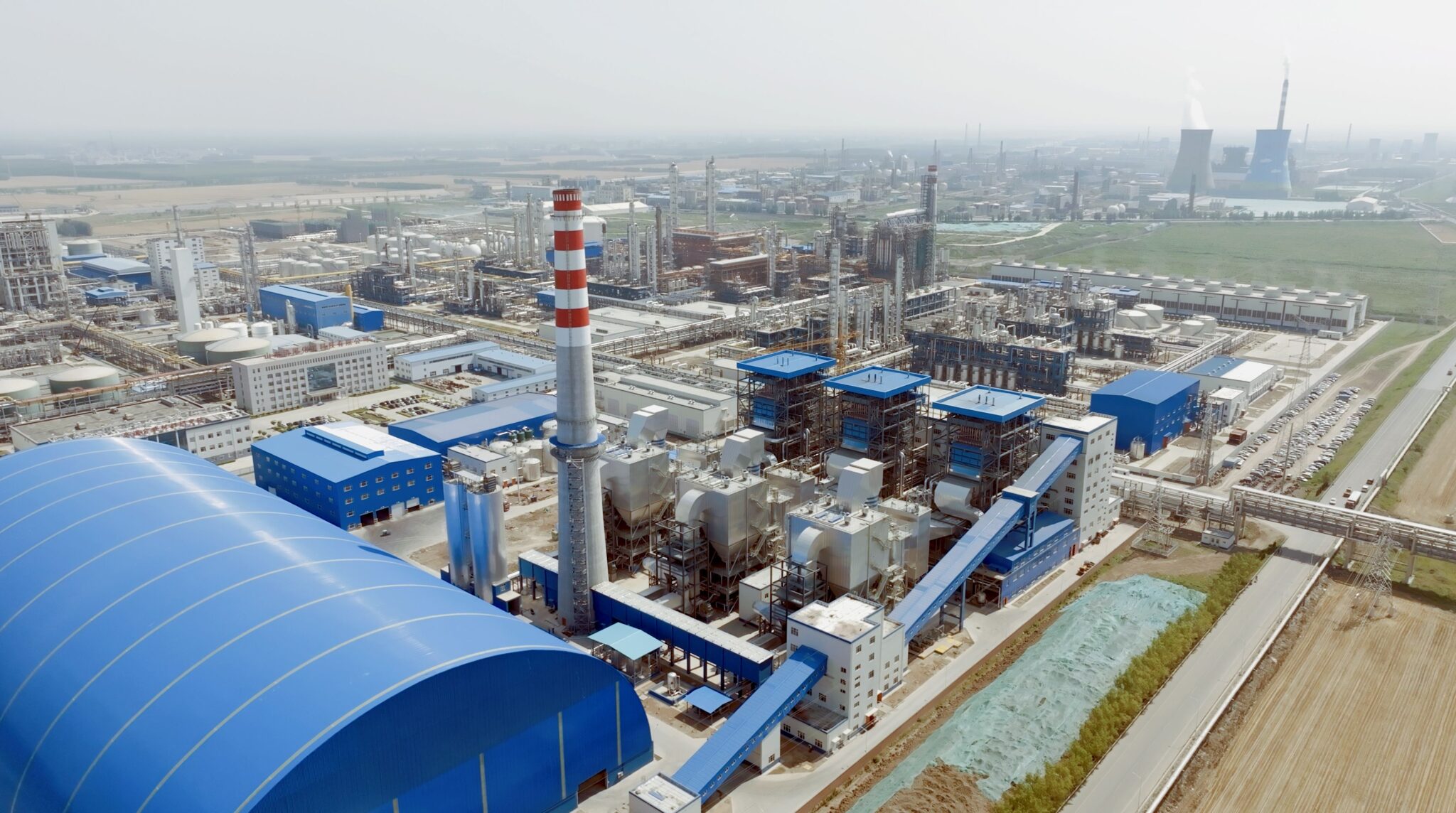
What Are the Key Components of an Industrial Gas-Fired Boiler?

What Are the Key Components of an Industrial Gas-Fired Boiler?

Industrial gas-fired boilers are popular for their high combustion efficiency, clean emissions, and ease of control, making them a preferred choice in food processing, pharmaceuticals, textiles, and manufacturing. However, while the upfront cost may be lower than more complex systems, the long-term operating expenses—especially fuel consumption—often make up the majority of the total investment. Understanding both initial capital outlay and lifecycle costs is essential for accurate budgeting and strategic planning.

The upfront costs of an industrial gas-fired boiler include the boiler unit, burner system, gas supply infrastructure, installation, control systems, and emissions compliance equipment. Long-term costs consist of natural gas consumption, scheduled maintenance, periodic burner tuning, water treatment, emissions monitoring, and potential retrofits to meet future environmental standards. Although these boilers generally have lower maintenance and emission control costs than coal or oil systems, fuel cost remains the dominant long-term expense.

Here’s a detailed look at how the cost structure breaks down over time.

What Are the Typical Upfront Costs of Purchasing and Installing a Gas-Fired Boiler?

When planning to install a gas-fired boiler in an industrial setting, focusing solely on the price of the boiler unit can severely understate the true upfront investment. The total capital cost includes not only the boiler shell but also essential auxiliary equipment, installation labor, control systems, site modifications, and compliance requirements. These factors collectively form the turnkey cost, which can range from hundreds of thousands to several million dollars depending on boiler capacity, pressure, automation level, and regulatory environment.

The typical upfront cost for purchasing and installing an industrial gas-fired boiler ranges from $250,000 to over $2 million, depending on size, pressure, efficiency level, and included auxiliary systems. This includes the boiler unit itself, burner, fuel train, controls, flue gas stack, water treatment systems, electrical integration, site preparation, and mechanical labor. On average, installation and auxiliary components double or triple the base cost of the boiler. Accurate cost planning must account for these full-scope expenses to avoid budget overruns and delays.

A boiler’s sticker price is just the beginning—its installed cost tells the real story.

The total installed cost of a gas-fired industrial boiler is typically 2 to 3 times the base equipment cost.True

Auxiliaries like burners, controls, piping, and installation labor add significantly to total capital outlay.


📦 Major Capital Cost Components

ComponentTypical Share of Total CAPEXDescription
Boiler Unit (Shell & Drum)25–35%Pressure vessel, heat exchangers
Gas Burner & Fuel Train10–15%Modulating burner, gas shutoff valves, regulator
Control System (PLC, HMI)5–10%Safety logic, touchscreen, O₂ trim, alarms
Flue Gas Stack & Draft Equipment5–8%Stainless stack, dampers, draft fans
Feedwater & Water Treatment8–12%Pumps, softener, RO system, condensate tank
Electrical Integration3–7%Power panels, MCCs, wiring, lights
Mechanical Installation & Labor10–20%Rigging, welding, insulation, commissioning
Site Work & Foundations3–6%Concrete pads, pipe racks, platforms
Startup, Permits, Inspections1–3%Code compliance, emissions test, documentation

These categories cover all expenses required to bring the system online.


📊 Cost Range by Boiler Size (Turnkey Installation)

Boiler Size (Steam Output)Typical Installed Cost (USD)Example Application
2 TPH$250,000 – $450,000Small industrial laundry, process line
5 TPH$450,000 – $700,000Food, beverage, chemical plants
10 TPH$750,000 – $1.2 millionMedium continuous production
20 TPH$1.4M – $2.2 millionLarge manufacturing, district heating
30 TPH$1.8M – $2.8 millionPowerhouse, industrial campus

High-efficiency condensing models or systems with emissions controls cost more.


🧪 Cost Breakdown Example: 10 TPH Gas-Fired Boiler

Cost ElementEstimated Cost (USD)
Boiler Unit$280,000 – $350,000
Burner & Gas Train$80,000 – $110,000
Controls (PLC + Touchscreen HMI)$60,000 – $85,000
Feedwater Tank, Pumps, Softeners$90,000 – $120,000
Stack & Draft Fans$50,000 – $70,000
Installation Labor & Rigging$160,000 – $220,000
Electrical + Commissioning$60,000 – $80,000
Permits & Code Compliance$10,000 – $20,000
Total Turnkey Cost~$800,000 – $1.05M

Every component must be properly sized and matched to local regulations and fuel infrastructure.


📋 Factors That Affect Capital Cost Range

FactorImpact on Cost
Boiler Pressure/TemperatureHigher spec = thicker steel, more control logic
Fuel Type (Natural vs. Biogas)Biogas needs scrubbing, safety extras
Efficiency (Condensing vs. Non)+10–20% CAPEX, lower fuel use
Automation LevelMore sensors, SCADA, remote access
Site ConditionsConstrained sites = higher labor cost
Regulatory RequirementsNOₓ rules may mandate SCR/FGR

Smart upgrades (e.g., economizer, O₂ trim) raise CAPEX but reduce fuel use by 5–10%.


Summary

The typical upfront cost of purchasing and installing a gas-fired industrial boiler ranges from $250,000 to over $2 million, depending on system size, performance goals, and auxiliary system complexity. The boiler unit may account for only 30–40% of total installed cost, with the remainder allocated to burners, water systems, control panels, labor, and compliance. A complete capital plan must reflect the true scope of installation, or risk underfunding and delays. For industrial steam generation, accurate budgeting begins by counting every pipe, panel, and pound of pressure that brings it to life.

What Auxiliary Systems and Permits Add to the Capital Investment?

While a gas-fired industrial boiler is often promoted with a headline unit price, the true capital investment goes well beyond that number. To commission a compliant, safe, and fully functional boiler system, numerous auxiliary systems and permits are required—each with its own cost implications. These components ensure the boiler operates reliably, safely, and legally. Whether you’re budgeting for a new installation or a major upgrade, a full accounting of these secondary yet essential systems is crucial for accurate project budgeting and avoidance of regulatory delays.

Auxiliary systems and permits add 40–70% or more to the base cost of a gas-fired boiler system. These include the gas train and regulator system, feedwater and condensate return, blowdown management, flue stack and draft control, control panels and PLCs, safety interlocks, emissions monitoring, and necessary permits for air, gas, and pressure vessel operation. Failing to include these in your capital budget can lead to significant cost overruns, project delays, and non-compliance risks.

A gas-fired boiler is only as good as the systems that support it—and the permits that allow it to run.

Auxiliary systems and permitting typically increase the capital cost of gas-fired boilers by 40–70% beyond the boiler unit itself.True

These include essential support equipment and regulatory approvals needed to operate legally and safely.


📦 Key Auxiliary Systems That Add to CAPEX

SystemPurposeCost Range (USD)
Gas Train & Pressure RegulatorControls and conditions fuel gas supply$20,000 – $80,000
Burner Management System (BMS)Ensures safe ignition, shutdown, and interlocks$30,000 – $70,000
PLC & SCADA ControlsBoiler automation, data logging, alarms$40,000 – $90,000
Feedwater Pumps & TankSupplies treated water to boiler$25,000 – $60,000
Water Softener/RO UnitRemoves hardness to prevent scale$20,000 – $50,000
Deaerator or Condensate TankRemoves O₂ to prevent corrosion$30,000 – $80,000
Blowdown SystemRemoves high-TDS water to control concentration$10,000 – $30,000
Flue Stack, Dampers, ID FanExhausts combustion gases safely$25,000 – $70,000
Safety Valves, InstrumentationEnsures safe operation under pressure$10,000 – $30,000
Economizer (optional)Recovers flue gas heat to preheat feedwater$40,000 – $100,000

These systems may double the installation cost, depending on boiler capacity and site complexity.


📋 Common Permits and Approvals Required

Permit TypePurposeTypical Cost (USD)
Boiler Installation PermitLocal approval for pressure equipment$1,000 – $5,000
Air Emissions Permit (NOₓ/CO)Mandated for combustion sources >1 MMBtu/hr$2,000 – $10,000
Natural Gas Supply ApprovalRequired from gas utility or energy agency$1,000 – $3,000
Pressure Vessel Inspection (State/Local)Ensures compliance with ASME/API codes$500 – $2,000/year
Occupational Safety CertificationRequired for operator safety compliance$2,000 – $6,000
Building and Fire Code ReviewsLocal zoning and fire department inspection$1,000 – $3,000

Total permit and compliance costs typically range from $10,000 to $30,000, depending on jurisdiction.


🧪 Turnkey Project Budget Example: 10 TPH Gas-Fired Boiler

ComponentEstimated Cost (USD)
Boiler Unit$320,000
Burner + Gas Train$90,000
Feedwater & Softener System$60,000
Controls & PLC Interface$75,000
Stack + Draft Fan System$60,000
Blowdown Tank + Valves$20,000
Safety Interlocks + Sensors$25,000
Mechanical & Electrical Labor$160,000
Permits & Commissioning$20,000
Total Turnkey CAPEX~$830,000

Boiler unit is <40% of total project cost—auxiliaries and compliance make up the majority.


📊 Auxiliary Systems Impact by Boiler Size

Boiler Capacity (TPH)Total CAPEX (USD)Auxiliaries & Permits (%)
2 TPH~$300,000 – $450,00050–60%
5 TPH~$500,000 – $750,00050%
10 TPH~$800,000 – $1.2M55–65%
20 TPH~$1.4M – $2.2M60–70%

As system size increases, permit complexity and auxiliary scale also grow.


Summary

For industrial gas-fired boilers, auxiliary systems and permits are not optional—they are integral to the safe, efficient, and legal operation of the system. From the gas train to the feedwater pumps, from control panels to emissions permits, these components often cost more than the boiler itself. Ignoring them in early project planning leads to budget shocks, schedule delays, and regulatory non-compliance. A complete capital strategy must factor in every pipe, valve, and signature required to deliver heat and steam safely. In gas boiler projects, it’s the hidden costs—not the headline price—that make or break your investment.

How Do Long-Term Natural Gas Prices Impact Operational Costs?

Natural gas-fired boilers are widely favored for their efficiency, cleanliness, and ease of operation, but their operating costs are largely dominated by the price of fuel. Unlike capital costs, which are one-time investments, fuel costs are continuous and represent 60–80% of total operating expenses over a system’s life. Therefore, fluctuations in natural gas prices—driven by regional supply-demand dynamics, geopolitical events, carbon markets, and weather patterns—have a direct and compounding effect on boiler operating budgets, lifecycle cost (TCO), and ROI. A stable or declining gas price supports predictability, while volatility exposes plants to sudden cost spikes.

Long-term natural gas prices significantly impact the operational costs of gas-fired boilers, as fuel accounts for the majority of their total annual expenses. A change of just $1 per MMBtu can increase or decrease operating costs by hundreds of thousands of dollars annually, depending on the boiler size and runtime. For a 10 TPH industrial boiler running year-round, fuel price variation can affect long-term costs by millions of dollars. Budgeting must include historical price trends, escalation factors, and fuel contract strategies to ensure economic stability over the system’s life.

When gas prices rise, so does every ton of steam your plant produces.

Fuel cost variation due to natural gas prices can shift operating expenses of gas boilers by over 30%.True

Natural gas accounts for the majority of a boiler's OPEX, so price shifts have a magnified budget impact.


📦 Natural Gas as a Dominant Operating Cost

Cost Category% of Annual Operating Budget
Natural Gas Fuel65–80%
Maintenance & Labor10–15%
Water & Chemicals3–5%
Electricity & Draft3–6%
Permits & Testing1–2%

A 5% change in gas price = ~4% change in total OPEX.


🔢 Fuel Cost Calculation Formula

✅ Formula:

Annual Fuel Cost = Fuel Consumption (MMBtu/year) × Gas Price ($/MMBtu)

📊 Example: 10 TPH Boiler, 85% Efficiency

ParameterValue
Steam Load10,000 kg/h
Enthalpy of Steam~660 kcal/kg
Operating Hours/Year7,200
Boiler Efficiency85%
Natural Gas CV1,000 kcal/Nm³ (~38.25 MJ/m³) ≈ 1.055 MMBtu/1000 ft³

Energy required annually =
10,000 × 660 × 7,200 / 0.85 = ~55.9 billion kcal = ~222,000 MMBtu

Gas Price ($/MMBtu)Annual Fuel Cost
$4.00$888,000
$6.00$1.33 million
$8.00$1.78 million

A $2/MMBtu increase = ~$444,000/year extra in this example.


📈 10-Year Cost Forecast (Assuming Gas Escalation 3–5%/year)

YearGas Price ($/MMBtu)Fuel Cost (10 TPH Boiler)
1$5.00~$1.11 million
3$5.45~$1.21 million
5$6.00~$1.33 million
7$6.60~$1.46 million
10$7.50~$1.67 million

Over 10 years: ~$13–14 million in fuel cost, depending on price behavior.


🌍 Factors Driving Long-Term Gas Price Trends

FactorEffect on Price
Global LNG DemandHigher export demand = ↑
Weather PatternsCold winters = price spikes
Carbon Pricing & Emissions CapsAdds cost per MMBtu
Pipeline Capacity & InfrastructureBottlenecks = ↑
Renewable Energy DisplacementMay reduce peak gas demand

Plants must model 3–5 price scenarios to avoid underbudgeting.


🛡️ Strategies to Manage Fuel Price Risk

StrategyBenefit
Long-term fixed price contractsBudget certainty
Dual-fuel burner option (diesel backup)Operational flexibility
High-efficiency boilers + economizersReduces MMBtu per ton steam
Install O₂ trim + VFDsOptimizes combustion
Include escalation in LCCAPrevents ROI underestimation

A 10% improvement in boiler efficiency offsets $0.50–$1.00/MMBtu in fuel cost.True

Efficiency upgrades reduce total MMBtu input, providing insulation against gas price increases.


Summary

For industrial gas-fired boilers, natural gas price trends are the single largest variable affecting long-term operating cost. Over a 20-year lifespan, even modest shifts in fuel price create multimillion-dollar differences in total cost of ownership (TCO). Therefore, accurate budgeting must consider historical volatility, forecast scenarios, and strategic contracting. Efficiency upgrades, automation, and thermal recovery systems become increasingly valuable as fuel prices rise. In energy planning, gas may flow cleanly—but its cost flows straight into your bottom line.

What Are the Recurring Costs for Maintenance, Inspections, and Efficiency Tuning?

Gas-fired boilers are prized for their clean combustion and low emissions, but reliable and efficient operation depends on consistent upkeep. Regular maintenance, inspection, and performance tuning are necessary to ensure fuel economy, safety, and regulatory compliance. These activities are not one-time events—they must be scheduled monthly, quarterly, and annually depending on operating hours and load factors. While gas-fired systems generally have lower O&M burdens than coal or oil systems, their recurring costs for maintenance and tuning still accumulate significantly over the system’s life and must be included in total cost of ownership (TCO) planning.

Recurring costs for maintenance, inspections, and efficiency tuning of industrial gas-fired boilers typically range from 2% to 5% of the boiler’s initial capital cost per year. These include combustion tuning, burner inspections, heat exchanger cleaning, safety device testing, control calibration, and required regulatory inspections. For a mid-sized boiler (10 TPH), this equates to $20,000–$50,000 annually, depending on plant location, hours of operation, and service contracts. Over 20 years, these costs total between $400,000 and $1 million.

Good maintenance doesn’t just fix problems—it prevents them and saves fuel.

Routine maintenance and tuning reduce fuel use by up to 5% in gas-fired boilers.True

Maintained burners and clean heat transfer surfaces allow consistent combustion efficiency and thermal output.


🧰 Key Recurring Maintenance & Inspection Tasks

TaskFrequencyTypical Cost (USD)
Burner Inspection & AdjustmentQuarterly$1,000 – $2,500 per visit
Combustion Tuning (Air/Fuel Ratio)Semi-Annually$2,000 – $4,000
Flue Gas Analysis & Stack Temp CheckQuarterly$500 – $1,000
Water Chemistry Testing & Dosing ReviewMonthly$1,500 – $2,500/year
Heat Exchanger Tube Cleaning (if fouled)Annually$3,000 – $8,000
PLC and Safety Interlock CheckAnnually$2,000 – $4,000
ASME Pressure Vessel InspectionAnnually or Biennially$1,000 – $3,000
Emissions Compliance TestingAnnually$1,500 – $4,000
Calibration of Sensors & ControlsAnnually$1,500 – $3,000

Total annual routine maintenance cost = $20,000 – $50,000 for mid-sized industrial systems.


📊 20-Year Maintenance Cost Estimate by Boiler Size

Boiler Size (TPH)Annual O&M Estimate20-Year Total (USD)
2–5 TPH$10,000 – $20,000$200,000 – $400,000
10 TPH$20,000 – $50,000$400,000 – $1,000,000
20 TPH$40,000 – $80,000$800,000 – $1.6 million

Service contract models help stabilize costs and ensure consistent technician performance.


📋 What Drives These Costs?

FactorCost Impact
Run Hours per YearMore hours = more frequent servicing
Burner Type (low-NOx, modulating)Higher tuning needs
Flue Gas Recirculation (FGR)Requires more maintenance
Automation LevelMore controls = more calibration tasks
Stack Emissions RegulationTriggers annual compliance testing
Water Quality & TreatmentPoor chemistry increases tube scaling

Overlooking water chemistry can double maintenance costs over time due to tube cleaning needs.


🧪 Benefits of Regular Efficiency Tuning

ActionEfficiency ImpactCost Savings Potential
O₂ Trim Tuning1–2% efficiency gain$10,000–$30,000/year
Heat Exchanger Cleaning2–4% gain$20,000–$60,000/year
Burner Optimization1–3% fuel savings$15,000–$45,000/year
Combustion Sensor CalibrationPrevents driftConsistent efficiency

Regular tuning and maintenance can reduce annual fuel costs by up to 10%.True

Efficient combustion and clean transfer surfaces directly reduce gas usage per ton of steam.


Summary

Maintenance, inspections, and performance tuning for gas-fired boilers are critical recurring investments that ensure safe, clean, and efficient operation over time. For mid-size to large industrial systems, these costs can range from $20,000 to $80,000 per year, depending on load profile and compliance requirements. Though often overlooked in early budgeting, they are vital for controlling fuel usage, maintaining uptime, and passing regulatory inspections. Over a 20-year lifespan, consistent maintenance doesn’t cost you—it pays you back in fuel savings and reliability. When it comes to operational success, maintenance isn’t optional—it’s strategic.

How Do Emissions Regulations and Burner Upgrades Affect Future Expenses?

As climate policies tighten and air quality standards evolve, industrial gas-fired boilers are increasingly subject to stringent emissions regulations—especially for nitrogen oxides (NOₓ), carbon monoxide (CO), and greenhouse gases (GHGs). These regulations impact long-term operating costs through mandatory compliance upgrades, reporting systems, and permit fees. One of the most effective strategies to reduce emissions is installing or upgrading to a low-NOx or ultra-low-NOx burner. While such upgrades add to initial capital costs, they can reduce emissions-related expenses, avoid fines, and extend the operational lifespan of boiler systems by maintaining regulatory compliance.

Emissions regulations and burner upgrades significantly affect future expenses for gas-fired boilers by either increasing costs through penalties and retrofits, or reducing them through early investment in low-emission technologies. As standards tighten, facilities using outdated burners may face expensive retrofits, permitting delays, or carbon-related fees. Conversely, high-efficiency low-NOx burners and automated combustion controls help minimize emissions, reduce compliance risk, and lower fuel usage—saving money over the boiler’s lifetime.

In today’s regulatory climate, staying compliant isn’t optional—it’s how you stay profitable.

Installing low-NOx burners reduces emissions compliance costs and prevents future retrofit penalties.True

Early upgrades help facilities meet or exceed tightening standards and avoid costly enforcement or unplanned retrofits.


📋 Key Emissions Regulated in Gas-Fired Boilers

PollutantSourceRegulatory Limit (Typical)
NOₓ (Nitrogen Oxides)High-temp combustion30–100 ppm (U.S. EPA, EU BREF)
CO (Carbon Monoxide)Incomplete combustion≤ 100 ppm
CO₂ (Carbon Dioxide)Fossil fuel combustionOften taxed (per ton)
Formaldehyde, VOCsFrom non-methane hydrocarbonsRegulated in some areas

Natural gas burns cleaner than coal or oil, but NOₓ and CO can still exceed permit thresholds without proper control.


🔧 How Burner Upgrades Help

Upgrade TypeBenefitCost Estimate (USD)
Low-NOx BurnerCuts NOₓ by 50–70%$40,000 – $90,000
Ultra-Low-NOx Burner (<9 ppm)Complies with strictest U.S./EU regs$60,000 – $120,000
O₂ Trim System + VFD FansImproves combustion, reduces NOₓ$15,000 – $30,000
Flue Gas Recirculation (FGR)Further NOₓ reduction$25,000 – $50,000

Upgrading burner + controls can improve fuel efficiency by 2–5% while achieving compliance.


📊 Cost Comparison: With vs. Without Burner Upgrade (20-Year Lifecycle)

Cost CategoryNon-Compliant BurnerLow-NOx Upgrade System
Initial CAPEX$900,000$1,000,000
NOₓ Penalties/Fees (avg)$5,000/year$0
Permit Delays & Audits$3,000/yearMinimal
Fuel Efficiency (Annual Cost)$1.35M (85%)$1.25M (90%)
Total TCO (20 Years)$29.6M$26.5M
Payback from Fuel & Avoided Fees~2.8 years

Low-NOx burner systems can reduce lifecycle costs by over $3 million through improved efficiency and emissions avoidance.True

Fuel savings and the elimination of emissions-related fees make advanced burners cost-effective over time.


🧪 What Happens If You Delay Burner Upgrades?

ConsequencePotential Cost Impact
Non-compliance Fines$5,000–$25,000 per violation
Forced Retrofitting$50,000 – $150,000 unplanned cost
Permitting DelaysLost steam availability and revenue
Carbon Tax Exposure$20–$50/ton CO₂, rising annually
Reduced Asset ValueMay prevent resale or plant transfer

Regulations rarely get looser—planning for stricter standards is financially safer.


📈 Policy Trends Influencing Future Costs

Policy DirectionImpact on Gas Boiler Costs
Lower NOₓ limits (<30 ppm)Increases need for ultra-low-NOx burners
Carbon taxes and CO₂ reportingAdds operating cost per MMBtu burned
Mandatory CEMS for mid-size unitsAdds $40,000–$100,000 in equipment
Energy efficiency incentivesRebates for upgrades, ROI boost
Green certification (ISO 50001, LEED)Rewards clean boiler performance

Anticipating these trends helps maintain compliance without surprise capital hits.


Summary

Emissions regulations and burner upgrade decisions are directly tied to future operating costs for gas-fired boilers. While delaying upgrades may reduce today’s budget, it increases the risk of penalties, emergency retrofits, and higher fuel bills tomorrow. Proactively adopting low-NOx or ultra-low-NOx burners, O₂ trim, and smart combustion control not only ensures compliance but also improves efficiency and long-term ROI. In the evolving landscape of environmental regulation, forward-thinking boiler decisions aren’t just compliant—they’re financially strategic.

How Can Lifecycle Cost (TCO) and Payback Period Be Calculated for Better Decision-Making?

When selecting a gas-fired boiler for an industrial facility, the choice shouldn’t be made based on initial price alone. While capital cost is important, the true financial value of a boiler investment emerges over time through fuel consumption, maintenance, efficiency, and emissions compliance. That’s why decision-makers use Lifecycle Cost (TCO) and Payback Period analysis to evaluate long-term cost-effectiveness and economic feasibility. These tools provide insight into which boiler delivers the lowest total cost and fastest return, guiding smarter investment and procurement strategies.

Lifecycle Cost (TCO) is calculated by summing all capital and operating expenses over the expected service life of a gas-fired boiler, including purchase, installation, fuel, maintenance, water treatment, inspections, emissions compliance, and decommissioning. Payback Period is calculated by dividing the initial extra investment by the annual savings (usually from fuel efficiency or reduced maintenance). Together, these calculations reveal which option offers the best long-term value and fastest cost recovery, helping industrial buyers make more informed, financially sound decisions.

Don’t just buy the cheaper boiler—buy the one that costs less to own and operate.

Lifecycle cost and payback analysis are critical for evaluating the long-term value of industrial gas-fired boiler investments.True

They include operating expenses and fuel savings that significantly outweigh the initial purchase price over time.


📦 Lifecycle Cost (TCO) Formula for Gas-Fired Boilers

TCO = CAPEX + ∑ (Fuel + Maintenance + Water + Labor + Compliance + Downtime + Decommissioning)
Cost CategoryDescription
CAPEXBoiler unit + installation + auxiliaries
Fuel CostsLargest OPEX, based on MMBtu use and gas price
Maintenance & InspectionsAnnual servicing, cleaning, tuning
Water & ChemicalsFeedwater treatment, softening, blowdown
Labor & OperationsOperator shifts and training
Emissions & PermitsAnnual testing, NOₓ limits, compliance
Downtime/RepairsUnscheduled outage losses
DecommissioningRemoval, disposal, environmental closure

🧮 Example: TCO for 10 TPH Gas-Fired Boiler (20-Year Model)

Cost ComponentAnnual Estimate (USD)20-Year Total (USD)
CAPEX (Boiler + Install)$900,000
Fuel (220,000 MMBtu/year @ $6/MMBtu)$1.32 million$26.4 million
Maintenance & Inspections$35,000$700,000
Water & Chemicals$10,000$200,000
Labor$20,000$400,000
Compliance & Permits$8,000$160,000
Downtime (conservatively)$15,000$300,000
Decommissioning$100,000
Total TCO (20 Years)~$29.16 million

Fuel accounts for ~90% of the lifecycle cost, emphasizing efficiency’s importance.


📈 Payback Period Formula

Payback Period = Extra Investment / Annual Cost Savings
ScenarioStandard UnitHigh-Efficiency Unit
CAPEX$900,000$1,050,000
Efficiency85%92%
Annual Fuel Use220,000 MMBtu203,300 MMBtu
Fuel Price$6/MMBtu$6/MMBtu
Annual Fuel Cost$1.32M$1.22M
Annual Savings$100,200
Extra Investment$150,000
Payback = $150,000 / $100,200 = **1.5 years**

A short payback (under 3 years) signals a strong, low-risk investment.


📊 Side-by-Side TCO & Payback Comparison

MetricStandard BoilerHigh-Efficiency Boiler
CAPEX$900,000$1,050,000
Fuel Cost (20 Years)$26.4M$24.4M
Maintenance & Labor$1.1M$950,000
Total TCO$29.16M$27.45M
Payback Period1.5 years
ROI (20-Year)1,200%

High-efficiency gas-fired boilers can return their investment premium within 2 years through fuel savings alone.True

The reduced MMBtu input quickly offsets the higher purchase cost in most industrial applications.


📋 Tips for Accurate TCO and Payback Modeling

Best PracticeWhy It Matters
Use realistic fuel escalation ratesAvoids underestimating future fuel spend
Include emissions and permit feesOften overlooked cost component
Model different load scenariosCaptures part-load vs. full-load impact
Consult both finance and operationsBalances budgets with real-world usage
Discount future costs to present valueMore accurate investment modeling

Use a 4–7% discount rate to calculate net present value (NPV) of future costs if comparing project alternatives.


Summary

Lifecycle cost (TCO) and payback period calculations are foundational tools for evaluating the true cost and return on a gas-fired boiler investment. While upfront prices are easy to compare, the real value lies in 20+ years of operation, fuel usage, maintenance, and efficiency performance. Accurate modeling reveals which system delivers superior long-term performance at the lowest total cost, supporting financially sound decision-making. In boiler selection, a smart investment today keeps saving you tomorrow—and every day after that.

🔍 Conclusion

While gas-fired boilers generally offer lower installation and maintenance costs, they require careful evaluation of fuel expenses and long-term efficiency to ensure maximum ROI. With proper planning, combustion optimization, and regular maintenance, these systems deliver reliable, low-emission steam generation at a competitive cost. A comprehensive lifecycle cost analysis helps you select a solution that balances performance, cost, and regulatory compliance.


📞 Contact Us

💡 Need help analyzing the true cost of your gas-fired boiler investment? Our team offers TCO assessments, performance optimization, and cost forecasting to help you make a confident decision.

🔹 Reach out today and make your gas-fired boiler investment efficient, economical, and future-ready! 🔥💰📉

FAQ

What is the average upfront cost of an industrial gas-fired boiler?

Upfront costs typically range from $70,000 to $500,000+, depending on size (measured in BTU/hr or TPH), pressure rating, and whether it includes low-NOx burners or condensing technology. Installation adds $40,000–$250,000, covering setup, controls, and piping.

What are the long-term fuel costs for gas-fired boilers?

Natural gas is cost-effective and clean-burning.

  • Price: Typically $6–$12 per MMBtu

  • A mid-size boiler running 24/7 can incur $250,000–$1M+ annually in gas costs, depending on usage hours and efficiency
    High-efficiency and condensing models can reduce fuel use by 5–10%.

How much does maintenance cost over the life of the boiler?

Annual maintenance averages 2–4% of the capital cost. Over a 20–25 year lifespan, total maintenance can range from $100,000 to $400,000, covering:

  • Burner inspections and cleaning

  • Heat exchanger surface cleaning

  • Valve/gasket replacements

  • Control system calibration

Are there hidden or indirect costs?

Yes, these may include:

  • Emissions compliance upgrades (e.g., ultra-low NOx burners)

  • Water treatment systems

  • Operator training or certification

  • Permitting and insurance

  • Boiler blowdown and condensate return systems

How do gas-fired boilers compare in lifecycle cost?

Gas-fired boilers offer a balanced total cost of ownership (TCO):

  • Moderate upfront cost

  • Low maintenance burden

  • Efficient fuel use with clean combustion
    When combined with heat recovery (economizers, condensers), they deliver long-term savings and high environmental compliance with minimal retrofitting.

References

  1. Industrial Boiler Cost Overviewhttps://www.energy.gov

  2. Natural Gas Price and Forecasthttps://www.eia.gov

  3. Installation Cost and System Integrationhttps://www.sciencedirect.com

  4. Gas Boiler Fuel Efficiency and Consumptionhttps://www.researchgate.net

  5. Maintenance Planning for Gas Boilershttps://www.epa.gov

  6. Emission Compliance Costs in Gas Systemshttps://www.bioenergyconsult.com

  7. Condensing Boiler Lifecycle Savingshttps://www.mdpi.com

  8. IEA Report on Natural Gas Boiler Trendshttps://www.iea.org

  9. Boiler Efficiency and Heat Recovery Integrationhttps://www.energysavingtrust.org.uk

  10. ASME Standards for Industrial Gas Boilershttps://www.asme.org

Wade Zhang

CEO of Taishan Group Taian Boao International Trade Co., Ltd. 30 years experience in Global industrial boiler market,  Over 300 boiler projects experience, including 21+ EPC projects. Projects span 30+ countries & regions, involving industries such as nuclear power, energy & electricity, municipal heating, mining, textiles, tires etc.

What Are the Key Components of an Industrial Gas-Fired Boiler? Read More »
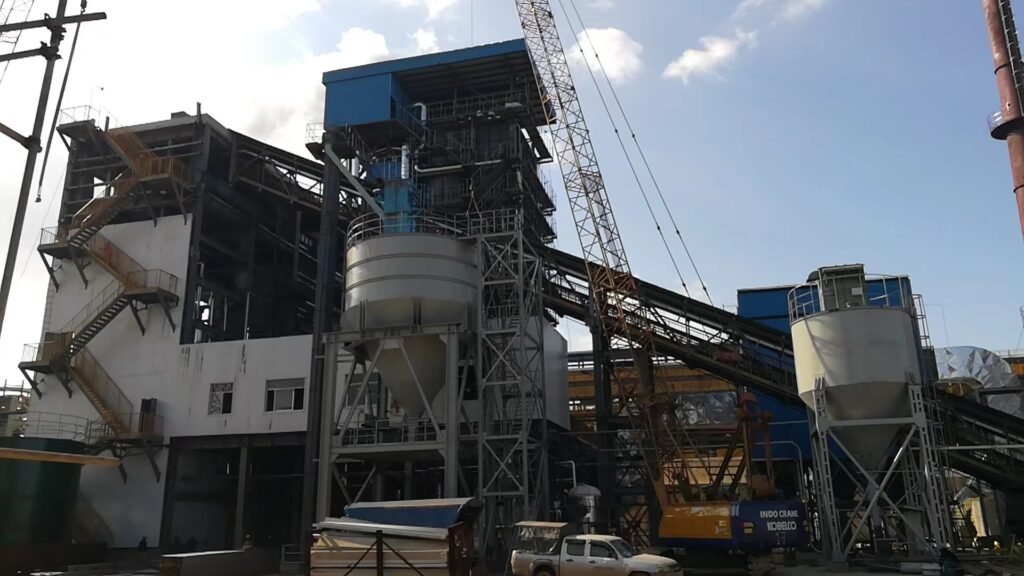
How to Perform a Lifecycle Cost Analysis for an Industrial Coal-Fired Boiler

How to Perform a Lifecycle Cost Analysis for an Industrial Coal-Fired Boiler

Industrial coal-fired boilers offer high steam output and stable performance, often at a lower fuel cost compared to oil or gas. However, they also come with complex maintenance needs, regulatory burdens, and long-term emissions implications. Focusing only on the initial purchase price can lead to inaccurate budgeting, compliance issues, and poor return on investment. A proper Lifecycle Cost Analysis (LCCA) is essential to assess the true financial impact of owning and operating a coal-fired boiler over its full lifespan.

To perform a lifecycle cost analysis (LCCA) for an industrial coal-fired boiler, evaluate all costs from acquisition to disposal—including capital investment, installation, fuel supply, ash disposal, emissions control, maintenance, labor, and compliance. Using these figures, calculate the Total Cost of Ownership (TCO) and compare it against performance, fuel efficiency, and useful service life. The LCCA helps determine ROI, payback period, and long-term economic sustainability of the investment.

Here’s a breakdown of how to structure a comprehensive cost analysis for your coal boiler project.

What are the main factors influencing the capacity requirements of a coal-fired boiler?

Coal-fired boilers remain critical in heavy industries and thermal power generation due to their ability to deliver high-pressure, high-volume steam reliably. However, sizing a coal-fired boiler isn’t as simple as matching output to current demand. Instead, engineers must consider a comprehensive set of technical, operational, and environmental factors. These determine how much steam or thermal energy the boiler must generate, how efficiently it can do so, and how well it integrates into the broader energy system of the plant.

The main factors influencing the capacity requirements of a coal-fired boiler include the total steam or thermal load demand, type and calorific value of coal used, combustion efficiency, operating pressure and temperature, load variability, system losses, ash handling requirements, emission control technology, and future expansion plans. Accurate sizing must align boiler capacity with real-world demand while accounting for fuel characteristics, process dynamics, and regulatory constraints to ensure reliable and efficient performance.

Let’s examine each of these factors in technical depth.


🔹 1. Total Steam or Heat Load Demand

The most fundamental input to boiler capacity sizing is the required steam output.

ApplicationTypical Steam Load Requirements
Thermal power generation100–1,000 TPH
Steel manufacturing50–300 TPH
Chemical processing10–100 TPH
Paper and pulp industry5–50 TPH

Formula for required steam output:

Boiler Capacity (kg/h) = ∑ Process Steam Demands + Turbine Load + Heating Load

The output should cover peak loads and maintain stable pressure and temperature under fluctuating demands.


🔹 2. Coal Calorific Value (Heating Value)

Different types of coal deliver different energy per kilogram, affecting how much is needed to meet the thermal load.

Coal TypeCalorific Value (kcal/kg)Capacity Impact
Bituminous (high-rank)6,000–7,200Higher efficiency, smaller fuel input
Sub-bituminous5,000–6,000More volume needed for same output
Lignite3,500–4,500Requires larger furnace and fuel feed
Anthracite7,000–8,000High energy, harder to ignite

Low-grade coal requires larger fuel-feeding systems, more air, and larger furnace volume to achieve the same output.


🔹 3. Combustion Efficiency

Coal combustion is complex and depends on:

  • Fuel-air ratio

  • Bed or furnace temperature

  • Residence time

  • Moisture and volatile matter in coal

Efficiency TypeRange (%)Notes
Stoker boilers70–80%Simple, lower efficiency
Pulverized coal (PC)85–90%High combustion efficiency
Circulating fluidized bed (CFB)86–92%Good for low-grade coal and mixed fuels

Boiler capacity must account for actual net efficiency, not theoretical values.


🔹 4. Operating Pressure and Temperature

High-pressure applications (e.g., power plants) require more energy per kg of steam, thus influencing boiler design and size.

Operating PressureSteam Enthalpy (kcal/kg)Capacity Adjustment
10 bar (low)~660Baseline
25 bar (medium)~700–740+5–10%
60+ bar (high)~780–820+10–15%

Higher operating conditions = higher heat requirement per kg of steam.


🔹 5. Steam Load Variability and Peak Demand

Most processes have variable steam demand. The boiler must be sized for:

  • Peak demand (to avoid shortfall)

  • Turndown (to avoid cycling)

Load TypeSizing Implication
Continuous LoadMatch average + 10%
Intermittent LoadOversize or use buffer systems
Seasonal LoadConsider modular or dual-fuel units

Short cycling during low-load can reduce efficiency and lifespan.


🔹 6. System Losses and Safety Margins

Always include margins for:

  • Radiation/convection losses (1–3%)

  • Blowdown losses (2–5%)

  • Pipeline heat loss (up to 10%)

Recommended buffer: Add 10–15% over calculated demand to size the boiler adequately.


🔹 7. Ash Generation and Handling Requirements

Coal combustion produces 10–35% ash by weight, depending on fuel quality. High-ash coal requires:

Impact AreaCapacity Planning Relevance
Ash Handling EquipmentMust match firing rate
Furnace DesignLarger grate or bed area
Sootblower FrequencyMore frequent cleaning needed

If ash clogs heat exchange surfaces, heat transfer efficiency drops, requiring higher nominal capacity.


🔹 8. Flue Gas and Emission Control Systems

Scrubbers, ESPs (Electrostatic Precipitators), or bag filters may affect:

  • Flue backpressure

  • Heat recovery

  • Overall fuel-to-output ratio

Control DeviceCapacity Impact
SCR (NOx reduction)Requires flue gas temperature control
FGD (SO₂ control)May increase energy input due to parasitic load
ESP/BaghousesAdd resistance, impact stack draft

Sizing must consider parasitic energy loads and draft losses.


🔹 9. Fuel Feeding and Storage Capacity

Boiler output is tied to the rate at which coal can be fed and burned.

Fuel System ElementSizing Consideration
Conveyor/feedersMust match TPH and coal type
Bunker/silo capacityShould cover 8–24 hours of operation
Pulverizer/grinderNeeded for PC and CFB systems

Underfeeding limits output; overfeeding risks unburned fuel and emissions.


🔹 10. Anticipated Future Expansion

Most industrial operations scale over time. Consider:

Expansion TypeSizing Strategy
0–10% growth (3–5 years)Add 15–20% buffer
20%+ growth expectedInstall modular units or N+1 boilers
Utility integrationAllow space for CHP or turbine tie-ins

Avoiding future capacity shortfalls prevents costly retrofitting or downtime.


🔹 Real-World Example: Cement Plant

  • Steam Requirement: 20 TPH

  • Coal Type: Sub-bituminous (5,200 kcal/kg)

  • Efficiency: 87% (CFB boiler)

  • System Losses: 10%

  • Expansion Plan: +30% in 5 years

Calculation:

  1. Adjusted Output =

20 TPH × 1.10 (losses) = 22 TPH  
  1. Expansion Margin =

22 TPH × 1.30 = 28.6 TPH  

Final Size Selected: 30 TPH CFB boiler with scalable header and ash handling system


Summary: Main Factors Affecting Coal-Fired Boiler Capacity

FactorCapacity Influence
Steam or Heat LoadSets base requirement for boiler sizing
Coal Type & Calorific ValueDetermines energy per kg, affects fuel volume needed
Combustion EfficiencyInfluences fuel-to-output conversion ratio
Operating Pressure/TemperatureAffects enthalpy and total energy demand
Load VariabilityDrives turndown needs or buffer sizing
System LossesAdds 10–15% over calculated demand
Ash Content & HandlingInfluences furnace size and heat exchanger cleaning
Emission ControlsAdds parasitic loads, affects draft and output
Fuel Feeding CapacityDetermines max sustainable combustion rate
Future ExpansionRequires margin or modular design

Selecting the correct capacity for a coal-fired boiler means going beyond raw demand and designing for fuel behavior, emissions systems, process dynamics, and growth. This approach ensures reliable, efficient, and regulation-compliant performance over the entire lifecycle of the boiler system.

What Capital Costs Should Be Included in the Upfront Investment Assessment?

When planning a coal-fired industrial boiler project, it’s common to focus primarily on the boiler unit price. But that’s just the beginning. An accurate and complete upfront investment assessment must include all capital expenditure (CAPEX) items associated with installation, integration, and environmental compliance. From fuel handling systems to emissions control equipment and electrical infrastructure, every component impacts the total installed cost. For medium to large coal-fired boilers, this often means that the total project CAPEX is 2.5 to 3.5 times the boiler’s purchase price. Missing any of these cost items can derail budgeting, delay commissioning, and inflate long-term operating risks.

Capital costs for an industrial coal-fired boiler include not only the boiler unit itself but also auxiliary systems such as coal handling, ash disposal, flue gas treatment, combustion air systems, feedwater and blowdown equipment, instrumentation, control systems, electrical and civil works, and site preparation. A comprehensive upfront investment assessment ensures that all these components are captured in the financial plan to avoid under-budgeting and to support accurate lifecycle cost analysis (LCCA).

A complete investment view means counting everything it takes to deliver steam—not just the boiler drum.

Upfront capital investment for coal-fired boilers includes multiple systems beyond the boiler unit itself.True

Fuel handling, ash removal, emissions control, control rooms, piping, and civil works all contribute to the total CAPEX.


🧱 Complete Capital Cost Categories for Coal-Fired Boiler Projects

Cost CategoryTypical Share of Total CAPEXDescription
1. Boiler Unit (Shell & Pressure Parts)20–30%Includes combustion chamber, steam drum, economizer
2. Grate System & Furnace Equipment5–10%Fixed or moving grate, furnace tiles, refractory
3. Coal Handling System10–15%Conveyors, crushers, bunkers, silos, feeders
4. Ash Handling System8–12%Bottom ash, fly ash conveyors, baghouses, silos
5. Air & Draft System5–10%FD/ID fans, ducts, dampers, air preheaters
6. Flue Gas Treatment & Stack10–20%SCR, ESP, baghouse, scrubbers, CEMS, chimney
7. Feedwater & Blowdown Systems5–8%Pumps, deaerator, softener, blowdown tank
8. Instrumentation & Controls5–8%PLC/SCADA systems, sensors, alarms, MCCs
9. Civil Works & Foundations5–10%Concrete, structural supports, platforms, building works
10. Electrical & Wiring Infrastructure3–6%Power supply, distribution panels, wiring, lighting
11. Installation & Commissioning5–12%Labor, rigging, startup, test-firing, code inspection

These categories together form the real turnkey cost to bring a coal boiler online safely and compliantly.


📊 Cost Breakdown Example: 30 TPH Coal-Fired Boiler (20 Barg, ESP + Scrubber)

Capital Cost ItemEstimated Cost (USD)
Boiler Unit$2,400,000
Coal Handling System$1,000,000
Ash Removal System$950,000
Emissions Control Equipment (ESP + Scrubber)$1,500,000
FD/ID Fans + Ducting$450,000
Feedwater & Deaerator System$550,000
Control & Instrumentation$650,000
Electrical & Lighting$400,000
Civil Works & Steel Structure$700,000
Installation, Piping, Labor$1,000,000
Total Turnkey CAPEX~$9.6 million

If only the boiler was budgeted, this plant would be underfunded by over $7 million.


📋 Factors That Influence Upfront Cost Range

FactorImpact on CAPEX
Boiler Capacity & PressureLarger/High-pressure = thicker steel, more equipment
Fuel Type & Moisture ContentWet/low-grade coal needs pre-drying, bigger fans
Ash ContentMore ash = more complex removal system
Emission RegulationsHigh = need for scrubbers, ESP, CEMS
Automation LevelManual vs. fully automated with SCADA
Construction Site ComplexityRemote areas = higher labor, transport, permitting

Environmental rules and fuel type often double the cost of auxiliaries in coal projects.


📈 CAPEX vs. Long-Term Value

Investment TypeCost (USD)Payback/Benefit
Add economizer$150,000Fuel savings ~3–5%, pays back in 2–3 years
Upgrade to SCR (for NOₓ compliance)$400,000Required to meet Tier 3/Tier 4 standards
Install CEMS + PLC$90,000Mandatory for emission reporting in many regions
Automate blowdown$25,000Saves water, chemicals, improves efficiency

CAPEX increases in these areas are often recovered within 3–5 years via operating savings or regulatory benefits.


🧪 Common Budgeting Mistakes in CAPEX Estimation

MistakeResult
Budgeting only the boiler unit50–70% underestimation of total investment
Omitting emissions control costLegal violations or retroactive retrofitting
Underestimating civil/electricalDelays in commissioning and cost overruns
Ignoring fuel handling/ash disposalOperational bottlenecks and safety risks

Total installation cost of a coal-fired boiler is typically 2.5 to 3.5 times the base boiler unit cost.True

Fuel systems, ash handling, emissions controls, and site preparation significantly increase total capital investment.


Summary

An accurate upfront investment assessment for coal-fired boiler systems must include all capital-intensive subsystems, from coal conveyors to flue gas scrubbers. Boiler unit pricing alone may only represent 25–35% of the real investment needed. Missing key categories like emissions control, ash handling, or electrical works can result in multi-million-dollar shortfalls, construction delays, or non-compliance fines. A full-scope CAPEX model ensures not just a funded project—but a reliable, safe, and legally compliant plant. For industrial coal boilers, what you plan for upfront protects your bottom line for decades.

How Do You Calculate Long-Term Fuel, Ash Handling, and Labor Costs?

Coal-fired industrial boilers are energy workhorses, but they also come with intensive long-term operating expenses, especially for fuel, ash management, and human labor. These recurring costs, unlike capital expenditures, accumulate every hour the boiler runs—making them key drivers in lifecycle cost analysis (LCCA). Accurately calculating them ensures realistic budgeting, avoids operational shortfalls, and supports strategic comparisons when selecting boiler technologies. Over 20–30 years, even small variations in fuel price, ash generation, or manpower requirements can translate into millions of dollars in additional or avoidable cost.

To calculate long-term fuel, ash handling, and labor costs for a coal-fired boiler, start by estimating annual fuel usage based on thermal demand, boiler efficiency, and coal calorific value. Multiply this by coal price and escalation to determine fuel cost. Ash handling cost is calculated from the ash content in the coal, the annual coal usage, and disposal or recycling cost per ton of ash. Labor cost is based on the number of full-time operators, shifts, and wages, projected over the system’s operating life. Combined, these make up the majority of a coal boiler’s long-term OPEX and must be integrated into total cost modeling.

If you don’t measure these variables precisely, you’ll mismanage them financially.

Fuel, ash handling, and labor costs represent over 80% of the long-term operating expenses of coal-fired boilers.True

These recurring costs accumulate annually and are affected by efficiency, fuel quality, operating hours, and compliance strategy.


🔥 1. Fuel Cost Calculation (Primary Operating Expense)

✅ Step-by-Step Formula:

Annual Coal Use (tons) = [Steam Output (kg/h) × Enthalpy (kcal/kg) × Hours/Year] ÷ [Boiler Efficiency (%) × Coal Calorific Value (kcal/kg)]

📊 Example Calculation:

ParameterValue
Steam Output30,000 kg/h
Enthalpy of Steam660 kcal/kg
Annual Operating Hours7,200 h/year
Boiler Efficiency80%
Coal CV (Bituminous)5,000 kcal/kg
Annual Fuel Use = (30,000 × 660 × 7,200) ÷ (0.80 × 5,000) = ~356,400 tons/year
Coal Price = $100/ton
Annual Fuel Cost = 356,400 × $100 = **$35.64 million/year**

Over 20 years (with 3% escalation):
Fuel Cost ≈ $890 million


♻️ 2. Ash Handling Cost Calculation

✅ Step-by-Step Formula:

Annual Ash Volume (tons) = Annual Coal Use (tons) × Ash Content (%)
Ash Disposal Cost = Ash Volume × Cost per Ton

📊 Example Calculation:

ParameterValue
Ash Content18%
Annual Coal Use356,400 tons
Ash Disposal Cost$25/ton
Ash Output = 356,400 × 0.18 = ~64,152 tons/year  
Ash Handling Cost = 64,152 × $25 = **$1.6 million/year**

Over 20 years (with cost escalation):
Ash Cost ≈ $40–45 million

Some high-ash coals (like lignite) may generate >25% ash, raising costs even higher.


👷 3. Labor Cost Calculation (Ongoing Human Operation)

✅ Step-by-Step Formula:

Labor Cost = Number of Operators × Shift Coverage × Wage Rate × 12 Months × Years

📊 Example Calculation:

RoleQuantityMonthly SalaryShifts
Boiler Operators3/shift$1,2003
Supervisor (shared)1 total$1,800
Maintenance Crew (shared)2 total$1,400

Annual Operator Cost =
(3 × 3 shifts × $1,200 × 12) = $129,600
Supervisor + Maintenance =
($1,800 + 2 × $1,400) × 12 = $55,200
Total Annual Labor Cost = ~$185,000

Over 20 years (with 2% wage growth):
Labor Cost ≈ $4.5–5.0 million


📊 Combined Long-Term Cost Summary (30 TPH, 20-Year Model)

Cost CategoryAnnual Cost (USD)20-Year Cost (Escalated)
Fuel$35.6M~$890M
Ash Handling$1.6M~$42M
Labor$0.185M~$5M
Total (20 Years)~$937 million

Coal-fired boiler operating costs can exceed $900 million over 20 years for medium to large systems.True

These include cumulative costs of fuel, ash disposal, and staffing, which increase annually due to inflation and load demand.


📋 Tips for Accurate Long-Term Cost Forecasting

StrategyWhy It Helps
Use real operating hour dataPrevents over/underestimating consumption
Account for seasonal load varianceReflects actual demand curves
Apply annual escalation factorsEnsures realistic future cost growth
Use site-specific fuel qualityAdjusts CV and ash content appropriately
Involve O&M managers in estimationAdds practical cost insight

Including field-experienced input ensures your LCCA is grounded in operational reality.


Summary

Long-term fuel, ash handling, and labor costs are the economic core of operating a coal-fired boiler. Together, they account for over 80% of total lifecycle operating expenses, and even small inefficiencies or underestimations can lead to massive cost overruns over 20–30 years. Accurate forecasting based on real efficiency, fuel properties, and labor requirements is essential for investment decisions, cost justification, and sustainable operation. In coal boiler economics, the combustion may be solid—but your numbers must be fluid and accurate.

What Are the Environmental Compliance and Emissions Control Expenses?

Coal-fired boilers are reliable steam generators, but they are also among the most emissions-intensive energy systems, releasing large quantities of NOₓ, SO₂, particulate matter, and CO₂. As a result, these systems face stringent environmental regulations. From installing scrubbers and ESPs to maintaining emissions monitoring systems and paying carbon taxes, the cost of staying compliant is substantial and increasing with global regulatory pressure. These environmental compliance expenses are recurring and capital-intensive, and they must be carefully factored into any lifecycle cost analysis (LCCA) to avoid financial surprises and legal risks.

Environmental compliance and emissions control expenses for industrial coal-fired boilers include both capital costs (for equipment such as electrostatic precipitators, scrubbers, and continuous emissions monitoring systems) and ongoing operating costs (such as emissions testing, permit fees, CO₂ taxes, reagent supply, and maintenance). Over a 20–30 year lifespan, these costs can exceed 10–20% of the total cost of ownership (TCO), especially in emissions-regulated zones. Compliance planning is essential to protect operational licenses, avoid penalties, and ensure long-term financial sustainability.

Environmental costs are no longer optional—they are a core pillar of industrial boiler economics.

Environmental compliance costs can make up 10–20% of the total lifecycle cost of a coal-fired boiler.True

These include capital and operational expenses for emissions control systems, taxes, monitoring, and regulatory reporting.


🧰 Major Emissions from Coal-Fired Boilers

PollutantSourceRegulated Limits (Typical)
NOₓ (Nitrogen Oxides)High-temperature combustion≤ 100–300 mg/Nm³
SO₂ (Sulfur Dioxide)Sulfur in coal≤ 400–800 mg/Nm³
PM (Particulate Matter)Ash particles≤ 50–150 mg/Nm³
CO₂ (Carbon Dioxide)Fossil fuel combustionOften taxed per ton
Hg (Mercury, trace metals)Coal impuritiesVaries by country

📦 Capital Costs of Emissions Control Systems

EquipmentTargeted PollutantCAPEX (USD)Annual O&M (USD)
Electrostatic Precipitator (ESP)Particulate Matter$600,000 – $1.2M$20,000 – $60,000
Fabric Filter (Baghouse)PM (fine particles)$400,000 – $900,000$15,000 – $45,000
Wet Scrubber (FGD)SO₂$800,000 – $1.5M$25,000 – $80,000
SCR (Selective Catalytic Reduction)NOₓ$700,000 – $1.3M$30,000 – $75,000
FGR (Flue Gas Recirculation)NOₓ (control assist)$150,000 – $300,000$5,000 – $12,000
CEMS (Continuous Emissions Monitoring System)All gases$60,000 – $120,000$8,000 – $20,000

Combined system cost for a 30 TPH coal boiler can reach $2M–$4M.


📊 Example: 30 TPH Coal-Fired Boiler – 20-Year Emissions Compliance Budget

CategoryEstimated Cost (USD)
Emissions Equipment CAPEX$3,200,000
Annual Emissions System O&M$120,000
Permits, Licenses, Testing$10,000 – $25,000/year
CO₂ Emissions (80,000 tons/year @ $30/ton avg)~$2.4M/year
Carbon Tax Over 20 Years~$48 million
Total CEMS & Scrubber Maintenance~$2 million
Total Environmental Cost (20 yrs)~$70M – $80M

For large plants, carbon tax becomes the largest environmental expense.

Carbon pricing can exceed equipment costs over the lifecycle of a coal boiler.True

Annual carbon taxes on CO₂ emissions accumulate faster than initial CAPEX for emissions hardware.


📋 Emissions Compliance Cost Drivers

FactorImpact on Cost
Coal Sulfur ContentHigh sulfur = bigger/more expensive FGD
Ash Content & PM SizeMore/bigger PM = larger ESP or baghouse
Boiler Load VariabilityRequires broader-capacity control range
Local Emission RegulationsStricter rules = higher CAPEX & OPEX
Carbon Tax/Cap-and-TradeDirect cost added to each ton burned
Monitoring FrequencyHigher = greater CEMS O&M and labor cost

Understanding your fuel quality and regulatory zone is key to cost forecasting.


🧪 Cost Benchmark: Coal vs. Natural Gas (Compliance Burden)

Cost ElementCoal-Fired BoilerNatural Gas Boiler
ESP/BaghouseRequiredNot required
SO₂ ScrubberRequiredNot required
SCR for NOₓRecommendedOptional or minimal
Carbon Tax ImpactHigh (95 kg/MMBtu)Low (53 kg/MMBtu)
CEMS RequirementMandatory (>50 MMBtu/h)Often mandatory

Coal compliance costs are typically 3–5× higher than gas systems per unit of steam.


📈 Managing Environmental Expenses Strategically

StrategyFinancial Benefit
Switch to lower-sulfur coalReduces scrubber size and reagent cost
Install high-efficiency controls earlyAvoids costly retrofits later
Use oxygen trim & low excess airReduces NOₓ formation and fuel waste
Recycle fly ash or sell to cement plantsOffsets disposal cost
Monitor real-time with smart CEMSEnables faster corrections, avoids fines

Summary

For coal-fired boiler systems, environmental compliance and emissions control expenses are a major financial category, not a secondary consideration. Between regulatory capital investments, emissions-related operating costs, and ongoing carbon taxes or permit fees, these systems can add tens of millions of dollars to a boiler’s total lifecycle cost. Industrial operators must include them in project feasibility studies, investment planning, and TCO models. In today’s regulatory climate, the true cost of combustion includes the cost of accountability—and planning for it is the only path to compliant and profitable steam generation.

How Do Maintenance, Downtime, and Spare Parts Affect Lifecycle Cost?

Coal-fired industrial boilers are complex systems that operate under extreme thermal and mechanical stress. Over their 20–30 year lifespan, routine maintenance, unexpected downtime, and spare parts replacement significantly influence the total cost of ownership (TCO). These costs go far beyond routine budgets—they affect fuel efficiency, operational reliability, repair frequency, safety, and output continuity. If maintenance is neglected or spare parts are delayed, the result is costly unplanned downtime and premature equipment degradation. On the other hand, a proactive maintenance strategy can extend service life, reduce total cost, and ensure optimal return on investment (ROI).

Maintenance, downtime, and spare parts directly affect the lifecycle cost of coal-fired industrial boilers by influencing fuel efficiency, repair frequency, output availability, and asset longevity. Over 20–30 years, poor maintenance and excessive downtime can increase lifecycle cost by 20–40%, while a proactive strategy with stocked spare parts and predictive diagnostics can reduce unplanned outages, lower fuel waste, and extend system life by 5–10 years. These operational factors must be carefully budgeted and monitored as core drivers of total lifecycle performance.

Neglecting maintenance may save today—but it costs exponentially more tomorrow.

Poor maintenance and lack of spare parts can increase lifecycle cost of coal boilers by 20–40%.True

They lead to unplanned downtime, reduced efficiency, and higher repair costs that compound over time.


🧰 Key Maintenance Categories and Their Long-Term Cost Impact

Maintenance TypePurposeTypical Cost Impact
Preventive MaintenanceRoutine inspection, cleaning, lubrication~2–3% of annual OPEX
Predictive MaintenanceBased on sensors and condition monitoringHigher upfront, lower repair costs
Corrective MaintenanceRepair after failureCostly and disruptive
Shutdown MaintenanceConducted during annual overhauls~10–20% of annual maintenance budget

Regular maintenance ensures efficiency remains within 1–3% of design spec, saving fuel and downtime.


🔧 Common Spare Parts and Replacement Costs

ComponentLifespan (years)Replacement Cost (USD)Impact If Delayed
Grate Bars2–5$15,000 – $60,000Reduced combustion control
Boiler Tubes10–15$100,000 – $300,000Heat transfer loss, risk of rupture
FD/ID Fan Bearings3–6$10,000 – $25,000Forced shutdown if failed
Refractory Materials4–8$20,000 – $80,000Heat loss, structural failure
Instrumentation Sensors3–6$5,000 – $15,000Incorrect readings, safety hazard
Control System/PLC Modules10–12$30,000 – $80,000Loss of automation, emergency stop

Delays in sourcing spare parts can result in shutdowns costing $10,000–$50,000/day in lost steam output.


⏳ Downtime Cost Calculation

✅ Formula:

Downtime Cost = (Lost Steam Output × Revenue/Cost per TPH) × Downtime Hours

📊 Example:

| Boiler Output | 30 TPH |
| Value of Steam (USD) | $50/ton |
| Downtime | 36 hours |

Downtime Cost = 30 × $50 × 36 = **$54,000 per incident**

Three such events annually can cost over $160,000/year in lost production alone—excluding repair cost.


📈 20-Year Lifecycle Impact: Good vs. Poor Maintenance Strategy (30 TPH Boiler)

Cost ElementProactive PlanReactive/Minimal Plan
Scheduled Maintenance (avg/year)$150,000$90,000
Major Repairs Over 20 Years$1.0M$2.4M
Downtime-Related Losses$500,000$2.0M
Additional Fuel Use (3–5% efficiency loss)$0$5.5M
Spare Parts & Emergency Sourcing$800,000$1.5M
Total Over 20 Years$2.45M$11.44M

Reactive maintenance increases lifecycle cost by $9 million and decreases boiler life by up to 5 years.


📋 Best Practices for Controlling Lifecycle Cost

PracticeImpact
Maintain a critical spares inventoryReduces unplanned downtime
Implement a CMMS (maintenance software)Tracks schedules and flags failures
Conduct thermographic & ultrasonic inspectionsDetects tube thinning early
Schedule annual shutdown overhaulsConsolidates major repairs cost-effectively
Use OEM-grade partsPrevents rapid wear and mismatch errors

Proper spare parts planning reduces emergency downtime risk and long-term repair costs.True

Having critical components on hand avoids delays and inflated sourcing costs during breakdowns.


Summary

Maintenance quality, spare parts availability, and downtime frequency are direct drivers of lifecycle cost in industrial coal-fired boilers. Reactive maintenance and supply chain delays multiply repair costs, lower efficiency, and shorten equipment lifespan—while disciplined, proactive strategies reduce operating risks, fuel waste, and repair frequency. Over a 20-year period, the financial difference between good and poor maintenance can reach millions of dollars, not to mention the operational and safety consequences. For coal boilers, consistent upkeep isn’t just about reliability—it’s a fundamental part of long-term cost control and ROI protection. Investing in maintenance is investing in performance.

How Can TCO, ROI, and Payback Period Be Accurately Calculated and Compared?

Coal-fired boilers represent some of the most capital- and operation-intensive investments in industrial energy infrastructure. Choosing between different systems, efficiency levels, and emissions compliance packages requires not only engineering judgment but robust financial analysis. Tools like Total Cost of Ownership (TCO), Return on Investment (ROI), and Payback Period are essential to determine whether a boiler project will be profitable over its 20–30 year lifecycle. These models allow investors and plant managers to go beyond upfront costs and calculate the full economic value, break-even point, and long-term savings of a high-efficiency or cleaner-burning alternative.

To accurately calculate and compare TCO, ROI, and payback period for industrial coal-fired boilers, one must model all cost elements across the system’s life—including capital expenditure, fuel consumption, ash handling, maintenance, emissions control, and decommissioning. TCO is the total sum of all costs over time, while ROI compares net savings to initial investment. Payback period measures how long it takes for the savings to recover the investment cost. Together, these indicators support objective, data-driven boiler selection and investment justification.

When making a $10–50 million boiler investment, guessing is expensive—calculating is essential.

TCO, ROI, and payback period are essential financial tools for evaluating and comparing industrial coal-fired boiler investments.True

They provide long-term economic visibility by incorporating all operating, compliance, and capital costs.


🧮 1. TCO – Total Cost of Ownership Calculation

TCO Formula:

TCO = CAPEX + ∑ (Fuel + Maintenance + Labor + Water/Chemicals + Emissions + Downtime + Decommissioning)
TCO ElementDescription
CAPEXBoiler unit + installation + auxiliaries
Fuel CostsLargest OPEX, based on consumption and price
Maintenance & SparesPreventive + corrective + shutdown overhaul
Ash HandlingAsh transport, disposal, baghouse O&M
Emissions ComplianceScrubbers, CEMS, carbon tax
Labor & OperationsMulti-shift teams, annual wage inflation
Downtime LossesUnplanned outages × lost steam value
DecommissioningEnd-of-life demolition and site clearing

🧪 TCO Example: 30 TPH Coal Boiler Over 20 Years

Cost ComponentTotal Cost (USD)
CAPEX (turnkey)$10,000,000
Fuel (75,000 tons/year @ $110 avg)$165,000,000
Ash Handling$1,500,000
Emissions Compliance$8,500,000
Maintenance & Spares$3,500,000
Labor$4,000,000
Downtime$1,200,000
Decommissioning$600,000
Total TCO~$194.3 million

Fuel and emissions dominate—together they represent ~89% of TCO.


📈 2. ROI – Return on Investment Calculation

ROI Formula:

ROI (%) = (Net Savings or Return / Additional Investment) × 100

📊 Example: High-Efficiency vs. Standard Coal Boiler

AttributeStandard BoilerEfficient Boiler
CAPEX$9M$10M
Fuel Use (tons/year)78,00072,000
Annual Fuel Savings$660,000
ROI (20-year savings)(($13.2M – $1M) ÷ $1M) × 100 = 1,120%

Choosing the efficient model adds $1M CAPEX but saves $13.2M in fuel over time.


⏳ 3. Payback Period Calculation

Formula:

Payback Period = Additional Investment / Annual Net Savings

📊 Example:

Payback = $1,000,000 / $660,000 = **1.52 years**

A payback under 2 years is excellent for a 20+ year infrastructure asset.


📊 Comparison Table: Financial Metrics of Two Coal Boiler Options

MetricStandard BoilerHigh-Efficiency Boiler
Turnkey CAPEX$9M$10M
TCO (20 Years)$198M$186M
ROI1,120%
Payback Period1.52 years
Fuel Savings Over 20 Years$13.2M

Upgrading to a high-efficiency coal boiler typically results in a full payback in under 3 years.True

Fuel savings and lower emissions costs generate returns that exceed the initial premium in a short time.


📋 Best Practices for Accurate Comparison

PracticeWhy It Matters
Use real fuel prices and escalationAvoids underestimating 20-year spend
Include emissions costs and carbon taxThese are rising annually
Discount future costs (NPV)Gives realistic present value
Model multiple usage scenariosLoad variation affects efficiency
Document all assumptionsEnables peer review and revision

Use a 5–7% discount rate for NPV if long-term funding or loans are involved.


Summary

TCO, ROI, and payback period are indispensable tools for assessing the true financial performance of industrial coal-fired boiler investments. By accounting for fuel, maintenance, compliance, and operating factors over 20–30 years, these models expose the real costs and long-term value of each system configuration. In an era of tightening margins and rising regulatory pressure, decisions based only on upfront price are short-sighted and risky. Accurate lifecycle modeling ensures you choose a boiler not just for today—but for decades of sustained performance and profitability. When the numbers are right, so is the investment.

🔍 Conclusion

A lifecycle cost analysis provides a complete picture of the financial commitment tied to an industrial coal-fired boiler. While coal may appear cost-effective due to fuel price, hidden expenses like emissions control, ash handling, and frequent maintenance can significantly raise operating costs. Conducting an LCCA ensures you’re making a smart, long-term investment decision that aligns with both your production needs and compliance obligations.


📞 Contact Us

💡 Need expert help with LCCA for your coal-fired boiler project? Our team offers customized lifecycle analysis, emissions cost forecasting, and performance benchmarking for new and retrofit installations.

🔹 Let us help you make a coal boiler investment that’s efficient, cost-justified, and regulation-ready. 🏭🪨📊

FAQ

What is lifecycle cost analysis (LCCA) for a coal-fired boiler?

Lifecycle cost analysis is a financial assessment method used to estimate the total cost of owning and operating a system over its useful life. For coal-fired boilers, this includes capital costs, fuel usage, O&M (operation and maintenance), emissions compliance, and decommissioning.

What are the key components in LCCA for a coal-fired boiler?

  1. Capital Cost – Equipment, installation, and commissioning

  2. Fuel Cost – Based on coal type, price per ton, and annual consumption

  3. Operation & Maintenance (O&M) – Cleaning, repairs, ash handling, personnel

  4. Emissions Compliance – Costs for SO₂ scrubbers, PM filters, NOx control

  5. Disposal and End-of-Life Costs – Decommissioning, removal, and replacement

  6. Discount Rate & Projected Lifespan – Typically 20–25 years

How do you calculate the annual fuel cost for a coal boiler?

Annual Fuel Cost = Annual Coal Consumption (tons) × Coal Price ($/ton)
For example, a boiler consuming 5,000 tons/year at $50/ton = $250,000/year. Multiply by the expected service life (e.g., 20 years), adjusting for inflation or efficiency loss.

What are typical long-term O&M costs?

Annual O&M ranges from 3–6% of the initial capital cost and includes:

  • Boiler cleaning

  • Refractory repair

  • Ash and slag management

  • Fan, pump, and air system maintenance
    Over 20 years, this can total $300,000–$1 million+, depending on size and fuel type.

Why is emissions compliance critical in LCCA for coal boilers?

Coal combustion emits SO₂, NOx, PM, and mercury, requiring equipment like:

  • Flue Gas Desulfurization (FGD)

  • Electrostatic Precipitators (ESPs)

  • Selective Catalytic Reduction (SCR)
    These systems can add 20–40% to capital costs and thousands annually in O&M—making them essential to include in the analysis.

References

  1. Lifecycle Costing Methods for Industrial Systemshttps://www.energy.gov

  2. Capital and Operating Costs of Coal Boilershttps://www.sciencedirect.com

  3. Fuel Cost Estimation for Coal-Fired Plantshttps://www.eia.gov

  4. Maintenance Cost Trends in Coal Boilershttps://www.researchgate.net

  5. Environmental Compliance and Retrofit Costshttps://www.epa.gov

  6. Total Cost of Ownership in Industrial Boilershttps://www.iea.org

  7. Coal Boiler Efficiency and Depreciation Rateshttps://www.mdpi.com

  8. Industrial Boiler Financial Modeling Toolshttps://www.asme.org

  9. Boiler Decommissioning and Replacement Cost Analysishttps://www.bioenergyconsult.com

  10. Energy Auditing and LCCA Standardshttps://www.energysavingtrust.org.uk

Wade Zhang

CEO of Taishan Group Taian Boao International Trade Co., Ltd. 30 years experience in Global industrial boiler market,  Over 300 boiler projects experience, including 21+ EPC projects. Projects span 30+ countries & regions, involving industries such as nuclear power, energy & electricity, municipal heating, mining, textiles, tires etc.

How to Perform a Lifecycle Cost Analysis for an Industrial Coal-Fired Boiler Read More »
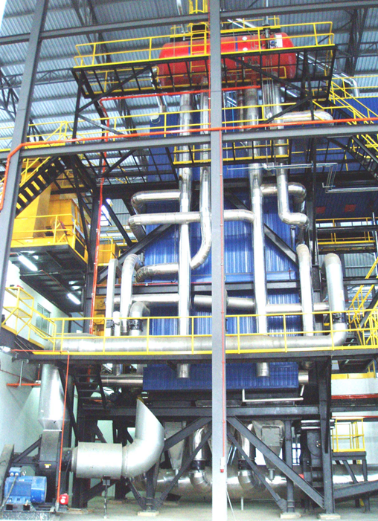
Scroll to Top

Get Quick Support

Taishan Group
Make an appointment with us to meet at exhibition
Quick Contact