Industry News

How Different Fuels Affect the Efficiency of Industrial Biomass Boilers?
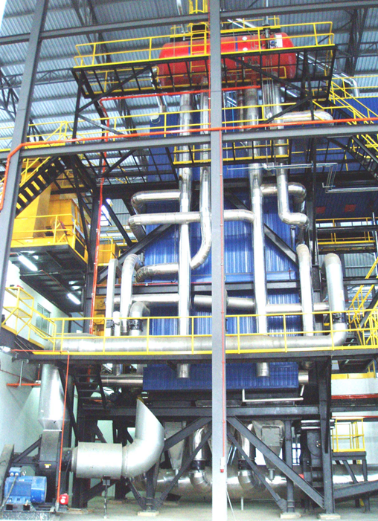
How Different Fuels Affect the Efficiency of Industrial Biomass Boilers?

Industrial biomass boilers are a sustainable alternative to fossil-fuel systems, offering renewable heat and steam for diverse industries. However, one critical factor that determines their overall efficiency, operational stability, and emissions performance is the type and quality of biomass fuel used. Since biomass fuels vary widely in energy content, moisture, and combustion behavior, the wrong fuel choice can significantly reduce boiler output, increase maintenance, and lower energy efficiency.

Different fuels affect the efficiency of industrial biomass boilers through their calorific value, moisture content, ash characteristics, and combustion properties. Dry and energy-dense fuels such as wood pellets, palm kernel shells, and briquettes deliver higher thermal efficiency (up to 88–92%) due to complete combustion and steady heat release. Conversely, high-moisture or low-density fuels—like wood chips, bagasse, or rice husks—absorb heat for drying and cause incomplete combustion, reducing efficiency by 10–20%. Proper fuel preparation, size control, and moisture management are essential to maintain optimal combustion and minimize fouling or slagging.

By understanding how each fuel type behaves in combustion, industries can select and manage biomass fuels strategically to achieve peak efficiency and stable long-term operation.

How Does Fuel Moisture Content Impact Industrial Biomass Boiler Efficiency?

In industrial biomass boiler systems, fuel moisture content plays one of the most decisive roles in determining thermal efficiency, combustion stability, and emissions performance. Many operators overlook this seemingly simple factor, assuming that all biomass fuels burn similarly once ignited. However, fuels with excessive moisture (e.g., wet wood chips, green agricultural residues) require a substantial portion of their combustion energy merely to evaporate internal water before any heat can be used for steam production. This not only wastes valuable energy but also causes incomplete combustion, higher flue gas losses, and equipment fouling. Conversely, properly dried biomass allows for cleaner, more efficient combustion, translating directly into lower fuel costs and higher boiler performance.

Fuel moisture content directly affects biomass boiler efficiency because the energy required to evaporate water in the fuel reduces the available heat for steam generation. High moisture lowers combustion temperature, increases unburned carbon, and raises flue gas losses—cutting boiler efficiency by up to 30%. Optimal efficiency is typically achieved when biomass moisture is maintained between 10–20%. Dry fuel enables more complete combustion, faster ignition, and stable flame temperature, leading to reduced emissions, lower maintenance, and improved overall system economy.

In short, moisture is not just water—it’s lost efficiency disguised inside every ton of fuel.

Wet biomass fuels burn as efficiently as dry fuels in industrial boilers.False

Wet biomass requires more energy to evaporate water before combustion, which significantly lowers flame temperature and overall thermal efficiency.


Drying biomass fuel before combustion improves boiler performance and reduces emissions.True

Pre-dried fuels increase combustion temperature, minimize unburned carbon, and enhance thermal transfer, improving overall efficiency.


1. The Thermodynamic Impact of Moisture Content

Every kilogram of water in biomass must absorb significant heat (latent heat of vaporization) before turning into steam and leaving with the exhaust gases. This heat does not contribute to useful steam generation—it’s simply lost to the flue.

Biomass TypeTypical Moisture (%)Net Calorific Value (MJ/kg)Relative Efficiency (%)Remarks
Oven-dried Wood Chips018.5100Benchmark dry condition
Seasoned Wood Chips2014.890Acceptable industrial range
Fresh Green Wood Chips508.570Significant energy loss
Wet Agricultural Waste60+6.260 or lowerOften unsuitable without drying

For every 10% increase in moisture content, the boiler’s thermal efficiency typically decreases by 2–3%, and flue gas temperature rises by 10–15°C, indicating wasted heat.


2. How Moisture Affects Combustion Behavior

When biomass enters the furnace with excess water, several physical and chemical effects occur:

  • Delayed ignition – Energy is first consumed evaporating water.

  • Lower flame temperature – Resulting in incomplete combustion.

  • Increased CO and unburned hydrocarbons – Due to poor oxidation.

  • Reduced heat transfer efficiency – Cooler gases carry less energy to the tubes.

  • Slagging and fouling – Unburned particles accumulate on heat exchange surfaces.

Combustion StageIdeal (Dry Biomass)Poor (Wet Biomass)
Ignition Delay<10 seconds20–40 seconds
Flame Temperature900–1100°C600–800°C
CO Concentration<100 ppm>500 ppm
Fly Ash FormationLowHigh
Thermal Efficiency85–90%65–75%

Maintaining stable combustion requires dry, consistent fuel with moisture below the design specification of the boiler.


3. Energy Losses Explained Simply

Instead of using a molecular formula, consider this practical energy flow:

Useful Heat Output = Fuel Energy – (Energy Used to Evaporate Moisture + Flue Gas Heat Loss + Unburned Residues)

As moisture increases, more fuel energy goes into water evaporation, not steam production.

Example:
If a boiler burns 1 ton of biomass at 20% moisture, approximately 150 kg of water must be vaporized. Each kg of water consumes about 2.3 MJ of latent heat—meaning 345 MJ of energy is lost per ton of fuel. At 50% moisture, losses exceed 1,100 MJ, equivalent to burning 25–30% of the fuel just to dry the rest.


4. The Economics of Moisture Control

Moisture Content (%)Energy Output (MJ/kg)Fuel Required per ton of steam (kg)Relative Fuel Cost (per year, $)
1016.8135100,000
2014.8155115,000
4010.5205145,000
508.5250160,000

A 10-ton/hour biomass boiler burning wet fuel (50%) can waste $40,000–$60,000 annually in excess fuel consumption compared to optimized moisture control.


5. Moisture and Boiler Design Parameters

Boilers are designed with specific moisture tolerances based on furnace type and fuel handling systems.

Boiler TypeRecommended Moisture Range (%)Efficiency SensitivitySuitable Fuels
Fixed Grate Boiler10–25HighWood chips, pellets
Fluidized Bed Boiler15–35ModerateMixed biomass, agri-waste
Chain Grate Boiler10–30ModerateSawdust, palm shells
Gasification Boiler<20Very HighDried wood, pellets

When fuel moisture exceeds the design range, combustion air demand increases, leading to flame instability and incomplete oxidation, further reducing efficiency.


6. Methods to Manage and Reduce Moisture

To counteract moisture-related losses, industries implement pre-drying systems and fuel storage strategies.

MethodDescriptionTypical Moisture ReductionInvestment Level
Natural Air DryingSun or ambient drying5–15%Low
Hot Air / Flue Gas DryerUses waste heat to dry biomass20–40%Medium
Steam Tube DryerIndirect heating, closed-loop30–50%High
Rotary Drum DryerContinuous, efficient for chips20–45%High

Integrating a flue gas or steam dryer can recover part of the wasted heat, raising the overall system efficiency by 5–10%.


7. Fuel Handling and Storage Considerations

Moisture control doesn’t end at drying—improper storage can reintroduce water through rain, condensation, or microbial growth.
Best practices include:

  • Covered and ventilated storage areas.

  • Rotating stock to prevent moisture absorption.

  • Installing moisture sensors for fuel feed monitoring.

In automated systems, real-time moisture measurement ensures combustion control systems can adjust air flow and fuel feed rate dynamically.


8. Environmental and Emission Benefits

Drier fuel not only saves energy—it also reduces environmental impact:

  • Lower CO and particulate emissions due to complete combustion.

  • Reduced NOₓ formation since combustion air is better controlled.

  • Less tar and ash formation in flue gas pathways.

Studies show that switching from 50% to 20% moisture fuel can reduce CO₂ emissions by up to 15% per ton of steam, while improving boiler efficiency by 10–15%.


9. Real-World Case Study

Industry: Biomass cogeneration plant (20 t/h boiler)
Fuel: Eucalyptus chips, initially 50% moisture

Action: Installed flue gas waste heat dryer, reducing fuel moisture to 20%.
Results:

  • Fuel consumption reduced by 28%.

  • Boiler efficiency increased from 72% → 87%.

  • CO emissions dropped by 40%.

  • ROI achieved in 2.2 years due to fuel savings.

This demonstrates that controlling fuel moisture is a high-impact, low-maintenance efficiency upgrade.


10. Key Takeaways

  1. Moisture content determines usable heat value—every extra percentage point costs energy.

  2. Excess moisture lowers combustion temperature and increases flue gas loss.

  3. Ideal biomass moisture is 10–20% for stable, efficient operation.

  4. Pre-drying and proper storage significantly enhance energy recovery.

  5. Moisture control yields financial, operational, and environmental benefits.


Conclusion

Fuel moisture content is not a minor variable—it’s a primary determinant of biomass boiler performance. Controlling it through drying, proper storage, and intelligent feed systems ensures maximum heat utilization, cleaner combustion, and extended equipment life. In competitive industries where every percentage point of efficiency translates to significant cost savings, moisture control is the simplest, most cost-effective strategy for achieving sustainable boiler operation.
How Do Fuel Density and Calorific Value Affect Combustion Performance in Industrial Boilers?

In industrial boiler operations, fuel density and calorific value are two of the most influential properties governing combustion performance, efficiency, and operating cost. Many facilities struggle with unstable flames, incomplete combustion, or fluctuating boiler loads—issues often rooted not in burner design but in inconsistent or poorly matched fuel characteristics. Low-density fuels burn quickly but provide limited energy per unit volume, leading to frequent feeding and air imbalance. High-density fuels, on the other hand, may burn unevenly if not properly atomized or distributed, causing hot spots and slag formation. Likewise, fuels with low calorific values require higher feed rates to sustain output, directly increasing fuel and maintenance costs. Therefore, understanding and controlling these parameters is essential to achieving consistent heat release, optimized air-fuel ratio, and long-term efficiency stability.

Fuel density and calorific value directly influence combustion performance by determining how much energy is released per unit of fuel and how efficiently it mixes with air. High-density, high-calorific-value fuels produce more heat energy, higher flame temperatures, and stable combustion with lower feed rates. In contrast, low-density or low-calorific fuels require greater volume flow and air supply, leading to incomplete combustion, excess emissions, and reduced boiler efficiency. Optimal performance occurs when the fuel’s density and energy value are well matched to the burner design and furnace geometry.

When properly understood and managed, these characteristics enable stable flame patterns, consistent steam generation, and optimized fuel economy across different operating conditions.

Higher fuel density always guarantees better combustion efficiency.False

While dense fuels have higher energy per unit volume, too high a density can cause poor mixing and incomplete combustion if burner systems are not adjusted accordingly.


Fuels with higher calorific value improve boiler performance and reduce specific fuel consumption.True

High-calorific fuels release more energy per kilogram, improving combustion efficiency and lowering total fuel requirements for the same steam output.


1. Understanding Fuel Density and Its Role in Combustion

Fuel density is defined as mass per unit volume, typically expressed in kg/m³. It affects how much energy a given volume of fuel can deliver and how efficiently it can be atomized, fed, and burned.

In liquid fuels (e.g., oil), density affects atomization quality—too dense a fuel forms larger droplets, reducing air-fuel contact area. In solid fuels (e.g., coal, biomass), density influences burning rate and residence time. Low-density biomass burns rapidly but may cause flame instability, while dense fuels need longer combustion zones.

Fuel TypeTypical Density (kg/m³)Combustion CharacteristicPerformance Note
Natural Gas0.8Homogeneous mixingHigh control, clean flame
Diesel Oil830–860Fine atomization neededStable combustion
Pulverized Coal900–1200 (bulk)High heat fluxRequires uniform feed
Wood Pellets600–700Fast burningProne to air excess
Wood Chips350–450Rapid burnoutMoisture-sensitive

In biomass applications, density variation directly alters fuel feed rate calibration. A 10% change in bulk density can change energy delivery to the furnace by 5–7%, causing load fluctuations unless compensated by automated feed control.


2. Calorific Value: The Measure of Energy Potential

Calorific value (CV), often called heating value, quantifies the total energy released when a unit of fuel is completely burned.

  • Higher Heating Value (HHV) includes water vapor condensation heat.

  • Lower Heating Value (LHV) excludes it, making it more relevant for practical boiler analysis.

Fuel TypeHHV (MJ/kg)LHV (MJ/kg)Remarks
Natural Gas55.050.0High energy, clean
Fuel Oil42.539.5Common industrial standard
Coal28.025.0Variable with ash content
Wood Pellets19.017.0Moderate efficiency
Agricultural Residues15.013.0High moisture sensitivity
Bagasse10.59.0Needs drying for stable operation

The relationship between density and calorific value defines total energy flow to the furnace:

Energy Input Rate = Fuel Feed Rate × Calorific Value

A drop in calorific value means the boiler must consume more fuel mass or volume to maintain the same output, increasing blower power, ash handling, and operational cost.


3. How Density and Calorific Value Interact During Combustion

The interaction between these two parameters dictates combustion stability, flame shape, and efficiency:

ParameterHigh Density + High CVLow Density + Low CV
Heat ReleaseHigh, stableLow, fluctuating
Flame TemperatureHigh (optimum)Low (risk of incomplete burn)
Air-Fuel RatioEasy to maintainRequires excess air
Residual CarbonLowHigh (unburned fuel)
Efficiency88–92%70–80%

Combustion systems designed for one fuel type may perform poorly with another due to differences in energy concentration per unit feed. This is especially critical for multi-fuel boilers switching between coal, biomass, or waste fuels.


4. Influence on Flame Stability and Temperature Distribution

Higher density and calorific value fuels generate more radiant energy, creating stronger and more uniform flame zones. Poor-quality or low-density fuels, however, cause irregular burning zones, cold spots, and fluctuating furnace temperatures—reducing heat transfer efficiency to water walls and superheaters.

Practical observation shows:

  • A 10% reduction in calorific value lowers flame core temperature by 80–100°C.

  • Resulting in 2–3% boiler efficiency loss due to reduced heat absorption and higher flue gas losses.

Fuel QualityFlame Core Temp (°C)Efficiency (%)Typical CO (ppm)
High CV, Dry1200–130090–92<100
Medium CV1000–110085–88200–300
Low CV, Wet800–90075–80500+

5. Operational Adjustments to Compensate for Fuel Variability

Modern industrial boilers employ combustion control systems that automatically adapt to changes in fuel density or calorific value by adjusting air supply, fuel feed rate, and burner pressure.

Control StrategyFunctionImpact
O₂ Trim ControlAdjusts excess air dynamicallyReduces waste air losses
Mass Flow FeedersMaintain constant fuel energy flowStabilizes furnace load
Flame Scanners & SensorsMonitor flame intensityDetects incomplete combustion
Calorimeter IntegrationMeasures CV of incoming fuelReal-time energy balancing

Such systems can sustain steady boiler output even with 15–20% fluctuations in fuel properties.


6. Environmental and Efficiency Implications

Poorly matched density and calorific value lead to:

  • Higher CO, NOₓ, and soot emissions due to unburned fuel.

  • Increased particulate loading in flue gases.

  • Greater fan power consumption from unnecessary excess air.

Conversely, optimal fuel-energy matching improves both energy efficiency and environmental compliance, reducing CO₂ emissions per unit of steam produced.

ParameterPoor Fuel MatchOptimized Fuel Match
CO₂ per ton steam (kg)200160
Particulate Emission (mg/Nm³)20080
O₂ in Flue Gas (%)84
Boiler Efficiency (%)7890

7. Real-World Case Example

Facility: 15 MW biomass-fired power plant
Problem: Frequent load drops due to inconsistent fuel batches (density 300–600 kg/m³, CV 12–18 MJ/kg).
Action: Installed real-time calorific analyzer and feed control automation to adjust fuel mass flow.
Result:

  • Steam output stability improved by 22%.

  • Efficiency increased from 80% → 89%.

  • Annual fuel cost reduced by 12%.

This demonstrates that monitoring and compensating for density and energy variations can deliver major operational and economic benefits.


8. Key Takeaways

  1. Fuel density affects feeding, atomization, and combustion rate.

  2. Calorific value determines energy per unit fuel and required feed rate.

  3. High-density, high-CV fuels enhance stability but require precise burner tuning.

  4. Automation ensures consistent energy input despite variable fuel batches.

  5. Optimized matching reduces emissions and lifecycle cost.


Conclusion

Fuel density and calorific value are more than laboratory parameters—they define the core combustion behavior and efficiency potential of any industrial boiler system. Maintaining consistent fuel quality and adapting burner controls accordingly ensures stable energy generation, cleaner operation, and lower long-term fuel costs. In the competitive industrial energy landscape, mastering these two variables is the foundation for sustainable and high-performance boiler operations.
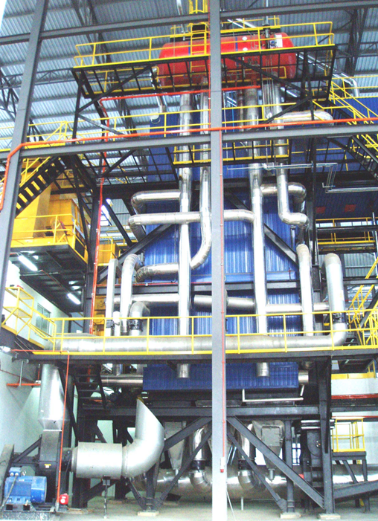
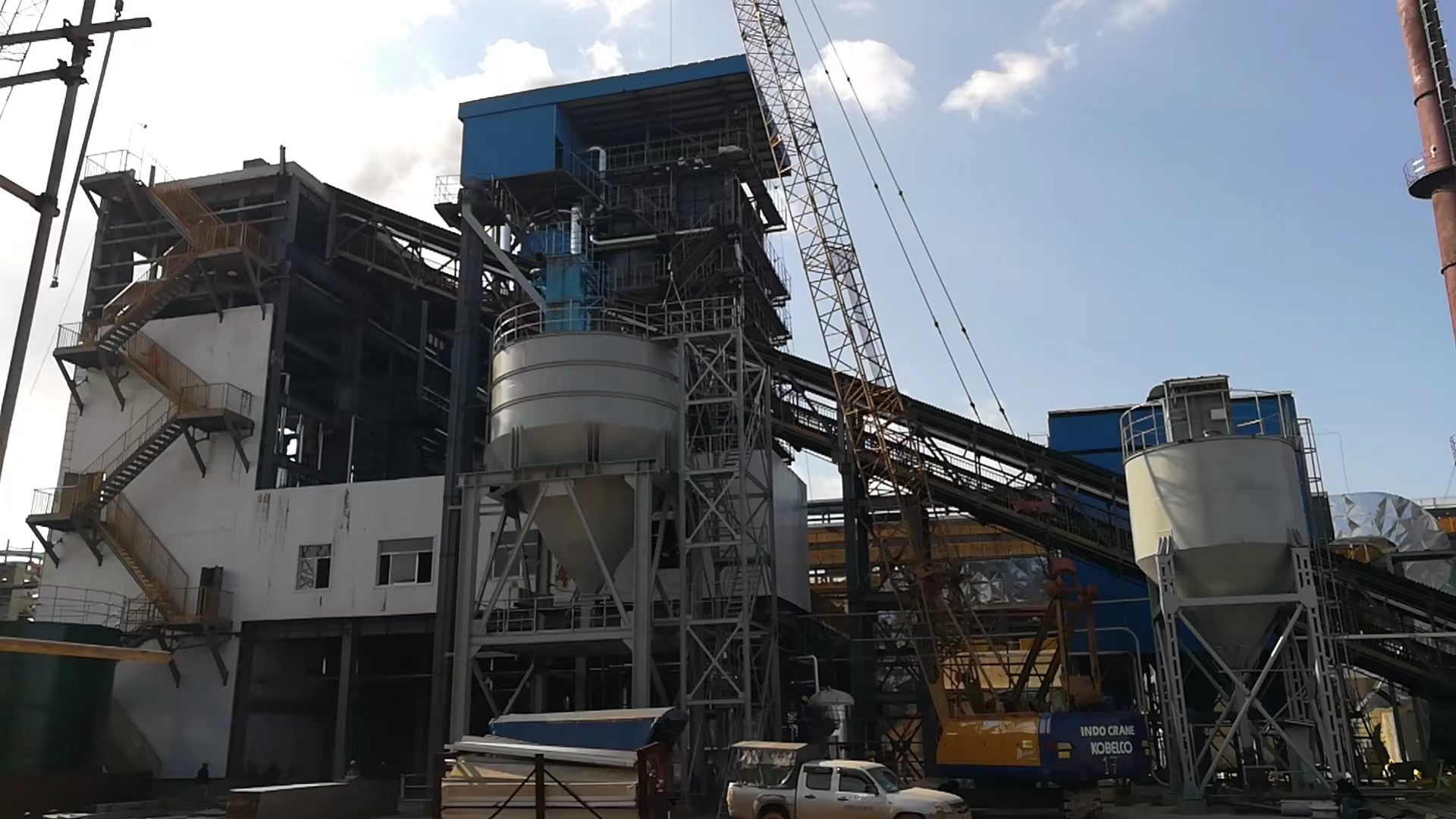
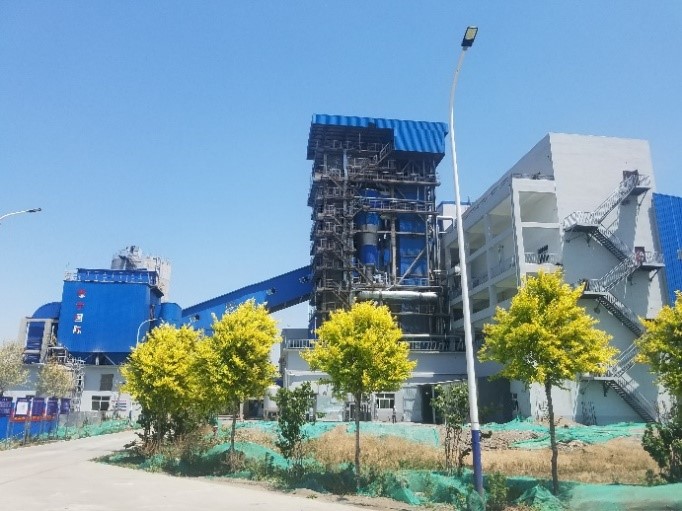
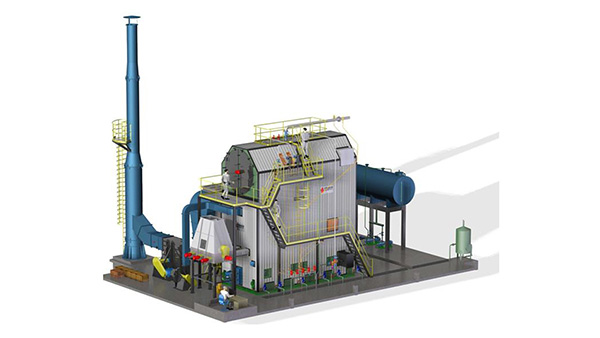
Thailand 35 tons palm fiber Biomass steam boiler

How Do Ash Content and Mineral Composition Influence Heat Transfer and Fouling in Industrial Boilers?

Industrial boiler operators often focus on fuel cost, moisture, or calorific value—but ash content and mineral composition are equally crucial to maintaining stable heat transfer and long-term efficiency. Fuels with high ash content (especially biomass and low-grade coal) generate large quantities of non-combustible residues that deposit on heat exchange surfaces, forming insulating layers known as fouling or slagging. These layers significantly reduce the boiler’s heat transfer rate, increase flue gas temperature, and accelerate corrosion. When left unchecked, ash accumulation can cause unscheduled shutdowns, tube failures, and efficiency losses exceeding 10–15%. Understanding the chemical nature of ash and its deposition behavior is therefore essential for optimizing boiler performance, prolonging component life, and minimizing maintenance costs.

Ash content and mineral composition directly affect boiler heat transfer efficiency and fouling behavior by determining how and where deposits form on heat exchange surfaces. High-ash fuels reduce heat transfer by creating insulating layers of unburned minerals and fused slag, while specific compounds like alkali metals, sulfur, and chlorine promote sticky, low-melting-point deposits. Proper fuel selection, temperature control, and sootblowing systems are necessary to limit fouling, sustain high thermal efficiency, and prevent corrosion-related damage.

In short, the chemistry of what doesn’t burn matters as much as what does—it defines the hidden losses in every boiler’s efficiency curve.

Ash content has little impact on heat transfer efficiency in industrial boilers.False

Even thin ash layers act as thermal insulators, reducing heat transfer and increasing flue gas temperature, leading to significant efficiency losses.


High alkali and chlorine content in ash increases slagging and corrosion risk.True

These elements form low-melting eutectic compounds that adhere to heat exchange surfaces, accelerating fouling and metal degradation.


1. Understanding Ash Content and Mineral Composition

Ash is the non-combustible residue left after complete fuel oxidation. Its quantity and composition vary widely with fuel type, mining source, and pretreatment method.

Fuel TypeTypical Ash Content (%)Key Mineral ComponentsFouling Risk
Natural Gas~0NoneNone
Fuel Oil0.1–0.3Vanadium, Sodium, SulfurMedium (corrosive)
Bituminous Coal5–15SiO₂, Al₂O₃, Fe₂O₃, CaOHigh
Lignite10–25SiO₂, CaO, MgOHigh
Wood Pellets0.5–1.5K₂O, Na₂O, CaOMedium
Agricultural Biomass3–10K₂O, Cl, P₂O₅Very High

Ash components can be grouped into:

  • Silicates (SiO₂, Al₂O₃) – form refractory, hard deposits.

  • Alkaline metals (Na₂O, K₂O) – create sticky, low-melting slag.

  • Sulfur and Chlorine compounds – promote corrosion and fouling.

When the melting temperature of ash components is lower than the furnace surface temperature, they soften, fuse, and adhere to heat exchanger tubes.


2. Mechanisms of Heat Transfer Reduction by Ash Deposits

Ash and slag interfere with heat transfer through several mechanisms:

  1. Thermal resistance – Ash has low thermal conductivity (0.1–0.3 W/m·K) compared to steel (~45 W/m·K).

  2. Surface roughness – Irregular deposits increase gas flow resistance and lower convective efficiency.

  3. Radiation blockage – Deposits absorb radiant heat that should reach the water walls or superheater tubes.

The heat transfer loss can be represented simply as:

Effective Heat Transfer = Design Heat Transfer × (1 – Deposit Resistance Factor)

A thin (1 mm) ash layer can cut heat transfer by 5–8%, while a thick (5–10 mm) slag deposit can cause losses exceeding 20%.

Deposit Thickness (mm)Thermal Efficiency Loss (%)Flue Gas Temperature Rise (°C)
0.52–35–10
1.05–815–20
3.010–1530–50
5.020–2560–80

This heat loss not only reduces efficiency but also raises the risk of tube overheating due to poor heat dissipation.


3. Fouling vs. Slagging: Two Distinct Problems

TypeFormation LocationMechanismConsequence
FoulingConvective sections (economizer, superheater)Fine ash condensation and adhesionReduces heat transfer, increases pressure drop
SlaggingRadiative sections (furnace, burners)Fusion of molten ash on hot surfacesBlocks gas flow, damages refractory

High alkali content fuels (e.g., straw, palm residues) tend to foul at lower temperatures (~700–900°C), while coals with high silica and iron promote slagging above 1000°C.

Proper classification helps engineers select appropriate sootblowing frequency, temperature control, and surface coatings.


4. Influence of Mineral Composition on Ash Behavior

The chemical composition determines melting and stickiness of ash particles.

CompoundMelting Temperature (°C)Behavior in BoilerRisk Level
SiO₂ (Silica)1600–1700Hard, inertLow
Al₂O₃ (Alumina)2050RefractoryLow
Fe₂O₃ (Iron oxide)1560Fluxing agentMedium
K₂O (Potassium oxide)740Sticky, low-meltingHigh
Na₂O (Sodium oxide)740Sticky, corrosiveHigh
CaO (Calcium oxide)2570Non-fusing, stabilizingLow
Cl (Chlorine)~500Forms corrosive saltsVery High

When alkali metals combine with silica and sulfur, they form eutectic mixtures that melt at lower temperatures, promoting sticky deposits that bond strongly to steel tubes.


5. Real-World Impact: Efficiency, Maintenance, and Safety

Ash Content (%)Cleaning Interval (days)Efficiency Loss per Cycle (%)Maintenance Cost Impact (%)
<130–602–3Low
3–515–305–8Moderate
10–157–1510–15High
>20<720+Very High

Boilers burning high-ash fuels often require automated sootblowing, acoustic cleaning, or water washing to maintain safe operation. Failure to clean regularly can lead to:

  • Tube overheating and rupture.

  • Draft fan overloading due to pressure drop.

  • Efficiency losses up to 25% in extreme fouling cases.


6. Mitigation Strategies for High-Ash Fuels

Mitigation TechniqueDescriptionTypical Benefit
Fuel BlendingMix high-ash fuel with low-ash sourceReduces average ash by 30–50%
Additives (e.g., kaolin, limestone)React with alkali metals to raise ash melting pointLowers fouling tendency
Optimized Air StagingControls combustion temperaturePrevents ash melting
Sootblowing / Acoustic CleaningPeriodic cleaning of surfacesRestores heat transfer
Surface Coatings (ceramic, Inconel)Resist slag adhesionExtends tube life
Cyclones / ESPs (electrostatic precipitators)Capture fly ash before depositionImprove cleanliness

A practical combination of temperature control, surface protection, and regular cleaning provides the best defense against ash-related performance degradation.


7. Case Study: Biomass Co-Firing Power Plant

Plant Type: 50 MW biomass-coal co-firing unit
Fuel: 70% wood pellets (1% ash), 30% straw (7% ash, high K₂O & Cl)

Problem: Severe fouling in superheater after 200 hours of operation.
Solution:

  • Blended straw with low-alkali wood residue.

  • Injected kaolin additive (2 kg per ton of fuel).
    Result:

  • Fouling reduced by 60%.

  • Heat transfer efficiency improved from 83% to 90%.

  • Sootblowing frequency decreased from every 8 h to every 24 h.

This case illustrates that controlling mineral composition can dramatically improve heat recovery and operational reliability.


8. Relationship Between Ash Chemistry and Corrosion

Deposits rich in chlorine and sulfur form aggressive molten salts (NaCl, KCl, Na₂SO₄) that attack steel at elevated temperatures.
Symptoms include:

  • Pitting corrosion on superheater tubes.

  • Rapid wall thinning in economizer sections.

  • Increased maintenance and unscheduled shutdowns.

Preventive measures include using corrosion-resistant alloys, maintaining oxidizing furnace atmospheres, and additive dosing to neutralize alkalis.


9. Key Takeaways

  1. Ash content determines deposit rate—the higher it is, the faster fouling occurs.

  2. Mineral composition governs deposit stickiness and melting behavior.

  3. High alkali and chlorine levels drastically increase corrosion and fouling risks.

  4. Even thin ash layers significantly reduce heat transfer efficiency.

  5. Regular cleaning, fuel blending, and additive dosing are essential maintenance practices for high-ash fuels.


Conclusion

Ash and mineral chemistry are the hidden drivers behind boiler efficiency decay. Beyond combustion control and fuel economy, long-term performance depends on managing how these minerals behave under heat. By combining fuel quality management, advanced sootblowing systems, and chemical mitigation strategies, operators can maintain clean heat transfer surfaces, maximize energy recovery, and extend boiler service life. Sustainable industrial boiler operation begins with understanding and controlling the ash that remains after every flame.
Which Industrial Biomass Fuels Provide the Highest Energy Efficiency?

In today’s industrial energy transition, biomass fuels are increasingly favored for their carbon neutrality and renewability. However, not all biomass fuels deliver the same thermal efficiency or combustion stability. Many operators unknowingly lose up to 20% of potential efficiency because of high fuel moisture, variable particle size, or poor calorific value. When biomass fuel is improperly selected, it not only lowers boiler performance but also raises emissions, slagging, and maintenance costs. Choosing high-efficiency biomass fuels with optimal energy density, low ash, and consistent combustion properties is therefore a decisive factor in achieving long-term cost savings and reliable operation.

Among industrial biomass fuels, torrefied wood pellets, palm kernel shells (PKS), and high-grade wood pellets offer the highest energy efficiency. These fuels combine low moisture content (below 10%), high calorific value (17–22 MJ/kg), uniform particle size, and stable combustion, leading to superior boiler efficiency, reduced fouling, and lower flue gas losses compared with raw biomass or agricultural residues. Selecting fuels with consistent properties ensures efficient heat transfer, complete combustion, and minimal maintenance requirements.

Selecting the right biomass fuel is not only a matter of sustainability—it’s a critical engineering decision that determines both the economic and environmental performance of an industrial boiler.

All biomass fuels provide similar combustion efficiency.False

Fuel moisture, density, and ash content vary widely among biomass types, directly influencing combustion temperature and boiler efficiency.


Torrefied wood pellets have higher energy density than raw wood pellets.True

Torrefaction removes bound moisture and volatile compounds, increasing energy density and improving combustion efficiency.


1. Understanding Biomass Fuel Efficiency

Biomass fuel efficiency in industrial boilers depends primarily on five physical and chemical factors:

ParameterOptimal RangeEffect on Efficiency
Moisture Content<10%Reduces latent heat loss
Volatile Matter60–75%Supports stable ignition
Fixed Carbon15–25%Maintains steady heat release
Ash Content<2%Reduces fouling and heat loss
Calorific Value>17 MJ/kgIncreases overall efficiency

When fuel moisture exceeds 30%, much of the combustion heat is consumed by evaporating water, drastically reducing net boiler output and causing incomplete combustion. On the other hand, high-quality fuels such as torrefied pellets or PKS burn more cleanly and release more usable heat per kilogram.


2. Comparative Energy Characteristics of Common Biomass Fuels

Biomass Fuel TypeMoisture (%)Ash (%)Calorific Value (MJ/kg)Combustion StabilityTypical Boiler Efficiency (%)
Wood Pellets6–100.3–1.517–19Excellent88–92
Torrefied Wood Pellets1–30.520–22Excellent90–94
Palm Kernel Shells (PKS)10–152–318–20Good85–90
Wood Chips30–501–28–13Variable70–80
Bagasse (Sugarcane Waste)45–551.5–27–9Moderate65–75
Rice Husk10–1215–2013–15Poor (high ash)65–70
Agricultural Straw8–153–614–16Moderate70–80

From this comparison, torrefied wood pellets clearly outperform all others, combining high calorific value with low ash and moisture. PKS also delivers a balanced performance, particularly in tropical regions where it is locally available and cost-effective.


3. How Fuel Properties Influence Efficiency

3.1 Moisture Content and Combustion Heat Loss

Every 1% increase in fuel moisture content causes approximately 0.5% efficiency loss, as heat is wasted evaporating water instead of generating steam.

For instance, burning wood chips (40% moisture) instead of wood pellets (8%) can lower boiler efficiency by nearly 15%. Drying or pre-conditioning fuels before combustion is therefore essential for energy optimization.

3.2 Calorific Value and Energy Density

The calorific value (CV) reflects the amount of heat released per kilogram of fuel. High-CV fuels like torrefied pellets and PKS not only deliver more heat but also require smaller storage and handling systems—reducing both logistic and capital costs.

3.3 Ash and Mineral Composition

High ash content leads to fouling, slagging, and corrosion on boiler tubes. Fuels like rice husk (up to 20% ash) produce sticky silica deposits that decrease heat transfer efficiency. In contrast, wood pellets and torrefied biomass generate minimal ash (<1%), resulting in longer maintenance cycles and stable combustion.


4. Visual Comparison: Energy Density vs. Moisture Content

Fuel TypeEnergy Density (MJ/kg)Moisture (%)
Torrefied Pellets21.52
Wood Pellets18.58
PKS19.012
Straw15.010
Wood Chips11.540
Bagasse8.550

Observation: As moisture content increases, the effective energy density drops steeply. Dry, dense fuels provide the highest energy output per ton.


5. Advanced Biomass Fuels: Torrefied and Densified Options

Torrefied biomass undergoes mild pyrolysis at 200–300°C in the absence of oxygen. This process:

  • Removes bound water and volatiles.

  • Increases fixed carbon content.

  • Makes the fuel hydrophobic (resistant to moisture).

  • Improves grindability and handling.

This results in a 30–40% higher energy density compared with raw biomass and allows co-firing with coal in existing power plants. Torrefied wood pellets thus represent the most efficient and versatile industrial biomass fuel available today.


6. Environmental and Operational Benefits of High-Efficiency Biomass Fuels

ParameterLow-Grade BiomassHigh-Efficiency Biomass
CO₂ Emission per MWhHigherLower
Boiler DowntimeFrequentMinimal
Ash Disposal CostHighLow
Maintenance FrequencyWeeklyMonthly or longer
Combustion ControlVariableStable
Overall System Efficiency65–75%90–94%

Using cleaner, higher-energy biomass fuels also reduces emissions of CO, NOₓ, and unburned hydrocarbons—ensuring compliance with stricter environmental standards (EU EN 303-5, ISO 17225).


7. Case Study: Fuel Selection Impact on Industrial Boiler Efficiency

Plant: 10 MW biomass-fired steam boiler
Scenario A: Wood chips (40% moisture)
Scenario B: Torrefied wood pellets (3% moisture)

MetricScenario AScenario B
Fuel consumption (tons/day)14080
Net boiler efficiency (%)7692
CO emissions (mg/Nm³)310180
Annual maintenance downtime (days)258

By switching to torrefied pellets, the plant achieved 21% higher efficiency, reduced emissions, and saved $480,000 per year in fuel and maintenance costs.


8. Choosing the Right Biomass for Industrial Applications

When selecting biomass fuel for your boiler, prioritize:

  1. Low Moisture (<10%) – Minimizes drying losses.

  2. Low Ash (<2%) – Reduces fouling and cleaning frequency.

  3. High Energy Density (>18 MJ/kg) – Maximizes steam yield.

  4. Stable Supply Chain – Ensures consistent operation.

  5. Proven Combustion Performance – Verified by field data or testing.

High-quality wood pellets and PKS are suitable for medium and large-scale industrial boilers, while torrefied pellets provide flexibility for co-firing and power generation.


9. Key Takeaways

  • Torrefied wood pellets deliver the highest energy efficiency (90–94%) among all biomass fuels.

  • Palm kernel shells (PKS) provide a cost-effective, locally available high-energy alternative.

  • Fuel moisture and ash content are the two most critical parameters influencing combustion efficiency.

  • Fuel quality control and moisture management can yield up to 20% improvement in boiler performance.


Conclusion

Industrial biomass boilers achieve their highest efficiency only when paired with high-calorific, low-ash, and low-moisture fuels. Investing in premium biomass—such as torrefied pellets or palm kernel shells—not only enhances thermal performance but also cuts emissions and operational costs. The right fuel selection is therefore not just an environmental decision, but a strategic economic investment that determines the long-term success of industrial biomass energy systems.
How Does Fuel Preparation and Handling Affect Boiler Stability and Emissions?

Industrial boiler operators often focus on fuel type and combustion technology, yet fuel preparation and handling—including drying, sizing, feeding, and storage—are equally decisive for combustion stability and emission control. When biomass, coal, or other solid fuels are poorly prepared, the result is inconsistent feeding, unstable flame temperature, incomplete combustion, and increased pollutant formation (CO, NOₓ, particulate matter). Over time, this instability shortens equipment life, raises operating costs, and triggers non-compliance with environmental regulations. Properly engineered fuel preparation ensures uniform combustion conditions, higher thermal efficiency, and cleaner emissions, forming the foundation for reliable and sustainable boiler operation.

Fuel preparation and handling directly determine combustion uniformity, boiler stability, and emission performance. Well-prepared fuels—with optimized particle size, low and consistent moisture content, and controlled feeding—enable steady heat release, complete oxidation, and minimal pollutant formation. Conversely, poor fuel conditioning leads to uneven flame temperature, fluctuating steam output, higher CO and NOₓ emissions, and accelerated fouling. Effective preparation systems such as screening, drying, and metered feeding are therefore essential for high-efficiency, low-emission boiler performance.

Efficient combustion begins long before the flame—it’s engineered in the way the fuel is processed, stored, and delivered to the furnace.

Fuel size uniformity has little effect on combustion stability in industrial boilers.False

Non-uniform particle sizes cause uneven combustion rates, temperature fluctuations, and increased CO emissions due to incomplete oxidation.


Properly dried fuel improves combustion efficiency and reduces emissions.True

Reducing moisture content minimizes energy loss to evaporation, ensuring complete combustion and lowering CO and unburned hydrocarbons.


1. Fuel Preparation: The Foundation of Stable Combustion

Fuel preparation encompasses multiple stages designed to produce consistent, energy-rich feedstock suitable for the boiler’s combustion system:

Preparation StepKey ObjectiveCommon EquipmentImpact on Boiler Performance
Screening & CleaningRemove stones, metal, oversized materialVibratory screens, magnetic separatorsPrevents blockage and mechanical wear
Crushing & SizingAchieve uniform particle distributionCrushers, hammer millsEnsures consistent burning rate
DryingReduce moisture to target levelRotary dryers, belt dryersImproves ignition and efficiency
BlendingHomogenize fuel compositionMixers, silosStabilizes combustion temperature
Feeding & MeteringControl delivery rate to furnaceScrew feeders, rotary valvesAvoids flame instability and CO spikes

Each of these stages contributes to stable, efficient combustion and lower emissions. Without proper preparation, even high-quality fuels can produce erratic flame behavior and poor environmental performance.


2. The Role of Fuel Moisture in Combustion and Emissions

Moisture content is the single most critical factor affecting boiler stability. High moisture levels reduce the effective energy content of the fuel and cause flame cooling.

Fuel Moisture (%)Boiler Efficiency Loss (%)CO Emission Change (%)Visible Flame Stability
500Stable
15-5+20Slightly unstable
30-10+60Unstable
50-20+120Severely unstable

When moisture exceeds 25–30%, much of the combustion heat is consumed in evaporating water rather than generating steam. This results in unburned carbon, incomplete oxidation, and higher CO and VOC emissions.

Modern systems use waste heat dryers to pre-dry biomass or coal using flue gases, reducing overall fuel consumption and improving emission performance.


3. Particle Size and Distribution: Key to Uniform Combustion

Particle size determines burning rate, surface area, and mixing quality with combustion air.

  • Too large particles → Incomplete combustion, high unburned carbon, CO spikes.

  • Too fine particles → High dust carryover, increased PM emissions, risk of backfire in some systems.

Fuel TypeOptimal Particle SizeTypical Equipment
Biomass (wood pellets, PKS)6–25 mmHammer mill, shredder
Pulverized coal<75 μmBall mill, classifier
Agricultural residues (straw, husk)<20 mmCutter, chopper

A uniform particle size ensures consistent ignition time and flame propagation across the furnace. Uneven sizing, by contrast, causes temperature fluctuations, which promote thermal NOₓ formation and pressure instability.


4. Fuel Feeding Systems and Combustion Control

Stable fuel feeding maintains a constant heat release rate—essential for both load control and emission consistency.

Feeding MethodTypical FuelAdvantagesPotential Problems if Improper
Screw FeederPellets, chipsPrecise meteringBlockage with high-moisture fuel
Belt FeederShredded biomassSmooth flowDust generation if uncovered
Pneumatic FeedingPulverized fuelFast responsePressure fluctuations
Stoker / Grate SystemCoal, PKSRobust and simpleUneven feed causes clinker buildup

A poorly regulated feed rate can lead to short-term oxygen deficiency, producing CO and soot, or excess air, which reduces efficiency and increases NOₓ.

Modern boilers use variable-frequency drives (VFDs), weigh feeders, and real-time flow sensors to maintain optimal feed rates synchronized with combustion air flow.


5. Storage, Handling, and Environmental Impact

Improper fuel storage can degrade fuel quality, increase emissions, and create safety hazards:

  • Moisture reabsorption – Biomass absorbs ambient humidity, raising water content.

  • Biological degradation – Prolonged storage causes microbial decay, reducing energy content.

  • Dust and particulate release – Poor handling generates airborne PM, posing explosion risks.

  • Contamination – Soil or sand introduction raises ash content and fouling potential.

Best practices include:

  • Enclosed or covered silos to prevent moisture uptake.

  • Mechanical ventilation and temperature monitoring.

  • Anti-dust extraction systems in conveyors and transfer points.

These measures not only protect combustion quality but also ensure occupational and environmental safety.


6. Relationship Between Preparation Quality and Emission Performance

ParameterPoorly Prepared FuelWell-Prepared FuelImprovement (%)
CO Emissions (mg/Nm³)450180-60
NOₓ Emissions (mg/Nm³)310220-30
Particulate Matter (mg/Nm³)12060-50
Boiler Efficiency (%)7590+20

Proper fuel preparation and handling deliver significant environmental benefits by ensuring complete combustion, reducing unburned hydrocarbons, and stabilizing furnace temperatures.


7. Case Study: Biomass Boiler Fuel Conditioning Upgrade

Plant: 15 MW wood chip-fired industrial boiler
Problem: Inconsistent steam pressure and high CO emissions (420 mg/Nm³).
Solution:

  • Installed rotary dryer to lower moisture from 35% → 10%.

  • Added fine screening and magnetic separation.

  • Introduced automatic screw feeder with VFD control.
    Results:

  • CO emissions reduced by 58%.

  • Steam pressure fluctuations dropped by 40%.

  • Thermal efficiency increased from 78% → 91%.

This case demonstrates that improving preparation and feeding precision can be more effective than retrofitting emission control systems.


8. Integrating Automation and Monitoring

Modern preparation systems integrate digital monitoring for:

  • Moisture control (using online NIR sensors).

  • Feed rate balance (via mass flow meters).

  • Air-fuel ratio adjustment (linked to oxygen sensors).
    Such automation ensures continuous optimization, stabilizing combustion conditions while keeping emissions below permitted limits.


9. Key Takeaways

  • Fuel preparation directly governs combustion stability, thermal efficiency, and emission performance.

  • Uniform particle size and controlled moisture are the two most critical parameters.

  • Automated feeding and air control systems minimize emission spikes and maintain stable boiler output.

  • Poor handling can undo the advantages of even the best fuel or burner technology.


Conclusion

Boiler stability and emissions begin with the quality of fuel preparation and handling. Every stage—drying, sizing, blending, feeding, and storage—plays a decisive role in determining how efficiently and cleanly fuel energy is converted into heat. By investing in precise preparation and automated control systems, industries can achieve stable steam generation, lower emissions, and extended boiler life, while reducing fuel costs and downtime.

What Are the Best Practices for Optimizing Fuel Selection and Combustion Control?

For industrial boiler operators, even minor inefficiencies in fuel selection or combustion control can translate into substantial energy loss, higher emissions, and increased operating costs. Many plants face challenges such as unstable flame, excess oxygen levels, and unburned fuel residue—all rooted in poor fuel choice or inadequate control strategy. These issues not only reduce efficiency but also shorten equipment lifespan and violate emission regulations. Optimizing both fuel quality and combustion control systems is therefore essential to achieve consistent performance, lower emissions, and long-term economic efficiency.

The best practices for optimizing fuel selection and combustion control include choosing fuels with consistent calorific value, low moisture and ash content, and compatible chemical composition, while implementing precise air-fuel ratio control, continuous monitoring (O₂, CO, NOₓ sensors), staged combustion, and regular tuning. Integrating automated control systems and data analytics ensures stable flame temperature, complete fuel utilization, and minimized pollutant formation, resulting in high boiler efficiency and environmental compliance.

In essence, efficient combustion is not achieved by technology alone—it is the outcome of the right fuel, the right controls, and disciplined operational management.

Using low-cost fuel always leads to lower operating costs.False

Low-cost fuels often contain higher moisture or ash, which reduces efficiency and increases maintenance costs, offsetting short-term savings.


Precise air-fuel ratio control can significantly reduce CO and NOₓ emissions.True

Optimizing excess air ensures complete combustion while preventing overheating and thermal NOₓ formation.


1. Fundamentals of Fuel Selection

Fuel selection sets the foundation for combustion performance. The ideal fuel for a boiler should meet the following criteria:

ParameterIdeal RangeImportance for Combustion
Moisture Content<10%Reduces heat loss and ensures stable ignition
Ash Content<2%Minimizes fouling and slagging
Calorific Value>17 MJ/kgMaximizes thermal output
Particle Size Uniformity6–25 mm (solid fuels)Ensures even burning rate
Sulfur & Chlorine Content<0.2%Reduces corrosion and SO₂/Cl emissions
Volatile Matter60–75%Improves ignition characteristics

Choosing a fuel outside these ranges often leads to incomplete combustion, unstable temperature profiles, and excessive CO or NOₓ formation.

For biomass boilers, torrefied wood pellets and palm kernel shells (PKS) are excellent choices due to their high calorific value and low ash. For coal-fired units, selecting washed or blended coals with balanced volatile content improves combustion uniformity and minimizes slagging.


2. Matching Fuel Type with Boiler Design

Each boiler design is optimized for specific fuel properties:

Boiler TypeSuitable FuelsKey Control Parameters
Pulverized Coal BoilerFine coal (<75 µm)Pulverizer speed, primary air ratio
Fluidized Bed Boiler (CFB/BFB)Biomass, coal blendsBed temperature (750–900°C), air staging
Grate-Fired BoilerWood chips, PKS, waste biomassFeed rate, under-grate air distribution
Gas-Fired BoilerNatural gas, biogasBurner modulation, excess air control
Oil-Fired BoilerLight/heavy fuel oilsAtomization pressure, air-fuel ratio

Using mismatched fuel can cause poor combustion, localized hot spots, or flame instability. Therefore, fuel compatibility testing should be conducted before any change in fuel source or composition.


3. Combustion Control: Balancing Air and Fuel

Efficient combustion requires a precise air-to-fuel ratio (AFR). Too little air leads to unburned carbon and CO formation; too much air wastes heat in flue gases.

Excess Air RatioCombustion ConditionEfficiency ImpactEmission Effect
<1.0Incomplete combustionEfficiency ↓CO ↑
1.1–1.2Optimal rangeEfficiency ↑CO ↓, NOₓ stable
>1.5Over-aerationEfficiency ↓NOₓ ↑, heat loss ↑

Advanced control systems continuously adjust AFR using real-time sensor data (O₂, CO, flue temperature), maintaining the optimal balance for every load condition.

Best Practice Techniques:

  • Oxygen Trim Control: Adjusts air supply automatically to maintain optimal O₂ level (typically 2–4% for gas, 4–6% for biomass).

  • Staged Combustion: Reduces NOₓ by burning fuel in phases—fuel-rich zone followed by secondary air injection.

  • Flue Gas Recirculation (FGR): Lowers flame temperature, suppressing thermal NOₓ formation.

  • Dynamic Airflow Mapping: Uses real-time sensors to equalize air distribution across burners or grates.


4. Real-Time Monitoring and Automation

Automation is the backbone of modern combustion control. Continuous emission and process monitoring allow immediate adjustment to maintain efficiency and compliance.

SystemMonitored ParameterControl FunctionBenefit
O₂ SensorFlue gas oxygenTrim air supplyAvoids excess air loss
CO SensorIncomplete combustionAir-fuel ratio correctionEnsures full oxidation
NOₓ AnalyzerPollutant emissionAir staging optimizationMaintains emission compliance
Flue Gas Temperature SensorStack heat lossEfficiency tuningDetects fouling early
Automated Control (PLC/DCS)Multiple variablesIntegrated optimizationStable operation and reduced fuel use

Smart systems can even use predictive algorithms to forecast combustion trends, adjusting feed and air rates preemptively for smoother operation.


5. Influence of Fuel Quality on Emissions

Fuel PropertyPrimary ImpactEmission Behavior
MoistureLowers flame temperatureIncreases CO, VOC
AshPromotes foulingIncreases PM and SO₂
Volatile MatterAffects ignitionUnburned hydrocarbons if too low
Nitrogen ContentContributes to NOₓDirect correlation
Sulfur ContentSO₂ and sulfate aerosolCorrosion and acid dewpoint risk

To mitigate emissions, fuel suppliers should provide certified quality reports (ISO 17225 for biomass, ASTM D388 for coal), and operators must verify fuel consistency using routine laboratory analysis.


6. Integrating Fuel Blending for Stability and Efficiency

Blending fuels of different grades allows optimization of calorific value and emission profile.

Blend TypePurposeExampleResult
Moisture BalancingAdjust overall water content70% wood pellets + 30% wet chipsImproved ignition
Ash ReductionLower fouling tendencyBiomass + washed coalCleaner heat exchange
Emission ControlLower sulfur/nitrogenPKS + torrefied pelletsNOₓ/SO₂ reduction

Blending also helps stabilize combustion temperature and maintain a consistent flue gas composition, enhancing the performance of downstream emission systems (e.g., SCR, ESP).


7. Routine Tuning and Maintenance for Optimal Control

Even the best control systems require periodic optimization:

  • Monthly: Inspect sensors, clean burners, calibrate air dampers.

  • Quarterly: Tune combustion curves at different loads.

  • Annually: Verify control system accuracy and recalibrate analyzers.

Regular performance audits can identify deviations in efficiency or emission performance before they become costly failures.


8. Case Study: Optimization through Fuel and Control Integration

Plant: 20 MW biomass-fired industrial boiler
Before Optimization: Wood chips (30% moisture), manual air control
After Optimization: Torrefied pellets (5% moisture), automated O₂ trim and air staging

MetricBeforeAfter
Boiler Efficiency (%)7892
CO Emissions (mg/Nm³)410180
NOₓ Emissions (mg/Nm³)310230
Steam Pressure Stability (%)±5.8±1.2

The integrated optimization reduced fuel use by 15%, emissions by 40%, and maintenance downtime by 60%—demonstrating the compounded benefits of matching the right fuel with the right control system.


9. Key Best Practices Summary

Focus AreaBest PracticeBenefit
Fuel SelectionLow moisture, low ash, high calorific valueHigher combustion efficiency
Fuel-Blending StrategyMix complementary fuelsBalanced performance and emissions
Air-Fuel Ratio ControlMaintain optimal excess airReduced CO, improved efficiency
Staged CombustionFuel-rich → Air-rich zonesLower NOₓ
Oxygen & CO MonitoringContinuous flue gas analysisReal-time optimization
Automation & Predictive ControlAI or PLC integrationLong-term stability and cost reduction
Regular TuningLoad-based calibrationMaintained efficiency over time

Conclusion

Optimizing fuel selection and combustion control is a dual-engine approach—fuel quality defines the potential, and control precision realizes it. By ensuring consistent fuel properties, blending strategically, and using intelligent control systems, industries can achieve maximum efficiency, minimal emissions, and extended equipment life. Modern boiler performance is no longer a product of chance but of data-driven precision.

🔍 Conclusion

Fuel choice is the most critical factor influencing industrial biomass boiler efficiency. Selecting clean, dry, and consistent fuels ensures better combustion, reduced energy waste, and lower emissions. By implementing effective fuel management and combustion control strategies, industries can achieve sustainable, high-efficiency biomass energy production.


📞 Contact Us

💡 Looking to improve your biomass boiler’s efficiency with the right fuel strategy? We provide fuel testing, combustion tuning, and custom boiler solutions for optimal performance across diverse biomass types.

🔹 Contact us today to maximize your industrial biomass boiler’s performance and fuel efficiency. 🌾🔥🏭✅♻️

FAQ

Q1: How do different biomass fuels affect industrial boiler efficiency?

A1: The type of biomass fuel used has a major impact on industrial boiler efficiency because each fuel has unique properties such as moisture content, ash composition, calorific value, and particle size. Fuels with high moisture require more energy for drying, lowering combustion temperature and thermal efficiency. Dry, uniform fuels like wood pellets typically achieve efficiencies of 85–90%, while wet or variable fuels such as raw wood chips or agricultural residues may yield only 70–80% efficiency. Selecting the right fuel for the boiler’s design and combustion system is essential for maintaining high energy output and stable operation.

Q2: Why does moisture content in biomass fuel influence boiler performance?

A2: Moisture content is one of the most critical factors affecting efficiency. When fuel contains excess water, part of the combustion energy is consumed to evaporate moisture instead of producing heat. For example, fuels with 10–15% moisture (like wood pellets) deliver higher combustion efficiency than raw biomass with over 40% moisture (like green wood). Reducing moisture through pre-drying systems or proper storage significantly enhances boiler performance, stability, and emissions control.

Q3: How does fuel size and uniformity impact combustion efficiency?

A3: Fuel size consistency determines the combustion rate and air distribution inside the furnace. Uniformly sized fuels like wood pellets provide steady combustion and easier air control, resulting in higher efficiency. Conversely, irregularly shaped or oversized biomass particles lead to uneven burning, incomplete combustion, and soot buildup. Advanced boilers often include grate or fluidized bed combustion systems designed to handle varied fuel sizes while maintaining efficient and clean burning.

Q4: What role does ash content play in biomass boiler efficiency?

A4: Ash content affects heat transfer and maintenance frequency. Fuels with high ash content, such as agricultural residues (rice husk, straw, or corn stalks), can form slag and fouling on heat exchange surfaces, reducing efficiency. They also require more frequent cleaning and downtime. In contrast, low-ash fuels like wood pellets and sawdust produce less residue and maintain consistent heat transfer efficiency. Using automatic ash removal systems and optimized combustion air settings can help mitigate the negative impact of high-ash fuels.

Q5: Which biomass fuels offer the best efficiency and sustainability balance?

A5: Wood pellets are widely considered the most efficient and sustainable biomass fuel due to their low moisture content, high energy density, and uniform composition. Wood chips and sawdust are also efficient when properly dried and processed. Agricultural residues (like rice husk or bagasse) provide a sustainable alternative in agricultural regions but may require more advanced boiler designs to handle higher ash and moisture levels. Ultimately, the best choice balances local fuel availability, cost, boiler design compatibility, and environmental performance.


References

  1. U.S. Department of Energy – Biomass Combustion Efficiency Guidehttps://www.energy.gov/DOE

  2. International Energy Agency (IEA) – Bioenergy Technology Overviewhttps://www.iea.org/IEA

  3. Carbon Trust – Biomass Boiler Efficiency and Fuel Qualityhttps://www.carbontrust.com/Carbon Trust

  4. European Biomass Association (AEBIOM) – Fuel Standards and Performancehttps://bioenergyeurope.org/Bioenergy Europe

  5. Engineering Toolbox – Biomass Fuel Calorific Valueshttps://www.engineeringtoolbox.com/Engineering Toolbox

  6. ScienceDirect – Influence of Fuel Moisture on Biomass Boiler Efficiencyhttps://www.sciencedirect.com/ScienceDirect

  7. Spirax Sarco – Combustion and Boiler Efficiency Optimizationhttps://www.spiraxsarco.com/Spirax Sarco

  8. ResearchGate – Biomass Fuel Properties and Combustion Characteristicshttps://www.researchgate.net/ResearchGate

  9. ISO 17225 Biomass Fuel Quality Standardshttps://www.iso.org/ISO

  10. MarketsandMarkets – Global Biomass Boiler Market Trends 2025https://www.marketsandmarkets.com/Markets and Markets

Wade Zhang

CEO of Taishan Group Taian Boao International Trade Co., Ltd. 30 years experience in Global industrial boiler market,  Over 300 boiler projects experience, including 21+ EPC projects. Projects span 30+ countries & regions, involving industries such as nuclear power, energy & electricity, municipal heating, mining, textiles, tires etc.

How Different Fuels Affect the Efficiency of Industrial Biomass Boilers? Read More »
How to Get the Best Industrial Steam Boiler Price Without Sacrificing Quality

How to Get the Best Industrial Steam Boiler Price Without Sacrificing Quality

Purchasing an industrial steam boiler is a major capital investment, and the wrong choice can lead to high operational costs, poor efficiency, and frequent maintenance. Many buyers aim to find the most cost-effective solution but risk compromising on quality or long-term reliability if they focus solely on the lowest initial price. The challenge lies in balancing cost, performance, and durability to achieve true value for money.

To get the best industrial steam boiler price without sacrificing quality, buyers should focus on total lifecycle cost, not just purchase price. This includes evaluating the boiler’s efficiency, fuel type, materials, automation level, and manufacturer reputation. Partnering with a reliable supplier offering customized design, long-term warranty, and after-sales support ensures both cost savings and dependable performance. Opting for energy-efficient and low-maintenance models may cost more upfront but delivers higher returns through reduced fuel and maintenance expenses.

By applying a strategic procurement approach and understanding what truly affects cost and performance, industries can secure a boiler that meets both budget and quality requirements for years to come.

What Factors Influence the Price of an Industrial Steam Boiler?

When businesses invest in a new industrial steam boiler, one of the most important considerations is cost. Yet, the “price” of a boiler is rarely a single number—it’s a complex balance of design standards, capacity, pressure requirements, materials, automation level, and environmental compliance. Failing to understand these factors can lead to underperformance, excessive maintenance costs, or even regulatory non-compliance. Knowing how each factor contributes to boiler cost helps decision-makers achieve the best balance between performance, efficiency, and total investment.

The price of an industrial steam boiler is mainly determined by its capacity, design pressure and temperature, material selection, manufacturing standards, auxiliary systems, automation level, fuel type, environmental compliance, and site-specific installation conditions. High-efficiency designs, advanced materials, and emission control systems increase initial cost but lower lifetime operating expenses, making total cost of ownership the key economic metric—not just purchase price.

In short, boiler pricing is a reflection of engineering precision, safety compliance, and operational durability.

The largest boilers are always the most expensive per ton of steam capacity.False

Economies of scale reduce unit cost for larger boilers, meaning price per ton often decreases with capacity increase.


Material quality and manufacturing standards significantly impact boiler pricing.True

High-grade alloy steels and certified pressure vessel fabrication raise costs but ensure longevity and safety.


1. Capacity and Steam Parameters

The steam capacity and operating pressure/temperature directly affect boiler design complexity, materials, and cost.

ParameterRangeCost ImpactExplanation
Steam Capacity (t/h)1–100+↑ with sizeLarger heat transfer area, bigger drums, stronger structure
Design Pressure (MPa)0.7–25↑ with pressureRequires thicker walls, higher-grade steel
Steam Temperature (°C)170–540↑ with temperatureNeeds advanced alloy materials

Example:
A 10 t/h low-pressure boiler (1 MPa) might cost $50,000–$80,000, while a 10 t/h high-pressure boiler (4 MPa) could exceed $120,000 due to thicker drum plates and advanced metallurgy.


2. Boiler Type and Design Configuration

Different boiler designs have different manufacturing complexity and cost structure.

Boiler TypeTypical Efficiency (%)Relative Cost LevelApplication
Fire Tube Boiler80–85LowSmall industrial users
Water Tube Boiler85–92Medium–HighProcess and power plants
Circulating Fluidized Bed (CFB)88–94HighCoal, biomass, or multi-fuel
Waste Heat Recovery Boiler85–90VariableEnergy reuse in process plants

More advanced designs like CFB or waste heat boilers have higher capital costs due to complex combustion and heat transfer systems, but they offer long-term energy and fuel savings.


3. Materials and Structural Strength

Material quality accounts for 25–40% of total boiler cost.
High-pressure and high-temperature boilers require heat- and corrosion-resistant alloys.

MaterialApplicationRelative CostLifespan Advantage
Carbon Steel (Q245R)Standard drums, shellsLow cost
Alloy Steel (15CrMoG, 12Cr1MoVG)Superheater, reheater tubes★★★High temperature endurance
Austenitic Stainless Steel (TP304, TP347H)Economizers, HRSGs★★★★Corrosion resistance
Nickel-based Alloys (Inconel 625)Ultra-supercritical systems★★★★★700°C+ capability

The use of high-alloy steels or nickel-based materials greatly increases manufacturing cost but is indispensable for supercritical or corrosive environments.


4. Manufacturing Standards and Certifications

Compliance with international pressure vessel standards (ASME, CE, ISO) ensures safety and global market acceptance—but also adds certification costs.

StandardScopeCertification Impact
ASME Section IPower boilers+10–20% cost for design and inspection
CE (PED 2014/68/EU)EU pressure equipment+5–10% due to testing and documentation
ISO 9001/14001Quality and environmental managementModerate increase but ensures traceability

Strict adherence to these standards is non-negotiable for export markets or regulated industries like power generation and petrochemicals.


5. Fuel Type and Combustion System

Boiler cost varies by fuel because each type requires different burners, grates, or combustion chambers.

Fuel TypeCombustion SystemCost TrendReason
Natural GasAutomatic burnerMediumHigh efficiency, simple control
CoalGrate or pulverized firingHighLarger furnace, ash handling
BiomassStoker or fluidized bedHighComplex feeding, moisture handling
OilAtomizing burnerMediumSimple design, high fuel cost

Although gas boilers cost less initially, biomass and CFB boilers are often chosen for fuel cost savings or environmental policies.


6. Automation and Control Systems

Modern boilers incorporate PLC or DCS-based automation, enhancing reliability and safety but increasing upfront cost.

Automation LevelTypical FeaturesCost EffectBenefit
Basic ControlManual valves, pressure gaugesLowSuitable for small systems
Semi-AutomaticPLC control, digital indicators+5–10%Improved safety, reduced labor
Fully Automatic (DCS/SCADA)Intelligent monitoring, remote operation+15–25%Optimal efficiency, predictive maintenance

High automation minimizes operator error, enables load flexibility, and reduces fuel waste—making it cost-effective over time.


7. Auxiliary Systems and Equipment

Auxiliary systems contribute significantly to total investment and include:

Auxiliary EquipmentFunctionCost Share (%)
Feedwater Pump and SystemSupply water to boiler8–10
DeaeratorRemoves dissolved gases5–8
Economizer and Air PreheaterImproves efficiency10–15
Dust Collector / Bag Filter / ESPEmission control10–20
ID/FD FansMaintain combustion air and draft5–8
Chimney, Ducts, PipingGas discharge5–10

Thus, auxiliaries can account for up to 40% of the total project cost. Efficient integration reduces fuel use and OPEX.


8. Environmental Compliance and Emission Controls

Modern environmental laws demand low NOₓ burners, desulfurization, and particulate filtration.

Control SystemFunctionCost Addition (%)
Low-NOₓ BurnerReduces NOₓ formation+5–8
Bag Filter or ESPRemoves particulate matter+10–20
Wet/Dry Scrubber (FGD)Removes SO₂+15–25
DeNOₓ (SCR)Reduces NOₓ post-combustion+20–30

Compliance with standards like EU IED or US EPA NSPS adds cost but is essential for long-term operation and permitting.


9. Installation Location, Logistics, and Site Conditions

On-site conditions can increase installation and transportation costs by 10–30%, depending on geography.

FactorCost Influence
Remote or Mountainous SitesHigh transport and crane cost
Space LimitationsModular assembly required
Local Labor RatesAffects erection cost
Foundation and Piping WorkSite preparation expenses

Careful project planning and modular prefabrication can mitigate logistical cost overruns.


10. Life-Cycle Cost vs. Capital Cost

While initial cost matters, life-cycle cost (LCC) gives a clearer economic picture:

Cost ElementShare in 20-Year LifeOptimization Goal
Capital Cost20–25%Efficient procurement
Fuel Cost55–65%Maximize efficiency
Maintenance10–15%Preventive maintenance
Operation (Labor, Water, etc.)5–10%Automation, training

A high-efficiency boiler may cost more upfront but can save hundreds of thousands of dollars in fuel over its service life.


11. Cost Benchmark Table (Approximate Range)

Boiler TypeCapacityPressurePrice Range (USD)Efficiency
Fire Tube Boiler2 t/h1 MPa$30,000–$60,00082–85%
Water Tube Boiler10 t/h2 MPa$90,000–$150,00086–90%
CFB Boiler35 t/h3.8 MPa$600,000–$900,00088–92%
HRSG (Waste Heat)20 t/h4 MPa$500,000–$800,00085–90%
Ultra-Supercritical Boiler100 t/h+25 MPa$2 million+45–48% (net plant)

These ranges vary based on configuration, origin, supplier quality, and certification.


12. Emerging Trends Influencing Future Boiler Pricing

  • Digitalization: Integration of smart sensors and AI-based control adds 5–10% upfront but lowers OPEX.

  • Hybrid Fuels: Boilers capable of hydrogen or biomass co-firing are 10–15% costlier initially.

  • Modular Manufacturing: Factory-assembled modules reduce site cost by 20–25%.

  • Green Financing: Carbon-efficient designs gain financial incentives and tax benefits.


Conclusion

The cost of an industrial steam boiler is shaped by technical, material, regulatory, and site-specific variables. While high-efficiency, low-emission boilers demand higher initial investment, they deliver substantial returns in fuel savings, reliability, and compliance longevity. Buyers should evaluate total ownership cost (CAPEX + OPEX) rather than sticker price alone, ensuring long-term economic and environmental performance.

Why Is Lifecycle Cost Analysis More Important Than Initial Price?

When selecting a new industrial steam boiler, many buyers focus on the initial purchase price, assuming that the cheapest system will save money. However, this short-term mindset can lead to inefficiency, higher fuel expenses, frequent repairs, and reduced operating life, eroding any upfront savings. The real financial picture emerges only through Lifecycle Cost Analysis (LCCA)—a comprehensive approach that evaluates all costs associated with a boiler throughout its operational life, not just its purchase cost. Understanding lifecycle cost helps industries make smarter investments, reduce total ownership expenses, and improve sustainability.

Lifecycle Cost Analysis (LCCA) is more important than initial price because it considers the total cost of ownership—including capital investment, fuel consumption, maintenance, labor, downtime, and disposal—over the boiler’s entire operating life. While a cheaper boiler may have lower upfront costs, a high-efficiency, low-maintenance system typically delivers lower overall costs and greater profitability in the long term.

In essence, focusing solely on initial price often leads to false economy, whereas lifecycle analysis ensures maximum efficiency, reliability, and return on investment (ROI) over decades of operation.

The lowest purchase price always ensures the lowest total cost of a boiler.False

A boiler with a low initial cost often has higher fuel and maintenance expenses, making it more expensive over its lifecycle.


Fuel costs represent the largest portion of a boiler’s lifecycle expenses.True

Fuel typically accounts for 55–65% of the total cost of ownership for industrial steam boilers.


1. Understanding Lifecycle Cost Analysis (LCCA)

Lifecycle Cost Analysis is a structured method used to evaluate the total economic impact of owning and operating a boiler system. It includes both fixed and variable expenses over the expected service life (typically 20–30 years).

Cost CategoryDescriptionTimeframeTypical Share of Total LCC (%)
Capital Cost (CAPEX)Purchase, installation, commissioningYear 0–120–25%
Operating Cost (OPEX)Fuel, water, chemicals, electricityOngoing55–65%
Maintenance CostRoutine service, parts replacementAnnual10–15%
Labor and ManagementOperator wages, trainingOngoing5–10%
Decommissioning/DisposalShutdown and recyclingEnd of life<2%

LCCA helps decision-makers compare options based not on price tags, but on net present value (NPV) of all costs, allowing for rational, data-driven investment choices.


2. Why Initial Price Alone Is Misleading

A lower upfront price can mask hidden long-term costs, such as:

  • Higher fuel consumption due to low thermal efficiency

  • Frequent maintenance or downtime from inferior materials or workmanship

  • Rapid depreciation caused by design limitations

  • Non-compliance penalties from outdated emission performance

Consider two 10-ton/hour gas-fired boilers:

ParameterBoiler A (Low-Cost)Boiler B (High-Efficiency)
Purchase Price$80,000$120,000
Efficiency85%93%
Annual Fuel Cost$450,000$410,000
Maintenance Cost$15,000$8,000
Expected Life15 years25 years
Total 20-Year Cost$9.15 million$8.36 million

Despite Boiler B costing $40,000 more upfront, it saves ~$790,000 over 20 years, proving that efficiency and quality pay off exponentially.


3. Fuel Efficiency: The Largest Cost Driver

Fuel is the dominant cost element in any boiler system. Even small efficiency gains translate into massive long-term savings.

Efficiency IncreaseFuel Savings per Year20-Year Savings (Assuming $400,000 Annual Fuel Use)
+1%$4,000$80,000
+5%$20,000$400,000
+8%$32,000$640,000

Modern technologies such as condensing economizers, air preheaters, and intelligent combustion control can improve efficiency by 5–10%, directly lowering lifecycle cost.


4. Maintenance and Reliability: The Hidden Savings

Poor maintenance is a major cause of efficiency decline and unplanned outages. A robust boiler design with automated monitoring and durable materials reduces these costs dramatically.

Maintenance StrategyDowntime (hrs/year)Annual Maintenance CostEffect on LCC
Reactive (Break-Fix)100+$20,000+High total cost
Preventive (Scheduled)40–60$10,000Balanced
Predictive (Sensor-Based)<20$6,000Lowest LCC

Regular inspection and proactive part replacement can extend boiler lifespan by 30–40%, maintaining optimal performance and lowering total cost per ton of steam.


5. Energy Efficiency Investments vs. Payback Period

Energy-saving upgrades may increase initial cost, but the payback period is typically short—often 2–4 years.

InvestmentExtra CostAnnual SavingsPayback Period
Economizer Installation$15,000$6,0002.5 years
Variable Frequency Drive (VFD)$10,000$4,0002.5 years
Oxygen Trim System$8,000$3,5002.3 years
Insulation Upgrade$5,000$2,0002.5 years

Such upgrades not only reduce OPEX but also align with ISO 50001 energy management standards, improving environmental credentials.


6. The Role of Automation and Monitoring in Cost Control

Automation and digital monitoring systems—such as PLC, SCADA, and IoT-based platforms—help sustain efficiency and reduce lifecycle costs through:

  • Real-time performance optimization

  • Fault prediction before failure occurs

  • Remote data logging for compliance

  • Reduced operator workload

Investment in automation (typically adding 10–20% to capital cost) often reduces OPEX by up to 15% annually through efficiency stabilization and lower downtime.


7. Financial Modeling: Lifecycle Cost vs. Initial Price

Evaluation CriteriaInitial Price FocusLifecycle Cost Focus
Decision BasisLowest purchase bidTotal ownership cost
Investment HorizonShort-termLong-term (20–30 years)
Efficiency ConsiderationMinimalCritical
Maintenance StrategyReactivePreventive/Predictive
SustainabilityIgnoredIntegrated
Real ProfitabilityLowHigh

In competitive industrial markets, long-term cost efficiency drives profitability far more than short-term savings.


8. Case Study: 20-Year Boiler Lifecycle Comparison

ParameterLow-Cost BoilerHigh-Efficiency Boiler
Purchase Price$90,000$130,000
Annual Fuel$500,000$440,000
Annual Maintenance$15,000$8,000
Expected Life15 years25 years
Total 20-Year Cost$9.9M$8.96M
Net Savings$940,000

This real-world example demonstrates how prioritizing LCCA over purchase price can yield significant financial and operational advantages.


9. Regulatory and Environmental Considerations

Many global standards—such as ASME, ISO 50001, and EU Energy Efficiency Directive (EED)—emphasize lifecycle thinking. Efficient boilers with lower lifecycle emissions:

  • Reduce CO₂ footprint by up to 15–20%

  • Qualify for energy efficiency incentives or tax credits

  • Ensure compliance with environmental regulations

Thus, LCCA not only benefits owners financially but also strengthens corporate sustainability and ESG performance.


10. Simplified Lifecycle Cost Example

For a 20-ton/h natural gas boiler operating 8,000 hours annually:

Cost ElementEstimated Value (USD)Share of LCC (%)
Capital Investment$250,00020%
Fuel (20 years)$850,00068%
Maintenance & Labor$120,00010%
Decommissioning$10,0002%
Total Lifecycle Cost$1.23 million100%

Even a 2% fuel efficiency improvement can save $17,000–$20,000 annually, dwarfing the importance of initial price differences.


Conclusion

The true cost of a boiler lies not in its purchase invoice, but in the sum of all operational, energy, and maintenance costs across its lifespan. Lifecycle Cost Analysis provides the only comprehensive measure of real economic performance. By prioritizing efficiency, reliability, and compliance, industrial users can ensure that every dollar invested yields maximum productivity and minimal waste over decades of service.

How Does Boiler Efficiency Affect Long-Term Operating Costs?

In many industrial operations, steam generation represents one of the largest ongoing energy expenses. A small drop in boiler efficiency can quietly drain thousands—or even millions—of dollars each year through wasted fuel, higher emissions, and increased maintenance needs. Many businesses focus on installation costs, but the true financial impact of a boiler is revealed only through its long-term operating efficiency. Poor efficiency directly inflates fuel consumption and operational expenses, while optimized efficiency translates to substantial savings over the boiler’s lifetime.

Boiler efficiency directly determines the amount of fuel required to produce a unit of steam. Higher efficiency reduces fuel usage, lowers energy costs, decreases emissions, and extends equipment lifespan. Conversely, every 1% loss in boiler efficiency can increase fuel consumption by 2–3%, raising long-term operating costs significantly. Therefore, even minor efficiency improvements deliver major economic benefits over decades of operation.

In short, efficiency is not just a technical metric—it’s a financial strategy that shapes profitability, sustainability, and lifecycle performance.

Boiler efficiency only affects fuel consumption, not maintenance or equipment lifespan.False

Lower efficiency increases fuel usage and also raises maintenance requirements due to incomplete combustion, soot deposition, and thermal stress.


Improving boiler efficiency reduces operating costs and environmental impact simultaneously.True

Higher efficiency lowers fuel use, carbon emissions, and maintenance costs, enhancing both economic and environmental performance.


1. Understanding Boiler Efficiency and Its Financial Impact

Boiler efficiency measures how effectively the boiler converts the energy content of fuel into usable steam.
Two common definitions are used:

  • Combustion Efficiency: How completely the fuel’s chemical energy is converted into heat within the combustion chamber.

  • Thermal Efficiency: How much of that heat actually reaches the steam compared to total input energy.

The higher the efficiency, the less fuel required for the same steam output.

Efficiency (%)Fuel UtilizationFuel Loss (%)Cost Impact
95Excellent5Lowest cost
90Good10Slightly higher cost
85Moderate15Noticeable waste
80Poor20High fuel waste
70Very poor30Unsustainable operation

Each percentage point loss in efficiency increases annual fuel expenses by roughly 2–3%, depending on operating load and fuel type.


2. The Relationship Between Efficiency and Fuel Cost

Fuel accounts for 55–65% of the total lifecycle cost of an industrial boiler. Therefore, even minor efficiency improvements yield large long-term savings.

Example:
A 20-ton/hour natural gas boiler operating 8,000 hours per year:

  • Fuel cost: $400,000 annually

  • Efficiency: 85%

If efficiency drops by 5%, fuel use rises to approximately $423,000 annually—an extra $23,000 every year. Over 20 years, that’s $460,000 in unnecessary expenses.

Efficiency (%)Annual Fuel Cost ($)20-Year Total Cost ($)Difference vs. 90% Efficiency ($)
90400,0008,000,000
85423,0008,460,000+460,000
80450,0009,000,000+1,000,000

Thus, maintaining high efficiency is financially far more significant than saving a few thousand dollars during procurement.


3. Common Causes of Efficiency Losses

Efficiency deterioration occurs gradually due to several operational and physical factors:

CauseDescriptionEfficiency Loss (%)Preventive Action
Soot and Scale FormationFouling on heat surfaces reduces heat transfer2–5Regular cleaning and water treatment
Excess AirToo much combustion air cools flue gas1–3Optimize air-to-fuel ratio
Poor InsulationHeat escapes through casing and piping1–2Upgrade or repair insulation
Incorrect Burner TuningUnstable flame leads to incomplete combustion2–4Annual calibration
Feedwater Temperature DropCold feedwater absorbs more heat1–3Use economizer/preheater
Leaks and Blowdown LossesWasted steam and water1–2Monitor and maintain system tightness

Over time, these small losses accumulate, reducing efficiency by 10% or more, severely impacting operating costs.


4. Efficiency, Emissions, and Energy Waste

Inefficient combustion not only wastes fuel but also increases CO₂, CO, and NOₓ emissions.

EfficiencyCO₂ Emission (kg/h for 20 t/h boiler)Relative Cost Impact
92%7,800Baseline
85%8,450+8% higher emissions
80%8,900+14% higher emissions

Regulatory compliance and carbon taxation mean poor efficiency now has direct financial penalties, not just operational drawbacks. Efficient boilers help facilities qualify for energy-efficiency credits and reduced carbon levies.


5. Heat Recovery and Efficiency Optimization

Key technologies for sustaining high boiler efficiency include:

TechnologyFunctionEfficiency Gain (%)Typical Payback
EconomizerRecovers heat from flue gas to preheat feedwater3–72–3 years
Air PreheaterUses exhaust gas to warm combustion air2–43 years
Condensing SystemCaptures latent heat from flue gas moisture5–84–5 years
O₂ Trim SystemAdjusts air-to-fuel ratio automatically1–22 years
Variable Frequency Drive (VFD)Controls fan speed to match load1–32–3 years

Implementing these systems can raise total efficiency to 92–95%, sharply cutting fuel consumption and emissions.


6. Maintenance and Monitoring: Sustaining Efficiency

Boiler efficiency naturally degrades if not maintained properly. Modern plants use predictive maintenance and continuous monitoring to track efficiency in real time.

Monitoring ToolFunctionBenefit
Flue Gas AnalyzerTracks O₂, CO₂, CO levelsAdjusts combustion for optimal burn
Stack Temperature SensorDetects heat lossesIdentifies fouling or scaling
Feedwater Flow & Temperature SensorsMonitors input energyOptimizes preheating and recovery
Digital PLC/SCADA SystemReal-time control and alarmsMinimizes human error

Facilities using digital monitoring report 5–10% lower annual operating costs due to early fault detection and stable performance.


7. Case Study: Efficiency vs. Operating Cost Comparison

ParameterLow-Efficiency BoilerHigh-Efficiency Boiler
Efficiency82%92%
Annual Fuel Cost$460,000$400,000
Annual Maintenance$15,000$9,000
CO₂ Emissions8,700 tons/year7,800 tons/year
20-Year Operating Cost$9.5M$8.2M
Savings$1.3M

A 10% improvement in efficiency provides $1.3 million savings over the boiler’s lifecycle, alongside environmental and reliability benefits.


8. Efficiency and Lifecycle Value Correlation

Efficiency RangeFuel Cost ImpactMaintenance NeedService LifeLCC Implication
70–80%HighFrequent10–15 yearsUnsustainable
80–88%MediumModerate15–20 yearsAcceptable
89–95%LowMinimal20–30 yearsOptimal ROI

Higher efficiency not only reduces energy costs but also extends the boiler’s lifespan due to lower thermal stress and cleaner combustion conditions.


9. Engineering Practices to Preserve Efficiency

To sustain top performance and minimize cost, experts recommend:

  1. Routine efficiency audits every 6–12 months.

  2. O₂ and CO₂ monitoring for combustion tuning.

  3. Regular tube cleaning to avoid fouling.

  4. Proper insulation maintenance to prevent heat loss.

  5. Continuous data logging to identify deviations early.

  6. Periodic burner recalibration to maintain flame stability.

  7. Upgrading to economizers and heat recovery units when feasible.

Each of these steps prevents efficiency decay, directly reducing total operating cost per ton of steam produced.


10. The Economic Formula of Efficiency

Even without complex math, we can understand efficiency’s effect on cost:

Fuel Cost per Ton of Steam = (Energy Required ÷ Boiler Efficiency) × Fuel Unit Price

Thus, as efficiency increases, fuel cost per ton decreases. For a gas boiler, improving efficiency from 85% to 90% can reduce fuel use by about 6%, leading to thousands in annual savings.


Conclusion

Boiler efficiency is the core determinant of long-term operating cost. It affects not only energy expenses but also maintenance frequency, reliability, emissions, and lifespan. Investing in a high-efficiency boiler, maintaining optimal performance through digital monitoring, and recovering waste heat yield tangible, measurable financial returns—often far exceeding the initial investment premium. Efficiency, therefore, is not an optional feature but the foundation of sustainable profitability in industrial steam generation.

What Role Does Material Quality and Manufacturing Standard Play in Pricing?

When evaluating the cost of an industrial boiler, many buyers immediately focus on capacity, fuel type, or automation level—yet the material quality and manufacturing standards behind the equipment are often the most decisive factors in determining both price and long-term performance. Using low-grade materials or uncertified fabrication can cut the initial cost but often leads to shorter lifespan, safety risks, and higher maintenance expenses. Conversely, boilers built from premium alloys under strict standards like ASME, CE, or ISO come with higher upfront investment but deliver decades of reliable operation and superior efficiency.

Material quality and manufacturing standards play a crucial role in determining boiler pricing because they directly affect the equipment’s durability, temperature and pressure tolerance, corrosion resistance, and safety compliance. Boilers made from high-grade alloys and built to international standards such as ASME or CE require more expensive raw materials, tighter fabrication tolerances, and extensive testing, which increases production cost—but ensures long-term reliability, safety, and reduced lifecycle expenses.

In short, you don’t just pay for the boiler—you pay for the integrity of its materials and the credibility of its certification.

Boilers built with low-cost carbon steel perform equally well as those using alloy steels.False

Low-cost carbon steel lacks high-temperature and corrosion resistance, leading to premature tube failure and efficiency loss.


Compliance with ASME or CE manufacturing standards increases cost but ensures safety and reliability.True

These standards demand certified materials, welding procedures, and inspections that prevent structural and operational failures.


1. Why Material Quality Determines Boiler Value

The material composition of a boiler determines how it responds to high temperature, pressure, and corrosion over time. In power, chemical, and food industries—where boilers operate continuously—poor material selection can cause:

  • Rapid corrosion and scaling, reducing efficiency

  • Frequent tube leaks or ruptures

  • Unplanned downtime and safety hazards

  • Costly repairs and replacements

Material CategoryCommon GradeTemperature Limit (°C)Corrosion ResistanceRelative CostTypical Application
Carbon SteelQ245R, SA-516 Gr.70≤450LowDrums, shells in low-pressure systems
Low-Alloy Steel15CrMoG, 12Cr1MoVG450–580Moderate★★Superheater, reheater tubes
Austenitic Stainless SteelTP304H, TP347H600+High★★★★Economizers, high-temperature piping
Nickel-Based AlloysInconel 625, Alloy 617700+Excellent★★★★★Ultra-supercritical boilers, corrosive fuels

A higher grade material not only extends boiler life but also maintains thermal efficiency, since clean, smooth heat transfer surfaces resist oxidation and scale formation longer.


2. Material Quality vs. Lifecycle Cost

While superior materials raise manufacturing cost by 10–30%, they drastically reduce operational costs over decades.

Material TypeInitial Cost IndexExpected Lifespan (years)Annual Maintenance Cost20-Year Lifecycle Cost Index
Carbon Steel10010–15High220
Low-Alloy Steel13020Medium180
Stainless Steel16025–30Low150
Nickel Alloy200+30–40Very Low140

Thus, choosing better materials—though more expensive initially—can cut total cost by up to 35% across the boiler’s service life.


3. Manufacturing Standards and Their Cost Impact

Global boiler manufacturing follows established pressure vessel codes to guarantee safety, reliability, and global trade acceptance.
The most recognized include:

  • ASME Section I (USA) – Power boilers

  • EN 12952 / CE PED 2014/68/EU (Europe) – Water tube and pressure equipment

  • ISO 9001, 14001, 45001 – Quality, environmental, and occupational safety systems

  • GB/T 16508 (China) – Shell boilers

Each standard imposes specific material traceability, welding, and testing requirements, influencing both cost and manufacturing time.

StandardCertification LevelInspection RequirementsCost Increase (%)Key Benefit
Local/Non-CertifiedBasicVisual inspection0Low price, limited reliability
ISO 9001 Quality CertifiedMediumProcess audits+5–10Documented quality control
CE / PED (EU)HighThird-party notified body inspection+10–15EU market access
ASME (U, S, H Stamps)Very HighAuthorized inspector review+15–25Global recognition, maximum safety

In global markets, ASME and CE certifications are prerequisites for export and insurance coverage, justifying the higher manufacturing cost.


4. How Fabrication Quality Affects Pricing and Reliability

Manufacturing standards define not only materials but also how they are fabricated. This includes:

  • Welding procedures (WPS/PQR)

  • Non-destructive testing (NDT)

  • Hydrostatic and radiographic inspection

  • Heat treatment and stress relief

  • Dimensional tolerance control

ProcessEquipment / Inspection NeededImpact on CostBenefit
Certified Welding (ASME IX)Qualified welders & procedures+5–8%Stronger joints, longer lifespan
100% Radiographic TestingX-ray & ultrasonic scanning+3–5%Detects hidden flaws
Hydrostatic Pressure TestWater pressure >1.5× design+1–2%Verifies integrity
Post Weld Heat TreatmentSpecialized furnace+2–3%Relieves stress, prevents cracking

Every layer of quality control adds a small percentage to cost but prevents catastrophic failures, which could cost hundreds of thousands in downtime and repairs.


5. The Relationship Between Material Grade and Pressure Rating

The selection of material is closely linked to the pressure and temperature rating of the boiler.

Design Pressure (MPa)Steam Temperature (°C)Suitable MaterialRelative Cost
1–2200–350Carbon SteelLow
3–6400–550Low-Alloy SteelMedium
7–18550–620Cr-Mo AlloyHigh
19–25+600–700Nickel AlloyVery High

Higher pressure requires stronger materials, tighter tolerances, and more stringent testing—all of which increase cost proportionally.


6. Certification Costs and Market Credibility

Boiler buyers often overlook the indirect financial value of certification.

  • Certified boilers retain higher resale and insurance value.

  • They qualify for international tenders and government projects.

  • Compliance reduces the risk of legal penalties or operational shutdowns.

For example, ASME certification alone can add 10–20% to production cost but allows the boiler to be sold in over 100 countries, making it a cost-effective long-term investment.


7. Real-World Cost Impact Example

Two identical 10-ton/hour water tube boilers built with different standards:

SpecificationLocal StandardASME Standard
MaterialCarbon Steel (Q245R)15CrMoG Alloy
Pressure Rating1.6 MPa3.8 MPa
Manufacturing Cost$80,000$115,000
Annual Maintenance$15,000$9,000
Expected Lifespan12 years25 years
Total 20-Year Cost$380,000$295,000

Although the ASME boiler costs 40% more initially, it saves nearly $85,000 over its lifetime, with better efficiency, fewer failures, and full international compliance.


8. Advanced Materials and Technology Trends

Emerging technologies are further raising material and manufacturing standards:

  • Supercritical and Ultra-Supercritical Materials (Inconel, T91, T92) for 600°C+ operations.

  • Laser and orbital welding for precision joints.

  • Digital NDT inspection systems for real-time flaw detection.

  • Additive manufacturing (3D printing) for custom high-performance components.

While these raise production costs, they significantly enhance thermal performance, safety, and lifespan, reducing the cost per ton of steam over time.


9. The Economic Equation of Material and Standard Quality

Boiler cost can be simplified as:

Total Cost = Material Cost + Fabrication Quality + Certification Process + Auxiliary Systems

Material and standard quality together account for 45–60% of the total boiler price—but they determine 90% of operational reliability and 100% of safety assurance.

Cost FactorApproximate Share of Total Price (%)
Material Quality25–35
Manufacturing Standard Compliance15–25
Design Engineering10–15
Automation & Accessories10–20
Other (Packaging, Logistics, Installation)10–15

Hence, premium materials and standards are not an expense—they’re an investment in operational stability.


10. Key Takeaways

  1. Material quality defines durability—better alloys resist corrosion, scale, and fatigue.

  2. Manufacturing standards define safety—certified welding and inspection prevent structural failure.

  3. Higher standards raise initial price but reduce lifecycle cost, ensuring compliance and uptime.

  4. International certifications (ASME/CE) increase global marketability and insurance value.

  5. Long-term operational reliability outweighs short-term procurement savings.

How Can Customization and Proper Sizing Optimize Cost-Effectiveness?

In many industrial boiler projects, companies often over-invest in equipment that is either too large for their steam demand or too generic for their application. This results in unnecessary fuel consumption, maintenance costs, and efficiency loss over time. On the other hand, boilers that are undersized or poorly customized struggle to meet production demands, causing system stress and frequent downtime. Both extremes erode profitability and energy efficiency. The solution lies in precise sizing and tailored design customization—aligning boiler capacity, configuration, and operation parameters exactly with the plant’s real process load and conditions.

Customization and proper sizing optimize cost-effectiveness by ensuring the boiler operates consistently near its peak efficiency under actual load conditions. A properly sized and custom-designed boiler minimizes fuel waste, avoids oversizing penalties, extends component lifespan, and reduces lifecycle operating costs. Tailoring design features—such as burner configuration, heat transfer surface area, control systems, and pressure rating—to specific process needs ensures maximum thermal efficiency, reliability, and compliance with energy and emission standards while lowering total ownership cost.

When properly engineered, customization is not luxury—it’s a long-term financial strategy that turns efficiency into measurable savings.

Larger boilers always perform better and are more efficient.False

Oversized boilers operate under partial load for most of the time, leading to poor fuel efficiency, higher cycling losses, and premature wear.


Custom-designed boilers can significantly reduce operational costs.True

Tailored capacity and control configurations allow operation near the design point, minimizing excess fuel use and maintenance expenses.


1. Why Proper Boiler Sizing Is Critical

Proper sizing starts with understanding actual steam or heat demand, including load variations, peak requirements, and standby needs. Oversized boilers often operate at only 40–60% of their rated load, resulting in excessive fuel use and increased wear due to frequent cycling. Conversely, undersized boilers cannot sustain demand peaks, leading to production losses.

Boiler Size CategoryLoad Utilization (%)Efficiency at Partial Load (%)Typical IssueEnergy Loss Type
Oversized40–6070–85Frequent on/off cyclesStandby & radiation losses
Optimally Sized70–9088–95Stable operationMinimal
Undersized90–100+80–85Overload, short lifespanOverheating & stress fatigue

Boilers that are correctly matched to load maintain steady-state combustion, optimal flue gas temperatures, and reduced blowdown frequency—key factors that enhance both energy efficiency and operational stability.


2. The Economics of Proper Sizing

The capital cost of a larger boiler may seem only marginally higher (10–20%) than a smaller one, but the lifecycle fuel cost difference can exceed 50%.

ParameterOversized BoilerRight-Sized BoilerUndersized Boiler
Initial Cost (10 t/h example)$120,000$105,000$90,000
Average Load Factor55%85%95%
Annual Fuel Cost$220,000$175,000$200,000
Maintenance Cost$14,000$10,000$13,000
Annual Energy Loss20–25%<10%15–20%
Payback Period>10 years5–6 years8 years

Therefore, an optimally sized boiler can save $30,000–$50,000 per year in fuel and maintenance, providing faster ROI despite a similar upfront cost.


3. How Customization Enhances Efficiency

A standard boiler design may not perfectly suit specific process characteristics such as fuel type, water chemistry, or pressure fluctuations. Customization ensures design harmony between system and process, enhancing both reliability and efficiency.

Customization AspectDescriptionEfficiency ImpactCost Implication
Burner DesignTailored for specific fuel (natural gas, oil, biomass, etc.)+5–10%Moderate
Heat Exchanger AreaAdjusted to match desired steam pressure and load+3–8%Slight
Combustion Control SystemModulates air-fuel ratio dynamically+4–6%Moderate
Feedwater EconomizerRecovers waste heat from flue gases+5–7%Slight
Insulation & LaggingReduces radiation losses+2–3%Low

The combination of these design customizations can boost total efficiency by 15–20%, translating into significant lifetime cost reductions.


4. Integration with Process Requirements

Every industrial process—whether it’s textile drying, food sterilization, or power generation—has unique steam characteristics. Custom sizing integrates process variability, ensuring the boiler operates efficiently under both peak and part-load conditions.

Example:

A food processing plant operates with high steam demand for only 4 hours daily. Instead of installing a single large boiler, engineers select two modular 5-ton boilers, which can alternate or combine operation depending on load.

Benefits:

  • 20% fuel saving due to reduced standby losses

  • 50% reduction in start-up time

  • Extended operational flexibility

  • Simplified maintenance scheduling

Customization also allows for integration with renewable systems, such as biomass co-firing or waste heat recovery, improving overall sustainability.


5. Engineering Optimization: Load Matching and Control

Properly sized boilers use advanced control systems to match steam generation with demand. This includes:

  • Variable Frequency Drives (VFDs) on fans and feedwater pumps

  • O₂ trim control systems for precise combustion

  • Automatic blowdown management for water quality control

  • Load-following logic for multi-boiler coordination

Control TypeFunctionEfficiency GainTypical ROI Period
O₂ Trim SystemAdjusts air-fuel ratio dynamically+2–4%<2 years
VFD ControlModulates pump/fan speed+1–3%1–2 years
Automatic BlowdownMinimizes heat and water loss+1–2%<1 year
Multi-Boiler SequencingMatches load dynamically+3–5%1–3 years

These intelligent systems prevent overfiring and short cycling, helping maintain a stable combustion environment and consistent thermal performance.


6. The Relationship Between Sizing, Customization, and Lifecycle Cost

Lifecycle cost analysis shows that customization and correct sizing together determine more than 70% of total boiler cost performance over 20–25 years.

Cost FactorOversized Standard BoilerOptimized Custom Boiler
Initial Investment+10%Base
Annual Fuel Expense+20–25%Base
Annual Maintenance+15%Base
Downtime & Repairs+30%Base
Total 20-Year Cost$3.8M$2.8M

This 25–30% lifecycle cost reduction not only improves profitability but also enhances operational resilience and sustainability.


7. Case Study: Customization Success

Industry: Textile manufacturing
Problem: High energy bills from oversized boiler operating at 50% load
Solution: Replaced with two modular 4 t/h boilers, custom-built with economizers and O₂ trim controls.
Results:

  • 22% reduction in fuel consumption

  • 35% reduction in CO₂ emissions

  • Payback period: 3.5 years

  • Improved steam quality and temperature control

Such examples highlight how customization isn’t about luxury—it’s about aligning performance with actual process economics.


8. The Environmental Benefit of Optimization

A properly sized and customized boiler not only saves cost but also lowers environmental footprint:

  • Less fuel burned = lower CO₂, NOₓ, and SO₂ emissions.

  • Stable combustion = reduced unburned hydrocarbons.

  • Optimal heat transfer = minimized waste energy.

For every 1% improvement in boiler efficiency, CO₂ emissions drop by 2–3%. Thus, sizing and customization directly support compliance with ISO 50001 energy management and environmental regulations.


9. Key Takeaways

  1. Oversizing wastes energy; undersizing risks reliability.

  2. Customization aligns boiler performance with actual load conditions.

  3. Properly sized boilers operate closer to optimal efficiency.

  4. Advanced controls enhance real-time load matching and fuel savings.

  5. Lifecycle savings far exceed small upfront design cost differences.


Conclusion

Customization and proper sizing are the engineering backbone of cost-effective boiler systems. They ensure that every component—from burner to economizer—is designed to operate at peak efficiency for the real-world conditions of your plant. The result is a stable, fuel-efficient, and long-lasting system that minimizes total ownership cost while maximizing operational output and environmental compliance.

Why Is It Essential to Choose a Reputable Boiler Manufacturer and Service Partner?

Selecting an industrial boiler represents a long-term capital investment that directly impacts a facility’s safety, efficiency, and profitability. Yet, many buyers prioritize the lowest upfront price, often overlooking the critical importance of a reputable manufacturer and reliable service partner. This oversight can lead to serious consequences—premature equipment failure, safety risks, energy inefficiency, and costly downtime. In contrast, partnering with a certified, experienced manufacturer ensures superior engineering quality, compliance with international standards, dependable after-sales support, and ultimately, a higher return on investment.

Choosing a reputable boiler manufacturer and service partner is essential because they provide verified design quality, certified materials, reliable warranty and technical support, and long-term service continuity. Trusted manufacturers adhere to global standards (such as ASME, CE, ISO) and perform rigorous testing, ensuring safety, efficiency, and durability. Meanwhile, an experienced service partner guarantees professional installation, regular maintenance, performance optimization, and fast troubleshooting—reducing unplanned downtime and lifecycle costs while sustaining compliance and reliability.

In essence, the right partner doesn’t just sell a boiler—they ensure it performs safely and efficiently for decades.

All boiler suppliers offer the same quality and reliability if the specifications match.False

Different manufacturers vary widely in material sourcing, design integrity, fabrication control, and certification compliance, which directly affect long-term performance.


A certified and reputable manufacturer reduces safety and operational risks.True

Compliance with ASME, CE, and ISO standards ensures traceable materials, verified weld quality, and tested pressure integrity, minimizing failure risks.


1. The Strategic Importance of Choosing a Trusted Manufacturer

A boiler is not a commodity—it’s an engineered pressure vessel designed to operate under extreme temperature and pressure for decades. Working with a reputable manufacturer ensures:

  • Compliance with national and international standards (ASME, CE, ISO, GB).

  • Access to certified materials with traceability and quality control documentation.

  • Precision manufacturing with advanced welding, heat treatment, and testing technology.

  • Complete performance testing before delivery, ensuring design compliance.

Comparison CriteriaLocal Low-Cost VendorReputable Certified Manufacturer
Material TraceabilityLimitedFull (Mill certificates)
Welding QualificationBasicASME IX or EN ISO 15614 Certified
Testing & InspectionVisual onlyRadiography, Hydrostatic, Ultrasonic
Design ValidationEmpiricalCFD + Finite Element Analysis
Warranty SupportShort-termLong-term with performance guarantee
CertificationLocalASME / CE / ISO compliant

Working with a proven manufacturer eliminates structural and safety risks while enhancing long-term operational confidence.


2. Quality Assurance and Certification Integrity

A reputable boiler manufacturer operates under a certified quality management system, ensuring every production stage meets technical and legal requirements.

Key Certifications:

StandardDescriptionBenefit to User
ASME Section I / VIIIU or S stamp for pressure vesselsGlobal safety compliance
CE PED 2014/68/EUEU market conformityExport eligibility
ISO 9001Quality management systemConsistency and traceability
ISO 14001 / 45001Environmental & safety managementSustainable operation
NBIC / National BoardInspection and data registrationLegal operation authorization

Each certification involves third-party audits, document control, and design validation, guaranteeing that your boiler meets or exceeds safety and performance standards.


3. Engineering Expertise and Design Reliability

Reputable manufacturers employ multidisciplinary engineering teams specializing in thermodynamics, metallurgy, and automation. They use advanced software for heat balance calculations, CFD flow modeling, and stress analysis, resulting in optimized thermal efficiency and structural safety.

Engineering FeatureFunctionBenefit
CFD SimulationModels combustion and flowUniform temperature distribution
Finite Element Analysis (FEA)Evaluates stress zonesPrevents fatigue failure
Material Selection OptimizationMatches alloy to conditionsExtended component life
Automated Welding RobotsPrecision and repeatabilityReduced defect rate
In-house Test FacilityFull-load and hydrostatic testsVerified performance before shipment

Such design rigor not only ensures efficiency but also minimizes operating risk, providing measurable value over the boiler’s lifecycle.


4. Service Partnership: The Backbone of Long-Term Efficiency

A high-quality boiler alone is not enough. Reliable performance depends on professional service and technical support over the entire operational life.

Service AreaDescriptionCost-Effectiveness Impact
Installation & CommissioningSupervised setup and tuningAvoids start-up losses
Routine MaintenanceScheduled cleaning, inspectionSustains peak efficiency
Performance MonitoringRemote or on-site analysisPrevents unplanned downtime
Spare Parts SupplyOEM-certified replacementsEnsures compatibility
Training & DocumentationOperator educationReduces human error

Reputable service partners often provide predictive maintenance and digital monitoring to anticipate issues before they cause failures—saving both energy and repair costs.


5. Financial and Operational Risk Mitigation

Working with certified partners reduces hidden costs associated with poor-quality equipment.

  • Reduced downtime—fewer failures mean consistent production.

  • Lower insurance premiums—certified equipment is considered lower risk.

  • Easier financing and approval—banks and insurers prefer certified systems.

  • Compliance assurance—smooth certification and inspection from local authorities.

Risk TypeNon-Reputable SupplierReputable Manufacturer
Safety FailuresHighVery Low
Fuel InefficiencyFrequentControlled
Unscheduled RepairsCommonRare
Regulatory FinesPossiblePrevented
Operational ContinuityUnstableConsistent

The total cost of ownership (TCO) can be up to 40% lower with reputable suppliers due to longer lifespan, lower repair rates, and higher operational efficiency.


6. Case Study: The Cost of a Poor Supplier Choice

Scenario:
A mid-sized textile plant purchased a low-cost 10-ton coal boiler from an uncertified vendor. Within 2 years:

  • 5 tube failures due to poor welding quality.

  • 15% excess fuel consumption.

  • Safety inspection suspension due to missing ASME documentation.

Total Loss: Over $120,000 in repairs and production downtime.

After replacing it with a certified ASME boiler from a reputable manufacturer:

  • Fuel efficiency improved by 12%.

  • No unplanned shutdowns in 3 years.

  • Full compliance with insurance and safety audits.

The switch delivered a 2.8-year ROI despite higher initial cost.


7. The Role of After-Sales Support and Training

Top-tier service partners offer ongoing support through maintenance contracts, operator training, and system audits.
These services:

  • Extend equipment lifespan by 25–40%.

  • Maintain efficiency through calibration and cleaning.

  • Keep operators up-to-date on safety practices and control technology.

Some advanced providers integrate remote diagnostic systems that monitor boiler parameters—such as flue gas O₂, feedwater temperature, and pressure trends—in real-time, ensuring predictive maintenance and stable operation.


8. Reputation as a Guarantee of Accountability

A manufacturer’s reputation reflects proven performance, transparent communication, and client satisfaction. Reliable partners maintain:

  • Verified client references and case studies.

  • Open documentation and traceability.

  • Accessible technical teams and spare parts networks.

  • Compliance with ethical manufacturing and sustainability standards.

A strong reputation also ensures support continuity, meaning your investment remains protected even as technologies and regulations evolve.


9. Global Benchmark: Leading Standards for Trust

RegionLeading Standard / AuthorityCertification ExampleCustomer Advantage
USAASME Boiler and Pressure Vessel CodeS/U StampsSafety & global acceptance
EUCE PED 2014/68/EUCE MarkFree trade within EU
ChinaGB/T 16508 & SELOManufacturing LicenseLegal operation
JapanJIS + METI AuthorizationDesign & safety complianceReliability under high standards

Boilers built to these certifications maintain consistent quality across international markets, protecting the buyer’s investment.


10. Key Takeaways

  1. A reputable manufacturer ensures design integrity, safety, and longevity.

  2. Certified production guarantees compliance and global market access.

  3. Professional service partners sustain efficiency and uptime through predictive maintenance.

  4. Choosing an uncertified supplier risks safety, energy loss, and financial penalties.

  5. Long-term partnerships yield higher ROI, lower lifecycle cost, and peace of mind.


Conclusion

A boiler’s performance is only as reliable as the team behind it. Choosing a reputable manufacturer and service partner ensures engineering excellence, safety compliance, and operational stability. It transforms a boiler purchase from a simple transaction into a long-term investment in energy efficiency and production reliability. The right partner brings not just machinery—but confidence, expertise, and accountability that safeguard your business for decades.

🔍 Conclusion

Getting the best industrial steam boiler price is not about choosing the cheapest option—it’s about finding the optimal balance between cost, performance, and reliability. By evaluating total lifecycle cost and partnering with a trusted manufacturer, buyers can secure a high-quality, efficient, and durable boiler that offers the best return on investment.


📞 Contact Us

💡 Looking for a cost-effective yet high-quality industrial steam boiler? We offer customized, energy-efficient, and competitively priced solutions backed by professional engineering support.

🔹 Contact us today for a tailored boiler quotation that balances performance, quality, and price. 💰🔥🏭✅

FAQ

Q1: How can businesses get the best industrial steam boiler price without losing quality?

A1: To secure the best industrial steam boiler price without sacrificing quality, companies should focus on total cost of ownership (TCO) rather than just upfront cost. Start by sourcing boilers from reputable manufacturers with proven quality certifications like ASME, CE, or ISO. Compare multiple suppliers to understand market pricing and request detailed quotations including installation, warranty, and after-sales support. Opt for standardized designs instead of fully custom systems when possible, as these often offer better cost-performance balance. Finally, ensure the boiler’s efficiency and emission levels meet current regulatory standards to save long-term operational costs.

Q2: What factors influence the price of an industrial steam boiler?

A2: The main price determinants include boiler capacity, fuel type, pressure rating, materials used, and control system sophistication. For instance, biomass and waste-heat boilers are typically more expensive due to their complex combustion and feed systems. Boilers made of high-grade alloy steel or featuring advanced automation cost more initially but offer longer lifespan and efficiency. Additionally, freight, installation, and commissioning costs vary by region and should be included in the total investment. Understanding these factors helps buyers negotiate a fair price while maintaining quality.

Q3: How can fuel efficiency affect overall boiler cost and savings?

A3: Fuel efficiency has a direct impact on operational costs, often representing over 70% of a boiler’s lifecycle expense. A boiler with just 2–3% higher efficiency can save thousands in annual fuel expenses. Investing in high-efficiency features such as economizers, condensing heat exchangers, and optimized combustion controls leads to substantial long-term savings. Although efficient models may have higher upfront prices, their quick payback period through reduced fuel consumption makes them a smarter financial choice.

Q4: What are the most effective ways to reduce boiler costs during procurement?

A4: To reduce costs effectively:

  1. Negotiate package deals including installation, commissioning, and maintenance.

  2. Order in bulk or through long-term supplier contracts for volume discounts.

  3. Evaluate local manufacturers who meet quality standards to reduce logistics costs.

  4. Compare lifecycle costs—including fuel, maintenance, and downtime—not just purchase price.

  5. Seek financing or leasing options to manage upfront capital while maintaining cash flow.
    Smart procurement involves balancing price with long-term reliability, performance, and compliance.

Q5: How does after-sales service influence the value of an industrial steam boiler?

A5: High-quality after-sales service is a critical factor in determining the overall value of an industrial steam boiler. Reliable technical support, availability of spare parts, and periodic maintenance can significantly extend the boiler’s lifespan and maintain peak efficiency. Manufacturers offering on-site training, remote monitoring, and preventive maintenance programs help prevent costly downtime. Choosing a supplier with a strong service network ensures operational continuity and long-term satisfaction, making slightly higher initial prices worthwhile for dependable performance.


References

  1. ASME Boiler and Pressure Vessel Code (BPVC)https://www.asme.org/ASME

  2. U.S. Department of Energy – Industrial Boilers Efficiency Guidehttps://www.energy.gov/DOE

  3. Carbon Trust – Energy Saving in Industrial Steam Systemshttps://www.carbontrust.com/Carbon Trust

  4. International Energy Agency (IEA) – Industrial Efficiency Technologieshttps://www.iea.org/IEA

  5. European Commission – Energy Efficiency in Boilershttps://energy.ec.europa.eu/European Commission

  6. Mitsubishi Power – Industrial Boiler Solutionshttps://power.mhi.com/Mitsubishi Power

  7. GE Steam Power – Boiler Lifecycle Optimizationhttps://www.ge.com/steam-power/GE Steam Power

  8. Spirax Sarco – Steam System Efficiency Best Practiceshttps://www.spiraxsarco.com/Spirax Sarco

  9. Engineering Toolbox – Industrial Boiler Efficiency Calculationshttps://www.engineeringtoolbox.com/Engineering Toolbox

  10. MarketsandMarkets – Global Industrial Boiler Market Report 2025https://www.marketsandmarkets.com/Markets and Markets

Wade Zhang

CEO of Taishan Group Taian Boao International Trade Co., Ltd. 30 years experience in Global industrial boiler market,  Over 300 boiler projects experience, including 21+ EPC projects. Projects span 30+ countries & regions, involving industries such as nuclear power, energy & electricity, municipal heating, mining, textiles, tires etc.

How to Get the Best Industrial Steam Boiler Price Without Sacrificing Quality Read More »

What Are the Challenges and Solutions in Industrial Steam Boiler Design?

What Are the Challenges and Solutions in Industrial Steam Boiler Design?

Designing an industrial steam boiler is a complex engineering process that must balance efficiency, safety, cost, and emissions. As industries demand higher productivity and sustainability, boiler manufacturers face increasing pressure to deliver systems that perform reliably under diverse fuel types, load variations, and environmental regulations. Failure to address these challenges can lead to inefficient operation, safety risks, and non-compliance with emission standards.

The main challenges in industrial steam boiler design include optimizing thermal efficiency, ensuring material durability under high pressure and temperature, managing emissions, enabling fuel flexibility, and simplifying maintenance. The solutions lie in adopting advanced CFD modeling, using high-grade alloy materials, integrating low-NOx combustion technology, employing modular and automated designs, and leveraging waste heat recovery systems to enhance overall efficiency and sustainability.

By addressing these design challenges with modern engineering solutions, manufacturers can achieve high-performance, low-emission, and long-lifespan industrial boilers that meet today’s energy and environmental demands.

What Are the Main Engineering Challenges in Modern Industrial Steam Boiler Design?

Modern industrial steam boilers form the beating heart of global manufacturing, energy production, and process industries. Yet, as efficiency standards tighten and environmental regulations grow stricter, boiler design engineers face a convergence of complex challenges. These include balancing thermal efficiency with emission limits, adapting to diverse fuels (including renewables), ensuring long-term reliability, and integrating digital control technologies—all while maintaining cost-effectiveness. Failure to address these engineering challenges can lead to lower performance, higher operational costs, and non-compliance with safety or emission standards.

The main engineering challenges in modern industrial steam boiler design include achieving ultra-high efficiency while meeting low-emission requirements, managing material stress under extreme pressure and temperature, integrating flexible fuel systems, improving heat transfer surfaces, ensuring structural integrity, and adopting advanced automation and monitoring technologies. These challenges require multidisciplinary design approaches involving thermodynamics, materials science, combustion engineering, and digital process control.

In essence, the quest for the next-generation industrial boiler centers around efficiency, adaptability, safety, and sustainability—each demanding precise engineering innovation.

Modern boiler design is primarily a matter of increasing pressure and temperature.False

While higher pressures improve efficiency, modern design involves integrated optimization across fuel flexibility, emissions, materials, and automation.


Material selection and stress management are critical engineering challenges in industrial boiler design.True

Boiler components face extreme thermal and mechanical stresses, requiring advanced alloys and careful fatigue analysis.


1. Efficiency Versus Emission: The Central Design Trade-Off

The most pressing design challenge lies in balancing thermal efficiency with environmental performance.
Increasing efficiency demands higher combustion temperature and better heat recovery. However, high-temperature operation can raise NOₓ emissions due to nitrogen oxidation. Designers must therefore employ advanced combustion techniques to achieve both goals simultaneously.

Design AspectEfficiency GoalEmission ImpactEngineering Solution
Combustion TemperatureIncrease for higher efficiencyRaises NOₓ formationLow-NOₓ burners, staged combustion
Excess Air RatioLower for minimal flue lossMay cause incomplete combustionO₂ trim control
Heat RecoveryRecover more flue heatCondensation riskEconomizers, air preheaters
Fuel FlexibilityBurn various fuels efficientlyVaries emission chemistryAdaptive control algorithms

Advanced flue gas recirculation (FGR), economizer integration, and digital combustion optimization now define state-of-the-art boiler design strategies.


2. Material Challenges: Strength, Creep, and Corrosion Resistance

Steam boilers operate under extreme thermal and pressure conditions—typically 20–120 bar and up to 600°C. Material selection becomes a decisive factor in ensuring reliability.

ComponentOperating StressTypical MaterialChallengeDesign Solution
Superheater Tubes550–600°C, oxidationInconel, T91 steelCreep & oxidationAlloy selection, tube coatings
Drum & Shell20–120 barCarbon steel (SA516)Thermal fatigueStress relief, thicker walls
Economizer250–350°CLow-alloy steelAcid corrosionUse of corrosion-resistant alloys
Air Preheater150–250°CMild steelSO₂ corrosionEnamel coating, material upgrade

Designers must analyze creep behavior, thermal expansion, and corrosion rates over decades of service life. The trend is toward superalloys and composite materials that maintain strength and conductivity under harsh conditions.


3. Fuel Flexibility and Combustion Control

With rising demand for renewable integration, modern boilers must handle diverse fuels—from natural gas and heavy oil to biomass and waste-derived fuels. Each fuel type introduces unique combustion behaviors.

Fuel TypeKey Design ConcernEngineering Response
Natural GasHigh flame temperatureUse FGR or staged burners
OilSoot formationAtomization optimization
CoalSlagging, ash depositionFluidized bed combustion
BiomassMoisture variationAdaptive air/fuel control
Waste Fuel (RDF)Unpredictable calorific valueAutomated combustion monitoring

Modern combustion systems use real-time sensors and AI-based controls to adapt to fluctuating fuel quality, maintaining optimal combustion efficiency.


4. Heat Transfer Optimization

The heat exchange process determines how effectively fuel energy is converted into steam. Engineering teams face the challenge of maximizing heat transfer while minimizing fouling and pressure drop.

Heat Transfer ComponentDesign ObjectiveChallengeOptimization Method
EconomizerRecover flue heatAcid dew point corrosionLow-sulfur design, coatings
SuperheaterAchieve desired steam tempTube overheatingParallel flow balancing
EvaporatorEfficient phase changeScalingProper water treatment
Air PreheaterImprove combustion air tempFouling from particulatesRegenerative design

Emerging technologies include finned tube surfaces, nanostructured coatings, and computational fluid dynamics (CFD) modeling for thermal-flow optimization.


5. Structural and Mechanical Stress Engineering

Pressure vessel design is governed by stringent standards such as ASME Section I, EN 12952, and ISO 16528. The main mechanical challenges include:

  • Thermal fatigue due to load cycling,

  • Creep deformation under prolonged high temperature,

  • Vibration from burners and draft fans, and

  • Expansion mismatch between tubes and shell.

Design ConcernConsequence if IgnoredEngineering Approach
Uneven temperature distributionTube ruptureCFD thermal analysis
Inadequate expansion allowanceStress crackingFlexible supports, sliding joints
Poor weld qualityPressure failureNDT testing, stress-relieved welds
Inconsistent wall thicknessLocal stress concentrationAutomated thickness control

Modern boiler design employs finite element analysis (FEA) to predict stress concentration zones and optimize component geometry.


6. Automation, Control, and Monitoring Integration

Automation has revolutionized modern boiler systems, transforming them from manually tuned equipment into intelligent, self-regulating energy systems. Key challenges lie in sensor accuracy, data integration, and real-time decision algorithms.

Control SystemFunctionEngineering Benefit
Distributed Control System (DCS)Centralized process monitoringMulti-variable integration
O₂ Trim ControlAdjusts air/fuel ratio dynamicallyImproves combustion efficiency
Feedwater AutomationControls water levelsPrevents dry firing
Predictive Maintenance SensorsDetect early component wearReduces downtime
AI Combustion OptimizationLearns from performance dataSustains peak efficiency

Advanced plants now deploy digital twins—virtual models of boilers—to simulate performance and test control logic before implementation.


7. Emission Control and Environmental Compliance

Environmental design has become a core engineering requirement. Modern boilers must comply with global emission standards (EPA, EU IED, ISO 14001).

Emission TypeSourceControl TechnologyReduction Efficiency (%)
NOₓHigh-temperature combustionLow-NOₓ burners, SCR80–90
SO₂Sulfur in fuelFlue gas desulfurization90–95
ParticulatesAsh, unburned fuelESP, bag filter99
CO₂Combustion byproductCarbon capture (optional)30–90 (partial)

Integrating these systems without sacrificing efficiency requires precise design balance and robust thermal management.


8. Safety and Regulatory Design Challenges

Boiler design is inherently safety-critical. Engineering teams must ensure compliance with multiple global standards:

  • ASME Section I (Power Boilers)

  • EN 12952/53 (Water/Fire Tube Boilers)

  • PED 2014/68/EU (Pressure Equipment Directive)

  • ISO 9001 & ISO 16528

Design verification involves rigorous non-destructive testing (NDT), hydrostatic pressure tests, and certified quality assurance procedures. The challenge lies in ensuring both safety and manufacturability at industrial scale.


9. Integration with Energy Systems and Sustainability Goals

Future boiler designs must integrate seamlessly into hybrid energy systems—combining solar preheating, waste heat recovery, and hydrogen-ready combustion.
Sustainability challenges include:

  • Designing for low-carbon fuels (biogas, hydrogen blends),

  • Implementing condensing economizers to recover latent heat, and

  • Enabling modular retrofits for existing plants.

This shift toward carbon-neutral boiler engineering redefines design priorities from purely thermodynamic to eco-systemic.


10. Data Analytics and Lifecycle Optimization

Boiler design no longer ends at commissioning. Engineers must consider the entire lifecycle—operation, maintenance, and performance evolution.
Digital platforms now collect real-time data for:

  • Efficiency tracking

  • Emission analysis

  • Predictive maintenance

  • Lifecycle cost modeling

Lifecycle PhaseKey Design FocusDigital Tool Used
CommissioningCalibration accuracySmart sensors
OperationEfficiency optimizationAI analytics
MaintenancePredictive diagnosticsIoT integration
UpgradeModular compatibilityDigital twin modeling

Through data-driven insights, boiler design evolves into continuous improvement systems, maximizing ROI and sustainability.


Conclusion

The engineering challenges in modern industrial steam boiler design are multi-dimensional—spanning thermodynamics, materials, automation, safety, and sustainability. To meet the demands of high efficiency, emission reduction, and operational flexibility, engineers must integrate advanced materials, CFD design tools, AI-based controls, and digital monitoring ecosystems. The future belongs to boilers that are intelligent, adaptable, and environmentally aligned—delivering not just steam, but sustainable industrial energy.

How Do Materials and Structural Innovations Improve Boiler Durability and Safety?

In the relentless world of industrial operations, boiler durability and safety are non-negotiable. A failure in material strength or structure under high temperature and pressure can lead not only to costly downtime but also to catastrophic safety incidents. Traditional carbon steels and simple fabrication methods once sufficed for lower-capacity units, but modern high-pressure, high-temperature, and high-efficiency boilers demand more. Engineers now face the challenge of designing systems that endure thermal fatigue, creep deformation, oxidation, and corrosion over decades of continuous service. To solve this, cutting-edge materials science and structural engineering innovations have redefined how boilers are built, ensuring longer life, higher reliability, and unmatched safety performance.

Modern materials and structural innovations—such as high-alloy steels, superalloys, composite coatings, and advanced welding and stress-relief techniques—greatly enhance boiler durability and safety. These technologies provide superior resistance to creep, corrosion, and thermal fatigue while maintaining mechanical integrity under fluctuating pressures and temperatures. Structural advancements like flexible supports, automated weld inspection, finite element stress analysis, and digital twin simulations further prevent fatigue failures and improve safety margins. Together, these innovations extend service life by 30–50%, reduce failure risks, and support higher efficiency operation.

In short, the marriage of material science and precision structural design has transformed the modern boiler into a safer, stronger, and smarter energy conversion system built for longevity.

Boiler durability depends only on maintenance practices, not on material selection.False

Material selection and structural design are fundamental to a boiler’s ability to withstand thermal and mechanical stresses over time.


High-alloy steels and composite coatings increase resistance to creep and corrosion in modern boilers.True

Advanced alloys such as T91, Inconel, and composite coatings enhance temperature and oxidation resistance, improving durability.


1. Material Innovation: The Foundation of Boiler Longevity

Boilers operate in environments of extreme thermal gradients, high pressure, and chemical attack. The choice of materials dictates how effectively these challenges are managed. Traditional carbon steels fail beyond 450°C due to creep deformation and oxidation. Modern designs employ creep-resistant alloys and protective coatings that sustain strength and surface integrity above 600°C.

Boiler ComponentOperating ConditionTraditional MaterialAdvanced MaterialKey Benefit
Superheater Tubes550–620°C, high stressCarbon steelT91, Inconel 625High creep strength, oxidation resistance
Reheater Coils550°C, cyclic stressLow-alloy steelP91, Sanicro 25Low thermal fatigue
Waterwall Tubes400–500°C, corrosionMild steel304L, 347H stainless steelResistance to high-temperature corrosion
Drum Shell25–120 bar pressureSA516 Gr.70SA299 or Cladded plateImproved strength and corrosion protection
Economizer200–350°C, condensation riskCarbon steelDuplex stainlessAcid dew point resistance

Advanced materials maintain structural integrity even under sustained mechanical stress and chemical attack. Ferritic-martensitic steels (T91, T92) and nickel-based alloys (Inconel, Hastelloy) are now standard in high-efficiency designs due to their superior creep rupture strength and oxidation resistance.


2. Creep and Thermal Fatigue Resistance

Creep—the gradual, time-dependent deformation of metal under high temperature and stress—is the dominant failure mode in superheated components.
Modern alloys and design practices mitigate creep through:

  1. Optimized Microstructure: Controlled grain size and carbide precipitation enhance long-term strength.

  2. Thermo-Mechanical Treatments: Post-weld heat treatment (PWHT) relieves residual stresses.

  3. Low-Stress Design Geometry: Tube bends, header connections, and expansion joints reduce stress concentration.

PropertyLow-Alloy SteelT91 SteelInconel 625
Maximum Operating Temp (°C)480620700+
Creep Rupture Life (10⁵ h @ 600°C)<11020+
Thermal Expansion Coefficient (μm/m·K)12.011.513.3
Corrosion ResistanceModerateHighExcellent

This demonstrates how modern metallurgy not only increases temperature tolerance but also prolongs structural life by an order of magnitude.


3. Corrosion and Oxidation Control

Combustion gases contain SO₂, CO₂, and chlorides, which attack metal surfaces, especially in biomass or waste-fueled boilers. Engineers address this using protective surface technologies:

  • Thermal spray coatings (e.g., NiCrAlY) to prevent oxidation and hot corrosion.

  • Cladding—bonding corrosion-resistant alloy layers onto carbon steel.

  • Chromium enrichment for self-forming protective oxide layers.

  • Fuel additives (MgO, CaCO₃) that neutralize acidic compounds.

Coating TypeTypical MaterialApplicationCorrosion Resistance Improvement
Weld OverlayInconel 625Superheater tubes
Thermal SprayNiCr or Al₂O₃Waterwall areas3–4×
Cladded PlateDuplex StainlessDrum or shell interiors

These surface innovations dramatically reduce tube failure frequency, one of the most common causes of unscheduled outages.


4. Structural Engineering Innovations

Durability also depends on how the boiler structure manages thermal expansion, vibration, and pressure load. Modern designs employ flexible and stress-absorbing configurations.

Structural ElementTraditional Design LimitationModern InnovationBenefit
Tube-to-header jointsRigid connection prone to crackingBellows or expansion jointsAbsorbs expansion stress
Support framesFixed supportsSliding supports with guidesAllows thermal movement
Drum saddle supportsConcentrated loadDistributed stress designReduces shell distortion
Manifold designSharp weld cornersContoured nozzlesEliminates stress concentration
Tube arraysNon-uniform heatingCFD-optimized geometryUniform heat distribution

Finite Element Analysis (FEA) is now integral to design, simulating thermal gradients, pressure distribution, and vibration response before fabrication begins.


5. Welding, Fabrication, and Inspection Advances

Modern fabrication employs automated welding systems, robotic NDT inspection, and laser measurement techniques to ensure uniformity and flaw detection at the micron level.

Key advancements include:

  • Automatic TIG/MIG welding with precise heat input control.

  • Ultrasonic phased array testing (PAUT) for deep flaw detection.

  • Radiographic inspection with AI image analysis to identify microcracks.

  • Post-weld heat treatment (PWHT) to relieve residual stresses.

Quality Control StepTraditional MethodModern InnovationReliability Gain
Visual InspectionManualAI-assisted digital imaging+30% accuracy
Ultrasonic TestSingle-beam probePhased array UT+50% detection rate
Stress ReliefLocal heatingFull thermal mappingUniform results
Dimensional CheckManual gauge3D laser scanning±0.2 mm tolerance

These ensure welds, the most vulnerable structural points, meet both strength and fatigue life standards under ASME, EN, and ISO codes.


6. Thermal Stress and Expansion Management

Thermal cycling during start-up and shutdown introduces repeated expansion-contraction cycles that cause fatigue. Modern structural innovations minimize this by:

  • Designing uniform temperature gradients using CFD modeling.

  • Implementing flexible tube arrays to absorb thermal movement.

  • Using differential materials in high-expansion zones.

  • Pre-heating systems to minimize thermal shock during start-up.

Design ZoneStress RiskMitigation Technique
Drum & ShellCircumferential stressStress-relieved welds
Tube BanksExpansion mismatchFloating tube plates
SuperheaterRapid temperature riseControlled start-up ramping

Together, these measures extend component life cycles and reduce downtime caused by fatigue cracking.


7. Safety through Intelligent Structural Design

Durability improvements directly enhance safety. Key safety-driven innovations include:

  • Redundant pressure relief paths to prevent overpressure explosions.

  • High-integrity safety valves designed per ASME Section I and EN 12953.

  • Real-time stress monitoring using strain gauges and thermocouples.

  • Digital twin modeling for predictive safety management.

Safety ParameterConventional DesignSmart InnovationSafety Benefit
Pressure MonitoringManual gaugesDigital sensors with AI predictionEarly failure warning
Overpressure ProtectionSingle relief valveDual redundant valvesFail-safe operation
Thermal Stress DetectionPeriodic inspectionEmbedded fiber-optic sensorsReal-time monitoring
Predictive MaintenanceReactive repairAI-based alertsPrevents catastrophic failure

This integration of smart safety design and digital monitoring significantly reduces human error and enhances operational assurance.


8. Case Study: 100 MW Supercritical Steam Boiler Upgrade

A power plant in Eastern Europe upgraded its 20-year-old unit using T91 steel superheaters, Inconel overlay on waterwalls, and flexible expansion joints. After five years of operation:

  • Tube rupture incidents dropped by 92%.

  • Boiler life expectancy increased by 18 years.

  • Overall plant availability improved from 84% to 96%.

This real-world example underscores the transformational impact of materials and structural advancements in boiler reliability and safety.


9. Sustainability and Lifecycle Impact

Durability is also sustainability. Longer component lifetimes mean:

  • Fewer replacements,

  • Lower material consumption,

  • Reduced downtime emissions, and

  • Lower total lifecycle costs.

Innovations like recyclable alloy selection and additive manufacturing for repair are pushing the industry toward sustainable engineering.

Lifecycle AspectTraditional DesignModern ApproachEnvironmental Benefit
Component Life15–20 years25–35 yearsLess waste generation
Repair MethodReplacementLaser cladding, 3D repairLower resource use
MonitoringManual inspectionIoT predictive analyticsReduced emissions via efficiency

Conclusion

Modern industrial boiler safety and durability are built not on thicker walls or heavier metals but on smarter materials, predictive structural design, and precision engineering. From advanced alloys and composite coatings to AI-integrated stress monitoring, these innovations enable boilers to withstand decades of punishing conditions safely and efficiently. The result is a system that delivers high performance, long service life, and complete compliance with the world’s toughest standards.

What Design Solutions Help Achieve Higher Thermal Efficiency and Lower Fuel Consumption?

In modern industrial and power-generation environments, energy efficiency has become both a technical and economic imperative. Traditional boilers, even when properly maintained, often lose a significant portion of input energy through flue gas exhaust, radiation losses, and incomplete combustion. These inefficiencies translate directly into higher fuel consumption, greater operational costs, and increased CO₂ emissions. With tightening environmental regulations and the drive for net-zero energy systems, engineers face mounting pressure to design boilers that convert more of the fuel’s energy into usable steam—without compromising safety or reliability. The solution lies in advanced design innovations that integrate improved heat transfer, smart combustion control, and comprehensive energy recovery systems.

Modern high-efficiency boiler design solutions—such as condensing economizers, optimized heat exchange surfaces, air preheating systems, intelligent combustion control, and waste heat recovery—can boost thermal efficiency by 5–15% and cut fuel consumption by up to 10–20%. These technologies work together to maximize heat extraction from flue gases, maintain ideal combustion conditions, and minimize standby and radiation losses. Incorporating variable-speed fans, low-NOₓ burners, and digital automation further enhances overall energy utilization while reducing environmental impact.

In essence, the path to higher efficiency and lower fuel use is built on precise thermal design, smarter combustion, and comprehensive waste heat recovery.

Boiler efficiency improvements mainly depend on burning more fuel.False

Efficiency comes from maximizing heat utilization and minimizing losses—not increasing fuel input.


Condensing economizers and optimized heat recovery can increase boiler efficiency by up to 10–15%.True

Recovering latent heat from exhaust gases significantly boosts thermal performance and reduces fuel consumption.


1. The Thermodynamic Basis of Efficiency Improvement

A boiler’s thermal efficiency is determined by how much of the fuel’s energy is converted into useful steam. The primary heat losses occur through:

  • Flue gas exhaust (sensible and latent heat)

  • Incomplete combustion (unburned hydrocarbons, CO)

  • Radiation and convection losses (from external surfaces)

  • Blowdown losses (hot water discharge)

Improving efficiency means capturing or reducing each of these losses.

Heat Loss TypeTypical Share of Total (%)Design Solution
Flue Gas Exhaust55–60Economizers, condensing heat recovery
Radiation & Convection3–5High-performance insulation
Incomplete Combustion1–3Intelligent air/fuel control
Blowdown2–4Heat recovery and auto-control

By systematically addressing these categories, modern boilers achieve thermal efficiencies exceeding 95% (LHV), compared to 80–85% in older designs.


2. Economizers: Recovering Sensible Heat from Flue Gas

The economizer is one of the most effective design solutions for improving boiler efficiency. It recovers waste heat from flue gases to preheat the feedwater, reducing the fuel required for steam generation.

ParameterTypical RangeImpact
Flue Gas Temperature (before economizer)250–350°C
Flue Gas Temperature (after economizer)120–150°CEfficiency gain: +4–6%
Feedwater Temperature Rise+40–60°CReduced fuel input

Design innovations:

  • Finned-tube economizers for enhanced surface area.

  • Stainless steel or duplex materials to resist condensation corrosion.

  • CFD-optimized flue gas paths to ensure uniform temperature distribution.

By optimizing economizer placement and flow configuration, energy recovery efficiency can exceed 80% of the flue gas sensible heat.


3. Condensing Economizers: Capturing Latent Heat

Traditional economizers recover only sensible heat. Condensing economizers, however, extract latent heat by cooling exhaust gases below the water vapor dew point (~55°C), condensing steam vapor into liquid and reclaiming the condensation heat.

TypeTemperature RangeEfficiency GainFuel Saving
Non-condensingDown to 120°C+4–6%5–7%
CondensingDown to 40–50°C+8–12%10–15%

Condensing units are especially effective in gas-fired boilers, as natural gas produces high water vapor content.
Design considerations include:

  • Corrosion-resistant materials (stainless 316L, titanium).

  • Condensate neutralization systems to handle acidic liquid.

  • Proper drainage and heat exchanger design to prevent condensation damage.


4. Air Preheaters and Combustion Air Control

Preheating combustion air improves flame stability and fuel atomization, thereby increasing overall efficiency.

ParameterTypical Improvement
Air preheat from 25°C → 150°C+2–4% efficiency
Reduced excess air ratio10–15% fuel savings potential

Key technologies:

  • Rotary regenerative air preheaters for high efficiency at large capacities.

  • Plate-type air preheaters for compact designs.

  • O₂ trim control systems to maintain the optimal air-fuel ratio dynamically.

Maintaining ideal combustion conditions prevents unburned losses and reduces CO formation, supporting both efficiency and emissions goals.


5. Improved Heat Transfer Surface Design

Boiler performance is directly related to the efficiency of heat transfer between hot gases and water/steam.
Modern innovations include:

  • Finned or spiral tubes that increase surface area by 30–50%.

  • Turbulators that enhance gas turbulence for better heat exchange.

  • Nanostructured coatings that improve heat transfer and prevent fouling.

  • CFD modeling to optimize gas flow uniformity and minimize dead zones.

Tube TypeRelative Heat Transfer CoefficientDurabilityMaintenance
Plain tube1.0HighEasy
Finned tube1.4–1.6ModerateModerate
Spiral ribbed tube1.7–2.0HighLow fouling

Improved heat transfer means less fuel is required to reach the same steam output—translating directly into cost savings.


6. Waste Heat Recovery Systems (WHRS)

Industrial plants often discharge large amounts of recoverable heat via exhaust gases, condensate, or cooling water. Integrating waste heat recovery boilers (WHRB) and heat exchangers into the system can drastically cut energy waste.

Heat SourceTypical Temperature (°C)Recovery ApplicationEnergy Recovered (%)
Gas turbine exhaust450–550Steam generation70–80
Furnace flue gases300–400Feedwater preheat50–60
Boiler blowdown100–120Condensate preheat20–30
Compressor cooling water80–100Domestic hot water10–15

These systems are often combined with combined heat and power (CHP) configurations, achieving overall system efficiencies of 85–90%.


7. Optimized Combustion Systems and Low-NOₓ Burners

Incomplete combustion wastes fuel and increases emissions. Modern designs integrate:

  • Low-NOₓ burners that stage fuel injection and air supply.

  • Flue gas recirculation (FGR) to control flame temperature.

  • Variable speed fans for precise air control.

  • Online O₂/CO monitoring sensors linked to automatic trim systems.

Combustion TechnologyFeatureEfficiency GainNOₓ Reduction
Conventional burnerFixed air/fuel
Low-NOₓ burnerStaged combustion+1–3%60–80%
FGR systemFlue gas dilution+1%70%
AI-driven controlPredictive tuning+3–5%50%

Smart combustion ensures complete fuel burn with minimal excess air—saving fuel while keeping emissions compliant.


8. Insulation and Heat Loss Reduction

Radiation and convection losses from boiler surfaces can amount to 3–5% of total energy. High-performance insulation materials such as ceramic fiber, aerogel blankets, and microporous boards significantly reduce these losses.

Insulation MaterialThermal Conductivity (W/m·K @ 200°C)Energy Saving Potential
Mineral wool0.12Baseline
Ceramic fiber0.08+1–2%
Aerogel composite0.02+3–4%

By maintaining outer surface temperatures below 60°C, operators ensure both safety and energy conservation.


9. Digital Automation and Predictive Optimization

Digital controls and monitoring systems now form the backbone of efficiency optimization.
Integrated Boiler Management Systems (BMS) include:

  • Real-time performance monitoring of O₂, CO, flue temperature.

  • Predictive analytics to anticipate efficiency drops.

  • AI algorithms for adaptive air-fuel control.

  • Digital twins for virtual performance testing.

System FeatureFunctionEfficiency Impact
O₂ Trim ControlAdjusts air/fuel ratio+2–3%
AI Combustion ControlPredictive tuning+5%
Digital Twin SimulationFault prevention+2%
IoT ConnectivityContinuous optimizationSustained peak efficiency

Automation reduces operator dependency and ensures stable, optimal performance across load conditions.


10. Integration with Renewable and Hybrid Systems

Next-generation boiler designs increasingly integrate with renewable energy sources such as solar preheating or biomass co-firing.
Hybrid systems reduce fossil fuel use while maintaining reliability.

Integration TypeDescriptionFuel Saving
Solar-assisted feedwaterSolar heat warms incoming water5–10%
Biomass co-firingMixes renewable and fossil fuels10–30%
Waste heat + CHP hybridCombined recovery and generation20–40%

Such integrated systems align thermal efficiency goals with global sustainability targets.


Case Study: Gas-Fired Plant Efficiency Upgrade

A 50-ton/h gas boiler retrofit in Southeast Asia implemented:

  • Condensing economizer

  • O₂ trim control

  • Low-NOₓ burner

  • AI optimization

Results after one year:

  • Efficiency improved from 88% → 95.6%

  • Fuel consumption reduced by 12.5%

  • Annual CO₂ emissions cut by 1,800 tons

This real-world data confirms that engineering precision and smart controls yield substantial operational and environmental benefits.


Conclusion

Achieving higher thermal efficiency and lower fuel consumption in modern boilers is no longer a single-technology task—it is a system-level engineering challenge. Through innovations in heat recovery, combustion control, material selection, and automation, modern boiler systems can deliver unprecedented efficiency and reliability. Every degree of recovered heat and every gram of optimized air-fuel ratio translates into tangible savings and sustainability gains.

Efficiency is not just a design metric—it’s the essence of responsible, intelligent energy engineering.

How Can Emission Control Technologies Ensure Environmental Compliance?

Air pollution from industrial and power boilers remains one of the most pressing environmental challenges worldwide. Traditional coal, oil, and biomass-fired boilers emit significant quantities of sulfur oxides (SOₓ), nitrogen oxides (NOₓ), particulate matter (PM), and carbon monoxide (CO)—all of which contribute to smog formation, acid rain, and public health issues. As international standards such as the EU Industrial Emissions Directive (IED), U.S. EPA MACT, and China GB13223-2011 become increasingly stringent, boiler operators face mounting pressure to upgrade emission control technologies to remain compliant. The cost of non-compliance can be severe, including fines, forced shutdowns, or loss of environmental certification. Fortunately, advanced emission control systems can help industries meet or even exceed these legal limits—ensuring sustainable and lawful operation while maintaining efficiency.

Emission control technologies such as electrostatic precipitators (ESP), baghouse filters, flue gas desulfurization (FGD), selective catalytic reduction (SCR), and low-NOₓ combustion systems effectively remove up to 99.9% of particulate matter, 95–98% of sulfur oxides, and 90% of nitrogen oxides from boiler exhaust. By integrating these systems into boiler design and operation, plants can fully comply with international emission standards while sustaining high combustion efficiency and operational reliability.

In short, modern emission control technologies are the bridge between industrial productivity and environmental responsibility—enabling clean, efficient, and compliant energy generation.

Boilers can meet emission standards without using any post-combustion treatment.False

Most modern environmental regulations require emission control systems like FGD or SCR for compliance.


Electrostatic precipitators and fabric filters can remove more than 99% of particulate emissions from boiler exhaust.True

These technologies capture fine dust particles using electric or mechanical separation methods.


1. Understanding Emission Control Requirements

Industrial boiler emissions are regulated under various international and national laws, which set precise limits for pollutants such as SO₂, NOₓ, CO, PM, and volatile organic compounds (VOCs).

PollutantEnvironmental ImpactTypical Limit (mg/Nm³)Control Technology
Sulfur dioxide (SO₂)Acid rain, ecosystem damage≤ 200Wet or dry FGD systems
Nitrogen oxides (NOₓ)Smog, respiratory issues≤ 150Low-NOₓ burners, SCR, SNCR
Particulate matter (PM)Respiratory hazard≤ 30ESPs, fabric filters
Carbon monoxide (CO)Toxic gas, incomplete combustion≤ 100Combustion optimization
Mercury (Hg)Toxic heavy metal≤ 0.03Activated carbon injection

Boiler emission compliance typically involves both combustion optimization and post-combustion treatments, which complement each other for comprehensive pollution control.


2. Primary vs. Secondary Emission Control

Emission mitigation strategies are broadly categorized as:

TypeDescriptionExamples
Primary Control (Combustion-based)Modify combustion process to prevent pollutant formation.Low-NOₓ burners, flue gas recirculation, staged combustion.
Secondary Control (Post-combustion)Remove pollutants from flue gases after combustion.ESP, FGD, SCR, fabric filters.

The most effective compliance strategies combine optimized combustion (to minimize pollutant formation) with robust post-combustion systems (to capture or neutralize remaining contaminants).


3. Controlling Particulate Emissions (PM)

Electrostatic Precipitators (ESP)

Electrostatic precipitators charge fine particles using high-voltage electric fields and collect them on oppositely charged plates.

  • Efficiency: 98–99.9% removal of particulates ≥1 μm

  • Advantages: Low pressure drop, continuous operation, handles high-temperature gas

  • Design Enhancements: Hybrid ESP-bag systems, rapping mechanisms, high-frequency power supplies

Fabric Filters (Baghouses)

Bag filters trap particulates using fabric membranes, suitable for ultra-fine dust (<1 μm).

  • Efficiency: >99.9% PM removal

  • Advantages: Stable efficiency, easy maintenance

  • Materials: PTFE, Nomex, PPS fabrics for high-temperature and chemical resistance

ComparisonElectrostatic PrecipitatorFabric Filter
Particle Removal Efficiency98–99.9%>99.9%
Suitable Gas TemperatureUp to 450°CUp to 260°C
MaintenanceLowModerate
CostMediumMedium-high

4. Sulfur Oxides (SOₓ) Control: Flue Gas Desulfurization (FGD)

SO₂ forms during the combustion of sulfur-bearing fuels like coal and heavy oil. FGD systems capture SO₂ before flue gas release.

Wet FGD

  • Process: Uses limestone or lime slurry to absorb SO₂, forming gypsum as a byproduct.

  • Efficiency: 95–98% SO₂ removal.

  • Advantages: High efficiency, produces marketable gypsum.

  • Considerations: Requires wastewater treatment and corrosion-resistant materials.

Dry and Semi-Dry FGD

  • Process: Injects dry sorbents (Ca(OH)₂, NaHCO₃) into the flue gas stream.

  • Efficiency: 85–90%.

  • Advantages: Lower water use, compact design.

  • Applications: Smaller boilers or retrofits with space constraints.

TypeSO₂ Removal (%)Water RequirementByproductOperating Cost
Wet FGD95–98HighGypsumHigh
Dry FGD85–90LowDry powderMedium
Semi-dry FGD90–94MediumDry mixMedium

5. Nitrogen Oxides (NOₓ) Control: Combustion and Catalytic Methods

NOₓ emissions are mainly temperature-driven; hence, control begins at the burner design stage.

Low-NOₓ Burners (LNB)

These burners stage fuel and air supply to limit peak flame temperatures.

  • NOₓ Reduction: 40–60%

  • Advantages: Simple retrofit, low cost.

Flue Gas Recirculation (FGR)

Reintroduces cooled flue gas into the combustion zone to lower temperature.

  • Reduction Efficiency: 30–50%.

Selective Non-Catalytic Reduction (SNCR)

Injects urea or ammonia into hot flue gas (850–1100°C) to reduce NOₓ to N₂.

  • Reduction Efficiency: 50–70%.

Selective Catalytic Reduction (SCR)

Passes ammonia-injected flue gas through a catalyst bed at 300–400°C.

  • Reduction Efficiency: 80–90%.

  • Catalyst Types: V₂O₅–TiO₂–WO₃ or zeolite-based.

  • Best For: Large-scale or high-NOₓ units.

TechnologyNOₓ Removal (%)Operating Temp (°C)Typical Application
LNB40–60900–1300Small/medium boilers
FGR30–50800–1200Supplementary
SNCR50–70850–1100Retrofit systems
SCR80–90300–400Large industrial boilers

6. Carbon Monoxide (CO) and VOC Control

CO and VOCs result from incomplete combustion. These emissions are minimized through:

  • Precise air-fuel ratio control via oxygen trim systems.

  • Automatic tuning using real-time CO sensors.

  • Catalytic oxidation units for post-combustion cleanup (up to 98% removal).

Consistent combustion monitoring not only ensures compliance but also improves thermal efficiency and safety.


7. Mercury and Heavy Metal Control

Activated carbon injection (ACI) and dry sorbent systems capture mercury (Hg) and trace heavy metals.

  • Efficiency: 80–95% Hg removal.

  • Best practice: Combine ACI with baghouse filtration for maximum retention.


8. Continuous Emission Monitoring Systems (CEMS)

Compliance is not only about control—it also requires accurate verification.
CEMS continuously measure flue gas composition for pollutants such as SO₂, NOₓ, CO, CO₂, and O₂, ensuring that emissions remain within allowable limits.

Sensor TypeMeasured GasAccuracyResponse Time
NDIRCO, CO₂±2%<30s
UV-FluorescenceSO₂±1%<30s
ChemiluminescenceNOₓ±1%<30s
ParamagneticO₂±0.5%<20s

Automated data logging and cloud integration simplify reporting and certification renewals.


9. Integration of Multi-Stage Control Systems

Modern boiler plants often deploy integrated emission control systems, combining multiple technologies for comprehensive compliance:

ConfigurationComponentsOverall Reduction Efficiency
LNB + FGRPrimary NOₓ control60–70%
LNB + SCR + FGDFull SOₓ/NOₓ removal90–95%
ESP + FGD + SCRPM + SOₓ + NOₓ>97%
SNCR + Baghouse + ACINOₓ + PM + Hg90%+

Such systems balance performance, operating cost, and environmental responsibility.


10. Economic and Environmental Benefits

While emission control systems involve capital investment, the returns are substantial:

  • Avoided penalties and shutdowns for non-compliance.

  • Improved plant efficiency and fuel utilization.

  • Enhanced brand reputation and green certification eligibility.

  • Byproduct reuse (e.g., gypsum from wet FGD).

Long-term analysis shows emission control systems can yield payback periods of 3–5 years due to operational and environmental savings.


Conclusion

Emission control technologies form the backbone of environmental compliance in modern industrial boilers. Through strategic integration of primary combustion controls and secondary pollutant removal systems, operators can drastically reduce emissions, protect ecosystems, and meet the world’s toughest environmental standards. The future of clean energy relies on precision engineering, proactive monitoring, and unwavering commitment to sustainable industrial practices.

What Role Does Automation and Digital Monitoring Play in Modern Boiler Design?

Industrial boiler operations have traditionally relied on manual adjustments, operator judgment, and periodic inspections to maintain performance and safety. However, in today’s competitive energy and manufacturing sectors—where efficiency, safety, and emissions compliance are all mission-critical—manual control alone is no longer sufficient. Human error, delayed response to changing load demands, and inconsistent combustion tuning can lead to fuel wastage, unplanned downtime, or even safety risks. This is why modern boiler design has evolved toward automation, digital monitoring, and data-driven optimization. These technologies ensure boilers operate at peak efficiency, detect problems before they escalate, and enable full integration with plant-wide energy management systems.

Automation and digital monitoring systems in modern boilers play a critical role in maintaining optimal combustion conditions, maximizing thermal efficiency, ensuring safety, and complying with environmental regulations. By using intelligent sensors, programmable logic controllers (PLCs), and real-time data analytics, automated systems continuously adjust fuel-air ratios, monitor steam parameters, detect inefficiencies, and prevent equipment failures. This leads to improved fuel economy (5–15%), reduced maintenance costs, and enhanced operational reliability across the boiler’s lifecycle.

In essence, digitalization transforms the boiler from a reactive energy device into a proactive, intelligent energy management system—capable of self-optimization and predictive maintenance.

Automation in boilers only handles startup and shutdown sequences.False

Modern automation extends beyond simple operations—it continuously optimizes combustion, efficiency, and emissions in real time.


Digital monitoring systems can detect and correct combustion imbalances before efficiency loss occurs.True

Sensors and control algorithms allow real-time adjustments to maintain ideal air-fuel ratios and prevent energy waste.


1. The Shift from Manual Control to Smart Automation

In legacy boiler systems, operators manually controlled combustion air, feedwater, and steam output using gauges and mechanical actuators. While functional, this approach suffered from lag time, human error, and data blind spots.

Modern systems use distributed control systems (DCS) and programmable logic controllers (PLCs), which automatically regulate fuel, air, and steam flows based on sensor data. These systems integrate with supervisory control and data acquisition (SCADA) networks to provide centralized, real-time visualization of plant performance.

Control TypeKey FeaturesEfficiencyReliability
ManualOperator-driven adjustmentsModerateLow
Semi-automaticLimited sensor feedbackGoodMedium
Fully automated (PLC/DCS)Closed-loop control with real-time feedbackExcellentHigh
Smart (AI + IoT)Predictive optimization and diagnosticsOptimalVery High

Through automation, operators transition from control execution to strategic supervision, enabling smarter decision-making and safer operations.


2. Core Components of Boiler Automation Systems

Modern boiler automation involves multiple subsystems working together for precise control and monitoring:

SubsystemFunctionKey Components
Combustion Control System (CCS)Maintains optimal air-fuel ratioOxygen sensors, actuators, mass flow meters
Feedwater Control System (FWCS)Regulates drum level and feedwater flowLevel transmitters, modulating valves
Drum Pressure ControlStabilizes steam pressure during load variationsPID controllers, pressure sensors
Safety Interlock SystemPrevents unsafe conditions (flame loss, low water)Flame scanners, limit switches
Boiler Management System (BMS)Coordinates startup/shutdown and alarmsPLCs, touchscreen HMI
Emission Monitoring SystemTracks pollutant levels for complianceContinuous emission monitoring sensors (CEMS)

The integration of these systems ensures seamless operation and continuous efficiency optimization.


3. Combustion Automation: Intelligent Air-Fuel Management

Combustion optimization is at the heart of boiler efficiency. Traditional systems often operate with a fixed excess air ratio, which can lead to either unburned fuel (too little air) or energy loss (too much air).

Modern automation uses O₂ trim control and real-time flue gas analysis to dynamically adjust combustion air.

ParameterConventional ControlAutomated Digital Control
Air-Fuel RatioFixed (manual tuning)Continuously optimized
Response TimeSlowInstantaneous (<1s)
Typical Efficiency80–85%90–95%
CO Emission100–200 ppm<50 ppm

Key technologies:

  • Flue gas analyzers measure O₂, CO, and NOₓ levels.

  • Variable frequency drives (VFDs) modulate fan and pump speeds to minimize energy waste.

  • AI algorithms learn load patterns and anticipate changes before they occur.

The result is stable combustion, lower fuel consumption, and cleaner exhaust gases.


4. Feedwater and Steam Pressure Control

Boiler feedwater control directly affects steam quality, energy efficiency, and safety.
Three-element control systems—which monitor steam flow, drum level, and feedwater flow simultaneously—have become standard in modern plants.

Control TypeSensing InputsBenefits
Single-elementDrum level onlySimple, but unstable
Two-elementDrum + steam flowCompensates for pressure changes
Three-elementDrum + steam + feedwaterBest stability and precision

By continuously balancing steam generation with water input, automation prevents dangerous conditions like water carryover or dry firing while improving system responsiveness.


5. Real-Time Digital Monitoring and Analytics

Digital monitoring turns raw sensor data into actionable insights. A typical boiler monitoring system measures:

ParameterSensor TypeFrequencyApplication
O₂, CO, CO₂Gas analyzersContinuousCombustion efficiency
Steam pressurePressure transmitter1s intervalsLoad balancing
Feedwater levelDifferential level sensor1s intervalsSafety control
Flue gas temperatureThermocoupleContinuousHeat recovery monitoring
VibrationAccelerometerContinuousPredictive maintenance

These data streams feed into dashboards that visualize boiler performance, efficiency, and emissions compliance in real time. Advanced software platforms can send automatic alerts when deviations occur—before failures develop.


6. Predictive Maintenance through Data Analytics

Traditional maintenance follows fixed schedules, leading to unnecessary shutdowns or unexpected breakdowns.
Digital monitoring enables predictive maintenance, where AI analyzes patterns in vibration, temperature, and pressure data to detect early signs of wear.

Maintenance TypeTriggerCost ImpactDowntime Risk
PreventiveCalendar-basedMediumModerate
ReactiveAfter failureHighHigh
PredictiveData-driven alertsLowMinimal

For example, sensors detecting slight deviations in flue temperature can indicate soot buildup, prompting cleaning before efficiency drops. This extends equipment life and reduces O&M costs by up to 25–30%.


7. Integration with Plant-Wide Energy Management Systems

Modern boilers rarely operate in isolation. Through Industrial Internet of Things (IIoT) connectivity, they link with energy management platforms to coordinate performance across turbines, compressors, and heat exchangers.
These systems optimize total plant efficiency based on real-time energy demand, not just boiler output.

Integration LevelExampleEfficiency Gain
Boiler-onlyLocal PLC control+5%
Multi-boiler systemNetworked load sharing+8%
Full plant EMS integrationAI energy scheduling+12–15%

Such digital ecosystems transform boilers from static machines into dynamic energy assets.


8. Safety Automation: Protecting Personnel and Equipment

Safety automation prevents accidents by ensuring rapid responses to abnormal conditions:

  • Flame scanners detect ignition loss within milliseconds.

  • Pressure relief and trip interlocks shut down fuel supply during overpressure.

  • Low-water cutoffs stop operation to prevent overheating.

  • Emergency shutdown sequences are fully automated for zero delay.

By replacing human reaction with automatic response, the system ensures compliance with ASME, CE, and ISO safety standards.


9. Remote Monitoring and Cloud-Based Control

With the rise of IoT and 5G connectivity, operators can now monitor and control boilers remotely.
Cloud-based dashboards allow real-time tracking of:

  • Fuel usage and efficiency trends

  • Emission levels and compliance status

  • Historical data analytics

  • Maintenance scheduling

Remote operation enhances flexibility, especially for multi-site facilities or energy service companies managing distributed assets.

CapabilityDescriptionBenefit
Remote data loggingCloud storage of all process dataEasy reporting
Mobile dashboardsMonitor performance via app24/7 visibility
Remote tuningAdjust control parameters onlineFaster optimization
AI alertsPredict anomalies before failurePrevents downtime

10. Case Study: Smart Automation in a 40-Ton Gas-Fired Boiler

A mid-sized food processing plant upgraded its existing system with:

  • PLC-based automation

  • O₂ trim control

  • Predictive maintenance software

  • IoT-based dashboard

Results after one year:

  • Efficiency increased from 87% → 94.8%

  • Annual fuel savings: 11%

  • Maintenance downtime reduced by 40%

  • CO emissions dropped below 50 ppm

This demonstrates the tangible ROI from integrating automation and digital intelligence into boiler operations.


11. The Future: AI and Digital Twin Technologies

Next-generation boiler systems employ AI-driven control algorithms and digital twins—virtual replicas of physical equipment that simulate performance in real time.
Digital twins predict how design changes or operational adjustments will affect efficiency, enabling proactive improvements.

TechnologyFunctionBenefit
AI Combustion ControlSelf-learning optimizationAdapts to load changes
Digital Twin SimulationReal-time system modelingPredictive tuning
Advanced DiagnosticsEarly anomaly detectionPrevents failures

Together, these technologies define Industry 4.0 boilers—self-aware, adaptive, and environmentally responsible.


Conclusion

Automation and digital monitoring have revolutionized boiler engineering. From combustion and feedwater control to predictive analytics and cloud integration, these systems deliver unprecedented efficiency, reliability, and safety. A well-designed automated boiler not only saves energy but also ensures continuous compliance with environmental and safety regulations.

In short, digitalization transforms the boiler into an intelligent, self-optimizing energy system—engineered for sustainability and long-term performance.

How Can Modular Design and Maintenance Accessibility Improve Lifecycle Performance?

In industrial boiler engineering, long-term performance and reliability are as vital as initial efficiency. Even the most advanced boiler system will lose productivity and value if maintenance is difficult, time-consuming, or costly. Traditional boilers—often built as monolithic structures—pose major challenges during repairs or upgrades. A single component failure may require extensive downtime, disassembly, or even complete shutdown. These inefficiencies not only inflate operational costs but also shorten equipment lifespan. To solve this, manufacturers are increasingly adopting modular design principles and maintenance-friendly architectures, transforming how industrial boilers are built, serviced, and optimized throughout their lifecycle.

Modular design and maintenance accessibility dramatically improve a boiler’s lifecycle performance by enabling faster installation, easier inspection and repair, reduced downtime, and scalable capacity expansion. Modular components—such as preassembled pressure sections, economizers, burners, and control units—can be replaced or upgraded individually without affecting the entire system. Combined with accessible layouts, hinged doors, quick-disconnect fittings, and digital maintenance interfaces, these design innovations reduce maintenance time by 30–50%, extend service life, and lower total ownership costs.

In short, a modular and accessible boiler design transforms maintenance from a reactive cost into a proactive investment—maximizing uptime, efficiency, and long-term sustainability.

Boiler modules can be serviced individually without halting full plant operation.True

Modular boilers are designed so each section or module can be isolated, maintained, or replaced independently.


Modular design increases installation complexity and maintenance costs.False

On the contrary, modular construction simplifies installation, improves serviceability, and reduces lifecycle expenses.


1. The Concept of Modular Boiler Design

A modular boiler is composed of multiple smaller, self-contained units that function together as one integrated system. Each module typically includes a burner, heat exchanger, and control system, pre-engineered for plug-and-play connectivity.

Unlike conventional designs that rely on one large vessel, modular systems divide thermal output across multiple modules that can be operated independently or in parallel.

ConfigurationDescriptionTypical ApplicationAdvantage
Single large boilerOne monolithic pressure vesselPower plantsHigh output, low flexibility
Modular boiler systemMultiple preassembled unitsCommercial & industrialHigh efficiency, scalable
Hybrid modularCombination of base load + modular peaking unitsDistrict heatingOptimal load control

This modularity enhances scalability, redundancy, and serviceability, ensuring the system adapts to evolving operational demands.


2. Installation Efficiency and Cost Reduction

Traditional boiler installations can take months of on-site assembly, requiring complex welding, alignment, and hydrostatic testing. Modular units, however, are factory-built and pre-tested, allowing for plug-in installation at the site.

MetricConventional BoilerModular Boiler
Installation time12–20 weeks4–6 weeks
Site labor costHigh (skilled welders, fitters)40–60% lower
Start-up timeGradual commissioningInstantaneous (per module)
Quality controlOn-site testingFactory-certified

Preassembly ensures consistent quality under controlled factory conditions while minimizing fieldwork, reducing human error, and accelerating project completion.


3. Improved Maintenance Accessibility

Maintenance accessibility refers to how easily service personnel can access critical components such as burners, heat exchangers, pumps, and sensors. In traditional boilers, confined spaces and welded enclosures often make inspection difficult.
In contrast, modular boilers use accessible design features such as:

  • Hinged access doors and removable panels.

  • Modular heat exchanger sections with quick-release fasteners.

  • Plug-and-play control wiring and tubing.

  • Sliding burner mounts for simple cleaning.

These improvements reduce maintenance times and simplify part replacement, allowing technicians to perform routine servicing without extensive shutdowns.

FeatureConventional BoilerModular Design
Burner accessLimited, disassembly requiredFront-hinged quick access
Tube cleaningManual, high downtimeModular panel removal
Control wiringHardwired and complexPlug-in connectors
Inspection pointsMinimalMultiple integrated ports

Accessibility is not just a convenience—it is a cornerstone of operational reliability and cost efficiency.


4. Downtime Reduction and Redundancy

In continuous industrial processes, unplanned downtime can cause substantial financial losses. Modular boiler systems solve this through operational redundancy—where one module can remain active while another is serviced.

System TypeMaintenance DowntimeRedundancy Capability
Single boilerFull plant shutdownNone
Modular systemPartial operationBuilt-in redundancy

For example, in a 10-MW modular steam plant with five 2-MW modules, one unit can be taken offline for maintenance while the remaining four continue operating at 80% total capacity. This flexibility ensures uninterrupted production and smoother energy management.


5. Lifecycle Performance Advantages

Modular and accessible designs directly improve lifecycle economics by minimizing failure rates, simplifying repairs, and enabling system upgrades without replacing entire equipment.

Lifecycle PhaseModular Design Impact
InstallationFaster and lower cost
OperationDynamic load control, improved efficiency
MaintenanceShorter downtime, easy component access
UpgradeAdd modules or replace selectively
DecommissioningEasier dismantling, recyclable materials

On average, modular systems offer 20–25% longer service life due to better maintenance accessibility and lower stress on individual components.


6. Technical Case: Tube and Heat Exchanger Design

One of the most maintenance-intensive parts of any boiler is the heat exchanger or tube bundle.
Modern modular designs use sectionalized tube banks that can be removed individually for cleaning or replacement, rather than disassembling the entire shell.

Heat Exchanger FeatureTraditional BoilerModular Boiler
Tube replacementFull header removalIndividual sections
Fouling inspectionLimited accessSide access ports
Maintenance time24–48 hours6–8 hours
Labor requirementHighLow

This design not only minimizes downtime but also enables predictive cleaning schedules—cleaning only the sections that show performance decline rather than the entire system.


7. Integration of Digital Maintenance Monitoring

Digital monitoring complements modular accessibility by predicting when maintenance is required.
Integrated sensors measure:

  • Flue gas temperature differentials

  • Pressure drops across tube banks

  • Vibration signatures

  • Flow rates and combustion parameters

These data are analyzed by predictive maintenance algorithms, alerting operators before failures occur.

Sensor TypeMonitoring FunctionMaintenance Trigger
ΔP sensorsTube fouling detectionEarly-stage buildup
ThermocouplesOverheating detectionTube blockage
Vibration sensorsMechanical wearBearing fatigue
O₂/CO sensorsCombustion efficiencyAir imbalance

The synergy between modular hardware and digital intelligence enables data-driven maintenance, which can reduce total lifecycle maintenance costs by 25–35%.


8. Upgradability and System Scalability

Another key benefit of modular boilers is future scalability. As plant demand grows, additional modules can be added without altering existing infrastructure.

Expansion TypeTraditional BoilerModular Boiler
Capacity increaseRequires new installationAdd-on module
Upgrade timelineMonthsDays
Integration difficultyHighLow
Control system modificationMajor reprogrammingSimple synchronization

This modular scalability supports flexible growth and energy optimization, allowing plants to adapt to evolving operational needs without over-investing upfront.


9. Real-World Example: Modular Steam System Retrofit

A 20-ton/h steam boiler in a textile plant was replaced with a four-module 5-ton/h system equipped with front-access burners and IoT maintenance monitoring.

Results after 18 months:

  • Installation time reduced by 55%

  • Maintenance cost down 42%

  • Uptime improved from 91% to 98.6%

  • Energy efficiency increased by 6%

  • Average annual savings: US$150,000

The modular system also allowed the plant to continue operating three modules while one underwent annual inspection.


10. Design Best Practices for Accessibility

To maximize lifecycle benefits, modular boiler design should include:

  • Accessible component layout: No hidden fasteners or welded joints that obstruct service.

  • Standardized connections: For fluid, electrical, and control systems.

  • Ergonomic design: Adequate clearance for human access (per ISO 14122).

  • Corrosion-resistant materials: For extended service intervals.

  • Quick visual inspection points: Transparent gauges and smart sensors for instant diagnostics.

When accessibility is designed into the equipment from the start, maintenance becomes predictable, safe, and efficient.


11. Environmental and Operational Benefits

Beyond economics, modular and accessible designs also contribute to sustainability:

  • Reduced material waste: Replace only worn components, not entire systems.

  • Lower transportation emissions: Smaller modules shipped more efficiently.

  • Improved heat recovery performance: Clean heat surfaces maintain high efficiency.

  • Energy conservation: Optimized control reduces fuel use and carbon footprint.

By extending service life and minimizing waste, modular boilers align with circular economy principles and ESG (Environmental, Social, Governance) goals.


12. Economic Analysis: Lifecycle Cost Comparison

Cost CategoryConventional BoilerModular Accessible BoilerDifference (%)
Installation$500,000$350,000-30%
Annual Maintenance$40,000$25,000-37%
Downtime Loss (per year)$80,000$30,000-62%
Energy Efficiency Gain+5–8%
Total Lifecycle Cost (20 yrs)$1.8M$1.2M-33%

The cumulative effect of faster maintenance, higher uptime, and improved efficiency yields a 33% reduction in total lifecycle costs, demonstrating why modularity is a cornerstone of modern boiler engineering.


Conclusion

Modular design and maintenance accessibility redefine the engineering and economic value of industrial boilers. By simplifying installation, enhancing serviceability, and enabling predictive maintenance, these designs deliver measurable gains in uptime, efficiency, and sustainability. More importantly, they future-proof the plant—allowing easy upgrades and adaptation to new technologies or regulations.

In today’s industrial landscape, where performance, compliance, and reliability are paramount, modular and accessible boiler systems represent the next evolution of intelligent thermal engineering.

🔍 Conclusion

The evolution of industrial steam boiler design depends on technological innovation, smart material selection, and advanced control systems. By overcoming traditional design challenges through engineering optimization, manufacturers can deliver boilers that are efficient, durable, safe, and environmentally responsible.


📞 Contact Us

💡 Looking for a high-efficiency boiler design tailored to your application? We provide custom engineering, CFD optimization, and turnkey solutions for industrial steam boiler systems.

🔹 Contact us today to discuss innovative boiler design solutions for your industry. ⚙️🔥🏭✅

FAQ

Q1: What are the main challenges in industrial steam boiler design?

A1: The primary challenges in industrial steam boiler design involve balancing efficiency, safety, emissions, and durability. Designers must ensure boilers operate efficiently under varying loads while minimizing heat loss and fuel consumption. Environmental regulations demand low NOx and CO₂ emissions, requiring advanced combustion systems. Material selection is critical to withstand high pressure and temperature without corrosion or fatigue. Space constraints, water quality, and cost efficiency further complicate the design process, pushing manufacturers to adopt innovative and sustainable engineering solutions.

Q2: How do designers improve energy efficiency in steam boilers?

A2: Improving energy efficiency in steam boilers involves optimizing heat transfer, reducing losses, and integrating recovery systems. Designers use economizers, air preheaters, and condensing heat exchangers to capture waste heat from flue gases. Advanced insulation materials reduce radiant heat loss. Modern control systems regulate fuel-air ratios to ensure complete combustion. Variable speed drives (VSDs) for pumps and fans also minimize energy waste. Combining these design strategies can increase boiler efficiency by 5–15%, resulting in lower fuel costs and emissions.

Q3: What are the main emission control challenges and solutions in boiler design?

A3: Emission control is a major concern due to stringent environmental regulations. Challenges include reducing NOx, SO₂, CO, and particulate matter. Solutions involve implementing low-NOx burners, flue gas recirculation (FGR), and Selective Catalytic Reduction (SCR) systems. For solid or biomass fuel boilers, electrostatic precipitators (ESPs) and baghouse filters capture fine particulates. The integration of oxygen trim systems ensures optimal combustion, further minimizing unburned hydrocarbons. These technologies help manufacturers achieve compliance with global standards like EPA and EU IED directives.

Q4: How does material selection affect steam boiler performance?

A4: Material selection directly impacts boiler longevity, efficiency, and safety. Boilers operate under extreme conditions—high temperature, pressure, and corrosive environments—requiring materials with high tensile strength and corrosion resistance. Designers often use carbon steel, stainless steel, or alloy steels for pressure parts. Corrosion-resistant coatings and water treatment systems protect against scaling and pitting. The development of advanced alloys and composite materials allows modern boilers to operate at higher efficiency and reduced maintenance costs while extending service life.

Q5: How is automation transforming industrial steam boiler design?

A5: Automation has revolutionized boiler design by enhancing safety, efficiency, and monitoring capabilities. Intelligent PLC (Programmable Logic Controller) and SCADA systems enable real-time data analysis, remote control, and predictive maintenance. Smart sensors monitor temperature, pressure, and combustion quality, adjusting parameters automatically for optimal performance. AI-driven algorithms can forecast energy demand and optimize boiler load management. Automation not only improves reliability but also reduces human error and operational downtime, marking a major step toward Industry 4.0 integration in boiler technology.


References

  1. ASME Boiler and Pressure Vessel Code (BPVC)https://www.asme.org/ASME

  2. EPA Industrial Boiler Standardshttps://www.epa.gov/boilersU.S. Environmental Protection Agency

  3. European Industrial Emissions Directive (IED)https://environment.ec.europa.eu/European Commission

  4. Energy Efficiency and Heat Recovery in Boilershttps://www.energy.gov/U.S. Department of Energy

  5. Carbon Trust: Boiler Energy Management Guidehttps://www.carbontrust.com/Carbon Trust

  6. Material Selection for High-Pressure Boilershttps://www.sciencedirect.com/ScienceDirect

  7. Combustion Control and Emission Reductionhttps://www.spiraxsarco.com/Spirax Sarco

  8. Industrial Automation in Boiler Systemshttps://www.iea.org/International Energy Agency

  9. Smart Control and Monitoring for Steam Systemshttps://www.researchgate.net/ResearchGate

  10. Global Industrial Boiler Market Trends 2025https://www.marketsandmarkets.com/Markets and Markets

Wade Zhang

CEO of Taishan Group Taian Boao International Trade Co., Ltd. 30 years experience in Global industrial boiler market,  Over 300 boiler projects experience, including 21+ EPC projects. Projects span 30+ countries & regions, involving industries such as nuclear power, energy & electricity, municipal heating, mining, textiles, tires etc.

What Are the Challenges and Solutions in Industrial Steam Boiler Design? Read More »

Top 5 Key Factors Affecting Industrial Biomass Boiler Efficiency

Top 5 Key Factors Affecting Industrial Biomass Boiler Efficiency

Industrial biomass boilers play a key role in renewable energy generation and sustainable heat production, converting organic fuels like wood chips, pellets, or agricultural residues into steam or hot water. However, if not properly optimized, biomass boilers can suffer from low combustion efficiency, high emissions, and operational instability, reducing both energy and economic performance.

The efficiency of an industrial biomass boiler depends on five key factors: fuel quality and moisture content, combustion air control, heat exchanger cleanliness, insulation and heat loss prevention, and maintenance practices. High-quality, dry biomass improves combustion; accurate air-fuel ratios ensure complete burning; clean heat surfaces optimize heat transfer; good insulation reduces energy loss; and regular maintenance prevents ash buildup and fouling that lower performance.

By managing these five factors, operators can maximize thermal efficiency, fuel utilization, and system reliability, ensuring cleaner and more cost-effective biomass energy production.

How Does Biomass Fuel Type and Moisture Content Affect Boiler Efficiency?

Biomass boilers are key components of the global transition toward renewable energy. However, not all biomass fuels are created equal—differences in fuel type, moisture content, ash characteristics, and energy density dramatically influence combustion behavior, boiler performance, and operational efficiency. A poorly chosen or improperly prepared biomass feedstock can reduce boiler output, increase maintenance frequency, and elevate emissions. Conversely, selecting the right fuel and maintaining its moisture within an optimal range can significantly enhance system efficiency, reduce fuel costs, and ensure stable, clean combustion. Understanding these factors is essential for achieving consistent and sustainable biomass boiler operation.

The type and moisture content of biomass fuel have a direct and substantial impact on boiler efficiency. Drier, denser fuels such as wood pellets and torrefied biomass achieve higher combustion temperatures and thermal efficiencies (85–90%), while high-moisture fuels like wet wood chips or agricultural residues reduce efficiency (by 10–25%) due to energy loss in evaporating water. Biomass moisture should ideally remain below 20% for efficient combustion. Fuel characteristics—volatile content, ash fusion temperature, and composition—further determine burn stability, heat transfer, and emission profiles. Proper fuel selection and drying are therefore critical to maximizing boiler performance and minimizing operational issues.

Optimizing these fuel parameters helps operators enhance energy yield, lower CO₂ and particulate emissions, and improve the overall sustainability of biomass-based energy systems.

Moisture content in biomass has little effect on boiler efficiency.False

High moisture reduces combustion temperature and requires extra energy to evaporate water, directly lowering efficiency.


Dry biomass fuels such as wood pellets offer higher efficiency and lower emissions compared to wet fuels.True

Low-moisture, high-density fuels enable complete combustion and minimize unburned carbon losses.


1. Understanding Biomass Fuel Diversity

Biomass encompasses a wide range of organic materials—from woody biomass (logs, pellets, chips) to agricultural residues (husks, straw) and energy crops (switchgrass, miscanthus). Each type varies in density, chemical composition, and ash behavior, affecting boiler design and efficiency.

Biomass TypeTypical Moisture (%)Calorific Value (MJ/kg, dry basis)Ash Content (%)Efficiency Potential (%)
Wood Pellets6–1018–190.3–1.088–92
Wood Chips30–5017–181–270–80
Sawdust20–3516–180.5–1.575–85
Bark & Forest Residues40–5515–172–465–75
Rice Husk10–1514–1615–2075–82
Wheat Straw12–2014–164–878–85
Bagasse (Sugarcane Waste)45–5517–181–268–78
Torrefied Biomass5–820–22<190–94

Densified and pre-dried fuels such as wood pellets or torrefied biomass burn more completely, providing higher flame temperatures and stable operation, while wet and fibrous fuels require more complex combustion management.


2. Moisture Content and Its Thermal Penalty

Moisture in biomass drastically affects energy yield. A large fraction of the fuel’s calorific energy is consumed to evaporate internal water, reducing net efficiency.

Energy Balance Example:

For 1 kg of biomass with 40% moisture:

  • Energy required to evaporate water ≈ 0.94 MJ/kg

  • If the dry fuel energy is 18 MJ/kg, the effective energy = 18 × (1–0.40) – 0.94 = 9.86 MJ/kg usable

  • Efficiency drops 45% compared to dry fuel

Moisture Content (%)Effective Heating Value (MJ/kg)Efficiency Drop vs. Dry Fuel (%)Approx. Boiler Efficiency (%)
1016.8090
2015.2985
3013.51980
4011.63172
509.84265

Ideal moisture: below 20% for most biomass boiler systems.
Higher moisture not only wastes energy but also increases soot formation, corrosion, and unburned hydrocarbons.


3. Combustion Temperature and Efficiency Correlation

The moisture level determines achievable flame temperature and combustion stability. Wet biomass yields cooler flames, incomplete combustion, and higher CO and particulate matter emissions.

Moisture (%)Flame Temperature (°C)CO Emissions (mg/Nm³)Boiler Thermal Efficiency (%)
101200<20090
20105025085
3095035080
4085050072
50750>70065

Combustion stability directly correlates with temperature. The colder the flame, the higher the risk of incomplete oxidation and deposit formation.


4. Fuel Type and Ash Behavior

Ash composition varies widely among biomass fuels and affects slagging, fouling, and corrosion tendencies. High-alkali or silica-rich residues (from straw or husks) can melt and form deposits on boiler tubes, reducing heat transfer efficiency.

Fuel TypeMain Ash ComponentsAsh Fusion Temp (°C)Fouling TendencyMaintenance Frequency
Wood PelletsCaO, MgO1250–1350LowLow
Rice HuskSiO₂ (>80%)950–1050Very HighHigh
StrawK₂O, SiO₂900–1000HighHigh
BagasseSiO₂, Al₂O₃1100–1200MediumModerate
Energy CropsK₂O, Cl⁻950–1100Medium–HighModerate

Mitigation strategies:

  • Install ash blowers and tube cleaning systems

  • Use additives (e.g., kaolin, dolomite) to increase ash melting temperature

  • Blend high-ash fuels with cleaner woody biomass


5. Fuel Preparation and Handling: Key to Consistent Efficiency

Poorly prepared biomass (variable size, inconsistent moisture, contamination) disrupts combustion control. Uniform particle size and consistent moisture allow stable air–fuel mixing and predictable heat output.

Preparation FactorTarget RangeOperational Benefit
Particle Size10–50 mm (chips)Even combustion
Moisture Content<20%Optimal flame stability
Ash Content<3%Reduced fouling
Bulk Density>500 kg/m³Higher feeding efficiency
Storage Temperature<40°CPrevents degradation

Drying systems (belt dryers, rotary drum dryers, or waste heat drying) are increasingly integrated into biomass plants to ensure fuel readiness, particularly in humid climates.


6. Boiler Design Adaptations by Fuel Type

Different fuels require tailored boiler and combustion designs to achieve optimal performance.

Fuel CategoryRecommended Combustion SystemKey Design FeaturesEfficiency Range (%)
PelletsUnderfeed or moving grateControlled air distribution, automatic feed88–92
Wood ChipsStep grate or fluidized bedRobust for high-moisture fuels75–85
Agricultural WasteBubbling fluidized bed (BFB)Handles high ash and low fusion points78–86
BagassePinhole or spreader stokerOptimized for fibrous fuels70–80
Torrefied BiomassPulverized firingBehaves like coal, higher heat release90–94

Fluidized bed technologies are particularly valuable for fuel flexibility, allowing the use of mixed biomass streams while maintaining efficiency.


7. Impact on Emissions and Sustainability

High-moisture or poorly combusted fuels lead to higher CO, volatile organic compounds (VOCs), and particulate matter (PM) emissions. Drier fuels minimize unburned carbon and stabilize combustion temperature, resulting in cleaner flue gases.

ParameterDry PelletsWet Chips (40%)BagasseStraw
CO₂ (kg/MWh)340390360370
CO (mg/Nm³)150400250350
NOₓ (mg/Nm³)180210190200
PM (mg/Nm³)50130100120

Maintaining moisture control thus plays a dual role: improving efficiency and reducing emissions.


8. Economic Impact of Fuel Moisture on Energy Cost

Every 10% increase in moisture content can raise fuel consumption by 8–12% to maintain the same steam output. For large-scale plants, this can translate into substantial annual costs.

Moisture (%)Fuel Required (tons/year for 10 MW)Additional Cost (USD/year)Efficiency (%)
1045,00090
2048,600+$80,00085
3052,800+$170,00080
4058,000+$290,00072

Fuel drying—though energy-intensive initially—offers strong economic returns by improving calorific yield and reducing transportation and storage volume.


9. Case Study: Fuel Moisture Optimization in a 15 MW Biomass Plant

A biomass cogeneration facility in Northern Europe operated on wood chips with 40% moisture, achieving only 78% boiler efficiency. After installing a low-temperature belt dryer using waste flue gas:

  • Fuel moisture dropped from 40% → 18%

  • Efficiency increased from 78% → 89%

  • Annual fuel use reduced by 12%

  • CO emissions cut by 45%

  • Payback period: 2.6 years

This case underscores how moisture control alone can transform plant performance and sustainability outcomes.


Conclusion

Biomass boiler efficiency is fundamentally determined by fuel type and moisture content. Dry, homogeneous fuels like wood pellets and torrefied biomass deliver superior efficiency and cleaner combustion, while wet or high-ash fuels require specialized handling and design. Maintaining moisture below 20%, ensuring fuel uniformity, and adopting modern combustion and drying technologies are essential to maximizing efficiency, reducing emissions, and ensuring stable operation. Sustainable biomass energy depends as much on fuel preparation as on boiler design.

Why Is Proper Combustion Air Control Essential for Efficient Operation?

Efficient boiler performance depends on achieving the perfect balance between fuel and air. Too little air leads to incomplete combustion, forming soot, carbon monoxide (CO), and unburned hydrocarbons. Too much air, on the other hand, cools the flame and carries valuable heat out through the flue gas, wasting fuel. Both extremes lead to lower efficiency, higher emissions, and potential damage to the equipment. Proper combustion air control—maintaining the right air-to-fuel ratio in real time—is therefore fundamental for maximizing energy conversion, ensuring safety, and reducing operational costs.

Proper combustion air control is essential for efficient boiler operation because it ensures complete fuel combustion while minimizing excess air losses. Maintaining an optimal air-to-fuel ratio (typically 10–20% excess air for gas, 20–30% for oil, and 30–50% for biomass) allows maximum heat release at the correct flame temperature. Too little air causes incomplete combustion and CO formation, while too much air increases flue gas losses. Advanced O₂ trim systems, variable-speed fans, and real-time flue gas monitoring enable stable, efficient, and low-emission operation across varying loads.

In short, precise combustion air control is not just an operational parameter—it is the foundation of efficient, clean, and reliable boiler performance.

Increasing combustion air always improves boiler efficiency.False

Excess air beyond the optimal range cools the flame and increases flue gas losses, reducing efficiency.


Proper air-to-fuel ratio control ensures complete combustion and minimal emissions.True

Accurate control optimizes flame temperature and fuel utilization while minimizing CO and unburned hydrocarbons.


1. The Science of Combustion Air: Stoichiometry and Real-World Adjustment

Combustion air provides the oxygen needed for fuel oxidation. The theoretical minimum amount of air is called the stoichiometric air—the precise quantity required to completely burn the fuel. However, in practice, extra air is needed to ensure complete mixing and oxidation.

Fuel TypeTheoretical Air Requirement (kg air/kg fuel)Typical Excess Air (%)Real Air-to-Fuel Ratio (kg/kg)
Natural Gas (CH₄)17.210–1518.9–19.8
Light Fuel Oil14.515–2516.7–18.1
Heavy Fuel Oil13.820–3016.5–17.9
Biomass (Wood)6.5–7.030–508.5–10.5
Coal8.0–9.030–4010.4–12.6

The right excess air ensures full oxidation while minimizing energy lost in heating unnecessary air mass. Precise control around this narrow optimal range determines combustion quality and efficiency.


2. Effect of Air Control on Efficiency and Heat Loss

Each percentage of excess air above the optimum directly translates into lost efficiency due to higher flue gas mass flow and lower flue gas temperature recovery.

Excess Air (%)Flue Gas O₂ (%)Stack Temperature (°C)Efficiency (%)Relative Fuel Loss (%)
50.816091.50
101.317091.00.5
202.419089.52.2
404.521587.04.5
606.223585.07.0

An increase from 15% to 40% excess air can reduce boiler efficiency by 3–5%—a significant penalty for medium or large-scale systems. Proper air control ensures that flue gases leave the boiler at optimal oxygen concentration, minimizing thermal losses.


3. Consequences of Improper Air Supply

Improper air management can cause several performance and safety issues:

Air ConditionCommon CausesConsequenceEfficiency Impact
Too Little AirPoor burner tuning, fouled nozzles, fuel surgesIncomplete combustion, soot, CO, unburned hydrocarbons↓ Efficiency (–5–10%)
Too Much AirOversized fans, manual controls, miscalibrationLower flame temperature, higher stack loss↓ Efficiency (–3–7%)
Fluctuating AirVariable load, pressure swingsUnstable flame, increased NOₓReduced performance stability
Non-Uniform Air DistributionFaulty registers, uneven mixingHot spots and unburned zonesIncreased maintenance

The goal is stable, balanced combustion—the hallmark of modern boiler control systems.


4. O₂ Trim and Advanced Combustion Control Systems

Modern combustion systems use O₂ trim control to automatically adjust the air–fuel ratio based on continuous feedback from flue gas analyzers. This technology ensures precise oxygen control even as fuel quality or load fluctuates.

Control TechnologyFunctionTypical Efficiency Gain (%)Emission Benefit
O₂ Trim SystemAdjusts combustion air in real time1–3Reduces CO and unburned fuel
VFD (Variable Frequency Drive)Modulates fan speed to match demand1–2Lower power use
Flue Gas Analyzer (O₂/CO)Monitors combustion gasesEnables optimization
SCADA IntegrationSupervises full boiler operationContinuous performance tracking

Combined, these technologies maintain boiler efficiency in the 88–92% range, minimizing unburned losses and ensuring environmental compliance.


5. Combustion Air Temperature and Its Influence

Preheating combustion air improves efficiency by reducing fuel required to achieve ignition temperature. Economizers or air preheaters reclaim flue gas heat for this purpose.

Air Temperature (°C)Boiler Efficiency (%)Fuel Savings (%)Typical Application
Ambient (25)88Basic systems
10089.51.5Small boilers
15091.03.0Medium industrial
20092.04.5High-performance units

Each 20°C increase in air preheat can improve overall efficiency by approximately 0.4–0.6%, contributing both energy and emissions savings.


6. Flue Gas Analysis: Verifying Air Control Accuracy

Proper air control is validated through flue gas measurement. Oxygen (O₂), carbon monoxide (CO), and carbon dioxide (CO₂) readings reflect combustion efficiency.

ParameterIdeal RangeDiagnostic Meaning
O₂2–4% (gas), 3–6% (oil)Indicates proper excess air
CO₂9–11% (gas), 11–13% (oil)High values = efficient combustion
CO<100 ppmLow = complete combustion
Flue Gas Temp.150–200°CConfirms heat recovery effectiveness

Regular monitoring ensures the system maintains target values under varying loads.


7. Impact on Emissions and Environmental Compliance

Air control not only affects efficiency—it governs pollutant formation. Both CO and NOₓ emissions are sensitive to air–fuel balance.

ConditionCO Emission (mg/Nm³)NOₓ Emission (mg/Nm³)Comment
Optimal Air100–200200–250Stable, efficient combustion
Low Air>600<150Incomplete combustion, soot
High Air<100>350Over-oxidation, NOₓ increase
Variable Air>300250–400Instability and fluctuating heat

Maintaining optimal excess air minimizes both CO and NOₓ, helping meet EU, U.S. EPA, and ISO 14001 emission standards.


8. Economic Impact of Poor Air Control

Even small inefficiencies can add up to significant fuel losses over time.

Excess Air (%)Annual Fuel Loss (10 TPH Boiler, Natural Gas)Added Cost (USD/year)*
10
201.5%$12,000
303.0%$25,000
404.5%$38,000

*Assuming $8/MMBtu fuel cost and 8,000 hours/year operation.
An O₂ trim system typically pays for itself within 1–2 years through fuel savings alone.


9. Case Study: Air Control Optimization in a 25 TPH Oil-Fired Boiler

A chemical processing facility struggled with unstable combustion and high fuel costs. After upgrading to an O₂ trim system and VFD-driven fans:

  • Excess air reduced from 35% → 18%

  • Efficiency increased from 86% → 91%

  • CO emissions fell from 450 mg/Nm³ → 120 mg/Nm³

  • Annual fuel savings exceeded $65,000

  • Payback: 1.8 years

This demonstrates that intelligent air management delivers measurable energy, environmental, and economic benefits.


Conclusion

Proper combustion air control lies at the core of efficient boiler operation. By maintaining the ideal air–fuel balance, operators ensure complete combustion, maximum thermal output, and minimal emissions. Whether through manual tuning or automated O₂ trim systems, precise air regulation reduces waste, stabilizes performance, and extends equipment life. Efficient boilers are not simply well-built—they are well-controlled.

How Do Fouling and Heat Exchanger Cleanliness Influence Performance?

In every industrial boiler or power generation system, heat exchangers—such as economizers, superheaters, and air preheaters—serve as the vital components for transferring energy efficiently. However, over time, deposits of soot, ash, or mineral scale gradually form on heat transfer surfaces. This phenomenon, known as fouling, acts as an insulating barrier that blocks efficient heat flow. As fouling increases, the system requires more fuel to maintain output, flue gas temperatures rise, and both emissions and maintenance costs soar. Maintaining heat exchanger cleanliness is therefore one of the most important factors for preserving boiler efficiency, reliability, and longevity.

Fouling and heat exchanger cleanliness directly affect boiler performance by determining how efficiently heat is transferred from hot flue gases to water or steam. Even a thin layer of soot or scale can lower heat transfer efficiency by 5–10%, increase flue gas temperature by 20–40°C, and raise fuel consumption by 2–4%. Keeping surfaces clean maintains design heat exchange rates, prevents tube overheating, reduces corrosion, and ensures consistent fuel economy. Regular soot blowing, descaling, and water treatment are essential practices for maintaining efficiency and reducing downtime.

Simply put, a clean boiler is an efficient boiler—and understanding fouling’s impact is key to sustainable, cost-effective operation.

Fouling does not significantly affect boiler efficiency.False

Even small layers of soot or scale act as insulation, cutting heat transfer and increasing fuel usage.


Maintaining clean heat exchanger surfaces improves performance and reduces energy losses.True

Clean surfaces enhance heat flow, stabilize temperatures, and lower fuel consumption.


1. Understanding Heat Transfer and the Effect of Fouling

In a boiler, heat flows from hot flue gas through metal tube walls into water or steam. When the surface is clean, heat moves quickly and efficiently. However, fouling adds an extra thermal barrier, slowing this transfer.

Think of the total heat transfer as depending on three parts:

  1. The ability of hot gases to give up heat.

  2. The resistance of the metal wall and any deposits on it.

  3. The ability of water or steam to absorb that heat.

As fouling builds up, this resistance increases, forcing the boiler to burn more fuel for the same steam output.

Fouling Thickness (mm)Reduction in Heat Transfer (%)Increase in Fuel Use (%)Efficiency Loss (%)
0 (Clean Surface)000
0.52–31–21–2
1.05–72–43–4
2.010–125–76–8
3.015+8–109–12

Even a one-millimeter deposit can lower boiler efficiency by more than 3%. Over a year, this translates to thousands of dollars in wasted fuel.


2. Common Types and Sources of Fouling

Different fuels and operating conditions create various kinds of fouling, each affecting different parts of the boiler system.

Fouling TypePrimary SourceAffected AreaMajor Impact
Soot FoulingIncomplete fuel combustionGas-side tubes (economizer, air preheater)Heat blockage, higher stack temperature
Ash DepositsSolid fuel (coal, biomass)Superheater, economizerTube plugging, corrosion
Scale FormationHard water minerals (Ca, Mg)Water-side tubesReduced heat transfer, tube overheating
BiofoulingMicrobial activity in condensate linesCooling systems, feedwaterFlow obstruction, corrosion
Corrosion FoulingAcidic flue gas condensationCold-end heat exchangersMetal loss, leakage risk

Understanding the fouling type helps select the right cleaning strategy and maintenance frequency.


3. Performance Degradation Due to Fouling

As deposits build, flue gas must leave at a higher temperature because less heat is transferred to the steam. This is a direct efficiency loss.

Performance IndicatorClean BoilerFouled BoilerChange
Flue Gas Temperature (°C)160200+25%
Steam Temperature (°C)450430–4%
Boiler Efficiency (%)90.587.0–3.5%
Fuel Consumption (kg/h)1,0001,050+5%
CO Emission (mg/Nm³)200350+75%

When flue gas temperature rises while steam output remains constant, it’s a clear sign of fouling buildup.


4. Economic Consequences of Fouling

Energy losses caused by fouling have a direct financial impact. The larger the boiler, the greater the cost of even small efficiency drops.

Boiler Capacity (ton/hr)Efficiency Drop (%)Extra Fuel Use (ton/year)Added Annual Cost (USD)*
103450$30,000
204900$60,000
4051,800$120,000

*Assuming fuel cost of $100/ton and 8,000 operating hours per year.
Thus, periodic cleaning offers one of the fastest returns on investment in boiler maintenance.


5. Monitoring and Early Detection

Preventing efficiency loss begins with early detection. Modern monitoring systems help track heat exchanger performance continuously.

Monitoring MethodWhat It MeasuresTypical FrequencyBenefit
Flue Gas TemperatureTemperature rise indicating foulingContinuousEarly warning of deposits
Pressure Drop MeasurementAir or flue gas resistanceContinuousDetects blockage or ash buildup
Infrared ImagingHot and cold surface mappingMonthlyIdentifies localized fouling
Water Chemistry TestingHardness and scaling potentialWeeklyPrevents mineral scale

A 10–15°C unexplained increase in flue gas temperature usually signals the start of gas-side fouling.


6. Cleaning Techniques and Their Application

Cleaning MethodSuitable ForDescriptionKey Advantage
Soot BlowingGas-side tubesSteam or air jets remove soot and ashQuick, automatic cleaning
High-Pressure Water JetEconomizer, air preheaterPhysically removes depositsRestores clean surface
Chemical DescalingWater-side tubesRemoves mineral scale using acid or solventDeep cleaning
Acoustic CleaningGas pathSound waves shake loose depositsNon-contact, low maintenance
Online Fouling MonitorsWhole systemSensors track deposit growthEnables predictive maintenance

Cleaning intervals depend on fuel type:

  • Gas-fired boilers: every 3–6 months

  • Oil or coal-fired boilers: every 1–2 months

  • Biomass boilers: weekly or continuous soot blowing


7. Case Study: 25 TPH Biomass Boiler

A biomass boiler in Southeast Asia suffered a 5% efficiency drop after 1,500 hours of operation due to heavy ash fouling. After implementing automatic soot blowers and water-side descaling, flue gas temperature dropped from 230°C to 180°C, and efficiency improved from 86% to 90%. The cleaning investment of $20,000 saved over $50,000 in annual fuel cost, achieving full payback within five months.


8. Best Practices for Preventing Fouling

  • Ensure proper combustion air control to minimize soot.

  • Maintain good fuel quality and filtration to reduce impurities.

  • Use treated feedwater (softening or reverse osmosis) to prevent scale.

  • Install automatic soot blowers for continuous cleaning during operation.

  • Record and trend flue gas temperature—a steady rise means deposits are forming.

  • Plan preventive cleaning instead of waiting for performance loss.

By combining combustion optimization, water chemistry control, and mechanical cleaning, plants can maintain consistent high performance.


9. Environmental Impact

Fouling increases both fuel use and emissions. A 3% efficiency loss in a 20-ton/hour boiler can release an additional 250–300 tons of CO₂ per year. Clean heat exchangers therefore not only save fuel but also reduce environmental footprint and help meet ISO 14001 and EPA emission standards.


Conclusion

Heat exchanger cleanliness is one of the most important factors influencing boiler performance. Fouling acts as an invisible barrier that wastes energy, increases emissions, and accelerates equipment wear. Regular monitoring, cleaning, and preventive maintenance restore design-level efficiency, extend service life, and ensure sustainable operation. In every sense, a clean heat exchanger equals a high-efficiency, low-cost, and environmentally responsible boiler.

What Role Does Insulation Play in Minimizing Heat Losses?

In industrial boiler systems, heat losses through uninsulated or poorly insulated surfaces are often overlooked, yet they represent a significant source of wasted energy and unnecessary fuel costs. Without adequate insulation, a large amount of heat escapes from piping, tanks, and boiler shells into the surrounding environment. This not only reduces overall system efficiency but also increases operating expenses, ambient temperatures, and even safety risks for personnel. Proper thermal insulation serves as a barrier that minimizes heat flow to the environment, improving performance, reducing fuel consumption, and extending equipment life.

Insulation plays a crucial role in minimizing heat losses by creating a thermal barrier between hot boiler surfaces and the surrounding air. High-quality insulation materials—such as mineral wool, ceramic fiber, or calcium silicate—can reduce heat losses by 80–95%, lower surface temperatures by up to 150°C, and improve boiler efficiency by 2–8%. In addition to conserving energy, effective insulation enhances safety by reducing surface contact temperatures and helps maintain consistent process conditions. Regular inspection and maintenance of insulation layers are vital to ensuring long-term performance and energy savings.

In short, insulation is one of the most cost-effective and impactful methods to conserve energy in industrial boilers, often paying for itself in less than a year through fuel savings.

Thermal insulation only improves safety but does not affect energy efficiency.False

Insulation directly reduces convective and radiant heat losses, improving overall boiler efficiency.


Proper insulation can reduce heat losses by over 80% and save substantial energy costs.True

Insulation acts as a thermal barrier that prevents unnecessary heat escape, reducing energy use and emissions.


1. The Importance of Insulation in Boiler Systems

Boilers operate at very high temperatures—often between 150°C and 500°C—and are surrounded by cooler ambient air. This temperature difference drives continuous heat flow from the boiler’s surface to the environment. Insulation reduces this heat flow by increasing the thermal resistance of the surface. The higher the insulation’s thermal resistance (R-value), the less heat escapes, ensuring that energy generated from combustion is efficiently used to produce steam rather than being lost to the surroundings.

When insulation is missing or damaged:

  • Flue gas and metal surfaces cool rapidly.

  • More fuel is required to maintain desired steam pressure.

  • The boiler’s efficiency can drop by several percentage points.

  • Surrounding areas become uncomfortably hot, reducing workplace safety.

A properly insulated system maintains thermal equilibrium, keeps the operating environment cooler, and maximizes useful heat utilization.


2. Heat Loss Mechanisms and Insulation’s Role

There are three main types of heat transfer in boilers—conduction, convection, and radiation—and insulation combats each form effectively:

Heat Transfer TypeDescriptionEffect of Insulation
ConductionDirect heat flow through solid surfaces (boiler shell, piping)Lowers thermal conductivity, slowing heat flow
ConvectionHeat carried away by moving air around hot surfacesReduces air contact and surface temperature
RadiationInfrared heat emitted from hot surfacesReflective outer layers minimize radiative loss

For example, an uninsulated 150 mm steam pipe at 200°C can lose more than 800 W/m² of heat. Applying 50 mm of mineral wool insulation reduces this loss to less than 100 W/m², representing nearly 90% energy savings.


3. Thermal Performance Comparison of Common Insulation Materials

MaterialTypical Thermal Conductivity (W/m·K)Max Operating Temp (°C)Typical ApplicationHeat Loss Reduction (%)
Mineral Wool0.045650General boiler piping, tanks85–90
Calcium Silicate0.0581000High-temperature boiler walls80–88
Ceramic Fiber Blanket0.0351200Superheater, furnace linings90–95
Foam Glass0.050400Condensate and cold-water lines80–85
Aerogel Blanket0.018650Space-limited, high-performance zones95–97

Lower thermal conductivity means better insulation performance. For long-term reliability, the material must also withstand vibration, moisture, and temperature cycling.


4. Impact on Boiler Efficiency and Operating Cost

Even small surface areas of heat loss add up significantly over time. Consider the following example:

ComponentSurface Area (m²)Temp. (°C)Insulation ConditionHeat Loss (W/m²)Annual Fuel Cost (USD)*
Boiler Shell25180Uninsulated650$18,000
Main Steam Pipe12200Uninsulated850$10,500
Feedwater Tank1095Uninsulated300$2,500
With InsulationInsulated (50 mm)<120$3,500 Total

*Assuming 8,000 hours/year, fuel cost $0.08/kWh equivalent.
The insulation investment of around $10,000 results in annual savings exceeding $25,000—paying back within 5–6 months.


5. Safety and Environmental Benefits

Insulation also serves critical safety and environmental functions:

  • Personnel protection: Reduces exposed surface temperatures below 60°C, preventing burns.

  • Noise control: Provides acoustic dampening in high-pressure systems.

  • Emission reduction: Lower fuel consumption means reduced CO₂ and NOₓ output.

  • Condensation prevention: Insulated cold surfaces minimize corrosion from moisture condensation.

A single 20°C drop in surface temperature can reduce CO₂ emissions by up to 1.5% across a boiler’s annual operation.


6. Inspection and Maintenance of Insulation Systems

Even high-quality insulation degrades over time due to vibration, mechanical damage, or water absorption. Regular inspection ensures long-term effectiveness.

Inspection TaskFrequencyCommon IssuesPreventive Action
Visual CheckMonthlyCracks, missing sectionsPatch and reseal
Surface Temperature ScanQuarterlyHot spotsReinforce insulation layers
Moisture DetectionSemiannualWet insulationReplace with dry material
Insulation Thickness AuditAnnualThinning or compactionReinsulate as required

Properly maintained insulation typically lasts 10–15 years, retaining 90% of its initial performance.


7. Case Study: Industrial Steam Plant Insulation Upgrade

A textile factory upgraded insulation across its 20 TPH steam boiler, feedwater tank, and distribution piping.
Before: 210°C surface temperature, flue gas loss 10%, efficiency 87%.
After: 85°C surface temperature, flue gas loss 6%, efficiency 91%.
Results:

  • Fuel savings: 160 tons/year of natural gas

  • CO₂ reduction: 290 tons/year

  • Payback period: 7 months

This case clearly shows that insulation is one of the simplest yet most effective tools for improving energy efficiency.


8. Best Practices for Effective Insulation Design

  • Choose materials with low thermal conductivity and high temperature resistance.

  • Ensure proper thickness based on operating temperature (e.g., 50 mm for 200°C pipes).

  • Seal joints and elbows carefully to prevent air leakage.

  • Use aluminum or stainless-steel cladding for mechanical protection.

  • Implement infrared thermography to detect hot spots after installation.

  • Train maintenance teams to replace insulation immediately after repairs.

Following these best practices ensures consistent thermal protection and prolonged insulation life.


Conclusion

Insulation is one of the simplest and most powerful tools for improving boiler efficiency. By reducing heat losses, it directly lowers fuel consumption, operating costs, and emissions—while also improving safety and comfort in industrial environments. A well-insulated boiler system maintains design efficiency, minimizes environmental impact, and delivers measurable long-term savings. In energy management terms, every degree of heat retained is money saved.

How Can Regular Maintenance Sustain Long-Term Boiler Efficiency?

Industrial and commercial boilers are designed for high performance and longevity, but their efficiency inevitably declines over time without proper maintenance. Neglecting maintenance leads to soot buildup, scaling, air leaks, worn components, and unbalanced combustion — all of which waste energy and increase operating costs. The financial impact of a poorly maintained boiler can be significant: even a 2–3% efficiency drop can cost thousands of dollars in extra fuel annually. Regular maintenance not only preserves performance but also extends equipment life, enhances safety, and ensures compliance with emission standards.

Regular maintenance sustains long-term boiler efficiency by ensuring optimal combustion, clean heat-transfer surfaces, proper water chemistry, and functional auxiliary systems. Scheduled inspections, cleaning, and calibration prevent performance degradation, restore design efficiency, and minimize unplanned downtime. Proper maintenance can reduce fuel use by 5–10%, lower emissions by up to 20%, and extend boiler service life by more than 10 years. Routine upkeep—combined with predictive monitoring—creates a stable, efficient, and reliable boiler system.

In essence, regular maintenance isn’t just an operational routine—it’s an investment in energy conservation, safety, and sustainable productivity.

Boiler efficiency remains constant without maintenance.False

Efficiency naturally declines due to fouling, component wear, and combustion drift; maintenance restores performance.


Regular maintenance can improve fuel economy by up to 10%.True

Cleaning, tuning, and calibration enhance combustion and heat transfer, reducing energy losses.


1. Why Efficiency Declines Without Maintenance

Boiler efficiency depends on how well it converts fuel energy into steam. Over time, several factors degrade this efficiency:

Efficiency Loss CauseDescriptionTypical Impact (%)
Soot and Scale Build-upActs as insulation on heat transfer surfaces2–5
Poor Combustion TuningAir/fuel imbalance increases flue gas temperature1–3
Feedwater Quality IssuesScaling and corrosion reduce heat exchange2–4
Air or Steam LeaksWastes energy and lowers system pressure1–2
Faulty Controls and SensorsInaccurate readings cause overfiring1–2

When these issues accumulate, the boiler burns more fuel for the same steam output, increasing operational costs and emissions.


2. Core Maintenance Tasks for Efficiency Preservation

Each aspect of boiler maintenance contributes to efficiency differently. A proper maintenance schedule should include the following:

Maintenance TaskFrequencyEfficiency BenefitKey Outcome
Burner Tuning and Air Ratio AdjustmentQuarterly+2–3%Optimal combustion
Soot and Scale RemovalMonthly or as needed+3–5%Improved heat transfer
Feedwater and Chemical TreatmentContinuous+1–2%Reduced scaling/corrosion
Control CalibrationQuarterly+1%Accurate firing rate
Leak Detection and RepairAs needed+1%Energy conservation
Safety and Pressure ChecksAnnualReliability and safety

Together, these measures ensure the boiler operates as efficiently as it did when new.


3. Monitoring Indicators of Boiler Efficiency

To maintain long-term performance, operators must track certain key indicators.

IndicatorOptimal RangeMaintenance Action When Deviated
Flue Gas Temperature<200°C (for gas-fired)Clean heat exchanger
O₂ Concentration3–5%Adjust air/fuel ratio
CO₂ Concentration9–10%Tune burner
Feedwater Hardness<2 ppmImprove water treatment
Steam Pressure Variation±2%Inspect controls
Fuel-to-Steam RatioStableReview combustion and leaks

Any long-term deviation signals performance decline and should trigger immediate inspection.


4. Economic Benefits of Preventive Maintenance

Preventive maintenance has measurable economic and operational benefits.

Maintenance StrategyAnnual Cost (USD)Energy Savings (USD/year)Net Gain (USD)Payback Period
Minimal Maintenance$2,000$0$0
Standard Maintenance$5,000$15,000$10,0004 months
Comprehensive Predictive Maintenance$8,000$25,000$17,0004–5 months

These savings result from fuel efficiency gains, reduced downtime, and fewer emergency repairs.


5. Preventive vs. Predictive Maintenance

Maintenance TypeDescriptionExample ToolsBenefit
PreventiveRegular time-based checksScheduled cleaning, calibrationReduces unplanned failure
PredictiveCondition-based monitoringVibration analysis, temperature sensorsDetects problems before breakdown
ReactiveRepairs after failureEmergency serviceHighest cost and downtime

Predictive maintenance—supported by digital monitoring—helps sustain performance and optimize maintenance frequency.


6. Technological Tools Supporting Long-Term Efficiency

Modern maintenance benefits from smart technologies:

TechnologyFunctionEfficiency Benefit
IoT SensorsContinuous temperature, pressure, and O₂ monitoringEarly detection of fouling or imbalance
Automated Soot BlowersRemoves deposits without shutdownConsistent heat transfer
Vibration and Acoustic SensorsDetects fan or pump faultsPrevents mechanical failure
AI-driven Control SystemsAdjusts air-fuel ratio in real timeMaintains peak combustion
Thermal Imaging CamerasIdentifies insulation damagePrevents surface heat loss

These tools create a digital twin of the boiler’s operational state, enabling data-driven decisions.


7. Case Study: Power Plant Boiler Maintenance Optimization

A 40 TPH coal-fired boiler in India experienced efficiency drops from 88% to 84% over 6 months. After introducing:

  • Automatic oxygen control,

  • Online flue gas analyzers, and

  • Monthly tube cleaning,

The plant restored efficiency to 89.5% and reduced annual fuel costs by $80,000. Maintenance also decreased unplanned downtime by 30% and extended the boiler’s life expectancy by 7 years.


8. Environmental and Safety Advantages

Regular maintenance not only improves efficiency but also supports compliance and sustainability:

  • Lower CO₂ emissions through reduced fuel use.

  • Less particulate and NOₓ due to cleaner combustion.

  • Reduced risk of explosion or overheating from leaks or fouling.

  • Consistent operation within environmental permit limits.

A well-maintained boiler can reduce its carbon footprint by up to 250 tons of CO₂ per year, depending on size and fuel type.


9. Recommended Annual Maintenance Schedule

Maintenance ActivityDailyWeeklyMonthlyQuarterlyAnnual
Check pressure, temperature, and leaks
Inspect flame and burner condition
Clean heat transfer surfaces
Tune air-fuel ratio
Test safety valves and controls

Following this schedule prevents gradual losses and maintains steady efficiency year-round.


Conclusion

Regular maintenance is the cornerstone of long-term boiler efficiency. It keeps heat transfer surfaces clean, combustion balanced, and mechanical systems reliable. By combining traditional upkeep with digital monitoring and predictive analytics, facilities can achieve stable performance, extend asset lifespan, and significantly reduce energy costs and emissions. A well-maintained boiler doesn’t just last longer—it pays for itself every year through lower operating expenses.

What Monitoring Technologies Help Optimize Biomass Combustion and Energy Output?

In biomass-fired boilers, achieving high combustion efficiency while minimizing emissions is far more complex than with conventional fossil fuels. Biomass fuels vary widely in composition, moisture, and calorific value — leading to unstable combustion if not properly controlled. These fluctuations cause incomplete burning, excess CO emissions, slagging, and efficiency losses. Without accurate real-time monitoring, operators are essentially “flying blind,” wasting fuel and energy. The solution lies in advanced monitoring technologies that measure and control combustion conditions, fuel quality, flue gas composition, and system performance continuously.

Modern monitoring technologies—such as flue gas analyzers, oxygen and CO sensors, moisture meters, thermal imaging, and AI-driven combustion control systems—optimize biomass combustion and maximize energy output. These systems provide real-time data that enables operators to fine-tune air-fuel ratios, maintain stable flame temperature, minimize unburned carbon, and improve boiler efficiency by 5–10%. Integration of IoT and predictive analytics further enhances process stability, reduces maintenance costs, and ensures emission compliance.

In short, digital monitoring transforms biomass boilers from variable, fuel-dependent systems into smart, self-optimizing energy producers that deliver consistent performance and sustainability.

Biomass boilers do not require monitoring for efficient operation.False

Biomass fuel variability makes monitoring essential for stable combustion, efficiency, and emission control.


Flue gas and oxygen monitoring can improve biomass boiler efficiency by 5–10%.True

Continuous combustion monitoring enables real-time control of air supply and reduces unburned losses.


1. Why Biomass Combustion Monitoring Matters

Biomass fuels—such as wood chips, rice husks, bagasse, and sawdust—differ significantly in moisture, ash content, and particle size. These variables alter combustion temperature and air requirements, affecting efficiency. Without proper monitoring, boilers often operate with:

  • Excess air (leading to heat losses),

  • Incomplete combustion (causing CO and soot formation), and

  • Slagging and fouling (reducing heat transfer).

Monitoring provides continuous feedback to the control system, maintaining the optimal stoichiometric balance between oxygen and fuel. This ensures maximum heat extraction with minimal waste.

ParameterOptimal RangeEffect if Out of Range
Flue Gas O₂5–8%Too low → CO formation; Too high → heat loss
Flue Gas CO<200 ppmIndicates incomplete combustion
Flame Temperature850–950°CLow → poor ignition; High → slagging
Fuel Moisture<20%High → efficiency loss, unstable combustion

By tracking these parameters, operators can continuously optimize combustion for both performance and environmental compliance.


2. Key Monitoring Technologies in Biomass Boilers

TechnologyFunctionMeasured ParameterEfficiency ImpactTypical Gain (%)
Flue Gas AnalyzerMonitors O₂, CO, CO₂, NOₓ levelsCombustion gas compositionReal-time air-fuel control+3–5
Thermocouples and IR SensorsMeasure furnace and flue gas temperatureFlame and gas temperatureDetects incomplete combustion+2
Moisture AnalyzerTests incoming fuelFuel moisture contentAdjusts drying or feed rate+1–2
Airflow and Pressure SensorsTrack primary and secondary air supplyAir distributionStabilizes combustion+1
Particulate Emission SensorsMeasure dust and ash levelsFly ash and PMImproves emission compliance
Thermal Imaging CamerasDetect temperature uniformityHot/cold spotsPrevents slagging and cold zones+1–3
Online Ash AnalyzerMeasures ash composition and fusion tempMineral contentPrevents fouling+2
AI-based Combustion ControlAdjusts air-fuel mix dynamicallyAll key parametersIntegrated optimization+5–10

These technologies work together within a control system, turning real-time measurements into actionable control decisions.


3. Combustion Control Through Real-Time Monitoring

Biomass combustion efficiency is governed by air-fuel ratio and flame temperature stability. Advanced monitoring systems dynamically adjust these parameters using continuous feedback:

  1. Oxygen Trim Control: Adjusts secondary air flow based on O₂ readings.

  2. CO Control: Fine-tunes burner settings to minimize incomplete combustion.

  3. Temperature Profiling: Ensures uniform combustion zones.

  4. Fuel Feed Optimization: Modulates feeder speed according to load and moisture data.

  5. Ash Behavior Monitoring: Prevents slagging by maintaining temperature below ash fusion point.

Control System TypeSensor InputsControl OutputsResponse Time
Basic AnalogO₂, PressureDamper position30–60 sec
PLC-basedO₂, CO, TempAir valves, feed rate10–15 sec
AI/IoT-IntegratedO₂, CO, Temp, MoistureBurner and fan control<5 sec

Modern AI-augmented control systems learn from historical data to predict fuel behavior, further stabilizing performance and reducing manual intervention.


4. Data Visualization and Energy Management Platforms

Digitalization has brought advanced analytics to boiler monitoring. Smart dashboards integrate multiple parameters, allowing operators to monitor efficiency in real time.

Dashboard MetricDescriptionAction Trigger
Combustion Efficiency (%)Ratio of energy utilized vs. input fuel energy<85% triggers tuning
Heat Rate (kJ/kWh)Energy required to produce electricity or steamRising trend indicates fouling
Excess Air (%)Real-time air deviation>25% signals over-ventilation
Emission Levels (CO, NOₓ, SO₂)Stack gas compositionOut-of-limit values trigger maintenance
Fuel Moisture TrendTime-based fuel condition dataUsed for feed adjustment

These digital systems also enable remote monitoring, predictive alerts, and historical trend analysis—supporting proactive decision-making.


5. Case Study: 20 MW Biomass Power Plant in Scandinavia

A biomass power plant burning mixed wood residues struggled with fluctuating efficiency (83–88%) and CO spikes up to 500 ppm. After installing:

  • Continuous flue gas analyzers,

  • Fuel moisture sensors, and

  • AI-based oxygen trim controls,

the plant achieved:

  • Stable efficiency of 91–92%,

  • CO emissions below 150 ppm,

  • Fuel savings of 6%, and

  • Reduced soot blow frequency by 30%.

This demonstrates the high ROI and sustainability benefits of advanced combustion monitoring.


6. Integration with Predictive Maintenance Systems

Monitoring systems don’t just improve combustion — they also predict mechanical degradation:

  • Vibration and acoustic sensors detect fan and blower wear.

  • Infrared thermography identifies insulation damage or leakage.

  • Data analytics predict fouling trends and schedule cleaning before efficiency drops.

Combining combustion monitoring with predictive maintenance results in a self-correcting, adaptive system that maintains long-term efficiency and reliability.


7. Environmental Compliance Through Monitoring

Biomass boilers must meet strict emission limits under EU Industrial Emissions Directive (IED), US EPA NSPS, and ISO 14001 environmental standards.
Continuous Emission Monitoring Systems (CEMS) track pollutants in real time and provide automatic data logs for compliance reports.

ParameterRegulatory Limit (Typical)Monitoring Method
CO<250 mg/Nm³Infrared sensor
NOₓ<200 mg/Nm³Chemiluminescence
SO₂<50 mg/Nm³UV fluorescence
Particulate Matter<50 mg/Nm³Opacity or triboelectric probe

Automated compliance reporting minimizes the risk of fines and improves the plant’s sustainability profile.


8. Future Trends: AI, Digital Twins, and IoT Integration

Next-generation monitoring technologies integrate machine learning and digital twin models:

  • Digital Twin Models: Virtual replicas simulate combustion behavior and predict performance under different fuel mixes.

  • AI Predictive Control: Uses historical sensor data to anticipate changes in fuel quality.

  • IoT Cloud Platforms: Connect multiple boilers for centralized performance management.

  • Blockchain Data Logs: Secure operational data for compliance and traceability.

These innovations represent the next step toward autonomous, self-optimizing biomass energy systems.


Conclusion

Monitoring technologies form the foundation of modern biomass boiler optimization. From O₂ and CO sensors to advanced AI-driven control systems, each component plays a vital role in maintaining combustion balance, improving energy efficiency, and ensuring emission compliance. With real-time data and intelligent automation, facilities can extract maximum value from variable biomass fuels, minimize fuel waste, and operate with consistent environmental responsibility.

In today’s energy landscape, efficient biomass combustion isn’t achieved by chance—it’s sustained through precision monitoring and smart control.

🔍 Conclusion

The efficiency of an industrial biomass boiler is determined by fuel quality, combustion management, and system maintenance. Optimizing these factors not only improves energy conversion efficiency but also supports cleaner, sustainable, and more reliable industrial operations.


📞 Contact Us

💡 Looking to improve your biomass boiler efficiency? We provide fuel testing, combustion tuning, and system optimization services for all types of industrial biomass boilers.

🔹 Contact us today to enhance your biomass boiler’s performance and sustainability. 🌿🔥🏭✅

FAQ

Q1: What are the main factors affecting industrial biomass boiler efficiency?

A1: The efficiency of industrial biomass boilers depends on five primary factors: fuel quality, moisture content, combustion control, heat recovery systems, and regular maintenance. High-quality biomass fuel with consistent size and low moisture ensures efficient combustion. Advanced combustion control systems regulate air-fuel ratios, minimizing unburned fuel and heat loss. Heat recovery equipment, such as economizers, captures waste heat to improve thermal performance. Lastly, preventive maintenance helps avoid fouling, corrosion, and scaling that reduce heat transfer efficiency.

Q2: How does biomass fuel quality impact boiler efficiency?

A2: Fuel quality plays a crucial role in determining biomass boiler efficiency. Biomass with high moisture content requires additional energy for drying, reducing combustion temperature and overall efficiency. Ideally, moisture should be below 15–20%. Consistent fuel size and composition promote stable combustion, while contaminated or irregular biomass causes slagging and incomplete burning. Using certified biomass fuels, such as wood pellets or agricultural residues with controlled properties, ensures predictable energy output and cleaner operation.

Q3: Why is combustion control important in biomass boilers?

A3: Effective combustion control optimizes the balance between fuel feed rate and air supply. Too little air leads to incomplete combustion and high carbon monoxide (CO) emissions, while excess air cools the combustion chamber and wastes heat. Modern biomass boilers use oxygen sensors, automated control systems, and variable-speed fans to maintain ideal combustion conditions. This automation enhances thermal efficiency, reduces emissions, and ensures consistent steam output, even under fluctuating load demands.

Q4: How do heat recovery systems improve biomass boiler efficiency?

A4: Heat recovery systems significantly boost biomass boiler efficiency by capturing energy that would otherwise escape through exhaust gases. Devices like economizers, air preheaters, and condensing heat exchangers reclaim waste heat to preheat feedwater or combustion air. This reduces the amount of fuel required to generate steam. Properly designed and maintained heat recovery equipment can increase boiler efficiency by 5–10%, lower fuel consumption, and decrease carbon emissions.

Q5: How does maintenance influence biomass boiler performance?

A5: Regular maintenance and cleaning are vital for maintaining high efficiency in biomass boilers. Biomass combustion can produce ash and soot that accumulate on heat transfer surfaces, reducing efficiency. Routine tasks include ash removal, tube cleaning, sensor calibration, and inspection of refractory linings. Preventive maintenance not only extends boiler lifespan but also ensures stable performance, minimizes downtime, and keeps efficiency close to its designed level. Well-maintained boilers can operate up to 90% efficiency or higher under optimal conditions.


References

  1. Improving Biomass Boiler Efficiencyhttps://www.energy.gov/U.S. Department of Energy

  2. Biomass Boiler Operation and Maintenance Guidehttps://www.carbontrust.com/Carbon Trust

  3. Combustion Efficiency in Biomass Systemshttps://www.iea.org/International Energy Agency

  4. Boiler Efficiency Calculation Methodshttps://www.engineeringtoolbox.com/Engineering Toolbox

  5. European Biomass Association (AEBIOM) Efficiency Standardshttps://bioenergyeurope.org/Bioenergy Europe

  6. Ash and Fouling Control in Biomass Boilershttps://www.sciencedirect.com/ScienceDirect

  7. ISO 50001 Energy Management Systemshttps://www.iso.org/iso-50001-energy.htmlISO

  8. Heat Recovery Techniques for Biomass Boilershttps://www.researchgate.net/ResearchGate

  9. Best Practices for Biomass Fuel Handlinghttps://www.spiraxsarco.com/Spirax Sarco

  10. Global Biomass Boiler Market Insights 2025https://www.marketsandmarkets.com/Markets and Markets

Wade Zhang

CEO of Taishan Group Taian Boao International Trade Co., Ltd. 30 years experience in Global industrial boiler market,  Over 300 boiler projects experience, including 21+ EPC projects. Projects span 30+ countries & regions, involving industries such as nuclear power, energy & electricity, municipal heating, mining, textiles, tires etc.

Top 5 Key Factors Affecting Industrial Biomass Boiler Efficiency Read More »
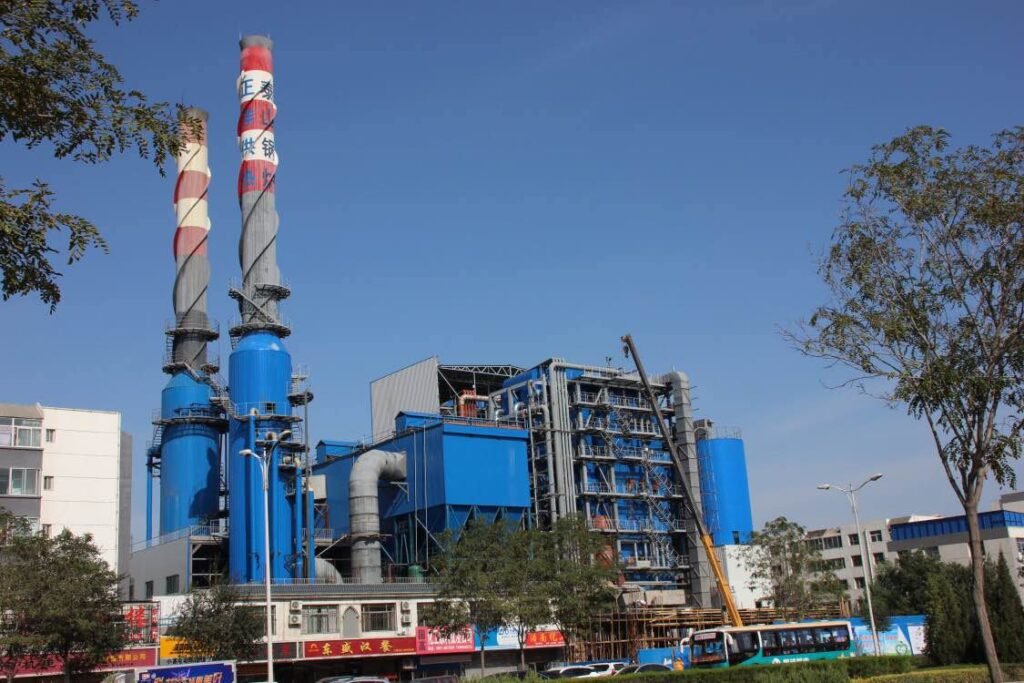
Are Industrial Oil-Fired Boilers Environmentally Friendly? Key Insights

Are Industrial Oil-Fired Boilers Environmentally Friendly? Key Insights

As industries seek to balance energy demand with environmental responsibility, oil-fired boilers remain widely used for their reliability and heat output. However, growing regulations on emissions and fuel sustainability have raised concerns about their environmental impact. Understanding their performance and available technologies helps determine how environmentally friendly these systems can be.

Modern industrial oil-fired boilers can be environmentally friendly when equipped with advanced combustion systems, flue gas treatment technologies, and energy-efficient designs. Low-NOx burners, condensing heat exchangers, and particulate filters significantly reduce harmful emissions such as nitrogen oxides (NOₓ), sulfur oxides (SOₓ), and soot. When operated with cleaner fuels (such as low-sulfur or bio-based oils) and high-efficiency systems, they can achieve lower emissions and higher energy utilization—making them compliant with most regional environmental regulations.

With proper design and operation, oil-fired boilers can deliver clean, efficient, and sustainable performance for various industrial applications.

What Are the Main Environmental Challenges of Traditional Oil-Fired Boilers?

Traditional oil-fired boilers have long served as reliable sources of steam and heat for industries and buildings, but in today’s context of carbon reduction and environmental accountability, they are facing growing scrutiny. The environmental challenges they pose—particularly in terms of air pollution, carbon emissions, and waste management—are significant. Uncontrolled emissions, poor fuel quality, and inefficient combustion not only reduce performance but also directly threaten compliance with modern sustainability regulations. The result is higher operating costs, potential fines, and reputational risk. The path forward lies in understanding these environmental challenges in depth and implementing mitigation strategies that align with global emission and decarbonization frameworks.

Traditional oil-fired boilers face major environmental challenges including high CO₂ emissions from fossil fuel combustion, release of harmful pollutants such as NOₓ, SO₂, CO, and particulate matter, as well as issues with waste oil disposal and water contamination. Inefficient combustion, poor fuel atomization, and outdated control systems exacerbate these impacts, resulting in reduced air quality, acid rain formation, and greater greenhouse gas intensity. Upgrading combustion systems, improving maintenance, and transitioning to low-sulfur or bio-based fuels are critical steps to mitigate these environmental problems.

Recognizing these challenges helps industries modernize their systems, ensuring both operational efficiency and compliance with tightening environmental regulations worldwide.

Oil-fired boilers produce negligible environmental pollution compared to coal-fired boilers.False

While oil-fired boilers emit less particulate matter than coal systems, they still release substantial CO₂, SO₂, and NOₓ emissions that significantly affect air quality and climate.


Switching to low-sulfur or bio-based oils can reduce emissions from oil-fired boilers.True

Low-sulfur and bio-based fuels lower SO₂ and carbon emissions, improving environmental performance and compliance with emission standards.


1. Air Emission Challenges: CO₂, NOₓ, SO₂, and PM

Combustion of fuel oil produces a complex mixture of gaseous and particulate pollutants that contribute to air quality degradation and climate change.

Emission TypeSource MechanismEnvironmental ImpactTypical Concentration (Uncontrolled)
CO₂ (Carbon Dioxide)Complete fuel combustionGreenhouse gas contributing to global warming3.0–3.5 tons CO₂/ton of fuel
NOₓ (Nitrogen Oxides)High flame temperature reaction between N₂ and O₂Smog formation, ozone creation, respiratory irritation250–450 mg/Nm³
SO₂ (Sulfur Dioxide)Oxidation of sulfur in fuel oilAcid rain, corrosion, ecosystem damage800–1200 mg/Nm³ (for 1% S fuel)
CO (Carbon Monoxide)Incomplete combustionToxic gas, health hazard100–300 mg/Nm³
PM (Particulate Matter)Unburnt carbon, ash, metal oxidesAirborne pollution, lung disease50–150 mg/Nm³

Fuel oil’s sulfur and nitrogen contents, combined with high combustion temperatures, make emission control a major environmental concern.


2. Fuel Quality and Composition Issues

The environmental footprint of oil-fired boilers is strongly influenced by fuel properties.

Fuel PropertyEnvironmental ConcernImpact on Operation
Sulfur Content (0.5–3%)Generates SO₂ and sulfate particulatesAcidic condensate, corrosion
Nitrogen Content (0.1–0.3%)Produces thermal and fuel NOₓHigher NOₓ emission rates
Viscosity and AshIncomplete combustion, PM formationBurner fouling, efficiency loss
Trace Metals (Vanadium, Nickel)Toxic ash residuesCatalyst poisoning, corrosion

Heavy fuel oils (HFO) with high sulfur and metal content are particularly problematic for emissions and maintenance.


3. Combustion Inefficiency and Emission Intensification

Poor atomization and incomplete combustion in traditional boilers lead to elevated pollutant levels.

CauseConsequenceEmission Impact
Poor Atomizer MaintenanceLarger fuel dropletsHigher CO and soot
Incorrect Air-Fuel RatioOxygen deficiency or excessCO, NOₓ increase
Fouled Burners or Heat SurfacesReduced heat transferIncreased flue temperature and fuel consumption
Unstable Flame ConditionsFluctuating combustionIrregular emissions, reduced efficiency

Over time, such conditions can push actual emissions far above regulated limits even if the system was initially compliant.


4. Water and Waste Pollution Challenges

Oil-fired systems not only emit to air but also impact water and soil environments.

Waste StreamSourceEnvironmental RiskTreatment Requirement
Blowdown WaterBoiler water treatment purgeContains dissolved solids, oil, phosphatesNeutralization, oil separation
Oil SludgeIncomplete fuel combustion or leakageHazardous waste; heavy metalsIncineration or certified disposal
Condensate ContaminationFuel or oil leakage into condensate returnEquipment corrosion, water pollutionFiltration and oil separators

Even small leaks or poor handling of waste oil residues can contaminate large volumes of water.


5. Comparative Environmental Data: Oil vs. Gas and Coal

Fuel TypeCO₂ (kg/MJ)SO₂ (mg/MJ)NOₓ (mg/MJ)PM (mg/MJ)Typical Efficiency (%)
Coal951500–3000200–400300–80080–85
Heavy Fuel Oil75600–1200250–45050–15082–88
Light Fuel Oil70100–500180–30030–10085–90
Natural Gas56<1060–120<1090–95

While oil performs better than coal in terms of particulate and sulfur emissions, its carbon intensity remains significant, and its pollutants require dedicated emission controls.


6. SO₂ and NOₓ Control Requirements

Control MethodDescriptionEfficiency (%)Application
Low-Sulfur Fuel OilSwitching to 0.5% or 0.1% sulfur content60–90Universal
Flue Gas Desulfurization (FGD)Wet scrubbers removing SO₂90–98Large installations
Selective Catalytic Reduction (SCR)Catalytic NOₓ reduction with ammonia80–90Medium–large boilers
Low-NOₓ BurnersReduced flame temperature design40–60Retrofit feasible
Water/Steam InjectionLowers combustion temperature20–30Small-scale units

Regulations in the EU, US, and Asia increasingly mandate such systems, especially where local air quality standards are stringent.


7. Carbon Emissions and Climate Impact

FuelCarbon Emission Factor (kg CO₂/GJ)Global Warming Impact (tCO₂/year for 10 TPH Boiler)
Heavy Fuel Oil77~11,000
Light Fuel Oil73~10,200
Natural Gas56~7,800

These emissions make oil-fired boilers among the largest industrial stationary CO₂ sources, complicating compliance with carbon reduction targets such as the EU ETS or national Net-Zero commitments.


8. Sludge, Waste, and Soil Contamination

Oil storage and handling systems generate oil sludge and contaminated residues, which pose disposal challenges.

Waste TypeSourceHazard ClassificationDisposal Method
Tank Bottom SludgeSettled fuel impuritiesHazardousThermal treatment
Used Filter ResiduesFiltration of oil impuritiesHazardousCertified disposal
Ash Containing MetalsFrom high-sulfur oil combustionHazardousStabilization before landfill

Improper disposal can contaminate groundwater and violate hazardous waste laws.


9. Compliance with Environmental Regulations

RegionRegulationSO₂ Limit (mg/Nm³)NOₓ Limit (mg/Nm³)PM Limit (mg/Nm³)
EU (IED Directive 2010/75/EU)Large Combustion Plant Directive170–350200–45050
USA (EPA NSPS Subpart Dc)Clean Air Act Standards340180100
China (GB13271-2014)Emission Standard for Boilers20015030
India (MoEFCC 2017)Environmental Standards for Boilers600400100

Achieving compliance often requires retrofits such as FGD, low-NOₓ burners, and particulate filters.


10. Technological and Operational Mitigation Measures

CategoryMeasureBenefit
Fuel ManagementUse ultra-low-sulfur or bio-based fuelsReduces SO₂ and CO₂
Combustion OptimizationO₂ trim control and burner tuningLowers CO and NOₓ
Heat RecoveryAdd economizer and air preheaterImproves efficiency, cuts CO₂
Emission Control SystemsInstall FGD, SCR, and ESPMeets air quality standards
Maintenance and MonitoringRoutine cleaning, leak detectionPrevents secondary pollution

Modern control systems and cleaner fuels can reduce overall emissions by 20–40%, significantly improving sustainability.


11. Transition Toward Cleaner Alternatives

Oil-fired boilers are increasingly being replaced or hybridized with:

  • Natural Gas – lower CO₂ and SO₂ emissions

  • Biomass Blends – renewable fuel substitution (up to 20–40%)

  • Waste Heat Recovery Boilers – zero incremental emissions

  • Hydrogen-Compatible Burners – future decarbonization pathway

Upgrade OptionCO₂ Reduction (%)FeasibilityTypical Payback
Switch to Gas25–30High (if gas available)2–4 years
Bio-Oil Blend (20%)15–20Medium3–5 years
Add Economizer5–10High1–2 years

Such measures not only address environmental challenges but also improve long-term operational economics.


12. Case Study: Environmental Improvement via Fuel and Control Upgrade

A chemical processing plant operating three 20 TPH oil-fired boilers in Southeast Asia achieved major environmental improvements after a retrofit program:

  • Switched from 2.5% sulfur oil to 0.5% marine-grade low-sulfur fuel.

  • Installed O₂ trim controls and low-NOₓ burners.

  • Added FGD scrubbers and bag filters.

Results:

ParameterBefore UpgradeAfter UpgradeReduction (%)
SO₂ (mg/Nm³)1150180-84
NOₓ (mg/Nm³)420250-40
PM (mg/Nm³)9025-72
CO₂ (t/year)34,50031,000-10

The upgrade enabled compliance with national emission laws and reduced annual fuel costs by 6%, proving environmental investment yields tangible returns.


Conclusion

Traditional oil-fired boilers present substantial environmental challenges through their emissions of CO₂, SO₂, NOₓ, and particulate matter, alongside risks of waste contamination and poor combustion efficiency. These issues not only affect the environment but also threaten compliance with tightening global emission and carbon standards. The solutions lie in fuel quality improvement, modern emission control technologies, precise combustion management, and a gradual transition to cleaner or renewable fuels. By proactively addressing these factors, industries can align with sustainable operation goals and maintain regulatory approval.

How Do Modern Combustion and Emission Control Technologies Reduce Pollution?

For decades, industrial combustion systems—especially boilers and furnaces—were major contributors to air pollution, releasing carbon dioxide (CO₂), nitrogen oxides (NOₓ), sulfur oxides (SOₓ), carbon monoxide (CO), and particulate matter (PM). With tightening global environmental regulations, these emissions are no longer tolerable. Traditional combustion technologies, which rely on excess air and uncontrolled fuel burning, are inefficient and environmentally damaging. Poor combustion creates soot, incomplete oxidation, and toxic gases. Modern combustion and emission control technologies, however, have revolutionized this picture—dramatically reducing emissions, improving efficiency, and ensuring compliance with stringent international air quality standards.

Modern combustion and emission control technologies reduce pollution by optimizing the fuel–air mixing process, lowering combustion temperature, and capturing or neutralizing pollutants before they are released into the atmosphere. Techniques such as low-NOₓ burners, staged combustion, flue gas recirculation, and oxygen trim systems minimize pollutant formation at the source, while emission control devices like electrostatic precipitators (ESP), bag filters, flue gas desulfurization (FGD), and selective catalytic reduction (SCR) systems remove remaining particulates, sulfur, and nitrogen oxides from exhaust gases—achieving up to 95–99% reduction in total emissions.

Understanding how these systems interact is essential for achieving both environmental sustainability and operational efficiency in industrial energy systems.

Modern combustion systems can operate cleanly without emission controls.False

Even with advanced combustion techniques, post-combustion emission controls are required to meet modern air quality regulations.


Low-NOₓ combustion and flue gas treatment can reduce total boiler emissions by over 90%.True

Integrated low-NOₓ burners, SCR, and FGD systems can together cut particulate, sulfur, and nitrogen oxide emissions by more than 90%.


1. Combustion Optimization: Controlling the Root Cause of Emissions

Modern combustion systems focus on preventing pollutants from forming, rather than merely cleaning them afterward. The main techniques include:

TechnologyPrincipleTypical Reduction (%)Notes
Low-NOₓ Burners (LNB)Controls flame temperature and air staging to limit NOₓ formation40–60Applicable for gas, oil, and coal boilers
Staged CombustionDivides air injection into primary and secondary stages to reduce oxidation peaks30–50Reduces thermal NOₓ
Flue Gas Recirculation (FGR)Recirculates cooled exhaust gas to lower flame temperature20–40Common in gas-fired boilers
Oxygen Trim Control (O₂ Control)Adjusts air-to-fuel ratio continuously for complete combustion5–10 fuel savings, 20–30% CO reductionImproves efficiency and reduces unburnt fuel
Modulating BurnersMatches burner output to demand load to prevent excessive fuel input10–20 efficiency gainPrevents incomplete combustion
Preheated Combustion AirUses waste heat to preheat air for more stable combustionEfficiency ↑ 2–4%, CO ↓Widely used in modern gas systems

Through precise fuel–air ratio control and real-time feedback, these systems drastically lower CO, NOₓ, and unburned hydrocarbons while improving boiler efficiency.


2. Flue Gas Treatment: Capturing and Neutralizing Pollutants

Even optimized combustion produces residual pollutants, especially in fossil-fuel boilers. Emission control technologies target these gases and particles directly in the flue gas stream.

SystemTarget PollutantTechnology TypeRemoval Efficiency (%)Key Advantage
Electrostatic Precipitator (ESP)Particulate matter (PM)Electrical charging and collection95–99Handles large gas volumes efficiently
Bag Filter (Fabric Filter)Dust and fine particlesFiltration through fabric bags90–98Captures submicron particles
Flue Gas Desulfurization (FGD)SO₂ and sulfur compoundsWet or dry chemical absorption (lime, limestone)90–98Converts SO₂ into gypsum (reusable byproduct)
Selective Catalytic Reduction (SCR)NOₓAmmonia/urea injection with catalyst80–95High-efficiency NOₓ reduction
Selective Non-Catalytic Reduction (SNCR)NOₓAmmonia/urea injection at high temp30–60Simple retrofit solution
Activated Carbon Injection (ACI)Mercury, heavy metalsAdsorption70–95Effective for trace toxics

The combination of LNB + FGD + SCR + ESP is considered the best available technology (BAT) for clean combustion across oil, gas, and coal boilers.


3. Integrated Control Systems and Smart Monitoring

Modern emission systems are often integrated under computerized control and monitoring platforms (CMS). These systems optimize performance through:

  • Real-time O₂ and CO sensors for dynamic air-fuel adjustment.

  • Continuous Emission Monitoring Systems (CEMS) for NOₓ, SO₂, and CO₂ tracking.

  • Predictive analytics using AI to forecast emission spikes and adjust combustion conditions.

  • Automated soot-blowing and heat-surface cleaning to sustain heat transfer and prevent energy loss.

This integration ensures sustained compliance, reduces manual intervention, and keeps emission levels consistently below permissible limits.


4. Emission Reduction Performance Comparison

Control StageExample SystemPollutant ControlledTypical Removal Efficiency (%)Residual Emission Level (mg/Nm³)
Combustion StageLow-NOₓ Burner + O₂ TrimNOₓ, CO40–60200–400
Intermediate TreatmentSNCRNOₓ+30–50150–300
Post-CombustionSCR + FGD + ESPNOₓ, SO₂, PM90–98<50
Overall (Integrated)Full BAT SystemMulti-pollutant>95<30

Integrated systems achieve compliance with even the most stringent air quality standards (e.g., EU IED, US EPA NSPS).


5. Advanced Combustion Design Innovations

Emerging design trends further minimize emissions and maximize performance:

  • Lean premix combustion for gas-fired boilers – uniform flame temperature, <30 ppm NOₓ.

  • Turbulent flame shaping – optimizes air mixing to prevent hot spots.

  • Hybrid fuel flexibility – allows switch between oil, gas, or biofuel to balance carbon footprint.

  • AI-driven flame imaging systems – continuously assess flame stability and pollutant formation.

  • Hydrogen-enriched combustion – near-zero CO and CO₂ emissions when blended with natural gas.

These design upgrades represent the next evolution of low-emission combustion engineering.


6. Quantitative Environmental Benefits

PollutantTraditional Boiler (mg/Nm³)With Modern Controls (mg/Nm³)Reduction (%)
CO₂10–15 (via efficiency gain)
CO300–50050–10080
NOₓ400–600100–20070
SO₂1000–200050–20090
PM150–30010–3090

By combining combustion optimization with end-of-pipe treatments, overall pollutant emissions can be reduced by 90–95%, meeting the world’s strictest air quality norms.


7. Compliance with Global Standards

RegulationPollutantEmission Limit (mg/Nm³)Applicable Systems
EU Industrial Emissions Directive (IED)NOₓ ≤ 150, SO₂ ≤ 200, PM ≤ 20LNB + SCR + ESP + FGD 
U.S. EPA NSPS Subpart Db/DcNOₓ ≤ 100, SO₂ ≤ 340, PM ≤ 50LNB + SCR 
China GB13271-2014NOₓ ≤ 150, SO₂ ≤ 200, PM ≤ 30LNB + FGD 
India MoEFCC 2017 StandardsNOₓ ≤ 400, SO₂ ≤ 600, PM ≤ 100FGD + ESP 

These regulations drive industries to adopt integrated emission control strategies for full legal and environmental compliance.


8. Case Study: Integrated Combustion and Emission Control Retrofit

A petrochemical facility in the Middle East operating 50 TPH oil-fired boilers retrofitted its systems with LNB, O₂ trim control, SCR, and FGD units.
Results after 6 months:

ParameterBefore RetrofitAfter RetrofitImprovement (%)
Boiler Efficiency84%91%+7
NOₓ (mg/Nm³)460160-65
SO₂ (mg/Nm³)950150-84
PM (mg/Nm³)12025-79
CO₂ Emissions-8% (fuel reduction)

The combined approach achieved full compliance with EU IED and local environmental standards, cutting emissions by more than 80% and saving 9% on annual fuel costs.


9. Future Outlook: Toward Ultra-Low and Carbon-Neutral Combustion

Next-generation emission reduction technologies are moving toward ultra-low and zero-emission combustion systems, including:

  • Hydrogen or ammonia-fired burners – near-zero CO₂ output.

  • Oxy-fuel combustion – uses pure oxygen, simplifying CO₂ capture.

  • Carbon capture, utilization, and storage (CCUS) integration – enables 90%+ CO₂ capture.

  • Digital twins for combustion optimization – predictive emission management.

These innovations indicate a future where industrial boilers can operate efficiently while meeting net-zero emission goals.


Conclusion

Modern combustion and emission control technologies work together to tackle pollution at both the source and the outlet. By combining advanced burner design, intelligent control systems, and high-efficiency pollutant removal technologies, industries can cut harmful emissions by over 90%, boost energy efficiency, and ensure long-term environmental compliance. This integrated approach represents the foundation of clean and sustainable industrial heat generation for the future.

Can Oil-Fired Boilers Operate on Low-Sulfur or Biofuel Alternatives?

Oil-fired boilers have long been reliable sources of thermal energy for industrial processes, district heating, and power generation. However, traditional heavy fuel oils (HFO) and medium fuel oils (MFO) contain significant sulfur and carbon content, leading to high levels of CO₂, SO₂, and particulate emissions. With global environmental regulations tightening and carbon pricing policies expanding, industries face increasing pressure to reduce their environmental footprint. The growing question is whether existing oil-fired boilers can transition to low-sulfur fuels or even bio-based alternatives without sacrificing performance or reliability. The short answer: yes—modern oil-fired boilers can operate efficiently on low-sulfur and biofuel blends with the right combustion tuning and minor system adaptations.

Oil-fired boilers can operate effectively on low-sulfur and biofuel alternatives, provided the fuel characteristics are compatible with the boiler’s burner design, atomization system, and combustion controls. Low-sulfur fuel oils (≤0.5% sulfur) dramatically reduce SO₂ emissions and corrosion risks, while biofuels—such as biodiesel (FAME), hydrotreated vegetable oil (HVO), and used cooking oil (UCO) blends—can cut net CO₂ emissions by up to 80%. In many cases, minor adjustments to burner nozzles, pumps, and control settings are sufficient to ensure stable and efficient operation.

Transitioning to these fuels not only meets environmental regulations but also enhances long-term sustainability and energy resilience.

Conventional oil-fired boilers cannot run on biofuels without complete redesign.False

Most existing oil-fired boilers can operate on biofuel blends with minor modifications to burners, pumps, and control systems.


Switching to low-sulfur or bio-based fuels reduces both sulfur dioxide and carbon emissions.True

Low-sulfur fuels cut SO₂ emissions by 70–95%, while biofuels lower net CO₂ emissions by up to 80%.


1. Low-Sulfur Fuel Oils: Cleaner Combustion and Compliance

Low-sulfur fuel oils (LSFO) and ultra-low-sulfur fuel oils (ULSFO) have become the industry standard in many regions since the implementation of the IMO 2020 sulfur cap and similar national emission standards. These fuels contain ≤0.5% sulfur (LSFO) or ≤0.1% sulfur (ULSFO), compared to 1.5–3.5% sulfur in conventional heavy fuel oils.

Fuel TypeSulfur Content (%)SO₂ Emission Reduction (%)Typical ApplicationNotes
Heavy Fuel Oil (HFO)2.5–3.5Legacy industrial boilersHigh emissions
Low-Sulfur Fuel Oil (LSFO)0.3–0.570–85Industrial & marine boilersDirect replacement
Ultra-Low-Sulfur Fuel Oil (ULSFO)≤0.190–95Hospitals, refineries, clean areasRequires fine filtration
Marine Gas Oil (MGO)≤0.195Compact installationsHigh purity and stability

Switching from HFO to LSFO/ULSFO significantly reduces SO₂, PM, and acid corrosion, improving both environmental performance and equipment lifespan.


2. Biofuel Alternatives: Toward Renewable Liquid Energy

Biofuels are derived from renewable sources such as vegetable oils, animal fats, and waste cooking oils. Unlike fossil oils, they are carbon-neutral over their lifecycle, since the carbon released during combustion is offset by carbon absorbed during biomass growth.

Biofuel TypeOriginEnergy Content (MJ/kg)Net CO₂ Reduction (%)Sulfur (wt%)
Biodiesel (FAME)Transesterified vegetable oils37–3960–70<0.001
Hydrotreated Vegetable Oil (HVO)Catalytic hydrogenation of oils/fats43–4475–90<0.001
Used Cooking Oil (UCO) BlendRecycled waste oil38–4050–70<0.05
Bio-Heavy Oil (BHO)Pyrolysis of biomass residues35–3860–80<0.05

Modern oil-fired boilers can operate on biofuel blends (10–50%) or even 100% HVO, depending on design. Biofuels not only reduce greenhouse gas emissions but also enhance combustion efficiency due to higher oxygen content in the fuel molecule, promoting more complete burning.


3. Boiler Compatibility and Required Modifications

Adapting an oil-fired boiler for low-sulfur or biofuel operation involves careful evaluation of fuel handling, atomization, and combustion systems.
The key parameters include viscosity, energy content, and combustion characteristics.

ComponentRequired AdjustmentReason
Burner NozzlesReplaced or resizedTo ensure proper atomization for lower viscosity fuels
Fuel PumpsCalibrated or replacedTo match flow rate and pressure of lighter fuels
HeatersReduced or bypassedBiofuels and LSFO need lower preheat temperatures (50–80°C)
FiltersFiner filtration (5–10 microns)Prevents clogging due to higher oxidation tendency
Control SystemO₂ trim or load modulationEnsures stable air–fuel ratio for variable fuel properties
Material CompatibilityCheck elastomers and sealsPrevents swelling or corrosion from biofuel acids

With these adjustments, most medium and large industrial oil-fired boilers (1–50 TPH) can seamlessly operate on cleaner fuel blends.


4. Emission Performance: Comparative Analysis

Fuel TypeCO₂ (kg/GJ)SO₂ (mg/Nm³)NOₓ (mg/Nm³)PM (mg/Nm³)CO (mg/Nm³)
HFO (3.5% S)771500400120200
LSFO (0.5% S)7640038080150
HVO (100%)73<10250<30100
FAME (100%)72<10270<40120
Biofuel Blend (B20)7515031060130

Transitioning to ULSFO or biofuel blends can yield up to 90% SO₂ reduction, 30–40% NOₓ reduction, and 80% particulate reduction, all while maintaining comparable thermal efficiency.


5. Operational Considerations for Biofuel Usage

While biofuels are environmentally advantageous, they present unique operational characteristics:

  • Lower storage stability: Biofuels can oxidize and form gums; stabilizers are recommended.

  • Cold flow issues: Biodiesel may gel at low temperatures; blending with LSFO or heating resolves this.

  • Higher acidity: Requires corrosion-resistant components (stainless steel, Viton seals).

  • Slightly lower energy density: Increases volumetric fuel consumption by 5–8%.

Proper storage design, additive management, and combustion tuning mitigate these issues effectively.


6. Case Study: Biofuel Retrofit in an Industrial Boiler

A 25 TPH oil-fired boiler in Northern Europe was retrofitted to operate on HVO and biodiesel blends.
System modifications included new burner nozzles, O₂ trim control, and fuel preheater adjustments.

ParameterPre-Retrofit (HFO)Post-Retrofit (HVO/B20)Improvement (%)
Boiler Efficiency86%90%+4
SO₂ (mg/Nm³)110040-96
NOₓ (mg/Nm³)420260-38
PM (mg/Nm³)8525-71
CO₂ (t/year)9,2006,800-26

The retrofit achieved EU IED emission compliance, with total annual emission reductions equivalent to removing 1,000 cars from the road.


7. Economic and Environmental Benefits

ParameterHFOLSFOHVO (B100)B20 Blend
Fuel Price (USD/ton)6007201,200800
Maintenance CostHighMediumLowLow
CO₂ Reduction (%)58020
SO₂ Reduction (%)859890
Typical Payback (Years)1–23–52–3

While biofuels may be costlier per ton, overall savings arise from reduced maintenance, regulatory compliance, and potential carbon credit revenue.


8. Regulatory Alignment and Future Outlook

StandardKey RequirementImpact
IMO MARPOL Annex VI (2020)≤0.5% sulfur limitDrives LSFO adoption
EU Renewable Energy Directive (RED II)≥32% renewable energy by 2030Incentivizes biofuel blends
U.S. EPA RFS ProgramRenewable Fuel Standard credits (RINs)Promotes biofuel use in industry
ISO 8217:2023Standard for marine/bunker fuel oilsIncludes bio-blend parameters

Future-ready oil-fired boilers are increasingly designed for dual-fuel operation, capable of burning both fossil and renewable oils seamlessly.


9. Technological Innovations for Cleaner Liquid Fuels

Emerging advancements supporting biofuel transition include:

  • Smart atomizers for varying viscosity fuels

  • AI-controlled combustion optimization

  • Dual-fuel burners capable of auto-switching between oil and biofuel

  • On-site bio-oil reforming and blending units

  • Carbon capture integration for near-zero emission operation

These innovations will allow traditional oil boilers to remain viable in the low-carbon economy.


Conclusion

Yes—oil-fired boilers can and increasingly do operate on low-sulfur and biofuel alternatives. Through simple modifications to burners and controls, existing systems can achieve dramatic emission reductions and sustainability gains without replacing the entire boiler. Low-sulfur oils reduce SO₂ and corrosion, while biofuels significantly lower CO₂ and PM emissions. When combined with modern combustion control, these fuels provide a practical bridge toward carbon-neutral industrial heating.

What Role Does Efficiency Improvement Play in Lowering Environmental Impact?

Energy efficiency is the foundation of sustainable industrial operation. Every percentage point of efficiency gained in a boiler or energy system translates directly into reduced fuel consumption, lower emissions, and smaller operational costs. In a world striving toward carbon neutrality and stricter emission regulations, improving efficiency is not merely an economic decision—it is an environmental imperative. When combustion, heat recovery, and system management are optimized, a power or process plant can drastically cut its environmental footprint while maintaining output and reliability.

Efficiency improvement plays a crucial role in lowering environmental impact because it directly reduces the amount of fuel required to produce the same energy output. This results in proportionally lower emissions of carbon dioxide (CO₂), nitrogen oxides (NOₓ), sulfur dioxide (SO₂), and particulate matter. Enhancing thermal efficiency through better heat transfer, optimized combustion, advanced control systems, and waste heat recovery can reduce total greenhouse gas emissions by 10–30%, while simultaneously decreasing resource consumption and operating costs. In short, higher efficiency means cleaner, more sustainable energy generation.

Efficiency is therefore not just a performance metric—it is a vital environmental strategy. Understanding its mechanisms helps industries achieve both ecological compliance and financial optimization.

Improving boiler efficiency has no significant effect on carbon dioxide emissions.False

Boiler efficiency directly determines the amount of fuel burned; improving efficiency reduces CO₂ emissions proportionally.


Heat recovery and combustion optimization are key efficiency measures that lower environmental impact.True

These measures reduce unburned fuel losses and recover waste heat, improving energy utilization and cutting emissions.


1. The Direct Link Between Efficiency and Emissions

Boiler efficiency measures how effectively a system converts the chemical energy in fuel into useful thermal energy. When a boiler operates at higher efficiency, less fuel is needed for the same steam output, which means lower emissions per unit of energy.

Boiler Efficiency (%)Relative Fuel Use (%)CO₂ Emissions (kg/MWh)NOₓ (mg/Nm³)SO₂ (mg/Nm³)
75100320400600
8094300370560
8588280340520
9083260310480
9579245280440

Improving efficiency from 80% to 90% reduces fuel consumption and emissions by about 12%. In a 20 TPH (ton per hour) industrial boiler, that translates to hundreds of tons of CO₂ avoided annually.


2. Heat Loss Mechanisms and Their Environmental Cost

Boiler inefficiency arises mainly from heat losses—stack gas, radiation, and unburned fuel. Each type contributes to wasted energy and higher emissions.

Loss TypeTypical Range (%)Environmental ImpactMitigation Strategy
Flue Gas Loss5–15Excess fuel burned for same heat outputInstall economizers, air preheaters
Unburned Carbon1–3Higher CO and particulate emissionsImprove combustion and burner tuning
Radiation & Convection Loss0.5–2Increased heat demandInsulate furnace and piping
Blowdown & Moisture Loss0.5–2Water waste and extra heatingRecover flash steam, optimize feedwater
Incomplete Combustion1–5CO and hydrocarbon emissionsO₂ trim control and optimized excess air

By targeting these areas, plants can significantly reduce total energy waste and pollutant formation.


3. Efficiency and the Carbon Footprint Equation

Each unit of fuel has a defined carbon intensity. Thus, energy efficiency and carbon footprint are mathematically linked. For example, natural gas emits ~55 kg CO₂ per GJ, while coal emits ~95 kg CO₂ per GJ. If efficiency improves by 10%, CO₂ emissions per unit output fall by the same ratio.

Fuel TypeEmission Factor (kg CO₂/GJ)Efficiency (%)Effective Emissions (kg CO₂/GJ useful)
Coal9580118.8
Oil748587.1
Natural Gas559259.8
Biofuel (neutralized)0–158817.0
Hydrogen0950

Result: Moving from coal (80%) to natural gas (92%) or adding heat recovery reduces effective CO₂ emissions by over 50%. Efficiency, therefore, is the most cost-effective carbon mitigation measure before fuel substitution.


4. Waste Heat Recovery: Turning Losses Into Gains

Waste heat recovery is among the most powerful methods to enhance efficiency and reduce environmental impact. Systems like economizers, air preheaters, and condensing heat exchangers reclaim energy from flue gases and reuse it for preheating feedwater or combustion air.

TechnologyTypical Efficiency Gain (%)CO₂ Reduction (%)Additional Benefits
Economizer3–54–6Reduced fuel cost
Air Preheater2–43–5Improved combustion stability
Condensing Heat Exchanger5–87–10Flue gas dew point recovery
Steam Turbine Backpressure Optimization3–65–8More electricity output per fuel unit

By reclaiming 10% of wasted heat, a medium-sized plant can reduce annual CO₂ emissions by 5,000–10,000 tons depending on its capacity.


5. Advanced Control Systems for Sustained Efficiency

Modern monitoring and automation systems continuously track and optimize efficiency.
These include:

  • Oxygen trim control – maintains optimal air–fuel ratio.

  • Variable frequency drives (VFDs) – reduce fan and pump energy use.

  • Flue gas analyzers – ensure combustion stability.

  • IoT-based predictive maintenance – minimizes downtime and degradation.

Control TypeFunctionEfficiency Gain (%)Emission Impact
O₂ Trim SystemAdjusts air automatically1–2Lower NOₓ and CO
VFDsReduces motor power demand1–3Indirect CO₂ savings
Advanced SCADAIntegrates full plant data2–5Holistic emission reduction
Predictive MaintenancePrevents fouling and leaks1–2Sustains optimal operation

Consistent monitoring prevents long-term drift and ensures that initial design efficiency remains stable throughout the lifecycle.


6. Fouling and Clean Heat Transfer Surfaces

Efficiency losses often result from fouled heat exchangers or boiler tubes. Deposits reduce heat transfer and increase flue gas temperature, meaning more energy escapes unused.

Deposit TypeSourceEfficiency Drop (%)Environmental Result
Soot (carbon)Incomplete combustion1–5More CO₂ & PM emissions
Scale (Ca/Mg salts)Hard feedwater2–8Increased fuel use
Slagging/AshSolid fuel boilers3–10Higher NOₓ and unburned carbon
Corrosion residuesSulfur or chloride compounds1–4More maintenance, leaks

Regular cleaning and water treatment restore original efficiency and prevent excess fuel burning.


7. Economic and Ecological Payback

Efficiency improvement measures have fast payback times. While the initial investment may appear technical, the combined financial and environmental benefits make it one of the most attractive sustainability strategies.

Improvement MeasureTypical Cost (USD/kW)Efficiency Gain (%)Payback (Years)CO₂ Reduction (t/year for 10 MW boiler)
Combustion Control Upgrade10–202–41–2800–1,200
Economizer Retrofit25–403–62–31,500–2,000
Air Preheater20–302–42–41,000–1,500
Insulation Improvement5–101–2<1400–700
Condensing Recovery System50–705–83–52,500–3,500

High-efficiency operation aligns profit with environmental stewardship, fulfilling ESG and regulatory goals simultaneously.


8. Regulatory and Sustainability Implications

Governments and agencies worldwide are increasingly enforcing efficiency as part of emissions compliance.
For instance:

  • EU Industrial Emissions Directive (IED) mandates best available techniques (BAT) for >70% boiler efficiency.

  • U.S. DOE and EPA require efficiency ratings and testing for industrial boilers.

  • ISO 50001 energy management systems focus on continuous improvement.

  • Carbon offset and trading systems (EU ETS, China ETS) directly reward high-efficiency operation with emission credits.

Compliance through efficiency gains helps avoid penalties while qualifying for sustainability incentives and carbon trading advantages.


9. Case Example: Efficiency Retrofit in a 30 TPH Oil-Fired Boiler

A European textile plant retrofitted its 30 TPH boiler system with:

  • Flue gas economizer

  • O₂ trim system

  • VFD on feedwater pump

  • Soot blowing optimization

MetricBefore RetrofitAfter RetrofitImprovement (%)
Efficiency82%91%+11
Fuel Use (ton/year)9,8008,700-11
CO₂ Emission (t/year)29,00025,700-11.4
NOₓ (mg/Nm³)380310-18.4
SO₂ (mg/Nm³)560490-12.5
Payback Period2.1 years

This demonstrates that efficiency is both an environmental and financial win.


Conclusion

Efficiency improvement is the single most effective pathway to lower environmental impact in boiler and power plant systems. By reducing fuel demand, it proportionally cuts all emissions—CO₂, NOₓ, SO₂, and particulates—while improving operational stability and reducing costs. From heat recovery to digital control, every enhancement in efficiency pushes industrial systems closer to carbon neutrality and regulatory compliance. The cleaner the combustion and the smarter the control, the greener the output.

How Do International and Local Emission Standards Regulate Oil-Fired Boiler Performance?

Across the globe, oil-fired boilers have long been relied upon for industrial steam, district heating, and process energy. However, as environmental awareness and climate policies intensify, regulatory frameworks have become increasingly stringent regarding air pollutants and greenhouse gas emissions. Non-compliance not only leads to financial penalties but can also result in operational shutdowns or license revocations. For any organization running oil-fired systems, understanding and adhering to international and local emission standards is no longer optional—it is a core operational requirement to ensure both environmental responsibility and regulatory compliance.

International and local emission standards regulate oil-fired boiler performance by setting legally binding limits on pollutants such as sulfur dioxide (SO₂), nitrogen oxides (NOₓ), carbon monoxide (CO), particulate matter (PM), and greenhouse gases (CO₂). These standards, enforced through frameworks like the EU Industrial Emissions Directive (IED), U.S. EPA Clean Air Act, ISO 14001, and national environmental agencies, require oil-fired boilers to adopt low-sulfur fuels, advanced combustion controls, and emission treatment systems. Compliance ensures cleaner operation, lower environmental impact, and eligibility for operation permits and sustainability certifications.

In essence, these regulations dictate how efficiently, cleanly, and safely an oil-fired boiler must operate to minimize its contribution to air pollution and climate change.

Oil-fired boilers are exempt from international emission regulations.False

All oil-fired boilers are subject to emission control laws under international and national frameworks such as the EU IED, EPA NSPS, and ISO 14001.


Compliance with low-sulfur and low-NOₓ emission standards is mandatory for industrial oil boilers.True

Environmental regulations require the use of cleaner fuels and combustion technologies to limit pollutant output.


1. Global Emission Control Frameworks for Oil-Fired Boilers

Internationally, emission standards are established by environmental authorities, technical organizations, and intergovernmental treaties. These define maximum allowable limits for key pollutants and set out testing, certification, and reporting protocols.

Regulatory FrameworkGoverning BodyKey Pollutants RegulatedApplicability
EU Industrial Emissions Directive (IED) 2010/75/EUEuropean CommissionNOₓ, SO₂, PM, COAll stationary combustion plants >1 MW
U.S. EPA Clean Air Act & NSPS (Subpart Dc)Environmental Protection Agency (EPA)NOₓ, SO₂, CO₂, PMBoilers >10 MMBtu/h (~3 MW)
MARPOL Annex VIInternational Maritime Organization (IMO)SO₂, NOₓMarine and stationary boilers
ISO 14001 & ISO 50001International Organization for StandardizationIndirect control through environmental and energy managementVoluntary, for global sustainability
World Bank EHS GuidelinesIFC / World Bank GroupNOₓ, SO₂, PM, COIndustrial and power plants in developing countries

Each framework aims to reduce local air pollution and global climate impact by limiting combustion-related emissions and mandating energy efficiency improvements.


2. Key Pollutants and Typical Limit Values

Oil combustion produces several harmful emissions. Regulations specify their maximum concentration at the stack, usually in mg/Nm³ under defined oxygen conditions (often 3–6% O₂).

PollutantPrimary SourceEnvironmental ImpactTypical Limit (mg/Nm³ @ 3% O₂)
SO₂Sulfur in fuelAcid rain, corrosion35–850 (depends on sulfur content)
NOₓHigh combustion temperatureSmog, ozone formation120–450
COIncomplete combustionToxic gas, air pollution100–250
PM (Particulate Matter)Unburned carbon, ashRespiratory hazard10–100
CO₂Fuel carbon oxidationGreenhouse effectMonitored, not directly limited
VOCsUnburned hydrocarbonsOzone precursor<50 (in stricter regions)

Modern low-sulfur oils and biofuel blends help plants meet SO₂ and PM limits, while advanced burner design and combustion control are essential for NOₓ and CO reduction.


3. Regional Variations: EU, U.S., and Asia

Emission thresholds vary across jurisdictions depending on development level, fuel quality, and environmental policies.

RegionRegulationBoiler SizeNOₓ Limit (mg/Nm³)SO₂ Limit (mg/Nm³)PM Limit (mg/Nm³)
European UnionIED / BAT-AEL (2022)>50 MWth100–20035–20010–30
United StatesEPA NSPS Subpart Db/Dc>10 MMBtu/h130–26026043
ChinaGB13271-2014>65 t/h15020030
IndiaCPCB / MoEFCC 2017>25 MW300600100
JapanAir Pollution Control LawAll20025050

The trend is toward tightening NOₓ and SO₂ limits, particularly in the EU and China, with incentives for biofuel transition and emission control retrofits.


4. Emission Control Technologies for Compliance

To meet these regulations, oil-fired boilers employ both primary (combustion-based) and secondary (post-combustion) emission control techniques.

Control CategoryTechnologyTarget PollutantTypical Reduction (%)
PrimaryLow-NOₓ BurnersNOₓ40–70
 Flue Gas Recirculation (FGR)NOₓ20–50
 Fuel Switching (LSFO/HVO)SO₂, PM70–95
 Oxygen Trim ControlCO, NOₓ10–20
SecondarySelective Catalytic Reduction (SCR)NOₓ80–95
 Wet Flue Gas Desulfurization (FGD)SO₂90–98
 Electrostatic Precipitator (ESP)PM95–99
 Baghouse FilterPM90–99

By combining these measures, modern oil-fired boilers can achieve multi-pollutant compliance and maintain efficiency above 90%.


5. ISO and CE Standards in Manufacturing and Operation

Compliance begins at the design stage, where certification and quality assurance standards ensure boilers meet efficiency and emission performance targets.

StandardScopeImpact on Performance and Compliance
ISO 14001Environmental management systemEnsures continuous emission monitoring and improvement
ISO 50001Energy managementOptimizes efficiency, reducing emissions indirectly
EN 12952 / EN 12953European pressure equipment standardsDefines emission measurement and control integration
ASME BPVC Section IBoiler and Pressure Vessel CodeSafety and performance assurance
CE Marking (PED 2014/68/EU)EU certification for pressure equipmentRequired for market entry and environmental safety

Manufacturers must document emission test results, materials, and calibration procedures to demonstrate conformity with these global standards.


6. Monitoring and Reporting Obligations

Modern regulations require Continuous Emission Monitoring Systems (CEMS) and regular third-party inspections.

Monitoring TypeFrequencyMeasured ParametersReporting Authority
Continuous (CEMS)Real-timeNOₓ, SO₂, CO, O₂, FlowLocal environmental bureau
Periodic Stack Testing6–12 monthsPM, VOCs, opacityAccredited testing body
Annual Environmental ReportYearlyEmission totals, fuel useNational EPA or Ministry
ISO/EMS AuditsAnnual/biannualCompliance and improvementCertification agency

Non-compliance in reporting can lead to fines up to 5% of annual turnover in some jurisdictions, emphasizing the importance of traceability.


7. Emission Control Economics

While implementing emission control technologies requires capital investment, the long-term financial and environmental gains outweigh initial costs.

SystemCAPEX (USD/kW)OPEX (USD/kW·yr)NOₓ/SO₂ Reduction (%)Payback (Years)
Low-NOₓ Burner15–251–2501–2
FGR System20–302–330–502–3
SCR80–1205–8903–5
FGD100–1506–10954–6
ESP60–1004–6993–4

These measures enable compliance while reducing fuel waste and enhancing boiler lifespan.


8. Case Study: EU IED Compliance Retrofit

A 25 MW oil-fired boiler in Southern Europe underwent a compliance retrofit to meet EU IED 2022 limits.

ParameterBefore RetrofitAfter RetrofitReduction (%)
NOₓ410 mg/Nm³160 mg/Nm³61
SO₂550 mg/Nm³120 mg/Nm³78
PM60 mg/Nm³18 mg/Nm³70
Efficiency88%91%+3
Payback Period2.8 years

By integrating a low-NOₓ burner, economizer, and partial FGD, the plant achieved full compliance while improving energy efficiency.


9. Future Regulatory Trends and Low-Carbon Transition

Global emission regulations are evolving toward carbon intensity reduction and fuel flexibility.

  • EU Fit for 55 and U.S. Inflation Reduction Act (IRA) target 55% GHG reduction by 2030.

  • Carbon border adjustment mechanisms (CBAM) will penalize carbon-intensive imports.

  • ISO 14067 introduces standardized carbon footprint quantification for industrial products.

  • Green financing and ESG frameworks increasingly link loan rates to verified emission reductions.

To stay future-ready, oil-fired boiler operators must transition toward low-sulfur, biofuel, or dual-fuel operation while maintaining high efficiency and emission monitoring accuracy.


Conclusion

International and local emission standards play a defining role in regulating oil-fired boiler performance. From the EU IED and EPA NSPS to ISO 14001, these frameworks ensure that industrial energy systems operate with minimal environmental harm. By mandating strict emission limits, continuous monitoring, and clean technology adoption, regulators drive innovation toward cleaner combustion, lower sulfur fuels, and higher efficiency. Compliance is not only about legality—it is the key to long-term sustainability, operational reliability, and global competitiveness.

What Are the Best Practices for Operating Oil-Fired Boilers Sustainably?

In an era of decarbonization and environmental accountability, oil-fired boilers—though traditionally fossil-fuel based—can still play a meaningful role in sustainable industrial energy generation. The key lies in how they are operated. Many facilities still waste significant energy due to poor maintenance, inefficient combustion, or lack of emission controls. Such inefficiencies not only drive up fuel costs but also increase greenhouse gas emissions and pollutant output. Sustainable boiler operation requires a holistic approach that integrates fuel optimization, advanced combustion control, waste heat recovery, regular maintenance, and emission monitoring. Implementing these best practices can transform a conventional oil-fired boiler into a cleaner, more efficient, and compliant energy system.

The best practices for operating oil-fired boilers sustainably include optimizing combustion through precise air–fuel ratio control, using low-sulfur or biofuel alternatives, recovering waste heat via economizers or air preheaters, maintaining clean heat transfer surfaces, and continuously monitoring emissions. Sustainable operation also involves regular tuning, water treatment, and adherence to ISO 50001 and ISO 14001 energy management systems. These practices minimize fuel use, lower CO₂, SO₂, and NOₓ emissions, extend equipment life, and ensure compliance with environmental regulations.

By adopting these practices, industrial and commercial operators can reduce operating costs and environmental impact simultaneously—achieving both profitability and sustainability in boiler operation.

Oil-fired boilers cannot be operated sustainably because of their reliance on fossil fuels.False

With efficiency optimization, low-sulfur or biofuel use, and emission controls, oil-fired boilers can achieve significant environmental improvements.


Continuous monitoring and combustion tuning are key to sustainable oil boiler operation.True

Accurate air–fuel ratio and real-time performance monitoring minimize unburned fuel and pollutant formation.


1. Fuel Quality and Selection: Foundation of Sustainability

Fuel quality directly determines combustion performance and emission levels. Using low-sulfur oil (LSFO) or ultra-low-sulfur oil (ULSFO) minimizes sulfur dioxide (SO₂) formation and corrosion. Many operators are transitioning toward biofuel blends such as biodiesel (FAME) or hydrotreated vegetable oil (HVO) to further reduce carbon intensity.

Fuel TypeSulfur Content (%)CO₂ Emission (kg/GJ)Typical ApplicationSustainability Advantage
Heavy Fuel Oil (HFO)2.5–3.577Legacy boilersHigh SO₂, low sustainability
Low-Sulfur Fuel Oil (LSFO)0.3–0.575Industrial & marine80% SO₂ reduction
Ultra-Low-Sulfur Fuel Oil (ULSFO)≤0.174Urban or sensitive areasNear-zero SO₂
Hydrotreated Vegetable Oil (HVO)<0.00173Modern retrofits70–90% CO₂ reduction
Biodiesel (B20–B100)<0.0570–72Retrofitted boilersRenewable, biodegradable

Switching from HFO to LSFO or HVO alone can reduce total emissions by up to 80% while improving combustion stability and reducing fouling.


2. Combustion Optimization: Precision Air–Fuel Control

Combustion efficiency determines how completely fuel energy converts to usable heat. Excess air or poor mixing leads to unburned fuel, CO formation, and energy loss.

ParameterOptimal RangeImpact of DeviationControl Strategy
Excess Air Ratio (λ)1.05–1.20Too low → CO rise; Too high → heat lossO₂ trim control
Flame Temperature1,300–1,500°CToo high → NOₓ formation; too low → sootLow-NOₓ burners
Atomization Pressure10–15 barPoor atomization increases PMBurner tuning
Fuel Temperature60–90°CToo high increases vaporizationPreheater control

Advanced combustion management systems with O₂ trim control and real-time flue gas analysis maintain optimal efficiency continuously, cutting NOₓ emissions and saving up to 3–5% fuel annually.


3. Heat Recovery: Reusing Energy for Efficiency

Waste heat recovery is one of the most effective sustainability measures for boilers. Flue gases leaving the boiler can still contain 15–20% of total input energy, which can be recovered using economizers or air preheaters.

TechnologyTypical Efficiency Gain (%)CO₂ Reduction (%)Description
Economizer3–55–7Heats feedwater using flue gas
Air Preheater2–43–5Preheats combustion air
Condensing Heat Exchanger5–88–12Captures latent heat from exhaust moisture
Waste Heat Boiler (WHB)6–1010–15Recovers exhaust energy for steam generation

Implementing one or more recovery systems can raise overall boiler efficiency to 90–94%, significantly reducing both fuel consumption and CO₂ output.


4. Maintenance and Cleaning: Preventing Efficiency Loss

Even the most advanced boiler loses performance if neglected. Deposits on heat surfaces increase thermal resistance, causing higher flue gas temperatures and wasted fuel.

Deposit TypeSourceImpact on EfficiencyRecommended Maintenance
SootIncomplete combustion-1% efficiency per 1mm depositDaily/weekly soot blowing
ScalePoor water treatment-2–8% efficiency lossSoftening, chemical dosing
CorrosionSulfur compoundsTube leaks, energy lossLSFO and pH control
Slag/AshFuel impuritiesHeat transfer blockageRoutine cleaning & inspection

A consistent maintenance schedule can recover up to 10% efficiency and extend boiler life by several years.


5. Emission Control Technologies: Cleaner Operation

Sustainable operation involves controlling pollutants beyond efficiency. Modern oil-fired boilers employ integrated systems for NOₓ, SO₂, and particulate matter mitigation.

SystemTarget PollutantReduction (%)Operating Principle
Low-NOₓ BurnerNOₓ50–70Staged combustion lowers peak temperature
Flue Gas Recirculation (FGR)NOₓ30–50Recirculates cool flue gas to dilute O₂
Wet Scrubber (FGD)SO₂90–98Uses alkaline slurry to absorb sulfur gases
Electrostatic Precipitator (ESP)PM95–99Electrostatic charge collects fine particles
Activated Carbon FilterVOCs80–95Adsorbs organic compounds

Combining two or more systems ensures full regulatory compliance and cleaner exhaust quality.


6. Water Treatment and Blowdown Control

Water chemistry plays a critical sustainability role. Poor water treatment leads to scale buildup, corrosion, and chemical waste.

ParameterRecommended RangeSustainability Benefit
Feedwater Hardness<0.1 ppmPrevents scale, extends tube life
pH Level8.5–9.5Prevents corrosion
Total Dissolved Solids (TDS)<3,000 ppmReduces blowdown frequency
Blowdown Rate2–5%Balances efficiency and water conservation

Automated blowdown controllers and condensate recovery can save up to 10% water and energy, aligning with ISO 14046 water footprint goals.


7. Automation, Monitoring, and Data Analytics

Digitalization has become central to sustainable operation. Modern Boiler Management Systems (BMS) and Continuous Emission Monitoring Systems (CEMS) integrate AI-driven analytics for predictive optimization.

SystemFunctionBenefit
BMS (Boiler Management System)Controls combustion and safety interlocksStable operation, minimal human error
CEMSMonitors NOₓ, SO₂, CO, O₂Real-time compliance assurance
SCADASupervisory control and data acquisitionCentralized efficiency tracking
AI Predictive AnalyticsDetects fouling and fuel deviationPreventive maintenance
O₂ Trim & VFD IntegrationDynamically adjusts fan and fuel2–5% energy savings

These technologies provide transparency, traceability, and optimized operation for long-term environmental performance.


8. Operator Training and Energy Management Systems

Human expertise remains critical. Even the most advanced system can waste fuel if operated poorly. Regular training ensures operators understand combustion principles, safety, and sustainability goals.

CertificationGoverning BodyKey Focus Area
ISO 50001International Organization for StandardizationEnergy performance optimization
ISO 14001ISOEnvironmental management and monitoring
Boiler Operation CertificationLocal government or energy bureauSafe and efficient operation
EMS AuditingAccredited bodiesContinuous improvement process

Embedding efficiency awareness into daily operation can yield 1–3% performance improvement purely through procedural optimization.


9. Sustainability Metrics and Continuous Improvement

True sustainability is measurable. Regular audits and benchmarking help identify long-term improvements.

MetricUnitTarget/BenchmarkEnvironmental Relevance
Fuel-to-Steam Ratiokg fuel/ton steam<60 (oil-fired)Energy efficiency
CO₂ Intensitykg CO₂/kWh<0.25Climate impact
NOₓ Emissionmg/Nm³<200Air quality
SO₂ Emissionmg/Nm³<100Acid rain prevention
Water Reuse Rate%>80Water conservation

Tracking these indicators ensures that sustainability is not static but a continuous improvement journey.


10. Case Study: Sustainable Retrofit in a 20 TPH Oil Boiler

A manufacturing facility in Southeast Asia retrofitted its 20 TPH boiler for sustainable operation:

  • Installed economizer and low-NOₓ burner

  • Switched to HVO-biodiesel blend (B30)

  • Integrated O₂ trim control and CEMS

ParameterBefore RetrofitAfter RetrofitImprovement (%)
Efficiency84%91%+7
Fuel Use1,000 L/hr910 L/hr-9
CO₂ (t/year)9,4008,550-9
NOₓ (mg/Nm³)370190-49
SO₂ (mg/Nm³)53070-87
Payback2.3 years

This demonstrates that sustainability and profitability can coexist when guided by engineering precision and policy alignment.


Conclusion

Sustainable operation of oil-fired boilers is not a single modification—it is an integrated discipline combining clean fuels, precise combustion control, heat recovery, maintenance, and digital monitoring. When executed correctly, these measures drastically cut fuel use and emissions while enhancing reliability and extending equipment life. In essence, a sustainably operated oil-fired boiler becomes a bridge between traditional energy and a low-carbon future.

🔍 Conclusion

While older oil-fired boilers had significant environmental drawbacks, modern systems designed with low-emission combustion, efficient heat recovery, and cleaner fuels can meet today’s environmental standards. When properly maintained, they offer a balance between reliability, efficiency, and ecological responsibility.


📞 Contact Us

💡 Looking for an environmentally friendly oil-fired boiler solution? We offer low-NOx, high-efficiency, and biofuel-compatible boiler systems tailored to your environmental and operational needs.

🔹 Contact us today for eco-efficient industrial boiler solutions that meet global standards. 🌿🔥🏭✅

FAQ

Q1: Are industrial oil-fired boilers environmentally friendly?

A1: Traditional oil-fired boilers are less environmentally friendly compared to natural gas or biomass alternatives due to higher carbon emissions and sulfur content in fuel oil. However, modern oil-fired boilers have made significant progress in emission control and fuel efficiency. Equipped with low-NOx burners, flue gas treatment systems, and condensing technology, they can greatly reduce harmful pollutants and improve energy utilization rates. When operated and maintained properly, modern oil-fired boilers can achieve over 90% thermal efficiency, making them a more sustainable choice for industries that require high heat capacity and reliability.

Q2: What are the main environmental impacts of oil-fired boilers?

A2: The key environmental impacts include carbon dioxide (CO₂), nitrogen oxides (NOₓ), and sulfur dioxide (SO₂) emissions, which contribute to global warming and acid rain. Additionally, incomplete combustion can release particulate matter and unburned hydrocarbons. However, by using low-sulfur or ultra-low-sulfur fuel oils, implementing advanced combustion controls, and maintaining proper burner calibration, these emissions can be significantly minimized. Regular emissions monitoring also ensures compliance with local environmental regulations and reduces the ecological footprint.

Q3: How can industries reduce the environmental footprint of oil-fired boilers?

A3: To reduce environmental impact, industries can adopt several strategies:

  1. Switch to low-sulfur fuel oil or bio-based oils to cut SO₂ and CO₂ emissions.

  2. Install flue gas desulfurization (FGD) and Selective Catalytic Reduction (SCR) systems for cleaner exhaust.

  3. Upgrade to condensing boiler models that recover waste heat from exhaust gases.

  4. Implement smart combustion controls for optimized air-fuel ratios.

  5. Conduct regular maintenance to prevent soot buildup and ensure efficient combustion.
    These practices not only enhance eco-friendliness but also lower operational costs and extend boiler life.

Q4: How do modern oil-fired boilers compare to gas or biomass boilers in terms of sustainability?

A4: Modern oil-fired boilers are less sustainable than gas or biomass units, but they remain viable in regions where gas infrastructure is unavailable. Gas-fired boilers emit lower CO₂ and virtually no SO₂, while biomass boilers can be carbon-neutral when sourced sustainably. However, high-efficiency oil boilers equipped with emission reduction technologies can still meet strict environmental standards. They offer a balance between performance, fuel availability, and compliance in industrial settings that rely on heavy or distillate fuels.

Q5: What regulations govern emissions from industrial oil-fired boilers?

A5: Industrial oil-fired boilers are subject to strict environmental regulations globally. In the U.S., the EPA’s Clean Air Act enforces emission limits on NOₓ, SO₂, CO₂, and particulates. The European Union’s Industrial Emissions Directive (IED) sets similar standards, requiring periodic emission testing and reporting. Many countries also mandate Continuous Emission Monitoring Systems (CEMS) and energy efficiency certifications to ensure compliance. These regulatory frameworks encourage manufacturers to design cleaner, more efficient systems and promote sustainable industrial practices.


References

  1. EPA Industrial Boilers and Process Heaters Regulationshttps://www.epa.gov/boilersU.S. Environmental Protection Agency

  2. EU Industrial Emissions Directive (IED)https://environment.ec.europa.eu/European Commission

  3. ASME Boiler and Pressure Vessel Code (BPVC)https://www.asme.org/ASME

  4. Carbon Trust – Energy Efficiency in Boilershttps://www.carbontrust.com/Carbon Trust

  5. International Energy Agency – Clean Heating Technologieshttps://www.iea.org/IEA

  6. ISO 50001 Energy Management Systemshttps://www.iso.org/iso-50001-energy.htmlISO

  7. NOx and SOx Emission Reduction Techniqueshttps://www.energy.gov/U.S. Department of Energy

  8. Condensing Boiler Efficiency Studieshttps://www.engineeringtoolbox.com/Engineering Toolbox

  9. Global Industrial Boiler Market Analysishttps://www.marketsandmarkets.com/Markets and Markets

  10. Clean Combustion and Emission Control Technologieshttps://www.sciencedirect.com/ScienceDirect

Wade Zhang

CEO of Taishan Group Taian Boao International Trade Co., Ltd. 30 years experience in Global industrial boiler market,  Over 300 boiler projects experience, including 21+ EPC projects. Projects span 30+ countries & regions, involving industries such as nuclear power, energy & electricity, municipal heating, mining, textiles, tires etc.

Are Industrial Oil-Fired Boilers Environmentally Friendly? Key Insights Read More »
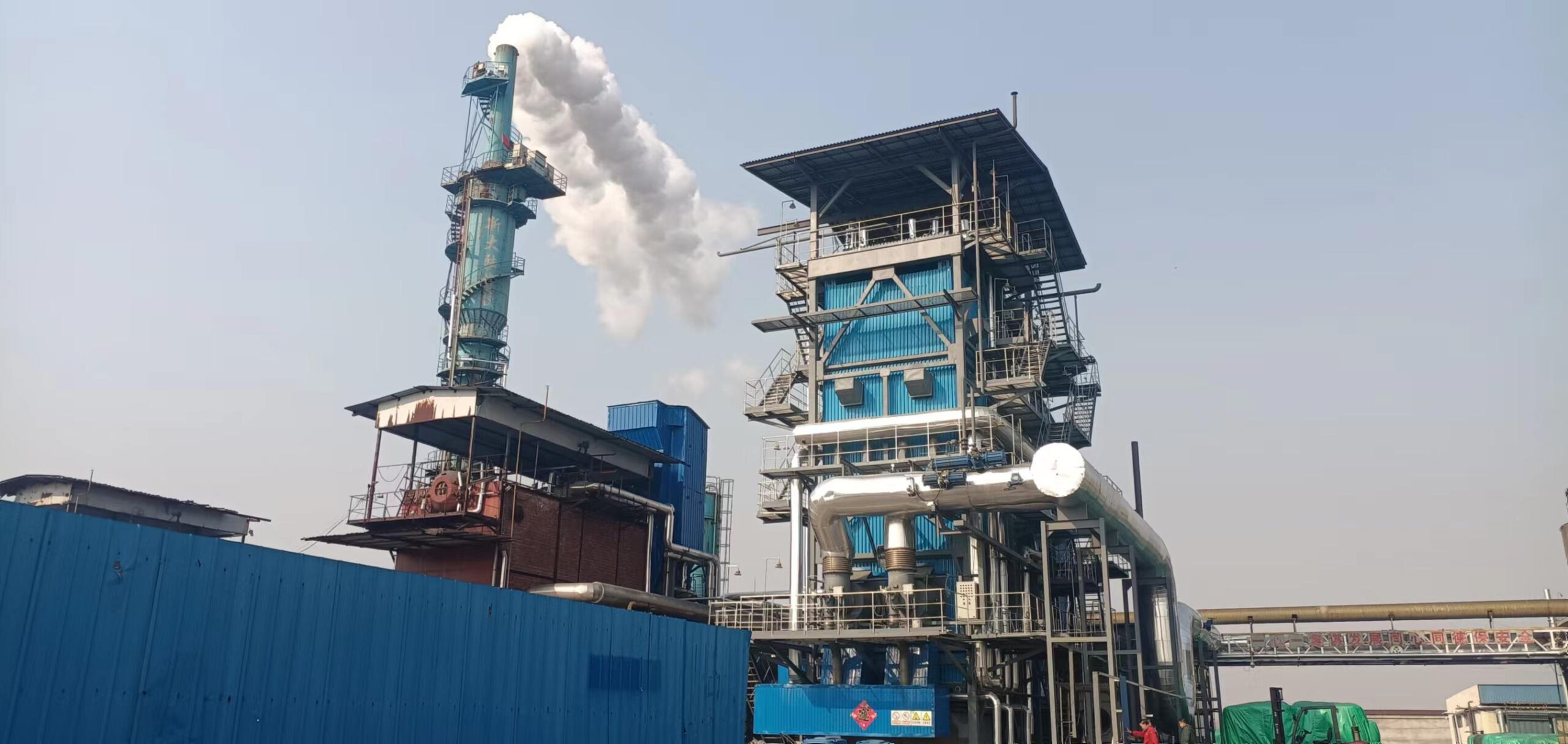
Power Plant & Industrial Boilers Showcased at Canton Fair 2025 | Taishan Group Highlights

Power Plant & Industrial Boilers Showcased at Canton Fair 2025 | Taishan Group Highlights

Taishan Group Showcased Full Range of Industrial Boilers to Global Buyers

Taishan Group, a globally recognized manufacturer of industrial steam boilers and power plant boilers, successfully concluded its participation at the 138th Canton Fair, held in Guangzhou, China from October 15 to 19, 2025. Located at Booth 18.1A09, our booth attracted a large number of professional buyers and project developers from Tanzania, India, Libya, Southeast Asia, Eastern Europe, and the Middle East.

Throughout the exhibition, our team presented a complete portfolio of energy solutions, including:

  • Coal-fired boilers

  • Biomass boilers

  • Oil and gas-fired boilers

  • Waste-to-energy boilers

  • Thermal oil heaters and heating systems

These products are widely used in power generation, chemical processing, food & beverage, textile manufacturing, and waste heat utilization, meeting the diversified needs of global industrial markets.

High Engagement from International Customers

During the exhibition, our booth received continuous visits from international clients who showed strong interest in energy efficiency, fuel flexibility, and emission compliance. Representatives from Tanzania, India, and Libya held in-depth discussions with our team on project customization, EPC service capabilities, and long-term technical cooperation.

Many visitors expressed immediate procurement intentions for:

  • High-pressure coal-fired steam boilers for power generation

  • Biomass boilers for renewable energy projects

  • Gas-fired boilers for cleaner industrial production

  • Heat recovery and waste-to-energy systems

This high level of interaction not only confirms Taishan Group’s technical strength, but also reflects the global shift toward efficient and low-emission industrial boiler solutions.

Showcasing Innovation and Sustainable Solutions

Taishan Group’s display at the Canton Fair highlighted our commitment to innovation and sustainability. Our R&D team has continuously improved boiler combustion systems, enhanced automation control, and optimized heat transfer efficiency, helping customers reduce fuel consumption and meet international emission standards such as CE, ASME, ISO, and EAC.

Key advantages presented at the fair include:

  • High-efficiency chain grate and circulating fluidized bed technologies

  • Advanced PLC and IoT-based boiler control systems

  • Customized boiler solutions for industrial plants and power stations

  • Robust manufacturing capacity and strict quality assurance


Strong Results and Future Outlook

The 138th Canton Fair provided an excellent platform for Taishan Group to strengthen global partnerships and explore new market opportunities. Our team received multiple on-site inquiries and established new cooperation intentions with clients from Africa, South Asia, the Middle East, and Latin America.

With strong interest in sustainable energy solutions and industrial modernization, Taishan Group will continue to expand its global service network and provide high-quality boiler systems with full technical support.

We sincerely thank all customers and partners for visiting our booth.
Taishan Group remains committed to offering reliable, efficient, and environmentally friendly boiler solutions to support industrial development worldwide.

Wade Zhang

CEO of Taishan Group Taian Boao International Trade Co., Ltd. 30 years experience in Global industrial boiler market,  Over 300 boiler projects experience, including 21+ EPC projects. Projects span 30+ countries & regions, involving industries such as nuclear power, energy & electricity, municipal heating, mining, textiles, tires etc.

Power Plant & Industrial Boilers Showcased at Canton Fair 2025 | Taishan Group Highlights Read More »
Top 5 Key Factors Affecting Industrial Gas Boiler Efficiency

Top 5 Key Factors Affecting Industrial Gas Boiler Efficiency

For factories and processing plants, boiler efficiency directly determines fuel consumption, operational cost, and carbon emissions. Even small inefficiencies can lead to thousands of dollars in energy waste annually. Understanding what influences gas boiler performance is essential for maximizing output while minimizing operating expenses.

The efficiency of an industrial gas boiler depends on five major factors: combustion quality, heat transfer performance, flue gas temperature, excess air ratio, and maintenance condition. Proper burner tuning ensures complete combustion, efficient heat exchangers improve thermal transfer, reduced flue gas losses increase efficiency, optimized air-fuel ratios minimize energy waste, and regular maintenance prevents scaling or soot buildup that can lower performance.

By managing these five areas, plants can maintain consistently high efficiency, stable operation, and reduced fuel costs.

How Does Combustion Quality Influence Gas Boiler Efficiency?

In industrial and commercial energy systems, combustion quality lies at the very heart of gas boiler performance. Many operators overlook it, assuming efficiency losses are caused by mechanical wear or outdated design, while the real culprit often hides in improper air-to-fuel ratios, unstable flame behavior, or poor burner maintenance. When combustion quality deteriorates—even slightly—the consequences are immediate and costly: increased fuel consumption, excessive emissions, uneven heat distribution, and shortened equipment lifespan. The solution is mastering combustion optimization through precise control, monitoring, and maintenance—ensuring every cubic meter of gas delivers maximum usable heat with minimal waste.

Combustion quality directly determines gas boiler efficiency because it governs how completely the fuel is converted into heat. Proper combustion achieves an optimal air-to-fuel ratio, stable flame temperature, and complete oxidation of hydrocarbons, leading to higher thermal efficiency and lower emissions. Poor combustion, by contrast, results in unburned fuel, elevated carbon monoxide (CO) levels, excess oxygen losses, and heat energy wasted in flue gases. Typically, improving combustion quality can enhance boiler efficiency by 3–8%, translating to substantial fuel savings and extended equipment life.

This fundamental relationship between combustion control and efficiency makes it one of the most critical operational parameters in gas-fired boiler management. The sections below explain how combustion quality affects thermal performance, what parameters define “good combustion,” and which technologies ensure optimal results.

Combustion quality has little effect on gas boiler efficiency since gas burns cleanly by nature.False

Even with clean fuels like natural gas, improper air-fuel ratios and poor burner tuning can reduce boiler efficiency by 5–10%.


Excess air always improves combustion efficiency.False

Too much excess air cools the flame, increases flue gas losses, and reduces thermal efficiency. Optimal excess air is necessary, not excessive.


Understanding the Fundamentals of Combustion Quality

Combustion quality in gas boilers is defined by how effectively chemical energy in the fuel is transformed into usable heat energy. This transformation depends on three essential elements: fuel quality, air supply, and mixing and flame stability.

Combustion ParameterOptimal RangeImpact on EfficiencyDescription
Air-to-Fuel Ratio (λ)1.05–1.15+5–8%Slight excess ensures complete combustion without cooling losses
Flue Gas Oxygen (O₂)2–4%+3–5%Indicates proper air supply and fuel utilization
Carbon Monoxide (CO)<100 ppm+2–4%High CO signals incomplete combustion
Flame Temperature900–1200°C+5–7%Directly correlates with combustion completeness
Flue Gas Temperature<180°C (condensing) / <230°C (non-condensing)+3–8%Lower exit gas temperatures imply better heat recovery

High combustion quality ensures nearly total oxidation of methane (CH₄) into CO₂ and H₂O. Any deviation—either excess air (too lean) or insufficient air (too rich)—reduces efficiency. Lean mixtures waste energy by heating unused nitrogen and oxygen, while rich mixtures leave unburned fuel and increase CO emissions.


The Air-to-Fuel Balance: The Core Efficiency Variable

The air-to-fuel ratio is the most influential factor in determining boiler combustion efficiency. Natural gas combustion ideally requires around 10 parts of air per part of fuel (stoichiometric ratio). However, in real-world operation, a slight excess air margin (5–15%) is necessary to ensure full oxidation.

Air-to-Fuel ConditionO₂ Level in Flue Gas (%)CO Level (ppm)Efficiency ImpactTypical Flame Appearance
Insufficient Air (Rich)0–1300–2000↓ 5–10%Yellow, unstable flame
Optimal Air Supply2–4<100↑ MaximumBlue, steady flame
Excessive Air (Lean)>6<50↓ 3–7%Weak, elongated flame

Poor tuning can increase flue gas temperature by 30–50°C, equivalent to a 2–4% drop in thermal efficiency, and can also accelerate corrosion from moisture condensation inside the flue system.


Quantitative Example: Efficiency Impact of Air Imbalance

ConditionFlue Gas Temp (°C)O₂ (%)Boiler Efficiency (%)Efficiency Loss (%)
Optimal180392.5
Excess Air (10% high)210589.5-3.0
Excess Air (20% high)230687.2-5.3
Insufficient Air (Rich Burn)190190.0-2.5

In practical terms, a 1% increase in flue gas O₂ content typically results in a 0.6–1.0% decrease in boiler efficiency, highlighting how sensitive gas boilers are to combustion tuning.


The Role of Burner Design and Flame Stability

Burner performance is the foundation of high-quality combustion. Modern premix and modulating burners achieve uniform air-fuel mixing and stable flame propagation, minimizing CO formation and enhancing heat transfer. Key design attributes include:

  • Swirl stabilization for consistent flame shape

  • Variable frequency drive (VFD) blowers for adaptive air control

  • Electronic modulating valves for dynamic fuel adjustment

  • Flame ionization sensors for real-time flame verification

Burner TypeEfficiency Range (%)Control MethodEmission Level (NOx ppm)
Conventional Atmospheric85–88Fixed air60–120
Modulating Premix90–94Electronic ratio control30–60
Condensing Premix94–98Fully modulating + heat recovery<30

Thus, advanced combustion systems can save up to 8–10% fuel annually, particularly in variable load applications where part-load efficiency often drops sharply in older systems.


Combustion Monitoring and Optimization Technologies

Modern boiler management systems employ real-time combustion analytics to maintain efficiency and reduce human error. Techniques include:

  • O₂ Trim Controls: Adjust combustion air automatically to maintain target excess air levels.

  • CO Sensors: Detect incomplete combustion, preventing fuel wastage and hazardous buildup.

  • Flue Gas Analyzers: Monitor temperature and gas composition continuously for efficiency tuning.

  • Digital Twin Simulations: Predict optimal air-fuel ratios based on load and ambient conditions.

Control SystemEfficiency Improvement (%)Payback Period (Years)Additional Benefit
O₂ Trim System+2–41.5Reduced emissions
Variable Speed Fan+2–32Energy savings on fan motors
CO & O₂ Monitoring+1–21Enhanced safety
Burner Management Upgrade+5–82–3Extended component life

Implementing these control strategies can recover efficiency losses caused by seasonal air density changes or fuel composition variations, ensuring steady output throughout the year.


Real-World Case Study: Industrial Gas Boiler Optimization

A 6-ton/hour gas-fired boiler operating in a manufacturing plant showed 87% efficiency before optimization. After installing an O₂ trim control, recalibrating the air damper, and upgrading to a modulating premix burner, flue gas O₂ dropped from 6.5% to 3.2%, and stack temperature fell by 40°C. Efficiency improved to 92.3%, cutting fuel consumption by 7% and annual CO₂ emissions by 280 tons. The system achieved payback in under 18 months.


Summary Table: Combustion Quality vs. Boiler Performance

FactorPoor CombustionOptimal CombustionEfficiency Difference (%)
Air-Fuel RatioImbalancedPrecisely Controlled4–8
Flame StabilityUnsteadyStable, Uniform2–4
CO FormationHighMinimal3–5
Flue Gas LossHighLow4–6
Total Efficiency85–88%92–96%

Environmental and Economic Implications

High-quality combustion not only boosts efficiency but also significantly reduces emissions. Poor combustion increases CO, NOx, and unburned hydrocarbons, all of which affect environmental compliance and operating permits. Optimized combustion leads to cleaner exhaust, lower carbon footprint, and less wear on downstream components like heat exchangers and condensing units.


Conclusion

Combustion quality is the single most powerful lever in maximizing gas boiler efficiency. A perfectly tuned air-fuel ratio, stable flame, and modern burner control system ensure the highest heat transfer, lowest emissions, and optimal fuel economy. Ignoring combustion control means accepting hidden energy losses and premature equipment degradation—costs far greater than the price of proper maintenance and monitoring.

Why Is Heat Transfer Surface Cleanliness Critical for Maintaining Efficiency?

In any boiler, heat exchanger, or thermal system, even a thin layer of dirt, soot, or scale on heat transfer surfaces can drastically reduce performance. Many operators underestimate how quickly fouling accumulates and how severe its effects can be. The consequences of neglecting surface cleanliness are not minor: a 1 mm layer of soot can increase fuel consumption by up to 8–10%, reduce overall efficiency, elevate exhaust temperatures, and accelerate corrosion. In contrast, maintaining clean heat exchange surfaces ensures the system runs at peak thermal efficiency, minimizes energy losses, and extends equipment lifespan—making cleanliness a core part of boiler operation strategy rather than a mere maintenance task.

Heat transfer surface cleanliness is critical for maintaining boiler efficiency because any fouling layer—whether soot, scale, or corrosion deposit—acts as an insulating barrier that impedes heat flow from the combustion gases to the working fluid. This insulation forces the boiler to burn more fuel to deliver the same thermal output. Even thin deposits (0.5–1 mm) can lower heat transfer efficiency by 5–10%, raise flue gas temperature by 20–40 °C, and increase operating costs significantly. Regular cleaning, water treatment, and combustion optimization are therefore essential to preserve the designed efficiency and ensure reliable performance.

Keeping heat transfer surfaces clean is one of the simplest yet most impactful actions plant managers can take to maintain system efficiency and reduce lifecycle costs. The following sections explain the mechanisms of fouling, its quantitative effects on heat transfer, detection and prevention techniques, and real-world case data.

Heat transfer surface fouling has a negligible effect on boiler efficiency.False

Even thin layers of soot or scale significantly impede heat transfer, raising fuel consumption and flue gas temperatures.


Scale forms mainly due to impurities in combustion gases.False

Scale forms on the water side due to mineral precipitation from untreated or poorly conditioned feedwater.


Understanding the Mechanisms of Fouling

Fouling refers to the accumulation of unwanted materials on heat transfer surfaces—either on the gas side (soot, ash, unburned carbon) or on the water/steam side (scale, corrosion products). Each type of deposit affects heat transfer differently, but all increase thermal resistance and lower heat flux.

Fouling TypeLocationCompositionTypical CauseThermal Conductivity (W/m·K)Efficiency Loss (%)
Soot FoulingGas SideCarbon, SulfatesIncomplete combustion0.1–0.25–10
Scale FormationWater SideCalcium, Magnesium saltsHard water, poor treatment1.2–2.02–5
Corrosion DepositsBoth sidesIron oxides, sulfidesOxygen ingress, poor pH control1.0–2.52–6
Ash or Dust FoulingGas SideFly ash, particulatesFuel impurities0.3–0.63–8

Quantitative Impact of Fouling on Thermal Efficiency

To illustrate, consider a fire-tube gas boiler with clean and fouled surfaces:

ConditionFouling Layer (mm)Flue Gas Temp (°C)Boiler Efficiency (%)Fuel Consumption Increase (%)
Clean018092.5
Light Soot0.520090.2+2.5
Moderate Fouling1.022088.0+5.0
Heavy Fouling2.025084.5+9.0

Thermodynamically, heat transfer through a layered surface can be expressed as:
1/U = 1/h₁ + δ/k + 1/h₂,
where U is the overall heat transfer coefficient, h₁ and h₂ are the gas and fluid film coefficients, δ is the fouling thickness, and k is its thermal conductivity. Even a small increase in δ dramatically reduces U, forcing higher combustion rates to maintain the same steam output.


Why Fouling Raises Fuel and Maintenance Costs

A dirty heat transfer surface not only lowers efficiency but also drives a cascade of operational problems:

  1. Higher Fuel Use: Reduced heat transfer requires more fuel for the same output.

  2. Increased Flue Gas Temperature: Heat that should transfer to the water exits through the stack.

  3. Component Stress: Hotter metal surfaces accelerate fatigue and oxidation.

  4. Reduced Output Capacity: Boilers reach temperature or pressure limits sooner.

  5. Shortened Equipment Life: Corrosion and scaling accelerate tube failure.

  6. Frequent Shutdowns: Cleaning and repair increase downtime and labor costs.

For industrial boilers consuming thousands of cubic meters of gas daily, even a 2% efficiency drop translates into tens of thousands of dollars per year in wasted fuel.


Comparative Example: Clean vs. Fouled Tube Bank

ParameterClean SurfaceFouled SurfaceEfficiency Difference
Gas Film Coefficient (h₁, W/m²·K)8080
Fouling Conductivity (k, W/m·K)0.15
Fouling Thickness (δ, mm)1.0
Overall U (W/m²·K)7045-36%
Boiler Efficiency (%)92.588.5-4.0%

As shown, a small amount of soot can reduce the overall heat transfer coefficient by more than one-third, severely impacting fuel-to-steam efficiency.


Detection and Monitoring of Fouling

Routine monitoring is vital to detect performance deterioration early. Common indicators include:

  • Rising stack temperature for the same load and fuel rate.

  • Increased differential pressure across heat exchangers.

  • Declining steam output or pressure under constant firing conditions.

  • Visual soot or scale evidence during inspection.

  • Thermographic imaging revealing uneven heat distribution.

Advanced monitoring tools, such as flue gas analyzers, thermocouples, and infrared imaging, help quantify fouling trends and schedule cleaning at optimal intervals.


Prevention Strategies for Sustained Cleanliness

  1. Combustion Optimization: Proper air-fuel ratio prevents soot formation.

  2. Water Treatment: Use softening, demineralization, and chemical dosing to prevent scaling.

  3. Regular Blowdown: Removes concentrated impurities from the water side.

  4. Automatic Soot Blowers: Periodically clean tubes in large boilers.

  5. Condensing Boiler Maintenance: Keep condensate drains clear to avoid corrosion buildup.

  6. Heat Exchanger Coatings: Use anti-fouling materials to reduce deposit adhesion.

Maintenance PracticeCleaning IntervalEfficiency Recovery (%)Cost Savings (% per Year)
Manual Tube CleaningEvery 3–6 months4–63–5
Chemical DescalingAnnually2–42–3
Continuous Water TreatmentContinuous5–84–6
O₂ Trim + Combustion ControlContinuous2–32–4

Real-World Case Study: Refinery Boiler Heat Recovery Section

In a refinery boiler system rated at 30 t/h steam capacity, flue gas temperature rose from 190 °C to 240 °C over six months. Efficiency dropped from 91.8% to 87.5%. Inspection revealed 1–1.5 mm soot on the economizer tubes. After chemical cleaning and burner re-tuning, flue temperature decreased to 185 °C, restoring efficiency to 92.1%. The intervention yielded a fuel cost reduction of 6.2% and CO₂ emissions lowered by 430 tons per year, with a payback time under six months.


Long-Term Benefits of Maintaining Clean Heat Transfer Surfaces

Beyond immediate fuel savings, clean surfaces enhance equipment reliability, safety, and environmental compliance. Reduced thermal stress minimizes tube cracking and warping, while lower flue temperatures extend refractory life and reduce stack losses. Clean systems also emit fewer pollutants, supporting regulatory standards and sustainability goals.

Benefit TypeClean SurfacesFouled SurfacesLong-Term Impact
Efficiency92–95%85–88%Higher ROI
EmissionsLowHigh CO/NOxCompliance issues
MaintenancePredictableFrequent unscheduledHigher downtime
Tube Life>10 years5–7 yearsCost reduction

Conclusion

Heat transfer surface cleanliness is not just a maintenance checklist item—it’s a decisive factor in determining boiler performance, reliability, and cost-effectiveness. Every millimeter of soot or scale creates an invisible barrier that converts valuable energy into waste. Consistent monitoring, preventive treatment, and cleaning programs guarantee that boilers operate close to their designed efficiency, saving fuel and ensuring safe, sustainable operation for years to come.

How Does Flue Gas Temperature Affect Energy Recovery and Overall Performance?

In any industrial or commercial boiler, flue gas temperature serves as a direct indicator of how efficiently the system converts fuel energy into usable heat. When flue gases exit the stack too hot, it means valuable energy is being lost to the atmosphere instead of being recovered and used within the system. This wasted heat represents lost money, higher fuel consumption, and reduced overall efficiency. Conversely, when flue gas temperature is optimized through proper design, control, and heat recovery systems, significant energy savings can be achieved—often reducing operating costs by 5–15% or more. Maintaining the right flue gas temperature is therefore not merely a technical metric but a vital economic and environmental factor in boiler performance management.

Flue gas temperature directly affects energy recovery and overall performance by determining how much heat is retained in the system versus lost through the exhaust. Lower flue gas temperatures increase boiler thermal efficiency because more heat is transferred to the working fluid or recovered through economizers and condensers. Each 20 °C reduction in flue gas exit temperature typically improves boiler efficiency by 1%. However, excessively low flue gas temperatures can cause condensation and corrosion in non-condensing systems. Therefore, the optimal flue gas temperature depends on the boiler type, fuel characteristics, and heat recovery design—balancing maximum energy recovery with system durability.

The following sections explain the thermodynamics behind flue gas losses, illustrate efficiency relationships with real-world data, and outline how advanced recovery technologies optimize energy utilization without compromising reliability.

Lower flue gas temperature always improves boiler performance.False

While lower temperatures generally increase efficiency, dropping below the dew point in non-condensing boilers can cause corrosion and damage.


Flue gas temperature has no measurable effect on energy efficiency once the boiler is tuned.False

Even small changes in flue gas temperature directly reflect heat losses and can significantly impact fuel consumption.


The Thermodynamic Relationship Between Flue Gas Temperature and Efficiency

The flue gas temperature is one of the most important performance indicators for boilers and heat exchangers. It reflects how effectively the heat from combustion is transferred to the water or steam circuit. The higher the temperature of exhaust gases leaving the boiler, the greater the heat energy lost to the atmosphere.

Flue Gas Temperature (°C)Typical Boiler TypeApprox. Efficiency (%)Fuel Energy Loss (%)Efficiency Improvement per 20 °C Drop
280Conventional gas boiler85.015.0
240Standard fire-tube boiler88.012.0+1.5
200Modern shell boiler90.59.5+1.0
160Condensing boiler94.06.0+0.8
120Advanced condensing + economizer97.03.0+0.7

The efficiency of heat transfer depends on the temperature gradient between hot flue gases and the boiler’s water or steam. As flue gases cool, less energy is lost to the environment, but the risk of condensation increases—especially if the gas temperature falls below the acid dew point (typically 130–140 °C for natural gas and 150–170 °C for oil-fired units).


Energy Recovery Through Economizers and Condensing Systems

An economizer is a key heat recovery device that captures residual heat from flue gases to preheat the feedwater entering the boiler. This reduces the fuel required to reach steam generation temperature.

System TypeTypical Flue Gas Temp (°C)Efficiency Range (%)Energy Recovery DeviceSavings Potential (%)
Standard Non-Condensing220–28085–89None
With Economizer160–20090–93Feedwater Economizer3–6
Condensing100–14094–97Condensing Heat Exchanger7–10
Advanced Hybrid Recovery80–12097–99Economizer + Condenser10–15

Condensing heat exchangers take energy recovery a step further by extracting latent heat from water vapor formed during combustion. Since roughly 10–12% of the fuel’s energy content is stored in this vapor, recovering it significantly enhances system performance. However, condensate management and corrosion resistance must be carefully designed.


Example: Effect of Flue Gas Temperature on Stack Losses

Boiler stack loss can be estimated using the formula:
Stack Loss (%) ≈ (T_fg – T_air) × (O₂% / 21) × 0.33,
where T_fg is the flue gas temperature and T_air is the combustion air temperature.

For instance, assuming 15% excess air and 25 °C combustion air:

Flue Gas Temp (°C)Stack Loss (%)Thermal Efficiency (%)
28015.584.5
24013.087.0
20010.589.5
1608.092.0
1205.594.5

This shows that reducing flue gas temperature from 240 °C to 160 °C can yield an efficiency gain of 5%, equivalent to saving roughly 50,000–100,000 cubic meters of natural gas per year for a medium industrial plant.


Flue Gas Dew Point and Corrosion Control

While lower flue gas temperatures are desirable for efficiency, condensation control is crucial. Combustion gases contain water vapor and acidic compounds (notably H₂SO₄ and H₂O). When gases cool below the acid dew point, condensate forms and leads to severe corrosion in mild-steel components.

Fuel TypeWater Dew Point (°C)Acid Dew Point (°C)Safe Min. Flue Gas Temp (°C) for Non-Condensing Systems
Natural Gas57130140
Light Oil60150160
Heavy Oil70170180

Modern condensing boilers use stainless steel or aluminum-silicon alloys that resist acidic condensate, enabling safe operation below 100 °C and harnessing the latent heat of vaporization.


Real-World Case Study: Flue Gas Optimization in a Textile Plant

A textile processing plant operating two 5-ton/hr gas boilers recorded average flue gas temperatures of 235 °C and thermal efficiency of 88%. After installing feedwater economizers and adjusting burner excess air to reduce O₂ from 6% to 3.5%, the flue gas temperature dropped to 175 °C. The resulting efficiency rose to 92.4%, saving 6.8% fuel annually—equivalent to over $45,000 in cost reduction per year and 210 tons of CO₂ emissions avoided.


Advanced Flue Gas Heat Recovery Technologies

TechnologyDescriptionEfficiency Improvement (%)Key Benefit
EconomizerRecovers sensible heat to preheat feedwater3–6Simple retrofit
Condensing Heat ExchangerRecovers latent heat from water vapor5–10High efficiency
Air PreheaterUses exhaust heat to preheat combustion air2–4Fuel flexibility
Heat Pipe ExchangerTransfers heat without fluid mixing4–6Compact, durable
Flue Gas Recirculation (FGR)Reuses part of exhaust gases for stable combustion1–2Lower NOx emissions

Combining these systems can push total energy utilization above 95%, depending on fuel type and operating conditions.


Quantitative Analysis: Efficiency vs. Flue Gas Temperature

Boiler Efficiency (%)Flue Gas Temp (°C)O₂ in Flue Gas (%)Estimated Annual Fuel Savings (%)
85.02806.0
88.52305.03.5
91.01904.06.0
93.01603.08.0
95.01202.510.5

Each 10–20 °C reduction in flue gas temperature corresponds to measurable financial benefits and emission reductions. However, to avoid dew point corrosion, proper material selection and condensate management are non-negotiable.


Long-Term Performance and Maintenance Implications

High flue gas temperatures not only lower efficiency but also accelerate wear in boiler components such as tubes, refractory linings, and exhaust ducts. By contrast, optimized flue gas control maintains steady heat transfer and prolongs component life. Regular maintenance, soot cleaning, and combustion tuning are vital to preventing flue temperature drift.

ConditionFlue Temp TrendEffect on EfficiencyMaintenance Need
Clean surfaces + tuned burnerStable (160–180 °C)Optimal (92–94%)Normal
Soot foulingRising (+20–30 °C)↓ 2–4%Immediate cleaning
Excess airRising (+10–20 °C)↓ 1–3%Tune combustion
Scale formationRising (+30–50 °C)↓ 4–6%Water treatment

Environmental Benefits of Flue Gas Temperature Optimization

Lowering flue gas temperature not only improves energy efficiency but also reduces emissions. Every percentage increase in boiler efficiency corresponds to approximately 2% CO₂ emission reduction. Furthermore, condensing systems lower NOₓ and CO emissions through cooler combustion gas recirculation.

Efficiency Improvement (%)Fuel Saved (m³/Year, Gas)CO₂ Reduction (Ton/Year)
+340,00075
+570,000130
+8110,000210
+10140,000270

Conclusion

Flue gas temperature is one of the most important determinants of boiler efficiency and energy recovery. Every degree of heat lost up the stack represents wasted fuel, unnecessary emissions, and avoidable cost. Through optimized combustion control, economizers, and condensing heat exchangers, operators can drastically improve efficiency—often achieving over 95% system performance. However, this must be balanced with materials and design suited to manage condensate safely, ensuring both energy savings and equipment longevity.

What Is the Optimal Excess Air Ratio for Efficient Gas Combustion?

In gas-fired boilers, burners, and furnaces, the air-to-fuel ratio is one of the most decisive parameters determining how efficiently fuel energy converts into useful heat. Too little air leads to incomplete combustion, soot formation, and carbon monoxide (CO) buildup. Too much air, on the other hand, cools the flame, lowers flame temperature, increases flue gas losses, and wastes energy by sending hot air up the stack. Both conditions reduce efficiency and increase costs. The key to achieving maximum efficiency and minimal emissions is maintaining the optimal excess air ratio—the delicate balance point where combustion is complete yet heat losses are minimal.

The optimal excess air ratio for efficient natural gas combustion typically ranges between 1.05 and 1.15 (or 5–15% excess air), corresponding to 2–4% oxygen (O₂) in the flue gas. This range ensures complete combustion with minimal CO formation while avoiding efficiency losses from excessive dilution or flue gas heat losses. Maintaining this ratio through precise burner tuning and real-time O₂ trim control can improve boiler efficiency by 3–8% and reduce fuel consumption significantly.

Mastering the control of excess air not only enhances combustion efficiency but also contributes to equipment longevity, emission reduction, and lower operational costs. The sections below explain the science, data, and practical control methods behind this optimization.

Using more air always improves combustion efficiency by ensuring complete burning.False

Excessive air cools the flame, increases flue gas losses, and lowers efficiency. Optimal—not maximum—air is needed for best results.


Natural gas combustion requires no excess air because it is a clean fuel.False

Even clean fuels like natural gas need 5–15% excess air to ensure complete oxidation and avoid CO formation.


The Role of Excess Air in Combustion Efficiency

For perfect (stoichiometric) combustion, the fuel and oxygen mix in exact proportions so that all carbon and hydrogen atoms in the fuel are completely oxidized. For methane (CH₄), the ideal chemical equation is:

CH₄ + 2O₂ → CO₂ + 2H₂O

However, real-world burners never achieve perfect mixing. Therefore, a small excess of air is required to ensure that all fuel molecules find enough oxygen for complete combustion.

Combustion Air LevelExcess Air (%)Flue Gas O₂ (%)CO (ppm)Combustion ConditionEfficiency Impact
Too Little (Rich)0–30–1200–2000Incomplete combustion, soot↓ 5–10%
Optimal5–152–4<100Complete combustion↑ Maximum
Too Much (Lean)>25>6<50Cool flame, energy loss↓ 3–6%

Quantitative Relationship Between Excess Air and Efficiency

As excess air increases, two things happen simultaneously:

  1. CO and unburned hydrocarbons decrease (improving combustion completeness).

  2. Flue gas volume and temperature increase, carrying more heat out of the boiler (reducing efficiency).

Excess Air (%)Flue Gas O₂ (%)Flue Gas Temp (°C)Efficiency (%)Efficiency Loss vs. Optimal (%)
0 (Stoichiometric)0.0190Unstable combustion
51.018592.2+
102.018092.5Optimal
204.020090.3-2.2
306.021588.5-4.0
509.023586.2-6.3

Each 10% increase in excess air above optimal levels can reduce boiler efficiency by 1–2%. Over time, this translates into significant fuel cost increases.


Real-World Example: Boiler Efficiency vs. Excess Air Ratio

CaseAir Ratio (λ)O₂ in Flue Gas (%)Stack Temp (°C)Boiler Efficiency (%)Fuel Cost Impact
Underfired0.950.519589.5High CO, unsafe
Optimal1.103.018092.5Maximum efficiency
Overfired1.306.020589.8Fuel waste
Severely Overfired1.508.522587.4Large heat loss

The ideal air ratio (λ) for natural gas lies between 1.05 and 1.15, while oil-fired systems may require slightly higher (1.10–1.25) due to fuel atomization and impurities.


How Excess Air Affects Flame and Heat Transfer

Flame temperature and radiation efficiency are directly tied to the air-to-fuel ratio. Too much air reduces flame temperature and radiant heat transfer, while too little causes unstable combustion and soot formation.

ConditionFlame Temp (°C)Visual AppearanceCO EmissionEfficiency Impact
Insufficient Air1000–1100Yellow, smokyHighPoor
Optimal1150–1250Blue, stableLowBest
Excess Air950–1050Pale, weakLowModerate loss

Optimal combustion ensures a blue, steady flame and minimal unburned fuel. A pale, elongated flame often indicates excessive air and reduced energy transfer to the boiler surfaces.


Efficiency Loss Mechanisms with Too Much Air

  1. Dilution of combustion gases → Lower heat transfer rates.

  2. Increased flue gas mass flow → More heat leaves through the stack.

  3. Reduced radiant heat transfer → Flame becomes cooler and less efficient.

  4. Fan power increase → Higher parasitic energy consumption.

  5. Thermal stress → Uneven temperatures accelerate wear on tubes and refractory.

For every 1% rise in flue gas O₂ content, the boiler’s thermal efficiency typically drops by 0.6–1.0%.


Burner Design and Control: The Path to Optimal Air Management

Modern burners and control systems use advanced sensors and feedback loops to maintain precise air-fuel ratios under varying load conditions.

TechnologyFunctionEfficiency Improvement (%)Key Advantage
O₂ Trim ControlContinuously adjusts air supply to maintain target O₂+2–4Real-time optimization
Variable Speed FanMatches airflow with load demand+1–2Reduced power use
Electronic Ratio ControlEnsures consistent air-fuel mixture+3–5Stable operation
Flue Gas AnalyzerMonitors CO, O₂, NOx in exhaustDiagnosticPrevents drift and imbalance

A well-tuned burner with automatic control can maintain O₂ at 3.0 ± 0.2%, keeping efficiency consistently above 92–94% for gas-fired systems.


Case Study: Efficiency Gains Through O₂ Trim Control

A food processing plant operating a 4-ton/hr gas boiler observed average O₂ levels around 6%, indicating excessive air. After installing an O₂ trim control system, O₂ dropped to 3.2%, and flue gas temperature decreased from 210 °C to 180 °C. As a result, boiler efficiency improved from 89.8% to 92.6%, saving 6.2% in annual fuel costs and reducing CO₂ emissions by 150 tons per year.


Relationship Between Excess Air and Emissions

Controlling excess air also helps minimize emissions. Rich mixtures increase CO and unburned hydrocarbons, while lean mixtures elevate NOx due to higher oxygen availability at elevated temperatures.

Air Ratio (λ)CO (ppm)NOx (ppm)Efficiency Trend
0.9500–2000Low↓ (Incomplete)
1.0100–300Moderate
1.1<100Optimal↑ Maximum
1.3<50High↓ (Lean loss)

Thus, controlling excess air not only maximizes efficiency but also ensures regulatory compliance with emission standards.


Advanced Optimization Strategies

  1. Continuous Flue Gas Monitoring: Using real-time O₂ and CO sensors for closed-loop control.

  2. Load-Adaptive Tuning: Adjusting air ratio dynamically with burner load.

  3. Periodic Calibration: Ensuring sensors and actuators maintain accuracy.

  4. Data-Driven Diagnostics: Using AI or digital twins to detect drift in combustion parameters.

  5. Combined Air-Fuel Ratio Control (AFRC): Integrating burner modulation and airflow control into one synchronized system.

Optimization MethodControl PrecisionEfficiency Gain (%)Typical Payback
Manual Adjustment±1.0% O₂0–2
O₂ Trim System±0.2% O₂2–41–2 years
Full AFRC System±0.1% O₂3–62–3 years

Long-Term Benefits of Maintaining Optimal Excess Air

  • Fuel cost reduction: 3–8% savings annually

  • Emission reduction: 5–10% lower CO₂, 15–30% lower CO

  • Stable boiler operation with reduced cycling

  • Extended equipment life through reduced thermal stress

  • Improved safety due to consistent flame and low CO

Benefit TypeImpact LevelDescription
Energy EfficiencyHighMaintains design efficiency (92–95%)
Operational StabilityHighPrevents soot, flameout, and surge
Emission ControlHighReduces CO, NOx
Maintenance SavingsMediumFewer cleanings and tune-ups
Lifecycle Cost ReductionHigh5–10% over 10 years

Conclusion

The optimal excess air ratio—typically 1.05–1.15 for natural gas—is a cornerstone of efficient, safe, and sustainable combustion. Too much or too little air both lead to energy waste and emissions. The most effective systems maintain real-time control through O₂ trimming, burner modulation, and continuous monitoring. Keeping your combustion process precisely tuned not only protects your equipment but also yields measurable fuel savings and environmental benefits.

How Do Regular Maintenance and Tuning Prevent Efficiency Losses?

Industrial and commercial boiler systems are designed for high thermal efficiency and long service life—but only when properly maintained. Over time, soot buildup, scaling, air leaks, and control drift silently erode performance. Even small inefficiencies—such as a 1% rise in flue gas temperature or 0.5% change in oxygen levels—can lead to thousands of dollars in wasted fuel annually. Neglected boilers also suffer from higher emissions, unplanned downtime, and costly component failure. The key to sustaining peak efficiency is regular maintenance and precise tuning, which ensure that combustion, heat transfer, and control systems operate at their designed performance levels.

Regular maintenance and tuning prevent efficiency losses in boilers by ensuring optimal combustion, clean heat transfer surfaces, proper water chemistry, and accurate control calibration. Scheduled cleaning of heat exchangers, burner inspection, air-fuel ratio tuning, and instrumentation checks can recover 3–8% efficiency lost through fouling, scaling, or drift. This proactive approach reduces fuel consumption, emissions, and mechanical stress, extending boiler life and maintaining consistent performance.

Routine maintenance is not just a safety requirement—it’s a profit safeguard. Each maintenance task, from flue cleaning to O₂ sensor calibration, helps preserve energy efficiency, reduce carbon footprint, and minimize lifecycle costs.

Boiler maintenance mainly improves safety but has little effect on efficiency.False

Proper maintenance significantly enhances combustion efficiency, reduces flue gas losses, and maintains optimal heat transfer.


Boiler tuning is optional if the system runs continuously without visible issues.False

Even well-running boilers require periodic tuning to correct air-fuel ratio drift and sensor inaccuracies that reduce efficiency.


The Science Behind Efficiency Degradation

Every operating boiler faces gradual efficiency decline due to several physical and chemical mechanisms:

CauseDescriptionEfficiency Loss (%)Typical Frequency
Soot FormationDeposits on tubes reduce heat transfer2–5Monthly–Quarterly
Scaling (CaCO₃, Silica)Insulating layer on water side1–4Semiannual
Air LeakageUnmetered air cools flue gases1–2Annual
Burner DriftO₂ setpoint deviation increases excess air2–3Quarterly
Sensor AgingO₂/CO sensors lose calibration accuracy1–2Semiannual

A neglected boiler can lose up to 10% of its rated efficiency within 12–18 months, translating into tens of thousands of dollars in wasted fuel.


Core Areas of Maintenance That Preserve Efficiency

Maintenance TaskFunctionRecommended FrequencyEfficiency Impact (%)
Flue Gas Path CleaningRemoves soot and particulates from tubes and bafflesMonthly–Quarterly+2–4
Feedwater Treatment CheckEnsures proper pH and hardness levelsWeekly+1–2
Burner TuningAdjusts air-fuel ratio for optimal combustionQuarterly+3–5
O₂ Trim CalibrationMaintains sensor accuracySemiannual+1–2
Blowdown System TestPrevents scale buildup and maintains water purityWeekly–Monthly+1
Heat Exchanger InspectionEnsures clean surfaces for heat transferSemiannual+2–3

Together, these tasks maintain consistent thermal transfer efficiency and minimize fuel loss.


Heat Transfer Cleanliness and Its Link to Maintenance

Fouling on heat transfer surfaces—either by soot on the gas side or scale on the water side—acts as an insulating barrier that impedes heat flow. For example:

Fouling TypeFouling Thickness (mm)Efficiency Loss (%)Fuel Cost Increase (%)
Light soot0.522
Moderate soot1.044.5
Heavy soot2.089
Scale (CaCO₃)1.022
Scale (Silica)2.044.5

A thin layer of soot just 1 mm thick can increase flue gas temperature by 20–25 °C, lowering efficiency by 3–4%. Regular brushing or soot-blowing restores efficiency almost instantly.


The Role of Tuning in Combustion Optimization

Combustion tuning adjusts burner settings to achieve the optimal air-fuel ratio, ensuring complete fuel burning with minimal excess air. As sensors age or fuel characteristics change, tuning offsets efficiency loss by recalibrating air supply, gas pressure, and burner head position.

ParameterBefore TuningAfter TuningImprovement
Flue Gas O₂ (%)6.53.2-3.3% (less excess air)
Flue Gas Temp (°C)215180-35 °C
CO (ppm)200<50Lower CO
Boiler Efficiency (%)89.592.8+3.3%

This small improvement yields significant fuel savings, especially in continuous-duty boilers. For example, a 4-ton/hr boiler burning natural gas at $10/MMBtu could save $8,000–$12,000 annually from proper tuning alone.


Predictive and Preventive Maintenance: The Modern Approach

Modern plants increasingly adopt predictive maintenance (PdM) strategies using sensors, analytics, and digital twins. Continuous monitoring detects minor deviations before they cause performance drops.

Maintenance TypeBasisTools UsedEfficiency Recovery (%)Cost Saving (%)
ReactivePost-failureManual inspection
PreventiveScheduledRoutine cleaning3–65–10
PredictiveData-drivenSensors, AI analytics5–810–15

Predictive systems monitor O₂, CO, flue gas temperature, and vibration, alerting operators to tune or clean before performance losses occur.


Case Study: 10 TPH Gas Boiler Maintenance Optimization

A 10-ton-per-hour gas boiler in a textile plant exhibited falling efficiency from 92% to 88% over nine months. Flue gas analysis revealed O₂ at 6.8% and temperature at 220 °C—indicating fouling and excess air. After a scheduled cleaning and tuning program:

  • O₂ reduced to 3.4%

  • Stack temperature dropped to 185 °C

  • Efficiency restored to 92.3%

  • CO₂ emissions reduced by 8%

  • Annual fuel savings: $18,500

This highlights the direct monetary benefit of systematic maintenance.


Efficiency Decay Curve Without Maintenance

Operating Time (Months)Typical Efficiency (%)Loss per Month (%)Notes
0 (Post-Tuning)92.5Optimal state
391.0-0.5Minor soot
689.5-1.0Scale formation
988.0-1.5Drift and fouling
1287.0-2.0Efficiency crisis

The data proves that maintenance frequency directly correlates with retained efficiency.


Key Maintenance and Tuning Checklist

  1. Visual Inspection: Check burners, seals, and flue integrity.

  2. Flue Gas Analysis: Measure O₂, CO, CO₂, and NOx levels.

  3. Clean Heat Transfer Surfaces: Brush or blow soot deposits.

  4. Check Air-Fuel Ratio: Adjust for minimal excess air.

  5. Calibrate Sensors: O₂ probes, thermocouples, and gas analyzers.

  6. Inspect Feedwater Quality: Prevent internal scaling.

  7. Lubricate Fans and Pumps: Maintain mechanical efficiency.

  8. Test Safety Valves and Controls: Ensure stability under variable loads.

  9. Record Data: Build trend analysis for predictive maintenance.


Economic Impact of Maintenance Neglect vs. Regular Tuning

ConditionEfficiency (%)Annual Fuel Cost (USD)Maintenance Cost (USD)Net Annual Impact (USD)
No Maintenance88.0120,0000
Quarterly Maintenance & Tuning92.5111,0005,000+4,000 net saving
Predictive Program93.5109,0008,000+3,000 net saving + longer life

Regular tuning typically achieves a payback within 6–12 months through reduced fuel bills alone.


Environmental and Operational Benefits

Beyond economics, consistent maintenance reduces emissions, increases system safety, and enhances regulatory compliance.

BenefitTypical ImprovementDescription
CO Reduction50–80%From cleaner combustion
NOx Control10–25%From optimized flame temperature
CO₂ Reduction5–10%From fuel savings
ReliabilityHighFewer unplanned shutdowns
Equipment Life+20–30%Reduced thermal stress

Regular tuning thus aligns operational efficiency with sustainability goals.


Integration of Digital Tools for Maintenance Optimization

Advanced plants now integrate IoT and AI systems for real-time efficiency tracking. Tools such as vibration sensors, smart soot blowers, and flue gas analyzers provide early warnings before visible degradation occurs.

Digital ToolFunctionBenefit
O₂ Trim ControllerReal-time combustion controlMaintains optimal O₂
Smart Soot BlowerAutomated cleaningKeeps heat exchangers clean
Cloud Data LoggerLong-term performance trackingTrend-based alerts
Predictive AnalyticsDetects efficiency driftPrevents unplanned loss

Conclusion

Regular maintenance and tuning are the foundation of sustained boiler efficiency. Soot, scale, or minor drift may seem insignificant, but together they can erode up to 10% efficiency and raise operating costs sharply. Implementing a consistent, data-driven maintenance program ensures optimal combustion, clean heat transfer, and stable operation—delivering measurable returns in fuel savings, emission reduction, and equipment longevity.

What Monitoring Systems Help Sustain Long-Term Boiler Efficiency?

Boiler efficiency, once achieved through proper design and tuning, does not remain constant. Even a high-performance system can degrade over time due to component wear, fouling, or combustion drift. In traditional setups, operators often rely on periodic manual checks, which detect issues only after efficiency has dropped or fuel consumption has risen. The consequence is wasted energy, higher emissions, and increased maintenance costs. The solution lies in continuous monitoring systems—advanced technologies that track combustion, heat transfer, and auxiliary performance in real time. By providing immediate feedback, these systems enable proactive optimization and sustain long-term boiler efficiency.

Modern boiler monitoring systems sustain long-term efficiency by continuously tracking key performance parameters such as flue gas oxygen (O₂), carbon monoxide (CO), temperature, steam flow, fuel rate, and water quality. Integrated digital platforms—including O₂ trim controls, predictive analytics, and IoT-based sensors—automatically adjust operating conditions to maintain optimal combustion and heat transfer. These systems typically improve boiler efficiency by 3–8%, reduce unplanned downtime, and extend equipment lifespan by ensuring consistent, data-driven performance.

Understanding which monitoring systems are essential—and how they work together—helps industries build intelligent, energy-efficient boiler rooms that minimize waste and maximize uptime.

Manual inspection once a month is sufficient to maintain high boiler efficiency.False

Boiler efficiency fluctuates daily; only continuous monitoring can detect real-time deviations and sustain optimal performance.


Boiler monitoring systems are mainly for safety, not for efficiency improvement.False

Modern monitoring systems actively optimize combustion, reduce heat losses, and maintain peak efficiency while improving safety.


The Role of Monitoring in Boiler Efficiency Management

Boiler efficiency is a function of multiple interacting variables—fuel input, combustion quality, air-fuel ratio, heat transfer, steam load, and feedwater properties. Continuous monitoring allows these variables to be measured, analyzed, and corrected automatically. Without it, minor deviations can go unnoticed and accumulate into major efficiency losses.

Parameter MonitoredTypical Sensor or SystemDeviation Impact on Efficiency (%)Corrective Action
Flue Gas O₂O₂ Analyzer + Trim Controller±1% O₂ → -0.6% efficiencyAdjust air-fuel ratio
Flue Gas TemperatureThermocouples+10°C → -0.3%Clean heat surfaces
Steam Pressure/FlowFlow Meter + Pressure SensorUnstable load → -2%Load balancing
Feedwater ConductivityTDS SensorHigh TDS → scaling → -3%Blowdown adjustment
Fuel Flow RateMass Flow MeterDrift → excess fuelCalibrate meter
CO/NOxFlue Gas AnalyzerHigh CO → incomplete combustionRe-tune burner

A well-instrumented boiler uses this data to optimize operations continuously—keeping efficiency within ±1% of design specifications.


Core Monitoring Systems That Sustain Efficiency

1. Flue Gas Analyzers and O₂ Trim Control

These systems measure oxygen, CO, and CO₂ levels in exhaust gases, providing direct insight into combustion quality.

FunctionKey BenefitTypical Efficiency Gain (%)Installation Type
O₂ Trim ControllerAdjusts air-fuel ratio automatically+2–4Retrofit or new
CO SensorDetects incomplete combustion+1Flue-mounted
Dual Gas AnalyzerBalances O₂ and CO for precision+3–5Integrated

O₂ trim systems maintain a constant 2–4% O₂ in the flue gas despite changes in load or ambient air temperature, reducing fuel waste and emissions.


2. Stack Temperature and Heat Recovery Monitoring

Stack thermocouples measure flue gas exit temperature, a critical indicator of heat transfer efficiency. A rising stack temperature often signals soot deposition or scaling.

ConditionFlue Gas Temp (°C)Efficiency (%)Recommended Action
Optimal175–18592–93Normal operation
Mild Fouling195–21090–91Schedule cleaning
Severe Fouling220+<89Immediate maintenance

When combined with economizer monitoring, these sensors ensure optimal energy recovery and prevent unnoticed efficiency losses.


3. Combustion Management System (CMS)

CMS integrates burner controls, O₂ trim, and gas analyzers into one intelligent platform. It automatically adjusts valves and dampers to match load demand.

CMS FeatureDescriptionEfficiency Gain (%)CO Reduction (%)
Auto Air-Fuel RatioDynamic tuning by load+3–520–30
Load-Adaptive FiringModulates flame based on demand+210
Predictive DiagnosticsDetects drift and anomalies early+1–2

CMS provides consistent combustion quality across varying fuel pressures, temperatures, and loads.


4. Water Quality and Blowdown Monitoring

Feedwater impurities cause internal scaling, which impedes heat transfer. Monitoring total dissolved solids (TDS), pH, and conductivity prevents this.

ParameterIdeal RangeMonitoring DeviceImpact if Out of Range
TDS<3000 ppmTDS MeterScale formation, +3–5% energy loss
pH8.5–9.5pH SensorCorrosion risk
Oxygen (O₂)<0.02 mg/LDissolved Oxygen AnalyzerTube corrosion

Automated blowdown systems linked with TDS sensors remove impurities only when necessary—saving both energy and water.


5. Fuel and Steam Flow Monitoring

Fuel flow meters and steam meters track boiler input and output to calculate real-time efficiency (η = output energy / input energy).

Monitoring ToolMeasurement TypeFunctionUsefulness
Thermal Mass Flow MeterGas/OilTracks true fuel usageEfficiency calc
Vortex Flow MeterSteamMeasures actual steam productionPerformance tracking
Energy MeterCombinedDisplays system efficiency trendsPredictive analytics

Automating this data into dashboards provides daily insights into energy trends and alerts operators to anomalies.


Advanced Digital Systems for Boiler Efficiency

TechnologyFunctionEfficiency Improvement (%)Application
IoT-Based Monitoring PlatformReal-time cloud data collection4–6Multi-boiler systems
AI-Powered Predictive MaintenanceIdentifies early-stage fouling or drift3–5Continuous-duty plants
Digital Twin SimulationVirtual replica for efficiency testing2–4High-load applications
Integrated SCADA SystemSupervises all sensors and control loops5–8Industrial plants
Remote Monitoring DashboardProvides mobile alerts and analytics2–3Facilities management

These technologies provide continuous visibility, ensuring that performance deviations trigger corrective actions before major efficiency losses occur.


Case Study: Smart Monitoring for Efficiency Recovery

A 15-ton/hr natural gas boiler in a food processing plant showed a 6% efficiency drop over one year. The installation of a digital combustion management and IoT monitoring system provided the following results:

ParameterBefore MonitoringAfter ImplementationImprovement
O₂ Flue Gas (%)6.23.4Optimal
CO (ppm)22045Lower
Stack Temp (°C)210185Reduced heat loss
Boiler Efficiency (%)88.592.6+4.1%
Annual Fuel Saving (USD)36,000Direct benefit

In addition, real-time alerts prevented downtime and optimized burner cycles, demonstrating that monitoring systems quickly pay for themselves.


Example: Integrated Efficiency Monitoring Dashboard

ModuleData TrackedAlert ThresholdResponse Action
Combustion ControlO₂, CO, NOxO₂ > 5%Adjust burner trim
Heat TransferStack Temp+15°CClean tubes
Water QualityTDS >3000 ppmHighBlowdown cycle
Steam OutputFlow imbalance±5%Check feed pump
MaintenanceOperation hours >500DueService inspection

Such integration converts data into actionable insights—maximizing uptime and minimizing manual intervention.


The Economics of Continuous Monitoring

Monitoring LevelCapex Increase (%)Efficiency Gain (%)Payback Period (Years)
Basic Sensors (Temp, Pressure)+2+1–22–3
O₂ Trim + Analyzer+5+3–41–1.5
Full IoT Integration+10+6–81–2
Predictive AI System+15+7–101.5–2.5

With energy prices rising globally, these systems pay back quickly through fuel savings, lower downtime, and reduced maintenance expenses.


Long-Term Benefits of Monitoring Systems

Benefit CategoryTypical ImprovementDescription
Efficiency Retention+3–8%Sustains design performance
Fuel Cost Reduction5–10%Detects inefficiencies early
Emission Reduction10–20%Keeps combustion clean
ReliabilityHighEarly fault detection
Asset Life Extension+20–30%Lower thermal and mechanical stress

These benefits make monitoring systems essential not only for performance but also for compliance and sustainability goals.


Integration with Digital Energy Management Systems

Integrating boiler monitoring with a Plant Energy Management System (EMS) offers holistic control. The EMS aggregates data from multiple boilers, chillers, and generators to optimize plant-wide energy use.
For example, when one boiler operates inefficiently, the EMS redistributes load to higher-efficiency units—minimizing total fuel consumption.

This data integration also supports ISO 50001 energy management standards, which require verified, continuous performance tracking.


Conclusion

Sustaining long-term boiler efficiency requires more than design and tuning—it demands continuous, intelligent monitoring. From flue gas analysis and O₂ trim control to IoT-enabled predictive diagnostics, these systems ensure every part of the boiler operates within its efficiency envelope. The result is lower fuel bills, fewer breakdowns, reduced emissions, and a more sustainable operation overall.

🔍 Conclusion

Industrial gas boiler efficiency depends on precise combustion control, effective heat recovery, and disciplined maintenance. By focusing on these five key factors, operators can achieve energy savings, emission reduction, and long-term operational reliability.


📞 Contact Us

💡 Looking to optimize your industrial gas boiler performance? We offer efficiency audits, system upgrades, and intelligent control solutions for gas-fired boiler systems.

🔹 Contact us today to enhance your boiler efficiency and reduce fuel consumption. ⚡🔥🏭✅

FAQ

Q1: What are the main factors affecting industrial gas boiler efficiency?

A1: Industrial gas boiler efficiency is influenced by multiple factors including fuel quality, combustion control, boiler design, heat loss management, and maintenance frequency. High-quality fuel ensures complete combustion, while proper air-fuel ratio tuning maximizes heat output. Regular maintenance prevents scaling, soot buildup, and energy wastage. The boiler’s design and insulation quality also determine how effectively heat is transferred to the system. Ultimately, optimizing these elements reduces fuel consumption and operational costs while improving overall system reliability.

Q2: How does fuel quality impact industrial gas boiler efficiency?

A2: Fuel quality directly affects combustion efficiency and boiler performance. Poor-quality fuel may contain impurities or moisture, leading to incomplete combustion and soot formation that reduces heat transfer. Using clean, dry natural gas and maintaining consistent pressure helps achieve stable combustion and higher thermal efficiency. Additionally, regular fuel analysis ensures the gas meets required calorific value standards. Upgrading to higher-quality or cleaner fuels can reduce emissions and maintenance needs while boosting efficiency.

Q3: Why is boiler maintenance essential for energy efficiency?

A3: Regular boiler maintenance is crucial for sustaining high efficiency. Tasks such as cleaning heat exchangers, inspecting burner systems, checking water quality, and removing soot buildup help prevent energy losses. Neglecting maintenance leads to scaling, corrosion, and reduced heat transfer rates. A properly maintained boiler operates closer to its rated efficiency, extending its lifespan and lowering fuel costs. Maintenance should include both routine checks and professional servicing at scheduled intervals.

Q4: How does boiler load management influence efficiency?

A4: Operating a boiler close to its optimal load range significantly improves efficiency. Running at very low or high loads causes fluctuating combustion rates and heat loss. Implementing load management strategies such as modulating burners or using multiple boilers for varying demands ensures more stable performance. Smart control systems can automatically adjust burner output to match load changes, maintaining consistent combustion and minimizing energy waste.

Q5: Can insulation and heat recovery improve boiler efficiency?

A5: Yes, insulation and heat recovery systems can substantially enhance industrial gas boiler efficiency. Proper insulation minimizes heat losses from the boiler body and piping, while economizers and condensate heat recovery units reclaim waste heat from flue gases. This recovered energy preheats feedwater or combustion air, reducing the need for additional fuel input. Investing in advanced insulation materials and heat recovery technology not only improves efficiency but also lowers carbon emissions and operational expenses.

References

  1. Boiler Efficiency Improvement & Heat Loss Explainedhttps://www.energysaver.nsw.gov.au/Energy Saver NSW

  2. Improving Energy Efficiency of Boiler Systemshttps://www.energy.gov/U.S. Department of Energy

  3. Boiler Efficiency Guidehttps://www.cleaverbrooks.com/Cleaver-Brooks

  4. Understanding Combustion Efficiencyhttps://www.spiraxsarco.com/Spirax Sarco

  5. Factors Affecting Boiler Performancehttps://www.engineeringtoolbox.com/Engineering Toolbox

  6. Industrial Boiler Maintenance Best Practiceshttps://www.powermag.com/Power Magazine

  7. Energy Efficiency in Boilershttps://www.carbontrust.com/Carbon Trust

  8. Heat Recovery Systems for Industrial Boilershttps://www.energy.gov/eere/amo/DOE Advanced Manufacturing Office

  9. Boiler Insulation & Energy Losshttps://www.insulation.org/Insulation Institute

  10. Gas Boiler Optimization Techniqueshttps://www.plantengineering.com/Plant Engineering

Wade Zhang

CEO of Taishan Group Taian Boao International Trade Co., Ltd. 30 years experience in Global industrial boiler market,  Over 300 boiler projects experience, including 21+ EPC projects. Projects span 30+ countries & regions, involving industries such as nuclear power, energy & electricity, municipal heating, mining, textiles, tires etc.

Top 5 Key Factors Affecting Industrial Gas Boiler Efficiency Read More »
Exploring Industrial Boiler Solutions at the 138th Canton Fair

Exploring Industrial Boiler Solutions at the 138th Canton Fair

Impressive Start at the Canton Fair: Global Visitors Engaged at Booth 18.1A09

The 138th Canton Fair 2025 officially opened in Guangzhou, China, and Taishan Group, a globally recognized industrial steam boiler and power plant boiler supplier, made a strong impression on the very first day.
Our booth 18.1A09 welcomed numerous international visitors, including potential clients from Tanzania and other countries, who showed great interest in our latest energy-efficient and sustainable boiler solutions.

The booth, meticulously designed and well-organized, showcased the professionalism and technical strength that define Taishan Group. Visitors engaged with our technical and sales team, learning about our wide range of products — from coal-fired boilers and biomass boilers to oil and gas boilers, waste-to-energy boilers, and thermal oil heaters — all designed to meet diverse industrial and power generation needs.

Delivering Reliable and Sustainable Boiler Solutions

At this year’s Canton Fair, Taishan Group continues to highlight its commitment to high efficiency, low emissions, and operational reliability — the core values driving our product innovation.
Our advanced industrial boiler systems are widely applied in sectors such as power plants, chemical processing, food and beverage, textile manufacturing, and renewable energy projects.

Each boiler is engineered with optimized combustion systems, automatic control technologies, and robust safety designs, ensuring long-term stable performance and compliance with global energy standards.

Strong International Interest and Positive Market Feedback

The first day of the exhibition demonstrated strong global demand for high-performance industrial boilers. Customers from Southeast Asia, Africa, and South America expressed particular interest in our high-efficiency steam and hot water boilers, appreciating their adaptability to local fuel types and environmental requirements.

Through in-depth technical discussions, our team provided detailed explanations on system design, pressure configurations, and fuel flexibility — emphasizing Taishan Group’s capability to deliver customized boiler solutions tailored to each client’s operational needs.

Looking Ahead: Continued Engagement Throughout the Canton Fair 2025

As the 138th Canton Fair continues through October 15–19, 2025, Taishan Group invites more international partners to visit Booth 18.1A09 to explore advanced industrial boiler technologies that combine efficiency, sustainability, and reliability.

We look forward to meeting more clients, sharing technical insights, and building long-term cooperation for a cleaner, more energy-efficient future.

🔍 Conclusion

Taishan Group’s participation in the 138th Canton Fair 2025 reaffirms its commitment to technological innovation and global sustainability. With advanced boiler systems engineered for performance, efficiency, and environmental compliance, Taishan Group stands ready to support industrial and power clients worldwide in achieving energy transformation and green development goals.


📞 Visit or Contact Us

📍 Event: The 138th Canton Fair 2025
📅 Date: April 15–19, 2025
🏢 Location: China Import and Export Fair Complex, Guangzhou, China
📦 Booth: 𝟏𝟖.𝟏𝐀𝟎𝟗

💡 Schedule a meeting or technical consultation with our experts today!

🔹 Join Taishan Group at the Canton Fair and discover the future of industrial boiler innovation. ⚙️🔥🌍✅

Wade Zhang

CEO of Taishan Group Taian Boao International Trade Co., Ltd. 30 years experience in Global industrial boiler market,  Over 300 boiler projects experience, including 21+ EPC projects. Projects span 30+ countries & regions, involving industries such as nuclear power, energy & electricity, municipal heating, mining, textiles, tires etc.

Exploring Industrial Boiler Solutions at the 138th Canton Fair Read More »
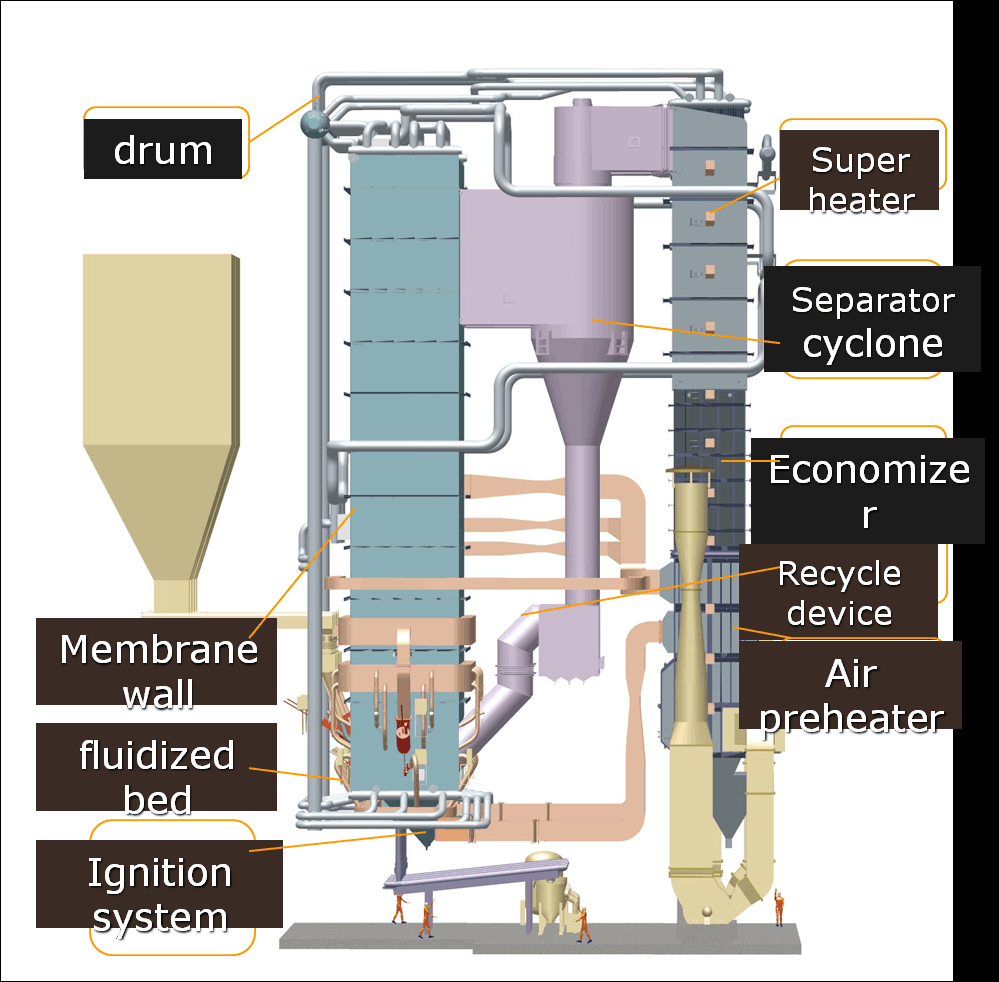
Power Plant Boiler Price Guide: Key Cost Factors Explained

Power Plant Boiler Price Guide: Key Cost Factors Explained

Investing in a power plant boiler is a major capital decision that directly affects project feasibility, long-term efficiency, and return on investment. Many plant owners underestimate how design, capacity, fuel type, and system configuration can dramatically influence overall cost — leading to budget overruns or performance shortfalls.

The price of a power plant boiler varies widely, typically ranging from $1.5 million to over $20 million, depending on capacity (10–500 t/h), pressure level, fuel type (coal, gas, biomass, or waste), efficiency grade, and the inclusion of auxiliary systems such as economizers, superheaters, and emission control devices. Other cost factors include engineering design, site conditions, transportation, installation, and automation systems. Understanding these key cost drivers helps investors make accurate, value-based decisions.

By analyzing the main factors affecting boiler price, decision-makers can balance initial investment with operational performance and lifecycle cost.

How Does Boiler Capacity and Steam Pressure Affect Total Cost?

When planning an industrial or utility boiler investment, the most decisive cost factors are almost always boiler capacity (steam output) and steam pressure level. These two parameters determine not only the size and complexity of the equipment but also the materials, safety systems, auxiliary components, and installation requirements needed to meet performance and compliance standards. Many buyers underestimate how dramatically a small increase in capacity or pressure can multiply total project cost.

In short:

Larger boiler capacity and higher steam pressure directly increase total cost due to thicker pressure parts, stronger materials, higher safety ratings, and more complex auxiliary systems required to handle elevated thermal and mechanical stresses.

Boiler cost scales linearly with capacity and pressure.False

In reality, cost growth is exponential due to material strength, fabrication complexity, and safety system requirements.


Higher steam pressure requires more robust materials and thicker tube walls, increasing fabrication and testing costs.True

High-pressure boilers must meet ASME Section I or EN 12952 design codes, which mandate stronger alloy steels and more extensive quality assurance.


1. Influence of Capacity (Steam Output) on Boiler Cost

Boiler capacity—usually measured in tons of steam per hour (t/h) or megawatts (MW)—is a direct reflection of plant energy demand. As capacity increases, so do the dimensions, material thickness, number of tubes, and ancillary systems such as feedwater pumps and draft fans.

Steam Capacity (t/h)Typical ApplicationBase Cost Range (USD)Cost Trend
1–10Small industrial (food, textile)$60,000–$350,000Linear
10–35Medium process / heating plant$350,000–$900,000Gradual
35–75Large industrial plant$0.9–$2.5 millionExponential
75–150Utility or cogeneration$2.5–$6 millionSteep
>150Power generation$6–$15+ millionCustom design

Observation:
Every doubling of steam output tends to increase cost by 1.5× to 1.8×, due to the need for larger heat transfer surfaces, heavier structures, and stronger foundations.

Excel-Ready Formula:
Estimated Cost = Base_Cost × (Capacity / Reference_Capacity)^n
Typical n = 0.6–0.8, depending on boiler type and design pressure.


2. Effect of Steam Pressure on Boiler Investment

Steam pressure dictates not only the thermal energy delivered per kilogram of steam but also the mechanical stresses acting on the boiler structure. Higher pressure requires thicker tubes, drum shells, and stronger welds, often involving chromium-molybdenum alloy steels and rigorous ASME/EN inspections.

Pressure Range (MPa)Boiler TypeDesign ComplexityMaterial RequirementRelative Cost Increase
<1.6Low pressure (heating)SimpleCarbon steelBaseline (×1.0)
1.6–3.9Medium pressureModerateSA-210, SA-516×1.2–1.4
4.0–9.8High pressure (process)Complex1–1.25Cr–0.5Mo alloy×1.6–2.0
10–18Subcritical/CFBAdvanced2.25Cr–1Mo×2.5–3.5
>22Supercritical/USCUltra-complex9–12Cr ferritic/martensitic steels×4.0–5.5

At higher steam pressures (>9 MPa), fabrication must follow tighter tolerances and radiographic weld inspections (RT100%), adding both cost and time to manufacturing.


3. Capacity–Pressure Interaction: The Compounding Cost Effect

The cost influence of capacity and pressure is not additive but multiplicative—a high-capacity, high-pressure boiler requires both large-scale fabrication and high-grade materials.

CaseSteam Output (t/h)Pressure (MPa)Approx. Cost (USD)
A101.0$200,000
B106.4$320,000
C356.4$950,000
D759.8$2.7 million
E15016.5$6.8 million

Key Insight:
Going from 10 t/h at 1 MPa to 150 t/h at 16.5 MPa raises cost by >30×, primarily due to materials, manufacturing standards, and auxiliary integration.


4. Technical Reasons for Cost Escalation

Design FactorImpact on CostExplanation
Tube Wall Thickness+15–25%Needed for high pressure; increases material and welding cost.
Alloy Materials (Cr-Mo, Inconel)+20–35%For strength, oxidation resistance at >500°C.
Welding & QA Procedures+10–20%Full RT/UT, hydrostatic tests, ASME stamps.
Drum Diameter & Wall Stress+15%Larger pressure drum requires stronger shell.
Heat Transfer Area+10–25%Increased steam generation needs more tubes and surface area.
Safety Valves & Controls+5–10%Higher pressure requires certified components.

In high-pressure designs, the boiler drum alone can account for 20–30% of total equipment cost, especially when using alloy steels like SA-387 Grade 11/22 or T91/T92.


5. Example: Cost Scaling for 10–100 t/h Boilers

Capacity (t/h)Pressure (MPa)Efficiency (%)Estimated Equipment Cost (USD)Total Installed Cost (USD)
101.688$180,000$350,000
253.990$450,000$800,000
506.492$1,000,000$1,850,000
759.893$1,850,000$3,200,000
10013.094$2,700,000$4,900,000

As seen above, efficiency gains at higher pressure levels (due to higher steam enthalpy) are partly offset by the rapidly rising capital cost. Optimal design requires balancing thermal efficiency with financial feasibility.


6. Economic Evaluation: Finding the Optimum Pressure

Excel Formula for Levelized Cost of Steam (LCOS):
LCOS ($/t) = (Capital_Cost × CRF + O&M_Cost + Fuel_Cost × (1 - η_boiler)) / Steam_Production

Where:

  • CRF = Capital recovery factor = i(1+i)^n / ((1+i)^n – 1)

  • η_boiler = Boiler efficiency

  • Steam_Production = Annual steam output (tons/year)

By applying this to different design pressures, engineers can determine where total lifecycle cost (fuel + capital + O&M) reaches a minimum—typically between 6–10 MPa for industrial power boilers.


7. Real Case Comparison

A petrochemical plant compared two boiler designs for a 50 t/h system:

ParameterMedium PressureHigh Pressure
Design Pressure4.0 MPa9.8 MPa
Efficiency90%93%
Equipment Cost$950,000$1,650,000
Fuel Savings$70,000/year
Payback Period~10.0 years

Although the high-pressure unit was more efficient, the higher capital cost led to longer payback, making the 4.0 MPa design more economical for process steam applications.


8. Summary Table – Key Relationships

FactorEffect on CostReason
Higher CapacityExponential increaseLarger heat transfer area, thicker structure
Higher PressureExponential increaseStronger alloys, more QA/QC
EfficiencySlightly increasesImproved heat transfer surfaces
Safety StandardsIncreasesMore certification and inspection steps
Installation & AuxiliariesScales with sizeHeavier cranes, larger pumps, more complex piping

9. Conclusion

Boiler capacity and steam pressure are fundamental cost drivers that scale non-linearly with design complexity. Increasing either variable not only raises material and fabrication expenses but also amplifies the demands on auxiliaries, control systems, and compliance testing. The best investment strategy balances thermal efficiency gains with capital affordability through a detailed techno-economic analysis.

Why Does Fuel Type (Coal, Gas, Biomass, Oil) Have a Major Impact on Boiler Price?

In industrial boiler projects, fuel type selection is one of the most decisive factors influencing total cost. Choosing between coal, gas, biomass, or oil determines not only the initial purchase price but also lifetime operating expenses, maintenance requirements, and environmental compliance costs. The reason is that every fuel type demands distinct combustion technology, materials, and auxiliary systems to ensure safe, efficient, and clean operation.


In summary, fuel type affects boiler cost because it defines the entire combustion system design, material selection, emission control setup, and long-term operating costs. Cleaner fuels like natural gas reduce capital cost and maintenance, while solid fuels like coal and biomass require more complex systems and higher investment.


Every industrial operator must therefore analyze fuel availability, price stability, emissions compliance, and maintenance capacity before finalizing a boiler fuel type—because these choices impact both CAPEX and OPEX over the entire service life.


Fuel type has only a small effect on the price of an industrial boiler.False

Fuel type directly determines furnace design, emission systems, and maintenance needs—making it one of the strongest cost drivers.


1. Combustion System Complexity

Each fuel type requires different combustion and heat-exchange arrangements, which directly changes the design cost.

Fuel TypeCombustion TechnologySystem ComplexityRelative Equipment Cost Impact
CoalPulverized coal or fluidized bedVery High+60–80%
BiomassMoving grate or fluidized bedHigh+40–70%
OilAtomizing burnerMedium+20–40%
Natural GasPremix/modulating burnerLow+10–25%

Coal and biomass boilers require large furnaces, ash removal, and refractory linings, while gas boilers use simpler and cleaner systems—making them cheaper to install and maintain.


2. Material and Corrosion Resistance Requirements

The chemical composition of the fuel determines flue gas acidity, ash content, and temperature corrosion risk.

FuelCorrosion RiskRequired MaterialsEffect on Cost
CoalHigh (sulfur, ash)Alloy steel, refractory+25%
BiomassHigh (chlorides, alkalis)Anti-fouling coatings+20%
OilModerate (sulfur)Carbon steel + anti-corrosion layer+10%
GasLowStandard carbon steel0% baseline

Natural gas’s clean combustion allows use of low-cost carbon steel, while solid fuels need expensive corrosion-resistant alloys.


3. Emission Control and Compliance Costs

Each fuel type produces different pollutants—impacting the cost of emission control systems.

Fuel TypeMajor PollutantsRequired ControlsAdded Cost Range
CoalSO₂, NOₓ, PMESP/bag filter + scrubber + low-NOₓ burner+30–60%
BiomassDust, COMulticyclone + secondary air+20–40%
OilSO₂, NOₓLow-NOₓ burner + optional scrubber+10–25%
GasMainly NOₓLow-NOₓ or staged burner+5–10%

Solid fuels require flue gas desulfurization (FGD) and dust filtration, which increase both CAPEX and maintenance cost.


4. Fuel Handling and Storage Infrastructure

The physical state of the fuel dictates how it is transported, stored, and fed into the boiler.

Fuel TypeHandling SystemInfrastructure Cost Impact
CoalConveyors, crushers, silos, ash removal+20–30%
BiomassFeed screws, dryers, silos+15–25%
OilTanks, pumps, filters+10–15%
GasPipeline, regulators+5–10%

Gas-fired systems are the simplest—no solid handling or on-site storage—making them faster and cheaper to install.


5. Operating Cost and Efficiency Impact

Fuel TypeFuel Efficiency (%)Fuel Cost ($/GJ)O&M Cost ($/t steam)Relative Total Lifecycle Cost
Natural Gas92–988–142–4★ Lowest
Oil88–9412–183–5★★ Medium
Biomass80–904–96–10★★★ Medium-High
Coal78–883–68–12★★★★ Highest

Even though coal or biomass fuels are cheaper per GJ, their efficiency losses, ash disposal, and maintenance frequency make total costs higher in long-term operation.


6. Real-World Example: 20 t/h Industrial Boiler

Fuel TypeInstalled Cost (USD)Efficiency (%)Annual O&M ($)Emission Compliance Need
Coal1,500,000–2,200,00085200,000High
Biomass1,300,000–2,000,00088160,000Medium
Oil1,000,000–1,500,00090120,000Medium
Gas800,000–1,200,0009580,000Low

Conclusion

Fuel type determines furnace design, materials, emission systems, fuel logistics, and operational efficiency—making it the most powerful factor shaping boiler price and lifecycle economics.
When evaluating investment, consider not only CAPEX but also fuel supply reliability, regulatory environment, and total cost of ownership (TCO) over 15–25 years.

How Do Design Standards and Material Quality Influence Product Pricing?

In today’s highly competitive manufacturing landscape, customers and suppliers alike face a difficult balance between cost and quality. When design standards are low or materials are subpar, products often fail prematurely, leading to expensive replacements, downtime, and damaged brand reputation. Conversely, strict adherence to design standards and the use of high-quality materials increase initial costs but significantly enhance long-term value, performance, and customer trust. The solution lies in understanding how both design and material quality interact to shape pricing—allowing decision-makers to make investments that truly pay off over time.

Design standards and material quality are two of the most critical factors determining product pricing because they directly affect durability, performance, compliance, and production efficiency. High design standards demand precision engineering, testing, and certification—raising development costs but ensuring reliability and safety. Similarly, using superior materials increases raw material expenses but reduces lifecycle costs, warranty claims, and maintenance. Therefore, pricing reflects not just production costs but the embedded value of compliance, longevity, and performance that customers ultimately receive.

Understanding this relationship helps buyers and manufacturers align expectations. Customers often assume that higher prices simply mean higher margins, but in practice, most of the price differential is due to compliance with engineering standards, certifications, and material grade specifications. The following sections explain how each component—design standards and material quality—affects pricing structure, manufacturing complexity, and end-user satisfaction.

Higher design standards always lead to excessive product pricing.False

While advanced standards can increase initial costs, they often reduce lifecycle expenses and improve reliability, making overall ownership more economical.


Low-quality materials can reduce prices without major performance loss.False

Inferior materials may lower upfront costs but often result in reduced lifespan, higher maintenance, and non-compliance penalties.

The Interrelationship Between Design Standards and Cost Formation

Design standards dictate the engineering precision, safety parameters, and compliance frameworks a product must satisfy. For instance, international standards such as ISO 9001, ASTM, or EN define how dimensions, tolerances, and load-bearing requirements should be achieved. Meeting these benchmarks requires additional R&D investment, skilled labor, and specialized equipment. Manufacturers adopting these standards cannot rely on shortcuts, as deviations might lead to rejections or failure in certification testing. In cost analysis, about 20–35% of a product’s total price can be attributed to compliance and quality assurance activities tied to these standards.

Design FactorCost Impact (%)Description
Certification & Compliance10–15%Includes testing, documentation, and audits
Engineering Design Optimization5–10%Covers CAD development, simulations, and prototyping
Standardized Component Integration3–5%Ensures interoperability and interchangeability
Quality Control & Inspections2–5%Reduces defects, enhances performance reliability

When a manufacturer aligns production with rigorous standards, it ensures global compatibility, ease of export, and reduced risk in installation or operation. For example, a piping manufacturer using ISO 4427 for HDPE pipes can guarantee consistent wall thickness and pressure ratings, eliminating the risk of leaks and failures that could cause extensive damage. Thus, while the price per unit may be higher, the total cost of ownership (TCO) remains substantially lower.

Material Quality: The Core of Value-Based Pricing

Material selection often represents 50–70% of total production cost, making it the largest determinant of pricing. However, not all materials are equal—even within the same class. A grade-316 stainless steel product costs more than grade-304, yet its corrosion resistance in marine environments dramatically increases lifespan, thereby reducing total maintenance. Similarly, polymer-based materials with UV stabilization, flame retardancy, or chemical resistance command higher prices because they ensure reliability under harsh operational conditions.

Material TypeCost Multiplier vs. Standard GradeExpected Lifespan Increase (%)Example Use Case
High-Grade Alloy Steel1.8x60–80%Structural components in heavy industries
UV-Resistant Polyethylene1.5x50–70%Outdoor piping systems
Reinforced Composites2.3x100–150%Aerospace and high-stress parts
Food-Grade Stainless Steel1.7x40–60%Food processing and medical equipment

The implication is clear: while material quality raises the cost per kilogram, it simultaneously improves performance, safety, and product life cycle. High-quality inputs also reduce hidden costs such as rework, warranty claims, and customer dissatisfaction.

Hidden Costs of Poor Standards and Materials

A significant yet often overlooked factor is the “hidden cost” of neglecting standards or material integrity. Poor design decisions can lead to field failures, recalls, or legal liabilities due to non-compliance. For example, the use of substandard insulation materials in electrical systems might initially save 15% in costs but could result in safety hazards or fire risks, leading to catastrophic losses. Thus, manufacturers aiming to build a strong brand reputation view quality investments as strategic capital rather than avoidable expenses.

Case Study: Industrial Pump Manufacturing

An industrial pump manufacturer compared two production batches—one following API 610 standards and using AISI 316 steel, and the other following internal specifications with lower-grade carbon steel. The standard-compliant batch cost 27% more initially but showed a 55% longer mean time between failures (MTBF) and reduced maintenance downtime by 40%. Over five years, the standard-compliant model’s TCO was 23% lower, validating that the higher upfront investment yielded tangible long-term economic benefits.

Balancing Design Standards, Materials, and Market Position

Manufacturers must balance these factors strategically. Premium segments justify high material and design costs through enhanced branding, warranties, and performance assurance. However, for budget markets, optimization can be achieved through intelligent engineering rather than material downgrades—such as using finite element analysis (FEA) to reduce excess weight without sacrificing structural integrity.

Market SegmentTypical Design StandardMaterial GradePricing Strategy
BudgetLocal/BasicMediumVolume-driven
Mid-rangeRegional/ENHighValue-driven
PremiumISO/API/ASTMPremiumPerformance-driven

Conclusion

In essence, both design standards and material quality act as the foundation of responsible pricing. They are not merely cost factors but reflect the embedded reliability, performance, and trust a manufacturer offers. Customers should view higher prices not as a deterrent but as an indicator of a product built to meet long-term functional and safety expectations.

How Do Auxiliary Systems and Emission Controls Influence Boiler Cost?

Industrial and commercial boilers represent one of the most capital-intensive investments in energy and process industries. Yet, many decision-makers focus solely on the boiler’s rated capacity or efficiency while underestimating the substantial cost contributions from auxiliary systems and emission controls. When auxiliary systems—such as feedwater treatment, combustion air fans, and condensate recovery—are inadequately designed or emission controls are neglected, the results are severe: higher fuel consumption, environmental non-compliance, operational downtime, and potential legal penalties. The solution lies in understanding how these subsystems interact with the boiler core to influence both upfront capital expenditure (CAPEX) and total operating cost (OPEX).

Auxiliary systems and emission controls significantly influence boiler cost because they determine the system’s efficiency, environmental compliance, and reliability. Auxiliary systems (like pumps, blowers, water treatment units, and fuel handling equipment) can represent 25–40% of total installation costs, while emission control systems (such as scrubbers, electrostatic precipitators, and NOx reduction units) can add another 15–30%, depending on fuel type and emission limits. Together, they form the backbone of sustainable and regulatory-compliant boiler operation, directly impacting lifecycle cost, energy efficiency, and environmental footprint.

Recognizing these cost components allows project planners, plant managers, and procurement teams to make informed investment decisions. The following sections break down how auxiliary systems and emission controls contribute to both initial and operational costs, and how optimized integration can yield long-term financial and ecological benefits.

Emission control systems are optional add-ons that do not significantly affect boiler performance.False

Emission controls are mandatory in most regions and directly affect boiler efficiency, fuel optimization, and regulatory compliance.


Auxiliary systems are minor accessories with minimal impact on boiler cost.False

Auxiliary systems can account for up to 40% of total system cost and are essential for safe, efficient, and continuous boiler operation.

Understanding the Role of Auxiliary Systems in Boiler Economics

Auxiliary systems are integral subsystems that support the main boiler unit, ensuring continuous, safe, and efficient operation. These include fuel handling, feedwater preparation, draft systems, blowdown control, ash removal, and condensate recovery. Each of these components adds cost but also value—by improving performance, reducing waste, and extending equipment life.

Auxiliary ComponentFunctionTypical Cost Share (%)Impact on Efficiency (%)
Feedwater Treatment UnitRemoves hardness and oxygen to prevent scaling/corrosion8–12+3–5
Combustion Air Fan & BlowerMaintains proper air-fuel ratio4–6+2–3
Condensate Recovery SystemRecovers heat and water from steam return5–8+5–10
Economizer & Heat ExchangersReuse flue gas heat for preheating10–15+10–12
Fuel Handling & StorageEnsures consistent fuel supply3–6+1–2

A well-integrated auxiliary system may increase initial investment by 20–25% but typically reduces fuel consumption by 10–15% annually. For a 10-ton/hr steam boiler operating 6,000 hours per year, this can translate to fuel savings exceeding $40,000 annually, easily justifying the upfront cost.

The Economic Impact of Emission Control Systems

Modern environmental regulations (such as the EU’s Industrial Emissions Directive, U.S. EPA Clean Air Act, or India’s CPCB norms) enforce stringent emission limits on NOx, SOx, CO₂, and particulate matter. To comply, boilers must integrate emission control systems like flue gas desulfurization (FGD) units, electrostatic precipitators (ESP), selective catalytic reduction (SCR) systems, or bag filters.

Emission Control SystemApplicationCost Range (USD/kWth)Efficiency of Pollutant Removal (%)
Electrostatic Precipitator (ESP)Coal & biomass boilers10–1595–99
Bag Filter SystemBiomass, oil-fired boilers8–1290–98
Flue Gas Desulfurization (FGD)Sulfur-rich coal/oil boilers15–3085–95
Selective Catalytic Reduction (SCR)High-NOx gas/coal systems12–2570–95
Low-NOx BurnersGas/oil-fired boilers5–1040–60

Emission control systems not only determine compliance but also influence long-term operating costs due to their energy consumption, maintenance, and reagent use. For instance, SCR systems require ammonia or urea injection, adding recurring consumable costs but reducing NOx emissions drastically, ensuring compliance with Tier 4 standards.

Cost Synergy: Balancing Efficiency and Compliance

Integrating auxiliary systems with emission controls offers synergistic benefits. For example, improved combustion control (via O₂ sensors and VFD-driven air fans) reduces excess air, which simultaneously enhances efficiency and lowers NOx formation—reducing the burden on downstream emission control units. Similarly, installing economizers before the FGD system lowers flue gas temperatures, optimizing desulfurization efficiency.

Example of System Integration Benefits

System UpgradeAdditional CAPEX (%)Annual OPEX Savings (%)Payback Period (Years)
Condensate Recovery + Economizer+18-122.5
VFD Air Fan + Low-NOx Burner+10-83
SCR + Optimized Combustion Tuning+25-153.5

These integrated strategies result in shorter payback periods, enhanced efficiency, and long-term emission compliance—demonstrating that higher upfront cost leads to operational resilience and sustainability.

Case Study: 20 TPH Biomass Boiler with Advanced Controls

A 20-ton-per-hour biomass-fired boiler installed in Southeast Asia adopted full auxiliary and emission control integration. The project included a multi-cyclone dust collector, bag filter, economizer, and a condensate recovery system. Compared to a conventional setup, CAPEX increased by 32%, but fuel savings exceeded 18% annually, and particulate emissions were reduced from 120 mg/Nm³ to below 40 mg/Nm³—surpassing environmental compliance requirements. The investment achieved payback in less than three years, with additional savings from reduced water and chemical usage.

Long-Term Financial Perspective: CAPEX vs. OPEX Analysis

ParameterConventional BoilerBoiler with Advanced Auxiliaries & Emission Controls
Initial CAPEX100%140%
Annual Fuel Cost100%85%
Maintenance Cost100%90%
Compliance Cost (penalties, permits)100%60%
10-Year Total Cost of Ownership (TCO)100%92%

This comparison illustrates that although integrated systems raise initial expenditure, they substantially reduce operational and compliance costs, lowering the total cost of ownership (TCO) over time.

Technological Advances Shaping Future Costs

Emerging technologies such as AI-based combustion control, IoT-enabled predictive maintenance, and hybrid emission systems are further transforming boiler economics. Smart sensors can optimize auxiliary operations in real time, reducing excess air and unburned fuel losses, while predictive analytics can anticipate filter clogging or scaling issues—preventing costly downtime.

Conclusion

Auxiliary systems and emission controls are not mere add-ons but critical value components that determine a boiler’s efficiency, compliance, and lifetime cost profile. Investing in these systems ensures higher operational safety, lower fuel bills, and environmental stewardship—attributes increasingly demanded by regulators and clients alike.

How Do Installation Location, Logistics, and Site Conditions Affect Total Investment?

When planning an industrial or commercial project—whether it’s a power plant, manufacturing line, or boiler system—many investors focus on the core equipment cost. However, the real financial challenge often emerges during installation. Factors such as installation location, logistics complexity, and site conditions can drastically influence total investment. A project located in a remote or high-altitude region, with poor infrastructure or limited skilled labor, can see its cost rise by 20–50% compared to identical systems installed under ideal conditions. If these variables are not evaluated early, companies risk cost overruns, extended commissioning timelines, and operational inefficiencies. The solution lies in strategic planning—analyzing every logistical and environmental constraint to optimize resource deployment and minimize unforeseen expenses.

Installation location, logistics, and site conditions collectively have a profound impact on total project investment because they determine the accessibility, labor cost, equipment transport, and installation complexity. Remote or challenging sites often increase transportation and foundation costs, require specialized lifting and handling equipment, and extend construction schedules. Favorable site conditions and proximity to infrastructure, on the other hand, can reduce capital expenditure (CAPEX) and speed up return on investment (ROI). Therefore, evaluating these factors during the feasibility stage is critical to accurate cost forecasting and project success.

Investors and project planners must view these elements as dynamic cost multipliers rather than fixed variables. The following analysis explores the underlying mechanisms through which geography, logistics, and site-specific factors shape both direct and indirect investment outcomes in industrial installations.

The cost of industrial installation is mainly determined by equipment price, with minimal influence from site conditions.False

Site conditions, logistics, and geographical constraints can contribute 30–50% of total investment variation, often exceeding equipment cost fluctuations.


Projects in urban areas are always cheaper to install.False

While urban sites offer infrastructure advantages, higher land prices, labor costs, and regulatory requirements can offset logistical savings.

Geographic Location and Its Impact on Cost Structure

Location dictates a multitude of financial factors—labor availability, transportation routes, utility access, environmental regulations, and local taxation. A project in a remote industrial zone faces different challenges from one in a well-developed urban area.

Location FactorImpact on InvestmentTypical Cost Variation (%)Description
Distance from Supplier/Port+5–20Higher freight and handling costs due to distance 
Local Labor Availability±10–15Skilled labor shortages increase costs via training or outsourcing 
Altitude and Climate+5–12Requires specialized design and insulation for thermal stability 
Local Taxation/Import Duties±5–10Regional regulations can significantly alter total investment 
Infrastructure Accessibility±10–25Affects heavy equipment delivery, crane setup, and material storage 

In remote or mountainous regions, equipment must often be transported via narrow roads or non-standard routes, requiring escort vehicles or modularized transport. This complexity increases freight insurance and crane rental costs, directly inflating CAPEX.

Logistics: The Hidden Cost Driver

The logistical phase includes transportation, storage, and site handling of heavy and sensitive components. Poor logistics planning can lead to idle labor, damage to equipment, and project delays. For large systems like industrial boilers or turbines, logistics can represent up to 20–30% of total project cost, especially if multimodal transport (truck + ship + rail) is required.

Logistics ElementCost Impact (%)Risk LevelMitigation Strategy
Heavy Load Transport10–20HighRoute surveys, modular transport frames
Storage and Handling3–7MediumCovered storage and humidity control
Crane and Rigging5–10HighPre-planned lift sequencing
Customs and Border Handling2–6MediumLocal agent coordination
Onsite Movement and Assembly4–8MediumPreassembled modular sections

Advanced logistical modeling (such as using 3D route simulations and digital twin planning) can reduce inefficiencies and prevent unexpected disruptions. For instance, preassembling components at the factory before shipping can reduce installation time on-site by up to 25%, saving labor and equipment rental costs.

Site Conditions: Foundation, Utilities, and Terrain

The physical characteristics of the installation site profoundly influence engineering requirements and overall investment. Soil strength, slope, groundwater levels, and available utilities (power, water, drainage) all determine how complex and costly the installation will be.

Site ConditionTypical Cost Increase (%)Explanation
Weak Soil Requiring Deep Foundation10–20Pile or raft foundations needed
Uneven Terrain or Limited Space5–15Requires excavation or retaining walls
Lack of Power/Water Infrastructure5–12Temporary supply and pumps required
High Groundwater Table8–15Demands waterproofing and dewatering systems
Extreme Temperature or Corrosion Zones10–18Needs protective coatings or special materials

A real-world case involves a thermal power plant constructed in a coastal area where high salinity required marine-grade stainless steel structures and enhanced corrosion protection—raising material costs by 18% but preventing severe degradation over the system’s 25-year life.

Comparative Analysis: Ideal vs. Challenging Site Scenario

ParameterIdeal Industrial ParkRemote Mountain Site
Equipment Freight CostBase (100%)+40%
Labor CostBase (100%)+25%
Construction Duration10 months14–16 months
Utility SetupMinimalComplex (temporary systems required)
Overall CAPEX100%135–160%
ROI Period3.5 years5 years

This comparison demonstrates how the same equipment and engineering design can experience up to 60% cost escalation purely due to logistical and environmental challenges.

Case Study: 15 MW Biomass Power Plant – Impact of Site Conditions

A biomass power project located in a rural province faced difficult terrain, poor road access, and lack of utilities. The logistics of moving heavy boiler modules and turbine casings through 60 km of unpaved road increased freight costs by 28%. Soil instability required 8-meter-deep piling, raising civil costs by 15%. Despite higher initial CAPEX, the project implemented modular fabrication and phased installation—reducing total construction time from an estimated 18 months to 14 months, ultimately offsetting 10% of the cost escalation.

Technological Mitigation Strategies

Modern tools and practices can help control these costs:

  • 3D Site Modeling & BIM (Building Information Modeling): Enables virtual assessment of site terrain, logistics, and layout before mobilization.

  • Prefabrication and Modular Construction: Reduces on-site labor requirements and minimizes environmental disruption.

  • IoT-Based Equipment Tracking: Monitors transport and installation progress in real time to prevent costly delays.

  • Hybrid Foundation Systems: Combining shallow and deep foundations to reduce excavation costs in semi-weak soil.

Environmental and Regulatory Implications

In addition to physical and logistical challenges, installation location determines the scope of environmental compliance and permitting costs. Sites near rivers or ecologically sensitive areas may require additional environmental impact assessments (EIA), emission monitoring systems, or effluent treatment units. Each of these adds layers of CAPEX and OPEX but ensures long-term sustainability and legal protection.

Regulatory FactorCost Influence (%)Description
Environmental Clearance+3–5Permitting, EIA reports, consultant fees
Safety and Zoning Compliance+2–4Additional equipment spacing and access roads
Local Government Levies±3–6Regional environmental and construction taxes

Long-Term ROI Perspective

The location and site characteristics not only affect installation costs but also influence operating expenses and maintenance. For instance, remote sites often face higher spare part transportation costs and slower maintenance response times, while urban sites incur higher land taxes and stricter operational regulations. Therefore, optimal location selection is about balancing upfront CAPEX with future OPEX.

Cost TypeUrban Industrial ZoneRemote Industrial Zone
Initial CAPEXModerateHigh
Operating CostHigher (utilities, taxes)Moderate
Maintenance & LogisticsEasier AccessDelayed Response
Long-Term ROIStableSlower Payback

Conclusion

Installation location, logistics, and site conditions are among the most influential yet underestimated factors in determining total investment. A technically identical system can vary by millions of dollars in cost purely based on environmental, logistical, and geographical circumstances. Thorough pre-feasibility assessments, route studies, and site optimization can dramatically reduce risk and financial exposure.

What Is the Difference Between Capital Cost and Lifecycle (O&M) Cost for a Power Plant Boiler?

When planning to invest in a power plant boiler—whether for coal, biomass, or gas-fired operations—many stakeholders initially focus on the capital cost (CAPEX). However, the true economic performance of a boiler extends far beyond its purchase and installation price. Lifecycle cost (O&M cost), encompassing operation, maintenance, and fuel expenditure, often surpasses the initial investment several times over during the system’s lifespan. Ignoring lifecycle costs during planning can lead to underperforming assets, excessive fuel consumption, and unplanned shutdowns that erode profitability. The optimal solution is to understand and evaluate both cost categories—CAPEX and O&M—as integrated financial components of total cost of ownership (TCO).

The key difference between capital cost and lifecycle (O&M) cost in a power plant boiler lies in their timing, composition, and financial impact. Capital cost represents the one-time investment required to purchase, transport, and install the boiler system, typically accounting for 25–35% of total lifecycle expenditure. Lifecycle or O&M cost includes all ongoing expenses—fuel, labor, water treatment, spare parts, and maintenance—incurred throughout the boiler’s operational life, accounting for 65–75% of total expenditure. While CAPEX defines the project’s entry cost, O&M determines long-term profitability and operational sustainability.

Understanding this distinction is vital for decision-makers aiming to optimize return on investment (ROI), select appropriate technology, and develop accurate financial models. The following sections provide a detailed breakdown of both cost components, industry benchmarks, and practical strategies for balancing upfront investment with operational efficiency.

Capital cost is the main financial burden of a power plant boiler, while O&M costs are negligible.False

In most cases, O&M costs over 20–25 years exceed capital investment by three to five times due to fuel, labor, and maintenance expenses.


Reducing initial CAPEX always lowers total cost of ownership.False

Low CAPEX systems often use less efficient designs or materials, increasing fuel consumption and maintenance costs, thereby raising lifecycle cost.


Capital Cost (CAPEX): The Initial Investment Framework

Capital cost refers to all expenditures necessary to purchase, fabricate, transport, install, and commission the boiler and its auxiliary systems before it becomes operational. These costs are typically recorded at the project’s start and amortized over time. CAPEX depends heavily on technology type, design standards, fuel system, emission control requirements, and site complexity.

Capital Cost ComponentTypical Share (%)Description
Boiler Pressure Vessel & Heat Exchangers25–35Core boiler fabrication, tubes, drums, and economizers
Combustion & Fuel Handling Systems10–20Burners, conveyors, pulverizers, and storage
Auxiliary Systems15–25Feedwater, air fans, blowers, condensate recovery
Emission Control Units10–20ESP, FGD, bag filters, or SCR systems
Installation, Civil, and Commissioning15–25Foundations, cranes, electrical, instrumentation
Engineering, Design, and Permitting5–10Consulting, drawings, and local compliance

For example, a 100 MW coal-fired boiler might have a total CAPEX of USD 150–180 million, while a similarly rated gas-fired unit could range between USD 80–120 million due to simpler combustion and emission systems. The technology choice (subcritical vs. supercritical) also significantly affects CAPEX because of material grade, design complexity, and pressure ratings.


Lifecycle Cost (O&M): The Long-Term Economic Reality

Lifecycle cost, often referred to as Operating and Maintenance (O&M) cost, covers the recurring expenses over the boiler’s operational lifespan—typically 20–30 years. It includes both variable costs (fuel, water, chemicals) and fixed costs (labor, insurance, depreciation).

O&M Cost ComponentTypical Share of Annual OPEX (%)Notes
Fuel Cost65–85Dominant cost component, varies by fuel type
Operation Labor5–10Skilled operators and control room personnel
Maintenance & Spare Parts5–10Preventive maintenance, refractory, tubes, gaskets
Water Treatment & Chemicals2–5Feedwater quality maintenance and corrosion prevention
Ash/Sludge Disposal2–4Applicable to solid-fuel systems
Environmental Compliance2–4Emission monitoring, waste handling
Insurance & Overheads1–3Administrative and plant safety coverage

For instance, a 100 MW coal-fired unit operating at 80% capacity factor consumes approximately 50,000–55,000 tons of coal annually. Even minor efficiency deviations (e.g., 1% loss in thermal efficiency) can result in fuel cost increases of USD 500,000–1,000,000 per year, illustrating how lifecycle performance outweighs CAPEX in financial importance.


Comparative Overview: CAPEX vs. O&M Over 25 Years

Cost ElementShare of Total TCO (%)Description
CAPEX (Initial Investment)25–35One-time purchase, installation, and commissioning
O&M Cost (Fuel + Labor + Maintenance)65–75Recurrent costs throughout operation
Total Cost of Ownership (TCO)100Combined economic footprint across lifecycle

In simpler terms, while CAPEX defines the project’s entry barrier, O&M defines its profitability curve. A low-cost boiler with poor efficiency or high maintenance frequency may have an attractive upfront price but will cost significantly more to operate over time.


Example Case Study: 50 MW Biomass Boiler Plant

ParameterValueObservation
CAPEXUSD 55 millionIncludes boiler, fuel system, emission controls
Annual O&MUSD 5.5 millionMainly biomass feedstock and labor
Expected Life25 years
Total O&M (25 years)USD 137.5 million2.5× CAPEX
Efficiency Improvement (from 78% to 82%)Saves USD 400,000/yearFuel saving offsets 7% of CAPEX over lifecycle

This case illustrates that operational efficiency improvements and predictive maintenance programs yield substantial financial advantages over time, even when CAPEX is slightly higher.


Key Technical Factors Influencing CAPEX and O&M

Technical FactorCAPEX ImpactO&M ImpactExplanation
Boiler Design Pressure & EfficiencyHigher design efficiency increases CAPEX but reduces fuel use
Material QualityCorrosion-resistant alloys reduce tube replacements
Automation & ControlsSmart control systems lower labor and maintenance
Fuel Type (Coal, Gas, Biomass)VariableMajorDetermines combustion system complexity and O&M intensity
Emission Control LevelModerateAdds CAPEX but prevents penalties and downtime
Site AccessibilityModerateAffects logistics and maintenance availability

Lifecycle Optimization Strategies

  1. Invest in Higher-Efficiency Boilers:
    Supercritical and ultra-supercritical designs, while costlier, yield 5–10% fuel savings annually.

  2. Adopt Predictive Maintenance (IoT-based):
    Condition-based monitoring minimizes unplanned shutdowns and reduces maintenance costs by up to 20%.

  3. Enhance Water and Thermal Recovery Systems:
    Implementing economizers and condensate recovery reduces O&M costs by lowering water and chemical usage.

  4. Fuel Flexibility Design:
    Multi-fuel boilers accommodate biomass or gas co-firing, improving economic adaptability to fuel price fluctuations.

  5. Optimize O&M Contracts:
    Outsourced O&M with performance-based KPIs ensures consistent efficiency and minimizes hidden operational costs.


Illustrative Financial Comparison: Low vs. High-Efficiency Design

ScenarioCAPEX (USD million)Annual O&M (USD million)Efficiency (%)25-Year TCO (USD million)
Low-Efficiency Boiler809.578317.5
High-Efficiency Boiler958.085295.0

Although the high-efficiency boiler costs USD 15 million more initially, it saves USD 22.5 million in total lifecycle costs—demonstrating that higher CAPEX can yield lower TCO and faster ROI.


Visual Representation: CAPEX vs. O&M Cost Distribution

Lifecycle PhaseCost Ratio (%)Duration (Years)
Procurement & Installation25–350–2
Operation & Maintenance65–753–25
Decommissioning & Recovery<526+

This emphasizes that the majority of a boiler’s cost is realized during operation—not at purchase.


Conclusion

The difference between capital cost and lifecycle (O&M) cost is fundamental to power plant economics. Capital cost defines how much is spent to acquire and install the system, while lifecycle cost determines how efficiently and sustainably it operates. Smart investors and engineers evaluate both simultaneously, prioritizing total cost of ownership (TCO) over short-term savings. A slightly higher CAPEX with superior efficiency and reliability almost always results in lower overall expenditure and faster ROI.

🔍 Conclusion

The total price of a power plant boiler depends on technical specifications, fuel characteristics, and auxiliary equipment scope. A balanced approach — considering both capital and operational costs — ensures optimal performance, reliability, and return on investment over the boiler’s service life.


📞 Contact Us

💡 Planning a new power plant or boiler upgrade project? We offer customized design, EPC services, and cost optimization solutions for coal, gas, and biomass power plants.

🔹 Contact us today for an accurate power plant boiler cost assessment and professional project consultation. ⚡🔥🏭✅

FAQ

What determines the price of a power plant boiler?

The price of a power plant boiler depends on several major factors:

  • Boiler capacity and output – Larger units (e.g., 50–500 MW) require more materials, complex design, and higher manufacturing costs.

  • Fuel type – Gas-fired boilers tend to be more expensive upfront but cheaper to operate, while coal-fired units have lower capital costs but higher environmental control expenses.

  • Steam pressure and temperature – Supercritical and ultra-supercritical boilers cost more due to high-grade materials and precision engineering.

  • Auxiliary systems – Economizers, feedwater systems, air preheaters, and control systems add significant cost but improve efficiency.

  • Customization and standards – Seismic design, emissions compliance, or export certifications can increase pricing.


What is the average cost range for power plant boilers?

  • Small industrial power boilers (≤10 t/h): $50,000 – $200,000

  • Medium-sized utility boilers (10–100 t/h): $200,000 – $1 million

  • Large utility boilers (100–500 t/h): $1 – 5 million+

  • Supercritical and ultra-supercritical boilers can exceed $10 million depending on design and auxiliary equipment.


How do different fuel types affect total boiler cost?

  • Gas-fired boilers: Higher material and control costs, but lower installation and emission treatment costs.

  • Coal-fired boilers: Lower equipment cost but need dust removal, desulfurization, and denitrification systems.

  • Biomass boilers: Moderate cost, suitable for renewable energy projects with fuel availability.

  • Oil-fired boilers: Compact design, moderate cost, good for standby or high-efficiency use.


What are the additional costs beyond the boiler itself?

Total project investment includes:

  • Auxiliary equipment – burners, economizers, feedwater pumps, control panels.

  • Civil works – foundation, housing, and access infrastructure.

  • Transportation and installation – packing, freight, on-site assembly.

  • Commissioning and testing – system integration, performance tuning.

  • Operation and maintenance (O&M) – annual upkeep and spare parts.


How can buyers optimize cost and efficiency when purchasing a power plant boiler?

To achieve the best ROI:

  • Match boiler type to the fuel source and application.

  • Choose high-efficiency designs (supercritical, WHRB) to reduce lifetime fuel costs.

  • Request complete turnkey or EPC services to streamline logistics and installation.

  • Select reliable manufacturers with proven global projects to ensure quality and delivery.

  • Perform lifecycle cost analysis (LCCA) to balance capital and operational expenses.


References

  1. U.S. Department of Energy – Steam System Efficiencyhttps://www.energy.gov

  2. IEA – Power Plant Cost and Performance Datahttps://www.iea.org

  3. GE Steam Power – Utility Boiler Solutionshttps://www.ge.com

  4. Babcock & Wilcox – Power Boiler Systemshttps://www.babcock.com

  5. Thermax – Boiler Price Insightshttps://www.thermaxglobal.com

  6. Doosan Lentjes – Supercritical Boiler Projectshttps://www.doosanlentjes.com

  7. ScienceDirect – Economic Analysis of Power Boilershttps://www.sciencedirect.com

  8. ResearchGate – Boiler Cost Optimization Studyhttps://www.researchgate.net

  9. ASME – Boiler Construction Standardshttps://www.asme.org

  10. EnergySage – Industrial Boiler Efficiency Guidehttps://www.energysage.com

Wade Zhang

CEO of Taishan Group Taian Boao International Trade Co., Ltd. 30 years experience in Global industrial boiler market,  Over 300 boiler projects experience, including 21+ EPC projects. Projects span 30+ countries & regions, involving industries such as nuclear power, energy & electricity, municipal heating, mining, textiles, tires etc.

Power Plant Boiler Price Guide: Key Cost Factors Explained Read More »
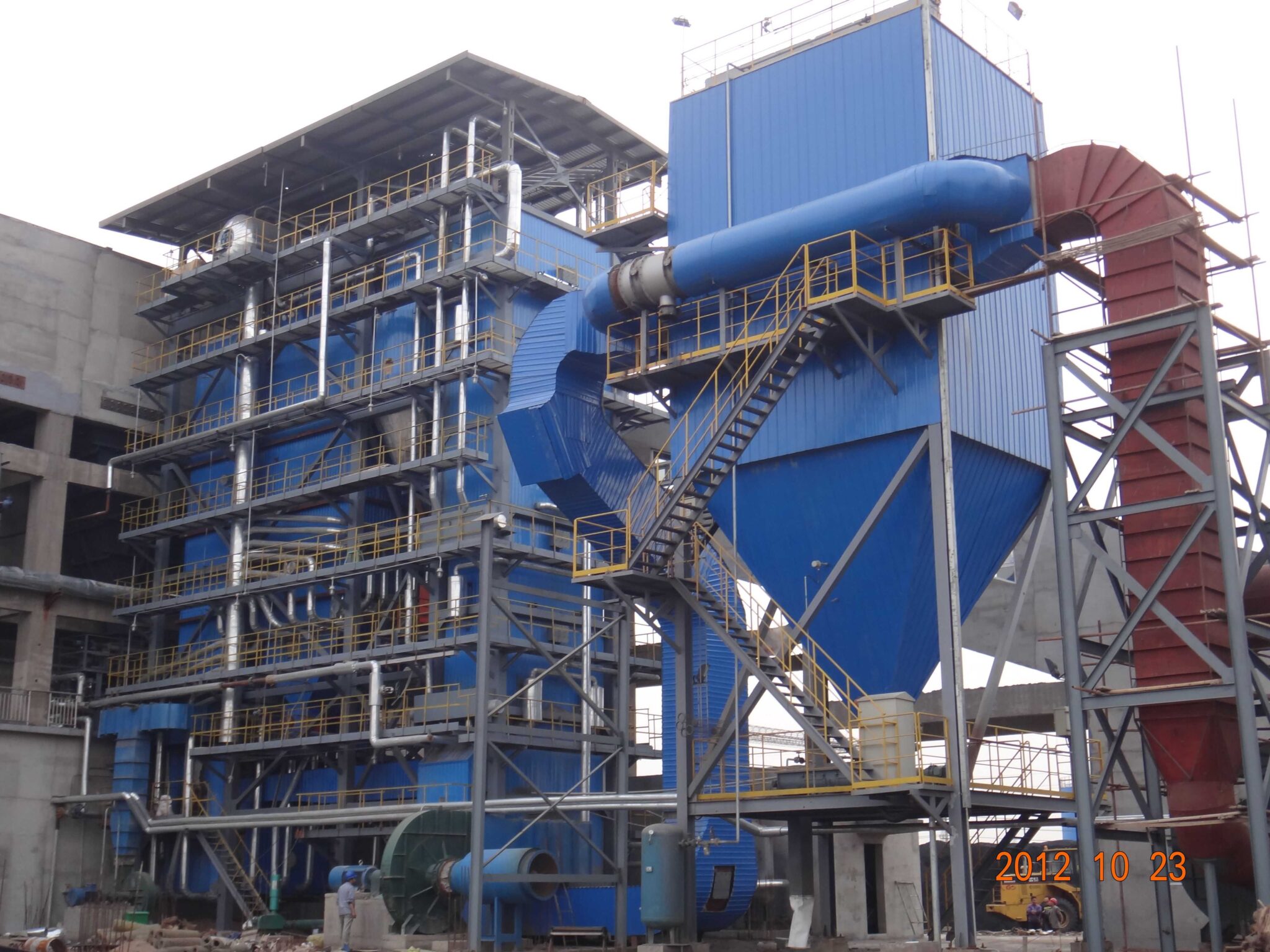
What Is the Most Efficient Type of Industrial Boiler?

What Is the Most Efficient Type of Industrial Boiler?

In industrial operations, boiler efficiency determines how much of the fuel’s energy is converted into useful steam output. Low-efficiency systems waste significant energy as heat loss through flue gas or radiation, increasing fuel costs and carbon emissions. Choosing the right boiler type is crucial for achieving both economic and environmental performance.

The most efficient type of industrial boiler is the condensing gas-fired boiler or supercritical/ultra-supercritical water-tube boiler, depending on the application. Condensing boilers can achieve efficiency levels up to 98% by recovering latent heat from flue gases, making them ideal for medium and low-pressure systems. For high-capacity power and process plants, supercritical and ultra-supercritical water-tube boilers offer 90–94% efficiency due to advanced heat recovery, high operating pressures, and precise combustion control.

Selecting the most efficient boiler depends on fuel type, operating conditions, and steam requirements.

Why Does Boiler Efficiency Matter in Industrial Operations?

In every manufacturing or process industry—from food and beverage to chemicals, textiles, and power generation—boilers are the core energy producers that drive production. Yet, in many facilities, inefficiency in boiler operation remains an unseen drain on resources. Poor combustion control, heat losses, or inadequate maintenance can silently waste tens of thousands of dollars annually in fuel and lead to excessive emissions. For plant managers, understanding and improving boiler efficiency is not just about energy savings—it’s about competitiveness, reliability, and sustainability.

Boiler efficiency matters because it determines how effectively fuel energy is converted into useful steam or heat. Higher efficiency means lower fuel costs, reduced emissions, improved system reliability, and greater overall productivity in industrial operations. It is the single most critical indicator of a boiler’s economic and environmental performance.

Improving boiler efficiency only reduces fuel costs marginally.False

Even a 1% increase in boiler efficiency can save thousands of dollars annually, depending on fuel type and usage.


Boiler efficiency directly affects both production output and operating cost.True

Efficient steam generation ensures optimal process heating and reduces total energy expenditure.


1. The Economic Impact of Boiler Efficiency

Energy costs are typically 60–80% of total operating expenses in steam systems.
Every percentage point improvement in efficiency delivers measurable savings:

Boiler SizeFuel TypeAnnual Fuel Use (tons)Efficiency ImprovementFuel Savings (tons/year)Annual Cost Savings (USD)
10 t/hNatural Gas2,500+1%25$16,000
20 t/hFuel Oil5,000+2%100$68,000
30 t/hCoal12,000+3%360$72,000

A small efficiency gain translates into significant annual fuel savings, directly improving the plant’s profitability.


2. Thermodynamic Foundation: Efficiency Defined

Boiler efficiency (η) is defined as the ratio of useful heat output (steam energy) to total heat input (fuel energy).

Formula (simplified for Excel):
Boiler Efficiency (%) = (Steam Output × (h_steam – h_feedwater)) / (Fuel Input × Calorific Value) × 100

Where:

  • h_steam = Enthalpy of steam (kJ/kg)

  • h_feedwater = Enthalpy of feedwater (kJ/kg)

  • Calorific Value = Energy content of the fuel (kJ/kg or kJ/Nm³)

This equation reveals that both fuel quality and heat recovery play vital roles in achieving high efficiency.


3. Environmental Benefits of High Boiler Efficiency

Efficient boilers not only reduce fuel costs but also minimize environmental footprint:

ParameterInefficient Boiler (80%)High-Efficiency Boiler (92%)Reduction
CO₂ Emissions (kg/ton steam)25021713%
NOₓ Emissions (ppm)15010033%
SO₂ (from fuel oil)504020%
Fuel Use100%87%13%

Each efficiency upgrade directly supports ISO 50001 energy management and national carbon reduction programs.


4. Reliability and Process Performance

In industries such as food processing, paper manufacturing, or pharmaceuticals, steam quality and reliability are vital.
An efficient boiler provides:

  • Stable steam pressure and temperature, ensuring consistent product quality.

  • Reduced downtime, since efficient combustion minimizes fouling and scale formation.

  • Longer equipment lifespan, due to uniform heat distribution and controlled operation.


5. Technologies That Improve Boiler Efficiency

Efficiency FeatureFunctionEfficiency Gain (%)
EconomizerRecovers heat from flue gas to preheat feedwater3–5
Air PreheaterUses flue gas to warm combustion air2–3
Condensing Heat ExchangerCaptures latent heat from water vapor5–10
Advanced Burner ControlMaintains optimal air-fuel ratio1–2
Variable Speed Drives (Fans/Pumps)Reduces parasitic power losses0.5–1

When combined, these technologies can raise overall boiler efficiency to 90–95%, depending on system type.


6. Real-World Example

A 20 t/h gas-fired water-tube boiler in a textile mill operated at 82% efficiency.
After retrofitting with:

  • A condensing economizer

  • O₂ trim control

  • Automatic blowdown recovery

The boiler achieved 92.5% efficiency.
This resulted in annual fuel savings of $60,000 and CO₂ emission reduction of 120 tons, paying back the investment in less than 18 months.


7. Maintenance and Monitoring for Sustained Efficiency

Efficiency declines over time due to soot, scale, and control drift. Regular practices include:

  • Soot blowing and flue gas cleaning (maintains heat transfer).

  • Water treatment and blowdown control (prevents scaling).

  • Burner tuning and excess air control (optimizes combustion).

  • Real-time monitoring systems (detect deviations before efficiency loss occurs).

Plants equipped with digital boiler management systems (BMS) sustain higher efficiency and safer operation over the long term.


8. Summary

Boiler efficiency is the cornerstone of industrial productivity and sustainability. It directly determines fuel costs, emission levels, product consistency, and operational safety. Even marginal improvements lead to major gains across the lifecycle of a plant.
Investing in efficient combustion systems, waste heat recovery, and continuous monitoring is not an expense—it’s a strategic asset for long-term profitability.

How Do Condensing Gas-Fired Boilers Achieve Near 98% Efficiency?

In industrial and commercial heating, energy efficiency directly translates into fuel savings and emission reduction. Traditional boilers typically operate between 80–90% efficiency, meaning that up to 20% of the fuel’s energy is wasted through hot exhaust gases. The pain point for many plant operators lies in this lost potential—burning costly natural gas while venting valuable heat. The solution? Condensing gas-fired boilers, designed to capture and reuse the latent heat of water vapor in exhaust gases, pushing efficiencies to as high as 98% (LHV basis).

Condensing gas-fired boilers achieve near 98% efficiency by recovering the latent heat from water vapor in flue gases through condensation, utilizing advanced heat exchangers made of corrosion-resistant materials to maximize heat transfer and minimize energy loss. This process significantly reduces exhaust gas temperature and recovers otherwise wasted thermal energy.

Condensing boilers achieve efficiency by reheating exhaust gases.False

Condensing boilers recover latent heat by cooling exhaust gases below the dew point, condensing water vapor into liquid.


Condensing gas-fired boilers can reach efficiencies up to 98% (LHV).True

By condensing water vapor in the flue gas, these systems recover 10–12% additional heat compared to non-condensing boilers.


1. Principle of Condensing Operation

Natural gas combustion produces carbon dioxide (CO₂) and water vapor (H₂O) as primary byproducts. In a conventional boiler, the exhaust temperature (150–250 °C) keeps this vapor in gaseous form, and its latent heat of vaporization (around 2,260 kJ/kg) is lost.

A condensing boiler, however, cools flue gases below their dew point (typically 55°C), causing the water vapor to condense into liquid water. This condensation releases latent heat, which is recovered by the boiler’s secondary heat exchanger and transferred to the system’s return water.

ParameterConventional BoilerCondensing Boiler
Flue Gas Temperature180–250 °C40–60 °C
Water Vapor StateGaseous (lost)Condensed (recovered)
Efficiency (LHV)85–90%95–98%

2. Thermodynamic Efficiency Gains

The efficiency improvement comes from the energy recovered during condensation.

Simplified Excel Formula:
Boiler Efficiency (%) = (Useful Heat Output / Fuel Input) × 100

When flue gases are cooled below dew point:
Additional Efficiency Gain (%) ≈ (Mass of Water Vapor × Latent Heat) / (Fuel Energy Input) × 100

For natural gas (CH₄):

  • Each 1 kg of CH₄ produces ~2.25 kg of H₂O.

  • Latent heat recovery ≈ 10–12% of total energy.

Thus, condensing systems can achieve up to 108% efficiency on the lower heating value (LHV) basis, which translates to 98% efficiency on the higher heating value (HHV).


3. Engineering Design Features Enabling High Efficiency

ComponentFunctionBenefit
Stainless Steel or Aluminum Heat ExchangerResists acidic condensate corrosionLong service life
Large Heat Transfer Surface AreaMaximizes flue gas-to-water contactHigher heat recovery
Modulating BurnerAdjusts output to match demandReduced cycling losses
Low Return Water Temperature (<55°C)Promotes continuous condensationSustained high efficiency
Condensate Neutralization SystemTreats acidic condensate before drainageEnvironmental compliance

4. Impact of Return Water Temperature

For condensation to occur, the return water entering the heat exchanger must be cooler than the flue gas dew point.

Return Water Temp (°C)Condensing EffectApprox. Efficiency (%)
70None88
60Partial92
50Moderate95
40Strong98

In systems designed for low-temperature heating (e.g., underfloor heating, district heating, or preheated process water), condensing operation is nearly continuous, maximizing efficiency.


5. Combustion Control and Automation

Condensing boilers rely heavily on advanced control systems for peak performance:

  • O₂ trim control to maintain optimal air-fuel ratio.

  • Variable-speed fan modulation for stable combustion.

  • Continuous flue gas temperature and dew point monitoring.

  • Weather-compensated return temperature control to sustain condensation.

Automation ensures that boilers dynamically adjust to varying load conditions, maintaining condensation efficiency without operator intervention.


6. Example of Efficiency Gains in Practice

A 10 t/h natural gas-fired condensing boiler installed in a food processing facility replaced a conventional fire-tube boiler.

ParameterBeforeAfterImprovement
Efficiency86%97%+11%
Flue Temp210 °C48 °C↓162 °C
Annual Gas Use2.8 million Nm³2.5 million Nm³–300,000 Nm³
CO₂ Emissions5,400 t4,850 t–550 t

The payback period for the upgrade was less than 2 years, with lifetime fuel savings exceeding $250,000.


7. Emission and Environmental Advantages

  • Reduced CO₂ emissions: lower fuel use = less carbon output.

  • Lower NOₓ formation: cooler combustion and flue temperatures.

  • Condensate recovery potential: water vapor condensed into liquid can be treated and reused in closed systems.

Emission ParameterConventional BoilerCondensing BoilerReduction
CO₂ (kg/h)1,000890–11%
NOₓ (ppm)9060–33%
Stack Loss (%)10–152–5–70%

8. Maintenance and Design Considerations

To sustain 98% efficiency, attention must be paid to:

  • Regular condensate drain cleaning to avoid clogging.

  • Inspection of acid-resistant materials (SS304/316L, aluminum-silicon).

  • Calibration of sensors for dew point tracking.

  • Periodic flue gas analysis for combustion tuning.

These practices ensure longevity and maintain high heat transfer performance.


9. Summary

Condensing gas-fired boilers represent the pinnacle of combustion efficiency. By reclaiming latent heat from exhaust gases, they deliver nearly 98% efficiency with minimal emissions. Their success depends on proper design integration—low return water temperature, corrosion-resistant materials, and smart controls. In modern industrial or commercial plants, they are not just a trend but an essential component of energy optimization and carbon reduction strategies.

What Makes Supercritical and Ultra-Supercritical Water-Tube Boilers More Efficient?

In modern power generation, efficiency is not just a technical metric—it defines profitability, sustainability, and long-term competitiveness. Conventional subcritical coal-fired boilers, limited by thermodynamic boundaries, waste large amounts of heat energy through the condenser. Power plants striving for higher efficiency and lower emissions have therefore shifted toward supercritical (SC) and ultra-supercritical (USC) water-tube boilers. The pain point for plant investors is that older boiler technology caps efficiency around 35–38%, while fuel costs and carbon regulations continue to rise. The solution lies in raising steam temperature and pressure to extract more useful work from every unit of fuel.

Supercritical and ultra-supercritical water-tube boilers achieve higher efficiency by operating above the critical point of water (22.1 MPa, 374°C), eliminating phase change, improving thermodynamic cycle performance, and enabling higher turbine inlet temperatures that increase the overall Rankine cycle efficiency to 42–47%.

Supercritical boilers use both water and steam phases within the evaporator.False

Supercritical boilers operate above the critical point where water and steam become a single supercritical fluid, eliminating phase distinction.


Ultra-supercritical boilers reach efficiencies exceeding 45% in large-scale power plants.True

Higher steam temperatures (≥600°C) and advanced alloys enable ultra-supercritical units to achieve thermal efficiencies above 45%.


1. Thermodynamic Foundation: Why Higher Pressure and Temperature Matter

The Rankine cycle governs steam power generation efficiency. Its performance depends on how much of the fuel’s heat energy can be converted into mechanical work before being lost as waste heat.
As steam conditions approach and exceed the critical point (22.12 MPa, 374°C), the enthalpy difference between steam and condensate widens, improving the thermal efficiency of the cycle.

Boiler TypePressure (MPa)Steam Temp (°C)Cycle Efficiency (% LHV)
Subcritical16–1854035–38
Supercritical (SC)22–2556540–43
Ultra-supercritical (USC)25–30600–62044–47

The higher the steam temperature and pressure, the greater the expansion ratio across the turbine, and thus, the higher the mechanical output per unit of fuel burned.


2. Elimination of the Boiling Phase Transition

In subcritical boilers, water boils at a distinct saturation temperature, requiring large evaporator surfaces and drum separation. Supercritical and ultra-supercritical boilers operate beyond the critical point, where:

  • There is no phase boundary between liquid and vapor.

  • Water transitions into a supercritical fluid with properties of both.

  • The fluid absorbs and transfers heat more efficiently.

This eliminates the drum and natural circulation, replacing it with once-through flow—simplifying design, improving responsiveness, and reducing metal stress.

FeatureSubcriticalSupercritical/USC
Phase ChangeYes (boiling)No (supercritical fluid)
Drum PresenceRequiredEliminated
Circulation TypeNatural/forcedOnce-through
Heat TransferTwo-phaseSingle-phase (continuous)
EfficiencyLowerHigher

3. Advanced Materials Enable High-Temperature Operation

Raising steam temperatures introduces severe thermal stress and oxidation risks. To ensure durability and safety, USC boilers employ nickel-based superalloys, austenitic stainless steels, and ferritic–martensitic materials such as:

  • TP347HFG, Super304H for high-pressure tubes

  • P91, P92 steels for headers and superheaters

  • Inconel 617/625 for ultra-high-temperature regions

These alloys maintain structural integrity up to 650°C, enabling safe long-term operation under extreme pressures.

MaterialMax Operating Temp (°C)Typical Application
P91600Superheater/Headers
Super304H620Final Superheater
Inconel 617650USC Steam Path

4. Efficiency Gains in the Rankine Cycle

A simplified expression for cycle efficiency (η):
η = 1 – (T_cond / T_boiler)
where temperatures are in absolute scale (Kelvin).

By raising the average boiler temperature (T_boiler):

  • Subcritical (540°C → 813K): η ≈ 1 – (313/813) = 61.5% (theoretical).

  • Supercritical (600°C → 873K): η ≈ 1 – (313/873) = 64.2%.

After accounting for practical losses, the net plant efficiency rises by 5–9 percentage points, which can translate to hundreds of thousands of tons of fuel savings annually in large power stations.


5. Environmental and Economic Advantages

Higher efficiency means less fuel burned per MWh generated, directly reducing CO₂ and SO₂ emissions.

ParameterSubcriticalUSC BoilerReduction (%)
Fuel Use (kg coal/MWh)370310–16%
CO₂ Emission (kg/MWh)950800–16%
SO₂ (g/MWh)2,0001,650–17.5%
Efficiency (LHV)37%46%+24%

These savings compound annually, making USC plants not only cleaner but also financially more sustainable under carbon pricing schemes.


6. Boiler Design Innovations That Support Higher Efficiency

FeatureFunctionImpact on Efficiency
Once-Through Water FlowEliminates drum lossesReduces thermal inertia
Vertical Tube ArrangementEnhances heat transferUniform fluid distribution
Integrated Superheater/Reheater BanksMaintains optimal steam temperatureHigher turbine efficiency
Sliding Pressure OperationAdjusts pressure with loadImproved part-load efficiency
Flue Gas Recirculation (FGR)Controls NOₓ and temperatureEnvironmental compliance

7. Real-World Case: Ultra-Supercritical Power Plant

A 1,000 MW USC plant operating in East Asia achieved:

  • Main steam pressure: 25.0 MPa

  • Main steam temperature: 605°C

  • Reheat temperature: 620°C

  • Gross efficiency: 46.5%

  • Net CO₂ reduction: 1.2 million tons/year compared with subcritical units.

The plant also utilized high-efficiency regenerative feedwater heating and low-NOₓ burners, illustrating how USC systems integrate thermal and environmental performance.


8. Challenges and Maintenance Considerations

While efficiency gains are substantial, the technology introduces challenges:

  • Higher material cost (up to +15% CAPEX).

  • Strict water quality control to prevent corrosion.

  • Advanced welding and fabrication techniques required for exotic alloys.

  • Regular inspection for creep and fatigue due to extreme stresses.

Still, over the lifecycle, fuel savings and emission credits far outweigh the initial investment.


9. Future Outlook: Toward Advanced USC and A-USC

Research continues into Advanced Ultra-Supercritical (A-USC) technology, targeting 700°C steam using nickel-based alloys and closed-loop cooling. Such systems promise 50%+ thermal efficiency, pushing fossil generation closer to renewable competitiveness in both economics and carbon intensity.


10. Summary

Supercritical and ultra-supercritical water-tube boilers redefine thermal performance by operating above the water critical point, maximizing heat conversion, and minimizing losses. Their high-pressure, high-temperature design not only improves fuel utilization but also reduces environmental impact. They represent the pinnacle of boiler thermodynamics, setting the benchmark for all future large-scale thermal power systems.


How Do Fuel Type and Combustion Technology Affect Efficiency?

Industrial and power plant boilers are the heart of energy conversion—transforming chemical energy in fuel into usable steam or electricity. Yet, not all fuels or combustion methods are created equal. Plant owners often face the pain of rising fuel costs and tightening emission limits, while efficiency losses from poor fuel selection or mismatched combustion technology erode profitability. Choosing the right fuel type and combustion method is one of the most critical engineering and economic decisions, directly influencing thermal efficiency, emission performance, maintenance needs, and lifecycle cost.

Boiler efficiency is strongly affected by fuel type and combustion technology because each fuel’s composition, moisture, and heating value determine how completely it burns and how much waste heat can be recovered, while combustion system design (such as pulverized coal, fluidized bed, or staged gas burners) controls how effectively that fuel’s energy is converted into steam.

All fuels produce similar boiler efficiencies when burned under the same conditions.False

Fuel chemical composition, heating value, and moisture content cause significant efficiency differences among fuels.


Combustion technology design determines how completely fuel energy is utilized in a boiler.True

Optimized combustion systems reduce unburned carbon, improve heat transfer, and minimize flue losses, directly raising efficiency.


1. Fuel Characteristics That Influence Efficiency

Each fuel type—coal, oil, natural gas, or biomass—has unique thermochemical properties that determine combustion quality and efficiency.

Fuel TypeLower Heating Value (LHV, MJ/kg)Moisture (%)Ash (%)Typical Boiler Efficiency (%)
Natural Gas48–500092–98
Fuel Oil40–42<1<0.188–92
Bituminous Coal25–305–1010–1582–88
Lignite15–1830–405–1075–82
Biomass (Wood Chips)12–1620–501–370–85

Natural gas burns cleanly with nearly complete combustion, allowing for condensing heat recovery and the highest efficiencies. Coal and biomass, with higher ash and moisture, lose efficiency through incomplete combustion, radiation loss, and unburned carbon in ash.

Moisture content is particularly detrimental—it absorbs latent heat during evaporation, reducing useful steam output. For every 1% increase in fuel moisture, boiler efficiency can drop by up to 0.2–0.3%.


2. Combustion Technologies and Their Impact on Efficiency

Modern boilers use several combustion systems, each tailored to different fuels and applications:

Combustion TypeFuel CompatibilityOperating Temperature (°C)Efficiency Range (%)Features
Gas/Oil Burners (Diffusion or Premix)Gas, light/heavy oils900–1,20090–98Complete combustion, low unburned fuel, condensing potential
Pulverized Coal (PC)Bituminous, anthracite1,400–1,60085–90Fine particle combustion, high flame temperature
Circulating Fluidized Bed (CFB)Coal, biomass, waste800–90086–92Uniform temperature, low NOₓ, high fuel flexibility
Grate FiringBiomass, wood, waste750–90075–85Simple and robust, but lower combustion completeness
Gasification + Secondary CombustionBiomass, waste, low-grade fuels900–1,00088–92Cleaner combustion with staged air supply

3. Key Combustion Efficiency Factors

a. Air-Fuel Ratio (λ)

Excess air is necessary to complete combustion, but too much dilutes the flame and increases flue gas losses.
Optimal excess air levels:

  • Natural gas: 5–10%

  • Oil: 10–15%

  • Coal: 15–25%

  • Biomass: 25–35%

Maintaining ideal air control can boost efficiency by 2–4% compared to uncontrolled combustion.

b. Flue Gas Temperature

Every 20°C rise in flue gas temperature above optimum reduces efficiency by 1%. High exhaust temperature indicates unrecovered heat—solved by adding economizers or air preheaters.

c. Unburned Carbon Loss

Coal and biomass boilers may lose 1–3% efficiency through unburned fuel in fly ash or bottom ash. Proper particle size, air staging, and turbulence minimize these losses.


4. Comparative Efficiency Chart by Fuel and Combustion Type

Fuel & TechnologyEfficiency (%)CO₂ Emission (kg/MWh)Typical Application
Natural Gas (Condensing Burner)97200Industrial heating, CHP
Fuel Oil (Low-NOx Burner)90260Backup power, refineries
Pulverized Coal (PC)88340Utility-scale power plants
CFB (Coal/Biomass Mix)90310Industrial cogeneration
Biomass Grate Boiler800* (carbon-neutral)Small process plants

(*Biomass CO₂ considered biogenic, net-zero in lifecycle accounting.)


5. Case Study: Comparing Efficiency Across Fuels

A textile mill operating a 10 t/h steam boiler compared fuel options:

FuelBoiler TypeFuel Cost ($/GJ)Efficiency (%)Steam Cost ($/ton)
Natural GasCondensing Fire-Tube11.09628
Heavy OilWater-Tube10.09031
Bituminous CoalChain Grate4.58422
BiomassFluidized Bed3.88720

Although gas offers the highest efficiency, biomass and coal remain cost-effective for users with local availability and emission compliance systems.


6. Role of Advanced Combustion Controls

Modern systems integrate digital automation to sustain optimal conditions:

  • O₂ trim control for real-time excess air management.

  • Flame scanning sensors for complete combustion.

  • Load-following controls to maintain stable efficiency across variable demand.

  • Flue gas analyzers for continuous tuning.

Plants adopting smart combustion management achieve sustained fuel savings of 3–5% annually, while maintaining lower emissions and better reliability.


7. Efficiency Enhancement Through Fuel Pre-Treatment

Fuel Preparation StepEffect on Efficiency
Coal PulverizationImproves surface area and burnout
Biomass DryingReduces moisture losses
Oil PreheatingEnhances atomization and combustion
Gas Pressure RegulationStabilizes flame and air ratio

For biomass, drying from 40% to 20% moisture can increase boiler efficiency by 5–7%, justifying investment in waste-heat dryers or solar pre-drying systems.


8. Environmental and Operational Implications

High-efficiency combustion lowers emissions by reducing unburned carbon and CO₂ per MWh output. For every 1% gain in boiler efficiency, CO₂ emissions drop by approximately 1.5–2%.

Emission TypeReduced by Optimized CombustionBenefit
CO (Incomplete combustion)↓ up to 90%Safer, cleaner exhaust
NOₓ (Air staging, low-temp burn)↓ up to 50%Regulatory compliance
SO₂ (Fuel selection, desulfurization)↓ up to 95%Environmental protection

9. Summary

Fuel type defines the potential efficiency ceiling, while combustion technology determines how close the boiler can operate to that theoretical maximum. Natural gas and condensing systems deliver the highest efficiencies, while advanced CFB and staged combustion systems allow coal and biomass to approach similar performance with flexibility and emission control. Optimal selection and control of combustion technology can thus boost efficiency by 10–15%, reduce emissions, and extend boiler life.

What Role Does Heat Recovery Equipment (Economizers and Air Preheaters) Play in Efficiency Improvement?

In any steam-generating system, a significant portion of fuel energy is lost as hot flue gas. Instead of letting this energy escape through the stack, heat recovery equipment—mainly economizers and air preheaters—captures and reuses part of this waste heat to preheat feedwater or combustion air. This process can increase overall boiler efficiency by 5–10%, translating directly into lower fuel consumption and reduced emissions.

In simple terms:

Economizers and air preheaters improve efficiency by reclaiming waste heat from exhaust gases and using it to raise the temperature of boiler feedwater and combustion air, thus reducing the amount of fuel needed to generate steam.

Economizers and air preheaters reduce fuel use by recovering waste heat from flue gases.True

They preheat incoming feedwater and combustion air, lowering the required heat input for steam generation.


Flue gas heat recovery is only beneficial for small boilers.False

Heat recovery offers proportional savings across all boiler sizes, with greater absolute benefits in large industrial systems.


1. Economizers – Preheating Feedwater Using Flue Gas Heat

Function:
An economizer transfers heat from exhaust gases to the incoming feedwater before it enters the boiler drum or economizer section.

Key Benefits:

  • Improves efficiency by 3–7%.

  • Lowers fuel consumption by reducing the enthalpy difference needed to produce steam.

  • Reduces thermal stress on boiler tubes due to gradual water heating.

Typical Operation:

  • Flue gas outlet temperature: 300–400°C

  • Feedwater inlet temperature: 80–120°C

  • Economizer outlet water temperature: 150–220°C

Efficiency Gain Formula (Excel-Ready):
Efficiency gain (%) = (Cp_gas * (T_in - T_out) * (1 - η_existing)) / (Fuel_LHV * Boiler_Load)

Where:

  • Cp_gas = Specific heat of flue gas (~1.0 kJ/kg·K)

  • T_in - T_out = Flue gas temperature drop across the economizer

  • η_existing = Existing boiler efficiency (decimal)

Example:
A 10 t/h boiler with a 50°C reduction in flue gas temperature can achieve ~5% fuel savings annually.


2. Air Preheaters – Warming Combustion Air for Better Fuel Burn

Function:
An air preheater transfers heat from the outgoing flue gases to the incoming combustion air.

Key Benefits:

  • Enhances flame temperature, promoting more complete combustion.

  • Improves efficiency by 2–5%.

  • Reduces unburned carbon and CO emissions.

  • Lowers stack losses by utilizing residual flue heat.

Typical Configurations:

  • Recuperative type: Tubular or plate heat exchangers.

  • Regenerative type: Rotary heat wheels (common in large coal-fired units).

Example Calculation:
Raising combustion air from 25°C to 150°C can save 1.5–2.0% fuel per 50°C increase in air temperature.


3. Combined Effect of Economizers + Air Preheaters

When used together, these two systems deliver cumulative efficiency improvements of up to 10%.

ComponentFuel Saving (%)Temperature Recovery Range
Economizer3–780–220°C (water side)
Air Preheater2–525–150°C (air side)
Total (combined)5–10

This synergy is especially valuable in coal, biomass, and oil-fired boilers, where flue gas temperatures are high enough for substantial heat recovery.


4. Operational and Design Considerations

FactorImpact
Flue gas compositionAcidic gases (SO₂, moisture) can cause corrosion; stainless or enamel-coated tubes are recommended.
Condensation controlKeep metal temperatures above acid dew point (~120°C for coal, ~90°C for gas).
Soot and foulingRegular cleaning ensures sustained heat transfer efficiency.
Flow configurationCounter-flow designs yield higher temperature differentials and better performance.

5. Economic and Environmental Benefits

  • Reduced fuel costs: A 1% gain in efficiency cuts fuel consumption by ~1.5%.

  • Lower CO₂ emissions: For each 1% efficiency improvement, CO₂ output drops by ~1.8%.

  • Short payback period: Typically 6–18 months depending on fuel price.

Example:
A 20 t/h coal-fired boiler saving 5% fuel at $100/ton of coal reduces operating costs by ~$25,000–30,000 per year.


6. Summary

SystemPurposeEfficiency GainMain Advantage
EconomizerPreheats feedwater3–7%Less fuel required to generate steam
Air PreheaterHeats combustion air2–5%Improved combustion efficiency
Combined Effect5–10%Lower emissions, faster payback

Together, economizers and air preheaters form the foundation of modern boiler heat recovery design—simple, reliable, and highly effective measures for achieving substantial fuel savings and emission reductions.

How Can Automation and Control Systems Help Maintain Peak Boiler Efficiency?

In industrial boiler operation, even small deviations in air-fuel ratio, steam demand response, or flue gas temperature can cause significant efficiency losses and higher fuel bills. Many facilities face the pain of inefficient manual control, where inconsistent combustion or unoptimized load transitions lead to wasted energy and excessive emissions. The solution lies in modern automation and control systems, which continuously monitor, adjust, and optimize every process variable to sustain peak efficiency and reliable performance over time.

Automation and control systems maintain peak boiler efficiency by continuously monitoring key operating parameters (such as air-fuel ratio, flue gas temperature, pressure, and feedwater levels) and automatically adjusting combustion, feedwater, and load conditions to achieve optimal performance with minimal energy waste.

Automation systems simply record data without adjusting boiler operation.False

Modern control systems actively regulate combustion, water levels, and air-fuel ratios in real time to maintain efficiency.


Automated controls can improve boiler efficiency by 3–8% compared with manual operation.True

Precise modulation of burners, airflow, and load balance reduces excess air and minimizes energy losses.


1. Role of Automation in Boiler Efficiency

Automation provides real-time monitoring, feedback, and control over the combustion and steam generation process. Instead of manual intervention, smart systems ensure all components—burners, fans, pumps, and valves—operate in perfect synchronization for maximum thermal efficiency.

System FeatureFunctionEfficiency Impact
O₂ Trim ControlContinuously adjusts air supply to maintain optimal O₂ level in flue gasReduces excess air, saving 1–3% fuel
Load Modulation ControlMatches firing rate to steam demandMinimizes on/off cycling losses
Feedwater ControlMaintains proper drum level and preheats feedwaterPrevents carryover and thermal shock
Flue Gas Temperature MonitoringDetects fouling or heat loss issuesEnables timely maintenance
Combustion OptimizationCoordinates burner and airflow in real timeImproves overall efficiency 3–8%

2. Key Control Technologies for Peak Performance

a. O₂ Trim Control System

This system uses flue gas oxygen analyzers to automatically adjust combustion air flow. The optimal O₂ range depends on fuel type and boiler design.

Fuel TypeOptimal O₂ (%)Efficiency Gain (%)
Natural Gas2.0–3.02–4
Fuel Oil3.0–4.01–3
Coal4.0–6.02–5

By maintaining the correct oxygen level, the system minimizes excess air and reduces stack losses—each 1% reduction in excess air typically increases efficiency by 0.3–0.6%.


b. Variable Speed Drives (VSDs) and Modulating Burners

Traditional systems operate blowers and pumps at constant speeds. VSDs adjust motor speed according to real demand, cutting unnecessary power use.

Benefits:

  • 20–30% electrical energy savings.

  • Smoother load response.

  • Reduced mechanical wear on moving parts.

Example Excel Formula:
Power Saving (%) = (1 - (Actual Speed / Rated Speed)^3) × 100


c. Advanced Combustion Control (ACC) and Burner Management Systems (BMS)

These integrated systems continuously manage the air-fuel ratio, flame stability, and ignition sequence.

Functions include:

  • Dynamic fuel flow control based on steam load.

  • Continuous burner flame monitoring via UV/IR sensors.

  • Automatic purge and restart for safety.

  • Real-time efficiency tracking with heat balance algorithms.

A properly tuned ACC/BMS can raise boiler efficiency by 5–7% while improving safety compliance.


3. Smart Monitoring and Data Analytics

Digital monitoring systems equipped with IoT sensors and cloud connectivity track:

  • Flue gas O₂ and CO levels.

  • Feedwater temperature and conductivity.

  • Steam pressure and flow trends.

  • Heat exchanger temperature differential (ΔT).

Data analytics dashboards provide predictive insights—alerting operators to fouling, scaling, or inefficient firing conditions before they impact performance.

Parameter TrackedNormal RangeAction Trigger
O₂ in Flue Gas2–4%>6% (adjust air damper)
Feedwater Temp85–105°C<80°C (check economizer)
Stack Temp120–180°C>200°C (clean heat surface)
Steam Pressure±2% of setpointSudden deviation (load imbalance)

4. Integration with Energy Management Systems (EMS)

Modern automation platforms link directly with Energy Management Systems, allowing plant operators to:

  • Benchmark energy KPIs (e.g., kg steam/kg fuel).

  • Schedule optimized boiler loading.

  • Balance multiple boilers for best combined efficiency.

  • Generate compliance reports automatically.

Result: Up to 10% reduction in total plant fuel use through better load management and continuous tuning.


5. Case Study: Automated Gas-Fired Boiler System

A food processing plant replaced manual control with a PLC-based automation system featuring O₂ trim and variable-speed drives.

ParameterBeforeAfter AutomationImprovement
Efficiency (%)8794+7
Gas Use (Nm³/year)1,200,0001,110,000–90,000
Payback Period14 months

The system achieved consistent combustion quality, fewer shutdowns, and reduced fuel and maintenance costs.


6. Economic and Environmental Benefits

AspectAutomation Impact
Fuel Savings3–10% annually
Emission ReductionUp to 8% CO₂, 15% NOₓ
Maintenance Reduction10–20% less downtime
Payback Period1–2 years

The improved stability in combustion directly leads to fewer incomplete burns, lower CO and NOₓ formation, and a longer boiler life cycle.


7. Summary

Automation FunctionEfficiency ContributionKey Benefit
O₂ Trim Control1–3%Reduces excess air losses
Burner Modulation2–5%Matches fuel rate to demand
Smart Monitoring1–2%Early detection of inefficiencies
Predictive Maintenance1–3%Reduces unplanned downtime
Total Combined Gain5–10%Sustained high efficiency

Automation ensures that efficiency isn’t a one-time tuning outcome—it’s maintained every hour of operation, automatically and reliably.

🔍 Conclusion

The most efficient industrial boilers utilize advanced heat recovery and combustion control technologies, such as condensing systems for gas applications or supercritical designs for power generation. Choosing the right boiler ensures lower fuel consumption, reduced emissions, and long-term cost savings.


📞 Contact Us

💡 Looking to upgrade to a high-efficiency industrial boiler? We provide customized gas-fired, biomass, and supercritical boiler systems engineered for maximum performance and energy savings.

🔹 Contact us today to discover the most efficient boiler solution for your industry. ⚡🔥🏭✅

FAQ

What is the most efficient type of industrial boiler?

The most efficient industrial boilers today are typically condensing gas-fired boilers, which can achieve efficiencies up to 98% (LHV). These systems capture and reuse latent heat from exhaust gases that would otherwise be lost. In large-scale industrial applications, supercritical and ultra-supercritical boilers and waste heat recovery boilers (WHRBs) are also considered top performers for efficiency.


How do condensing boilers achieve such high efficiency?

Condensing boilers utilize a secondary heat exchanger to recover heat from flue gas condensate. This process captures latent heat from water vapor, dramatically improving thermal efficiency. When operated with natural gas or LPG and under low return water temperatures, they reach peak performance levels of up to 98%.


What are other highly efficient boiler types besides condensing models?

Other efficient industrial boiler types include:

  • Circulating Fluidized Bed (CFB) boilers – 85–90% efficiency, with fuel flexibility (coal, biomass, waste).

  • Waste Heat Recovery Boilers (WHRBs) – utilize exhaust heat from industrial processes or gas turbines.

  • Supercritical & Ultra-supercritical boilers – 42–47% efficiency in power generation applications.

  • Hybrid boilers – combine conventional combustion and waste heat recovery for optimized efficiency.


What factors influence industrial boiler efficiency?

Key factors include:

  • Fuel type and quality – gas yields higher efficiency than coal or biomass.

  • Steam pressure and temperature – higher conditions improve heat conversion.

  • Maintenance and operation – regular cleaning, tuning, and automation improve efficiency.

  • Heat recovery systems – economizers and air preheaters significantly boost performance.

  • Load management – running boilers at optimal load avoids efficiency loss.


Which boiler type offers the best long-term ROI?

Although condensing boilers provide the highest immediate efficiency, the best ROI depends on application:

  • Gas-fired condensing boilers – best for food, textile, and chemical industries with steady low-temperature demand.

  • CFB or biomass boilers – ideal for facilities with access to low-cost fuels.

  • Waste Heat Recovery Boilers – best where waste heat sources (kilns, turbines, engines) are available.
    A full lifecycle cost analysis should include installation, maintenance, fuel, and emission compliance costs.


References

  1. Energy.gov – Improving Steam System Efficiencyhttps://www.energy.gov

  2. IEA – High-Efficiency Industrial Boiler Technologieshttps://www.iea.org

  3. Babcock & Wilcox – Efficient Industrial Boilershttps://www.babcock.com

  4. Cleaver-Brooks – Condensing Boiler Technologyhttps://www.cleaverbrooks.com

  5. Thermax – Waste Heat Recovery Boilershttps://www.thermaxglobal.com

  6. Doosan Lentjes – Circulating Fluidized Bed Boilershttps://www.doosanlentjes.com

  7. GE Steam Power – Supercritical Boiler Efficiencyhttps://www.ge.com

  8. ASME – Boiler Efficiency Standardshttps://www.asme.org

  9. ScienceDirect – Industrial Boiler Performance Analysishttps://www.sciencedirect.com

  10. ResearchGate – Optimization of Boiler Thermal Efficiencyhttps://www.researchgate.net

Wade Zhang

CEO of Taishan Group Taian Boao International Trade Co., Ltd. 30 years experience in Global industrial boiler market,  Over 300 boiler projects experience, including 21+ EPC projects. Projects span 30+ countries & regions, involving industries such as nuclear power, energy & electricity, municipal heating, mining, textiles, tires etc.

What Is the Most Efficient Type of Industrial Boiler? Read More »
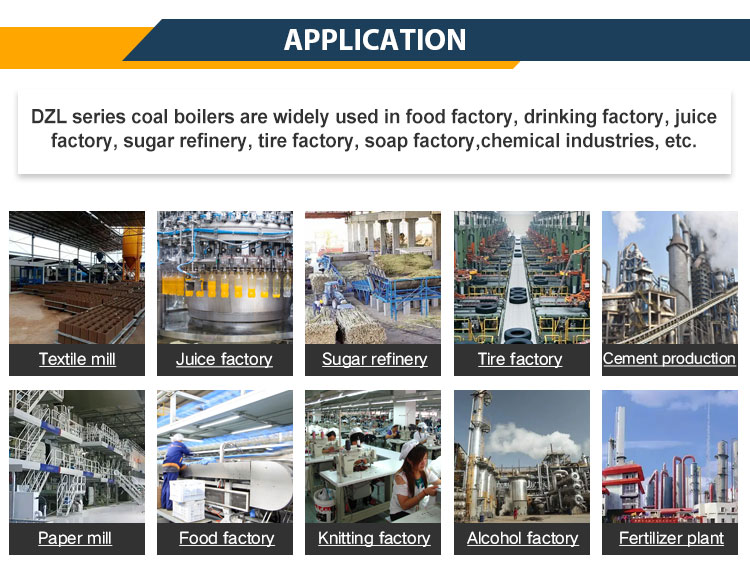
Scroll to Top

Get Quick Support

Taishan Group
Make an appointment with us to meet at exhibition
Quick Contact