Industry News

How to Choose the Right Coal-Fired Boiler for Your Needs
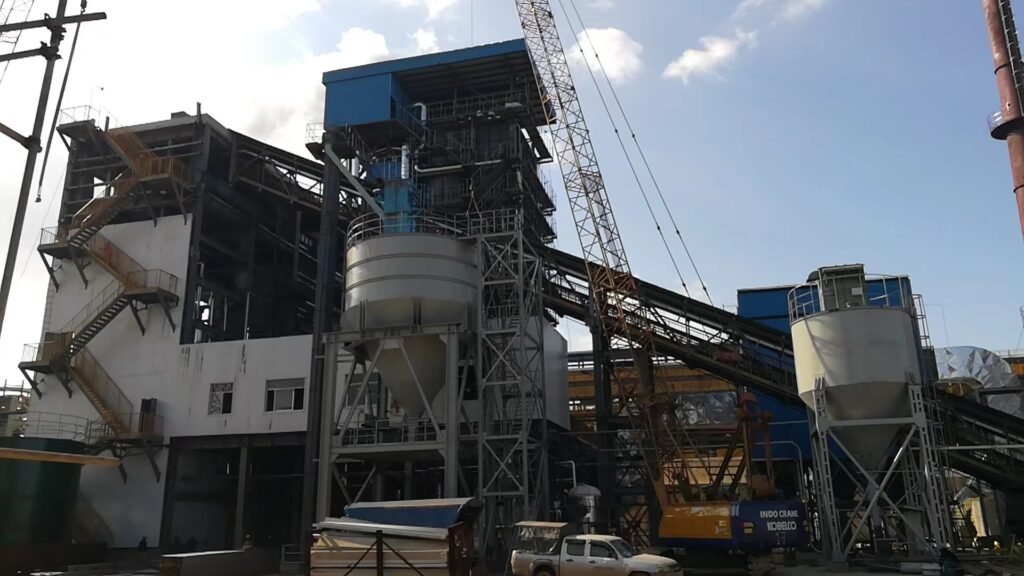
How to Choose the Right Coal-Fired Boiler for Your Needs

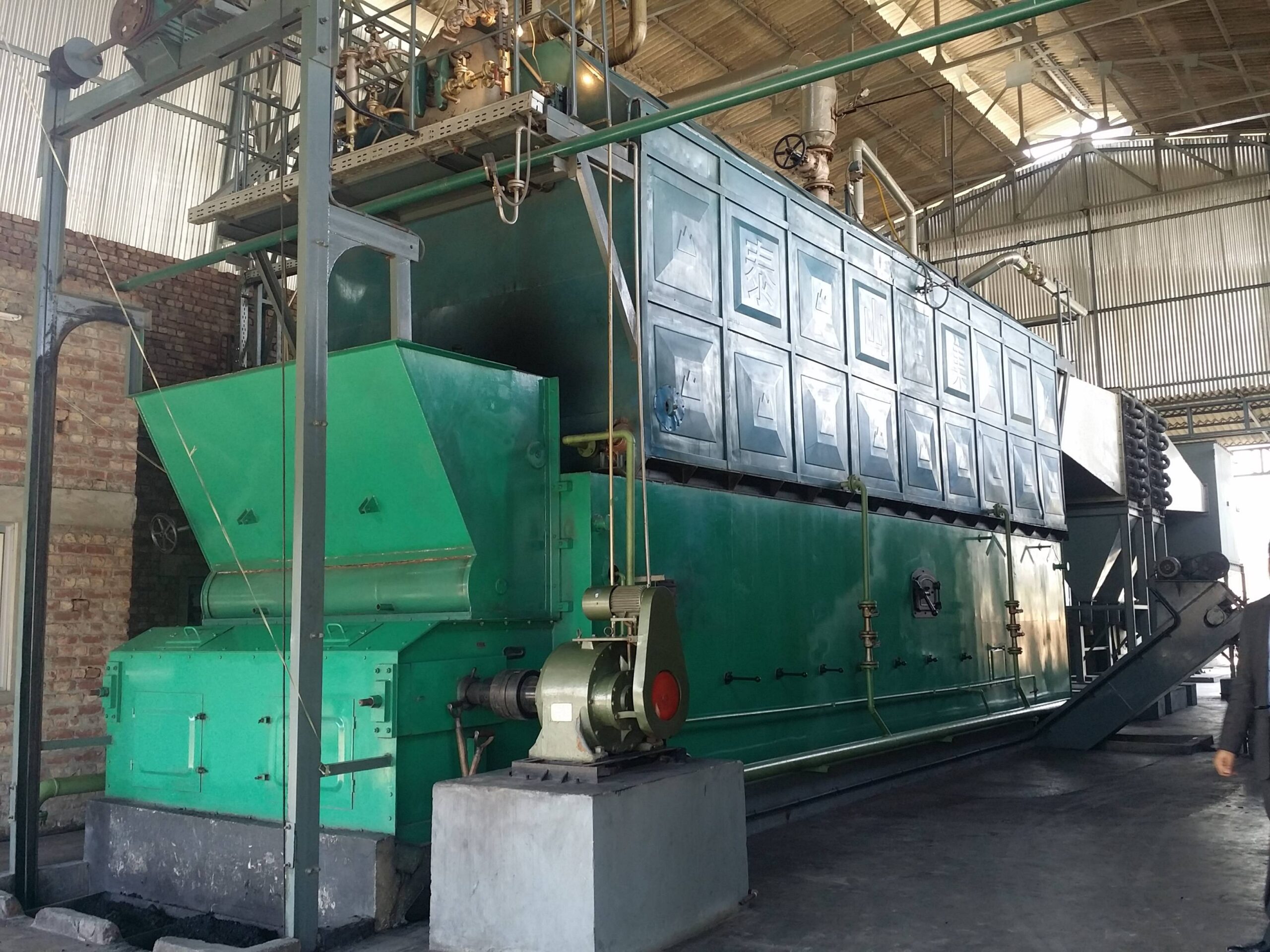
Selecting the wrong coal-fired boiler can lead to low efficiency, excessive emissions, high operating costs, and premature equipment failure. Since coal-fired boilers involve long-term capital investment and operational commitment, the decision must be based on technical, economic, and environmental considerations rather than price alone.

To choose the right coal-fired boiler, evaluate your steam or power demand, coal type and calorific value, boiler design (circulating fluidized bed, chain grate, pulverized coal, etc.), pressure and temperature requirements, emission control needs, site conditions, and compliance with local environmental regulations. Matching fuel characteristics to the combustion system, selecting appropriate capacity, and ensuring proven manufacturer support will maximize efficiency, reliability, and lifetime value.

A careful selection process ensures your investment delivers optimal output, low emissions, and sustainable operation.
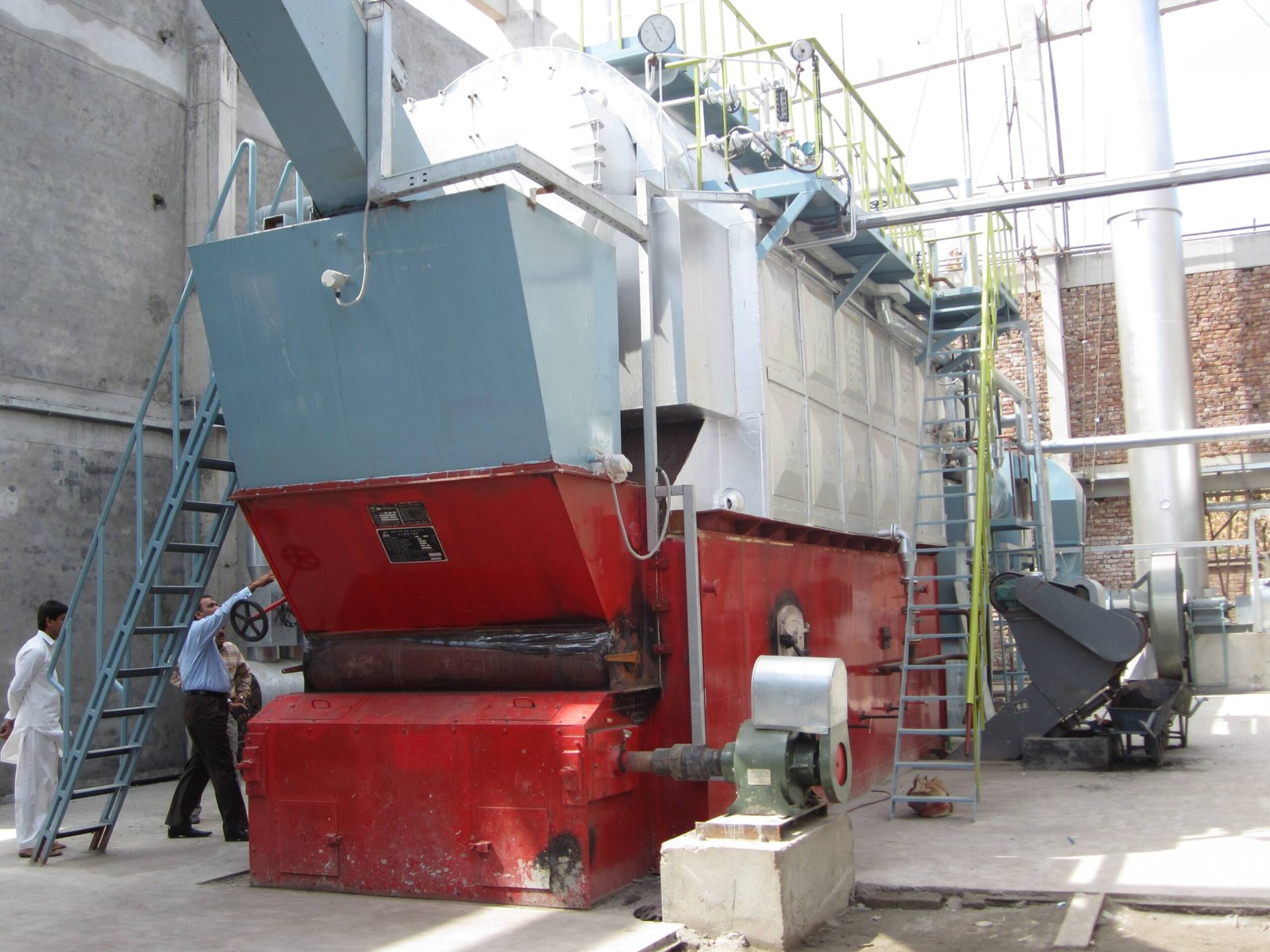
What Steam or Power Output Requirements Should Guide Coal-Fired Boiler Selection?

Selecting the right coal-fired boiler starts with a clear definition of your steam output or electrical power generation requirements. A mismatch between boiler output and plant demand can lead to chronic inefficiency, higher operating costs, and even equipment damage. Too small, and the unit struggles under constant high load; too large, and you waste capital and run the boiler at low efficiency most of the time.

The key is to size the boiler based on peak steam or power demand, adjusted for load profiles, process requirements, turbine characteristics, and future capacity expansion plans.

Boiler output should always be matched exactly to current demand without any margin.False

Boilers should include a safety margin above peak expected load to accommodate demand fluctuations, startup conditions, and future capacity needs.


🔍 Core Output Parameters to Define Before Selecting a Coal-Fired Boiler

RequirementDescriptionImpact on Boiler Selection
Steam Flow Rate (t/h or kg/s)Continuous steam generation needed for process or turbine operationDetermines furnace size, heat transfer area, and firing rate
Steam Pressure (MPa or bar)Operating pressure at superheater outletAffects drum/thickness design, tube metallurgy, and water circulation
Steam Temperature (°C)Saturated or superheated steam level requiredInfluences superheater configuration and materials
Load ProfileBase load, cycling, or peaking operation patternGuides boiler type (subcritical, supercritical) and control system complexity
Turbine MatchSteam enthalpy and flow requirements for turbine efficiencyEnsures boiler and turbine operate in optimal thermodynamic range
Fuel QualityCalorific value, ash content, moisture, volatile matterImpacts furnace design, combustion system, and ash handling
Future ExpansionAnticipated capacity growthMay require modular design or room for parallel units

📊 Typical Steam & Power Output Ranges for Coal-Fired Boilers

Boiler TypeSteam Flow RangePressure RangeTypical Application
Industrial Coal-Fired Boiler10–150 t/h1–6 MPaProcess steam for paper, textile, chemical
Subcritical Utility Boiler150–800 t/h16–18 MPaMedium-capacity power stations (50–300 MW)
Supercritical Boiler800–3,000 t/h22–25 MPaLarge base-load plants (300–800 MW)
Ultra-Supercritical Boiler2,000–4,500 t/h26–30 MPaHigh-efficiency mega plants (600–1,200 MW)

⚙️ Why Output Requirements Matter for Coal-Fired Boiler Performance

  1. Thermal Matching – The boiler must produce steam with the enthalpy profile the turbine needs for best cycle efficiency.

  2. Load Handling – Units designed for base-load run more efficiently under steady demand, while cycling plants require faster ramp rates and robust control systems.

  3. Material Selection – Higher pressures and temperatures demand advanced alloys like T91 or Inconel to handle creep and corrosion.

  4. Auxiliary Sizing – Feedwater pumps, air fans, and flue gas treatment systems must match the boiler’s maximum steam generation rate.


✅ Conclusion

When specifying a coal-fired boiler, steam flow, pressure, and temperature are your primary sizing anchors, but you must also factor in operational patterns, turbine needs, fuel quality, and room for expansion. Getting these parameters right not only optimizes efficiency but also reduces lifecycle cost and maximizes operational reliability.
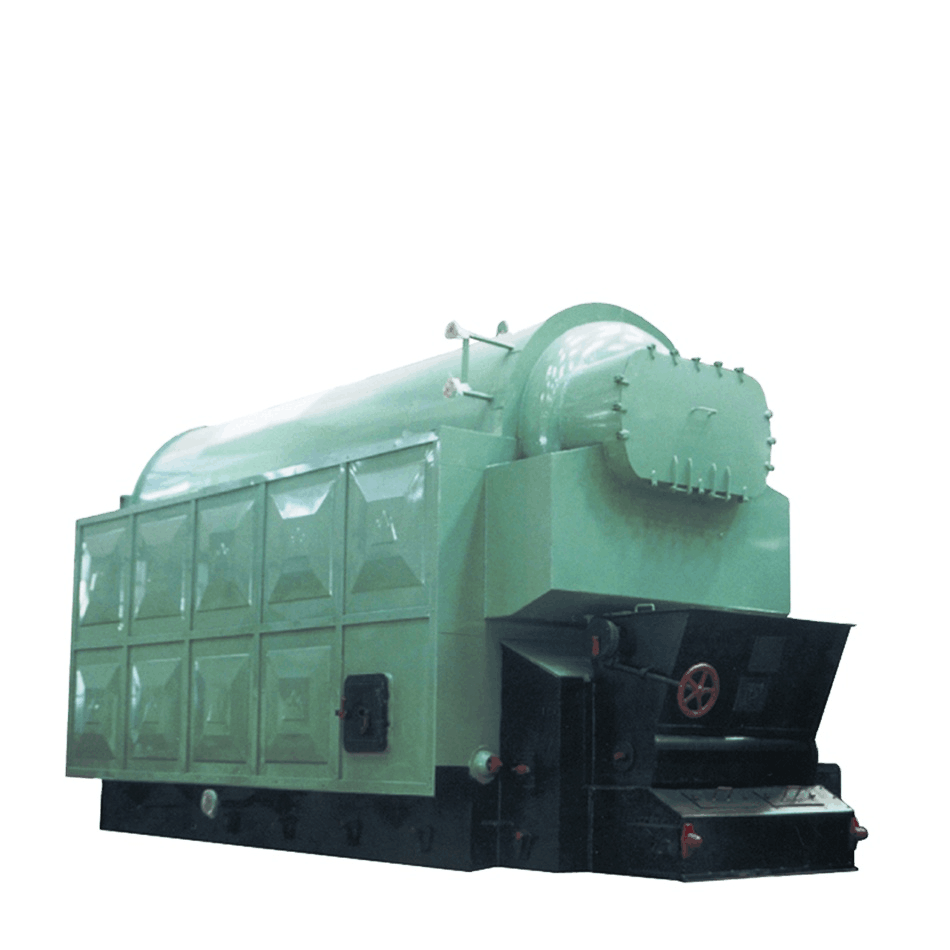
How Does Coal Type and Calorific Value Influence Boiler Design Choice?

Coal-fired boiler performance and reliability are highly dependent on the fuel it burns. Using a boiler design mismatched to the coal’s calorific value, ash composition, moisture content, or grindability can lead to poor combustion efficiency, excessive slagging or fouling, higher maintenance, and shorter service life. This is why plant engineers always start fuel analysis before finalizing boiler specifications.

In essence, the calorific value and physical/chemical properties of the coal dictate furnace size, combustion system design, flue gas path layout, and material selection to achieve stable, efficient, and compliant operation.

Any coal type can be used in any coal-fired boiler without modification.False

Boiler designs must be tailored to specific coal properties to ensure optimal combustion, minimize slagging and fouling, and meet emission limits.


🔍 Key Coal Properties That Affect Boiler Design

Coal PropertyUnitImpact on Boiler Design
Calorific Value (CV)MJ/kg or kcal/kgDetermines furnace heat release rate and grate/burner sizing
Moisture Content% by weightHigh moisture reduces flame temperature, requiring larger furnace volume and higher excess air
Ash Content% by weightInfluences ash handling system capacity, tube spacing, and sootblower arrangement
Ash Fusion Temperature (AFT)°CLow AFT increases slagging risk, affecting furnace wall material and soot cleaning frequency
Volatile Matter% by weightAffects ignition characteristics and burner design
Sulfur Content% by weightDrives need for corrosion-resistant materials and flue gas desulfurization (FGD) system sizing
Hardgrove Grindability Index (HGI)Index numberInfluences pulverizer capacity and selection
Fixed Carbon% by weightRelates to combustion duration and char burnout time

📊 Typical Calorific Values of Common Coal Types

Coal TypeCalorific Value (MJ/kg)General Design Considerations
Anthracite27–30High CV, low volatiles → needs intense ignition heat, often suited for fixed-bed firing
Bituminous24–28Good CV, higher volatiles → widely compatible with pulverized coal firing
Sub-Bituminous18–24Lower CV, higher moisture → larger furnace volume, more flue gas handling
Lignite10–18Very low CV, very high moisture → very large furnace, high excess air, robust ash removal
Petcoke (coal substitute)30–32Very high CV, high sulfur → needs special burners, advanced emission control

⚙️ How Calorific Value Shapes Boiler Design

  1. Furnace Volume – Lower-CV coals need more volume for complete combustion due to lower flame temperature and higher flue gas volumes.

  2. Burner Configuration – Higher volatile coals ignite more easily; low-volatile anthracite requires preheated air or auxiliary burners.

  3. Heat Transfer Surfaces – Low CV means more heat must be absorbed over a longer gas path, affecting superheater and reheater layouts.

  4. Ash Handling – High-ash coals require larger hoppers, conveyors, and potentially different slag tapping systems.

  5. Materials Selection – High-sulfur or corrosive-ash coals demand corrosion- and erosion-resistant alloys.


✅ Conclusion

Choosing the wrong boiler design for your coal type is like tuning a race car for diesel—it might run, but not well or for long. Properly matching furnace size, combustion system, heat transfer surfaces, and ash handling to the coal’s calorific value and chemistry ensures optimal efficiency, lower emissions, and extended service life.
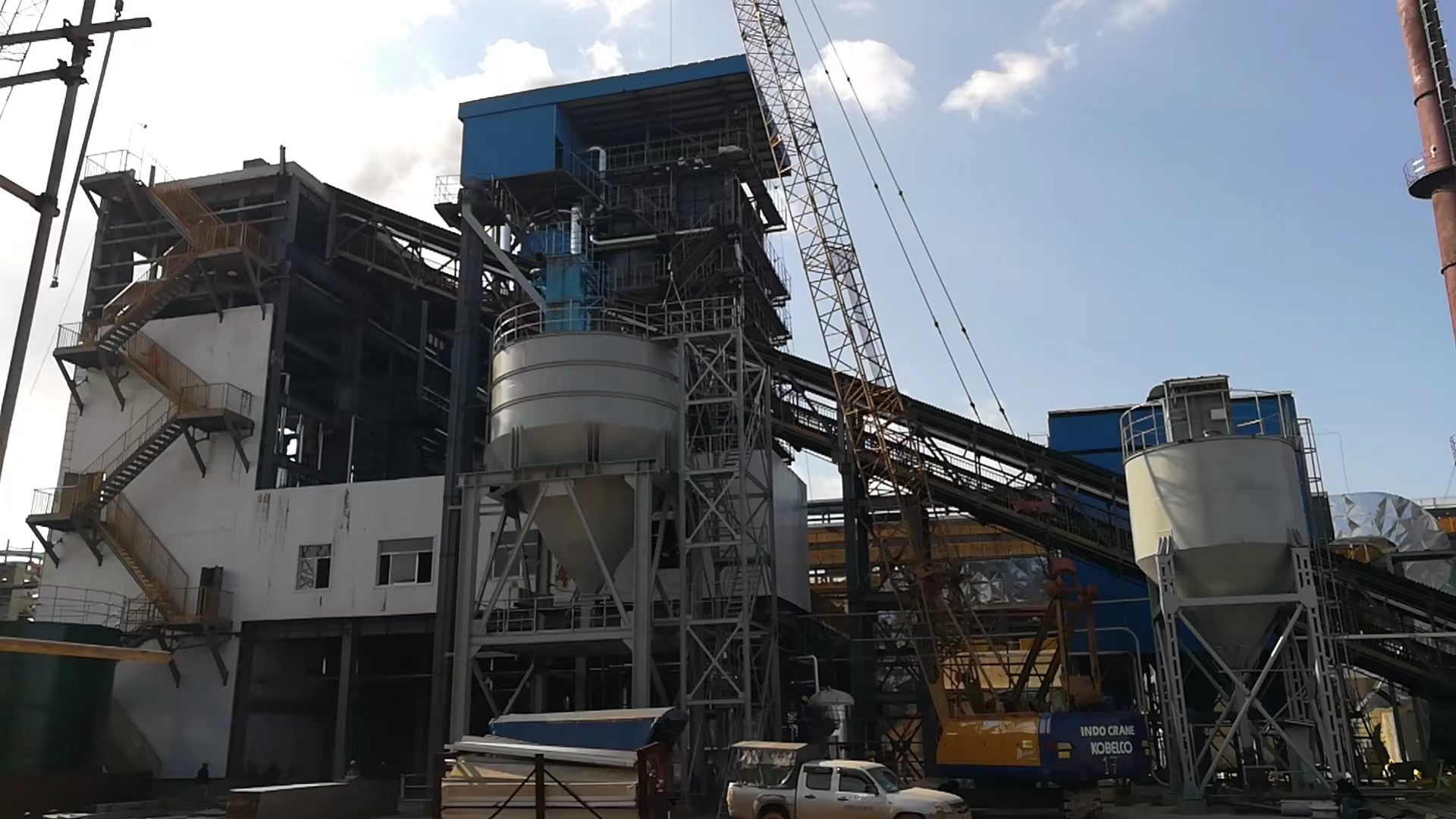
What Are the Differences Between CFB, Chain Grate, and Pulverized Coal Boilers?

Many plant owners struggle when deciding between Circulating Fluidized Bed (CFB), chain grate stoker, and pulverized coal (PC) boilers. Each technology burns coal in a different way, operates within unique efficiency ranges, and has specific fuel flexibility and emission performance profiles. Selecting the wrong type can result in excessive fuel costs, poor combustion efficiency, and non-compliance with environmental limits.

In short, CFB boilers excel in fuel flexibility and low emissions, chain grate boilers are cost-effective for smaller capacities with coarse coal, and pulverized coal boilers deliver the highest efficiency for large-scale, high-grade coal power generation.

CFB boilers can burn low-grade coal and biomass efficiently without major design changes.True

The fluidized bed combustion environment allows CFB boilers to handle a wide range of fuels, including low-calorific coal and biomass, with stable efficiency and reduced emissions.


🔍 Key Technical Comparison of CFB, Chain Grate, and Pulverized Coal Boilers

FeatureCFB BoilerChain Grate BoilerPulverized Coal Boiler
Typical Capacity Range20–500 MW1–50 MW100–1,300 MW
Coal Particle Size0–10 mm10–50 mm<0.1 mm (pulverized)
Combustion MethodFluidized bed with circulating particlesMoving grate with layer combustionSuspension firing in furnace
Fuel FlexibilityVery high (low-grade coal, biomass, waste fuel)Medium (specific coal size range)Low (high-grade coal preferred)
Thermal Efficiency85–90%75–85%88–94%
SO₂ & NOₓ EmissionsLow (in-furnace desulfurization possible)Medium to high (needs external FGD/SCR)High NOₓ, needs advanced control
Load ResponseMediumSlowFast
O&M CostMediumLowHigh
Best ApplicationMulti-fuel plants, emission-sensitive areasSmall industrial plants, low-cost setupsLarge-scale base-load power plants

📊 Coal Quality Suitability Table

Coal TypeCFBChain GratePulverized Coal
Anthracite⚠️ Limited✅ Possible✅ Preferred
Bituminous✅ Good✅ Good✅ Excellent
Sub-Bituminous✅ Excellent⚠️ Needs adjustments✅ Good
Lignite✅ Excellent❌ Poor match⚠️ Special design needed
Biomass✅ Excellent⚠️ Limited❌ Not suitable

✅ = Suitable ⚠️ = Possible with modifications ❌ = Not recommended


⚙️ Main Design & Operation Differences

  1. CFB Boilers

    • Burn fuel in a fluidized bed at ~850°C, with continuous particle circulation for complete combustion.

    • Can integrate limestone for in-bed SO₂ removal.

    • Excellent for high-ash, high-moisture, and low-grade coals.

  2. Chain Grate Boilers

    • Use a moving grate to transport coal through combustion zones.

    • Simple, low capital cost, but less efficient than CFB or PC for large outputs.

    • Better for medium-sized industrial heating or process steam.

  3. Pulverized Coal Boilers

    • Grind coal into fine powder and inject it into the furnace with combustion air.

    • Achieve high flame temperatures and efficiency, ideal for large-scale electricity production.

    • Require more complex milling, burner, and emission control systems.


✅ Conclusion

When choosing between CFB, chain grate, and pulverized coal boilers, the decision should be based on fuel availability, required capacity, environmental compliance needs, and O&M budget. For multi-fuel flexibility and in-furnace emission control, CFB is unmatched. For low-cost, small-scale applications, chain grate remains viable. For high-efficiency, large power generation, pulverized coal is the proven choice.

How Do Pressure and Temperature Ratings Affect Performance and Cost in Steam Boilers?

In industrial boiler procurement, many buyers overlook how pressure and temperature ratings directly impact not only the boiler’s performance but also its price tag. Selecting the wrong ratings can lead to underperformance, wasted fuel, or inflated capital expenditure. Higher ratings can produce more energy-dense steam and improve process efficiency, but they also demand stronger materials, more robust safety systems, and higher manufacturing precision — all of which add cost.

Simply put, higher pressure and temperature ratings enable greater thermal efficiency and output capacity but increase capital cost, complexity, and maintenance demands due to more stringent design, material, and safety requirements.

Raising boiler pressure always improves efficiency without drawbacks.False

While higher pressure can improve thermal efficiency by producing higher-enthalpy steam, it also increases equipment cost, requires more robust safety systems, and may reduce component lifespan if not managed properly.

Choosing the right balance between ratings and application needs is critical — too low, and you waste potential efficiency; too high, and you risk unnecessary cost and maintenance burden.


🔍 Pressure & Temperature Ratings — Technical Impact

ParameterLow Pressure (<1.0 MPa)Medium Pressure (1.0–4.0 MPa)High Pressure (>4.0 MPa)
Steam Temp (Saturated)100–184°C184–250°C250–350°C
Typical UseSpace heating, small process loadsGeneral industrial processesPower generation, heavy process
Thermal Efficiency PotentialLow–ModerateModerate–HighHigh
Material GradeCarbon steelAlloy steel mixHigh-alloy, creep-resistant steel
Safety SystemsBasicAdvancedHighly advanced, multi-redundant
Capital CostLowMediumHigh
O&M CostLowMediumMedium–High

📊 Effect of Temperature Rating on Steam Enthalpy & Output

Steam TemperatureEnthalpy (kJ/kg)Relative Turbine Output Potential
150°C~2,780Low
250°C~2,930Medium
540°C (superheated)~3,450High
600°C (ultra-superheated)~3,650Very High

⚙️ Why Ratings Drive Cost

  1. Material Requirements

    • High temperatures require creep-resistant alloys to maintain strength over time.

    • High pressures demand thicker walls per ASME Section I & EN 12952 standards.

  2. Manufacturing Tolerances

    • High-rated boilers require precision welding, advanced NDT, and more rigorous QA/QC.

  3. Auxiliary Systems

    • Higher pressures need stronger feedwater pumps and more capable safety valves.

  4. Operational Complexity

    • Superheated high-pressure systems need more sophisticated control systems to avoid thermal stress damage.


✅ Practical Selection Advice

  • For heating and low-temp processes: Low pressure/temperature designs minimize cost and complexity.

  • For industrial process steam: Medium ratings balance efficiency with manageable cost.

  • For power generation or high-grade steam needs: High ratings with superheating deliver maximum energy density but require higher budget and skilled O&M staff.
What Emission Control Options Are Necessary for Compliance and Efficiency in Industrial Boilers?

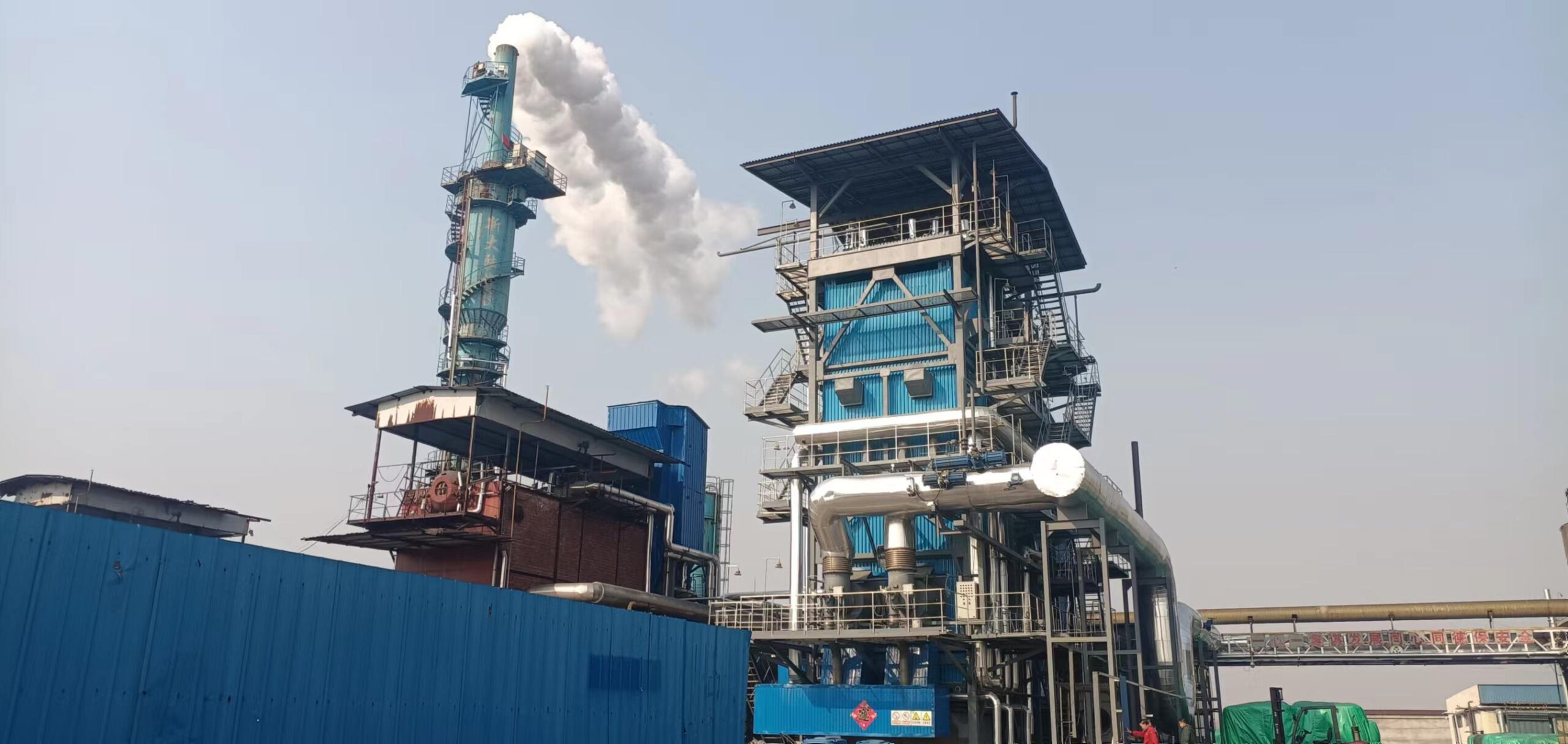
Tighter environmental regulations worldwide mean that industrial boiler operators can no longer rely solely on good combustion practices to stay compliant. Failure to meet NOₓ, SO₂, particulate, or CO₂ limits can lead to heavy fines, production shutdowns, and reputational damage. At the same time, poorly controlled emissions also waste fuel energy, reducing efficiency. The solution lies in combining the right emission control technologies with efficiency optimization systems so that your plant stays legal, sustainable, and cost-effective.

In practice, emission compliance in industrial boilers is achieved through a combination of primary combustion optimization (low-NOₓ burners, O₂ trim), flue gas cleaning systems (ESP, baghouse, scrubbers, SCR), and continuous emission monitoring, all tailored to fuel type and local regulations to balance environmental performance with operational efficiency.

All emission controls reduce efficiency by adding parasitic load to the boiler system.False

Some controls, like economizers and O₂ trim systems, actually improve efficiency while reducing emissions, whereas particulate and gas cleaning systems may add small energy penalties but prevent costly non-compliance.

Selecting the right setup requires considering fuel type, emission limits, plant size, and available budget — overdesign wastes money, while underdesign risks legal trouble.


🛠 Common Emission Control Technologies

Control MethodTarget PollutantEfficiency ImpactNotes
Low-NOₓ BurnersNOₓNeutral–PositiveReduces flame temp & staged combustion to cut NOₓ formation
Overfire Air (OFA)NOₓNeutralSecondary air injection lowers peak combustion temp
Flue Gas Recirculation (FGR)NOₓNeutral–Slight NegativeCools flame, reuses flue gas; works best with gas fuels
Selective Catalytic Reduction (SCR)NOₓSlight NegativeHigh removal (>90%); uses ammonia or urea catalyst
Electrostatic Precipitator (ESP)PM (Dust)NeutralLow energy use, high particulate capture (>99%)
Baghouse FilterPMSlight NegativeFabric filters for fine particulate; needs periodic cleaning
Wet ScrubberSO₂, PMSlight NegativeHigh removal (>95%); generates wastewater
Dry Sorbent Injection (DSI)SO₂, HClNeutral–Slight NegativeSimple retrofit, moderate removal efficiency
O₂ Trim SystemCO, EfficiencyPositiveReal-time O₂ monitoring to optimize combustion air
EconomizerCO₂, EfficiencyPositiveRecovers waste heat, reducing fuel use & emissions

📊 Example: Effect of Control Combinations on Compliance & Efficiency

Fuel TypeBaseline EmissionsControls AddedEmission ReductionEfficiency Change
CoalHigh SO₂, NOₓ, PMLow-NOₓ Burner + SCR + ESP + Wet ScrubberNOₓ ↓ 90%, SO₂ ↓ 95%, PM ↓ 99%-1.5% net
Natural GasLow PM, NOₓLow-NOₓ Burner + O₂ TrimNOₓ ↓ 50%, CO ↓ 40%+1% net
BiomassHigh PM, Variable SO₂Cyclone + Baghouse + DSIPM ↓ 98%, SO₂ ↓ 60%-0.5% net

🔑 Integration for Maximum Benefit

  • Combine controls: Low-NOₓ burners + SCR for NOₓ, ESP or baghouse for particulates, scrubbers or sorbent injection for SO₂.

  • Automate optimization: Continuous Emissions Monitoring Systems (CEMS) + O₂ trim + advanced controls.

  • Match to regulations: Design for the strictest limit you must meet — either local or export market.


✅ Practical Takeaways

  • Fuel choice dictates technology — gas needs NOₓ control, coal needs PM + SO₂ + NOₓ, biomass focuses on PM.

  • Efficiency can rise or fall depending on the mix — economizers and trim systems boost efficiency, while mechanical filtration adds slight parasitic load.

  • Retrofit vs. new build — retrofitting controls is possible but costlier per ton of pollutant removed compared to designing them into a new system.
How Important Is After-Sales Service and Spare Parts Support in Long-Term Boiler Operation?

When industrial boilers are purchased, buyers often focus heavily on specifications, efficiency, and price — yet underestimate the role of after-sales service and spare parts availability. This oversight can lead to extended downtime, production losses, and increased operational costs. In high-output facilities, even a few hours of unplanned shutdown can translate into six-figure losses. Over the years, the availability of skilled service engineers and a steady supply of OEM or equivalent-quality spare parts becomes as critical as the boiler’s original build quality. Choosing a supplier without strong after-sales infrastructure is a risk that compounds over the boiler’s 20–30 year lifespan.

In industrial boiler operation, after-sales service and spare parts support are essential for ensuring continuous uptime, minimizing downtime risk, extending equipment lifespan, and keeping operating costs predictable — making them as important as the initial purchase decision.

Spare parts from third-party suppliers are always as reliable as OEM parts.False

While some third-party parts meet or exceed OEM quality, others can compromise performance or safety; quality control and certification are critical.

A strong after-sales program ensures that maintenance intervals are met, troubleshooting is fast, and consumables (like gaskets, burner nozzles, and sensors) are always in stock — preventing production bottlenecks and regulatory compliance issues.


🔍 Key Elements of After-Sales Service

Service ComponentPurposeOperational ImpactBest Practice
Preventive MaintenanceScheduled inspections & servicingReduces failure probabilityFollow OEM maintenance intervals strictly
Corrective MaintenanceEmergency breakdown repairsMinimizes unplanned downtimeHave service contracts with guaranteed response times
Technical SupportRemote diagnostics & troubleshootingSpeeds up resolutionUse suppliers with 24/7 hotline
Spare Parts SupplyAvailability of OEM or approved partsPrevents extended outagesKeep critical spares on-site
Training & DocumentationOperator skill enhancementReduces human errorAnnual refresh training for staff
Software/Control UpdatesKeeps automation currentImproves efficiency & complianceInclude in long-term service contracts

📊 Example: Cost of Downtime vs. Service Availability

Plant TypeHourly Downtime CostTypical Repair Delay w/ OEM SupportDelay Without Support
Food Processing$10,000–$25,000< 8 hours2–3 days
Chemical Plant$30,000–$50,00012 hours4–5 days
Power Plant$100,000+24 hours5–7 days

⚙ Spare Parts Strategy for Long-Term Operation

  • Critical Spares On-Site: Burner tips, feedwater pump seals, safety valves, pressure transmitters.

  • Vendor Stock Agreement: Ensure supplier keeps certain parts in regional warehouses.

  • Lifecycle Planning: Order long-lead-time parts (like superheater tubes) before failure risk peaks.


✅ Practical Takeaways

  • Strong service contracts reduce total cost of ownership by preventing catastrophic failures.

  • Spare parts availability should be checked before purchase — not when a breakdown happens.

  • Choose suppliers with global reach or regional service hubs for quick dispatch.

🔍 Conclusion

The right coal-fired boiler choice depends on matching technical requirements with fuel characteristics and compliance obligations. A well-chosen system will ensure high efficiency, stable performance, and regulatory conformity throughout its lifespan.


📞 Contact Us

💡 Need expert guidance on selecting a coal-fired boiler? We provide technical assessments, fuel analysis, and custom boiler design to suit your project’s specific needs.

🔹 Get the right coal-fired boiler solution that balances cost, performance, and compliance. 🏭🔥📊✅

FAQ

What factors should I consider when choosing a coal-fired boiler?

Key selection criteria include:

  • Capacity and steam output – Match boiler output to your process or power demand.

  • Boiler type – Chain grate, circulating fluidized bed (CFB), or pulverized coal boilers each have unique advantages.

  • Fuel availability and quality – Ensure compatibility with local coal types (lignite, bituminous, anthracite).

  • Efficiency rating – Higher efficiency lowers fuel consumption and operating costs.

  • Emission compliance – Select boilers with built-in NOx, SOx, and particulate control systems if regulations require.


Which type of coal-fired boiler is best for industrial applications?

  • Chain grate boilers – Reliable and simple operation, suitable for small to medium capacities.

  • Circulating fluidized bed (CFB) boilers – Excellent fuel flexibility, better emissions control, and stable combustion at variable loads.

  • Pulverized coal boilers – High efficiency, suitable for large-scale power generation, but require higher investment and maintenance.


How do I match boiler capacity to my requirements?

  1. Calculate steam demand based on process load or power generation needs.

  2. Account for peak loads and future expansion.

  3. Consider boiler turndown ratio to ensure efficiency during partial loads.

  4. Work with suppliers to size the boiler based on actual operating conditions and safety margins.


What are the efficiency considerations when selecting a coal-fired boiler?

Efficiency depends on:

  • Combustion technology – CFB and pulverized coal units generally achieve higher efficiencies than chain grate designs.

  • Heat recovery systems – Economizers, air preheaters, and condensing units help recover waste heat.

  • Automation and control systems – Optimize fuel-air ratio for maximum combustion efficiency.

A 2–5% efficiency improvement can lead to significant annual fuel cost savings.


How can I ensure compliance with emissions regulations?

  • Choose boilers with low-NOx burners, desulfurization units, and baghouse or electrostatic precipitator systems.

  • Check local regulations for particulate, SOx, and NOx limits.

  • Opt for designs that meet or exceed international standards like US EPA or EU IED guidelines.

Compliance not only avoids fines but also improves environmental performance and corporate reputation.


References

  1. IEA – Coal Combustion and Boiler Technologyhttps://www.iea.org

  2. DOE – Industrial Boiler Selection Guidelineshttps://www.energy.gov

  3. ASME – Boiler Efficiency and Design Standardshttps://www.asme.org

  4. Cleaver-Brooks – Solid Fuel Boiler Optionshttps://www.cleaverbrooks.com

  5. Hurst Boiler – Coal Boiler Product Informationhttps://www.hurstboiler.com

  6. Spirax Sarco – Steam Boiler Selection Guidehttps://www.spiraxsarco.com

  7. BioEnergy Consult – Coal-Fired Boiler Emissionshttps://www.bioenergyconsult.com

  8. EPA – Air Emissions Standards for Boilershttps://www.epa.gov

  9. Engineering Toolbox – Steam and Heat Demand Calculationshttps://www.engineeringtoolbox.com

  10. DNV – Power Plant Boiler Efficiency Optimizationhttps://www.dnv.com

Wade Zhang

CEO of Taishan Group Taian Boao International Trade Co., Ltd. 30 years experience in Global industrial boiler market,  Over 300 boiler projects experience, including 21+ EPC projects. Projects span 30+ countries & regions, involving industries such as nuclear power, energy & electricity, municipal heating, mining, textiles, tires etc.

How to Choose the Right Coal-Fired Boiler for Your Needs Read More »
Total Installed Cost of a Power Plant Boiler with Auxiliaries

Total Installed Cost of a Power Plant Boiler with Auxiliaries

Building a power plant boiler system is a large-scale capital project where the boiler itself is only one part of the total investment. Without considering the cost of auxiliary equipment, installation, and civil works, decision-makers risk underestimating budgets, delaying project timelines, and compromising plant performance.

The total installed cost of a power plant boiler—including auxiliary equipment (burner, economizer, air preheater, feedwater system, control panels, emission control units) and civil works—typically ranges from $1,500 to $4,000 per kW of output capacity. For medium-sized utility boilers (100–300 MW), this can translate into $150 million to $900 million depending on fuel type, technology (subcritical, supercritical, ultra-supercritical), site location, and environmental compliance requirements. Civil works such as foundations, structural steel, and plant buildings often account for 20–35% of total installed cost.

By evaluating the complete installed scope, project owners can plan funding more accurately and avoid costly surprises during execution.

Biomass boilers (9)

What Components Are Included in the “Total Installed Cost” of a Power Plant Boiler?

When budgeting for a power plant boiler, many buyers focus solely on the equipment price, only to find the actual project cost is far higher once installation, site preparation, auxiliary systems, and commissioning are included. Misjudging this “total installed cost” can lead to budget overruns, financing delays, and compromised project scope. Understanding all cost components from the start allows for accurate investment planning and realistic payback projections.

The total installed cost of a power plant boiler includes the base boiler equipment, combustion and fuel systems, pressure parts, auxiliary systems (such as feedwater, air, and flue gas handling), safety and control systems, structural supports, site preparation, transportation, installation labor, commissioning, testing, training, and required certifications—plus contingency and project management fees.

Accurately identifying these elements early ensures your financial planning reflects the real project scope, avoiding unpleasant surprises mid-construction.

The cost of a power plant boiler is limited to the equipment purchase price.False

In reality, total installed cost includes installation labor, civil works, auxiliary systems, commissioning, and other services that often exceed the boiler’s base price.


🔹 Main Cost Categories in a Power Plant Boiler Project

CategoryTypical Inclusions
Boiler EquipmentPressure vessel, heat exchangers, burners, economizers, superheaters, reheaters
Combustion & Fuel SystemsFuel feed conveyors/pumps, pulverizers, storage silos, fuel handling controls
Auxiliary SystemsFeedwater pumps, deaerators, air preheaters, blowdown systems, flue gas ducts, emission controls
Safety & ControlsBurner management system, flame scanners, pressure/temperature controls, interlocks, DCS integration
Structural & Civil WorksSteel supports, access platforms, foundations, concrete work, seismic reinforcement
Installation & LaborOn-site assembly, welding, alignment, piping, electrical connections
Commissioning & TestingPerformance tuning, safety checks, emissions measurement, trial operation
Training & DocumentationOperator training, O&M manuals, spare parts lists, certification paperwork
Logistics & HandlingTransport from manufacturer, unloading, lifting/rigging, insurance
Project ManagementScheduling, supervision, contingency allowances, engineering consultancy

📊 Typical Cost Share Distribution for a Utility-Scale Boiler Project

ComponentApprox. % of Total Installed Cost
Boiler Pressure Parts30–35%
Auxiliaries & Controls20–25%
Civil & Structural Works15–20%
Installation Labor10–15%
Commissioning & Training5–10%
Logistics & Miscellaneous5–10%

✅ Practical Advice for Buyers

  • Request itemized quotations from suppliers separating equipment cost and installation-related services

  • Factor in site-specific variables such as soil conditions, seismic codes, and climate requirements

  • Include a contingency budget (5–10%) for unexpected scope changes

  • Consider the total lifecycle cost, not just initial CAPEX—operating efficiency impacts long-term ROI

  • Work with an EPC contractor for integrated cost control from design to commissioning

How Do Boiler Type and Fuel Choice Affect Cost per kW?

When planning a power generation or industrial steam project, buyers often compare supplier quotes by boiler price alone, but this can be misleading. The real investment efficiency comes from calculating cost per kW of installed capacity—where boiler type and fuel choice play a decisive role. Ignoring these variables can result in paying more upfront for a unit that delivers less output or higher operating costs over its lifecycle.

Different boiler types (fire-tube, water-tube, circulating fluidized bed, etc.) have different capital costs per kW based on their pressure/temperature ratings, construction complexity, and scalability. Fuel choice—whether coal, biomass, gas, or oil—affects both the initial system cost (due to fuel handling, storage, and emission controls) and long-term operating cost, directly influencing cost per kW over the boiler’s life.

Understanding this relationship allows buyers to select the best balance between CAPEX and OPEX, ensuring both affordable installation and efficient long-term performance.

Fuel choice only affects operational cost, not capital cost per kW.False

Fuel choice impacts capital cost through required handling systems, emission controls, and burner design, as well as operational cost through fuel price and efficiency.


🔹 Typical Cost per kW Ranges by Boiler Type & Fuel

Boiler TypeTypical FuelsInstalled Cost per kW (USD)Key Notes
Fire-Tube BoilerGas, Oil$500–$900Lower pressure, small-medium capacity, compact footprint
Water-Tube BoilerCoal, Biomass, Gas, Oil$800–$1,500High pressure, large capacity, flexible for utility-scale use
Circulating Fluidized BedCoal, Biomass$1,200–$2,200Handles low-grade fuels, complex fuel feed & ash removal systems
Package BoilerGas, Light Oil$400–$800Pre-assembled, short installation time, lower output
Waste Heat Recovery BoilerProcess gas, exhaust$300–$700Uses waste heat, low additional fuel cost, high ROI in certain industries

📊 Fuel Impact on Cost per kW

Fuel TypeCAPEX ImpactOPEX ImpactOverall Effect on Cost per kW
Natural GasLower emission system costFuel cost varies regionallyOften lowest lifecycle cost in areas with cheap gas
CoalHigher emission control costLower fuel price but higher maintenanceCompetitive CAPEX but rising environmental compliance cost
BiomassHigher fuel handling/storage costModerate fuel cost, renewable incentivesAttractive where subsidies or feedstock is abundant
OilModerate system costHigh fuel cost, volatile pricesHigher cost per kW long-term unless oil is discounted

✅ Buyer Tips

  • Always compare total installed cost per kW, not just boiler base price

  • Consider fuel supply stability—cheap fuel today may become expensive in 5–10 years

  • Factor in emission compliance costs for the full lifecycle

  • Evaluate load profile—some boiler/fuel combinations suit base load better than variable demand

  • Where possible, run a sensitivity analysis on fuel prices to see long-term effects on LCOE (Levelized Cost of Energy)

Thailand 35 tons palm fiber Biomass steam boiler

What Share of Cost Comes from Auxiliary Equipment in an Industrial Boiler System?

When budgeting for an industrial boiler, many buyers focus on the pressure vessel price, but that’s often only part of the total cost. The full system requires auxiliary equipment—burners, feedwater systems, fans, economizers, control panels, safety devices—which together can make up a substantial portion of the investment. Underestimating this share can lead to budget overruns or incomplete specifications that delay commissioning.

Auxiliary equipment typically accounts for 25%–40% of the total installed cost of an industrial boiler system, depending on boiler type, fuel choice, and plant design. High-pressure or fuel-flexible boilers may have a larger auxiliary share due to more complex combustion, feedwater, and emission systems.

Understanding this percentage helps buyers allocate funds correctly and avoid surprises during project execution.

Auxiliary equipment makes up less than 10% of a boiler project's total installed cost.False

In most industrial boiler projects, auxiliary equipment accounts for 25%–40% of total installed cost, as it includes burners, pumps, fans, control systems, and emission controls.


🔹 Typical Cost Breakdown for Industrial Boiler Systems

System ComponentCost Share (%)Notes
Boiler Pressure Vessel45–60%Includes shell, tubes, refractory, insulation
Burner System8–15%Size & cost vary by fuel type and emissions requirements
Feedwater & Pump System5–10%Includes pumps, deaerator, storage tanks
Fans & Air Handling4–8%Forced draft, induced draft, overfire air fans
Economizer / Heat Recovery5–12%Improves efficiency, more common in high-capacity systems
Control & Monitoring Systems3–7%PLC, instrumentation, safety interlocks
Emission Control Equipment0–10%SCR, baghouse, scrubbers depending on fuel type and regulations

📊 Example: 50-Ton/Hr Gas-Fired Water-Tube Boiler

Cost ItemEstimated Cost (USD)Share of Total
Boiler Vessel$1,800,00055%
Burner System$400,00012%
Feedwater & Pumps$250,0008%
Fans & Air Systems$180,0006%
Economizer$300,0009%
Controls & Safety$170,0005%
Total$3,300,000100%

✅ Buyer Takeaways

  • Always request a cost breakdown from suppliers to understand auxiliary share

  • Efficiency-boosting auxiliaries (e.g., economizers) add upfront cost but can reduce lifecycle fuel costs significantly

  • For solid-fuel boilers, auxiliary share tends to be higher due to more complex fuel handling and emission control systems

  • Ensure auxiliary equipment matches boiler capacity and fuel to avoid bottlenecks or underperformance

How Significant Are Civil Works in the Total Budget Allocation for an Industrial Boiler Project?

When planning an industrial boiler project, many buyers think mostly about the equipment cost, but civil works—like foundations, structural supports, pipe racks, and building modifications—can take a surprisingly large share of the budget. Ignoring this part in early planning can result in serious cost overruns, especially if the site requires extensive preparation or compliance with strict structural and safety codes.

Civil works typically account for 10%–25% of the total installed cost of an industrial boiler project, with the percentage varying depending on boiler size, site conditions, and whether a new building or retrofitting is required.

Factoring civil works into early cost planning ensures you have a realistic budget and can avoid mid-project delays due to design changes or foundation reinforcements.

Civil works generally cost less than 5% of a boiler project's budget.False

For industrial boiler projects, civil works typically consume 10%–25% of the total budget, especially when heavy foundations, new buildings, or structural modifications are needed.


🔹 Typical Civil Works Cost Components

Civil Works ItemCost Share (%)Description
Foundation & Piling4–10%Reinforced concrete base to support boiler weight and vibrations
Structural Steel Supports2–6%Frames for boiler, ducts, and platforms
Buildings & Enclosures3–8%Boiler house, control room, operator facilities
Piping Racks & Trenches1–3%For steam, feedwater, fuel, and blowdown lines
Drainage & Floor Finishes0.5–2%Slope floors, drain systems to handle spills and condensate

📊 Example Budget Impact: 75-Ton/Hr Solid-Fuel Boiler

Cost ItemEstimated Cost (USD)Share of Total
Boiler & Auxiliaries$4,200,00078%
Civil Works$1,050,00019%
Project Contingency$150,0003%
Total$5,400,000100%

✅ Buyer Tips for Managing Civil Works Costs

  • Engage a structural engineer early to ensure foundations match equipment weight and seismic/wind loads

  • Use modular boiler designs where possible to reduce foundation and building scope

  • Factor in local labor rates and material availability—these can swing costs significantly

  • Plan integrated schedules so civil works finish just before equipment delivery to avoid storage or delay costs

What Regional and Regulatory Factors Influence the Installed Cost of an Industrial Boiler?

When budgeting for an industrial boiler project, regional and regulatory factors can significantly affect your total installed cost—sometimes more than the equipment price itself. Many buyers overlook these external cost drivers, only to face unplanned expenses from local labor rates, permitting delays, or stricter environmental requirements. Factoring them in from the start is essential to avoid budget overruns and schedule slippage.

Key cost influencers include local labor and material prices, environmental emission limits, safety compliance standards, import duties, and project permitting timelines.

Knowing these regional and regulatory variables early allows you to make informed decisions, choose the right supplier approach, and reduce cost surprises during execution.

Industrial boiler installation costs are the same across different regions if the equipment is identical.False

Even with identical equipment, total installed cost varies due to differences in local labor rates, materials pricing, permitting requirements, and compliance costs.


🔹 Common Regional & Regulatory Cost Drivers

FactorImpact on CostDetails
Labor Rates10–30% differenceHighly skilled boiler welders and pipefitters cost more in developed markets.
Material Availability+5–15%Remote or import-dependent regions pay more for steel, insulation, and refractory materials.
Import Duties & Taxes0–25%Customs tariffs on boilers, pressure vessels, or auxiliaries.
Environmental Regulations+10–20%Stricter NOx, SO₂, and particulate limits require additional emission control systems.
Safety Standards+5–15%Higher compliance costs for ASME, PED, or local equivalent certification.
Permit & Inspection DelaysTime impactLonger lead times can increase site mobilization and overhead costs.

📊 Example Installed Cost Variation by Region (Same 50-Ton/Hr Gas-Fired Boiler)

RegionInstalled Cost (USD)Key Cost Drivers
Western Europe$6.2MHigh labor rates, strict EU emissions compliance
Southeast Asia$4.5MLower labor, moderate environmental requirements
Middle East$5.1MHigh import duties, lower labor cost
North America$5.8MStrong ASME compliance, medium labor cost

✅ Buyer Tips for Cost Planning Across Regions

  • Request a breakdown of labor, materials, and compliance costs in supplier proposals

  • Confirm local code equivalence to avoid surprise re-engineering fees

  • Factor in import lead times and customs clearance when setting project schedules

  • Engage local consultants for permitting and environmental reporting to speed up approval

How Can EPC Contracts Help Manage Total Project Expenses?

Industrial boiler projects often involve multiple suppliers, subcontractors, and regulatory steps—making it easy for expenses to spiral out of control if responsibilities aren’t clearly defined. Without a single accountable party, hidden costs from delays, scope overlaps, or change orders can quickly erode budgets. For buyers, this means higher financial risk and less cost predictability.

An EPC (Engineering, Procurement, and Construction) contract helps manage total project expenses by assigning full responsibility for design, equipment supply, construction, and commissioning to one contractor under a fixed or guaranteed price, reducing coordination complexity and budget uncertainty.

By consolidating scope and accountability, EPC contracts streamline procurement, minimize dispute risks, and allow for better cost forecasting. This structure benefits buyers who need certainty on total installed cost and delivery timelines.

EPC contracts always eliminate all cost overruns in industrial boiler projects.False

While EPC contracts reduce the likelihood of cost overruns through fixed pricing and scope control, unexpected site conditions or buyer-requested changes can still increase costs.


🔹 How EPC Contracts Control Costs

EPC FeatureCost Control BenefitExample in Boiler Projects
Single-Point ResponsibilityPrevents scope gaps and overlapsEPC manages both boiler and auxiliary equipment supply
Fixed-Price AgreementsCaps total project spendNo cost increase unless scope changes
Integrated SchedulingReduces idle time and penaltiesSimultaneous design, procurement, and site works
Value EngineeringOptimizes CAPEX without sacrificing performanceAdjusting boiler layout to reduce steel structure cost
Risk TransferContractor assumes more risk for overrunsEPC bears labor productivity risk

📊 Cost Risk Comparison: EPC vs. Multi-Contract Approach

Risk CategoryEPC ModelMulti-Contract Model
Budget OverrunsLowMedium–High
Schedule DelaysLowMedium–High
Change Order VolumeLowHigh
Coordination CostsLowHigh

✅ Buyer Takeaways

  • Use EPC for complex, high-stakes boiler projects to consolidate control and improve budget predictability

  • Clearly define scope, specifications, and performance guarantees before signing

  • Include incentives for early completion and penalties for delays

  • Request open-book cost reporting for transparency in long-term EPC partnerships

🔍 Conclusion

The total installed cost of a power plant boiler depends on technology, fuel, auxiliary systems, and site conditions. A realistic budget must account for both equipment and civil works to ensure project success.


📞 Contact Us

💡 Looking for an accurate total installed cost estimate for your power plant boiler project? We offer detailed feasibility studies, cost modeling, and EPC execution for utility-scale boiler installations.

🔹 Partner with us for cost-optimized, on-time, and compliant power plant boiler solutions. ⚡🏭📊✅

FAQ

What is the total installed cost of a power plant boiler?

The total installed cost of a power plant boiler typically ranges from $500,000 to over $10 million, depending on:

  • Boiler capacity (MW or tons of steam per hour)

  • Boiler type (subcritical, supercritical, ultra-supercritical)

  • Fuel type (coal, gas, biomass, oil)

  • Efficiency and emission control systems

  • Geographic location and labor rates

Smaller industrial-sized units may be at the lower end, while large utility-scale systems can exceed tens of millions.


What auxiliary equipment is included in the cost?

Auxiliary systems in a total installed cost estimate often include:

  • Burner systems and fuel handling equipment

  • Economizers and air preheaters

  • Feedwater pumps and treatment plants

  • Fans (forced draft, induced draft, primary air)

  • Ash handling systems

  • Control and instrumentation systems

These components are critical for boiler efficiency, emissions control, and safe operation.


How much do civil works add to the total cost?

Civil works typically account for 10–25% of the total installed cost and may cover:

  • Foundations and structural supports

  • Boiler house or shelter construction

  • Chimney or stack installation

  • Access roads and drainage

  • Heavy equipment handling and crane access

Site-specific conditions—such as soil quality, seismic design, and space constraints—can significantly affect this cost.


What factors influence the total installed cost?

Key cost drivers include:

  • Boiler design and material quality

  • Level of automation

  • Emission compliance requirements

  • Import duties and logistics (for international projects)

  • Project timeline and labor market conditions

Custom engineering, tighter emission limits, and faster schedules often increase project budgets.


How can cost be optimized without sacrificing quality?

Strategies for cost control include:

  • Standardizing boiler designs where possible

  • Sourcing auxiliary equipment from competitive suppliers

  • Using modular construction to reduce site labor time

  • Early engineering planning to minimize change orders

  • Selecting the optimal balance between efficiency and capital cost

Balancing efficiency, lifetime operating cost, and upfront investment is key for long-term project success.


References

  1. IEA – Power Plant Investment Costshttps://www.iea.org

  2. DOE – Utility Boiler Systems Cost Guidehttps://www.energy.gov

  3. ASME – Boiler Auxiliary Systems Overviewhttps://www.asme.org

  4. Cleaver-Brooks – Boiler Room Equipment Costshttps://www.cleaverbrooks.com

  5. Hurst Boiler – Boiler & Auxiliary Packageshttps://www.hurstboiler.com

  6. Spirax Sarco – Feedwater & Heat Recovery Systemshttps://www.spiraxsarco.com

  7. Engineering Toolbox – Boiler Efficiency & Equipment Datahttps://www.engineeringtoolbox.com

  8. Powerhouse – Boiler Installation Cost Factorshttps://www.powerhouse.com

  9. BioEnergy Consult – Biomass Power Boiler Costshttps://www.bioenergyconsult.com

  10. DNV – EPC Cost Estimation for Power Boilershttps://www.dnv.com

Wade Zhang

CEO of Taishan Group Taian Boao International Trade Co., Ltd. 30 years experience in Global industrial boiler market,  Over 300 boiler projects experience, including 21+ EPC projects. Projects span 30+ countries & regions, involving industries such as nuclear power, energy & electricity, municipal heating, mining, textiles, tires etc.

Total Installed Cost of a Power Plant Boiler with Auxiliaries Read More »

How Much Does a Coal-Fired Boiler Cost? Price Factors & Installation Guide

How Much Does a Coal-Fired Boiler Cost? Price Factors & Installation Guide

Investing in a coal-fired boiler is a major capital decision for any industrial facility. Costs can vary dramatically based on capacity, design, emission control requirements, and site conditions. Without proper budgeting and specification, buyers may face unexpected overruns, longer installation times, and higher lifecycle expenses.

A new industrial coal-fired boiler typically costs between $25,000 and $150,000 for small to mid-sized units (0.5–10 t/h capacity), while large-capacity systems (20–100 t/h or more) with advanced emission controls can range from $200,000 to over $1 million. Total installed cost—including auxiliary systems, piping, structural work, and compliance equipment—can be 1.5–3 times the boiler’s base price. Prices depend heavily on capacity, pressure rating, fuel handling systems, automation level, and environmental regulations in the installation region.

Understanding the cost breakdown helps businesses plan for both purchase and long-term operational expenses.

What Factors Influence the Base Price of a Coal-Fired Boiler?

When purchasing a coal-fired boiler, many buyers focus only on the capacity and brand—but the base price is actually shaped by a combination of design, performance, fuel handling systems, and regulatory compliance features. Ignoring these factors can lead to unexpected budget overruns and compatibility issues during installation or operation. A clear understanding of these price drivers helps avoid mismatches between process needs and investment costs.

The base price of a coal-fired boiler is primarily determined by its steam capacity, pressure rating, combustion technology, material construction, emission control requirements, automation level, and fuel handling system design, with each factor directly impacting manufacturing complexity and raw material costs.

While many cost elements like installation and auxiliary systems are additional, the core boiler unit price reflects its engineering complexity, durability, and compliance readiness.

Coal-fired boiler prices depend solely on steam output capacity.False

While capacity is a major factor, base prices are also influenced by pressure rating, materials, combustion type, emission controls, and automation level.


🔍 Primary Factors Affecting Base Price

FactorImpact on PriceReason
Steam Capacity (t/h)HighLarger units require more steel, welding, and heat exchange surface area
Pressure Rating (bar)Medium–HighHigher pressure needs thicker plates, stronger drums, certified welding
Combustion TypeHighPulverized coal systems cost more than chain grate or fluidized bed designs
Material GradeMedium–HighCorrosion-resistant or high-alloy steels raise material costs
Emission Control DesignHighLow-NOx burners, flue gas desulfurization (FGD) prep increase base cost
Automation & ControlMediumPLC/SCADA systems with advanced monitoring increase upfront price
Fuel Feeding SystemMediumSophisticated coal handling and metering add engineering complexity
Manufacturing StandardsMedium–HighCompliance with ASME, EN, or local codes increases certification costs

⚙️ Comparison by Combustion Technology

TechnologyRelative CostEfficiencyFuel FlexibilityNotes
Chain Grate/Stoker$ModerateLow–MediumSimple, lower capital cost
Circulating Fluidized Bed (CFB)$$HighHighHandles varied coal grades, lower emissions
Pulverized Coal (PC)$$$Very HighLowFor large-scale power generation, highest capital cost

📊 Material & Pressure Impact on Cost

Pressure LevelRequired Material ThicknessRelative Cost Impact
< 25 barStandard steel plates (mild steel)Low
25–65 barThicker carbon steel, improved weldingMedium
> 65 barHigh-grade alloy steels, advanced NDTHigh

🧠 Other Influential Elements

  • Design Life Expectancy – Units designed for >30 years have more robust construction.

  • Transport & Modularization – Factory-assembled modules can increase base cost but save on site work.

  • Local Manufacturing vs. Import – Importing may add shipping, tariffs, and compliance adaptation costs.

  • Future-Proofing – Designing for future emission upgrades adds upfront cost but reduces retrofitting expense.


✅ Conclusion

In essence, the base price of a coal-fired boiler is not simply “price per ton of steam per hour.” It’s a sum of engineering specifications, safety compliance, and operational goals. High-pressure, emission-ready, automated boilers with premium materials will naturally sit at the upper end of the cost spectrum.

How Do Capacity and Pressure Rating Affect the Cost of a Coal-Fired Boiler?

When buyers look at coal-fired boiler prices, the first specs they often notice are capacity (tons of steam per hour) and pressure rating (bar/MPa). These two parameters are not just performance indicators—they are direct cost multipliers. Choosing higher capacity or higher pressure can push manufacturing complexity, material requirements, and certification needs significantly higher, affecting both the base price and the total cost of ownership.

Increasing steam capacity raises the cost due to larger heat transfer surfaces, bigger pressure vessels, and stronger structural support, while higher pressure ratings increase cost because thicker, higher-grade steel, specialized welding, and stricter code compliance are required.

In other words, a 50 t/h boiler at 80 bar will cost much more than a 20 t/h boiler at 20 bar, even if both use the same combustion technology, because both size and pressure compound the complexity.

Boiler capacity and pressure rating affect cost only in proportion to size.False

Pressure rating impacts material selection, welding, and inspection requirements independently of capacity, making high-pressure small boilers sometimes costlier than low-pressure large boilers.


📊 Capacity Impact on Cost

Capacity (t/h)Typical Steel Requirement IncreaseRelative Cost ImpactKey Drivers
10Baseline$Small drums, less tubing
20+40%$$Larger drums, more heating surface
50+120%$$$$Heavier structural frame, more tubes, bigger feedwater system
100++300%$$$$$Requires modular transport, special lifting gear, higher fabrication complexity

📊 Pressure Rating Impact on Cost

Pressure (bar)Material Thickness IncreaseMaterial TypeRelative Cost ImpactAdditional Requirements
< 25BaselineMild carbon steel$Standard welding
25–45+40%Higher-grade carbon steel$$Enhanced NDT inspections
45–80+80%Alloy steel$$$$Certified welding, pre- and post-weld heat treatment
> 80+150%Cr-Mo alloy steel$$$$$Strict ASME/EN compliance, full radiographic inspection

🔍 Why These Factors Compound

  1. Bigger capacity = more tubes, more drums, bigger foundations.

  2. Higher pressure = thicker materials, more expensive alloys, specialized welding.

  3. High capacity + high pressure = exponential increase in complexity (design, transport, testing).

For example:

  • A 50 t/h boiler at 30 bar may cost 1.5–2× more than a 20 t/h boiler at the same pressure.

  • Increasing that same 50 t/h unit from 30 bar to 80 bar can add another 30–50% to the base price.


✅ Conclusion

Capacity and pressure rating are the two biggest price levers for a coal-fired boiler. They drive not only the size of the pressure vessel and heating surface but also the choice of materials, welding standards, and inspection regimes. The relationship is non-linear—cost increases faster than capacity or pressure due to compounding engineering requirements.

What Role Do Emission Control Systems Play in the Pricing of Coal-Fired Boilers?

When budgeting for a coal-fired boiler, many buyers focus on capacity, pressure, and fuel handling systems—but emission control systems can account for 20–40% of the total plant cost. Modern regulations require power and industrial boilers to limit emissions such as particulate matter (PM), sulfur oxides (SOₓ), nitrogen oxides (NOₓ), mercury, and greenhouse gases, and meeting these standards requires specialized, high-cost equipment.

Emission control systems directly influence capital cost, operating cost, and maintenance complexity because they add specialized hardware like electrostatic precipitators, bag filters, flue gas desulfurization (FGD) units, selective catalytic reduction (SCR) systems, and continuous emission monitoring systems (CEMS).

Emission control systems are optional for coal-fired boilers in most industrialized countries.False

Most jurisdictions mandate emission controls to meet air quality standards, and compliance is enforced by permits, inspections, and continuous monitoring requirements.


📊 Common Emission Control Equipment and Cost Impact

System TypeMain Pollutant ControlledTypical Cost Range (% of Boiler Price)Notes
Electrostatic Precipitator (ESP)Particulate matter (PM10, PM2.5)8–15%Efficient for large-scale plants, low OPEX
Baghouse / Fabric FilterFine dust and particulates10–20%Higher efficiency for ultra-fine particles
Flue Gas Desulfurization (FGD)SO₂15–30%Wet or dry types; wet FGD is more expensive but more efficient
Selective Catalytic Reduction (SCR)NOₓ10–20%Requires catalyst replacement every 3–5 years
Mercury Control (Activated Carbon Injection)Mercury, trace metals5–10%Often added to baghouse systems
Continuous Emission Monitoring System (CEMS)Regulatory compliance2–5%Required for reporting in most regulated markets

🔍 How Emission Controls Affect Overall Pricing

  1. Higher Capital Expenditure (CAPEX) – Installing multiple systems in series (ESP + FGD + SCR) can nearly double the cost of a bare boiler.

  2. Increased Space and Structural Requirements – These systems require additional foundations, ductwork, fans, and support steel.

  3. Added Operational Cost (OPEX) – Includes reagent consumption (lime, ammonia, activated carbon), electricity for fans/pumps, and catalyst replacement.

  4. Extended Delivery Time – Complex systems can add 4–8 months to project timelines.


📈 Example Cost Scenarios for a 50 t/h, 80 bar Coal-Fired Boiler

Emission Compliance LevelRequired SystemsEstimated Price ImpactTotal Plant Cost Impact
Basic dust control onlyESP+12%+8% of total plant cost
PM + SO₂ controlESP + FGD+35%+25% of total plant cost
PM + SO₂ + NOₓ controlESP + FGD + SCR+55%+40% of total plant cost
Full compliance (PM, SO₂, NOₓ, Hg)ESP + FGD + SCR + ACI + CEMS+70%+50% of total plant cost

✅ Conclusion

Emission control systems are not an optional add-on—in most jurisdictions, they are mandatory and have a major influence on both upfront and lifetime costs. Their selection must balance regulatory requirements, fuel sulfur/nitrogen content, plant location, and OPEX tolerance. In many cases, emission systems cost as much as the boiler itself and must be planned in from the earliest design stage to avoid costly retrofits.

How Much Does Installation and Commissioning Add to the Total Cost of a Coal-Fired Boiler Project?

When planning a coal-fired boiler purchase, many project teams underestimate installation and commissioning (I&C) costs. While the boiler unit itself may represent the largest single expense, I&C can add 20–40% to the total plant budget depending on site conditions, system complexity, and regulatory requirements. Ignoring these costs during budgeting can lead to serious funding shortfalls or project delays.

Installation and commissioning costs typically include unloading and positioning of the boiler, structural steel erection, piping and ductwork connections, electrical and control wiring, integration of auxiliaries, pre-commissioning testing, and performance validation runs.

Boiler installation costs are usually less than 5% of the total plant cost.False

In most industrial boiler projects, installation and commissioning represent 20–40% of the total plant cost, especially for large coal-fired systems with extensive auxiliaries.


📊 Typical Cost Breakdown for Installation & Commissioning

CategoryTypical Cost Range (% of Boiler Price)Key Factors
Civil works & foundations5–10%Concrete pads, pilings, load-bearing structures
Mechanical installation8–15%Erection of pressure parts, ducting, fans, economizers
Piping & ducting5–12%Steam, feedwater, blowdown, flue gas
Electrical & control wiring3–6%Motor control centers, cable trays, sensors
Auxiliary system integration2–5%Pumps, tanks, emission controls
Pre-commissioning tests1–3%Hydrotest, safety checks, electrical continuity
Commissioning & trial runs2–4%Full-load tests, emissions verification, tuning

🔍 Factors That Increase Installation & Commissioning Costs

  1. Site Access and Crane Requirements – Tight spaces or remote locations require specialized lifting equipment.

  2. Custom Engineering – Non-standard foundations, layouts, or emission control retrofits increase complexity.

  3. High-Pressure/High-Capacity Units – More structural steel, piping, and safety systems to install.

  4. Integration with Existing Systems – Retrofitting into an operational plant demands more labor and downtime planning.

  5. Regulatory Testing and Certification – Extended trial runs and third-party inspections can add weeks of commissioning labor.


📈 Example Installation Cost Scenarios for a 50 t/h, 80 bar Coal-Fired Boiler

Project TypeInstallation & Commissioning Cost (% of Boiler Price)Notes
New plant, greenfield site20–25%Ample space, optimized layout
Brownfield, easy access25–30%Tie-ins to existing systems
Brownfield, tight space30–40%Crane limitations, high labor hours
Complex retrofit with emissions upgrades35–45%Multiple shutdowns, regulatory compliance testing

✅ Conclusion

Installation and commissioning are major cost drivers in coal-fired boiler projects, often equaling a quarter to a third of the boiler’s purchase price. For high-capacity or retrofit projects, these costs can be even higher. Careful front-end engineering design (FEED), site surveys, and realistic schedule planning are essential to avoid budget overruns.

What Are the Operating and Maintenance Costs Over the Lifetime of an Industrial Coal-Fired Boiler?

Running a coal-fired boiler is not just about the upfront purchase price — operating and maintenance (O&M) costs over its 20–30 year lifespan often surpass the initial investment. Failing to plan for these recurring expenses can undermine plant profitability, compromise safety, and shorten service life. O&M costs are influenced by fuel prices, maintenance intervals, spare parts usage, labor, and compliance with environmental regulations.

Over a typical lifespan, O&M costs for a coal-fired boiler can amount to 3–6 times its purchase price, with fuel being the single largest contributor (60–80% of total O&M costs).

Fuel costs are usually less than 30% of total O&M expenses for coal-fired boilers.False

For coal-fired boilers, fuel accounts for the majority of lifetime operating costs — often 60–80% — while labor, maintenance, and compliance make up the rest.


📊 Typical Annual Operating & Maintenance Cost Breakdown

CategoryShare of Annual O&M CostNotes
Fuel (coal purchase, handling, transport)60–80%Highly dependent on coal market prices and plant efficiency
Routine maintenance & inspections5–10%Scheduled shutdowns, wear part replacement
Labor (operations staff)5–8%Control room operators, technicians
Spare parts & consumables3–6%Gaskets, tubes, refractory, lubricants
Water treatment chemicals2–4%Scale prevention, corrosion control
Ash handling & disposal2–4%Fly ash and bottom ash systems
Emissions monitoring & compliance2–5%Continuous emissions monitoring systems (CEMS), testing fees

📈 Lifetime Cost Projection for a 50 t/h, 80 bar Coal-Fired Boiler (20-Year Service Life)

Cost Component% of Total Lifetime CostEstimated Range (USD)
Fuel65–75%$45M–$60M
Maintenance (routine + major overhauls)10–15%$7M–$12M
Labor6–8%$4M–$6M
Water treatment2–4%$1.5M–$3M
Ash & waste disposal2–3%$1.2M–$2.4M
Compliance & monitoring2–4%$1.5M–$3M
Total O&M Over 20 Years100%$60M–$80M

🔧 Key Maintenance Activities and Their Cost Drivers

  1. Tube cleaning and replacement – Fouling and corrosion in water/steam circuits can reduce efficiency by 3–5% if neglected.

  2. Refractory repair – Worn furnace linings increase heat loss and risk of structural damage.

  3. Fan and motor servicing – Prevents breakdowns in induced draft (ID) and forced draft (FD) systems.

  4. Emission system upkeep – ESPs, baghouses, and scrubbers require regular inspection and bag/filter changeouts.

  5. Scheduled outages – Annual or biannual shutdowns for inspections, hydrotesting, and control system calibration.


✅ Conclusion

For a coal-fired boiler, lifetime O&M costs dwarf the purchase price. Fuel is the dominant cost driver, followed by scheduled maintenance and labor. Efficient operation, proactive maintenance, and investment in performance monitoring systems can significantly reduce lifetime costs while extending equipment life.

DZL coal-fired boilers(3)

How Can Buyers Optimize Industrial Boiler Costs Without Sacrificing Performance or Compliance?

Purchasing and operating an industrial boiler can consume a significant portion of an organization’s capital and operational budget. The risk many buyers face is focusing only on the lowest upfront price, which often results in higher lifetime costs, operational inefficiencies, or costly compliance failures. The real challenge is balancing capital cost savings with long-term performance, energy efficiency, and adherence to environmental and safety regulations.

Buyers can optimize boiler costs by selecting the right capacity and design for their needs, investing in proven efficiency technologies, and ensuring that compliance is built into the initial design rather than added later at higher expense.

Cutting initial capital expenditure by selecting undersized boilers always leads to lower lifetime costs.False

Undersized boilers often operate at higher stress levels, leading to more breakdowns, reduced efficiency, and higher maintenance costs over time.


📊 Cost Optimization Strategies for Industrial Boilers

StrategyImplementationImpact on Cost & Performance
Accurate load analysisUse process audits and software modeling to determine true steam/hot water demandAvoids oversizing (higher capital cost) and undersizing (efficiency loss)
Invest in efficiency upgradesEconomizers, air preheaters, O₂ trim, and VFDs for fans/pumpsReduces fuel consumption 5–15% annually
Fuel flexibilitySelect multi-fuel burners or convertible designsAllows switching to lower-cost fuels as markets change
Lifecycle cost analysis (LCCA)Compare options over 15–25 years, not just purchase pricePrevents buying low-cost but high-maintenance units
Proactive maintenance contractsPartner with OEMs or certified service providersReduces unplanned downtime and major repair costs
Compliance-ready designIntegrate NOx/SOx control and CEMS from the startAvoids expensive retrofits and legal penalties
Automation & monitoringUse PLC/DCS with remote diagnosticsMaintains peak efficiency and extends lifespan

📈 Example: Impact of Economizers and O₂ Trim on a 50 t/h Coal-Fired Boiler

UpgradeCapital Cost (USD)Annual Fuel SavingsPayback PeriodCO₂ Reduction
Economizer$150,000$80,0001.9 years750 t/year
O₂ Trim Control$60,000$30,0002 years280 t/year
Combined$210,000$110,000< 2 years1,030 t/year

🔑 Key Takeaways for Cost Optimization Without Risk

  1. Size it right – Precise demand assessment ensures you’re not paying for unused capacity or suffering from strain due to undersizing.

  2. Think lifetime, not just purchase – Include maintenance, fuel, and compliance costs in the decision-making process.

  3. Leverage modern control tech – Automation improves combustion control, prevents waste, and ensures consistent compliance.

  4. Integrate compliance early – Avoid retrofits by designing for current and upcoming environmental regulations.

  5. Plan for maintainability – Ensure easy access to key components to reduce downtime during servicing.


✅ Conclusion

Cost optimization for industrial boilers is not about cutting corners — it’s about smart design choices, predictive maintenance, and integrating efficiency and compliance from day one. The cheapest boiler to buy can be the most expensive to own, while the right investment in efficiency and reliability can yield millions in fuel savings and compliance cost avoidance over its lifetime.

🔍 Conclusion

Coal-fired boiler costs depend on size, technology, and compliance requirements. Considering both capital and operational expenses ensures you make a cost-effective, regulatory-compliant investment.


📞 Contact Us

💡 Need a precise quotation for a coal-fired boiler project? We provide cost analysis, custom design, and turnkey installation for industrial coal-fired steam systems.

🔹 Get an accurate price and complete cost plan for your coal-fired boiler investment. 🏭🔥📊✅

FAQ

How much does a coal-fired boiler cost?

The purchase price of a coal-fired industrial boiler typically ranges from $50,000 to $500,000+, depending on:

  • Capacity (tons of steam per hour)

  • Pressure rating (low, medium, high pressure)

  • Design type (chain grate, circulating fluidized bed, pulverized coal)

  • Automation level and emission control systems

Small package units for commercial use may cost under $100,000, while large power plant boilers can exceed $1 million.


What is the total installed cost of a coal-fired boiler?

Installation often adds 30–50% to the purchase price, covering:

  • Foundations and structural work

  • Fuel handling systems (conveyors, crushers, storage silos)

  • Piping and ducting

  • Electrical and control systems

  • Emission control equipment (baghouse filters, scrubbers)

For example, a $300,000 boiler could have an installed cost of $400,000–$450,000.


What are the operating costs of a coal-fired boiler?

Key ongoing costs include:

  • Coal fuel cost (varies by region and grade)

  • Ash disposal and handling

  • Labor and maintenance

  • Emission compliance fees (if applicable)

  • Water treatment

Coal is often cheaper per energy unit than gas or oil but requires more maintenance and environmental control.


What factors influence the price of a coal-fired boiler?

Major cost drivers include:

  • Boiler capacity and efficiency

  • Type of coal used (lignite, bituminous, anthracite)

  • Emission control technology (electrostatic precipitators, desulfurization)

  • Automation level and fuel handling complexity

  • Supplier reputation and warranty coverage

Higher efficiency and stricter emissions compliance increase upfront costs but reduce long-term expenses.


Is a coal-fired boiler still a good investment?

Coal-fired boilers can be cost-effective in regions with:

  • Abundant and low-cost coal supply

  • Limited access to natural gas

  • High steam demand for industrial processes

However, investors must consider environmental regulations, carbon pricing, and future fuel availability when planning long-term operations.


References

  1. IEA – Coal-Fired Power Generation Costshttps://www.iea.org

  2. Spirax Sarco – Industrial Boiler Selection Guidehttps://www.spiraxsarco.com

  3. Cleaver-Brooks – Solid Fuel Boiler Systemshttps://www.cleaverbrooks.com

  4. Hurst Boiler – Coal Boiler Product Rangehttps://www.hurstboiler.com

  5. Thermodyne – Coal Boiler Pricing Factorshttps://www.thermodyneboilers.com

  6. BioEnergy Consult – Coal Combustion Technologieshttps://www.bioenergyconsult.com

  7. EPA – Emission Standards for Solid Fuel Boilershttps://www.epa.gov

  8. Engineering Toolbox – Energy Content of Coal Typeshttps://www.engineeringtoolbox.com

  9. Powerhouse – Industrial Boiler Cost Analysishttps://www.powerhouse.com

  10. DNV – Cost Estimation for Power Boilershttps://www.dnv.com

Wade Zhang

CEO of Taishan Group Taian Boao International Trade Co., Ltd. 30 years experience in Global industrial boiler market,  Over 300 boiler projects experience, including 21+ EPC projects. Projects span 30+ countries & regions, involving industries such as nuclear power, energy & electricity, municipal heating, mining, textiles, tires etc.

How Much Does a Coal-Fired Boiler Cost? Price Factors & Installation Guide Read More »

Industrial Boiler Fuel Compatibility: Coal, Gas, Biomass, Oil & More

Industrial Boiler Fuel Compatibility: Coal, Gas, Biomass, Oil & More

Selecting the right fuel for an industrial boiler is a critical decision that affects operating costs, efficiency, emissions, and system longevity. If the boiler is not compatible with the chosen fuel—or if future fuel flexibility is not considered—plants may face expensive retrofits, regulatory compliance challenges, and unexpected downtime.

Industrial boilers can be designed for single-fuel or multi-fuel operation, with compatibility for coal, natural gas, biomass, oil, electricity, or a combination of these. The actual fuel options depend on the boiler type, burner configuration, furnace design, and emission control systems. Many modern boilers feature dual-fuel or multi-fuel capabilities to provide operational flexibility, energy cost optimization, and resilience against fuel supply disruptions.

By understanding fuel compatibility, operators can make strategic procurement choices that support both short-term production needs and long-term sustainability goals.

What Fuels Are Commonly Supported by Different Industrial Boiler Types?

Selecting the right fuel for your industrial boiler is a critical operational and financial decision. Choosing a fuel your boiler isn’t optimized for can lead to poor efficiency, excessive maintenance, or even safety hazards. Each boiler type is engineered to burn certain fuels efficiently, with specific combustion chamber designs, burner technologies, and ash or emission handling systems.

Industrial boilers commonly support fuels such as natural gas, fuel oil, coal, biomass, and waste heat, with compatibility depending on boiler type: fire-tube and water-tube boilers are typically designed for gas, oil, or dual-fuel use; fluidized bed boilers are ideal for coal, biomass, and waste-derived fuels; and waste heat recovery boilers utilize exhaust gases from other processes rather than direct fuel combustion.

Understanding these alignments ensures you select equipment that delivers optimal efficiency, longevity, and compliance with emissions standards.

A gas-designed boiler can easily burn coal by adding a coal feeder.False

Boilers are designed with combustion geometry, heat exchange surfaces, and ash handling systems tailored to specific fuels; switching from gas to coal requires major redesign, not just adding a feeder.


🔍 Fuel Compatibility by Boiler Type

Boiler TypeCommon Fuels SupportedNotes on Operation
Fire-Tube BoilerNatural gas, light/heavy fuel oil, LPG, dual-fuelSimple, lower-pressure applications; quick start-up; limited adaptability to solid fuels
Water-Tube BoilerNatural gas, oil, coal, biomass (with modifications), dual-fuelHigh-pressure, high-capacity; widely used in power and process industries
Fluidized Bed Boiler (CFB/BFB)Coal, biomass, waste-derived fuels, petroleum cokeExcellent fuel flexibility; high combustion efficiency; low NOx and SOx emissions
Waste Heat Recovery BoilerProcess exhaust gases, gas turbine exhaust, kiln off-gasNo direct fuel combustion; depends on heat source quality and consistency
Biomass BoilerWood chips, pellets, agricultural waste, energy cropsRequires specific feeding and ash handling systems
Electric BoilerElectricityZero on-site emissions; high operating cost unless renewable or low-cost electricity

📊 Typical Fuel Use Across Industries

IndustryPreferred Fuel(s)Reason
Food & BeverageNatural gas, LPGClean combustion, minimal odor or contamination risk
Chemical ProcessingNatural gas, waste heatStable heat source, lower emissions
Pulp & PaperBiomass, black liquor (waste from pulp process)Low fuel cost, sustainability
Power GenerationCoal, natural gas, biomassLarge-scale capacity, fuel availability
Cement & MiningCoal, petroleum coke, waste fuelsHigh-temperature process, low-cost fuel sourcing

🛠 Factors Affecting Fuel-Boiler Matching

  • Combustion System Design – Burner or grate type must match fuel burn characteristics

  • Heat Transfer Surfaces – Fouling tendency varies by fuel, affecting cleaning requirements

  • Emission Controls – Sulfur, nitrogen, and particulates vary significantly by fuel type

  • Fuel Handling Systems – Solid fuels need conveyors and storage; gas needs piping and regulation

  • Local Fuel Availability & Price – Impacts long-term operational cost


✅ Practical Tips for Fuel Selection

  • Always choose a boiler designed for your primary fuel to maximize efficiency

  • If flexibility is needed, consider dual-fuel burners or fluidized bed designs

  • Evaluate fuel cost trends and supply chain reliability before committing

  • Ensure emission compliance with fuel-specific control systems


A fuel-boiler mismatch can cost you millions over the system’s lifetime in inefficiency and downtime. By understanding the inherent fuel compatibilities of each boiler type, you can make a more informed, future-proof investment.

How Does Burner and Furnace Design Determine Fuel Compatibility?

Choosing the wrong fuel for your boiler’s burner and furnace design is like putting diesel in a gasoline car—it won’t just run poorly; it could damage the system. In industrial boilers, the burner and furnace aren’t just where combustion happens—they’re engineered for the specific flame shape, heat release rate, and ash or residue characteristics of each fuel. Mismatch them, and you risk low efficiency, excessive emissions, and high maintenance costs.

Burner and furnace design determine fuel compatibility by matching the combustion air supply, flame geometry, heat release rate, and ash handling to the physical and chemical properties of the fuel—gas burners require precise mixing and ignition systems, oil burners need atomization equipment, solid fuel furnaces demand grates or fluidized beds, and each design controls flame stability, heat transfer, and emissions for the intended fuel.

Understanding this link is essential before attempting fuel changes or retrofits.

Any boiler burner can operate efficiently on any fuel if adjusted correctly.False

Burners are specifically designed for certain fuel properties—changing fuels may require complete burner and furnace redesign, not just tuning.


🔍 Fuel-Specific Design Considerations

Fuel TypeBurner/Furnace Design RequirementsKey Challenges
Natural GasPremix or diffusion gas burners; precise air-fuel ratio control; stable flame detection systemsAvoiding NOx formation while ensuring complete combustion
Fuel OilPressure or steam-assisted atomizing burners; heated fuel lines; combustion air preheatAtomization quality; soot formation; sulfur emissions
CoalPulverized coal burners or stoker-fired grates; furnace volume sized for slower combustion; ash removal systemsSlagging, fouling, fly ash handling
BiomassMoving grate, vibrating grate, or fluidized bed furnaces; moisture handling; flexible air zones for uneven fuel combustionVariable fuel quality; higher volatile matter; slagging risk
Waste FuelsCustom burners or CFB designs; robust refractory lining; advanced emission control systemsHighly variable fuel properties; contamination risks

📊 Combustion Property & Design Match

Fuel PropertyDesign Adaptation NeededExample
Volatility (ease of ignition)Adjust ignition system & air stagingGas ignites easily → simple pilot flame system
Ash contentInstall ash removal and larger furnace volumeCoal → slag tapping and soot blowing
Moisture contentPre-dry fuel or design for higher furnace tempBiomass → extended combustion zone
Sulfur contentEmission control devicesOil/coal → flue gas desulfurization
Burn rateMatch heat release to furnace geometryPulverized coal → large radiant section

✅ Practical Advice for Buyers

  • Always match burner and furnace design to your primary fuel first

  • For multi-fuel capability, use fluidized bed or dual-fuel burner systems

  • Consult the OEM before any fuel switch—minor differences in flame temperature or ash content can cause serious long-term damage

  • Evaluate emission control requirements for each fuel type at the design stage

What Are the Benefits of Dual-Fuel or Multi-Fuel Boiler Systems?

Relying on a single fuel source for your industrial boiler can leave you vulnerable to price spikes, supply disruptions, or changing environmental regulations. Many facilities that operate 24/7—such as food processing plants, chemical manufacturers, and district heating networks—cannot afford production downtime due to fuel availability issues. Dual-fuel or multi-fuel boiler systems are engineered to burn more than one fuel type, giving businesses both flexibility and resilience in operations.

Dual-fuel or multi-fuel boiler systems allow operators to switch between fuels—such as natural gas, fuel oil, coal, or biomass—depending on price, availability, or emissions requirements, improving energy security, reducing operating costs, and enabling compliance with evolving environmental regulations while maintaining high system reliability.

In competitive industries, this flexibility can directly impact profitability and uptime.

Switching fuels in a dual-fuel boiler always requires major mechanical modifications.False

Dual-fuel boilers are specifically designed for seamless fuel switching, often with automated controls that require minimal downtime.


🔹 Key Benefits Overview

BenefitDescriptionExample Scenario
Fuel Cost OptimizationSwitch to the most cost-effective fuel based on market pricesUse natural gas in summer when cheap, switch to oil in winter
Energy SecurityMaintain operations during supply interruptionsIf gas supply is cut, switch to stored diesel fuel
Regulatory ComplianceMeet emissions targets by choosing cleaner fuels when requiredSwitch from coal to biomass during seasonal air quality alerts
Operational FlexibilityAdapt fuel mix to seasonal or production changesIncrease biomass use during agricultural waste season
Reduced Downtime RiskPrevent shutdowns due to fuel shortagesMulti-fuel backup ensures production continuity
Lower Carbon FootprintChoose renewable or low-carbon fuels to meet sustainability goalsCo-fire biomass with coal to reduce CO₂ emissions

📊 Typical Fuel Combinations for Dual/Multi-Fuel Boilers

ConfigurationPrimary FuelSecondary/Alternate FuelsBest Use Cases
Gas/OilNatural GasDiesel, Heavy OilIndustrial plants, district heating
Coal/BiomassCoalWood Chips, Agricultural WastePulp & paper mills, power plants
Biomass/GasBiomassNatural GasFood processing, municipal heating
Gas/Oil/BiomassNatural GasDiesel + BiomassEnergy-intensive industries with seasonal fuel changes

✅ Practical Tips for Buyers

  • When designing for multi-fuel use, prioritize the most frequently used fuel for optimum efficiency

  • Consider automatic fuel switching controls for faster response to market or supply changes

  • Ensure emissions control equipment is compatible with all fuels in your plan

  • Factor in storage and handling systems—especially for solid fuels like biomass or coal

  • Work with an OEM to evaluate burner and furnace design requirements for each fuel

How Do Fuel Properties (Calorific Value, Moisture, Ash Content) Impact Boiler Performance?

Choosing the wrong fuel—or not understanding its characteristics—can dramatically reduce your boiler’s efficiency, increase maintenance costs, and shorten equipment life. Many industrial boiler issues, from incomplete combustion to slag buildup, can be traced back to mismatched fuel properties. By knowing the calorific value, moisture content, and ash content of your fuel, you can predict performance, optimize operation, and prevent costly downtime.

Calorific value determines the heat output per unit of fuel, moisture content affects combustion efficiency and fuel handling, and ash content influences slagging, fouling, and maintenance frequency—together these properties directly impact boiler thermal efficiency, emissions, and long-term reliability.

Understanding these parameters helps operators select fuels, adjust firing systems, and schedule maintenance with confidence.

High-moisture fuels improve boiler efficiency by creating more steam during combustion.False

High moisture reduces combustion temperature, lowers efficiency, and can cause corrosion from acidic condensates.


🔹 Key Fuel Properties and Their Boiler Effects

PropertyDefinitionImpact on Boiler PerformanceTypical Mitigation
Calorific ValueHeat energy released per unit mass or volumeHigher value = more heat, less fuel needed; low value increases fuel consumptionAdjust fuel feed rate, improve combustion controls
Moisture ContentWater present in fuelAbsorbs heat to evaporate water → reduces efficiency, lowers furnace temperaturePre-dry fuel, optimize combustion air supply
Ash ContentNon-combustible residue after burningCauses slagging, fouling of heat surfaces, wear on handling equipmentInstall soot blowers, select low-ash fuel

📊 Example: Impact of Fuel Properties on Steam Output

Fuel TypeCalorific Value (MJ/kg)Moisture (%)Ash (%)Relative Boiler Efficiency
Natural Gas50+<10Very High (~92–95%)
Bituminous Coal24–305–128–15High (~85–88%)
Biomass (Wood Chips)14–1820–501–5Moderate (~70–80%)
Lignite8–1425–405–10Low (~65–75%)

✅ Practical Operator Tips

  • Always test new fuel batches for calorific value, moisture, and ash before full use

  • Maintain consistent fuel quality to avoid unstable combustion and efficiency loss

  • Install fuel pre-treatment systems (drying, screening) for high-moisture or high-ash fuels

  • Monitor flue gas composition to detect incomplete combustion early

  • Work with your supplier to match burner design to fuel type for optimal results

What Emission Control Measures Are Needed for Different Fuels?

Different boiler fuels release different pollutants, and failing to match the right emission control system can lead to non-compliance, fines, and production shutdowns. Each fuel type—whether coal, oil, gas, or biomass—produces a unique mix of particulate matter, sulfur oxides (SOx), nitrogen oxides (NOx), and other pollutants. The right combination of control technologies ensures your boiler meets environmental standards while maintaining efficiency.

Coal and heavy oil often require multi-stage controls (dust collectors, scrubbers, desulfurization, and low-NOx burners), biomass typically needs particulate and VOC controls, while natural gas mainly focuses on NOx reduction—choosing the right measures depends on the fuel’s emission profile and local regulations.

Matching your fuel type to the right emission system is not just a compliance task—it’s a strategic investment in reliability and sustainability.

Natural gas combustion requires no emission control equipment due to clean burning.False

While natural gas is cleaner than solid fuels, it still produces NOx emissions that often require control measures such as low-NOx burners or SCR systems.


🔹 Common Fuel Types and Matching Emission Controls

Fuel TypeMajor PollutantsRecommended Control Measures
CoalParticulate matter, SOx, NOx, mercuryESP or baghouse, wet/dry scrubber, flue gas desulfurization, SCR/SNCR
Heavy Fuel OilSOx, NOx, particulatesWet scrubber, low-NOx burner, ESP
BiomassParticulates, VOCs, NOxCyclone or baghouse, thermal oxidizer, low-NOx burner
Natural GasNOxLow-NOx burner, flue gas recirculation, SCR/SNCR
Petroleum CokeSOx, particulates, heavy metalsESP, scrubber, desulfurization

📊 Example: Pollutant Levels by Fuel Type (Typical Range)

FuelPM (mg/Nm³)SOx (ppm)NOx (ppm)Common Tech Used
Coal50–200500–2000200–500ESP + FGD + SCR
Heavy Fuel Oil30–1501000–3000150–400Scrubber + Low-NOx Burner
Biomass50–30050–300150–350Baghouse + Cyclone
Natural Gas<10<2050–150Low-NOx Burner + SCR

✅ Practical Implementation Tips

  • Always perform a fuel emission profile test before selecting control systems

  • Check local regulatory emission limits—these often dictate the required technology

  • For solid fuels, combine particulate and gas phase controls for best results

  • For high-SOx fuels, desulfurization systems are essential for compliance

  • Consider multi-pollutant systems for flexibility in switching fuels

How Can Facilities Future-Proof Their Boiler Investment for Potential Fuel Switching?

Investing in a boiler is a long-term commitment, and locking into a single fuel can limit operational flexibility, increase exposure to market volatility, and risk non-compliance with future emission regulations. Many facilities discover too late that adapting an existing system to a new fuel is costly and time-consuming. Designing with fuel-switching readiness from the start—through proper burner selection, material compatibility, and auxiliary system flexibility—can safeguard your investment, reduce downtime, and keep options open as energy prices and regulations evolve.

Facilities can future-proof their boiler investment by selecting multi-fuel compatible designs, modular combustion systems, corrosion- and temperature-resistant materials, scalable emission controls, and adaptable fuel handling infrastructure—allowing for smoother transitions between coal, gas, biomass, or other fuels with minimal retrofitting.

Building flexibility into your boiler project now avoids costly retrofits later and ensures energy security regardless of market or policy changes.

All industrial boilers can easily switch between any fuels without major modifications.False

Fuel switching often requires changes to burners, controls, fuel feed systems, and emission control equipment. Only boilers designed with multi-fuel capability from the start can switch with minimal modifications.


🔹 Key Design Features for Fuel-Switching Readiness

Design AreaFuture-Proofing MeasureBenefit
Burner & Furnace DesignDual-fuel or modular burner assembliesSupports rapid fuel changeover
Fuel Handling SystemModular conveyors, hoppers, or pipelinesCompatible with both solid and liquid/gaseous fuels
Pressure PartsHigh-alloy or corrosion-resistant materialsHandles different combustion chemistry
Emission ControlsScalable or multi-pollutant control systemsAvoids reinstallation when switching fuels
Control SystemsProgrammable automation with multiple fuel profilesMinimizes reprogramming cost

📊 Example: Retrofit Cost Impact vs. Fuel-Ready Design

ApproachInitial CostFuture Fuel Switch CostTotal 20-Year Cost
Standard Single-Fuel BoilerLowHighHigh
Multi-Fuel Ready BoilerModerateLowModerate

✅ Practical Tips to Plan Ahead

  • Conduct a fuel availability and price forecast for your region before finalizing boiler specs

  • Select burners with replaceable nozzles and adjustable air/fuel ratios

  • Design fuel storage and feeding systems with modular layouts for easy adaptation

  • Use digital combustion controls that can store multiple fuel firing curves

  • Ensure emission control equipment can handle future fuels’ pollutant profiles

🔍 Conclusion

Fuel compatibility in industrial boilers depends on design, combustion systems, and emission controls. Choosing a boiler with flexible fuel capability can reduce operating costs, ensure energy security, and meet evolving environmental regulations.


📞 Contact Us

💡 Need a fuel-flexible industrial boiler solution? We provide custom boiler designs, burner retrofits, and fuel conversion services to match your operational and environmental requirements.

🔹 Partner with us for a boiler system that works with your fuel strategy—today and in the future. 🔥⚡🌱✅

FAQ

What fuels can industrial boilers use?

Industrial boilers can operate on a wide range of fuels depending on design:

  • Coal – Common in large-scale plants, especially in regions with abundant reserves.

  • Natural Gas – High efficiency, low emissions, and widely available in developed markets.

  • Biomass – Renewable option using wood chips, pellets, agricultural residues.

  • Fuel Oil (Diesel/Heavy Oil) – Reliable for areas without gas supply or as backup.

  • Electricity – Zero on-site emissions, ideal for clean energy integration.

  • Waste Heat – From other industrial processes, improving overall energy efficiency.

Some modern units are multi-fuel capable, allowing switching based on cost and availability.


How does fuel type affect boiler performance?

Fuel choice impacts:

  • Efficiency – Gas and oil typically achieve higher thermal efficiencies than coal or biomass.

  • Maintenance – Solid fuels generate ash and slag, requiring more cleaning.

  • Startup/shutdown time – Gas and oil-fired units heat up faster than coal-fired ones.

  • Heat output stability – Liquid and gas fuels provide steadier combustion control.

  • Environmental footprint – Biomass and natural gas emit fewer greenhouse gases than coal.


Can a single industrial boiler run on multiple fuels?

Yes, dual-fuel and multi-fuel boilers can switch between fuels, e.g., gas/oil, coal/biomass, or gas/electric, based on:

  • Burner design (multi-fuel burners)

  • Combustion chamber flexibility

  • Fuel handling and feeding systems

  • Control system programming

This flexibility improves fuel security and mitigates price volatility.


Which fuel is most cost-effective for industrial boilers?

Cost-effectiveness depends on:

  • Local fuel prices and availability

  • Boiler efficiency with that fuel

  • Fuel handling and storage costs

  • Emission compliance costs (taxes, permits, carbon credits)

For example, coal is often cheapest per unit energy in developing countries, while natural gas may be more economical in gas-rich regions due to lower maintenance and emission costs.


What factors should be considered when selecting boiler fuel?

Key considerations include:

  • Fuel availability and long-term supply contracts

  • Boiler design compatibility

  • Emission regulations and environmental goals

  • Operational requirements (load variation, run hours)

  • Safety in storage and handling

  • Integration with other plant processes (e.g., CHP systems)

A detailed life-cycle cost analysis is recommended before finalizing fuel choice.


References

  1. Spirax Sarco – Industrial Boiler Fuels Overviewhttps://www.spiraxsarco.com

  2. Cleaver-Brooks – Multi-Fuel Boiler Systemshttps://www.cleaverbrooks.com

  3. Thermodyne – Fuel Types for Industrial Boilershttps://www.thermodyneboilers.com

  4. Hurst Boiler – Biomass and Hybrid Boilershttps://www.hurstboiler.com

  5. IEA – Fuel Switching in Industryhttps://www.iea.org

  6. BioEnergy Consult – Biomass Boiler Fuelshttps://www.bioenergyconsult.com

  7. EPA – Industrial Boiler Fuel Emission Factorshttps://www.epa.gov

  8. DNV – Fuel Selection Guidelines for Process Heatinghttps://www.dnv.com

  9. Powerhouse – Boiler Fuel Comparison Guidehttps://www.powerhouse.com

  10. Engineering Toolbox – Energy Content of Fuelshttps://www.engineeringtoolbox.com

Wade Zhang

CEO of Taishan Group Taian Boao International Trade Co., Ltd. 30 years experience in Global industrial boiler market,  Over 300 boiler projects experience, including 21+ EPC projects. Projects span 30+ countries & regions, involving industries such as nuclear power, energy & electricity, municipal heating, mining, textiles, tires etc.

Industrial Boiler Fuel Compatibility: Coal, Gas, Biomass, Oil & More Read More »

What Is the Difference Between Industrial Furnace and Boiler?

What Is the Difference Between Industrial Furnace and Boiler?

Many professionals in manufacturing, energy, and process industries often confuse industrial furnaces and boilers, assuming they perform the same function. However, these two systems are designed for distinct thermal processes, and using the wrong equipment can result in energy waste, poor process efficiency, and non-compliance with application requirements. Understanding the difference is essential for choosing the right heat generation system.

The main difference is that an industrial boiler produces steam or hot water to transfer heat indirectly to a process or space, while an industrial furnace generates direct high-temperature heat for thermal processing applications such as metal melting, heat treatment, or chemical reactions. Boilers use a heat transfer medium (steam/water), whereas furnaces apply heat directly to materials or air.

Knowing this distinction helps engineers, procurement teams, and plant operators select the proper system based on process type, temperature needs, and heat delivery method.

What Is the Primary Function of an Industrial Boiler Compared to a Furnace?

When industrial facilities choose heat generation equipment, one of the most common questions is whether to use a boiler or a furnace. Though they may appear similar—both burn fuel to generate heat—they serve fundamentally different functions. Selecting the wrong system can result in incompatible process support, inefficiency, or equipment mismatch.

The primary function of an industrial boiler is to generate steam or hot water for process heating, power generation, or hydronic systems, whereas a furnace is primarily used to produce hot air for direct space heating or drying applications.

Boilers are essential in industries where steam or pressurized water is a critical utility (like chemical, food, textile, or power plants), while furnaces are ideal for direct air heating in buildings, kilns, or drying systems.

Boilers and furnaces perform the same function by generating steam for industrial heating.False

Furnaces produce hot air, not steam. Only boilers generate steam or pressurized water for industrial processes.

Industrial boilers are more suitable than furnaces for applications requiring process steam.True

Boilers are specifically designed to convert water into steam under pressure for industrial operations, while furnaces are not.


🔍 Key Functional Differences: Boiler vs. Furnace

FeatureIndustrial BoilerIndustrial Furnace
Primary OutputSteam or hot water (liquid phase heating)Hot air (gas phase heating)
Working MediumWater, steamAir
Pressure OperationOperates under pressureUsually atmospheric or slight positive pressure
Heat Transfer MethodIndirect via water-steam circuitDirect heating of air
ApplicationsSteam turbines, autoclaves, jacketed vessels, heatingSpace heating, kilns, ovens, drying tunnels
Fuel TypesGas, oil, coal, biomass, electricityGas, oil, electric, infrared
System ComponentsDrum, economizer, heat exchangers, feed pumpsHeat exchanger, fan blower, burner assembly

💨 Heat Output Medium Comparison

Output MediumBoilerFurnace
Steam (saturated/superheated)✔️ Yes❌ No
Hot Water (>100°C possible)✔️ Yes❌ Rare
Hot Air (~40°C–90°C+)❌ Only in rare cases✔️ Primary output

Boilers use a closed-loop system (fluid-based), while furnaces use an open-loop air-based system.


🏭 Application Examples by Industry

IndustryPreferred SystemUse Case
Power GenerationBoilerSteam to drive turbines
Food & BeverageBoilerSterilization, cooking, cleaning, jacketed tanks
Automotive ManufacturingFurnacePaint drying, curing ovens
Textile IndustryBoilerSteam for dyeing, drying, and pressing
Warehousing & RetailFurnaceSpace heating
Ceramics & MetalsFurnaceKilns, smelting, metal heat treatment

⚙️ Technical System Component Differences

System ComponentBoilerFurnace
Heat GenerationCombustion chamber, burnerBurner + heat exchanger
Medium CirculationPumps (water/steam loop)Blower fans (air loop)
Output ControlPressure/temperature control loopThermostat or temp sensors
Auxiliary SystemsFeedwater tanks, blowdown, deaeratorsFilters, ducts, thermostats
Exhaust HandlingStack or flue gas treatmentDirect vent or filtered exhaust

Boilers are complex pressure vessels requiring strict safety standards; furnaces are air systems with simpler construction.


📊 Performance Comparison Table

MetricBoilerFurnace
Thermal Efficiency80% – 95% (depending on system)78% – 98% (especially condensing types)
Response TimeSlower (due to water mass)Faster (direct air heating)
Installation ComplexityHighModerate to low
Energy Transfer QualityHigh (via phase change)Moderate (via convection)
Operating PressureUp to 300 bar (HP boilers)Typically <0.5 bar

💡 When to Choose a Boiler Over a Furnace (and Vice Versa)

Choose a Boiler When…Choose a Furnace When…
You need high-pressure steamYou need warm air for heating
Your process requires indirect heatingYou require fast-response air heating
You’re generating power via steam turbinesYou’re drying parts, materials, or occupied spaces
You operate in food, textile, or chemical sectorsYou heat buildings, factories, or ducts
You need closed-loop temperature controlYou need simple direct heating

Conclusion

Industrial boilers and furnaces are not interchangeable. Boilers are engineered to deliver pressurized steam or hot water for process and power generation, while furnaces are designed to heat air for direct use. Choosing the right system depends on your thermal requirements, pressure needs, medium of heat transfer, and application type.

How Do Heat Transfer Methods Differ Between Boilers and Furnaces?

The way heat moves through a thermal system is not just a background process—it defines system design, energy efficiency, and application suitability. Many people confuse boilers and furnaces because both burn fuel, but what happens after ignition is vastly different. Boilers and furnaces differ primarily in how they transfer heat to the working medium—water vs. air—and how efficiently they convert fuel energy into usable thermal output.

Boilers transfer heat primarily through conduction and convection to water or steam within pressure vessels, while furnaces use direct convection and radiation to heat air. This fundamental difference makes boilers ideal for high-efficiency, closed-loop thermal systems and furnaces suitable for rapid space or product heating.

These differences in heat transfer methods influence not only system efficiency and operating temperatures but also application types, safety requirements, and energy losses.

Furnaces transfer heat through water and steam, similar to boilers.False

Furnaces heat air directly, not water or steam. Only boilers use water or steam as the working medium.

Boilers rely on conduction and convection to transfer heat to water or steam inside tubes or drums.True

Boiler heat exchange occurs through metal surfaces using conduction and convection to convert water into steam.


🔥 Core Heat Transfer Mechanisms

MechanismBoiler SystemFurnace System
ConductionHeat transfers through tube walls to water/steamHeat exchanger transfers combustion heat to air
ConvectionWater or steam circulates and absorbs heat from hot surfacesBlower moves air across hot surfaces or flames
RadiationFrom flame to waterwall/furnace tubes (minor portion)Direct radiant heating of air or objects (major role)
Phase ChangeWater turns to steam (latent heat absorbed)No phase change — air heated as gas remains in gas phase

💧 Boiler: Water-Based Heat Transfer

Working Medium: Water → Steam
Heat Transfer Sequence:

  1. Fuel combustion heats internal fire tubes or water walls.

  2. Conduction through metal tubes transfers heat to surrounding water.

  3. Convection circulates water/steam for uniform temperature.

  4. Phase change from water to steam absorbs large amounts of latent heat.

  5. Steam is transported for industrial process or turbine use.

AdvantagesWhy It Matters
High thermal energy storage (via steam)Enables consistent heating across long distances
More stable temperature controlIdeal for sensitive processes (chemical, food)
High-pressure capabilityPowers turbines and industrial equipment
Closed-loop circulationReduces energy loss and water consumption

💨 Furnace: Air-Based Heat Transfer

Working Medium: Ambient Air
Heat Transfer Sequence:

  1. Fuel combustion generates hot gases inside heat exchanger or open chamber.

  2. Radiant heat from flame directly heats air or product.

  3. Convection as blower forces air over hot surfaces or through ducts.

  4. Heated air is used immediately for space heating, drying, or curing.

AdvantagesWhy It Matters
Fast temperature responseSuitable for HVAC and drying operations
Simpler system (no water treatment)Lower capital and O&M cost for small-scale use
No pressure vessel requiredFewer regulatory burdens
Direct heating without intermediate fluidHigher responsiveness

📊 Comparative Heat Transfer Properties

CharacteristicBoiler (Steam/Water)Furnace (Air)
Medium Heat CapacityHigh (4.2 kJ/kg·K for water)Low (1.0 kJ/kg·K for air)
Latent Heat UseYes (2257 kJ/kg at 100°C)No (air remains gas phase)
Heat Distribution MethodPressurized pipingDucts or open space
Thermal InertiaHigh (water mass)Low (air heats quickly)
Max Output Temperature>500°C (superheated steam)Typically <150°C (HVAC)
System PressureUp to 300 barNear-atmospheric
Efficiency Loss PointsBlowdown, scale foulingStack losses, short cycling

Boilers are more efficient for sustained process heat; furnaces excel in fast, short-burst applications like drying, HVAC, or heat treatment.


🏭 Use Case-Based Comparison

ApplicationRecommended SystemReason
Steam-based sterilization (food)BoilerRequires saturated/high-pressure steam
Central heating in buildingsFurnaceAir-based system with low installation cost
Steam turbines (power plants)BoilerConverts heat to mechanical energy via steam
Textile dryingBoiler or FurnaceDepends on whether steam or hot air is used
Foundry or kiln heatingFurnaceRequires radiant high-temperature air/combustion
Reactor heating (chemical plant)BoilerClosed-loop, high control precision needed

⚙️ Engineering Insights: Why Boilers Use Steam

Steam is a superior heat transfer medium because:

  • It carries latent heat, delivering more energy per unit mass than hot air.

  • It can be transported over long distances in insulated pipes with minimal loss.

  • It provides stable and controllable temperature through pressure regulation.

  • It integrates well with turbines and process heat exchangers.

In contrast, air loses temperature rapidly and is harder to control precisely—making furnaces suitable for immediate and localized heating.


🔧 Maintenance Impacts of Heat Transfer Differences

IssueBoiler SystemsFurnace Systems
Scaling (hard water)Requires chemical treatment/blowdownNot applicable
Soot buildupIn fire-tube or water-tube combustion zonesOn burners or heat exchangers
Corrosion (condensate)Steam condensate requires pH controlMinimal, unless humid air causes duct rust
Leak risksHigh-pressure piping and vesselsDuct or exchanger leaks (low pressure)

Conclusion

Heat transfer in boilers is fluid-based, relying on phase change (steam), conduction, and convection to distribute thermal energy efficiently and with high precision. Furnaces, on the other hand, use direct air heating through convection and radiation, delivering fast but less controllable warmth. Your selection between the two should be based on temperature requirements, process needs, control precision, and system efficiency goals.

What Are the Typical Applications of Industrial Boilers vs. Industrial Furnaces?

Confusion often arises in industries about whether to install industrial boilers or furnaces, especially when the end goal is simply “heat.” However, the two systems differ dramatically not only in design and heat transfer but also in where and how they’re used. Installing the wrong type could result in inefficiencies, operational mismatches, or non-compliance with process standards.

Industrial boilers are primarily used in applications where steam or hot water is required for processing, sterilizing, power generation, or heating systems, while industrial furnaces are used where hot air or direct radiant heat is needed for drying, melting, baking, or thermal processing of materials.

The decision depends on whether the application requires steam-driven precision or direct heat exposure. Understanding the typical use cases of each is critical for proper equipment selection.

Boilers are better suited for applications needing process steam or hydronic heat, while furnaces are used where hot air or radiant heat is required.True

Boilers generate and circulate water or steam, while furnaces deliver hot air directly for immediate thermal effects.

Industrial furnaces are typically used in textile dyeing and steam-based food sterilization.False

Textile dyeing and food sterilization require steam, which only boilers can provide. Furnaces are not used for steam-based applications.


🔧 Typical Industrial Applications of Boilers

IndustryBoiler ApplicationWhy Boilers Are Used
Power GenerationSteam turbines for electricityHigh-pressure steam drives generators
Food & BeverageCooking, sterilization, CIP systemsRequires clean, regulated steam
PharmaceuticalsAutoclaves, reactors, humidificationSteam sterilization ensures compliance
Chemical ProcessingJacketed vessels, reactors, heat exchangersPrecise temperature control via steam loops
Textile ManufacturingDyeing, calendaring, dryingSteam provides uniform, high-capacity heating
Hospitals & InstitutionsSpace heating, sterilizers, laundryHydronic heat and high-quality steam required
Breweries & DistilleriesMash tun heating, distillation, pasteurizationSteam is clean, controllable, and consistent
District HeatingSteam or hot water for residential networksEfficient transmission over long distances

Boilers are essential when moisture, pressure, or thermal inertia are required for the process.


🔥 Typical Industrial Applications of Furnaces

IndustryFurnace ApplicationWhy Furnaces Are Used
Metallurgy & FoundriesMelting, heat treatment, forgingDelivers extremely high temperatures and radiant heat
Ceramics & GlassKilns, annealing, sinteringSustained high heat without steam
AutomotivePaint curing, part drying, preheatingFast-response air heat for drying/curing processes
Lumber & PaperKiln drying, curingHigh-volume hot air needed to dry large batches
Electronics ManufacturingPCB baking, reflow solderingPrecision hot-air or infrared heating required
HVAC SystemsWarehouse, retail, and office space heatingForced air distributed directly to occupied zones
Baking & Food DryingIndustrial ovens and dryersDirect heat exposure preferred over moist steam

Furnaces excel in high-temperature, dry-heat, and short-cycle applications where steam is either unnecessary or undesirable.


⚙️ Comparison by Thermal Output & Application Nature

ParameterIndustrial BoilerIndustrial Furnace
Output MediumSteam or hot waterHot air or radiant heat
Moist Heat (Steam)✔️ Yes❌ No
Dry Heat (Hot Air)❌ Not designed for this purpose✔️ Yes
Precision Temperature Control✔️ High (via pressure & flow control)✔️ Moderate (via burner mod)
Start-Up TimeSlower (water heat-up time)Faster (air heats up quickly)
Use in Closed Loop System✔️ Yes❌ Mostly open loop
Ideal for Batch Processing✔️ Yes (consistent heating)✔️ Yes (quick heating cycles)

📊 Application and Equipment Fit Summary Table

ApplicationBest FitReason
Pasteurizing milk or beveragesBoilerRequires pressurized saturated steam
Forging steel componentsFurnaceNeeds extreme dry heat (>1,200°C)
Heating a large buildingFurnace (HVAC)Air heating via ductwork
Running a turbine for electricityBoilerHigh-pressure steam generation
Drying lumber or textilesFurnace or BoilerDepends on desired humidity and material
Food sterilization (autoclaving)BoilerPressurized moist heat required
Sintering ceramics or glassFurnaceRadiant heating and very high temperature

🧠 Why the Output Medium Matters

  • Steam (Boilers): Allows controlled delivery of latent heat, more stable across long distances, and ideal for closed-loop systems in industrial processing.

  • Hot Air (Furnaces): Offers rapid heating and is ideal for open-loop processes, such as ventilation, drying, or melting.

Steam delivers more energy per unit mass due to latent heat, making boilers ideal for heavy-duty process heating.


🏗️ Design Implications Based on Application

Design ConsiderationBoiler SystemFurnace System
Fuel Efficiency FocusCondensing, economizers, heat recoveryModulating burners, thermal insulation
Space RequirementsLarger footprint (due to pressure vessel)Smaller in footprint
Safety SystemsRequires pressure relief, blowdown, controlsFocus on burner safety and gas control
Water Treatment Needed?Yes (for scale, corrosion prevention)No (air-based system)

Conclusion

Industrial boilers and furnaces serve distinct applications. If your operation requires steam, pressurized heat, or consistent hydronic energy, a boiler is essential. If you need high-temperature air, radiant heat, or rapid response heating, a furnace will serve better. Matching the system to the process ensures not only optimal performance but also lower operating costs and longer equipment life.

How Do Operating Temperatures and Pressure Requirements Vary Between Industrial Boilers and Furnaces?

Industrial boilers and furnaces both deliver heat, but they do so under vastly different pressure and temperature conditions—a distinction that defines their design, safety requirements, and application range. While boilers operate under pressure to generate steam or pressurized hot water, furnaces typically heat air at or near atmospheric pressure. This core difference affects material selection, safety protocols, system complexity, and energy transfer potential.

Boilers operate at elevated pressures (up to 300 bar) and temperatures (up to 600°C for superheated steam), while furnaces operate primarily at atmospheric or slightly positive pressures with temperatures ranging from 100°C to over 1600°C depending on the application.

These differing operating conditions make boilers suitable for process steam and power generation, and furnaces ideal for direct air heating, melting, and drying tasks.

Boilers typically operate at higher pressures but lower peak temperatures compared to industrial furnaces.True

Boilers generate high-pressure steam (up to 300 bar) but generally operate below 600°C, while furnaces can exceed 1600°C at atmospheric pressure.

Industrial furnaces require high-pressure operation for effective heating.False

Most furnaces operate at or near atmospheric pressure and rely on high temperatures and direct radiant heat rather than pressurized heat transfer.


🌡️ Pressure and Temperature Comparison Chart

SystemTypical Operating PressureTypical Temperature RangeMax Temperature (Specialized)
Fire-Tube Boiler6 – 30 bar150°C – 250°C (saturated steam)~300°C
Water-Tube Boiler40 – 160 bar250°C – 550°C (superheated steam)~600°C (ultra-supercritical)
Electric Boiler6 – 20 bar120°C – 300°C~400°C
Hot Water Boiler1 – 25 bar90°C – 200°C~220°C
Low-Temp FurnaceAtmospheric (0 – 0.5 bar)100°C – 400°C~500°C
High-Temp FurnaceAtmospheric or slight pressure600°C – 1,600°C (direct heat)>1,700°C (metal/glass applications)

🏭 Why Boilers Require Pressure (and Furnaces Don’t)

Boiler SystemsFurnace Systems
Pressure is needed to produce and transport steamAir is heated and used at atmospheric pressure
Pressure enables phase change and high heat energy storageFurnaces rely on direct radiant and convective heating
Requires pressure vessel code compliance (e.g., ASME BPVC)No pressure vessel—simpler mechanical code requirements
Pressure affects steam enthalpy and turbine efficiencyTemperature affects drying/melting effectiveness

Steam carries significant energy due to latent heat, which can only be harnessed at elevated pressures.


🔧 Temperature Use Cases by System

Temperature RangeUsed In Boilers ForUsed In Furnaces For
100°C – 200°CHot water heating, sterilizationLow-temp drying (wood, food)
200°C – 400°CProcess steam, autoclaves, jacketed heatingPaint curing, powder coating, air heaters
400°C – 600°CSuperheated steam for turbinesSome heat treatment ovens
>800°C❌ Not applicable (boilers)Glass, ceramic kilns, metal smelting, forging

📊 Pressure and Enthalpy Relationship in Boilers

Steam Pressure (bar)Saturation Temp (°C)Enthalpy of Steam (kJ/kg)
6165~2,780
20212~2,760
60275~2,745
160345~2,700

Higher pressure → higher saturation temperature, but latent heat decreases slightly—thus requiring precise control for turbine efficiency or process heating.


⚙️ System Design Implications

Design FactorBoiler SystemFurnace System
Material StrengthHigh-pressure steel, stress-tested tubingHigh-temperature alloys, insulation
Safety RequirementsPressure relief valves, code-certified vesselsFlame safeguard, temperature interlocks
Monitoring NeedsContinuous pressure/temp control & alarmsTemp sensors, flame detection
Control SystemsPLC or SCADA for temp, pressure, and flowThermostats, burner modulation

🔥 Industrial Applications by Operating Condition

ApplicationPreferred SystemReason
Power generation (steam turbine)BoilerNeeds superheated steam under high pressure
Heat treatment of metalFurnaceNeeds 800°C+ radiant heat, not steam
Drying paper or woodFurnace or BoilerDepending on whether hot air or steam is used
Jacketed vessel heatingBoilerRequires regulated hot water or steam
Glass or ceramic processingFurnaceRequires direct high-temperature exposure
Clean-in-place (CIP) sanitationBoilerNeeds pressurized, clean steam

⚠️ Risks from Misapplying Pressure or Temperature

MistakeConsequence
Using furnace where steam is neededInadequate moisture/pressure for sterilization
Overpressuring furnace systemEquipment damage; non-code-compliant operation
Oversizing boiler temperatureMetal fatigue, scaling, loss of pressure vessel life
Underspecifying furnace insulationHeat loss, combustion inefficiency

Selecting the right operating range prevents downtime, energy waste, and safety hazards.


Conclusion

Industrial boilers operate under pressure to deliver steam or hot water at tightly controlled temperatures, ideal for power generation, processing, or sterilization. Industrial furnaces operate at atmospheric pressure but deliver much higher temperatures, ideal for drying, melting, and heat treatment. Understanding these distinctions ensures your system delivers optimal thermal performance, safety, and cost-efficiency.

What Fuel Types and Combustion Systems Are Used in Industrial Boilers and Furnaces?

Selecting the right fuel type and combustion system is a critical design decision that influences not just the performance, efficiency, and emissions of an industrial boiler or furnace, but also its long-term operating cost and environmental compliance. Although boilers and furnaces may use similar fuels—natural gas, oil, biomass, coal, or electricity—the combustion system architecture and how that fuel is utilized can differ greatly depending on the heat transfer method and application.

Industrial boilers typically use combustion systems designed to convert fuel energy into heat for steam or water under pressure, including burners, grates, and fluidized beds, while furnaces use similar fuels but in systems optimized for direct air heating or radiant heat—such as direct flame burners, electric heaters, or open hearths.

The fuel and combustion technology must match the process requirements, load variability, emissions limits, and fuel availability in your region or industry.

Industrial boilers and furnaces can both use a wide variety of fuels including gas, oil, coal, biomass, and electricity.True

Both systems are fuel-flexible, but the combustion mechanisms and emissions handling differ depending on heat transfer needs.

Electric boilers and furnaces have identical operating principles.False

Electric boilers use immersion elements to heat water or produce steam, while electric furnaces generate radiant or convective heat directly for air or material heating.


🔥 Common Fuel Types in Boilers vs. Furnaces

Fuel TypeUsed in BoilersUsed in FurnacesNotes
Natural Gas✅ Widely used✅ CommonHigh efficiency, low emissions, easy to control
Fuel Oil (Diesel, LDO)✅ Yes✅ YesHigher energy density; backup for gas systems
Coal✅ For large boilers⚠️ RareHigh emissions; used in older plants or large foundries
Biomass (wood chips, rice husks)✅ Yes⚠️ LimitedRenewable but requires advanced combustion systems
Electricity✅ Electric boilers✅ Electric furnacesClean, silent, but high operating costs in many regions
LPG/Propane✅ Small boilers✅ Space heatersUsed where pipeline gas isn’t available
Waste Heat/Process Gas✅ Yes⚠️ LimitedBoilers often integrated with waste heat recovery systems

Boilers typically require stable, continuous combustion, while furnaces can support cyclic or fast-response heating.


⚙️ Types of Combustion Systems in Boilers

System TypeFuel TypeApplication
Gas BurnersNatural gas, LPGFire-tube and water-tube boilers (low/high pressure)
Oil BurnersDiesel, HFO, LDOBackup or off-grid steam generation
Grate CombustionBiomass, coalSmall to mid-range solid fuel boilers
Fluidized Bed (FBC)Coal, biomass, waste solidsHigh-efficiency combustion with fuel flexibility
Electric ResistanceElectricityClean steam or hot water boilers in cleanrooms
Hybrid (dual-fuel)Gas + OilFuel flexibility; auto-switch for cost or backup

Boiler combustion is designed for indirect heating, maintaining flame containment and heat recovery through economizers and heat exchangers.


🔥 Types of Combustion Systems in Furnaces

System TypeFuel TypeApplication
Direct Flame BurnerGas, oilCuring ovens, dryers, high-temp air heating
Radiant Tube HeaterGas, LPGHeat treatment, batch ovens
Electric Resistance HeaterElectricityReflow ovens, kilns, lab dryers
Induction HeatingElectricityMelting metals, precision heating
Infrared (IR) FurnaceElectricity or gasSurface heating, fast thermal response
Rotary Kiln CombustionGas, coal, biomassCement, lime, minerals

Furnaces often have open combustion zones or direct radiant surfaces, allowing hot gases to contact the product being treated.


📊 Boiler vs. Furnace: Fuel and Combustion at a Glance

CategoryBoilerFurnace
Combustion System EnclosureFully enclosed (sealed pressure system)Often open or semi-open for air contact
Heat Transfer MediumWater or steam (indirect)Air or product surface (direct)
Fuel FlexibilityHigh (gas, oil, coal, biomass, electric)High (gas, oil, electric, IR, solid fuel)
Emission Control OptionsAdvanced (scrubbers, FGD, O₂ trim, baghouse)Some (burner tuning, filters, catalytic oxidizers)
Efficiency EnhancementsEconomizers, air preheaters, O₂ trimHeat recirculation, modulation, zone control

🌿 Emissions and Environmental Impact Considerations

Fuel TypeCO₂ Emission LevelEmission Control Needs
Natural GasLowO₂ trim, low NOx burners
Diesel/OilMediumFilters, flame tuning, FGR
CoalHighScrubbers, ESPs, FGD systems
BiomassNeutral (if renewable)Ash handling, cyclone separators
ElectricZero at point of useDepends on grid source (renewable vs. fossil)

Boilers are more heavily regulated under emissions laws (e.g., US EPA, EU EcoDesign), especially for coal or biomass combustion.


🏭 Industrial Application Examples by Fuel & Combustion

IndustrySystemFuel & Combustion Example
PharmaceuticalBoilerClean electric boiler with immersion elements
FoundryFurnaceNatural gas-fired direct flame melting furnace
Food ProcessingBoilerGas burner with modulating controls and economizer
CeramicsFurnaceElectric radiant kiln with programmable temp zones
Chemical PlantBoilerOil-fired water-tube boiler with O₂ trim and FGR system
Wood MillFurnace/BoilerBiomass grate system using wood chips and dust

Conclusion

Both industrial boilers and furnaces support a wide variety of fuel types, but their combustion systems are optimized for different heat delivery methods: indirect steam generation vs. direct air or radiant heating. Boilers tend to involve enclosed combustion with pressure control and heat recovery, while furnaces are geared toward flexible thermal applications with open or radiant flame zones. The right combination of fuel and combustion system will maximize efficiency, ensure compliance, and align with operational needs.

How Should You Choose Between a Boiler and a Furnace for Your Specific Process Needs?

Choosing between a boiler and a furnace is not just a matter of heating capacity—it’s about aligning your thermal system with the exact requirements of your process. Using the wrong system can lead to inefficiency, product quality issues, regulatory non-compliance, and higher operational costs. A careful evaluation of process medium, temperature control, pressure requirements, and fuel compatibility is essential to ensure optimal performance.

Boilers should be chosen when your process requires steam or pressurized hot water for indirect heating, precise temperature control, or process integration, while furnaces are better for direct air or radiant heating in drying, melting, or rapid heating applications that don’t need moisture or pressure.

Whether you operate a chemical plant, food facility, metal foundry, or textile mill, understanding this distinction is critical to thermal system optimization and long-term reliability.

Choosing between a boiler and a furnace depends primarily on whether your process requires steam or air-based heating.True

Boilers provide steam or hot water for indirect heating, while furnaces deliver direct heat using air or flame.

Furnaces are ideal for applications that require high-pressure steam for sterilization.False

Sterilization and other high-pressure steam processes require boilers, not furnaces, due to the need for pressurized water vapor.


🔍 Key Process-Based Selection Criteria

FactorBoilerFurnace
Heating MediumSteam or hot waterHot air or direct flame
Heat Transfer MethodIndirect (via fluid in closed loop)Direct (via air flow or radiation)
Required PressureMedium to high pressure (up to 300 bar)Atmospheric or low pressure
Humidity ControlSteam adds moisture (desirable for some processes)No moisture (ideal for drying)
Temperature RangeUp to ~600°C with superheated steamUp to 1600°C for melting or drying
Process SensitivityHigh—precise control through pressure/valvesModerate—controlled via burner/airflow
Application TypesPower gen, sterilization, CIP, reactorsDrying, melting, curing, high-temp heating
Emission ControlAdvanced (flue gas treatment, O₂ trim)Simpler (filters, direct vent)
Fuel OptionsGas, oil, coal, biomass, electricGas, oil, electric, IR, solid fuels

🏭 Application Use Case Matrix

Process TypeBest ChoiceReason
Clean steam for pharmaceutical useBoilerSterile, pressurized steam for autoclaves and reactors
Drying textiles, lumber, or paperFurnaceHot air dries materials without adding moisture
Power generation via steam turbineBoilerHigh-pressure steam is needed to spin turbines
High-temp metal melting or forgingFurnaceRequires extreme temperatures and radiant heat
Jacketed heating in food processingBoilerSteam/hot water provides even, regulated heat
HVAC and warehouse heatingFurnaceFast-response air heat for space heating
Paint curing or powder coatingFurnaceDirect, dry, radiant heat is best for finishing
District or central heatingBoilerClosed-loop hot water/steam system is more efficient

📊 Technical Requirement Comparison

RequirementBoiler SystemFurnace System
Precision Temp Control✔️ PID or PLC-based⚠️ Coarser control with on-off modulation
Energy Storage✔️ Latent heat in steam❌ No phase change
Start-up Time⚠️ Slower (heats water mass)✔️ Rapid air heating
Thermal Inertia✔️ High (good for stable processes)⚠️ Low (ideal for batch/drying)
Installation Complexity⚠️ Higher (pressure vessel, piping)✔️ Simpler (ducts and burners)
Safety Requirements✔️ High (pressure control)⚠️ Moderate (flame control)

🧠 Process Questions to Ask Before Choosing

  1. Does your process require steam or hot air?
    → If steam: Use a boiler.
    → If hot air: Use a furnace.

  2. Do you need pressure or phase change?
    → If yes, only boilers provide controlled pressure and phase transition (water to steam).

  3. What temperature does your process require?
    <250°C: Either system could work, depending on heat medium.
    >600°C: Only furnaces can reach those levels.

  4. Do you need indirect heating to avoid contamination?
    → If yes, go with a boiler, which separates combustion gases from the process.

  5. Is moisture or sterilization part of the application?
    → Moisture = Boiler
    → Dry heat = Furnace


🔧 Maintenance and Operational Considerations

FactorBoilerFurnace
Water Treatment Required✔️ Yes (scaling, corrosion risks)❌ No
Emissions Regulation✔️ Heavily regulated⚠️ Moderate depending on location
Routine MaintenancePumps, valves, safety systemsBurners, blowers, ducts
Lifespan20–30 years10–20 years depending on duty cycle

✅ Summary: Decision Guidelines

Choose a Boiler If…Choose a Furnace If…
You need steam or pressurized hot waterYou need hot air or radiant heat
Your process includes sterilization or CIPYou’re drying, curing, or heating products
You want precise temp and pressure controlYou need fast-response heating
You’re integrating with turbines or reactorsYou’re heating spaces or direct products
You require clean, indirect heatYou can use open-flame or direct-contact heat

Conclusion

The decision between an industrial boiler and an industrial furnace hinges on heat medium, process precision, fuel strategy, and thermal dynamics. Boilers are optimal for steam-driven process control, sterilization, and power, while furnaces dominate in dry heat, rapid heating, and high-temperature exposure. Making the right choice protects your process, optimizes energy use, and ensures regulatory compliance.

🔍 Conclusion

Industrial boilers and furnaces serve different purposes: boilers produce steam or hot water for indirect heat transfer, while furnaces deliver direct, high-temperature heat for process applications. Selecting the right system based on your operational goals will improve energy efficiency, process reliability, and equipment longevity.


📞 Contact Us

💡 Not sure whether your process requires a boiler or furnace? We offer thermal system consulting, design recommendations, and complete solutions for industrial heating applications.

🔹 Let us help you choose the optimal thermal system for your process—accurate, efficient, and reliable. 🔥📊✅

FAQ

What is the main difference between an industrial furnace and a boiler?

The primary difference lies in their function and heat transfer medium:

  • Industrial Boiler: Heats water to generate steam or hot water for process heating, power generation, or HVAC.

  • Industrial Furnace: Produces direct high-temperature heat for processes like metal melting, heat treatment, or drying.

Boilers use fluids (water/steam) as heat carriers, while furnaces deliver heat directly to materials or processes via combustion or electric resistance.


How do industrial boilers and furnaces operate differently?

  • Boilers:

    • Use closed-loop systems with water or steam circulation

    • Transfer heat indirectly through tubing or exchangers

    • Common in chemical, textile, food, and power industries

  • Furnaces:

    • Generate direct radiant or convective heat

    • Often have open chambers or refractory linings

    • Used in steel, glass, ceramics, and foundry operations

The key difference is that boilers transfer heat to fluids, while furnaces apply heat directly to solids or gases.


What are the typical applications for boilers vs. furnaces?

Boilers are used in:

  • Steam generation for turbines

  • Hot water for HVAC systems

  • Process heating in pharmaceuticals, textiles, and F&B

Furnaces are used in:

  • Metallurgy: Annealing, forging, smelting

  • Glass and ceramics manufacturing

  • Thermal oxidation and waste incineration

  • Heat treatment of metals (hardening, tempering)

Each serves distinct industrial heating needs.


Do boilers and furnaces differ in fuel usage?

Both systems can use similar fuels (e.g., natural gas, oil, coal, biomass, or electricity), but:

  • Boilers are optimized for efficient combustion and heat transfer to fluids

  • Furnaces are built for higher flame temperatures and rapid heat application

Furnaces generally require more refractory material and can withstand higher temperature thresholds than standard boilers.


Which is more energy-efficient: boiler or furnace?

  • Boilers tend to be more energy-efficient in closed-loop systems because they recover heat via economizers, condensate return, and insulation

  • Furnaces may experience greater heat loss due to open designs and direct flame exposure

However, furnaces are more efficient when direct material heating is required (e.g., smelting metal), whereas boilers are better for fluid heating and process integration.


References

  1. Spirax Sarco – What is a Boiler?https://www.spiraxsarco.com

  2. Cleaver-Brooks – Boiler vs. Other Heating Systemshttps://www.cleaverbrooks.com

  3. Thermodyne – Boiler vs. Furnace Explainedhttps://www.thermodyneboilers.com

  4. BioEnergy Consult – Industrial Heating Systems Overviewhttps://www.bioenergyconsult.com

  5. Powerhouse – Boiler Applications and Designhttps://www.powerhouse.com

  6. Hurst Boiler – Boiler Basicshttps://www.hurstboiler.com

  7. IEA – Industrial Process Heating Technologieshttps://www.iea.org

  8. OSHA – Furnace Safety in Industryhttps://www.osha.gov

  9. DNV – Thermal Systems Design Guidehttps://www.dnv.com

  10. Engineering Toolbox – Temperature Limits and Fuel Comparisonhttps://www.engineeringtoolbox.com

Wade Zhang

CEO of Taishan Group Taian Boao International Trade Co., Ltd. 30 years experience in Global industrial boiler market,  Over 300 boiler projects experience, including 21+ EPC projects. Projects span 30+ countries & regions, involving industries such as nuclear power, energy & electricity, municipal heating, mining, textiles, tires etc.

What Is the Difference Between Industrial Furnace and Boiler? Read More »

How Efficient Are Industrial Boilers? Performance & Metrics

How Efficient Are Industrial Boilers? Performance & Metrics

Efficiency is a key performance metric for industrial boilers, directly impacting fuel costs, emissions, and operational sustainability. Yet many plant managers and procurement teams lack clarity on what efficiency levels to expect—and what technologies influence them. Choosing a boiler without understanding its efficiency profile can result in wasted energy, high operating expenses, and poor environmental compliance.

Modern industrial boilers typically operate at combustion efficiencies between 80% and 89%, while high-efficiency models—especially those with economizers, condensers, and advanced controls—can reach thermal efficiencies of 90% to 95% or higher. The actual efficiency depends on boiler design, fuel type, heat recovery systems, operating conditions, and maintenance practices.

By understanding boiler efficiency in detail, buyers can make informed choices that reduce energy usage, meet regulatory demands, and improve long-term ROI. The following breakdown explains how efficiency is measured, enhanced, and maintained in industrial settings.

What Is the Difference Between Combustion Efficiency, Thermal Efficiency, and Overall Boiler Efficiency?

When selecting or operating a boiler system, many professionals struggle to interpret the efficiency metrics provided—combustion efficiency, thermal efficiency, and overall boiler efficiency are often used interchangeably, yet they measure different things. Misunderstanding these terms can lead to misleading performance estimates, unrealistic cost projections, or non-compliance with regulatory standards. A complete understanding of how each efficiency type is defined—and how it impacts fuel cost and carbon emissions—is essential for both engineers and facility managers.

Combustion efficiency measures how well the fuel is burned; thermal efficiency measures how well the heat from combustion is transferred to water or steam; overall boiler efficiency reflects the total usable energy output versus fuel input, accounting for all losses.

Each efficiency value offers insights at a different level of the system—and they should be analyzed together for proper boiler evaluation.

Combustion efficiency and thermal efficiency mean the same thing in boiler systems.False

Combustion efficiency only measures how completely the fuel burns, while thermal efficiency includes heat transfer to the working fluid and system losses.

Overall boiler efficiency is always lower than combustion efficiency.True

Overall boiler efficiency includes all system losses (stack losses, radiation, blowdown), making it lower than combustion efficiency.


🔥 Definitions of Boiler Efficiency Types

Efficiency TypeWhat It MeasuresEquation
Combustion EfficiencyHow completely the burner converts fuel into heat (no heat transfer accounted)= (Actual heat from combustion ÷ Potential heat in fuel) × 100%
Thermal EfficiencyHow much of the combustion heat is transferred to water/steam= (Heat transferred to fluid ÷ Fuel input energy) × 100%
Overall Boiler EfficiencyTotal system efficiency including all losses (stack, radiation, blowdown)= (Useful output steam energy ÷ Total fuel input) × 100%

📊 Efficiency Comparison Table

Boiler TypeCombustion EfficiencyThermal EfficiencyOverall Boiler Efficiency
Fire-tube (standard)82% – 86%78% – 83%75% – 80%
Water-tube (modern)85% – 90%80% – 88%78% – 85%
Condensing boiler90% – 96%88% – 94%89% – 95%
High-efficiency HRSG90% – 94%90% – 93%88% – 92%

Note: Combustion efficiency is typically measured with flue gas analyzers, while thermal and overall efficiencies require heat balance calculations or enthalpy measurements.


🧠 Breakdown of Losses That Lower Efficiency

Loss CategoryImpactsIncluded In…
Incomplete CombustionReduces combustion efficiency✔️ Combustion efficiency
Flue Gas Heat LossExhaust carries unused heat✔️ Thermal efficiency, ✔️ Overall efficiency
Radiation LossHeat lost through boiler shell❌ Combustion, ✔️ Thermal, ✔️ Overall
Blowdown LossHeat lost with discharged water❌ Combustion, ❌ Thermal, ✔️ Overall
Unburned Fuel (soot)Fuel waste in ash or exhaust✔️ Combustion efficiency only
Auxiliary Power UsePumps, fans consume power❌ in all unless converted to system-wide efficiency

🔍 Example Calculation: Understanding the Layers

Input Data:

  • Fuel energy input: 10,000 kW

  • Actual combustion output: 9,000 kW → Combustion Efficiency = 90%

  • Heat absorbed by water: 8,400 kW → Thermal Efficiency = 84%

  • Net steam output (after losses): 7,800 kW → Overall Boiler Efficiency = 78%

Visual Relationship:

  • 10,000 kW → [Combustion loss: 1,000 kW] → 9,000 kW

  • 9,000 kW → [Transfer loss: 600 kW] → 8,400 kW

  • 8,400 kW → [System loss: 600 kW] → 7,800 kW

This shows how real boilers lose efficiency at each stage. The greatest improvements come from minimizing stack, radiation, and blowdown losses.


🧪 How to Improve Each Efficiency Type

Efficiency TypeImprovement Methods
Combustion EfficiencyTune air/fuel ratio, use O₂ trim, avoid excess air
Thermal EfficiencyImprove heat exchanger surfaces, reduce fouling, add economizer
Overall Boiler EfficiencyRecover blowdown heat, use condensate return, optimize load cycling

🏭 Application Considerations

IndustryEfficiency FocusWhy It Matters
Power GenerationThermal + OverallImpacts turbine inlet quality and cost per MWh
Food & BeverageOverallMaximizes energy recovery and reduces water usage
PharmaceuticalCombustion + ThermalRequires clean, precise, and efficient steam
PetrochemicalCombustion + ThermalHigh fuel cost makes burner and heat transfer efficiency crucial

⚙️ Measurement Tools

Efficiency MetricTools Required
Combustion EfficiencyFlue gas analyzer, O₂/CO₂ sensors
Thermal EfficiencySteam flowmeter, fuel flowmeter, enthalpy calculator
Overall Boiler EfficiencyIntegrated energy management system or heat balance

Conclusion

Understanding the difference between combustion, thermal, and overall boiler efficiency is critical to properly evaluating system performance and fuel usage. Combustion efficiency tells you how well you’re burning fuel, thermal efficiency shows how much of that heat is captured by the fluid, and overall boiler efficiency reveals the true value you’re getting from each unit of fuel. The best performance is achieved by optimizing all three—not just chasing a single number.

What Are Typical Efficiency Ranges for Fire-Tube vs. Water-Tube Boilers?

Industrial and commercial boiler buyers often ask: “Which type of boiler is more efficient—fire-tube or water-tube?” Choosing the wrong type based on inaccurate efficiency expectations can lead to excessive fuel costs, lower productivity, or maintenance headaches. While both boiler types are widely used, their design differences impact how effectively they transfer heat from fuel combustion to water or steam, influencing real-world efficiency. Understanding the typical efficiency ranges is essential for making the right decision based on application size, pressure, and duty cycle.

Fire-tube boilers generally operate with typical efficiencies between 75% and 85%, while water-tube boilers can reach 80% to 92% depending on pressure, size, and auxiliary systems like economizers or superheaters.

Water-tube boilers tend to be more efficient at higher capacities and pressures, while fire-tube boilers offer simpler operation at moderate loads and lower pressures.

Water-tube boilers typically operate with higher efficiency than fire-tube boilers.True

Due to superior heat transfer design, faster steam generation, and higher pressure capability, water-tube boilers generally achieve greater efficiency.

Fire-tube boilers are more efficient than water-tube boilers in high-pressure applications.False

Water-tube boilers outperform fire-tube designs at high pressure and capacity due to their faster response and better heat transfer rates.


🔥 Efficiency Comparison Table: Fire-Tube vs. Water-Tube Boilers

Efficiency TypeFire-Tube BoilerWater-Tube Boiler
Combustion Efficiency82% – 86%85% – 90%
Thermal Efficiency78% – 83%80% – 88%
Overall Boiler Efficiency75% – 80%78% – 92%
Condensing OptionRare, limited to low temp returnPossible with proper system design

Fire-tube boilers tend to lose more heat through the shell and stack, while water-tube boilers use more surface area and convective zones to extract more energy.


🧠 Efficiency Influencing Factors

FactorFire-Tube ImpactWater-Tube Impact
Heat Transfer Surface AreaLimited to inner shell and tubesHigher via multiple passes and headers
Startup/Load ResponseSlower due to large water massFaster due to low water volume
Steam Pressure ToleranceTypically up to 250 psiUp to 2,000+ psi in industrial units
Fuel FlexibilityModerateHigh (including biomass, waste fuels)
System IntegrationBasic economizer if presentAdvanced HRSG, superheater, economizer
Blowdown & LossesHigher due to wet leg conditionsLower with continuous blowdown system

📊 Efficiency Range Visual Chart

Boiler TypeLow End (%)Typical (%)Optimized with Economizer (%)Condensing Variant (%)
Fire-Tube75%80%83% – 85%87% (if applicable)
Water-Tube78%85%88% – 90%92% (if designed for it)

Condensing only applies where return water temperature is below 60°C (140°F)—usually in low-temp heating, not process steam.


🏭 Real-World Boiler Efficiency Examples

Industry/ApplicationBoiler TypeReported EfficiencyDetails
Food Processing PlantFire-tube (10 TPH)~81% overallUsed natural gas with basic economizer
Power Plant (HRSG)Water-tube~91% overallExhaust heat from gas turbine, 2-stage SH
BreweryFire-tube (low pressure)~78% overallSmall-scale batch steam, no economizer
Chemical PlantWater-tube, superheated~88%Steam used at 40 bar, 450°C

⚙️ How to Improve Boiler Efficiency (Both Types)

ImprovementEfficiency GainNotes
Add Economizer+2% to +5%Recovers heat from flue gas to preheat feedwater
Optimize Air-Fuel Ratio+1% to +2%Reduces excess air and stack losses
Insulate Shell & Piping+0.5% to +1.5%Reduces radiation and standby losses
Use O₂ Trim Control+1%Adjusts combustion dynamically for optimum burn
Condensing Operation+5% to +8%Only effective if return temp < 60°C, not typical for steam

🧪 ASME & ISO Efficiency Definitions

StandardMetricRelevant To
ASME PTC 4.1Thermal Efficiency (Boiler Test Code)All steam boiler types
ISO 16528Design and efficiency classificationInternational boiler compliance
EN 12953 (Fire-Tube)Construction, test, and efficiencyFire-tube boilers
EN 12952 (Water-Tube)High-pressure water-tube steam boilersWater-tube boilers

🧠 Summary Insights

CategoryBest PerformerWhy
Low Initial CostFire-tube BoilerSimpler construction, fewer control requirements
High Pressure/CapacityWater-tube BoilerHandles higher pressures and faster steam output
Energy RecoveryWater-tube (HRSG, SH, economizer-ready)Better suited for multi-stage energy use
Efficiency PotentialWater-tube BoilerMore heat surface area, less heat loss

Conclusion

Fire-tube boilers are efficient and cost-effective for moderate loads and lower pressures, usually achieving 75% to 85% efficiency. In contrast, water-tube boilers are the top performers at high pressure and capacity, delivering 80% to 92% efficiency, especially when enhanced with economizers, air preheaters, or superheaters. Selecting the right boiler type should align with your process demand, fuel type, and energy-saving goals.

How Do Economizers, Condensers, and O₂ Trim Systems Improve Boiler Efficiency?

Maximizing the energy output of a boiler system without burning more fuel is the goal of every efficient plant. But boilers naturally lose heat through exhaust gases, stack emissions, and improper combustion. These losses may seem inevitable, but they can be recovered or prevented using advanced system enhancements. The three most effective technologies to boost boiler efficiency are economizers, condensers, and oxygen (O₂) trim systems. Each targets a different type of energy loss, making them powerful when applied together.

Economizers recover heat from flue gases to preheat feedwater, condensers reclaim latent heat from exhaust moisture in condensing systems, and O₂ trim systems automatically optimize combustion to reduce excess air and improve burn efficiency. Together, these technologies can improve boiler efficiency by 5%–15% or more.

Integrating these systems helps facilities reduce fuel consumption, cut emissions, and maintain peak operational performance.

Oxygen trim systems help improve combustion efficiency by continuously adjusting air-fuel ratio.True

O₂ trim systems reduce excess air, prevent incomplete combustion, and maintain consistent flame quality across loads.

Condensers are only useful in steam boiler systems operating above 100°C.False

Condensers are only effective when flue gas temperatures drop below water's dew point, typically in low-temperature condensing systems.


🔥 1. Economizers: Flue Gas Heat Recovery

What It Does: Captures waste heat from hot flue gases and uses it to preheat the boiler feedwater.

ParameterTypical Value
Flue Gas Temp (before)220°C – 350°C (428°F – 662°F)
Flue Gas Temp (after)120°C – 180°C (248°F – 356°F)
Efficiency Gain+3% to +7%
Applicable ToFire-tube, water-tube, HRSG

How It Works: By reducing the temperature difference between the feedwater and steam, less fuel is required to reach boiling point. The hotter the feedwater, the faster and more efficiently the boiler produces steam.

BenefitResult
Less energy input neededLower fuel consumption
Shorter steam generation timeFaster boiler response
Reduced stack lossesCleaner exhaust gas

Economizers are most effective when there’s high delta-T between flue gas and incoming water.


💧 2. Condensers: Latent Heat Recovery (Condensing Boilers Only)

What It Does: Recovers latent heat from water vapor in flue gas by cooling it below dew point (~60°C / 140°F), causing it to condense.

Applicable SystemsHot Water / Low-Temp Return Systems
Efficiency Gain+5% to +10% (depending on dew point recovery)
Condensate Handling Required?Yes, acidic moisture must be neutralized

Mechanism:

  • In combustion, water vapor forms from hydrogen in fuel.

  • Normally, this vapor exits as hot steam.

  • Condensing boilers extract this vapor’s latent heat, adding energy to the system.

AdvantageImpact
Higher total energy captureGreat for heating applications
Lower exhaust tempsEnables plastic or PVC flue systems
Reduced emissionsLess fuel burned, less NOx & CO₂

Condensers are not suited for high-pressure steam systems due to return temp constraints.


⚙️ 3. O₂ Trim Systems: Intelligent Combustion Control

What It Does: Monitors real-time oxygen levels in the flue gas and adjusts burner air supply automatically.

| Target Range | 2% – 4% O₂ in exhaust (optimal) |
| Common Issue Without Trim | 6% – 10% O₂ → Excess air → Heat loss |
| Efficiency Gain | +1% to +3% (consistently) |
| Applicable To | Any fuel-burning boiler (gas/oil/coal)|

How It Works:

  • Too much air = heat escapes with flue gases.

  • Too little air = incomplete combustion.

  • O₂ trim balances combustion for max heat output and minimum fuel waste.

Key SensorZirconium oxide oxygen sensor
Control TypePID-controlled VFD or burner damper

O₂ trim systems provide real-time combustion optimization, especially useful under varying loads or fuel quality shifts.


📊 Combined Efficiency Impact Summary

TechnologyEfficiency GainPayback TimeWhen to Use
Economizer+3% to +7%1–3 yearsAlways recommended for medium-high temp exhausts
Condenser+5% to +10%2–5 yearsOnly for return temps <60°C (condensing boilers)
O₂ Trim System+1% to +3%<2 yearsVariable loads, fuel cost-sensitive environments

🏭 Real-World Example: Efficiency Stack-Up

Baseline Fire-Tube Boiler80% Efficiency
+ Economizer Added86% Efficiency
+ O₂ Trim System Installed88% Efficiency
+ Condenser Added (low-temp use)93% Efficiency (only for condensing case)

By combining all three technologies, plants can reduce fuel use by 10%–15%, saving tens of thousands annually.


⚠️ Design Considerations & Limitations

System TypeTechnology Suitability
High-pressure Steam (>10 bar)❌ Condenser; ✔️ Economizer, ✔️ O₂ Trim
Low-temp Hot Water (60°C return)✔️ Condenser, ✔️ Economizer
Biomass or Solid Fuel Boilers✔️ Economizer; O₂ Trim more complex
HRSG in Power Plant✔️ O₂ Trim + Advanced Heat Recovery

Conclusion

Optimizing boiler efficiency doesn’t require a complete overhaul—just strategic upgrades. Economizers recover sensible heat from flue gases. Condensers reclaim latent heat from vapor in condensing systems. And O₂ trim systems intelligently manage combustion for minimal loss. These solutions are modular, cost-effective, and proven across industries.

How Does Fuel Type (Gas, Oil, Biomass) Affect Boiler Performance and Efficiency?

Boiler buyers and engineers often underestimate how profoundly fuel type influences system performance. While boiler design and control systems play a key role, the inherent chemical and physical properties of fuels like natural gas, fuel oil, and biomass dictate key factors such as combustion efficiency, heat transfer rate, emissions, ash generation, and maintenance cycles. Selecting the wrong fuel type without understanding these effects can result in reduced efficiency, higher emissions, equipment fouling, and unexpected downtime.

Fuel type affects boiler performance and efficiency through combustion characteristics (e.g., calorific value, moisture content, flame temperature), emissions profile (e.g., CO₂, NOx, particulates), and ash or residue production. Gas typically offers the highest efficiency and cleanest combustion, oil is versatile but higher in emissions, while biomass requires careful design to manage moisture and ash.

Each fuel type presents trade-offs in fuel cost, infrastructure, environmental compliance, and thermal performance. Making the right choice depends on your process goals, emissions limits, and budget.

Gas-fired boilers generally achieve higher efficiency than biomass or oil-fired boilers.True

Natural gas has a high calorific value, burns cleanly, and allows precise combustion control with minimal fouling, contributing to high efficiency.

Biomass boilers produce more ash and require more frequent maintenance than gas boilers.True

Biomass combustion results in higher solid residue and slagging, requiring regular cleaning and ash handling systems.


🔥 Fuel Characteristics That Influence Boiler Efficiency

PropertyNatural GasFuel OilBiomass
Calorific Value (HHV)38–42 MJ/m³42–45 MJ/kg14–21 MJ/kg (varies by type)
Moisture Content<1% (dry gas)<0.1%15%–60% (heavily variable)
Ash ContentNegligibleLow (<0.1%)Moderate to high (1%–10%)
Combustion CleanlinessVery cleanModerateDirty (soot, slag, particulate)
Flame Temperature1,950°C (high)1,800°C (moderate)1,300–1,600°C (lower)
Fuel ConsistencyUniformUniformHighly variable
Emission Control RequiredLowModerateHigh (dust, CO, VOCs, NOx)

📊 Boiler Efficiency Ranges by Fuel Type

Fuel TypeTypical Boiler Efficiency (%)Best Achievable (%)Notes
Natural Gas85% – 92%Up to 95% (condensing)Highest due to complete combustion and clean burn
Fuel Oil80% – 88%Up to 90% (with excess air control)Slightly lower due to soot, flame quenching
Biomass70% – 85%Up to 88% (well-designed systems)Efficiency reduced by moisture, fouling

Biomass systems require pre-drying, ash handling, and combustion air staging to match fossil fuel efficiencies.


🏭 Application Fit by Fuel Type

IndustryPreferred FuelReason
Power GenerationBiomass, GasRenewable targets (biomass); peaking and base load (gas)
Food & BeverageNatural GasClean burn, low emissions, cost-effective
Chemical ProcessingOil or GasHigh-temperature steam, fuel flexibility
Textile & GarmentOil, BiomassBiomass for cost savings, oil for mid-scale operations
District HeatingBiomass, Condensing GasBiomass for sustainability, gas for low-return systems
Remote LocationsFuel OilEasier to transport and store than gas

🔧 Design and Maintenance Impact

Fuel TypeCombustion System DesignMaintenance FrequencyEmissions Equipment
Natural GasSimple burners, low NOx headsLow (monthly checks)Basic (sometimes no scrubbers needed)
Fuel OilAtomizing burners, pre-heatersModerate (sootblowing, filter changes)Requires soot collectors or ESPs
BiomassGrate/stoker/CFB or fluidized bedHigh (ash removal, clinker control)Cyclones, bag filters, scrubbers

Biomass systems typically require automated ash removal, robust refractory lining, and frequent inspections due to fuel variability and slagging.


🧪 Emission Profile by Fuel

PollutantGasOilBiomass
CO₂Lower per unitHigherNeutral (renewable cycle)
NOxModerateHighLow to moderate (depends on temp)
SOxNegligibleHigh (with sulfur oils)Very low
ParticulateVery lowLowHigh (requires filters)
VOCsLowModerateCan be high if incomplete burn

📐 Case Study: Biomass vs. Gas Boiler in District Heating

ParameterBiomass BoilerGas Boiler
Rated Output5 MW5 MW
Efficiency82%92%
Fuel Cost ($/MMBtu)$4.50$8.00
Annual Fuel Cost~$660,000~$960,000
O&M Costs (annual)$180,000 (ash, filters)$60,000 (simple upkeep)
CO₂ EmissionsNet-zero (renewable)7,000+ tons/year

Biomass is more cost-effective but requires more complex O&M and capital investment.


⚙️ Summary Comparison Table

Fuel TypeEfficiencyOperating CostMaintenance NeedEnvironmental Impact
Natural Gas⭐⭐⭐⭐⭐⭐⭐⭐⭐⭐⭐⭐
Fuel Oil⭐⭐⭐⭐⭐⭐⭐⭐⭐⭐
Biomass⭐⭐⭐⭐⭐⭐⭐⭐⭐⭐⭐⭐⭐⭐⭐⭐

Conclusion

Fuel selection has direct consequences on boiler efficiency, performance, emissions, and maintenance. Natural gas provides the highest efficiency and cleanest burn, ideal for regulated environments. Fuel oil offers versatility and high temperature capability but at a cost of higher emissions and maintenance. Biomass, while environmentally renewable and low in CO₂ impact, demands specialized system design and higher upkeep to achieve reliable performance.

What Role Does Regular Maintenance Play in Maintaining High Boiler Efficiency?

Even the most advanced and efficient boiler systems lose performance over time without regular maintenance. Fouling, soot buildup, sensor drift, water impurities, and wear on mechanical components slowly erode efficiency. As a result, fuel consumption rises, emissions increase, and unexpected shutdowns become more likely. To preserve optimal thermal transfer and combustion quality, routine inspection, cleaning, and calibration are not optional—they are essential.

Regular boiler maintenance preserves high efficiency by preventing fouling, maintaining proper combustion, ensuring heat transfer surfaces stay clean, optimizing control system accuracy, and reducing unplanned downtime. A well-maintained boiler can operate at 90%+ efficiency, while a neglected system may drop below 75%.

Scheduled upkeep directly reduces operational costs, extends equipment life, and ensures safety compliance—making it a critical component of any high-performance boiler operation.

Boiler efficiency naturally increases over time as the system becomes seasoned.False

Efficiency typically decreases over time due to fouling, sensor drift, and component wear unless actively maintained.

Routine boiler maintenance helps reduce fuel consumption and prevent major breakdowns.True

Maintenance prevents efficiency loss from soot buildup and keeps safety and control systems functioning correctly.


🔧 Key Maintenance Activities That Support Boiler Efficiency

Maintenance TaskImpact on EfficiencyRecommended Frequency
Burner Tuning & O₂ CalibrationEnsures correct air-fuel ratio; prevents heat lossMonthly to Quarterly
Flue Gas AnalysisDetects excess air or incomplete combustionMonthly
Economizer CleaningMaximizes heat recovery from flue gasesQuarterly or Semiannually
Tube Descaling & Soot BlowingRestores thermal conductivity in heat exchangerWeekly to Monthly
Feedwater Quality MonitoringPrevents scaling and corrosion inside tubesDaily
Safety Valve TestingEnsures safe pressure limits, avoids inefficienciesAnnually
Control System CalibrationKeeps sensors and actuators operating accuratelyMonthly to Semiannually
Blowdown Valve OperationRemoves sludge that can insulate heating surfacesDaily (surface), Weekly (bottom)

📊 Maintenance and Efficiency Correlation

Maintenance StatusTypical EfficiencyFuel Cost Impact
Regularly Maintained (Best)88% – 92%Lowest fuel cost, stable output
Moderately Maintained80% – 85%+5–10% fuel use per year
Poorly Maintained70% – 78%Up to 20% higher fuel expense
Neglected / Breakdown-Prone<70%Frequent repairs, high downtime

A 5% drop in boiler efficiency can lead to thousands of dollars in wasted fuel each month, depending on capacity.


🏭 Efficiency Maintenance Case Study

IndustryBoiler TypeBefore MaintenanceAfter MaintenanceImprovements
Textile Plant10 TPH Fire-tube78%86%Soot cleaned, burner tuned, O₂ reset
Food Processor6 TPH Water-tube81%89%Economizer cleaned, scale removed
Chemical Facility15 TPH Water-tube83%91%Blowdown optimized, flue gas balanced

Regular maintenance in each case saved $10,000–$30,000 annually in fuel costs and improved uptime reliability.


⚙️ Common Efficiency Loss Points Without Maintenance

Neglected AreaResulting ProblemEfficiency Impact
Burner/O₂ SystemExcess air, flame instability-3% to -8%
Economizer SurfaceFouled tubes reduce heat recovery-2% to -5%
Steam Trap/BlowdownCarryover or scale formation-1% to -4%
Feedwater HardnessInternal scaling reduces conductivity-4% to -10%
Control Drift (sensors)Inaccurate modulation, short cycling-2% to -6%

🧠 Maintenance Program Elements That Drive Results

Program ElementWhy It Matters
Scheduled Service LogsTracks all inspection and cleaning intervals
Digital MonitoringEnables predictive alerts before efficiency drops
Thermal ImagingIdentifies hidden fouling or insulation loss
Training for OperatorsHelps identify small issues before they grow
Service by Certified TechniciansEnsures system is tuned to spec

Combine manual checks with automated diagnostics for best performance continuity.


💡 Tools and Tech That Support Efficient Maintenance

Tool/TechEfficiency Benefit
Portable Flue Gas AnalyzerTracks combustion quality and O₂ levels
Smart Blowdown ControllersPrevent energy loss while managing TDS
Remote Monitoring PlatformsReal-time alerts for heat transfer issues
Soot Blower AutomationTimed or sensor-based fouling removal
Water Softening SystemsPrevents scale and internal corrosion

Conclusion

Without a proactive maintenance plan, boiler efficiency can drop by 10–20% within just one year, resulting in substantial fuel waste, costly downtime, and reduced equipment lifespan. Regular inspection, burner tuning, heat exchanger cleaning, and control system calibration are vital to keeping your boiler running at peak efficiency. When performed consistently, maintenance becomes a profit multiplier rather than a cost center.

How Can Facilities Monitor and Optimize Boiler Efficiency in Real Time?

In many facilities, boiler systems account for 30% to 60% of total energy use, yet efficiency losses often go undetected until fuel bills spike or production suffers. Relying solely on periodic inspections or outdated meters leaves operators blind to real-time inefficiencies like excess air, scaling, or fluctuating load mismatches. To truly optimize fuel use, reduce emissions, and maintain output quality, modern plants must monitor boiler performance continuously and proactively.

Facilities can monitor and optimize boiler efficiency in real time using a combination of digital sensors (for fuel, flue gas, steam, and feedwater), smart control systems (like O₂ trim, variable frequency drives, and PLCs), and centralized monitoring platforms that analyze data to trigger immediate adjustments or alerts.

Real-time efficiency monitoring allows immediate corrective action, improved decision-making, and automated optimization based on current operating conditions, ensuring peak boiler performance 24/7.

Boiler efficiency can only be evaluated during scheduled shutdowns or manual checks.False

Real-time monitoring tools allow boiler efficiency to be tracked continuously using live sensor data and automated systems.

Digital boiler monitoring systems can detect combustion inefficiencies and trigger automatic control adjustments.True

Smart systems like O₂ trim and PLC-integrated controls respond to real-time data to optimize air-fuel ratios and load balance.


📊 Real-Time Boiler Monitoring: Key Parameters and Sensors

Parameter MonitoredSensor TypeEfficiency Relevance
Flue Gas TemperatureThermocouplesIndicates stack heat loss; high temp = wasted heat
Oxygen (O₂) in Flue GasZirconia O₂ sensorsDetects excess air or poor combustion
Fuel Flow RateMass or volumetric fuel metersTracks energy input
Steam Output (Mass Flow)Ultrasonic or differential pressureMeasures usable energy output
Feedwater TemperatureRTDs or thermocouplesHelps assess economizer effectiveness
Boiler Pressure/TempPressure transducers, RTDsEnsures steam parameters are in spec
TDS/Blowdown ConductivityElectrochemical conductivity probesManages water quality to prevent scaling

These measurements feed into efficiency formulas, such as:
Boiler Efficiency = (Steam Output Energy – Blowdown Losses) / Fuel Input Energy × 100%


⚙️ Smart Technologies That Enable Real-Time Optimization

TechnologyFunctionEfficiency Benefit
O₂ Trim ControlAuto-adjusts combustion air based on flue O₂ levels+1%–3% fuel savings
Variable Frequency Drives (VFDs)Modulates pump/fan speeds to match demandReduced electrical and thermal waste
PID-Controlled Burner ModulationMatches burner output to load profile in real timeMinimizes overshoot/undershoot
Boiler Management System (BMS)Central control and safety logic for boiler componentsPrevents overfiring and idle loss
SCADA IntegrationVisualizes all data and sends alerts or logs for auditProactive maintenance and control

🧠 Real-Time Monitoring Platform Dashboard Example

Live Data PointTarget RangeAction Triggered When Outside Range
Flue Gas Temp120–180°CAlert: Economizer fouling or incorrect load setting
O₂ in Flue Gas2.5%–4.5%Auto-adjust burner air supply via O₂ trim
TDS in Blowdown<3,000 ppmAuto-blowdown valve opens; notification logged
Steam Flow vs. Fuel InputConstant ratio trendEfficiency drop triggers maintenance request
Burner On/Off Cycles<6 per hourExcess cycling alerts need for modulation tuning

Dashboards may also visualize historical efficiency trends, emissions, and energy KPIs, aiding long-term analysis and sustainability reporting.


🏭 Case Study: Efficiency Gains Through Live Monitoring

Facility: Mid-size pharmaceutical plant
Boiler Type: 4 TPH water-tube boiler (natural gas)
Initial State: 81% operating efficiency, high stack temperature
Interventions:

  • Installed real-time flue gas analyzer

  • Deployed SCADA-integrated boiler control module

  • Tuned burner with O₂ trim system
    Result:

  • Improved average efficiency to 89%

  • Reduced monthly fuel cost by $6,800

  • Decreased flue temp by 60°C

  • Maintenance frequency reduced due to early warnings


📉 What Happens Without Real-Time Monitoring?

Without MonitoringConsequence
Flue gas temperature drifts highHidden energy loss (every +40°C = ~1% loss)
Excess air undetectedCombustion losses increase; burner efficiency drops
Scaling not caught earlyReduced heat transfer and pressure buildup
Sensor driftFaulty readings lead to incorrect modulation
No alerts on fault eventsSmall issues escalate into expensive failures

✅ Benefits of Real-Time Efficiency Monitoring

CategoryBenefits
Energy Efficiency5%–15% improvement in real-time optimization
Fuel Cost SavingsDirect reduction in natural gas, oil, or biomass usage
Reduced EmissionsMore complete combustion = lower CO₂, NOx, and VOC output
Fewer Downtime EventsEarly fault detection leads to preventive maintenance
Operational InsightHistorical performance data improves future planning and upgrades

💻 Recommended Real-Time Monitoring Tools

System/ToolUse
Boiler Efficiency Calculators (Online/SCADA)Auto-calculate efficiency per load cycle
Honeywell/Siemens O₂ Trim KitsIntegrate with burners and flue sensors
SCADA or HMI DashboardsCentralize and visualize boiler metrics
Energy Management Software (EMS)Tracks fuel-to-steam conversion trends
Mobile Alert AppsSends texts/emails when KPIs go out of bounds

Conclusion

Real-time boiler monitoring transforms boiler management from reactive guesswork into data-driven optimization. By combining intelligent sensors, adaptive control systems, and centralized dashboards, facilities can maintain high combustion and thermal efficiency, reduce fuel waste, and stay ahead of maintenance issues. With today’s technology, every steam plant—large or small—can unlock peak boiler performance around the clock.

🔍 Conclusion

Industrial boilers can achieve efficiencies of 80% to 95%, depending on design and system configuration. Understanding the factors that influence efficiency helps facilities reduce energy costs, enhance sustainability, and comply with emissions standards.


📞 Contact Us

💡 Looking to improve your boiler’s efficiency or choose the right high-efficiency model? We provide efficiency audits, system upgrades, and custom boiler solutions tailored to your energy-saving goals.

🔹 Let us help you achieve maximum boiler efficiency—with smart design, integration, and support. 🔥📊♻️✅

FAQ

What is the typical efficiency of an industrial boiler?

Industrial boilers generally achieve thermal efficiencies between 80% and 95%, depending on their design, fuel type, and operating conditions:

  • Standard fire-tube boilers: 80%–85%

  • Water-tube boilers: 85%–90%

  • Condensing or high-efficiency boilers: Up to 95%

  • Supercritical boilers (power plants): 40%–47% thermal-to-electric efficiency

Actual performance varies based on load, maintenance, and system integration.


What factors influence industrial boiler efficiency?

Key variables include:

  • Fuel type and combustion efficiency

  • Boiler design (fire-tube vs. water-tube)

  • Steam pressure and temperature

  • Excess air and combustion air temperature

  • Insulation and heat loss prevention

  • Blowdown rates and water treatment

  • Heat recovery systems (economizers, condensate return)

Consistent tuning and monitoring are essential for maintaining peak efficiency.


How is boiler efficiency measured?

There are two main methods:

  1. Direct Method:

    Efficiency = (Heat Output ÷ Heat Input) × 100
    Simple and widely used, this compares fuel input vs. steam output.

  2. Indirect Method:

    Efficiency = 100 – Sum of individual heat losses
    More detailed, this method accounts for flue gas loss, radiation, blowdown, etc.

Efficiency audits help identify performance gaps and upgrade opportunities.


What technologies help improve boiler efficiency?

Efficiency-enhancing technologies include:

  • Economizers – Recover flue gas heat for feedwater preheating

  • Condensate recovery systems – Reduce fresh water and fuel usage

  • O2/CO2 trim controls – Optimize combustion air-fuel ratio

  • Variable-speed drives – Match pump/fan output to demand

  • High-efficiency burners – Ensure complete combustion

  • Real-time monitoring software – Detect inefficiencies and alert operators

Combined, these systems can boost efficiency by 5%–15% or more.


Can higher efficiency lower operational costs?

Yes. Even small efficiency gains lead to significant fuel cost savings over time. For example:

  • A 1% efficiency increase in a 500 HP boiler can save thousands annually

  • Improved efficiency reduces carbon emissions and environmental compliance costs

  • Reduced fuel consumption = lower operational risk and longer boiler lifespan

High-efficiency upgrades typically deliver a 2–5 year ROI.


References

  1. Cleaver-Brooks – Boiler Efficiency Factshttps://www.cleaverbrooks.com

  2. Spirax Sarco – Improving Steam Boiler Efficiencyhttps://www.spiraxsarco.com

  3. Powerhouse – Boiler Efficiency Guidehttps://www.powerhouse.com

  4. Thermodyne Boilers – Efficiency Optimizationhttps://www.thermodyneboilers.com

  5. Hurst Boiler – High-Efficiency Boiler Systemshttps://www.hurstboiler.com

  6. Miura Boiler – Real-Time Efficiency Monitoringhttps://www.miuraboiler.com

  7. IEA – Boiler Energy Efficiency Improvementshttps://www.iea.org

  8. BioEnergy Consult – Boiler Heat Recoveryhttps://www.bioenergyconsult.com

  9. ASHRAE – Boiler System Performance Standardshttps://www.ashrae.org

  10. EPA – Industrial Boiler Emission & Efficiency Guidelineshttps://www.epa.gov

Wade Zhang

CEO of Taishan Group Taian Boao International Trade Co., Ltd. 30 years experience in Global industrial boiler market,  Over 300 boiler projects experience, including 21+ EPC projects. Projects span 30+ countries & regions, involving industries such as nuclear power, energy & electricity, municipal heating, mining, textiles, tires etc.

How Efficient Are Industrial Boilers? Performance & Metrics Read More »

Total Installed Cost of an Industrial Boiler with Auxiliary Systems

Total Installed Cost of an Industrial Boiler with Auxiliary Systems

When budgeting for an industrial boiler, many buyers focus only on the base equipment price, overlooking the cost of essential auxiliary systems and installation. This leads to budget shortfalls, incomplete systems, or operational inefficiencies post-installation. A proper cost estimate must include not only the boiler itself but also critical supporting systems like burners, economizers, feedwater tanks, water treatment units, control systems, and installation services.

The total installed cost of an industrial boiler system—including the boiler unit, burner, economizer, feedwater system, control panel, piping, installation, and commissioning—typically ranges from $150,000 to over $1 million. For mid-sized systems (500–2,000 HP), expect costs between $300,000 and $700,000, while large, high-pressure systems with complete auxiliary setups and custom engineering can exceed $1.5 million.

Knowing the full scope of cost ensures realistic project planning, avoids hidden expenses, and ensures compliance with performance and safety requirements. Here’s a breakdown of what contributes to the total installed cost of a complete boiler system.

What Is Included in the Total Installed Cost of an Industrial Boiler System?

Purchasing an industrial boiler is only part of the financial picture. The total installed cost (TIC)—also known as the all-in project cost—includes many elements beyond just the equipment. For buyers, missing these hidden or indirect expenses can lead to budget overruns, delayed commissioning, or non-compliance. Understanding what’s included in TIC allows you to plan effectively and make smarter procurement decisions.

The total installed cost of an industrial boiler system includes the equipment price, auxiliary systems, civil and structural work, installation labor, piping, electrical connections, instrumentation, insulation, commissioning services, freight, taxes, and contingency. This comprehensive cost represents the full investment needed to bring the boiler system into operational service.

It’s the true “real-world” cost of making the boiler run in your facility.

The total installed cost includes much more than just the boiler unit.True

TIC covers delivery, installation, controls, auxiliaries, site preparation, commissioning, and startup services.

Main Elements of the Total Installed Cost (TIC)

Cost CategoryWhat’s Included
1. Boiler EquipmentBoiler pressure vessel, burner, control system, standard accessories
2. Auxiliary SystemsWater treatment, deaerator, economizer, blowdown tank, condensate recovery
3. Freight & DeliveryLocal or international transport, packaging, handling, import fees
4. Civil Work & FoundationsBoiler house concrete pads, base plates, seismic supports, platforms, trenches
5. Mechanical InstallationBoiler placement, piping (steam/feedwater/fuel), valves, headers, mechanical joints
6. Electrical & ControlsPower cabling, control wiring, motor starters, PLC/SCADA integration
7. Insulation & CladdingHigh-temp insulation for steam lines, boiler shell, and economizers
8. Safety & Compliance DevicesAlarms, sensors, stack monitoring, emission systems, fire protection if required
9. Startup & CommissioningBurner tuning, functional tests, trial runs, operator training
10. Permits & Inspection FeesPressure vessel registration, environmental clearances, third-party verification
11. Documentation & ManualsO&M manuals, certificates, as-built drawings, data books
12. Spare Parts (Startup)Initial kit of gaskets, sensors, fuses, electrodes, etc.
13. Contingency & OverheadTypically 5–15% to cover unexpected site or schedule issues

Estimated Cost Contribution by Category (% of Total TIC)

CategoryTypical Cost Share (%)
Boiler Equipment35–45%
Auxiliaries10–20%
Civil and Mechanical Work15–20%
Electrical and Controls5–10%
Insulation, Painting, Piping5–8%
Commissioning and Training3–5%
Documentation and Compliance1–3%
Contingency5–10%

Example: 8-Ton/hr Natural Gas-Fired Steam Boiler TIC Breakdown

ItemEstimated Cost (USD)
Boiler & Standard Accessories$110,000
Economizer & Water Treatment$35,000
Freight & Packaging$8,000
Civil Foundation Work$12,000
Mechanical Installation$22,000
Electrical Work$9,000
Insulation$5,000
Startup & Training$7,000
Compliance and Inspection$4,000
Spare Parts Kit$3,000
Total Installed Cost$215,000

Factors That Influence Installed Cost

  • Boiler size and pressure rating

  • Fuel type (gas, oil, biomass)

  • Automation level (manual vs PLC/SCADA)

  • Local labor costs and site accessibility

  • Regulatory compliance requirements (ASME, CE, IBR, emissions)

  • Custom vs standard auxiliary system needs

Final Word

The true cost of a boiler system is not just the sticker price—it’s the complete package from delivery to steam production. Planning for all TIC components upfront prevents budget surprises and ensures your project is on time, compliant, and fully functional.

How Much Do Key Auxiliary Systems (Burner, Economizer, Feedwater Unit) Typically Add to the Cost?

Many buyers evaluating industrial boiler systems focus first on the boiler body (pressure vessel) cost—but this alone doesn’t reflect the true investment required for a complete, functioning system. Critical auxiliary components like the burner, economizer, and feedwater unit can significantly impact total project cost. Each of these adds functional value—improving efficiency, safety, and operational control—but also comes with its own price range depending on system capacity and complexity.

Typically, key auxiliary systems such as the burner, economizer, and feedwater unit collectively add 30%–50% to the base boiler cost. Individually, burners may contribute 15–25%, economizers 10–15%, and feedwater units 5–10% of the total installed system cost.

These percentages vary based on boiler size, automation level, and fuel type.

Auxiliary systems like burners and feedwater units can add up to 50% of the boiler’s base cost.True

They are essential to safe, efficient operation and must be factored into project budgets from the beginning.

Approximate Cost Share of Key Auxiliary Systems (as % of Boiler Base Price)

Auxiliary ComponentTypical Cost Range (% of Base Boiler Cost)Remarks
Burner Unit15% – 25%More for dual-fuel or ultra-low NOx systems
Economizer10% – 15%Recovers 5–7% heat, improves thermal efficiency
Feedwater Unit5% – 10%Includes pumps, tank, level controls
Combined Add-On Impact30% – 50%Depends on specification and scope

Real-World Example: 6-Ton Gas Steam Boiler Project Cost Breakdown

ComponentEstimated Cost (USD)% of Boiler Cost
Boiler Pressure Vessel$90,000
Burner (gas, modulating)$18,00020%
Economizer$11,00012%
Feedwater Pump Set$7,5008.3%
Total Auxiliaries$36,50040.5% of boiler price

What Affects the Cost of Each Auxiliary?

🔥 Burner Unit

  • Fuel type: Gas-only is cheaper than dual-fuel or biomass

  • Modulation: On-off, high/low, or fully modulating

  • Emissions: Ultra-low NOx or FGR adds cost

  • Automation: Integrated with PLC and flame safety systems

♻️ Economizer

  • Material: Stainless steel or carbon steel

  • Construction: Bare tube, finned tube, or coil-type

  • Integration: Horizontal or vertical flue path design

  • Energy savings potential: Higher recovery often justifies higher cost

💧 Feedwater Unit

  • Pump type: Centrifugal, multistage, or with VFD control

  • Control strategy: Manual or fully automated

  • Extras: Preheated tanks, deaerators, level transmitters


Value vs. Cost Perspective

AuxiliaryCost ImpactROI / Operational Benefit
BurnerHighImproves fuel efficiency, ensures safe ignition, enables emissions compliance
EconomizerMediumSaves 5–7% in fuel cost annually, short payback time
Feedwater SystemModerateEnsures pressure stability, protects boiler internals from cavitation

Final Word

The true cost of a reliable boiler system includes more than the boiler itself. These auxiliary systems are essential—not optional—for safe, efficient, and compliant operation, and their cost contribution should be planned from the start.

What Are the Typical Installation and Commissioning Expenses?

When budgeting for a new industrial boiler system, buyers often focus on equipment pricing but underestimate the installation and commissioning expenses. These costs can represent 15% to 30% of the total project budget and are essential to getting your system operational, compliant, and safe. Improper planning for these costs can result in unexpected overruns, schedule delays, or system failures at startup.

Typical installation and commissioning expenses for an industrial boiler include labor for mechanical and electrical installation, piping and ductwork fabrication, insulation, calibration of instruments, burner tuning, testing, documentation, and on-site training. These services usually cost 15–30% of the total installed cost depending on project size, location, and complexity.

Factoring these into your procurement plan ensures your boiler project is fully functional and code-compliant upon startup.

Installation and commissioning costs for industrial boilers range from 15% to 30% of total project cost.True

These costs cover labor, testing, and services needed to make the boiler operational and safe, and are essential for project completion.


Breakdown of Typical Installation & Commissioning Costs

CategoryEstimated Cost Share (% of TIC)What’s Included
Mechanical Installation8%–12%Boiler positioning, anchoring, piping, steam header, valves
Electrical Installation3%–6%Power cabling, motor starters, wiring to sensors, panel connections
Insulation & Cladding1%–3%Boiler shell, piping, economizer, and stack insulation
Control Integration1%–2%PLC/HMI configuration, alarm logic, signal checks
Burner Setup & Tuning2%–3%Combustion tuning, gas-air ratio calibration, safety shutdown test
Testing & Commissioning2%–3%Leak test, hydrostatic test, trial runs, performance check, documentation
Operator Training1%On-site training for daily operation, maintenance, and emergency handling

Sample Installation & Commissioning Cost for a 10-Ton/hr Steam Boiler

ItemEstimated Cost (USD)
Mechanical Assembly & Piping$20,000–$30,000
Electrical & Instrumentation Work$10,000–$15,000
Burner Tuning & Control Setup$5,000–$8,000
Insulation Work$4,000–$6,000
Testing & Commissioning$5,000–$10,000
On-Site Operator Training$1,000–$2,000
Total Installation & Startup$45,000–$70,000

Factors That Influence Installation & Startup Costs

FactorImpact
Project LocationRemote or international sites increase travel and labor cost
Local Labor RatesVaries by country or region (e.g., Southeast Asia vs. North America)
System ComplexityMore auxiliaries = more connections, tests, and setup
Boiler Size & WeightLarger units require heavy lifting and complex foundation work
Integration LevelFull automation and SCADA integration take more commissioning time
Fuel TypeDual-fuel and biomass systems need more testing and tuning

Installation Scope Clarification Checklist

Included in Supplier Scope?Item
Boiler anchoring and grouting
Main steam, blowdown, and feedwater piping
Electrical connections to control panel and motorized valves
Combustion test and emissions tuning
Factory engineer supervision
❌ (Optional)Civil works (foundation slab, trenches)
❌ (Optional)Crane or lifting services for unloading
❌ (Optional)Local authority inspection fees

Final Word

Installation and commissioning are not minor tasks—they are critical phases that bring your boiler system to life. Budgeting properly for these services and confirming scope with your supplier ensures a safe, efficient, and compliant startup.

How Do Factors Like Boiler Size, Pressure, and Fuel Type Affect Total Cost?

If you’re planning to purchase an industrial boiler, understanding how different specifications impact your total system cost is essential for making the right choice. While two boilers may look similar at first glance, their size (capacity), design pressure, and fuel type can cause significant variations in both capital expenditure (CAPEX) and installation cost. These factors directly influence material thickness, component selection, auxiliary system complexity, and compliance standards—all of which add up in the final budget.

Boiler size, operating pressure, and fuel type are the three most influential cost drivers in industrial boiler projects. Larger capacity units, higher pressure ratings, and solid or dual-fuel systems significantly increase cost due to added material, engineering, safety, and auxiliary equipment requirements.

Ignoring these impacts during planning can result in budget underestimation and performance mismatches later on.

Boiler size, pressure rating, and fuel type significantly impact the total installed cost of the system.True

These factors determine equipment design, material strength, auxiliary complexity, and emissions control, all of which contribute to cost.


Cost Impact Breakdown by Boiler Specification

SpecificationEffect on Cost
Size / Steam OutputLarger capacity = higher material cost, bigger burner, larger footprint
Operating PressureHigher pressure requires thicker steel, certified welds, and stricter code compliance
Fuel TypeBiomass or dual-fuel systems need complex burners and handling systems
Efficiency RequirementsHigh-efficiency systems require economizers, controls, and air-fuel optimization
Emissions ComplianceLow-NOx or particulate regulations may require SCRs, FGR, or baghouses

1. Boiler Size (Capacity)

Steam Output (ton/hr)Estimated Base Equipment Cost (USD)Cost Scaling Insight
1 ton/hr$30,000 – $45,000Entry-level for small industries
5 ton/hr$65,000 – $90,000Common for mid-size plants
10 ton/hr$120,000 – $160,000Requires larger foundation, higher controls
20 ton/hr$220,000 – $300,000Adds more auxiliaries, safety, automation

Larger boilers require bigger pumps, headers, blowdown systems, and control logic—adding to both equipment and installation costs.


2. Design Pressure

Pressure RatingApprox. % Increase in Cost vs. Low PressureWhy?
10–12 bar (standard)BaselineStandard for many process steam systems
16–20 bar (high pressure)+10% – 20%Thicker materials, ASME/PED Class I compliance
30+ bar (power boilers)+25% – 40%Advanced metallurgy, welded drums, certified testing

Higher pressure = higher cost due to additional stress tolerances, safety devices, and inspections.


3. Fuel Type Comparison

Fuel TypeRelative Cost ImpactReason for Variation
Natural GasBaselineClean combustion, simple burner, minimal emissions equipment
Light Oil (Diesel)+5%–10%Requires oil pump skid, tank, filtration system
Dual-Fuel+15%–25%Two fuel trains, auto-switching burner, complex safety interlocks
Biomass+30%–50%Fuel feeding system, storage silo, ash removal, larger combustion area

Solid fuel boilers cost significantly more due to handling, combustion chamber design, and pollution control needs.


Example: Total Cost Variation Based on Spec Differences

SpecBoiler ABoiler B
Steam Output5 ton/hr5 ton/hr
Pressure10 bar20 bar
Fuel TypeNatural GasBiomass
Base Equipment Cost$75,000$135,000
Auxiliaries$25,000$60,000
Installation + Commissioning$30,000$50,000
Total Installed Cost (Estimate)$130,000$245,000

Result: Identical capacity boilers can vary by nearly 90% in total cost when pressure and fuel type change.


Additional Influencing Factors

FactorEffect
Automation LevelPLC + SCADA systems increase cost but reduce long-term labor expense
Efficiency UpgradesEconomizers, O₂ trim, and VFD blowers add cost but improve ROI
Location / RegulationsRegional codes (ASME, CE, IBR) and emission limits influence design and cost
Delivery TermsEXW, FOB, CIF, DDP affect who bears shipping, insurance, and customs costs

Final Word

Boiler projects are not one-size-fits-all—size, pressure, and fuel type dramatically shift your capital outlay. By understanding how each factor contributes to cost, you can make smarter decisions that align with your budget and operational goals.

What Are the Hidden or Variable Costs Often Missed in Budgeting?

When preparing a budget for an industrial boiler project, most buyers focus on the equipment price and shipping, but many projects run over budget due to hidden or variable costs that weren’t accounted for early. These often-overlooked expenses can affect not only your financial planning but also project timeline, compliance, and operational readiness. Whether you’re working on a new installation or a retrofit, ignoring these items can lead to costly surprises and implementation delays.

Hidden or variable costs in industrial boiler projects include inspection fees, civil works, electrical connections, import duties, fuel testing equipment, spare parts, emissions compliance upgrades, travel for technical staff, installation materials, and contingency funds for delays or design changes. Many of these are site-specific and fluctuate based on local conditions and regulations.

Budgeting for these proactively avoids disruption and keeps your project on track.

Boiler buyers often miss soft costs like installation materials, inspection fees, and site-specific expenses when budgeting.True

These non-equipment items can add 10–25% to the total project cost and should be reviewed during early planning.


Hidden/Variable Cost Categories and Their Typical Impact

CategoryTypical Cost RangeWhy It’s Often Missed
Site Civil Works3–8% of total costAssumed to be provided by others or underestimated
Electrical Cable & Panel Work2–5%Not always included in supplier scope
Import Duties & TaxesVaries (5–30% of invoice)Depends on country, not always quoted in equipment cost
Local Authority Inspection Fees$1,000–$10,000+Needed for permits, pressure testing, emission approval
Additional Spare Parts$2,000–$15,000Only basic kits are included—critical backups often omitted
Installation Consumables$1,000–$5,000Valves, welding rods, flanges, insulation, pipe supports
Emission Monitoring Devices$5,000–$20,000+Required by regulation but rarely included by default
Fuel Testing/Calibration Kits$1,000–$5,000Needed for burner commissioning and efficiency optimization
Travel & Accommodation for Engineers$2,000–$10,000Especially for international commissioning support
Project Delay Contingency5–10%For labor rebooking, freight rescheduling, customs delays

Real-World Example: Hidden Costs Breakdown

ItemCost Estimate (USD)
Import Duty (CIF Value @ 18%)$18,000
Electrical Cabling and Switchgear$7,500
Local Pressure Vessel Inspection$3,200
Additional Feedwater Pump (spare)$4,500
On-site Welding Materials & Flanges$2,800
Traveling Engineer Hotel + Airfare$4,000
Stack Emission Testing System$12,000
Total Hidden Cost Estimate$52,000

For a $200,000 boiler system, these hidden costs add over 25% to the total spend if not budgeted.


Tips to Avoid Surprise Costs

  1. Ask for a “Total Installed Cost” proposal from the supplier, not just equipment price

  2. Clarify scope exclusions: Who provides foundation, cabling, lifting, insulation?

  3. Review local compliance costs: Inspection, emission, safety, and permit fees

  4. Request a spare parts recommendation list for the first 2–3 years of operation

  5. Set aside contingency funds (5–10%) for design tweaks or unexpected site issues

  6. Plan for engineering support travel costs, especially for overseas installations


Summary Table: Common Hidden Costs

Hidden Cost TypeInclude in Budget?Risk if Ignored
Civil foundation prep✅ YesDelays in boiler placement
Customs/duty/import tax✅ YesMajor invoice discrepancy
Electrical cabling✅ YesControl system won’t function
Engineer travel/accommodation✅ YesDelayed commissioning
Inspection and test fees✅ YesCompliance issues, fines
Emission monitoring✅ YesRegulatory failure
Spare parts beyond startup✅ YesDowntime if part fails

Final Word

Even the most carefully planned boiler project can go over budget if you overlook hidden or variable costs. Taking time to identify and plan for these early can help you maintain control over finances, schedule, and regulatory compliance.

How Can Lifecycle Cost Analysis Help Justify Total System Investment?

Investing in an industrial boiler system is a major capital decision—but focusing only on initial purchase cost often leads to missed opportunities for savings and efficiency over the long term. Many buyers are unaware that the largest expenses come after installation, during years of operation. This is where lifecycle cost analysis (LCCA) becomes a powerful tool to evaluate the true financial impact of your boiler system and justify smart investment decisions.

Lifecycle cost analysis helps justify the total system investment by comparing all long-term expenses—such as fuel use, maintenance, downtime, and replacement parts—against the upfront cost. This method reveals the most cost-effective solution over the equipment’s full life, not just the cheapest one at purchase.

It helps you select the boiler that delivers the lowest total cost of ownership (TCO) over 15–25 years of service.

Lifecycle cost analysis reveals long-term savings that justify a higher initial investment.True

A boiler with lower fuel and maintenance costs can save significantly more over time than a cheaper but less efficient option.


🔍 What Is Included in Lifecycle Cost Analysis (LCCA)?

Cost ElementDescription
Capital Cost (CAPEX)Boiler purchase price + shipping + installation
Fuel ConsumptionLargest cost driver; depends on efficiency and operating hours
Maintenance & RepairsRegular servicing, part replacements, labor
Downtime CostsLost production value during outages
Energy Efficiency SavingsCost avoided from reduced fuel use over time
Regulatory Penalties or UpgradesEmission compliance or safety fines/upgrades
Decommissioning/ReplacementEnd-of-life disposal or replacement planning

📊 Lifecycle Cost Distribution for a Typical Boiler (20-Year Horizon)

Cost ElementApprox. % of Total Lifecycle Cost
Initial Purchase & Install15–25%
Fuel Costs60–70%
Maintenance & Parts8–12%
Downtime Costs2–5%
Disposal / End of Life1–3%

Fuel is often 3–5× the purchase cost over the boiler’s lifetime, making efficiency and reliability critical to ROI.


🔄 Example: Comparing Two Boiler Systems Using LCCA

SpecificationBoiler A (Low CAPEX)Boiler B (High Efficiency)
Purchase + Install$100,000$130,000
Fuel Cost (20 years)$950,000$820,000
Maintenance (20 years)$120,000$90,000
Downtime Losses$30,000$10,000
Total Lifecycle Cost$1.2 million$1.05 million

✅ Although Boiler B costs $30,000 more upfront, it saves $150,000 over 20 years due to better fuel economy and fewer breakdowns.


💡 Benefits of Lifecycle Cost Analysis

BenefitHow It Helps
Improves budgeting accuracyCaptures long-term operating costs beyond initial purchase
Guides smarter procurementJustifies higher-efficiency or premium models
Reveals hidden savingsIdentifies ROI from reduced maintenance, downtime, or fuel use
Strengthens investment caseIdeal for presenting to finance or executive teams
Supports sustainability goalsLower fuel usage = lower emissions and carbon footprint

🛠️ How to Conduct a Simple LCCA

  1. Define the system lifetime (typically 15–25 years for boilers)

  2. Estimate annual fuel usage and cost based on efficiency and hours

  3. Include annual maintenance cost estimates (based on supplier data)

  4. Add projected part replacement costs (burners, sensors, gaskets, etc.)

  5. Factor in any downtime costs if reliability is a concern

  6. Apply inflation or fuel price escalation if needed

  7. Compare total ownership cost between options


Final Word

A boiler with a lower upfront cost isn’t always the best value. Lifecycle cost analysis empowers you to look beyond the sticker price and choose a system that saves more over time through fuel efficiency, reliability, and lower maintenance.

🔍 Conclusion

The true cost of an industrial boiler system goes well beyond the boiler itself. When auxiliary systems, installation, and commissioning are included, total installed costs generally range from $150,000 to over $1 million. Accurate budgeting must reflect all components and services to avoid delays, overruns, and performance limitations.


📞 Contact Us

💡 Need a detailed quote for a complete boiler system? We provide comprehensive cost breakdowns, auxiliary system integration, and turnkey project execution to ensure a smooth, cost-effective installation.

🔹 Let us help you plan and deliver a high-performance industrial boiler system—fully installed and ready to run. 💰🔥🏗️✅

FAQ

What is the total installed cost of an industrial boiler including auxiliary systems?

The total installed cost for a complete industrial boiler system—including the boiler unit, burner, economizer, feedwater system, controls, and installation—typically ranges from:

  • Small units (100–300 HP): $100,000–$300,000

  • Mid-range systems (300–1,000 HP): $300,000–$750,000

  • Large industrial systems (1,000+ HP): $750,000–$2,000,000+

This includes equipment, shipping, site preparation, installation labor, and commissioning. Custom features or high-efficiency options can increase cost.


What components are included in the full installed cost?

A complete industrial boiler installation typically includes:

  • Boiler pressure vessel (fire-tube or water-tube)

  • Burner (gas, oil, or dual-fuel)

  • Combustion controls and PLC system

  • Economizer (heat recovery system)

  • Feedwater system (deaerator, pumps, valves)

  • Blowdown tank and piping

  • Chimney or flue gas stack

  • Piping, electrical cabling, and ductwork

  • Insulation and boiler housing (if required)

  • Start-up, testing, and operator training

Larger systems may also include condensate return, water treatment, and remote monitoring modules.


What factors influence total installed boiler cost?

Key cost drivers include:

  • Boiler size and output capacity

  • Fuel type and burner technology

  • Efficiency rating and emissions compliance

  • Auxiliary system configuration

  • On-site conditions (space, foundations, accessibility)

  • Shipping distance and logistics

  • Labor costs by region

Higher upfront costs are common for low-NOx systems, high-pressure applications, and complex process integration.


Are turnkey boiler installations more cost-effective?

Yes. Turnkey EPC (Engineering, Procurement, Construction) solutions often offer better cost control by:

  • Bundling equipment, engineering, installation, and commissioning

  • Reducing change orders and delays

  • Providing a single point of accountability

  • Accelerating project timelines

Turnkey packages are ideal for industrial plants, refineries, and utilities requiring custom system integration.


Can operational savings justify higher installation costs?

Absolutely. Investing in high-efficiency boilers with economizers and advanced controls can yield:

  • 15%–30% fuel savings

  • Reduced emissions and regulatory compliance

  • Lower maintenance costs

  • Improved process reliability and uptime

The payback period for energy-efficient systems is often 2–5 years, depending on usage and fuel prices.


References

  1. Cleaver-Brooks – Total Cost of Ownership Guidehttps://www.cleaverbrooks.com

  2. Powerhouse – Boiler System Pricing & Installationhttps://www.powerhouse.com

  3. Hurst Boiler – Full Package Boiler Estimateshttps://www.hurstboiler.com

  4. Thermodyne Boilers – Turnkey Boiler Pricinghttps://www.thermodyneboilers.com

  5. Spirax Sarco – Boiler Systems and Accessorieshttps://www.spiraxsarco.com

  6. Indeck – Boiler Installation and Engineering Serviceshttps://www.indeck.com

  7. Miura Boiler – Total Installed Cost Estimatorhttps://www.miuraboiler.com

  8. IEA – Industrial Boiler Efficiency Strategieshttps://www.iea.org

  9. BioEnergy Consult – Boiler Investment Planninghttps://www.bioenergyconsult.com

  10. ASHRAE – Boiler System Budgeting Guidelineshttps://www.ashrae.org

Wade Zhang

CEO of Taishan Group Taian Boao International Trade Co., Ltd. 30 years experience in Global industrial boiler market,  Over 300 boiler projects experience, including 21+ EPC projects. Projects span 30+ countries & regions, involving industries such as nuclear power, energy & electricity, municipal heating, mining, textiles, tires etc.

Total Installed Cost of an Industrial Boiler with Auxiliary Systems Read More »

What’s Included in an Industrial Boiler Package? Standard Scope

What’s Included in an Industrial Boiler Package? Standard Scope

When purchasing an industrial boiler, many buyers are unsure what exactly is included in the standard supply package—leading to miscommunication, unexpected add-ons, or delays during installation. Without a clear scope of supply, it’s easy to overlook critical components or assume certain systems are included when they are not. This can result in cost overruns, integration issues, and commissioning failures.

A standard industrial boiler package typically includes the boiler unit (pressure vessel and heat exchanger), burner system, control panel, feedwater inlet connections, safety valves, blowdown connections, mounting frame, and insulation. Most packages also come with basic instrumentation, wiring terminals, pressure gauges, level indicators, and flue gas outlets. Optional items like economizers, feedwater tanks, deaerators, and blowdown separators are often offered separately or under an extended scope.

Knowing exactly what comes with the boiler ensures smooth coordination with civil works, electrical systems, and auxiliary equipment planning. Below, we break down the full details of a typical supply scope.

What Are the Core Components Included in a Standard Industrial Boiler Package?

When you order an industrial boiler, you’re not just getting a pressure vessel. You’re investing in a complete, interdependent system that must generate steam or hot water safely, efficiently, and reliably. Whether your application is food processing, chemicals, textiles, or pharmaceuticals, a standard boiler package includes several essential components that work together to ensure proper combustion, heat exchange, water circulation, and control.

A standard industrial boiler package includes the pressure vessel, burner system, feedwater pumps, control panel, safety valves, water level controls, steam header, blowdown system, and optionally, an economizer and deaerator. These components are pre-engineered and matched to operate as one efficient unit.

Each component plays a critical role in energy output, safety, and operational stability.

Industrial boiler systems require multiple core components beyond just the boiler shell.True

The boiler alone cannot operate without supporting systems like pumps, valves, burners, and controls integrated into a complete package.

Core Components of a Standard Industrial Boiler System

ComponentFunction
Boiler Pressure VesselHeats water into steam using fuel combustion or electric power
Burner AssemblyCombines fuel and air in the right ratio for combustion (gas, oil, biomass)
Control Panel (PLC/HMI)Regulates temperature, pressure, safety trips, and alarm systems
Feedwater Pump(s)Circulates treated water into the boiler against system pressure
Steam Header/OutletDistributes steam to process lines or heating systems
Safety ValvesPrevent overpressure conditions—critical for operator safety
Water Level ControlsMaintain safe water level inside the boiler to prevent dry firing
Blowdown SystemRemoves sludge and dissolved solids from the boiler water
Economizer (Optional)Recovers exhaust heat to preheat feedwater, increasing efficiency
Deaerator (Optional)Removes oxygen and gases from feedwater to prevent corrosion

Visual Overview of Boiler Package Components

System SectionMain Equipment Included
Combustion SystemBurner, fuel train (valves, regulators), air blower
Steam GenerationPressure vessel, steam drum, water tubes or fire tubes
Feedwater SystemPumps, flow meters, check valves, control valves
Control & SafetyPLC/HMI, sensors, safety relays, alarms, trip circuits
Efficiency EnhancementsEconomizer, condensate recovery, insulation
Maintenance AccessManholes, sight glasses, drain valves, sample ports

Optional Add-ons Depending on Application

Optional ComponentUse Case
Water Treatment SkidPre-treatment of raw water for scale/corrosion control
Blowdown Tank/SeparatorSafely cools and vents hot blowdown water
Flue Gas MonitoringTracks NOx, SOx, and CO levels for compliance
Remote Monitoring KitEnables cloud-based performance tracking and alerts
Skid-Mounted DesignEntire system preassembled for plug-and-play installation

Example: 4-Ton Gas-Fired Steam Boiler Package Includes

  • Horizontal fire tube boiler with 4-pass design

  • Natural gas burner with modulating control

  • Touchscreen PLC control panel

  • Dual feedwater pumps with auto-switch

  • Steam outlet header with 2 isolation valves

  • Condensate return unit

  • Safety valves, float-type water level controller, flame scanner

  • Economizer for 6% fuel savings

  • Factory skid mounting for fast installation

Final Word

A standard boiler package is far more than just the boiler shell—it’s a coordinated system engineered for safe and efficient steam production. Every component is chosen to match the boiler’s size, fuel, and application needs.

What Combustion and Control Systems Are Typically Provided?

Efficient fuel usage and safe boiler operation rely heavily on advanced combustion systems and intelligent control systems. In industrial boiler packages, these systems are not optional—they’re essential for performance, safety, emissions compliance, and automation. Whether firing with gas, oil, or biomass, a well-matched combustion and control setup ensures that fuel burns cleanly and the boiler operates reliably under changing load conditions.

Typical combustion and control systems provided in industrial boilers include a modulating burner (gas/oil/dual-fuel), fuel train, flame monitoring system, air-fuel ratio controller, PLC or HMI control panel, safety interlocks, and combustion optimization features such as O₂ trim and VFD blowers.

Together, these systems deliver reliable heat, maximize efficiency, and protect personnel and equipment from unsafe conditions.

Industrial boilers are equipped with modulating combustion systems and programmable control panels.True

Combustion and control systems are critical for achieving efficiency, safety, and emissions compliance in boiler operation.

Combustion Systems Typically Included

ComponentFunction
Burner (Gas/Oil/Biomass)Mixes fuel and air, ignites flame, and modulates flame size based on load
Fuel TrainIncludes valves, regulators, filters, pressure switches for safe fuel delivery
Air Blower (w/ VFD)Supplies combustion air at required volume and pressure
Flame DetectorMonitors flame presence (UV/IR sensors or ionization probes)
Ignition SystemStarts combustion using pilot or electronic spark system
Air/Fuel Ratio ControllerAdjusts combustion mixture for efficiency and emissions control
Low-NOx/Ultra-Low-NOx FeaturesReduce nitrogen oxide emissions using special burners or FGR

Control Systems Typically Provided

Control FeatureDescription
PLC-Based Control PanelProgrammable controller automates boiler functions and safety logic
Touchscreen HMI InterfaceUser interface for monitoring temperature, pressure, alarms, and settings
Modulating Control LogicAdjusts burner output based on real-time steam demand
Safety Interlocks & TripsShutdown system for overpressure, flame failure, low water, or fuel errors
Remote Monitoring CapabilityOptional cloud access or SCADA integration for diagnostics
O₂ Trim System (Optional)Optimizes combustion by adjusting airflow based on exhaust oxygen level
Historical Data LoggingStores performance, alarm, and maintenance data for analysis

Typical Combustion & Control System Workflow

  1. Startup – Control panel checks safety conditions (fuel pressure, water level, air flow)

  2. Ignition – Spark ignites fuel-air mixture; flame scanner confirms ignition

  3. Modulation – PLC adjusts burner flame size via control valves and blower motor

  4. Feedback – Pressure/temperature sensors send data to PLC; O₂ sensor adjusts air trim

  5. Safety Monitoring – Real-time fault detection; instant shutdown on unsafe conditions

  6. User Interaction – Operator views or adjusts settings via touchscreen interface

Example: Natural Gas Boiler with Standard Combustion/Control Package

System ComponentSpecification
Burner TypeFully modulating gas burner with low-NOx design
Fuel Train ComponentsManual shutoff, solenoid valves, pressure switches, filter
PLC BrandSiemens S7 or Allen-Bradley (customizable)
HMI Screen7″ or 10″ touchscreen with multilingual display
Sensors IntegratedSteam pressure, stack temperature, water level, flame presence
Safety ProtocolsANSI/NFPA85 compliant logic with auto-reset interlocks
Optional Add-OnsOxygen trim system, VFD for fan motor, remote access gateway

Why These Systems Matter

  • Increase efficiency by up to 5–10% through precise flame control

  • Reduce fuel costs with optimized air/fuel ratios

  • Ensure compliance with NOx, CO, and safety codes

  • Protect your investment with smart, preventive shutdown features

  • Enable remote supervision and faster troubleshooting

Tip: Choose a supplier who offers factory-tested combustion and control systems, so your startup and tuning process is fast, smooth, and code-compliant.

Final Word

An industrial boiler is only as good as its burner and brain. Combustion and control systems are what make your boiler safe, efficient, and intelligent. They handle the heat—literally and digitally.

Are Safety Devices and Monitoring Instruments Part of the Standard Supply?

Safety is non-negotiable in industrial boiler systems. These high-pressure, high-temperature units operate in environments where failure can lead to serious injury, equipment damage, or production shutdowns. That’s why modern boiler packages are delivered with a full set of pre-installed safety devices and monitoring instruments. These components ensure the system operates within safe parameters and provides early warnings before any critical failure occurs.

Yes, safety devices and monitoring instruments are included in the standard supply of industrial boiler systems. These typically include pressure relief valves, low-water level cutoffs, flame detectors, pressure and temperature gauges, safety interlocks, and alarm systems—all factory-integrated for compliance and operational security.

These components are not add-ons—they are core to both regulatory approval and safe commissioning.

Industrial boilers come with essential safety and monitoring devices as standard components.True

Boilers must comply with international safety codes, which require integrated monitoring and protection systems before operation.

Common Safety Devices in a Standard Boiler Package

DeviceFunction
Safety Relief ValveAutomatically releases steam to prevent overpressure
Low Water CutoffShuts down burner when water level is unsafe
Flame Detector (UV/IR)Monitors presence of flame—trips burner if flame is lost
Pressure Limit ControlStops burner if steam pressure exceeds setpoint
High Temperature CutoutProtects against overheating in hot water or thermal oil boilers
Blowdown Valve SystemRemoves impurities and prevents pressure build-up in the boiler drum
Gas Leak Detectors (optional)Detects fuel gas leakage near burner system
Emergency Stop SwitchManual shutdown option in case of abnormal conditions

Standard Monitoring Instruments Included

InstrumentPurpose
Pressure GaugeDisplays boiler steam or water pressure in real-time
Thermocouples/RTDsMeasure temperature at key points (flue, drum, feedwater, etc.)
Water Level Sight GlassProvides visual confirmation of boiler water level
Level TransmitterSends continuous water level signal to PLC for display and control
Oxygen Sensor (optional)Monitors stack O₂ for combustion tuning and efficiency
Control Panel AlarmsIndicates faults like low pressure, high temp, or flame failure

Boiler Control Panel Safety Interface Functions

  • Alarm Logging

  • Visual and Audible Alerts

  • Automatic Burner Lockout

  • Interlock Logic Testing

  • Safety Reset Function (supervised)

Regulatory Standards That Mandate Safety Devices

Code or StandardRegion or UseSafety Requirements Covered
ASME Section I & CSD-1USAPressure, water level, combustion safeguards
CE PED / EN12953EUPressure vessel and burner protection
NFPA 85Combustion safetyFlame failure, purging, fuel shut-off
API 560 / ISO 4126Process industriesRelief devices, pressure integrity

Real-Life Example: Safety Package in a 6-Ton Gas Boiler

Included Devices:
– 2x Spring-loaded safety valves (ASME certified)
– Dual water level controls (1 for control, 1 for cutoff)
– UV flame scanner for main burner
– Manual-reset high-pressure switch
– Pressure gauge + stack temperature sensor
– HMI with password-protected reset features

Final Word

Boiler safety isn’t optional—it’s engineered into every standard unit. From flame sensors to emergency shutdowns, these systems protect both people and plant assets. With all key safety devices and monitoring tools included from the start, you can operate with confidence and compliance.

Which Auxiliary Systems Are Optional or Offered Under Extended Scope?

While a standard industrial boiler package includes the pressure vessel, burner, controls, and core safety features, many facilities require additional systems to improve efficiency, ensure water quality, recover energy, or support specific fuels. These auxiliary systems—though not always standard—can be critical for long-term reliability, environmental compliance, and lifecycle cost reduction. They are typically offered as optional add-ons or under extended EPC scope, depending on your application needs.

Auxiliary systems offered under extended scope include water treatment systems, deaerators, economizers, condensate recovery units, blowdown separators, fuel handling systems (for biomass/oil/gas), flue gas scrubbers, and emission monitoring devices. These components enhance boiler performance, protect internal components, and reduce operational costs.

They can be bundled into turnkey packages or added as custom modules.

Auxiliary systems like economizers and water treatment skids are commonly offered as optional items in boiler projects.True

These systems are not always standard, but they significantly improve efficiency, longevity, and compliance, so they are offered as part of extended project scope.

Optional Auxiliary Systems and Their Functions

Auxiliary SystemFunction and Benefit
Water Treatment SkidPre-treats feedwater to prevent scaling and corrosion; includes softeners, RO units, dosing systems
Deaerator SystemRemoves dissolved oxygen and gases from feedwater to protect against corrosion
EconomizerRecovers heat from flue gas to preheat feedwater—boosts thermal efficiency by 5–7%
Condensate Recovery UnitCollects and reuses steam condensate—reduces makeup water and energy loss
Fuel Handling SystemBiomass feeders, oil pumping skids, gas train manifolds—ensures reliable fuel delivery
Blowdown Separator TankCools and vents blowdown water safely; avoids damage to drains or sewers
Emissions Control DevicesReduces NOx, SOx, particulates—includes SCR, bag filters, FGR systems
Chimney or Stack SystemsDesigned per emission dispersion requirements; includes dampers and sampling ports
Compressed Air SystemSupports burner purge, actuator control, or instrumentation needs
Backup Power Supply (UPS)Ensures control system or pumps stay online during grid failure

Commonly Requested Auxiliary Packages by Industry

IndustryAuxiliaries Typically Included
Food & BeverageDeaerator, softening system, condensate recovery
PharmaceuticalRO water treatment, blowdown separator, stack emissions monitoring
TextilesEconomizer, condensate recovery, fuel skids
Chemical ProcessingDeaerator, FGR system, dual-fuel burner, emission scrubbers
Power GenerationFull water treatment plant, economizer, SCR unit, soot blowers

Add-on Integration Options in EPC Projects

Integration LevelAvailable in EPC Turnkey Scope?Note
Pre-piped and wired skid units✅ YesFast installation with minimal site labor
Fully automated auxiliaries✅ YesIntegrated into main PLC or SCADA
Modular expansions✅ YesFuture-ready systems designed with expansion in mind
Civil foundation for auxiliaries✅ YesIncluded in EPC base if scope is defined early

Real Project Example

Client: Paper mill in Southeast Asia
Boiler: 12-ton biomass steam boiler
Auxiliaries Included:
– Chain grate fuel feeder system
– Water softening plant with auto-regeneration
– Deaerator and condensate recovery tank
– Economizer for 7% fuel savings
– PLC integration for full auxiliary control

Final Word

Auxiliary systems are often what transform a basic boiler into a high-efficiency, low-maintenance, and regulation-compliant thermal solution. They’re not mandatory for every application, but in many cases, they’re the smart investment for long-term performance.

What Documentation, Certifications, and Spare Parts Are Included in Delivery?

When your industrial boiler system arrives on-site, you’re not just receiving a piece of equipment—you’re receiving a fully documented, certified, and ready-to-operate thermal system. Proper documentation and a complete spare parts package are critical for regulatory compliance, warranty activation, installation, training, and long-term maintenance. Without them, even a high-quality boiler can face delays in commissioning or legal hurdles in certain jurisdictions.

A standard industrial boiler delivery includes a comprehensive documentation package (with manuals, drawings, certificates), all required legal certifications (ASME, CE, PED, etc.), and a basic startup spare parts kit. Extended spare parts lists and digital documents are also available under EPC or customized supply scopes.

This ensures your team can install, operate, maintain, and certify the system with full confidence.

Industrial boiler deliveries include essential documents, certifications, and a basic spare parts kit.True

These are required to meet code regulations, validate warranties, and ensure the boiler can be installed and maintained safely.

Standard Documentation Included in Boiler Delivery

Document TypePurpose
Operation & Maintenance ManualGuides daily operation, control use, and safety routines
Installation ManualShows how to position, connect, and commission the boiler
As-Built DrawingsIncludes P&ID, GA (General Arrangement), and electrical layout diagrams
Wiring DiagramsShows control panel wiring, sensor connections, and interlocks
Spare Parts ListIdentifies all replaceable components and part numbers
Commissioning ChecklistGuides technician through safe system startup steps
Warranty CertificateStates coverage period, conditions, and claim procedures
Inspection Test Plans (ITP)Shows factory quality checks and results for traceability

Certifications Typically Supplied

Certificate TypeCompliance StandardApplies To
ASME U-StampASME Section IPressure vessels (main boiler body)
CE MarkingPED 2014/68/EUBoilers supplied in the European Union
PED Module B / D / HPressure Equipment DirectiveEnsures conformity of design/manufacturing
ISO 9001 CertificateQuality Management SystemManufacturer’s quality compliance
Material Test Certificates (MTCs)EN10204 / ASTMPressure parts like tubes, plates, drums
Third-Party Inspection ReportTUV, SGS, or Bureau VeritasConfirms boiler passed factory inspection
Combustion Test ReportFactory burner test dataProves emissions and performance specs

Typical Spare Parts Kit (Startup Package)

ComponentQtyPurpose
Burner Ignition Electrode1–2 pcsBackup for ignition failure
Gasket/O-Ring SetFull setFor manholes, valves, sensors
Pressure & Temp Sensors1 setReplacement sensors for startup or testing
Water Level Controller Float1 pcCritical spare for low-water cutoff
Safety Valve Spring1 pcBackup part to ensure pressure relief function
Fuses / Relays2–3 pcsElectrical panel spares
Sight Glass Assembly1 setFor water level visual confirmation

Extended Spare Parts Package (Optional with EPC)

  • Burner nozzle kits

  • Motor and fan bearings

  • Extra feedwater pump

  • Flame detector sensor head

  • PLC I/O modules

  • Pneumatic actuator parts

  • Cleaning brushes and tools

  • Pressure switches and solenoid valves

Final Checklist Upon Delivery

ItemIncluded
Operation & Maintenance Manual
GA and P&ID Drawings
Control Wiring Diagram
Boiler Pressure Test Certificate
CE/ASME Compliance Docs
Startup Spare Parts
Digital Document Copy (USB/Cloud)Optional

Final Word

Every industrial boiler delivery is backed by critical documents, certifications, and parts that enable fast, legal, and trouble-free installation and operation. These elements are as important as the hardware itself.

How Should Buyers Verify and Align Scope of Supply with Project Requirements?

One of the most common reasons for project delays, cost overruns, or technical mismatches in industrial boiler installations is a poorly defined or misunderstood scope of supply. If the buyer’s project needs and the supplier’s offer aren’t fully aligned early on, it can lead to missing components, last-minute upgrades, or compliance issues during inspection. That’s why verifying and aligning the scope of supply with your exact site and process requirements is absolutely essential before finalizing the purchase order.

To verify and align the boiler scope of supply, buyers should carefully review technical specifications, compare the offered equipment list with project requirements, confirm inclusion of all critical components, cross-check with P&ID and layout drawings, and conduct a joint scope clarification meeting with the supplier before order confirmation.

This step ensures that nothing critical is overlooked and that both sides have a shared understanding of deliverables.

Scope verification involves technical comparison, drawing review, and supplier clarification.True

This ensures the purchased system matches actual project requirements and avoids costly rework or delays.

Key Steps to Verify and Align Scope of Supply

Verification StepWhat to Do
1. Review Buyer’s Technical SpecsRe-express performance goals: capacity, pressure, fuel type, emissions limits
2. Check Supplier’s Quotation Line-by-LineCompare each item against your specifications and checklist
3. Examine GA and P&ID DrawingsEnsure piping, valves, tanks, and instrumentation match your plant layout
4. Confirm Included ComponentsPressure parts, controls, auxiliaries, safety devices, electrical scope
5. Clarify Interfaces and ExclusionsWho supplies platforms, cabling, foundations, cranes?
6. Request a Scope Clarification MatrixA tabular summary that clearly defines included vs. excluded items
7. Hold a Technical Clarification MeetingInvite your project engineer, consultant, and supplier’s technical lead
8. Document Final Agreement in PO or ContractLock the verified scope into a written, signed contract

Scope Clarification Matrix Sample

System/ItemIncluded in Supply?Comments
Boiler Pressure Vessel✅ YesHorizontal 10-ton steam boiler, ASME-stamped
PLC & Touchscreen Panel✅ YesAllen-Bradley with full I/O and alarm system
Water Softener System❌ NoOffered optionally; buyer to confirm
Economizer✅ YesProvided with 5% fuel savings estimate
Civil Foundation Design❌ NoBuyer’s responsibility
Stack/Chimney✅ Yes15m stack, flanged and painted
Commissioning Services✅ Yes3 days of on-site tuning and training

Common Oversights to Avoid

  • Assuming auxiliaries like deaerators, softeners, or blowdown tanks are included by default

  • Not specifying the electrical scope (e.g., cables, MCC panels, field wiring)

  • Ignoring instrumentation detail (are pressure gauges and transmitters included?)

  • Failing to address compliance documents (ASME, CE, emissions testing)

  • Overlooking transport and delivery terms (e.g., FOB vs. DAP vs. CIF)

Best Practices for Alignment

  • Use a checklist or RFQ template with tick-boxes for every critical item

  • Request the supplier’s “scope confirmation sheet” or BOM early in negotiations

  • Assign a dedicated technical reviewer on the buyer side before PO placement

  • Ask for revision-controlled drawings and documentation lists

  • Ensure all parties are aligned on installation and startup responsibilities

Final Word

When scope clarity exists, everything else flows smoothly—from design and delivery to installation and operation. Aligning the scope upfront saves time, avoids disputes, and ensures your project is delivered on time and as expected.

🔍 Conclusion

Understanding the standard scope of supply for an industrial boiler helps ensure smooth project execution, accurate budgeting, and system compatibility. While the core boiler unit and control system are standard, auxiliaries, accessories, and integration elements often require separate consideration or negotiation.


📞 Contact Us

💡 Need a complete boiler supply package tailored to your operation? We offer standard and custom-configured boiler systems, with clear scope definitions, technical documentation, and modular add-ons.

🔹 Let us deliver a boiler system that’s complete, compatible, and ready for rapid installation. 📦🔥🛠️✅

FAQ

What is typically included in the standard scope of supply for an industrial boiler package?

A standard industrial boiler package usually includes the essential components required for startup and operation, such as:

  • Boiler pressure vessel or shell

  • Burner assembly (gas/oil/dual-fuel)

  • Combustion chamber

  • Steam drum or water drum

  • Boiler mountings (safety valves, level gauges, pressure gauges)

  • Control panel with programmable logic controller (PLC)

  • Feedwater system (pumps, valves, deaerator—if applicable)

  • Blowdown system

  • Insulation and cladding

  • Economizer or air preheater (optional, based on order)

  • Wiring and instrument cabling (within skid limits)

  • Foundation bolts and base frame

Manufacturers often ship the unit skid-mounted or modular for easier on-site assembly.


Are control systems included in the standard boiler supply?

Yes. Most industrial boiler packages include:

  • Integrated PLC-based control panel

  • HMI touchscreen interface

  • Instrumentation for pressure, temperature, and water level

  • Safety interlocks and alarms

  • Remote monitoring interface (optional in some cases)

Control systems are designed to automate operation, ensure safety, and optimize performance.


What optional items can be added beyond the standard scope?

Optional add-ons or upgrades may include:

  • Water treatment systems (softeners, RO, chemical dosing)

  • Chimney and ductwork

  • Condensate recovery systems

  • Boiler feed tanks or deaerators

  • Modular housing/enclosures

  • Low-NOx burners or emission control systems

  • Stack economizers for energy recovery

  • Spare parts kits and tool sets

These are typically quoted separately based on project needs and compliance requirements.


Is documentation part of the boiler package supply?

Absolutely. Standard boiler packages include a complete documentation set, such as:

  • General arrangement drawings

  • P&I diagrams (Piping and Instrumentation)

  • Wiring schematics

  • Operation & maintenance manuals

  • Inspection and testing certificates (e.g., ASME, CE)

  • Factory acceptance test (FAT) reports

Some suppliers may also offer 3D models and digital twins for EPC or BIM integration.


What utilities and connections are required on-site?

To install and operate the supplied boiler package, you typically need:

  • Fuel line connection (natural gas, oil, etc.)

  • Water inlet and steam outlet piping

  • Electrical power supply

  • Drainage and blowdown piping

  • Flue gas stack or chimney system

Final integration, commissioning, and piping beyond skid limits are often site responsibilities unless turnkey service is included.


References

  1. Cleaver-Brooks – Boiler System Packageshttps://www.cleaverbrooks.com

  2. Hurst Boiler – Standard Equipment Listhttps://www.hurstboiler.com

  3. Powerhouse – What’s in a Boiler Package?https://www.powerhouse.com

  4. Miura Boilers – Modular Boiler Systemshttps://www.miuraboiler.com

  5. Thermodyne – Industrial Boiler Scope of Supplyhttps://www.thermodyneboilers.com

  6. Spirax Sarco – Boiler Control Systemshttps://www.spiraxsarco.com

  7. Indeck Boilers – Complete Boiler Packageshttps://www.indeck.com

  8. IEA – Boiler System Design Guidelineshttps://www.iea.org

  9. BioEnergy Consult – Steam Boiler System Overviewhttps://www.bioenergyconsult.com

  10. DNV – Boiler Packaging and Compliance Standardshttps://www.dnv.com

Wade Zhang

CEO of Taishan Group Taian Boao International Trade Co., Ltd. 30 years experience in Global industrial boiler market,  Over 300 boiler projects experience, including 21+ EPC projects. Projects span 30+ countries & regions, involving industries such as nuclear power, energy & electricity, municipal heating, mining, textiles, tires etc.

What’s Included in an Industrial Boiler Package? Standard Scope Read More »

How Much Does It Cost to Replace a Boiler? Full Breakdown

How Much Does It Cost to Replace a Boiler? Full Breakdown

Boiler replacement is a major capital decision for any facility, and many operators are surprised by the full scope of costs involved. Failing to budget correctly can lead to project delays, operational disruptions, or hidden expenses during installation. Whether due to system aging, capacity upgrades, or efficiency requirements, replacing an industrial boiler demands a clear cost breakdown to plan effectively and avoid costly surprises.

The cost to replace an industrial boiler typically ranges from $50,000 to $500,000 or more, depending on the boiler size, type (fire-tube or water-tube), pressure rating, fuel type, site conditions, and required auxiliary systems. Additional costs include removal of the old unit, site preparation, piping and electrical modifications, installation labor, commissioning, and controls integration—bringing the total replacement project cost to $100,000 to $1 million+ in many cases.

Understanding the individual cost elements of a boiler replacement helps plant managers and engineers make informed decisions, prepare accurate budgets, and ensure long-term return on investment.

What Factors Most Affect the Cost of Replacing an Industrial Boiler?

Replacing an industrial boiler is not just a line-item cost—it’s a multifactor engineering and logistical investment. Many operators are caught off guard by cost overruns because they overlook the true drivers behind the final price. From specification upgrades and fuel changes to compliance retrofits and crane access, each detail can dramatically impact your budget. Without proper planning, you risk exceeding your capital budget, delaying production, or failing regulatory inspections.

The most significant factors affecting the cost of replacing an industrial boiler include boiler capacity, pressure rating, fuel type, system complexity, site accessibility, emissions and code compliance, auxiliary equipment upgrades, and installation logistics. Together, these determine not just equipment cost but also engineering, integration, and commissioning expenses.

Understanding and planning for each cost driver is critical to an efficient, compliant, and cost-effective boiler upgrade.

The capacity, pressure rating, and fuel type are major cost drivers when replacing an industrial boiler.True

These elements define the boiler’s physical size, material requirements, and burner design—directly impacting equipment and installation costs.

Replacing a boiler only involves the equipment cost and not any additional systems or compliance upgrades.False

Boiler replacement typically requires reevaluating emissions systems, control panels, piping, and foundation, significantly adding to the total project cost.


🔧 Major Cost Factors in Boiler Replacement Projects

Cost FactorHow It Affects Pricing
Capacity (TPH or MW)Larger units require more materials, bigger foundations, and stronger support
Pressure Rating (bar)High-pressure boilers need thicker shells, certified welding, and advanced safety systems
Fuel Type (gas, oil, biomass)Determines burner type, emissions controls, and possibly new fuel handling systems
Boiler Type (water-tube, fire-tube, HRSG)Water-tube and HRSGs are costlier but needed for high output applications
Emissions Compliance (EPA, EU, CPCB)May require SCR, baghouse, CEMS, low-NOx burners, driving costs significantly
Space Constraints & Site AccessTight areas may require crane lifts, modularization, or off-hour work, increasing labor
Utility Upgrades (steam piping, stack)A new boiler may require matching auxiliaries like economizers, stack resizing, feed tanks
Control & InstrumentationUpgrading from manual to PLC/SCADA adds substantial automation and wiring cost
Code & CertificationASME Section I, IBR, PED, and third-party inspections increase both equipment and documentation cost
Installation & CommissioningLabor, crane rental, rigging, and commissioning engineering account for 25–40% of total cost
Shutdown & Downtime ImpactCost of lost production or plant outages must be included in total financial planning

💰 Cost Range by Boiler Type and Size (Approximate)

Boiler TypeCapacityTypical Installed Cost Range (USD)
Fire-tube (basic)5–10 TPH$200,000 – $450,000
Water-tube (standard)15–50 TPH$600,000 – $2.5 million
HRSG (gas turbine)20–150 TPH$1.5 million – $5+ million
Biomass boiler10–40 TPH$1.0 million – $4.0 million
Supercritical/Ultra HP100+ TPH$4 million – $10+ million

These figures include equipment, controls, installation, commissioning, but not extended downtime or utility relocation.


📊 Cost Influence Breakdown (By Percentage of Total Project Cost)

CategoryPercentage of Total Cost
Boiler Equipment (core unit)35–45%
Installation & Rigging15–25%
Emissions & Compliance Gear10–20%
Controls & Instrumentation10–15%
Foundation & Structural Work5–10%
Engineering & Design5–10%
Contingency & Misc.5–10%

🏗️ Installation Considerations That Add Cost

Installation ConditionImpact on Cost
Confined Site AccessMay require crane lifts or night work
Old Boiler DemolitionRequires safe dismantling, asbestos removal
Utility Tie-InsNew headers, pumps, blowdown systems
Stack ModificationMay need resizing or retrofitting with dampers
Insulation and CladdingNew thermal protection and weatherproofing
Testing & FlushingHydrostatic testing, blowdown piping, flushing
Third-Party InspectionsRequired for ASME/IBR codes

📍 Real-World Boiler Replacement Example (Mid-Sized Textile Plant)

Old BoilerFire-tube, 8 TPH, 9 bar, gas-fired
New BoilerWater-tube, 15 TPH, 15 bar, dual-fuel (gas/oil)
Upgrade Requirements– New deaerator & feedwater tank – Stack extension – PLC control panel – Dual-fuel burner – SCADA integration
Project Cost~$1.3 million USD
Downtime Duration9 days (including testing)
Payback Period3.8 years (via fuel savings and reduced maintenance)

Cost isn’t just about buying a boiler—it’s a full project involving site, systems, safety, and scheduling.


🔐 Compliance-Driven Cost Adders

Regulatory DriverCost Implication
ASME Section I or PEDAdds design, NDT, documentation, and certification cost
Low-NOx Emissions MandateRequires advanced burners, FGR, or SCR system
CEMS InstallationAdds analyzers, data acquisition, calibration devices
State/Local Pressure Vessel LawsMay require state-approved third-party inspectors
Insurance Risk Audit RequirementsRequires documentation of safety valves, shutdown logic

Conclusion

Replacing an industrial boiler involves far more than swapping out equipment. The true cost is shaped by technical specifications, site conditions, regulatory mandates, and integration complexity. Smart planning involves a full cost-benefit analysis that includes not just equipment, but auxiliaries, downtime, compliance, and future flexibility. Understanding these variables early ensures a reliable, compliant, and cost-controlled boiler investment.

How Much Does Boiler Removal, Disposal, and Site Preparation Typically Cost?

Before you install a new industrial boiler, you must deal with the removal and disposal of the old system—and properly prepare the site for the incoming unit. Many facilities underestimate these “pre-installation” costs, which can vary wildly based on the size, location, and age of the boiler. Issues like asbestos insulation, limited crane access, embedded concrete mounts, or pipe rerouting can dramatically inflate your timeline and budget. Without proper planning, removal and site prep can consume up to 30% of your boiler project cost.

Boiler removal, disposal, and site preparation typically cost between $25,000 and $150,000, depending on boiler size, site complexity, accessibility, hazardous materials, and structural modifications. Key contributors include cutting and rigging labor, crane rental, debris hauling, hazardous waste handling, and foundation work.

These operations are essential and often regulated by safety, environmental, and structural codes.

Boiler removal and site preparation can significantly impact total project cost.True

These early-phase tasks often involve specialized labor, crane services, hazardous material disposal, and foundation modifications—all of which require planning and budget allocation.

Old boilers can usually be removed at no cost by selling them as scrap metal.False

While scrap value may offset costs slightly, professional removal requires skilled labor, equipment, and often regulated hazardous material handling, which far outweigh scrap returns.


🧾 Breakdown of Typical Removal & Site Prep Costs

Cost ComponentTypical Range (USD)What It Includes
Cutting & Demolition Labor$5,000 – $25,000Pipe cutting, torching, vessel detachment, rigging
Crane & Rigging Equipment$7,500 – $40,000Crane rental, rigging crew, lift planning, safety supervision
Disposal & Hauling$2,000 – $10,000Transport of boiler shell, debris disposal, permits
Asbestos Abatement (if needed)$5,000 – $35,000+Removal of asbestos insulation, regulated containment and testing
Structural Demolition/Access$3,000 – $15,000Wall cuts, roof hatches, floor reinforcement
Foundation/Anchor Removal$2,000 – $10,000Removal of old concrete bases, anchor bolts, floor repairs
Utility Disconnect & Rerouting$3,000 – $15,000Steam header disconnection, gas/electric/water lines rerouted
Permit & Inspection Fees$500 – $2,500City, fire marshal, environmental department, OSHA coordination

In tight spaces or older plants, total removal and prep costs can exceed $150,000, especially if the boiler was originally built into the structure.


📊 Total Cost Ranges by Boiler Size and Complexity

Boiler SizeSite ComplexityEstimated Removal & Prep Cost
<5 TPH (compact)Easy access, modern site$20,000 – $40,000
5–15 TPHModerate piping and space$40,000 – $75,000
15–50 TPHCrowded site, crane required$75,000 – $120,000
>50 TPH or HRSGBuilt-in or retrofit removal$100,000 – $200,000+

Sites with roof lifts, nighttime restrictions, or hazardous material remediation will always trend toward the higher end of cost ranges.


🏗️ Real-World Example: Boiler Decommissioning & Prep

FacilityDetails
IndustryFood processing plant
Old Boiler10 TPH fire-tube, 9 bar, oil-fired
ChallengesConfined access, asbestos insulation, no roof hatch
Scope of Work– Cut old headers and stack- Remove firebrick and anchor- Crane lift through temporary roof opening- Asbestos removal
Total Removal Cost$92,000
Duration5 days

In this project, asbestos handling and structural access were the largest cost drivers.


🔐 Compliance Considerations Affecting Cost

Regulatory AreaCost Impact
Asbestos or Lead PaintIncreases labor time and adds abatement licensing costs
Confined Space Entry (OSHA)Requires air monitoring, rescue plans, added PPE
Crane Lift PermitsPublic roadway use may require city permitting and traffic control
Environmental RegulationsCertain boiler removals must include soil or emissions testing
Noise or After-Hours WorkMay need union approvals or overtime crews

📉 Can Scrap Value Offset Costs?

ComponentApprox. Scrap Value (USD)Realistic Recovery
Boiler shell (10–20 tons steel)$1,500 – $4,000Limited—requires cut-down, transport
Copper/Brass fittings$100 – $300Often corroded or unrecoverable
Tubes, pumps, burners$500 – $1,000 totalMay be obsolete or cost-prohibitive to remove cleanly

While some vendors offer “scrap-for-credit” models, they rarely exceed 5–10% of actual removal cost.


✅ Site Preparation Activities for New Boiler Installation

Prep TaskWhy It’s Needed
Foundation assessmentNew unit may need deeper or wider pad
Utility planningEnsure gas, water, steam, and electrical feeds align
Floor reinforcementEspecially for heavy water-tube or HRSG units
Stack alignmentMay need resizing, new breeching
Drainage and blowdown setupProper slope and discharge planning
Access path clearingEquipment must reach final install position

Conclusion

Boiler removal, disposal, and site preparation represent a critical and potentially costly phase of an industrial boiler replacement project. From cutting and rigging to hazardous waste handling and foundation prep, these tasks demand specialized skills, equipment, and regulatory compliance. Accurately estimating these costs—and integrating them early into your project plan—will ensure a smooth transition, safe operation, and budget certainty when installing your new boiler system.

What Installation and Commissioning Costs Should Be Expected During Boiler Replacement?

Replacing an industrial boiler is not just about the unit cost—installation and commissioning often account for 30–50% of the total project cost. These stages involve mechanical setup, electrical integration, safety checks, and live performance testing, all of which require specialized personnel and equipment. Many facility managers overlook these “soft” costs and later face budget overruns or delays in plant startup. Without precise planning and coordination, you risk regulatory violations, process disruptions, or unsafe operation.

Typical installation and commissioning costs during boiler replacement range from $50,000 to $500,000, depending on boiler size, fuel system complexity, site constraints, control integration, and code compliance requirements. Costs scale with the unit’s capacity (TPH), operating pressure, and auxiliary systems like feedwater, blowdown, and emissions controls.

Properly estimating these costs is essential for budgeting, safety, and a successful handover.

Boiler installation and commissioning can cost as much or more than the boiler equipment itself.True

High-capacity industrial systems require skilled labor, crane logistics, electrical work, compliance inspections, and live testing—all of which can match or exceed equipment cost depending on complexity.

Boiler commissioning only involves switching the boiler on and requires minimal budget.False

Commissioning is a detailed process including hydrostatic testing, burner tuning, safety checks, and control calibration—all of which require engineering labor and time.


🧾 Typical Installation & Commissioning Cost Breakdown

ActivityCost Range (USD)Includes
Rigging & Setting in Place$10,000 – $80,000Crane rental, labor, positioning, lifting permits
Steam, Water, Gas Piping$15,000 – $150,000Welding, insulation, header tie-ins, valves
Electrical Hookup$5,000 – $50,000Panels, VFDs, motor starters, field wiring
Control System Integration$10,000 – $75,000PLC/SCADA connection, signal testing, programming
Stack/Breeching Connection$5,000 – $40,000Ductwork welding, expansion joints, damper installation
Insulation & Lagging$3,000 – $20,000Thermal wrap, sheet metal cladding
Hydrostatic Testing$1,000 – $5,000Pressure test for leaks, code documentation
Burner Setup & Tuning$3,000 – $15,000Combustion adjustment, O₂ trim, emissions tuning
Safety Device Testing$2,000 – $10,000Valve lift checks, interlock verification, sensor calibration
Training & Handover$2,000 – $15,000Operator training, manuals, certification
Third-Party Inspections$1,000 – $10,000State/insurance inspections, ASME/IBR sign-off

These figures are project-dependent. Larger, high-pressure water-tube or HRSG boilers with emissions systems and automation will push costs to the higher end.


📊 Cost Ranges by Boiler Size

Boiler CapacityTotal Installation & Commissioning Estimate
<5 TPH$50,000 – $100,000
5–15 TPH$100,000 – $250,000
15–40 TPH$200,000 – $400,000
>40 TPH or HRSG$400,000 – $750,000+

High-pressure (above 20 bar) or dual-fuel systems increase control and safety complexity, raising total commissioning costs.


🏗️ Key Factors That Influence Installation Costs

FactorHow It Affects Cost
Boiler Size and WeightLarger units need bigger cranes, more riggers, heavier foundations
Fuel System TypeDual-fuel or oil systems need additional pumps, valves, flame scanners
Existing vs. New FoundationRetrofitting may require cutting, anchoring, or casting new bases
Utility Tie-in DistanceLong pipe or conduit runs increase labor and material
Site AccessConfined spaces need custom rigging or night work
Automation & ControlsPLC/SCADA integration adds software programming, loop testing
Code RequirementsASME, IBR, PED, or UL codes may demand inspection points and extra sensors

🔍 Real-World Case Study: 10 TPH Boiler Commissioning

Project ScopeCost Breakdown (USD)
Steam piping tie-in to main header$35,000
Natural gas line rerouting + valve train$18,000
Electrical wiring for motor/pump/control$12,000
Burner setup and O₂ trim$4,000
Stack and breeching connection$7,500
Safety system loop testing$3,500
Operator training and certification$2,000
Total$82,000

Commissioning duration: 5 days, with 2 engineers, 1 burner technician, and 1 safety officer.


🔐 Regulatory-Driven Commissioning Tasks

Compliance RequirementTask
ASME Section I or IVHydrotest, valve setting, pressure relief documentation
NFPA 85Flame failure testing, scanner alignment, purge sequence
EPA Title V / EU IEDInitial NOx/CO/SOx tuning and stack sampling
CEMS Setup (if needed)Calibration, data acquisition validation
Operator CertificationRegional licensing, hands-on training

🧠 Commissioning Scope: More Than Just “Startup”

PhaseDescription
Pre-start ChecksWater level, gas pressure, control wiring, purge
Ignition and Ramp-UpBurner startup, modulation, flame monitoring
Performance TestingLoad cycling, steam pressure/flow stability checks
Interlock TestingFuel cutoff, high-pressure shutdown, level alarms
Efficiency OptimizationO₂ trim tuning, feedwater control
Training & DocumentationSOPs, troubleshooting guides, service handoff

Proper commissioning ensures not just safety but optimal fuel efficiency and emission compliance.


Conclusion

Installation and commissioning are complex, multi-discipline processes involving mechanical, electrical, automation, safety, and regulatory elements. Costs can range from $50,000 for small, skid-mounted boilers to over $500,000 for large industrial or power plant units, depending on fuel system complexity, site layout, automation level, and local compliance codes. Planning early and engaging expert commissioning teams is essential to ensure safe startup, legal operation, and maximum performance from day one.

How Do Control Systems, Auxiliaries, and Integration Affect Total Boiler Replacement Cost?

When planning for boiler replacement, many facility managers budget only for the main pressure vessel. But the true cost lies in everything connected to it—especially modern control systems, auxiliary equipment, and the often-overlooked integration with your plant’s infrastructure. Failing to account for these systems can double your expected costs and delay commissioning. These components are essential for safe operation, fuel efficiency, emissions compliance, and full automation, making them non-negotiable for most industrial applications.

Control systems, auxiliaries (such as feedwater tanks, economizers, blowdown separators), and plant integration can account for 40%–70% of total industrial boiler replacement cost. Their impact is driven by system complexity, compliance level, automation needs, and compatibility with existing infrastructure.

Without them, a boiler cannot run efficiently, safely, or legally in regulated industrial settings.

Boiler controls, auxiliaries, and integration costs can exceed the boiler equipment cost itself.True

In modern industrial systems, automation, energy recovery units, and emission-control auxiliaries are mandatory, adding significant cost beyond the pressure vessel.

You can reuse old auxiliaries and controls without affecting the new boiler’s performance or safety.False

Old components may not match the flow, pressure, temperature, or code requirements of new systems, and often lead to failure or compliance risks.


🧾 Cost Contribution of Controls, Auxiliaries, and Integration

ComponentTypical Cost Range (USD)Function
Boiler Control System (PLC/SCADA)$15,000 – $120,000Safety interlocks, modulating burner, system diagnostics
Burner Management System (BMS)$10,000 – $80,000Monitors flame, purge cycle, fuel valve logic
Deaerator + Feedwater Tank$25,000 – $150,000Removes O₂/CO₂ from water, maintains pressure/feed quality
Feedwater Pumps (VFD included)$10,000 – $45,000Delivers high-pressure water with flow control
Economizer (heat recovery)$20,000 – $100,000Preheats feedwater using flue gas, improving efficiency
Blowdown Separator/Heat Recovery$5,000 – $30,000Safely removes solids, recovers flash steam
Stack/Breeching & Dampers$5,000 – $50,000Connects boiler to chimney, controls flue flow
Instrumentation & Sensors$10,000 – $40,000Temp, pressure, flow, O₂, TDS, pH, and safety data
Wiring & Electrical Integration$10,000 – $60,000Cable trays, terminations, panels, and compliance grounding
Piping Integration (steam/water/gas)$20,000 – $150,000Interconnects all utilities, insulation included

📊 Share of Total Project Cost

System Element% of Total Boiler Replacement Cost
Main Boiler Unit30%–40%
Controls & Automation10%–20%
Auxiliaries (pumps, tanks, economizer)20%–30%
Integration & Commissioning15%–25%
Regulatory Compliance/Testing5%–10%

On a $1.5 million boiler project, you may spend $600,000–$1.0 million on non-boiler equipment and services.


🧠 Why You Can’t Ignore These Components

ComponentImpact if Skipped or Underdesigned
Control PanelNo burner modulation, unsafe startup, loss of efficiency
BMSFails regulatory inspection, cannot detect flame faults
DeaeratorTube corrosion from oxygen ingress, reduces boiler life
EconomizerFuel cost 5–10% higher over boiler lifespan
Blowdown Heat RecoveryEnergy loss, scalding hazard, high water treatment cost
InstrumentationNo real-time control, risk of dry fire or overpressure

These systems aren’t optional in any regulated industrial boiler setup—they’re essential to operation, performance, and compliance.


🧩 Integration Challenges That Add Cost

ChallengeCost Implication
Mismatched Piping SizesNew headers, reducers, or retrofitting needed
Legacy Control SystemsMay not talk to modern PLCs, requires full rewiring
Non-code-compliant Valves/FittingsMust be replaced to meet ASME/IBR/PED standards
Space ConstraintsMay require compact custom-fabricated auxiliaries
Fuel System Conversion (e.g., from oil to gas)New gas train, purge blower, and sensors required

🏗️ Case Study Example: 20 TPH Water-Tube Boiler Replacement

Cost ComponentCost (USD)
Boiler Unit$550,000
PLC + Burner Management System$70,000
Deaerator + Feed System$110,000
Economizer + Flue Piping$85,000
Electrical/Instrumentation$45,000
Integration Labor & Piping$125,000
Commissioning$35,000
Total Cost$1.02 million

In this project, auxiliaries and integration accounted for 46% of the total project budget.


🔐 Compliance and Safety Requirements Driving Costs

Standard/CodeRequired Component
ASME Section ICertified safety valves, level indicators
NFPA 85Flame scanners, BMS with lockout logic
EPA or CPCB EmissionsO₂ analyzers, modulating burner, economizer
OSHA/IEC 61511Safety interlocks, SIL-rated devices
ISO 13849-1 (EU Plants)Redundant controls, fault diagnostics

Conclusion

Controls, auxiliaries, and plant integration are not just accessories—they are essential to the safe, legal, and efficient operation of your new boiler. These systems define long-term O&M costs, emissions performance, and the boiler’s ability to respond to process demands. Expect them to contribute 40–70% of the total cost depending on how advanced your system must be. Skimping here results in higher fuel bills, downtime, or failed inspections—costing far more in the long run.

What Cost-Saving Options Exist When Replacing an Industrial Boiler?

Replacing an industrial boiler often triggers concern over capital expenditure. From pressure vessel pricing to commissioning and auxiliary integration, costs can climb rapidly—often exceeding $1 million. But many facilities overlook strategic options that can significantly reduce both upfront and lifecycle expenses. Poor planning or over-specifying capacity can lead to wasted capital, underperformance, and higher fuel bills. Instead, optimized design, modularization, equipment reuse, and strategic scheduling can reduce total replacement costs by 15–40% without compromising performance.

Cost-saving options during industrial boiler replacement include right-sizing the unit, reusing compliant auxiliaries, selecting modular or skid-mounted systems, choosing efficient control strategies, exploring fuel flexibility, and timing the replacement during low production or seasonal shutdown periods. Smart design and expert consultation can dramatically reduce both capital and operational costs.

Strategically applying these measures can convert your boiler project from a cost burden to a long-term asset with strong ROI.

Replacing an industrial boiler always requires a full system rebuild with new equipment.False

Depending on condition and compatibility, auxiliary systems like feedwater tanks, stacks, or economizers can often be reused or upgraded, saving substantial costs.

Modular or skid-mounted boiler systems can reduce installation and commissioning costs.True

Pre-assembled boiler packages minimize on-site labor, reduce downtime, and simplify integration, lowering total installed cost.


💸 Key Cost-Saving Strategies During Boiler Replacement

StrategyDescriptionEstimated Savings
Right-Size the BoilerMatch steam capacity to actual load + margin, not worst-case10%–20% savings on CAPEX
Use Modular / Skid-Mounted SystemsReduces installation time, labor, and crane costs15%–30% reduction in install cost
Refurbish or Retain AuxiliariesReuse existing economizer, pumps, or tanks if compliant$50k–$300k saved
Install During Off-SeasonAvoids overtime or production loss5%–10% total project cost
Choose Dual-Fuel or Lower-Cost FuelIncreases fuel flexibility, improves long-term savings10%–30% OPEX savings/year
Simplify Controls Where ApplicableChoose manual or semi-auto for low-duty applications$10k–$75k saved on controls
Pre-Engineer Integration PlanAvoid rework, size mismatches, foundation errors5%–15% install budget buffer
Negotiate Extended Warranty or ServiceReduces unplanned O&M costs over time$25k–$100k over 5 years

🔧 Table: Elements That Can Often Be Reused

ComponentReusability PotentialCondition
EconomizerHigh (if pressure/temp match)Inspect for scaling, weld integrity
Deaerator TankModerateTest for corrosion, flow match
Feedwater PumpsModerateMust match new head and flow requirements
Stack/DuctingHigh if location unchangedCheck for ID, draft, and corrosion
Control Wiring/ConduitsLow–ModerateMust meet electrical code and PLC integration
Steam Piping HeadersModerateValid if pressure and size compatible

Equipment under 10–15 years old and meeting ASME/IBR/PED code may be inspected and reused safely with minor refurbishment.


🏗️ Case Study: Smart Replacement Strategy

Project ScopeSavings Strategy AppliedSavings Achieved
10 TPH boiler for food processing plantReused economizer and feed tank Installed skid-mounted dual-fuel boiler Scheduled during summer shutdown$185,000 off estimated $1.1M project

The integration-friendly layout and off-season labor planning helped avoid process downtime and excess installation cost.


🧠 Design-Driven Savings Tactics

Design DecisionCost Impact
Avoid OverspecificationExtra capacity adds unnecessary material and emissions gear
Minimize Steam PressureLower pressure = thinner shell, cheaper safety valves
Pre-wire & Pre-pipe ComponentsReduces site work, risk of delays
Use Plug-and-Play ControlsReduces commissioning time
Incorporate Heat Recovery from Day OneAvoids retrofitting costs and permits later

📊 Cost Reduction Potential by Approach

Cost-Saving AreaPotential Budget Reduction
Design Optimization10%–20%
Component Reuse5%–15%
Modularization10%–30%
Installation Scheduling5%–10%
Simplified Automation5%–15%

🛠️ Vendors & Services That Help Lower Costs

ServiceHow It Helps
Boiler Audit / Sizing ConsultantEnsures right capacity, avoids overspending
Control System Integration ExpertAvoids unnecessary rewiring or logic duplication
Turnkey Boiler ProvidersBundle auxiliary systems for better pricing
Reconditioned Equipment VendorsOffer certified, tested used auxiliaries with warranty
Energy Efficiency ConsultantDesign to minimize lifetime fuel spend

Conclusion

Replacing an industrial boiler doesn’t have to break the bank. By focusing on right-sizing, modularization, smart scheduling, and reusing compliant auxiliaries, you can shave 15–40% off total costs without sacrificing performance or reliability. Each facility is different, so a site-specific audit is critical to uncovering hidden reuse potential and integration efficiencies. These strategies not only reduce upfront expenses but also position your system for long-term operational savings through energy efficiency and minimal downtime.

How Can Lifecycle Cost Analysis Help Justify Boiler Replacement Investment?

Replacing an aging industrial boiler often triggers budget scrutiny—especially when capital costs can exceed $1 million. However, focusing only on upfront costs obscures the bigger financial picture. Older boilers are typically fuel-inefficient, require frequent maintenance, and can rack up emissions penalties or lost production from unplanned downtime. Lifecycle Cost Analysis (LCCA) quantifies the total cost of ownership over the system’s life, revealing how a new boiler can actually save money—even if the initial price is high. Without it, you risk making short-term decisions that drain long-term resources.

Lifecycle cost analysis (LCCA) justifies boiler replacement by comparing the total cost of ownership of a new system—including capital, fuel, maintenance, downtime, and emissions—against continued operation of an old boiler. It highlights how savings from efficiency gains, reliability, and compliance can outweigh upfront investment, resulting in better ROI and lower long-term costs.

A well-executed LCCA often shows that delaying replacement costs more than acting early.

Lifecycle cost analysis helps determine the most cost-effective boiler over its entire lifespan.True

By evaluating capital, operating, maintenance, and disposal costs, LCCA identifies the boiler system with the lowest total cost of ownership—not just the lowest purchase price.

Choosing the boiler with the lowest upfront price always results in the lowest overall cost.False

Lower-cost boilers often consume more fuel, require more maintenance, and have shorter lives—raising long-term costs compared to higher-efficiency alternatives.


📊 Key Elements in Boiler Lifecycle Cost Analysis (LCCA)

Cost CategoryDescriptionTypical Duration
CAPEX (Capital Cost)Boiler unit, controls, auxiliaries, installationYear 0
Fuel Costs (OPEX)Cost of fuel over 10–30 years, based on efficiency ratingYear 1–20+
Maintenance CostsAnnual servicing, repairs, spare partsOngoing
Downtime/Lost ProductionCost of shutdowns due to failure or inefficiencyOngoing
Emissions ComplianceCost of pollution control, penalties, permit complianceYear 1–20+
Disposal & DecommissioningRemoval, disposal, and environmental remediationFinal Year (end of life)

💰 Sample Lifecycle Cost Comparison: Old vs. New Boiler

Cost Item (over 20 years)Old Boiler (75% eff.)New Boiler (89% eff.)
Fuel Cost (natural gas)$5,200,000$4,300,000
Annual Maintenance$40,000 × 20 = $800,000$20,000 × 20 = $400,000
Unplanned Downtime Losses$500,000$100,000
Emissions Penalties/Upgrades$200,000$50,000
Initial Boiler CostAlready depreciated$850,000
Total Lifecycle Cost$6.7 million$5.7 million

Savings Over Lifecycle: $1,000,000, despite the new boiler’s upfront cost.


🧠 How LCCA Supports Decision-Making

LCCA FunctionDecision Impact
Highlights long-term fuel savingsJustifies higher-efficiency (condensing or heat recovery) systems
Shows downtime cost of aging boilersSupports reliability and automation investment
Quantifies emissions penalties avoidedHelps budget for clean energy or fuel-switching
Compares vendors over full lifecyclePrevents short-term cost bias
Identifies maintenance trend savingsGuides spare parts and service planning

🧮 Example LCCA Formula (Simplified)

LCC = C + (∑ (O&M + Fuel + Downtime + Emissions) / (1 + i)^n ) + E

Where:

  • C = Capital cost

  • O&M = Annual operation and maintenance cost

  • i = Discount rate (inflation or opportunity cost)

  • n = Number of years

  • E = End-of-life disposal cost

This formula is often run using Excel or LCCA-specific software to simulate real cost curves.


📈 Chart: Typical Lifecycle Cost Distribution for a 20-Year Boiler System

Cost Component% of Total Lifecycle Cost
Fuel65%–75%
Maintenance & Downtime10%–20%
Capital Equipment10%–15%
Emissions Compliance5%–10%

Fuel efficiency alone dominates total ownership cost, making it a high-leverage factor in LCCA.


🔍 Hidden Costs Avoided Through LCCA

Hidden CostLCCA Advantage
Unscheduled Boiler ShutdownAccounts for lost production + emergency repairs
Parts ObsolescenceProjects upgrade cost when older parts become unavailable
Fuel Price VolatilityModels ROI under various energy price scenarios
Emissions Regulation ChangesIncorporates possible future emissions surcharges
Plant Expansion RequirementsAnticipates future steam demand to avoid under-sizing

✅ When to Use LCCA for Boiler Decisions

Use CaseWhy It Helps
Deciding to repair vs. replaceQuantifies long-term cost of keeping inefficient systems
Choosing between boiler typesCompares fire-tube vs. water-tube vs. electric over time
Fuel-switching decision (oil to gas)Measures breakeven point for gas conversion investment
Evaluating dual-fuel vs. single-fuelDetermines ROI for redundancy vs. initial cost
Planning for ESG or decarbonizationModels cost of emissions avoidance and cleaner systems

Conclusion

Lifecycle Cost Analysis is a powerful financial tool that turns your boiler replacement decision from a capital expenditure into a long-term cost optimization strategy. Rather than asking “what’s the cheapest boiler now,” LCCA answers “which boiler will cost the least over 20 years?” In nearly every scenario, the more efficient, reliable, and compliant system pays for itself through lower fuel use, less downtime, and improved performance. When properly calculated, LCCA is your strongest argument for upgrading before failures—or fuel bills—force the issue.

🔍 Conclusion

Replacing an industrial boiler is a multi-faceted investment involving equipment, labor, engineering, and system upgrades. With total costs ranging from $100,000 to over $1 million, careful planning and accurate budgeting are essential to maximize efficiency, compliance, and reliability.


📞 Contact Us

💡 Need an accurate cost estimate for your boiler replacement project? We provide site assessments, system design, project costing, and turnkey replacement services for industrial boilers of all sizes.

🔹 Let us help you replace your boiler with confidence—on time, on budget, and built to perform. 🔧🔥📈✅

FAQ

How much does it cost to replace a commercial or industrial boiler?

The total cost to replace a boiler depends on its size, type, and complexity of installation:

  • Commercial boiler replacement: $20,000–$100,000

  • Industrial boiler replacement: $100,000–$500,000+

  • High-capacity or custom boilers: Up to $1 million or more

This includes boiler cost, old system removal, piping adjustments, and labor fees. Prices may vary depending on local labor rates and site access.


What factors influence the cost of boiler replacement?

Key cost factors include:

  • Boiler size and capacity (BTU/hr or HP)

  • Fuel type (natural gas, oil, biomass, electric)

  • Boiler type (fire-tube, water-tube, condensing)

  • Efficiency rating and emissions compliance

  • Structural or foundation modifications

  • Control systems and integration

  • Permits and inspections

Custom configurations and high-efficiency upgrades can significantly increase costs.


What is included in a typical boiler replacement quote?

A full boiler replacement quote generally includes:

  • New boiler unit cost

  • Removal and disposal of old boiler

  • Installation labor (mechanical and electrical)

  • Piping and system integration

  • Start-up and commissioning

  • Compliance testing and certifications

  • Optional extended warranties or service contracts

Always request a detailed breakdown to understand what’s covered.


Is it cheaper to replace or repair an old boiler?

Repairing may be more cost-effective for minor issues or boilers under 10 years old. However, replacement is often more economical if:

  • Repairs exceed 40–50% of the boiler’s value

  • Efficiency is outdated, leading to high energy bills

  • Replacement parts are scarce or obsolete

  • The boiler has exceeded its typical lifespan (15–30 years)

Modern replacements can offer up to 30% better energy efficiency.


How can I reduce boiler replacement costs?

Cost-saving tips include:

  • Scheduling during the off-season (lower labor demand)

  • Choosing a standardized model over custom design

  • Reusing existing piping or infrastructure when compatible

  • Applying for energy efficiency incentives or rebates

  • Bundling replacement with preventive maintenance contracts

Partnering with a reputable EPC contractor can also avoid hidden costs.


References

  1. Powerhouse – Boiler Replacement & Cost Planninghttps://www.powerhouse.com

  2. Cleaver-Brooks – Boiler Upgrade and Replacement Serviceshttps://www.cleaverbrooks.com

  3. Hurst Boiler – Equipment Replacement Estimateshttps://www.hurstboiler.com

  4. Miura Boiler – Retrofit and Modernization Cost Guidehttps://www.miuraboiler.com

  5. Thermodyne Boilers – Cost of Replacing Industrial Boilershttps://www.thermodyneboilers.com

  6. Spirax Sarco – Boiler System Upgradeshttps://www.spiraxsarco.com

  7. BioEnergy Consult – Cost-Effective Boiler Replacement Tipshttps://www.bioenergyconsult.com

  8. EPA – Boiler Emissions & Upgrade Considerationshttps://www.epa.gov

  9. IEA – Boiler Modernization & Energy Efficiency Trendshttps://www.iea.org

  10. ASHRAE – Boiler Replacement Guidelineshttps://www.ashrae.org

Wade Zhang

CEO of Taishan Group Taian Boao International Trade Co., Ltd. 30 years experience in Global industrial boiler market,  Over 300 boiler projects experience, including 21+ EPC projects. Projects span 30+ countries & regions, involving industries such as nuclear power, energy & electricity, municipal heating, mining, textiles, tires etc.

How Much Does It Cost to Replace a Boiler? Full Breakdown Read More »

Do You Offer Turnkey or EPC Services for Industrial Boilers——Yes

Do You Offer Turnkey or EPC Services for Industrial Boilers——Yes

Managing an industrial boiler project requires seamless coordination across multiple disciplines—engineering design, procurement, construction, installation, and commissioning. For many clients, handling these phases separately leads to cost overruns, delays, communication failures, and system inefficiencies. That’s why a growing number of industrial operators now prefer turnkey or EPC (Engineering, Procurement, and Construction) services to streamline execution and ensure single-source accountability.

Yes, we provide complete turnkey solutions and full-scope EPC services for industrial boiler projects. Our services cover the entire project lifecycle—from initial engineering, equipment manufacturing, and procurement to site construction, piping, automation, electrical works, commissioning, and operator training. We ensure that each system is custom-designed, standards-compliant, performance-guaranteed, and delivered on time and within budget.

Choosing a turnkey EPC partner means entrusting your boiler project to a single experienced provider—eliminating coordination risks and ensuring all phases are optimized to work together smoothly and efficiently.

What Does a Turnkey or EPC Service Include in an Industrial Boiler Project?

When you invest in a large-scale industrial boiler project, coordinating design, delivery, installation, and system integration can be overwhelming. That’s why many buyers choose a turnkey or EPC (Engineering, Procurement, and Construction) service. With this approach, the entire project is managed under one contract, handled by a qualified supplier or EPC contractor. This means you get a fully installed and commissioned boiler system with fewer risks, tighter deadlines, and better quality assurance.

A turnkey or EPC service in an industrial boiler project includes engineering design, equipment procurement, civil and mechanical construction, piping and electrical work, control system integration, commissioning, operator training, documentation, and after-sales support—all delivered as a single package under one responsible contractor.

This full-scope solution ensures the boiler is not just delivered, but fully functional and ready for production.

EPC services for boilers cover design, delivery, installation, and commissioning under one contract.True

EPC or turnkey delivery streamlines coordination and guarantees system performance with a single point of responsibility.

What’s Included in a Turnkey or EPC Boiler Project?

Project PhaseDeliverables
1. EngineeringThermal sizing, fuel analysis, layout design, foundation drawings, P&ID
2. ProcurementBoiler unit, burners, pumps, valves, controls, instruments, and auxiliaries
3. Civil WorkFoundation construction, boiler house erection, concrete pads, access platforms
4. Mechanical WorkBoiler placement, piping (steam, feedwater, fuel), valves, tanks, stack erection
5. Electrical WorkPower distribution, control wiring, motor control centers (MCCs)
6. Automation & ControlsPLC/SCADA integration, loop checks, alarm configuration, control panel testing
7. CommissioningStart-up, testing, combustion tuning, safety checks, pressure testing
8. Training & HandoverOperator training, SOPs, manuals, as-built documentation, warranty registration
9. After-Sales SupportMaintenance plan, spare parts package, remote diagnostics

Optional Services Often Bundled into Turnkey Projects

Optional ScopeDetails
Fuel handling systemBiomass conveyors, gas skids, oil tanks and pumping units
Water treatment systemSofteners, RO units, dosing systems
Stack emissions systemsSCR, ESP, bag filters, monitoring equipment for compliance
Insulation and paintingThermal protection for pipes and boiler shell, corrosion-resistant coatings
ContainerizationModular boiler housed in container for fast site installation

Key Benefits of Turnkey/EPC Delivery

  • Single point of responsibility — one contract covers the full system

  • Improved coordination and timeline control — no delays between vendors

  • Lower project risk — fewer handovers and fewer scope conflicts

  • Integrated system performance — piping, control, and boiler aligned

  • Simplified warranty — one contact for parts, installation, and service

Typical Timeline for a Turnkey Boiler Project (Example: 10T/h system)

PhaseDuration
Design & Approval2–3 weeks
Equipment Procurement4–6 weeks
Civil Foundation2–4 weeks (parallel)
Mechanical & Electrical Work3–5 weeks
Commissioning & Training1–2 weeks
Total Duration10–14 weeks (avg.)

Final Word

A turnkey or EPC service isn’t just about convenience—it’s about guaranteed performance, predictable delivery, and total accountability. For any large boiler project, it offers the best balance between control and simplicity.

What Are the Benefits of Choosing a Full-Scope Boiler EPC Contractor?

When planning a large-scale industrial boiler project, managing multiple vendors—engineers, equipment suppliers, installers, and commissioning teams—can be time-consuming, costly, and risky. One mistake or miscommunication may delay the entire plant startup. That’s why many buyers now prefer to work with a full-scope EPC contractor, who delivers the entire project under one contract. From engineering to commissioning, an EPC (Engineering, Procurement, Construction) provider becomes your single, accountable partner.

Choosing a full-scope boiler EPC contractor brings benefits such as streamlined communication, single-point accountability, faster project delivery, integrated system performance, lower coordination risk, and reduced total cost through bundled services and optimized scheduling.

This approach simplifies the project lifecycle and ensures high-performance, fully compliant boiler systems delivered on time.

EPC boiler contractors offer complete project delivery with fewer delays and higher system integration.True

Full-scope EPC contractors manage engineering, procurement, installation, and commissioning under one contract, improving efficiency and accountability.

Key Benefits of Hiring a Full-Scope Boiler EPC Contractor

BenefitWhat It Means for You
Single Point of ResponsibilityOne partner handles design, equipment, construction, and commissioning
Faster Project TimelinesOverlapping phases (design–procurement–construction) reduce total build time
Reduced Coordination RiskNo need to manage multiple subcontractors or resolve scope gaps
Integrated System DesignBoiler, piping, control systems, and auxiliaries are engineered to work as one
Cost PredictabilityEPC pricing includes most or all costs, minimizing surprises or overruns
Better Quality AssuranceUniform standards from engineering through installation and testing
Regulatory Compliance Built-InEPCs ensure ASME, CE, PED, or local code compliance from start to finish
Improved Safety ManagementOne team manages safety across all project phases and disciplines
Simplified Warranty & SupportOne party is responsible for performance guarantees and post-sale service

Comparison: EPC Contractor vs. Multi-Vendor Approach

AspectEPC ContractorMultiple Vendors
CoordinationCentralized by EPC teamBuyer must manage all parties
Timeline controlOptimized and concurrentOften fragmented and delayed
Cost transparencyOne quote, fewer change ordersMany invoices, variable labor and scope
AccountabilityOne-stop warranty and serviceResponsibility can be disputed
System integrationUnified design and automationMay require rework or adjustments
RiskShared by EPCBorne mostly by buyer

Real Project Scenario

Industry: Chemical manufacturing
Project: 15-ton/h natural gas boiler with DCS and steam distribution
Approach: Full EPC vs. multi-vendor
Result: EPC project completed 4 weeks faster, saved 12% in costs, and had zero commissioning delays

When to Choose a Full-Scope EPC Contractor

  • You’re operating under a tight project deadline or startup schedule

  • You require compliance with strict codes (ASME, PED, etc.)

  • You lack internal staff to coordinate multi-vendor integration

  • You need full warranty coverage and technical support from a single vendor

  • You want a proven, tested system delivered ready-to-run

Final Word

A full-scope EPC contractor brings control, speed, and certainty to your industrial boiler project. It’s not just about simplifying logistics—it’s about delivering performance, compliance, and peace of mind under one reliable partner.

How Are Project Timelines, Responsibilities, and Costs Managed Under a Turnkey Model?

When dealing with complex industrial boiler installations, coordinating engineering, procurement, and construction across different suppliers can lead to delays, miscommunication, and budget overruns. A turnkey model, however, consolidates all responsibilities under a single provider. This means you get a fully delivered, commissioned, and operational boiler system without the headache of managing multiple contracts, conflicting deadlines, or shifting responsibilities.

Under a turnkey model, project timelines are tightly scheduled by the EPC contractor, responsibilities are clearly assigned to one accountable party, and total costs are controlled through fixed-scope pricing and bundled services. This integrated approach simplifies project execution and ensures faster, on-budget delivery.

The turnkey contractor handles everything—from design to delivery—while you focus on operations, not coordination.

Turnkey boiler projects provide fixed timelines, defined responsibilities, and clear cost control through a single contract.True

All tasks are managed by one provider who ensures project milestones, scope clarity, and pricing integrity.

How Timelines Are Managed in Turnkey Projects

PhaseTypical ActivitiesWho Manages It
Engineering & PlanningSite analysis, design, drawings, approval coordinationEPC contractor’s engineering team
ProcurementOrdering of boiler, auxiliaries, valves, controlsEPC procurement team
Construction PrepCivil foundation, permits, power readinessEPC field team or local partner
InstallationBoiler placement, piping, wiring, system integrationEPC mechanical/electrical team
CommissioningStart-up, tuning, safety tests, documentationEPC commissioning team
Training & HandoverOn-site training, SOP delivery, warranty activationEPC support team

Turnkey providers use Gantt charts, project management software, and regular milestone reporting to keep everything aligned. Delays are minimized because all phases are interconnected and managed internally.

Project Responsibility Matrix (Simplified)

Responsibility AreaTurnkey Contractor’s RoleBuyer’s Role
Design & EngineeringFull responsibilityInput preferences and site info
Equipment SupplySelection, purchase, deliveryApprove specs and budget
Construction & InstallationManage all civil, mechanical, and electrical worksProvide site access
CommissioningLead start-up, ensure full system operationAttend handover, receive training
Compliance & PermitsAssist or manage as per contractSupport with local regulatory access
Cost ControlMaintain fixed pricing unless scope changesApprove change orders (if any)

Cost Management Under Turnkey Model

Cost ElementHow It’s Controlled in Turnkey Model
Design & EngineeringIncluded in upfront price—scope and deliverables defined early
Equipment ProcurementBundled pricing—negotiated by EPC for volume discounts
Labor & InstallationPre-estimated and locked—no surprise bills unless buyer changes scope
Transport & PackagingOften included to the defined delivery point (DAP or CIF)
Contingencies & DelaysBuffer costs included in timeline—risk handled by EPC contractor
Warranty & SupportCovered under single point—no additional coordination cost to buyer

Tip: Always review the project proposal or EPC agreement for payment milestones, deliverables per phase, and scope inclusion/exclusion clauses. This ensures cost and schedule transparency from day one.

Sample Turnkey Boiler Project Timeline (10-Ton Biomass Boiler)

Project StageTime Required
Engineering & Approval2–3 weeks
Equipment Manufacturing4–6 weeks
Site Prep & Civil Work2–3 weeks (can overlap)
Installation (Mechanical & Electrical)3–4 weeks
Commissioning & Handover1–2 weeks
Total Estimated Duration10–14 weeks

Final Word

A turnkey model transforms a boiler project from a complex puzzle into a streamlined, accountable, and time-bound process. With clear timelines, controlled costs, and unified responsibility, it gives you confidence—and results.

What Industries Benefit Most from Turnkey Boiler System Execution?

For many industries, a reliable and efficient boiler system is the backbone of daily operations. From generating process steam to powering turbines and sterilizing equipment, boilers are essential—but so are the complexities of installing them. For high-stakes sectors where downtime is costly and precision matters, a turnkey boiler system offers the best solution. It delivers the engineering, equipment, installation, and commissioning under one contract, ensuring speed, safety, and seamless operation.

Industries that benefit most from turnkey boiler system execution include food and beverage, chemical processing, pharmaceuticals, textiles, pulp and paper, manufacturing, oil and gas, and healthcare. These sectors value turnkey execution because it minimizes downtime, ensures regulatory compliance, and delivers integrated systems ready for immediate production use.

These industries demand both process reliability and tight project control, making turnkey delivery the smart choice.

Turnkey boiler systems are especially valuable in industries where uptime, compliance, and integration are critical.True

Turnkey projects reduce coordination risk and deliver ready-to-run boiler systems that meet industry-specific standards and schedules.

Top Industries That Benefit from Turnkey Boiler Systems

IndustryWhy Turnkey Execution Matters
Food & BeverageSteam used for cooking, sterilization, and CIP systems—needs fast, clean setup
Chemical ProcessingHigh-pressure boilers with strict controls—turnkey reduces safety and code risks
PharmaceuticalRequires GMP-compliant steam systems and precise installation
Textile & DyeingSteam is crucial for drying, dyeing, and finishing—downtime causes huge losses
Pulp & PaperLarge, high-output boilers with complex fuel systems—needs integrated approach
Manufacturing (General)Turnkey delivers consistent heating or power supply across shifts
Oil & Gas / PetrochemicalDemands highly engineered systems and explosion-proof controls
Hospitals & HealthcareRequires steam for sterilization and heating—must meet hygiene and safety codes
Brewery & DistillerySteam for mashing, brewing, bottling—needs compact, reliable boiler rooms
Power Plants (small-scale)Steam turbines need precision-tuned boilers and rapid start-up capacity

Why These Industries Prefer Turnkey Solutions

AdvantageImpact for the Industry
Fast CommissioningReduces downtime in 24/7 operations like food, pharma, and textiles
Regulatory ComplianceMeets ASME, PED, CE, or GMP standards without multi-party confusion
One Contract, One TeamIdeal for sectors with limited in-house engineering staff
Tailored System IntegrationBoiler control synced with existing PLC, SCADA, or MES systems
Predictable BudgetCritical in industries with strict project ROI requirements

Case Example: Turnkey Boiler for Dairy Factory

Industry: Dairy
Requirement: Clean steam for pasteurization, CIP, and bottling line
Scope: Turnkey project with boiler, water treatment, stainless piping, and automation
Result: Installed and commissioned in 60 days, met food safety and energy audit compliance

Other Sectors with Growing Turnkey Demand

  • Data centers (for heat recovery or backup power applications)

  • Agriculture & greenhouse operations (for thermal control)

  • Mining operations (remote modular boiler systems for camps and processing units)

Tip: If your industry requires fast system integration, strict compliance, or coordinated utilities, turnkey is the smartest choice for thermal systems.

Final Word

Turnkey boiler execution delivers maximum value in industries that can’t afford delays, disjointed systems, or safety oversights. It ensures you get a fully engineered, fully operational boiler—on time, on budget, and on spec.

How Do You Ensure Compliance with Local Codes, Safety Standards, and Emissions Regulations?

Installing and operating an industrial boiler is not just a matter of functionality—it’s a legal and environmental obligation. Whether it’s pressure vessel codes, workplace safety laws, or air pollution limits, failing to comply can result in shutdowns, fines, or denied operating permits. For global or local projects, these rules vary by region and application. That’s why professional boiler suppliers and EPC contractors build compliance into every phase of the project.

Compliance with local codes, safety standards, and emissions regulations is ensured through certified boiler designs (ASME, CE, PED), site-specific engineering, third-party inspections, emissions control systems, factory acceptance tests (FAT), and full documentation that meets national and international legal requirements.

Turnkey suppliers coordinate directly with regulatory bodies, so your boiler is approved and ready for legal operation.

Industrial boiler compliance involves certified design, documented testing, and alignment with local laws.True

To legally install and run a boiler, suppliers must meet design codes like ASME or PED, pass safety and emissions checks, and provide documentation for government approval.

Core Methods Used to Ensure Boiler Code and Regulation Compliance

Compliance AreaHow It’s Ensured
Pressure Vessel CodesBoilers are certified under ASME (USA), CE/PED (EU), IBR (India), or local authority
Safety StandardsIncludes safety valves, flame safeguards, water level controls, and emergency shutdowns
Local Installation CodesDesign adapts to regional codes (e.g., seismic zones, fire codes, electrical standards)
Emissions RegulationsNOx, CO₂, SO₂ limits met using low-NOx burners, flue gas treatment, or scrubbers
Control & MonitoringPLC/DCS systems include alarms, trip logic, and compliance data logging
Environmental PermitsAssistance with permit documentation, stack testing, and operational certifications
Third-Party InspectionsTÜV, SGS, or local authority verify welding, thickness, performance, and safety
Operator TrainingStaff trained on legal SOPs, emergency procedures, and record-keeping
Documentation PackageIncludes compliance certificates, FAT reports, ITPs, as-built drawings, O&M manuals

International Standards Commonly Used in Industrial Boiler Projects

Standard/CodeRegion or Use
ASME Section IUSA and internationally for steam boilers
CE / PED 2014/68/EUEuropean Union pressure equipment compliance
IBR CertificationIndia-specific boiler regulation
ISO 14001Environmental management standard (global)
NFPA 85Combustion safety standard for larger systems
UL / CSA / IECElectrical components and control panels

Emissions Control Methods for Regulatory Compliance

Emission TypeTypical Control Technology
NOx (Nitrogen Oxides)Low-NOx burners, staged combustion, flue gas recirculation
SOx (Sulfur Oxides)Fuel switching (low sulfur), scrubbers
Particulate MatterBag filters, cyclones, electrostatic precipitators (ESP)
CO / CO₂Complete combustion design, oxygen trim systems

Example: Ensuring Compliance in a 10-Ton Steam Boiler Project

Location: Middle East
Boiler Type: Natural gas-fired, 10 ton/h
Compliance Scope:
– PED certification with CE Marking
– Factory Acceptance Test witnessed by local inspector
– On-site stack testing to verify NOx < 30 ppm
– Emissions logbook integrated into DCS system
– Environmental permit approved with turnkey documentation

Pro Tips for Buyers

  • Request compliance certificates before shipment (ASME U-Stamp, CE PED Module B/D)

  • Ensure local agent involvement for permits and inspections

  • Include emissions design limits in your boiler specifications

  • Choose suppliers with proven international experience in regulated markets

  • Document training and commissioning steps to retain legal records

Final Word

In today’s regulatory landscape, compliance is not optional—it’s mission-critical. A qualified boiler supplier doesn’t just sell equipment—they ensure that every weld, valve, and emission reading meets legal standards.

What After-Sales Services and Long-Term Support Are Included in EPC Boiler Projects?

Completing an industrial boiler EPC project is not the end of the journey—it’s the beginning of long-term operational success. Once the system is installed and commissioned, ongoing performance, safety, and reliability depend heavily on the after-sales service and technical support that follows. Without proper maintenance assistance, operator training, spare parts availability, or diagnostic support, even a perfectly built system can suffer downtime or early failure. That’s why professional EPC boiler contractors include robust after-sales and lifecycle support in every project package.

After-sales services and long-term support in EPC boiler projects typically include warranty coverage, preventive maintenance plans, spare parts supply, remote technical support, periodic inspections, operator training refreshers, efficiency audits, and access to system upgrades or retrofits.

These services ensure the boiler continues running safely, efficiently, and within compliance standards for years after installation.

EPC boiler projects include post-installation services like maintenance, training, and spare parts supply.True

After-sales support is critical to maximizing boiler life and ensuring sustained system performance, especially in high-demand industrial applications.

Core After-Sales Services in EPC Boiler Projects

Service TypeWhat’s Included
Warranty SupportCoverage for defects in pressure parts, burners, valves, and controls (typically 12–24 months)
Preventive MaintenanceScheduled inspections, cleaning, safety checks, recalibration, and wear part replacements
Spare Parts SupplyOEM spare kits, inventory planning, priority shipping for emergency components
Remote Technical SupportTroubleshooting via phone, email, or remote diagnostics systems (if applicable)
On-Site SupportField technician visits for complex repairs, annual audits, or system rebalancing
Training RefreshersFollow-up operator workshops, safety drills, or SOP updates
Performance OptimizationSteam output tuning, combustion efficiency checks, emissions control assessment
Software/PLC UpdatesPeriodic updates to automation system for functionality or compliance

Typical Warranty and Support Timeline (Example)

PhaseSupport Provided
Commissioning + 1–3 monthsFine-tuning, bug fixes, 24/7 support hotline
First 6–12 monthsWarranty inspections, parts coverage, remote checks
12–24 monthsOptional service contracts begin; upgrade offers available
Annually thereafterScheduled maintenance visits, efficiency audits, training sessions

Extended Support Packages Available

Support PlanIdeal ForIncludes
Standard O&M PlanMedium-sized users with in-house techniciansAnnual visits, spare parts access, 5–day tech response
Premium 24/7 PlanMission-critical facilities24-hour response, guaranteed spare kits, remote monitoring
Lifecycle Upgrade PlanLong-term installations (5–10 years)Controls modernization, burner retrofits, thermal performance improvements

Real-World Scenario: EPC Boiler After-Sales Success

Client: Textile manufacturer, Southeast Asia
System: 8-ton coal-to-gas converted boiler
Support Scope:
– 24-month warranty on pressure parts
– Quarterly on-site inspections and flame tuning
– Cloud-based combustion monitoring with alerts
– Annual training session for new operator team
Result: 98.5% annual uptime with zero unplanned shutdowns

Why After-Sales Support Matters

  • Extends equipment lifespan

  • Protects warranty validity

  • Prevents unexpected downtime

  • Improves fuel and thermal efficiency

  • Keeps your system within emissions and safety compliance

Tip: Always confirm what’s included in your EPC contract’s support terms—request a detailed post-installation support calendar and point of contact list.

Final Word

A truly successful EPC boiler project isn’t just about installation—it’s about sustained performance for years to come. With expert after-sales service, proactive maintenance, and reliable spare parts access, your investment keeps paying dividends.

🔍 Conclusion

Our turnkey and EPC services for industrial boiler projects provide a fully integrated, risk-controlled path to operational readiness. With a focus on engineering excellence, compliance, and lifetime support, we help clients maximize project success while minimizing effort and risk.


📞 Contact Us

💡 Looking for an expert EPC contractor for your industrial boiler project? We offer end-to-end project delivery, customized designs, fast-track installation, and long-term technical support.

🔹 Partner with us for efficient, worry-free execution of your industrial boiler system—from design to commissioning. 🏗️🔥📊✅

FAQ

Do you provide turnkey solutions for industrial boiler projects?

Yes. Many boiler manufacturers and engineering firms offer turnkey solutions, handling the entire project from design to commissioning. A turnkey service typically includes:

  • Boiler system design and engineering

  • Procurement of equipment and materials

  • Civil and mechanical installation

  • Instrumentation and control systems

  • Commissioning, testing, and operator training

This approach is ideal for clients seeking a single point of responsibility, reduced project risks, and faster delivery timelines.


What is included in a typical EPC (Engineering, Procurement, Construction) contract?

An EPC contract for an industrial boiler project covers:

  • Engineering: Detailed process and mechanical design, 3D modeling, and layout planning

  • Procurement: Sourcing of boilers, piping, valves, electrical panels, and auxiliary systems

  • Construction: On-site installation, welding, electrical, and insulation work

  • Commissioning: Testing, certification, and system handover

  • Documentation & Training: Manuals, compliance reports, and operator instruction

EPC services ensure turnkey delivery with performance guarantees and accountability.


What are the advantages of choosing a turnkey or EPC boiler solution?

Key benefits include:

  • Single point of contact for project execution

  • Faster project delivery and mobilization

  • Reduced risk of cost overruns and delays

  • Greater quality control and regulatory compliance

  • Access to custom engineering and system integration

Turnkey solutions are especially beneficial for complex or large-scale boiler systems in industrial plants.


What industries typically require EPC boiler services?

EPC and turnkey boiler projects are common in:

  • Power generation and cogeneration (CHP) plants

  • Oil & gas refineries

  • Chemical and petrochemical facilities

  • Paper, textile, and food processing industries

  • District heating systems and large utilities

These sectors often demand bespoke system integration, automation, and long-term reliability.


Can you handle international turnkey boiler projects?

Yes. Many EPC providers operate globally and offer:

  • Multinational engineering expertise

  • Compliance with international standards (ASME, ISO, CE, etc.)

  • Port-to-site logistics and customs handling

  • On-site installation teams and local partner networks

  • Post-commissioning support and service contracts

International EPC execution requires strong project management, documentation, and cross-border coordination.


References

  1. Thermodyne Boilers – Turnkey Boiler Projectshttps://www.thermodyneboilers.com

  2. Cleaver-Brooks – EPC and System Integrationhttps://www.cleaverbrooks.com

  3. Hurst Boiler – Custom Boiler Turnkey Solutionshttps://www.hurstboiler.com

  4. Powerhouse – Boiler Project Management Serviceshttps://www.powerhouse.com

  5. Spirax Sarco – Engineering Projects and Integrationhttps://www.spiraxsarco.com

  6. Indeck – Industrial Boiler EPC Capabilitieshttps://www.indeck.com

  7. Miura Boilers – Global Turnkey Boiler Solutionshttps://www.miuraboiler.com

  8. IEA – Project Delivery Models in Industrial Energy Systemshttps://www.iea.org

  9. BioEnergy Consult – EPC Services in Biomass Boiler Projectshttps://www.bioenergyconsult.com

  10. DNV – Engineering Standards for Boiler EPC Projectshttps://www.dnv.com

Wade Zhang

CEO of Taishan Group Taian Boao International Trade Co., Ltd. 30 years experience in Global industrial boiler market,  Over 300 boiler projects experience, including 21+ EPC projects. Projects span 30+ countries & regions, involving industries such as nuclear power, energy & electricity, municipal heating, mining, textiles, tires etc.

Do You Offer Turnkey or EPC Services for Industrial Boilers——Yes Read More »

Scroll to Top

Get Quick Support

Taishan Group
Make an appointment with us to meet at exhibition
Quick Contact