Company News

How to Perform Daily and Periodic Maintenance on Steam Boilers?

How to Perform Daily and Periodic Maintenance on Steam Boilers?

Steam boilers are the heart of industrial operations, supplying process steam for power generation, manufacturing, food processing, and other industries. However, lack of proper maintenance can lead to reduced efficiency, higher fuel consumption, unplanned shutdowns, and even catastrophic failures. Many operators focus only on running the boiler without following structured maintenance routines, which shortens equipment lifespan and increases risks.

Daily and periodic maintenance of steam boilers involves systematic inspections, cleaning, testing, and adjustments to ensure safe and efficient operation. Daily tasks include checking water levels, pressure, temperature, and monitoring for leaks or abnormal noises. Periodic tasks include blowdown operations, burner tuning, water treatment checks, safety valve testing, and thorough inspections of tubes, refractory, and control systems. These practices help prevent breakdowns, ensure compliance with safety standards, and extend boiler service life.

By following a comprehensive maintenance schedule, operators can ensure maximum uptime, efficiency, and safety.


What Are the Essential Daily Checks and Logbook Practices for Steam Boiler Operators?

Operating an industrial steam boiler safely and efficiently depends on the operator’s vigilance every single day. Small issues left unchecked can escalate into unsafe conditions, higher fuel bills, or even costly breakdowns. A disciplined routine of daily inspections and proper logbook recording is the cornerstone of reliable boiler management.

The essential daily checks and logbook practices for steam boiler operators include monitoring water level and feedwater system, checking fuel and combustion settings, inspecting pressure and temperature readings, verifying safety devices, observing blowdown and water quality, and recording all data in a logbook. These practices ensure early detection of problems, maintain warranty compliance, and support safe, efficient operation.


🔹 Key Daily Checks for Operators

  • Water Level & Gauge Glass – Confirm water level is within safe range; low water can cause serious damage.

  • Pressure & Temperature Readings – Ensure steam pressure and operating temperatures match design values.

  • Feedwater System – Check pump operation, make-up water supply, and deaerator levels.

  • Fuel System & Combustion – Inspect burners for proper flame, verify fuel pressure, and look for leaks.

  • Safety Devices – Test low-water cutoffs, alarms, and interlocks if required by schedule.

  • Blowdown – Perform surface and bottom blowdown (as prescribed) to control TDS and sludge.

  • Leaks & Noises – Walk around the unit to check for unusual sounds, vibrations, or steam/water leaks.


🔹 Logbook Practices

A boiler logbook is not just paperwork—it’s a legal and technical record that can prevent failures.

Operators should record:

  • Date and time of inspection

  • Water level readings

  • Steam pressure and temperature

  • Feedwater temperature and pump status

  • Fuel consumption or meter readings

  • Blowdown performed (time/amount)

  • Any abnormalities or corrective actions taken

📊 Example Daily Boiler Log Entry:

Date/TimeWater LevelPressure (bar)Temp (°C)Feedwater PumpBlowdown Done?Remarks
21-Aug 08:00Normal10.2182RunningYesFlame steady, no leaks
21-Aug 16:00Normal10.0181RunningNoSlight vibration on pump motor

🔹 Why These Practices Matter

  • Prevents Dangerous Incidents – Early detection of low-water or high-pressure issues.

  • Improves Efficiency – Stable readings and clean operation reduce fuel waste.

  • Supports Warranty & Compliance – Many suppliers require logbook records for claim validation.

  • Builds Predictive Maintenance Data – Patterns in readings can help schedule repairs before breakdowns.

In short: Daily checks keep the boiler safe, and the logbook turns those checks into a history that protects both people and equipment.

How Should Blowdown Procedures Be Performed to Maintain Water Quality and Efficiency?

Blowdown is one of the most important daily practices for steam boiler operators. It removes impurities, dissolved solids, and sludge from the boiler water. If done incorrectly, it can waste energy, shorten boiler life, or even compromise safety.

Blowdown procedures should be performed in a controlled and scheduled manner, balancing water quality with energy efficiency. Operators typically use two methods—surface blowdown (continuous or frequent) to control dissolved solids, and bottom blowdown (intermittent) to remove sludge and sediment.


🔹 Types of Blowdown and How to Perform Them

  1. Surface Blowdown (TDS Control)

    • Purpose: Removes dissolved solids (measured as Total Dissolved Solids, TDS) that concentrate in the boiler water.

    • Method:

      • Open the surface blowdown valve slightly while monitoring TDS or conductivity.

      • Adjust frequency or valve opening based on water test results.

      • Often automated with continuous control valves.

    • Frequency: Continuous or several times a day, depending on water quality.

  2. Bottom Blowdown (Sludge Removal)

    • Purpose: Removes heavier solids, scale-forming particles, and sludge that settle at the bottom of the boiler drum.

    • Method:

      • Open the bottom blowdown valve slowly and for a short duration (a few seconds to one minute).

      • Always check sight glass and pressure before starting.

      • Never leave the valve unattended.

    • Frequency: Usually once per shift or daily, depending on water chemistry.


🔹 Best Practices for Efficient Blowdown

  • Follow a schedule – Base frequency on boiler load, feedwater quality, and water test results.

  • Don’t over-blowdown – Too much blowdown wastes heat, fuel, and chemicals.

  • Use automatic systems – Continuous surface blowdown controllers help maintain consistent water chemistry.

  • Perform after load changes – Blowdown after significant load swings to stabilize water chemistry.

  • Safety first – Operators must wear protective gear; never stand directly over blowdown discharge lines.


🔹 Benefits of Proper Blowdown

  • Maintains water quality → Prevents scale, foaming, and carryover.

  • Improves heat transfer → Clean tubes mean lower fuel consumption.

  • Protects boiler surfaces → Minimizes corrosion and deposits.

  • Saves energy & water → Optimized blowdown reduces wasted hot water and chemicals.

In summary: Blowdown is not just draining water—it’s a precision practice. Controlled surface blowdown keeps dissolved solids in check, while bottom blowdown removes sludge. Done correctly, it safeguards efficiency, water quality, and boiler longevity.

What Are the Key Weekly and Monthly Maintenance Tasks for Steam Boilers?

Steam boilers require more than daily checks—weekly and monthly maintenance tasks help operators catch issues that aren’t visible in routine monitoring. These tasks improve safety, prevent breakdowns, and sustain efficiency.


🔹 Weekly Maintenance Tasks

  • Test Low-Water Cutoff (LWCO):
    Drain the water column or test connection to ensure the device shuts down the burner at low water.

  • Check Water Level Gauge Glass:
    Clean and blow through gauge glass to confirm accurate readings.

  • Inspect Safety Valves (Visually):
    Ensure valves are free from leaks and properly sealed.

  • Test Burner Flame Safeguards:
    Confirm flame detection systems work correctly during startup/shutdown.

  • Blowdown Water Column & Level Controls:
    Prevent sludge buildup in float chambers or probes.

  • Review Logbook for Abnormal Trends:
    Look for unusual shifts in pressure, temperature, or fuel use.


🔹 Monthly Maintenance Tasks

  • Inspect Combustion & Air Systems:
    Check burner registers, fans, and air dampers for dirt or misalignment.

  • Check Safety Valve Settings (Functional Test if Required):
    Verify pressure relief at design setpoint.

  • Inspect Fuel Filters & Strainers:
    Clean or replace filters to maintain proper fuel supply.

  • Examine Electrical Connections & Controls:
    Tighten terminals, look for overheating or wear.

  • Test Boiler Blowdown Valves:
    Ensure they open/close smoothly without leaks.

  • Inspect Insulation & Hot Surfaces:
    Look for damaged insulation that can waste energy.

  • Sample Water & Adjust Treatment:
    Work with water treatment provider to ensure proper chemistry.


In summary:

  • Weekly tasks focus on safety devices and water control.

  • Monthly tasks emphasize combustion, fuel, and mechanical systems.

Together, they help operators prevent unsafe conditions, extend boiler life, and improve fuel efficiency.

How Often Should Safety Valves, Gauges, and Control Systems Be Tested and Calibrated?

Safe and efficient steam boiler operation depends on regular testing and calibration of key safety and control devices. Neglecting these checks can lead to unsafe pressure buildup, inaccurate readings, or poor combustion efficiency—all of which risk downtime or accidents.


🔹 Recommended Testing & Calibration Frequency

ComponentTest/Calibration IntervalPurpose
Safety ValvesFunctional test monthly; full calibration & lift test annually (or per local code)Ensures valves open at set pressure and reseat properly
Pressure GaugesCheck against master gauge quarterly; calibrate annuallyPrevents false readings that could mask unsafe conditions
Temperature GaugesVerify accuracy quarterly; calibrate annuallyMaintains correct heat transfer and process control
Low-Water Cutoff (LWCO)Blowdown test weekly; full inspection & calibration annuallyPrevents dry-firing damage
Flame Detection & Burner ControlsFunctional test weekly; calibration semi-annuallyEnsures safe ignition and flame stability
Combustion Control SystemsTune & calibrate quarterly to semi-annuallyOptimizes fuel-air ratio for efficiency and emissions
Pressure/Temperature Limit ControlsFunctional test monthly; calibration annuallyPrevents unsafe overpressure or overheating

🔹 Key Notes for Operators

  • Follow local codes (e.g., ASME, NBIC, or jurisdiction rules), as they may require more frequent inspections.

  • Document all tests in the boiler logbook for warranty and compliance.

  • Engage certified technicians for annual calibration of safety-critical devices.

  • Use redundancy checks: compare multiple gauges or sensors to catch discrepancies early.


In short:

  • Weekly to monthly functional tests keep safety devices responsive.

  • Quarterly to annual calibration ensures accuracy and compliance.

What Periodic Inspections Are Required for Boiler Tubes, Refractory, and Insulation?

Boiler tubes, refractory, and insulation are critical for efficiency, reliability, and safety. If they are not inspected regularly, hidden deterioration can lead to tube leaks, unplanned shutdowns, refractory collapse, or severe heat loss. These problems often increase fuel costs and risk catastrophic failures. By scheduling systematic inspections, facilities can detect wear early, extend boiler life, and comply with safety codes.


🔹 Recommended Inspection Frequency

ComponentInspection IntervalWhat to Check
Boiler Tubes (water- & fire-tube)Quarterly visual inspection (internal/external); annual NDT (ultrasonic thickness, dye penetrant, or magnetic particle test)Scale buildup, pitting, erosion, corrosion, tube alignment, cracks
Refractory (furnace lining, burner tile, door seals)Semi-annual inspection; after any major shutdown or overheat eventCracks, spalling, loss of adhesion, hotspots, deformation
Insulation (boiler casing, steam lines, valves)Quarterly walk-down check; detailed annual thermal imagingDamaged/missing lagging, wet spots (from leaks), insulation aging, heat loss points

🔹 Key Inspection Notes

  • Boiler Tubes: Scaling as thin as 1 mm can increase fuel consumption by 2–3%. Early ultrasonic testing helps predict replacement needs.

  • Refractory: Even small cracks can expand quickly under thermal cycling, causing energy loss or flame impingement on tubes.

  • Insulation: Wet or degraded insulation not only wastes energy but may accelerate corrosion under insulation (CUI).

Boiler tubes only need inspection when leaks are suspected.False

Industry codes and best practice require routine tube inspections to prevent sudden failures, not just reactive checks.


Refractory and insulation do not affect boiler efficiency.False

Damaged refractory leads to heat loss and tube overheating, while poor insulation increases operating costs.


🔹 Practical Tips for Operators

  • Schedule tube inspections during planned outages and use boroscopes for internal tube checks.

  • Keep detailed records of refractory repairs to track recurring weak points.

  • Use infrared thermography during operation to spot insulation damage without shutting down.

  • Partner with certified inspectors to comply with ASME/NBIC standards for annual examinations.


In summary:

  • Boiler tubes → quarterly checks + annual NDT

  • Refractory → semi-annual and after major events

  • Insulation → quarterly visual + annual thermal imaging

How Can Water Treatment Programs Prevent Scaling, Corrosion, and Efficiency Losses?

Water quality is one of the biggest factors in boiler efficiency and lifespan. Poorly treated water causes scale, corrosion, and carryover, which reduce heat transfer, waste fuel, and shorten equipment life. A proper water treatment program is essential to keep the boiler running safely and efficiently.


🔹 How Water Treatment Protects Boilers

ProblemCauseImpactTreatment Method
ScalingCalcium, magnesium, silica depositsReduced heat transfer, higher fuel use, tube overheatingSoftening, demineralization, phosphate treatment, antiscalants
CorrosionOxygen, low pH, dissolved saltsTube pitting, leaks, system failureOxygen scavengers (e.g., sulfite), pH control, filming amines
Efficiency LossesCarryover of solids with steam, dirty surfacesWet steam, turbine damage, pressure dropsProper blowdown, internal chemical treatment, deaeration

🔹 Key Elements of a Good Program

  • Pretreatment → remove hardness and oxygen before water enters the boiler.

  • Internal chemical treatment → control scale and corrosion inside the boiler drum.

  • Blowdown management → remove dissolved solids without wasting too much heat.

  • Monitoring & testing → check pH, conductivity, and oxygen levels regularly.


In summary:
A strong water treatment program prevents scale, stops corrosion, and improves fuel efficiency, directly lowering operating costs and extending boiler life.

🔍 Conclusion

Proper daily and periodic maintenance is the foundation of safe and efficient steam boiler operation. By combining routine operator checks with scheduled professional inspections, businesses can achieve longer equipment life, reduced fuel costs, and higher reliability.


📞 Contact Us

💡 Need a tailored maintenance program for your steam boiler? We offer operator training, maintenance contracts, spare parts supply, and inspection services to keep your boiler running at peak performance.

🔹 Contact us today to optimize your boiler maintenance and avoid costly downtime. 🛠️🔥✅

FAQ

What daily maintenance is required for a steam boiler?

Daily maintenance ensures safe operation and early detection of issues:

  • Check water level – Verify proper operation of feedwater system.

  • Blowdown water column & gauge glass – Prevents sediment accumulation.

  • Monitor pressure & temperature readings – Ensure they remain within safe limits.

  • Inspect burner flame – Look for stable, blue flame (yellow flame indicates poor combustion).

  • Check for leaks or unusual noises – Inspect joints, valves, and piping for wear.

  • Test safety devices – Ensure low-water cutoff and pressure relief valves are functional.


What weekly or periodic maintenance should be performed?

Weekly/periodic checks focus on deeper inspection:

  • Blowdown boiler – Remove sludge and sediment to maintain efficiency.

  • Test water treatment system – Prevents scale and corrosion.

  • Inspect combustion air filters – Clean or replace as needed.

  • Check flame safeguard control – Ensure automatic shutdown functions properly.

  • Lubricate moving parts – Pumps, fans, and motors require regular greasing.


What monthly or quarterly boiler maintenance is necessary?

Every month or quarter:

  • Check burner combustion efficiency – Adjust air-to-fuel ratio for optimal performance.

  • Inspect refractory & insulation – Repair cracks or damaged lining.

  • Clean tubes & heat exchanger surfaces – Prevent soot buildup that reduces efficiency.

  • Review log sheets – Identify trends in performance that may indicate hidden issues.


What annual maintenance is recommended for steam boilers?

Annual service should be done by certified technicians:

  • Internal inspection – Open boiler and check for corrosion, scaling, or wear.

  • Hydrostatic test – Ensures structural integrity.

  • Replace gaskets and seals – Prevents future leaks.

  • Calibrate controls and safety devices – Guarantee compliance with safety codes.

  • Overhaul feedwater and fuel system – Pumps, valves, and burners may need replacement.


Why is steam boiler maintenance important?

Regular maintenance provides key benefits:

  • Safety – Prevents dangerous failures like explosions or fires.

  • Efficiency – Reduces fuel consumption by up to 15%.

  • Longevity – Extends boiler lifespan by 10–15 years.

  • Compliance – Meets OSHA, ASME, and local regulatory standards.

  • Cost savings – Prevents expensive emergency repairs and downtime.


References

  1. ASME – Boiler Inspection & Maintenance Standardshttps://www.asme.org

  2. DOE – Boiler Efficiency & Maintenance Guidehttps://www.energy.gov

  3. Spirax Sarco – Steam Boiler Maintenance Best Practiceshttps://www.spiraxsarco.com

  4. Forbes Marshall – Boiler Maintenance Checklisthttps://www.forbesmarshall.com

  5. National Board of Boiler Inspectors – Inspection Guidelineshttps://www.nationalboard.org

  6. Babcock & Wilcox – Boiler Maintenance Planninghttps://www.babcock.com

  7. Cleaver-Brooks – Boiler Maintenance Programshttps://www.cleaverbrooks.com

  8. Engineering Toolbox – Boiler Blowdown & Water Qualityhttps://www.engineeringtoolbox.com

  9. ResearchGate – Impact of Boiler Maintenance on Efficiencyhttps://www.researchgate.net

  10. Safety4Sea – Boiler Safety & Maintenance Checklisthttps://www.safety4sea.com

Wade Zhang

CEO of Taishan Group Taian Boao International Trade Co., Ltd. 30 years experience in Global industrial boiler market,  Over 300 boiler projects experience, including 21+ EPC projects. Projects span 30+ countries & regions, involving industries such as nuclear power, energy & electricity, municipal heating, mining, textiles, tires etc.

How to Perform Daily and Periodic Maintenance on Steam Boilers? Read More »
How Much Does a Biomass Boiler Cost? Price & Factors Explained

How Much Does a Biomass Boiler Cost? Price & Factors Explained

Many businesses are considering biomass boilers as an alternative to fossil-fuel systems to cut energy costs and reduce carbon emissions. However, one of the most common concerns is that biomass boilers usually have a higher upfront cost compared to gas or oil boilers, making decision-making challenging. Without clear cost analysis, companies risk underestimating both investment and long-term benefits.

A biomass boiler typically costs between $50,000 and $500,000 depending on capacity, pressure, fuel type (wood chips, pellets, agricultural residues), combustion technology (fixed grate, fluidized bed, gasification), efficiency features, and level of automation. When including auxiliary systems such as fuel storage, handling, feed systems, and emission control, the total installed cost can exceed $1 million for large-scale industrial operations. While initial costs are high, lower fuel expenses and renewable energy incentives often provide attractive payback periods.

Understanding these cost factors allows businesses to make better financial and operational decisions when investing in biomass boiler systems.


Biomass boilers (9)

What Factors Have the Greatest Impact on Biomass Boiler Cost?

When companies consider biomass boilers, they are often motivated by sustainability goals, renewable fuel incentives, and long-term energy savings. However, one of the most common pain points is the high upfront investment cost, which can vary significantly depending on several factors. Without a clear understanding of these cost drivers, investors risk underestimating total installed costs, leading to budget overruns and reduced return on investment. The solution is to carefully evaluate the key technical, fuel-related, and site-specific factors that directly determine biomass boiler pricing.

The greatest factors impacting biomass boiler cost include boiler capacity, fuel type and moisture content, combustion technology, emission control requirements, auxiliary equipment, and site-specific installation conditions. Larger capacities and advanced technologies (like fluidized bed combustion) raise capital costs but improve efficiency, while fuel quality and emission compliance strongly influence both upfront investment and long-term operating expenses.

In short, the real cost of a biomass boiler is not just the boiler itself, but the entire system tailored to the chosen fuel and environmental compliance requirements.

Biomass boilers are generally cheaper to install than gas-fired boilers.False

Biomass boilers typically require higher CAPEX due to fuel handling, storage, and emission control systems.


Fuel moisture content has a major impact on biomass boiler efficiency and cost.True

High-moisture biomass reduces combustion efficiency and increases equipment cost due to the need for drying or specialized boiler design.

1. Boiler Capacity and Output Requirement

  • Small-scale biomass boilers (0.5–5 MWth) → lower CAPEX, simpler design.

  • Utility-scale boilers (>50 MWth) → high efficiency but expensive fluidized bed or moving grate systems.

  • Scaling effect: cost per kW decreases with size, but total investment rises steeply.

Capacity RangeTypical Boiler TypeCost per kWth Installed
0.5–5 MWthFire-tube / Small water-tube$600–$1,000
5–20 MWthMoving grate / Hybrid$450–$800
>50 MWthCFB (Circulating Fluidized Bed)$300–$600

2. Fuel Type, Quality, and Moisture Content

Fuel variability is one of the biggest drivers of cost:

  • Wood pellets → uniform, high calorific value, lower storage/feeding costs.

  • Wood chips / agricultural residues → cheaper fuel but higher moisture and inconsistent size.

  • High-moisture biomass (e.g., bagasse, wet chips) → requires drying systems, robust grates, and larger combustion chambers.

Fuel TypeMoisture Content (%)Effect on Boiler DesignCost Impact
Wood Pellets6–10%Compact, stable combustionLower CAPEX/OPEX
Wood Chips20–50%Larger furnace, drying systemHigher CAPEX
Straw/Agro Residues10–40%Special grates, corrosion-resistant alloysHigh CAPEX
Bagasse (Sugarcane)45–55%Integrated drying/CFB neededHigh CAPEX/OPEX

3. Combustion Technology

  • Fixed Grate / Step Grate: Low-cost, suitable for chips/pellets, up to ~20 MW.

  • Fluidized Bed (BFB/CFB): Handles mixed fuels and high moisture but at much higher investment cost.

  • Gasification + Boiler: Niche technology, higher efficiency, but capital-intensive.

4. Emission Control and Environmental Compliance

Biomass combustion generates particulates, NOx, SO₂, and volatile organic compounds (VOCs).

  • Stricter emission regulations = higher cost due to ESPs (electrostatic precipitators), baghouse filters, or SNCR/SCR systems.

  • Compliance costs can add 15–30% to CAPEX.

PollutantControl EquipmentCAPEX Impact
Dust/PMCyclone, ESP, bag filter+10–20%
NOxLow-NOx burners, SNCR, SCR+5–15%
SO₂Limestone injection, scrubbers+10–15%

5. Auxiliary Systems and Balance of Plant

Biomass boilers require significantly more auxiliary equipment compared to gas-fired systems:

  • Fuel handling and storage: conveyors, silos, drying systems.

  • Ash handling systems: conveyors, hoppers, ash silos.

  • Water treatment and economizers: critical for efficiency.

  • These can add 20–40% of total installed cost.

6. Site-Specific Factors

  • Available space: large storage and handling areas required.

  • Local fuel supply chain: long-term biomass availability and transport costs.

  • Altitude & climate: may influence combustion air and drying needs.

  • Grid/steam network connection: infrastructure modifications raise costs.

Case Study – District Heating Plant in Northern Europe

A district heating company installed a 15 MW biomass boiler using wood chips (35% moisture).

  • Base boiler cost: $8 million.

  • Fuel storage/handling: $3 million.

  • ESP and bag filters: $2 million.

  • Total installed cost: $13 million.

  • Payback: ~7 years, due to low-cost local biomass supply compared to natural gas.

Engineering Insights

  • Fuel quality and consistency are the most underestimated cost drivers. Cheap fuel may cause expensive operational challenges.

  • CAPEX vs. OPEX trade-off: More advanced combustion and emission controls raise CAPEX but reduce maintenance and penalties.

  • Auxiliary systems often equal the boiler price—buyers must budget for the entire installation, not just the boiler unit.

  • Location-specific subsidies and carbon credits can greatly improve ROI for biomass projects.

Conclusion

The cost of a biomass boiler depends on much more than the boiler unit itself. Capacity, fuel type and moisture, combustion technology, emission controls, auxiliary systems, and site-specific conditions are the dominant factors shaping total investment. A well-optimized system balances CAPEX and OPEX, ensuring efficiency, compliance, and long-term economic viability.

How Does Boiler Size and Steam Output Capacity Affect Pricing?

When businesses or utilities evaluate boiler investments, one of the most confusing aspects is the relationship between boiler size, steam output capacity, and overall cost. A common pain point is that buyers assume cost increases linearly with size, but in reality, pricing follows complex scaling laws. Underestimating this can lead to budget shortfalls, underestimated lifecycle costs, or overinvestment in oversized units. The solution is to understand exactly how capacity scaling affects both capital cost and long-term operating economics.

Boiler size and steam output capacity have a direct impact on pricing: smaller fire-tube and package boilers cost less but have higher cost per unit of steam, while larger water-tube or utility-scale boilers require higher upfront investment but offer economies of scale. As capacity increases, total installed cost rises steeply, but the cost per ton of steam or per kWth output decreases, making large units more cost-effective for high-demand applications.

In short, larger capacity = higher CAPEX but lower unit cost of steam, while small boilers remain cheaper upfront but more expensive per unit of output.

The cost of a boiler increases linearly with its steam output.False

Boiler costs follow an economy of scale: larger boilers cost disproportionately more in absolute terms but less per unit of steam.


Smaller boilers are always more economical to operate.False

Small boilers may be cheaper initially but often have higher fuel consumption per ton of steam and lower efficiency, raising OPEX.

1. Economies of Scale in Boiler Pricing

  • Fire-tube boilers (up to ~30 TPH): Compact, lower CAPEX, but efficiency limited.

  • Water-tube boilers (20 TPH–200+ TPH): Higher pressure/temperature, larger CAPEX, lower cost per ton steam.

  • Utility-scale boilers (>500 TPH): Enormous CAPEX but cheapest per unit steam.

Boiler TypeCapacity Range (TPH)Approx. Cost Range ($/kWth)Application
Fire-tube Package1–30 TPH$500–$900Food, textiles, small industry
Water-tube (D-Type)20–200 TPH$300–$600Chemical plants, power cogeneration
Utility CFB/PC200–1000+ TPH$150–$400Power generation, district heating

2. Steam Output vs Cost of Steam

Boiler SizeTypical Investment ($ million)Efficiency (%)Cost per ton of steam ($)
Small Industrial (10 TPH)1.5–2.580–8425–32
Medium Industrial (50 TPH)7–1285–8815–20
Large Utility (300 TPH)60–9088–928–12

Observation: Larger boilers demand higher capital cost but deliver cheaper steam over time.

3. Pressure and Temperature Impact

  • Low-pressure boilers (<20 bar): Cheaper to build, limited industrial use.

  • Medium-pressure (20–60 bar): Balance between cost and efficiency.

  • High-pressure (>100 bar, superheated): Expensive materials and designs, but needed for turbines and cogeneration.

4. Auxiliary Costs Scaling

  • Fuel handling systems → grow disproportionately with size (coal, biomass).

  • Water treatment plants → more complex for high-capacity, high-pressure boilers.

  • Emission control → scales with total output, often adding 15–25% of CAPEX in large units.

Case Study – Cement Industry Boiler Upgrade

A cement manufacturer replaced a 25 TPH fire-tube boiler with a 60 TPH water-tube boiler:

  • CAPEX increased from $3.5 million to $7 million.

  • Efficiency rose from 82% to 87%.

  • Steam cost dropped by ~30% due to lower fuel consumption per ton steam.

  • Payback achieved in 4.5 years.

Engineering Insights

  • Right-sizing is critical—oversized boilers waste capital, undersized boilers limit production.

  • Economy of scale favors large plants with steady high steam demand.

  • For intermittent loads, multiple small boilers may be cheaper to operate than one oversized boiler.

  • Pressure and temperature requirements often drive cost more than just TPH capacity.

Conclusion

Boiler size and steam output capacity directly shape capital cost, efficiency, and cost per ton of steam. While large units demand higher upfront investment, they typically offer better lifetime economics for industries with high continuous demand. Smaller units remain practical where demand is low, intermittent, or space is limited.

Thailand 35 tons palm fiber Biomass steam boiler

What Are the Cost Differences Between Pellet, Wood Chip, and Agricultural Waste Boilers?

One of the biggest challenges for industries and heating networks investing in biomass boilers is choosing the right fuel type. Each option—pellets, wood chips, or agricultural residues—comes with different capital investment, operating costs, and infrastructure needs. The pain point arises when decision-makers underestimate how much fuel quality, moisture content, and handling systems affect both CAPEX and OPEX. This often leads to higher than expected costs or poor ROI. The solution lies in comparing these biomass fuels not only by market price but also by their true system cost over the boiler’s lifetime.

Pellet boilers are the most expensive in terms of fuel cost but require lower capital investment in handling systems, wood chip boilers balance moderate CAPEX with lower OPEX in regions with cheap supply, while agricultural waste boilers have the lowest raw fuel cost but the highest CAPEX due to complex combustion and ash-handling requirements.

In short, the real cost difference is not just in fuel price, but in the total installed system—fuel storage, drying, emission control, and maintenance.

Pellet boilers always have the lowest cost of operation.False

While pellet boilers have high efficiency, their fuel cost is often 2–3x higher than wood chips or agri-residues, making OPEX higher.


Agricultural waste is the cheapest boiler fuel option.True

Agricultural residues like straw, husk, and bagasse often have near-zero market value, but handling, corrosion, and emission controls raise system CAPEX.

1. Comparative CAPEX and OPEX

Fuel TypeTypical CAPEX ($/kWth)Fuel Cost ($/MWh)Boiler Efficiency (%)OPEX Trend
Wood Pellets500–80045–7085–90High (fuel cost dominated)
Wood Chips600–1,00020–4080–88Medium
Agricultural Waste800–1,4005–2570–85Low fuel cost, high maintenance

Key takeaway: Pellets = high fuel cost but easy to operate, chips = balance of cost/efficiency, agro-residues = cheap fuel but high technical challenges.

2. Fuel Handling and Storage Costs

  • Pellets: Flow easily like grain, require minimal handling equipment.

  • Chips: Require conveyors, silos, sometimes drying systems.

  • Agro waste: Needs specialized grates, high-volume storage, corrosion-resistant alloys.

Fuel TypeStorage/Handling ComplexityAdditional Cost Impact
PelletsLow (gravity-fed silos)+5–10% CAPEX
Wood ChipsMedium (belt conveyors, drying)+10–20% CAPEX
Agro WasteHigh (custom feeding, separation, ash handling)+20–35% CAPEX

3. Emission Control Requirements

  • Pellets: Very clean, minimal particulate matter (PM).

  • Wood chips: Moderate PM, needs cyclones or bag filters.

  • Agro residues: High ash, alkali metals → corrosion, slagging, NOx and SO₂ → requires ESP + advanced flue gas treatment.

Cost impact: Agro-waste boilers may require 15–30% higher emission control investment compared to pellet or chip boilers.

4. Fuel Supply Chain and Regional Availability

  • Pellets: Often imported in bulk, high price volatility.

  • Wood Chips: Cheapest in forestry-rich regions (Northern Europe, Canada, US).

  • Agro residues: Abundant in agricultural economies (India, Southeast Asia, Brazil), but seasonal and inconsistent quality.

5. Case Example – District Heating Plant

  • Option 1: Pellet Boiler (10 MW) → CAPEX: $8 million, Fuel cost: $3.5 million/year.

  • Option 2: Wood Chip Boiler (10 MW) → CAPEX: $10 million, Fuel cost: $1.8 million/year.

  • Option 3: Agro Waste Boiler (10 MW) → CAPEX: $13 million, Fuel cost: $0.7 million/year.

Result: Agro waste cheapest in long-term fuel cost, but higher CAPEX and operational challenges delayed payback. Chips offered the best balance of CAPEX + OPEX for this project.

Engineering Insights

  • Pellets = Low risk, high OPEX → Ideal for urban heating, stable supply chains.

  • Wood chips = Balanced economics → Best option for mid/large-scale plants near forests.

  • Agro residues = High risk, high reward → Excellent for regions with abundant residues, but requires strong technical expertise.

Conclusion

The cost difference between pellet, wood chip, and agricultural waste boilers lies in a trade-off between fuel price and system complexity. While pellets are the most user-friendly but expensive, wood chips are cost-effective in the right regions, and agricultural residues offer the lowest fuel costs but require higher CAPEX, complex combustion, and stricter maintenance.

How Do Combustion Technologies (Grate, Fluidized Bed, Gasification) Influence Cost?

When planning a biomass boiler project, one of the most underestimated decisions is the choice of combustion technology. Many buyers focus only on the boiler capacity or fuel price, but the type of combustion system—grate, fluidized bed, or gasification—can drastically change both capital cost (CAPEX) and operating cost (OPEX). Choosing the wrong technology can result in inefficient combustion, excessive emissions, fuel incompatibility, or unsustainable maintenance costs. The solution is to compare how each combustion technology handles different fuels, efficiency levels, and environmental compliance, and how that translates into real project costs.

Grate combustion is the simplest and cheapest but best suited for clean, uniform fuels; fluidized bed systems (BFB/CFB) cost more but handle diverse fuels efficiently with better emission control; gasification is the most expensive and technically demanding but offers the highest efficiency and potential for advanced applications like syngas and CHP.

In short, the choice of combustion technology directly influences both CAPEX and OPEX, with higher sophistication bringing higher upfront cost but potentially lower long-term fuel and emission costs.

Grate combustion boilers are always the cheapest to operate.False

While grate systems have the lowest CAPEX, they can have higher fuel costs and maintenance if used with low-grade or variable fuels.


Gasification systems offer the highest efficiency but also the highest initial investment.True

Gasification requires advanced reactors, gas cleanup, and control systems, making it costly but highly efficient.

1. Comparative Cost and Performance

TechnologyCAPEX ($/kWth)Efficiency (%)Fuel FlexibilityOPEX TrendTypical Application
Grate Combustion400–80070–85Low–MediumMedium–HighSmall/medium boilers, pellets, clean chips
Bubbling Fluidized Bed700–1,20080–88HighMediumMedium–large, mixed fuels
Circulating Fluidized Bed900–1,40085–92Very HighMedium–LowUtility scale, coal/biomass co-firing
Gasification1,200–2,000+85–95Medium–HighLow (if integrated CHP)Advanced plants, syngas, bio-refineries

2. Fuel Handling and Preparation Costs

  • Grate systems: Require clean, uniform fuel size (pellets, clean chips). Moisture tolerance <40%. Low fuel prep cost if using pellets.

  • Fluidized beds: Can handle a wide range of fuels (chips, agro-residues, low-grade biomass, coal blends). Require particle sizing but tolerate higher moisture.

  • Gasification: Needs pre-processed fuel (drying, size reduction). Higher preparation cost, but produces syngas for flexible end uses.

Fuel TypeBest Fit TechnologyHandling Cost Impact
PelletsGrate / GasificationLow
Wood ChipsGrate (clean chips), BFB/CFB (mixed)Medium
Agro WasteBFB/CFB (straw, husk, bagasse)Medium–High
MSW/RefuseCFB / GasificationHigh

3. Emission Compliance Cost

  • Grates: Higher NOx and PM → needs cyclones, bag filters.

  • Fluidized beds: Lower NOx (due to staged combustion), in-bed desulfurization possible → lower FGD cost.

  • Gasification: Low direct combustion emissions, but syngas cleanup is costly and complex.

Example cost impact:

  • Grate boiler with pellet fuel: emission system adds ~10–15% CAPEX.

  • CFB boiler with agro residues: emission system adds ~15–20% CAPEX.

  • Gasification + syngas cleanup: adds ~25–40% CAPEX.

4. Case Example – Pulp and Paper Mill

A pulp mill compared three technologies for a 50 MWth biomass boiler:

  • Grate system: CAPEX $25M, fuel restricted to clean chips, OPEX $6M/year.

  • BFB system: CAPEX $35M, fuel flexibility enabled use of bark + residues, OPEX $4.5M/year.

  • CFB system: CAPEX $42M, able to co-fire coal for backup, OPEX $4.3M/year.

Result: Although grate CAPEX was lower, fluidized bed offered $1.5M annual fuel savings, reaching payback in 6–7 years.

5. Engineering Insights

  • Small plants (<10 MWth) → Grate boilers are most economical.

  • Medium plants (10–100 MWth) → Fluidized bed strikes best balance between CAPEX and OPEX.

  • Large-scale/utility plants → CFB or hybrid systems preferred due to co-firing and fuel flexibility.

  • Advanced CHP or syngas projects → Gasification is future-oriented but requires long-term fuel security and strong technical support.

Conclusion

The choice of combustion technology is one of the most critical cost drivers in a biomass boiler project. While grate systems are affordable and simple, fluidized beds offer the best long-term economics through fuel flexibility, and gasification represents the cutting edge for high-efficiency, integrated energy systems. Balancing CAPEX, OPEX, and fuel security is key to selecting the right technology.

What Is the Total Installed Cost Including Fuel Handling and Emission Systems?

When companies budget for a biomass boiler project, they often make the mistake of looking only at the boiler island cost. The pain point comes later—when they discover that fuel handling, storage, drying, and emission control systems can double the total investment. Without accounting for these auxiliary systems, projects face cost overruns, delays, or underperforming equipment. The solution is to evaluate the Total Installed Cost (TIC), which includes all auxiliary systems, site-specific construction, and compliance requirements.

The total installed cost of a biomass boiler system is typically 1.8–3 times the base boiler price, once fuel handling, storage, emission controls, civil works, piping, electricals, and commissioning are included.

This means that a $5 million boiler package can easily result in a $10–15 million installed plant, depending on fuel type, emission standards, and site conditions.

The boiler unit itself represents the majority of project cost.False

In reality, the boiler island is often only 30–50% of TIC, with the rest coming from fuel handling, emission systems, and balance-of-plant.


Emission control systems can account for 15–30% of total installed cost.True

Especially for agricultural residues with high ash, alkali, and PM, advanced filters, scrubbers, and ESPs significantly raise investment.

1. Cost Breakdown of Biomass Boiler Plant

System ComponentShare of Total Installed Cost (%)Cost Impact Factors
Boiler Island (core boiler + pressure parts)30–50%Capacity, pressure, combustion type
Fuel Handling & Storage15–25%Fuel type, moisture, particle size, silos, conveyors
Emission Control Systems10–30%Local regulations, fuel ash, NOx, SO₂ requirements
Balance of Plant (BOP)10–20%Pumps, piping, water treatment, electricals
Civil & Structural Works10–15%Foundations, building, chimneys
Engineering & Commissioning5–10%Design, automation, testing

Key Insight: A plant using pellets will spend less on fuel handling and emissions, while a plant using agro residues (rice husk, straw, bagasse) may spend 40–50% of TIC on handling + emissions alone.

2. Fuel Handling Cost Variations

Fuel TypeTypical Fuel Handling SystemCost Addition to TIC
PelletsSimple silos + screw feeders+5–10%
Wood ChipsBelt conveyors, screening, drying+10–20%
Agro WasteSpecialized feeding, drying, ash systems+20–35%

Example: A 20 MW chip-fired plant may require $3–4M in conveyors and silos, while an agro-residue plant may spend $6–7M for robust feeding/drying/ash equipment.

3. Emission Control Cost Variations

  • Pellet boilers: Usually need cyclones + bag filters.

  • Wood chips: Require bag filters or ESPs depending on ash.

  • Agro residues: Require ESP + desulfurization + NOx control (SNCR/SCR).

Regulation LevelTypical SystemsCost Impact on TIC
Basic compliance (PM only)Cyclones / Multicyclones+5–10%
Medium compliance (PM + NOx)Bag filters + SNCR+15–20%
Strict compliance (PM + NOx + SO₂)ESP + SCR + FGD+20–30%

4. Example – Installed Cost Calculation

For a 50 MW biomass boiler (CFB type) firing agro residues:

  • Boiler island: $20 million

  • Fuel handling & storage: $10 million

  • Emission systems: $12 million

  • Balance of plant: $7 million

  • Civil works: $6 million

  • Engineering & commissioning: $5 million

Total Installed Cost (TIC) = $60 million

If the same system fired pellets, TIC would likely be $40–45 million, due to simpler handling and cleaner combustion.

5. Engineering Insights

  • Boiler-only budget = misleading → Always factor in auxiliaries.

  • Fuel type drives TIC → Cheap fuel (agro residues) often requires higher CAPEX.

  • Emission rules change the game → EU/US strict standards can add 30%+ to TIC compared to less regulated regions.

  • Turnkey EPC supply reduces risk → Integrates handling, emissions, and boiler into one cost package.

Conclusion

The total installed cost of a biomass boiler project is typically 2–3x the boiler island cost, with fuel handling and emission control as the biggest add-ons. Pellet plants are simpler and cheaper to install, while agro-residue plants need heavy investment in fuel prep and emission systems. Accurate TIC estimation requires fuel analysis, regulatory mapping, and site-specific engineering.

How Do Biomass Boiler Operating Costs Compare with Coal, Oil, and Gas Systems?

When industrial users evaluate a new steam boiler system, they often underestimate the long-term operating cost differences between fuel types. The pain point is that while capital expenditure (CAPEX) for a biomass boiler may be higher than coal or gas, the operating cost structure (fuel, maintenance, emissions, labor) can either deliver long-term savings or create hidden expenses. Misjudging OPEX leads to uncompetitive production costs, budget overruns, and sometimes stranded assets. The solution is a clear comparison of biomass vs. coal, oil, and gas boiler operating costs, considering fuel price volatility, efficiency, emission compliance, and maintenance requirements.

Biomass boilers usually have higher OPEX for maintenance and labor but can achieve lower fuel costs (depending on local biomass supply) compared to oil and gas; coal remains competitive in fuel cost but suffers from rising emission compliance costs.

This means biomass can be the lowest-cost option in regions with abundant residues or pellets, while in areas with cheap natural gas, gas boilers usually win on OPEX.

Biomass fuel is always cheaper than fossil fuels.False

Biomass is only cheaper where local supply chains exist; imported pellets can cost more than coal or gas.


Natural gas boilers typically have the lowest maintenance and labor costs.True

Gas-fired boilers are automated, clean, and require less ash handling or soot cleaning compared to coal and biomass.

1. Comparative OPEX Breakdown

Cost FactorBiomassCoalOilNatural Gas
Fuel Price ($/MMBtu)3–8 (local), 10–14 (imported pellets)2–510–206–12
Boiler Efficiency (%)75–9080–8882–9090–95
Fuel Handling LaborHigh (manual/complex systems)HighMediumLow
Maintenance CostsHigh (ash, fouling, corrosion)High (slagging, SO₂ issues)MediumLow
Emission ComplianceMedium–High (particulates, NOx)Very High (SO₂, NOx, CO₂)Medium–HighLow–Medium
OPEX TrendStable if local supplyRising (emission cost)Volatile (oil price)Volatile but usually lower O&M

Key Insight: Biomass OPEX strongly depends on local feedstock price and availability. Where residues are free or low-cost, biomass beats coal and oil. But if biomass must be imported, it may be more expensive than natural gas.

2. Annual OPEX Comparison (for 50 MWth Boiler, 8,000 h/year)

Fuel TypeAnnual Fuel CostAnnual O&M CostTotal OPEX ($/year)
Biomass (local residues, $4/MMBtu)$12M$3M$15M
Coal ($3/MMBtu)$9M$5M (ash + emission)$14M
Oil ($15/MMBtu)$36M$2M$38M
Natural Gas ($8/MMBtu)$19M$1.5M$20.5M

Example Insight: Coal looks cheapest on fuel cost alone, but once emission and ash disposal costs are added, OPEX can be close to biomass. Oil is always the most expensive. Gas is clean but price-sensitive to regional supply.

3. Impact of Emission Costs

  • Coal boilers: Need expensive SO₂ scrubbers, NOx controls, and CO₂ taxes in regulated markets. This can add $3–8M/year in OPEX for large plants.

  • Biomass boilers: Avoid CO₂ taxes (carbon neutral), but particulate controls (ESP/bag filters) are expensive.

  • Gas boilers: Lowest emissions, minimal add-on cost.

  • Oil boilers: Moderate sulfur content → requires scrubbers in strict regions.

4. Regional Fuel Price Variability

  • Europe: Natural gas expensive (post-2022) → biomass competitive, especially pellets/residues.

  • Asia (India/China): Coal cheap → coal still widely used, but emission compliance raising OPEX.

  • North America: Gas cheap → gas-fired boilers dominate OPEX competitiveness.

  • Latin America: Bagasse and agro residues abundant → biomass often cheapest option.

5. Engineering Insights

  • Biomass = lowest OPEX only where feedstock is secure and local.

  • Coal = risky due to rising carbon and emission costs.

  • Oil = only for backup or where other fuels unavailable.

  • Natural gas = lowest OPEX in most developed regions, provided gas prices are stable.

Conclusion

The operating cost ranking depends heavily on local conditions:

  • Cheapest overall: Biomass (if residues are local and abundant) or Natural Gas (if pipeline supply is low-cost).

  • Mid-range: Coal (but OPEX rising due to emission penalties).

  • Most expensive: Oil (fuel price too high for base-load).

The smartest strategy is to evaluate local fuel markets and emission policies before committing to a fuel type.

🔍 Conclusion

The cost of a biomass boiler depends on capacity, fuel type, and system configuration, but when properly designed, it can deliver significant long-term savings, energy security, and sustainability benefits. A complete evaluation of both investment and operating costs is key to achieving the best return.


📞 Contact Us

💡 Planning to invest in a biomass boiler? We provide detailed cost analysis, fuel sourcing studies, and turnkey biomass boiler solutions tailored to your project.

🔹 Contact us today for a customized biomass boiler proposal and ROI assessment. 🌱🔥🏭✅

FAQ

How much does a biomass boiler cost?

The cost of a biomass boiler depends on its size, technology, and application:

  • Small commercial biomass boilers (100 kW – 500 kW): $60,000 – $250,000

  • Medium industrial biomass boilers (1 – 5 MW): $250,000 – $2 million

  • Large-scale power plant biomass boilers (5 – 50 MW+): $2 million – $20 million+

Prices vary widely based on fuel type (wood chips, pellets, agricultural residues), pressure rating, emission control systems, and automation level.


What factors affect the cost of a biomass boiler?

Key factors include:

  • Boiler capacity (kW/MW) – Larger units have higher upfront costs but lower per-unit energy costs.

  • Fuel type & availability – Pellet systems cost more but offer higher efficiency and cleaner combustion than wood chip systems.

  • Efficiency & emissions compliance – High-efficiency, low-NOx models require advanced technology and increase costs.

  • Auxiliary systems – Includes feedwater system, economizer, ash handling, and emission controls.

  • Civil works & installation – Site preparation, foundations, piping, and electricals can equal 30–50% of boiler equipment cost.


What is the installation cost for a biomass boiler?

Installation can add significantly to total investment:

  • Small commercial units: 30–50% of equipment cost

  • Industrial biomass plants: 40–60% of equipment cost

  • Large power stations: Costs can double the equipment price due to civil works, conveyors, silos, and emission controls.

Example: A $1 million boiler package may result in a $1.5 – $2 million total installed cost.


How much does it cost to run a biomass boiler?

Running costs depend on fuel price, efficiency, and maintenance:

  • Fuel cost: Biomass fuels (wood chips, pellets) are often cheaper than oil or gas but require storage and handling.

  • Efficiency: Typically 75–90%, depending on technology and fuel quality.

  • Maintenance: Higher than gas boilers due to ash removal, fuel handling, and cleaning.

  • Labor cost: More manual work compared to gas/oil boilers unless automated.


Is a biomass boiler cost-effective compared to gas or coal?

Yes, in the right conditions:

  • Advantages: Renewable fuel, carbon-neutral potential, lower long-term fuel cost, energy independence.

  • Challenges: Higher capital investment, space requirement for fuel storage, more complex operation.
    Biomass boilers are most cost-effective in regions with abundant, low-cost biomass and strict carbon regulations.


References

  1. DOE – Biomass Boiler Cost and Efficiency Studieshttps://www.energy.gov

  2. Carbon Trust – Biomass Heating Guidehttps://www.carbontrust.com

  3. IEA Bioenergy – Biomass Boiler Market Trendshttps://www.ieabioenergy.com

  4. Spirax Sarco – Biomass Boiler Applicationshttps://www.spiraxsarco.com

  5. Forbes Marshall – Industrial Biomass Boiler Costshttps://www.forbesmarshall.com

  6. Babcock & Wilcox – Biomass Boiler Technologyhttps://www.babcock.com

  7. Engineering Toolbox – Boiler Cost Estimationhttps://www.engineeringtoolbox.com

  8. ScienceDirect – Techno-Economic Biomass Boiler Studieshttps://www.sciencedirect.com

  9. ResearchGate – Biomass Boiler Performance & Costshttps://www.researchgate.net

  10. BioEnergy Consult – Cost of Biomass Heating Systemshttps://www.bioenergyconsult.com

Wade Zhang

CEO of Taishan Group Taian Boao International Trade Co., Ltd. 30 years experience in Global industrial boiler market,  Over 300 boiler projects experience, including 21+ EPC projects. Projects span 30+ countries & regions, involving industries such as nuclear power, energy & electricity, municipal heating, mining, textiles, tires etc.

How Much Does a Biomass Boiler Cost? Price & Factors Explained Read More »
What Are the Best Practices for Improving Boiler Thermal Efficiency?

What Are the Best Practices for Improving Boiler Thermal Efficiency?

Industrial boilers account for a major portion of energy consumption in manufacturing, and low thermal efficiency means higher fuel bills, greater emissions, and reduced system reliability. Many plants lose efficiency due to poor maintenance, outdated technology, or improper operating practices. Without improvements, this inefficiency can cost thousands—or even millions—of dollars annually.

The best practices for improving boiler thermal efficiency include upgrading heat recovery systems (economizers, air preheaters), ensuring proper insulation, controlling excess air levels, maintaining water treatment quality, optimizing load management, and adopting automation systems for real-time monitoring. Implementing these measures reduces fuel use, lowers emissions, and extends boiler life.

By following structured efficiency practices, industries can achieve significant energy savings, regulatory compliance, and long-term operational reliability.


How Can Heat Recovery Systems Like Economizers and Air Preheaters Improve Boiler Efficiency?

For many industrial users, the biggest challenge in boiler operations is high fuel costs and wasted heat loss through flue gases. Every unit of energy lost directly increases operating expenses and carbon emissions. Without proper heat recovery, efficiency can drop significantly, leading to a higher cost per ton of steam or per unit of power generated. The solution lies in heat recovery systems, specifically economizers and air preheaters, which recycle waste heat to improve boiler efficiency, cut costs, and enhance sustainability.

Economizers and air preheaters increase boiler efficiency by 5–15% by recovering heat from flue gases. Economizers preheat feedwater, reducing fuel needed for steam generation, while air preheaters raise combustion air temperature, improving fuel burn and lowering stack losses. Together, they lower operating costs and emissions.

By applying these systems, facilities not only save fuel but also extend boiler life, making them a strategic investment for long-term operational savings.

Economizers and air preheaters only improve efficiency by a negligible margin.False

Well-designed economizers can boost efficiency by 4–8%, and air preheaters by 3–7%, leading to a combined potential improvement of up to 15%.


Economizers: Feedwater Heat Recovery

An economizer captures heat from hot flue gases and transfers it to incoming feedwater before it enters the boiler drum. This reduces the temperature difference the boiler must overcome, saving fuel.

ParameterTypical ValueBenefit
Feedwater Preheat (°C)80 → 120Reduces fuel use by lowering ΔT
Efficiency Gain4–8%Saves energy and cost
ROI Timeline1–3 yearsRapid payback in fuel savings

Example: A 10-ton/hr boiler with an economizer can save 70–100 tons of fuel annually, depending on load factor.


Air Preheaters: Combustion Optimization

An air preheater increases the temperature of combustion air using flue gas heat. Warmer air promotes better fuel atomization, faster ignition, and more complete combustion, reducing unburned losses.

ParameterTypical ValueBenefit
Air Preheat (°C)25 → 120Improves flame stability
Efficiency Gain3–7%Reduces excess fuel demand
Added EffectLowers stack temperature 

Air preheaters are particularly useful in coal, biomass, and heavy-oil boilers where complete combustion is harder to achieve.


Combined Heat Recovery Potential

When economizers and air preheaters are used together, the efficiency benefits accumulate:

SystemEfficiency GainFuel Savings Potential
Economizer Only4–8%5–8% fuel reduction
Air Preheater Only3–7%3–6% fuel reduction
Both Combined8–15%10–14% fuel reduction

📌 This dual approach also reduces CO₂ emissions, improves boiler turndown flexibility, and extends component life by lowering thermal stress.


Conclusion

Heat recovery systems like economizers and air preheaters are proven solutions for improving boiler efficiency, lowering operating costs, and meeting emission targets. By recovering waste heat from flue gases, they transform losses into useful energy, often paying back their investment within just a few years.

👉 Facilities considering upgrades should evaluate both systems together to maximize energy efficiency.

Why Is Controlling Excess Air Important for Maximizing Combustion Efficiency?

In industrial boilers, the balance of fuel and air during combustion is critical. Too little air leads to incomplete combustion, soot, and carbon monoxide, while too much air carries heat away in the flue gases. Both conditions waste fuel and reduce efficiency. The goal is to supply just the right amount of excess air to ensure complete combustion while minimizing stack losses.

Controlling excess air is important because it prevents fuel waste, reduces heat loss through flue gases, improves boiler efficiency by 2–5%, and lowers emissions. Optimized air control ensures complete combustion without unnecessary dilution or energy loss.


The Effect of Excess Air on Efficiency

ConditionImpact on CombustionEfficiency Result
Too Little Air (<10% excess)Incomplete combustion, soot, CO, higher maintenanceEfficiency drops sharply
Too Much Air (>40% excess)Hot gases carry heat up the stack, lower flame temperatureFuel wasted, 2–5% efficiency loss
Optimal Range (10–25% excess)Complete combustion, minimal heat lossMaximum efficiency

Practical Benefits of Excess Air Control

  • 🔥 Fuel Savings: Every 15–20% rise in excess air can waste 1% of boiler fuel.

  • 🌍 Emission Reduction: Balanced air minimizes CO and NOx formation.

  • ⚙️ Stable Operation: Correct excess air prevents flame instability and deposits.

  • 💰 Lower Operating Costs: Efficient combustion reduces fuel bills and maintenance.


How to Maintain Proper Excess Air

  • O₂ Trim Controls: Automatically adjust air dampers to maintain optimal oxygen levels.

  • Stack Gas Monitoring: Measure O₂ and CO₂ in flue gases to fine-tune combustion.

  • Routine Tuning: Regular burner inspection and calibration prevent drift over time.


In summary: Controlling excess air is one of the simplest and most cost-effective ways to improve boiler efficiency, often boosting performance by 2–5% while cutting fuel use and emissions.

How Does Proper Insulation and Steam Distribution Management Reduce Energy Losses?

One of the biggest hidden costs in industrial boiler systems is heat loss during steam distribution. Poorly insulated pipes, leaking steam traps, and inefficient condensate return all waste energy that was already paid for in fuel. This results in higher fuel bills, reduced system efficiency, and unnecessary strain on the boiler. The solution lies in proper insulation and well-managed steam distribution, which together can save up to 15–20% in operating costs.

Proper insulation and steam distribution management reduce energy losses by minimizing heat radiation from pipes, preventing steam leaks, ensuring effective condensate recovery, and maintaining consistent pressure and temperature across the system. This leads to lower fuel consumption, higher efficiency, and longer equipment life.


Typical Energy Losses Without Insulation

Pipe DiameterBare Pipe Heat Loss (W/m)With Insulation (50mm)Energy Saved
50 mm (2”)~80 W/m~12 W/m~85% saving
100 mm (4”)~145 W/m~20 W/m~86% saving
150 mm (6”)~210 W/m~30 W/m~85% saving

Data shows how pipe insulation dramatically cuts heat losses.


Benefits of Proper Insulation

  • 🔥 Reduced Fuel Use: Less heat wasted means lower energy demand.

  • 🌍 Lower Emissions: Reduced fuel consumption leads to fewer CO₂ and NOx emissions.

  • ⚙️ Stable Steam Supply: Insulation maintains steam temperature and pressure.

  • 💰 Fast Payback: Insulation upgrades often pay for themselves in 1–2 years.


Steam Distribution Management Essentials

  1. Leak Control: Repair steam leaks quickly—each 3 mm leak can waste thousands of dollars annually.

  2. Steam Trap Maintenance: Regularly inspect and replace faulty traps to prevent live steam loss.

  3. Condensate Return: Recycle condensate back to the boiler to save energy and water treatment costs.

  4. Pressure Optimization: Avoid excessive steam pressure that increases losses and wear.


In summary: A well-insulated and properly managed steam distribution system ensures that the energy generated by the boiler is delivered efficiently and cost-effectively to the point of use. This not only saves money but also extends boiler and pipeline life while supporting sustainability goals.

What Role Does Feedwater Treatment and Blowdown Management Play in Efficiency?

A common reason industrial boilers run below their design efficiency is poor water quality management. Untreated feedwater introduces impurities like dissolved salts, oxygen, and hardness, which form scale or cause corrosion. This reduces heat transfer, raises fuel consumption, and increases maintenance downtime. Similarly, poor blowdown practices either waste too much hot water (energy loss) or allow dissolved solids to build up, leading to system damage. Effective feedwater treatment and blowdown management are essential for both efficiency and reliability.

Feedwater treatment ensures the boiler receives clean, conditioned water that prevents scaling, corrosion, and deposits, while controlled blowdown removes accumulated impurities without wasting excess heat. Together, these practices improve heat transfer, reduce fuel consumption, extend equipment life, and lower operating costs.


Efficiency Impacts of Feedwater Treatment

Issue Without TreatmentEffect on EfficiencyTypical Fuel Penalty
Scale formation (1 mm)Acts as insulation on heat surfaces+2–3% fuel use
Oxygen corrosionCauses tube leaks and downtimeLost availability
High TDS (salts)Foaming & carryover into steamReduced output

✔ A proper water treatment program typically includes deaeration, chemical conditioning, and filtration to keep boiler tubes clean and efficient.


Efficiency Impacts of Blowdown Management

  • 🚰 Too Little Blowdown: Leads to high TDS, scaling, and wet steam.

  • 💨 Too Much Blowdown: Wastes hot water, chemicals, and energy.

  • ⚖️ Optimized Blowdown: Uses automatic TDS controls to maintain water purity while minimizing energy loss.

Heat Recovery Tip: Blowdown heat exchangers or flash tanks can recover 80–90% of the energy otherwise lost in blowdown discharge.


Key Benefits for Efficiency

  1. Better Heat Transfer: Clean tubes mean more energy goes into steam, not wasted heating scale.

  2. Lower Fuel Consumption: Well-treated feedwater can save 3–5% in fuel costs annually.

  3. Extended Equipment Life: Corrosion control avoids premature tube failures and downtime.

  4. Sustainable Operation: Optimized blowdown saves both water and energy, reducing emissions.


In summary: Feedwater treatment and blowdown management are not just “maintenance tasks” but direct efficiency levers. By investing in proper conditioning and automated blowdown control, facilities ensure maximum fuel-to-steam conversion while protecting their boilers for the long term.

How Can Automation and Real-Time Monitoring Systems Optimize Boiler Performance?

One of the biggest challenges in operating industrial boilers is keeping performance consistent under varying loads, fuel conditions, and environmental factors. Manual monitoring often leads to inefficiencies, higher fuel costs, and undetected risks like low-water events or excessive emissions. Without automation, operators may overcompensate with excess air, delayed blowdowns, or reactive maintenance, which all reduce efficiency and increase downtime. Automation and real-time monitoring systems solve these problems by continuously optimizing combustion, water quality, safety, and energy balance — leading to lower fuel consumption, higher reliability, and safer operation.

Automation and real-time monitoring optimize boiler performance by automatically adjusting combustion, feedwater, and blowdown based on live data, reducing energy losses, stabilizing steam output, preventing unsafe conditions, and enabling predictive maintenance. This results in improved efficiency, lower operating costs, and extended equipment life.

To see why this matters, let’s break down the key functions.


🔹 Key Functions of Boiler Automation & Monitoring

FunctionTraditional ApproachAutomated & Real-Time ApproachEfficiency/Performance Impact
Combustion ControlManual excess air adjustmentO₂ trim control, real-time burner tuning2–5% fuel savings
Feedwater ControlManual valve controlAutomatic level regulationStable steam pressure
BlowdownFixed-time intervalsTDS-based automatic blowdownMinimized heat/water loss
Safety MonitoringOperator rounds24/7 sensors & alarmsFaster response, fewer accidents
MaintenanceReactive (after failure)Predictive (alerts before issues)Less downtime

🔹 Benefits of Automation in Boiler Operations

  1. Energy Savings – By optimizing air-fuel ratio and minimizing excess air, automation reduces unnecessary fuel use.

  2. Improved Safety – Real-time alerts for flame failure, low water, or high pressure prevent dangerous conditions.

  3. Consistent Steam Quality – Automated control avoids pressure swings, improving process stability.

  4. Reduced Maintenance Costs – Predictive monitoring detects scaling, leaks, or component wear before costly failures.

  5. Environmental Compliance – Continuous emissions monitoring ensures boilers meet NOx, SO₂, and CO₂ regulations.


🔹 Example of Real-Time Data Dashboard

A typical digital monitoring system will track parameters like:

  • Fuel consumption per hour

  • O₂ and CO₂ levels in flue gas

  • Steam output vs. demand load

  • Boiler efficiency trend (%)

  • Blowdown rate and TDS concentration

  • Alarms for water level, temperature, or flame failure

Facilities can access this data remotely via cloud-based dashboards, enabling faster decision-making and optimization across multiple plants.


In summary: Automation and real-time monitoring transform boilers from manually operated systems into self-optimizing assets. By reducing fuel waste, extending equipment life, and ensuring safety compliance, these tools deliver rapid ROI and long-term operational stability.

Why Is Proper Load Management and Regular Maintenance Critical to Sustaining High Thermal Efficiency?

Even the best-designed industrial boiler will lose efficiency if it is not operated and maintained correctly. Two of the most important practices are load management and regular maintenance. Without them, fuel consumption increases, emissions rise, and equipment life shortens.

Proper load management and regular maintenance are critical to sustaining high thermal efficiency because they ensure boilers operate near their optimal firing range, minimize standby losses, prevent scaling and fouling, and keep combustion and heat transfer surfaces clean. Together, these practices reduce fuel waste, stabilize steam supply, and extend the boiler’s service life.


🔹 The Role of Load Management

  • Steady Operation = Better Efficiency
    Boilers are most efficient when running at 70–90% of their rated capacity. Frequent cycling (on/off) or extended operation at very low load wastes energy.

  • Avoiding Oversizing Issues
    An oversized boiler will rarely reach its sweet spot, burning more fuel than necessary.

  • Load Sharing in Multi-Boiler Systems
    Using multiple boilers and sequencing them based on demand avoids partial-load inefficiency.

📊 Example: A boiler operating at 40% load may run at 5–8% lower efficiency compared to the same unit at 80% load.


🔹 The Role of Regular Maintenance

  • Scale and Soot Removal – Even a thin (1 mm) layer of scale on tubes can increase fuel use by 2–3%.

  • Burner Tuning & Combustion Checks – Ensures correct air-fuel ratio, reducing excess air and fuel waste.

  • Inspection of Controls & Safety Devices – Prevents energy losses from faulty sensors or leaks.

  • Feedwater Treatment & Blowdown – Keeps heat transfer surfaces clean and minimizes corrosion.

⚙️ Well-maintained boilers often achieve 3–7% better efficiency compared to neglected units.


🔹 Combined Impact on Efficiency

PracticeEfficiency BenefitReliability Impact
Load management+2–5% fuel savingsReduced stress from cycling
Regular cleaning & tuning+3–7% fuel savingsFewer unplanned shutdowns
Water treatment & blowdownMaintains optimal efficiencyPrevents tube failures

In summary: Load management keeps the boiler operating in its most efficient range, while regular maintenance ensures it can stay there without performance losses. Together, they form the backbone of sustainable, high-efficiency boiler operation.

🔍 Conclusion

Improving boiler thermal efficiency is not achieved by a single action but by integrating multiple best practices across design, operation, and maintenance. Plants that prioritize efficiency enjoy reduced operating costs, higher reliability, and a lower carbon footprint.


📞 Contact Us

💡 Looking to improve your boiler efficiency? We offer energy audits, efficiency upgrades, and turnkey solutions tailored to your boiler system.

🔹 Partner with us to maximize your boiler’s thermal efficiency and achieve long-term savings. 🔥📊✅

FAQ

What are the best practices for improving boiler thermal efficiency?

Improving thermal efficiency involves reducing heat losses and optimizing combustion. Best practices include:

  • Regular combustion tuning – Maintain the optimal air-to-fuel ratio.

  • Install economizers & air preheaters – Recover waste heat from flue gases.

  • Improve insulation – Prevent heat loss from boiler walls, piping, and steam headers.

  • Blowdown heat recovery systems – Capture energy from discharged water.

  • Upgrade to condensing boilers or high-efficiency burners.

  • Routine maintenance – Remove soot, scale, and slag buildup to maintain heat transfer efficiency.


How does combustion control affect boiler efficiency?

Efficient combustion ensures maximum heat release from fuel. Poorly adjusted air-to-fuel ratios cause either:

  • Excess air → Wasted heat carried away in flue gases.

  • Insufficient air → Incomplete combustion, soot buildup, and higher emissions.
    Modern boilers use oxygen trim systems and automatic controls to continuously optimize combustion for maximum efficiency.


What role does heat recovery play in improving boiler efficiency?

Heat recovery systems capture energy that would otherwise be wasted. Examples:

  • Economizers – Transfer heat from flue gases to preheat feedwater.

  • Air preheaters – Warm combustion air for better ignition and flame stability.

  • Condensing heat exchangers – Recover latent heat from exhaust gases, boosting efficiency to 90–95% in some systems.
    These systems reduce fuel consumption and operational costs.


How can maintenance impact boiler thermal efficiency?

Neglecting maintenance lowers efficiency. Key maintenance practices include:

  • Descaling & cleaning – Prevents fouling on heat transfer surfaces.

  • Soot blowing – Removes ash and deposits from tubes.

  • Leak checks – Identifies steam, water, and air leaks that reduce efficiency.

  • Calibration of sensors and controls – Ensures accurate readings for combustion tuning.
    A well-maintained boiler can operate at 5–10% higher efficiency compared to a neglected one.


Is upgrading equipment worth it for efficiency improvements?

Yes, modernization often provides long-term savings. Options include:

  • High-efficiency burners – Reduce excess air and improve flame stability.

  • Variable frequency drives (VFDs) – Optimize fan and pump operation.

  • Condensing boilers – Capture additional heat from flue gases.

  • Digital monitoring systems – Provide real-time efficiency data to reduce losses.
    Upgrades are especially valuable when fuel costs are high or when emission regulations tighten.


References

  1. DOE – Guide to Improving Boiler Efficiencyhttps://www.energy.gov

  2. ASME – Boiler Efficiency Standards and Practiceshttps://www.asme.org

  3. Spirax Sarco – Boiler Efficiency Improvement Methodshttps://www.spiraxsarco.com

  4. Forbes Marshall – Energy Saving Tips for Boilershttps://www.forbesmarshall.com

  5. Babcock & Wilcox – Boiler Optimization Technologieshttps://www.babcock.com

  6. IEA – Industrial Energy Efficiency in Boilershttps://www.iea.org

  7. Engineering Toolbox – Boiler Heat Loss Calculationshttps://www.engineeringtoolbox.com

  8. ScienceDirect – Boiler Performance and Heat Recovery Studieshttps://www.sciencedirect.com

  9. BioEnergy Consult – Boiler Efficiency in Biomass & Coal Systemshttps://www.bioenergyconsult.com

  10. ResearchGate – Thermal Efficiency Improvement Case Studieshttps://www.researchgate.net

Wade Zhang

CEO of Taishan Group Taian Boao International Trade Co., Ltd. 30 years experience in Global industrial boiler market,  Over 300 boiler projects experience, including 21+ EPC projects. Projects span 30+ countries & regions, involving industries such as nuclear power, energy & electricity, municipal heating, mining, textiles, tires etc.

What Are the Best Practices for Improving Boiler Thermal Efficiency? Read More »
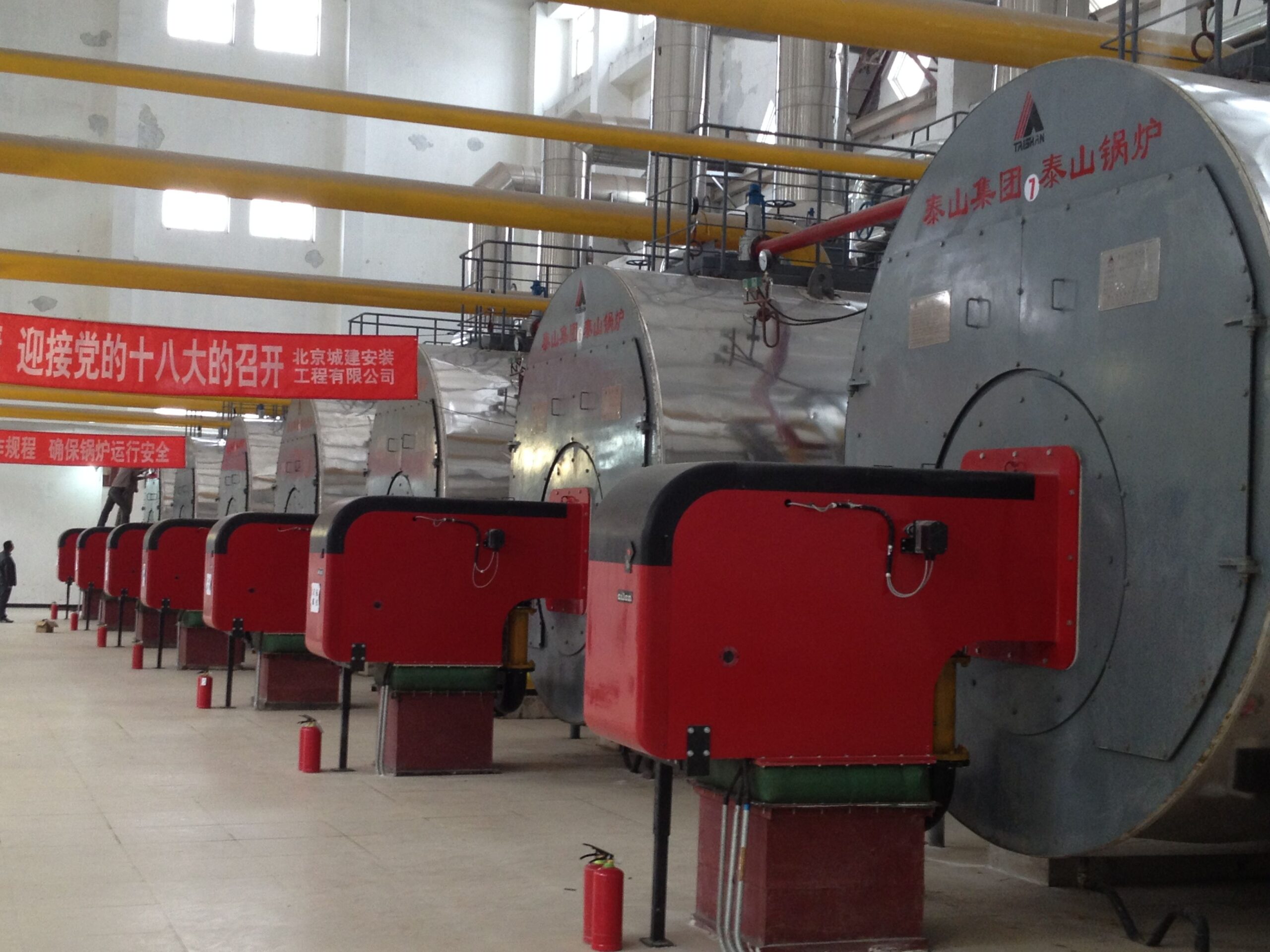
How to Choose the Right Industrial Gas-Fired Steam Boiler

How to Choose the Right Industrial Gas-Fired Steam Boiler

Selecting an inappropriate gas-fired steam boiler can result in unstable steam supply, excessive fuel consumption, higher emissions, and frequent maintenance issues. Since gas-fired boilers are widely used in food processing, pharmaceuticals, textiles, chemicals, and power generation, choosing the right model is critical for efficiency, compliance, and long-term reliability.

To choose the right industrial gas-fired steam boiler, you must determine the required steam capacity and pressure, assess available gas supply pressure and quality, select between fire-tube and water-tube designs, consider efficiency-enhancing options such as economizers and condensers, ensure compliance with emission standards, and evaluate automation, safety, and maintenance requirements. Site-specific conditions such as installation space, altitude, and water quality must also be taken into account.

The right choice ensures lower operating costs, stable steam output, and regulatory compliance over the boiler’s service life.

How Do You Determine the Correct Steam Capacity and Working Pressure for Your Process?

One of the most difficult but critical decisions in boiler design is determining the correct steam capacity and working pressure for a given process. The pain point lies in underestimating or oversizing: a boiler that is too small creates production bottlenecks and costly downtime, while oversizing increases fuel consumption, operating inefficiency, and capital cost. Both mistakes can lead to long-term financial and operational consequences. The solution is a systematic approach that balances steam demand, process variability, pressure requirements, and safety margins to optimize boiler performance.

The correct steam capacity and working pressure for your process are determined by calculating the total connected load of all steam-consuming equipment, applying a diversity factor to account for simultaneous demand, and adding a safety margin (typically 10–20%). Working pressure is set based on the highest pressure requirement of process equipment plus an allowance for distribution losses. This ensures reliable steam supply without oversizing, maximizing efficiency and reducing operating costs.

The importance of accurate sizing cannot be overstated: it is the foundation of boiler design and directly affects fuel bills, maintenance, and long-term plant reliability. A professional steam load assessment prevents costly mistakes and enables selection of the most efficient boiler type for your operation.

The highest possible boiler pressure should always be chosen to ensure safety.False

Boiler pressure should be matched to process requirements with a small margin; unnecessarily high pressure increases capital cost, auxiliary equipment needs, and reduces efficiency.

Adding a 10–20% margin to calculated steam demand is standard practice to ensure stable operation.True

Safety margins account for fluctuations in demand and help prevent frequent cycling or steam shortages.

Step-by-Step Method for Determining Steam Capacity and Pressure

  1. List All Steam Users – Identify equipment such as turbines, heat exchangers, sterilizers, process vessels, HVAC, and auxiliary systems.

  2. Calculate Individual Loads – Obtain manufacturer data for steam consumption (kg/h or lb/h) or use heat balance calculations.

  3. Apply Diversity Factor – Not all users run at full load simultaneously; a factor (0.6–0.9) adjusts for realistic peak demand.

  4. Add Safety Margin – Typically 10–20% above maximum load to cover future expansion and demand fluctuations.

  5. Determine Required Pressure – Based on the highest equipment requirement, add 1–2 bar for line losses and control stability.

  6. Check Boiler Turndown Ratio – Ensure boiler can handle minimum load without inefficiency or cycling.

Example: Food Processing Plant

Steam UserLoad (kg/h)Operating FactorEffective Load (kg/h)
Pasteurizer Heat Exchanger3,5000.82,800
Sterilizer Units (x2)2,000 each0.52,000
Cleaning-In-Place (CIP) System1,2000.6720
HVAC Humidifiers8000.5400
Total Effective Load5,920 kg/h

Final Capacity Selection:

  • Total effective load = 5,920 kg/h

  • Safety margin (15%) = +888 kg/h

  • Boiler rating required = ~6,800 kg/h (≈7 TPH)

Pressure Selection:

  • Sterilizer requires 8 bar(g), distribution losses = 1 bar

  • Boiler working pressure = 9–10 bar(g)

Boiler Pressure vs. Application Table

Process ApplicationTypical Steam Pressure Range
Textile Drying & Heating4–8 bar
Food Processing (sterilizers, cooking)6–12 bar
Chemical & Pharmaceutical10–20 bar
Paper & Pulp10–30 bar
Power Generation (Utility)60–180+ bar

Engineering Insights

  • Oversizing Risk: A 20% oversized boiler can waste 8–12% extra fuel annually due to poor part-load efficiency.

  • Turndown Ratio: For variable demand plants, a higher turndown ratio (8:1 or 10:1 in gas boilers) reduces cycling losses.

  • Future Proofing: Where expansion is expected, a modular multi-boiler system often outperforms one large unit.

  • Pressure Matching: Avoid over-specifying pressure. Running a 20 bar boiler for a 6 bar process is inefficient and raises auxiliary equipment cost.

Case Study – Pharmaceutical Plant

A European pharmaceutical plant initially considered a 15 TPH boiler at 20 bar. A detailed steam audit revealed actual demand averaged 9 TPH with occasional peaks to 12 TPH. The optimized design specified a 2 x 7 TPH water-tube boiler system at 12 bar, enabling redundancy, higher efficiency, and a 15% CAPEX saving, with annual fuel savings of $180,000.

Conclusion

Determining the correct steam capacity and working pressure is not guesswork—it requires a systematic steam audit, diversity factor application, and careful allowance for process needs and distribution. The result is a boiler system that is reliable, efficient, and cost-effective for decades of operation.

How Do Gas Supply Conditions (Pressure, Calorific Value, Availability) Influence Boiler Selection?

One of the most overlooked yet critical aspects in boiler selection is the condition of the gas supply. Many operators face the pain point of choosing a boiler that cannot operate properly with the available fuel pressure or calorific value. This leads to unstable combustion, derated capacity, higher emissions, and costly retrofits. In extreme cases, boilers may even trip or fail to operate at all. The solution is to carefully evaluate gas pressure, calorific value, and long-term availability before finalizing boiler specifications.

Gas supply conditions directly influence boiler design and performance. Adequate inlet pressure ensures stable burner operation, calorific value determines boiler firing rate and heat input, and fuel availability dictates long-term operating cost and reliability. Low pressure may require booster compressors, variable calorific gas may need dual-fuel or flexible burners, and unreliable availability may necessitate backup fuel systems. Correctly matching boiler design to gas supply conditions prevents inefficiency, unplanned downtime, and compliance risks.

A professional fuel supply assessment during the design phase avoids costly mistakes and ensures long-term operational security.

All natural gas supplies have uniform calorific values, so any gas-fired boiler can run efficiently without adjustment.False

Natural gas composition varies by region; calorific value differences require burner tuning or special design for stable performance.

Low gas inlet pressure can cause poor combustion and flame instability in boilers.True

Gas burners require stable pressure within the design range; inadequate pressure may cause incomplete combustion and safety issues.

Key Gas Supply Factors Affecting Boiler Selection

1. Gas Pressure

  • Why it matters: Boiler burners are designed to operate within a specific gas pressure range (typically 2–6 bar for industrial burners).

  • Low pressure issues: Flame instability, reduced efficiency, incomplete combustion.

  • Solution: Install gas booster compressors or select burners designed for low-pressure operation.

2. Calorific Value (CV)

  • Definition: The energy content of fuel, usually expressed as MJ/Nm³ or kcal/Nm³.

  • Impact on boilers: Lower CV gas requires higher volume flow to meet the same steam output.

  • Solution: Select burners with wide turndown and adaptive combustion controls to handle gas quality variations.

3. Availability & Reliability

  • Issue: Seasonal shortages, supply interruptions, or weak distribution networks can disrupt operations.

  • Solution: Incorporate dual-fuel capability (natural gas + diesel/oil) for backup or consider on-site gas storage (LNG or CNG).

Comparative Gas Supply Scenarios

ParameterCase A: High Pressure, High CV GasCase B: Low Pressure, Low CV GasCase C: Unstable Supply
Pressure4–6 bar0.5–1 bar3–5 bar fluctuating
Calorific Value39 MJ/Nm³28 MJ/Nm³35–40 MJ/Nm³ variable
Boiler Adaptation NeededStandard industrial burnerBooster + flexible burnerDual-fuel + control tuning
CAPEX ImpactLowMedium–HighHigh (backup system needed)
Risk LevelLowMediumHigh

Engineering Considerations

  • Burner Flexibility: Modern low-NOx burners can adapt to wider CV ranges, reducing efficiency loss.

  • Gas Flow Measurement: Install flow meters and calorimeters to continuously monitor fuel quality.

  • Emissions Impact: Poor combustion due to low pressure or low CV gas increases CO, NOx, and unburned hydrocarbons.

  • Safety Margins: Always include a 10–15% gas supply margin in design to account for fluctuations.

Case Study – Cement Plant Boiler

A cement plant in South Asia was supplied with pipeline natural gas of highly variable calorific value (30–40 MJ/Nm³). Initially, standard burners caused flameouts and unstable steam generation. After retrofitting flexible dual-fuel burners with oxygen trim controls, efficiency improved by 7%, downtime reduced by 60%, and the plant avoided $200,000/year in lost production.

Boiler Selection Guide Based on Gas Supply

Gas Supply ConditionRecommended Boiler/Burner Choice
Stable high-pressure natural gasFire-tube or water-tube with standard burner
Low-pressure supplyBoiler with gas booster and staged burners
Variable calorific value gasWater-tube with adaptive combustion controls
Unreliable pipeline gasDual-fuel boiler with oil/diesel backup
Remote site with no pipelineLNG or CNG-fired packaged boiler

Conclusion

Gas supply conditions are not an afterthought—they are fundamental to boiler performance, safety, and lifecycle cost. Correctly aligning boiler design with gas pressure, calorific value, and availability ensures efficiency, stability, and resilience against supply disruptions.

What Efficiency-Boosting Options (Economizers, Condensers, Advanced Controls) Are Available for Gas-Fired Boilers?

Many plant operators struggle with the high fuel costs and emission penalties of gas-fired boilers. Even when the boiler is properly sized, a large portion of heat often escapes with the flue gas. This translates into lower efficiency, higher operating cost, and unnecessary CO₂ emissions. The good news is that several efficiency-boosting technologies—such as economizers, condensers, and advanced controls—can recover wasted energy, optimize combustion, and ensure maximum boiler performance.

The main efficiency-boosting options for gas-fired boilers include (1) installing economizers to capture waste heat and preheat feedwater, (2) using condensing heat exchangers to recover latent heat from flue gas moisture, and (3) deploying advanced digital control systems with oxygen trim, variable speed drives, and predictive maintenance. Together, these upgrades can increase boiler efficiency from 80–85% to 92–98%, depending on operating conditions and boiler type.

Investing in these technologies not only reduces fuel costs by 10–20%, but also ensures regulatory compliance, lower emissions, and longer equipment life.

Adding an economizer to a gas-fired boiler can improve efficiency by up to 5–7%.True

Economizers recover flue gas heat to preheat feedwater, lowering fuel demand for steam generation.


Condensing boilers cannot exceed 90% efficiency due to heat transfer limits.False

Condensing boilers recover latent heat from water vapor, allowing efficiency levels up to 98% under ideal conditions.

Key Efficiency-Boosting Options

1. Economizers

  • Function: Recover sensible heat from flue gas (200–300°C) to preheat feedwater.

  • Efficiency Gain: 5–7% fuel savings.

  • Best for: Medium to large water-tube boilers.

  • Cost vs. Payback: ROI typically within 1–2 years.

2. Condensing Heat Exchangers

  • Function: Extract latent heat from flue gas moisture by cooling it below dew point (~57°C).

  • Efficiency Gain: 8–12% (depending on return water temperature).

  • Best for: Boilers with low return water temperatures (district heating, food, textile).

  • Additional Benefit: Reduces flue gas temperature and emissions.

3. Advanced Combustion Controls

  • Oxygen Trim Systems: Continuously monitor O₂ in flue gas and adjust air-fuel ratio. Efficiency gain: 2–3%.

  • Variable Speed Drives (VSD): Modulate blower and pump speeds to match load, saving electricity and improving combustion stability.

  • Predictive Maintenance: IoT-enabled sensors track performance and prevent downtime.

Comparative Table of Efficiency Options

OptionEfficiency Gain (%)CAPEX ImpactPayback PeriodBest Application
Economizer5–7%Low–Medium1–2 yearsIndustrial boilers
Condensing Heat Exchanger8–12%Medium–High2–3 yearsDistrict heating, food/textile
Oxygen Trim Controls2–3%Low<1 yearAll boiler sizes
VSD for Blowers/Pumps1–2% (electric savings)Low<2 yearsLarge fans/pumps
Predictive Digital Controls1–3%Medium2–4 yearsLarge/critical boilers

Integration Example – Efficiency Upgrade Package

For a 20 TPH water-tube boiler, baseline efficiency at 84%:

  • Adding economizer: efficiency increases to ~90%.

  • Adding condensing exchanger: efficiency increases to ~95–96%.

  • Adding O₂ trim controls + VSD: efficiency improves to ~97–98%.

  • Net Result: 13% efficiency gain, reducing fuel cost by ~$250,000 annually (assuming natural gas at $10/MMBtu and 6,000 annual operating hours).

Case Study – Food Processing Plant

A European food processing plant installed an economizer + condensing exchanger + O₂ trim on a 10 TPH boiler:

  • Fuel consumption dropped by 14%.

  • CO₂ emissions reduced by 2,300 tons/year.

  • Payback achieved in 1.7 years despite high CAPEX.

  • Bonus benefit: Reduced boiler stack temperature lowered thermal stress on stack materials.

Engineering Insights

  • Return Water Temperature: Condensing recovery works best when return water is below 55°C.

  • Fuel Type: Natural gas is best suited for condensing due to high water vapor content; LPG has lower potential.

  • Load Profile: Advanced controls are especially valuable in plants with variable load demand.

  • Retrofit vs. New Design: Economizers and controls are relatively easy retrofits; condensers are best in new or fully redesigned systems.

Conclusion

Efficiency-boosting upgrades for gas-fired boilers are not optional luxuries—they are strategic investments. Economizers, condensing exchangers, and advanced controls can collectively raise efficiency close to 98%, saving fuel, cutting emissions, and ensuring compliance with tightening environmental regulations.

How Do Local Emission Regulations Affect Gas-Fired Boiler Design and Choice?

Many plant owners underestimate the impact of local emission regulations when selecting gas-fired boilers. The pain point comes when a boiler is purchased based on fuel efficiency alone, but later fails to meet stringent NOx, CO₂, or particulate limits, resulting in costly retrofits, penalties, or even operational shutdowns. The solution lies in carefully aligning boiler design, burner technology, and emission control systems with the environmental standards enforced by the plant’s operating region.

Local emission regulations directly influence gas-fired boiler design and choice by dictating allowable levels of pollutants such as NOx, CO₂, CO, and particulate matter. To comply, boiler manufacturers integrate low-NOx burners, flue gas recirculation, selective catalytic reduction (SCR), or condensing technology. The tighter the regional regulations, the more advanced (and costly) the required boiler and emission control package. Correctly selecting a boiler that meets both current and foreseeable future standards ensures long-term operational viability and prevents costly retrofits.

Compliance is not just about avoiding fines—it protects your investment, maintains community acceptance, and supports sustainability goals.

Gas-fired boilers emit negligible NOx and therefore do not require special low-NOx burners.False

Standard gas combustion produces significant NOx emissions; many regions mandate low-NOx burners or SCR systems for compliance.


Condensing gas-fired boilers help reduce both fuel consumption and CO₂ emissions.True

By recovering latent heat, condensing boilers increase efficiency and cut fuel use, leading to lower CO₂ output per unit of steam.

Key Emission Parameters Regulated

PollutantTypical Limits (EU/US/Asia)Boiler Impact
Nitrogen Oxides (NOx)30–80 mg/Nm³ (strict regions)Requires low-NOx burners, staged combustion, FGR, or SCR
Carbon Dioxide (CO₂)Linked to carbon taxes or cap-and-tradeEfficiency upgrades and potential hydrogen/natural gas blending
Carbon Monoxide (CO)50–100 mg/Nm³Demands precise air-fuel ratio controls
Particulates (PM)5–30 mg/Nm³ (gas is naturally low)Minimal concern, but monitoring required
Sulfur Oxides (SO₂)Gas generally negligibleOnly relevant for high-sulfur LPG or biogas

How Regulations Shape Boiler Design

1. NOx Compliance

  • Low-NOx Burners: Reduce flame temperature and stage combustion.

  • Flue Gas Recirculation (FGR): Recirculates cooled flue gas to lower combustion temperature.

  • SCR (Selective Catalytic Reduction): For ultra-low NOx zones (<10 ppm).

2. CO₂ Reduction

  • High-Efficiency Condensing Boilers: Reduce fuel use.

  • Carbon Capture Integration (pilot projects): For plants in regions with carbon pricing.

  • Hydrogen Co-Firing Capability: Future-proofing against stricter carbon rules.

3. Monitoring and Controls

  • Continuous Emissions Monitoring Systems (CEMS): Often legally mandated.

  • Advanced Combustion Controls: Maintain optimal air-fuel ratio to limit CO and NOx simultaneously.

Regional Examples of Impact

RegionRegulatory TrendBoiler Choice Impact
EU (Germany/Netherlands)Ultra-low NOx (<30 mg/Nm³), strict CO₂ pricingRequires condensing, SCR-ready designs
USA (California SCAQMD)NOx limit 9 ppm (very strict)Ultra-low NOx burners, FGR + SCR
China (Beijing, Shanghai)Tightened NOx ≤ 30 mg/Nm³ for gas boilersMandatory low-NOx burners
Middle EastModerate NOx limits, focus on fuel efficiencyEconomizers + O₂ trim controls
Africa/SE AsiaLess stringent, but trending upwardFuture-proofing recommended

Case Study – District Heating in Northern Europe

A 40 MW district heating boiler installed in Denmark originally designed for 80 mg/Nm³ NOx was retrofitted with FGR and low-NOx burners to meet new 30 mg/Nm³ standards. Efficiency dropped slightly due to additional flue gas circulation, but operational compliance saved €500,000 annually in avoided carbon penalties.

Engineering Insights

  • Regulations drive CAPEX: A basic fire-tube boiler may cost $300k, but a fully compliant ultra-low NOx SCR-equipped system may exceed $1M.

  • Future-proofing is critical: Select boilers designed to accommodate upcoming NOx and CO₂ rules, especially in rapidly tightening markets.

  • Integration costs matter: Installing emission controls at design stage is 30–40% cheaper than retrofitting later.

  • Efficiency = compliance: Higher efficiency reduces CO₂ per MWh, aligning with carbon tax reductions.

Conclusion

Local emission regulations are a primary driver of gas-fired boiler design and choice. Operators must evaluate not only today’s compliance requirements but also anticipate future tightening of NOx and CO₂ limits. Choosing the right boiler technology upfront ensures compliance, avoids retrofits, and delivers long-term savings.

What Role Do Automation, Safety Systems, and Ease of Maintenance Play in Decision-Making?

When selecting a new boiler, many decision-makers focus primarily on fuel type, efficiency, and upfront cost. However, neglecting to evaluate automation, safety systems, and ease of maintenance can lead to higher operational risks, longer downtime, and greater lifetime costs. Boiler accidents, unplanned shutdowns, and inefficient manual operations are common pain points when these factors are ignored. The solution lies in choosing boilers with advanced automation, reliable safety interlocks, and designs that minimize maintenance complexity, ensuring both operational reliability and long-term cost-effectiveness.

Automation, safety systems, and ease of maintenance play a critical role in boiler decision-making because they directly affect operational efficiency, personnel safety, compliance, and lifecycle cost. Automated control systems optimize combustion and load response, safety systems prevent catastrophic failures, and maintenance-friendly designs reduce downtime and repair expenses. Decision-makers should prioritize these features alongside fuel and capacity considerations, as they significantly enhance reliability, ROI, and compliance with safety regulations.

In short, while fuel efficiency may save money, automation and safety save both lives and assets, and ease of maintenance ensures sustainability of operations.

Automation in boilers is primarily for convenience and has little impact on efficiency or safety.False

Automation significantly improves combustion control, reduces fuel waste, lowers emissions, and enhances operational safety.


Boiler designs with better accessibility reduce downtime and overall maintenance costs.True

Ease of maintenance shortens repair time, improves reliability, and extends boiler life, which lowers lifecycle costs.

Key Role of Automation in Decision-Making

  • Combustion Optimization: Digital controls maintain precise air-fuel ratio for maximum efficiency.

  • Load Tracking: Automated systems quickly adjust to fluctuating steam demands without manual intervention.

  • Remote Monitoring & IoT Integration: Real-time performance data prevents failures and enables predictive maintenance.

  • Labor Savings: Reduced need for constant manual supervision.

Automation FeatureBenefitImpact on ROI
Oxygen Trim ControlHigher efficiency, lower emissions1–3 year payback
PLC/DCS IntegrationCentralized plant managementIncreases uptime
IoT Predictive AnalyticsPrevents unplanned shutdownsROI < 2 years
Remote MonitoringReduced staffing costOPEX savings

Safety Systems as a Decisive Factor

  • Burner Management System (BMS): Controls startup, shutdown, flame detection.

  • Pressure Relief Valves & Interlocks: Prevent overpressure explosions.

  • Gas Leak Detection & Shutdown: Critical in gas-fired plants.

  • Compliance Requirement: Safety systems are legally mandated in most jurisdictions.

Safety SystemFunctionRisk Reduced
Flame SafeguardShuts off fuel supply if flame failsExplosion risk
High-Low Pressure Cut-offsPrevents overpressure/underpressureCatastrophic failure
Gas Leak DetectionAutomatic shutdown in leaksFire/explosion hazard
Emergency Shutdown (ESD)Stops boiler under abnormal conditionsProtects plant & staff

Ease of Maintenance and Long-Term Value

  • Design Accessibility: Wide manholes, quick tube access, modular burners.

  • Predictive Maintenance Tools: Vibration sensors, corrosion monitoring, real-time analytics.

  • Spare Parts Availability: OEM support, standardized components lower downtime.

  • Service Interval Optimization: Longer service cycles reduce OPEX.

Maintenance FactorImpactDecision Influence
Easy Tube CleaningShorter downtime, better efficiencyHigh
Modular Burner DesignQuick replacement, reduced repair timeHigh
Spare Parts Readily AvailableEnsures fast turnaroundMedium-High
OEM Service ContractsGuarantees support and reliabilityHigh

Case Study – Food Industry Boiler Upgrade

A European food processing plant upgraded to a 20 TPH water-tube boiler with:

  • PLC automation with remote monitoring → reduced fuel consumption by 8%.

  • BMS with flame safeguard and gas leak detection → eliminated safety violations.

  • Modular maintenance design → cut annual downtime by 40 hours, saving €120,000/year.

This demonstrates how automation + safety + ease of maintenance directly improve ROI and compliance simultaneously.

Engineering Insights

  • Safety features should never be downgraded to cut costs—failure can be catastrophic.

  • Automation reduces both energy consumption and staffing requirements, providing dual savings.

  • Maintenance design is often overlooked in procurement, but it defines total lifecycle cost more than initial CAPEX.

  • Plants with limited skilled labor benefit most from highly automated and low-maintenance designs.

Conclusion

Automation, safety systems, and ease of maintenance are not secondary considerations—they are core decision factors in boiler procurement. They protect staff, ensure compliance, minimize downtime, and deliver long-term cost savings. A boiler that is fuel-efficient but unsafe or hard to maintain is never the right investment.

How Do Site-Specific Conditions (Installation Space, Altitude, Feedwater Quality) Impact Gas-Fired Boiler Performance?

When planning a gas-fired boiler project, many plant managers focus on capacity, fuel type, and efficiency but overlook the impact of site-specific conditions. Problems arise when a boiler that performs well on paper under standard conditions fails in real-world operations due to limited installation space, reduced oxygen at high altitudes, or poor feedwater quality. These challenges can cause derated capacity, increased fuel consumption, shorter equipment life, or even premature boiler failure. The solution lies in carefully assessing the physical site conditions, local environment, and water supply characteristics before selecting and configuring a gas-fired boiler.

Site-specific conditions directly impact gas-fired boiler performance by influencing efficiency, safety, and service life. Limited installation space may restrict boiler type and ancillary equipment, altitude affects combustion due to lower oxygen availability, and feedwater quality determines scaling, corrosion, and maintenance needs. Correctly matching boiler design to these conditions ensures reliable operation, compliance, and optimized lifecycle cost.

In other words, a boiler that ignores site-specific realities may never achieve its rated efficiency or expected lifespan.

Boilers always deliver their rated capacity regardless of installation altitude.False

At higher altitudes, lower air density reduces available oxygen, requiring derating or combustion system modification.


Poor feedwater quality is one of the most common causes of boiler tube failures.True

Impurities cause scaling, corrosion, and overheating, leading to tube ruptures and costly repairs.

1. Installation Space Constraints

  • Challenge: In industrial plants, boiler houses or mechanical rooms often have limited space.

  • Impact: This restricts selection between fire-tube vs. water-tube, economizer installation, or advanced emission controls.

  • Engineering Considerations:

    • Compact Boilers (vertical fire-tube, modular units) fit small footprints but with lower capacities.

    • CFD and 3D Layout Planning optimize auxiliary equipment (pumps, economizers, gas trains).

    • Maintenance Access: Poor accessibility increases service downtime and costs.

Boiler TypeSpace RequirementBest Fit
Fire-TubeLarge footprintLow/medium capacity, easy service
Water-TubeTaller but more compact per outputHigh capacity plants
Modular PackageVery compactSpace-limited retrofits

2. Altitude Effects on Performance

  • Challenge: Air density decreases with altitude, reducing oxygen available for combustion.

  • Impact: Boilers at >1000 m elevation may suffer derated capacity and efficiency losses.

  • Typical Derating Rule: Efficiency drops ~1–2% per 300 m above 1000 m if unmodified.

  • Engineering Solutions:

    • Forced Draft Fans: Ensure adequate combustion air.

    • Oxygen Trim Controls: Adjust fuel-air ratio automatically.

    • Burner Re-sizing: To restore proper flame stability.

Altitude (m)Air Density Reduction vs. Sea LevelBoiler Output Impact
0100%Rated capacity
1000~89%-5–10% derating
2000~78%-15–20% derating
3000~70%-25–30% derating

3. Feedwater Quality and Boiler Life

  • Challenge: Natural water sources vary in hardness, silica content, dissolved gases, and contaminants.

  • Impact: Poor feedwater treatment leads to scaling, corrosion, pitting, and tube rupture.

  • Standards: Most OEMs require water to meet ASME or EN boiler water quality guidelines.

  • Engineering Solutions:

    • Deaerators: Remove O₂ and CO₂ to prevent corrosion.

    • Softening/RO Systems: Control hardness and TDS.

    • Chemical Dosing: Adjust pH, oxygen scavengers.

Feedwater IssueEffect on BoilerPreventive Solution
Hardness (Ca, Mg)Scaling → overheatingSoftener/RO system
SilicaTurbine deposits, glassy scaleRO or ion exchange
Oxygen/CO₂Pitting & corrosionDeaerator + scavengers
High TDSFoaming, carryoverBlowdown + RO system

Case Study – Brewery Plant in South America

A 15 TPH gas-fired water-tube boiler installed at 2500 m elevation initially failed to reach design steam output. Engineering review showed oxygen deficiency at altitude. Solution: upgraded forced draft fan + oxygen trim system, restoring output to 95% of rated. Additionally, feedwater silica levels above standard were corrected with RO + chemical treatment, reducing tube fouling and extending cleaning intervals from 4 months to 12 months.

Engineering Insights

  • Space-limited sites often require modular boilers, but planning for service access is equally important.

  • Altitude derating is unavoidable without design modification—always check manufacturer altitude curves.

  • Feedwater quality is the hidden killer of boilers—investing in treatment is far cheaper than tube replacement.

  • Integrated solutions (automation + water treatment + layout design) provide the highest ROI.

Conclusion

Site-specific conditions—installation space, altitude, and feedwater quality—are decisive in ensuring gas-fired boiler performance, efficiency, and longevity. Overlooking them leads to derated output, higher operating costs, and premature failures. The smartest investment is not just in the boiler itself, but in designing a system that matches your site environment.

🔍 Conclusion

Choosing the right industrial gas-fired steam boiler involves more than capacity—it requires aligning technical requirements, fuel characteristics, and environmental compliance. A well-matched boiler ensures efficient fuel use, reliable steam supply, and long-term operational savings.


📞 Contact Us

💡 Looking for the best gas-fired steam boiler for your facility? We provide engineering consultation, system design, and turnkey supply to ensure you get the optimal boiler for your operations.

🔹 Contact us today for a tailored gas-fired steam boiler solution that maximizes efficiency and reliability. 🔥💨🏭✅

FAQ

How do I choose the right industrial gas-fired steam boiler?

Selecting the right boiler involves evaluating steam capacity, pressure, efficiency, fuel cost, and environmental compliance. Consider:

  • Steam output (kg/h or t/h) – Match to actual process demand.

  • Operating pressure – Food, textile, and pharma industries need low-to-medium pressure; chemical and power industries require high pressure.

  • Efficiency – Modern gas-fired boilers can reach 90–95% with condensing technology.

  • Space constraints – Fire-tube boilers are compact, water-tube boilers handle higher loads.

  • Emission standards – Ensure compliance with NOx and CO₂ regulations.


What capacity gas-fired steam boiler should I select?

Capacity depends on your steam load profile:

  • Small industries (laundries, food processing, beverage): 500 kg/h – 10 t/h

  • Medium industries (textiles, chemicals, breweries): 10–40 t/h

  • Large industrial users & utilities: 40–150+ t/h
    Oversizing leads to energy waste; undersizing risks downtime. A steam demand analysis is recommended before purchase.


How efficient are gas-fired steam boilers compared to other types?

Gas-fired boilers are among the most efficient:

  • Standard fire-tube boilers: 80–85%

  • Water-tube boilers: 85–90%

  • Condensing boilers: 90–95% (capture latent heat from flue gases)
    Compared to coal or oil, gas boilers are cleaner, require less maintenance, and reduce operating costs in the long term.


What fuel considerations are important for gas-fired steam boilers?

Key factors include:

  • Natural gas availability – Ensure pipeline access or bulk storage.

  • Gas cost stability – More predictable than oil but varies by region.

  • Alternative fuels – Some boilers support dual-fuel operation (gas + oil) for flexibility.

  • Regulatory compliance – Gas boilers emit less SO₂ and particulates than coal, aiding compliance with air quality laws.


What industries benefit most from gas-fired steam boilers?

Gas-fired boilers are ideal for industries needing clean, reliable, and cost-effective steam, such as:

  • Food & beverage processing – Clean steam for sterilization.

  • Pharmaceuticals – Precise pressure and purity requirements.

  • Textiles & laundries – High steam consumption with lower emissions.

  • Chemicals & refining – Reliable high-pressure steam for process operations.


References

  1. DOE – Natural Gas-Fired Boiler Efficiency Standardshttps://www.energy.gov

  2. ASME – Gas Boiler Design and Operationhttps://www.asme.org

  3. Spirax Sarco – Selecting the Right Gas Boilerhttps://www.spiraxsarco.com

  4. Forbes Marshall – Gas vs. Oil Boiler Comparisonhttps://www.forbesmarshall.com

  5. Babcock & Wilcox – Industrial Gas-Fired Boiler Applicationshttps://www.babcock.com

  6. IEA – Natural Gas in Industrial Energy Systemshttps://www.iea.org

  7. Engineering Toolbox – Steam Boiler Sizing Methodshttps://www.engineeringtoolbox.com

  8. ScienceDirect – Boiler Efficiency Studieshttps://www.sciencedirect.com

  9. BioEnergy Consult – Fuel Choices in Industrial Boilershttps://www.bioenergyconsult.com

  10. ResearchGate – Gas-Fired Boiler Performance Optimizationhttps://www.researchgate.net

Wade Zhang

CEO of Taishan Group Taian Boao International Trade Co., Ltd. 30 years experience in Global industrial boiler market,  Over 300 boiler projects experience, including 21+ EPC projects. Projects span 30+ countries & regions, involving industries such as nuclear power, energy & electricity, municipal heating, mining, textiles, tires etc.

How to Choose the Right Industrial Gas-Fired Steam Boiler Read More »
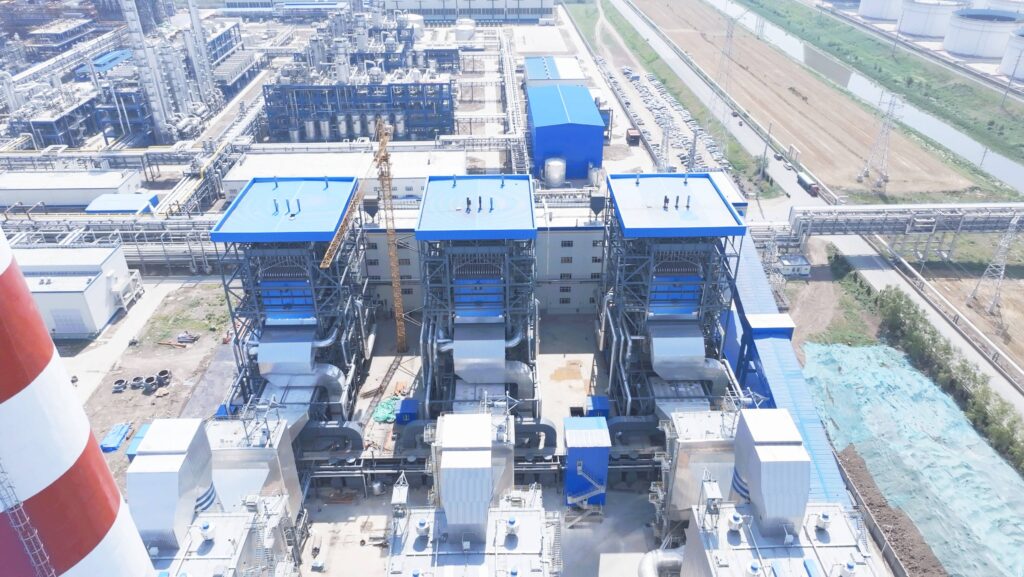
Can Industrial Steam Boilers Be Customized for Harsh Environments?

Can Industrial Steam Boilers Be Customized for Harsh Environments?

Standard industrial boilers are designed for general conditions at or near sea level. However, many industries operate in challenging environments—such as high-altitude mining sites, coastal chemical plants, or humid tropical factories. In such locations, using an unmodified boiler can lead to reduced efficiency, corrosion failures, unstable combustion, and higher maintenance costs.

Yes, industrial steam boilers can be customized for special environments such as high-altitude, corrosive, or humid conditions. For high altitudes, boilers are designed with adjusted combustion systems and derated capacity to account for lower oxygen density. In corrosive environments, manufacturers apply special alloys, anti-corrosion coatings, and water treatment systems. For humid climates, enhanced insulation, moisture-proof electrical controls, and protective packaging ensure reliable performance. These engineering adaptations allow boilers to operate safely, efficiently, and durably in demanding site conditions.

Choosing the right customization ensures long-term reliability, efficiency, and reduced lifecycle costs even in extreme environments.


How Does High Altitude Affect Combustion and Boiler Capacity?

Operating an industrial boiler at high altitude (typically above 1,000 m / 3,300 ft) presents unique challenges. The thinner air changes how combustion happens, which directly impacts boiler output and efficiency. To keep the system safe and reliable, certain design modifications are required.


Effects of High Altitude on Boilers

  1. Lower oxygen density:
    Air gets thinner with altitude. Less oxygen per cubic meter means burners cannot supply the same combustion energy without adjustments.

  2. Reduced boiler capacity:
    Without modifications, expect derating of ~3–4% capacity per 300 m (1,000 ft) above sea level. A boiler rated for 10 t/h at sea level may only deliver ~8.5–9 t/h at 2,000 m.

  3. Flame stability issues:
    Lower oxygen leads to longer flames, incomplete combustion, and higher CO emissions if not tuned properly.

  4. Draft and heat transfer impact:
    Fans and natural draft systems are less effective because of reduced air density, affecting combustion air supply and flue gas flow.


Modifications Needed for High-Altitude Operation

  1. Burner adjustment or redesign:

    • Larger fans or blowers to move more air volume.

    • Recalibrated burner nozzles and fuel/air mixing systems.

    • Oxygen trim control systems to automatically adjust combustion.

  2. Fan and draft system upgrades:

    • Forced draft fans sized for higher volumetric airflow.

    • Induced draft fans may need higher speed or larger impellers.

  3. Capacity derating or oversizing:

    • Select a boiler with 10–20% higher capacity to compensate for altitude losses.

    • Or accept reduced output as part of design.

  4. Combustion tuning at site elevation:

    • Commissioning must be performed at the actual site to adjust air/fuel ratios, flame detection sensitivity, and control settings.

  5. Safety and emissions systems:

    • Flame scanners tuned for weaker flame signals.

    • CO/NOx controls recalibrated since incomplete combustion risk increases.


Summary:
High altitude reduces available oxygen, lowering boiler capacity and combustion efficiency. To counter this, facilities must use bigger fans, adjusted burners, oxygen trim controls, and sometimes oversize the boiler itself. Final combustion tuning at the actual elevation is always required.

What Materials and Coatings Protect Boilers from Corrosive Industrial Environments?

Corrosive environments are among the biggest threats to industrial boilers. High temperatures, acidic flue gases, dissolved oxygen, or harsh water chemistry can rapidly damage pressure parts, leading to leaks, reduced efficiency, and costly downtime. The key to protecting your investment lies in selecting the right materials and coatings that are designed to resist corrosion under tough operating conditions.

Boiler protection against corrosion is achieved by using durable materials such as stainless steels, alloy steels, and protective linings, along with coatings like ceramic layers, epoxy paints, and thermal sprays. These materials help extend service life, minimize unplanned outages, and maintain compliance with safety standards.

That’s why industrial buyers should pay attention not only to the boiler’s mechanical design but also to the choice of corrosion-resistant solutions suited to their fuel, water quality, and operating environment.

Carbon steel alone is sufficient for all boiler environments.False

While carbon steel is widely used, in highly corrosive environments it must be upgraded with alloys or protective coatings to avoid premature failure.


Stainless steel and high-alloy steels provide superior resistance to acidic flue gases and oxygen corrosion.True

These alloys maintain strength and resist chemical attack, making them suitable for harsh boiler conditions.


Key Materials for Corrosion Resistance

Material TypeTypical Use in BoilersCorrosion Protection Benefit
Carbon SteelStandard pressure partsEconomical but needs coating in corrosive environments
Stainless Steel (304/316/347)Superheaters, economizersExcellent resistance to acidic flue gases & chloride attack
Corten Steel (Weathering Steel)External boiler shellsForms protective oxide layer, reduces atmospheric corrosion
Alloy Steels (Cr-Mo, Ni-based)Furnace tubes, headersWithstand high temp + corrosive gases, longer lifespan

Protective Coatings and Treatments

Coating/MethodApplicationAdvantages
Epoxy CoatingsExternal surfaces, water-contact areasStrong barrier against moisture & mild chemicals
Ceramic/Glass LiningsBoiler water walls, flue gas ductsHigh-temp stability, prevents chemical erosion
Thermal Spray (Aluminum/Zinc)Tube surfaces, superheaterProtects against oxidation & sulfidation
Chemical PassivationInternal waterside treatmentCreates oxide film, prevents pitting
Protective Paint SystemsExteriorCost-effective for atmospheric resistance

Practical Guidance for Buyers

  • Choose stainless or alloy steels if operating with high sulfur fuels, biomass, or waste fuels.

  • Use ceramic or thermal spray coatings in areas with high flue gas temperatures and corrosive ash.

  • Apply epoxy or paint coatings for external boiler shells in coastal or humid plants.

  • Always integrate proper water treatment programs to complement material selection.


In summary: Industrial boilers facing corrosive environments are best protected by a combination of alloy steels for strength and specialized coatings (epoxy, ceramic, or thermal sprays) for durability. The right choice depends on fuel type, operating temperature, and water chemistry.

How Is Insulation and Control System Design Adapted for Humid Climates?

In humid climates, industrial boilers face two persistent challenges: moisture-driven insulation degradation and sensitive control system failures due to condensation or corrosion. If these risks are not managed, efficiency drops, electrical faults increase, and maintenance costs rise. The solution lies in selecting moisture-resistant insulation materials and adapting control system enclosures and ventilation to the local climate.

In humid climates, boiler insulation uses closed-cell materials, vapor barriers, and corrosion-resistant jacketing, while control systems are safeguarded with sealed panels, anti-condensation heaters, and humidity monitoring. These adaptations ensure long-term efficiency, safety, and reliability even in moisture-heavy environments.

This makes climate-specific design a critical factor when choosing or upgrading industrial boilers, especially for plants located in tropical, coastal, or monsoon-prone regions.

Standard insulation without vapor protection is sufficient in humid climates.False

Moisture absorption in standard insulation causes loss of thermal efficiency and corrosion under insulation (CUI). Vapor barriers are essential.


Control panels in humid environments require sealed enclosures and condensation control.True

Humidity can damage electronic boards and wiring; protective enclosures and dehumidifying devices extend system life.


Insulation Design in Humid Climates

FeatureAdaptationBenefit
Closed-cell Insulation (e.g., Foam Glass, Elastomeric)Prevents water absorptionMaintains thermal resistance
Vapor Barriers / SealantsWrapped around insulationBlocks moisture ingress
Aluminum/SS JacketingExterior layerCorrosion protection and durability
Drainage & Inspection PortsBuilt-in designPrevents trapped water pockets

Control System Design in Humid Climates

Control ProtectionMethodAdvantage
IP55–IP66 Rated EnclosuresDust- and water-sealed control boxesPrevents condensation entry
Anti-Condensation HeatersLow-wattage panel heatersKeeps relative humidity < 60%
Dehumidifiers or DesiccantsInside panelsLong-term moisture control
Conformal Coatings on PCBsProtective chemical layersShields electronics from corrosion
Ventilation with FiltersControlled airflowReduces internal heat and humidity

Buyer Takeaways

  • For humid tropical plants, always specify closed-cell insulation with a vapor barrier.

  • Use marine-grade aluminum or stainless steel cladding to avoid corrosion under insulation (CUI).

  • For controls, ensure sealed enclosures with at least IP55 rating, plus condensation heaters.

  • Consider online humidity monitoring for critical control panels.


In summary: Insulation in humid climates must block moisture through closed-cell materials and vapor barriers, while control systems need sealed, climate-protected enclosures with condensation management. This dual strategy ensures boiler reliability even in high-humidity operating environments.

What Water Treatment and Condensate Management Are Critical in Harsh Sites?

In harsh operating sites—such as coastal, desert, or chemical plant environments—boilers are under constant attack from salts, minerals, and contaminants that accelerate scaling, corrosion, and equipment failure. If untreated water or poorly managed condensate is used, the result can be reduced efficiency, tube rupture, or unplanned shutdowns. The solution lies in robust feedwater treatment programs and controlled condensate recovery, both designed for site-specific risks.

In harsh sites, critical water treatment includes softening, deaeration, oxygen scavenging, and chemical conditioning, while condensate management relies on polishing, monitoring of return quality, and protection against corrosion. Together, these steps keep boilers running efficiently, reduce failures, and extend system life despite challenging environments.

That is why buyers and operators in power, petrochemical, and heavy process industries must treat water and condensate handling as part of the boiler’s first line of defense.

Condensate can always be reused without treatment.False

Contaminated condensate may contain oils, solids, or dissolved gases that cause corrosion and scaling if not polished or tested before reuse.


Proper water treatment and condensate monitoring can extend boiler life by more than 10 years.True

High-quality water control prevents tube scaling and corrosion, reducing major failures and costly downtime.


Key Water Treatment Measures for Harsh Sites

Treatment StepMethodPurpose
Softening / DemineralizationIon exchange, RORemoves hardness (Ca, Mg) to prevent scaling
DeaerationMechanical + chemicalRemoves O₂ and CO₂ to avoid pitting corrosion
Oxygen ScavengersHydrazine, sulfite, or modern alternativesNeutralize residual oxygen
pH & Alkalinity ControlAlkaline treatmentProtects against acidic corrosion
Filtration & PretreatmentSand filters, multimediaRemoves suspended solids common in desert/coastal intakes

Condensate Management Essentials

Condensate StepBest PracticeBenefit
Condensate PolishingResin beds or filtersRemoves oil/contamination before reuse
Return Quality MonitoringConductivity meters, oil detectionPrevents contaminated returns
Neutralizing AminesDosing in return linesProtects against CO₂ corrosion
Flash Steam RecoveryUse of flash vesselsImproves energy efficiency in hot climates
Dedicated Return LinesSeparate clean from dirty condensateEnsures safe reuse

Buyer Takeaways

  • In desert regions, high silica and TDS require RO + chemical conditioning.

  • In coastal areas, salt spray and chlorides need stainless-steel feedwater lines and corrosion inhibitors.

  • In chemical sites, condensate polishers and oil contamination detectors are a must.

  • Always set up a condensate monitoring program—bad returns do more harm than good.


In summary: Effective water treatment and condensate management are the backbone of boiler reliability in harsh sites. By combining softening, deaeration, scavenging, and polishing with strict condensate quality control, operators can protect against scaling, corrosion, and efficiency loss—even under the toughest operating conditions.

How Do Manufacturers Test and Certify Boilers for Special Environments?

In industries where boilers operate under extreme heat, humidity, salinity, altitude, or chemical exposure, standard designs may not be enough. To ensure safety, durability, and compliance, manufacturers conduct special testing and certification tailored to these challenging environments.

Manufacturers test boilers through material stress tests, corrosion resistance trials, and simulated operating conditions, then certify them according to international standards (ASME, CE, ISO) with environment-specific adaptations. This ensures the system can withstand the site’s unique demands before installation.


Key Testing Methods

Test TypePurposeApplication in Special Environments
Hydrostatic & Pressure TestsConfirm vessel integrityHigher safety margins for high-altitude or high-pressure sites
Thermal Cycling TestsAssess heat stress durabilityDesert or process plants with fluctuating loads
Salt Spray & Corrosion TestsVerify resistance to chloridesCoastal or offshore locations
Humidity Chamber TestsSimulate long-term exposureTropical, monsoon, or chemical plant sites
Vibration & Shock TestsEnsure mechanical stabilityEarthquake-prone or mobile plant applications

Certification & Compliance

  • ASME (Section I & IV) – Global standard for pressure vessels.

  • EN 12952 / EN 12953 (EU) – Water-tube and shell boilers compliance.

  • ISO 9001 / ISO 14001 – Quality and environmental management certification.

  • Marine Certifications (ABS, DNV, Lloyd’s Register) – For offshore and coastal plants.

  • Local Regulatory Codes – Adapted to site conditions (e.g., seismic, emission, altitude).


Buyer Takeaways

  • Always ask the manufacturer which environmental tests were applied to your boiler model.

  • For coastal sites, require salt spray test results and marine-grade certifications.

  • For humid or tropical regions, ensure humidity chamber and corrosion resistance testing.

  • For altitude applications, confirm derating factors and pressure margin certifications.


In summary: Boiler manufacturers validate equipment for harsh environments through targeted testing (pressure, corrosion, humidity, vibration) and global certifications (ASME, EN, marine class). This ensures the system is not only compliant on paper but also field-proven for real-world reliability.

What Are the Cost and Delivery Implications of Customizing Boilers for Extreme Conditions?

When an industrial boiler is designed for extreme operating conditions—such as high humidity, corrosive environments, high altitude, or coastal locations—the investment goes beyond standard supply. While customization ensures reliability, safety, and long-term performance, buyers must be prepared for higher upfront costs and extended delivery timelines.

Customizing boilers for extreme conditions increases costs by 15–40% due to upgraded materials, coatings, and testing, while delivery timelines are often extended by 2–6 months because of engineering, certification, and sourcing of special components.


Cost Implications of Customization

Customization FactorCost ImpactReason
Special Materials (Duplex Steel, Inconel, Marine Alloys)+10–20%Higher raw material and fabrication costs
Protective Coatings (anti-corrosion, ceramic, thermal barrier)+5–10%Application process and quality testing
Environmental Testing & Certification (salt spray, vibration, marine class)+5–8%Specialized testing facilities and third-party approvals
Custom Design & Engineering+3–7%Site-specific adaptation, additional design hours
Spare Parts Package for Harsh Conditions+2–5%Additional wear-prone components included

Delivery Implications

Delivery StageExtra TimeReason
Engineering & Design Approval4–8 weeksAdditional calculations and client reviews
Material Procurement6–12 weeksSpecialty alloys and coatings often not in stock
Manufacturing & Testing4–6 weeksExtended testing cycles (salt spray, pressure, humidity chamber)
Certification & Third-Party Inspection2–4 weeksMarine, seismic, or altitude compliance reviews

Overall Delay: 2–6 months compared to a standard boiler project.


Buyer Tips to Manage Cost & Delivery Risks

  • Plan Early: Include customization needs in RFQs to avoid scope changes later.

  • Batch Orders: Order spare parts or coated components in bulk to reduce per-unit cost.

  • Choose Proven EPC Contractors: They often have pre-qualified suppliers for exotic materials, reducing procurement delays.

  • Balance CAPEX vs OPEX: While upfront costs are higher, customized boilers reduce downtime and premature replacement in extreme conditions.


In summary: Customizing boilers for extreme environments adds 15–40% in cost and 2–6 months in delivery, driven by special materials, coatings, testing, and certifications. However, these investments safeguard operational reliability and reduce long-term risks in harsh industrial sites.

🔍 Conclusion

Industrial steam boilers can be engineered for extreme site conditions, ensuring reliable steam supply whether at high-altitude mines, chemical plants with corrosive vapors, or tropical factories with high humidity. Proper customization prevents performance losses and extends service life.


📞 Contact Us

💡 Do you need a boiler solution for a demanding environment? We provide custom design, material selection, and field-proven adaptations for high-altitude, corrosive, and humid sites.

🔹 Get a customized boiler built for your exact environment and process needs. 🏔️🌊🌴🔥✅

FAQ

Can an industrial steam boiler be customized for high-altitude operation?

Yes. At high altitudes, air density is lower, which affects combustion efficiency and steam output. Boilers can be customized by:

  • Installing larger fans or forced draft systems to ensure adequate oxygen supply.

  • Adjusting the burner design and air-fuel ratio for proper combustion.

  • Increasing the heating surface area to compensate for reduced heat transfer.
    Manufacturers typically design high-altitude boilers with derated capacity to ensure reliable steam generation.


How are industrial boilers adapted for corrosive environments?

Corrosive environments (e.g., chemical plants, coastal areas, or waste-to-energy facilities) require special design considerations:

  • Corrosion-resistant materials such as stainless steel, Inconel, or alloy cladding.

  • Protective coatings and linings on pressure parts and exposed surfaces.

  • Water treatment systems to minimize internal corrosion and scaling.

  • Advanced emission control to reduce acidic flue gas effects (SO₂, HCl, etc.).
    These measures significantly extend boiler lifespan and reduce maintenance costs.


What modifications are made for humid or tropical climates?

In humid environments, condensation, rust, and mold are major risks. Boiler manufacturers adapt designs with:

  • Enhanced insulation and anti-condensation systems.

  • Dehumidification equipment for control rooms and electrical panels.

  • Corrosion-resistant paints, coatings, and sealing on external surfaces.

  • Improved ventilation systems to manage humidity levels.
    This ensures long-term reliability in tropical or coastal installations.


Can all three conditions (altitude, corrosion, humidity) be addressed together?

Yes. Boilers can be fully customized with multi-environment protection features, combining:

  • High-altitude combustion systems

  • Corrosion-resistant alloys and coatings

  • Anti-humidity protection measures
    Such integrated solutions are common in mining, oil & gas, and coastal industries, where environmental challenges overlap.


Why is boiler customization important for harsh environments?

Standard boilers may fail prematurely in extreme conditions. Customization ensures:

  • Safe and reliable performance in unique operating environments.

  • Longer equipment life due to material and design optimization.

  • Lower lifecycle costs by reducing downtime and maintenance.

  • Compliance with local safety and environmental regulations.


References

  1. ASME Boiler Design Standardshttps://www.asme.org

  2. Spirax Sarco – Boiler Operation in Harsh Environmentshttps://www.spiraxsarco.com

  3. DOE – Industrial Boiler Adaptations for Extreme Conditionshttps://www.energy.gov

  4. Babcock & Wilcox – Boiler Material Selectionhttps://www.babcock.com

  5. Forbes Marshall – Combustion Efficiency at High Altitudehttps://www.forbesmarshall.com

  6. ResearchGate – Corrosion in Industrial Boilershttps://www.researchgate.net

  7. IEA – Industrial Boiler Reliability Studieshttps://www.iea.org

  8. BioEnergy Consult – Boiler Maintenance in Humid Climateshttps://www.bioenergyconsult.com

  9. ScienceDirect – High-Altitude Boiler Performance Studieshttps://www.sciencedirect.com

  10. Engineering Toolbox – Combustion and Air Properties at Altitudehttps://www.engineeringtoolbox.com

Wade Zhang

CEO of Taishan Group Taian Boao International Trade Co., Ltd. 30 years experience in Global industrial boiler market,  Over 300 boiler projects experience, including 21+ EPC projects. Projects span 30+ countries & regions, involving industries such as nuclear power, energy & electricity, municipal heating, mining, textiles, tires etc.

Can Industrial Steam Boilers Be Customized for Harsh Environments? Read More »
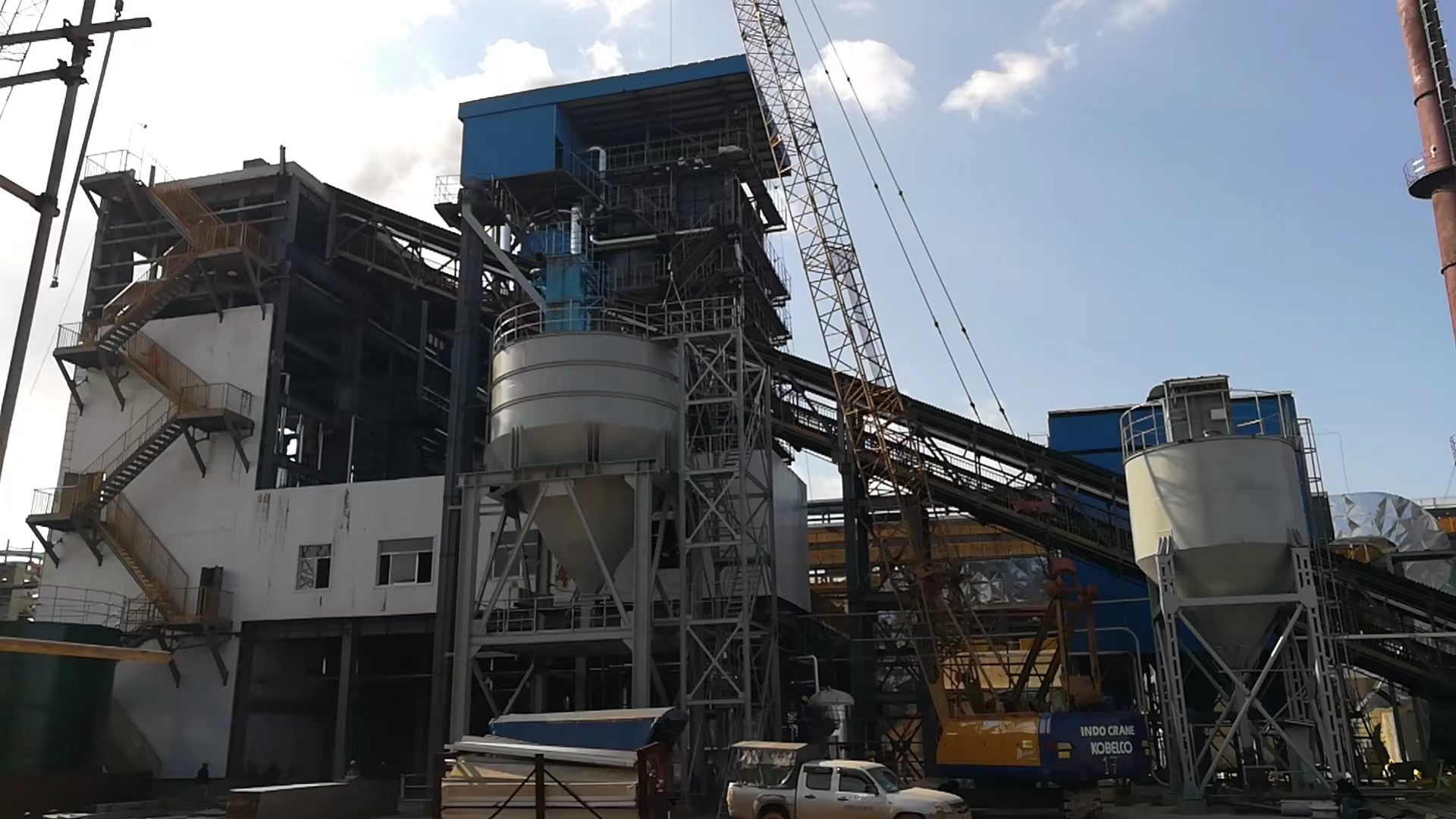
How Much Does a Coal-Fired Boiler Cost? Price Guide 2025

How Much Does a Coal-Fired Boiler Cost? Price Guide 2025

Coal-fired boilers remain a popular choice for large-scale industrial heating and power generation due to their ability to handle varied fuel qualities and deliver high output. However, many buyers face uncertainty when budgeting because the true cost of a coal-fired boiler depends on capacity, design, and compliance requirements. Without clear cost insights, projects risk budget overruns, hidden expenses, and delays.

The cost of a coal-fired boiler typically ranges from $25,000 to $100,000+ for small industrial units (1–10 ton/hr), $1 million–$5 million for medium-capacity boilers (20–75 ton/hr), and $10 million–$100 million+ for utility-scale installations (100–500 MW). Final pricing depends on capacity, steam parameters, fuel quality, pressure rating, efficiency enhancements (economizers, air preheaters), emission control systems (ESP, bag filters, desulfurization), auxiliary equipment (feedwater system, fans, ash handling), and whether the project includes full EPC/civil works.

Accurate budgeting requires evaluating not just the boiler body, but also its auxiliary systems and environmental compliance features.


What Capacity and Steam Parameters Influence Coal-Fired Boiler Cost?

When industrial investors consider installing a coal-fired boiler, one of the most pressing challenges they face is the high capital cost and long-term operating expense. Choosing the wrong boiler capacity or mismatched steam parameters often leads to oversized equipment, excessive fuel consumption, inefficient energy output, and costly maintenance. On the other hand, selecting the right capacity and steam characteristics can drastically lower lifecycle costs, improve performance, and ensure compliance with energy efficiency standards. This article explores how boiler capacity and steam parameters directly affect costs, offering practical insights for decision-makers.

The cost of a coal-fired boiler is mainly influenced by its rated capacity (measured in tons of steam per hour or MW output) and the designed steam parameters, including steam pressure, steam temperature, and steam flow rate. Larger capacities generally require bigger furnaces, higher-grade steel, and stronger auxiliary systems, raising capital costs, while higher steam parameters demand advanced materials and manufacturing precision, which also increase investment but improve efficiency and reduce operating cost per unit of energy.

Before diving into detailed technical aspects, it is important to recognize that capacity and steam parameters do not work in isolation; they must be optimized together based on the intended industrial application. For instance, a textile plant with low-pressure steam requirements may not need the same boiler configuration as a utility-scale power station. Therefore, understanding how these two factors interact helps businesses make balanced, cost-effective decisions.

Higher steam pressure always reduces the cost of a coal-fired boiler.False

While higher steam pressure improves efficiency, it requires stronger alloy steel, thicker walls, and advanced welding technology, which increases initial cost.

Coal-fired boiler capacity has a direct linear relationship with its price.False

Boiler costs do not increase linearly with capacity; larger units benefit from economies of scale, though they require more advanced infrastructure and higher-grade materials.

Capacity and Its Impact on Cost

Boiler capacity refers to the maximum steam output a unit can generate, typically measured in tons/hour (TPH) or MW thermal/electrical. A higher-capacity unit requires:

  • A larger furnace volume to accommodate more coal combustion.

  • A stronger pressure vessel design to handle increased steam load.

  • More complex feedwater, air supply, and flue gas systems.

  • Higher-grade materials for durability under extended operating cycles.

This results in a higher upfront investment but, depending on scale, may reduce the cost per unit of steam produced. For example, a 20 TPH boiler may cost 2.5 times as much as a 10 TPH boiler, but its per-ton steam cost may be 30–40% lower due to efficiency gains.

Boiler Capacity (TPH)Approximate Initial Cost (USD million)Typical Efficiency (%)Cost per ton of steam (USD)
10 TPH1.5 – 2.080–8219–22
20 TPH3.5 – 4.283–8513–16
50 TPH7.0 – 9.085–8710–12
100 TPH12.0 – 15.086–888–10

This demonstrates that while capacity expansion raises equipment cost, operational cost efficiency improves over time, making large boilers attractive for continuous, high-demand operations.

Steam Parameters and Material Costs

Steam parameters (pressure, temperature, and flow) significantly dictate the design complexity and material selection. For example:

  • High pressure (>100 bar): Requires thick-walled drums and seamless alloy pipes.

  • High temperature (>500°C): Necessitates chrome-moly or nickel-based steel to resist creep and thermal fatigue.

  • Supercritical or ultra-supercritical designs: Demand cutting-edge metallurgy and advanced welding techniques.

Steam Pressure (bar)Steam Temp (°C)Required MaterialsCost Impact
30–40350–400Carbon steel, standard tubesLow
60–100450–500Low-alloy steel (Cr-Mo)Medium
100–160500–540High-alloy Cr-Mo, seamless forgingHigh
220+ (supercritical)560–600Nickel-based alloys, advanced weldingVery High

Although higher steam parameters increase capital expenditure, they provide better thermal efficiency, often reducing coal consumption by 8–12% compared to subcritical boilers. This translates into significant long-term savings on fuel, especially in large-scale power plants where coal cost is the largest operating expense.

Case Example: Cost Analysis in Power Generation

Consider a utility company evaluating two options:

  1. A 100 TPH subcritical boiler operating at 90 bar/450°C.

  2. A 100 TPH supercritical boiler operating at 250 bar/570°C.

  • Initial cost difference: ~30–35% higher for supercritical.

  • Fuel savings: ~10–12% annually.

  • Payback period: 5–7 years depending on coal price.

  • Lifetime ROI: 15–20% higher for supercritical due to reduced fuel consumption.

This illustrates how steam parameters influence not just the initial boiler cost but the entire life-cycle economics.

Conclusion

Capacity and steam parameters are the two most critical factors influencing coal-fired boiler cost. While larger capacity requires a higher investment, it typically lowers the per-unit cost of steam generation. Similarly, higher steam pressure and temperature increase upfront material and manufacturing costs but lead to significant efficiency gains and long-term fuel savings. The key for businesses is to match boiler size and steam parameters with actual process demand, avoiding both under-sizing (leading to inefficiency and operational strain) and over-sizing (leading to wasted investment).

How Does Fuel Quality and Type (Bituminous, Lignite, Anthracite) Affect Coal-Fired Boiler Pricing?

One of the most overlooked yet costly mistakes in boiler investment decisions is underestimating the impact of coal fuel quality. Many buyers focus primarily on boiler capacity and steam parameters while assuming coal is a uniform commodity. In reality, the type of coal—whether lignite, bituminous, or anthracite—greatly determines the boiler’s design, efficiency, maintenance requirements, and ultimately its overall cost. Poor fuel matching can lead to excessive ash handling, slagging, corrosion, higher emissions compliance costs, and even premature boiler failure. However, selecting the right boiler design aligned with fuel quality can lower total cost of ownership and boost performance reliability.

Coal type directly affects the cost of coal-fired boilers because different grades have varying calorific values, moisture content, sulfur levels, and ash properties. Lignite, with high moisture and low heating value, requires larger furnaces and more complex flue gas systems, increasing capital cost and operating expense. Bituminous coal, being more energy-dense and widely available, balances cost and efficiency, making it the most common choice. Anthracite, though highly efficient due to its high carbon content and low volatile matter, significantly increases equipment wear and upfront boiler price due to its harder combustion characteristics.

Understanding the fuel–boiler relationship is critical because choosing the wrong fuel compatibility not only raises upfront investment but also locks the operator into higher fuel and maintenance costs for decades. This is why engineers stress fuel testing, calorific value analysis, and long-term supply chain assessment before finalizing a boiler design.

Anthracite coal always reduces total boiler cost because it is the most efficient fuel.False

Although anthracite provides higher efficiency, its higher hardness, limited supply, and stricter combustion requirements increase both capital and operating cost.

Lignite coal is the cheapest fuel option and always lowers boiler operating cost.False

While lignite is inexpensive per ton, its high moisture and low calorific value mean higher consumption and larger boiler size, leading to increased overall system cost.

Fuel Characteristics That Drive Boiler Cost

Each coal type has a unique chemical and physical profile. These directly influence boiler size, furnace design, and pollution control systems.

Coal TypeCalorific Value (kcal/kg)Moisture (%)Ash (%)Sulfur (%)Impact on Boiler DesignCost Effect
Lignite2,500 – 4,20025–406–150.2–1.0Large furnace, high flue gas volume, robust ash handlingHigh OPEX despite low fuel price
Bituminous5,000 – 7,5005–155–120.5–2.0Balanced furnace size, moderate emission controlMedium CAPEX, efficient OPEX
Anthracite7,500 – 9,0002–68–120.4–0.8Stronger burner systems, higher-grade materialsHigh CAPEX, lower fuel use but higher wear

From this comparison, lignite seems cheap per ton, but its poor calorific value means consuming 2–3 times more tons compared to bituminous coal for the same steam output. This leads to larger storage, transportation, and ash disposal systems, all of which raise cost. Anthracite, though powerful, requires expensive feed systems and can damage refractory linings, demanding higher maintenance budgets.

Case Study: Cost Analysis of Fuel Choice

Consider a 50 TPH coal-fired boiler running 8,000 hours per year:

Fuel TypeAnnual Fuel Consumption (tons)Fuel Price (USD/ton)Annual Fuel Cost (USD)Maintenance & Handling Cost (USD)Total OPEX (USD)
Lignite110,000252,750,000900,0003,650,000
Bituminous70,000604,200,000500,0004,700,000
Anthracite60,0001006,000,000750,0006,750,000

While lignite appears cheapest in direct fuel cost, its high consumption and ash handling raise OPEX. Bituminous coal strikes a balance, often offering the best cost-to-efficiency ratio. Anthracite is efficient but economically viable only in regions with abundant local supply.

Engineering Considerations

  1. Combustion System Design: Lignite requires fluidized bed combustion (FBC) for efficiency, while bituminous performs well in pulverized coal systems. Anthracite often needs specialized stokers or fluidized systems.

  2. Emission Control: High-sulfur bituminous coal requires desulfurization units, adding cost. Lignite boilers must handle high flue gas moisture, requiring larger ESPs or baghouses.

  3. Material Stress: Anthracite’s high flame temperature can shorten refractory life, raising replacement costs.

  4. Logistics: Lignite degrades quickly and is uneconomical for long transport, necessitating proximity to mines.

Long-Term Cost Perspective

  • Lignite: Best suited for captive power plants located near mines, where transportation cost is negligible and fuel price stability offsets high consumption.

  • Bituminous: Ideal for industrial users requiring reliable, balanced economics.

  • Anthracite: Recommended only for niche applications where its superior calorific value justifies higher investment and supply is secure.

Conclusion

Fuel type and quality are decisive in coal-fired boiler pricing. Lignite requires larger, costlier systems despite its low per-ton price. Bituminous remains the most cost-effective and widely adopted fuel due to its balance of calorific value and manageable emissions. Anthracite delivers high efficiency but comes with higher boiler design and maintenance costs, making it viable only under specific local supply conditions. The right choice depends on both the technical compatibility of the fuel with the boiler design and the economic realities of long-term supply.

What Auxiliary Equipment Must Be Included in the Total Installed Cost of a Coal-Fired Boiler?

When calculating the investment for a coal-fired boiler project, many buyers make the mistake of focusing only on the boiler body and pressure vessel. This approach often leads to unexpected cost overruns of 20–40% because a complete coal-fired boiler system requires a full set of auxiliary equipment for safe, efficient, and environmentally compliant operation. Without properly budgeting for these components, projects face delays, compliance risks, and higher operating costs. The solution is to consider the total installed cost (TIC), which includes all required auxiliary systems along with the boiler itself.

The total installed cost of a coal-fired boiler must include key auxiliary equipment such as draft fans (ID/FD/PA fans), fuel feeding systems, ash handling systems, feedwater treatment and pumps, air preheaters, economizers, electrostatic precipitators or bag filters, chimneys, and control systems. These auxiliaries ensure proper combustion, emission control, heat recovery, and safe operation. Excluding them from initial budgeting leads to serious underestimation of project costs.

Investors should view auxiliary equipment not as optional add-ons but as integral parts of a functioning power or steam generation system. Each unit directly impacts performance, compliance, and lifecycle economics, which is why EPC (Engineering, Procurement, and Construction) contractors always quote turnkey projects including auxiliaries.

The main boiler body accounts for over 80% of the total installed cost of a coal-fired boiler.False

The boiler pressure part typically represents only 50–60% of the TIC; auxiliaries and balance-of-plant equipment make up the remaining share.

Auxiliary equipment in coal-fired boilers is optional and can be added later without major cost impact.False

Auxiliaries are essential for combustion, heat transfer, and emission compliance; retrofitting later is far more expensive and often impractical.

Major Auxiliary Equipment for Coal-Fired Boilers

Auxiliary EquipmentFunctionCost Impact (% of TIC)
Induced Draft (ID) FanDraws flue gas through furnace & ESP8–12%
Forced Draft (FD) FanSupplies combustion air to furnace3–5%
Primary Air (PA) FanCarries coal powder to burners2–4%
Coal Feeding SystemPulverizers, feeders, conveyors8–10%
Ash Handling SystemRemoves bottom & fly ash safely6–9%
Feedwater Pumps & HeatersEnsure proper water/steam cycle6–8%
EconomizerRecovers waste heat from flue gas4–6%
Air PreheaterPreheats combustion air for efficiency3–5%
ESP or Bag FilterCaptures particulate emissions10–15%
Chimney/StackSafely releases treated flue gas4–7%
Water Treatment PlantRemoves impurities to protect boiler tubes3–5%
Instrumentation & ControlsDCS, safety interlocks, automation7–10%

This breakdown shows that auxiliaries collectively account for 40–50% of the total installed cost, making them equally important as the boiler itself.

Example: 50 TPH Coal-Fired Boiler TIC Breakdown

Cost ComponentApproximate Cost (USD million)Share of Total (%)
Boiler Pressure Parts5.055
Draft Fans (ID, FD, PA)1.213
Fuel Feeding & Pulverizers0.910
Ash Handling System0.67
Air Preheater & Economizer0.78
ESP & Chimney1.112
Instrumentation & Control0.55
Total Installed Cost9.1100

From this analysis, we can see that the pressure part alone is insufficient for cost planning. Without auxiliaries, the plant cannot operate efficiently or legally.

Engineering Considerations for Auxiliary Selection

  1. Fuel Type Dependence: Lignite boilers require more robust fuel feeding and ash handling compared to bituminous designs.

  2. Emission Regulations: Stricter NOx/SOx norms may require flue gas desulfurization (FGD) systems, which can add 15–20% to TIC.

  3. Plant Layout Constraints: Limited space may demand compact auxiliary systems or modular ESPs.

  4. Automation Level: Higher DCS sophistication improves safety and efficiency but increases control system cost.

Long-Term Value of Investing in Auxiliaries

Well-designed auxiliaries reduce unplanned downtime, optimize fuel efficiency, and ensure compliance with tightening environmental laws. For example, economizers and air preheaters together can raise boiler efficiency by 4–6%, resulting in millions of dollars in fuel savings across the plant’s lifecycle. Similarly, reliable ash handling reduces maintenance downtime and environmental penalties.

Conclusion

Auxiliary equipment is not an afterthought—it is the backbone of a functioning coal-fired boiler system. Proper budgeting for fans, pumps, coal handling, ash handling, emission control, heat recovery devices, and control systems is essential to avoid underestimating project cost by nearly half. By including all auxiliaries in the total installed cost, plant owners safeguard efficiency, safety, and compliance for decades of operation.

How Do Emission Control and Environmental Compliance Raise Investment in Coal-Fired Boilers?

For many investors, the biggest hidden expense in a coal-fired boiler project isn’t the boiler itself—it’s the environmental compliance equipment required to meet emission standards. Power plants that ignore these costs face regulatory penalties, forced shutdowns, or expensive retrofits that can exceed 30% of the original investment. With increasingly strict global emission norms covering particulates, SO₂, NOₓ, and CO₂, emission control has become a mandatory driver of upfront capital cost in every new coal-fired boiler installation.

Emission control and environmental compliance raise the investment cost of coal-fired boilers by requiring additional systems such as electrostatic precipitators (ESP) or bag filters for particulate removal, flue gas desulfurization (FGD) units for SO₂ reduction, selective catalytic reduction (SCR) or low-NOx burners for nitrogen oxide control, and continuous emission monitoring systems (CEMS) for regulatory reporting. These systems can add 20–40% to the total installed cost depending on local regulations, fuel type, and boiler size.

This means that even if two boilers have the same capacity and steam parameters, their total installed cost can differ dramatically based on the environmental standards they must meet. Investors should therefore integrate compliance costs from the feasibility stage, not as an afterthought.

Emission control systems are optional in coal-fired boiler projects and only needed for large plants.False

Environmental regulations apply to all industrial boilers; even small and medium units require particulate and NOx control systems to operate legally.

Emission control increases operating cost but has no impact on initial capital expenditure.False

ESP, FGD, and SCR units require substantial upfront investment and significantly raise capital cost, in addition to adding operational expenses.

Key Emission Control Equipment and Cost Impacts

Pollutant ControlledEquipment RequiredTypical Cost Impact (% of TIC)Efficiency
Particulate Matter (PM)ESP or Bag Filter10–15%99% removal
Sulfur Dioxide (SO₂)Wet/Dry Flue Gas Desulfurization (FGD)12–20%90–98% removal
Nitrogen Oxides (NOₓ)Low-NOx Burners, Overfire Air, or SCR Systems8–12%60–95% removal
Carbon Dioxide (CO₂)CCS (Carbon Capture & Storage, emerging tech)25–40%80–90% removal
Monitoring & ComplianceCEMS, stack testing, data reporting systems2–4%N/A

As shown, particulate and SO₂ removal dominate capital additions in most installations, while NOx control is increasingly mandated in urban and developed regions. CO₂ capture, though still limited, represents the single largest potential compliance cost as global decarbonization accelerates.

Example: Investment Impact for a 100 TPH Boiler

ComponentCost Without Emission Control (USD million)Cost With Compliance Systems (USD million)Increase (%)
Boiler Pressure Parts & Auxiliaries12.012.0
ESP for Particulate1.8+15%
Wet FGD for SO₂2.4+20%
SCR for NOₓ1.5+12%
CEMS & Monitoring0.5+4%
Total Installed Cost12.018.2+52%

This case illustrates how compliance can push capital cost up by more than 50%. However, failure to install these systems exposes operators to fines, shutdowns, and loss of market access for electricity or industrial steam.

Engineering Considerations

  1. Fuel Type: High-sulfur lignite requires larger FGD units, while anthracite with low volatile matter produces less NOx but higher particulates.

  2. Regulatory Region: U.S. EPA and EU standards require nearly zero visible emissions, while developing regions may allow relaxed PM levels.

  3. Plant Scale: Larger units benefit from economies of scale in emission systems, reducing cost per MW.

  4. Integration: Designing compliance systems from the outset is cheaper than retrofitting after construction.

Long-Term Cost of Compliance

While emission controls increase CAPEX, they also impact OPEX:

  • ESP and bag filters require regular maintenance and energy input (1–3% of plant load).

  • FGD systems consume water, limestone, and electricity, raising running costs.

  • SCR catalysts degrade over time and need replacement every 3–5 years.

Despite these costs, compliance ensures plant operation longevity and avoids fines that can exceed millions annually. Moreover, modern systems often qualify for government incentives or carbon credits, offsetting part of the investment.

Conclusion

Emission control and environmental compliance are no longer optional—they are fundamental to coal-fired boiler projects. ESPs, FGD units, SCRs, and monitoring systems can add 20–50% to the initial investment, but they safeguard long-term operation, regulatory approval, and public trust. Investors must view compliance costs not as penalties but as essential infrastructure for sustainable operation in a carbon-constrained world.

What Are the Typical Cost Ranges for Industrial vs. Utility-Scale Coal-Fired Boilers?

One of the most important financial questions for investors planning a coal-fired boiler project is whether the system will serve an industrial application (such as textiles, food processing, or chemicals) or a utility-scale power generation plant. Many first-time buyers assume that costs scale linearly with size, but this is not the case. Industrial boilers and utility boilers are fundamentally different in design, complexity, and compliance requirements. Failing to understand these differences often results in major underestimation of capital expenditure (CAPEX), lifecycle cost, and project feasibility.

Industrial coal-fired boilers typically cost between USD $1.5 million and $15 million depending on capacity (5–100 TPH) and steam parameters, while utility-scale coal-fired boilers designed for power generation (200–1000+ MW) can range from USD $500 million to $1.5 billion or more. Industrial units prioritize cost-efficiency and process steam reliability, while utility boilers demand advanced materials, emission control, and high-efficiency cycles, leading to far higher investment per unit.

Understanding the cost distinction helps businesses budget realistically and align boiler choice with project objectives. An industrial user aiming to generate 30 TPH of steam should not compare costs with a 600 MW supercritical unit built for a national grid.

Utility-scale coal-fired boilers cost only slightly more than industrial boilers of similar size.False

Utility boilers require advanced designs such as supercritical/ultra-supercritical parameters, stricter emission compliance, and large auxiliary systems, making them exponentially more expensive than industrial units.

Industrial coal-fired boilers are always cheaper in the long term than utility boilers.False

While industrial boilers have lower upfront cost, utility boilers achieve higher thermal efficiency and lower fuel cost per kWh, making them more economical at large scales.

Industrial vs. Utility-Scale: Cost Comparison

CategoryIndustrial Coal-Fired BoilersUtility-Scale Coal-Fired Boilers
Typical Capacity5 – 100 TPH steam (10–200 MWth)200 – 1000+ MW electric
ApplicationsTextile, paper, food, chemical, captive powerNational grid power plants
Steam ParametersSubcritical (<100 bar, 350–450°C)Supercritical/Ultra-supercritical (220–600 bar, 540–600°C)
CAPEX Range$1.5M – $15M$500M – $1.5B+
AuxiliariesBasic fans, pumps, ESP/bag filterFull-scale FGD, SCR, CCS (optional)
Efficiency75–85%85–92%
Payback Period3–6 years (fuel dependent)7–12 years (grid electricity revenue)

This table highlights the stark cost gap: industrial boilers are order-of-magnitude investments, while utility-scale systems are nation-scale infrastructure projects.

Example Case Analysis

  1. Industrial Plant (50 TPH Boiler):

  • Boiler & Auxiliaries: $7M

  • ESP & Stack: $2M

  • Total Installed Cost: ~$9M

  • OPEX: ~$3–5M/year depending on coal type

  1. Utility-Scale Power Plant (600 MW Supercritical Boiler):

  • Boiler Island: $450M

  • Steam Turbine & Generator: $250M

  • Emission Control (FGD, SCR, ESP): $300M

  • Balance of Plant: $200M

  • Total Installed Cost: ~$1.2B

  • OPEX: ~$200–300M/year (fuel-driven)

While both serve the same fundamental purpose (steam generation from coal combustion), the design, engineering, and regulatory requirements differ so dramatically that they exist in different investment categories.

Factors Driving Utility-Scale Costs Higher

  1. Steam Parameters: Ultra-supercritical systems require exotic alloys and precision engineering.

  2. Emission Standards: Utility plants must meet stringent SO₂/NOₓ/PM standards, requiring FGD, SCR, ESP, and continuous monitoring.

  3. Grid Reliability: Redundant systems, automation, and safety interlocks increase capital intensity.

  4. Economies of Scale vs. Complexity: Larger size reduces per-MWh cost but massively increases total CAPEX.

  5. Construction & Civil Works: Utility plants require massive foundations, cooling towers, and coal handling systems.

Long-Term Economic Outlook

  • Industrial Boilers: Best for captive power and process steam; payback depends on fuel choice and efficiency.

  • Utility Boilers: Justified only with guaranteed electricity purchase agreements or state-backed projects. They offer long-term fuel cost savings due to high efficiency but demand heavy upfront investment.

Conclusion

The typical cost range for industrial coal-fired boilers falls between $1.5M and $15M, while utility-scale projects range from $500M to $1.5B or more. The wide disparity reflects differences in scale, design complexity, emission compliance, and operational goals. Businesses must carefully identify whether they require process steam or grid-scale electricity before budgeting, as confusing the two can lead to massive underestimation of project costs.

DZL coal-fired boilers(3)

How Can EPC or Turnkey Supply Reduce Project Risk and Hidden Costs in Coal-Fired Boiler Projects?

Coal-fired boiler projects are capital-intensive and technically complex. One of the most common pain points investors face is hidden costs and delays when dealing with multiple suppliers, contractors, and integrators. A boiler purchased without considering auxiliaries, civil works, emission systems, or commissioning often exceeds budget by 25–40% and suffers from schedule overruns. These problems stem from fragmented responsibility and poor integration between vendors. The solution lies in adopting an EPC (Engineering, Procurement, and Construction) or turnkey supply model, where one contractor assumes full responsibility for delivering a complete, operational system at a fixed cost and timeline.

EPC or turnkey supply reduces project risk and hidden costs by centralizing accountability under a single contractor who manages design, equipment procurement, auxiliary integration, construction, commissioning, and compliance. This approach eliminates vendor disputes, ensures system compatibility, locks in cost predictability, and accelerates project delivery. Instead of managing dozens of contracts, the owner deals with one responsible party.

This strategy is especially important in coal-fired boiler projects, where technical complexity spans multiple systems—boiler island, coal handling, ash handling, flue gas cleaning, water treatment, automation, and civil construction.

Turnkey EPC supply increases project cost compared to sourcing each component separately.False

While EPC bids may appear higher initially, they prevent costly overruns, change orders, and integration failures that often make multi-vendor projects more expensive in the end.

Turnkey EPC contracts transfer most technical and financial risks from the owner to the contractor.True

In EPC models, the contractor assumes responsibility for design, procurement, construction, schedule, and performance guarantees, reducing owner-side risk.

Key Advantages of EPC/Turnkey Supply

Risk AreaChallenge in Multi-Vendor SupplyHow EPC/Turnkey Solves It
Design MismatchBoiler, auxiliaries, and emission systems may not integrate seamlesslyEPC contractor provides single-source engineering
Schedule DelaysMultiple vendors with different timelines cause slippageEPC sets unified project schedule and penalties
Hidden CostsChange orders, redesigns, and site corrections raise CAPEXEPC guarantees fixed-price contracts
Quality AssuranceUneven quality control across suppliersEPC enforces uniform QA/QC across all systems
Regulatory ComplianceGaps in emission or safety systemsEPC ensures turnkey compliance certification
Performance GuaranteesDifficult to hold individual vendors accountableEPC offers system-wide efficiency and output guarantees

Example: Industrial vs. Utility Project Risk

  1. Industrial Plant (30 TPH Boiler):

  • Multi-vendor approach led to a 20% overrun due to mismatched ash handling and water treatment.

  • EPC turnkey delivery of a similar project came in on time and 8% below owner’s expected cost due to optimized integration.

  1. Utility Plant (600 MW Boiler):

  • Without EPC, disputes between boiler supplier and FGD vendor delayed commissioning by 18 months.

  • EPC-led project in the same region finished within 5% of budget and achieved early synchronization to the grid.

EPC and Lifecycle Economics

EPC doesn’t just reduce upfront CAPEX risk—it also influences long-term OPEX by ensuring:

  • Proper auxiliary sizing (avoids oversized fans/pumps that waste energy).

  • Optimized emission control integration (reduces limestone and power consumption in FGD).

  • Automated systems with standardized controls (lower maintenance costs).

  • Performance guarantees backed by penalties, ensuring promised efficiency is met.

Cost Distribution Under EPC

Cost ComponentShare in TIC (%)EPC Coverage
Boiler & Auxiliaries45–55
Emission Control (ESP, FGD, SCR)20–30
Civil & Structural Works10–15
Electrical & Controls5–10
Commissioning & Training2–5

This shows that EPC scope covers the entire balance of plant (BOP), eliminating fragmented budgeting errors.

Conclusion

EPC or turnkey supply transforms coal-fired boiler projects from fragmented, high-risk ventures into controlled, predictable investments. By integrating engineering, procurement, construction, and commissioning under one contract, EPC contractors eliminate hidden costs, minimize delays, and deliver guaranteed performance. For investors, the choice between multi-vendor sourcing and EPC is essentially a trade-off between uncertainty and security.

🔍 Conclusion

Coal-fired boiler costs vary significantly with capacity, efficiency, and environmental systems. While small industrial units are relatively affordable, large-scale power boilers require multi-million-dollar investments. A detailed scope and lifecycle cost analysis ensures the best value for long-term operation.


📞 Contact Us

💡 Planning a coal-fired boiler project? We provide detailed quotations, fuel suitability analysis, and turnkey EPC services to match your budget and operational goals.

🔹 Get a precise coal-fired boiler cost estimate tailored to your project needs. 🏭🔥📊✅

FAQ

How much does a coal-fired boiler cost?

The cost of a coal-fired boiler depends on capacity, pressure rating, fuel system, and technology. On average:

  • Small industrial units (1–10 t/h): $50,000 – $250,000

  • Medium-sized units (10–50 t/h): $300,000 – $1,000,000

  • Large utility-scale boilers (>100 t/h): $2 million – $10+ million

These figures cover only the equipment purchase price, not installation or auxiliary systems.


What factors affect the cost of a coal-fired boiler?

  1. Boiler capacity (t/h of steam) – Larger units cost significantly more.

  2. Pressure and temperature rating – High-pressure boilers require advanced materials.

  3. Fuel handling system – Coal crushers, conveyors, and storage increase cost.

  4. Emission control systems – Electrostatic precipitators, scrubbers, and bag filters can add 20–40%.

  5. Location and civil works – Foundations, building, and labor vary by region.


What is the total installed cost of a coal-fired boiler?

Installed cost usually runs 2–3 times the equipment price. For example:

  • A $1 million boiler may cost $2–3 million fully installed, including auxiliary systems (economizer, feedwater system, fans, chimney) and civil works.


Is a coal-fired boiler cheaper than gas or biomass boilers?

  • Coal boilers have a lower upfront price per MW, but higher operating and maintenance costs.

  • Gas-fired boilers are often cheaper to maintain and cleaner, but fuel costs vary.

  • Biomass boilers cost slightly more upfront but may qualify for renewable energy incentives.


What ongoing costs should be considered for coal boilers?

  • Fuel costs – Coal prices vary by region and quality.

  • Operation and maintenance (O&M) – Higher than gas/oil due to ash handling and emission controls.

  • Environmental compliance – Meeting emission standards adds significant long-term costs.


References

  1. IEA – Coal Power Generation Costshttps://www.iea.org

  2. DOE – Industrial Boiler Cost Guidehttps://www.energy.gov

  3. World Bank – Coal-Fired Power Plant Investment Costshttps://www.worldbank.org

  4. Babcock & Wilcox – Coal Boiler Pricing and Designhttps://www.babcock.com

  5. Spirax Sarco – Boiler Investment and ROIhttps://www.spiraxsarco.com

  6. ResearchGate – Comparative Study of Boiler Costshttps://www.researchgate.net

  7. BioEnergy Consult – Coal vs Biomass Boiler Economicshttps://www.bioenergyconsult.com

  8. ScienceDirect – Coal Boiler Technology and Efficiencyhttps://www.sciencedirect.com

  9. EIA – Coal Prices and Market Datahttps://www.eia.gov

  10. Forbes Marshall – Boiler Costing Factorshttps://www.forbesmarshall.com

Wade Zhang

CEO of Taishan Group Taian Boao International Trade Co., Ltd. 30 years experience in Global industrial boiler market,  Over 300 boiler projects experience, including 21+ EPC projects. Projects span 30+ countries & regions, involving industries such as nuclear power, energy & electricity, municipal heating, mining, textiles, tires etc.

How Much Does a Coal-Fired Boiler Cost? Price Guide 2025 Read More »

20t/h High-Efficiency Coal-Fired Steam Boiler Shipped to Cambodia

20t/h High-Efficiency Coal-Fired Steam Boiler Shipped to Cambodia

1️⃣ Shipment Overview: Timely Delivery of Industrial Steam Boiler

Taishan Group, a leading industrial boiler manufacturer and exporter, is pleased to announce the successful shipment of a 20t/h coal-fired steam boiler along with its auxiliary equipment to a valued client in Cambodia. The shipment marks another milestone in our international delivery record and showcases our ability to meet the demands of overseas projects efficiently.

The boiler was carefully prepared for transport, with every component inspected and secured according to international shipping standards. This ensures not only timely delivery but also the safety and integrity of the equipment during the overseas journey. By providing reliable steam boiler solutions for industrial applications, we continue to expand our footprint in Southeast Asia and other global markets.

Coal-Fired Boiler

2️⃣ Boiler Specifications & Advanced Features

The exported boiler is a double-drum coal-fired steam boiler featuring a chain grate stoker, designed for stable combustion and high thermal efficiency. Key technical specifications include:

  • Steam Flow: 20t/h

  • Design Pressure: 2.5 MPa

  • Boiler Structure: Double-drum

  • Fuel Type: Anthracite coal

  • Application: Suitable for industrial processes including manufacturing, chemical, and energy production

The chain grate stoker ensures uniform coal combustion and efficient fuel utilization, reducing operating costs while maintaining consistent steam output. The boiler’s robust design, high efficiency, and compliance with modern industrial standards make it a reliable solution for clients seeking long-term performance and energy savings.

3️⃣ Packaging, Transportation & Logistics Management

To guarantee the safe delivery of heavy industrial equipment, the boiler and its auxiliary units were packed using reinforced protective materials, secured on transport vehicles, and carefully inspected by our logistics and engineering teams.

International shipment of industrial boilers requires meticulous planning, including:

  • Load distribution and weight balance

  • Reinforced packaging to withstand transport stress

  • Compliance with export regulations and customs documentation

By leveraging years of experience in industrial boiler export and overseas logistics, [Company Name] ensures that every project reaches the client on schedule and in perfect working condition. Our proactive planning minimizes risk, avoids shipment delays, and ensures a seamless boiler delivery process.


4️⃣ Customer Value, Application, & After-Sales Support

This successful shipment highlights our dedication to providing clients with high-performance, energy-efficient steam boiler solutions. By choosing [Company Name], customers benefit from:

  • Industry-leading coal-fired steam boiler technology

  • Stable operation under demanding industrial conditions

  • Timely and professional international delivery

  • Comprehensive after-sales support including installation guidance, commissioning, and operational advice

The 20t/h steam boiler shipped to Cambodia will support the client’s production efficiency, optimize energy consumption, and enhance overall operational reliability. Our commitment to quality, service, and innovation ensures that our clients achieve long-term value from every boiler investment.

📞 Contact Us

💡 Looking for a high-capacity coal-fired steam boiler for your project? We specialize in custom design, energy-efficient solutions, and global delivery services for industrial boilers.

🔹 Contact us today to discuss your boiler requirements and turnkey project solutions. 🏭⚡✅

FAQ

What are the features of the 20t/h coal-fired steam boiler shipped to Cambodia?

This industrial steam boiler is designed with:

  • High thermal efficiency (80–85%) through optimized combustion.

  • Advanced grate system for stable coal firing.

  • Economizer and air preheater for heat recovery.

  • Low NOx combustion design to meet emissions standards.

  • Robust structure suitable for long-term industrial use.


What industries in Cambodia will benefit from this boiler?

Industries such as:

  • Textiles and garments – For dyeing and finishing.

  • Food and beverage processing – For sterilization and cooking.

  • Rice mills and agriculture – For paddy drying and process heating.

  • Pharmaceuticals and chemicals – For process steam and heating.
    This 20t/h boiler ensures reliable and cost-effective steam supply across multiple sectors.


Why choose a high-efficiency coal-fired boiler?

  • Fuel cost savings – More steam per ton of coal.

  • Lower emissions – Advanced combustion reduces pollutants.

  • Durability – Designed for continuous 24/7 operation.

  • Flexibility – Handles variable coal qualities.


How was the shipment of the 20t/h steam boiler managed?

The shipment process included:

  • Modular design for easy transport and installation.

  • Heavy-duty packaging to protect boiler components.

  • Sea freight logistics coordinated from the manufacturing site to Cambodia.

  • On-site technical support for installation and commissioning.


What benefits will the Cambodian client achieve with this project?

  • Stable steam supply for industrial operations.

  • Reduced fuel and operational costs through high efficiency.

  • Improved environmental compliance with lower emissions.

  • Technical support and after-sales service ensuring long-term reliability.


References

  1. U.S. Department of Energy – Industrial Boiler Efficiencyhttps://www.energy.gov

  2. IEA – Coal-Fired Power and Steam Systemshttps://www.iea.org

  3. Babcock & Wilcox – Coal-Fired Boiler Systemshttps://www.babcock.com

  4. Cleaver-Brooks – High-Efficiency Boiler Technologieshttps://www.cleaverbrooks.com

  5. Forbes Marshall – Industrial Steam Solutionshttps://www.forbesmarshall.com

  6. Thermax – Industrial Coal Boilershttps://www.thermaxglobal.com

  7. Spirax Sarco – Steam Boiler Applicationshttps://www.spiraxsarco.com

  8. ResearchGate – Coal-Fired Boiler Efficiency Studieshttps://www.researchgate.net

  9. ScienceDirect – Advances in Coal Combustion Technologyhttps://www.sciencedirect.com

  10. Engineering Toolbox – Steam Boiler Data and Fuel Efficiencyhttps://www.engineeringtoolbox.com

Wade Zhang

CEO of Taishan Group Taian Boao International Trade Co., Ltd. 30 years experience in Global industrial boiler market,  Over 300 boiler projects experience, including 21+ EPC projects. Projects span 30+ countries & regions, involving industries such as nuclear power, energy & electricity, municipal heating, mining, textiles, tires etc.

20t/h High-Efficiency Coal-Fired Steam Boiler Shipped to Cambodia Read More »
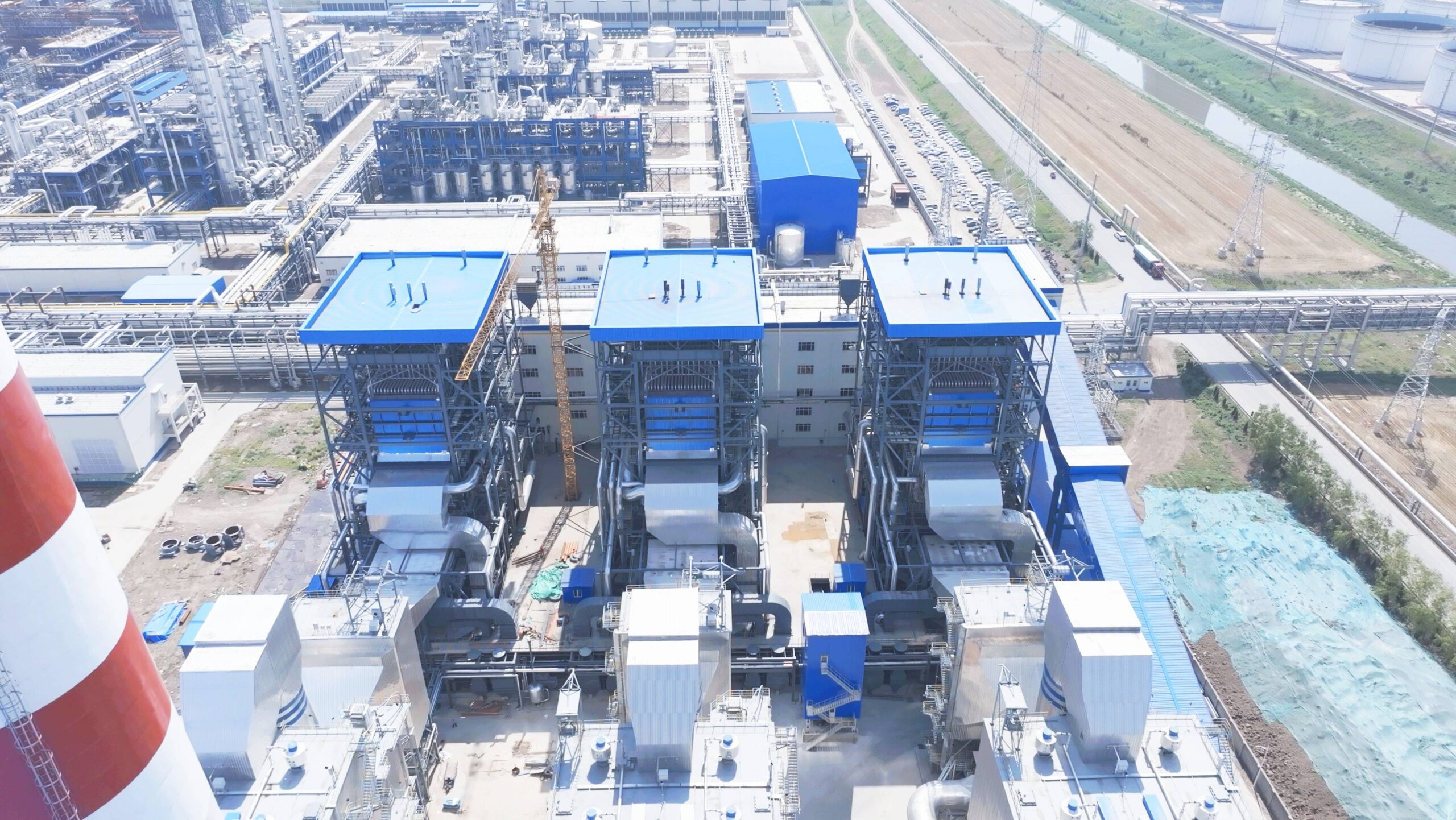
What Is the Efficiency of an Industrial Steam Boiler?

What Is the Efficiency of an Industrial Steam Boiler?

Many operators face high fuel bills, rising emissions, and reduced output because their boiler efficiency is lower than expected. Without understanding what efficiency really means and how it is measured, companies risk underutilizing equipment, missing savings opportunities, and failing regulatory checks.

The efficiency of an industrial steam boiler typically ranges from 80% to 95%, depending on design, fuel type, and operating conditions. Standard fire-tube and water-tube boilers usually achieve 80–88% efficiency, while modern high-performance units with economizers, condensing heat recovery, and optimized controls can exceed 90–95%. Efficiency is measured either as combustion efficiency (how well fuel energy is converted to heat) or overall thermal efficiency (how much of that heat is delivered as usable steam). Factors such as excess air, fuel quality, insulation, and maintenance strongly affect real-world results.

By understanding efficiency values and influencing factors, plant operators can optimize performance, cut energy costs, and extend boiler lifespan.

SZS

What Are the Main Types of Boiler Efficiency (Combustion vs. Thermal)?

When industries invest in boilers, the focus is always on energy cost reduction and performance reliability. However, many facility managers confuse different types of boiler efficiency, leading to inaccurate performance evaluations and poor decision-making. This confusion can cause underperforming systems to go unnoticed or result in unnecessary fuel waste. To avoid these pitfalls, it’s essential to distinguish clearly between the two most common efficiency measures: combustion efficiency and thermal efficiency.

Combustion efficiency measures how completely fuel is burned inside the furnace, while thermal efficiency evaluates how effectively the boiler transfers the released heat into steam or hot water. Together, these metrics provide a comprehensive view of boiler performance and fuel utilization.

Combustion efficiency and thermal efficiency measure the same aspect of boiler performance.False

Combustion efficiency refers to fuel burn quality, while thermal efficiency reflects heat transfer effectiveness into steam or water.

Understanding these two types of efficiency is crucial because they often complement each other: a boiler may burn fuel efficiently but lose energy through poor heat transfer, or it may transfer heat well but waste fuel due to incomplete combustion.


🔹 1. Combustion Efficiency

  • Definition: Ratio of the heat released by complete combustion of the fuel to the heat input from the actual combustion process.

  • Focus: How well the burner mixes fuel and air to minimize unburned fuel and excess oxygen.

  • Key Losses:

    • Unburned fuel in ash or flue gas

    • Heat lost in excess O₂ from over-firing

  • Typical Ranges:

    • Natural gas boilers: >85–95%

    • Oil-fired boilers: 80–90%

    • Coal-fired boilers: 75–88%


🔹 2. Thermal Efficiency

  • Definition: Ratio of the useful heat (converted into steam or hot water) to the total heat input from fuel.

  • Focus: Heat transfer surfaces (tubes, drum, economizer) and how much energy escapes through stack gases or radiation.

  • Key Losses:

    • Flue gas temperature above design

    • Scale or fouling on heat transfer surfaces

    • Shell radiation losses

  • Typical Ranges:

    • Fire-tube boilers: 70–85%

    • Water-tube boilers: 75–93%

    • Modern condensing boilers: >95% (HHV basis)


📊 Comparison Table: Combustion vs. Thermal Efficiency

AspectCombustion EfficiencyThermal Efficiency
MeasuresFuel burn qualityHeat transfer into steam/water
Key LossesUnburned fuel, excess O₂Flue gas temp, fouling, radiation
Main InfluencersBurner design, fuel-air ratioBoiler design, maintenance, insulation
Typical Range75–95% (depending on fuel)70–95% (depending on design)
Improvement MethodsO₂ trim control, burner tuningEconomizers, sootblowers, insulation

📌 Why Both Matter

  • A boiler with 90% combustion efficiency but 75% thermal efficiency wastes too much energy through hot flue gases.

  • A boiler with 90% thermal efficiency but 80% combustion efficiency wastes fuel through unburned hydrocarbons.

  • The goal is to optimize both simultaneously for maximum overall boiler efficiency.

What Is the Typical Efficiency Range of Industrial Steam Boilers by Type?

When industries evaluate steam boilers, efficiency is one of the most decisive factors, because it directly impacts operating costs, fuel consumption, and environmental performance. Choosing the wrong boiler type without considering its typical efficiency range can result in higher fuel bills, reduced output reliability, and even regulatory compliance issues. To avoid costly mistakes, facility managers must understand the typical efficiency ranges of different industrial steam boiler types.

Industrial steam boiler efficiency typically ranges from 70% to over 95%, depending on the design. Fire-tube boilers often achieve 70–85%, water-tube boilers 75–93%, electric boilers close to 100% (point-of-use), and modern condensing boilers can exceed 95% under optimal conditions.

All industrial boilers have nearly the same efficiency regardless of design.False

Boiler efficiency varies widely by type: fire-tube designs are lower, while water-tube, electric, and condensing boilers achieve higher ranges.

This difference is why industries choose different boiler technologies depending on their priorities: low investment cost, high pressure capacity, or maximum energy efficiency.


🔹 Typical Efficiency Ranges by Boiler Type

Boiler TypeTypical Efficiency RangeNotes
Fire-Tube Boilers70–85%Compact, lower cost, but limited efficiency due to larger heat losses.
Water-Tube Boilers75–93%Higher pressure/temperature capacity, better heat transfer.
Electric Boilers~99% (at point-of-use)No combustion losses, but true efficiency depends on power source generation.
Condensing Boilers90–98% (with return temp < 55°C)Recovers latent heat from flue gas condensation, highly efficient in low-temp return systems.
Coal-Fired CFB Boilers75–90%Efficiency depends on coal quality, ash content, and combustion system.
Biomass Boilers70–88%Efficiency affected by fuel moisture, particle size, and feeding system.

📊 Example: Fire-Tube vs. Water-Tube Efficiency Profile

ParameterFire-Tube BoilerWater-Tube Boiler
Pressure CapabilityLow to medium (<30 bar)High (>100 bar possible)
Efficiency Range70–85%75–93%
Best UseSmall-medium industriesPower plants, high-capacity
Limiting FactorHeat transfer surface areaHigher cost & complexity

📌 Why These Ranges Matter

  • Cost: Even a 2–3% efficiency gain translates into thousands of dollars saved annually in fuel.

  • Compliance: Higher efficiency = lower CO₂ and NOₓ emissions.

  • Application Suitability: A food factory might choose a fire-tube boiler for simplicity, while a utility plant requires a water-tube boiler for pressure and capacity.


Summary:
Industrial steam boiler efficiency depends strongly on design. Fire-tube boilers are reliable but limited in efficiency, water-tube boilers provide higher performance for demanding operations, electric boilers achieve nearly perfect conversion efficiency, and condensing boilers surpass all others in certain applications. Correct selection ensures the best balance between fuel savings, performance, and lifecycle cost.

How Do Fuel Type and Combustion Quality Impact Boiler Efficiency?

Industrial boilers rely on fuel combustion as their primary source of heat, which means the type of fuel and the quality of combustion directly determine how much of the input energy is converted into useful steam. Poor fuel choice or suboptimal combustion leads to lower efficiency, higher operating costs, and excess emissions. On the other hand, selecting the right fuel and maintaining high combustion quality ensures maximum efficiency, lower carbon footprint, and longer equipment life.

Fuel type impacts boiler efficiency through its calorific value, moisture content, ash/impurities, and combustion properties, while combustion quality affects air-to-fuel ratio, flame stability, and heat transfer. High-quality fuels with optimized combustion systems result in higher efficiency and lower emissions.

All fuels deliver the same boiler efficiency if burned properly.False

Efficiency varies significantly: natural gas can exceed 90% efficiency, while wet biomass may achieve below 75% due to moisture losses.

This means efficiency is never determined by design alone — the fuel and combustion process must always be considered together.


🔹 Efficiency Differences by Fuel Type

Fuel TypeCalorific Value (kcal/kg or kcal/Nm³)Typical Boiler Efficiency RangeKey Efficiency Factors
Natural Gas~8,500–9,500 kcal/Nm³90–95%Clean combustion, low excess air requirement.
Fuel Oil (Diesel, HFO)9,000–10,500 kcal/kg85–92%Viscosity, atomization quality, sulfur content.
Coal3,500–7,500 kcal/kg75–88%Ash handling, coal grinding, moisture removal.
Biomass2,500–4,500 kcal/kg (variable)70–88%High moisture reduces efficiency, needs drying.
Electricity860 kcal/kWh equivalent~99% (point-of-use)No combustion losses, but depends on grid efficiency.

🔹 Combustion Quality Factors

The same fuel can deliver very different efficiencies depending on how well it is burned. Key factors include:

  1. Air-to-Fuel Ratio

    • Too little air → incomplete combustion, CO emissions, efficiency loss.

    • Too much air → heat carried away in flue gas, lowering efficiency.

  2. Burner Technology

    • Modern low-NOx burners improve flame stability and mixing.

    • Proper atomization in oil burners reduces unburned fuel.

  3. Fuel Preparation

    • Pulverized coal burns more completely than lump coal.

    • Biomass requires proper drying and size reduction.

  4. Flue Gas Monitoring

    • Continuous O₂ and CO measurement helps maintain optimal combustion conditions.


📊 Example: Effect of Combustion Quality on Efficiency

FuelPoor Combustion EfficiencyOptimized Combustion EfficiencyEfficiency Loss Source
Gas85%92%Excess air, improper burner tuning
Oil80%90%Poor atomization, soot buildup
Coal72%86%Incomplete burning of carbon
Biomass65%82%High moisture, unburned particles

📌 Why This Matters

  • Fuel cost savings: A 5% efficiency gain in a 20-ton/hour boiler can save tens of thousands of dollars annually.

  • Environmental compliance: Better combustion reduces NOₓ, SO₂, and particulate emissions.

  • Reliability: Poor combustion causes fouling, slagging, and tube corrosion.


Summary:
Boiler efficiency is not fixed — it depends on both fuel type and combustion quality. Natural gas offers the highest efficiency with minimal emissions, while biomass and coal require advanced combustion systems to achieve acceptable performance. Maintaining proper air-fuel ratios, burner tuning, and fuel preparation is essential for maximizing efficiency and minimizing costs.

What Role Do Economizers, Air Preheaters, and Condensing Units Play in Efficiency?

When boilers run without heat recovery systems, a significant portion of fuel energy is lost in hot exhaust gases. This wasted heat directly reduces boiler efficiency and drives up fuel costs. As energy prices rise and emission limits tighten, plants that ignore waste heat recovery face higher operating costs and compliance risks. The solution lies in installing economizers, air preheaters, and condensing heat recovery units, which capture and reuse waste heat to improve overall system efficiency.

Economizers recover heat from flue gases to preheat feedwater, air preheaters warm incoming combustion air, and condensing units extract latent heat from flue gas moisture — together improving boiler efficiency by 5–15% while lowering fuel consumption and emissions.

This makes them essential tools in both industrial and commercial boiler plants seeking peak energy performance.

Adding an economizer or air preheater typically improves boiler efficiency by at least 5%.True

By reducing the fuel energy required to reach steam temperature, heat recovery devices capture exhaust heat that would otherwise be wasted.


🔹 Role of Each Component

1. Economizer

  • Function: Transfers residual heat from flue gas to boiler feedwater.

  • Impact: Reduces fuel demand by raising feedwater temperature before it enters the boiler.

  • Typical Gain: 3–7% efficiency improvement.

2. Air Preheater (APH)

  • Function: Recovers flue gas heat to warm incoming combustion air.

  • Impact: Hotter combustion air → faster, cleaner fuel burning.

  • Typical Gain: 2–4% efficiency improvement.

  • Additional Benefit: Reduces unburned carbon in ash (coal/biomass).

3. Condensing Unit / Condensing Economizer

  • Function: Cools flue gases below dew point (~55°C) to recover latent heat of vaporized water.

  • Impact: Provides the largest potential efficiency boost, particularly for natural gas boilers.

  • Typical Gain: 5–10% efficiency improvement.

  • Constraint: Works best with fuels low in sulfur (e.g., natural gas), as acid condensation from coal/oil flue gas can cause corrosion.


📊 Efficiency Contributions by Device

DeviceEfficiency Improvement (%)Best Fuel TypeNotes
Economizer3–7%All fuelsMost common upgrade.
Air Preheater2–4%Coal, biomass, oilEnhances combustion stability.
Condensing Unit5–10%Natural gas, biogasRequires corrosion-resistant materials.

🔹 Combined Effect

When applied together, these systems can yield 10–15% total efficiency improvement, reducing both fuel consumption and CO₂ emissions. For example:

  • A 20-ton/hr natural gas boiler at 85% efficiency consumes ~1,000 Nm³/hr gas.

  • Adding an economizer (+5%) and condensing unit (+8%) increases efficiency to ~98%.

  • This saves ~150 Nm³/hr gas, cutting annual fuel costs by hundreds of thousands of dollars.


📌 Why It Matters

  1. Fuel Savings: Faster return on investment (ROI), often within 1–3 years.

  2. Sustainability: Lower CO₂, NOₓ, and particulate emissions.

  3. Extended Equipment Life: Reduces thermal stress by moderating flue gas temperatures.

  4. Regulatory Compliance: Helps meet energy efficiency mandates.


Summary:
Economizers, air preheaters, and condensing units are critical heat recovery systems that prevent energy loss and boost boiler performance. Economizers preheat feedwater, air preheaters improve combustion efficiency, and condensing units reclaim latent heat. Together, they can raise boiler efficiency by up to 15%, providing strong financial and environmental benefits.

How Do Operating Conditions and Maintenance Practices Affect Long-Term Efficiency?

Boilers are capital-intensive assets, but their efficiency does not remain constant over time. Without proper operational control and preventive maintenance, boiler performance declines due to scaling, fouling, poor combustion, leaks, and suboptimal controls. This efficiency drop leads to higher fuel consumption, higher emissions, and greater wear on equipment. The key to sustaining long-term performance is maintaining favorable operating conditions and implementing proactive maintenance practices, which together minimize energy loss and extend equipment lifespan.

Long-term boiler efficiency depends heavily on stable operating conditions (pressure, load, fuel quality, water treatment) and disciplined maintenance practices (cleaning, calibration, inspection). Proper management can sustain or even improve efficiency, while neglect can cause losses of 10–20% over time.

Consistent operational monitoring and preventive maintenance help ensure boilers deliver designed efficiency across decades of service.

Scaling and fouling in boiler tubes have little effect on efficiency.False

Even a 1 mm layer of scale can reduce heat transfer efficiency by 10%, leading to significant fuel wastage.


🔹 Operating Conditions That Influence Efficiency

  1. Load Fluctuations

    • Boilers run most efficiently at 60–90% of rated load.

    • Frequent cycling or prolonged low-load operation increases standby losses and reduces combustion efficiency.

  2. Fuel Quality & Combustion

    • Coal with high ash, biomass with high moisture, or low-calorific gas can all reduce combustion efficiency.

    • Proper fuel preparation (e.g., pulverization, drying, blending) improves performance.

  3. Water Quality & Treatment

    • Poor water chemistry causes scaling and corrosion, reducing heat transfer.

    • Chemical dosing and deaeration protect against deposits and oxygen corrosion.

  4. Steam Pressure & Temperature Control

    • Operating far from design pressure/temperature lowers thermodynamic efficiency.

    • Over-pressurization or under-pressurization increases fuel consumption.


🔹 Maintenance Practices That Sustain Efficiency

Maintenance PracticeImpact on EfficiencyFrequency
Tube Cleaning (mechanical/chemical)Restores heat transfer, prevents scalingQuarterly to annually
Burner Calibration & O₂ TuningMaintains optimal combustion, prevents excess air/fuel wasteMonthly to quarterly
Leak Detection & RepairPrevents steam/water/fuel lossesContinuous monitoring
Feedwater & Condensate TreatmentMinimizes scaling/corrosion, keeps heat transfer surfaces cleanDaily checks
Flue Gas AnalysisOptimizes air-fuel ratioMonthly
Safety Valve & Control CalibrationEnsures safe & stable operation at design conditionsAnnual

📊 Impact of Maintenance vs. Neglect on Boiler Efficiency

ConditionEfficiency Loss (%)Fuel Cost Impact (20 t/h boiler, NG fuel)
1 mm Scale on Tubes–10%+$150,000/year fuel cost
Fouled Air Preheater–3%+$45,000/year
Burner Out of Calibration–4–6%+$60,000–90,000/year
Regular Preventive Maintenance0% (sustained efficiency)No added cost

🔹 Why It Matters

  • Financial Impact: Even small efficiency drops multiply across years of operation and high steam demand.

  • Reliability: Well-maintained boilers suffer fewer breakdowns, reducing downtime.

  • Environmental Compliance: Inefficient boilers emit more CO₂, NOₓ, and particulates.

  • Asset Life: Preventive maintenance can extend service life by 5–10 years, reducing replacement costs.


Summary:
Boiler efficiency is not just about initial design; it is equally shaped by how the system is operated and maintained. Stable loads, good fuel/water quality, and calibrated controls optimize conditions, while regular cleaning, inspections, and combustion tuning preserve performance. Plants that combine strong operations with preventive maintenance sustain high efficiency over decades, while those that neglect these practices pay the price in higher fuel bills, emissions, and premature equipment failure.

What Methods Are Used to Test and Verify Boiler Efficiency On-Site?

Boilers are designed with a rated efficiency, but actual efficiency often drifts over time due to scaling, combustion imbalance, or poor maintenance. If not tested regularly, operators may underestimate fuel losses, leading to higher operational costs and emissions. The solution is on-site efficiency testing, which validates performance under real conditions, identifies hidden inefficiencies, and guides corrective actions such as burner tuning, cleaning, or retrofitting.

Boiler efficiency is tested and verified on-site using methods such as the direct (input-output) method, the indirect (heat loss) method, and real-time flue gas analysis. These approaches measure fuel input, steam or heat output, and stack losses to calculate actual efficiency and detect opportunities for improvement.

Regular testing allows operators to benchmark actual performance against design values, ensuring that boilers run safely, economically, and within compliance limits.

Boiler efficiency can only be measured in a laboratory setting.False

Boiler efficiency can be measured directly at the plant using flue gas analyzers, flow meters, and calibrated instruments.


🔹 Key Methods for On-Site Boiler Efficiency Testing

1. Direct Method (Input–Output Method)

  • Principle: Compares useful heat output (steam) to energy input (fuel).

  • Formula: Efficiency = (Heat Output / Heat Input) × 100

  • Advantages: Simple, fast, requires fewer instruments.

  • Limitations: Less diagnostic—does not show where heat is lost.

2. Indirect Method (Heat Loss Method)

  • Principle: Calculates efficiency by subtracting various measured losses from 100%.

  • Common Losses:

    • Dry flue gas loss

    • Moisture in fuel and combustion air

    • Incomplete combustion (CO, unburned fuel)

    • Radiation & convection losses

  • Advantages: More accurate, diagnostic—pinpoints sources of inefficiency.

  • Limitations: Requires more measurements and calculations.

3. Flue Gas Analysis (Portable or Online O₂/CO₂ Analyzers)

  • Measures oxygen, CO₂, CO, unburned hydrocarbons, and stack temperature.

  • Identifies excess air, incomplete combustion, and heat losses.

  • Allows real-time monitoring for continuous optimization.

4. Performance Monitoring with Flow Meters

  • Steam Flow: Measured with orifice plates, venturi meters, or vortex flow meters.

  • Fuel Flow: Natural gas (mass or volume flow meters), coal (gravimetric feeders), oil (turbine meters).

  • Provides precise data for efficiency balance sheets.


📊 Comparison of Boiler Efficiency Testing Methods

MethodAccuracyData ProvidedBest Use Case
Direct (Input–Output)ModerateOverall efficiencyQuick routine checks
Indirect (Heat Loss)HighLoss breakdown (stack, moisture, radiation)Detailed audits
Flue Gas AnalysisHigh (real-time)Combustion efficiency, excess airContinuous monitoring, burner tuning
Flow Meter BalancingHighActual steam/fuel ratioLong-term benchmarking

🔹 Supporting Tests to Enhance Accuracy

  • Stack Temperature Monitoring: High stack temperatures indicate fouled heat transfer surfaces.

  • Blowdown & Water Chemistry Testing: Ensures scaling/corrosion losses are minimized.

  • Infrared Thermography: Detects insulation failures and radiation losses.

  • Vibration/Noise Analysis on Burners: Identifies combustion instability.


✅ Why Testing Matters

  • Economic: Even a 2% efficiency loss in a 20-ton/hour natural gas boiler can add $80,000–$100,000/year in extra fuel costs.

  • Environmental: Poor efficiency increases CO₂, NOₓ, and CO emissions.

  • Reliability: Early detection prevents tube failures, overheating, and unplanned shutdowns.

  • Benchmarking: Testing allows comparison against OEM guarantees and industry norms.


👉 In summary: Boiler efficiency verification is best done using a combination of direct and indirect methods, supplemented by real-time flue gas analysis for continuous monitoring. Plants that regularly test and adjust their boilers save on fuel, extend equipment life, and maintain compliance.

🔍 Conclusion

Industrial steam boiler efficiency varies with design, fuel, and operation. While standard systems achieve 80–88%, advanced models can push beyond 90–95%. Regular measurement and optimization ensure boilers deliver reliable steam at the lowest possible fuel cost.


📞 Contact Us

💡 Looking to improve your boiler’s efficiency? We offer energy audits, system upgrades, economizer retrofits, and efficiency optimization programs for industrial steam boilers.

🔹 Boost your steam boiler efficiency to save fuel, reduce emissions, and maximize uptime. ⚡🔥📊✅

FAQ

What is the typical efficiency of an industrial steam boiler?

Most industrial steam boilers operate with 80%–90% efficiency, depending on design, fuel, and operating conditions.

  • Fire-tube boilers: 75%–85%

  • Water-tube boilers: 80%–90%

  • Condensing boilers: up to 95% (with heat recovery)


How is boiler efficiency calculated?

Two methods are widely used:

  • Direct Method (Input-Output Method):

Efficiency=Heat Output/Heat Input×100

  • Indirect Method (Loss Method):

Efficiency=100−(Stack Loss+Radiation Loss+Blowdown Loss)

The indirect method is more detailed and identifies specific areas for improvement.


What factors influence industrial steam boiler efficiency?

  1. Fuel type and quality – Gas-fired units are generally more efficient than coal.

  2. Excess air and combustion tuning – Proper air-fuel ratio minimizes losses.

  3. Heat recovery systems – Economizers and air preheaters improve performance.

  4. Operating pressure and temperature – Higher ratings generally increase efficiency.

  5. Maintenance – Soot buildup, scaling, and leaks can reduce efficiency by 5–10%.


How can boiler efficiency be improved?

  • Install economizers and condensate recovery systems.

  • Optimize burner controls for proper air-fuel mixing.

  • Regularly clean heat transfer surfaces (descaling, soot removal).

  • Upgrade to modern water-tube or condensing designs.

  • Implement real-time monitoring and automation for combustion control.


Why is boiler efficiency important for industry?

Higher efficiency reduces fuel consumption, operational costs, and greenhouse gas emissions. Even a 1% efficiency improvement can save thousands of dollars annually in large steam generation facilities.


References

  1. Spirax Sarco – Boiler Efficiency Guidehttps://www.spiraxsarco.com

  2. DOE – Industrial Boiler Efficiency Guidebookhttps://www.energy.gov

  3. ASME – Boiler Performance Standardshttps://www.asme.org

  4. Cleaver-Brooks – Boiler Efficiency Datahttps://www.cleaverbrooks.com

  5. Forbes Marshall – Methods of Boiler Efficiency Evaluationhttps://www.forbesmarshall.com

  6. IEA – Industrial Energy Efficiency Reportshttps://www.iea.org

  7. Babcock & Wilcox – Boiler Efficiency Factorshttps://www.babcock.com

  8. Engineering Toolbox – Boiler Heat Losseshttps://www.engineeringtoolbox.com

  9. ResearchGate – Boiler Efficiency Studieshttps://www.researchgate.net

  10. BioEnergy Consult – Improving Boiler Efficiencyhttps://www.bioenergyconsult.com

Wade Zhang

CEO of Taishan Group Taian Boao International Trade Co., Ltd. 30 years experience in Global industrial boiler market,  Over 300 boiler projects experience, including 21+ EPC projects. Projects span 30+ countries & regions, involving industries such as nuclear power, energy & electricity, municipal heating, mining, textiles, tires etc.

What Is the Efficiency of an Industrial Steam Boiler? Read More »

How Much Does a Circulating Fluidized Bed (CFB) Boiler Cost?

How Much Does a Circulating Fluidized Bed (CFB) Boiler Cost?

Investing in a CFB boiler without knowing the true cost structure can lead to budget overruns, delayed commissioning, and unexpected operating expenses. Since CFB technology offers fuel flexibility and lower emissions, it is often chosen for large-scale power generation and industrial applications, but its cost can vary widely depending on size, fuel type, and environmental compliance requirements.

The cost of a circulating fluidized bed (CFB) boiler generally ranges from $1,000 to $2,500 per kW of installed capacity. For utility-scale units (100–300 MW), this can translate to $100 million–$750 million. Price factors include boiler capacity, steam parameters (pressure and temperature), fuel type (coal, biomass, petroleum coke, etc.), emission control systems, site location, and the inclusion of auxiliary systems like feedwater equipment, electrostatic precipitators, and flue gas desulfurization units. Turnkey EPC packages typically cost more but reduce execution risk and project delays.

Understanding all cost components ensures accurate budgeting and long-term value.

What Capacity and Steam Parameters Affect CFB Boiler Cost?

When planning a CFB (Circulating Fluidized Bed) boiler investment, many buyers focus on the fuel type and technology, but capacity and steam parameters are the two biggest cost drivers. Undersizing a unit risks insufficient output and lost revenue, while oversizing inflates capital expenditure and increases auxiliary system costs. Higher steam pressures and temperatures demand stronger, more expensive materials and advanced manufacturing — directly increasing both the purchase price and the lifecycle operating cost. A mismatch between capacity, steam parameters, and plant requirements can cost millions over the boiler’s lifespan.

In CFB boilers, higher capacity increases cost due to larger pressure vessel size, more heat exchange surface, and higher auxiliary equipment demand, while higher steam pressure and temperature ratings raise cost through the need for thicker materials, advanced alloys, and tighter manufacturing tolerances.

A plant that specifies unnecessarily high steam parameters without matching turbine and process requirements will overspend on both the boiler and downstream equipment, while a unit rated too low may force costly retrofits or limit production growth.

Increasing steam temperature always increases boiler efficiency.True

Within material and design limits, higher steam temperature improves Rankine cycle efficiency by increasing turbine output per unit of heat input.


📏 How Capacity Affects CFB Boiler Cost

Capacity (t/h)Typical ApplicationRelative Cost ImpactReason
< 50Small industrial heat & powerLowSmaller pressure vessel, fewer auxiliaries
50–150Mid-size CHP & process steamMediumLarger furnace, more heat exchange surface
150–300Utility-scale generationHighLarger footprint, high auxiliary load
> 300Large power plantsVery HighComplex manufacturing, heavy lifting & logistics

🌡 How Steam Pressure & Temperature Affect Cost

Steam ParameterTypical Range in CFB BoilersCost ImpactNotes
Pressure (MPa)3.8 – 16.5↑↑Higher pressure = thicker drums/tubes
Temperature (°C)450 – 600Requires alloy steels to withstand creep
Superheat/ReheatSingle / Double↑↑Adds heat exchangers & piping complexity

⚙ Practical Engineering Impact

  • Higher Capacity → More heat exchange surface, stronger support structures, larger fans, pumps, and ash handling systems.

  • Higher Pressure → Drum shell thickness increases, welding quality requirements become more stringent, and stress-relieving heat treatment is mandatory.

  • Higher Temperature → Tube alloys must resist oxidation and creep deformation, increasing both material and fabrication costs.


📌 Key Takeaways

  • Capacity and steam parameters must be chosen together with turbine requirements to avoid over- or under-investment.

  • Each step up in pressure/temperature rating adds significant material and testing cost.

  • The “sweet spot” for most industrial CFB boilers is 100–150 t/h at 4–9 MPa and 450–540°C unless process or grid supply demands higher.

How Does Fuel Type and Quality Influence CFB Boiler Investment?

When investing in a Circulating Fluidized Bed (CFB) boiler, fuel type and quality are not just operational considerations — they are capital cost drivers that affect furnace size, refractory requirements, material selection, emission control systems, and auxiliary equipment. Using a high-ash, low-calorific fuel can lower ongoing fuel costs, but it often raises the initial investment by requiring larger combustion chambers, more robust ash handling, and enhanced erosion protection. Conversely, high-grade fuels reduce equipment stress but can be costly or subject to price volatility.

The fuel’s calorific value, ash content, moisture, and chemical composition directly influence furnace volume, fluidization system design, heat exchanger configuration, and emission control requirements, thereby shaping both capital and lifecycle costs of a CFB boiler project.

Choosing a boiler optimized for the wrong fuel mix can lead to chronic efficiency losses, excessive maintenance, and unplanned retrofits.

Low-calorific fuels always reduce CFB boiler capital costs.False

Low-calorific fuels require larger furnaces, increased air supply systems, and stronger refractory, which can raise initial investment costs despite lower fuel price.


🔍 Fuel Characteristics That Affect CFB Boiler Investment

Fuel PropertyImpact on Boiler DesignInvestment Effect
Calorific Value (CV)Determines furnace size and heat transfer areaLow CV = ↑ cost
Ash ContentRequires larger ash handling and more wear-resistant partsHigh ash = ↑ cost
Moisture ContentAffects combustion stability, increases fuel feed ratesHigh moisture = ↑ fan/pump capacity
Sulfur ContentDictates SO₂ control (limestone feed, scrubbers)High sulfur = ↑ FGD cost
Chlorine/PotassiumAccelerates tube corrosion and fouling↑ material upgrade cost
Particle Size & UniformityImpacts fluidization efficiencyPoor size control = ↑ handling cost

⚙ Design Adaptations Based on Fuel Type

1. Coal (Bituminous, Sub-Bituminous, Lignite)

  • Pros: High and consistent CV, stable combustion.

  • Cons: Higher SO₂ and NOx emissions → needs limestone feed or scrubbers.

  • Investment Impact: Moderate capital cost; high-pressure designs feasible.

2. Biomass (Wood Chips, Palm Kernel Shells, Agricultural Residue)

  • Pros: Renewable, low sulfur.

  • Cons: High moisture and alkali content, lower CV.

  • Investment Impact: Larger furnace, more corrosion-resistant alloys, higher fuel feed capacity.

3. Waste-Derived Fuels (RDF, Industrial Sludge, MSW)

  • Pros: Low or negative fuel cost, waste disposal benefits.

  • Cons: Highly variable quality, high ash and contaminants.

  • Investment Impact: Heaviest design requirements — oversized furnace, robust refractory, enhanced emission control.


📊 Example: Effect of Fuel Quality on Furnace Size

Fuel TypeCalorific Value (MJ/kg)Furnace Volume Required (m³)Relative Capital Cost
Bituminous Coal251.0× baseline100%
Wood Chips (wet)101.8× baseline120%
RDF (mixed waste)82.2× baseline140%

💡 Practical Insights

  • A low-CV fuel requires more combustion air, longer residence time, and larger heat transfer surfaces, all of which raise capital cost.

  • Fuels high in chlorine or alkalis force upgrades in tube material (e.g., Inconel cladding) to prevent rapid corrosion.

  • If future fuel flexibility is desired, designing for multi-fuel operation at the outset is cheaper than retrofitting later.

What Auxiliary Systems Are Included in the Total Installed Cost of an Industrial Boiler?

When budgeting for a new industrial boiler, many buyers focus on the main pressure vessel cost but overlook the auxiliary systems required for safe, efficient, and compliant operation. These subsystems can make up 30–50% of the total installed cost and directly affect performance, fuel efficiency, maintenance frequency, and emissions compliance. Missing them in early planning can cause budget overruns, delayed commissioning, or regulatory penalties.

The total installed cost of an industrial boiler includes not only the boiler itself, but also feedwater preparation, combustion air handling, heat recovery, blowdown management, fuel supply, emission control, and instrumentation systems that enable the boiler to meet capacity, safety, and environmental requirements.

Without proper auxiliary systems, even a top-quality boiler will underperform, consume more fuel, and fail to meet emissions targets.

Auxiliary systems are optional extras that do not significantly affect boiler performance.False

Auxiliary systems such as economizers, feedwater treatment, and blowdown recovery are essential for efficiency, safety, and regulatory compliance.


🔍 Typical Auxiliary Systems in the Total Installed Cost

Auxiliary SystemFunctionCost Impact (% of Boiler Price)
EconomizerRecovers heat from flue gases to preheat feedwater, boosting thermal efficiency5–15%
Air PreheaterWarms combustion air to improve fuel burn efficiency3–8%
Feedwater Tank & DeaeratorStores and removes dissolved oxygen from feedwater to prevent corrosion8–12%
Water Treatment PlantFilters, softens, and chemically conditions make-up water5–10%
Blowdown SystemRemoves dissolved solids to maintain water chemistry2–5%
Fuel Handling & StorageIncludes pumps, conveyors, hoppers, bunkers, or tanks depending on fuel type10–20%
Flue Gas Treatment (ESP, Baghouse, Scrubber)Captures particulates, SO₂, NOx to meet environmental regulations10–25%
Instrumentation & Control SystemsMonitors pressure, temperature, O₂ levels, flow rates; enables automation5–10%
Draft Fans (FD & ID)Supply combustion air and exhaust flue gases3–6%
Condensate Recovery SystemReturns hot condensate to the feedwater tank to save energy2–5%

⚙ How These Systems Integrate into the Plant

1. Feedwater Preparation

  • Deaerator removes oxygen and CO₂ to prevent pitting corrosion in boiler tubes.

  • Softener & RO Units prevent scale buildup that can cut efficiency by 10–20%.

2. Combustion Air & Fuel Systems

  • Fans ensure the correct air-fuel ratio.

  • Fuel feeders, pumps, or conveyors must be matched to the boiler’s combustion system design.

3. Heat Recovery Systems

  • Economizers can improve efficiency by 3–8% by recovering flue gas heat.

  • Air preheaters raise flame temperature for cleaner, more complete combustion.

4. Emission Controls

  • Cyclones, ESPs, baghouses handle particulate matter.

  • Scrubbers neutralize SO₂; SCR units reduce NOx.

5. Water & Condensate Management

  • Blowdown tanks protect against flash steam hazards.

  • Condensate polishers improve water quality and reduce make-up demand.


📊 Example Cost Breakdown for a $1M Boiler Project

ComponentApprox. Cost (USD)% of Total
Boiler Pressure Vessel$500,00050%
Auxiliary Systems$350,00035%
Installation & Commissioning$150,00015%
Total$1,000,000100%

💡 Key Insights for Buyers

  • In waste-to-energy and biomass plants, fuel handling and emission control can exceed the cost of the boiler itself.

  • Skimping on water treatment is a false economy — tube failures from scaling or corrosion are far costlier.

  • Early integration of control and automation systems prevents costly retrofits and improves long-term efficiency.

How Do Emission Control Requirements Impact the Price of an Industrial Boiler?

In modern industrial boiler projects, emission control systems are no longer optional — they are legally required in most jurisdictions and can represent a significant percentage of the total installed cost. Stricter environmental regulations on particulate matter, NOₓ, SO₂, CO, and volatile organic compounds (VOCs) have transformed these systems from simple dust collectors into complex multi-stage treatment setups. Neglecting these requirements during budgeting can lead to unexpected capital cost overruns, higher operating expenses, and costly retrofits after installation to achieve compliance.

Emission control requirements directly influence boiler pricing because each targeted pollutant may require dedicated equipment — such as electrostatic precipitators, fabric filters, scrubbers, or catalytic reduction units — which can collectively account for 10% to 40% of total boiler project costs, depending on fuel type, local regulations, and desired efficiency levels.

Failure to account for these costs early in project planning risks both regulatory non-compliance and significant operational penalties.

Emission control systems are a small and optional cost in modern boiler projects.False

In most regions, emission controls are mandatory and can add 10–40% to total installed costs depending on the fuel type and emission limits.


📋 Common Emission Control Systems & Cost Influence

Pollutant ControlledTypical Control TechnologyCost Impact (% of Boiler Price)Fuel Types Most Affected
Particulate Matter (PM)Cyclone separator, ESP, baghouse5–20%Coal, biomass, waste fuels
SO₂ (Sulfur Dioxide)Wet scrubber, dry sorbent injection8–15%High-sulfur coal, heavy oil
NOₓ (Nitrogen Oxides)Low-NOₓ burners, SCR, SNCR5–12%Gas, coal, biomass
Mercury & Heavy MetalsActivated carbon injection + baghouse2–5%Coal, waste fuels
Acid Gases (HCl, HF)Scrubber systems3–8%Waste-to-energy, biomass
CO & VOCsOxidation catalyst3–6%Biomass, waste, oil

🔍 Factors That Drive Price Differences

1. Fuel Type & Contaminants

  • Coal & biomass have higher particulate and sulfur content, requiring more robust and costly PM and SO₂ controls.

  • Natural gas generally needs less PM control but still may require NOₓ reduction.

2. Regulatory Stringency

  • EU and US EPA Tier standards are stricter than many developing nations, often requiring multiple systems in series.

  • Stricter limits = higher removal efficiency targets = larger, more expensive equipment.

3. Boiler Size & Load

  • Higher flue gas volumes require proportionally larger collectors, fans, and ducting — raising both CAPEX and OPEX.

4. Integration Complexity

  • Space constraints can force custom-engineered, compact systems, which cost more per unit capacity.


📊 Example Cost Scenario — 50 MW Coal-Fired Boiler

SystemApprox. CAPEX (USD)% of Total Installed Cost
Boiler Pressure Vessel$12,000,00060%
Particulate Control (ESP)$2,000,00010%
SO₂ Control (Wet Scrubber)$3,000,00015%
NOₓ Control (SCR)$1,500,0007.5%
Mercury Control (ACI + FF)$500,0002.5%
Total Installed Cost$19,000,000100%

💡 Buyer’s Insight

  • Early regulatory compliance review avoids redesign and costly retrofits.

  • For biomass plants, particulate and NOₓ controls often dominate costs.

  • For coal plants, SO₂ and PM systems can double the cost of the “bare” boiler.

  • Hybrid systems (e.g., ESP + baghouse + scrubber) may be more cost-effective than over-sizing one unit.

What Are the Cost Differences Between Industrial and Utility-Scale CFB Boilers?

When planning a circulating fluidized bed (CFB) boiler project, one of the first budget questions is whether the system is industrial-scale (typically under 200 MWth or <50 MWe) or utility-scale (200–1000+ MWth, often 50–600 MWe). This scale difference is not just about physical size — it dramatically affects capital cost per MW, engineering complexity, installation time, and long-term maintenance budgets. Underestimating these differences can lead to major cost overruns or even procurement failure.

Utility-scale CFB boilers generally have a much lower cost per megawatt of output due to economies of scale, but their total installed cost is significantly higher than industrial units because of larger pressure vessels, more extensive emission controls, complex feed systems, and integration with high-voltage generation infrastructure. Industrial CFBs cost less in absolute terms but more per unit of capacity.

Utility-scale CFB boilers are always more expensive per megawatt than industrial CFB boilers.False

Per megawatt, utility CFBs often cost less due to economies of scale, but their total installed cost is much higher.


📋 Typical CAPEX Comparison

ParameterIndustrial CFB Boiler (50–200 MWth)Utility-Scale CFB Boiler (200–1000+ MWth)
Steam Output (t/h)50–300500–2500
Power Output (MWe)10–5050–600
Pressure Rating40–100 bar100–250 bar
Temp. Rating (Main Steam)450–540 °C540–600 °C
Installed Cost per MW (USD)$1.5M–$3M$0.9M–$1.5M
Typical Total CAPEX (USD)$15M–$80M$90M–$800M
Lead Time12–18 months24–48 months
Emission ControlsBasic PM & NOₓFull multi-stage PM, NOₓ, SO₂, Hg systems

🔍 Why the Cost Gap Exists

1. Economies of Scale

  • Larger utility CFBs distribute fixed engineering and manufacturing costs over more output capacity.

2. Pressure Vessel & Materials

  • Higher temperatures and pressures in utility units require thicker alloy steels, advanced welding, and NDE (non-destructive examination), raising material and labor costs.

3. Fuel Handling & Storage

  • Utility-scale plants often handle thousands of tonnes of fuel per day, needing larger silos, conveyors, and redundancy systems.

4. Emission Control Systems

  • Utility units typically must meet stricter national-level regulations (SO₂, NOₓ, mercury), requiring multi-stage ESP + baghouse + scrubber + SCR setups.

5. Auxiliary Power & Grid Integration

  • Utility CFBs require high-voltage switchyards, large condensers, and complex turbine-generator sets, adding tens to hundreds of millions USD.


📊 Example Cost Breakdown

ComponentIndustrial CFBUtility CFB
Boiler Island45%30%
Turbine-Generator20%25%
Fuel Handling & Storage8%10%
Emission Control Systems12%20%
Electrical & Grid Integration5%10%
Civil Works & Buildings10%5%

💡 Buyer’s Insight

  • If your capacity requirement is under ~150 MWth, an industrial CFB is almost always more cost-effective and faster to install.

  • If your load is base-load utility generation, the lower cost per MW of a utility-scale unit offsets its higher absolute CAPEX over the long run.

  • Hybrid approaches (multiple mid-sized industrial units) can offer redundancy but lose some scale cost benefits.

How Can EPC or Turnkey Contracts Help Control Project Costs?

When executing a large-scale boiler or power plant project, one of the biggest risks is budget overrun caused by scope creep, poor coordination, or supplier delays. Traditional multi-contractor approaches can create fragmented responsibilities, unclear accountability, and inconsistent pricing. These issues often lead to disputes, schedule slippage, and inflated costs. A proven solution to minimize these risks is adopting an EPC (Engineering, Procurement, and Construction) or turnkey contract, where a single contractor takes responsibility for delivering a complete, operational facility for an agreed price and schedule.

EPC and turnkey contracts help control project costs by assigning a single entity full responsibility for design, equipment sourcing, construction, commissioning, and handover at a fixed or guaranteed maximum price, thereby reducing cost uncertainty, minimizing scope changes, and improving schedule discipline.

EPC contracts always guarantee the lowest possible project cost.False

EPC contracts reduce cost uncertainty and risk, but they do not always yield the lowest cost; they trade potential savings for higher cost predictability and reduced risk exposure.

The advantages of this approach can be broken into cost control mechanisms:


📌 How EPC/Turnkey Contracts Help Manage Costs

MechanismHow It Controls CostsExample in Boiler Projects
Single-Point ResponsibilityEliminates disputes between designer, supplier, and builder.Boiler supplier also manages turbine integration, so misalignment costs are avoided.
Fixed Price or GMP (Guaranteed Maximum Price)Caps financial exposure for the owner.$100M project guaranteed not to exceed $105M with performance incentives.
Integrated Design & ProcurementDesign optimized for readily available materials, reducing lead times and price volatility.Steel plate thickness adjusted to match stock dimensions.
Optimized SchedulingContractor coordinates critical path activities to reduce downtime.Foundation curing timed with boiler drum delivery.
Risk TransferContractor absorbs many technical and cost risks.If the burner fails performance tests, EPC covers redesign.

🔍 Cost Advantages vs. Traditional Contracting

AspectEPC/TurnkeyMulti-Contract
Cost PredictabilityHigh — fixed price commonMedium to low — scope and price drift
Risk to OwnerLow — shifted to EPC contractorHigh — owner absorbs coordination risks
Speed of DeliveryFaster — parallel procurement & constructionSlower — sequential procurement stages
Owner ControlLess day-to-day control over subsystemsHigh — direct control over each contract
Potential for SavingsModerate — limited by fixed priceHigher if owner manages efficiently

⚠️ Considerations Before Choosing EPC

While EPC contracts reduce financial uncertainty, they are not always the cheapest path. Owners should ensure:

  • Detailed scope definition before signing, to avoid expensive change orders.

  • Performance guarantees included, covering output, efficiency, and emissions.

  • Transparent reporting from the EPC contractor, with milestone-based payments.

  • Supplier prequalification to ensure experience with similar boiler scale and fuel type.


📈 Example:
For a 200 MWth CFB boiler project, a traditional multi-contract approach might budget $95M but risk 15–20% overrun from coordination failures. An EPC contract might be priced at $102M but cap the owner’s exposure, potentially saving $10–15M in avoided overruns and delays.

🔍 Conclusion

CFB boilers are capital-intensive but fuel-flexible solutions ideal for low-emission, large-scale steam and power generation. A detailed cost assessment should include capacity, fuel, environmental systems, and project scope to ensure successful investment.


📞 Contact Us

💡 Need an accurate cost estimate for a CFB boiler project? We provide technical feasibility studies, detailed quotations, and turnkey EPC solutions for CFB boiler installations.

🔹 Partner with us for cost-optimized, fuel-flexible, and environmentally compliant CFB boiler solutions. 🏭🔥📊✅

FAQ

What is the typical cost of a CFB boiler?

The cost of a CFB boiler depends on capacity, design pressure, fuel type, and emissions control systems. Typical industrial-scale units can range from $4 million to $30 million.

  • Small to medium CFB boilers (10–50 t/h) – $4M–$10M

  • Large utility-scale CFB boilers (100–300 t/h) – $15M–$30M+


What factors affect the cost of a CFB boiler?

  1. Capacity and steam output – Larger boilers require more material and complex design.

  2. Operating pressure and temperature – Higher ratings need advanced metallurgy and controls.

  3. Fuel type – Coal, biomass, or multi-fuel capability affects design and cost.

  4. Emission control systems – Adding flue gas desulfurization (FGD), selective catalytic reduction (SCR), or baghouses increases price.

  5. Supplier and origin – European/Japanese units often cost more than Chinese or Indian designs due to labor and technology costs.


Is installation included in the CFB boiler price?

Usually, the quoted price covers main boiler equipment only. Installation costs can add 30%–50% more for:

  • Civil works and foundations

  • Auxiliary systems (feedwater, air preheater, ash handling)

  • Piping and ductwork

  • Electrical and control systems


What is the operating cost of a CFB boiler?

Operating costs depend on:

  • Fuel price – CFB boilers can burn low-grade fuels at lower costs.

  • Maintenance – Higher initial maintenance due to moving bed materials.

  • Manpower – Skilled operators required for complex systems.
    CFB boilers often provide long-term fuel cost savings compared to pulverized coal units.


Are CFB boilers more expensive than other boiler types?

Yes, initial capital cost is generally higher due to complex design and refractory linings. However, they often have lower lifetime costs due to:

  • Better fuel flexibility (cheaper fuels)

  • Lower NOx and SOx emissions (reduced environmental compliance costs)

  • High efficiency across a wide load range


References

  1. IEA – Circulating Fluidized Bed Combustion Technologyhttps://www.iea.org

  2. DOE – Industrial Boiler Cost Analysishttps://www.energy.gov

  3. Babcock & Wilcox – CFB Boiler Overviewhttps://www.babcock.com

  4. Sumitomo SHI FW – CFB Solutionshttps://www.shi-fw.com

  5. GE Steam Power – CFB Boiler Systemshttps://www.ge.com

  6. Valmet – CFB Boiler Technologyhttps://www.valmet.com

  7. Doosan Lentjes – CFB Boiler Designhttps://www.doosanlentjes.com

  8. Engineering Toolbox – Boiler Cost Estimationhttps://www.engineeringtoolbox.com

  9. BioEnergy Consult – CFB Boiler Fuel Flexibilityhttps://www.bioenergyconsult.com

  10. Power Engineering – CFB Boiler Market Trendshttps://www.power-eng.com

Wade Zhang

CEO of Taishan Group Taian Boao International Trade Co., Ltd. 30 years experience in Global industrial boiler market,  Over 300 boiler projects experience, including 21+ EPC projects. Projects span 30+ countries & regions, involving industries such as nuclear power, energy & electricity, municipal heating, mining, textiles, tires etc.

How Much Does a Circulating Fluidized Bed (CFB) Boiler Cost? Read More »

What is the difference between a steam boiler and a thermal boiler?

What is the difference between a steam boiler and a thermal boiler?

Choosing between a steam boiler and a thermal boiler without understanding their differences can lead to mismatched heating capacity, inefficient energy use, and unnecessary maintenance costs. Each boiler type serves distinct industrial needs, and using the wrong one can impact production quality, energy bills, and equipment lifespan.

A steam boiler generates pressurized steam by heating water inside a pressure vessel, making it ideal for applications like power generation, sterilization, and process heating. A thermal boiler (or thermal oil heater) uses a heat transfer fluid—usually thermal oil—instead of water/steam, circulating it through a closed loop to provide precise, stable temperatures without high pressure, making it suitable for drying, chemical processing, and indirect heating. The main differences lie in the heat transfer medium, operating pressure, temperature range, application scope, and maintenance needs.

Knowing these differences helps you choose the most efficient and safe system for your process.

What Is the Working Principle of a Steam Boiler vs. a Thermal Boiler?

When choosing an industrial heating system, buyers often struggle to understand the differences in how steam boilers and thermal oil boilers work. Misunderstanding these principles can lead to selecting a system that’s inefficient, costly to operate, or unsuitable for the process requirements—causing energy waste, reduced output, and higher maintenance. Knowing how each system transfers heat and operates is essential for making the right investment.

A steam boiler heats water to generate pressurized steam, which then transfers heat to process equipment, while a thermal oil boiler heats a special heat transfer fluid (thermal oil) that circulates in a closed loop without pressurization, delivering high temperatures with lower operating pressure.

If you’re considering which system to buy, keep reading—you’ll see how their operation, temperature range, and maintenance needs differ, helping you match the right boiler to your process.

Thermal oil boilers operate without the high pressures found in steam systems.True

Thermal oil boilers can reach temperatures up to 300°C without exceeding atmospheric pressure, unlike steam systems that require high pressure to reach similar temperatures.


🔹 Core Working Principles

FeatureSteam BoilerThermal Oil Boiler
Heat Transfer MediumWater → SteamThermal oil
Operating PressureHigh (to reach higher temperatures)Low / Near-atmospheric
Temperature RangeTypically 100–250°C (up to 540°C in power plants)Typically up to 300°C (some fluids allow 350°C)
CirculationNatural or forced circulation of steam/waterPump-driven closed-loop circulation of thermal oil
Heat Transfer MethodLatent heat of steam condensationSensible heat of thermal oil
Condensate ReturnRequiredNot applicable
System ComponentsSteam drum, water walls, superheater, blowdown systemThermal oil heater, expansion tank, circulating pump, filter

📊 Comparison of Operating Characteristics

ParameterSteam BoilerThermal Oil Boiler
Efficiency80–90% (higher with economizer)85–92%
Startup TimeSlower due to water heating and steam buildupFaster due to smaller fluid mass
MaintenanceRequires water treatment and blowdownRequires fluid monitoring and filtration
Safety RiskHigh due to pressureLower due to low-pressure operation
Process SuitabilityHigh for direct heating, sterilization, turbinesBest for indirect heating, uniform high temps

✅ Buyer Guidance

  • Choose a steam boiler if your process requires direct steam for heating, sterilization, or mechanical drive (e.g., turbines).

  • Choose a thermal oil boiler if you need high, stable temperatures without high pressure, especially for chemical, food, or asphalt heating.

  • Always consider fuel type, thermal efficiency, and available maintenance expertise before finalizing your choice.

How Do Heat Transfer Mediums (Steam vs. Thermal Oil) Affect Efficiency?

When selecting an industrial boiler system, many buyers focus on capacity or fuel type but overlook how the heat transfer medium impacts efficiency. Using the wrong medium can cause higher fuel costs, more maintenance downtime, and poor heat delivery. Understanding how steam and thermal oil behave in heat transfer will help you choose the system that delivers the most energy to your process at the lowest lifecycle cost.

Steam systems use the latent heat of vaporization, which delivers rapid heat transfer but loses energy through condensation and blowdown, while thermal oil systems rely on sensible heat, offering stable high temperatures with fewer losses and often higher overall thermal efficiency.

If you want your investment to last and run cost-effectively, knowing the efficiency trade-offs between these two mediums is key to making the right choice.

Thermal oil systems are always more efficient than steam systems.False

Thermal oil systems can be more efficient in certain applications, but steam systems may outperform in processes that benefit from direct condensation heat transfer.


🔹 Efficiency Comparison Overview

FactorSteam SystemThermal Oil System
Heat Transfer MechanismLatent heat of steam condensation – very fast heat deliverySensible heat of oil – slower but steady and controllable
Operating PressureHigh (increases risk and heat loss via leaks)Low or atmospheric (reduces energy loss)
Temperature StabilityMay fluctuate due to pressure changes and steam loadHighly stable, unaffected by atmospheric pressure
Energy Loss PointsSteam traps, condensate return lines, blowdownPumping losses, minor heat loss in piping
Max Operating Temp~250°C at moderate pressures (higher temps require very high pressure)Up to 300°C without pressurization
System Efficiency Range80–90% (up to 92% with modern economizers)85–92% (with well-maintained thermal oil and insulation)
Maintenance ImpactWater treatment critical – fouling and scaling reduce efficiencyOil degradation affects efficiency – requires monitoring and filtration

📊 Key Efficiency Drivers

DriverSteam AdvantageThermal Oil Advantage
Heat Transfer RateVery high for quick process heatingMore controlled for sensitive processes
Loss ReductionChallenging – traps, leaks, and blowdown are commonLower loss potential due to closed-loop design
Temperature ControlHarder to fine-tune without complex controlsEasy to maintain steady, uniform temperature
Startup EnergyHigher due to steam generationLower due to smaller thermal mass

✅ Buyer Takeaway

  • Choose steam if your process benefits from rapid, direct heat transfer or requires steam as a process medium.

  • Choose thermal oil if you need high, stable temperatures with minimal pressure risk and lower long-term heat losses.

  • Always factor in maintenance practices and insulation quality, as these can shift real-world efficiency by several percentage points.

What Are the Temperature and Pressure Ranges for Each Boiler Type?

When selecting an industrial boiler, it’s not enough to consider capacity and fuel — the working temperature and pressure ranges directly determine whether the system can meet process requirements. Choosing a boiler outside the correct range can cause inefficiency, safety risks, or even early equipment failure. Understanding these ranges for each boiler type helps avoid mismatches and ensures long-term performance.

Fire-tube boilers generally operate at lower pressures (up to ~25 bar) and moderate temperatures, water-tube boilers can handle much higher pressures (above 100 bar) and temperatures over 500°C, and thermal oil heaters run at high temperatures (up to ~300°C) but low pressure.

Knowing these design envelopes ensures your process operates within safe and efficient limits without over-investing in unnecessary capacity.

Water-tube boilers can safely operate at higher pressures than fire-tube boilers.True

Water-tube designs distribute pressure inside small-diameter tubes, allowing much higher safe operating pressures compared to fire-tube designs.


🔹 Typical Temperature and Pressure Ranges by Boiler Type

Boiler TypeTypical Pressure RangeTypical Temperature RangeNotes
Fire-Tube Boiler0.5 – 25 bar (7–360 psi)Up to 250°C (480°F)Best for low-to-medium pressure steam and heating
Water-Tube Boiler10 – 160 bar (150–2,300 psi)180°C – 540°C (350–1,000°F)Used for high-pressure steam, power generation
Electric Boiler0 – 30 bar (0–435 psi)100°C – 250°C (212–480°F)No combustion gases; compact but limited output
Thermal Oil HeaterAtmosphere to ~5 bar (0–73 psi)150°C – 320°C (300–610°F)High temperature without high pressure
Biomass Boiler5 – 90 bar (73–1,300 psi)150°C – 500°C (300–930°F)Pressure/temperature depend on design
HRSG (Heat Recovery Steam Generator)10 – 150 bar (150–2,175 psi)180°C – 540°C (350–1,000°F)Uses exhaust heat from turbines or engines

📊 Pressure vs. Temperature Operating Zone

MediumPressure Needed for High TempKey Advantage
SteamYes — higher temp needs higher pressureHigh heat transfer efficiency
Thermal OilNo — can reach 300°C without high pressureLower safety risk, easier compliance
Hot WaterModerate — pressurization raises boiling pointSimple, low-cost heat medium

✅ Buyer Takeaway

  • Low to moderate temperature & pressure needs → Fire-tube, electric, or thermal oil heaters.

  • High steam output or high-pressure applications → Water-tube or HRSG systems.

  • High temperature without high pressure → Thermal oil systems are ideal.

  • Always match process needs to boiler capability to avoid over-specifying and overspending.

Which Industries and Processes Typically Use Steam Boilers?

Steam boilers remain one of the most versatile pieces of industrial equipment, yet many buyers underestimate their role beyond just power generation. Choosing the wrong boiler for a specific industrial process can lead to excessive fuel costs, poor product quality, or even safety hazards. By clearly understanding where steam boilers are used, companies can match design specifications to real-world operational needs — avoiding costly mismatches and maximizing return on investment.

Steam boilers are used in industries such as power generation, chemical manufacturing, oil refining, food and beverage processing, pulp and paper production, textiles, pharmaceuticals, and HVAC for large facilities — providing heat, sterilization, mechanical drive, or process steam.

This broad range of applications makes steam boilers an essential asset for both continuous production lines and seasonal or batch processes.

Steam boilers are only used for power generation.False

Steam boilers have diverse applications including heating, sterilization, cooking, drying, and driving mechanical equipment across various industries.


🔹 Major Industrial Sectors Using Steam Boilers

IndustryKey Processes Using SteamTypical Steam Parameters
Power GenerationSteam turbines for electricity productionHigh pressure (up to 160 bar), high temperature (500°C+)
Chemical & PetrochemicalReactor heating, distillation, stripping, process heatMedium-high pressure (10–100 bar), saturated or superheated
Oil & Gas RefiningFractional distillation, desulfurization, process heatingHigh temperature and pressure
Food & BeverageCooking, pasteurization, sterilization, dryingLow-medium pressure (3–15 bar), clean steam
Textile IndustryDyeing, finishing, pressing, humidity controlLow-medium pressure steam
Pulp & PaperPulp digesters, paper drying cylindersMedium pressure steam
PharmaceuticalsSterilization, clean-in-place (CIP), humidity controlLow pressure, ultra-pure steam
District HeatingBuilding heating via steam networksLow-medium pressure steam

📊 Steam Boiler Use by Industry Share (Global Market Estimate)

SectorApprox. Share of Steam Boiler Usage
Power Generation40%
Chemicals & Petrochemicals20%
Food & Beverage15%
Pulp & Paper10%
Others (Textiles, Pharma, HVAC)15%

✅ Buyer Takeaway

  • Power & chemical sectors → High-pressure water-tube boilers dominate.

  • Food, pharma, and textiles → Low-to-medium pressure, often fire-tube or electric boilers with clean steam capability.

  • Pulp & paper → Medium-to-high pressure water-tube systems.

  • District heating → Often lower pressure but large capacity for network supply.

Which Industries and Processes Typically Use Thermal Boilers?

Many production managers underestimate the advantages of thermal oil boilers compared to steam systems — until they face temperature control issues, scaling problems, or high-pressure safety risks. Choosing the right heat medium system can make the difference between steady, efficient operation and costly downtime. Thermal boilers (thermal oil heaters) operate at atmospheric pressure yet can reach high temperatures, making them ideal for industries that need precise, stable heat without the hazards of high-pressure steam.

Thermal boilers are commonly used in industries such as chemicals, plastics, textiles, wood processing, food manufacturing, asphalt production, oil & gas heating, and printing — especially where precise high-temperature heat (150°C–350°C) is required without high pressure.

This makes them a preferred choice for processes involving sensitive materials, heat transfer fluids, or continuous heating demands.

Thermal boilers are only suitable for small-scale heating.False

Thermal oil heaters are widely used in large-scale industrial applications, offering high temperature control without high-pressure operation.


🔹 Major Industrial Applications of Thermal Boilers

IndustryKey Processes Using Thermal Oil HeatingTypical Operating Temp.
Chemical IndustryReactor heating, polymerization, distillation, evaporation180–320°C
Plastics & RubberExtruder heating, mold temperature control, drying150–300°C
TextilesDyeing, printing, finishing, drying160–280°C
Wood & Panel IndustryVeneer drying, lamination presses, MDF production180–300°C
Food & Edible OilFrying, deodorization, heat treatment, drying180–240°C
Asphalt & BitumenAsphalt mixing, bitumen heating150–220°C
Oil & GasCrude oil heating, tank farms, pipeline tracing100–250°C
Printing & CoatingDrying ovens, coating lines, laminating150–220°C

📊 Thermal Boiler Usage by Sector (Global Estimate)

SectorApprox. Share of Thermal Boiler Use
Chemicals & Petrochemicals30%
Plastics & Rubber20%
Wood & Panels15%
Food Processing15%
Asphalt & Bitumen10%
Others (Printing, Oil & Gas)10%

✅ Buyer Takeaway

  • Chemicals & plastics → High-temp, stable heat critical for consistent product quality.

  • Wood & panel → Uniform temperature prevents defects in laminates and boards.

  • Food processing → Safe, indirect heating prevents contamination.

  • Asphalt → Steady heating keeps viscosity optimal for mixing and paving.

What Are the Key Maintenance and Safety Differences Between Steam Boilers and Thermal Oil Boilers?

When companies select between a steam boiler and a thermal oil boiler, they often focus on efficiency or temperature range — but overlooking maintenance and safety can lead to unexpected costs, downtime, or compliance issues. Steam boilers operate under high pressure, which means more stringent safety protocols and frequent inspections. Thermal oil boilers work at atmospheric pressure but handle high-temperature fluids, requiring different maintenance priorities such as fluid quality management. Understanding these differences ensures smoother operation, longer equipment life, and fewer safety risks.

Steam boilers demand more frequent safety checks, water quality treatment, and pressure vessel inspections due to their high-pressure operation, while thermal oil boilers require less frequent inspections but need strict monitoring of heat transfer fluid condition, leak prevention, and temperature control to avoid degradation or fire hazards.

By matching maintenance planning to each system’s safety profile, facilities can cut downtime and improve reliability.

Thermal oil boilers are maintenance-free.False

Thermal oil boilers require routine checks for leaks, oil quality degradation, and heater surface cleanliness to maintain performance and safety.


🔹 Maintenance & Safety Difference Overview

AspectSteam BoilerThermal Oil Boiler
Operating PressureHigh pressure (often >10 bar) → requires pressure vessel inspectionAtmospheric or low pressure → no steam explosion risk
Water/Fluid QualityRequires water treatment to prevent scaling/corrosionRequires monitoring and periodic replacement of thermal oil
Corrosion RiskHigh — from oxygen, scaling, condensate return issuesLow — no water, but oil oxidation and sludge formation possible
Safety DevicesPressure relief valves, water level controls, blowdown systemsTemperature limiters, expansion tank, thermal oil level sensors
Inspection FrequencyAnnual or semi-annual regulated inspection for pressure equipmentVisual checks and oil sampling every 6–12 months
Fire RiskLower, unless fuel leaksHigher if oil leaks near hot surfaces — requires strict sealing
Startup & ShutdownSlower due to water heating and pressure buildupFaster due to direct oil heating and no pressurization

📊 Risk & Maintenance Effort Comparison

CategorySteam Boiler (Risk/Workload)Thermal Oil Boiler (Risk/Workload)
Explosion RiskHighVery Low
Corrosion/ScalingHighLow
Oil DegradationN/AMedium
Inspection BurdenHighLow
Leak ConsequencesMediumMedium–High (fire hazard)

✅ Buyer Takeaway

  • Steam boiler safety focus → Pressure control, vessel integrity, and water chemistry.

  • Thermal boiler safety focus → Oil quality, leak prevention, and fire risk control.

  • For critical industries with 24/7 operation, thermal oil systems can cut downtime from inspections, but they require disciplined oil management.

  • For applications with steam demand (e.g., humidification, sterilization), steam boilers remain the practical choice despite higher inspection requirements.

🔍 Conclusion

Steam boilers and thermal boilers each have unique advantages depending on your process requirements. Matching the boiler type to your industry needs ensures optimal performance, safety, and energy savings.


📞 Contact Us

💡 Not sure whether you need a steam or thermal boiler? We offer process evaluations, heat load calculations, and system design recommendations to help you choose the right technology.

🔹 Get the right boiler solution that maximizes efficiency and reliability for your operation. ♨️🏭📊✅

FAQ

What is a steam boiler and how does it work?

A steam boiler heats water to produce pressurized steam for use in industrial processes, heating, or power generation. Heat from fuel combustion (coal, gas, biomass, oil, or electricity) transfers to water inside tubes or a shell. Once the water reaches boiling point, steam is collected and distributed via pipelines to drive turbines, sterilize equipment, or heat systems.


What is a thermal boiler and how does it work?

A thermal boiler, more accurately called a thermal oil boiler or thermal fluid heater, circulates heated thermal oil instead of water or steam. The oil is heated through a combustion chamber and pumped through a closed-loop system, delivering consistent high temperatures (up to 400°C) without the need for high-pressure operation. This makes them ideal for processes requiring precise temperature control.


What are the main differences between steam and thermal boilers?

  • Heat transfer medium – Steam boilers use water/steam; thermal boilers use heat transfer oil.

  • Operating pressure – Steam boilers operate under high pressure; thermal boilers typically run at low or atmospheric pressure.

  • Temperature capability – Steam is generally limited to ~250°C; thermal oil systems can reach ~400°C.

  • Applications – Steam boilers are common in power plants, sterilization, and heating; thermal boilers are preferred for drying, chemical processing, and food production where stable high heat is needed.


Which boiler type is more efficient?

Thermal boilers can achieve higher heat transfer efficiency at high temperatures because they avoid phase change losses and operate without high pressure. However, for power generation, steam boilers remain more efficient due to the ability to drive turbines directly. The better choice depends on the end-use requirement.


How do I choose between a steam boiler and a thermal boiler?

  • Select a steam boiler if you need high-pressure steam for turbines, sterilizers, or heating networks.

  • Choose a thermal boiler if you require steady high temperatures, low maintenance, and safety from avoiding high-pressure systems.

  • Consider fuel availability, operating costs, temperature needs, and safety regulations before making a decision.


References

  1. Spirax Sarco – Steam Boiler Fundamentalshttps://www.spiraxsarco.com

  2. Thermodyne Boilers – Thermal Oil Heater Guidehttps://www.thermodyneboilers.com

  3. Hurst Boiler – Steam vs Hot Oil Systemshttps://www.hurstboiler.com

  4. Clayton Industries – Steam Generation Systemshttps://www.claytonindustries.com

  5. Sigma Thermal – Thermal Fluid Heater Applicationshttps://www.sigmathermal.com

  6. Babcock Wanson – Thermal vs Steam Boilershttps://www.babcock-wanson.com

  7. Energy.gov – Industrial Boilers Overviewhttps://www.energy.gov

  8. IEA – Industrial Heat Processeshttps://www.iea.org

  9. Engineering Toolbox – Steam Propertieshttps://www.engineeringtoolbox.com

  10. BioEnergy Consult – Boiler System Selectionhttps://www.bioenergyconsult.com

Wade Zhang

CEO of Taishan Group Taian Boao International Trade Co., Ltd. 30 years experience in Global industrial boiler market,  Over 300 boiler projects experience, including 21+ EPC projects. Projects span 30+ countries & regions, involving industries such as nuclear power, energy & electricity, municipal heating, mining, textiles, tires etc.

What is the difference between a steam boiler and a thermal boiler? Read More »

Scroll to Top

Get Quick Support

Taishan Group
Make an appointment with us to meet at exhibition
Quick Contact