Many facility managers and plant operators struggle with long-term equipment investment decisions. Choosing between boilers and furnaces often raises concerns about durability, maintenance costs, and system lifespan. If heating equipment fails prematurely, it can disrupt operations, increase replacement costs, and reduce overall plant efficiency. Understanding how long each system typically lasts helps businesses plan capital investments and maintenance strategies more effectively.
Yes, industrial boilers generally last longer than furnaces. Industrial boilers typically have a lifespan of 20–40 years or more with proper maintenance, while industrial furnaces often last around 15–25 years depending on operating conditions and fuel type. Boilers are designed with heavy pressure vessels and robust heat exchange systems for continuous operation, whereas furnaces experience more direct thermal stress, which can shorten their service life.
However, lifespan differences are influenced by several factors such as operating pressure, fuel quality, maintenance practices, and system design. To better understand why boilers often outlast furnaces, it’s important to examine their structural differences, operating conditions, and maintenance requirements.
Why Do Industrial Boilers Often Last Longer Than Industrial Furnaces?
Industrial heating equipment is essential for manufacturing, power generation, and processing industries, yet different types of thermal systems often exhibit very different service lifespans. In many facilities, engineers notice that industrial boilers frequently remain operational for decades, while industrial furnaces may require replacement or major rebuilding sooner. This difference raises an important question for plant managers and maintenance teams: why do boilers typically last longer than furnaces even though both operate under high-temperature conditions? The answer lies in fundamental differences in operating temperature, structural design, heat transfer methods, and maintenance practices. Understanding these factors helps industries make better equipment investment decisions and optimize long-term reliability.
Industrial boilers often last longer than industrial furnaces because boilers operate at lower direct flame temperatures, use water as a cooling medium for structural components, distribute heat more evenly through heat-exchange surfaces, and typically experience less thermal stress than furnaces that expose refractory materials and metal components to extremely high temperatures and rapid heating cycles.
These design and operational differences significantly affect equipment durability and maintenance requirements.
Industrial boilers generally experience less structural thermal stress than industrial furnaces because water absorbs heat and stabilizes temperature within the boiler structure.True
Water circulating inside boiler tubes removes heat efficiently and maintains stable metal temperatures, reducing thermal fatigue compared with furnaces where metal surfaces are exposed directly to very high temperatures.
1. Operating Temperature Differences
One of the most significant reasons boilers last longer than furnaces is the difference in operating temperature.
Industrial furnaces often operate at extremely high temperatures because they are designed for processes such as:
- Metal melting
- Heat treatment
- Glass manufacturing
- Cement production
Typical furnace temperatures:
| Equipment Type | Typical Operating Temperature |
|---|---|
| Industrial furnace | 800–1600°C |
| Steam boiler combustion zone | 900–1200°C |
| Boiler tube metal temperature | 200–400°C |
Although the combustion zone of a boiler may be hot, the boiler structure itself is cooled by circulating water. Furnace walls and refractory materials are exposed directly to extremely high temperatures, accelerating material degradation.
2. Heat Transfer Method and Cooling Effect
Boilers are fundamentally heat-exchange systems.
Heat from combustion gases transfers into water through metal tubes, and the circulating water absorbs heat rapidly.
This process provides a natural cooling effect that protects the metal structure.
Heat transfer comparison:
| System | Heat Transfer Mechanism | Structural Cooling |
|---|---|---|
| Boiler | Heat exchanger tubes with water circulation | Continuous cooling |
| Furnace | Radiant heating to material or chamber | Minimal cooling |
Because water absorbs heat efficiently, boiler components remain within controlled temperature limits.
Furnaces, in contrast, expose structural materials directly to extreme radiant heat.
3. Structural Material Protection
Boilers are designed with materials that are protected from direct flame exposure.
Typical boiler design features include:
- Water-filled tubes surrounding combustion gases
- Thick pressure vessel walls
- Insulated outer casings
Furnaces rely heavily on refractory materials that must withstand repeated exposure to high temperatures.
Refractory materials gradually degrade due to:
- Thermal shock
- Chemical attack
- Mechanical stress
As a result, furnaces often require periodic refractory relining, while boilers rarely require complete structural replacement.
4. Thermal Cycling and Operational Stress
Thermal cycling is a major factor affecting equipment lifespan.
Thermal cycling occurs when equipment repeatedly heats up and cools down.
Industrial furnaces often experience frequent temperature changes due to:
- Batch processing
- Startup and shutdown cycles
- Process variations
Boilers are frequently operated continuously, especially in large industrial plants.
Operational pattern comparison:
| Equipment | Typical Operating Pattern |
|---|---|
| Industrial furnace | Frequent heating and cooling cycles |
| Industrial boiler | Continuous steady operation |
Continuous operation reduces thermal fatigue and extends the lifespan of boiler components.
5. Water as a Temperature Stabilizer
Water plays a critical role in protecting boiler components.
Water has a high heat capacity, meaning it absorbs large amounts of heat without rapid temperature increase.
This stabilizes metal temperatures within the boiler.
Benefits of water cooling include:
- Reduced thermal expansion stress
- Lower metal temperature fluctuations
- Improved structural stability
Furnaces do not benefit from this natural temperature stabilization.
6. Pressure Vessel Design Standards
Industrial boilers are designed according to strict pressure vessel codes such as:
- ASME Boiler and Pressure Vessel Code
- EN pressure vessel standards
These codes require rigorous engineering standards for:
- Material strength
- Weld integrity
- Structural thickness
Because boilers must safely contain high-pressure steam, their construction standards are extremely robust.
Furnaces typically do not operate under pressure, so structural design requirements are less stringent.
7. Maintenance and Inspection Programs
Boilers usually operate under strict regulatory oversight.
Typical boiler maintenance programs include:
- Routine inspections
- Water chemistry monitoring
- Tube thickness measurements
- Safety valve testing
Maintenance schedule example:
| Equipment | Typical Maintenance Approach |
|---|---|
| Industrial boiler | Regular inspection and preventive maintenance |
| Industrial furnace | Periodic refractory replacement |
Because boilers are monitored closely, problems are detected early and repaired before major damage occurs.
8. Material Degradation Mechanisms
Boilers and furnaces experience different types of material degradation.
Boiler degradation mechanisms include:
- Corrosion
- Scale buildup
- Tube erosion
Furnace degradation mechanisms include:
- Refractory cracking
- Thermal shock damage
- Oxidation at high temperatures
High-temperature oxidation in furnaces accelerates material wear compared to boilers.
9. Typical Service Life Comparison
Because of these differences, boilers typically achieve longer operational lifespans.
Typical service life ranges:
| Equipment Type | Average Service Life |
|---|---|
| Industrial furnace | 10–20 years |
| Industrial steam boiler | 20–40 years |
| Large utility boiler | 40+ years |
With proper maintenance, some industrial boilers remain operational for several decades.
10. Example from Industrial Facilities
Example: Chemical processing plant
Equipment installed:
- Water-tube steam boiler
- High-temperature process furnace
Operational history:
| Equipment | Years of Service |
|---|---|
| Steam boiler | 35 years |
| Process furnace | 18 years |
The furnace required two refractory rebuilds during its lifespan, while the boiler only required tube replacements and routine maintenance.
This example reflects the typical durability difference between the two technologies.
Summary
Industrial boilers often last longer than industrial furnaces because of fundamental differences in operating conditions and design. Boilers operate with circulating water that absorbs heat and stabilizes metal temperatures, reducing thermal stress and preventing structural damage. Their construction follows strict pressure vessel standards, and they often run continuously with consistent operating conditions. Furnaces, by contrast, expose structural materials and refractory linings to extremely high temperatures and frequent thermal cycling, leading to faster material degradation and shorter service life. As a result, well-maintained industrial boilers can operate reliably for several decades, often outlasting furnace systems used in high-temperature manufacturing processes.
What Is the Typical Lifespan of an Industrial Boiler Compared to a Furnace?
Industrial heating equipment represents a significant long-term investment for manufacturing facilities, power plants, and processing industries. When selecting equipment, engineers and plant managers often consider not only efficiency and performance but also expected service life. Two commonly used thermal systems—industrial boilers and industrial furnaces—operate under very different conditions and therefore exhibit different lifespan characteristics. While both are designed for heavy-duty operation, industrial boilers frequently remain operational for several decades, whereas furnaces often require major rebuilding or replacement sooner. Understanding the typical lifespan of these systems and the factors that influence durability helps companies plan maintenance schedules, budget capital investments, and optimize long-term operational reliability.
The typical lifespan of an industrial boiler is generally 20–40 years, and in some cases even longer with proper maintenance, while industrial furnaces usually have an average lifespan of 10–20 years depending on operating temperature, materials, and maintenance practices. Boilers tend to last longer because water cooling stabilizes structural temperatures and reduces thermal stress, whereas furnaces expose materials directly to extreme heat and thermal cycling.
Recognizing the reasons behind this difference helps facility operators manage their equipment lifecycle more effectively.
Industrial boilers often last longer than furnaces because circulating water absorbs heat and stabilizes internal temperatures, reducing thermal fatigue in structural components.True
Water inside boiler tubes acts as a cooling medium that prevents excessive metal temperatures and reduces stress on boiler structures.
1. Typical Lifespan of Industrial Boilers
Industrial boilers are designed as pressure vessels that generate steam or hot water for industrial processes.
Because they operate under strict engineering standards and controlled conditions, boilers can achieve very long service lives.
Typical lifespan ranges:
| Boiler Type | Typical Service Life |
|---|---|
| Fire-tube boiler | 20–30 years |
| Water-tube boiler | 25–40 years |
| Utility power plant boiler | 40+ years |
Large power plant boilers often remain operational for several decades with periodic upgrades and tube replacements.
Key factors supporting long boiler lifespans include:
- Water-cooled structural components
- Robust pressure vessel construction
- Continuous monitoring and inspection
- Controlled combustion environments
These design features protect critical components from excessive thermal damage.
2. Typical Lifespan of Industrial Furnaces
Industrial furnaces are used in processes requiring extremely high temperatures, such as metal melting, heat treatment, glass production, and cement manufacturing.
Typical furnace lifespan:
| Furnace Type | Typical Service Life |
|---|---|
| Heat treatment furnace | 10–20 years |
| Metal melting furnace | 10–15 years |
| Glass furnace | 8–15 years |
| Reheating furnace | 12–20 years |
While the furnace shell structure may last longer, refractory linings and heating elements often require frequent replacement.
Furnaces degrade faster primarily because of the severe thermal environment.
3. Impact of Operating Temperature
Temperature is one of the most important factors affecting equipment lifespan.
Industrial furnaces operate at extremely high temperatures.
Typical temperature comparison:
| Equipment | Typical Operating Temperature |
|---|---|
| Industrial boiler tubes | 200–400°C |
| Steam combustion chamber | 900–1200°C |
| Industrial furnace chamber | 800–1600°C |
Although the combustion zone of a boiler is hot, the boiler structure is cooled by circulating water.
Furnaces expose structural materials directly to high radiant heat.
This accelerates material degradation.
4. Heat Transfer and Cooling Differences
Boilers operate as heat exchangers, transferring heat from combustion gases into water.
Water absorbs heat efficiently and stabilizes metal temperatures.
Heat transfer comparison:
| System | Heat Transfer Method | Cooling Effect |
|---|---|---|
| Boiler | Heat exchanger tubes with water | Continuous cooling |
| Furnace | Radiant heating | Limited cooling |
Because of water cooling, boiler components remain within safer temperature limits.
5. Thermal Cycling and Mechanical Stress
Thermal cycling significantly affects equipment durability.
Thermal cycling occurs when equipment repeatedly heats and cools.
Typical operational patterns:
| Equipment | Operating Pattern |
|---|---|
| Industrial boiler | Continuous steady operation |
| Industrial furnace | Frequent heating and cooling cycles |
Batch furnace operations often involve frequent startups and shutdowns.
Repeated expansion and contraction create thermal fatigue and material cracking.
Boilers operating continuously experience fewer thermal cycles.
6. Material Durability and Refractory Wear
Furnaces rely heavily on refractory materials to withstand high temperatures.
Refractory linings are vulnerable to:
- Thermal shock
- Chemical attack
- Mechanical damage
Refractory replacement is a common maintenance task for furnaces.
Boilers, on the other hand, rely more on steel pressure vessels and water-cooled tubes, which are more durable under controlled temperatures.
7. Maintenance and Inspection Requirements
Boilers typically operate under strict regulatory inspection programs.
Routine maintenance activities include:
- Tube inspections
- Water chemistry monitoring
- Safety valve testing
- Pressure vessel inspections
Maintenance comparison:
| Equipment | Maintenance Focus |
|---|---|
| Industrial boiler | Tube condition and water chemistry |
| Industrial furnace | Refractory repair and burner maintenance |
Preventive maintenance programs significantly extend boiler lifespan.
8. Environmental and Chemical Exposure
Material degradation can also be influenced by chemical exposure.
Boiler corrosion is usually controlled through proper water treatment programs.
Furnaces, however, may face:
- Oxidation at high temperatures
- Chemical attack from process gases
- Abrasion from processed materials
These factors accelerate wear in furnace components.
9. Lifecycle Cost Implications
Because boilers typically last longer, they often provide a better long-term return on investment.
Lifecycle comparison:
| Equipment | Average Replacement Cycle |
|---|---|
| Industrial boiler | 25–40 years |
| Industrial furnace | 10–20 years |
Although boilers may have higher initial installation costs, their longer operational lifespan reduces long-term capital expenditure.
10. Example from an Industrial Facility
Example: Steel processing plant
Installed equipment:
- Steam boiler for process steam
- Reheating furnace for steel treatment
Operational history:
| Equipment | Years of Operation |
|---|---|
| Steam boiler | 32 years |
| Furnace | 15 years |
During this period:
- The furnace required refractory rebuilding twice.
- The boiler required only tube replacements and standard maintenance.
This example reflects typical industrial lifecycle differences.
Summary
Industrial boilers typically have longer service lifespans than industrial furnaces because of differences in operating conditions and design. Boilers often operate for 20–40 years or longer due to water-cooled structures, controlled temperature conditions, and strict maintenance standards. Industrial furnaces, which operate at much higher temperatures and expose materials directly to radiant heat, usually last 10–20 years before major rebuilding or replacement becomes necessary. Understanding these lifespan differences allows facility managers to plan maintenance strategies, optimize equipment investments, and ensure reliable long-term industrial heating operations.
How Do Operating Conditions Affect Whether Industrial Boilers Last Longer Than Furnaces?
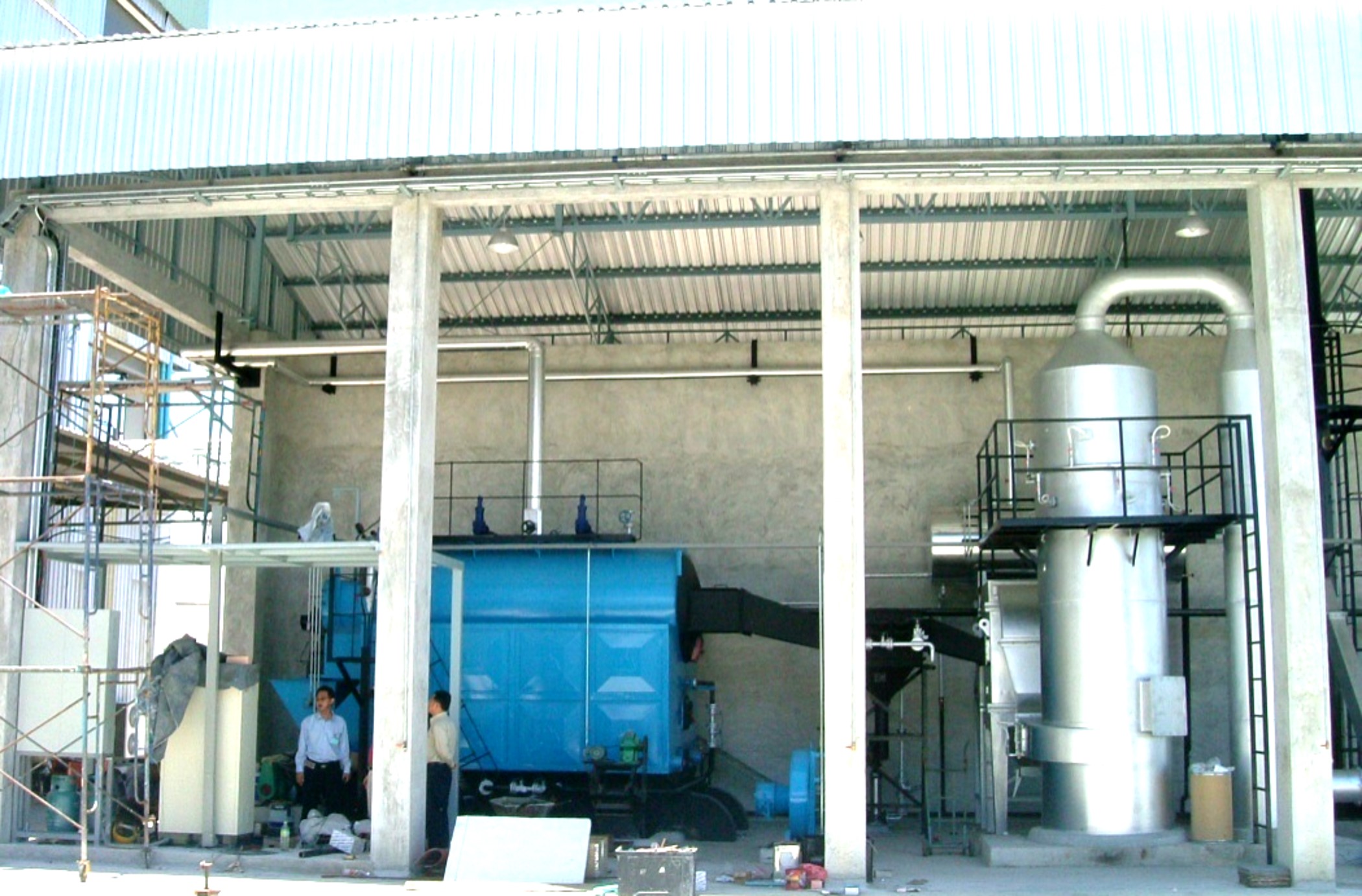
Industrial boilers and industrial furnaces are both critical thermal systems used in manufacturing, energy production, and process industries. However, despite performing similar roles in providing heat energy, boilers often demonstrate significantly longer service lifespans than furnaces. A major reason for this difference lies in the operating conditions under which these systems function. Factors such as operating temperature, thermal cycling, load stability, cooling mechanisms, fuel combustion conditions, and maintenance practices all influence equipment durability. When boilers operate under controlled and stable conditions, their components experience less thermal stress and material degradation than furnaces exposed to extreme temperatures and fluctuating process demands. Understanding how operating conditions affect system longevity helps industries optimize equipment usage and reduce lifecycle costs.
Operating conditions influence whether industrial boilers last longer than furnaces by affecting thermal stress, material degradation, mechanical fatigue, and maintenance requirements. Boilers typically operate under controlled temperature conditions with water-cooled components, while furnaces expose materials directly to extremely high temperatures and rapid thermal cycling, which accelerates wear and reduces equipment lifespan.
These operational differences explain why boilers often remain functional for decades while furnaces may require major rebuilding within shorter timeframes.
Stable operating temperatures and continuous water cooling in boilers significantly reduce thermal fatigue compared with furnaces exposed to extreme radiant heat.True
Water circulating inside boiler tubes absorbs heat and stabilizes metal temperatures, preventing the extreme thermal stress that commonly affects furnace structures.
1. Operating Temperature Levels
Temperature is one of the most influential operating conditions affecting equipment lifespan.
Industrial furnaces are designed for extremely high-temperature processes such as metal melting and heat treatment. Boilers, by contrast, primarily function as heat exchangers that transfer combustion heat into water.
Typical temperature comparison:
| Equipment Type | Structural Temperature Exposure |
|---|---|
| Industrial boiler tubes | 200–400°C |
| Steam combustion zone | 900–1200°C |
| Industrial furnace chamber | 800–1600°C |
Although boiler combustion zones are hot, the metal components are cooled by water circulation. Furnace components are often directly exposed to radiant heat, leading to faster material degradation.
2. Thermal Cycling and Startup Frequency
Another key operating condition affecting equipment lifespan is thermal cycling.
Thermal cycling occurs when equipment repeatedly heats up and cools down. This expansion and contraction creates stress in metal structures and refractory materials.
Operational patterns differ significantly between boilers and furnaces:
| Equipment | Typical Operation Pattern |
|---|---|
| Industrial boiler | Continuous operation |
| Industrial furnace | Batch processing with frequent cycling |
Continuous boiler operation minimizes thermal fatigue, whereas furnaces used in batch processes experience frequent temperature fluctuations that accelerate structural damage.
3. Heat Transfer Mechanisms
Boilers and furnaces use fundamentally different heat transfer mechanisms.
Boilers rely on heat exchange between combustion gases and water flowing through tubes. The water absorbs heat rapidly and stabilizes temperatures across the system.
Furnaces primarily use radiant heating to transfer heat to materials inside the chamber.
Heat transfer comparison:
| System | Heat Transfer Method | Impact on Equipment |
|---|---|---|
| Boiler | Convective heat transfer to water | Stabilized metal temperature |
| Furnace | Radiant heat exposure | High structural heat stress |
Because furnace walls receive intense radiant heat, refractory linings deteriorate more quickly.
4. Cooling and Temperature Stabilization
Cooling mechanisms also influence system durability.
In boilers, water acts as a natural cooling medium that continuously removes heat from structural components.
Benefits of water cooling include:
- Stabilized metal temperatures
- Reduced risk of overheating
- Lower thermal expansion stress
Furnaces typically rely on refractory insulation rather than active cooling systems.
Refractory materials can withstand high temperatures but gradually degrade due to chemical reactions, thermal shock, and mechanical stress.
5. Combustion Conditions and Flame Exposure
Operating conditions within combustion zones also differ between boilers and furnaces.
In boilers, flames are directed through combustion chambers designed to distribute heat evenly across heat transfer surfaces.
Furnaces often expose structural components directly to intense flame radiation.
Combustion exposure comparison:
| System | Flame Exposure |
|---|---|
| Boiler | Indirect exposure through heat exchanger surfaces |
| Furnace | Direct exposure to radiant heat |
Direct exposure increases the rate of oxidation and material fatigue in furnace structures.
6. Load Stability and Process Demand
Load demand significantly affects equipment durability.
Boilers frequently serve continuous processes such as steam generation for power plants or industrial heating networks.
Furnaces may experience highly variable load conditions depending on production schedules.
Load pattern comparison:
| Equipment | Load Stability |
|---|---|
| Boiler | Stable continuous load |
| Furnace | Variable or cyclic load |
Stable operating loads reduce mechanical stress and extend equipment lifespan.
7. Environmental and Chemical Exposure
Operating environments also affect how quickly equipment materials degrade.
Boilers face corrosion risks from water chemistry, but these risks are typically controlled through water treatment programs.
Furnaces may be exposed to aggressive chemical environments depending on the processed materials.
Examples include:
- Oxidizing atmospheres
- Acidic gases
- Abrasive particulates
These factors accelerate degradation of furnace components.
8. Maintenance and Inspection Practices
Boilers typically operate under strict safety regulations requiring routine inspections.
Preventive maintenance includes:
- Water chemistry monitoring
- Tube thickness measurement
- Safety valve testing
Maintenance comparison:
| Equipment | Maintenance Focus |
|---|---|
| Industrial boiler | Pressure vessel integrity and water quality |
| Industrial furnace | Refractory lining replacement and burner repair |
Strict inspection programs help boilers maintain long operational lifespans.
9. Material Fatigue and Structural Stress
Materials exposed to high temperatures undergo gradual fatigue.
Furnace materials experience:
- High-temperature oxidation
- Thermal shock damage
- Refractory cracking
Boiler materials operate at lower temperatures and benefit from cooling effects.
Material stress comparison:
| Factor | Boiler | Furnace |
|---|---|---|
| Thermal stress | Moderate | High |
| Material fatigue | Lower | Higher |
| Oxidation risk | Controlled | Severe |
These differences contribute to longer boiler lifespans.
10. Long-Term Operational Impact
Over time, operating conditions significantly influence lifecycle performance.
Typical lifespan ranges:
| Equipment | Average Service Life |
|---|---|
| Industrial boiler | 20–40 years |
| Industrial furnace | 10–20 years |
Boilers often remain operational for decades because their operating conditions limit structural degradation.
Furnaces, exposed to harsher environments, require more frequent rebuilding or replacement.
Summary
Operating conditions play a crucial role in determining whether industrial boilers last longer than furnaces. Boilers typically function under controlled temperature conditions with continuous water cooling, stable load demand, and strict maintenance programs, all of which reduce thermal stress and material fatigue. In contrast, furnaces operate at extremely high temperatures, often experience frequent thermal cycling, and expose materials directly to radiant heat and harsh chemical environments. These demanding conditions accelerate structural degradation and shorten furnace lifespans. As a result, industrial boilers often remain operational for 20–40 years or longer, while furnaces usually require major rebuilding or replacement within 10–20 years.
What Maintenance Practices Help Industrial Boilers Last Longer Than Furnaces?
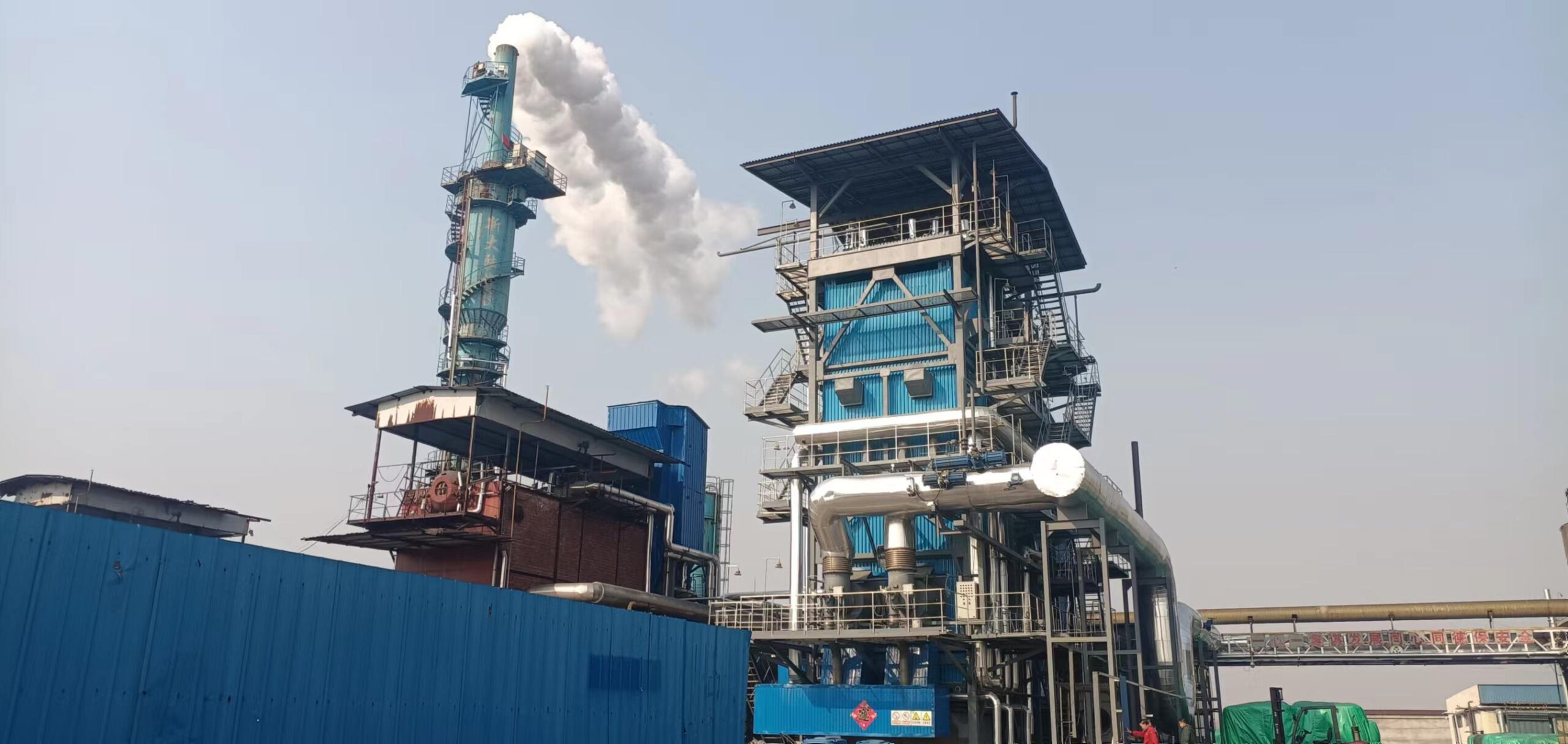
Industrial boilers and furnaces both play essential roles in providing thermal energy for manufacturing and industrial processes. However, boilers often achieve significantly longer operational lifespans than furnaces, sometimes lasting several decades when properly maintained. While design differences contribute to this durability, maintenance practices are equally important. Effective preventive maintenance helps prevent corrosion, scale buildup, mechanical fatigue, and system inefficiencies that could shorten the lifespan of boiler components. Because boilers operate under high pressure and require strict safety compliance, most facilities implement comprehensive maintenance programs that extend equipment life and improve operational reliability.
Industrial boilers last longer than furnaces largely because they benefit from rigorous maintenance practices such as water treatment management, regular tube inspections, combustion system optimization, safety device testing, and continuous monitoring of operating conditions. These maintenance strategies prevent corrosion, overheating, and mechanical fatigue, allowing boilers to operate safely and efficiently for 20–40 years or more.
Understanding the maintenance practices that protect boiler systems helps facility managers maximize equipment lifespan and reduce lifecycle costs.
Proper water treatment is one of the most important maintenance practices for extending the lifespan of industrial boilers.True
Controlling water chemistry prevents scale formation and corrosion that could otherwise damage boiler tubes and pressure vessels.
1. Water Treatment and Chemistry Control
Water quality management is one of the most critical maintenance practices for industrial boilers.
Untreated feedwater can contain dissolved minerals, oxygen, and impurities that cause scale formation and corrosion inside boiler tubes.
Common water treatment practices include:
- Water softening or reverse osmosis treatment
- Chemical dosing for pH control
- Oxygen removal using deaerators
- Continuous monitoring of dissolved solids
Key water chemistry parameters:
| Parameter | Recommended Range |
|---|---|
| pH | 8.5–10.5 |
| Dissolved oxygen | Near zero |
| Total dissolved solids | Controlled through blowdown |
Maintaining proper water chemistry protects internal boiler surfaces and ensures efficient heat transfer.
2. Regular Boiler Tube Inspection
Boiler tubes are exposed to high temperatures and pressure during operation.
Routine inspections help detect early signs of wear such as:
- Tube thinning
- Corrosion
- Erosion
- Cracking
Inspection techniques include:
| Inspection Method | Purpose |
|---|---|
| Visual inspection | Detect deposits and damage |
| Ultrasonic thickness testing | Measure tube wall thickness |
| Radiographic testing | Identify internal defects |
Early detection allows operators to replace or repair tubes before major failures occur.
3. Combustion System Maintenance
Efficient combustion is essential for both boiler performance and equipment longevity.
Poor combustion conditions can cause:
- Flame instability
- Excessive soot formation
- Overheating of furnace walls
Maintenance tasks include:
- Burner cleaning and calibration
- Air–fuel ratio adjustment
- Inspection of fuel delivery systems
- Flue gas monitoring
Proper combustion reduces thermal stress and improves energy efficiency.
4. Cleaning Heat Transfer Surfaces
Over time, deposits may accumulate on heat transfer surfaces inside the boiler.
Common deposits include:
- Soot from combustion
- Ash from solid fuels
- Mineral scale from water impurities
These deposits reduce heat transfer efficiency and increase metal temperature.
Cleaning methods include:
| Cleaning Method | Application |
|---|---|
| Soot blowers | Remove ash and soot |
| Chemical cleaning | Remove mineral scale |
| Mechanical tube cleaning | Remove stubborn deposits |
Maintaining clean heat transfer surfaces prevents overheating and improves system efficiency.
5. Monitoring Operating Conditions
Continuous monitoring of boiler performance helps identify problems before they become serious.
Modern boilers are equipped with advanced monitoring systems that track:
- Steam pressure
- Water level
- Temperature
- Fuel consumption
- Flue gas composition
Digital control systems can detect abnormal conditions and alert operators to potential problems.
Monitoring allows maintenance teams to address issues early and prevent equipment damage.
6. Safety Device Testing
Safety systems are essential for protecting boiler equipment and personnel.
Important safety devices include:
- Pressure relief valves
- Low-water cutoff systems
- Flame failure detection systems
- Emergency shutdown controls
Regular testing ensures these safety devices function properly.
Typical testing schedule:
| Safety Device | Inspection Frequency |
|---|---|
| Safety valves | Annually |
| Low-water cutoff | Monthly |
| Flame detection system | Periodically |
Maintaining safety systems helps prevent catastrophic failures.
7. Scheduled Preventive Maintenance
Preventive maintenance programs are designed to maintain equipment reliability and extend service life.
Typical maintenance activities include:
- Lubrication of pumps and valves
- Calibration of instrumentation
- Inspection of insulation and seals
- Cleaning of burners and fuel systems
Maintenance scheduling example:
| Maintenance Type | Frequency |
|---|---|
| Routine inspection | Monthly |
| Minor maintenance | Quarterly |
| Major overhaul | Annually |
Preventive maintenance minimizes unexpected downtime.
8. Feedwater System Maintenance
Feedwater pumps and treatment equipment must operate reliably to ensure consistent boiler performance.
Maintenance tasks include:
- Pump inspection and lubrication
- Filter replacement
- Deaerator inspection
- Control valve maintenance
Reliable feedwater delivery prevents boiler overheating and pressure instability.
9. Operator Training and Operational Best Practices
Skilled operators play a major role in maintaining boiler health.
Operator responsibilities include:
- Monitoring system indicators
- Adjusting combustion controls
- Maintaining water chemistry
- Responding to alarms promptly
Proper training ensures operators can detect early warning signs of equipment problems.
10. Predictive Maintenance Technologies
Modern facilities increasingly use predictive maintenance technologies to extend boiler lifespan.
Examples include:
- Vibration analysis for rotating equipment
- Infrared thermography for detecting hot spots
- Acoustic leak detection
- Digital performance analytics
Predictive maintenance allows engineers to identify equipment deterioration before failure occurs.
Summary
Industrial boilers often last longer than furnaces because they benefit from comprehensive maintenance practices that protect internal components and ensure stable operating conditions. Key maintenance strategies include water treatment management, regular tube inspections, combustion system maintenance, cleaning of heat transfer surfaces, continuous monitoring of operating parameters, safety device testing, preventive maintenance scheduling, and proper operator training. These practices prevent corrosion, overheating, and mechanical fatigue, enabling industrial boilers to operate efficiently for 20–40 years or more. By implementing a disciplined maintenance program, facilities can maximize equipment lifespan, reduce operational costs, and ensure reliable steam or hot water production.
Are There Situations Where Industrial Furnaces May Last Longer Than Boilers?
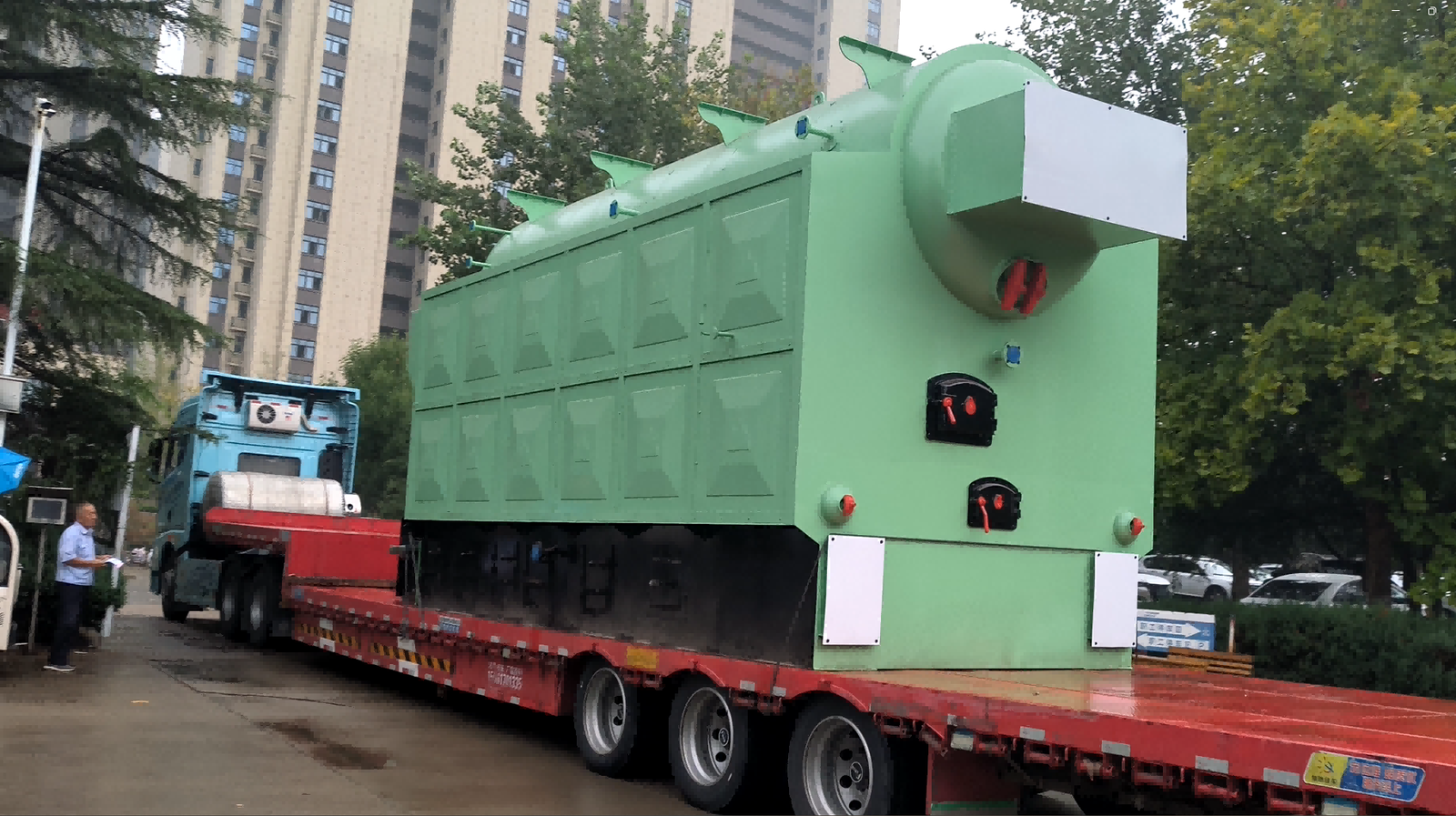
Industrial boilers are often known for their long service life, sometimes operating reliably for several decades when properly maintained. In contrast, industrial furnaces are frequently exposed to extreme temperatures and harsh operating conditions, which can shorten their lifespan. However, there are specific situations in which industrial furnaces may actually last longer than boilers. These scenarios typically occur when operating conditions, maintenance practices, environmental exposure, or design differences favor the durability of furnace systems over boiler pressure vessels. Understanding these situations helps engineers evaluate lifecycle performance more accurately and make better equipment selection decisions.
Yes, there are situations where industrial furnaces may last longer than boilers, particularly when furnaces operate under stable temperatures with minimal thermal cycling, while boilers experience severe corrosion, poor water treatment, high-pressure stress, or inadequate maintenance. In such cases, furnace structures—especially those with durable refractory linings—may outlast boilers that suffer internal tube degradation or pressure vessel fatigue.
Examining the operational and environmental factors that influence equipment durability provides insight into these less common but important scenarios.
Poor water treatment is one of the most common causes of premature failure in industrial boilers.True
Improper water chemistry can cause scale formation, corrosion, and tube failure that significantly reduce the lifespan of boiler systems.
1. When Boiler Water Treatment Is Poorly Managed
Water chemistry plays a crucial role in the longevity of industrial boilers.
Unlike furnaces, boilers rely on circulating water inside tubes and pressure vessels. If water treatment systems are poorly managed, serious internal damage can occur.
Common problems caused by poor water treatment include:
- Scale buildup on heat transfer surfaces
- Oxygen corrosion in boiler tubes
- High dissolved solids leading to carryover
- Tube pitting and thinning
Water treatment failure impact:
| Problem | Effect on Boiler |
|---|---|
| Scale formation | Overheating of tubes |
| Oxygen corrosion | Tube leaks or rupture |
| High dissolved solids | Reduced efficiency |
Furnaces do not rely on water systems, so they are not affected by these issues.
2. When Boilers Experience High-Pressure Stress
Boilers operate as pressure vessels, meaning they must withstand high internal pressures.
Typical industrial steam boiler pressures:
| Boiler Type | Pressure Range |
|---|---|
| Low-pressure boiler | 10–25 bar |
| Medium-pressure boiler | 25–45 bar |
| High-pressure boiler | 60–100+ bar |
High pressure creates structural stress on boiler materials.
Over time, pressure cycling and thermal stress can lead to:
- Metal fatigue
- Weld cracking
- Pressure vessel weakening
Furnaces usually operate at atmospheric pressure, reducing mechanical stress on structural components.
3. When Furnaces Operate Under Stable Continuous Conditions
Many furnaces experience frequent thermal cycling, but certain industrial furnaces operate continuously under stable conditions.
Examples include:
- Glass melting furnaces
- Continuous steel reheating furnaces
- Certain chemical process furnaces
When operating continuously, these furnaces experience fewer thermal shocks.
Operational pattern comparison:
| Equipment | Typical Operation |
|---|---|
| Continuous furnace | Stable temperature |
| Boiler with load fluctuations | Pressure and temperature changes |
Stable furnace operation can significantly extend refractory lifespan.
4. When Furnace Refractory Materials Are Highly Durable
Modern industrial furnaces use advanced refractory materials designed to withstand extreme temperatures.
Examples include:
- High-alumina refractories
- Silicon carbide linings
- Ceramic fiber insulation
These materials resist:
- Thermal shock
- Chemical attack
- Mechanical abrasion
Refractory durability comparison:
| Material | Temperature Resistance |
|---|---|
| High-alumina refractory | Up to 1700°C |
| Silicon carbide | Excellent thermal stability |
| Ceramic fiber | High insulation efficiency |
High-quality refractory linings can extend furnace service life significantly.
5. When Boilers Experience Severe Corrosion Environments
Boilers may be exposed to corrosive conditions depending on fuel type and operating environment.
Examples include:
- Biomass combustion producing acidic flue gases
- Sulfur-containing fuels creating corrosive compounds
- Poor condensate management causing acidic corrosion
Corrosion impact on boilers:
| Corrosion Type | Affected Component |
|---|---|
| Oxygen corrosion | Boiler tubes |
| Acidic corrosion | Economizer and heat exchangers |
| Flow-accelerated corrosion | Feedwater systems |
Furnaces may avoid these problems if combustion gases do not contact structural materials directly.
6. When Boiler Maintenance Is Inadequate
Boilers require strict maintenance programs because they operate under high pressure.
If maintenance is neglected, problems may develop quickly.
Typical boiler maintenance requirements include:
- Tube inspection
- Water chemistry monitoring
- Safety valve testing
- Control system calibration
Maintenance comparison:
| Equipment | Maintenance Complexity |
|---|---|
| Boiler | High |
| Furnace | Moderate |
Facilities with limited maintenance capabilities may experience shorter boiler lifespans.
7. When Boilers Experience Frequent Load Fluctuations
Industrial boilers may serve variable steam demand in manufacturing facilities.
Rapid changes in steam load cause:
- Pressure fluctuations
- Temperature changes
- Increased thermal stress
Load variation comparison:
| Equipment | Load Stability |
|---|---|
| Boiler | Often variable |
| Furnace | Often stable |
Frequent load changes can accelerate fatigue in boiler pressure components.
8. When Furnace Components Are Easily Replaceable
Many furnace designs allow replacement of internal components without replacing the entire structure.
Common replaceable furnace components include:
- Refractory linings
- Burners
- Heating elements
This modular maintenance approach can extend furnace lifespan.
Boilers, by contrast, rely heavily on the integrity of the pressure vessel, which is more difficult to replace.
9. When Furnace Systems Operate Without Water-Related Risks
Water-related problems are unique to boilers.
Potential water-related failures include:
- Tube rupture from overheating
- Scale buildup reducing heat transfer
- Corrosion from poor water chemistry
Because furnaces do not contain pressurized water systems, they avoid these risks entirely.
10. Real Industrial Example
Example: Glass manufacturing plant
Installed equipment:
- Continuous glass melting furnace
- Steam boiler for process heating
Operational history:
| Equipment | Years of Service |
|---|---|
| Glass furnace | 28 years |
| Steam boiler | 22 years |
The furnace remained operational longer because:
- It operated continuously at stable temperatures
- Refractory linings were periodically replaced
- Boiler experienced corrosion from poor water treatment earlier in its life.
Summary
Although industrial boilers often have longer service lifespans than furnaces, there are situations where furnaces may last longer. These situations typically occur when boilers suffer from poor water treatment, corrosion, high-pressure stress, or inadequate maintenance. Meanwhile, furnaces operating under stable temperature conditions with durable refractory linings and modular component replacement can maintain long service lives. Ultimately, the relative lifespan of boilers and furnaces depends on operating conditions, maintenance practices, material quality, and environmental factors. Careful system management is essential to maximize the durability of both technologies.
How Should Businesses Decide Between Industrial Boilers and Furnaces for Long-Term Reliability?
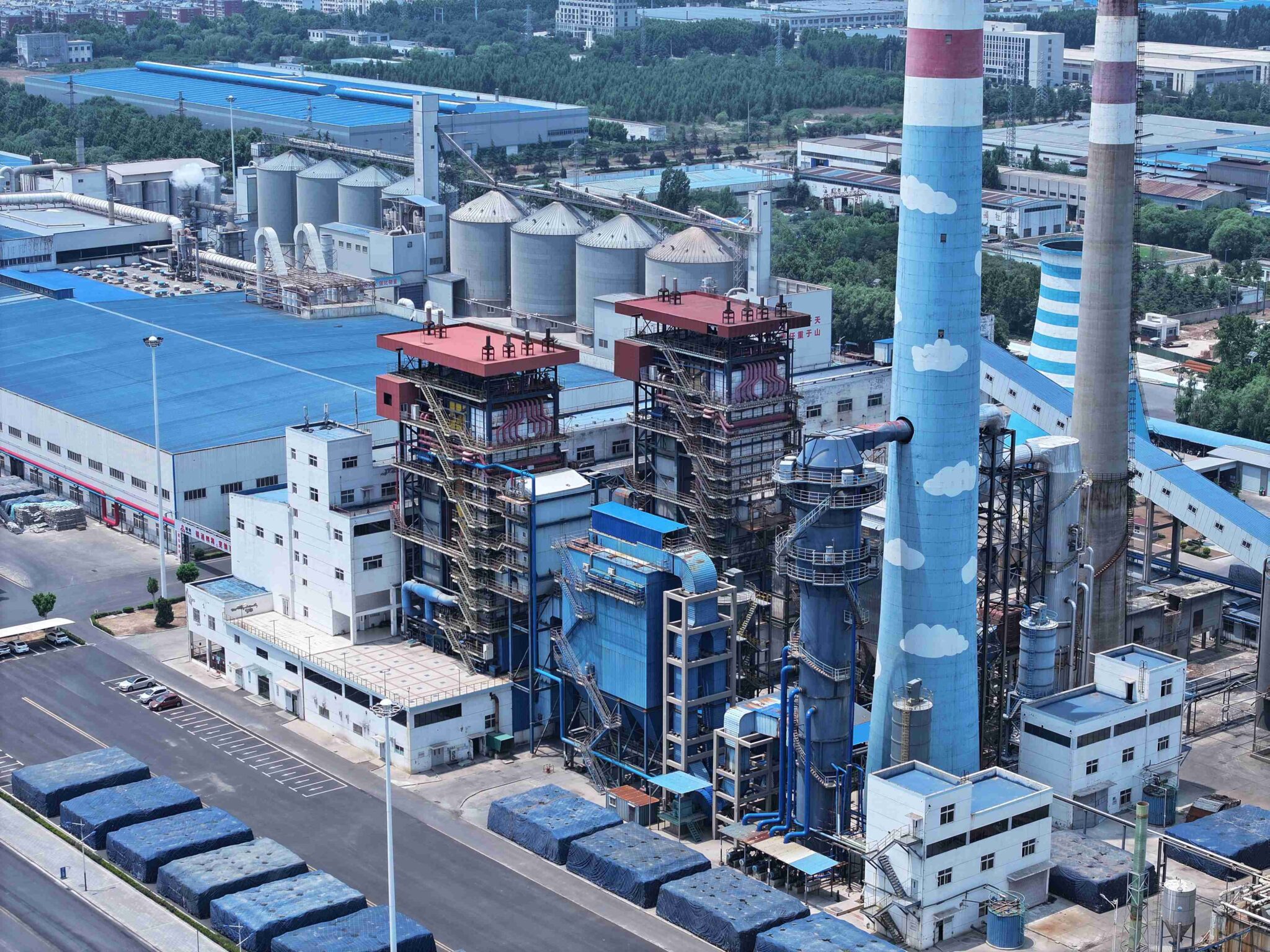
Choosing between an industrial boiler and an industrial furnace is a strategic decision that can significantly impact a company’s long-term operational reliability, energy efficiency, and lifecycle cost. Both systems are designed to deliver thermal energy, but they function in very different ways and operate under different technical conditions. Boilers generate steam or hot water for heat transfer through a fluid medium, while furnaces provide direct radiant heat to materials or processes. If a business selects a system that does not match its operational requirements, it may face frequent maintenance issues, higher fuel consumption, shorter equipment lifespan, or reduced production efficiency. Therefore, companies must evaluate several technical and operational factors to determine which system offers the best long-term reliability for their specific applications.
Businesses should decide between industrial boilers and furnaces for long-term reliability by evaluating key factors such as process temperature requirements, operating conditions, maintenance capabilities, fuel efficiency, load stability, and lifecycle costs. Boilers are typically more reliable for applications requiring continuous steam or hot water supply, while furnaces are better suited for high-temperature material processing where direct heat is necessary.
A structured decision-making framework allows organizations to select the heating technology that best supports stable and efficient operations.
Industrial boilers generally provide longer operational lifespans than furnaces when operating under stable conditions with proper maintenance.True
Water-cooled components and controlled operating conditions reduce thermal stress and material degradation in boilers compared with high-temperature furnaces.
1. Identify the Required Heating Application
The first step in choosing between a boiler and a furnace is understanding the heating requirements of the industrial process.
Boilers are typically used when thermal energy must be transferred through steam or hot water, while furnaces provide direct heat to materials or products.
Application comparison:
| Application Type | Recommended System | Reason |
|---|---|---|
| Power generation | Boiler | Steam drives turbines |
| Food sterilization | Boiler | Steam sanitation |
| Chemical processing | Boiler | Controlled heat transfer |
| Metal melting | Furnace | Extremely high temperatures |
| Heat treatment | Furnace | Direct radiant heat |
| Glass production | Furnace | Continuous high-temperature operation |
Selecting the appropriate system based on process needs ensures optimal performance.
2. Evaluate Temperature Requirements
Temperature requirements often determine whether a boiler or furnace is more suitable.
Typical operating temperature ranges:
| System Type | Typical Temperature Range |
|---|---|
| Hot water boiler | 60–120°C |
| Steam boiler | 150–540°C |
| Industrial furnace | 800–1600°C |
Boilers cannot reach the extremely high temperatures required for certain manufacturing processes such as metal melting or ceramic firing.
Furnaces are designed specifically for these high-temperature applications.
3. Assess Long-Term Reliability Under Operating Conditions
Operating conditions strongly influence equipment reliability.
Boilers often operate continuously at stable temperatures and pressures, which reduces mechanical stress.
Furnaces may experience higher thermal stress because of direct exposure to radiant heat.
Reliability factors:
| Factor | Boiler | Furnace |
|---|---|---|
| Structural cooling | Water-cooled tubes | Limited cooling |
| Thermal cycling | Lower in continuous operation | Often higher |
| Material stress | Moderate | High |
In processes requiring stable long-term heat supply, boilers may offer better reliability.
4. Consider Maintenance Capabilities
Maintenance requirements differ significantly between boilers and furnaces.
Boilers require:
- Water treatment management
- Pressure vessel inspections
- Tube monitoring
- Safety system testing
Furnaces require:
- Refractory lining replacement
- Burner maintenance
- Chamber cleaning
Maintenance comparison:
| Maintenance Area | Boiler | Furnace |
|---|---|---|
| Water treatment | Required | Not required |
| Refractory repair | Rare | Frequent |
| Inspection frequency | Strictly regulated | Moderate |
Businesses should consider their maintenance resources before selecting a system.
5. Analyze Fuel Efficiency and Energy Costs
Energy efficiency is an important factor affecting long-term operational cost.
Boilers can achieve high efficiency through heat recovery technologies such as:
- Economizers
- Condensing heat exchangers
- Waste heat recovery systems
Furnaces can also achieve high efficiency, particularly when designed for continuous processes.
Energy efficiency comparison:
| Efficiency Factor | Boiler | Furnace |
|---|---|---|
| Heat transfer efficiency | High | High |
| Heat recovery potential | Excellent | Moderate |
| Energy loss risk | Steam leaks | Radiant heat loss |
Businesses should analyze total energy consumption for each system.
6. Evaluate Load Stability and Process Demand
Industrial heating demand can vary significantly depending on production schedules.
Boilers perform best when operating continuously at stable loads.
Furnaces may operate in batch processes or continuous production lines.
Load pattern comparison:
| System | Typical Load Pattern |
|---|---|
| Boiler | Continuous steam demand |
| Furnace | Batch or continuous process heating |
Understanding load demand helps determine which system provides more reliable operation.
7. Consider Lifecycle Cost and Equipment Longevity
Long-term reliability includes not only equipment durability but also lifecycle cost.
Typical equipment lifespan:
| Equipment Type | Typical Lifespan |
|---|---|
| Industrial boiler | 20–40 years |
| Industrial furnace | 10–20 years |
However, furnaces may allow replacement of internal components such as refractory linings without replacing the entire system.
Lifecycle cost evaluation should include:
- Initial installation cost
- Maintenance cost
- Fuel consumption
- Replacement cycles
8. Review Safety and Regulatory Requirements
Boilers operate under high pressure and must comply with strict safety standards.
Common boiler regulations include:
- Pressure vessel codes
- Annual inspections
- Operator certification
Furnaces usually operate at atmospheric pressure and have fewer regulatory requirements.
Safety comparison:
| Safety Aspect | Boiler | Furnace |
|---|---|---|
| Pressure risk | High | Low |
| Regulatory oversight | Strict | Moderate |
| Safety system complexity | High | Lower |
Businesses must ensure compliance with applicable regulations.
9. Evaluate Environmental Impact
Environmental performance is increasingly important when selecting industrial heating systems.
Both boilers and furnaces can operate using various fuels such as:
- Natural gas
- Biomass
- Hydrogen-ready fuels
- Electricity
Environmental considerations include:
- Emissions control
- Energy efficiency
- Carbon footprint
Modern boiler systems often integrate waste heat recovery technologies that improve environmental performance.
10. Develop a Strategic Decision Framework
Businesses can use a structured framework to select the most reliable heating system.
Decision guide:
| Key Requirement | Recommended System |
|---|---|
| Continuous steam or hot water supply | Boiler |
| High-temperature material processing | Furnace |
| Power generation or CHP | Boiler |
| Metal or glass production | Furnace |
| Industrial sterilization | Boiler |
| Heat treatment operations | Furnace |
This framework helps align equipment selection with operational goals.
Summary
Businesses should decide between industrial boilers and furnaces for long-term reliability by carefully evaluating process requirements, operating conditions, maintenance capabilities, energy efficiency, and lifecycle costs. Boilers are typically the most reliable choice for applications requiring continuous steam or hot water supply, offering long service life and stable performance when supported by proper water treatment and maintenance. Furnaces, on the other hand, are essential for high-temperature industrial processes where direct radiant heat is required. By analyzing operational needs and infrastructure capabilities, companies can select the heating technology that provides the most dependable and cost-effective long-term solution.
🔍 Conclusion
In most industrial environments, boilers are built for longer operational lifespans than furnaces due to their heavy-duty construction and continuous operation design. While furnaces remain essential for certain high-temperature processes, industrial boilers typically offer greater durability when properly maintained and operated within design parameters.
🔹 Reach out today to discuss reliable, long-lasting boiler solutions tailored to your industrial needs. ♨️📊✅
Frequently Asked Questions
Do industrial boilers last longer than industrial furnaces?
In many cases, industrial boilers tend to last longer than industrial furnaces, primarily due to differences in design, operating conditions, and maintenance practices. Industrial boilers are typically built with thick steel pressure vessels and engineered to operate continuously for decades in demanding environments such as power plants, manufacturing facilities, and processing plants.
The average lifespan of an industrial boiler is often between 20 and 30 years, and in some cases even longer if proper maintenance is performed. High-quality water treatment, regular inspections, and controlled operating conditions can significantly extend the service life of a boiler.
Industrial furnaces, which are used for high-temperature processes such as metal melting, heat treatment, and forging, often operate at extremely high temperatures—sometimes exceeding 1000°C. These intense thermal conditions cause refractory materials, heating elements, and combustion components to degrade more quickly.
As a result, industrial furnaces may require more frequent component replacement and major overhauls. While a furnace structure may last 15–25 years, internal parts such as burners, refractory lining, and heating coils typically require periodic replacement.
Ultimately, both systems can have long service lives, but boilers often demonstrate greater longevity due to lower peak temperatures and robust pressure-vessel construction.
What factors affect the lifespan of an industrial boiler?
Several factors determine how long an industrial boiler can operate effectively. One of the most critical factors is water quality. Boilers rely on water as the heat-transfer medium, and untreated water can lead to scaling, corrosion, and internal tube damage. Proper water treatment and chemical conditioning help prevent these problems.
Operating pressure and temperature also influence lifespan. Boilers operating at extremely high pressures or temperatures may experience increased mechanical stress, which can accelerate material fatigue.
Maintenance practices play a major role as well. Regular inspections, cleaning of heat-transfer surfaces, calibration of burners, and testing of safety devices ensure the system continues to function efficiently. Facilities that implement preventive maintenance programs typically achieve longer equipment life.
Fuel quality is another factor. Poor-quality fuel can lead to incomplete combustion, soot buildup, and excessive wear on combustion components.
Finally, design quality and manufacturing standards significantly impact durability. Boilers built according to recognized engineering codes and high-quality materials tend to have longer service lives.
Why do industrial furnaces wear out faster than boilers?
Industrial furnaces often experience faster wear because they operate at extremely high temperatures and are directly exposed to intense thermal cycling. Furnaces used in metallurgy, ceramics, and glass production may operate continuously at temperatures ranging from 800°C to over 1500°C.
These high temperatures place significant stress on internal materials such as refractory bricks, insulation, burners, and heating elements. Over time, repeated heating and cooling cycles cause thermal expansion and contraction, which can lead to cracking or degradation of refractory linings.
In addition, furnaces frequently handle corrosive gases, molten metals, or abrasive materials that can damage internal components. Maintenance requirements are therefore higher, and replacement of key parts is more frequent.
Boilers, in contrast, operate at much lower temperatures relative to furnaces. Even high-pressure steam boilers typically operate below 600°C. Because the heat is transferred through water and steam rather than direct flame exposure to structural components, the system experiences less thermal stress overall.
This difference in operating conditions is one reason boilers generally maintain structural integrity longer than high-temperature furnaces.
Can proper maintenance extend the lifespan of both boilers and furnaces?
Yes, proper maintenance can significantly extend the lifespan of both industrial boilers and furnaces. Preventive maintenance programs help detect early signs of wear, corrosion, or mechanical failure before they lead to major equipment damage.
For boilers, maintenance tasks typically include monitoring water chemistry, performing blowdown procedures, inspecting pressure vessels, cleaning heat exchangers, and testing safety valves. These activities help maintain efficient heat transfer and prevent internal corrosion.
For furnaces, maintenance often focuses on inspecting refractory linings, maintaining burner systems, checking insulation integrity, and ensuring temperature controls are functioning properly.
Regular inspections by certified technicians also help ensure compliance with safety regulations and industry standards. Advanced monitoring technologies such as predictive maintenance systems and digital sensors can further improve reliability by identifying abnormal operating conditions in real time.
Facilities that invest in systematic maintenance programs often extend equipment life by several years while also improving energy efficiency and reducing operational costs.
Which heating system is better for long-term industrial use?
The choice between a boiler and a furnace depends on the application rather than simply longevity. Boilers are ideal for applications that require steam or hot water for heating, power generation, or industrial processes. They are commonly used in industries such as food processing, pharmaceuticals, chemical manufacturing, and energy production.
Furnaces, on the other hand, are designed for extremely high-temperature applications such as metal smelting, glass manufacturing, ceramics production, and heat treatment. These processes require direct high-temperature heating that boilers cannot provide.
For facilities requiring continuous heating with moderate temperatures, boilers may offer better long-term durability and lower maintenance costs. However, when high-temperature processing is necessary, furnaces remain essential despite potentially shorter component lifespans.
Ultimately, selecting the right system depends on process requirements, operating environment, energy efficiency goals, and long-term operational strategy.
References
- Steam System Basics – https://www.energy.gov/eere/amo/steam-system-basics – U.S. Department of Energy
- Industrial Furnace Technology – https://www.energy.gov/eere/amo/industrial-process-heating – U.S. Department of Energy
- Boiler Efficiency and Lifespan – https://www.carbontrust.com/resources/guides/energy-efficiency/boilers – Carbon Trust
- Steam Engineering Principles – https://www.spiraxsarco.com/learn-about-steam – Spirax Sarco
- Boiler Codes and Standards – https://www.asme.org/codes-standards – ASME
- Industrial Energy Systems – https://www.iea.org/topics/industry – International Energy Agency
- Boiler Safety and Inspection – https://www.nationalboard.org – National Board of Boiler and Pressure Vessel Inspectors
- Process Heating Equipment – https://www.epa.gov/e3 – U.S. Environmental Protection Agency
- Industrial Combustion Systems – https://www.ge.com/power – GE Power
- Biomass and Industrial Heating – https://www.ieabioenergy.com – IEA Bioenergy