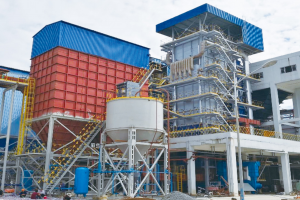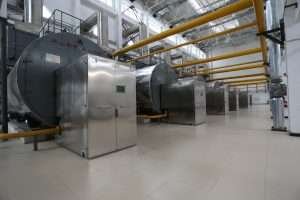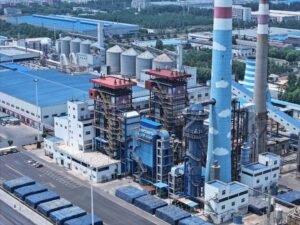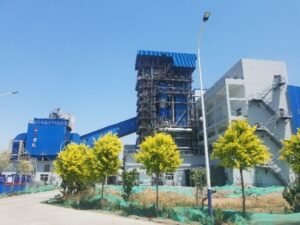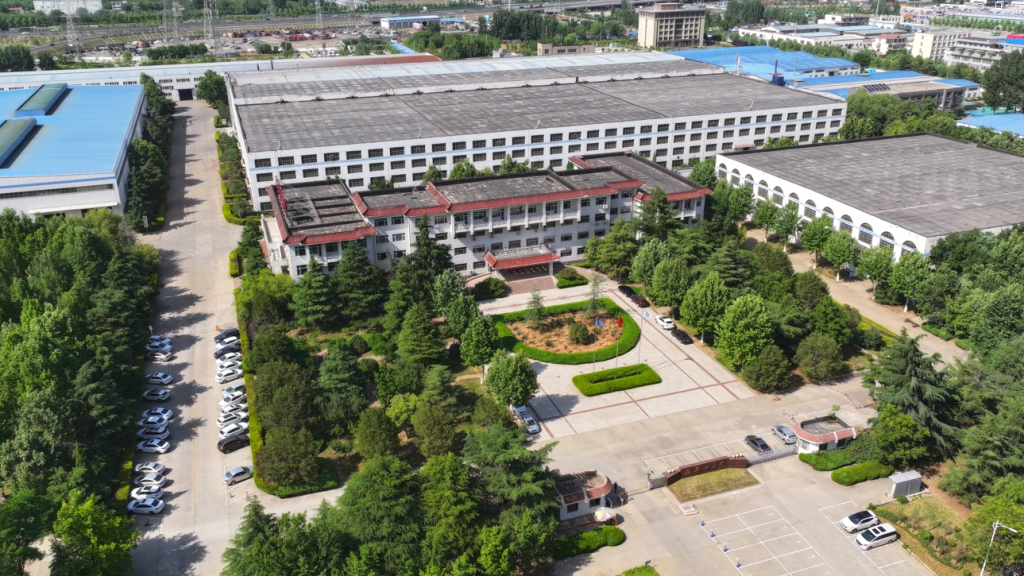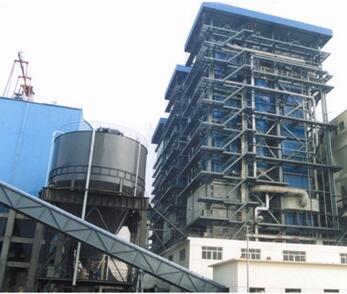
Power plant boilers operate under extreme pressure, temperature, and continuous load conditions. Without proper routine maintenance, these critical systems can experience efficiency losses, tube failures, corrosion, scale buildup, and unexpected shutdowns. Such failures not only reduce power generation efficiency but can also lead to costly repairs, safety hazards, and extended plant downtime.
Regular maintenance tasks for power plant boilers include water quality monitoring, soot and ash cleaning, inspection of boiler tubes and pressure parts, burner and combustion system tuning, safety valve testing, control system calibration, and routine blowdown procedures. Performing these tasks consistently helps maintain thermal efficiency, prevent equipment damage, and ensure safe long-term boiler operation.
A well-structured maintenance program is essential for maximizing boiler lifespan and maintaining stable power generation. Below is an overview of the key maintenance areas plant operators should focus on.If you want to learn more about power plant boiler technologies and their applications, you can also explore this related resource:
Why Is Regular Maintenance Critical for Power Plant Boilers?
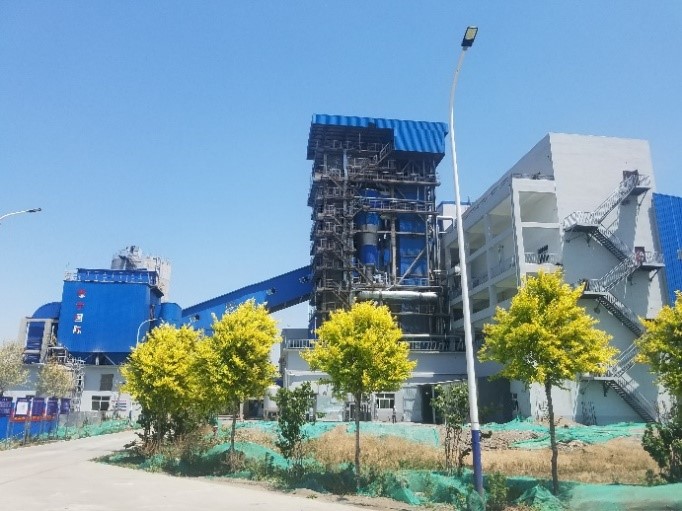
Power plant boilers are among the most critical components in electricity generation systems. These boilers operate continuously under extremely demanding conditions, including high temperatures, high pressures, and constant thermal loads. Because they produce the steam required to drive turbines and generate electricity, any malfunction or inefficiency can disrupt the entire power generation process. Without proper maintenance, boilers may experience reduced efficiency, structural damage, corrosion, or even catastrophic failure. Regular maintenance ensures that power plant boilers operate safely, efficiently, and reliably throughout their service life, preventing costly downtime and maintaining stable energy production.
Regular maintenance is critical for power plant boilers because it ensures safe operation under high pressure and temperature conditions, maintains thermal efficiency, prevents corrosion and tube failure, and reduces the risk of unplanned outages. Proper maintenance extends equipment lifespan and improves the reliability of power generation systems.
A structured maintenance strategy helps power plants protect critical infrastructure and maintain consistent electricity output.
Routine maintenance significantly reduces the risk of boiler tube failure in power plants.True
Regular inspections and cleaning help detect corrosion, scaling, or overheating before they lead to tube rupture or major system damage.
1. Preventing Boiler Tube Failure
Boiler tubes are exposed to intense heat and pressure during operation.
Over time, several factors can weaken these tubes, including:
- Corrosion from water impurities
- Erosion caused by high-velocity steam or flue gas
- Scale buildup that increases metal temperature
Tube failure consequences:
| Issue | Impact |
|---|---|
| Tube rupture | Forced plant shutdown |
| Steam leakage | Safety hazard |
| Heat transfer loss | Reduced efficiency |
Regular inspections help detect tube thinning or corrosion before failure occurs.
2. Maintaining Heat Transfer Efficiency
Boiler efficiency depends on effective heat transfer between combustion gases and water or steam.
Over time, deposits such as soot and scale can accumulate on heat transfer surfaces.
Common fouling sources include:
- Mineral deposits from feedwater
- Ash and soot from fuel combustion
- Corrosion byproducts
Efficiency impact example:
| Deposit Type | Efficiency Loss |
|---|---|
| Light fouling | 1–2% efficiency drop |
| Heavy scale buildup | Up to 10% loss |
Routine cleaning ensures optimal heat transfer and reduces fuel consumption.
3. Protecting Pressure Vessel Integrity
Power plant boilers operate as pressure vessels designed to contain high-pressure steam.
Typical power plant boiler conditions:
| Parameter | Typical Range |
|---|---|
| Steam pressure | 60–250 bar |
| Steam temperature | 450–600°C |
Under these extreme conditions, structural components must remain intact.
Maintenance tasks include:
- Pressure vessel inspections
- Weld integrity testing
- Safety valve verification
These procedures ensure that the boiler structure remains safe and reliable.
4. Preventing Corrosion and Chemical Damage
Water chemistry management is essential for protecting internal boiler components.
Corrosion can occur due to:
- Dissolved oxygen in feedwater
- Improper pH levels
- High concentrations of dissolved solids
Corrosion risks:
| Corrosion Type | Affected Area |
|---|---|
| Oxygen corrosion | Boiler tubes |
| Acid corrosion | Economizer sections |
| Flow-accelerated corrosion | Feedwater pipes |
Regular monitoring of water chemistry prevents long-term structural damage.
5. Ensuring Reliable Combustion Performance
Combustion systems must operate efficiently to produce consistent steam output.
Maintenance tasks include:
- Burner inspection and calibration
- Fuel system cleaning
- Air-to-fuel ratio adjustment
Combustion problems can cause:
- Flame instability
- Excess emissions
- Reduced thermal efficiency
Routine maintenance ensures stable and efficient combustion.
6. Reducing Risk of Unplanned Power Plant Outages
Unexpected boiler failures can shut down an entire power plant.
Unplanned outages can result in:
- Lost electricity production
- Expensive emergency repairs
- Grid instability
Preventive maintenance programs reduce these risks by identifying potential issues early.
Maintenance scheduling example:
| Maintenance Type | Frequency |
|---|---|
| Routine inspection | Monthly |
| Minor maintenance | Quarterly |
| Major overhaul | Annually |
Scheduled maintenance helps maintain uninterrupted power generation.
7. Extending Boiler Equipment Lifespan
Power plant boilers represent major capital investments.
Typical lifespan ranges:
| Boiler Type | Service Life |
|---|---|
| Industrial boiler | 20–30 years |
| Utility-scale power plant boiler | 30–40+ years |
Regular maintenance slows material degradation and helps equipment reach its full design life.
8. Improving Environmental Performance
Properly maintained boilers operate more efficiently and produce fewer emissions.
Maintenance helps control:
- Nitrogen oxide (NOx) emissions
- Carbon monoxide (CO) emissions
- Particulate matter
Well-maintained boilers consume less fuel, reducing environmental impact.
9. Ensuring Safety for Plant Personnel
Power plant boilers contain high-pressure steam and combustible fuels.
Safety risks include:
- Overpressure explosions
- Fuel system leaks
- Steam pipe rupture
Routine maintenance ensures safety systems function correctly.
Key safety systems include:
- Pressure relief valves
- Flame detection systems
- Automatic shutdown controls
Maintaining these systems protects both equipment and personnel.
10. Supporting Predictive Maintenance Strategies
Modern power plants increasingly rely on predictive maintenance technologies.
These systems use sensors and monitoring tools to detect early signs of equipment degradation.
Technologies include:
- Vibration monitoring
- Infrared thermal imaging
- Acoustic leak detection
- Digital performance analytics
Predictive maintenance improves reliability and reduces unnecessary downtime.
Summary
Regular maintenance is essential for power plant boilers because these systems operate under extreme pressure and temperature conditions while supporting continuous electricity generation. Maintenance activities such as tube inspections, heat transfer surface cleaning, combustion system calibration, and water chemistry management help prevent equipment failure, maintain efficiency, and ensure safe operation. By implementing structured maintenance programs and predictive monitoring technologies, power plants can extend boiler lifespan, reduce fuel consumption, minimize environmental impact, and maintain reliable power generation.
What Daily and Weekly Checks Are Required for Power Plant Boilers?
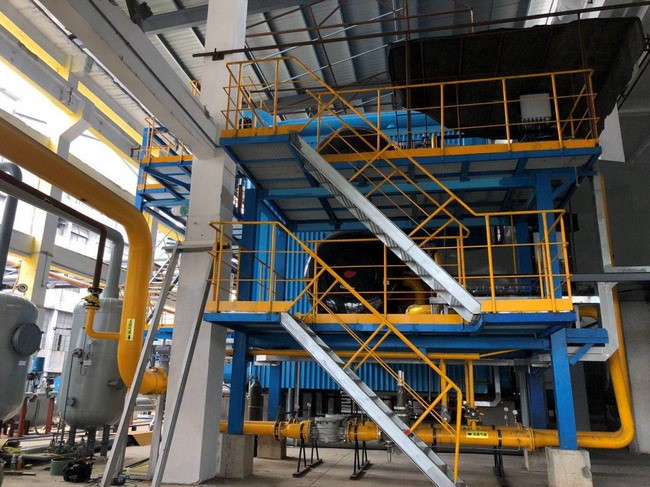
Power plant boilers operate under extremely demanding conditions, producing high-pressure steam that drives turbines to generate electricity. Because these boilers run continuously and are exposed to high temperatures, pressure fluctuations, and complex combustion processes, routine inspections are essential to maintain safe and efficient operation. Daily and weekly checks help plant operators detect early signs of wear, corrosion, combustion instability, or equipment malfunction before these issues escalate into serious failures. Establishing a structured inspection routine ensures that boilers maintain optimal performance, extend equipment lifespan, and minimize the risk of unplanned outages that could disrupt power generation.
Daily and weekly checks for power plant boilers involve monitoring critical operating parameters, inspecting combustion systems, verifying safety devices, evaluating water chemistry, and checking mechanical components such as pumps, valves, and control systems. These routine inspections help detect potential issues early and ensure reliable and safe boiler operation.
Consistent inspection procedures allow plant operators to maintain high reliability and prevent costly downtime.
Routine daily and weekly inspections are essential for identifying early signs of boiler performance degradation in power plants.True
Regular monitoring of pressure, temperature, combustion conditions, and water chemistry allows operators to detect problems before they lead to equipment failure or efficiency loss.
1. Daily Monitoring of Boiler Operating Parameters
Operators must monitor key operating parameters to ensure the boiler functions within safe limits.
Typical parameters include:
- Steam pressure
- Steam temperature
- Furnace temperature
- Feedwater flow rate
- Flue gas temperature
Example monitoring ranges:
| Parameter | Typical Monitoring Purpose |
|---|---|
| Steam pressure | Ensure stable turbine operation |
| Steam temperature | Maintain thermal efficiency |
| Flue gas temperature | Detect heat transfer problems |
Continuous monitoring systems display these values in real time.
2. Daily Water Level and Feedwater System Checks
Maintaining proper water levels in the boiler drum is critical for safe operation.
Daily inspections include:
- Checking steam drum water level indicators
- Verifying feedwater pump performance
- Inspecting feedwater control valves
Water level abnormalities may indicate:
| Issue | Possible Cause |
|---|---|
| Low water level | Pump failure or leakage |
| High water level | Control valve malfunction |
Operators must correct these issues immediately to prevent overheating.
3. Combustion System Inspection
The combustion system generates the heat required for steam production.
Daily checks focus on:
- Burner flame stability
- Fuel supply pressure
- Air-to-fuel ratio
Signs of combustion problems include:
| Symptom | Possible Cause |
|---|---|
| Unstable flame | Incorrect air-fuel mixture |
| Excess smoke | Poor combustion |
| Abnormal burner noise | Burner malfunction |
Maintaining stable combustion improves efficiency and safety.
4. Inspection of Safety Devices
Safety devices protect the boiler from dangerous operating conditions.
Daily checks should verify:
- Pressure relief valves
- Low-water cutoff systems
- Flame detection systems
Operators ensure that safety alarms and emergency shutdown systems remain functional.
5. Monitoring Boiler Water Chemistry
Water quality directly affects boiler performance and durability.
Daily water chemistry checks may include:
- pH level measurement
- Conductivity testing
- Dissolved oxygen levels
Typical water chemistry parameters:
| Parameter | Importance |
|---|---|
| pH level | Prevent corrosion |
| Conductivity | Control dissolved solids |
| Oxygen content | Avoid tube corrosion |
Maintaining proper water chemistry prevents scaling and corrosion.
6. Weekly Inspection of Heat Transfer Surfaces
Over time, deposits can accumulate on heat transfer surfaces.
Weekly checks may include:
- Visual inspection of furnace walls
- Monitoring soot buildup
- Inspecting superheater and economizer surfaces
If deposits accumulate, operators may activate soot blowers or schedule cleaning.
7. Weekly Mechanical Equipment Checks
Mechanical components supporting the boiler require regular inspection.
Weekly checks typically include:
- Feedwater pump inspection
- Fan and blower performance testing
- Valve operation verification
Mechanical inspection checklist:
| Component | Inspection Focus |
|---|---|
| Pumps | Vibration and leakage |
| Fans | Noise and airflow |
| Valves | Proper opening and closing |
Identifying mechanical issues early prevents system failures.
8. Instrumentation and Control System Verification
Boilers rely heavily on sensors and control systems to maintain safe operation.
Weekly checks ensure proper calibration of:
- Pressure sensors
- Temperature sensors
- Flow meters
Operators also verify that digital control systems correctly record operating data.
9. Flue Gas and Emissions Monitoring
Environmental regulations require power plants to monitor emissions.
Weekly inspections may involve:
- Measuring NOx and CO emissions
- Checking flue gas analyzers
- Inspecting stack conditions
Emission monitoring helps ensure compliance with environmental standards.
10. Documentation and Maintenance Reporting
Recording inspection results is an essential part of boiler operation.
Operators maintain logs documenting:
- Daily operating parameters
- Maintenance activities
- Abnormal conditions
Documentation helps engineers analyze performance trends and plan maintenance schedules.
Summary
Daily and weekly inspections are essential for maintaining the safety, efficiency, and reliability of power plant boilers. Daily checks focus on monitoring operating parameters, water levels, combustion performance, safety systems, and water chemistry. Weekly inspections typically include evaluating heat transfer surfaces, mechanical components, instrumentation systems, and emissions monitoring equipment. By implementing structured inspection routines and maintaining detailed operational records, power plants can detect potential problems early, prevent equipment failures, and ensure consistent electricity generation.
How Do Water Treatment and Blowdown Maintenance Protect Power Plant Boilers?
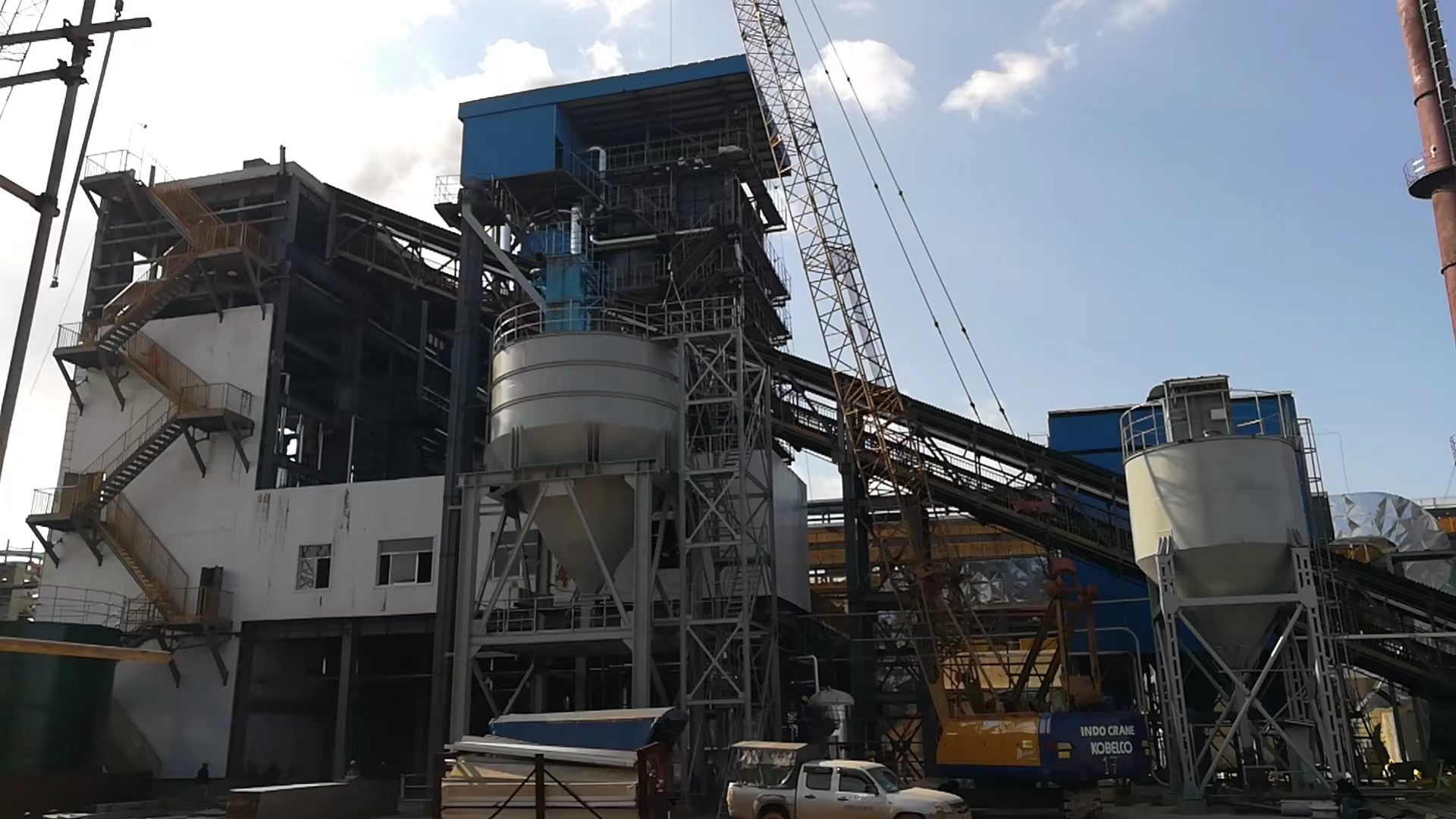
Power plant boilers operate under extreme conditions, producing high-pressure steam that drives turbines for electricity generation. Inside the boiler, water continuously evaporates to produce steam, leaving behind dissolved minerals, salts, and impurities. If these contaminants are not properly controlled, they can accumulate inside the boiler system and cause serious operational problems such as scaling, corrosion, foaming, and tube failure. Water treatment and blowdown maintenance are therefore essential processes that protect the internal components of power plant boilers. These procedures maintain water purity, remove accumulated solids, and ensure efficient heat transfer throughout the boiler system.
Water treatment and blowdown maintenance protect power plant boilers by controlling water chemistry, removing dissolved solids and impurities, preventing scale buildup and corrosion, and maintaining efficient heat transfer surfaces. Properly managed water treatment systems and blowdown operations significantly extend boiler lifespan and ensure stable power generation.
Together, these processes form a critical part of boiler reliability and long-term operational safety.
Improper boiler water treatment is one of the leading causes of scale formation and tube failure in power plant boilers.True
When dissolved minerals accumulate inside the boiler, they form insulating deposits on heat transfer surfaces, causing overheating and structural damage to boiler tubes.
1. Controlling Impurities in Boiler Feedwater
Boiler feedwater naturally contains dissolved minerals, gases, and suspended solids.
Common impurities include:
- Calcium and magnesium salts
- Silica
- Dissolved oxygen
- Carbon dioxide
These impurities can cause serious damage if they accumulate inside the boiler.
Typical feedwater contaminants:
| Contaminant | Potential Problem |
|---|---|
| Calcium & magnesium | Scale formation |
| Oxygen | Corrosion |
| Silica | Turbine deposits |
| Suspended solids | Sludge buildup |
Water treatment systems remove or neutralize these contaminants before the water enters the boiler.
2. Preventing Scale Formation
Scale is a hard mineral deposit that forms on boiler heat transfer surfaces.
Scale formation occurs when dissolved minerals precipitate during water evaporation.
Consequences of scale buildup include:
- Reduced heat transfer efficiency
- Increased metal temperature
- Tube overheating
Scale impact example:
| Scale Thickness | Efficiency Loss |
|---|---|
| 1 mm | 2–3% efficiency loss |
| 3 mm | Up to 10% efficiency loss |
Water treatment chemicals prevent mineral precipitation and scale formation.
3. Protecting Against Corrosion
Corrosion is another major threat to boiler components.
Corrosion typically occurs due to dissolved oxygen or acidic conditions in the water.
Common corrosion types include:
| Corrosion Type | Cause |
|---|---|
| Oxygen corrosion | Dissolved oxygen |
| Acid corrosion | Low pH levels |
| Flow-accelerated corrosion | High water velocity |
Water treatment systems use chemical dosing and deaeration equipment to remove oxygen and maintain proper pH levels.
4. Role of Boiler Blowdown in Water Quality Control
Blowdown is the process of removing a portion of boiler water to eliminate accumulated impurities.
When water evaporates into steam, dissolved solids remain in the boiler drum.
Over time, these solids concentrate and must be removed.
Blowdown methods include:
- Continuous blowdown
- Intermittent blowdown
Blowdown function:
| Blowdown Type | Purpose |
|---|---|
| Continuous blowdown | Controls dissolved solids concentration |
| Intermittent blowdown | Removes sludge and sediments |
Proper blowdown prevents excessive accumulation of contaminants.
5. Maintaining Total Dissolved Solids (TDS) Levels
Total dissolved solids (TDS) concentration must remain within safe limits.
High TDS levels can cause:
- Foaming and carryover
- Deposits in steam lines
- Reduced steam purity
Typical TDS control ranges:
| Boiler Type | Recommended TDS Level |
|---|---|
| Low-pressure boiler | Higher allowable TDS |
| High-pressure power plant boiler | Very low TDS required |
Blowdown helps maintain acceptable TDS levels.
6. Preventing Foaming and Carryover
When dissolved solids become too concentrated, they can cause foaming in the boiler drum.
Foaming may lead to steam carryover, where water droplets are carried into the steam system.
Consequences include:
- Turbine blade deposits
- Reduced steam purity
- Mechanical damage to equipment
Proper blowdown and water treatment prevent these issues.
7. Supporting Efficient Heat Transfer
Clean heat transfer surfaces are essential for maintaining boiler efficiency.
Water treatment and blowdown prevent deposits that act as thermal insulation.
Heat transfer efficiency comparison:
| Surface Condition | Heat Transfer Efficiency |
|---|---|
| Clean surfaces | Maximum efficiency |
| Moderate fouling | Reduced efficiency |
| Heavy scale buildup | Severe efficiency loss |
Maintaining clean surfaces reduces fuel consumption.
8. Extending Boiler Equipment Lifespan
Power plant boilers represent major capital investments.
Water treatment and blowdown protect internal components such as:
- Boiler tubes
- Steam drums
- Economizers
- Superheaters
Preventing corrosion and scaling helps extend the service life of these components.
Typical lifespan improvement:
| Maintenance Quality | Expected Boiler Lifespan |
|---|---|
| Poor water treatment | Reduced lifespan |
| Proper water treatment | Full design life (30–40+ years) |
9. Improving Power Plant Reliability
Reliable boiler operation is essential for continuous electricity generation.
Water chemistry problems can cause:
- Tube leaks
- Reduced efficiency
- Unexpected plant shutdowns
By maintaining proper water treatment and blowdown procedures, operators reduce the risk of unplanned outages.
10. Supporting Environmental and Operational Efficiency
Efficient boilers consume less fuel and produce fewer emissions.
Maintaining clean heat transfer surfaces improves:
- Fuel efficiency
- Steam production stability
- Environmental performance
Water treatment and blowdown therefore support both economic and environmental goals.
Summary
Water treatment and blowdown maintenance play a vital role in protecting power plant boilers from scaling, corrosion, and contamination. Water treatment systems remove dissolved minerals, oxygen, and impurities before feedwater enters the boiler, while blowdown operations eliminate accumulated solids during operation. Together, these processes maintain proper water chemistry, protect heat transfer surfaces, improve boiler efficiency, and extend equipment lifespan. By implementing effective water treatment and blowdown management, power plants can ensure reliable steam production, reduce maintenance costs, and maintain stable electricity generation.
What Mechanical Inspections Are Necessary for Power Plant Boilers?
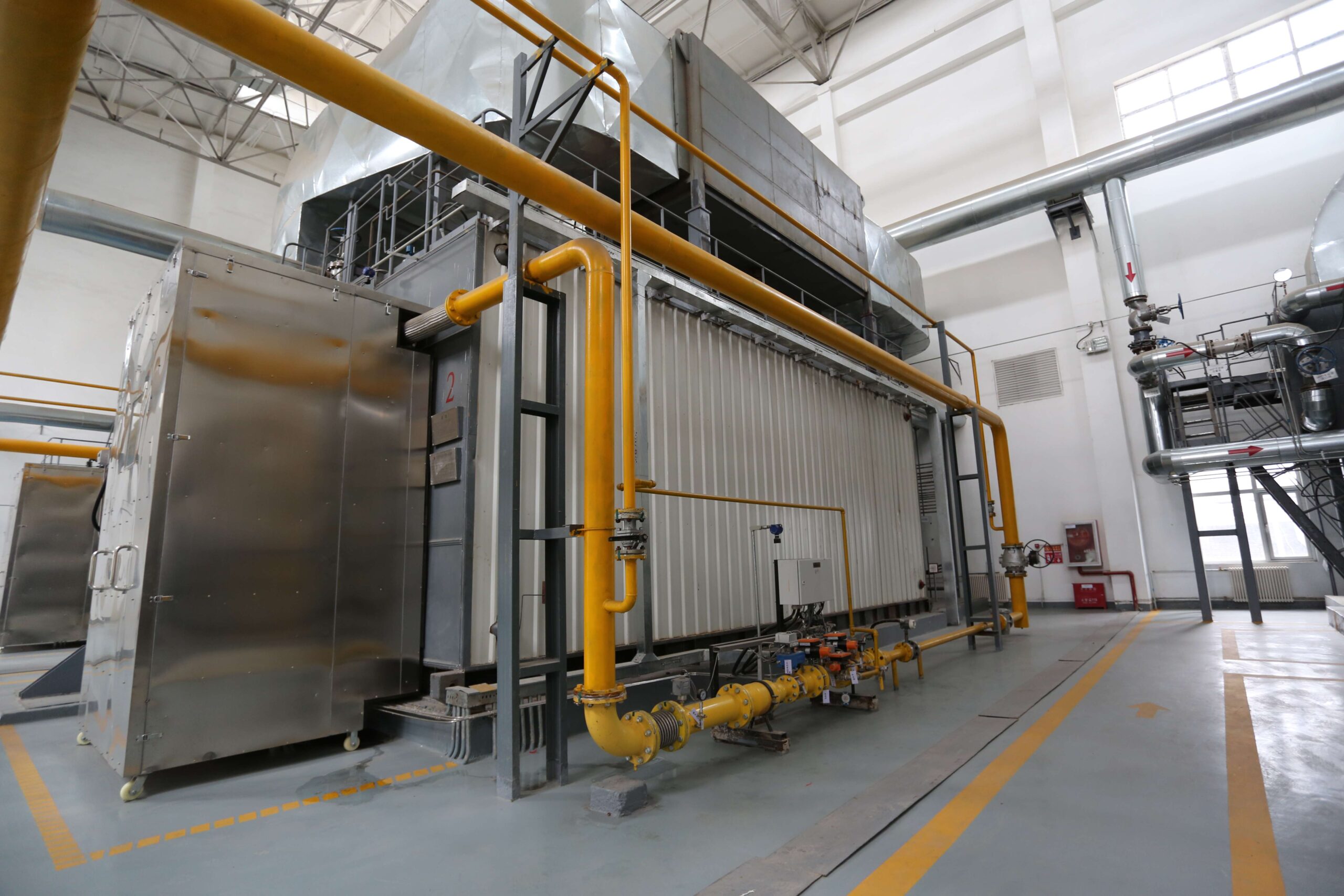
Power plant boilers are large, complex mechanical systems that operate continuously under high pressure and temperature conditions. Because these boilers are responsible for generating the steam that drives turbines for electricity production, their mechanical integrity is critical to both operational reliability and plant safety. Over time, exposure to thermal stress, vibration, corrosion, and mechanical fatigue can degrade boiler components. Mechanical inspections are therefore essential to identify early signs of wear, deformation, or damage before they lead to equipment failure. Through regular inspection of pressure vessels, piping systems, heat transfer surfaces, and mechanical support structures, power plants can maintain safe operation and extend the service life of their boilers.
Mechanical inspections for power plant boilers involve examining pressure vessels, boiler tubes, steam drums, valves, pumps, support structures, and auxiliary mechanical systems to ensure structural integrity and operational reliability. These inspections detect wear, corrosion, deformation, and mechanical damage that could compromise boiler performance or safety.
Regular mechanical inspections are a fundamental part of preventive maintenance programs in power plants.
Routine mechanical inspections help identify early structural problems in power plant boilers before they lead to costly failures or safety hazards.True
Mechanical inspection techniques such as visual inspection, ultrasonic testing, and vibration analysis allow engineers to detect tube thinning, cracks, and mechanical wear at an early stage.
1. Inspection of Boiler Pressure Vessels
The pressure vessel is one of the most critical components of a power plant boiler. It contains high-pressure water and steam, making its structural integrity essential for safe operation.
Mechanical inspection focuses on:
- Surface cracks or deformation
- Weld integrity
- Signs of corrosion or pitting
Pressure vessel inspection methods include:
| Inspection Method | Purpose |
|---|---|
| Visual inspection | Detect external damage |
| Ultrasonic testing | Measure wall thickness |
| Radiographic testing | Identify weld defects |
Regular inspections ensure the pressure vessel remains structurally sound.
2. Boiler Tube Inspection
Boiler tubes transfer heat from combustion gases to water or steam. These tubes operate under high thermal stress and are susceptible to corrosion, erosion, and overheating.
Common tube problems include:
- Tube thinning due to corrosion
- Erosion from high-velocity gases
- Thermal fatigue cracking
Typical inspection techniques:
| Technique | Application |
|---|---|
| Ultrasonic thickness testing | Detect tube thinning |
| Eddy current testing | Identify internal defects |
| Visual inspection | Detect surface damage |
Early detection prevents tube rupture and unplanned shutdowns.
3. Steam Drum and Header Inspection
The steam drum separates steam from water and distributes steam to superheaters and turbines.
Mechanical inspections include:
- Checking internal separators
- Inspecting drum supports
- Examining weld joints
Common issues in steam drums:
| Problem | Possible Cause |
|---|---|
| Corrosion | Poor water chemistry |
| Stress cracks | Thermal fatigue |
| Structural deformation | Pressure fluctuations |
Regular inspection ensures proper steam separation and structural stability.
4. Inspection of Boiler Valves and Piping
Boiler piping systems transport high-pressure steam and feedwater throughout the plant.
Inspection tasks include:
- Checking for leakage
- Inspecting valve operation
- Examining pipe supports
Valve and piping issues:
| Issue | Potential Impact |
|---|---|
| Valve leakage | Steam loss |
| Pipe corrosion | Structural failure |
| Support damage | Pipe misalignment |
Maintaining piping integrity prevents pressure loss and safety hazards.
5. Feedwater Pump and Mechanical Drive Inspection
Feedwater pumps supply water to the boiler under high pressure.
Mechanical inspections include:
- Pump vibration monitoring
- Bearing condition checks
- Seal inspection
Pump inspection example:
| Component | Inspection Focus |
|---|---|
| Bearings | Wear and lubrication |
| Seals | Leakage prevention |
| Motor coupling | Alignment and vibration |
Reliable pump operation is essential for stable boiler water supply.
6. Superheater and Economizer Inspection
Superheaters increase steam temperature before it enters the turbine, while economizers recover heat from flue gases.
Mechanical inspections focus on:
- Tube condition
- Structural supports
- Heat exchanger integrity
Common issues:
| Component | Problem |
|---|---|
| Superheater tubes | Overheating damage |
| Economizer tubes | Corrosion or fouling |
Inspection ensures efficient heat transfer and prevents overheating.
7. Structural Supports and Boiler Frame Inspection
Large boilers rely on steel support structures to maintain stability.
Mechanical inspection includes checking:
- Structural beams
- Expansion joints
- Suspension systems
Structural inspection example:
| Component | Inspection Purpose |
|---|---|
| Support frames | Detect deformation |
| Hangers | Verify load distribution |
| Expansion joints | Allow thermal expansion |
Proper structural support prevents mechanical stress on the boiler system.
8. Fan and Air System Inspection
Boilers rely on forced draft and induced draft fans to maintain proper airflow for combustion.
Mechanical inspection includes:
- Fan blade condition
- Bearing lubrication
- Motor performance
Fan issues may lead to:
- Combustion instability
- Reduced efficiency
- Increased emissions
Routine inspection ensures stable airflow.
9. Safety Device Mechanical Inspection
Safety devices protect the boiler from dangerous operating conditions.
Important components include:
- Pressure relief valves
- Emergency shutdown systems
- Flame detectors
Inspection tasks include verifying:
| Safety Device | Inspection Objective |
|---|---|
| Relief valves | Proper pressure release |
| Flame detectors | Burner safety |
| Emergency shutdown system | Rapid system shutdown |
Ensuring these devices function correctly protects both equipment and personnel.
10. Predictive Mechanical Condition Monitoring
Modern power plants increasingly rely on predictive maintenance technologies to monitor mechanical components.
Examples include:
- Vibration analysis for rotating equipment
- Infrared thermography to detect hot spots
- Acoustic monitoring for leaks
Predictive monitoring helps detect mechanical problems before they become serious failures.
Summary
Mechanical inspections are essential for maintaining the reliability and safety of power plant boilers. These inspections focus on critical components such as pressure vessels, boiler tubes, steam drums, valves, piping systems, feedwater pumps, heat exchangers, and structural supports. By using advanced inspection techniques such as ultrasonic testing, vibration monitoring, and thermal imaging, engineers can identify early signs of wear, corrosion, or structural damage. Regular mechanical inspections help prevent catastrophic failures, extend equipment lifespan, and ensure consistent power generation.
How Should Combustion Systems and Burners Be Maintained in Power Plant Boilers?
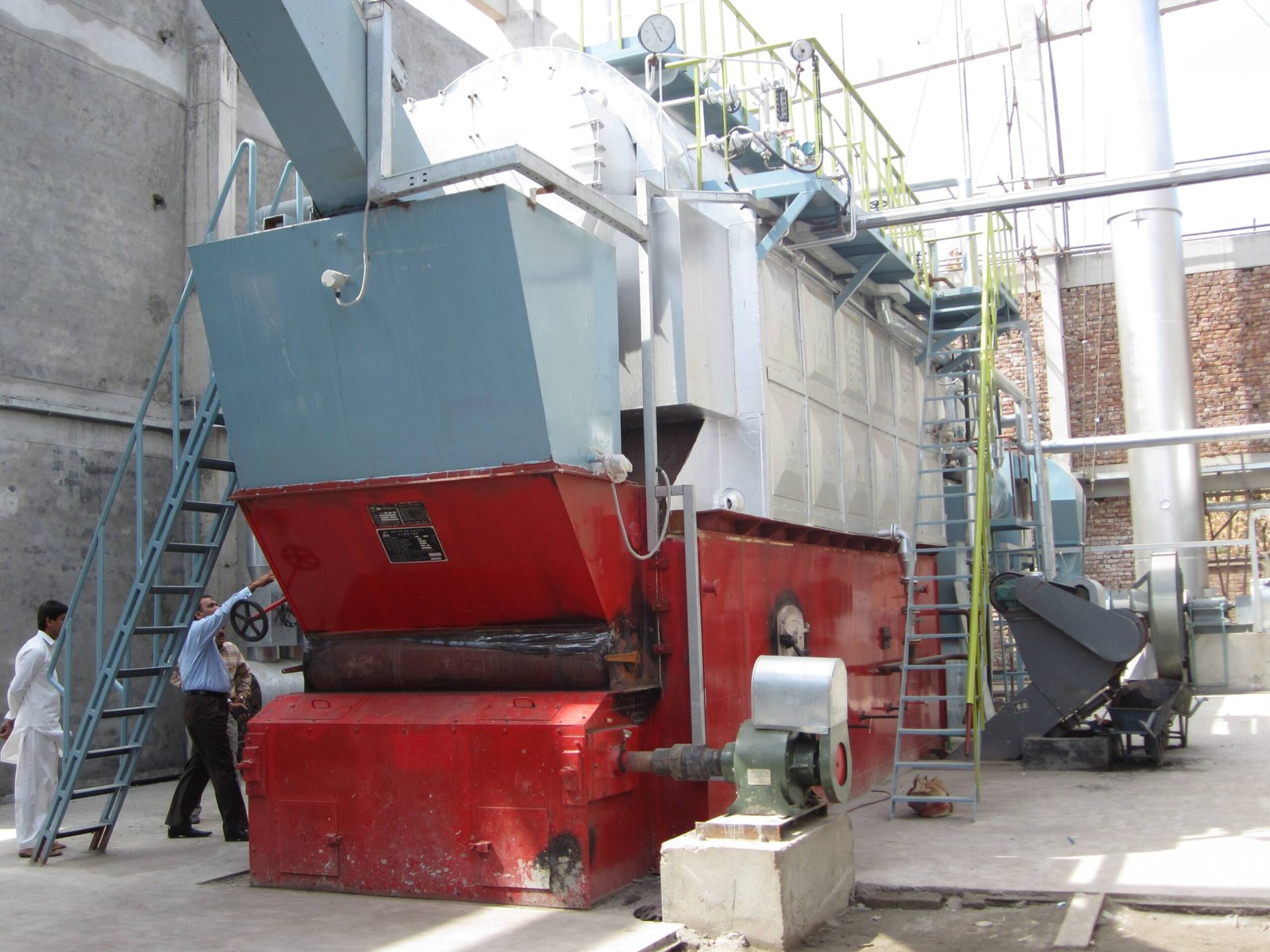
Power plant boilers rely on combustion systems and burners to generate the intense heat required to convert water into high-pressure steam. This steam powers turbines that generate electricity for industrial facilities and national power grids. Because burners operate under extreme temperatures and continuously consume fuel, they are subject to wear, fouling, misalignment, and combustion inefficiencies over time. Poorly maintained combustion systems can result in unstable flames, incomplete fuel combustion, excessive emissions, and significant energy losses. Regular maintenance of burners and combustion equipment ensures stable heat generation, improves fuel efficiency, and prevents operational hazards within power plant boiler systems.
Combustion systems and burners in power plant boilers should be maintained through regular inspection, cleaning of burner components, monitoring of air–fuel ratios, calibration of combustion controls, inspection of fuel supply systems, and testing of flame detection and safety devices. Proper maintenance ensures efficient combustion, stable boiler operation, and reduced emissions.
A structured maintenance program helps operators maintain optimal combustion performance and prevent costly downtime.
Improper burner maintenance can significantly reduce combustion efficiency and increase fuel consumption in power plant boilers.True
Dirty burner nozzles, incorrect air-fuel ratios, or malfunctioning combustion controls can lead to incomplete combustion, increasing fuel use and emissions.
1. Regular Inspection of Burner Components
Burners are the primary devices responsible for mixing fuel and air to produce stable combustion.
Routine inspections should focus on:
- Burner nozzles
- Flame stabilizers
- Ignition systems
- Fuel atomizers
Common burner issues:
| Component | Potential Problem |
|---|---|
| Burner nozzle | Blockage from fuel deposits |
| Ignition system | Difficulty starting burners |
| Flame stabilizer | Unstable flame patterns |
Identifying these problems early prevents combustion instability.
2. Cleaning of Burner Nozzles and Fuel Atomizers
Burner nozzles and atomizers play a critical role in ensuring proper fuel atomization.
Over time, these components may accumulate:
- Fuel residues
- Carbon deposits
- Dust and particulate matter
Consequences of dirty burner nozzles include:
| Issue | Impact |
|---|---|
| Poor atomization | Incomplete combustion |
| Flame instability | Reduced boiler efficiency |
| Increased emissions | Environmental compliance problems |
Regular cleaning ensures efficient fuel-air mixing.
3. Monitoring Air–Fuel Ratio for Efficient Combustion
The air–fuel ratio determines how efficiently fuel burns inside the boiler furnace.
Too much air can reduce combustion temperature, while too little air can cause incomplete combustion.
Combustion balance example:
| Air–Fuel Condition | Result |
|---|---|
| Excess air | Lower efficiency |
| Insufficient air | Smoke and incomplete combustion |
| Optimal air-fuel ratio | Maximum efficiency |
Operators should regularly monitor flue gas composition to maintain optimal combustion conditions.
4. Calibration of Combustion Control Systems
Modern power plant boilers use automated control systems to regulate fuel flow, air supply, and combustion temperature.
Maintenance tasks include:
- Calibrating airflow sensors
- Testing fuel control valves
- Verifying control system response
Proper calibration ensures that the boiler operates at peak efficiency under varying load conditions.
5. Inspection of Fuel Supply Systems
The fuel supply system delivers fuel to the burners and must operate reliably.
Inspection tasks include checking:
- Fuel pumps
- Fuel filters
- Fuel pipelines
Fuel system inspection example:
| Component | Inspection Purpose |
|---|---|
| Fuel pumps | Maintain consistent pressure |
| Filters | Prevent nozzle blockage |
| Pipelines | Detect leaks or corrosion |
A reliable fuel supply ensures stable combustion performance.
6. Testing Flame Detection and Safety Systems
Flame detection systems monitor burner operation and shut down fuel supply if a flame failure occurs.
Important safety devices include:
- Flame scanners
- Ignition transformers
- Automatic shutdown controls
Safety system verification ensures that burners shut down quickly if abnormal conditions occur.
7. Inspection of Air Supply Fans and Dampers
Combustion requires a steady supply of air delivered by forced draft and induced draft fans.
Maintenance checks include:
- Fan blade condition
- Bearing lubrication
- Damper movement
Air system inspection example:
| Component | Inspection Focus |
|---|---|
| Draft fans | Airflow performance |
| Dampers | Proper adjustment |
| Air ducts | Blockage or leakage |
Stable airflow supports efficient combustion.
8. Monitoring Flame Characteristics
The flame inside the furnace provides valuable information about combustion performance.
Operators observe flame characteristics such as:
- Flame color
- Flame shape
- Flame stability
Typical flame indicators:
| Flame Condition | Interpretation |
|---|---|
| Bright and stable | Proper combustion |
| Yellow or smoky | Incomplete combustion |
| Flickering flame | Air or fuel imbalance |
Monitoring flame behavior helps detect combustion problems early.
9. Preventing Burner Overheating
Burners operate in extremely high-temperature environments and must be protected from overheating.
Maintenance tasks include:
- Inspecting cooling systems
- Checking burner alignment
- Ensuring proper refractory insulation
Overheating may damage burner components and shorten equipment lifespan.
10. Using Predictive Maintenance for Combustion Systems
Advanced power plants increasingly use predictive monitoring technologies to optimize combustion system performance.
Examples include:
- Flue gas analyzers
- Infrared thermography
- Real-time combustion monitoring systems
Predictive technologies help detect abnormal combustion conditions before they affect boiler performance.
Summary
Combustion systems and burners are essential components of power plant boilers because they generate the heat required for steam production. Proper maintenance involves inspecting burner components, cleaning fuel atomizers, monitoring air–fuel ratios, calibrating control systems, and verifying fuel supply reliability. Additional maintenance tasks include testing safety systems, inspecting air supply fans, monitoring flame characteristics, and preventing burner overheating. By implementing comprehensive combustion system maintenance programs, power plants can improve fuel efficiency, reduce emissions, enhance operational safety, and ensure reliable electricity generation.
What Preventive Maintenance Schedule Is Recommended for Power Plant Boilers?
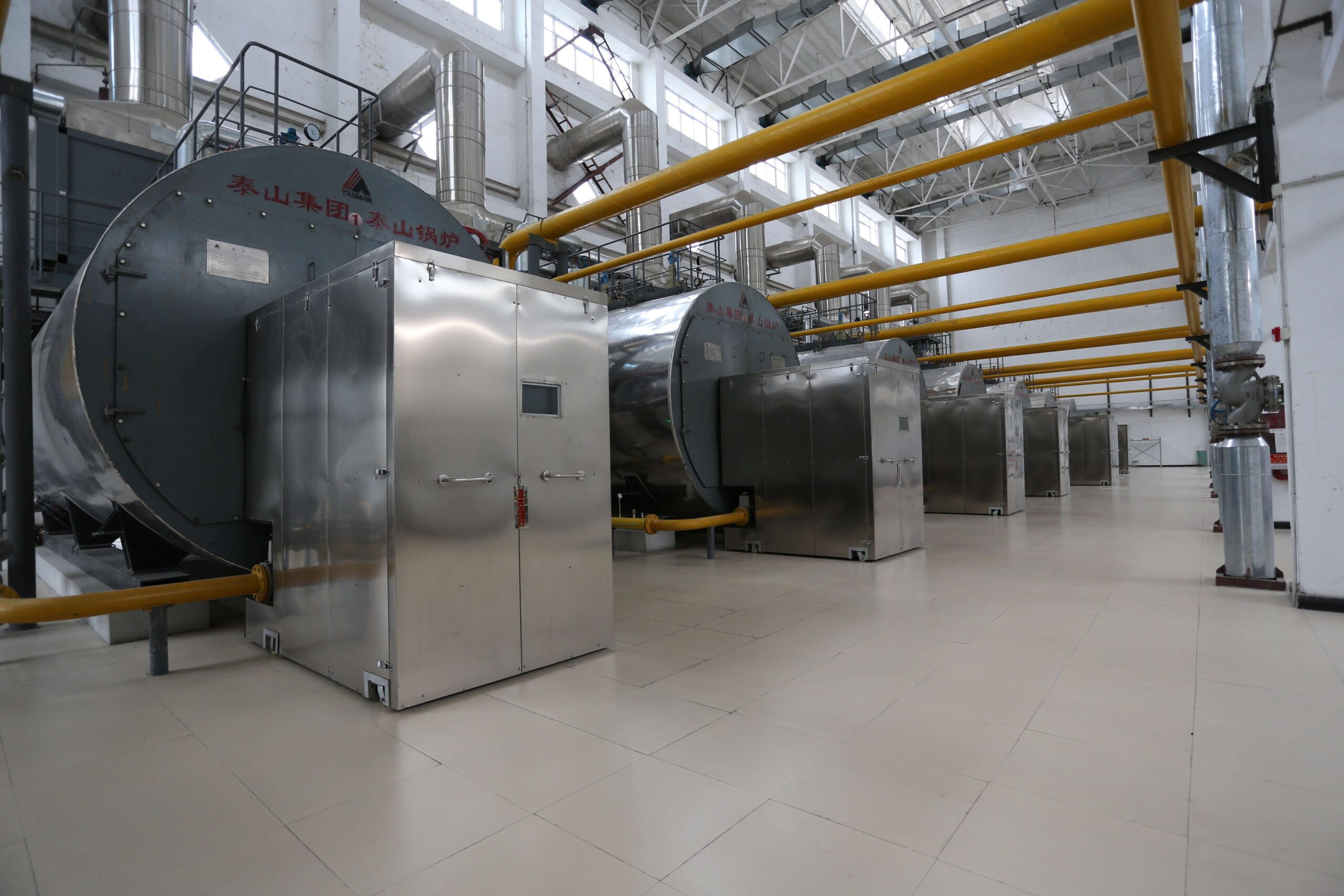
Power plant boilers are designed to operate continuously under high pressure, high temperature, and heavy thermal loads. Because they play a central role in electricity generation, even minor mechanical or operational issues can cause significant efficiency losses or unplanned plant outages. Preventive maintenance schedules are therefore essential to ensure safe operation, maintain combustion efficiency, and protect critical boiler components such as tubes, steam drums, burners, and feedwater systems. A well-structured maintenance program includes daily monitoring, weekly inspections, periodic testing, and scheduled major overhauls. These planned activities allow engineers to detect early signs of wear, corrosion, scaling, or mechanical fatigue before they develop into serious failures.
A recommended preventive maintenance schedule for power plant boilers includes daily operational monitoring, weekly mechanical inspections, monthly system testing, quarterly performance evaluation, and annual comprehensive overhauls. This structured maintenance program ensures reliable steam production, improves energy efficiency, and extends the service life of boiler equipment.
Implementing this layered maintenance approach helps power plants maintain stable and efficient energy generation.
Preventive maintenance programs significantly reduce the likelihood of unexpected boiler failures in power plants.True
Routine inspections and scheduled servicing allow operators to identify corrosion, scaling, and mechanical wear before they cause equipment damage or plant shutdowns.
1. Daily Preventive Maintenance Checks
Daily inspections focus on monitoring critical operating parameters and ensuring stable boiler operation.
Operators typically check:
- Steam pressure and temperature
- Water level in the steam drum
- Fuel supply and burner operation
- Flue gas temperature and emissions
- Feedwater pump performance
Typical daily monitoring parameters:
| Parameter | Purpose |
|---|---|
| Steam pressure | Maintain turbine operation |
| Water level | Prevent overheating |
| Flue gas temperature | Monitor heat transfer efficiency |
| Fuel pressure | Ensure stable combustion |
Continuous monitoring systems usually record these parameters automatically.
2. Weekly Mechanical Inspection Tasks
Weekly maintenance focuses on mechanical systems and supporting equipment.
Engineers typically inspect:
- Boiler tubes and heat transfer surfaces
- Burner flame stability
- Draft fans and air supply systems
- Valve and piping conditions
Weekly inspection checklist:
| Component | Inspection Focus |
|---|---|
| Boiler tubes | Signs of corrosion or deposits |
| Burners | Flame stability |
| Fans | Airflow and vibration |
| Valves | Leakage or malfunction |
These inspections help maintain efficient combustion and mechanical stability.
3. Monthly System Testing and Cleaning
Monthly maintenance focuses on operational testing and cleaning procedures.
Maintenance activities include:
- Cleaning burner nozzles
- Checking combustion efficiency
- Testing safety valves
- Calibrating control instruments
Monthly maintenance examples:
| System | Maintenance Activity |
|---|---|
| Combustion system | Burner cleaning |
| Control system | Sensor calibration |
| Safety systems | Relief valve testing |
These tasks ensure safe and efficient boiler operation.
4. Quarterly Performance Evaluation
Every three months, engineers perform a detailed performance analysis of the boiler system.
Evaluation may include:
- Boiler efficiency testing
- Heat transfer performance measurement
- Fuel consumption analysis
Quarterly evaluation example:
| Performance Indicator | Purpose |
|---|---|
| Boiler efficiency | Detect energy losses |
| Heat transfer rate | Identify fouling or scaling |
| Fuel consumption | Optimize combustion |
These evaluations help improve operational efficiency.
5. Semi-Annual Mechanical Inspections
Twice per year, deeper inspections are conducted on key mechanical components.
Inspection activities include:
- Ultrasonic testing of boiler tubes
- Inspection of steam drums and headers
- Examination of support structures
Semi-annual inspection checklist:
| Component | Inspection Method |
|---|---|
| Boiler tubes | Ultrasonic thickness testing |
| Steam drum | Visual and weld inspection |
| Structural supports | Load distribution check |
These inspections detect structural problems early.
6. Annual Major Boiler Overhaul
Annual maintenance involves a comprehensive shutdown inspection and repair process.
Major overhaul activities include:
- Internal boiler inspection
- Tube replacement if necessary
- Refractory repair
- Burner system overhaul
Typical annual maintenance tasks:
| Component | Maintenance Task |
|---|---|
| Boiler tubes | Cleaning or replacement |
| Refractory lining | Repair or replacement |
| Burners | Full system inspection |
Annual maintenance ensures long-term reliability.
7. Water Treatment System Maintenance
Feedwater treatment systems require regular maintenance to protect boiler components.
Maintenance activities include:
- Monitoring chemical dosing systems
- Inspecting deaerators
- Adjusting pH and dissolved oxygen levels
Water treatment schedule example:
| Frequency | Maintenance Task |
|---|---|
| Daily | Water chemistry monitoring |
| Weekly | Chemical system inspection |
| Monthly | Deaerator maintenance |
Proper water chemistry prevents corrosion and scaling.
8. Combustion System Preventive Maintenance
Combustion efficiency must be maintained to minimize fuel consumption.
Preventive tasks include:
- Burner calibration
- Air-fuel ratio adjustment
- Flue gas analysis
Combustion system inspection example:
| Parameter | Purpose |
|---|---|
| Oxygen level | Maintain optimal combustion |
| CO emissions | Detect incomplete combustion |
| Flame stability | Ensure safe burner operation |
Proper combustion improves efficiency and reduces emissions.
9. Predictive Maintenance Monitoring
Many modern power plants use predictive maintenance technologies to monitor boiler health.
Examples include:
- Vibration monitoring for rotating equipment
- Infrared thermal imaging
- Acoustic leak detection
Predictive monitoring helps identify issues before scheduled maintenance.
10. Maintenance Documentation and Record Keeping
Maintenance activities must be carefully documented to track equipment condition over time.
Maintenance records typically include:
- Inspection reports
- Repair logs
- Performance test results
Documentation helps engineers analyze long-term equipment trends and plan future maintenance.
Summary
A comprehensive preventive maintenance schedule is essential for ensuring the safe and reliable operation of power plant boilers. Daily monitoring focuses on operational parameters such as steam pressure, water level, and combustion performance, while weekly inspections evaluate mechanical components and airflow systems. Monthly testing ensures proper functioning of burners and safety systems, and quarterly performance evaluations help maintain energy efficiency. Semi-annual inspections and annual overhauls address deeper structural and mechanical issues. By following this structured maintenance schedule, power plants can extend boiler lifespan, reduce operational risks, and maintain stable electricity generation.
🔍 Conclusion
Power plant boilers require consistent and systematic maintenance to operate safely and efficiently. From daily inspections and water chemistry control to periodic mechanical checks and combustion tuning, each maintenance activity plays a vital role in preventing failures and extending equipment life. A proactive maintenance strategy helps ensure uninterrupted power generation and reduces long-term operational costs.
🔹 Contact us today to keep your power plant boilers operating safely, efficiently, and reliably. ⚙️♨️📊
FAQ
What regular maintenance tasks are required for power plant boilers?
Power plant boilers require a structured maintenance program to ensure safe, efficient, and reliable operation. Because these boilers operate at high pressure and high temperature, even minor issues can lead to serious operational disruptions or safety risks. Routine maintenance focuses on monitoring system performance, preventing component failure, and maintaining heat-transfer efficiency.
Daily maintenance tasks typically include checking boiler pressure, steam temperature, and water levels through control systems. Operators monitor fuel combustion conditions, burner operation, and flue gas readings to ensure optimal efficiency. Any abnormal vibrations, noise, or temperature fluctuations must be investigated immediately.
Weekly maintenance may involve inspecting safety valves, verifying operation of feedwater pumps, and checking fuel supply systems. Operators also inspect visible piping, valves, and insulation for signs of leaks or damage.
Monthly maintenance often includes testing control instruments, calibrating sensors, inspecting burners, and verifying proper operation of air-fuel ratio controls. Maintenance teams may also clean filters and inspect auxiliary equipment such as economizers and heat exchangers.
Annual maintenance involves major inspections and internal cleaning. This may include descaling boiler tubes, inspecting pressure vessels, performing hydrostatic testing, and replacing worn components. These inspections ensure the boiler complies with safety regulations and continues operating efficiently.
A well-planned maintenance schedule not only extends equipment lifespan but also improves energy efficiency and reduces unplanned shutdowns.
Why is water treatment important for boiler maintenance?
Water treatment is one of the most critical aspects of power plant boiler maintenance because water acts as the primary heat-transfer medium inside the boiler. Poor water quality can lead to scale formation, corrosion, and fouling inside boiler tubes and heat exchange surfaces.
Scale forms when dissolved minerals in water—such as calcium and magnesium—precipitate under high temperatures and pressures. This mineral buildup reduces heat transfer efficiency and forces the boiler to consume more fuel to produce the same amount of steam.
Corrosion is another major risk caused by dissolved oxygen or acidic conditions in the feedwater. Corrosion can weaken boiler tubes and pressure vessels, potentially leading to leaks or catastrophic failure.
To prevent these issues, water treatment programs include chemical dosing, filtration, deaeration, and continuous monitoring of water chemistry. Parameters such as pH, dissolved oxygen, alkalinity, and total dissolved solids are regularly measured.
Blowdown procedures are also essential. Blowdown removes accumulated solids and impurities from the boiler system, preventing excessive mineral concentration. Proper water treatment significantly improves boiler reliability, reduces maintenance costs, and extends the service life of critical components.
How often should power plant boilers be inspected?
Power plant boilers require inspections at multiple intervals depending on operational conditions, safety regulations, and plant maintenance policies. Regular inspections help detect early signs of wear, corrosion, or mechanical problems before they escalate into major failures.
Daily inspections are typically conducted by operators who monitor operational parameters such as pressure, temperature, water levels, and fuel consumption. These routine checks ensure the system remains within safe operating limits.
Weekly inspections often involve visual examination of external components, including valves, pipelines, burners, and insulation. Operators may also test safety systems and alarms during these checks.
Monthly inspections typically focus on instrumentation and control systems. Maintenance teams verify that sensors, pressure gauges, temperature monitors, and control panels are functioning correctly.
Annual inspections are the most comprehensive. During these inspections, the boiler is usually shut down so technicians can examine internal components such as tubes, drums, and heat exchangers. Non-destructive testing methods may be used to detect cracks, thinning metal, or structural damage.
In many countries, high-pressure boilers must also pass regulatory inspections conducted by certified inspectors to ensure compliance with industrial safety standards.
What cleaning procedures are necessary for boiler efficiency?
Cleaning is an essential maintenance task that helps maintain efficient heat transfer and prevents energy loss in power plant boilers. Over time, combustion residues, ash, soot, and mineral deposits accumulate on heat-transfer surfaces.
External cleaning focuses on removing soot and ash from the boiler’s fire side surfaces, including burners, furnace walls, and heat exchangers. Soot buildup acts as insulation and reduces heat transfer efficiency, forcing the boiler to burn more fuel.
Internal cleaning addresses scale buildup on water-side surfaces. Chemical cleaning methods dissolve mineral deposits and restore efficient heat transfer between combustion gases and water or steam.
Economizers and air preheaters must also be cleaned regularly. These components recover heat from exhaust gases, improving overall boiler efficiency. If they become clogged with ash or debris, energy recovery efficiency decreases significantly.
Ash handling systems in biomass or coal-fired boilers also require regular cleaning to prevent accumulation that could obstruct airflow or damage equipment.
Routine cleaning ensures optimal thermal performance, reduces fuel consumption, and prevents overheating of boiler components.
What safety checks are required during boiler maintenance?
Safety checks are a fundamental part of boiler maintenance because power plant boilers operate under high pressure and temperature conditions. Proper safety inspections help prevent accidents, equipment damage, and operational shutdowns.
One of the most important safety devices is the pressure relief valve. Maintenance teams must regularly test these valves to ensure they open at the correct pressure and prevent dangerous pressure buildup.
Water level indicators are also critical. If the water level drops too low, boiler tubes may overheat and fail. Operators routinely verify that water level gauges and automatic controls are functioning correctly.
Flame detection systems and burner safety controls must also be inspected to ensure proper combustion monitoring. These systems automatically shut down the boiler if fuel ignition problems occur.
Other important safety checks include inspecting emergency shutdown systems, verifying alarm functions, and ensuring that electrical control panels operate correctly.
Regular testing of these safety systems ensures that the boiler can respond quickly to abnormal operating conditions and protects both personnel and equipment.
References
Steam System Maintenance Guide
https://www.energy.gov/eere/amo/steam-system-basics
U.S. Department of EnergyBoiler Operation and Maintenance Best Practices
https://www.spiraxsarco.com/learn-about-steam
Spirax SarcoIndustrial Boiler Efficiency Guide
https://www.carbontrust.com/resources/guides/energy-efficiency/boilers
Carbon TrustBoiler Inspection and Safety Standards
https://www.nationalboard.org
National Board of Boiler and Pressure Vessel InspectorsIndustrial Process Heating Systems
https://www.energy.gov/eere/amo/industrial-process-heating
U.S. Department of EnergyBoiler Water Treatment Fundamentals
https://www.veoliawatertech.com
Veolia Water TechnologiesPower Plant Engineering Maintenance
https://www.iea.org/topics/industry
International Energy AgencyBoiler Safety Regulations
https://www.osha.gov
Occupational Safety and Health AdministrationSteam Engineering Principles
https://www.spiraxsarco.com/learn-about-steam/steam-engineering-principles
Spirax SarcoIndustrial Energy Efficiency Resources
https://www.epa.gov/e3
U.S. Environmental Protection Agency