Choosing the wrong boiler structure can lead to inefficient operation, space limitations, higher maintenance costs, and reduced system reliability. Many industries struggle to understand the structural differences between horizontal and vertical boilers or between water-tube and fire-tube designs, making equipment selection more complicated than expected. Without a clear understanding of these categories, businesses may invest in systems that fail to meet their capacity, efficiency, or installation requirements. Proper knowledge of boiler structural classifications is essential for selecting the most suitable industrial boiler.
Industrial boilers are commonly categorized by structure into horizontal and vertical boilers, as well as water-tube and fire-tube boilers. Horizontal boilers are designed for larger capacities and easier maintenance, while vertical boilers are compact and space-saving. Water-tube boilers circulate water inside tubes heated externally, making them ideal for high-pressure and high-capacity applications, whereas fire-tube boilers pass hot gases through tubes surrounded by water, offering simpler design and lower operating pressure for smaller-scale applications.
To better understand which boiler structure is most appropriate for your operation, it is important to explore the characteristics, advantages, and applications of each category.
What Is the Difference Between Horizontal and Vertical Industrial Boilers?
Industrial companies often face major operational challenges when selecting the wrong boiler configuration. A poorly matched boiler can lead to excessive fuel consumption, unstable steam pressure, difficult maintenance procedures, inefficient use of factory space, and expensive long-term operating costs. Many plant managers initially focus only on boiler capacity or purchase price, but the structural orientation of the boiler—horizontal or vertical—directly affects thermal efficiency, installation flexibility, safety, maintenance accessibility, and production reliability. In competitive manufacturing environments where energy efficiency and operational continuity are critical, understanding the real differences between horizontal and vertical industrial boilers becomes essential for making a smart investment decision. 🔥
Horizontal industrial boilers are generally designed for large-scale, continuous steam production with higher efficiency, larger heat transfer areas, and more stable pressure output, while vertical industrial boilers are compact, space-saving, easier to install, and better suited for smaller facilities with moderate steam demands. The choice depends on factory size, production requirements, available installation space, fuel type, budget, and long-term operational goals.
Understanding how boiler orientation affects performance, energy efficiency, maintenance, installation, and industrial scalability can help businesses reduce operational risks and maximize production efficiency. The following comprehensive guide explains every major engineering and operational difference between horizontal and vertical industrial boilers from a professional industrial manufacturing perspective. ⚙️
Horizontal industrial boilers usually provide better thermal efficiency in high-capacity industrial applications.True
Their larger combustion chambers and extended heat transfer surfaces improve fuel utilization and steam generation efficiency.
Vertical industrial boilers are always cheaper to operate than horizontal boilers.False
Operating costs depend on thermal efficiency, fuel quality, steam demand, maintenance practices, and load conditions rather than boiler orientation alone.
Understanding the Structural Design of Industrial Boilers
Industrial boilers are pressure vessels designed to convert water into steam or hot water through controlled heat transfer. Although both horizontal and vertical boilers perform the same fundamental function, their physical orientation dramatically changes internal circulation behavior, combustion dynamics, heat transfer efficiency, installation requirements, and operational performance.
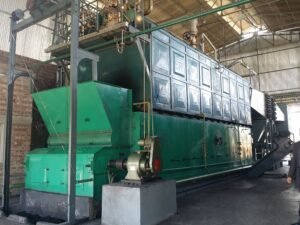
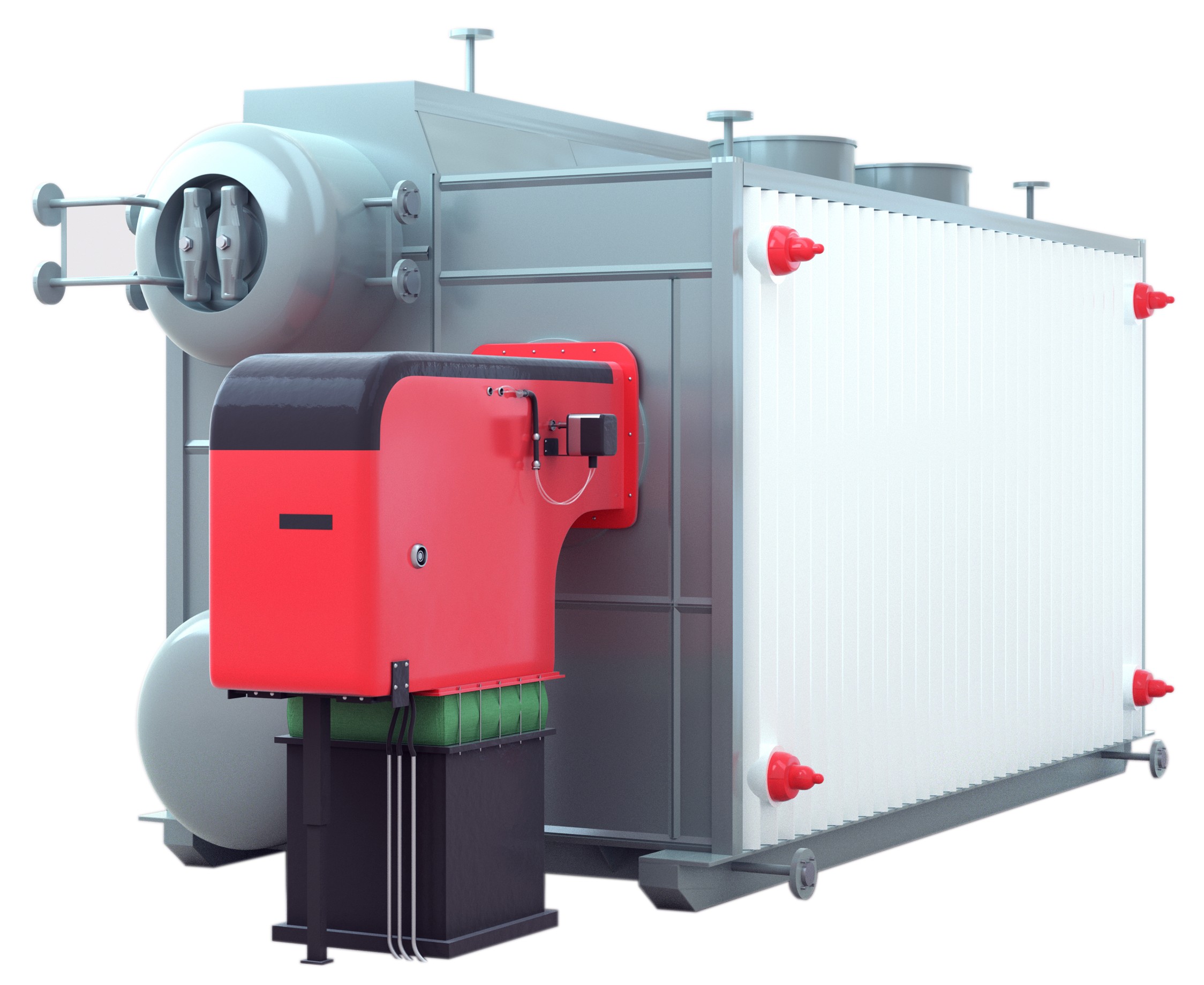
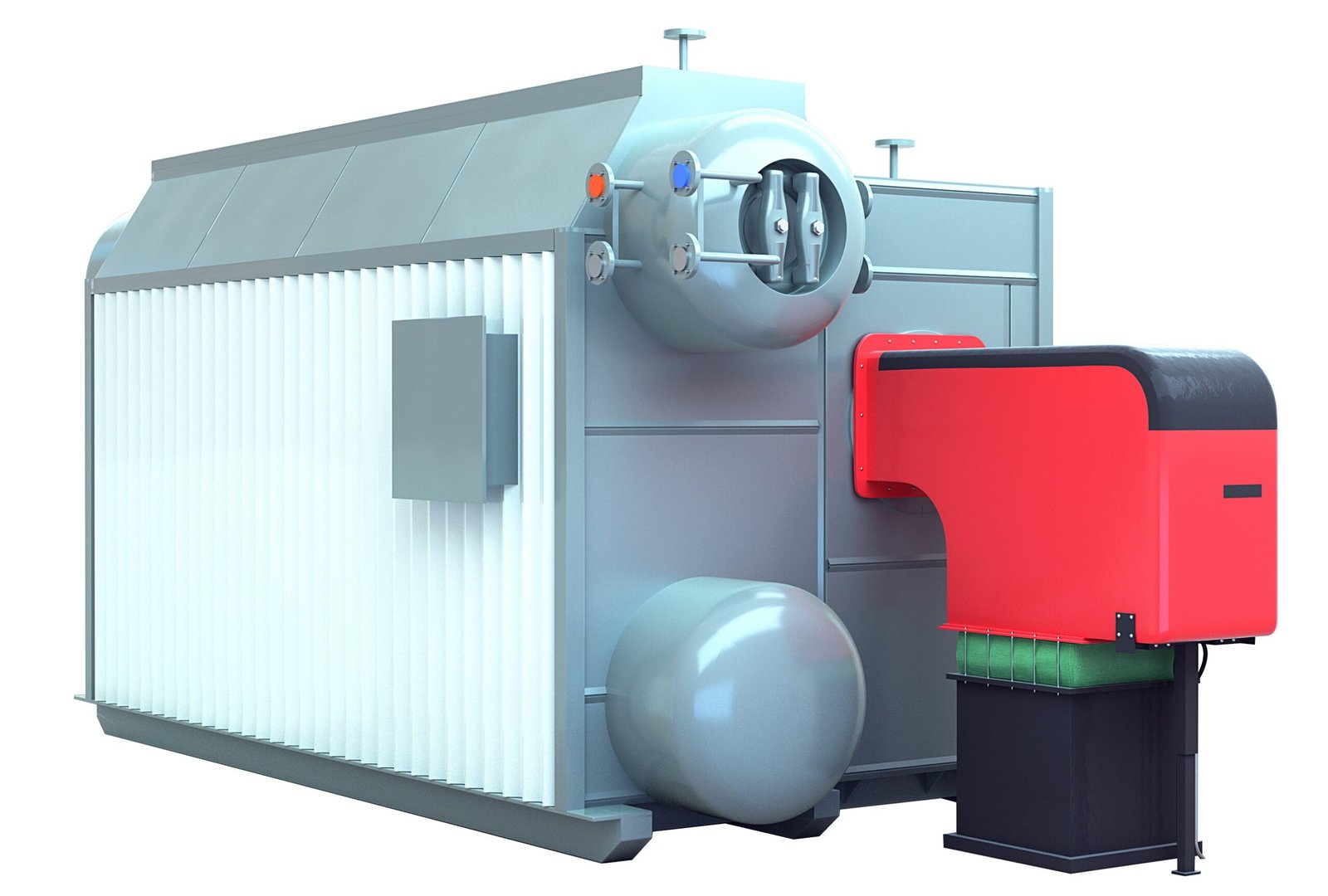
A horizontal industrial boiler is constructed with its cylindrical body positioned parallel to the ground. Inside the shell, combustion gases travel through tubes or furnace passages that maximize heat exchange before exiting the flue system. Because the shell extends horizontally, the boiler can accommodate larger combustion chambers, wider tube arrangements, and greater steam storage capacity. This structural design allows horizontal boilers to support high-capacity industrial operations with stable steam pressure and continuous thermal output. Horizontal boilers are commonly used in industries such as textile manufacturing, chemical processing, pharmaceutical production, food processing, paper manufacturing, oil refining, and power generation. 🏭
A vertical industrial boiler, by comparison, has an upright cylindrical design. Combustion usually occurs at the lower section while steam accumulates in the upper chamber. The vertical orientation minimizes floor space usage, making these boilers attractive for facilities where installation area is limited. Vertical boilers are widely used in hospitals, laundries, restaurants, hotels, small workshops, and light commercial operations.
One of the most significant engineering distinctions is the difference in internal heat transfer geometry. Horizontal boilers typically allow combustion gases to travel over a longer path, improving thermal extraction before exhaust gases leave the system. Vertical boilers prioritize compactness and rapid installation instead of maximizing heat transfer area.
| Structural Feature | Horizontal Boiler | Vertical Boiler |
|---|---|---|
| Boiler Orientation | Horizontal shell | Upright shell |
| Steam Storage Capacity | Large | Smaller |
| Furnace Volume | Large | Compact |
| Floor Space Requirement | Larger | Smaller |
| Heat Transfer Surface | Extensive | Limited |
| Industrial Application Scale | Medium to large | Small to medium |
| Accessibility for Maintenance | Excellent | Moderate |
| Installation Complexity | Moderate | Simple |
How Heat Transfer Efficiency Differs Between Horizontal and Vertical Boilers 🔥
Heat transfer efficiency is one of the most important factors influencing boiler operating costs and fuel consumption. The orientation of the boiler directly affects combustion stability, gas circulation, heat exchange duration, and steam generation consistency.
Horizontal industrial boilers are generally considered more thermally efficient for large-scale operations because they provide a larger heating surface area and longer combustion gas travel distance. The increased contact time between hot gases and water surfaces improves energy transfer efficiency and reduces wasted heat losses. In many advanced horizontal boiler systems, manufacturers also integrate economizers, condensers, and multi-pass combustion chambers to maximize thermal utilization.
Vertical boilers, while highly practical for compact installations, often have shorter gas circulation paths and smaller heat exchange areas. As a result, their efficiency may decline under heavy continuous industrial loads. However, for moderate steam demands, vertical boilers can still achieve excellent operational economy.
Modern horizontal boilers equipped with condensing technology may achieve thermal efficiency levels above 98% under optimized operating conditions. This is particularly important in industries with continuous steam consumption because even small efficiency improvements can generate significant annual fuel savings. 💡
| Heat Transfer Factor | Horizontal Boiler | Vertical Boiler |
|---|---|---|
| Combustion Gas Travel Distance | Long | Short |
| Thermal Efficiency Potential | Very High | Moderate |
| Continuous Load Performance | Excellent | Good |
| Heat Retention Capacity | High | Medium |
| Steam Pressure Stability | Excellent | Moderate |
| Fuel Utilization Efficiency | Superior | Good |
Another important factor is steam stability during fluctuating production loads. Horizontal boilers usually contain larger water and steam volumes, which helps buffer sudden demand changes and maintain consistent pressure output. Vertical boilers, with smaller internal capacity, may experience faster pressure fluctuations during rapid load changes.
Installation Space and Factory Layout Considerations 🏗️
One of the biggest practical differences between horizontal and vertical industrial boilers is installation footprint. In industrial engineering projects, boiler room dimensions, ceiling height, ventilation pathways, piping arrangement, and maintenance access all influence boiler selection.
Vertical boilers are highly valued in facilities where floor space is limited. Because they occupy a smaller ground footprint, they are easier to install in compact mechanical rooms, retrofitted buildings, or urban industrial environments. Their compact design also reduces foundation complexity and shortens installation time.
Horizontal boilers require larger boiler rooms and stronger support foundations due to their size and weight. However, the larger footprint provides several operational advantages, including easier integration with auxiliary systems such as:
- Economizers
- Water treatment units
- Feedwater systems
- Condensate recovery systems
- Emission control equipment
- Fuel preheating systems
- PLC automation systems
The additional installation space also improves maintenance accessibility and operational safety during inspections or repairs.
| Installation Factor | Horizontal Boiler | Vertical Boiler |
|---|---|---|
| Required Floor Space | Large | Small |
| Ceiling Height Requirement | Moderate | Higher |
| Ease of Transportation | Moderate | Easier |
| Foundation Requirements | Heavy-duty | Moderate |
| Retrofitting Suitability | Moderate | Excellent |
| Expansion Capability | Excellent | Limited |
Factories planning future production expansion often prefer horizontal boilers because they provide greater scalability and integration flexibility.
Steam Capacity and Industrial Output Differences ⚡
Steam generation capacity is often the deciding factor in industrial boiler selection. Horizontal boilers are engineered to support continuous, high-volume steam production with excellent pressure stability and thermal consistency.
Because of their larger steam drums and greater heating surfaces, horizontal boilers can generate significantly more steam than most vertical designs. This makes them ideal for industries with large thermal demands or multi-shift manufacturing operations.
Vertical boilers are better suited for intermittent steam requirements or facilities with smaller operational loads. Their compact design limits maximum steam output, but they remain highly effective for localized steam applications.
| Boiler Type | Typical Steam Capacity |
|---|---|
| Small Vertical Boiler | 100–1000 kg/h |
| Medium Vertical Boiler | 1000–3000 kg/h |
| Horizontal Fire Tube Boiler | 1–20 tons/h |
| Horizontal Water Tube Boiler | 20–200+ tons/h |
Industries such as petrochemical processing, paper manufacturing, and thermal power generation almost exclusively use horizontal or water-tube boilers because of their ability to support extremely high pressure and continuous operation. 🚂
Fuel Compatibility and Combustion Flexibility ⛽
Modern industrial boilers can operate using multiple fuel sources, including:
- Natural gas
- Diesel
- Heavy oil
- Biomass
- LPG
- Coal
- Biogas
- Hydrogen blends
- Waste heat recovery systems
Horizontal boilers generally offer greater combustion flexibility because their larger furnace dimensions allow more sophisticated burner configurations and improved air-fuel mixing. This improves combustion stability and reduces emissions.
Vertical boilers can also support multiple fuel types, but furnace size limitations may restrict advanced combustion optimization, especially for biomass or lower-grade fuels.
| Fuel Type | Horizontal Boiler | Vertical Boiler |
|---|---|---|
| Natural Gas | Excellent | Excellent |
| Diesel | Excellent | Good |
| Biomass | Excellent | Limited |
| Coal | Good | Limited |
| Hydrogen Blending | Increasing Support | Limited |
| Waste Heat Recovery | Excellent | Moderate |
As environmental regulations become stricter worldwide, many industrial manufacturers are investing in low-NOx horizontal boiler systems with advanced combustion control technologies. 🌍
Maintenance and Inspection Differences 🔧
Maintenance accessibility directly influences long-term operating costs, downtime frequency, and boiler lifespan.
Horizontal boilers are usually easier to inspect and service because technicians can access internal tubes, burners, and control systems through side-mounted inspection doors and maintenance platforms. Their larger internal layout simplifies tube cleaning, burner adjustment, and scale removal.
Vertical boilers, while mechanically simpler, often have tighter internal spaces that make inspection and maintenance procedures more difficult.
| Maintenance Factor | Horizontal Boiler | Vertical Boiler |
|---|---|---|
| Tube Cleaning Accessibility | Excellent | Moderate |
| Internal Inspection Ease | Easy | More Difficult |
| Burner Maintenance Access | Excellent | Moderate |
| Downtime During Repair | Lower | Moderate |
| Spare Parts Accessibility | High | Moderate |
Water treatment quality is especially important for vertical boilers because restricted circulation areas can accelerate scale formation and localized overheating if maintenance is neglected.
Safety Performance and Pressure Stability 🛡️
Industrial boiler safety is regulated under international engineering standards such as:
- ASME Boiler and Pressure Vessel Code
- EN Boiler Standards
- ISO Industrial Equipment Standards
- National Board Inspection Code
Horizontal boilers generally provide better operational stability because of their larger steam and water storage capacity. Sudden demand changes can be absorbed more effectively, reducing pressure shock risk.
Vertical boilers can still operate safely when properly maintained, but smaller water volume may lead to faster pressure variation under rapidly changing loads.
Modern industrial boilers include advanced safety systems such as:
- Automatic pressure controls
- Burner management systems
- Low-water cutoffs
- Safety valves
- PLC monitoring systems
- Remote IoT diagnostics
These technologies significantly improve reliability and reduce operational risks.
Lifecycle Cost Comparison 💰
Many buyers initially focus only on boiler purchase price, but the true economic value of a boiler depends on its entire lifecycle cost.
Horizontal boilers typically require higher upfront investment due to larger size, more advanced systems, and heavier installation requirements. However, they often deliver lower fuel costs, better efficiency, longer service life, and stronger scalability over time.
Vertical boilers usually have lower initial purchase and installation costs, making them attractive for smaller operations or budget-sensitive projects.
| Cost Factor | Horizontal Boiler | Vertical Boiler |
|---|---|---|
| Initial Equipment Cost | Higher | Lower |
| Installation Cost | Higher | Lower |
| Fuel Efficiency | Higher | Moderate |
| Maintenance Cost | Lower Long-Term | Moderate |
| Operational Lifespan | 20–30 Years | 10–20 Years |
| Scalability | Excellent | Limited |
For large factories operating continuously, horizontal boilers often provide a better long-term return on investment despite higher initial capital costs.
Environmental Performance and Future Boiler Technologies 🌱
Environmental sustainability is becoming one of the most important drivers of industrial boiler innovation.
Modern horizontal boilers frequently integrate:
- Condensing economizers
- Low-NOx burners
- Smart combustion systems
- Heat recovery technologies
- AI-based efficiency optimization
- Carbon reduction systems
These technologies significantly reduce:
- Carbon emissions
- Fuel waste
- Thermal losses
- Nitrogen oxide emissions
Future industrial boiler development is increasingly focused on:
- Hydrogen-compatible burners
- Hybrid electric-steam systems
- AI predictive maintenance
- Smart factory integration
- Remote operational diagnostics
Horizontal boiler systems currently dominate these advanced applications because their larger structures better support complex thermal management technologies.
Which Boiler Type Is Better for Your Factory? 🤔
There is no universal answer because the best boiler depends entirely on operational requirements.
Choose a horizontal industrial boiler if your facility requires:
- High steam capacity
- Continuous production
- Maximum fuel efficiency
- Advanced automation
- Long-term scalability
- Stable high-pressure steam
Choose a vertical industrial boiler if your facility requires:
- Space-saving installation
- Lower initial investment
- Compact boiler room design
- Moderate steam demand
- Fast deployment
| Operational Requirement | Recommended Boiler |
|---|---|
| Large Manufacturing Plant | Horizontal |
| Small Commercial Facility | Vertical |
| High Pressure Steam | Horizontal |
| Limited Installation Space | Vertical |
| Maximum Efficiency | Horizontal |
| Budget-Conscious Startup | Vertical |
| Continuous Operation | Horizontal |
| Portable Application | Vertical |
The difference between horizontal and vertical industrial boilers extends far beyond physical appearance. Boiler orientation directly affects thermal efficiency, steam stability, fuel flexibility, maintenance accessibility, installation requirements, environmental performance, and long-term operating costs. Horizontal boilers are generally preferred for heavy industrial applications because they deliver higher efficiency, better scalability, and stronger operational reliability, while vertical boilers remain valuable for compact facilities requiring economical and space-efficient steam generation. Understanding these engineering distinctions allows businesses to select the most suitable boiler system for their production goals, energy strategy, and operational environment. 🔥
How Do Water-Tube Industrial Boilers Work Compared to Fire-Tube Boilers?
Industrial facilities often face significant challenges when selecting the right boiler technology for their operations. Choosing the wrong boiler type can lead to poor steam efficiency, excessive fuel consumption, unstable pressure output, higher maintenance costs, safety concerns, and limited scalability for future production expansion. Many factory owners and plant engineers understand that boilers generate steam, but they may not fully realize that the internal heat transfer design—specifically whether the boiler is water-tube or fire-tube—dramatically affects efficiency, operating pressure, steam generation speed, maintenance requirements, and industrial application suitability. In energy-intensive industries where steam reliability directly impacts production quality and operational profitability, understanding the engineering differences between water-tube and fire-tube industrial boilers becomes critically important. 🔥
Water-tube industrial boilers work by circulating water inside tubes while hot combustion gases flow around the outside of the tubes, allowing rapid heat transfer, high-pressure steam generation, and superior efficiency for large-scale industrial applications. Fire-tube boilers operate in the opposite way: hot gases travel through tubes surrounded by water, making them simpler, more economical, and ideal for lower-pressure and moderate-capacity operations. Water-tube boilers are generally preferred for high-pressure, high-capacity industries, while fire-tube boilers are commonly used for smaller and medium-scale steam demands.
To fully understand which boiler system is best for different industrial environments, it is essential to examine how each design works internally, how heat transfer occurs, how steam is generated, and how these engineering differences affect safety, maintenance, fuel efficiency, operational lifespan, and production scalability. The following guide provides a detailed professional comparison between water-tube and fire-tube industrial boilers from an industrial manufacturing and engineering perspective. ⚙️
Water-tube boilers are generally capable of handling much higher operating pressures than fire-tube boilers.True
Their tube-based structure distributes pressure more effectively, allowing safe operation at extremely high steam pressures.
Fire-tube boilers always consume more fuel than water-tube boilers.False
Fuel consumption depends on load conditions, combustion efficiency, insulation quality, burner technology, and operational management rather than boiler type alone.
Understanding the Basic Operating Principle of Industrial Boilers
Industrial boilers are closed pressure vessels designed to convert water into steam using thermal energy generated by fuel combustion. Although both water-tube and fire-tube boilers perform the same fundamental task, their internal construction and heat transfer pathways are entirely different.
The distinction between these two boiler technologies primarily lies in the location of water and combustion gases inside the boiler system. This structural difference changes how heat is transferred, how quickly steam is generated, how pressure is managed, and how safely the boiler operates under industrial conditions.
In both systems, combustion occurs inside a furnace chamber where fuel such as natural gas, diesel, biomass, coal, or oil is burned. The resulting hot gases transfer heat to water, producing steam for industrial applications including:
- Power generation
- Textile manufacturing
- Food processing
- Chemical production
- Pharmaceutical manufacturing
- Paper mills
- Oil refining
- District heating systems
However, the route taken by the hot gases and water differs dramatically between water-tube and fire-tube boilers. 🔄
How Fire-Tube Boilers Work 🔥
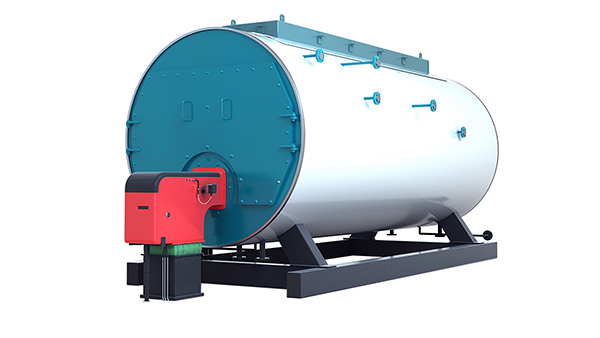
A fire-tube boiler operates by channeling hot combustion gases through a network of tubes surrounded by water inside a large pressure vessel. As the hot gases pass through these tubes, thermal energy transfers through the tube walls into the surrounding water, eventually producing steam.
The combustion process begins inside the furnace, where fuel burns and generates high-temperature gases. These gases travel through multiple fire tubes before exiting through the exhaust stack. During this journey, heat transfers gradually into the water reservoir surrounding the tubes.
Because fire-tube boilers contain a relatively large volume of water, they can maintain stable steam pressure and absorb moderate load fluctuations effectively. Their design is mechanically simpler compared to water-tube systems, making them popular in smaller industrial facilities and commercial applications.
Main Components of a Fire-Tube Boiler
| Component | Function |
|---|---|
| Furnace Chamber | Burns fuel to generate heat |
| Fire Tubes | Carry hot combustion gases |
| Water Shell | Stores water surrounding tubes |
| Steam Space | Collects generated steam |
| Burner System | Controls fuel combustion |
| Exhaust Stack | Releases flue gases |
| Safety Valve | Prevents overpressure |
Fire-tube boilers are commonly available in:
- Scotch marine boilers
- Lancashire boilers
- Locomotive boilers
- Packaged fire-tube boilers
Their relatively compact and straightforward construction makes them easier to manufacture, install, and maintain. 🏭
How Water-Tube Boilers Work 💧
A water-tube boiler operates in the opposite manner. Instead of hot gases flowing inside tubes, water circulates through tubes while combustion gases pass around the outside surfaces of those tubes.
Inside the boiler, water-filled tubes are exposed directly to extremely hot combustion gases generated in the furnace. Because the tubes contain relatively small volumes of water with large exposed surface areas, heat transfer occurs very rapidly. Steam forms inside the tubes and rises into steam drums or headers for distribution.
This design provides several major engineering advantages:
- Faster steam generation
- Higher operating pressure capability
- Better thermal efficiency
- Improved scalability
- Safer pressure management at extreme loads
Water-tube boilers are widely used in:
- Thermal power plants
- Petrochemical facilities
- Heavy manufacturing
- Marine propulsion systems
- Large district heating networks
- High-pressure industrial plants
Main Components of a Water-Tube Boiler
| Component | Function |
|---|---|
| Water Tubes | Carry water and steam |
| Steam Drum | Collects generated steam |
| Mud Drum | Collects sediment and impurities |
| Furnace Chamber | Generates combustion heat |
| Headers | Distribute water flow |
| Economizer | Recovers waste heat |
| Superheater | Increases steam temperature |
Because water-tube systems contain smaller water volumes inside the tubes, they can respond more rapidly to changing steam demands and achieve extremely high pressure levels safely. ⚡
The Core Difference: Water Inside Tubes vs Fire Inside Tubes
The easiest way to understand the distinction is:
- In fire-tube boilers, fire travels inside the tubes and water surrounds them.
- In water-tube boilers, water travels inside the tubes and fire surrounds them.
This seemingly simple structural reversal changes nearly every aspect of boiler performance, including:
- Steam pressure capability
- Heat transfer speed
- Thermal efficiency
- Maintenance complexity
- Safety characteristics
- Installation cost
- Industrial scalability
| Feature | Fire-Tube Boiler | Water-Tube Boiler |
|---|---|---|
| Hot Gases Flow | Inside tubes | Outside tubes |
| Water Location | Outside tubes | Inside tubes |
| Steam Generation Speed | Moderate | Fast |
| Pressure Capability | Lower | Extremely high |
| Complexity | Simpler | More advanced |
| Water Volume | Large | Small |
| Thermal Response Speed | Slower | Faster |
Heat Transfer Efficiency Comparison 🌡️
Heat transfer efficiency is one of the most important factors affecting boiler operating costs and energy performance.
Water-tube boilers generally achieve higher thermal efficiency because:
- Water tubes have larger heat transfer surface area
- Tubes are directly exposed to combustion gases
- Heat transfer occurs rapidly
- High-temperature operation is easier to maintain
- Advanced multi-pass gas flow systems improve energy recovery
Modern water-tube boilers equipped with economizers, air preheaters, and condensing systems can achieve thermal efficiency levels exceeding 90–98%.
Fire-tube boilers also provide excellent efficiency in moderate-load applications, but their larger water volume slows thermal response and limits maximum efficiency under extreme industrial demands.
| Heat Transfer Factor | Fire-Tube Boiler | Water-Tube Boiler |
|---|---|---|
| Heat Transfer Speed | Moderate | Very Fast |
| Surface Area Efficiency | Moderate | High |
| Thermal Response | Slower | Rapid |
| High-Load Efficiency | Good | Excellent |
| Continuous Steam Stability | Good | Excellent |
Pressure and Steam Capacity Differences ⚙️
One of the biggest reasons industries choose water-tube boilers is their ability to safely handle very high steam pressures.
Because water-tube systems distribute water through many small tubes rather than one large pressure vessel, pressure stress is more evenly managed. This allows operation at pressures exceeding:
- 150 bar
- 300 bar
- Supercritical conditions in power plants
Fire-tube boilers usually operate at lower pressures because their large shell structure becomes increasingly difficult to reinforce safely at extreme pressure levels.
| Performance Factor | Fire-Tube Boiler | Water-Tube Boiler |
|---|---|---|
| Typical Pressure Range | Low to medium | Medium to ultra-high |
| Steam Capacity | Moderate | Very High |
| Pressure Stability | Good | Excellent |
| Startup Speed | Slower | Faster |
| Large Industrial Scalability | Limited | Excellent |
This makes water-tube boilers the dominant choice for:
- Utility power generation
- Heavy petrochemical plants
- Large manufacturing facilities
Safety Characteristics and Operational Risks 🛡️
Safety is a critical consideration in industrial boiler engineering.
Fire-tube boilers contain large volumes of pressurized water. In the event of structural failure, the sudden release of stored thermal energy can create significant explosion risk.
Water-tube boilers contain much smaller water volumes inside narrow tubes, reducing stored energy and improving safety under high-pressure conditions.
However, water-tube boilers require:
- More sophisticated controls
- Better water treatment
- More skilled operators
- Closer maintenance monitoring
| Safety Factor | Fire-Tube Boiler | Water-Tube Boiler |
|---|---|---|
| Stored Water Volume | Large | Small |
| Explosion Risk Severity | Higher | Lower |
| Operational Complexity | Simpler | More Advanced |
| Water Quality Sensitivity | Moderate | High |
| Pressure Handling Safety | Moderate | Excellent |
Maintenance and Cleaning Differences 🔧
Maintenance procedures differ significantly between the two systems.
Fire-tube boilers are generally easier to inspect and maintain because:
- Tubes are larger
- Internal access is simpler
- Mechanical structure is less complex
Water-tube boilers often require more advanced maintenance procedures because:
- Tubes are narrower
- Scaling can block circulation
- Water chemistry control is critical
Improper water treatment in water-tube boilers may cause:
- Tube overheating
- Corrosion
- Scale buildup
- Tube rupture
| Maintenance Factor | Fire-Tube Boiler | Water-Tube Boiler |
|---|---|---|
| Maintenance Complexity | Lower | Higher |
| Tube Cleaning Difficulty | Easier | More Complex |
| Water Treatment Sensitivity | Moderate | Very High |
| Inspection Requirements | Moderate | Extensive |
| Skilled Technician Requirement | Moderate | High |
Fuel Flexibility and Combustion Performance ⛽
Both boiler types can operate on:
- Natural gas
- Diesel
- Heavy fuel oil
- Biomass
- Coal
- Biogas
- Waste heat recovery systems
However, water-tube boilers often support more advanced combustion technologies because they are commonly integrated into large industrial energy systems.
These systems may include:
- Low-NOx burners
- Flue gas recirculation
- AI combustion optimization
- Hydrogen blending
- Multi-fuel switching systems
Industrial Applications of Fire-Tube Boilers 🏭
Fire-tube boilers are commonly used in:
- Small factories
- Commercial laundries
- Food processing plants
- Hotels
- Hospitals
- Breweries
- Heating systems
Their advantages include:
- Lower upfront cost
- Simpler operation
- Compact packaged design
- Easier maintenance
Industrial Applications of Water-Tube Boilers ⚡
Water-tube boilers dominate industries requiring:
- High-pressure steam
- Large steam volumes
- Rapid load response
- Continuous operation
- High thermal efficiency
Common industries include:
- Power generation
- Petrochemical processing
- Steel manufacturing
- Fertilizer production
- Refining operations
- Marine propulsion
Lifecycle Cost Comparison 💰
Although water-tube boilers are more expensive initially, they often provide better long-term efficiency and scalability.
| Cost Factor | Fire-Tube Boiler | Water-Tube Boiler |
|---|---|---|
| Initial Investment | Lower | Higher |
| Installation Complexity | Lower | Higher |
| Fuel Efficiency | Good | Excellent |
| Maintenance Cost | Lower | Higher |
| Scalability | Moderate | Excellent |
| Lifespan | Long | Very Long |
For large industrial facilities operating continuously, water-tube boilers often deliver superior return on investment through improved energy efficiency and production reliability.
Which Boiler Type Is Better for Your Industry? 🤔
Choose a fire-tube boiler if your facility requires:
- Moderate steam capacity
- Lower initial investment
- Simpler operation
- Compact installation
- Easier maintenance
Choose a water-tube boiler if your facility requires:
- High-pressure steam
- Rapid steam generation
- Large-scale production
- Maximum efficiency
- Advanced automation integration
| Industrial Requirement | Recommended Boiler |
|---|---|
| Small Commercial Facility | Fire-Tube |
| Large Manufacturing Plant | Water-Tube |
| High Pressure Steam | Water-Tube |
| Budget-Sensitive Operation | Fire-Tube |
| Continuous Heavy Industry | Water-Tube |
| Easy Maintenance Priority | Fire-Tube |
Water-tube and fire-tube industrial boilers differ fundamentally in how they transfer heat and generate steam. Fire-tube boilers route hot gases through tubes surrounded by water, making them simpler, economical, and suitable for moderate industrial applications. Water-tube boilers circulate water inside tubes exposed to combustion gases, enabling extremely high pressure, rapid steam generation, superior efficiency, and large-scale industrial performance. Understanding these engineering distinctions allows businesses to select the most suitable boiler technology for their operational requirements, energy strategy, production scale, and long-term growth goals. 🔥
Why Are Water-Tube Boilers Preferred for High-Pressure Industrial Applications?
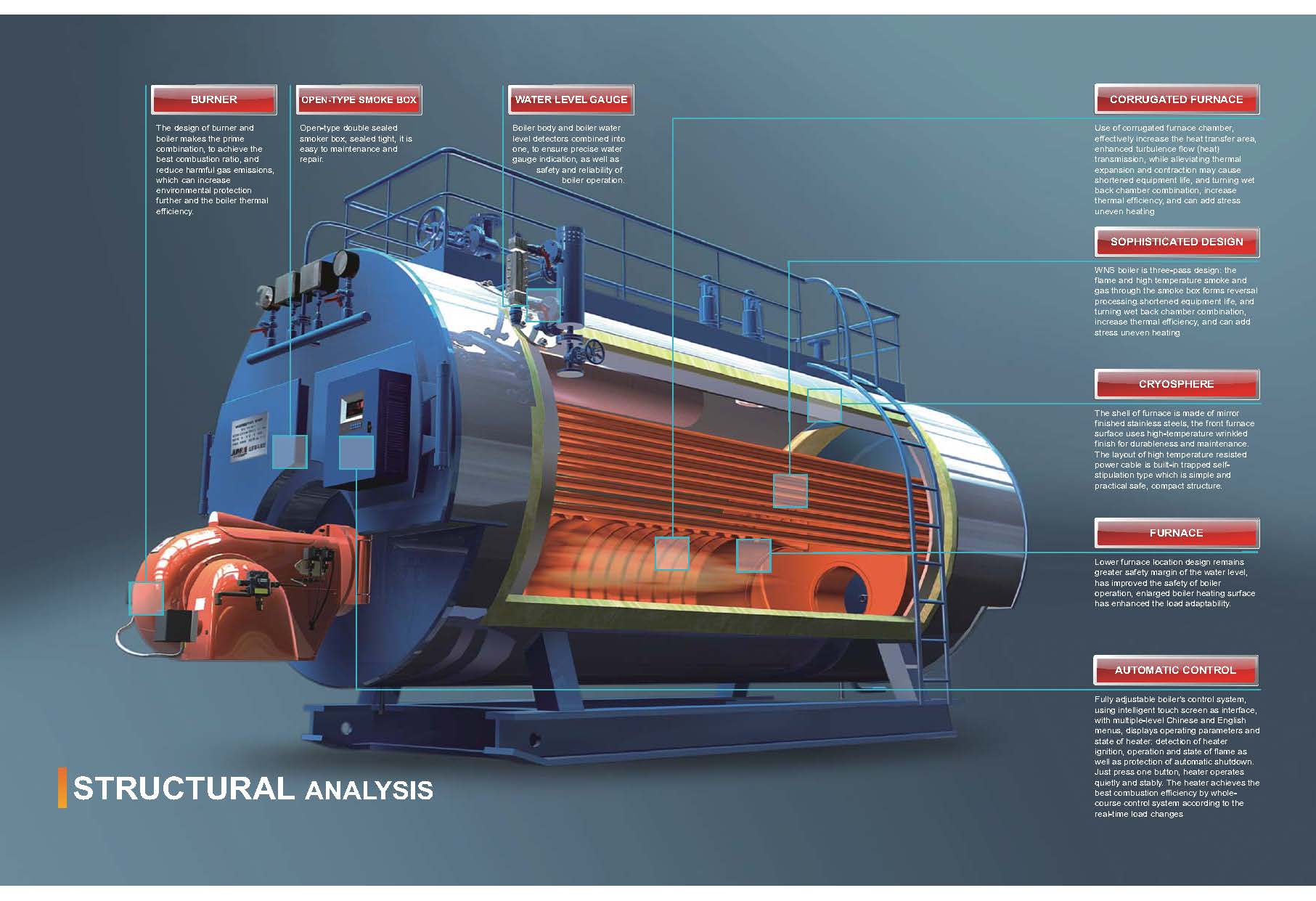
Many industrial facilities struggle with maintaining stable high-pressure steam generation while also controlling fuel consumption, ensuring operational safety, and minimizing downtime. Selecting the wrong boiler technology for high-pressure applications can result in tube failures, inefficient heat transfer, unstable steam output, increased maintenance costs, and even catastrophic pressure-related safety risks. Industries such as power generation, petrochemical refining, steel manufacturing, and large-scale chemical processing require boilers capable of handling extremely high temperatures and pressures continuously under demanding operating conditions. In these environments, conventional boiler designs may become inefficient or structurally unsafe as pressure increases. This is why water-tube boilers have become the dominant solution for high-pressure industrial steam systems worldwide. 🔥
Water-tube boilers are preferred for high-pressure industrial applications because they can safely handle extremely high steam pressures, provide faster heat transfer, generate steam more rapidly, achieve superior thermal efficiency, and reduce explosion risks compared to fire-tube boilers. Their design circulates water through small-diameter tubes exposed to external combustion heat, allowing better pressure distribution, improved structural integrity, and efficient high-temperature operation in demanding industrial environments.
Understanding why water-tube boilers outperform fire-tube boilers in high-pressure applications requires analyzing their internal engineering structure, pressure mechanics, thermal behavior, heat transfer efficiency, circulation system, safety characteristics, and operational scalability. The following comprehensive guide explains in detail why water-tube boilers are the preferred technology for high-pressure industrial steam generation. ⚙️
Water-tube boilers are capable of operating at much higher pressures than fire-tube boilers.True
Their small-diameter tube structure distributes pressure more effectively and reduces stress concentrations under high-pressure conditions.
All industrial boilers can safely operate at ultra-high pressure if the shell is thick enough.False
As pressure increases, large shell structures become increasingly difficult and unsafe to reinforce efficiently, making water-tube designs far more practical for high-pressure applications.
Understanding the Basic Operating Principle of Water-Tube Boilers
A water-tube boiler is a type of industrial steam generator where water flows inside tubes while hot combustion gases circulate around the outside surfaces of those tubes. This configuration is fundamentally different from fire-tube boilers, where combustion gases flow through tubes surrounded by water.
The structural design of water-tube boilers creates several engineering advantages that make them highly suitable for high-pressure operation. Because the water is divided into many small-diameter tubes instead of being stored in one massive pressure vessel, the system can tolerate significantly higher pressure without structural instability.
Inside the boiler, fuel combustion generates extremely hot gases inside the furnace chamber. These gases pass over arrays of water-filled tubes, rapidly transferring thermal energy into the circulating water. As water absorbs heat, steam forms and rises into steam drums or headers where it is collected and distributed to industrial processes.
This design enables:
- Rapid steam generation
- Efficient heat transfer
- Superior pressure resistance
- Faster operational response
- Enhanced thermal performance
Water-tube boilers are commonly used in:
- Thermal power plants
- Petrochemical facilities
- Oil refineries
- Steel manufacturing
- Fertilizer plants
- Marine propulsion systems
- Large industrial heating networks
Why High Pressure Matters in Industrial Applications ⚡
High-pressure steam is essential in many industrial processes because it carries more thermal energy and improves system efficiency. As steam pressure increases:
- Energy density rises
- Heat transfer performance improves
- Turbine efficiency increases
- Industrial process temperatures become more stable
- Production output can increase
In power generation, ultra-high-pressure steam allows turbines to extract more energy from the same amount of fuel, improving overall plant efficiency and reducing emissions.
In petrochemical industries, high-pressure steam supports:
- Distillation processes
- Chemical reactions
- Catalytic cracking
- Heat exchange systems
- Process sterilization
However, generating high-pressure steam safely requires boiler structures capable of handling enormous internal stress. This is where water-tube boilers excel. 🔥
The Engineering Advantage of Small-Diameter Tubes
The most important reason water-tube boilers are preferred for high-pressure operation lies in the mechanical strength of small-diameter tubes.
Pressure inside a vessel creates outward stress on the walls. In large-diameter shells such as those used in fire-tube boilers, pressure generates enormous structural stress, requiring extremely thick walls to maintain safety.
In contrast, water-tube boilers divide water into many smaller tubes. Smaller diameters dramatically reduce stress concentration under pressure.
This principle is based on pressure vessel engineering mechanics:
- Smaller tube diameter = lower wall stress
- Lower wall stress = safer high-pressure operation
- Safer operation = higher allowable pressure limits
As a result, water-tube boilers can safely operate at:
- 150 bar
- 250 bar
- 300+ bar
- Supercritical pressure levels
Fire-tube boilers become impractical and unsafe at such pressures because reinforcing large shells becomes excessively difficult, expensive, and hazardous.
| Structural Feature | Water-Tube Boiler | Fire-Tube Boiler |
|---|---|---|
| Pressure Resistance | Extremely High | Moderate |
| Tube Diameter | Small | Large Shell Structure |
| Stress Distribution | Excellent | Less Efficient |
| High-Pressure Capability | Superior | Limited |
| Structural Stability | Excellent | Moderate |
Faster Heat Transfer and Steam Generation 🌡️
Another major advantage of water-tube boilers is their extremely rapid heat transfer capability.
Water-tube systems expose large surface areas of thin tubes directly to combustion gases. This allows heat to transfer quickly into the circulating water.
Benefits of rapid heat transfer include:
- Faster startup times
- Quicker steam generation
- Improved load response
- Better efficiency during fluctuating demand
- Reduced fuel waste
Because water-tube boilers contain relatively small water volumes inside the tubes, they can respond almost immediately to changing steam demands. This is critical in industrial environments where process loads fluctuate continuously.
Fire-tube boilers contain much larger water volumes, which slows thermal response and limits rapid pressure adjustment.
| Heat Transfer Factor | Water-Tube Boiler | Fire-Tube Boiler |
|---|---|---|
| Heat Transfer Speed | Very Fast | Moderate |
| Steam Production Speed | Rapid | Slower |
| Thermal Response | Excellent | Moderate |
| Load Adaptability | Superior | Limited |
| High-Temperature Performance | Excellent | Good |
Superior Thermal Efficiency 🔥
Water-tube boilers are generally more thermally efficient in large industrial operations because they support advanced heat recovery technologies and optimized combustion systems.
Modern water-tube boiler systems often include:
- Economizers
- Air preheaters
- Superheaters
- Reheaters
- Condensing systems
- Low-NOx burners
These technologies improve:
- Fuel utilization
- Combustion efficiency
- Exhaust heat recovery
- Emission reduction
High-pressure water-tube boilers in modern power plants can achieve thermal efficiencies exceeding 90–98% under optimized operating conditions.
This efficiency advantage becomes especially important in industries with:
- Continuous operation
- Massive steam demand
- High fuel consumption
- Strict environmental regulations
Safer Operation Under Extreme Pressure 🛡️
Safety is one of the most critical reasons industries prefer water-tube boilers for high-pressure applications.
Fire-tube boilers contain large quantities of pressurized water stored inside a massive shell. If structural failure occurs, the sudden release of stored thermal energy can produce devastating explosions.
Water-tube boilers contain much smaller water volumes distributed through narrow tubes. This significantly reduces the amount of stored energy inside any individual section.
Advantages include:
- Lower explosion severity
- Better pressure containment
- Improved structural redundancy
- Faster pressure relief capability
- Reduced catastrophic failure risk
Additionally, if one tube fails in a water-tube boiler, damage is often localized rather than catastrophic.
| Safety Factor | Water-Tube Boiler | Fire-Tube Boiler |
|---|---|---|
| Stored Water Volume | Low | High |
| Explosion Risk Severity | Lower | Higher |
| High-Pressure Safety | Excellent | Moderate |
| Structural Redundancy | High | Lower |
| Pressure Relief Efficiency | Better | Moderate |
Better Scalability for Large Industrial Systems 🏭
Water-tube boilers are highly scalable, making them ideal for massive industrial steam systems.
Large industrial facilities often require:
- Hundreds of tons of steam per hour
- Continuous 24/7 operation
- Multiple pressure stages
- Integration with turbines
- Advanced process automation
Water-tube boiler systems can be engineered into:
- Modular configurations
- Utility-scale steam plants
- Supercritical systems
- Combined heat and power plants
This scalability is one reason virtually all modern thermal power stations rely on water-tube technology.
High-Pressure Superheated Steam Capability ⚙️
Many industrial processes require superheated steam rather than saturated steam.
Superheated steam:
- Carries more energy
- Prevents condensation
- Improves turbine efficiency
- Enhances thermal process stability
Water-tube boilers integrate superheaters more effectively because their tube-based design handles extremely high temperatures efficiently.
Applications requiring superheated steam include:
- Steam turbines
- Power generation
- Petrochemical cracking
- Industrial drying
- Process heating
Advanced Circulation Systems Improve Reliability 🔄
Water-tube boilers use advanced circulation methods to maintain stable operation under high pressure.
These include:
- Natural circulation
- Forced circulation
- Once-through circulation
Forced circulation systems use pumps to ensure continuous water movement through tubes, preventing overheating and maintaining stable thermal performance.
Once-through supercritical boilers eliminate steam drums entirely, enabling operation at ultra-high efficiency and pressure levels.
Fuel Flexibility and Combustion Control ⛽
Water-tube boilers are compatible with a wide variety of fuels:
- Natural gas
- Coal
- Diesel
- Heavy fuel oil
- Biomass
- Hydrogen blends
- Waste heat recovery systems
Their larger furnace configurations also support:
- Multi-stage combustion
- AI combustion optimization
- Low-NOx technology
- Flue gas recirculation
- Carbon reduction systems
This flexibility is especially important as industries transition toward cleaner energy solutions and stricter environmental regulations. 🌍
Maintenance Challenges of Water-Tube Boilers 🔧
Although water-tube boilers offer many advantages, they also require more sophisticated maintenance and water chemistry management.
Key maintenance priorities include:
- Water treatment control
- Tube inspection
- Scale prevention
- Corrosion monitoring
- Circulation stability
Poor water quality can rapidly damage narrow tubes through:
- Scaling
- Corrosion
- Overheating
- Tube rupture
Therefore, water-tube boilers typically require:
- Skilled operators
- Advanced monitoring systems
- Regular inspection programs
| Maintenance Factor | Water-Tube Boiler |
|---|---|
| Water Treatment Sensitivity | Very High |
| Tube Inspection Complexity | High |
| Operator Skill Requirement | Advanced |
| Maintenance Frequency | Moderate to High |
| Automation Integration | Extensive |
Industrial Applications That Depend on Water-Tube Boilers ⚡
Water-tube boilers dominate industries requiring:
- Extremely high pressure
- Massive steam capacity
- Continuous operation
- Maximum thermal efficiency
Typical industries include:
- Utility power generation
- Oil refining
- Steel production
- Chemical manufacturing
- LNG processing
- Marine engineering
- District heating systems
These industries prioritize:
- Reliability
- Efficiency
- Scalability
- Safety
- Long-term operational economy
Future Trends in High-Pressure Water-Tube Boiler Technology 🌱
Modern water-tube boiler development is increasingly focused on:
- Hydrogen combustion
- Carbon capture integration
- AI predictive maintenance
- Smart factory connectivity
- Ultra-supercritical steam systems
- Low-emission combustion
Advanced digital monitoring systems now provide:
- Real-time tube temperature analysis
- Predictive maintenance alerts
- Combustion optimization
- Remote diagnostics
- Automated efficiency adjustment
These innovations are helping industries improve energy efficiency while reducing environmental impact.
Why Water-Tube Boilers Dominate High-Pressure Industry 🤔
Water-tube boilers are preferred for high-pressure industrial applications because their engineering design distributes pressure safely through small-diameter tubes, enabling extremely high-pressure steam generation with superior thermal efficiency, rapid heat transfer, enhanced scalability, and improved operational safety. Their ability to support advanced combustion systems, superheated steam production, and large-scale industrial processes makes them the dominant boiler technology in power generation, petrochemical refining, steel manufacturing, and other energy-intensive industries. While they require more sophisticated maintenance and water treatment than fire-tube boilers, their performance advantages under extreme operating conditions far outweigh the added complexity. 🔥
What Are the Advantages of Fire-Tube Boilers in Industrial Operations?
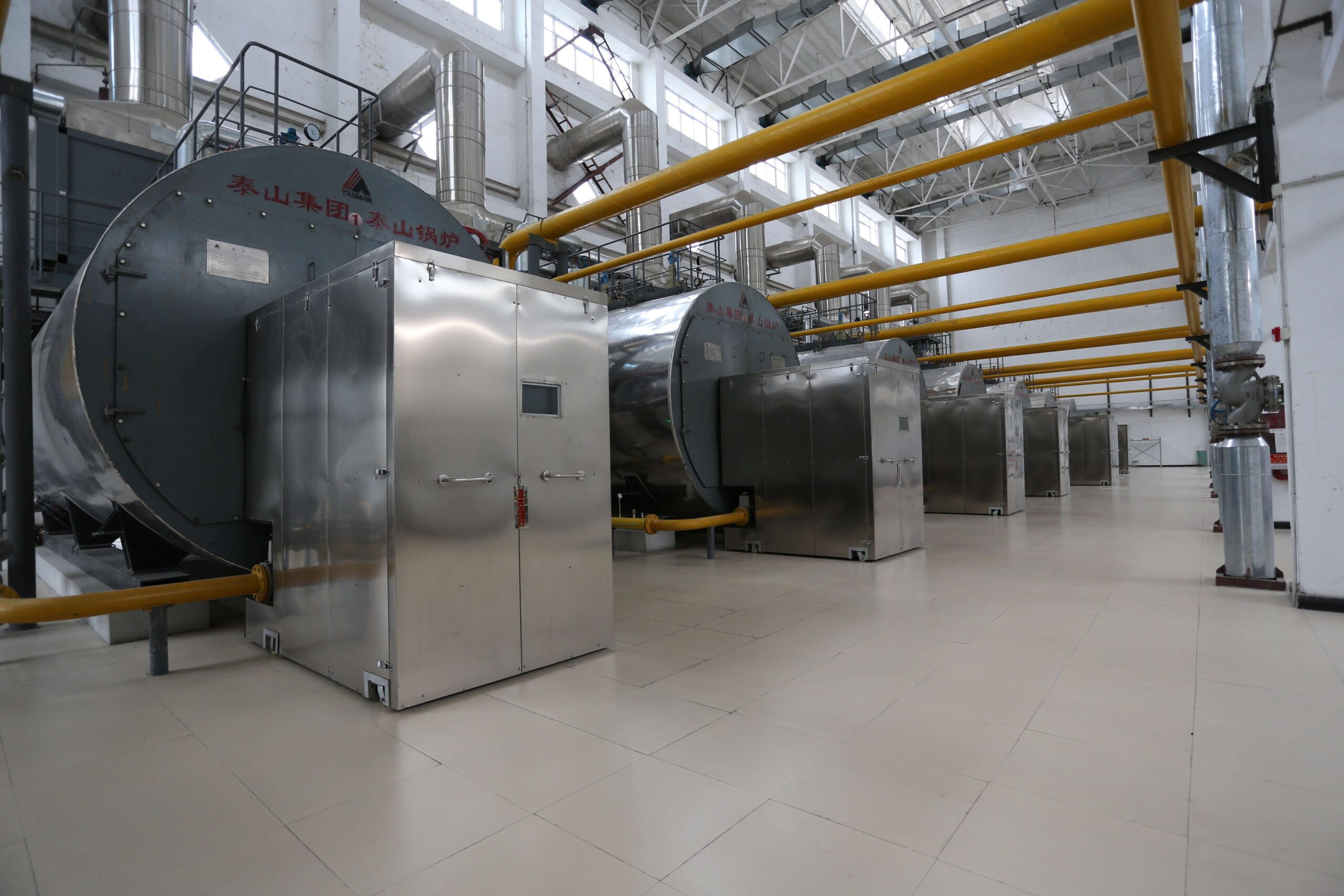
Many industrial facilities require reliable steam generation systems but struggle to balance efficiency, operational simplicity, maintenance costs, installation space, and long-term reliability. While high-pressure water-tube boilers dominate massive power generation projects, many factories, food processing plants, hospitals, laundries, and commercial facilities do not need extremely high-pressure steam systems. In these situations, choosing an overly complex boiler can increase operating costs, maintenance difficulty, and energy waste without delivering meaningful operational benefits. Fire-tube boilers remain one of the most widely used industrial boiler technologies because they offer a practical balance of affordability, operational stability, simplicity, and dependable steam generation for medium-pressure applications. Understanding the true advantages of fire-tube boilers helps industrial operators select the most cost-effective and operationally efficient steam solution for their facilities. 🔥
Fire-tube boilers offer several important advantages in industrial operations, including lower initial investment costs, simpler construction, easier maintenance, stable steam output, compact packaged designs, reliable operation, lower operator skill requirements, and excellent performance in medium-pressure and moderate-capacity applications. Their straightforward design makes them highly economical and dependable for many industrial and commercial steam systems.
To fully understand why fire-tube boilers remain popular across many industries, it is important to analyze how they work, what operational benefits they provide, where they perform best, and how they compare to more complex boiler technologies. The following guide explores the engineering, economic, operational, and maintenance advantages of fire-tube boilers in modern industrial operations. ⚙️
Fire-tube boilers are generally easier to maintain than water-tube boilers.True
Their simpler mechanical structure and larger internal access areas simplify inspection, cleaning, and repair procedures.
Fire-tube boilers are unsuitable for all industrial applications.False
Fire-tube boilers are widely used in many industries requiring moderate-pressure steam and stable thermal performance.
Understanding How Fire-Tube Boilers Work
A fire-tube boiler operates by passing hot combustion gases through tubes surrounded by water inside a large pressure vessel. Heat transfers through the tube walls into the surrounding water, eventually producing steam for industrial use.
The combustion process begins inside a furnace chamber where fuel is burned to generate high-temperature gases. These gases travel through a series of fire tubes before exiting through the exhaust stack. As the gases move through the tubes, thermal energy transfers into the surrounding water reservoir.
Because the boiler contains a relatively large volume of water, steam generation tends to be stable and smooth, making fire-tube boilers particularly suitable for facilities with moderate but continuous steam demand.
Fire-tube boilers are commonly used in:
- Food processing plants
- Breweries
- Hospitals
- Hotels
- Textile factories
- Commercial laundries
- Pharmaceutical facilities
- Heating systems
- Small manufacturing plants
Simpler Mechanical Design Is a Major Advantage 🔧
One of the biggest advantages of fire-tube boilers is their relatively simple construction compared to water-tube systems.
A typical fire-tube boiler includes:
- Furnace chamber
- Fire tubes
- Water shell
- Steam space
- Burner system
- Safety controls
Because the design is mechanically straightforward, fire-tube boilers:
- Are easier to manufacture
- Require fewer specialized components
- Have simpler piping systems
- Need less complex circulation control
This simplicity reduces:
- Installation difficulty
- Operator training requirements
- Maintenance complexity
- Spare parts inventory
| Structural Factor | Fire-Tube Boiler | Water-Tube Boiler |
|---|---|---|
| Mechanical Complexity | Low | High |
| Number of Components | Fewer | More |
| Circulation System Complexity | Simple | Advanced |
| Ease of Understanding | Easier | More Technical |
| Operator Skill Requirement | Moderate | High |
For many facilities, operational simplicity translates directly into lower long-term ownership costs. 🏭
Lower Initial Investment Cost 💰
Cost is often one of the most important factors influencing industrial equipment decisions.
Fire-tube boilers generally cost less than water-tube boilers because:
- Their design is simpler
- Manufacturing complexity is lower
- Installation is easier
- Fewer auxiliary systems are required
For small and medium-sized industrial facilities, this lower capital investment can significantly improve project feasibility.
Additional cost-saving advantages include:
- Reduced installation labor
- Lower foundation requirements
- Simpler control systems
- Reduced engineering complexity
| Cost Factor | Fire-Tube Boiler | Water-Tube Boiler |
|---|---|---|
| Initial Equipment Cost | Lower | Higher |
| Installation Cost | Lower | Higher |
| Control System Complexity | Simpler | Advanced |
| Engineering Requirement | Moderate | Extensive |
| Startup Investment | More Affordable | Higher Capital Cost |
This makes fire-tube boilers highly attractive for:
- Budget-sensitive facilities
- Small factories
- Commercial operations
- Steam system retrofits
Easier Maintenance and Inspection 🛠️
Maintenance accessibility is one of the strongest operational advantages of fire-tube boilers.
Because the fire tubes are relatively large and accessible, technicians can perform:
- Tube cleaning
- Scale removal
- Internal inspections
- Burner maintenance
- Tube replacement
with less difficulty than in many water-tube systems.
Fire-tube boilers generally have:
- Larger inspection openings
- Simpler tube arrangements
- Less complicated circulation systems
This reduces:
- Maintenance downtime
- Service labor costs
- Inspection complexity
| Maintenance Factor | Fire-Tube Boiler |
|---|---|
| Tube Accessibility | Excellent |
| Cleaning Simplicity | High |
| Inspection Difficulty | Moderate |
| Repair Complexity | Lower |
| Spare Parts Availability | Excellent |
In many industrial environments where maintenance staff availability is limited, simplified servicing becomes a major operational advantage. 🔩
Stable Steam Output Improves Process Reliability 🌡️
Fire-tube boilers contain relatively large volumes of water compared to water-tube boilers.
This large thermal mass provides:
- Stable steam pressure
- Smooth heat output
- Resistance to short-term load fluctuations
- Consistent steam quality
For industries with moderate and relatively stable steam demand, this operational stability is highly beneficial.
Applications benefiting from stable steam output include:
- Food processing
- Laundry operations
- Building heating systems
- Textile processing
- Brewing operations
Large water volume also helps absorb temporary changes in steam demand without rapid pressure swings.
| Steam Stability Factor | Fire-Tube Boiler |
|---|---|
| Steam Pressure Stability | Excellent |
| Load Fluctuation Tolerance | Good |
| Thermal Buffer Capacity | High |
| Steam Quality Consistency | Excellent |
Compact Packaged Design Saves Installation Time 📦
Modern fire-tube boilers are frequently manufactured as packaged boiler systems.
These packaged units often include:
- Burner assembly
- Control panel
- Safety devices
- Pumps
- Pre-installed piping
Advantages include:
- Faster installation
- Reduced on-site assembly
- Lower labor cost
- Easier transportation
- Faster commissioning
Packaged fire-tube boilers are especially valuable in:
- Retrofit projects
- Commercial buildings
- Urban industrial facilities
- Temporary steam installations
Excellent Performance for Medium-Pressure Applications ⚡
Although water-tube boilers dominate ultra-high-pressure operations, many industries simply do not require extreme pressure levels.
Fire-tube boilers perform exceptionally well in:
- Low-pressure steam systems
- Medium-pressure industrial applications
- Hot water heating systems
- Commercial thermal operations
Typical operating pressure ranges are ideal for:
- Heating
- Cleaning
- Sterilization
- Cooking
- Humidification
- Process heating
| Pressure Capability | Fire-Tube Boiler |
|---|---|
| Low Pressure Performance | Excellent |
| Medium Pressure Capability | Very Good |
| Ultra-High Pressure Suitability | Limited |
| Commercial Heating Applications | Excellent |
For these applications, the added complexity of water-tube systems often provides little economic benefit.
Fuel Flexibility Supports Diverse Operations ⛽
Modern fire-tube boilers can operate using various fuel types:
- Natural gas
- Diesel
- Heavy oil
- LPG
- Biogas
- Biomass blends
This flexibility allows facilities to:
- Adapt to fuel availability
- Reduce operating costs
- Improve energy security
- Transition toward cleaner fuels
Many modern fire-tube systems also support:
- Low-NOx burners
- Modulating combustion
- Smart fuel-air control systems
Reliable Long-Term Operation 🔥
Fire-tube boilers are known for dependable long-term performance when properly maintained.
Their simple design reduces:
- Mechanical failure points
- Control system complexity
- Circulation instability
Many industrial fire-tube boilers operate reliably for:
- 20 years
- 30 years
- Even longer with proper maintenance
This durability makes them a strong long-term investment for facilities with predictable steam requirements.
Lower Operator Skill Requirements 👨🏭
Because fire-tube boilers are simpler to operate, they generally require less specialized training compared to high-pressure water-tube systems.
Advantages include:
- Easier startup procedures
- Simpler troubleshooting
- Lower automation complexity
- Reduced operator stress
This can significantly reduce staffing challenges in facilities with limited access to highly specialized boiler technicians.
| Operational Factor | Fire-Tube Boiler |
|---|---|
| Startup Simplicity | High |
| Operator Training Difficulty | Moderate |
| Control Complexity | Lower |
| Monitoring Requirement | Moderate |
Better Suitability for Small and Medium Industries 🏢
Fire-tube boilers are especially well-suited for:
- Small factories
- Commercial operations
- Medium-scale production facilities
- Institutional heating systems
Industries commonly using fire-tube boilers include:
- Food processing
- Textile manufacturing
- Hospitality
- Healthcare
- Brewing
- Agriculture
- Laundry services
Their balance of affordability, simplicity, and reliability makes them ideal for these environments.
Modern Fire-Tube Boiler Technologies 🌱
Today’s fire-tube boilers are far more advanced than older traditional designs.
Modern innovations include:
- Condensing heat recovery
- Smart combustion controls
- Remote monitoring systems
- AI efficiency optimization
- Low-emission burners
- Automated maintenance alerts
These improvements significantly enhance:
- Fuel efficiency
- Emissions performance
- Operational reliability
- Energy savings
Some modern condensing fire-tube boilers can achieve thermal efficiencies exceeding 95%.
Limitations of Fire-Tube Boilers ⚠️
Although fire-tube boilers offer many advantages, they also have limitations.
They are generally less suitable for:
- Extremely high-pressure steam
- Massive industrial steam loads
- Ultra-fast load response
- Supercritical power generation
As pressure increases, large shell structures become harder to reinforce safely and economically.
For very large industrial facilities, water-tube boilers usually become the preferred solution.
Comparing Fire-Tube and Water-Tube Boilers 📊
| Feature | Fire-Tube Boiler | Water-Tube Boiler |
|---|---|---|
| Initial Cost | Lower | Higher |
| Maintenance Simplicity | Easier | More Complex |
| Steam Pressure Capability | Moderate | Very High |
| Steam Generation Speed | Moderate | Fast |
| Thermal Efficiency | Good | Excellent |
| Installation Simplicity | Easier | More Complex |
| Best Application Scale | Small to Medium | Large Industrial |
| Operator Skill Requirement | Lower | Higher |
Why Fire-Tube Boilers Remain Popular 🤔
Fire-tube boilers continue to play a critical role in industrial operations because they offer an effective combination of affordability, reliability, simplicity, and stable steam generation for low- and medium-pressure applications. Their easier maintenance, lower installation costs, compact packaged designs, and dependable long-term performance make them ideal for many commercial and industrial facilities that do not require ultra-high-pressure steam systems. While water-tube boilers dominate large-scale power generation and extreme-pressure environments, fire-tube boilers remain one of the most practical and economical steam solutions for a wide range of industrial operations worldwide. 🔥
How Do Space Requirements Influence Industrial Boiler Structural Selection?
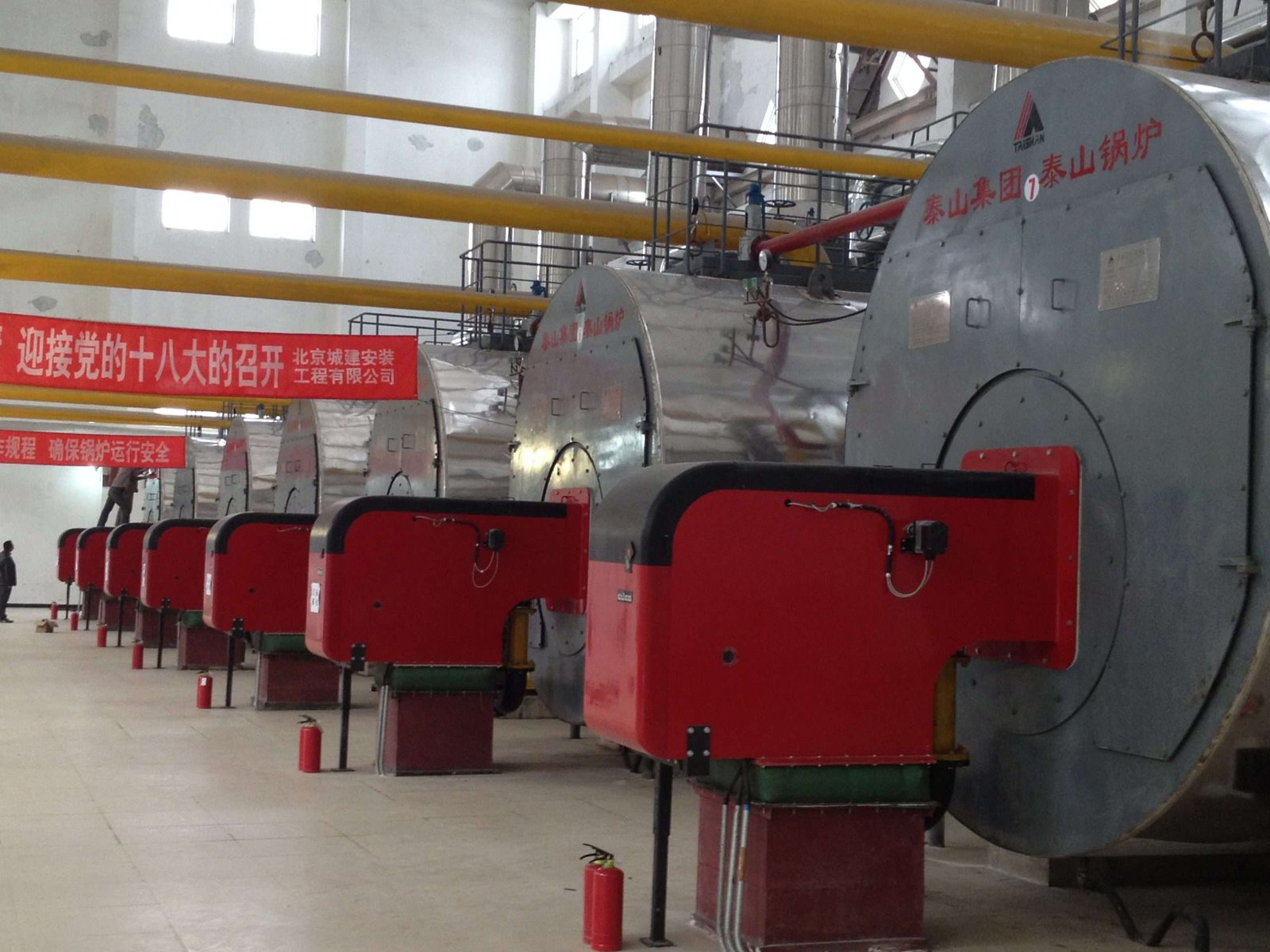
Industrial facilities frequently encounter major challenges when installing or upgrading boiler systems because available space inside the plant is often limited, irregularly shaped, or already occupied by production equipment. Selecting the wrong boiler structure can create severe operational problems, including restricted maintenance access, unsafe ventilation conditions, difficult piping integration, limited future expansion capacity, and inefficient use of valuable factory floor space. In many industrial projects, engineers initially focus on steam capacity, pressure, or fuel type while underestimating how installation space directly affects boiler performance, safety compliance, maintenance efficiency, and long-term operational flexibility. Since industrial boilers are large thermal systems requiring not only the boiler itself but also piping, pumps, water treatment systems, burners, exhaust ducts, and service clearance areas, space requirements become one of the most critical engineering factors influencing boiler structural selection. 🔥
Space requirements strongly influence industrial boiler structural selection because different boiler designs vary significantly in footprint, height, maintenance clearance, piping arrangement, ventilation needs, and scalability. Horizontal boilers generally require larger floor areas but offer easier maintenance access and higher capacity, while vertical boilers minimize floor space usage and simplify installation in compact facilities. Boiler room dimensions, ceiling height, access pathways, ventilation systems, and future expansion plans all play essential roles in determining the most suitable boiler structure for industrial operations.
Understanding how installation space impacts industrial boiler design requires analyzing structural orientation, thermal system integration, maintenance accessibility, safety regulations, equipment layout planning, and long-term operational scalability. The following comprehensive guide explains how space requirements influence industrial boiler structural selection from a professional industrial engineering perspective. ⚙️
Vertical industrial boilers are commonly selected when floor space is limited.True
Their upright configuration minimizes ground footprint and improves suitability for compact boiler rooms.
Horizontal boilers always require less installation space than vertical boilers.False
Horizontal boilers typically require larger floor areas even though they may need less vertical clearance in some facilities.
Why Boiler Space Planning Matters in Industrial Facilities 🏭
Industrial boilers are not standalone machines. They are part of larger thermal energy systems that include:
- Fuel supply systems
- Water treatment equipment
- Feedwater pumps
- Steam distribution piping
- Blowdown systems
- Chimneys and exhaust ducts
- Condensate recovery systems
- Electrical control panels
- Ventilation systems
- Safety access pathways
As a result, selecting the wrong boiler structure can create long-term operational difficulties that affect:
- Maintenance efficiency
- Worker safety
- Production expansion
- Energy efficiency
- Equipment lifespan
- Regulatory compliance
Boiler room planning is especially critical in:
- Urban manufacturing plants
- Retrofit projects
- High-density industrial facilities
- Commercial buildings
- Offshore installations
- Containerized energy systems
In many cases, available space becomes one of the primary factors determining whether engineers select:
- Horizontal boilers
- Vertical boilers
- Fire-tube boilers
- Water-tube boilers
- Modular boiler systems
- Packaged boiler units
Horizontal vs Vertical Boiler Structures and Space Utilization 🔥
The most obvious structural difference influencing space requirements is boiler orientation.
Horizontal boilers are designed with cylindrical shells extending parallel to the ground. This creates a longer footprint but provides:
- Easier side access
- Larger combustion chambers
- Greater steam storage volume
- Simpler maintenance access
- Better scalability for auxiliary systems
Vertical boilers use upright cylindrical structures that reduce floor area requirements. Their compact design is ideal for facilities with restricted installation space.
| Structural Factor | Horizontal Boiler | Vertical Boiler |
|---|---|---|
| Floor Space Requirement | Large | Small |
| Ceiling Height Requirement | Moderate | Higher |
| Maintenance Accessibility | Excellent | Moderate |
| Steam Capacity Potential | High | Moderate |
| Expansion Flexibility | Excellent | Limited |
| Compact Installation Suitability | Moderate | Excellent |
Vertical boilers are especially common in:
- Hospitals
- Hotels
- Small factories
- Commercial laundries
- Food workshops
- Urban industrial facilities
Horizontal boilers dominate large industrial plants where high steam output and easier maintenance are more important than compact installation.
Floor Space Limitations and Boiler Selection 📏
Floor space availability is often the first physical constraint engineers evaluate when planning boiler installations.
Horizontal industrial boilers typically require:
- Larger equipment foundations
- Wider service clearance zones
- Extended piping layouts
- Larger burner access areas
This makes them more suitable for facilities with spacious mechanical rooms or dedicated utility buildings.
Vertical boilers significantly reduce ground footprint because their upright design concentrates boiler volume vertically rather than horizontally.
Advantages of vertical boilers in limited floor space environments include:
- Easier retrofit installation
- Reduced structural modification
- Improved use of compact mechanical rooms
- Simplified transportation through narrow access points
| Floor Space Factor | Horizontal Boiler | Vertical Boiler |
|---|---|---|
| Footprint Size | Large | Compact |
| Narrow Room Compatibility | Moderate | Excellent |
| Retrofit Installation Suitability | Moderate | Excellent |
| Small Facility Compatibility | Moderate | Excellent |
In urban industrial projects where real estate costs are high, reducing boiler room footprint can significantly lower construction expenses. 💰
Ceiling Height Constraints and Vertical Space Considerations 🏗️
Although vertical boilers save floor space, they often require greater ceiling height.
This creates important engineering tradeoffs:
- Vertical boilers occupy less floor area
- Horizontal boilers occupy less vertical space
Facilities with low ceilings may struggle to accommodate:
- Vertical steam drums
- Exhaust stack connections
- Maintenance lifting clearance
- Upper inspection access
Horizontal boilers often perform better in facilities with:
- Long but low mechanical rooms
- Basement utility areas
- Underground installations
| Vertical Clearance Factor | Horizontal Boiler | Vertical Boiler |
|---|---|---|
| Ceiling Height Requirement | Lower | Higher |
| Low-Roof Installation Suitability | Better | Limited |
| Crane Maintenance Clearance | Moderate | Higher |
| Exhaust Routing Complexity | Moderate | Easier Vertical Routing |
Proper vertical clearance is also essential for:
- Safe maintenance
- Tube replacement
- Burner servicing
- Ventilation airflow
- Exhaust gas removal
Maintenance Access Requirements Influence Structural Design 🔧
Boiler maintenance access is one of the most overlooked consequences of poor space planning.
Industrial boilers require periodic:
- Tube inspection
- Cleaning
- Burner servicing
- Water treatment maintenance
- Valve replacement
- Instrument calibration
Horizontal boilers generally provide easier maintenance access because:
- Components are spread horizontally
- Side access doors are larger
- Internal inspection pathways are simpler
Vertical boilers may reduce floor space but can create maintenance challenges in confined environments.
Insufficient maintenance clearance can lead to:
- Increased downtime
- Unsafe working conditions
- Delayed repairs
- Higher maintenance costs
| Maintenance Access Factor | Horizontal Boiler | Vertical Boiler |
|---|---|---|
| Tube Access | Easier | More Restricted |
| Side Service Clearance | Larger | Smaller |
| Internal Inspection Ease | Excellent | Moderate |
| Maintenance Ergonomics | Better | More Challenging |
Modern industrial safety regulations often specify minimum service clearance zones around boilers to ensure safe technician access. 🛡️
Boiler Room Ventilation and Airflow Planning 🌬️
Boilers require substantial airflow for:
- Combustion air supply
- Equipment cooling
- Exhaust gas removal
- Safe working conditions
Space limitations directly affect:
- Ventilation duct routing
- Air intake sizing
- Chimney positioning
- Exhaust fan installation
Horizontal boilers may require:
- Larger side airflow pathways
- Extended exhaust routing
- More complex duct integration
Vertical boilers can simplify vertical exhaust routing because chimneys align naturally with the upright structure.
However, compact boiler rooms may suffer from:
- Heat buildup
- Inadequate combustion airflow
- Restricted maintenance ventilation
Poor ventilation can reduce:
- Combustion efficiency
- Equipment lifespan
- Operational safety
Piping Layout and Utility Integration ⚙️
Industrial boiler systems require extensive piping networks for:
- Steam distribution
- Feedwater supply
- Blowdown discharge
- Fuel delivery
- Condensate return
Boiler structure strongly affects piping arrangement complexity.
Horizontal boilers generally allow:
- Easier lateral piping integration
- Better accessibility for valve maintenance
- More flexible auxiliary equipment positioning
Vertical boilers may simplify compact piping layouts but can increase congestion in smaller rooms.
| Piping Integration Factor | Horizontal Boiler | Vertical Boiler |
|---|---|---|
| Large Piping Accessibility | Excellent | Moderate |
| Compact Utility Integration | Moderate | Excellent |
| Valve Access Convenience | Better | Moderate |
| Future Piping Expansion | Easier | More Limited |
Poor piping layout planning may increase:
- Pressure losses
- Maintenance difficulty
- Installation costs
- Thermal inefficiency
Modular and Packaged Boiler Systems Save Space 📦
Modern industrial facilities increasingly use:
- Modular boiler systems
- Skid-mounted units
- Packaged boiler assemblies
These systems reduce installation space requirements by integrating:
- Burners
- Pumps
- Controls
- Water treatment
- Safety systems
into compact factory-assembled units.
Advantages include:
- Faster installation
- Reduced on-site construction
- Lower labor cost
- Easier transportation
- Better space optimization
Containerized boiler systems are especially useful in:
- Offshore facilities
- Remote industrial sites
- Temporary production plants
- Urban energy systems
Future Expansion Planning Is Critical 🔄
Industrial facilities often expand production over time.
Selecting a boiler structure without considering future growth can create major limitations later.
Horizontal boiler systems generally provide:
- Better scalability
- Easier integration of additional equipment
- Expanded steam capacity potential
Vertical boilers may limit:
- Auxiliary equipment expansion
- Future piping integration
- Steam capacity upgrades
| Expansion Factor | Horizontal Boiler | Vertical Boiler |
|---|---|---|
| Scalability | Excellent | Moderate |
| Additional Equipment Integration | Easier | Limited |
| Future Capacity Upgrades | Better | More Difficult |
| Multi-Boiler Expansion | Excellent | Moderate |
Factories planning long-term production growth often prioritize scalable horizontal systems despite their larger footprint.
Structural Weight and Foundation Requirements 🧱
Space planning also involves floor loading capacity and structural support.
Horizontal boilers:
- Spread weight across larger foundations
- Require wider support areas
- May simplify weight distribution
Vertical boilers:
- Concentrate weight vertically
- Require strong localized support
- May reduce overall foundation footprint
Building structure limitations may therefore influence boiler orientation selection.
Safety Regulations Influence Boiler Room Design 🛡️
Industrial boiler rooms must comply with regulations regarding:
- Emergency access
- Fire protection
- Ventilation
- Explosion relief
- Maintenance clearance
- Escape pathways
Space restrictions that violate these requirements may:
- Delay project approval
- Increase construction costs
- Reduce operational safety
Proper structural selection helps ensure regulatory compliance from the beginning of the project.
Industries Most Affected by Space Constraints 🏢
Space limitations are especially important in:
- Urban manufacturing facilities
- Hospitals
- Hotels
- Commercial buildings
- Offshore platforms
- Marine vessels
- Retrofitted industrial plants
These industries often prioritize compact boiler systems due to:
- High real estate cost
- Limited utility room size
- Existing building constraints
Modern Smart Boiler Room Design Trends 🌱
Modern industrial boiler planning increasingly focuses on:
- Compact modular systems
- Smart monitoring integration
- AI-driven layout optimization
- Energy-efficient space utilization
- Remote maintenance accessibility
Advanced digital engineering tools now allow:
- 3D boiler room modeling
- CFD airflow analysis
- Thermal mapping
- Predictive maintenance planning
These technologies help engineers maximize operational efficiency even in highly restricted spaces.
Why Space Requirements Are Critical in Boiler Structural Selection 🤔
Space requirements play a fundamental role in industrial boiler structural selection because boiler orientation and configuration directly influence installation feasibility, maintenance accessibility, ventilation design, piping integration, operational safety, scalability, and long-term production flexibility. Horizontal boilers generally provide better accessibility, larger capacity, and easier expansion but require more floor space, while vertical boilers minimize footprint and simplify installation in compact environments. Successful boiler room planning requires balancing available space with operational efficiency, safety regulations, maintenance needs, and future industrial growth objectives. Selecting the correct boiler structure based on spatial constraints helps ensure reliable steam generation, optimized energy performance, and efficient long-term industrial operation. 🔥
What Factors Should You Consider When Choosing an Industrial Boiler Structure?
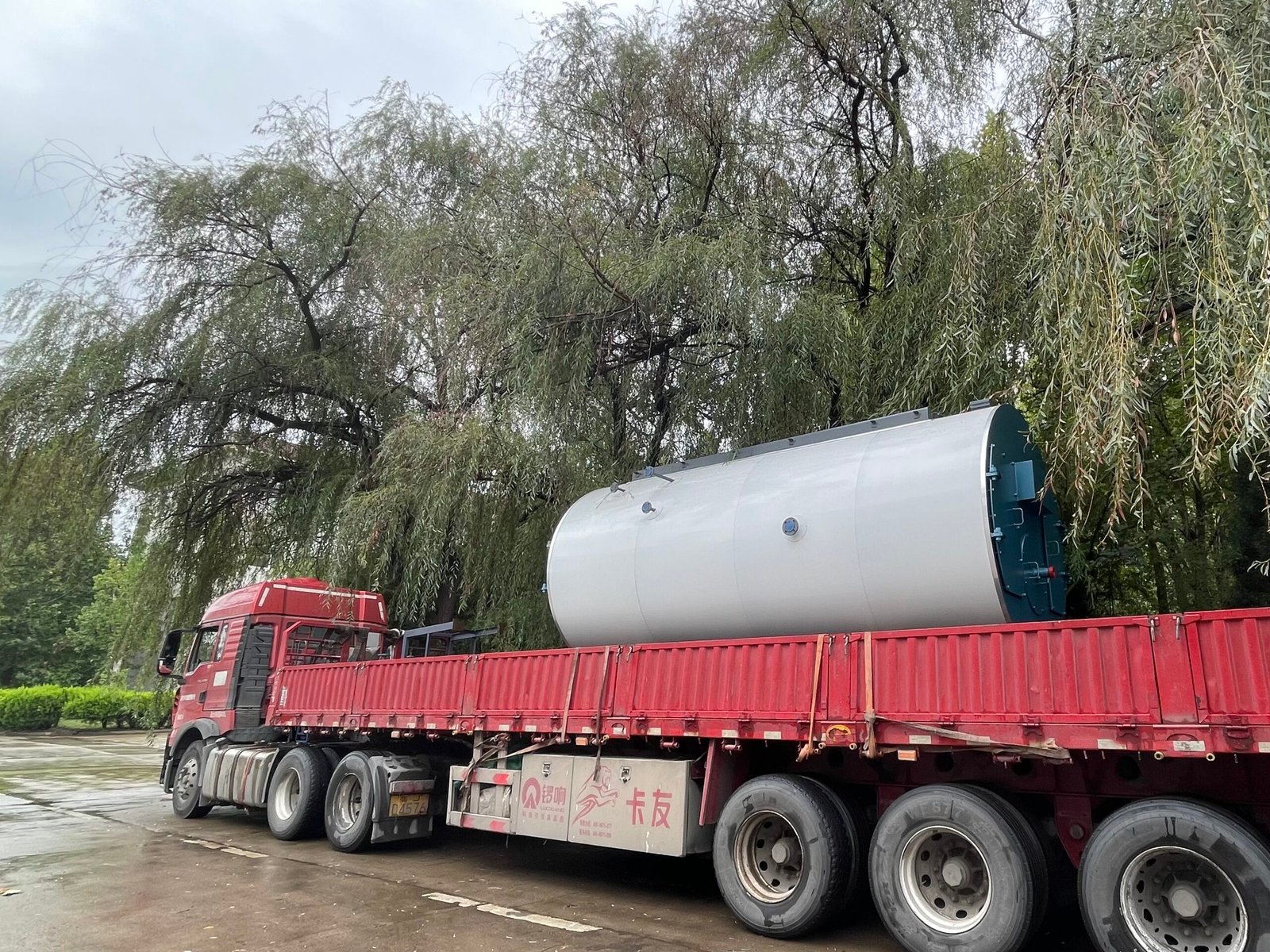
Many industrial facilities invest heavily in boiler systems without fully understanding how boiler structure affects operational efficiency, safety, fuel consumption, maintenance costs, scalability, and long-term production reliability. Selecting the wrong industrial boiler structure can lead to chronic steam instability, excessive energy waste, restricted future expansion, complicated maintenance procedures, and increased operating expenses for decades. Since industrial boilers serve as the thermal backbone of many manufacturing and processing operations, the structural design of the boiler directly impacts how effectively heat is transferred, how safely pressure is managed, and how efficiently steam is distributed throughout the facility. Different industries require different boiler configurations depending on production scale, pressure demands, available installation space, fuel type, environmental regulations, and operational goals. Understanding the key factors involved in industrial boiler structural selection is essential for achieving reliable, safe, and cost-effective long-term operation. 🔥
When choosing an industrial boiler structure, you should consider steam capacity requirements, operating pressure, available installation space, fuel type, thermal efficiency, maintenance accessibility, safety standards, future scalability, water quality, environmental regulations, operational costs, and industry-specific production demands. The ideal boiler structure balances efficiency, reliability, safety, installation feasibility, and long-term operational economics based on the facility’s unique industrial application.
Industrial boiler selection is not simply about choosing between horizontal or vertical designs, or between water-tube and fire-tube systems. It is a comprehensive engineering decision involving thermodynamics, pressure vessel mechanics, fuel combustion behavior, plant infrastructure, regulatory compliance, and operational lifecycle analysis. The following guide explores the most important factors that influence industrial boiler structural selection from a professional engineering and manufacturing perspective. ⚙️
Water-tube boilers are generally preferred for very high-pressure industrial applications.True
Their tube-based pressure distribution allows safer operation at extremely high steam pressures.
The cheapest industrial boiler is always the most economical long-term choice.False
Long-term operational efficiency, maintenance costs, fuel consumption, and lifespan often have greater financial impact than initial purchase price alone.
Understanding Why Boiler Structure Matters 🏭
Industrial boilers are large thermal systems designed to generate steam or hot water for manufacturing, processing, heating, sterilization, cleaning, or power generation applications.
The structural design of a boiler determines:
- How heat is transferred
- How steam pressure is managed
- How efficiently fuel is consumed
- How maintenance is performed
- How safely the system operates
- How easily the system can expand
Poor boiler structure selection may lead to:
- Excessive fuel costs
- Steam instability
- Pressure fluctuations
- Frequent downtime
- Difficult maintenance
- Reduced equipment lifespan
- Limited production scalability
Because industrial boilers often operate continuously for decades, selecting the correct structure is one of the most important engineering investments a facility can make. 🔥
Steam Capacity Requirements Are the First Priority ⚡
One of the most important factors in boiler selection is the required steam generation capacity.
Industrial facilities vary enormously in steam demand:
- Small laundries may require less than 500 kg/h
- Medium food factories may need several tons per hour
- Power plants may require hundreds of tons per hour
Boiler structure must match operational demand.
Fire-Tube Boilers
Fire-tube boilers are generally suitable for:
- Low to medium steam demand
- Moderate industrial processes
- Commercial heating systems
Water-Tube Boilers
Water-tube boilers are preferred for:
- Large steam loads
- Continuous heavy industrial operation
- Utility-scale energy systems
| Steam Demand Level | Recommended Boiler Structure |
|---|---|
| Low Capacity | Vertical Fire-Tube |
| Medium Capacity | Horizontal Fire-Tube |
| High Capacity | Water-Tube |
| Ultra-High Capacity | Advanced Water-Tube |
Undersized boilers may create pressure instability, while oversized boilers may waste fuel and reduce efficiency.
Operating Pressure Determines Structural Design 🌡️
Steam pressure requirements significantly influence boiler structure selection.
Low-pressure systems are common in:
- Building heating
- Food preparation
- Laundry operations
- Humidification
High-pressure systems are essential in:
- Power generation
- Petrochemical processing
- Refining
- Heavy manufacturing
Water-tube boilers are generally preferred for high-pressure applications because their small-diameter tubes distribute pressure more safely.
Fire-tube boilers become less practical as pressure increases because large shell structures experience higher stress concentrations.
| Pressure Requirement | Recommended Structure |
|---|---|
| Low Pressure | Fire-Tube |
| Medium Pressure | Fire-Tube or Water-Tube |
| High Pressure | Water-Tube |
| Supercritical Pressure | Advanced Water-Tube |
Pressure requirements directly affect:
- Material thickness
- Tube configuration
- Safety systems
- Circulation design
- Structural reinforcement
Available Installation Space Influences Boiler Orientation 📏
Space limitations strongly affect industrial boiler selection.
Horizontal Boilers
Advantages:
- Easier maintenance access
- Larger steam capacity
- Better scalability
Disadvantages:
- Larger floor footprint
Vertical Boilers
Advantages:
- Compact footprint
- Easier retrofit installation
- Space-saving design
Disadvantages:
- More limited maintenance access
- Lower capacity
| Space Factor | Horizontal Boiler | Vertical Boiler |
|---|---|---|
| Floor Space Requirement | Larger | Smaller |
| Ceiling Height Requirement | Moderate | Higher |
| Maintenance Accessibility | Better | Moderate |
| Compact Installation Suitability | Moderate | Excellent |
Facilities with limited mechanical room space often prefer vertical or modular boiler systems. 🏗️
Fuel Type and Combustion Characteristics ⛽
Fuel availability and combustion behavior play critical roles in boiler structure selection.
Common industrial fuels include:
- Natural gas
- Diesel
- Heavy oil
- Coal
- Biomass
- Biogas
- Hydrogen blends
Different boiler structures handle fuel combustion differently.
Fire-Tube Boilers
- Simpler combustion systems
- Good for clean fuels
- Moderate fuel flexibility
Water-Tube Boilers
- Advanced burner integration
- Better for complex fuel systems
- Improved combustion optimization
| Fuel Type | Preferred Boiler Structure |
|---|---|
| Natural Gas | Both |
| Diesel | Both |
| Biomass | Water-Tube Often Preferred |
| Coal | Water-Tube Preferred |
| Hydrogen Blends | Advanced Water-Tube |
Fuel selection influences:
- Furnace size
- Burner configuration
- Heat transfer requirements
- Emission control systems
Thermal Efficiency and Energy Consumption 🔥
Boiler efficiency directly impacts long-term operating costs.
High-efficiency boilers reduce:
- Fuel consumption
- Emissions
- Operational expenses
Modern boiler efficiency improvements include:
- Economizers
- Condensing systems
- AI combustion control
- Heat recovery technologies
- Low-NOx burners
Water-tube boilers generally achieve higher efficiency in large-scale continuous operations.
Fire-tube boilers can still provide excellent efficiency in moderate-load applications.
| Efficiency Factor | Fire-Tube | Water-Tube |
|---|---|---|
| Moderate Load Efficiency | Excellent | Excellent |
| High-Capacity Efficiency | Good | Superior |
| Rapid Load Adaptability | Moderate | Excellent |
| Advanced Heat Recovery Integration | Moderate | Excellent |
Fuel costs over decades often exceed initial boiler purchase price many times over. 💰
Maintenance Accessibility and Downtime 🔧
Maintenance requirements strongly affect long-term boiler economics.
Important considerations include:
- Tube cleaning accessibility
- Inspection simplicity
- Spare parts availability
- Maintenance frequency
- Repair downtime
Fire-tube boilers are generally easier to maintain because:
- Tube layouts are simpler
- Access openings are larger
- Internal circulation systems are less complex
Water-tube boilers require:
- More advanced maintenance procedures
- Better water chemistry control
- Skilled technicians
| Maintenance Factor | Fire-Tube | Water-Tube |
|---|---|---|
| Inspection Simplicity | Easier | More Complex |
| Tube Cleaning | Easier | More Technical |
| Water Treatment Sensitivity | Moderate | High |
| Skilled Labor Requirement | Moderate | Higher |
Facilities with limited maintenance staff may prioritize simpler boiler structures.
Water Quality and Treatment Requirements 💧
Water quality is extremely important in industrial boiler operation.
Poor water treatment may cause:
- Scale buildup
- Corrosion
- Tube overheating
- Reduced efficiency
- Boiler failure
Water-tube boilers are particularly sensitive because their smaller tubes can clog more easily.
Industries with poor water treatment infrastructure may prefer:
- Simpler fire-tube systems
- Lower-pressure designs
Modern boiler plants often include:
- Reverse osmosis systems
- Deaerators
- Chemical dosing
- Condensate recovery
Safety Standards and Regulatory Compliance 🛡️
Industrial boilers must comply with:
- ASME standards
- EN regulations
- ISO standards
- National boiler inspection codes
Safety considerations include:
- Pressure containment
- Explosion prevention
- Ventilation
- Emergency shutdown systems
- Combustion safety controls
Water-tube boilers generally provide safer high-pressure operation because they contain smaller water volumes.
However, all industrial boilers require:
- Safety valves
- Low-water cutoffs
- Pressure monitoring
- Burner management systems
Future Scalability and Expansion Planning 🔄
Many facilities expand production over time.
Boiler structure should support:
- Increased steam demand
- Additional process lines
- Future fuel transitions
- Automation upgrades
Horizontal and modular boiler systems generally provide better scalability.
Facilities planning long-term growth often select structures with:
- Additional capacity margin
- Space for future equipment
- Flexible piping integration
Environmental Regulations and Emissions 🌱
Environmental compliance increasingly affects boiler design.
Modern regulations target:
- NOx emissions
- Carbon emissions
- Fuel efficiency
- Waste heat recovery
Advanced water-tube systems often integrate:
- Low-NOx combustion
- Flue gas recirculation
- Carbon reduction technologies
However, modern condensing fire-tube boilers can also achieve excellent environmental performance.
Operational Reliability and Continuous Production ⚙️
Industrial facilities operating 24/7 require:
- Stable steam pressure
- Reliable combustion
- Minimal downtime
- Strong redundancy systems
Water-tube boilers are preferred for:
- Continuous heavy operation
- Rapid load changes
- Utility-scale reliability
Fire-tube boilers are highly reliable in:
- Moderate-demand operations
- Commercial applications
- Stable production environments
Lifecycle Cost Is More Important Than Purchase Price 💵
Many buyers focus too heavily on initial purchase cost.
However, true boiler economics involve:
- Fuel consumption
- Maintenance costs
- Downtime risk
- Operator staffing
- Spare parts
- Lifespan
- Efficiency
| Cost Factor | Importance |
|---|---|
| Initial Equipment Cost | Moderate |
| Fuel Efficiency | Extremely High |
| Maintenance Cost | High |
| Operational Downtime | Very High |
| Lifespan | Very High |
The most economical boiler is usually the one that minimizes total lifecycle operating cost rather than initial investment alone.
Common Boiler Structure Selection Examples 🏢
| Industry | Common Boiler Structure |
|---|---|
| Hotels | Vertical Fire-Tube |
| Food Processing | Horizontal Fire-Tube |
| Textile Manufacturing | Water-Tube |
| Power Generation | Water-Tube |
| Hospitals | Fire-Tube |
| Petrochemical Plants | Water-Tube |
| Breweries | Fire-Tube |
| Steel Manufacturing | Water-Tube |
Different industries prioritize different factors such as:
- Efficiency
- Pressure
- Space
- Reliability
- Maintenance simplicity
Why Boiler Structural Selection Is a Strategic Engineering Decision 🤔
Choosing an industrial boiler structure requires balancing steam capacity, operating pressure, installation space, fuel type, efficiency, maintenance accessibility, safety requirements, scalability, environmental compliance, and long-term operating economics. Fire-tube boilers offer simplicity, affordability, and reliable performance for low- and medium-pressure applications, while water-tube boilers provide superior efficiency, scalability, and high-pressure capability for large industrial operations. Horizontal and vertical orientations further influence space utilization, maintenance accessibility, and installation feasibility. A properly selected boiler structure improves energy efficiency, production reliability, operational safety, and long-term profitability while reducing downtime and operating costs. 🔥
Conclusion
Industrial boilers are categorized by structural design to meet different operational, spatial, and performance requirements. Horizontal and vertical configurations address installation and capacity needs, while water-tube and fire-tube designs determine pressure capability, efficiency, and maintenance characteristics. Understanding these structural classifications helps industries select the most efficient, reliable, and cost-effective boiler system for their applications.
If you need assistance selecting the right industrial boiler structure for your facility, contact us today. Our experts provide customized boiler solutions and professional guidance to help you achieve optimal efficiency, reliability, and long-term operational success.
FAQ
Q1: How are industrial boilers categorized by structural design?
A1:
Industrial boilers are commonly categorized based on their structural configuration and heat transfer arrangement. The two primary structural classifications are horizontal versus vertical boilers and water-tube versus fire-tube boilers. These classifications help determine the boiler’s capacity, efficiency, installation requirements, and industrial applications.
Horizontal and vertical classifications refer to the orientation of the boiler shell or main pressure vessel. Horizontal boilers are designed with the shell positioned horizontally, while vertical boilers have an upright structure. The orientation affects floor space requirements, maintenance accessibility, and steam generation capacity.
Water-tube and fire-tube classifications describe how water and hot combustion gases flow inside the boiler. In water-tube boilers, water circulates inside tubes while hot gases flow around them. In fire-tube boilers, hot gases pass through tubes surrounded by water.
Each structural design offers unique advantages depending on operational requirements. Horizontal fire-tube boilers are commonly used in small and medium industrial applications because of their simplicity and compact design. Water-tube boilers are preferred for high-pressure and high-capacity applications such as power plants.
In summary, industrial boilers are categorized structurally by orientation and internal heat transfer arrangement, helping industries select the most suitable system for efficiency, capacity, and space requirements.
Q2: What are the characteristics of horizontal and vertical boilers?
A2:
Horizontal and vertical boilers differ mainly in their orientation, installation footprint, and operational capacity. Horizontal boilers have a cylindrical shell positioned horizontally, making them suitable for facilities with sufficient floor space. These boilers are widely used because they provide larger heating surfaces and greater steam generation capacity.
One of the advantages of horizontal boilers is easier maintenance access. Components such as burners, tubes, and inspection ports are generally more accessible, simplifying cleaning and servicing. Horizontal designs are also more stable and suitable for larger industrial loads.
Vertical boilers, on the other hand, have an upright design with a smaller floor footprint. They are ideal for facilities where floor space is limited, such as small factories, ships, hospitals, and compact industrial plants.
Vertical boilers are usually simpler and faster to install because of their compact structure. However, they typically have lower steam capacity and efficiency compared to larger horizontal systems.
Another difference is water and steam separation. Horizontal boilers generally provide better steam quality due to larger steam space and improved circulation.
In conclusion, horizontal boilers are preferred for larger-capacity applications with available space, while vertical boilers are chosen for compact installations and smaller steam demands.
Q3: What is the difference between water-tube and fire-tube boilers?
A3:
The main difference between water-tube and fire-tube boilers lies in how water and combustion gases are arranged within the system. In water-tube boilers, water flows inside the tubes while hot gases surround the tubes externally. In fire-tube boilers, hot combustion gases pass through tubes that are submerged in water.
Water-tube boilers are designed for high-pressure and high-temperature applications. Their structure allows rapid heat transfer and efficient steam generation, making them suitable for power plants, chemical industries, and large manufacturing facilities.
Fire-tube boilers are generally simpler in design and are commonly used for low- to medium-pressure applications. They are widely used in food processing, textiles, laundries, and small industrial plants because of their lower cost and easier operation.
Another major difference is steam generation capacity. Water-tube boilers can produce large volumes of steam quickly, while fire-tube boilers are better suited for moderate steam demands.
Safety characteristics also differ. Water-tube boilers contain less water relative to steam output, reducing explosion risks under high pressure. Fire-tube boilers contain larger water volumes and are typically operated at lower pressures for safety.
In summary, water-tube boilers are ideal for high-capacity and high-pressure operations, while fire-tube boilers are preferred for simpler, lower-pressure industrial applications.
Q4: Why are water-tube boilers preferred in power plants?
A4:
Water-tube boilers are preferred in power plants because they can safely operate at extremely high pressures and temperatures while producing large quantities of steam efficiently. These characteristics are essential for modern electricity generation systems.
One major advantage is their ability to generate steam rapidly. Because water circulates through relatively small tubes with large heating surfaces, heat transfer is highly efficient. This allows fast response to load changes and continuous high-capacity steam production.
Water-tube boilers are also more suitable for superheated and ultra-supercritical steam applications. These advanced power generation systems require steam temperatures above 500°C and extremely high pressures to maximize thermal efficiency.
Safety is another important factor. Water-tube boilers contain smaller amounts of water within the tubes, reducing the risk of catastrophic explosions compared to large-volume fire-tube systems.
Their modular design also allows greater flexibility in plant layout and scalability. Engineers can design water-tube systems for very large industrial capacities while maintaining operational efficiency.
Additionally, water-tube boilers can accommodate advanced combustion systems such as pulverized coal firing, fluidized bed combustion, and waste heat recovery.
In conclusion, power plants prefer water-tube boilers because of their high-pressure capability, rapid steam generation, improved safety, efficiency, and adaptability to advanced technologies.
Q5: What are the advantages of fire-tube boilers in industrial applications?
A5:
Fire-tube boilers remain highly popular in industrial applications because of their simplicity, reliability, and cost-effectiveness. Their design is straightforward, with hot combustion gases traveling through tubes surrounded by water, making them easier to manufacture and maintain.
One of the biggest advantages is lower initial investment cost. Fire-tube boilers are generally less expensive than water-tube systems, making them attractive for small and medium industrial facilities.
They are also easier to install and operate. Their simpler control systems and maintenance procedures reduce the need for highly specialized operators.
Another advantage is stable steam production under fluctuating loads. Fire-tube boilers contain larger water volumes, allowing them to handle short-term demand changes effectively.
Maintenance accessibility is also relatively convenient. Tube cleaning, inspections, and repairs are often simpler than in more complex water-tube systems.
Fire-tube boilers are particularly well suited for applications requiring moderate steam pressure and capacity, such as food processing, breweries, textile production, hospitals, schools, and commercial buildings.
However, they are generally not suitable for extremely high-pressure or very large-scale applications because of structural limitations.
In summary, fire-tube boilers are valued for their affordability, operational simplicity, reliability, and suitability for medium-scale industrial steam production.
References
- Industrial Boiler Design Fundamentals – https://www.energy.gov/eere/amo/steam-systems – U.S. Department of Energy
- Fire-Tube and Water-Tube Boiler Systems – https://www.spiraxsarco.com – Spirax Sarco
- Boiler Structural Classification – https://www.asme.org – ASME
- Industrial Steam Generation – https://www.tlv.com – TLV International
- Boiler Engineering Principles – https://www.engineeringtoolbox.com – Engineering Toolbox
- Power Plant Boiler Technology – https://www.ge.com/power – General Electric
- Industrial Heating Equipment – https://www.sciencedirect.com – ScienceDirect
- Boiler Safety Standards – https://www.osha.gov – OSHA
- Thermal Power Engineering – https://www.iea.org – International Energy Agency
- HVAC and Boiler Systems – https://www.ashrae.org – ASHRAE