Improper installation and commissioning of industrial boilers can lead to serious operational issues such as reduced efficiency, frequent breakdowns, safety hazards, and costly downtime. Many projects encounter delays or performance problems because critical procedures are overlooked during setup and startup. Without proper planning, alignment, testing, and operator training, even a high-quality boiler may fail to achieve its designed performance. Following best practices for installation and commissioning is essential to ensure safe, efficient, and reliable boiler operation from day one.
Best practices for industrial boiler installation and commissioning include proper site preparation, compliance with engineering and safety standards, accurate piping and electrical integration, thorough inspection and testing, water treatment preparation, combustion tuning, control system calibration, and comprehensive operator training. These steps help ensure optimal performance, safe startup, regulatory compliance, and long-term operational reliability.
Understanding each stage of installation and commissioning can help businesses avoid costly mistakes and maximize the lifespan and efficiency of their boiler systems.
How Should Site Preparation Be Managed for Industrial Boiler Installation?
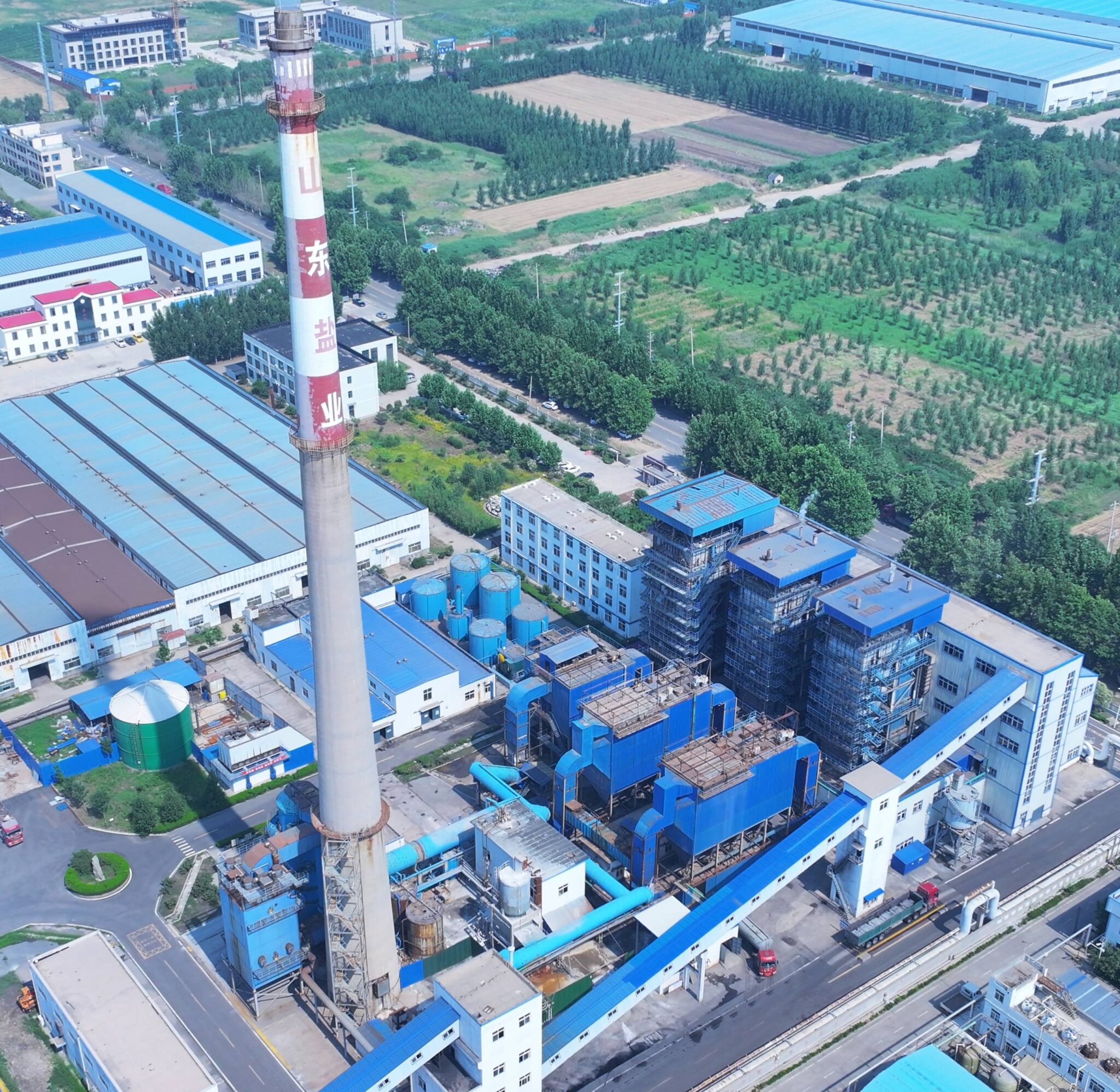
Industrial boiler installation is one of the most technically demanding phases of any steam or hot water generation project because the performance, safety, reliability, and long-term operational efficiency of the system are heavily influenced by how well the installation site is prepared before equipment arrives. Unfortunately, many industrial facilities underestimate the complexity of site preparation and focus primarily on boiler procurement rather than infrastructure readiness. ⚠️ This oversight can lead to serious problems such as delayed installation schedules, structural modifications, safety hazards, equipment access limitations, utility conflicts, commissioning failures, increased project costs, and long-term maintenance difficulties. In many cases, even a high-quality boiler system may fail to achieve expected operational performance if the surrounding site infrastructure is not properly engineered and coordinated beforehand.
Industrial boiler installation site preparation should be managed through a structured process that includes site assessment, foundation engineering, utility planning, equipment access evaluation, ventilation design, piping coordination, electrical preparation, safety compliance, logistics planning, environmental control, and construction sequencing. Effective site preparation reduces installation risk, improves project efficiency, supports regulatory compliance, enhances operational reliability, and minimizes long-term maintenance challenges.
For plant owners, EPC contractors, project managers, consulting engineers, maintenance teams, and industrial facility operators, understanding how to manage boiler installation site preparation is essential for ensuring safe, efficient, and cost-effective project execution. 📊 This article explores the key technical, operational, and logistical considerations involved in preparing industrial boiler installation sites and explains why early planning is critical for successful long-term boiler operation.
Proper site preparation significantly improves industrial boiler installation efficiency and operational reliability.True
Well-prepared sites reduce construction delays, improve equipment integration, and support long-term safe operation.
Industrial boiler installation only requires sufficient floor space for the boiler itself.False
Boiler installations also require structural support, utility integration, ventilation systems, maintenance access, and safety infrastructure.
Why Site Preparation Matters in Boiler Projects 💡
Industrial boilers are large, heavy, high-energy systems that interact with nearly every major facility utility, including fuel supply, electrical infrastructure, water treatment, steam distribution, condensate recovery, emissions control, and ventilation systems. Because these systems operate under pressure and elevated temperatures, installation quality and site readiness directly influence both operational performance and workplace safety.
Poor site preparation can result in:
· Construction delays
· Equipment damage
· Structural failures
· Unsafe operating conditions
· Increased downtime
· Higher maintenance costs
➡️ In contrast, well-planned installation sites improve project coordination, simplify commissioning, and support long-term reliability.
Core Objectives of Boiler Site Preparation
| Objective | Purpose |
|---|---|
| Ensure Structural Integrity | Support Heavy Equipment |
| Improve Installation Efficiency | Reduce Delays |
| Support Safe Operation | Protect Personnel |
| Simplify Maintenance Access | Improve Serviceability |
| Optimize Utility Integration | Enhance Performance |
Strong site preparation creates the operational foundation for the entire boiler lifecycle.
Conducting a Comprehensive Site Assessment 🔍
The first step in boiler site preparation is performing a detailed assessment of the proposed installation area. This evaluation helps identify physical constraints, infrastructure limitations, environmental challenges, and logistical risks before construction begins.
A comprehensive site assessment typically examines:
· Available floor space
· Structural load capacity
· Utility access points
· Ventilation pathways
· Transportation routes
· Environmental conditions
➡️ Early identification of site constraints significantly reduces costly redesigns later in the project.
Key Site Assessment Areas
| Assessment Area | Importance |
|---|---|
| Structural Capacity | Equipment Support |
| Access Routes | Equipment Delivery |
| Utility Availability | System Integration |
| Ventilation Conditions | Combustion Safety |
| Drainage Systems | Water Management |
Thorough site evaluations improve installation planning accuracy and project coordination.
Foundation Design and Structural Engineering 🏗️
Industrial boilers are extremely heavy systems, especially when fully operational and filled with water. As a result, properly engineered foundations are essential for maintaining structural stability and preventing long-term alignment or vibration problems.
Foundation design must consider:
· Equipment weight distribution
· Dynamic operational loads
· Thermal expansion effects
· Seismic requirements
· Soil conditions
Typical Foundation Considerations
| Factor | Engineering Impact |
|---|---|
| Static Boiler Weight | Structural Support |
| Vibration Loads | Stability Control |
| Thermal Expansion | Movement Accommodation |
| Seismic Design | Safety Compliance |
➡️ Poor foundation design can eventually lead to piping stress, equipment misalignment, and structural cracking.
Planning Equipment Access and Logistics 🚚
One of the most commonly overlooked installation challenges involves transporting large boiler components into the installation area safely and efficiently. Some industrial boilers require oversized transport equipment, crane operations, temporary structural removal, or specialized rigging procedures.
Before equipment delivery, project teams should evaluate:
· Access road dimensions
· Doorway clearances
· Crane positioning areas
· Ceiling height restrictions
· Lifting capacities
Equipment Access Planning
| Logistics Factor | Importance |
|---|---|
| Crane Accessibility | Safe Lifting Operations |
| Transport Clearance | Delivery Feasibility |
| Floor Loading Capacity | Equipment Movement |
| Temporary Storage Areas | Installation Coordination |
➡️ Early logistics planning prevents costly delivery disruptions and installation delays.
Utility Infrastructure Preparation ⚡💧⛽
Industrial boilers depend on multiple utility systems operating simultaneously. Consequently, site preparation must ensure that all required utilities are properly sized, routed, and coordinated before installation begins.
Key utilities include:
· Fuel supply systems
· Electrical power distribution
· Feedwater systems
· Steam piping networks
· Condensate return systems
· Drainage infrastructure
Utility Preparation Checklist
| Utility System | Preparation Requirement |
|---|---|
| Natural Gas Supply | Pressure and Capacity Verification |
| Electrical Feed | Power Availability |
| Feedwater Supply | Water Quality Integration |
| Steam Headers | Pressure Compatibility |
| Drain Systems | Blowdown Handling |
➡️ Utility coordination problems are among the leading causes of boiler commissioning delays.
Ventilation and Combustion Air Requirements 🌬️🔥
Proper ventilation is essential for both combustion efficiency and personnel safety. Boilers require adequate combustion air supply to ensure stable burner operation and minimize dangerous combustion byproducts.
Site preparation should evaluate:
· Fresh air intake capacity
· Exhaust ventilation pathways
· Airflow obstructions
· Heat accumulation risks
· Emergency ventilation requirements
Ventilation Design Factors
| Ventilation Factor | Operational Impact |
|---|---|
| Combustion Air Supply | Burner Efficiency |
| Heat Removal | Equipment Protection |
| Exhaust Ventilation | Personnel Safety |
| Airflow Stability | Combustion Reliability |
➡️ Insufficient ventilation can reduce efficiency, increase emissions, and create hazardous operating conditions.
Steam and Piping System Coordination 🔧
Industrial boiler installations require extensive piping integration involving steam, condensate, fuel, feedwater, blowdown, and safety relief systems.
Site preparation should therefore include:
· Piping route planning
· Expansion allowance evaluation
· Support structure installation
· Isolation valve positioning
· Future maintenance access
Piping Preparation Considerations
| Piping Factor | Purpose |
|---|---|
| Expansion Loops | Thermal Movement Control |
| Pipe Supports | Structural Stability |
| Valve Accessibility | Operational Safety |
| Drainage Design | Condensate Management |
➡️ Poor piping coordination can create vibration, leakage, and long-term reliability issues.
Electrical and Control System Preparation 🤖⚡
Modern industrial boilers rely heavily on automation systems, sensors, control panels, safety interlocks, and digital communication infrastructure.
Site preparation must ensure:
· Proper electrical capacity
· Cable tray installation
· Grounding systems
· Control room integration
· Network communication readiness
Electrical Infrastructure Requirements
| Electrical Area | Importance |
|---|---|
| Main Power Supply | Operational Reliability |
| Control Wiring | Automation Integration |
| Grounding Systems | Electrical Safety |
| Communication Networks | Data Integration |
➡️ Electrical coordination should begin early to avoid startup integration problems.
Safety Planning and Regulatory Compliance 🛡️📋
Industrial boiler installations must comply with numerous safety regulations, pressure vessel standards, fire codes, and environmental requirements.
Site preparation should address:
· Emergency exits
· Fire suppression systems
· Safety clearances
· Gas detection systems
· Noise control measures
Boiler Room Safety Requirements
| Safety Area | Purpose |
|---|---|
| Emergency Shutdown Access | Hazard Mitigation |
| Fire Protection Systems | Risk Reduction |
| Safe Clearance Zones | Maintenance Safety |
| Ventilation Monitoring | Personnel Protection |
➡️ Safety compliance should be integrated into the site design from the beginning rather than added later.
Water Treatment and Drainage Infrastructure 💧
Water quality management is critical for long-term boiler reliability because poor water chemistry can rapidly damage internal components through corrosion, scaling, and fouling.
Site preparation should therefore include:
· Water treatment system placement
· Chemical storage planning
· Blowdown drainage systems
· Water sampling stations
Water Infrastructure Preparation
| System | Function |
|---|---|
| Water Softening Equipment | Scale Prevention |
| Chemical Dosing Systems | Corrosion Control |
| Blowdown Tanks | Pressure Reduction |
| Drainage Networks | Wastewater Management |
➡️ Proper water treatment infrastructure extends boiler service life significantly.
Environmental and Emissions Considerations 🌍
Modern industrial boilers must comply with increasingly strict environmental regulations related to emissions, noise, and wastewater discharge.
Site preparation should evaluate:
· Stack height requirements
· Emissions monitoring systems
· Noise insulation measures
· Wastewater discharge compliance
Environmental Planning Factors
| Environmental Area | Compliance Objective |
|---|---|
| NOx Emissions | Air Quality Compliance |
| Noise Levels | Workplace Safety |
| Wastewater Handling | Environmental Protection |
➡️ Environmental infrastructure should be coordinated with local regulatory authorities early in the project.
Construction Sequencing and Project Coordination 📅
Industrial boiler installation projects involve multiple contractors working simultaneously across different engineering disciplines. Poor sequencing can create congestion, rework, and schedule conflicts.
Effective project coordination includes:
· Construction scheduling
· Contractor interface planning
· Equipment delivery timing
· Inspection coordination
· Permit management
Construction Coordination Areas
| Coordination Factor | Project Benefit |
|---|---|
| Delivery Sequencing | Reduced Congestion |
| Contractor Scheduling | Better Efficiency |
| Inspection Planning | Compliance Assurance |
| Permit Coordination | Faster Approvals |
➡️ Strong project coordination minimizes delays and improves installation quality.
Maintenance Access and Future Serviceability 🔩
One of the most valuable long-term investments during site preparation is designing adequate maintenance access around the boiler system. Unfortunately, maintenance space is often sacrificed to reduce installation footprint, creating serious operational challenges later.
Important considerations include:
· Tube cleaning access
· Burner maintenance clearance
· Pump removal pathways
· Instrumentation accessibility
Maintenance Planning Requirements
| Maintenance Area | Operational Benefit |
|---|---|
| Access Platforms | Safer Service Work |
| Component Clearance | Easier Repairs |
| Inspection Openings | Faster Maintenance |
| Spare Equipment Space | Reduced Downtime |
➡️ Good maintenance accessibility significantly lowers lifecycle operating costs.
Real Industrial Example 📚
A manufacturing facility planned to replace an aging fire-tube boiler with a larger high-efficiency water-tube system. Initially, the project focused primarily on boiler procurement while underestimating installation site complexity.
During installation, the project encountered multiple problems:
· Existing foundations lacked sufficient load capacity
· Door openings were too small for equipment delivery
· Combustion air supply was inadequate
· Electrical infrastructure required major upgrades
· Steam piping supports needed redesign
The facility later conducted a complete site reassessment and implemented:
✔️ Reinforced structural foundations
✔️ Revised utility routing plans
✔️ Improved ventilation systems
✔️ Expanded maintenance access areas
✔️ Coordinated contractor scheduling
As a result, the project achieved safer installation conditions and significantly improved long-term operational reliability.
Common Site Preparation Mistakes ❌
Many industrial boiler projects experience avoidable delays and cost overruns because of insufficient preparation.
Frequent Errors
| Mistake | Consequence |
|---|---|
| Inadequate Foundation Design | Structural Problems |
| Poor Utility Coordination | Commissioning Delays |
| Limited Maintenance Access | Higher OPEX |
| Insufficient Ventilation | Combustion Issues |
| Weak Logistics Planning | Delivery Delays |
➡️ Careful preparation dramatically reduces installation risk and lifecycle costs.
Future Trends in Boiler Installation Planning 🚀
Industrial boiler installation practices continue evolving as digital engineering and sustainability initiatives expand.
Emerging Trends
| Trend | Expected Impact |
|---|---|
| BIM-Based Installation Planning | Better Coordination |
| Modular Boiler Systems | Faster Installation |
| Digital Twin Modeling | Improved Site Visualization |
| Smart Utility Integration | Enhanced Efficiency |
| Low-Carbon Infrastructure Planning | Sustainability Support |
These technologies are improving installation precision and reducing project uncertainty.
Summary 🏁
Effective site preparation is one of the most important factors influencing the success of industrial boiler installation projects because it directly affects construction efficiency, operational reliability, safety performance, maintenance accessibility, and long-term lifecycle costs. 🔥 Proper preparation requires detailed planning across structural engineering, logistics management, utility integration, ventilation design, piping coordination, electrical infrastructure, safety compliance, environmental control, and construction sequencing.
➡️ Organizations that invest in comprehensive site preparation are far more likely to achieve smooth installation, faster commissioning, lower operational risk, and improved long-term boiler performance. Ultimately, successful industrial boiler projects begin long before equipment arrives on site—they begin with careful preparation of the environment in which the boiler will operate for decades.
Why Are Proper Piping, Electrical, and Ventilation Systems Critical During Boiler Installation?
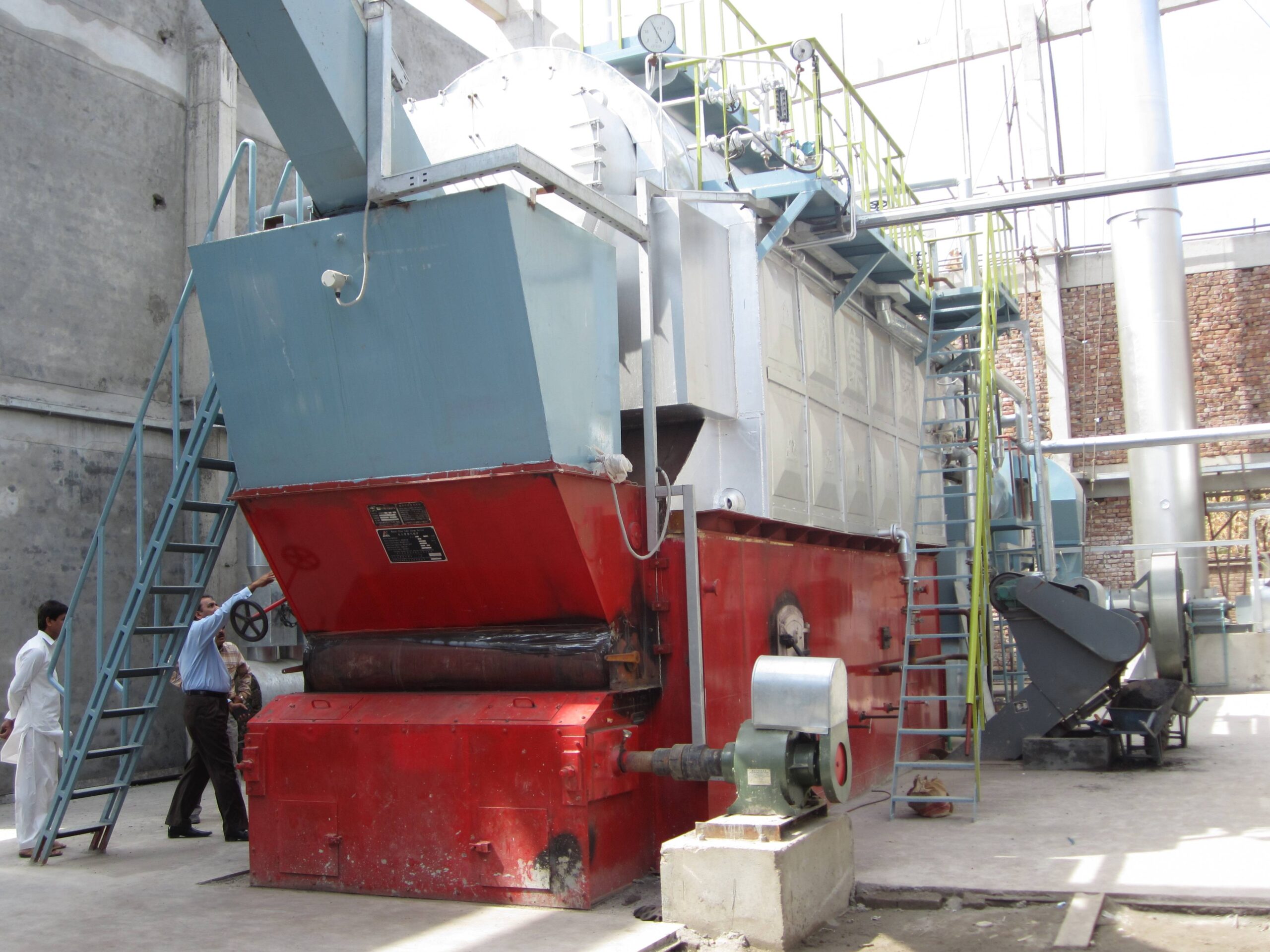
Industrial boiler systems are among the most complex pieces of equipment installed in industrial facilities because they integrate high-pressure steam generation, fuel combustion, electrical automation, heat transfer, water circulation, and environmental control within a single operating system. While the boiler itself often receives the most attention during procurement, the surrounding infrastructure—including piping systems, electrical integration, and ventilation design—is equally important for ensuring safe, efficient, and reliable operation. ⚠️ Unfortunately, some projects underestimate the significance of these supporting systems and focus primarily on boiler capacity or efficiency ratings, only to encounter major operational problems after installation. Inadequate piping layouts can create pressure instability and thermal stress, poor electrical integration can compromise automation and safety systems, and insufficient ventilation can reduce combustion efficiency while introducing dangerous safety risks. These infrastructure failures not only increase operating costs but may also lead to equipment damage, unplanned downtime, regulatory violations, and serious workplace hazards.
Proper piping, electrical, and ventilation systems are critical during boiler installation because they ensure safe steam and fluid transport, stable combustion performance, reliable electrical control, operational efficiency, environmental compliance, equipment protection, and personnel safety. Well-designed supporting infrastructure improves boiler reliability, reduces energy losses, prevents operational instability, supports regulatory compliance, and minimizes long-term maintenance and downtime costs.
For plant owners, project engineers, EPC contractors, maintenance teams, consulting engineers, and industrial facility managers, understanding the importance of these supporting systems is essential for successful boiler installation and long-term operational performance. 📊 This article explores why piping, electrical, and ventilation systems play such a critical role in industrial boiler installations and how proper engineering design affects safety, efficiency, and lifecycle reliability.
Proper piping, electrical, and ventilation systems are essential for safe and efficient industrial boiler operation.True
These systems support pressure stability, combustion safety, automation reliability, and operational efficiency throughout the boiler lifecycle.
Industrial boiler performance depends primarily on the boiler unit itself rather than supporting infrastructure.False
Poorly designed piping, electrical, and ventilation systems can severely compromise boiler efficiency, reliability, and safety.
Why Supporting Infrastructure Matters in Boiler Systems 💡
Industrial boilers do not operate as isolated machines. Instead, they function as integrated energy systems connected to multiple facility utilities and process networks. The performance of the entire boiler plant depends heavily on how effectively steam, water, fuel, electricity, and combustion air move through the surrounding infrastructure.
Poor infrastructure design can result in:
· Steam pressure fluctuations
· Electrical instability
· Combustion inefficiency
· Excessive maintenance requirements
· Safety hazards
· Premature equipment failure
➡️ In contrast, properly engineered support systems help boilers operate safely and efficiently under continuously changing industrial conditions.
Core Functions of Boiler Support Systems
| System | Primary Function |
|---|---|
| Piping Infrastructure | Fluid and Steam Transport |
| Electrical Systems | Automation and Power Distribution |
| Ventilation Systems | Combustion Air and Heat Removal |
Together, these systems create the operational environment necessary for reliable boiler performance.
The Critical Role of Boiler Piping Systems 🔧
Piping systems are the circulatory network of the boiler plant, transporting steam, condensate, fuel, feedwater, and blowdown fluids throughout the facility. Because industrial boilers operate under high pressure and elevated temperatures, piping systems must be carefully engineered to manage thermal expansion, pressure fluctuations, vibration, and fluid velocity.
Improper piping design may lead to:
· Pressure drops
· Steam quality loss
· Water hammer
· Thermal stress
· Leakage failures
➡️ Even highly efficient boilers cannot operate effectively if the piping infrastructure is poorly designed.
Main Boiler Piping Networks
| Piping System | Function |
|---|---|
| Steam Piping | Steam Distribution |
| Feedwater Piping | Boiler Water Supply |
| Condensate Return | Heat Recovery |
| Fuel Piping | Combustion Supply |
| Blowdown Piping | Water Quality Control |
Each piping network must be coordinated carefully to ensure stable system operation.
Steam Piping and Pressure Stability 🌡️
Steam piping design has a major influence on overall boiler performance because pressure losses and steam quality degradation can significantly reduce process efficiency.
Key steam piping considerations include:
· Pipe diameter sizing
· Pressure drop management
· Insulation quality
· Condensate drainage
· Expansion compensation
Steam Piping Design Factors
| Design Factor | Operational Impact |
|---|---|
| Proper Pipe Sizing | Stable Steam Pressure |
| High-Quality Insulation | Reduced Heat Loss |
| Effective Drainage | Improved Steam Quality |
| Expansion Loops | Stress Reduction |
➡️ Poor steam piping design can increase fuel consumption and reduce process stability.
Thermal Expansion and Mechanical Stress 🔥
Industrial boiler piping experiences significant thermal expansion during operation because temperatures may fluctuate dramatically between startup and full-load conditions.
Without proper expansion management:
· Pipe deformation may occur
· Weld failures can develop
· Equipment nozzles may crack
· Support structures can weaken
Expansion Management Methods
| Method | Purpose |
|---|---|
| Expansion Loops | Thermal Movement Absorption |
| Flexible Joints | Stress Reduction |
| Sliding Supports | Controlled Pipe Movement |
| Spring Hangers | Load Compensation |
➡️ Effective thermal expansion management is essential for long-term piping reliability.
Water Hammer Prevention 💧⚠️
Water hammer is one of the most dangerous piping-related issues in steam systems because sudden condensate movement can create violent pressure surges capable of damaging piping, valves, and boiler components.
Common causes include:
· Poor condensate drainage
· Incorrect pipe slopes
· Sudden valve closures
· Inadequate steam trapping
Water Hammer Risk Factors
| Cause | Consequence |
|---|---|
| Condensate Accumulation | Pressure Shock |
| Improper Drainage | Pipe Damage |
| Steam Velocity Instability | Mechanical Stress |
➡️ Proper piping engineering significantly reduces water hammer risks.
Electrical Systems and Boiler Automation ⚡🤖
Modern industrial boilers rely heavily on electrical systems for combustion control, safety management, process monitoring, efficiency optimization, and remote communication.
Electrical systems support:
· Burner management
· PLC automation
· Safety interlocks
· Alarm systems
· Sensor monitoring
Without reliable electrical integration, boiler operation becomes unstable and unsafe.
Main Electrical System Components
| Electrical Component | Function |
|---|---|
| PLC Controllers | Process Automation |
| Variable Frequency Drives | Pump and Fan Control |
| Burner Management Systems | Combustion Safety |
| HMI Interfaces | Operator Control |
| Emergency Shutdown Systems | Hazard Protection |
➡️ Advanced automation systems improve both efficiency and operational reliability.
Power Stability and Equipment Protection ⚙️
Industrial boiler control systems require stable electrical power to maintain safe operation and prevent control failures.
Electrical instability can cause:
· Burner shutdowns
· Sensor malfunctions
· Data communication errors
· Safety system failures
Electrical Reliability Factors
| Factor | Importance |
|---|---|
| Stable Voltage Supply | Reliable Automation |
| Proper Grounding | Electrical Safety |
| Surge Protection | Equipment Protection |
| Backup Power Systems | Operational Continuity |
➡️ Reliable power infrastructure protects both personnel and equipment.
Importance of Proper Grounding and Electrical Safety 🛡️⚡
Because industrial boiler systems combine water, metal pressure vessels, and electrical equipment, proper grounding and electrical protection are absolutely essential.
Electrical safety systems help prevent:
· Electrical shock hazards
· Fire risks
· Equipment damage
· Instrumentation interference
Boiler Electrical Safety Measures
| Safety Measure | Purpose |
|---|---|
| Grounding Systems | Personnel Protection |
| Circuit Protection | Equipment Safety |
| Isolation Switches | Maintenance Safety |
| Arc Flash Protection | Hazard Reduction |
➡️ Electrical safety planning must be integrated into the installation design from the beginning.
Ventilation Systems and Combustion Air 🌬️🔥
Industrial boilers require large volumes of combustion air to support fuel burning efficiently and safely. Ventilation systems therefore play a direct role in combustion quality, emissions performance, and workplace safety.
Insufficient ventilation can result in:
· Incomplete combustion
· Carbon monoxide formation
· Excessive heat buildup
· Reduced efficiency
· Dangerous oxygen depletion
Ventilation System Functions
| Ventilation Function | Operational Benefit |
|---|---|
| Combustion Air Supply | Efficient Fuel Burning |
| Heat Removal | Equipment Protection |
| Exhaust Ventilation | Personnel Safety |
| Air Quality Management | Regulatory Compliance |
➡️ Proper ventilation improves both combustion efficiency and operational safety.
Combustion Efficiency and Airflow Control 🔥📈
Combustion performance depends heavily on maintaining the correct fuel-to-air ratio within the burner system.
Poor airflow management may lead to:
· Excess fuel consumption
· Elevated emissions
· Flame instability
· Soot accumulation
Combustion Air Design Considerations
| Design Factor | Operational Impact |
|---|---|
| Airflow Volume | Combustion Stability |
| Air Distribution | Flame Consistency |
| Intake Positioning | Clean Air Supply |
| Ventilation Balance | Heat Management |
➡️ Optimized airflow improves energy efficiency and emissions control.
Boiler Room Heat Management 🌡️🏭
Industrial boiler rooms generate substantial heat during operation. Without adequate ventilation, excessive temperatures can damage electrical equipment, reduce component lifespan, and create unsafe working conditions.
Heat Management Strategies
| Strategy | Benefit |
|---|---|
| Exhaust Ventilation Fans | Temperature Reduction |
| Fresh Air Intake Systems | Cooling Support |
| Heat Insulation | Thermal Control |
| Equipment Separation | Reduced Heat Exposure |
➡️ Proper heat management extends equipment life and improves maintenance safety.
Emissions and Environmental Compliance 🌍
Ventilation systems also influence environmental performance because combustion air quality directly affects emissions formation.
Regulatory compliance may involve:
· NOx reduction requirements
· CO emissions limits
· Stack airflow management
· Exhaust gas monitoring
Environmental Ventilation Factors
| Compliance Area | Importance |
|---|---|
| Airflow Optimization | Lower Emissions |
| Exhaust Monitoring | Regulatory Reporting |
| Combustion Stability | Cleaner Operation |
➡️ Well-designed ventilation supports both efficiency and sustainability goals.
Integration Between Systems 🔄
One of the most important aspects of industrial boiler installation is ensuring proper coordination between piping, electrical, and ventilation systems because these infrastructures interact continuously during operation.
For example:
· Ventilation affects combustion stability
· Combustion influences steam pressure
· Steam demand impacts electrical control behavior
Integrated System Relationships
| System Interaction | Operational Effect |
|---|---|
| Piping + Combustion | Pressure Stability |
| Electrical + Ventilation | Fan Control Efficiency |
| Automation + Piping | Load Response Accuracy |
➡️ Integrated engineering design improves overall plant performance.
Maintenance Accessibility and Long-Term Reliability 🔩
Supporting infrastructure should also be designed with future maintenance requirements in mind.
Important considerations include:
· Valve accessibility
· Cable routing access
· Ventilation equipment service space
· Pipe inspection clearance
Maintenance-Oriented Design Factors
| Design Area | Maintenance Benefit |
|---|---|
| Accessible Pipe Supports | Easier Inspection |
| Organized Cable Trays | Faster Troubleshooting |
| Service Platforms | Safer Maintenance |
| Equipment Clearance | Reduced Downtime |
➡️ Good infrastructure design lowers long-term maintenance costs significantly.
Real Industrial Example 📚
A manufacturing facility installed a new high-efficiency boiler system but underestimated the importance of supporting infrastructure during installation.
After startup, the facility experienced:
· Steam pressure instability
· Frequent burner shutdowns
· High NOx emissions
· Excessive boiler room temperatures
A detailed engineering review identified several issues:
✔️ Undersized steam piping
✔️ Poor condensate drainage
✔️ Inadequate combustion air supply
✔️ Electrical grounding deficiencies
The facility later upgraded:
· Steam distribution piping
· Ventilation systems
· Electrical grounding infrastructure
· Control integration systems
➡️ Following these improvements, operational reliability and efficiency improved dramatically.
Common Installation Infrastructure Mistakes ❌
Many industrial boiler performance problems originate from infrastructure design errors rather than boiler defects.
Frequent Errors
| Mistake | Consequence |
|---|---|
| Undersized Piping | Pressure Instability |
| Poor Grounding | Electrical Hazards |
| Inadequate Ventilation | Combustion Problems |
| Weak System Integration | Operational Instability |
| Limited Maintenance Access | Higher OPEX |
➡️ Comprehensive infrastructure engineering greatly reduces these risks.
Future Trends in Boiler Infrastructure Design 🚀
Industrial boiler installations continue evolving as automation, digitalization, and sustainability technologies advance.
Emerging Trends
| Trend | Expected Impact |
|---|---|
| Smart Piping Monitoring | Predictive Maintenance |
| Digital Electrical Diagnostics | Faster Troubleshooting |
| AI-Based Combustion Control | Efficiency Optimization |
| Energy Recovery Ventilation | Lower Energy Consumption |
| Integrated BIM Engineering | Better Coordination |
These technologies are improving infrastructure reliability and operational efficiency.
Summary 🏁
Proper piping, electrical, and ventilation systems are absolutely critical during industrial boiler installation because they directly influence pressure stability, combustion efficiency, automation reliability, environmental compliance, maintenance accessibility, and workplace safety. 🔥 While the boiler itself generates steam or hot water, the surrounding infrastructure determines how effectively the system can operate under real industrial conditions.
➡️ Well-designed piping systems ensure stable steam transport and thermal stress management. Proper electrical systems support safe automation, burner control, and operational reliability. Effective ventilation systems maintain combustion efficiency, control emissions, remove excess heat, and protect personnel. Together, these systems form the operational backbone of a successful boiler installation and play a decisive role in long-term lifecycle performance.
What Inspection and Safety Checks Are Required Before Industrial Boiler Startup?
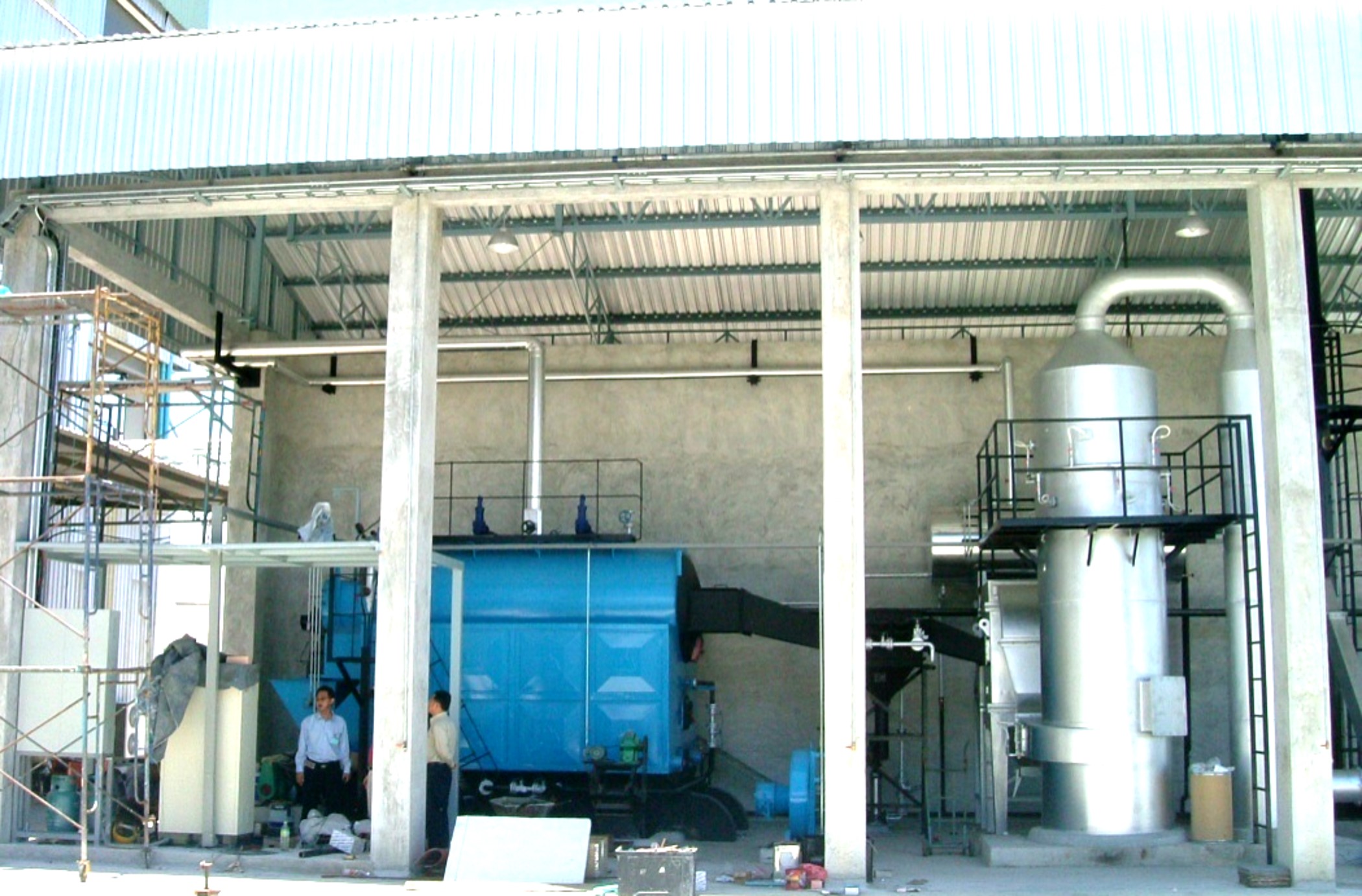
Industrial boiler startup is one of the most critical phases in the entire boiler lifecycle because it represents the transition from construction and installation into live operational service under high-pressure and high-temperature conditions. ⚠️ Even when a boiler has been properly designed and installed, startup can still become dangerous if inspection procedures, safety verifications, and commissioning checks are incomplete or poorly executed. Problems such as improperly installed piping, malfunctioning safety valves, incorrect burner settings, electrical faults, water quality issues, control system failures, or ventilation deficiencies may remain hidden until the boiler begins operating under pressure. In severe cases, startup failures can lead to equipment damage, combustion explosions, pressure vessel incidents, environmental violations, operational downtime, or serious personnel injuries. For this reason, industrial boiler startup procedures require comprehensive inspection and safety verification processes that ensure every system is functioning correctly before combustion and pressure generation begin.
Before industrial boiler startup, comprehensive inspection and safety checks must verify the integrity of pressure systems, piping connections, safety valves, burner systems, electrical infrastructure, control systems, water treatment systems, ventilation equipment, instrumentation, fuel supply systems, emissions controls, and emergency shutdown functions. Proper pre-startup inspections reduce operational risk, improve reliability, support regulatory compliance, prevent equipment damage, and ensure safe boiler commissioning.
For plant owners, commissioning engineers, EPC contractors, maintenance teams, safety officers, and industrial facility operators, understanding these pre-startup inspection requirements is essential for ensuring safe and successful boiler operation. 📊 This article explores the critical inspections and safety checks required before industrial boiler startup and explains why systematic verification procedures are essential for operational reliability and personnel protection.
Comprehensive pre-startup inspections significantly reduce industrial boiler operational risks and startup failures.True
Inspection and safety verification procedures help identify installation defects, system malfunctions, and operational hazards before live operation begins.
If an industrial boiler has been installed correctly, extensive pre-startup safety checks are unnecessary.False
Even properly installed systems require verification to confirm safe operation under live pressure and combustion conditions.
Why Pre-Startup Inspection Is Critical 💡
Industrial boilers contain large amounts of stored thermal and pressure energy, making them potentially hazardous if startup occurs under unsafe conditions. During startup, multiple systems—including fuel combustion, steam generation, electrical controls, ventilation, and pressure management—must function together simultaneously and reliably.
Without proper inspection and testing, hidden issues may result in:
· Combustion instability
· Pressure surges
· Equipment damage
· Water chemistry failures
· Electrical malfunctions
· Safety incidents
➡️ Thorough pre-startup inspections provide a controlled method for identifying and correcting these risks before operational loads are applied.
Main Objectives of Boiler Startup Inspections
| Objective | Purpose |
|---|---|
| Verify Installation Integrity | Prevent Mechanical Failures |
| Confirm Safety System Functionality | Protect Personnel |
| Validate Control Performance | Ensure Stable Operation |
| Support Regulatory Compliance | Meet Legal Requirements |
| Reduce Startup Risk | Improve Reliability |
Comprehensive startup verification creates the foundation for safe long-term operation.
Reviewing Installation Completion 📋
Before any operational testing begins, project teams must confirm that all installation work has been completed according to engineering drawings, specifications, and applicable standards.
This review typically includes:
· Mechanical completion verification
· Construction quality inspections
· Documentation review
· Punch-list resolution
Installation Verification Areas
| Inspection Area | Importance |
|---|---|
| Mechanical Assembly | Structural Integrity |
| Piping Connections | Leak Prevention |
| Electrical Installation | System Reliability |
| Instrumentation Mounting | Accurate Monitoring |
➡️ Startup should never proceed while unresolved construction deficiencies remain outstanding.
Pressure Vessel and Structural Inspections 🔧
Because industrial boilers operate under pressure, the integrity of the pressure vessel and supporting structures must be thoroughly inspected before startup.
Important inspection areas include:
· Weld quality verification
· Pressure boundary integrity
· Structural supports
· Expansion allowances
Pressure System Inspection Checklist
| Inspection Item | Purpose |
|---|---|
| Weld Examination | Leak Prevention |
| Vessel Alignment | Structural Stability |
| Support Integrity | Load Management |
| Thermal Expansion Clearance | Stress Reduction |
➡️ Structural defects can become catastrophic once pressure and temperature increase during operation.
Hydrostatic Pressure Testing 💧⚠️
Hydrostatic testing is one of the most important pre-startup safety procedures because it verifies the integrity of the pressure-containing system before live steam generation begins.
During hydrotesting:
✔️ The boiler is filled with water
✔️ Pressure is increased above operating pressure
✔️ Inspectors verify leak-free integrity
Hydrostatic Test Objectives
| Test Objective | Safety Benefit |
|---|---|
| Leak Detection | Pressure Integrity Verification |
| Structural Validation | Mechanical Reliability |
| Weld Inspection | Failure Prevention |
➡️ Hydrostatic testing helps identify hidden pressure system weaknesses before startup.
Piping System Inspection and Verification 🔥
Boiler piping systems must be inspected carefully because steam, condensate, fuel, and feedwater piping directly influence operational stability and safety.
Key inspection areas include:
· Pipe alignment
· Valve positioning
· Support installation
· Drainage configuration
· Expansion compensation
Piping Inspection Areas
| Piping Element | Inspection Focus |
|---|---|
| Steam Piping | Pressure Integrity |
| Fuel Piping | Leak Prevention |
| Blowdown Lines | Safe Discharge |
| Condensate Systems | Drainage Efficiency |
➡️ Improper piping installation may cause leaks, vibration, thermal stress, or water hammer during startup.
Safety Valve Testing 🛡️🔥
Safety valves are among the most critical protective devices in any boiler system because they prevent dangerous overpressure conditions.
Before startup, inspectors verify:
✔️ Correct pressure settings
✔️ Proper valve sizing
✔️ Mechanical freedom of movement
✔️ Certification compliance
Safety Valve Inspection Requirements
| Inspection Factor | Purpose |
|---|---|
| Set Pressure Verification | Overpressure Protection |
| Valve Accessibility | Maintenance Safety |
| Discharge Routing | Personnel Protection |
➡️ Faulty safety valves create severe explosion risks during operation.
Burner and Combustion System Checks 🔥⚙️
Combustion systems must be inspected thoroughly because burner instability can result in fire hazards, explosions, elevated emissions, or inefficient fuel consumption.
Inspection activities include:
· Fuel supply verification
· Burner alignment checks
· Ignition testing
· Flame detection validation
Combustion System Inspection
| Inspection Area | Operational Importance |
|---|---|
| Fuel Pressure Stability | Combustion Reliability |
| Ignition Sequence Testing | Safe Startup |
| Flame Scanner Operation | Burner Safety |
| Air-to-Fuel Ratio Settings | Efficiency Optimization |
➡️ Combustion safety verification is essential before introducing live fuel into the system.
Electrical System Safety Checks ⚡
Modern industrial boilers rely heavily on electrical systems for automation, safety management, and operational control.
Electrical inspections should verify:
· Power supply stability
· Proper grounding
· Control panel wiring
· Emergency shutdown circuits
Electrical Inspection Areas
| Electrical Component | Inspection Objective |
|---|---|
| Grounding Systems | Personnel Safety |
| PLC Controllers | Operational Stability |
| Safety Interlocks | Hazard Prevention |
| Emergency Power Systems | Reliability Support |
➡️ Electrical failures during startup can compromise both safety and operational control.
Instrumentation and Control System Verification 🤖📊
Instrumentation accuracy is essential because operators depend on sensors and control systems to monitor pressure, temperature, water levels, and combustion conditions.
Critical verification steps include:
✔️ Sensor calibration
✔️ Alarm testing
✔️ Control loop validation
✔️ Communication system checks
Instrumentation Inspection Checklist
| Instrument | Function |
|---|---|
| Pressure Sensors | Pressure Monitoring |
| Temperature Sensors | Thermal Control |
| Water Level Controls | Boiler Protection |
| Flow Meters | Operational Optimization |
➡️ Faulty instrumentation may provide inaccurate operating data and create unsafe conditions.
Low Water Cutoff and Water Level Protection 💧⚠️
Low water conditions are among the most dangerous boiler operating scenarios because insufficient water can overheat pressure vessel surfaces and cause catastrophic failure.
Startup inspections must verify:
· Water level sensor operation
· Low water alarms
· Automatic shutdown functions
Water Level Safety Verification
| Safety Function | Purpose |
|---|---|
| Low Water Cutoff | Overheating Prevention |
| High Water Alarm | Steam Quality Protection |
| Level Sensor Calibration | Operational Accuracy |
➡️ Water level protection systems are critical for boiler safety.
Ventilation and Combustion Air Inspections 🌬️
Proper ventilation must be verified before startup because combustion systems require stable airflow for safe fuel burning.
Inspection areas include:
· Air intake systems
· Exhaust ventilation fans
· Airflow obstructions
· Boiler room pressure conditions
Ventilation Inspection Areas
| Inspection Item | Operational Benefit |
|---|---|
| Fresh Air Supply | Combustion Stability |
| Exhaust Ventilation | Heat Removal |
| Airflow Monitoring | Safety Assurance |
➡️ Poor ventilation may cause incomplete combustion or dangerous gas accumulation.
Fuel Supply System Verification ⛽
Fuel systems must be inspected thoroughly because leaks or unstable fuel supply conditions can create serious fire and explosion hazards.
Inspection procedures often include:
✔️ Leak testing
✔️ Pressure verification
✔️ Valve functionality checks
✔️ Fuel filtration inspection
Fuel System Inspection Checklist
| Fuel System Area | Inspection Objective |
|---|---|
| Fuel Piping | Leak Prevention |
| Isolation Valves | Emergency Shutdown |
| Pressure Regulators | Stable Combustion |
| Fuel Filters | Burner Protection |
➡️ Fuel system reliability is essential for safe startup.
Water Treatment and Boiler Water Quality Checks 💧📈
Water chemistry directly affects boiler reliability and pressure vessel integrity. Poor water quality can cause corrosion, scaling, and premature equipment failure.
Startup checks should confirm:
· Water softener operation
· Chemical dosing systems
· Water quality measurements
Water Quality Verification
| Water Parameter | Importance |
|---|---|
| pH Levels | Corrosion Control |
| Hardness | Scale Prevention |
| Dissolved Oxygen | Material Protection |
| Conductivity | Water Purity |
➡️ Proper water treatment protects the boiler throughout its operational life.
Emergency Shutdown and Interlock Testing 🚨
Emergency systems must be tested before startup to ensure the boiler can respond safely to abnormal conditions.
Critical tests include:
✔️ Emergency stop activation
✔️ Burner shutdown sequences
✔️ Alarm functionality
✔️ Safety interlock response
Emergency System Verification
| Safety System | Purpose |
|---|---|
| Emergency Shutdown | Hazard Mitigation |
| Alarm Systems | Operator Notification |
| Safety Interlocks | Unsafe Condition Prevention |
➡️ Emergency protection systems are essential for operational safety.
Emissions and Environmental Compliance Checks 🌍
Modern industrial boilers must meet strict environmental standards related to emissions performance and combustion efficiency.
Pre-startup checks may include:
· NOx monitoring calibration
· Stack inspection
· Combustion tuning verification
Environmental Inspection Areas
| Compliance Area | Purpose |
|---|---|
| NOx Monitoring | Air Quality Compliance |
| Stack Integrity | Safe Exhaust Handling |
| Combustion Efficiency | Emissions Reduction |
➡️ Environmental compliance verification supports legal operation approval.
Documentation and Regulatory Verification 📚
Before startup authorization, project teams typically review all required documentation to ensure regulatory compliance.
Required documentation may include:
· Inspection certificates
· Pressure test reports
· Calibration records
· Operating procedures
Documentation Checklist
| Document Type | Purpose |
|---|---|
| Inspection Reports | Compliance Verification |
| Calibration Records | Instrument Accuracy |
| Safety Certifications | Regulatory Approval |
| Startup Procedures | Operational Guidance |
➡️ Incomplete documentation can delay startup approval.
Operator Training and Readiness 👨🏭
Even perfectly installed systems can become unsafe if operators are not adequately trained before startup.
Training should cover:
· Startup procedures
· Emergency response
· Alarm interpretation
· Routine inspection practices
Operator Readiness Areas
| Training Area | Operational Benefit |
|---|---|
| Startup Procedures | Safe Operation |
| Emergency Response | Hazard Reduction |
| Alarm Recognition | Faster Troubleshooting |
➡️ Skilled operators are essential for maintaining safe boiler operation.
Real Industrial Example 📚
A manufacturing facility prepared to start a newly installed high-pressure boiler system. During pre-startup inspection, engineers identified several critical issues:
❌ Misaligned steam piping supports
❌ Incorrect safety valve settings
❌ Inadequate combustion airflow
❌ Faulty low-water cutoff calibration
The startup was temporarily delayed while corrections were implemented:
✔️ Piping supports were reinforced
✔️ Safety valves were recalibrated
✔️ Ventilation airflow was optimized
✔️ Water level controls were retested
➡️ These inspections prevented potential operational failures and significantly improved startup reliability.
Common Pre-Startup Mistakes ❌
Many industrial boiler startup incidents originate from incomplete inspections or rushed commissioning schedules.
Frequent Errors
| Mistake | Consequence |
|---|---|
| Incomplete Pressure Testing | Leak Risks |
| Poor Combustion Tuning | Explosion Hazards |
| Unverified Safety Interlocks | Unsafe Operation |
| Inadequate Water Treatment | Corrosion Damage |
| Weak Operator Training | Human Error Risks |
➡️ Comprehensive inspections dramatically reduce startup-related risks.
Future Trends in Boiler Startup Safety 🚀
Industrial boiler commissioning practices continue evolving through digitalization and predictive technologies.
Emerging Trends
| Trend | Expected Impact |
|---|---|
| Digital Inspection Checklists | Improved Traceability |
| AI-Based Combustion Analysis | Safer Startup |
| Smart Sensor Diagnostics | Faster Verification |
| Remote Commissioning Support | Improved Expertise Access |
| Predictive Safety Monitoring | Risk Reduction |
These technologies are improving startup accuracy and operational reliability.
Summary 🏁
Pre-startup inspection and safety checks are absolutely essential before industrial boiler operation because they verify that all pressure systems, combustion equipment, electrical infrastructure, instrumentation, ventilation systems, water treatment systems, and emergency protections are functioning safely and correctly. 🔥 Thorough inspections help identify hidden installation defects, calibration errors, operational hazards, and system integration problems before live combustion and pressure generation begin.
➡️ Proper startup verification significantly reduces operational risk, improves reliability, supports regulatory compliance, protects personnel, and extends equipment lifespan. Ultimately, safe and successful industrial boiler startup depends not only on equipment quality but also on the discipline, thoroughness, and technical accuracy of the inspection and commissioning process itself.
How Does Water Treatment Preparation Affect Industrial Boiler Commissioning?
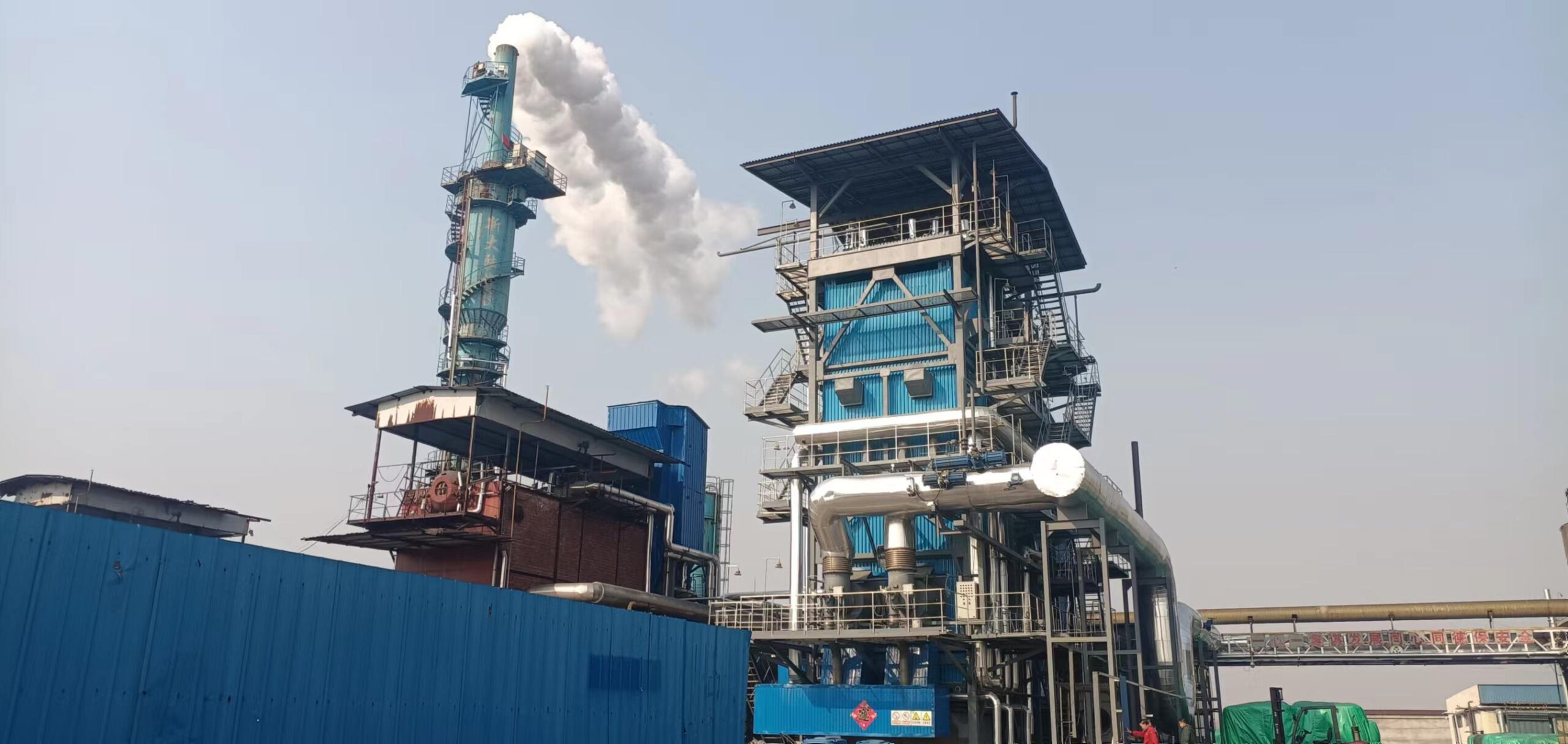
Industrial boiler commissioning is a highly sensitive process because it marks the transition from equipment installation into full operational service under real thermal and pressure conditions. While many project teams focus heavily on combustion systems, piping integrity, electrical controls, and instrumentation during startup preparation, water treatment preparation is often one of the most underestimated yet critically important aspects of successful boiler commissioning. ⚠️ Industrial boilers depend entirely on water as the medium for heat transfer and steam generation, which means even minor water chemistry problems can quickly create severe operational consequences once the boiler begins operating. Poorly prepared water systems may introduce hardness minerals, dissolved oxygen, suspended solids, silica, or corrosive contaminants into the boiler, resulting in scaling, corrosion, tube overheating, inefficient heat transfer, unstable steam quality, and premature equipment failure. In extreme cases, inadequate water treatment preparation during commissioning can damage newly installed boiler systems within days or weeks of startup, significantly increasing maintenance costs and reducing long-term operational reliability.
Water treatment preparation directly affects industrial boiler commissioning by ensuring proper water chemistry, preventing corrosion and scale formation, stabilizing steam generation, protecting pressure surfaces, improving heat transfer efficiency, supporting safe startup, and extending equipment lifespan. Effective water treatment preparation reduces commissioning risks, improves operational reliability, enhances energy efficiency, and minimizes long-term maintenance and downtime costs.
For commissioning engineers, plant operators, EPC contractors, maintenance managers, and industrial facility owners, understanding the relationship between water treatment and boiler commissioning is essential for achieving safe and reliable startup performance. 📊 This article explores how water treatment preparation influences industrial boiler commissioning and why proper water chemistry management is fundamental to long-term boiler reliability.
Proper water treatment preparation significantly improves industrial boiler commissioning reliability and long-term equipment protection.True
Correct water chemistry prevents scale formation, corrosion, and operational instability during startup and ongoing operation.
Water treatment becomes important only after the industrial boiler enters regular operation.False
Water treatment preparation is critical before and during commissioning because poor startup water chemistry can damage boiler components immediately.
Why Water Treatment Is Critical During Boiler Commissioning 💡
Industrial boilers operate by transferring heat into water under controlled pressure conditions, which means water quality directly affects thermal performance, material integrity, steam purity, and operational safety. During commissioning, newly installed boiler surfaces are particularly vulnerable because they have not yet developed stable operating conditions or protective chemical films. As a result, improper water chemistry during startup can rapidly accelerate corrosion, scaling, and contamination problems that may continue affecting the boiler throughout its lifecycle.
Without proper water treatment preparation, facilities may experience:
· Rapid scale accumulation
· Oxygen corrosion damage
· Poor steam quality
· Tube overheating
· Increased fuel consumption
· Frequent maintenance shutdowns
➡️ Proper water treatment preparation establishes the chemical stability required for safe and efficient commissioning.
Main Objectives of Boiler Water Treatment Preparation
| Objective | Purpose |
|---|---|
| Prevent Scale Formation | Improve Heat Transfer |
| Reduce Corrosion Risk | Protect Pressure Surfaces |
| Stabilize Steam Quality | Improve Process Reliability |
| Support Safe Startup | Reduce Operational Hazards |
| Extend Equipment Lifespan | Lower Lifecycle Costs |
Well-managed water treatment programs create the chemical foundation necessary for successful boiler operation.
Understanding Boiler Water Chemistry 🔬💧
Industrial boiler water chemistry is complex because boiler systems concentrate dissolved minerals and impurities as steam is generated. During commissioning, these chemical reactions become especially important because the system is being exposed to heat and pressure for the first time under operational conditions.
Key water chemistry factors include:
· Hardness levels
· pH balance
· Dissolved oxygen concentration
· Conductivity
· Silica content
· Total dissolved solids (TDS)
Because these parameters interact dynamically under elevated temperatures and pressures, water treatment preparation must be carefully controlled to ensure stable commissioning performance and long-term material protection.
Critical Boiler Water Parameters
| Parameter | Operational Importance |
|---|---|
| pH Control | Corrosion Prevention |
| Hardness Levels | Scale Prevention |
| Dissolved Oxygen | Metal Protection |
| Conductivity | Water Purity Monitoring |
| Silica Content | Steam Purity Protection |
➡️ Proper chemical balance significantly improves boiler reliability and efficiency.
Scale Formation Risks During Commissioning ⚠️🔥
One of the greatest threats during boiler commissioning is scale formation because newly installed boiler tubes are highly sensitive to mineral deposits. Even thin layers of scale can drastically reduce heat transfer efficiency, causing localized overheating and long-term material degradation.
Scale commonly forms from:
· Calcium hardness
· Magnesium salts
· Silica deposits
· Suspended solids
When untreated or poorly treated water enters the boiler during startup, these contaminants may rapidly accumulate on internal heat transfer surfaces, especially in high-temperature zones where evaporation rates are highest.
Effects of Scale Formation
| Scale Issue | Operational Consequence |
|---|---|
| Reduced Heat Transfer | Higher Fuel Consumption |
| Tube Overheating | Material Damage |
| Restricted Water Circulation | Operational Instability |
| Increased Thermal Stress | Reduced Equipment Life |
➡️ Even small amounts of scale can significantly reduce boiler performance.
Corrosion Prevention and Oxygen Control 🛡️💧
Corrosion is another major concern during commissioning because dissolved oxygen and acidic conditions can attack newly exposed metal surfaces before stable operating chemistry is established. In many cases, corrosion damage begins during startup itself if oxygen control measures are inadequate.
Common corrosion mechanisms include:
· Oxygen pitting
· Acid corrosion
· Galvanic corrosion
· Under-deposit corrosion
Since boiler commissioning often involves intermittent heating cycles, temporary shutdowns, and fluctuating operating conditions, corrosion risks may actually increase during startup compared to stable long-term operation.
Corrosion Risk Factors
| Corrosion Cause | Potential Damage |
|---|---|
| Dissolved Oxygen | Pitting Corrosion |
| Low pH Levels | Acid Attack |
| Deposits and Sludge | Localized Corrosion |
| Contaminated Feedwater | Material Degradation |
➡️ Proper oxygen removal and chemical conditioning are essential during commissioning.
Feedwater Preparation and Pretreatment Systems 💧⚙️
Before boiler startup begins, feedwater treatment systems must be fully operational because untreated incoming water can immediately compromise commissioning quality. Pretreatment systems remove impurities before water enters the boiler and help stabilize operating chemistry during startup.
Common pretreatment equipment includes:
· Water softeners
· Reverse osmosis systems
· Deaerators
· Chemical dosing systems
· Filtration units
These systems must be carefully tested and calibrated before boiler commissioning to ensure they can maintain required water quality specifications under actual operating conditions.
Feedwater Treatment Components
| System | Function |
|---|---|
| Water Softeners | Hardness Removal |
| Reverse Osmosis | Mineral Reduction |
| Deaerators | Oxygen Removal |
| Filtration Systems | Solid Particle Removal |
➡️ Proper feedwater preparation protects the entire boiler system from contamination.
Importance of Boiler Cleaning Before Startup 🧼🔥
Newly installed boilers frequently contain construction debris, welding residue, oils, grease, metal particles, and other contaminants left behind during manufacturing and installation. If these contaminants are not removed before commissioning, they may circulate throughout the system and damage sensitive components.
Boiler cleaning procedures may include:
· Chemical cleaning
· Flushing operations
· Alkaline boil-out procedures
· Passivation treatments
These cleaning activities help remove contaminants while preparing internal metal surfaces for stable chemical operation during startup.
Boiler Cleaning Objectives
| Cleaning Activity | Purpose |
|---|---|
| Chemical Cleaning | Deposit Removal |
| Flushing Operations | Debris Elimination |
| Passivation | Corrosion Protection |
| Oil Removal | Water Quality Stabilization |
➡️ Thorough cleaning improves both startup safety and long-term reliability.
Steam Purity and Process Stability 🌡️💨
Industrial facilities often require high-purity steam for manufacturing processes, especially in industries such as pharmaceuticals, food processing, chemicals, and electronics manufacturing. During commissioning, unstable water chemistry may cause steam contamination that affects product quality and process performance.
Poor steam quality can introduce:
· Moisture carryover
· Silica contamination
· Chemical impurities
· Corrosion products
Because steam quality directly influences downstream process equipment, water treatment preparation plays a major role in overall plant commissioning success.
Steam Purity Risks
| Steam Quality Issue | Operational Impact |
|---|---|
| Moisture Carryover | Equipment Damage |
| Silica Contamination | Turbine Fouling |
| Chemical Contamination | Product Quality Risks |
➡️ Stable water chemistry supports consistent steam quality during startup.
Chemical Dosing and Startup Chemistry Control ⚗️
During boiler commissioning, chemical dosing systems must be adjusted carefully because startup operating conditions are often unstable and continuously changing. Incorrect chemical dosing may create additional operational problems instead of preventing them.
Common boiler treatment chemicals include:
· Oxygen scavengers
· pH adjusters
· Phosphate treatments
· Polymer dispersants
The startup phase requires close monitoring because water chemistry may fluctuate rapidly as temperatures and pressures increase toward normal operating levels.
Startup Chemical Treatment Areas
| Chemical Function | Operational Benefit |
|---|---|
| Oxygen Removal | Corrosion Prevention |
| pH Stabilization | Chemical Balance |
| Deposit Control | Cleaner Heat Surfaces |
| Sludge Dispersion | Better Water Circulation |
➡️ Careful chemical management improves commissioning stability.
Blowdown Management During Commissioning 💨💧
Blowdown systems help remove concentrated impurities from the boiler during operation and commissioning. During startup, blowdown rates often require adjustment because contaminant levels may initially be much higher than normal operational conditions.
Effective blowdown management helps control:
· TDS concentration
· Sludge accumulation
· Conductivity levels
· Chemical balance
Because commissioning introduces new contaminants into the system, blowdown strategy becomes especially important during early operational phases.
Blowdown Control Factors
| Blowdown Parameter | Importance |
|---|---|
| Conductivity Monitoring | Water Purity Control |
| Sludge Removal | Deposit Prevention |
| Chemical Balance | Operational Stability |
➡️ Proper blowdown management supports cleaner startup conditions.
Instrumentation and Water Quality Monitoring 📊🔍
Modern industrial boilers rely heavily on instrumentation to monitor water chemistry continuously during commissioning and operation. Without accurate monitoring, operators cannot respond effectively to changing water conditions.
Critical monitoring systems include:
· Conductivity analyzers
· pH sensors
· dissolved oxygen analyzers
· silica monitors
These systems must be calibrated and tested carefully before startup because inaccurate readings may lead to improper treatment adjustments and operational instability.
Water Quality Monitoring Systems
| Monitoring Device | Function |
|---|---|
| Conductivity Analyzer | Purity Monitoring |
| pH Meter | Chemical Balance |
| Oxygen Analyzer | Corrosion Protection |
| Silica Monitor | Steam Purity Control |
➡️ Accurate instrumentation improves water treatment precision.
Interaction Between Water Treatment and Heat Transfer 🔥📈
One of the most important reasons water treatment preparation affects commissioning is because heat transfer efficiency depends heavily on internal surface cleanliness and chemical stability. Even minor deposits can dramatically reduce thermal conductivity between combustion gases and boiler water.
This reduction in heat transfer may cause:
· Increased fuel consumption
· Hot spot formation
· Tube overheating
· Lower efficiency ratings
Because commissioning establishes the initial operating condition of the boiler, maintaining clean heat transfer surfaces from the beginning is essential for long-term performance optimization.
Heat Transfer Impacts
| Water Quality Issue | Heat Transfer Effect |
|---|---|
| Scale Deposits | Thermal Resistance |
| Sludge Accumulation | Circulation Restriction |
| Corrosion Products | Surface Insulation |
➡️ Water treatment directly influences energy efficiency.
Real Industrial Example 📚
A food processing facility commissioned a new high-pressure steam boiler but delayed full water treatment system calibration until after startup. During the first weeks of operation, operators observed:
❌ Rapid conductivity increases
❌ Steam purity fluctuations
❌ Tube surface scaling
❌ Elevated fuel consumption
A detailed inspection later revealed:
✔️ Incomplete water softener commissioning
✔️ Incorrect chemical dosing rates
✔️ Inadequate deaerator performance
The facility implemented corrective measures including:
✔️ Full pretreatment recalibration
✔️ Improved water chemistry monitoring
✔️ Enhanced blowdown control
✔️ Revised startup chemical procedures
➡️ Following these corrections, steam stability improved significantly and fuel consumption decreased.
Common Water Treatment Preparation Mistakes ❌
Many boiler commissioning issues originate from insufficient attention to water treatment preparation.
Frequent Errors
| Mistake | Consequence |
|---|---|
| Delayed Water Treatment Startup | Scale Formation |
| Inadequate Cleaning Procedures | Contamination Risks |
| Poor Chemical Calibration | Corrosion Problems |
| Weak Monitoring Systems | Operational Instability |
| Incorrect Blowdown Management | Water Quality Degradation |
➡️ Proper preparation dramatically improves startup success.
Future Trends in Boiler Water Treatment 🚀
Industrial boiler water treatment technologies continue evolving as facilities seek greater efficiency, automation, and sustainability.
Emerging Trends
| Trend | Expected Impact |
|---|---|
| Smart Water Monitoring | Real-Time Optimization |
| AI-Based Chemistry Control | Improved Stability |
| Advanced Membrane Filtration | Higher Water Purity |
| Automated Chemical Dosing | Reduced Human Error |
| Predictive Water Analytics | Early Problem Detection |
These technologies are improving commissioning reliability and long-term boiler protection.
Summary 🏁
Water treatment preparation plays a fundamental role in industrial boiler commissioning because water chemistry directly affects corrosion control, scale prevention, heat transfer efficiency, steam purity, operational reliability, and equipment lifespan. 🔥 During commissioning, newly installed boiler systems are especially vulnerable to chemical instability, making proper water preparation essential for safe startup and long-term performance.
➡️ Effective water treatment preparation includes feedwater pretreatment, oxygen removal, chemical dosing, boiler cleaning, blowdown management, instrumentation calibration, and continuous water quality monitoring. Organizations that prioritize water treatment during commissioning are far more likely to achieve stable startup conditions, lower maintenance costs, improved efficiency, and extended equipment service life.
Why Is Combustion Tuning and Control System Calibration Important During Commissioning?
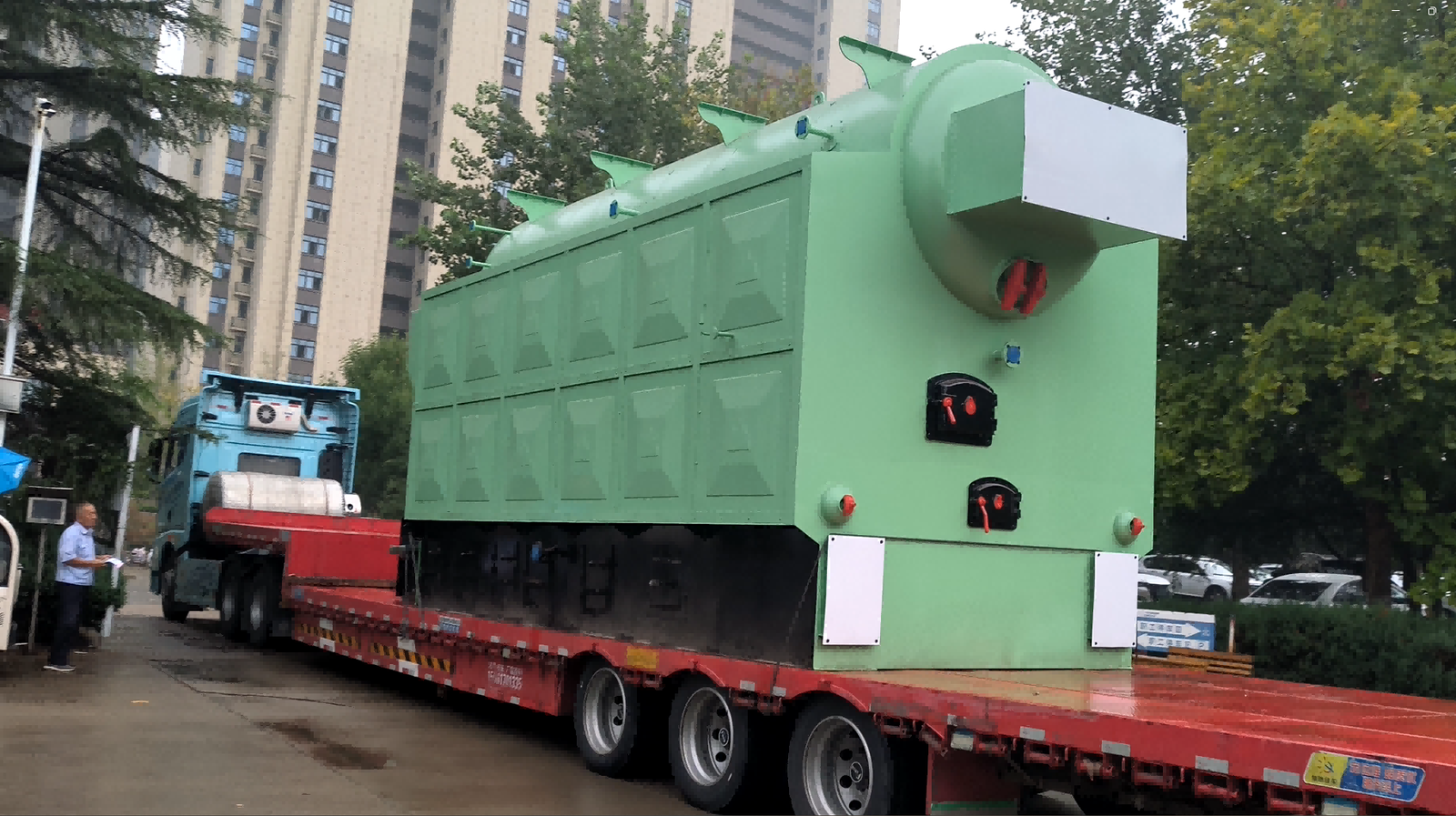
Industrial boiler commissioning is far more than simply starting the equipment and generating steam for the first time. It is a highly technical process that determines whether the boiler will operate safely, efficiently, reliably, and in full compliance with environmental and operational requirements over its entire lifecycle. Among all commissioning activities, combustion tuning and control system calibration are two of the most critical because they directly influence fuel efficiency, emissions performance, thermal stability, operational responsiveness, and equipment protection. ⚠️ Even a well-designed boiler equipped with high-quality burners and advanced automation systems can suffer severe performance problems if combustion settings and control parameters are not calibrated correctly during startup. Improper combustion tuning may lead to incomplete fuel burning, unstable flames, excessive fuel consumption, elevated emissions, soot accumulation, or dangerous explosion risks. Similarly, inaccurate control system calibration can create pressure instability, poor load response, water level fluctuations, alarm failures, and unsafe operating conditions. These issues not only reduce efficiency but can also shorten equipment lifespan and increase operational costs significantly.
Combustion tuning and control system calibration are essential during industrial boiler commissioning because they optimize fuel-to-air ratios, stabilize flame performance, improve heat transfer efficiency, reduce emissions, ensure safe operation, enhance load responsiveness, protect equipment, and improve overall operational reliability. Proper tuning and calibration reduce fuel waste, minimize startup risk, support regulatory compliance, and maximize long-term boiler performance.
For commissioning engineers, plant operators, EPC contractors, combustion specialists, and industrial facility managers, understanding the importance of combustion and control optimization during startup is essential for achieving safe and efficient boiler operation. 📊 This article explores why combustion tuning and control system calibration are critical during industrial boiler commissioning and how these processes affect efficiency, safety, emissions, and lifecycle reliability.
Proper combustion tuning significantly improves industrial boiler efficiency and emissions performance.True
Optimized fuel-to-air ratios improve combustion stability, reduce fuel waste, and minimize pollutant formation.
Factory burner settings are always sufficient for final industrial boiler operation.False
Final combustion tuning must account for actual site conditions, fuel characteristics, load profiles, and operational requirements during commissioning.
Why Combustion and Control Optimization Matters 💡
Industrial boilers operate through carefully controlled combustion processes that convert fuel energy into usable thermal energy. During commissioning, the boiler transitions from static installation conditions into dynamic operating conditions involving changing temperatures, pressures, fuel flows, and steam demands. Because these variables interact continuously, the combustion system and control infrastructure must be adjusted precisely to achieve stable operation.
Without proper tuning and calibration, facilities may experience:
· Fuel inefficiency
· Flame instability
· Pressure fluctuations
· Excessive emissions
· Increased maintenance requirements
· Unsafe operating conditions
➡️ Proper commissioning optimization ensures the boiler performs according to design expectations under real operational conditions.
Main Objectives of Combustion Tuning and Calibration
| Objective | Purpose |
|---|---|
| Optimize Fuel Efficiency | Reduce Energy Costs |
| Improve Combustion Stability | Enhance Safety |
| Reduce Emissions | Support Compliance |
| Stabilize Boiler Response | Improve Reliability |
| Protect Equipment | Extend Service Life |
Effective tuning creates the operational foundation for long-term boiler performance.
Understanding Industrial Boiler Combustion 🔥
Combustion is the chemical reaction between fuel and oxygen that generates thermal energy inside the boiler furnace. For combustion to occur efficiently and safely, the correct balance of fuel and combustion air must be maintained across all operating conditions.
This balance is influenced by:
· Fuel composition
· Air supply conditions
· Burner configuration
· Load demand variations
· Furnace pressure conditions
Because these variables constantly change during operation, combustion systems require careful adjustment during commissioning to maintain optimal performance throughout the boiler load range.
Core Combustion Parameters
| Parameter | Operational Importance |
|---|---|
| Fuel-to-Air Ratio | Combustion Efficiency |
| Oxygen Levels | Emissions Control |
| Flame Stability | Operational Safety |
| Furnace Pressure | Combustion Reliability |
➡️ Even small combustion imbalances can significantly affect efficiency and emissions.
Importance of Fuel-to-Air Ratio Optimization ⚖️🔥
One of the primary goals of combustion tuning is optimizing the fuel-to-air ratio because both insufficient air and excessive air can reduce efficiency and create operational problems.
If too little air is supplied:
❌ Incomplete combustion occurs
❌ Carbon monoxide levels rise
❌ Soot accumulation increases
❌ Explosion risks increase
If too much air is supplied:
❌ Heat losses increase
❌ Fuel efficiency decreases
❌ Stack temperatures rise
❌ Fan energy consumption increases
Effects of Improper Fuel-to-Air Ratios
| Condition | Operational Consequence |
|---|---|
| Excess Fuel | Incomplete Combustion |
| Excess Air | Heat Losses |
| Poor Air Distribution | Flame Instability |
| Incorrect Mixing | Emissions Increase |
➡️ Proper tuning balances combustion efficiency and operational safety.
Flame Stability and Burner Performance 🔥⚙️
Stable flame behavior is essential during commissioning because flame instability can damage equipment and create dangerous combustion conditions. Industrial burners must maintain reliable ignition and stable flame geometry across varying load conditions.
Combustion tuning evaluates:
· Flame shape
· Ignition reliability
· Flame retention
· Airflow distribution
Because furnace conditions differ from site to site, burners must often be adjusted during commissioning to match real operating environments rather than relying solely on factory settings.
Burner Performance Factors
| Factor | Importance |
|---|---|
| Flame Stability | Safe Operation |
| Ignition Reliability | Startup Protection |
| Fuel Atomization | Efficient Combustion |
| Air Mixing Quality | Emissions Reduction |
➡️ Stable burner performance improves both safety and efficiency.
Emissions Control and Environmental Compliance 🌍📉
Modern industrial boilers must comply with strict environmental regulations related to NOx, CO, particulate matter, and greenhouse gas emissions. Combustion tuning plays a central role in achieving these compliance targets.
Improper combustion may increase:
· Nitrogen oxide (NOx) emissions
· Carbon monoxide formation
· Unburned hydrocarbons
· Smoke generation
During commissioning, combustion analyzers are used to measure exhaust gas composition and optimize burner settings accordingly.
Combustion Emissions Parameters
| Emission Type | Cause |
|---|---|
| NOx | High Flame Temperatures |
| CO | Incomplete Combustion |
| Smoke | Poor Fuel Burning |
| Excess Oxygen | Heat Losses |
➡️ Proper tuning supports both regulatory compliance and fuel efficiency.
Heat Transfer Efficiency and Energy Consumption 📈🔥
Combustion quality directly affects heat transfer efficiency because poorly tuned burners may create uneven furnace temperatures, excessive soot formation, or unstable thermal conditions.
Poor combustion performance may result in:
· Higher stack temperatures
· Reduced heat absorption
· Increased fuel usage
· Lower thermal efficiency
Because fuel costs represent one of the largest operational expenses in industrial boiler systems, even modest efficiency improvements achieved through tuning can produce substantial long-term financial savings.
Heat Transfer Impacts
| Combustion Issue | Efficiency Effect |
|---|---|
| Soot Formation | Reduced Heat Transfer |
| Excess Air | Thermal Losses |
| Flame Instability | Uneven Heating |
| Poor Fuel Mixing | Incomplete Energy Release |
➡️ Optimized combustion significantly reduces operating costs.
Importance of Boiler Load Response Calibration 📊⚡
Industrial boilers rarely operate under constant load conditions. Instead, steam demand often fluctuates throughout the day depending on production requirements. As a result, control systems must respond quickly and accurately to changing operating conditions.
Control system calibration ensures:
· Stable steam pressure
· Smooth load transitions
· Accurate fuel modulation
· Balanced water level control
Poor calibration can create delayed responses or unstable operation during changing demand conditions.
Load Response Control Areas
| Control Function | Operational Benefit |
|---|---|
| Fuel Modulation | Stable Combustion |
| Steam Pressure Control | Process Stability |
| Feedwater Regulation | Water Level Protection |
| Fan Speed Adjustment | Airflow Optimization |
➡️ Responsive controls improve operational stability and efficiency.
PLC and Automation System Calibration 🤖⚙️
Modern industrial boilers rely heavily on programmable logic controllers (PLCs) and digital automation systems to coordinate burner operation, safety functions, alarms, and load management.
During commissioning, engineers calibrate:
· Sensor inputs
· Alarm thresholds
· PID control loops
· Communication systems
Because instrumentation tolerances and field conditions vary, control systems must be fine-tuned onsite to ensure reliable operation.
Automation Calibration Areas
| System | Calibration Objective |
|---|---|
| PLC Controllers | Process Stability |
| HMI Interfaces | Operator Visibility |
| PID Loops | Response Accuracy |
| Alarm Systems | Safety Assurance |
➡️ Accurate calibration improves both safety and operational precision.
Sensor Accuracy and Instrumentation Verification 🔍📏
Combustion tuning and control calibration depend heavily on accurate instrumentation because operators and automation systems rely on sensor data to make operational decisions.
Critical instruments include:
· Pressure transmitters
· Temperature sensors
· Oxygen analyzers
· Flow meters
Even small calibration errors can create major operational problems over time because control systems may respond incorrectly to inaccurate readings.
Critical Instrumentation Checks
| Instrument | Function |
|---|---|
| Oxygen Analyzer | Combustion Optimization |
| Pressure Sensor | Steam Stability |
| Temperature Sensor | Heat Monitoring |
| Flow Meter | Fuel and Air Measurement |
➡️ Reliable instrumentation is essential for effective tuning.
Safety Interlocks and Protective Controls 🛡️🚨
Industrial boilers include numerous safety interlocks that automatically shut down the system if unsafe conditions occur. During commissioning, these safety controls must be tested and calibrated carefully.
Protective systems include:
· Flame failure shutdowns
· Low-water cutoffs
· High-pressure shutdowns
· Fuel trip systems
Proper calibration ensures these systems respond quickly and reliably under abnormal conditions.
Safety System Calibration Areas
| Safety Function | Purpose |
|---|---|
| Flame Safeguards | Explosion Prevention |
| Pressure Limits | Overpressure Protection |
| Water Level Trips | Overheating Prevention |
| Emergency Shutdowns | Personnel Safety |
➡️ Safety systems are among the most critical commissioning priorities.
Airflow and Draft System Balancing 🌬️🔥
Combustion performance depends heavily on maintaining stable airflow and furnace draft conditions. During commissioning, airflow systems are adjusted to ensure proper combustion chamber pressure and air distribution.
Poor airflow balancing may cause:
· Flame instability
· Backfiring risks
· Uneven heating
· Excess emissions
Airflow Calibration Factors
| Airflow Factor | Operational Impact |
|---|---|
| Combustion Air Volume | Flame Stability |
| Furnace Draft | Safe Operation |
| Fan Performance | Air Distribution |
| Stack Pressure | Exhaust Stability |
➡️ Balanced airflow improves combustion consistency.
Startup Sequencing and Operational Coordination 🔄
Industrial boiler startup involves multiple systems operating simultaneously, including fuel supply, air handling, feedwater systems, steam controls, and electrical automation. Combustion tuning and control calibration help coordinate these systems during startup transitions.
Proper sequencing improves:
· Ignition reliability
· Pressure stability
· Safe load ramping
· Alarm management
Because startup conditions are highly dynamic, coordination between combustion and control systems is essential for preventing operational instability.
Startup Coordination Areas
| Coordination Function | Benefit |
|---|---|
| Burner Sequencing | Safe Ignition |
| Load Ramp Control | Stable Startup |
| Alarm Integration | Faster Response |
| Fuel-Air Synchronization | Efficient Combustion |
➡️ Coordinated startup reduces commissioning risk significantly.
Long-Term Equipment Protection 🔩
Improper combustion and poorly calibrated controls not only reduce efficiency but also accelerate equipment wear. Over time, unstable operation can damage burners, refractory materials, tubes, fans, and control components.
Common long-term risks include:
· Thermal fatigue
· Soot fouling
· Corrosion acceleration
· Vibration damage
Because commissioning establishes baseline operating conditions, proper tuning helps protect equipment throughout its service life.
Equipment Protection Benefits
| Proper Calibration Benefit | Long-Term Impact |
|---|---|
| Stable Temperatures | Reduced Thermal Stress |
| Cleaner Combustion | Lower Fouling |
| Controlled Pressure | Longer Equipment Life |
➡️ Good commissioning practices improve lifecycle reliability.
Real Industrial Example 📚
A chemical processing facility commissioned a new natural gas-fired boiler system but initially relied on default burner settings and limited control calibration.
Shortly after startup, the facility experienced:
❌ Elevated NOx emissions
❌ Unstable steam pressure
❌ High fuel consumption
❌ Frequent burner trips
A commissioning review identified:
✔️ Excess combustion air levels
✔️ Incorrect oxygen sensor calibration
✔️ Poor PID loop tuning
✔️ Unbalanced airflow distribution
Engineers implemented:
✔️ Full combustion optimization
✔️ Control loop recalibration
✔️ Sensor verification
✔️ Draft balancing adjustments
➡️ Following these corrections, fuel efficiency improved significantly while emissions levels decreased below regulatory limits.
Common Commissioning Mistakes ❌
Many industrial boiler performance issues originate from incomplete tuning or calibration procedures.
Frequent Errors
| Mistake | Consequence |
|---|---|
| Excess Air Operation | Energy Losses |
| Poor Sensor Calibration | Inaccurate Controls |
| Weak PID Tuning | Pressure Instability |
| Incomplete Burner Adjustment | Emissions Problems |
| Ignoring Load Variability | Operational Instability |
➡️ Comprehensive tuning dramatically improves startup success.
Future Trends in Combustion Optimization 🚀
Industrial boiler commissioning technologies continue evolving rapidly through automation and digital analytics.
Emerging Trends
| Trend | Expected Impact |
|---|---|
| AI-Based Combustion Control | Real-Time Optimization |
| Digital Twin Commissioning | Faster Calibration |
| Smart Sensor Networks | Improved Diagnostics |
| Predictive Combustion Analytics | Early Fault Detection |
| Automated Emissions Optimization | Compliance Improvement |
These technologies are improving boiler efficiency, reliability, and operational flexibility.
Summary 🏁
Combustion tuning and control system calibration are among the most important activities during industrial boiler commissioning because they directly influence fuel efficiency, emissions performance, combustion stability, operational responsiveness, safety protection, and long-term equipment reliability. 🔥 Proper tuning ensures that fuel and air systems operate efficiently across all load conditions, while accurate control calibration stabilizes pressure, water levels, alarms, and automation functions.
➡️ Organizations that prioritize comprehensive combustion optimization and control calibration during commissioning are far more likely to achieve lower fuel consumption, cleaner emissions, safer startup conditions, improved reliability, and reduced lifecycle operating costs. Ultimately, successful industrial boiler operation depends not only on equipment quality but also on how precisely the combustion and control systems are configured during startup.
How Can Operator Training Improve Industrial Boiler Safety and Long-Term Performance?
Industrial boilers are among the most critical and energy-intensive systems operating within industrial facilities because they support steam generation, process heating, power production, sanitation, and numerous manufacturing operations across industries such as food processing, chemicals, pharmaceuticals, textiles, refining, and heavy manufacturing. While modern boiler technologies have become increasingly automated and sophisticated, the performance, safety, and long-term reliability of these systems still depend heavily on the knowledge, judgment, and operational discipline of the personnel responsible for running them. ⚠️ Unfortunately, many facilities underestimate the importance of operator training and focus primarily on equipment procurement or automation upgrades while giving insufficient attention to workforce competency development. This oversight can lead to operational errors, delayed emergency responses, poor combustion control, water chemistry problems, inefficient load management, excessive maintenance issues, safety incidents, and avoidable equipment damage. In many industrial boiler failures, investigations ultimately reveal that human factors—including inadequate training, incomplete procedural understanding, or poor operational decision-making—played a major role in the incident.
Operator training improves industrial boiler safety and long-term performance by enhancing operational knowledge, strengthening emergency response capabilities, improving combustion management, supporting proper water treatment practices, reducing human error, optimizing efficiency, protecting equipment, improving maintenance coordination, and ensuring regulatory compliance. Well-trained operators help reduce operational risks, minimize downtime, improve fuel efficiency, extend equipment lifespan, and support safe boiler operation throughout the system lifecycle.
For plant owners, maintenance managers, commissioning engineers, safety officers, and industrial facility operators, understanding the strategic importance of operator training is essential for maximizing boiler reliability and minimizing operational risk. 📊 This article explores how operator training improves industrial boiler safety and long-term performance and explains why workforce competency is one of the most valuable investments in boiler lifecycle management.
Comprehensive operator training significantly improves industrial boiler safety and operational reliability.True
Well-trained operators can identify abnormal conditions early, respond effectively to emergencies, and maintain stable operating performance.
Modern industrial boiler automation eliminates the need for extensive operator training.False
Automation systems still require knowledgeable operators to supervise performance, interpret alarms, and manage abnormal operating conditions safely.
Why Operator Training Matters in Industrial Boiler Systems 💡
Industrial boilers operate under high pressure, elevated temperatures, and continuously changing load conditions, which means even small operational mistakes can create serious safety and reliability consequences. Although automation systems assist with process control, operators remain responsible for monitoring system behavior, responding to alarms, adjusting operating conditions, and managing abnormal situations.
Without proper training, facilities may experience:
· Unsafe startup procedures
· Improper combustion adjustment
· Delayed emergency response
· Poor water chemistry control
· Increased fuel consumption
· Premature equipment failure
➡️ Skilled operators serve as the first line of defense against operational instability and safety hazards.
Main Objectives of Boiler Operator Training
| Objective | Purpose |
|---|---|
| Improve Safety Awareness | Reduce Accident Risk |
| Strengthen Operational Knowledge | Improve Reliability |
| Optimize Efficiency | Lower Fuel Costs |
| Support Maintenance Practices | Extend Equipment Life |
| Enhance Emergency Response | Minimize Damage |
Comprehensive training creates a safer and more efficient operational environment.
Understanding Boiler Fundamentals 🔥📘
Effective operator training begins with a solid understanding of boiler fundamentals because operators must understand not only how to run the system but also why different operational parameters matter.
Training programs typically cover:
· Heat transfer principles
· Steam generation processes
· Combustion fundamentals
· Pressure control concepts
· Water chemistry basics
When operators understand the physical and chemical processes occurring inside the boiler, they are far better equipped to recognize abnormal conditions and respond appropriately under changing operating circumstances.
Core Technical Knowledge Areas
| Knowledge Area | Operational Benefit |
|---|---|
| Combustion Principles | Better Fuel Efficiency |
| Steam System Dynamics | Stable Operation |
| Heat Transfer Theory | Improved Performance |
| Pressure Control | Safer Operation |
➡️ Technical understanding improves operator decision-making quality.
Improving Startup and Shutdown Procedures ⚙️🚀
Industrial boiler startup and shutdown are among the most sensitive operating phases because rapid temperature and pressure changes can create thermal stress, combustion instability, or mechanical damage if procedures are not followed correctly.
Operator training helps personnel understand:
· Proper warm-up sequences
· Pressure ramping procedures
· Purging requirements
· Fuel ignition safety protocols
Because improper startup procedures are a common cause of boiler damage and safety incidents, detailed operational training significantly improves commissioning reliability and long-term equipment protection.
Startup and Shutdown Training Areas
| Procedure | Operational Importance |
|---|---|
| Pre-Startup Inspection | Safety Verification |
| Burner Ignition Sequence | Combustion Safety |
| Controlled Warm-Up | Thermal Stress Reduction |
| Safe Shutdown | Equipment Protection |
➡️ Proper operational sequencing protects both personnel and equipment.
Enhancing Combustion Management and Fuel Efficiency 🔥📈
Combustion quality directly influences boiler efficiency, emissions performance, fuel consumption, and operational reliability. Operators therefore require detailed training on burner behavior, airflow control, and combustion optimization.
Training often includes:
· Fuel-to-air ratio management
· Flame observation techniques
· Emissions awareness
· Combustion troubleshooting
Since operating conditions frequently change during production cycles, trained operators can make informed adjustments that improve fuel efficiency while maintaining stable combustion conditions.
Combustion Training Benefits
| Training Area | Performance Improvement |
|---|---|
| Burner Adjustment | Stable Flame Control |
| Airflow Optimization | Better Efficiency |
| Emissions Monitoring | Compliance Support |
| Combustion Analysis | Fuel Savings |
➡️ Skilled combustion management lowers operating costs significantly.
Strengthening Water Treatment Awareness 💧🛡️
Water chemistry management is one of the most important factors influencing industrial boiler lifespan and reliability because poor water quality can rapidly cause scaling, corrosion, sludge accumulation, and heat transfer problems.
Operator training should include:
· Water chemistry monitoring
· Blowdown management
· Chemical dosing procedures
· Feedwater quality verification
Although water treatment systems may operate automatically, operators still need to understand how water chemistry affects boiler performance and how to recognize early warning signs of chemical imbalance.
Water Treatment Training Areas
| Water Treatment Topic | Operational Benefit |
|---|---|
| Blowdown Control | Cleaner Boiler Surfaces |
| pH Monitoring | Corrosion Prevention |
| Hardness Control | Scale Reduction |
| Chemical Dosing | Stable Water Chemistry |
➡️ Water treatment knowledge protects the boiler internally.
Improving Emergency Response Capabilities 🚨⚠️
One of the most valuable outcomes of operator training is improved emergency preparedness because rapid and informed responses can prevent equipment damage and protect personnel during abnormal situations.
Training scenarios may include:
· Flame failure events
· Low-water conditions
· Pressure excursions
· Fuel leaks
· Electrical failures
By practicing emergency procedures regularly, operators become more confident and capable of responding effectively under stressful conditions.
Emergency Training Focus Areas
| Emergency Scenario | Safety Objective |
|---|---|
| Flame Failure | Explosion Prevention |
| Low-Water Alarm | Overheating Protection |
| High Pressure Event | Vessel Safety |
| Fuel Leak Detection | Fire Prevention |
➡️ Prepared operators respond faster and more effectively during emergencies.
Reducing Human Error Through Procedural Discipline 📋
Human error remains one of the leading causes of industrial boiler incidents because complex systems require consistent operational discipline and attention to detail.
Training programs help reduce errors by emphasizing:
· Standard operating procedures
· Checklist usage
· Alarm response protocols
· Communication practices
When operators follow structured procedures consistently, facilities experience fewer operational deviations and lower safety risks.
Human Error Reduction Strategies
| Strategy | Operational Impact |
|---|---|
| Standardized Procedures | Consistent Operation |
| Checklist Verification | Reduced Oversights |
| Alarm Response Training | Faster Correction |
| Team Communication | Better Coordination |
➡️ Procedural discipline improves both safety and reliability.
Supporting Predictive Maintenance and Equipment Care 🔩📊
Operators play a critical role in identifying early warning signs of equipment problems because they interact with the boiler system daily and can often detect subtle operational changes before major failures occur.
Training improves operator ability to identify:
· Unusual vibration
· Abnormal noises
· Pressure instability
· Temperature deviations
· Water chemistry changes
Because early problem detection allows maintenance teams to intervene before failures escalate, operator awareness contributes directly to predictive maintenance effectiveness.
Equipment Monitoring Training Areas
| Monitoring Area | Maintenance Benefit |
|---|---|
| Vibration Observation | Early Mechanical Detection |
| Temperature Trends | Heat Transfer Monitoring |
| Leak Identification | Failure Prevention |
| Combustion Changes | Burner Protection |
➡️ Trained operators improve long-term equipment reliability.
Understanding Control Systems and Automation 🤖⚙️
Modern industrial boilers use advanced automation systems that integrate sensors, PLCs, burner management systems, alarms, and digital interfaces. While automation improves operational consistency, operators still need detailed training to interpret system behavior correctly.
Training should include:
· HMI navigation
· Alarm interpretation
· Trend analysis
· Manual override procedures
Because automated systems may occasionally malfunction or require operator intervention, human understanding remains essential for safe operation.
Automation Training Benefits
| Automation Skill | Operational Advantage |
|---|---|
| Alarm Interpretation | Faster Troubleshooting |
| Trend Monitoring | Predictive Awareness |
| Control Adjustment | Operational Stability |
| Manual Backup Procedures | Emergency Preparedness |
➡️ Operators and automation systems must function together effectively.
Regulatory Compliance and Safety Standards 📚🏛️
Industrial boiler operation is heavily regulated due to pressure vessel safety, emissions requirements, and workplace safety concerns. Operator training therefore plays a major role in maintaining compliance with applicable standards and regulations.
Training programs often address:
· Safety regulations
· Emissions requirements
· Inspection procedures
· Documentation practices
Because regulatory violations can lead to legal penalties, operational shutdowns, and reputational damage, compliance training supports both operational continuity and corporate responsibility.
Compliance Training Areas
| Compliance Topic | Operational Purpose |
|---|---|
| Safety Procedures | Risk Reduction |
| Emissions Awareness | Environmental Compliance |
| Inspection Readiness | Regulatory Approval |
| Recordkeeping Practices | Documentation Accuracy |
➡️ Regulatory knowledge supports safer and more compliant operations.
Long-Term Impact on Lifecycle Costs 💰📉
Operator performance has a direct influence on total lifecycle costs because operational efficiency, maintenance quality, fuel consumption, and equipment wear all depend partly on how the boiler is managed daily.
Poor operational practices may increase:
· Fuel usage
· Maintenance frequency
· Downtime incidents
· Equipment replacement costs
In contrast, skilled operators help optimize long-term financial performance by maintaining stable and efficient operation.
Operator Influence on Lifecycle Costs
| Operational Area | Financial Impact |
|---|---|
| Fuel Efficiency | Lower OPEX |
| Reduced Downtime | Higher Productivity |
| Better Maintenance Coordination | Longer Equipment Life |
| Fewer Operational Errors | Lower Repair Costs |
➡️ Operator competency contributes directly to financial performance.
Building a Safety-Oriented Operational Culture 🛡️🏭
Beyond technical knowledge, operator training also helps establish a stronger safety culture throughout the facility. When operators understand the consequences of unsafe behavior and actively participate in safety practices, overall operational discipline improves.
Safety-oriented training encourages:
· Hazard awareness
· Reporting transparency
· Team communication
· Continuous improvement
Facilities with strong safety cultures typically experience lower accident rates and better operational consistency.
Safety Culture Benefits
| Safety Practice | Organizational Benefit |
|---|---|
| Hazard Recognition | Reduced Incidents |
| Open Communication | Faster Problem Resolution |
| Procedural Compliance | Safer Operations |
| Continuous Learning | Operational Improvement |
➡️ Strong safety culture improves both morale and reliability.
Real Industrial Example 📚
A food processing facility experienced repeated boiler shutdowns and elevated maintenance costs despite operating relatively new boiler equipment. An operational review later revealed that operators had limited understanding of combustion adjustment, water chemistry management, and alarm response procedures.
The facility implemented a comprehensive operator training program covering:
✔️ Combustion optimization
✔️ Water treatment monitoring
✔️ Emergency response drills
✔️ Preventive maintenance awareness
✔️ Control system interpretation
Following the training initiative:
✔️ Fuel consumption decreased
✔️ Boiler trips became less frequent
✔️ Water chemistry stability improved
✔️ Maintenance costs declined
✔️ Safety performance improved significantly
➡️ The facility achieved substantial operational improvements primarily through workforce development rather than equipment replacement.
Common Boiler Operator Training Mistakes ❌
Many facilities fail to maximize boiler performance because training programs are incomplete or inconsistent.
Frequent Training Weaknesses
| Training Weakness | Operational Consequence |
|---|---|
| Limited Hands-On Practice | Poor Emergency Response |
| Inadequate Water Chemistry Training | Corrosion Risks |
| Weak Combustion Education | Fuel Inefficiency |
| Insufficient Refresher Training | Knowledge Decay |
| Overreliance on Automation | Reduced Situational Awareness |
➡️ Continuous training is essential for maintaining operational competency.
Future Trends in Boiler Operator Training 🚀
Industrial training methods continue evolving as digital technologies become more advanced.
Emerging Training Technologies
| Technology | Expected Impact |
|---|---|
| Virtual Reality Simulations | Safer Training Scenarios |
| AI-Assisted Diagnostics Training | Faster Problem Recognition |
| Remote Learning Platforms | Greater Accessibility |
| Digital Twin Simulations | Realistic Operational Practice |
| Predictive Analytics Education | Better Preventive Awareness |
These technologies are making operator training more effective and interactive.
Summary 🏁
Operator training plays a vital role in improving industrial boiler safety, efficiency, reliability, and long-term performance because even highly advanced boiler systems still depend heavily on knowledgeable human supervision and operational discipline. 🔥 Well-trained operators can optimize combustion, maintain stable water chemistry, respond effectively to emergencies, interpret automation systems accurately, identify early warning signs of equipment problems, and maintain compliance with safety and environmental regulations.
➡️ Facilities that invest in comprehensive and continuous operator training typically achieve lower operational risk, reduced downtime, improved fuel efficiency, lower maintenance costs, extended equipment lifespan, and stronger overall safety performance. Ultimately, operator competency is not simply a support function—it is one of the most critical factors influencing industrial boiler lifecycle success.
Conclusion
Successful industrial boiler installation and commissioning require careful planning, strict adherence to technical standards, and comprehensive system testing. By following best practices throughout the process, businesses can ensure efficient operation, minimize safety risks, and extend equipment lifespan. Proper commissioning also establishes a strong foundation for long-term reliability and energy efficiency.
If you need professional support for industrial boiler installation or commissioning, contact us today. Our experts provide complete technical guidance, customized solutions, and reliable onsite support to ensure your boiler system operates safely and efficiently from the very beginning.
FAQ
Q1: What are the key steps in industrial boiler installation?
A:
Industrial boiler installation involves multiple engineering, mechanical, electrical, and safety processes to ensure reliable and efficient operation. Proper installation is critical because poor setup can reduce efficiency, increase maintenance costs, and create serious safety risks.
The process usually begins with site preparation. Engineers must verify that the boiler room has adequate structural support, ventilation, drainage, utility connections, and access for maintenance. Foundations must be properly designed to support the boiler weight and minimize vibration.
Mechanical installation includes positioning the boiler, aligning piping systems, connecting fuel supply lines, installing feedwater systems, and integrating condensate return systems. Correct pipe sizing and alignment are essential for maintaining steam quality and preventing operational problems.
Electrical installation includes wiring control panels, motors, instrumentation, sensors, safety devices, and automation systems. Proper grounding and compliance with electrical standards are necessary to ensure safe operation.
Water treatment systems must also be installed correctly to protect the boiler from scaling, corrosion, and premature equipment failure. Feedwater quality directly affects efficiency and equipment lifespan.
Ventilation and exhaust systems are another important part of installation. Chimneys, flue gas ducts, combustion air systems, and emissions control equipment must be properly configured to maintain safe combustion and regulatory compliance.
Before startup, all systems should undergo inspection and verification to confirm compliance with engineering drawings, safety codes, and manufacturer requirements.
Q2: Why is boiler commissioning important after installation?
A:
Boiler commissioning is the process of testing, verifying, and optimizing the boiler system after installation to ensure it operates safely, efficiently, and according to design specifications.
Commissioning is important because even a correctly installed boiler may experience performance problems if controls, instrumentation, combustion settings, or safety systems are not properly calibrated.
The commissioning process usually begins with pre-startup inspections. Engineers verify piping connections, electrical wiring, instrumentation calibration, water treatment readiness, and safety device functionality. Pressure relief valves, flame safeguard systems, and emergency shutdown controls are carefully tested.
Initial startup procedures are then performed under controlled conditions. Combustion settings such as fuel-air ratio, burner tuning, and ignition sequences are adjusted to optimize efficiency and emissions performance.
Steam generation performance is also evaluated. Operators verify steam pressure stability, temperature consistency, feedwater flow, condensate return operation, and load response capability.
Performance testing is another critical commissioning activity. Boilers are often tested at multiple operating loads to confirm efficiency, fuel consumption, and emissions levels meet contractual requirements.
Commissioning also helps identify hidden installation issues before full commercial operation begins. Problems such as leaks, vibration, improper wiring, control instability, or combustion imbalance can often be corrected early, reducing long-term operational risk.
Proper commissioning improves system reliability, reduces fuel consumption, extends equipment lifespan, and ensures safe operation throughout the boiler lifecycle.
Q3: What safety practices should be followed during boiler installation and startup?
A:
Safety is one of the most important considerations during industrial boiler installation and commissioning because boilers operate under high pressure, high temperature, and combustible fuel conditions.
Before installation begins, all personnel should follow site safety procedures and hazard assessments. Proper lifting equipment, confined space procedures, electrical isolation, and personal protective equipment (PPE) are essential during construction activities.
Pressure-containing components such as steam drums, piping systems, valves, and pressure vessels must be inspected carefully before operation. Improper welding, loose fittings, or damaged components can create dangerous operating conditions.
Fuel systems also require strict safety controls. Gas lines, fuel oil systems, valves, regulators, and burners must be leak-tested and verified before ignition procedures begin.
Electrical safety is equally important. Lockout/tagout procedures should be followed during wiring and testing activities to prevent accidental energization of equipment.
During startup, combustion systems must be tested carefully to ensure safe ignition sequences and flame stability. Flame safeguard systems, purge cycles, emergency shutdown controls, and burner interlocks should be verified before full operation.
Pressure relief valves and low-water cutoff systems are among the most critical boiler safety devices. These systems help prevent dangerous overpressure or dry-firing conditions that could damage equipment or cause explosions.
Operators and maintenance personnel should also receive proper training before the boiler enters commercial service. Understanding startup procedures, alarm systems, emergency response actions, and operational limits is essential for safe long-term operation.
Following strict safety practices helps reduce accidents, equipment damage, downtime, and regulatory compliance risks.
Q4: How can boiler performance be optimized during commissioning?
A:
Boiler performance optimization during commissioning helps maximize efficiency, reduce emissions, improve reliability, and lower long-term operating costs.
One of the most important optimization tasks is combustion tuning. Proper adjustment of the fuel-air ratio ensures complete combustion while minimizing excess air levels. Incorrect combustion settings can increase fuel consumption and emissions while reducing thermal efficiency.
Burner performance should also be evaluated carefully. Flame stability, ignition reliability, modulation response, and load-following capability all affect operational efficiency and system reliability.
Feedwater management is another critical optimization area. Proper feedwater temperature, deaeration performance, and water chemistry help improve heat transfer efficiency while reducing scaling and corrosion risks.
Control system calibration is equally important. Pressure controls, temperature sensors, flow meters, oxygen trim systems, and automation settings should be adjusted for stable operation across varying load conditions.
Heat recovery systems such as economizers and condensate recovery units should also be tested to confirm proper operation. These systems can significantly improve overall energy efficiency by recovering otherwise wasted heat.
Load testing is commonly performed during commissioning to evaluate boiler response under different operating conditions. Performance data collected during testing helps engineers optimize operating parameters and verify contractual guarantees.
Emissions optimization is increasingly important as well. Modern boilers often require low-NOx combustion tuning, flue gas recirculation adjustment, and emissions monitoring calibration to meet environmental regulations.
Continuous monitoring and periodic performance reviews after commissioning further improve long-term operational efficiency and reliability.
Q5: What documentation is required during industrial boiler commissioning?
A:
Industrial boiler commissioning requires extensive documentation to verify safe installation, operational readiness, regulatory compliance, and long-term maintainability.
Engineering documentation is one of the first requirements. This usually includes approved drawings, piping and instrumentation diagrams (P&IDs), electrical schematics, equipment datasheets, and installation records.
Inspection and testing documentation is also critical. Hydrostatic test reports, weld inspection reports, non-destructive examination (NDE) records, pressure test certificates, and calibration reports help confirm equipment integrity.
Commissioning records often include startup procedures, burner tuning reports, combustion analysis results, efficiency testing data, emissions measurements, and load test performance reports.
Safety documentation is another major category. Operators may require emergency shutdown procedures, lockout/tagout instructions, hazard assessments, safety valve certifications, and alarm testing records.
Operation and maintenance manuals are essential for long-term system operation. These manuals typically include startup procedures, shutdown procedures, troubleshooting guides, preventive maintenance schedules, spare parts lists, and recommended inspection intervals.
Training records may also be required to demonstrate that operators and maintenance personnel received appropriate instruction before system handover.
Regulatory and compliance documents are often mandatory as well. These may include ASME certifications, emissions permits, pressure vessel registrations, environmental approvals, and local authority inspection reports.
Proper documentation helps ensure operational safety, simplifies future maintenance, supports regulatory compliance, and provides valuable reference information throughout the boiler lifecycle.
References
Boiler Room Guide
https://www.cleaverbrooks.com/boiler-room-guide
Source: Cleaver-BrooksSteam System Best Practices
https://www.energy.gov/eere/amo/steam-systems
Source: U.S. Department of EnergyBoiler House Installation Fundamentals
https://www.spiraxsarco.com/learn-about-steam/the-boiler-house
Source: Spirax SarcoASME Boiler and Pressure Vessel Standards
https://www.asme.org/codes-standards/find-codes-standards/bpvc-section-i-rules-for-construction-of-power-boilers
Source: ASMEBoiler Safety and Pressure Vessel Guidelines
https://www.osha.gov/boilers-pressure-vessels
Source: OSHAIndustrial Boiler Technology Overview
https://www.britannica.com/technology/boiler
Source: Encyclopaedia BritannicaIndustrial Steam System Design Basics
https://www.tlv.com/global/US/steam-info/steam-theory/steam-basics/
Source: TLVBoiler Commissioning and Engineering Solutions
https://www.thermaxglobal.com/industrial-boilers/
Source: ThermaxIndustrial Boiler Performance and Operations
https://www.powermag.com/boilers-101-what-they-are-and-how-they-work/
Source: POWER MagazineBoiler Maintenance and Service Resources
https://www.fulton.com/resources
Source: Fulton Boiler Works