Industrial boiler users are facing growing pressure to reduce emissions, control fuel costs, and prepare for stricter sustainability requirements without sacrificing steam reliability. Choosing the wrong boiler strategy today can lead to stranded equipment, expensive retrofits, unstable fuel supply, and compliance risks tomorrow. The practical solution is to understand how hydrogen-ready and carbon-neutral industrial boilers will develop, where they are suitable, and how factories can plan a phased transition instead of making a risky one-step replacement.
The future of hydrogen-ready and carbon-neutral industrial boilers will be fuel-flexible, efficiency-driven, digitally controlled, and phased around real fuel availability. Hydrogen-ready boilers will help plants prepare for low-emission hydrogen use, while carbon-neutral boiler strategies will also include electrification, biomass, biogas, waste heat recovery, carbon capture, and smart combustion optimization depending on each site’s steam demand, budget, and local energy infrastructure. (The Department of Energy’s Energy.gov)
For manufacturers, plant owners, and engineering teams, the key question is not whether the boiler industry will decarbonize, but how to choose equipment that remains safe, compliant, efficient, and economically realistic during the transition.
How Will Hydrogen-Ready and Carbon-Neutral Industrial Boilers Change Future Boiler Selection?
Industrial boiler buyers are facing a difficult transition: a boiler purchased today may operate for 15 to 30 years, but fuel policy, carbon pricing, emissions limits, customer sustainability requirements, and energy infrastructure may change much faster than the boiler itself. Choosing only the lowest-cost natural gas boiler can create future retrofit risk, stranded assets, higher emissions cost, and pressure from customers who demand low-carbon supply chains. The practical solution is to select boilers not only for today’s steam load and fuel price, but also for tomorrow’s decarbonization pathway: hydrogen-ready capability, low-carbon fuel flexibility, electrification compatibility, heat recovery, smart controls, verified emissions performance, and lifecycle operating cost.
Hydrogen-ready and carbon-neutral industrial boilers will change future boiler selection by shifting the decision from “Which boiler is cheapest today?” to “Which boiler can operate safely, efficiently, and economically through future fuel and carbon changes?” Buyers will need to evaluate whether a boiler can use hydrogen blends, convert to 100% hydrogen, operate with biomethane or biofuels, integrate electric steam generation or heat pumps, support carbon capture where relevant, meet NOx and safety requirements, provide digital emissions data, and deliver the lowest total lifecycle cost under different energy scenarios.
For manufacturers, plant owners, engineering contractors, and procurement teams, this means boiler selection will become more strategic. The best choice will not always be a single-fuel boiler, and “hydrogen-ready” will not be enough unless the supplier clearly defines what readiness means. A future-proof boiler project should specify fuel pathway, burner design, pressure-part compatibility, control system flexibility, safety devices, emissions guarantees, IoT monitoring, predictive maintenance support, and a realistic conversion plan. The following guide explains how hydrogen-ready and carbon-neutral boiler technologies will reshape industrial boiler purchasing decisions.
Hydrogen-ready boilers are automatically carbon-neutral from the day they are installed.False
A hydrogen-ready boiler may still operate on natural gas until low-carbon hydrogen is available. Carbon neutrality depends on the actual fuel source, carbon intensity, operating efficiency, emissions accounting, and verified energy supply.
Future boiler selection will increasingly consider fuel flexibility, emissions performance, safety systems, lifecycle cost, and retrofit readiness, not only boiler capacity and purchase price.True
As industrial decarbonization advances, boiler buyers must evaluate how the equipment will perform under future low-carbon fuels, electrification options, carbon policies, safety requirements, and energy cost scenarios.
Why Future Boiler Selection Is Changing
Industrial boiler selection used to focus mainly on steam capacity, pressure, fuel type, efficiency, footprint, compliance, and purchase price. Those factors still matter, but they are no longer enough. Industrial heat is a major decarbonization challenge, and governments, customers, investors, and supply-chain partners are pushing factories to reduce direct combustion emissions. The U.S. Department of Energy’s industrial decarbonization work identifies energy efficiency, industrial electrification, low-carbon fuels, feedstocks and energy sources, and carbon capture as core decarbonization pillars. It also highlights process heating, steam, and motor systems as important efficiency opportunities.
This changes boiler procurement because the boiler is no longer just a steam machine. It becomes part of a carbon strategy. A plant may start with natural gas today, blend hydrogen later, convert to 100% hydrogen in a future phase, add an electric boiler for low-cost renewable electricity periods, recover more condensate, install an economizer, use biomethane certificates, or integrate carbon capture for large combustion systems. The right boiler selection must leave technical space for these options.
Hydrogen is especially important because it can provide high-temperature combustion heat without direct CO₂ at the point of use. However, today’s hydrogen market is still in transition. The IEA reported that worldwide hydrogen demand reached almost 100 million tonnes in 2024, but most of it was still produced from fossil fuels without emissions abatement. That means boiler buyers must distinguish between “hydrogen as a fuel” and “low-carbon hydrogen as a decarbonization solution.”
What “Hydrogen-Ready Boiler” Should Really Mean
“Hydrogen-ready” is not a universal technical specification. It can mean very different things depending on the supplier, burner, jurisdiction, and fuel plan. Some boilers are only ready for a small hydrogen blend in natural gas. Some are designed for a defined blend range, such as 20% hydrogen by volume. Some are conversion-ready, meaning the pressure vessel and controls can remain but the burner, fuel train, valves, flame detection, ventilation, and safety systems may need modification. Some are designed from the beginning for 100% hydrogen combustion.
For serious industrial boiler selection, buyers should not accept the phrase “hydrogen-ready” without written details. They should ask: What hydrogen percentage is allowed today? What parts must be changed for higher blends? Can the burner operate on natural gas, blend gas, and pure hydrogen? What NOx performance is guaranteed? What turndown ratio is available? What fuel pressure is required? Are flame scanners suitable for hydrogen flame characteristics? Are leak detection, ventilation, purge logic, and hazardous-area requirements included? What codes and local approvals apply? What is the estimated conversion cost and downtime?
Hydrogen has different combustion and safety characteristics from natural gas. The U.S. DOE notes that hydrogen has a wide flammable concentration range, lower ignition energy than gasoline or natural gas, requires adequate ventilation and leak detection, and may require special flame detection because hydrogen flames can be nearly invisible. This means hydrogen-ready boiler selection must include safety engineering, not only burner marketing.
| Hydrogen-Ready Claim | What It May Mean | Buyer Risk | What to Request From Supplier |
|---|---|---|---|
| Blend-ready | Can operate with limited hydrogen blended into natural gas | Blend percentage may be low or region-specific | Written maximum H₂ blend, efficiency, NOx, and warranty terms |
| Conversion-ready | Can be converted later with modifications | Conversion cost and downtime may be unclear | Conversion kit scope, downtime estimate, approval pathway |
| 100% hydrogen-capable | Designed to fire pure hydrogen | Higher safety and NOx control requirements | Burner test data, safety system design, emissions guarantee |
| Dual-fuel hydrogen/natural gas | Can switch between fuels | Control complexity and tuning requirements | Fuel train design, switching procedure, control logic |
| Carbon-neutral-ready | Can support low-carbon fuels or electricity | Carbon neutrality depends on fuel certification | Fuel carbon-intensity documentation and metering plan |
How Carbon-Neutral Boilers Expand the Selection Criteria
A carbon-neutral boiler strategy is broader than hydrogen. It may include green hydrogen, blue hydrogen with carbon capture, biomethane, biogas, bio-oil, sustainable biomass, electric boilers, electrode boilers, industrial heat pumps, thermal storage, waste heat recovery, or hybrid boiler systems. In some plants, hydrogen may be the best option for high-temperature or high-pressure steam where direct electrification is difficult. In other plants, electrification may be more practical, especially for low- and medium-temperature heat. The IEA notes that industry’s highest electrification potential is in low-temperature heat processes such as food drying and beverage processes.
This means future boiler selection will become application-specific. A food plant with moderate-pressure steam and access to renewable electricity may choose a hybrid gas/electric steam system. A chemical plant with high-pressure steam and limited grid capacity may prefer a hydrogen-ready package with heat recovery and future fuel conversion. A paper mill with biomass residues may evaluate biomass boilers and advanced emissions control. A facility near a hydrogen hub may consider hydrogen combustion earlier than a plant without fuel infrastructure.
Carbon-neutral selection also requires verified accounting. A boiler does not become carbon-neutral simply because it can burn a certain fuel. The plant must consider the carbon intensity of hydrogen production, biomethane certification, grid electricity emissions, biofuel sustainability, carbon capture performance, and local reporting rules. The DOE’s National Clean Hydrogen Strategy describes strategic clean hydrogen opportunities of 10 million metric tonnes per year by 2030, 20 million by 2040, and 50 million by 2050, but also frames hydrogen use around sectors where alternatives such as direct electrification or biofuels may be limited.
| Carbon-Neutral Pathway | Best-Fit Boiler Selection Impact | Main Advantage | Main Caution |
|---|---|---|---|
| Green hydrogen | Hydrogen burner, safety sensors, compatible fuel train | No direct CO₂ at combustion point | Fuel cost and supply availability |
| Blue hydrogen | Hydrogen-ready boiler plus certified low-carbon supply | May scale through industrial hubs | Depends on capture rate and upstream emissions |
| Biomethane / biogas | Gas boiler with fuel-quality flexibility | Uses existing gas combustion architecture | Fuel impurities, certification, and supply volume |
| Bio-oil | Liquid-fuel burner and storage system | Can replace fossil liquid fuel in some sites | Fuel stability, viscosity, emissions, storage |
| Biomass | [Biomass boiler](https://coalbiomassboiler.com/product/biomass-boilers/) and ash-handling system | Useful where biomass residue is available | Fuel logistics, particulate control, maintenance |
| Electric boiler | Electric steam generator or electrode boiler | Zero onsite combustion emissions | Grid capacity and electricity price |
| Hybrid boiler | Gas/hydrogen plus electric steam | Flexibility under variable energy prices | Higher control and integration complexity |
| Waste heat recovery | Economizer, heat exchanger, thermal storage | Reduces fuel demand before fuel switching | Requires process integration study |
How Hydrogen-Ready Boilers Will Affect Burner and Combustion Selection
The burner will become one of the most important selection items. Hydrogen combustion has a different flame speed, flame visibility, fuel volume flow behavior, and NOx formation tendency compared with natural gas. A future-ready burner must be selected for stable ignition, safe flame detection, fuel-air control, emissions performance, modulation range, and retrofit capability. It is not enough to ask whether the pressure vessel can make steam; buyers must ask whether the combustion system can operate safely and efficiently across the expected fuel transition.
For hydrogen blends, the burner and controls must maintain stable combustion as fuel composition changes. A blend may affect Wobbe index, flame characteristics, fuel valve sizing, combustion air requirements, and emissions tuning. For 100% hydrogen, the system may require a dedicated burner design, different flame detection, leak detection, ventilation review, revised purge procedures, and different NOx control strategy. Hydrogen firing does not produce CO₂ at the stack, but it can still produce NOx because NOx can form from nitrogen and oxygen in high-temperature air combustion. Therefore, low-NOx burner design, flue gas recirculation, staged combustion, or other emissions strategies may remain important.
A buyer should request actual performance data, not only readiness claims. The supplier should provide expected efficiency, NOx emissions, turndown ratio, pressure requirements, safety interlocks, control philosophy, startup sequence, flame scanner specification, and maintenance procedures for each fuel mode.
How Boiler Material, Pressure Parts, and Auxiliaries Will Be Evaluated
The pressure vessel itself may not change as dramatically as the fuel train, but future boiler selection will still require closer review of all auxiliary systems. Hydrogen can create compatibility concerns in some metallic systems under certain pressure, temperature, stress, and exposure conditions. Fuel piping, valves, regulators, seals, gaskets, burners, sensors, and storage interfaces must be selected for the intended hydrogen concentration and pressure. The boiler room ventilation, gas detection, electrical classification, purge arrangement, and emergency shutdown philosophy must also be reviewed.
For carbon-neutral boiler selection, auxiliaries become part of the total package. Electric boilers require transformer capacity, switchgear, grid connection, power quality review, and electricity demand management. Biomass boilers require fuel handling, storage, ash removal, particulate control, and higher maintenance planning. Biogas may require gas cleaning, moisture control, and corrosion-resistant components. Hybrid systems require coordinated control between combustion and electric steam generation.
| System Area | Traditional Boiler Selection Question | Future Hydrogen/Carbon-Neutral Question |
|---|---|---|
| Burner | Does it meet steam load and emissions today? | Can it operate across future fuels safely and with guaranteed NOx? |
| Fuel train | Is it sized for natural gas or oil? | Is it compatible with hydrogen blend, pure hydrogen, biogas, or biofuel? |
| Controls | Can it modulate pressure? | Can it manage fuel switching, carbon data, and hybrid operation? |
| Safety | Does it meet current boiler code? | Does it include hydrogen leak detection, ventilation, flame detection, and local approval requirements? |
| Efficiency | What is rated efficiency? | What is lifecycle efficiency under future fuel, load, and carbon scenarios? |
| Emissions | Does it meet current NOx limits? | Can it meet future NOx, CO₂ reporting, and customer carbon requirements? |
| Maintenance | What is the service interval? | What new skills, sensors, spares, and predictive maintenance are required? |
| Infrastructure | Is fuel available today? | Is hydrogen, renewable electricity, biomethane, or biomass supply realistic over the boiler life? |
How Lifecycle Cost Will Replace Simple Purchase Price
Hydrogen-ready and carbon-neutral boilers will make lifecycle cost more important than purchase price. A low-cost conventional boiler may become expensive if it requires a major burner replacement, fuel train rebuild, control upgrade, emissions retrofit, or premature replacement when carbon requirements tighten. A more expensive boiler with fuel-flexible design, smart controls, heat recovery, and documented conversion pathway may have lower long-term risk.
Future boiler lifecycle cost should include capital cost, installation cost, fuel cost, electricity cost, water treatment, maintenance, emissions compliance, carbon price exposure, retrofit cost, downtime for conversion, spare parts, operator training, insurance review, and decommissioning risk. Buyers should run several scenarios: natural gas only, natural gas with hydrogen blend, 100% hydrogen, biomethane, electric boiler support, and hybrid operation. The lowest-cost option under today’s fuel price may not be the most resilient option over 20 years.
| Cost Category | Why It Changes Future Selection |
|---|---|
| Fuel cost | Hydrogen, biomethane, biomass, electricity, and natural gas may vary widely by region |
| Carbon cost | Future carbon pricing or customer carbon requirements may penalize fossil-fuel operation |
| Retrofit cost | “Hydrogen-ready” may still require burner, valves, sensors, and controls replacement |
| Downtime cost | Fuel conversion may require planned outage and commissioning time |
| Emissions cost | NOx or CO₂ reporting requirements may require extra controls |
| Maintenance cost | New fuels may require different inspections, spares, and technician training |
| Infrastructure cost | Hydrogen storage, electrical upgrades, or biomass handling can exceed boiler cost |
| Efficiency value | Heat recovery and controls reduce fuel demand regardless of fuel type |
How Safety and Standards Will Influence Procurement
Safety will become a deciding factor in hydrogen-ready boiler selection. Hydrogen systems need careful engineering because leaks, ignition sources, ventilation, flame detection, and emergency response differ from conventional natural gas practice. Government safety bodies have been actively assessing hydrogen heating evidence; for example, the UK Health and Safety Executive’s role has included assessment of evidence on safe distribution, storage, and use of 100% hydrogen heating, with updates in 2026.
For industrial boiler buyers, the practical implication is clear: do not buy hydrogen-ready equipment without local code review. The project should include hazard analysis, ventilation design, leak detection, isolation philosophy, purge sequence, flame detection, hazardous-area classification, emergency shutdown, operator training, maintenance procedures, and third-party approval where required. Hydrogen readiness must be proven at the system level, not only at the burner nameplate.
How Digital Monitoring Will Become Part of Boiler Selection
Future boiler selection will increasingly require IoT, AI, and predictive maintenance because low-carbon boiler operation needs proof. Plant managers will need to document fuel use, steam output, carbon intensity, emissions performance, hydrogen blend percentage, electricity consumption, condensate return, blowdown loss, heat recovery, and equipment health. A boiler without digital monitoring may be difficult to optimize and difficult to defend in audits.
A smart hydrogen-ready or carbon-neutral boiler should include fuel metering, steam metering, oxygen monitoring, stack temperature, NOx monitoring where required, burner position, safety event logging, hydrogen leak detection where applicable, feedwater temperature, blowdown monitoring, condensate return measurement, and predictive maintenance alerts. AI can compare fuel-to-steam performance across fuel modes and identify whether efficiency loss is caused by combustion drift, heat-transfer fouling, condensate loss, excessive blowdown, or poor sequencing.
Practical Buyer Checklist for Future Boiler Selection
| Selection Question | Why It Matters | Recommended Requirement |
|---|---|---|
| What does hydrogen-ready mean? | Avoids vague marketing claims | Define blend %, conversion steps, 100% H₂ capability, and warranty |
| What fuels can the boiler use? | Supports energy transition | Natural gas, H₂ blend, pure H₂, biomethane, biofuel, electric hybrid |
| What conversion is required? | Controls future retrofit risk | Written conversion kit, cost range, downtime, and approval pathway |
| What emissions are guaranteed? | Prevents future compliance surprises | NOx, CO, CO₂ accounting, oxygen, efficiency at operating loads |
| What safety systems are included? | Hydrogen requires extra controls | Leak detection, ventilation, flame detection, purge, ESD |
| Is the infrastructure realistic? | Fuel availability determines value | Confirm hydrogen, electricity, biomethane, biomass, or storage access |
| Can the system prove carbon performance? | Supports audits and customer reporting | Fuel metering, steam metering, emissions data, digital reports |
| What is the lifecycle cost? | Purchase price alone is misleading | Compare 10-year and 20-year fuel, carbon, retrofit, maintenance scenarios |
| Can it operate as a hybrid system? | Reduces fuel and carbon risk | Add electric boiler, heat pump, thermal storage, or heat recovery options |
| What service support is available? | New fuels require new skills | Supplier training, spare parts, commissioning, predictive maintenance |
Which Plants Should Select Hydrogen-Ready Boilers First?
Hydrogen-ready boilers are most attractive for plants that need high-temperature steam, have long equipment life expectations, face carbon-reduction pressure, and are located near credible hydrogen infrastructure. Good candidates may include chemical plants, refineries, food processing factories with large steam loads, paper mills, textile plants, pharmaceutical utilities, district energy systems, and industrial parks. Plants near planned hydrogen hubs or industrial clusters may have stronger business cases than isolated facilities.
However, hydrogen-ready is not always the first or best decarbonization step. Many plants should first reduce steam demand through efficiency, condensate return, heat recovery, insulation, blowdown optimization, steam trap repair, and process integration. Reducing demand makes every future fuel option smaller and cheaper. In many low-temperature processes, electrification or heat pumps may reduce carbon faster than waiting for hydrogen infrastructure. In high-pressure steam systems, a hybrid strategy may be more resilient than choosing only one future fuel.
Final Summary
Hydrogen-ready and carbon-neutral industrial boilers will change future boiler selection by making flexibility, safety, emissions, lifecycle cost, and infrastructure readiness as important as steam capacity and purchase price. Buyers will need to define exactly what hydrogen-ready means, verify whether the boiler can handle blends or 100% hydrogen, evaluate burner and fuel-train compatibility, plan for safety systems, compare carbon-neutral fuel pathways, and calculate total cost under multiple future energy scenarios.
The future boiler room will not be selected only from a boiler datasheet. It will be selected from a decarbonization roadmap. The best boiler may be hydrogen-ready, electric-hybrid, biomethane-capable, biomass-supported, heat-recovery-optimized, or designed for staged conversion as fuel markets mature. The strongest procurement strategy is to reduce steam demand first, choose flexible equipment second, install reliable digital monitoring third, and maintain a realistic conversion plan for the plant’s region, fuel supply, and production needs.
How Will Hydrogen-Ready and Carbon-Neutral Industrial Boilers Support Industrial Decarbonization?
Industrial decarbonization is becoming a real operational challenge for factories that depend on steam, hot water, and process heat. Many industrial plants still rely on natural gas, diesel, coal, or heavy oil boilers, which means every ton of steam may carry fuel cost, direct carbon emissions, regulatory pressure, and future retrofit risk. If a company waits too long, it may face rising carbon costs, stricter customer requirements, outdated boiler assets, and expensive emergency upgrades. The practical solution is not to replace every boiler immediately, but to build a staged low-carbon boiler strategy using hydrogen-ready boilers, carbon-neutral fuels, electrification, heat recovery, digital monitoring, and smarter maintenance.
Hydrogen-ready and carbon-neutral industrial boilers support industrial decarbonization by reducing or eliminating fossil-fuel-based carbon emissions from steam and process heat generation. Hydrogen-ready boilers allow plants to start with natural gas or hydrogen blends and later convert to higher hydrogen use when supply becomes available. Carbon-neutral boiler systems can use green hydrogen, biomethane, sustainable biomass, biofuels, renewable electricity, heat recovery, or hybrid energy configurations. Together, these technologies help factories lower Scope 1 emissions, improve fuel flexibility, prepare for future energy policies, and maintain reliable steam production during the transition to low-carbon manufacturing.
For plant owners, energy managers, procurement teams, and engineering contractors, the key message is clear: future boiler decarbonization will not depend on one single fuel or one single technology. The best solution will depend on steam pressure, operating hours, local fuel availability, electricity price, carbon targets, safety requirements, plant layout, and lifecycle cost. As a professional industrial boiler manufacturer and system supplier, we see hydrogen-ready and carbon-neutral boilers as part of a practical transition roadmap: reduce energy demand first, improve boiler efficiency second, prepare flexible boiler hardware third, and then shift fuel supply toward verified low-carbon energy.
Hydrogen-ready boilers are automatically carbon-neutral as soon as they are installed.False
A hydrogen-ready boiler may still operate on natural gas until low-carbon hydrogen is available. Carbon neutrality depends on the actual fuel source, production pathway, operating efficiency, and verified emissions accounting.
Hydrogen-ready and carbon-neutral boilers can support industrial decarbonization when they are combined with efficiency improvement, safe fuel conversion, digital monitoring, and reliable low-carbon energy supply.True
Low-carbon boiler technology creates the most value when the plant reduces heat waste, verifies fuel carbon intensity, maintains safe operation, and monitors performance continuously.
🌱 Why Industrial Boilers Matter in Decarbonization
Industrial boilers are central to decarbonization because they produce steam and hot water for food processing, textiles, chemicals, pharmaceuticals, paper, rubber, building materials, district heating, sterilization, drying, washing, curing, and many other industrial processes. In many factories, the boiler room is one of the largest fuel consumers on site. This means boiler decarbonization can directly reduce plant-level emissions, especially Scope 1 emissions from onsite combustion.
However, boiler decarbonization is more complex than simply changing the burner. Steam systems are deeply connected to production schedules, water treatment, condensate return, pressure control, heat recovery, safety systems, fuel storage, emissions permits, and maintenance routines. A plant cannot choose a carbon-neutral boiler only from a brochure. It must evaluate the complete thermal system.
A decarbonized boiler strategy should answer practical questions:
| Question | Why It Matters |
|---|---|
| What steam pressure and capacity are required? | Determines whether hydrogen, electric, biomass, or hybrid systems are suitable |
| How many hours per year does the boiler run? | Affects fuel economics and payback |
| Is low-carbon hydrogen available locally? | Hydrogen-ready design only creates value if supply becomes realistic |
| Can the electrical grid support electric steam generation? | Electric boilers may need major power infrastructure |
| Is sustainable biomass or biogas available? | Carbon-neutral fuel depends on reliable sourcing |
| How much condensate can be returned? | Lower steam demand makes decarbonization easier |
| Are emissions limits strict? | Hydrogen and biomass may still require NOx or particulate control |
| Can the boiler be monitored digitally? | Carbon reporting and optimization require reliable data |
The first step is usually not fuel switching. The first step is reducing steam waste. A plant that repairs steam leaks, improves insulation, recovers condensate, optimizes blowdown, tunes combustion, and adds economizers may reduce fuel demand before investing in new low-carbon fuel infrastructure. Lower demand makes hydrogen, electricity, biomass, or hybrid systems smaller, cheaper, and easier to operate.
🔥 How Hydrogen-Ready Boilers Support Decarbonization
Hydrogen-ready boilers support decarbonization by giving industrial plants a bridge from today’s fossil-fuel operation to future low-carbon combustion. A hydrogen-ready boiler may operate on natural gas today, accept a limited hydrogen blend in the near future, and later convert to higher hydrogen content or 100% hydrogen after burner, fuel train, safety, and control upgrades. This staged approach is important because low-carbon hydrogen infrastructure is still developing in many regions.
Hydrogen combustion produces no direct carbon dioxide at the point of use. This makes it attractive for industrial steam applications where high-temperature heat is required and full electrification may be difficult. However, hydrogen readiness must be defined carefully. A vague “hydrogen-ready” label is not enough. Buyers should ask whether the boiler is ready for 5%, 10%, 20%, 50%, or 100% hydrogen by volume; whether the burner must be replaced; whether valves and regulators are compatible; whether NOx emissions are guaranteed; whether flame detection is suitable; and whether hydrogen leak detection and ventilation are included.
Hydrogen also changes combustion behavior. It has a different flame speed, ignition characteristics, flame visibility, fuel volume requirement, and NOx tendency compared with natural gas. For this reason, hydrogen-ready industrial boilers require careful engineering around burner design, fuel-air control, safety shutoff valves, purge logic, flame scanners, gas detection, ventilation, and commissioning procedures.
| Hydrogen-Ready Feature | Decarbonization Benefit | Engineering Requirement |
|---|---|---|
| Hydrogen blend capability | Reduces fossil carbon gradually | Burner and fuel train must handle changing fuel composition |
| 100% hydrogen conversion option | Enables deep onsite combustion decarbonization | Dedicated burner, safety review, controls, and approvals may be required |
| Dual-fuel operation | Allows natural gas backup during hydrogen supply limits | Fuel switching logic and stable combustion control |
| Low-NOx combustion design | Controls emissions even without CO₂ at stack | Burner staging, flue gas recirculation, or advanced controls |
| Hydrogen leak detection | Improves safety during fuel transition | Sensors, ventilation, alarm logic, and emergency shutdown |
| Digital fuel monitoring | Supports carbon reporting | Metering for natural gas, hydrogen blend, and steam output |
Hydrogen-ready boilers are especially useful for plants that expect future access to low-carbon hydrogen but cannot wait for the market to mature before replacing aging equipment. Instead of buying a conventional boiler that may become difficult to retrofit, they can select a boiler platform designed for future conversion.
♻️ How Carbon-Neutral Boiler Fuels Reduce Emissions
Carbon-neutral boiler systems can use different energy pathways depending on site conditions. Hydrogen is one pathway, but not the only one. Some plants may use biomethane, biogas, biomass, bio-oil, electric steam boilers, electrode boilers, heat pumps, thermal storage, or hybrid systems. The best pathway depends on temperature requirement, fuel availability, energy price, carbon accounting rules, reliability needs, and local infrastructure.
| Carbon-Neutral Pathway | How It Supports Decarbonization | Best-Fit Application | Main Caution |
|---|---|---|---|
| 🧪 Green hydrogen | No direct CO₂ from combustion when produced from renewable electricity | High-temperature steam and hard-to-electrify processes | Fuel cost and availability |
| 🔥 Hydrogen blend | Gradual reduction of fossil gas use | Transitional sites with gas infrastructure | Limited carbon reduction at low blend levels |
| 🌿 Biomethane / biogas | Can use gas boiler architecture with renewable gas | Food, wastewater, agriculture, landfill, industrial parks | Fuel cleaning and supply verification |
| 🪵 Sustainable biomass | Replaces fossil fuel with renewable solid fuel | Sites with local biomass residue | Fuel logistics, ash, particulate control |
| 🛢️ Bio-oil | Lower-carbon liquid fuel option | Plants replacing diesel or heavy oil | Fuel stability and burner compatibility |
| ⚡ Electric boiler | Eliminates onsite combustion emissions | Sites with low-carbon electricity and strong grid capacity | Electricity cost and demand charges |
| 🔋 Hybrid boiler system | Combines combustion and electric steam | Plants needing flexibility and backup | More complex controls |
| ♨️ Waste heat recovery | Reduces total boiler fuel demand | Any plant with hot exhaust or process waste heat | Requires integration study |
A carbon-neutral boiler is only truly carbon-neutral when the fuel or electricity supply is verified. For example, a boiler that burns hydrogen made from fossil fuels without emissions control does not deliver the same climate benefit as a boiler using low-carbon hydrogen. A biomass boiler only supports decarbonization when biomass is sustainably sourced and emissions are properly controlled. An electric boiler reduces onsite emissions, but its total carbon impact depends on the electricity source. This is why future boiler selection must include carbon accounting, not only equipment selection.
⚡ Electrification and Hybrid Boiler Systems
Electrification will play a growing role in industrial boiler decarbonization, especially for low- and medium-pressure steam, hot water, and plants with access to low-carbon electricity. Electric boilers and electrode boilers can provide fast response, compact installation, and zero onsite combustion emissions. They also avoid fuel trains, burners, flue gas, and combustion air systems.
However, electrification is not always simple. Large electric boilers may require transformer upgrades, switchgear, grid connection studies, demand management, backup capacity, and operating cost analysis. Electricity prices may vary significantly by time of day, season, and region. For many industrial plants, the best option may be a hybrid system: a hydrogen-ready or biomethane-capable boiler for base load or backup, combined with an electric boiler for periods when renewable electricity is cheap or carbon intensity is low.
Hybrid boiler systems support decarbonization because they allow plants to choose the lowest-carbon and lowest-cost energy source in real time. For example, a factory may operate an electric boiler during renewable power availability, use a hydrogen-ready boiler during high steam demand, and keep natural gas as backup during transition years. This reduces risk while maintaining production reliability.
🧭 A Practical Decarbonization Roadmap for Boiler Rooms
Industrial boiler decarbonization should be staged. Jumping directly to a new fuel without reducing demand or preparing infrastructure can create high cost and operational risk. A practical roadmap looks like this:
| Stage | Main Objective | Practical Actions | Decarbonization Result |
|---|---|---|---|
| Stage 1: Reduce steam demand | Lower the amount of fuel required | Repair leaks, improve insulation, fix traps, recover condensate, optimize blowdown | Immediate fuel and emissions reduction |
| Stage 2: Improve boiler efficiency | Produce more steam per unit of energy | Tune burner, clean heat-transfer surfaces, add economizer, improve controls | Lower fuel intensity |
| Stage 3: Add digital monitoring | Make energy and carbon visible | Install fuel meters, steam meters, oxygen sensors, stack temperature, condensate monitoring | Better carbon reporting and optimization |
| Stage 4: Select flexible boiler hardware | Avoid stranded assets | Choose hydrogen-ready, biomethane-capable, electric-ready, or hybrid systems | Future retrofit readiness |
| Stage 5: Introduce low-carbon fuel | Reduce fossil carbon | Use hydrogen blends, biomethane, biomass, bio-oil, or renewable electricity | Lower Scope 1 emissions |
| Stage 6: Deep decarbonization | Move toward near-zero-carbon steam | Convert to 100% hydrogen, electric steam, hybrid low-carbon systems, or carbon capture where suitable | Long-term carbon reduction |
This roadmap is practical because it avoids overinvestment before the plant understands its real heat demand. It also allows the facility to make progress immediately while preparing for deeper decarbonization later.
🛡️ Safety: The Non-Negotiable Part of Hydrogen and Carbon-Neutral Boilers
Safety requirements will become more important as boiler fuel options expand. Hydrogen, biomass, biogas, bio-oil, and electric boiler systems each bring different risks. Hydrogen requires leak detection, ventilation, correct flame detection, safe purge sequences, and fuel-train compatibility. Biomass requires fuel storage fire prevention, dust control, ash handling, and combustion stability. Biogas may contain moisture, sulfur compounds, or impurities that affect corrosion and burner performance. Electric boilers require high-voltage safety, power-system protection, and trained electrical maintenance.
For hydrogen-ready boilers, safety planning should include:
| Safety Area | Requirement |
|---|---|
| Hydrogen leak detection | Sensors installed in suitable locations with alarm and shutdown logic |
| Ventilation | Boiler room ventilation designed for hydrogen behavior and local rules |
| Flame detection | Flame scanners suitable for hydrogen flame characteristics |
| Fuel shutoff | Valves and regulators compatible with intended hydrogen concentration |
| Purge sequence | Burner management system designed for safe startup and shutdown |
| Materials and seals | Fuel-side components selected for hydrogen service |
| Operator training | Personnel trained for hydrogen hazards and emergency response |
| Maintenance procedure | Inspection and calibration plans updated for new fuel systems |
A carbon-neutral boiler strategy that ignores safety is not sustainable. The goal is not only lower carbon, but lower carbon with reliable and safe operation.
📊 How Digital Monitoring Supports Verified Decarbonization
Digital monitoring is essential because decarbonization must be measured. A plant cannot manage carbon reduction effectively if it only reviews monthly fuel bills. Future boiler rooms will need real-time data on fuel type, fuel flow, hydrogen blend ratio, steam output, feedwater temperature, oxygen, stack temperature, blowdown, condensate return, electricity consumption, emissions, and operating hours.
IoT sensors, AI analytics, and predictive maintenance support decarbonization in four ways. First, they measure actual fuel-to-steam efficiency. Second, they detect waste such as excess air, steam leaks, trap failures, excessive blowdown, and fouling. Third, they support emissions reporting by documenting fuel use and operating history. Fourth, they improve reliability so low-carbon boiler systems can operate consistently.
| Digital Data Point | Why It Matters for Decarbonization |
|---|---|
| Fuel flow | Calculates energy input and emissions |
| Steam flow | Measures useful output |
| Hydrogen blend ratio | Verifies low-carbon fuel share |
| Electricity consumption | Tracks electric boiler carbon impact |
| Oxygen level | Shows combustion air efficiency |
| Stack temperature | Reveals heat-transfer loss |
| Feedwater temperature | Shows condensate recovery and heat recovery |
| Blowdown rate | Identifies hot water and chemical loss |
| Condensate return | Measures heat recovery from steam system |
| Burner cycling | Reveals poor load matching and efficiency loss |
| Maintenance alerts | Prevents efficiency drift and downtime |
Without digital monitoring, a plant may install a low-carbon boiler but fail to prove or sustain the expected carbon reduction.
🔧 Predictive Maintenance Keeps Low-Carbon Boilers Efficient
Hydrogen-ready and carbon-neutral boilers still require disciplined maintenance. In fact, maintenance becomes more important because new fuels and hybrid systems may introduce new components, sensors, controls, and safety devices. Predictive maintenance helps detect problems before they reduce efficiency, increase emissions, or cause shutdowns.
For example, oxygen sensor drift can cause poor combustion tuning. Burner actuator wear can increase excess air or flame instability. Economizer fouling can reduce heat recovery. Steam trap failure can increase boiler load and makeup water. Hydrogen leak sensors must be calibrated. Electric boiler electrical components must be inspected. Biomass fuel feed systems must be maintained to prevent unstable combustion.
| Component | Predictive Maintenance Signal | Decarbonization Impact |
|---|---|---|
| Hydrogen burner | Flame signal, oxygen trend, actuator response | Maintains safe and efficient low-carbon combustion |
| Oxygen analyzer | Calibration drift | Prevents excess air and fuel waste |
| Economizer | Declining feedwater temperature rise | Restores heat recovery |
| Steam traps | Abnormal temperature or ultrasonic signal | Improves condensate return |
| Feedwater pump | Vibration, motor current, pressure instability | Protects reliability and energy efficiency |
| Blowdown valve | Excessive operation or leakage | Reduces hot water loss |
| Electric boiler module | Electrical load, insulation resistance, temperature | Maintains safe electrified steam generation |
| Hydrogen sensors | Calibration and response test | Protects safety during hydrogen operation |
Low-carbon operation is not only about installing new equipment. It is about keeping that equipment operating at its intended performance level for years.
🌍 How These Boilers Reduce Scope 1 Emissions
Hydrogen-ready and carbon-neutral boilers primarily support Scope 1 emissions reduction because they target onsite combustion. A conventional gas, oil, or coal boiler emits carbon dioxide directly from the stack. A boiler using green hydrogen, renewable electricity, sustainable biomass, biomethane, or verified biofuel can reduce the fossil carbon associated with onsite steam generation.
However, the exact carbon benefit depends on the energy source. This is why procurement teams should request fuel carbon intensity documentation, metering plans, operating data, and conversion guarantees. A future-ready boiler contract should not only specify steam capacity; it should specify how the system will support measurable emissions reduction.
| Boiler Strategy | Scope 1 Impact | Scope 2 / Lifecycle Consideration |
|---|---|---|
| Natural gas boiler with efficiency upgrades | Reduces fuel use but still emits CO₂ onsite | Lower total energy demand |
| Hydrogen blend boiler | Reduces fossil gas share depending on blend | Hydrogen production pathway matters |
| 100% green hydrogen boiler | Eliminates direct fossil CO₂ from combustion | Requires verified low-carbon hydrogen |
| Electric boiler | Eliminates onsite combustion emissions | Electricity carbon intensity matters |
| Biomethane boiler | Can reduce fossil carbon emissions | Certification and methane leakage matter |
| Biomass boiler | Can reduce fossil fuel dependence | Sustainable sourcing and air emissions matter |
| Hybrid system | Optimizes carbon and cost across fuels | Requires advanced controls and metering |
🏭 Which Industries Benefit Most?
Hydrogen-ready and carbon-neutral boilers can benefit many industries, but the strongest use cases appear where steam is essential, operating hours are high, carbon targets are strict, and fuel flexibility has economic value.
| Industry | Decarbonization Need | Suitable Boiler Pathway |
|---|---|---|
| Food and beverage | Steam for cooking, sterilization, cleaning, drying | Electric hybrid, biomethane, hydrogen-ready gas boiler |
| Textile | Steam for dyeing, washing, finishing | Hydrogen-ready, biomass, electric steam for moderate loads |
| Chemical | High-reliability process steam | Hydrogen-ready, hybrid systems, heat recovery |
| Pharmaceutical | Clean and reliable steam | Electric boiler, hydrogen-ready backup, digital monitoring |
| Paper and pulp | Large steam demand and biomass residue potential | Biomass, hydrogen-ready auxiliary boiler, waste heat recovery |
| Rubber and plastics | Curing and process heating | Hydrogen-ready gas boiler, electric hybrid |
| District heating | Large centralized heat demand | Biomass, hydrogen-ready, electric boiler with thermal storage |
| Metal treatment | High-temperature process support | Hydrogen-ready and hybrid heat systems |
The right pathway depends on local energy infrastructure. A plant with strong renewable electricity may electrify faster. A plant near hydrogen infrastructure may prioritize hydrogen-ready boilers. A plant with biomass residue may choose biomass. A plant with variable energy prices may benefit from a hybrid system.
🧪 Hydrogen-Ready Does Not Mean “One-Step Conversion”
A major misunderstanding is that hydrogen-ready boilers can always switch to hydrogen instantly. In reality, conversion may require burner replacement, fuel train upgrade, valve replacement, pressure regulator changes, leak detection, ventilation review, flame scanner replacement, control software updates, safety approval, combustion tuning, and operator training.
Procurement teams should request a written conversion plan before purchase.
| Conversion Question | Why It Matters |
|---|---|
| What hydrogen percentage is supported today? | Defines immediate capability |
| What components must change for 100% hydrogen? | Determines future retrofit cost |
| What downtime is required for conversion? | Affects production planning |
| What emissions are guaranteed after conversion? | Prevents NOx compliance surprises |
| What safety upgrades are required? | Protects personnel and assets |
| Who performs commissioning? | Ensures safe startup |
| What warranty applies after conversion? | Reduces buyer risk |
| What training is included? | Prepares operators and maintenance teams |
A serious hydrogen-ready boiler proposal should include this information clearly.
💰 Cost and Business Value of Low-Carbon Boiler Systems
Hydrogen-ready and carbon-neutral boilers support decarbonization, but they must also make business sense. The total value includes carbon reduction, fuel flexibility, compliance readiness, customer approval, energy savings, downtime reduction, and asset protection.
The lowest-carbon option may not always be the lowest-cost option today. That is why lifecycle analysis is important. Plants should compare the cost of doing nothing, efficiency upgrades, hydrogen-ready boiler installation, electric boiler integration, biomethane supply, biomass conversion, and hybrid systems.
| Cost Factor | Why It Matters |
|---|---|
| Initial equipment cost | Hydrogen-ready and hybrid systems may cost more upfront |
| Fuel cost | Hydrogen, electricity, biomethane, and biomass prices vary by region |
| Carbon cost | Future carbon pricing may change economics |
| Retrofit cost | Conventional boilers may require expensive future upgrades |
| Downtime cost | Conversion work must be planned around production |
| Maintenance cost | New fuels require new service routines |
| Efficiency savings | Lower fuel demand reduces long-term cost |
| Compliance value | Future-ready systems reduce regulatory risk |
| Customer value | Low-carbon manufacturing may support supply-chain contracts |
A good decarbonization project should not only ask, “What does this boiler cost?” It should ask, “What risk does this boiler remove over the next 20 years?”
🚧 Challenges That Must Be Managed
Hydrogen-ready and carbon-neutral boilers are promising, but they are not magic solutions. The main challenges are fuel availability, cost uncertainty, safety approval, emissions control, infrastructure investment, operator training, and carbon accounting. A plant may buy a hydrogen-ready boiler but wait years for reliable hydrogen supply. An electric boiler may reduce onsite emissions but require expensive grid upgrades. A biomass boiler may reduce fossil fuel use but increase fuel-handling complexity. A hybrid system may offer flexibility but require advanced controls and skilled operation.
| Challenge | Practical Response |
|---|---|
| Low-carbon hydrogen not available yet | Choose conversion-ready design and improve efficiency now |
| High electricity cost | Use hybrid operation and demand management |
| NOx control with hydrogen | Specify low-NOx burner design and emissions guarantee |
| Safety concerns | Include leak detection, ventilation, training, and hazard review |
| Carbon accounting uncertainty | Use metering, fuel documentation, and digital records |
| Infrastructure limitations | Conduct site energy study before equipment purchase |
| Operator skill gap | Require supplier training and commissioning support |
| Maintenance complexity | Add predictive maintenance and critical spares planning |
The most successful projects will be those that treat decarbonization as engineering planning, not marketing language.
✅ Practical Buyer Checklist
Before selecting a hydrogen-ready or carbon-neutral industrial boiler, buyers should ask:
| Checklist Item | Recommended Requirement |
|---|---|
| Steam demand profile | Hourly, daily, seasonal, and peak load analysis |
| Fuel pathway | Natural gas, hydrogen blend, 100% hydrogen, biomethane, biomass, electric, or hybrid |
| Hydrogen readiness definition | Written blend percentage and conversion scope |
| Safety design | Leak detection, ventilation, flame detection, purge logic, emergency shutdown |
| Emissions guarantee | NOx, CO, CO₂ accounting, oxygen, and efficiency data |
| Digital monitoring | Fuel, steam, oxygen, stack temperature, condensate, blowdown, carbon data |
| Heat recovery | Economizer, condensate recovery, blowdown heat recovery |
| Maintenance plan | Predictive maintenance, spare parts, sensor calibration |
| Conversion roadmap | Future equipment changes, downtime, cost, commissioning support |
| Lifecycle cost | 10-year and 20-year energy, carbon, maintenance, and retrofit scenarios |
This checklist helps procurement teams avoid vague claims and select equipment that supports measurable decarbonization.
Final Summary
Hydrogen-ready and carbon-neutral industrial boilers will support industrial decarbonization by giving factories practical pathways to reduce fossil-fuel-based steam emissions while maintaining reliable production. Hydrogen-ready boilers create a bridge from natural gas operation to future hydrogen use. Carbon-neutral boiler systems expand the options to biomethane, biomass, biofuels, electric boilers, heat recovery, and hybrid energy systems. Digital monitoring and predictive maintenance help prove carbon reduction, prevent efficiency drift, and keep low-carbon boiler assets operating safely.
The most practical decarbonization strategy is staged: reduce steam waste first, improve boiler efficiency second, install flexible boiler technology third, and shift to verified low-carbon fuels as supply and economics mature. Hydrogen-ready does not automatically mean carbon-neutral, and carbon-neutral does not automatically mean low-risk. The best boiler solution must combine fuel strategy, safety design, emissions control, lifecycle cost analysis, digital verification, and professional maintenance support.
How Will Hydrogen-Ready and Carbon-Neutral Industrial Boilers Balance Fuel Flexibility and Operating Cost?
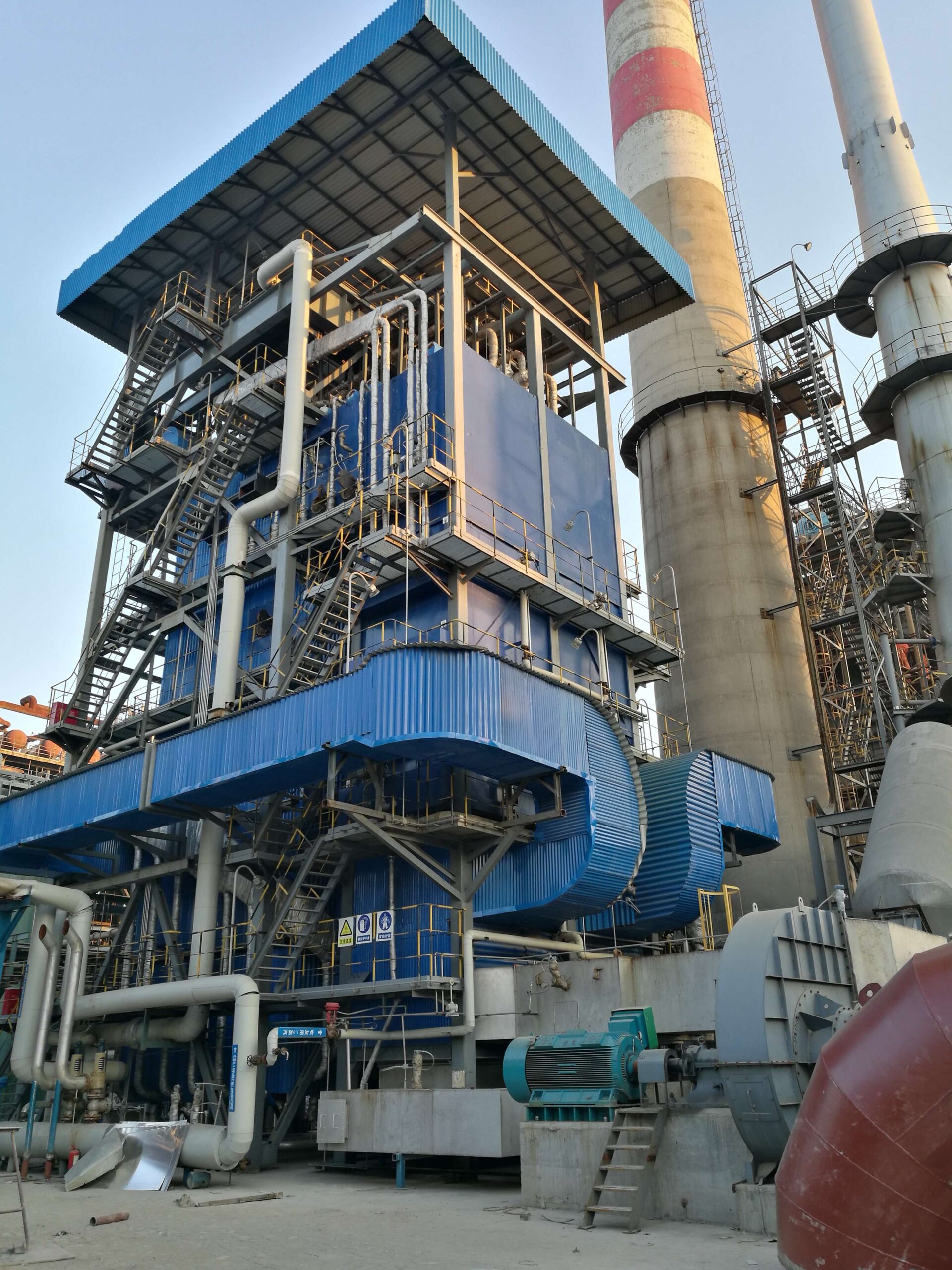
Industrial plants want lower carbon emissions, but they cannot sacrifice steam reliability, product quality, or cost control. A boiler that depends on only one fuel may become risky if fuel prices rise, hydrogen supply is delayed, electricity tariffs fluctuate, or carbon rules become stricter. On the other hand, buying the most flexible boiler system without a clear operating strategy can create unnecessary capital cost, complex maintenance, and poor payback. The practical solution is to select hydrogen-ready and carbon-neutral industrial boilers with a staged fuel-flexibility plan: use the lowest-cost reliable fuel today, prepare for low-carbon fuels tomorrow, and continuously optimize fuel choice through efficiency monitoring, predictive maintenance, and lifecycle cost analysis.
Hydrogen-ready and carbon-neutral industrial boilers balance fuel flexibility and operating cost by allowing factories to shift between natural gas, hydrogen blends, 100% hydrogen, biomethane, biofuels, electricity, or hybrid energy sources according to fuel availability, carbon targets, steam demand, and real-time cost. The best strategy is not maximum flexibility at any price; it is controlled flexibility. Plants should specify only the fuel options they realistically need, reduce steam waste first, use high-efficiency heat recovery, install smart controls, monitor fuel-to-steam cost, and plan future hydrogen or carbon-neutral conversion in phases.
For boiler buyers, fuel flexibility is valuable because the future energy market is uncertain. However, flexibility must be engineered carefully. A hydrogen-ready boiler is not automatically the lowest-cost or lowest-carbon solution on day one. Low-emissions hydrogen still represents a very small share of global hydrogen production, and the IEA’s 2025 review notes that hydrogen demand reached almost 100 million tonnes in 2024 while low-emissions hydrogen remained below 1% of global production; announced low-emissions production potential for 2030 has also been revised down to 37 million tonnes per year. This means industrial boiler owners should prepare for hydrogen, but also keep practical backup options such as natural gas, biomethane, electric steam, heat recovery, and hybrid operation. (IEA)
A boiler with more fuel options always has the lowest operating cost.False
Fuel flexibility can reduce risk, but every added fuel option increases equipment, controls, safety, maintenance, and commissioning cost. The lowest lifecycle cost comes from selecting realistic fuel options and using them with an optimized operating strategy.
Hydrogen-ready and carbon-neutral boilers can reduce long-term cost risk when they are designed with staged conversion, efficient operation, and accurate fuel-cost monitoring.True
A staged design lets plants operate economically today while preparing for future low-carbon fuels, carbon policies, and customer decarbonization requirements.
🌍 Why Fuel Flexibility Is Becoming a Boiler Selection Priority
Fuel flexibility is becoming important because industrial boiler assets often remain in service for decades, while fuel markets, carbon policies, grid conditions, and customer sustainability requirements can change much faster. A plant that buys a single-fuel boiler today may face expensive retrofit work later if natural gas becomes costly, carbon fees increase, customers require lower embodied carbon, or local hydrogen infrastructure becomes available. At the same time, a plant that buys an overly complex “all-fuel” system may spend capital on functions it never uses. The balance is choosing enough flexibility to manage future risk without overengineering the boiler room.
Industrial decarbonization strategies commonly include energy efficiency, electrification, low-carbon fuels, low-carbon feedstocks, and carbon capture, depending on the process and site conditions. For boiler rooms, this means future steam generation may combine efficient combustion, hydrogen-ready burners, renewable natural gas or biomethane, electric boilers, heat pumps for lower-temperature heating, waste heat recovery, and digital energy management. The U.S. Department of Energy’s industrial decarbonization roadmap identifies efficiency, electrification, low-carbon fuels and energy sources, and carbon capture as key pillars for industrial emissions reduction. (The Department of Energy’s Energy.gov)
The operating-cost challenge is that each fuel has a different cost structure. Natural gas may be cheap and reliable but carbon-intensive. Green hydrogen may reduce direct combustion carbon but may cost more and require new infrastructure. Biomethane may fit existing gas systems but can be supply-limited. Electric boilers can eliminate onsite combustion emissions but may face high demand charges or grid-capacity limits. Biomass can be attractive where residue is available but adds fuel handling, ash, and emissions-control costs. Hybrid systems can optimize across fuels, but they require better controls and skilled operation.
⚖️ The Core Trade-Off: Flexibility vs. Cost
Fuel flexibility is like insurance. It has value when fuel prices move, supply changes, or carbon requirements tighten. But, like insurance, it has a cost. A dual-fuel or multi-fuel boiler may require extra burners, fuel trains, valves, flame scanners, gas detection, ventilation, controls, commissioning, operator training, spare parts, and maintenance procedures. The question is not “How many fuels can this boiler burn?” The better question is: Which fuel options are likely enough, valuable enough, and safe enough to justify their added lifecycle cost?
| Boiler Strategy | Fuel Flexibility | Initial Cost | Operating Cost Risk | Best Use Case |
|---|---|---|---|---|
| Conventional single-fuel gas boiler | Low | Low | High if carbon cost or gas price rises | Sites with stable gas supply and no near-term carbon pressure |
| Gas boiler with hydrogen-blend readiness | Medium | Low-medium | Medium | Plants preparing for gradual hydrogen blending |
| Full hydrogen-conversion-ready boiler | High | Medium-high | Lower future retrofit risk | Long-life assets near future hydrogen infrastructure |
| Dual-fuel gas/hydrogen boiler | High | High | Lower supply risk but higher complexity | Critical steam plants needing transition flexibility |
| Biomethane-capable gas boiler | Medium | Medium | Depends on renewable gas supply | Sites with certified biomethane access |
| Electric boiler | Medium | Medium-high | Depends on electricity price and demand charge | Sites with low-carbon power and strong grid connection |
| Hybrid combustion + electric boiler | Very high | High | Best controllability if managed well | Sites with variable fuel/electricity prices and strict carbon targets |
| Biomass boiler | Medium | High | Lower fossil exposure but higher logistics risk | Sites with reliable local biomass residue |
🧪 Hydrogen-Ready Boilers: How to Avoid Paying Too Much Too Early
Hydrogen-ready boilers can reduce future retrofit risk, but the specification must be precise. A buyer should not accept “hydrogen-ready” as a vague marketing phrase. It should be defined by blend percentage, conversion path, required hardware changes, safety upgrades, emissions limits, control logic, warranty terms, and expected downtime. For some equipment, low hydrogen blends may require limited changes; 100% hydrogen firing may require major burner and fuel-system design changes. A 2024 industrial boiler conversion presentation summarized OEM feedback that blends up to about 20% by volume may require minimal changes in some cases, while 100% hydrogen firing generally requires major design changes from standard natural-gas units. (The Department of Energy’s Energy.gov)
The cost-control strategy is to separate ready now, convert later, and pay only when needed. For example, a plant may buy a boiler pressure vessel, control cabinet, and layout that can support future hydrogen, but delay the full 100% hydrogen burner package until hydrogen supply becomes real. This avoids installing expensive hydrogen hardware that may sit unused for years. At the same time, the boiler room can be designed with space, ventilation, piping routes, control architecture, and safety provisions that make future conversion less disruptive.
| Hydrogen Readiness Level | What the Buyer Pays For Now | What May Be Added Later | Cost-Control Advantage |
|---|---|---|---|
| H₂ assessment-ready | Engineering review, layout space, documentation | Burner and fuel train conversion | Lowest upfront cost, but more future work |
| Blend-ready | Burner/fuel train suitable for defined blend | Higher-blend components if needed | Good transitional option |
| Conversion-ready | Boiler package designed for future 100% H₂ retrofit | Dedicated H₂ burner, valves, sensors, controls | Reduces stranded-asset risk |
| 100% H₂-ready from day one | Full hydrogen combustion and safety package | Minimal conversion work | Best for sites with confirmed hydrogen supply |
| Dual-fuel H₂/gas | Two-fuel operation hardware and controls | Ongoing tuning and maintenance | Maximum flexibility, highest complexity |
🔥 Carbon-Neutral Fuels: Cost Depends on Local Supply
Carbon-neutral boiler operation can use several fuel pathways, not only hydrogen. The best option depends on the local energy market. Biomethane may be attractive where gas infrastructure already exists and renewable gas certificates are accepted. Biogas may be economical at wastewater, landfill, agricultural, or food processing sites. Biomass may work where the plant has clean, consistent residue. Bio-oil may help liquid-fuel boiler users reduce fossil fuel dependence. Electric boilers may be cost-effective where renewable electricity is abundant or where demand-response programs reward flexible electric load.
Hydrogen combustion produces no direct carbon dioxide at the combustion point, but it can still require attention to local air quality because NOx can form during high-temperature combustion. UK hydrogen-combustion guidance, for example, notes that hydrogen combustion produces no direct CO₂ but still emphasizes compliance with NOx and CO emission limits where applicable. (GOV.UK)
| Fuel Option | Operating Cost Driver | Carbon Benefit | Practical Cost Risk |
|---|---|---|---|
| Natural gas | Commodity gas price and carbon cost | Lower than coal/oil but still fossil CO₂ | Future carbon exposure |
| Hydrogen blend | Hydrogen premium and blend percentage | Partial reduction in fossil carbon | Low blends give limited carbon reduction |
| 100% green hydrogen | Hydrogen production, transport, storage | No direct fossil CO₂ from combustion | High cost and limited availability in many regions |
| Biomethane / RNG | Contract price and certification | Can reduce fossil carbon accounting | Supply volume and certificate cost |
| Biogas | Site generation and gas cleaning cost | Useful for circular-energy sites | Moisture, sulfur, siloxanes, variable quality |
| Biomass | Fuel logistics, moisture, ash handling | Fossil fuel displacement | Handling labor and emissions control |
| Electric steam | Electricity tariff, demand charge, grid carbon | Zero onsite combustion emissions | Grid capacity and peak tariff risk |
| Hybrid fuel operation | Control strategy and fuel switching | Optimizes carbon and cost | More complex integration |
⚡ Hybrid Boiler Rooms: The Best Balance for Many Plants
A hybrid boiler room combines two or more heat sources, such as a hydrogen-ready gas boiler plus an electric boiler, or a natural gas boiler plus biomethane supply and heat recovery. This approach can balance fuel flexibility and operating cost better than relying on one future fuel. The plant can use the lowest-cost and lowest-carbon option available at each operating condition.
For example, an electric boiler may run during low electricity-price hours or when renewable power is available. A gas or hydrogen-ready boiler may carry base load or peak load when electricity prices are high. Biomethane may be used to meet carbon targets during specific production campaigns. A hydrogen blend may be introduced gradually as supply develops. Thermal storage can help shift steam generation away from expensive energy periods.
| Hybrid Operating Mode | When It Works Best | Cost Benefit | Carbon Benefit |
|---|---|---|---|
| Electric boiler for off-peak steam | Low electricity price periods | Reduces fuel use during cheap power windows | Lower onsite combustion |
| Gas/H₂ boiler for peak demand | High steam demand or expensive electricity | Maintains reliability and avoids demand spikes | Can reduce carbon if H₂ blend is used |
| Biomethane for certified low-carbon production | Customer requires low-carbon product batch | Supports premium or compliant production | Lower fossil carbon accounting |
| Heat recovery as first priority | Continuous hot exhaust or process waste heat | Reduces all fuel consumption | Reduces emissions regardless of fuel |
| Natural gas backup | Low-carbon fuel unavailable | Protects production reliability | Maintains transition resilience |
💰 How to Calculate Real Operating Cost
Future boiler selection should use cost per ton of steam, not only fuel price per unit. A low fuel price can be misleading if boiler efficiency is poor, blowdown is excessive, feedwater is cold, steam leaks are high, or maintenance is expensive. The practical calculation should include fuel cost, electricity cost, carbon cost, water and chemical cost, maintenance cost, downtime cost, and conversion cost.
A simplified cost model is:
Steam cost = fuel cost + electricity cost + water/chemical cost + carbon cost + maintenance cost + downtime risk + conversion reserve
| Cost Item | What to Measure | Why It Matters |
|---|---|---|
| Fuel cost | Fuel flow and unit fuel price | Main operating expense for combustion boilers |
| Steam output | Steam flow and pressure | Converts energy input into useful output |
| Efficiency | Fuel-to-steam ratio | Shows whether fuel is being wasted |
| Carbon cost | Emission factor and carbon price | Future policy and customer reporting risk |
| Electricity cost | kWh, demand charge, time-of-use tariff | Critical for electric and hybrid boiler systems |
| Water and chemical cost | Makeup water, blowdown, chemical dosing | Often hidden in steam cost |
| Maintenance cost | Work orders, parts, labor, inspections | Higher for complex multi-fuel systems |
| Downtime cost | Lost production hours | Determines value of redundancy and flexibility |
| Conversion cost | Future burner/safety/control upgrade | Prevents surprise retrofit spending |
📊 Example Fuel-Flexibility Cost Scenario
The following example is simplified, but it shows how a plant can compare operating strategies. Actual results depend on local prices, boiler efficiency, hydrogen availability, electricity tariffs, carbon rules, and production demand.
| Scenario | Main Fuel Strategy | Upfront Cost | Operating Cost Outlook | Risk Profile |
|---|---|---|---|---|
| A: Conventional gas only | Natural gas boiler | Low | Low today if gas is cheap, higher if carbon cost rises | High future carbon risk |
| B: Gas + hydrogen blend-ready | Natural gas now, H₂ blend later | Medium | Slightly higher upfront, moderate future flexibility | Balanced transition option |
| C: Full hydrogen-conversion-ready | Natural gas now, 100% H₂ later | Medium-high | Higher capital, lower future retrofit risk | Good if hydrogen supply likely |
| D: Gas + electric hybrid | Gas base load, electric flexible load | High | Can optimize against fuel/electricity tariffs | Strong cost-control potential |
| E: Biomethane-capable boiler | Certified renewable gas | Medium | Depends on biomethane contract | Good for carbon reporting |
| F: Biomass boiler | Biomass primary fuel | High | Good if local fuel is cheap and reliable | Higher handling/maintenance complexity |
🧠 The Smart Operating Rule: Use Fuel Flexibility Only When It Creates Value
Fuel flexibility should be controlled by operating rules. Without rules, operators may use the wrong fuel at the wrong time. A smart boiler management system should compare steam demand, fuel price, electricity price, carbon intensity, boiler efficiency, emissions limits, and equipment availability. The system can then recommend which boiler or fuel mode should run.
For example:
| Condition | Recommended Operating Priority |
|---|---|
| Low steam demand + cheap renewable electricity | Run electric boiler first |
| High steam demand + high electricity price | Run combustion boiler or hybrid mode |
| Carbon-reduction production campaign | Use biomethane, hydrogen blend, or electric steam |
| Hydrogen supply limited | Use H₂ only for priority production or compliance periods |
| Boiler efficiency drifting | Clean, tune, or repair before switching fuels |
| Condensate return low | Fix steam system before investing in more expensive fuel |
| Carbon price increases | Shift more load to low-carbon fuels if available |
| Natural gas price spike | Use electric, biomethane, biomass, or stored thermal energy where possible |
🛠️ Efficiency First: The Cheapest Fuel Is the Fuel You Do Not Burn
The most important way to balance fuel flexibility and operating cost is to reduce steam demand before switching fuels. Low-carbon fuels are often more expensive than conventional fuels, so wasting steam becomes even more costly under a decarbonization strategy. A plant should repair leaks, improve condensate return, optimize blowdown, clean heat-transfer surfaces, tune burners, install economizers, fix steam traps, and improve insulation before relying heavily on expensive hydrogen or electricity.
| Efficiency Measure | Cost Impact | Why It Helps Fuel Flexibility |
|---|---|---|
| Condensate recovery | Reduces fuel, water, and chemical cost | Lowers demand for all future fuels |
| Economizer | Recovers flue gas heat | Improves efficiency for gas, hydrogen, and biomethane |
| Steam trap repair | Reduces live steam loss | Makes low-carbon fuel go further |
| Blowdown optimization | Reduces hot water loss | Lowers fuel and treatment cost |
| Burner tuning | Reduces excess air and stack loss | Improves gas and hydrogen operation |
| Insulation repair | Reduces distribution loss | Cuts continuous heat waste |
| Boiler sequencing | Reduces cycling and standby loss | Improves hybrid system economics |
| Predictive maintenance | Prevents efficiency drift | Protects expected savings |
🛡️ Safety Costs Must Be Included
Hydrogen and carbon-neutral fuel flexibility can add safety requirements. Hydrogen systems may require leak detection, ventilation review, flame detection suitable for hydrogen combustion, updated purge logic, compatible valves and seals, and operator training. Biomass requires fire prevention, dust control, ash handling, and fuel storage management. Biogas may require gas cleaning and corrosion control. Electric boilers require high-voltage safety and electrical maintenance skills.
Ignoring safety cost is a false economy. A boiler proposal that looks cheap because it excludes gas detection, ventilation, commissioning, emissions verification, or operator training may become expensive later.
| Fuel Pathway | Safety/Compliance Cost Item |
|---|---|
| Hydrogen | Leak detection, ventilation, flame detection, purge logic, H₂-compatible fuel train |
| Biomethane/biogas | Gas cleaning, moisture removal, sulfur/siloxane control, fuel-quality monitoring |
| Biomass | Fuel storage fire control, dust management, ash handling, particulate control |
| Electric boiler | Transformer/switchgear protection, arc-flash safety, electrical maintenance |
| Hybrid system | Integrated controls, interlocks, fuel switching procedures, operator training |
| Bio-oil | Storage stability, viscosity control, burner compatibility, spill prevention |
📟 Digital Monitoring: The Key to Cost Control
A flexible boiler room needs digital monitoring because operators cannot optimize what they cannot measure. IoT sensors and AI analytics can track fuel flow, steam flow, hydrogen blend ratio, electricity consumption, oxygen, stack temperature, feedwater temperature, blowdown, condensate return, burner cycling, emissions, and maintenance condition. Predictive maintenance then keeps the system efficient by detecting burner drift, oxygen analyzer error, economizer fouling, pump degradation, failed traps, or leaking valves.
| Digital Data Point | Operating-Cost Benefit |
|---|---|
| Fuel flow | Calculates real fuel cost per ton of steam |
| Steam flow | Confirms useful output |
| Hydrogen blend ratio | Verifies low-carbon fuel use |
| Electricity consumption | Controls electric boiler cost |
| Oxygen level | Detects excess air and poor combustion |
| Stack temperature | Detects soot, scale, fouling, or heat-transfer loss |
| Feedwater temperature | Measures condensate and heat recovery value |
| Blowdown rate | Identifies hot water and chemical loss |
| Condensate return | Shows recovered heat percentage |
| Burner cycling | Detects poor sequencing and standby loss |
| Maintenance alerts | Prevents efficiency loss and emergency repair |
🧩 How Procurement Teams Should Specify the Right Balance
A good boiler specification should not simply say “hydrogen-ready” or “carbon-neutral.” It should define the fuel pathway, conversion plan, cost expectations, and performance guarantees. The buyer should request clear answers before purchase.
| Procurement Question | Why It Matters |
|---|---|
| What fuels must the boiler use on day one? | Avoids paying for unnecessary future features |
| What fuels may be required in 5–10 years? | Prevents stranded assets |
| What hydrogen blend is guaranteed? | Defines real readiness |
| What changes are required for 100% hydrogen? | Controls future conversion cost |
| What NOx performance is guaranteed? | Avoids emissions surprises |
| What fuel switching procedure is required? | Protects safety and uptime |
| What sensors are included? | Enables cost and carbon monitoring |
| What is the expected efficiency for each fuel? | Determines real operating cost |
| What safety upgrades are included? | Prevents hidden project costs |
| What spare parts and maintenance skills are required? | Controls lifecycle maintenance cost |
✅ Practical Selection Recommendation
For most industrial plants, the best balance will be one of three strategies:
| Plant Situation | Recommended Boiler Strategy |
|---|---|
| Hydrogen supply uncertain, but carbon pressure increasing | Select natural gas boiler with documented hydrogen-blend or conversion readiness |
| Electricity is low-carbon and grid capacity is strong | Consider electric or hybrid boiler system |
| Steam demand is large and continuous | Prioritize high-efficiency combustion, heat recovery, and future fuel conversion |
| Biomethane or biogas is available | Select compatible gas boiler with fuel-quality monitoring |
| Local biomass residue is reliable | Evaluate biomass boiler with emissions and ash-handling design |
| Production cannot tolerate downtime | Use dual-fuel or hybrid system with backup capability |
| Carbon reporting is customer-driven | Add metering, fuel certificates, emissions dashboard, and digital records |
| Budget is limited | Improve efficiency first, then add staged fuel flexibility |
Final Summary
Hydrogen-ready and carbon-neutral industrial boilers balance fuel flexibility and operating cost by giving factories more fuel choices without forcing an immediate jump to one expensive or uncertain future fuel. The key is controlled flexibility: choose realistic fuel pathways, avoid vague readiness claims, reduce steam waste first, specify staged conversion, include safety systems, and monitor cost per ton of steam continuously.
The best boiler solution is not always the most flexible system, and it is not always the cheapest single-fuel system. It is the system that can operate reliably today, convert economically tomorrow, and maintain low lifecycle cost under changing fuel, carbon, and electricity conditions. For many plants, the strongest path will be a high-efficiency boiler package with hydrogen-readiness, heat recovery, digital monitoring, predictive maintenance, and optional hybrid electric or carbon-neutral fuel integration.
Contact Us for Hydrogen-Ready and Carbon-Neutral Boiler Cost Planning
As a professional industrial boiler manufacturer and supplier, we help customers evaluate hydrogen-ready boilers, dual-fuel burners, biomethane-compatible systems, electric boilers, hybrid boiler rooms, economizers, condensate recovery, IoT monitoring, emissions reporting, and lifecycle cost scenarios. Contact us to discuss your steam capacity, fuel availability, carbon target, operating hours, electricity tariff, hydrogen roadmap, and budget. Our engineering team can recommend a practical boiler solution that balances fuel flexibility, operating cost, safety, and long-term decarbonization value.
How Will Hydrogen-Ready and Carbon-Neutral Industrial Boilers Improve Efficiency, Safety, and Emissions Control?
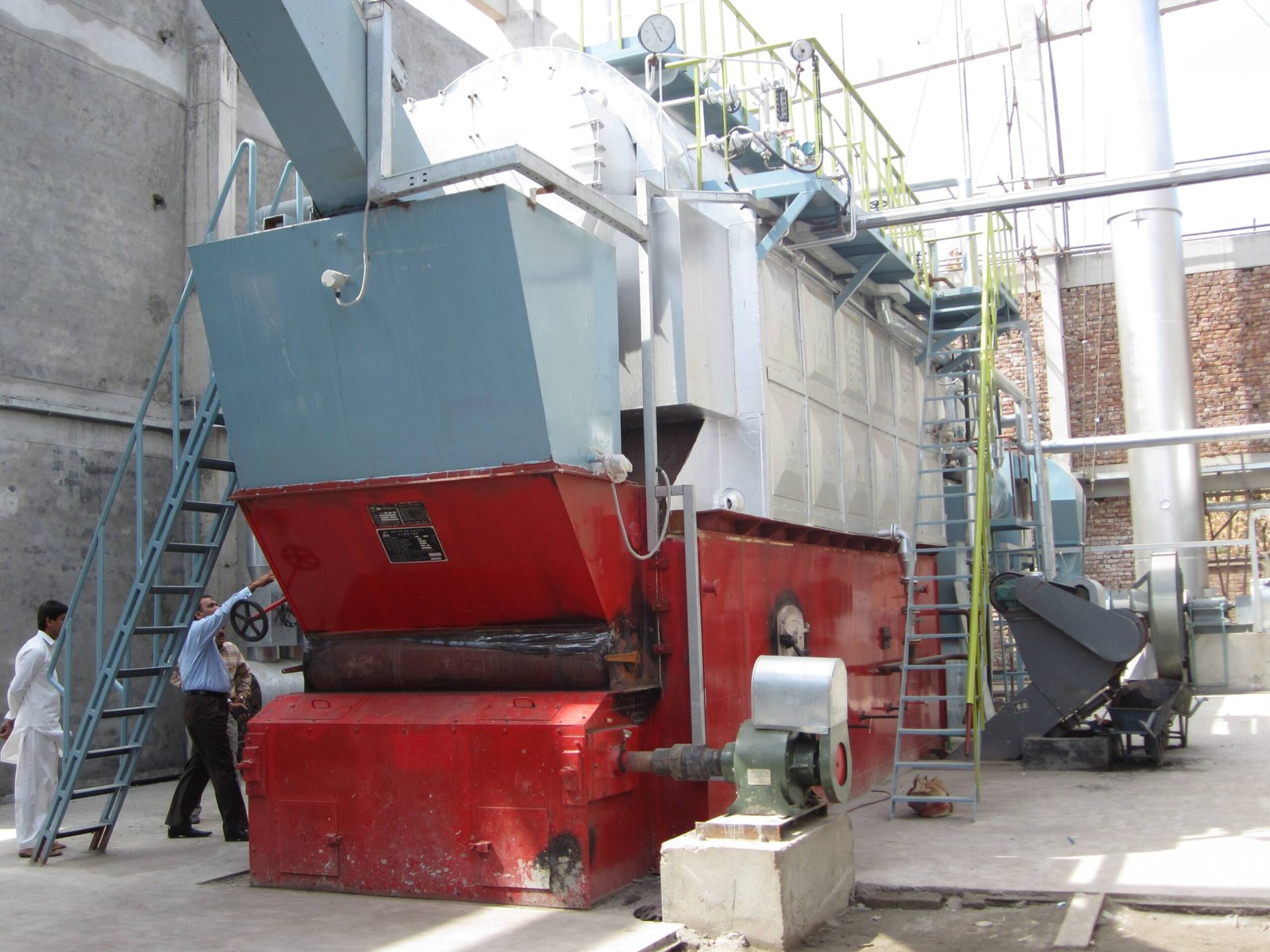
Industrial plants are under growing pressure to reduce fuel waste, improve boiler safety, and control emissions without compromising steam reliability. Traditional fossil-fuel boiler rooms can lose efficiency through excess air, high stack temperature, poor condensate return, excessive blowdown, scaling, burner drift, and reactive maintenance. At the same time, future low-carbon fuels such as hydrogen, biomethane, biomass, and renewable electricity introduce new safety and control requirements. The practical solution is to select hydrogen-ready and carbon-neutral industrial boilers as part of a complete engineering strategy that combines high-efficiency combustion, heat recovery, digital monitoring, advanced safety systems, and verified emissions control.
Hydrogen-ready and carbon-neutral industrial boilers improve efficiency, safety, and emissions control by combining flexible low-carbon fuel capability with smarter burner design, heat recovery, IoT monitoring, predictive maintenance, and advanced control systems. Hydrogen-ready boilers can reduce direct fossil-carbon emissions when operated with hydrogen blends or low-carbon hydrogen. Carbon-neutral boiler systems can use biomethane, biomass, biofuels, renewable electricity, or hybrid energy sources. When properly designed, these boilers improve fuel-to-steam performance, reduce carbon intensity, strengthen leak detection and flame safety, stabilize combustion, lower stack losses, and provide real-time emissions data for safer and cleaner industrial operation.
For boiler buyers, the key point is that future boiler performance will not depend on fuel choice alone. A hydrogen-ready boiler is not automatically efficient or safe unless the burner, fuel train, controls, sensors, ventilation, flame detection, maintenance plan, and emissions strategy are engineered correctly. A carbon-neutral boiler is not automatically low-cost unless the plant first reduces steam waste and monitors actual energy performance. The following guide explains how future-ready boilers will improve efficiency, safety, and emissions control in real industrial boiler rooms.
Hydrogen-ready boilers automatically improve efficiency without proper burner tuning, heat recovery, or operating control.False
Hydrogen readiness supports future fuel flexibility, but real efficiency still depends on combustion control, load matching, heat recovery, condensate return, blowdown optimization, water treatment, and maintenance quality.
Hydrogen-ready and carbon-neutral industrial boilers can improve emissions control when they are paired with suitable burners, monitoring systems, safety devices, and verified low-carbon fuel supply.True
Low-carbon boiler performance requires the correct fuel, combustion technology, emissions monitoring, safety design, and reliable operating data.
🌱 Why Future Boilers Must Improve Efficiency, Safety, and Emissions Together
Future industrial boiler selection will no longer focus only on steam capacity, pressure, and purchase price. Boiler owners now need equipment that can support lower fuel consumption, lower carbon intensity, safer fuel handling, better emissions documentation, and long-term energy flexibility. These goals are connected. A boiler that wastes fuel also produces unnecessary emissions. A boiler with unstable combustion may create both safety risk and poor efficiency. A boiler using hydrogen or biomethane must still control NOx, flame stability, fuel leakage, and operating cost. A boiler that lacks digital monitoring may not be able to prove its carbon reduction or detect efficiency drift.
Hydrogen-ready and carbon-neutral industrial boilers improve this situation by changing the boiler room from a single-fuel steam source into a flexible energy platform. The boiler may begin with natural gas, operate with a hydrogen blend later, convert to higher hydrogen use in the future, or combine combustion with electric steam generation. In other cases, the boiler may use biomethane, biogas, sustainable biomass, bio-oil, or recovered waste heat. The best solution depends on the site’s steam demand, fuel infrastructure, electricity supply, carbon target, and safety requirements.
| Future Boiler Goal | Traditional Boiler Limitation | Hydrogen-Ready / Carbon-Neutral Improvement |
|---|---|---|
| Higher efficiency | Periodic tuning and limited real-time data | Smart combustion control, heat recovery, IoT monitoring |
| Lower carbon emissions | Fossil fuel combustion only | Hydrogen, biomethane, biomass, electric, or hybrid operation |
| Better safety | Conventional fuel safety systems only | Hydrogen leak detection, improved flame monitoring, advanced interlocks |
| Stronger emissions control | Manual testing and delayed reporting | Continuous data from O₂, stack temperature, NOx/CO where required |
| Lower lifecycle risk | Single-fuel dependency | Fuel flexibility and staged conversion readiness |
| Better maintenance | Reactive or calendar-based service | Predictive maintenance and asset health monitoring |
⚙️ How Hydrogen-Ready Boilers Improve Energy Efficiency
Hydrogen-ready boilers improve efficiency most effectively when they are designed as high-performance boiler systems, not merely as boilers that can accept a future fuel. The main efficiency gains come from better combustion control, lower stack losses, improved heat recovery, reduced cycling, better condensate return, optimized blowdown, and predictive maintenance. Hydrogen itself is not a magic efficiency booster; the boiler still needs correct fuel-air control, stable modulation, clean heat-transfer surfaces, and accurate instrumentation.
A hydrogen-ready burner must manage changing fuel characteristics. Hydrogen blends can change flame speed, combustion behavior, fuel volume requirements, and burner tuning needs. A well-engineered burner and control system can adjust air-fuel ratio, monitor oxygen, stabilize flame, and maintain safe combustion across the approved fuel range. This helps prevent excess air waste, unstable flame, soot formation in mixed-fuel scenarios, and poor steam response.
Efficiency also depends on heat recovery. Economizers, blowdown heat recovery, condensate recovery, and insulation improvements reduce the total energy required to produce steam. These measures are especially important when low-carbon fuels are expensive. If a plant wastes steam while operating on green hydrogen or renewable electricity, the cost penalty can be much higher than wasting conventional fuel. Therefore, future-ready boiler rooms should reduce demand first and then switch fuels.
| Efficiency Lever | How It Works | Benefit for Hydrogen-Ready / Carbon-Neutral Boilers |
|---|---|---|
| 🔥 Advanced burner control | Maintains proper fuel-air ratio | Reduces excess air and combustion loss |
| 🌡️ Stack temperature monitoring | Detects heat-transfer loss | Identifies soot, scale, or economizer fouling |
| ♨️ Economizer | Uses flue gas heat to preheat feedwater | Reduces fuel demand for all combustion fuels |
| 💧 Condensate recovery | Returns hot treated water | Reduces fuel, water, and chemical cost |
| 🚿 Blowdown optimization | Controls dissolved solids without wasting hot water | Improves efficiency and water treatment balance |
| 🎛️ Boiler sequencing | Matches boiler output to steam demand | Reduces short cycling and standby losses |
| 📟 IoT monitoring | Measures fuel, steam, oxygen, stack temperature, and water data | Makes efficiency visible in real time |
| 🔧 Predictive maintenance | Detects fouling, sensor drift, trap failure, and burner wear | Prevents long-term efficiency decline |
🔥 Combustion Efficiency in Hydrogen and Low-Carbon Fuel Operation
Combustion efficiency depends on stable fuel supply, correct air supply, accurate oxygen control, burner cleanliness, and proper modulation. With conventional fuels, many plants already struggle with excess air, high stack temperature, burner drift, and incomplete maintenance. Hydrogen-ready boilers must solve these problems more carefully because hydrogen combustion has different flame behavior and may require different burner geometry, flame detection, and NOx-control methods.
In a future-ready boiler, combustion control should monitor oxygen level, stack temperature, burner firing rate, fuel pressure, fuel flow, fan speed, damper position, flame signal, and steam pressure response. This data helps determine whether the boiler is burning fuel efficiently or losing heat through the stack. If oxygen is too high, the boiler may be wasting energy by heating unnecessary air. If oxygen is too low, combustion may become unsafe or incomplete. If stack temperature rises at the same load, heat-transfer surfaces may be fouled or scaled.
| Combustion Issue | Efficiency Impact | Safety Impact | Corrective Priority |
|---|---|---|---|
| Excess air too high | Higher stack loss and fuel waste | Usually lower immediate combustion risk, but inefficient | Tune burner and inspect damper/actuator |
| Excess air too low | Possible incomplete combustion | Unsafe flame or CO risk depending on fuel | Correct immediately with qualified technician |
| Fuel pressure instability | Poor steam response and inefficient firing | Flame failure or lockout risk | Inspect fuel train and regulators |
| Burner actuator drift | Poor modulation and excess air | Unstable combustion during load changes | Calibrate actuator and controls |
| Dirty burner components | Poor mixing and possible soot | Flame instability | Clean burner and verify combustion |
| Oxygen analyzer drift | Wrong tuning decisions | Unsafe or inefficient operation | Calibrate or replace analyzer |
| High stack temperature | Heat-transfer loss | Possible scale or soot damage | Inspect boiler surfaces and economizer |
🛡️ How Hydrogen-Ready Boilers Improve Safety
Hydrogen-ready boilers can improve safety when they are engineered with the right detection, ventilation, fuel isolation, flame monitoring, purge logic, and operator procedures. Hydrogen has different safety characteristics from natural gas. It is light, diffuses quickly, has low ignition energy, and burns with a flame that may be difficult to see under some conditions. This means a boiler room designed for future hydrogen operation must include safety features beyond conventional gas firing.
Safety improvements should include hydrogen-compatible fuel train components, leak detection sensors, mechanical ventilation review, flame detection suitable for hydrogen combustion, automatic shutoff valves, safe purge sequences, pressure regulation, emergency shutdown logic, and operator training. The fuel system should be designed so that any leak, pressure abnormality, flame failure, or unsafe startup condition leads to a safe shutdown.
Safety also improves through better data. IoT monitoring can detect abnormal fuel pressure, weak flame signal, repeated ignition delay, burner lockouts, fan vibration, actuator mismatch, and pressure instability. Predictive maintenance can identify problems before they become unsafe. For example, a declining flame signal may indicate scanner fouling. Rising fan vibration may indicate bearing wear. Repeated pressure overshoot may indicate control instability. These early warnings reduce the chance of sudden burner failure or unsafe operation.
| Safety Function | Why It Matters | Practical Boiler Requirement |
|---|---|---|
| 🧪 Hydrogen leak detection | Hydrogen leaks may not be easily noticed by smell or sight | Fixed sensors with alarm and shutdown logic |
| 🌬️ Ventilation | Reduces accumulation risk | Boiler room ventilation designed for fuel type |
| 👁️ Flame detection | Hydrogen flame characteristics may differ from natural gas | Suitable scanner and verified sighting arrangement |
| 🔒 Fuel shutoff valves | Stops fuel flow during unsafe conditions | Certified automatic shutoff and tightness testing |
| 🔁 Purge sequence | Removes unburned fuel before ignition | Burner management system with correct timing |
| 🎛️ Pressure control | Prevents unsafe pressure excursions | Calibrated transmitters and stable modulation |
| 📟 Event logging | Supports incident review | Time-stamped alarms and sequence records |
| 👷 Operator training | New fuels require new procedures | Fuel-specific startup, shutdown, and emergency training |
⚠️ Safety Risks That Must Still Be Managed
Hydrogen-ready and carbon-neutral boilers do not remove the need for traditional boiler safety. Low-water protection, safety valves, pressure controls, burner management systems, flame safeguards, feedwater reliability, water treatment, inspection, and maintenance remain essential. A low-carbon boiler can still become dangerous if water level is unstable, controls are poorly tuned, safety valves are neglected, or maintenance is delayed.
Carbon-neutral fuel pathways also introduce their own risks. Biomass boilers require fire prevention, dust control, ash handling, and fuel-quality management. Biogas systems may need gas cleaning because moisture, sulfur compounds, or other impurities can damage equipment. Electric boilers require high-voltage safety, switchgear protection, and trained electrical maintenance. Hybrid boiler systems require careful interlocking so fuel switching and load sharing do not create unsafe pressure or control conditions.
| Fuel Pathway | Safety Focus |
|---|---|
| 🧪 Hydrogen | Leak detection, ventilation, flame detection, purge logic |
| 🌿 Biomethane / biogas | Gas quality, corrosion control, moisture removal |
| 🪵 Biomass | Fuel storage fire risk, dust control, ash handling |
| ⚡ Electric boiler | High-voltage protection, electrical isolation, grid safety |
| 🛢️ Bio-oil | Fuel heating, viscosity control, spill prevention |
| 🔋 Hybrid system | Integrated control logic, safe fuel switching, operator training |
🌍 How Carbon-Neutral Boilers Improve Emissions Control
Carbon-neutral industrial boilers improve emissions control by reducing reliance on fossil fuels and enabling cleaner fuel pathways. Hydrogen can eliminate direct CO₂ emissions at the point of combustion when produced from low-carbon sources. Biomethane and biogas can reduce fossil carbon dependence when properly sourced and verified. Electric boilers eliminate onsite combustion emissions when operating. Biomass and biofuels can displace fossil fuels when sustainably sourced and controlled.
However, emissions control is broader than carbon dioxide. Boilers must also consider NOx, CO, particulates, sulfur compounds, unburned fuel, and local air-quality limits depending on fuel type. Hydrogen combustion does not create CO₂ at the stack, but it can still produce NOx because high-temperature combustion air contains nitrogen and oxygen. Biomass can reduce fossil carbon but may require particulate control and ash management. Biogas may require cleaning to avoid sulfur-related emissions and corrosion. Electric boilers eliminate stack emissions but shift carbon accounting to electricity supply.
| Emissions Category | Conventional Concern | Future Boiler Control Method |
|---|---|---|
| CO₂ | Fossil fuel combustion | Hydrogen, biomethane, biomass, electric, hybrid low-carbon energy |
| NOx | High-temperature combustion | Low-NOx burner, staged combustion, flue gas recirculation, tuning |
| CO | Incomplete combustion | Proper air-fuel ratio and burner maintenance |
| Particulates | Solid fuels or poor combustion | Filtration, fuel quality control, combustion management |
| SOx | Sulfur-containing fuels | Fuel cleaning, low-sulfur fuel, treatment systems |
| Methane leakage | Gas fuel systems | Tightness testing, leak detection, maintenance |
| Stack heat loss | Wasted energy and higher fuel use | Economizer and heat-transfer monitoring |
| Water/chemical waste | Excessive blowdown | Conductivity control and blowdown optimization |
📊 Real-Time Emissions Monitoring and Reporting
Future boiler rooms will need to prove emissions performance, not only claim it. Digital monitoring will become a standard part of boiler selection because carbon reduction, fuel flexibility, and compliance all depend on accurate operating data. A smart boiler system should track fuel type, fuel flow, hydrogen blend ratio, steam flow, electricity use, oxygen, stack temperature, NOx and CO where required, feedwater temperature, blowdown rate, condensate return, burner cycling, and operating hours.
This data helps plant managers answer important questions: How much steam was produced per unit of fuel? How much low-carbon fuel was used? Did efficiency improve after burner tuning? Did NOx stay within target? Did condensate recovery reduce fuel demand? Did the electric boiler operate during low-carbon electricity periods? Did emissions increase because of fouling, poor tuning, or sensor drift?
| Data Point | Emissions-Control Value |
|---|---|
| Fuel type and fuel flow | Calculates carbon intensity and fuel use |
| Hydrogen blend ratio | Verifies low-carbon fuel share |
| Steam flow | Measures useful output and steam efficiency |
| Oxygen level | Confirms combustion tuning |
| Stack temperature | Detects heat-transfer loss |
| NOx / CO where required | Supports air-emissions control |
| Electricity consumption | Tracks electric boiler energy use |
| Feedwater temperature | Shows condensate recovery and heat recovery impact |
| Blowdown rate | Identifies hot water and chemical waste |
| Burner cycling | Reveals inefficient operation and emissions instability |
| Maintenance records | Proves corrective action and compliance discipline |
♻️ Carbon-Neutral Does Not Mean Efficiency Can Be Ignored
A common mistake is assuming that if the fuel is low-carbon, efficiency no longer matters. In reality, efficiency becomes even more important because many low-carbon fuels are more expensive or supply-limited. Wasting green hydrogen, biomethane, biomass, or renewable electricity can make a decarbonization project financially weak. The best carbon-neutral boiler systems reduce energy demand first, then use low-carbon fuel more effectively.
For example, a plant that improves condensate return may reduce fuel demand for every fuel type. A plant that installs an economizer lowers natural gas, hydrogen, or biomethane consumption. A plant that fixes failed steam traps reduces boiler load and water treatment cost. A plant that optimizes blowdown reduces hot water loss. These are not old-fashioned efficiency measures; they are the foundation of affordable decarbonization.
🔧 Predictive Maintenance Protects Efficiency, Safety, and Emissions
Predictive maintenance is essential for future-ready boiler performance because efficiency, safety, and emissions can drift over time. Sensors can become inaccurate. Burners can drift. Actuators can slow down. Economizers can foul. Steam traps can fail. Feedwater pumps can vibrate. Blowdown valves can leak. Hydrogen sensors may require calibration. Electric boiler components may require electrical inspection. Biomass fuel systems may require cleaning and ash-handling maintenance.
Predictive maintenance uses real-time data to identify these problems before they become serious. This protects efficiency by preventing fuel waste. It protects safety by detecting abnormal trends early. It protects emissions control by keeping combustion and heat recovery within target.
| Asset | Predictive Signal | Efficiency Impact | Safety / Emissions Impact |
|---|---|---|---|
| Burner | Oxygen drift, actuator mismatch, flame instability | Prevents excess air and poor fuel use | Reduces lockout and emissions risk |
| Oxygen analyzer | Calibration drift | Prevents wrong combustion tuning | Supports safe air-fuel control |
| Economizer | Reduced feedwater temperature rise | Restores heat recovery | Lowers total emissions |
| Steam traps | Abnormal temperature or ultrasonic signal | Reduces steam loss | Prevents water hammer and condensate issues |
| Feedwater pump | Vibration, current, pressure instability | Improves stable boiler operation | Protects low-water reliability |
| Blowdown valve | Leakage or excessive operation | Reduces hot water loss | Maintains water chemistry |
| Hydrogen sensors | Calibration status and alarm history | No direct efficiency effect | Critical for fuel safety |
| Electric boiler module | Load, temperature, electrical condition | Maintains stable electric steam output | Protects electrical safety |
🏭 How Different Industries Benefit
Hydrogen-ready and carbon-neutral boilers can support many industries, but the benefits differ by steam use, fuel access, and production requirements.
| Industry | Main Boiler Need | Efficiency Benefit | Safety / Emissions Benefit |
|---|---|---|---|
| Food and beverage | Steam for cooking, sterilization, cleaning | Condensate recovery and electric hybrid operation | Lower onsite emissions and cleaner steam utility management |
| Textile | Steam for dyeing, washing, drying | Better steam pressure and heat recovery | Reduced fossil fuel dependence |
| Chemical | High-reliability process steam | Fuel flexibility and predictive maintenance | Stronger emissions monitoring and burner safety |
| Pharmaceutical | Clean, stable steam | Digital control and precise load management | Better documentation and lower onsite emissions |
| Paper and pulp | Large continuous steam demand | Biomass, heat recovery, boiler sequencing | Lower fossil fuel use with proper particulate control |
| Rubber and plastics | Curing and process heat | Burner tuning and hybrid energy | Lower carbon intensity of thermal processes |
| District heating | Large heat networks | Hybrid electric/combustion optimization | Better emissions control and fuel resilience |
🧭 Practical Implementation Roadmap
A plant should not jump directly from a conventional boiler to a complex low-carbon boiler room without a roadmap. The most reliable path is staged.
| Stage | Objective | Practical Action | Result |
|---|---|---|---|
| 1 | Reduce steam waste | Fix leaks, traps, insulation, condensate return | Lower fuel demand immediately |
| 2 | Improve boiler efficiency | Tune burner, clean surfaces, add economizer | Better fuel-to-steam ratio |
| 3 | Upgrade monitoring | Add fuel, steam, O₂, stack, condensate, blowdown sensors | Real-time performance visibility |
| 4 | Improve safety systems | Review flame detection, gas detection, ventilation, interlocks | Safer future fuel operation |
| 5 | Select flexible boiler platform | Specify hydrogen-ready, biomethane-capable, electric-ready, or hybrid design | Reduced future retrofit risk |
| 6 | Introduce low-carbon fuel | Blend hydrogen, use biomethane, biomass, electric steam, or hybrid operation | Lower carbon intensity |
| 7 | Verify emissions | Track CO₂, NOx, fuel use, steam output, operating hours | Stronger compliance and reporting |
| 8 | Maintain continuously | Use predictive maintenance and regular inspection | Sustained efficiency, safety, and emissions control |
✅ Buyer Checklist for Future-Ready Boiler Selection
Before purchasing a hydrogen-ready or carbon-neutral industrial boiler, buyers should request specific technical answers.
| Selection Question | Why It Matters |
|---|---|
| What fuels can the boiler use today? | Defines immediate operating capability |
| What future fuels can it support? | Prevents stranded assets |
| What does hydrogen-ready mean exactly? | Avoids vague marketing claims |
| What components must change for higher hydrogen use? | Defines conversion cost and downtime |
| What safety systems are included? | Protects people and equipment |
| What emissions are guaranteed? | Supports compliance and customer reporting |
| What efficiency is expected at real load points? | Prevents unrealistic rated-efficiency assumptions |
| What digital monitoring is included? | Enables carbon and efficiency verification |
| What maintenance changes are required? | Ensures long-term reliability |
| Can the system operate as a hybrid boiler room? | Improves fuel flexibility and cost control |
Common Mistakes to Avoid
One common mistake is assuming that hydrogen-ready means carbon-neutral. It does not. The actual carbon benefit depends on the fuel source. Another mistake is buying a flexible boiler without confirming whether future fuel supply is realistic. A third mistake is ignoring NOx control because hydrogen has no carbon in the fuel. Hydrogen combustion can still require careful NOx management. A fourth mistake is selecting an electric boiler without reviewing grid capacity, transformer requirements, and electricity tariffs. A fifth mistake is ignoring basic steam-system efficiency before switching to expensive low-carbon fuel.
Another major mistake is treating safety as a later upgrade. Hydrogen leak detection, flame detection, ventilation, purge logic, emergency shutdown, and operator training should be considered during project design. Adding safety systems after installation is usually more difficult and more expensive.
Final Summary
Hydrogen-ready and carbon-neutral industrial boilers will improve efficiency, safety, and emissions control by combining flexible low-carbon fuel options with advanced combustion systems, heat recovery, digital monitoring, predictive maintenance, and stronger safety engineering. Efficiency improves through better fuel-air control, lower stack losses, condensate recovery, blowdown optimization, economizers, and reduced cycling. Safety improves through hydrogen leak detection, suitable flame monitoring, ventilation, safe fuel shutoff, burner management systems, operator training, and predictive maintenance. Emissions control improves through low-carbon fuels, electric or hybrid operation, low-NOx burners, real-time monitoring, and verified fuel-to-steam performance.
The strongest future boiler strategy is not simply “buy a hydrogen boiler” or “buy an electric boiler.” It is to reduce steam waste first, select a flexible boiler platform, design safety systems correctly, monitor real performance, and introduce verified low-carbon fuels in stages. When implemented properly, hydrogen-ready and carbon-neutral industrial boilers can help factories lower carbon emissions, control energy cost, protect production reliability, and prepare for long-term industrial decarbonization.
How Will Hydrogen-Ready and Carbon-Neutral Industrial Boilers Work With Electrification, Biomass, Biogas, and Carbon Capture?
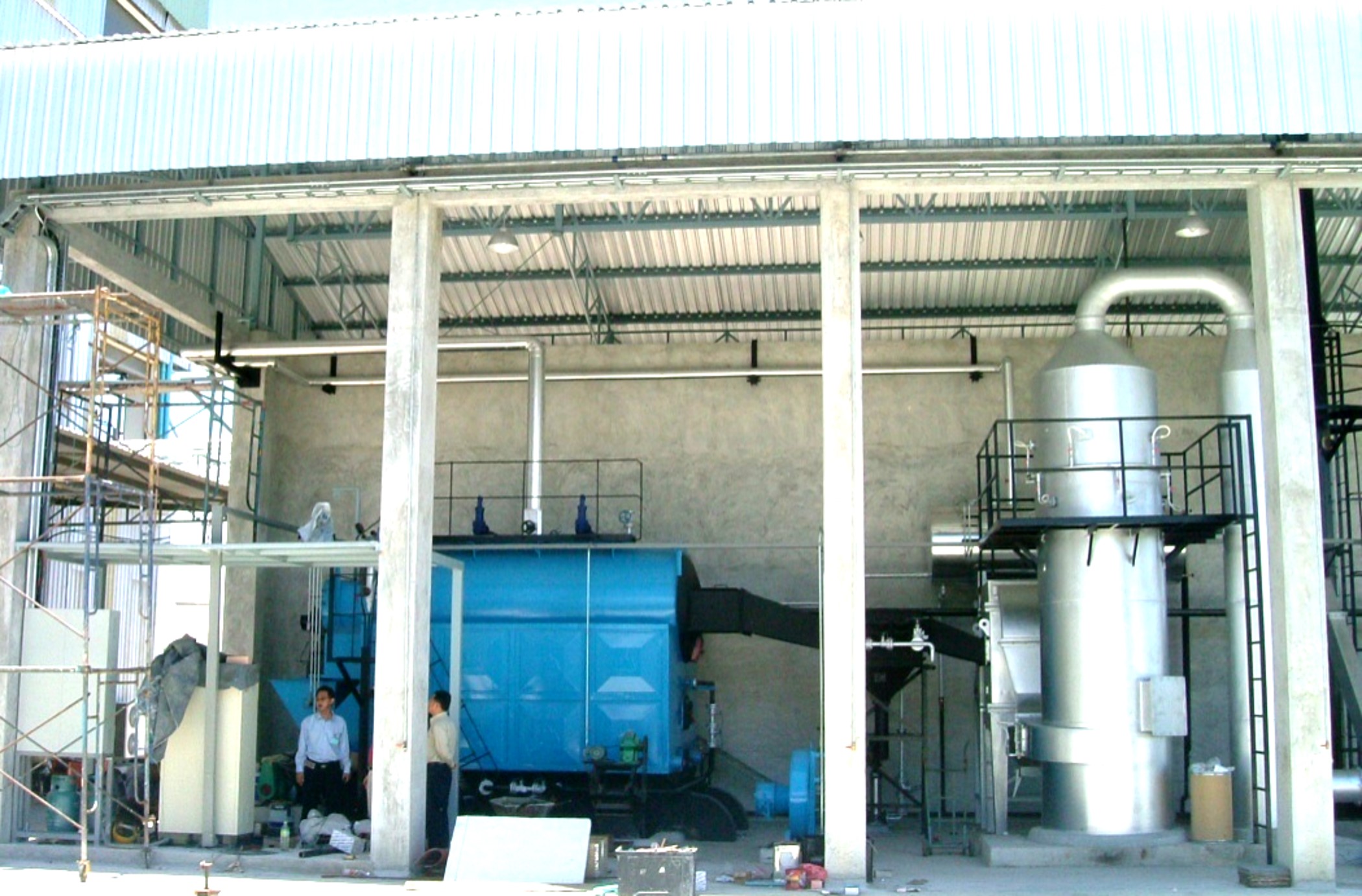
Industrial companies need reliable steam, but they also face increasing pressure to reduce fossil fuel use, improve energy efficiency, and prepare for long-term carbon reduction. The challenge is that no single technology fits every factory: hydrogen may not be available everywhere, electricity may be expensive during peak hours, biomass may require fuel-handling space, biogas may need cleaning, and carbon capture may only make sense for larger continuous-load boilers. If companies choose one pathway without understanding the full system, they may overspend, reduce reliability, or create new safety and maintenance problems. The practical solution is to design hydrogen-ready and carbon-neutral industrial boilers as part of an integrated low-carbon energy platform that can combine electrification, biomass, biogas, heat recovery, smart controls, and carbon capture according to site conditions.
Hydrogen-ready and carbon-neutral industrial boilers will work with electrification, biomass, biogas, and carbon capture by forming flexible hybrid boiler systems. Hydrogen-ready boilers can provide high-temperature combustion steam and future fuel-conversion capability. Electric boilers can reduce onsite combustion during periods of low-carbon or low-cost electricity. Biomass boilers can use sustainable solid fuels where local supply is reliable. Biogas systems can convert organic waste or process gas into useful boiler fuel after cleaning and conditioning. Carbon capture can reduce CO₂ emissions from combustion boilers when fuel switching is not enough. The best solution is usually not one technology alone, but a staged combination that balances steam reliability, emissions reduction, safety, fuel availability, and lifecycle cost.
For plant owners, energy managers, procurement teams, and engineering contractors, the future boiler room should be planned like an energy system, not like a single boiler replacement. A food factory may combine biogas from wastewater treatment with an electric boiler for low-load periods. A paper mill may combine biomass with hydrogen-ready auxiliary boilers. A chemical plant may use a hydrogen-ready boiler for high-pressure steam and carbon capture for remaining fossil fuel emissions. A district heating plant may use electric boilers, thermal storage, biomass, and hydrogen backup. As a professional industrial boiler manufacturer and supplier, we recommend evaluating each pathway through steam demand, fuel security, safety, emissions control, maintenance complexity, and total lifecycle cost.
Hydrogen-ready boilers eliminate the need for electrification, biomass, biogas, or carbon capture in every industrial plant.False
Hydrogen-ready boilers are one decarbonization pathway, but many plants will need hybrid systems that combine electrification, biomass, biogas, carbon capture, heat recovery, or other technologies depending on fuel availability, cost, process demand, and carbon targets.
Hydrogen-ready and carbon-neutral industrial boilers can work with electrification, biomass, biogas, and carbon capture when the boiler room is designed as an integrated energy system with suitable controls, safety systems, fuel handling, emissions monitoring, and maintenance planning.True
A successful low-carbon boiler strategy depends on matching each technology to the plant’s steam demand, infrastructure, fuel supply, operating cost, safety requirements, and emissions goals.
🌍 Why Future Boiler Rooms Will Become Hybrid Energy Systems
Future industrial boiler rooms will rarely depend on one fuel or one technology. The reason is simple: industrial steam demand is continuous, but low-carbon energy availability can be variable. Electricity prices change by time of day. Renewable electricity may be abundant at certain hours and expensive at others. Hydrogen supply may develop gradually. Biomass fuel quality can vary with moisture, season, and logistics. Biogas production may depend on wastewater flow or organic waste volume. Carbon capture may work best on large steady combustion sources. Because of this, future boiler systems must be flexible enough to use the right energy source at the right time.
Hydrogen-ready and carbon-neutral boilers fit into this future by acting as flexible steam-generation assets. A hydrogen-ready boiler may operate on natural gas today, hydrogen blends later, and higher hydrogen content in the future. An electric boiler may handle low-load steam demand or operate when electricity is cheap and low-carbon. A biomass boiler may provide base-load steam where solid renewable fuel is available. A biogas boiler may use locally produced renewable gas from wastewater, food waste, landfill gas, or anaerobic digestion. Carbon capture may reduce emissions from combustion systems that remain necessary for reliability or high-temperature process heat.
| Technology | Main Role in Future Boiler Room | Best Operating Function |
|---|---|---|
| 🧪 Hydrogen-ready boiler | Flexible combustion platform for future hydrogen use | High-temperature steam, backup, staged fuel transition |
| ⚡ Electric boiler | Uses electricity to generate steam without onsite combustion | Low-carbon electricity periods, fast response, low-load operation |
| 🪵 Biomass boiler | Uses renewable solid fuel | Base-load steam where local biomass is reliable |
| 🌿 Biogas boiler | Converts organic waste gas into useful steam | Sites with wastewater, food waste, landfill gas, or process gas |
| 🏭 Carbon capture | Captures CO₂ from combustion flue gas | Large, steady-load boilers where fuel switching is limited |
| ♨️ Heat recovery | Reduces total fuel demand | Economizers, condensate recovery, waste heat recovery |
| 📟 Smart controls | Decides which energy source should run | Cost, carbon, load, safety, and reliability optimization |
⚡ How Hydrogen-Ready Boilers Work With Electrification
Electrification means using electricity to generate industrial heat or steam instead of burning fuel onsite. In boiler rooms, this often means electric resistance boilers, electrode boilers, electric steam generators, heat pumps for lower-temperature heating, and thermal storage. Electrification works well when the plant has access to low-carbon electricity, sufficient grid capacity, favorable tariffs, or onsite renewable power.
Hydrogen-ready boilers and electric boilers complement each other because they solve different problems. Electric boilers can respond quickly, operate quietly, and eliminate onsite combustion emissions during operation. However, they may face high electricity prices, demand charges, grid-capacity limits, or backup reliability concerns. Hydrogen-ready combustion boilers can provide high-capacity steam, fuel backup, and high-temperature heat, especially when electricity is expensive or insufficient. Together, they create a hybrid boiler room that can shift load based on energy price, carbon intensity, and steam demand.
For example, a plant may run an electric boiler during off-peak electricity periods, use a hydrogen-ready boiler during peak steam demand, and keep both available for redundancy. In a future low-carbon grid, the electric boiler may carry more load. If hydrogen supply becomes available, the hydrogen-ready boiler can reduce fossil fuel use while maintaining combustion-based reliability.
| Operating Condition | Electric Boiler Role | Hydrogen-Ready Boiler Role | Practical Benefit |
|---|---|---|---|
| Low steam demand | Handles small load efficiently | Stays in standby or low fire | Reduces cycling of large combustion boiler |
| High electricity price | Reduces or stops operation | Carries steam load | Controls operating cost |
| Low-carbon electricity available | Runs more load | Provides backup or peak support | Reduces onsite emissions |
| Peak steam demand | Supports fast response if sized properly | Provides high-capacity steam | Maintains production reliability |
| Hydrogen supply limited | Not dependent on hydrogen | Operates on gas or blend | Protects continuity |
| Future hydrogen available | Shares load | Converts to higher hydrogen use | Adds deeper decarbonization path |
🔋 The Role of Thermal Storage in Electrified Boiler Rooms
Thermal storage can make electrification more practical. Instead of generating all steam exactly when needed, a plant may store hot water, pressurized hot water, thermal oil energy, or other thermal media during low-cost electricity periods and use it during high-cost periods. This helps reduce peak electrical demand and improves the economics of electric boilers.
Hydrogen-ready boilers can work with thermal storage by acting as backup or peak-load units. When stored heat is available, the combustion boiler can reduce firing. When storage is depleted, the hydrogen-ready boiler can respond quickly. This creates a more resilient steam system.
| Storage Strategy | How It Supports Decarbonization | Boiler Integration Benefit |
|---|---|---|
| Hot water storage | Stores low-temperature heat | Reduces boiler load for washing, cleaning, heating |
| Steam accumulator | Stores steam energy for short peaks | Reduces burner cycling and peak firing |
| Thermal oil storage | Supports process heating | Reduces direct boiler demand |
| Electric charging during off-peak hours | Uses low-cost electricity | Improves electric boiler economics |
| Hybrid storage + combustion backup | Balances reliability and carbon | Protects production during energy price changes |
🪵 How Hydrogen-Ready Boilers Work With Biomass
Biomass boilers use solid renewable fuels such as wood chips, agricultural residues, bagasse, palm kernel shell, rice husk, sawdust, bark, or other industrial biomass residues. Biomass can be attractive for plants with reliable local fuel supply, especially in food processing, paper, wood products, agriculture, and district heating. Biomass can reduce fossil fuel dependence, but it requires more fuel handling, storage space, ash management, emissions control, and fuel-quality management than gas-fired boilers.
Hydrogen-ready boilers can work with biomass boilers in a complementary arrangement. Biomass can serve as the base-load steam source, while the hydrogen-ready boiler provides backup, peak load, fast response, startup steam, or emergency support. This is useful because biomass systems often have slower response than gas or hydrogen combustion boilers. Biomass fuel moisture and quality can vary, which affects combustion stability. A hydrogen-ready boiler can stabilize the steam header when biomass output changes.
| Biomass System Need | Hydrogen-Ready Boiler Support |
|---|---|
| Startup steam | Provides fast steam before biomass boiler reaches stable firing |
| Peak demand | Covers sudden steam load increases |
| Backup reliability | Supports production during biomass fuel interruption |
| Steam pressure stability | Responds faster than solid-fuel combustion |
| Maintenance outage | Carries load while biomass system is cleaned or repaired |
| Future carbon strategy | Allows biomass + hydrogen blend or hydrogen backup |
🔥 Biomass Boiler Design Considerations
Biomass boiler integration requires practical engineering. The plant must manage fuel size, moisture, ash content, storage, conveyors, feeding equipment, combustion air, grate or fluidized bed design, ash removal, particulate control, and fire prevention. Poor biomass fuel management can reduce efficiency, increase maintenance, create slagging, and cause emissions problems.
A good biomass boiler project should include fuel analysis, supply-chain review, storage design, moisture control, fire protection, dust control, ash disposal plan, emissions-control equipment, and operator training. It should also include a backup boiler strategy because biomass fuel supply can be interrupted by weather, logistics, seasonal availability, or fuel-quality variation.
| Biomass Factor | Why It Matters | Preparation Requirement |
|---|---|---|
| Fuel moisture | Affects heating value and combustion stability | Moisture testing and storage management |
| Fuel size | Affects feeding and burning | Screening, crushing, or size specification |
| Ash content | Affects cleaning and emissions | Ash handling and disposal plan |
| Chlorine/alkali content | May increase corrosion or fouling risk | Fuel testing and material review |
| Storage safety | Biomass can create fire or dust risk | Fire detection, ventilation, housekeeping |
| Emissions | Particulates and NOx must be controlled | Cyclone, bag filter, ESP, or other controls |
| Load response | Solid fuel systems respond slower | Use hydrogen-ready or gas boiler for peak support |
🌿 How Hydrogen-Ready Boilers Work With Biogas
Biogas is produced from anaerobic digestion, wastewater treatment, landfill gas, agricultural waste, food waste, or some industrial organic streams. It usually contains methane and carbon dioxide, but it may also contain moisture, hydrogen sulfide, siloxanes, ammonia, or other impurities depending on the source. When properly cleaned and conditioned, biogas can fuel boilers and reduce fossil fuel use.
Hydrogen-ready boilers and biogas boilers can work together in several ways. If biogas production is steady but limited, it can provide part of the boiler fuel while natural gas or hydrogen-ready backup covers the remaining demand. If biogas quality fluctuates, the boiler control system must adjust fuel-air ratio and maintain stable combustion. If biogas is upgraded to biomethane, it may be used more like renewable natural gas in compatible gas-fired boiler systems.
| Biogas Condition | Boiler Integration Method | Key Requirement |
|---|---|---|
| Steady biogas supply | Use as base renewable gas fuel | Fuel metering and stable pressure |
| Variable biogas volume | Blend with natural gas or hydrogen-ready backup | Automatic fuel control |
| High moisture | Install drying and condensate removal | Protect burner and piping |
| Hydrogen sulfide present | Gas cleaning required | Prevent corrosion and emissions issues |
| Siloxanes present | Gas treatment required | Prevent deposits and equipment damage |
| Low heating value | Burner and controls must be suitable | Fuel-quality monitoring |
| Upgraded biomethane | Use in gas-compatible boiler | Certification and metering |
🧪 Biogas Cleaning and Fuel-Quality Control
Biogas is valuable, but untreated biogas can damage boiler systems. Moisture can cause corrosion and unstable combustion. Hydrogen sulfide can create acidic corrosion and sulfur emissions. Siloxanes can form hard deposits after combustion. Variable methane content can affect flame stability and boiler output. For this reason, biogas boiler integration should include fuel-quality monitoring and treatment equipment.
A practical biogas-to-boiler system may include moisture removal, gas cooling, filtration, desulfurization, activated carbon treatment, pressure regulation, gas storage or buffering, flame arresters where applicable, gas metering, and automatic fuel switching. The boiler control system should be designed to handle changes in heating value and pressure.
🏭 How Carbon Capture Works With Industrial Boilers
Carbon capture can reduce CO₂ emissions from combustion boilers by capturing CO₂ from flue gas before it is released. It is most suitable for larger boilers with steady operation, high annual fuel consumption, and limited low-carbon fuel alternatives. Carbon capture may be especially relevant where a plant must continue using natural gas, coal, biomass, or waste-derived fuels but still needs deep carbon reduction.
Carbon capture does not replace boiler efficiency improvement. In fact, it increases the importance of efficiency because carbon capture equipment requires energy, space, and operating cost. If the boiler wastes fuel, the carbon capture unit must handle more CO₂ than necessary. Therefore, plants should first reduce steam demand, optimize combustion, improve heat recovery, and then size carbon capture for the remaining emissions.
| Carbon Capture Role | How It Supports Boiler Decarbonization | Important Limitation |
|---|---|---|
| Captures CO₂ from flue gas | Reduces emissions from combustion boilers | Adds energy use and complexity |
| Supports existing fuel infrastructure | Allows continued use of combustion boilers | Requires space, integration, and CO₂ handling |
| Works with large steady loads | Better economics with high utilization | Less attractive for small intermittent boilers |
| Can combine with biomass | May create very low or negative-carbon potential in some strategies | Requires careful accounting and sustainability review |
| Complements hydrogen readiness | Covers emissions before hydrogen supply is mature | Does not solve NOx or other emissions alone |
♨️ Carbon Capture Integration Challenges
Carbon capture requires more than attaching equipment to the stack. It affects flue gas handling, heat balance, water use, power consumption, plant layout, maintenance, and CO₂ transport or storage. The boiler may need stable flue gas flow, controlled oxygen, low particulate levels, sulfur control, and consistent operating conditions. If the boiler cycles frequently, capture performance may suffer.
A carbon capture project should evaluate flue gas composition, boiler load profile, available space, steam or power needs for capture, cooling water, solvent or sorbent handling, CO₂ compression, transportation, utilization or storage, permitting, and maintenance. It should also include an economic comparison with fuel switching, electrification, biomass, biogas, and efficiency upgrades.
| Carbon Capture Requirement | Why It Matters |
|---|---|
| Stable boiler load | Improves capture efficiency and control |
| Flue gas pretreatment | Protects capture equipment |
| Heat integration | Reduces capture energy penalty |
| CO₂ compression | Prepares captured CO₂ for transport or use |
| CO₂ storage or utilization route | Determines whether capture is practical |
| Space and layout | Capture equipment may require significant area |
| Water and chemical management | Supports capture system operation |
| Monitoring and reporting | Verifies captured and emitted CO₂ |
🧩 How These Technologies Work Together in Real Boiler Rooms
The strongest future boiler systems will combine technologies according to operating needs. The goal is not to install every technology. The goal is to select the right combination.
| Plant Type | Recommended Technology Combination | Why It Works |
|---|---|---|
| Food processing plant | Biogas + electric boiler + hydrogen-ready backup | Uses organic waste gas, electrifies low load, protects reliability |
| Paper mill | Biomass base-load boiler + hydrogen-ready auxiliary boiler | Uses biomass residue while maintaining fast backup |
| Chemical plant | Hydrogen-ready boiler + carbon capture + heat recovery | Supports high-pressure steam and deep emissions reduction |
| Wastewater facility | Biogas boiler + electric boiler + thermal storage | Converts waste gas and uses flexible electricity |
| District heating plant | Biomass + electric boiler + thermal storage + hydrogen-ready peak boiler | Balances seasonal demand and energy prices |
| Textile factory | Electric boiler + hydrogen-ready gas boiler + condensate recovery | Reduces emissions while maintaining steam pressure |
| Pharmaceutical plant | Electric boiler + hydrogen-ready backup + digital monitoring | Supports clean, documented, reliable steam operation |
🎛️ Smart Controls: The Brain of the Hybrid Boiler Room
A hybrid boiler room needs intelligent control. Without smart controls, operators may run the wrong boiler at the wrong time, waste expensive low-carbon fuel, or create pressure instability. The control system should decide load sharing based on steam demand, fuel price, electricity price, carbon intensity, boiler efficiency, emissions limits, equipment availability, and maintenance status.
For example, if electricity is cheap and the steam load is low, the control system may run the electric boiler. If steam demand rises quickly, the hydrogen-ready boiler may start to protect pressure. If biogas is available, the system may prioritize biogas while supplementing with natural gas or hydrogen. If biomass boiler output is stable, it may carry base load while other boilers handle peaks. If carbon capture is operating, the control system may prefer stable combustion loads to keep capture performance consistent.
| Control Input | Decision It Supports |
|---|---|
| Steam header pressure | Determines boiler load requirement |
| Steam flow | Measures real production demand |
| Fuel price | Selects economical fuel |
| Electricity tariff | Determines electric boiler dispatch |
| Carbon intensity | Supports low-carbon operating mode |
| Biogas availability | Prioritizes renewable gas use |
| Biomass boiler output | Allocates base load and peak load |
| Hydrogen blend percentage | Verifies future fuel transition |
| Carbon capture status | Coordinates stable combustion operation |
| Maintenance alarms | Avoids running degraded equipment |
📟 Monitoring and Reporting Across All Technologies
Future low-carbon boiler rooms need data transparency. A company must know how much steam each source produced, how much fuel or electricity was consumed, how much CO₂ was emitted or captured, how much low-carbon fuel was used, and how efficiently each system operated.
| Data Point | Why It Matters |
|---|---|
| Fuel flow by fuel type | Calculates cost and carbon impact |
| Steam flow by boiler | Shows contribution of each boiler |
| Electricity consumption | Tracks electric boiler cost and carbon intensity |
| Biomass fuel rate and moisture | Supports efficiency and emissions control |
| Biogas methane content | Supports stable combustion and carbon reporting |
| Hydrogen blend ratio | Verifies hydrogen-readiness operation |
| Stack temperature | Detects heat-transfer loss |
| O₂ / NOx / CO where required | Supports combustion and emissions control |
| CO₂ captured | Verifies carbon capture performance |
| Condensate return | Measures heat recovery |
| Blowdown rate | Tracks water and energy loss |
| Maintenance condition | Protects reliability and lifecycle cost |
🛡️ Safety Integration Across Hydrogen, Electricity, Biomass, Biogas, and Carbon Capture
Each technology adds safety requirements. Hydrogen requires gas detection, ventilation, flame detection, purge logic, and fuel-train compatibility. Electric boilers require high-voltage electrical safety, transformer protection, switchgear maintenance, and arc-flash procedures. Biomass requires fire prevention, dust control, fuel storage management, and ash handling. Biogas requires gas cleaning, corrosion control, flame arresting where appropriate, and leak detection. Carbon capture requires chemical handling, CO₂ compression safety, ventilation, and monitoring for confined or low-lying areas where CO₂ could accumulate.
| Technology | Main Safety Risk | Required Safety Preparation |
|---|---|---|
| 🧪 Hydrogen | Leak and ignition risk | Gas detection, ventilation, purge logic, suitable flame detection |
| ⚡ Electric boiler | High-voltage electrical hazard | Switchgear protection, lockout procedure, trained technicians |
| 🪵 Biomass | Fire, dust, ash, fuel storage risk | Fire detection, dust control, housekeeping, ash handling |
| 🌿 Biogas | Corrosive or variable gas, methane leakage | Gas cleaning, moisture removal, leak detection |
| 🏭 Carbon capture | CO₂ handling, chemical systems, pressure equipment | Ventilation, detection, compression safety, chemical procedures |
| 🔋 Hybrid system | Control conflict or unsafe switching | Integrated interlocks and operator training |
💰 Cost Strategy: Do Not Install Everything at Once
A practical company should not automatically install hydrogen, electric, biomass, biogas, and carbon capture systems together. That would often be too expensive and unnecessarily complex. Instead, companies should build a phased roadmap.
| Phase | Investment Focus | Practical Goal |
|---|---|---|
| Phase 1 | Efficiency and monitoring | Reduce demand and create reliable baseline |
| Phase 2 | Heat recovery and condensate improvement | Lower fuel need for any future pathway |
| Phase 3 | Fuel feasibility study | Compare hydrogen, electric, biomass, biogas, carbon capture |
| Phase 4 | Flexible boiler procurement | Choose hydrogen-ready, electric-ready, biomass, or hybrid platform |
| Phase 5 | Low-carbon fuel integration | Add realistic fuel pathway first |
| Phase 6 | Advanced decarbonization | Add carbon capture or deeper fuel conversion if justified |
| Phase 7 | Continuous optimization | Use AI, IoT, and predictive maintenance |
This staged approach avoids overinvestment while keeping the plant ready for future energy changes.
✅ Practical Selection Matrix
| Site Condition | Best Technology Priority |
|---|---|
| Strong grid and low-carbon electricity | Electric boiler or hybrid electric system |
| Reliable local biomass residue | Biomass boiler with backup |
| Organic waste or wastewater gas available | Biogas boiler or biomethane integration |
| Future hydrogen network likely | Hydrogen-ready boiler |
| Large steady fossil boiler load | Carbon capture feasibility study |
| Highly variable steam load | Hybrid boiler system with smart controls |
| Limited capital budget | Efficiency, monitoring, condensate recovery first |
| Strict carbon reporting | Digital metering and emissions dashboard |
| Production cannot stop | Dual-fuel or multi-boiler redundancy |
| Limited boiler room space | Electric or compact hydrogen-ready system may be easier than biomass |
Common Mistakes to Avoid
One common mistake is assuming hydrogen will solve every boiler decarbonization problem. Hydrogen-ready boilers are valuable, but they depend on fuel availability, safety design, burner compatibility, and cost. Another mistake is choosing electrification without checking grid capacity, demand charges, transformer requirements, and backup needs. A third mistake is selecting biomass without confirming fuel quality, moisture, storage, ash handling, and emissions control. A fourth mistake is using untreated biogas directly in a boiler without gas cleaning. A fifth mistake is considering carbon capture before reducing steam waste and improving boiler efficiency.
Another major mistake is ignoring control integration. A hybrid boiler room can only perform well if the boilers, pumps, valves, sensors, fuel systems, emissions equipment, and safety interlocks communicate properly. Without integrated controls, a plant may create pressure instability, excessive cycling, poor efficiency, and operator confusion.
Final Summary
Hydrogen-ready and carbon-neutral industrial boilers will work with electrification, biomass, biogas, and carbon capture by forming integrated low-carbon boiler rooms. Hydrogen-ready boilers provide combustion flexibility and future conversion potential. Electric boilers support onsite emissions reduction when low-carbon electricity is available. Biomass boilers use renewable solid fuel where supply is reliable. Biogas systems turn organic waste streams into useful boiler fuel after proper cleaning. Carbon capture can reduce CO₂ from combustion boilers where fuel switching is not enough. Heat recovery, digital monitoring, and predictive maintenance connect all these pathways into a practical operating strategy.
The best future boiler room will not be defined by one technology. It will be defined by smart integration: reduce steam demand first, recover heat, choose realistic low-carbon fuels, design safety systems correctly, add digital monitoring, and phase investments according to fuel availability and business value. When properly engineered, hydrogen-ready and carbon-neutral boilers can work alongside electrification, biomass, biogas, and carbon capture to help industrial companies reduce emissions while maintaining reliable, cost-effective steam production.
How Should Companies Prepare for the Future of Hydrogen-Ready and Carbon-Neutral Industrial Boilers?
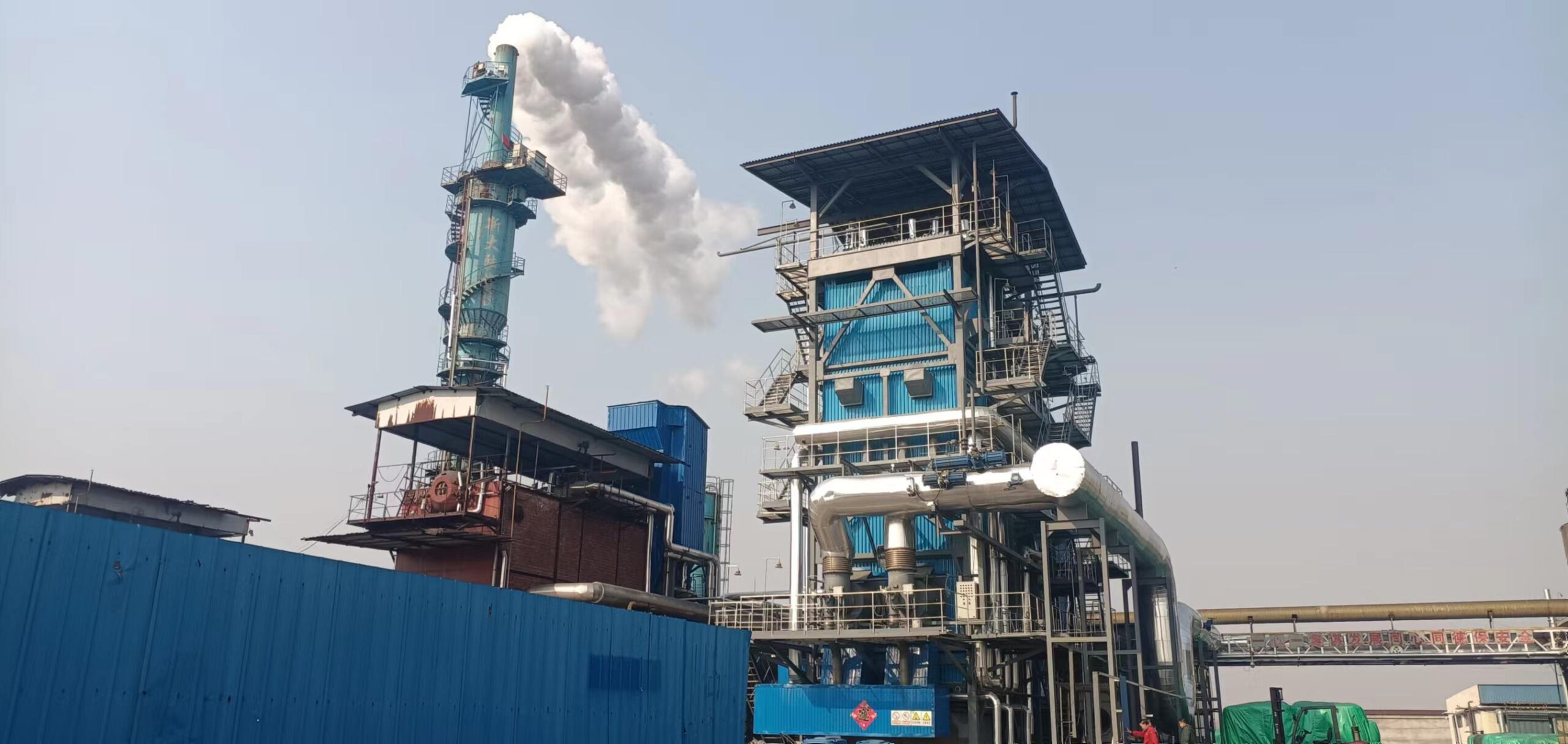
Many companies know they must reduce industrial boiler emissions, but they are unsure when to invest, which fuel pathway to choose, and how to avoid buying equipment that becomes outdated too quickly. Waiting too long can create retrofit pressure, rising operating cost, compliance risk, and lost opportunities for low-carbon manufacturing. Moving too fast without a clear plan can also waste capital on hydrogen, electric, biomass, or carbon-neutral boiler systems that do not match the plant’s real steam demand, fuel supply, grid capacity, or safety requirements. The practical solution is to prepare through a phased boiler decarbonization roadmap: audit the current steam system, reduce waste, define future fuel options, upgrade monitoring, plan safety and infrastructure, specify flexible boiler equipment, train personnel, and invest step by step.
Companies should prepare for the future of hydrogen-ready and carbon-neutral industrial boilers by first understanding their current steam demand, fuel consumption, boiler efficiency, emissions profile, maintenance history, and site infrastructure. Then they should reduce steam waste, improve condensate recovery, optimize blowdown, add digital monitoring, evaluate hydrogen, biomethane, biomass, electric, and hybrid options, and specify boiler systems that can convert safely as fuel markets mature. The best preparation strategy is staged: improve efficiency now, build fuel flexibility next, and transition to verified low-carbon energy when supply, safety, and economics are ready.
This preparation should not be treated as a single boiler purchase. It is a long-term industrial energy strategy. A future-ready boiler room must support production reliability today while keeping the plant ready for hydrogen blends, carbon-neutral fuels, electrification, stricter emissions control, and digital carbon reporting tomorrow. As a professional industrial boiler manufacturer and system supplier, we recommend that companies prepare with an engineering-based roadmap rather than relying on vague claims such as “green boiler,” “hydrogen-ready,” or “net-zero compatible.”
Companies should replace all existing boilers immediately with hydrogen-ready boilers to prepare for decarbonization.False
Immediate replacement is not always the best strategy. Companies should first audit steam demand, improve efficiency, evaluate fuel availability, check infrastructure, and then select staged boiler upgrades based on lifecycle cost and decarbonization goals.
A company can prepare for carbon-neutral boiler operation by reducing steam waste, improving monitoring, planning fuel flexibility, upgrading safety systems, and specifying future-conversion requirements before purchasing new equipment.True
A staged preparation plan lowers cost, reduces retrofit risk, and helps the plant adopt hydrogen-ready or carbon-neutral boilers when fuel supply and business conditions are ready.
🌱 Step 1: Start With a Boiler and Steam-System Audit
The first preparation step is not choosing hydrogen or electricity. It is understanding the existing boiler room. Many companies underestimate how much steam and fuel they waste through leaks, failed traps, poor insulation, excess air, high stack temperature, low condensate return, excessive blowdown, poor water treatment, and inefficient boiler sequencing. If these issues are not corrected first, the company may simply waste expensive low-carbon fuel in the future.
A good audit should measure actual steam demand, peak load, average load, minimum load, operating hours, fuel use, steam pressure, feedwater temperature, condensate return, blowdown rate, stack temperature, oxygen level, burner cycling, water quality, and maintenance history. It should also identify whether the current boiler is oversized, undersized, poorly controlled, or approaching the end of its useful life.
| Audit Area | What to Check | Why It Matters for Future Boilers |
|---|---|---|
| Steam demand | Peak, average, minimum, seasonal load | Determines boiler size and hybrid strategy |
| Fuel use | Annual fuel consumption and cost | Establishes decarbonization baseline |
| Boiler efficiency | Fuel-to-steam ratio, stack temperature, O₂ | Identifies immediate savings before fuel switching |
| Condensate return | Return percentage and temperature | Reduces future low-carbon fuel demand |
| Blowdown | Conductivity, blowdown frequency, heat loss | Prevents water and energy waste |
| Steam distribution | Leaks, traps, insulation, pressure drops | Reduces hidden steam demand |
| Maintenance history | Trips, repairs, tube issues, burner faults | Shows reliability and replacement urgency |
| Controls | Burner modulation, sequencing, alarms | Determines automation upgrade needs |
| Infrastructure | Fuel lines, electrical capacity, ventilation, space | Determines hydrogen/electric/biomass feasibility |
⚙️ Step 2: Improve Efficiency Before Switching Fuel
The cheapest decarbonization step is usually reducing wasted heat. A company that cuts steam demand by improving efficiency will need less hydrogen, less electricity, less biomethane, less biomass, or less biofuel later. This reduces both capital cost and operating cost.
Efficiency preparation should include burner tuning, oxygen control, economizer installation, condensate recovery, steam trap repair, insulation improvement, blowdown optimization, feedwater temperature improvement, water treatment correction, and boiler sequencing review. These measures help today’s boiler and also make any future hydrogen-ready or carbon-neutral boiler easier to justify.
| Efficiency Measure | Immediate Benefit | Future Low-Carbon Benefit |
|---|---|---|
| 🔥 Burner tuning | Reduces fuel waste | Lowers future hydrogen or biomethane demand |
| ♨️ Economizer | Recovers flue gas heat | Improves efficiency for gas, hydrogen, and biogas |
| 💧 Condensate recovery | Saves heat, water, and chemicals | Reduces electric or hydrogen boiler load |
| 🚿 Blowdown optimization | Reduces hot water loss | Lowers energy and treatment cost |
| 🧰 Steam trap repair | Stops live steam loss | Makes low-carbon steam cheaper |
| 🧱 Insulation repair | Reduces distribution loss | Reduces total boiler capacity needed |
| 🎛️ Boiler sequencing | Reduces cycling | Improves hybrid boiler economics |
| 🧪 Water treatment improvement | Prevents scale and corrosion | Protects future boiler assets |
🧪 Step 3: Define a Realistic Future Fuel Strategy
Companies should prepare by identifying which low-carbon fuels are realistic for their site. Hydrogen-ready boilers make sense when future hydrogen supply is credible, but hydrogen may not be available or economical everywhere. Electric boilers may work well where the grid is strong and low-carbon electricity is available. Biomethane or biogas may suit plants with gas infrastructure or onsite organic waste. Biomass may fit sites with reliable local residues. Hybrid systems may be best when the company wants flexibility across fuel and electricity markets.
The fuel strategy should be based on local supply, cost, carbon intensity, safety, storage, permitting, and reliability. A company should avoid selecting boiler technology only because it sounds future-oriented.
| Future Fuel Option | Best Fit | Preparation Needed |
|---|---|---|
| 🧪 Hydrogen blend | Plants with future hydrogen network access | Blend-ready burner, fuel train review, safety planning |
| 🔥 100% hydrogen | High-carbon-pressure sites with confirmed supply | Dedicated burner, leak detection, ventilation, approvals |
| 🌿 Biomethane / RNG | Sites with gas infrastructure and certificates | Fuel contract, metering, burner compatibility |
| 🏭 Biogas | Wastewater, food, agriculture, landfill-related sites | Gas cleaning, moisture control, fuel-quality monitoring |
| 🪵 Biomass | Sites with stable local biomass residue | Fuel handling, ash system, particulate control |
| ⚡ Electric boiler | Sites with low-carbon power and grid capacity | Transformer, switchgear, tariff analysis |
| 🔋 Hybrid system | Sites needing flexibility and backup | Integrated controls, load management, digital optimization |
| ♨️ Waste heat recovery | Plants with hot exhaust or process waste heat | Heat exchanger study and process integration |
🛡️ Step 4: Plan Safety Before Conversion
Hydrogen-ready and carbon-neutral boiler preparation must include safety planning from the beginning. Hydrogen, biomass, biogas, bio-oil, electric boilers, and hybrid systems all introduce different safety requirements. Hydrogen needs leak detection, ventilation, suitable flame detection, compatible valves and seals, safe purge logic, and operator training. Biomass requires fire prevention, dust control, ash handling, and fuel storage management. Biogas requires gas cleaning and corrosion control. Electric boilers require high-voltage safety and electrical protection.
Companies should not wait until conversion day to review safety. Boiler room layout, ventilation, sensor locations, emergency shutdown logic, access routes, maintenance procedures, and operator training should be planned before equipment is purchased.
| Safety Area | Preparation Action |
|---|---|
| Hydrogen leak risk | Plan fixed gas detection, alarm logic, ventilation, and emergency response |
| Flame detection | Confirm scanner compatibility with future fuel |
| Fuel shutoff | Specify certified automatic shutoff valves and tightness testing |
| Purge logic | Review burner management sequence for future fuel |
| Ventilation | Assess boiler room airflow and roof/high-point ventilation needs |
| Electrical safety | Review switchgear, transformer, grounding, and isolation for electric boilers |
| Biomass storage | Plan fire prevention, dust control, and fuel moisture control |
| Operator readiness | Train staff before fuel conversion or new boiler startup |
📟 Step 5: Upgrade Digital Monitoring and Carbon Reporting
Future boiler operation will require proof. Companies will need to know how much fuel they used, how much steam they produced, how much low-carbon fuel was consumed, how efficient the boiler was, and whether emissions stayed within target. Digital monitoring should be installed before or during the transition, not after problems occur.
A future-ready monitoring system should include fuel flow, steam flow, feedwater temperature, stack temperature, oxygen, burner firing rate, condensate return, blowdown, makeup water, electricity consumption, hydrogen blend ratio where applicable, NOx and CO where required, alarm history, and maintenance records. This data supports energy management, emissions reporting, predictive maintenance, and investment decisions.
| Data Point | Why Companies Need It |
|---|---|
| Fuel flow | Calculates cost and carbon baseline |
| Steam flow | Measures useful output |
| Fuel-to-steam ratio | Shows real boiler efficiency |
| Hydrogen blend ratio | Verifies hydrogen use |
| Electricity consumption | Tracks electric boiler operating cost |
| Oxygen level | Confirms combustion tuning |
| Stack temperature | Detects fouling, scale, and heat loss |
| Feedwater temperature | Shows condensate recovery performance |
| Blowdown rate | Identifies hot water and chemical waste |
| Condensate return | Measures heat recovery |
| NOx / CO where required | Supports emissions control |
| Maintenance records | Proves corrective action and reliability discipline |
🏗️ Step 6: Prepare Site Infrastructure
Many companies underestimate infrastructure requirements. A hydrogen-ready boiler may require fuel piping review, gas detection, ventilation, controls, safety approvals, and future burner conversion space. An electric boiler may require a major electrical upgrade. Biomass requires fuel storage, conveyors, ash handling, and emissions control. Biogas requires gas cleaning and moisture removal. Hybrid systems require control integration and steam-header coordination.
Before selecting equipment, companies should perform a site readiness review.
| Infrastructure Area | Questions to Ask |
|---|---|
| Fuel piping | Can the existing system support future fuel pressure, flow, and material requirements? |
| Electrical capacity | Can the site support electric steam generation without major grid limitations? |
| Boiler room space | Is there room for extra fuel trains, sensors, controls, or electric modules? |
| Ventilation | Is the boiler room suitable for hydrogen or other future fuels? |
| Emissions equipment | Will NOx, particulates, or other emissions controls be required? |
| Water treatment | Can feedwater quality support higher-efficiency and future boilers? |
| Condensate system | Can more condensate be returned safely and cleanly? |
| Controls | Can existing PLC/SCADA systems integrate hybrid operation and reporting? |
| Maintenance access | Can technicians safely service new burners, sensors, and modules? |
📋 Step 7: Specify “Hydrogen-Ready” Clearly in Procurement
Companies should prepare procurement documents carefully. The term “hydrogen-ready” must be defined in writing. A supplier should state the approved hydrogen blend percentage, what modifications are required for higher blends or 100% hydrogen, which components are compatible, what safety upgrades are included, what emissions performance is expected, and how conversion affects warranty.
A strong specification avoids future disputes and prevents hidden retrofit costs.
| Procurement Requirement | What to Request |
|---|---|
| Hydrogen blend capability | Maximum approved H₂ percentage by volume |
| 100% hydrogen pathway | Required burner, valve, control, and safety changes |
| Conversion cost | Estimated future hardware and commissioning cost |
| Conversion downtime | Expected outage duration |
| Emissions performance | NOx, CO, oxygen, efficiency at defined loads |
| Safety scope | Leak detection, ventilation, flame detection, shutoff valves |
| Fuel switching procedure | Startup, shutdown, and changeover logic |
| Warranty terms | Coverage before and after fuel conversion |
| Operator training | Included training for future fuel operation |
| Documentation | Drawings, manuals, risk assessment support, spare-parts list |
🔋 Step 8: Consider Hybrid Boiler Room Design
For many companies, the future will not be one fuel. A hybrid boiler room may combine a hydrogen-ready boiler, electric boiler, biomethane supply, heat recovery, and thermal storage. This gives the plant more control over energy cost and carbon intensity.
A hybrid system can operate based on steam demand, fuel price, electricity tariff, carbon intensity, boiler efficiency, and production schedule. For example, an electric boiler may run during low-cost renewable electricity periods, while a hydrogen-ready boiler handles peak steam demand. Biomethane may be used for customer-specific low-carbon product batches. Natural gas may remain as backup during transition years.
| Hybrid Strategy | Business Benefit |
|---|---|
| Hydrogen-ready boiler + electric boiler | Balances combustion reliability with low-carbon electricity |
| Gas boiler + biomethane contract | Uses existing infrastructure with lower fossil carbon |
| Biomass boiler + gas backup | Uses local renewable fuel while protecting reliability |
| Electric boiler + thermal storage | Shifts energy use to lower-cost periods |
| Economizer + any boiler type | Reduces fuel demand regardless of energy source |
| Multi-boiler sequencing | Optimizes load sharing and reduces cycling |
👷 Step 9: Train Operators, Maintenance Teams, and Management
Technology alone will not prepare a company for future boilers. People must be prepared too. Operators need to understand new startup procedures, fuel switching, hydrogen alarms, electric boiler operation, emissions dashboards, and emergency response. Maintenance teams need training on sensors, burners, fuel trains, hydrogen detection, electrical systems, biomass handling, biogas cleaning, and predictive maintenance tools. Management needs to understand lifecycle cost, carbon accounting, and phased investment.
Training should begin before commissioning, not after the first alarm.
| Team | Training Focus |
|---|---|
| Operators | Fuel switching, alarms, safe startup/shutdown, dashboard interpretation |
| Maintenance | Burner service, sensor calibration, leak detection, predictive maintenance |
| Safety team | Hydrogen response, ventilation, emergency shutdown, permit procedures |
| Energy managers | Fuel-to-steam cost, carbon reporting, efficiency KPIs |
| Procurement | Hydrogen-ready specifications, lifecycle cost, supplier evaluation |
| Executives | Carbon roadmap, investment staging, risk reduction |
💰 Step 10: Build a Lifecycle Cost and Investment Plan
Companies should prepare financially by comparing lifecycle scenarios, not only purchase prices. A conventional boiler may be cheaper upfront but more expensive if carbon costs rise or conversion is difficult. A fully hydrogen-ready or hybrid boiler may cost more upfront but reduce future retrofit risk. An electric boiler may reduce onsite emissions but require expensive electrical upgrades. A biomass boiler may lower fossil fuel dependence but require more fuel handling and maintenance.
The investment plan should include initial equipment cost, installation, infrastructure, fuel cost, carbon cost, maintenance, spare parts, downtime, conversion cost, emissions control, and training.
| Cost Category | Why It Matters |
|---|---|
| Initial boiler cost | Determines capital budget |
| Infrastructure cost | May exceed equipment cost in hydrogen/electric/biomass projects |
| Fuel cost | Drives long-term operating cost |
| Carbon cost | May change future economics |
| Maintenance cost | Increases with system complexity |
| Downtime cost | Important during conversion or retrofit |
| Emissions control cost | Required for NOx, particulates, or monitoring |
| Training cost | Necessary for safe operation |
| Digital system cost | Enables reporting and optimization |
| Conversion reserve | Prevents surprise future expense |
🧭 A Practical Company Preparation Roadmap
| Phase | Timeline Focus | Main Actions | Outcome |
|---|---|---|---|
| Phase 1 | Now | Audit boiler and steam system | Establish baseline and find waste |
| Phase 2 | Short term | Fix leaks, traps, insulation, blowdown, burner tuning | Reduce fuel and emissions immediately |
| Phase 3 | Short term | Install meters, sensors, dashboards, maintenance tracking | Make performance measurable |
| Phase 4 | Mid term | Study hydrogen, electric, biomethane, biomass, hybrid options | Select realistic fuel pathway |
| Phase 5 | Mid term | Upgrade controls, safety systems, water treatment, condensate recovery | Prepare infrastructure |
| Phase 6 | Procurement | Specify hydrogen-ready or carbon-neutral boiler requirements clearly | Avoid vague claims and hidden costs |
| Phase 7 | Implementation | Install flexible boiler or retrofit existing system | Improve decarbonization readiness |
| Phase 8 | Long term | Convert to verified low-carbon fuel when supply is ready | Achieve deeper emissions reduction |
✅ Buyer Checklist Before Ordering a Future-Ready Boiler
| Checklist Question | Why It Matters |
|---|---|
| What is our real steam demand profile? | Prevents oversizing or undersizing |
| How much steam do we currently waste? | Identifies low-cost savings first |
| Which low-carbon fuel is realistic at our site? | Avoids impractical technology choices |
| Is hydrogen supply likely in our region? | Determines value of hydrogen readiness |
| Can our electrical system support an electric boiler? | Prevents hidden grid-upgrade surprises |
| Do we need a hybrid system? | Improves flexibility and reliability |
| What safety upgrades are required? | Protects people and equipment |
| What emissions must we monitor? | Supports compliance and customer reporting |
| What does the supplier mean by hydrogen-ready? | Avoids vague procurement language |
| What is the conversion plan and cost? | Prevents future retrofit shock |
| Can the boiler integrate IoT and predictive maintenance? | Supports long-term efficiency and reliability |
| What training is included? | Ensures safe operation after commissioning |
Common Mistakes to Avoid
One major mistake is buying a hydrogen-ready boiler without confirming what hydrogen-ready actually means. Another is assuming that carbon-neutral fuel will be available, affordable, and compatible with the plant without infrastructure review. A third mistake is ignoring efficiency improvements before fuel switching. If the plant wastes steam today, it will waste expensive low-carbon energy tomorrow. A fourth mistake is selecting an electric boiler without checking transformer capacity, demand charges, switchgear, and grid limitations. A fifth mistake is postponing safety planning until installation.
Companies should also avoid making boiler decisions based only on corporate carbon targets without involving operators, maintenance teams, safety staff, and process engineers. A boiler decarbonization project must work in the real plant, not only in a sustainability report.
Final Summary
Companies should prepare for the future of hydrogen-ready and carbon-neutral industrial boilers by creating a phased, practical, and data-driven roadmap. The first step is to audit the current boiler and steam system. The second step is to reduce wasted steam through combustion tuning, condensate recovery, insulation, trap repair, blowdown optimization, and heat recovery. The third step is to install digital monitoring so fuel use, steam output, emissions, and maintenance performance can be measured. The fourth step is to evaluate realistic low-carbon fuel pathways such as hydrogen, biomethane, biogas, biomass, electric boilers, and hybrid systems. The fifth step is to specify future-ready equipment clearly, with safety, conversion, emissions, and lifecycle cost requirements written into procurement documents.
The best preparation strategy is not to chase every new technology immediately. It is to build a boiler room that is efficient today, flexible tomorrow, and ready for verified low-carbon operation when fuel supply, safety approval, infrastructure, and economics align. Companies that prepare early will reduce retrofit risk, control operating cost, improve safety, support carbon reporting, and protect long-term production reliability.
Conclusion
In summary, hydrogen-ready and carbon-neutral industrial boilers are becoming part of a broader industrial heat transition, not a single universal replacement for all existing steam systems. Because low-emission hydrogen deployment is still developing and many industrial heat projects require infrastructure, policy support, and cost reduction, the most reliable strategy is to invest in high-efficiency, upgradeable, fuel-flexible boiler systems supported by expert engineering and long-term service planning. (IEA)
Contact us today to discuss hydrogen-ready boilers, low-emission boiler upgrades, carbon-neutral steam solutions, and customized industrial boiler systems designed for your plant’s future energy strategy.
FAQ
Q1: How will hydrogen-ready boilers shape the future of industrial heating?
A1: Hydrogen-ready industrial boilers will likely become part of a broader low-carbon heat strategy rather than a single replacement for every existing fossil-fuel boiler. Their main value is flexibility: facilities can continue operating with natural gas or blended fuels today while preparing equipment, burners, controls, and safety systems for future hydrogen use. This matters because industrial steam and process heat are difficult to decarbonize, especially in sectors that need high temperatures, continuous production, or fast load response.
The future will depend on whether low-emissions hydrogen becomes available at the right price, volume, and location. The IEA says low-emissions hydrogen can play an important role in hard-to-abate sectors where other options are difficult, including heavy industry. For boilers, that means hydrogen may be most useful where electric boilers, heat pumps, or thermal storage cannot fully meet steam pressure, temperature, uptime, or grid-capacity requirements.
Hydrogen-ready boilers will also support phased decarbonization. A plant may begin with efficiency upgrades, improved combustion control, heat recovery, better water treatment, and IoT monitoring. Later, it may add low-carbon fuels such as green hydrogen, blue hydrogen, biogas, renewable natural gas, or hybrid electric-steam systems. The U.S. DOE recommends multiple industrial decarbonization pathways, including efficiency, electrification, low-carbon fuels, and carbon capture.
Q2: Are hydrogen-ready industrial boilers the same as carbon-neutral boilers?
A2: No. A hydrogen-ready boiler is not automatically carbon neutral. “Hydrogen-ready” generally means the boiler system is designed, specified, or capable of being converted to operate with hydrogen blends or, in some cases, 100% hydrogen after approved modifications and commissioning. A carbon-neutral boiler, however, depends on the full fuel and emissions pathway. If hydrogen is produced from fossil fuels without effective carbon capture, the boiler may reduce on-site carbon dioxide emissions but still create significant upstream emissions.
Carbon neutrality depends on fuel sourcing. Green hydrogen made with renewable electricity can offer a much lower-carbon route, while blue hydrogen depends on natural gas reforming plus carbon capture and storage. Hydrogen can also be blended with natural gas, but blending usually delivers only partial carbon reduction because the remaining methane still emits carbon dioxide during combustion. The IEA notes that hydrogen’s climate value depends strongly on producing it with low-emissions methods.
Industrial facilities should therefore evaluate hydrogen-ready boilers using lifecycle emissions, fuel availability, burner compatibility, NOx control, safety systems, and total cost of ownership. A boiler may be “future-ready” from an equipment standpoint, but it becomes truly carbon-neutral only when paired with verified low-carbon fuel, clean electricity, or credible carbon accounting. In many plants, carbon-neutral boiler management will combine hydrogen readiness with electrification, heat recovery, energy efficiency, and digital optimization.
Q3: Why are carbon-neutral industrial boilers important for net-zero manufacturing?
A3: Carbon-neutral industrial boilers are important because boilers provide steam and process heat for food processing, chemicals, paper, textiles, refining, pharmaceuticals, and many other manufacturing operations. These systems often run for long hours, consume large amounts of fuel, and directly influence a facility’s carbon footprint. Reducing boiler emissions can therefore help companies meet net-zero targets, comply with stricter climate regulations, and reduce exposure to fossil-fuel price volatility.
The DOE identifies industrial decarbonization as a major priority and recommends parallel strategies such as energy efficiency, electrification, low-carbon fuels, and carbon capture. It also highlights process heat as a key focus area and has set a target to develop cost-competitive industrial heat solutions with at least 85% lower greenhouse gas emissions by 2035.
For boilers, this means the future will not be limited to one technology. Low-temperature steam may shift toward industrial heat pumps, electric boilers, or thermal storage powered by renewable electricity. Higher-temperature or high-pressure steam applications may use hydrogen, biomass-derived fuels, renewable gas, or carbon capture. Facilities with strict uptime requirements may adopt hybrid systems that combine electric heating, hydrogen-ready combustion, backup fuel capability, and smart controls.
Carbon-neutral boilers also support customer and supply-chain requirements. Manufacturers increasingly need to report product carbon intensity, Scope 1 emissions, and energy transition plans. Upgrading boiler systems can reduce direct emissions while improving efficiency, reliability, and operational resilience.
Q4: What challenges must hydrogen-ready boiler systems overcome?
A4: Hydrogen-ready boiler systems must overcome challenges related to fuel supply, infrastructure, combustion behavior, NOx emissions, safety, cost, and regulation. Hydrogen has different combustion characteristics from natural gas, so burners, flame detection, valves, controls, seals, piping, ventilation, and commissioning procedures may need engineering review before higher hydrogen blends or 100% hydrogen operation.
Fuel availability is one of the biggest barriers. Many industrial sites do not yet have access to reliable, affordable low-emissions hydrogen. Transport, storage, compression, and pipeline compatibility can also affect project feasibility. EPA technical analysis for hydrogen combustion systems notes that high hydrogen blends can create challenges involving fuel availability, infrastructure, design capability, safety, and potential NOx increases.
NOx control is especially important because hydrogen combustion can produce high flame temperatures if not properly managed. Low-NOx burners, staged combustion, flue gas recirculation, oxygen trim, advanced controls, and post-combustion treatment may be needed depending on the boiler design and local emissions limits. Operators must also ensure that safety systems comply with applicable pressure-equipment and combustion codes. ASME’s Boiler and Pressure Vessel Code is a major technical resource used for boiler and pressure vessel design, manufacturing, and operation.
The business case is another challenge. Hydrogen-ready boilers may require capital upgrades before low-carbon hydrogen is widely available. Many plants will therefore use phased investments, starting with efficiency, monitoring, controls, and burner readiness before committing to full hydrogen conversion.
Q5: What is the best roadmap for adopting hydrogen-ready and carbon-neutral boilers?
A5: The best roadmap starts with a site-specific industrial heat assessment. Facilities should first map steam demand, pressure levels, load profiles, fuel consumption, stack losses, condensate return, boiler efficiency, emissions, maintenance costs, and production risks. This baseline helps determine whether the best path is hydrogen readiness, electric boilers, heat pumps, biomass, renewable gas, carbon capture, thermal storage, or a hybrid system.
For many plants, the first step is improving efficiency. Boiler tune-ups, economizers, blowdown heat recovery, better insulation, condensate recovery, oxygen trim, predictive maintenance, and digital monitoring can reduce fuel use before fuel switching begins. Next, facilities should evaluate electrification opportunities. DOE pathway analysis identifies heat pumps, electric boilers, electric furnaces, and advanced electro-heating as industrial electrification options. IEA analysis also points to electrification of industrial heat and steam as a major renewable-energy opportunity.
Hydrogen readiness should be considered where combustion-based steam remains necessary. Buyers should ask whether the boiler can handle hydrogen blends, what modifications are needed for 100% hydrogen, whether low-NOx performance is proven, and whether the supplier provides documentation for burners, controls, fuel trains, ventilation, and commissioning. They should also check local code requirements, insurance expectations, emissions permits, and fuel contracts.
The most resilient future will be flexible: high-efficiency boilers, hydrogen-ready burners, smart controls, verified low-carbon fuels, and integration with renewable electricity or thermal storage. This approach lets industrial sites reduce emissions now while staying ready for deeper decarbonization.
References
- Hydrogen — https://www.iea.org/energy-system/low-emission-fuels/hydrogen — International Energy Agency
- The Future of Hydrogen — https://www.iea.org/reports/the-future-of-hydrogen — International Energy Agency
- Renewables for Industry — https://www.iea.org/reports/renewables-for-industry — International Energy Agency
- Executive Summary: Renewables for Industry — https://www.iea.org/reports/renewables-for-industry/executive-summary — International Energy Agency
- Industrial Decarbonization Roadmap Fact Sheet — https://www.energy.gov/sites/default/files/2022-09/Industrial%20Decarbonization%20Roadmap%20Fact%20Sheet.pdf — U.S. Department of Energy
- Decarbonizing America’s Industrial Sector Fact Sheet — https://www.energy.gov/sites/default/files/2023-03/Decarbonizing%20America%27s%20Industrial%20Sector%20Fact%20Sheet.pdf — U.S. Department of Energy
- Pathways Analysis Summary: Decarbonization of Industrial Modeling — https://www.energy.gov/sites/default/files/2024-06/pathways-analysis-summary-decarbonization-industrial-modeling.pdf — U.S. Department of Energy
- External Research Study: Hydrogen-Ready Industrial Boilers — https://assets.publishing.service.gov.uk/media/6396e0c2e90e0769b9c8dad7/External_research_study_hydrogen-ready_industrial_boilers.pdf — UK Government
- Hydrogen in Combustion Turbine Electric Generating Units — https://www.epa.gov/system/files/documents/2023-05/TSD%20-%20Hydrogen%20in%20Combustion%20Turbine%20EGUs.pdf — U.S. Environmental Protection Agency
- ASME Boiler and Pressure Vessel Code — https://www.asme.org/codes-standards/bpvc-standards — ASME