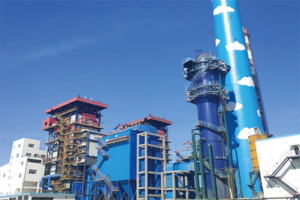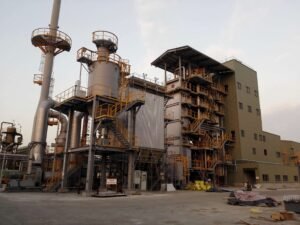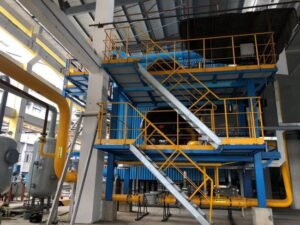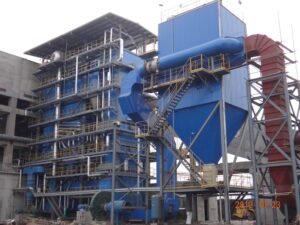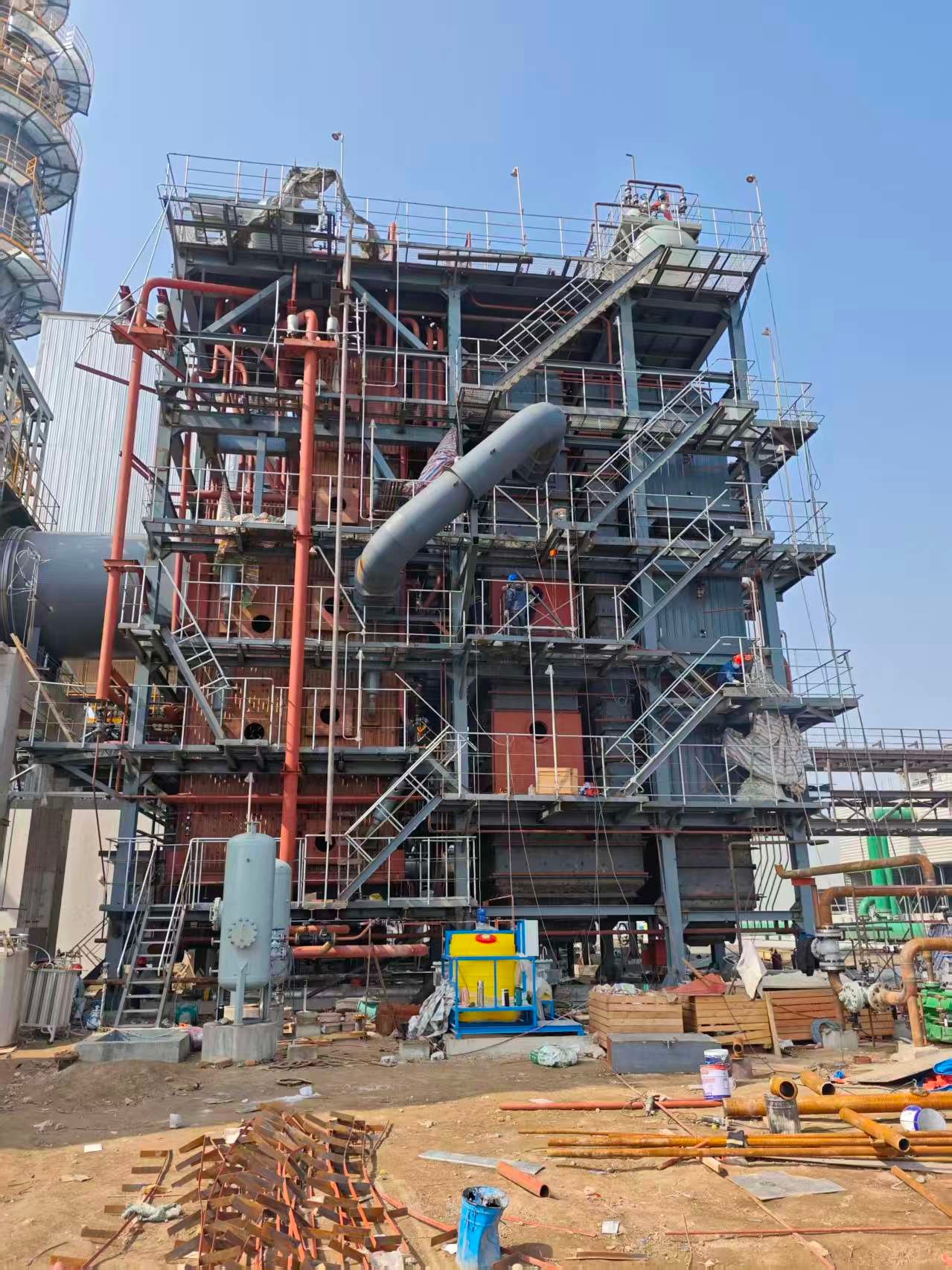
Procuring a waste heat recovery boiler from the wrong supplier doesn’t just mean a slower-than-expected payback — it means months of underperformance, repeated tube failures at the superheater pendant sections, and a commissioning team camped on your site arguing over who owns the fouling problem. Plants in cement, steel, and glass industries routinely vent 300–650°C flue gas into atmosphere because a boiler proposal looked competitive on paper but fell apart on thermal design detail or after-sales response time. That lost heat is lost money, and in most cases it compounds silently for years before anyone runs the numbers.
The right questions to ask a waste heat recovery boiler supplier cover six core areas: flue gas characterization and thermal design methodology, material and pressure part specifications, guaranteed thermal efficiency (typically 85–95% depending on inlet temperature and surface design), capacity range and steam parameters, compliance documentation, and after-sales support structure. Asking these questions before contract protects payback periods that realistically run 18–36 months in well-matched installations.
What separates a supplier who can genuinely engineer your application from one who is resizing a catalog unit and hoping it fits is usually visible within the first two or three technical exchanges — if you know what to ask. The questions that follow are the ones that tend to reveal it.
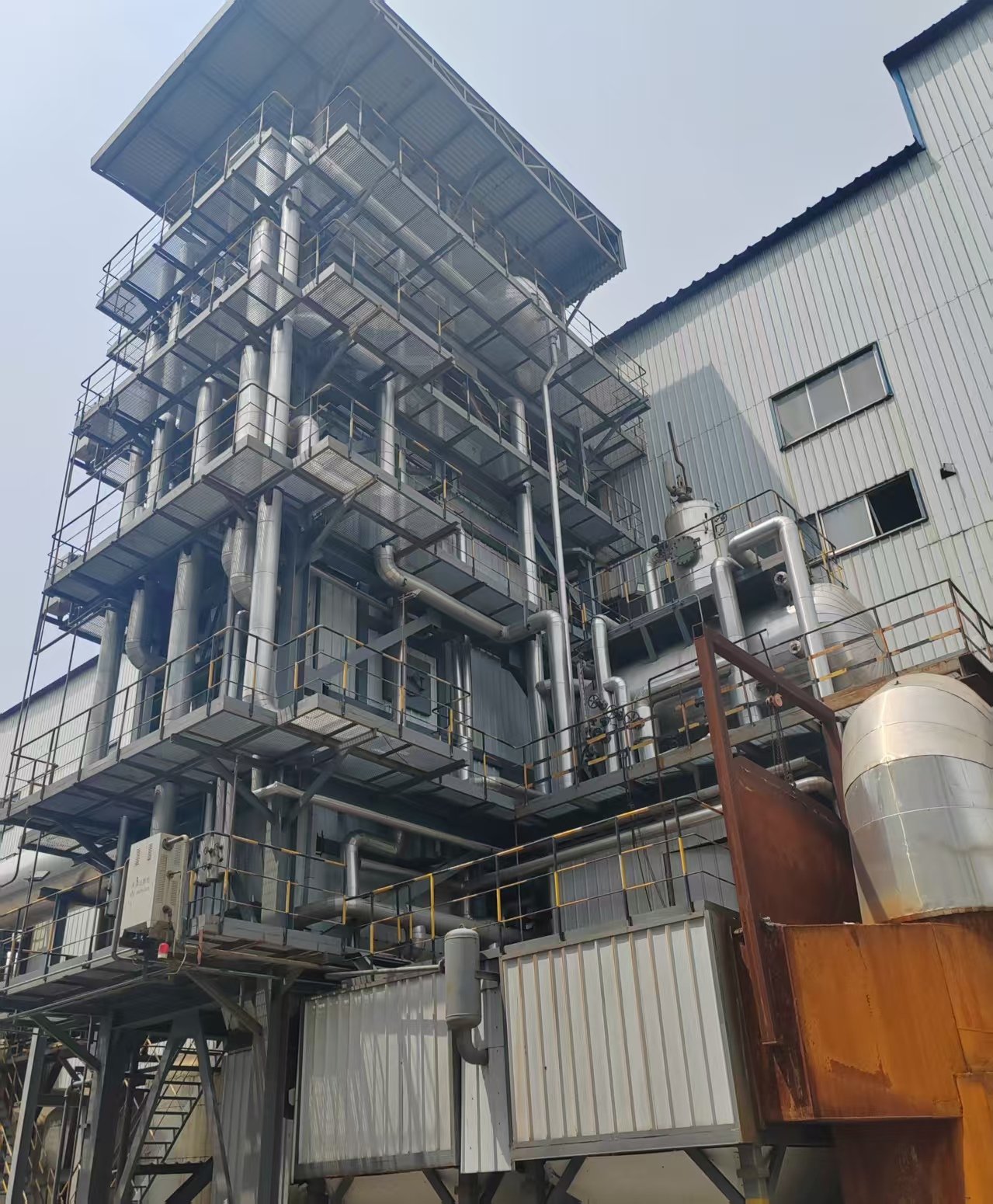
How Well Does the Supplier Understand Your Specific Waste Heat Source and Process Conditions?
This is, honestly, the single most revealing line of questioning you can run. A supplier who immediately asks for your flue gas composition report, temperature trend logs, and process upset history is showing you something real. One who asks only for “approximate flow rate and temperature” before producing a preliminary sizing sheet — that’s a red flag worth taking seriously.
Match Supplier Experience to Your Exact Heat Source Type
Cement kiln exhaust, electric arc furnace converter gas, sintering machine flue gas, float glass furnace off-gas, and diesel or gas engine exhaust are not interchangeable applications. The dust chemistry alone separates them completely. Kiln exhaust carries sticky alkali-rich dust that can sinter onto heat surfaces at temperatures above roughly 650–700°C; engine exhaust is comparatively clean but arrives at sharply variable temperatures depending on load. Glass furnace off-gas typically brings SO₂ concentrations and alkali vapors that drive corrosion on low-temperature heat surfaces — so the acid dewpoint calculation isn’t academic, it determines where you put your economizer and what you make it from.
Ask the supplier directly: how many installations do you have running on this specific source type? What tube material and spacing did you use, and what was the actual fouling rate after 12 months of operation? If they can’t give you operating plant data — even anonymized — from a comparable application, that’s worth weighing carefully.
Flue Gas Characterization Is Not Optional
A competent supplier needs the full data package before they design anything meaningful: flue gas volumetric flow (Nm³/h), inlet temperature at normal and peak conditions, dust loading in g/Nm³, particle size distribution if available, and concentrations of corrosive species — SO₂, HCl, alkali vapors, and moisture content. Each of these drives a configuration decision.
Accurate flue gas dust loading data is essential for correct sootblower spacing and heat surface arrangement in a waste heat recovery boilerTrue
Dust loading (g/Nm³) directly determines whether the boiler needs wide tube pitch, rapping systems, or steam sootblowers, and under-specifying this leads to bridging and rapid fouling that degrades heat transfer within weeks of startup.
High dust loading — above roughly 30–50 g/Nm³, common in cement and sintering applications — typically forces wider tube pitch, vertical gas flow arrangement, and either rapping gear or retractable sootblowers. Skipping this analysis and defaulting to a compact design will produce a boiler that’s fouled within two to three months.
Design for a Range, Not a Single Point
Process conditions vary. Kilns go through start-up cycles. Furnaces are tapped intermittently. Engines ramp up and down with load. A boiler sized only for the “normal operating point” can see damaging thermal cycling if the supplier hasn’t designed the pressure parts and drum internals for the real operating envelope — which typically means accounting for inlet temperatures anywhere from 30% below normal up to peak excursions that can exceed the design point by 80–100°C in some metallurgical applications.
Ask specifically: what is the design inlet temperature, and what is the maximum allowable inlet temperature the boiler can tolerate without requiring a bypass? How does the steam drum pressure respond during a rapid load drop? A supplier who has thought this through will have a clear answer. One who hasn’t will give you a vague reference to “standard safety margins.”
Fouling Management and Cleaning Systems
Sootblowers, rappers, and pulse-jet systems are not interchangeable. Rotary or retractable steam sootblowers suit moderate sticky dust; mechanical rapping works better for dry, loosely adhering ash; pulse-jet systems are sometimes used at lower temperature zones. The wrong choice means cleaning cycles that either damage tube surfaces or simply don’t remove the deposit layer.
Watch for suppliers who propose a single cleaning system across all temperature zones without justification. In practice, a well-designed WHRB for a cement or steel application often uses different cleaning strategies in different passes — because the dust behavior changes as the gas cools through the unit.
Flow Rate Fluctuation and Pressure Part Protection
Rapid gas flow reduction — during a process upset, emergency shutdown, or planned maintenance — creates thermal shock risk if the supplier hasn’t accounted for it. Ask how the boiler handles a sudden 50–70% reduction in gas flow. The answer should cover bypass damper response time, drum level control strategy during the transient, and any minimum flow requirements to keep circulation adequate in natural-circulation designs.
Suppliers who apply a generic shell-and-tube configuration to all WHRB applications regardless of source type are, in my experience, almost always optimizing for fabrication simplicity rather than your operating conditions. That choice tends to show up later — as tube failures, fouling outages, or thermal fatigue cracking in the drum — rather than in the initial quote.
What Thermal Design Methodology and Performance Guarantees Can the Supplier Provide?
This is where you separate the engineering offices from the sales offices. Any supplier can quote a steam output figure. What you need to know is how they arrived at it — and whether they’ll stand behind it contractually when the unit is running in your plant at 3 a.m. in August.
Heat Transfer Calculation Standards and Documentation
Start by asking which standards govern their thermal design. Reputable manufacturers will reference ASME, EN 12952, GB/T 16507, or recognized in-house methodologies derived from those frameworks. Proprietary software isn’t automatically a red flag — some suppliers have genuinely refined tools built on decades of installed units — but you should ask whether their software outputs a traceable calculation report you can review, or whether the thermal sizing lives in a black box you’re expected to trust.
Request the full heat transfer calculation package before you sign anything. A credible supplier hands this over without drama. It should show surface area allocation across the superheater, evaporator, and economizer, the log mean temperature difference at each section, overall heat transfer coefficients assumed, and the fouling factors applied to the flue gas side. If those fouling factors look suspiciously optimistic for your dust-laden kiln exhaust, push back.
What Exactly Is Guaranteed — and at What Conditions?
This matters more than most buyers realize. A WHRB rated at, say, 35 t/h of steam is meaningless unless the guarantee specifies the corresponding flue gas inlet temperature, flue gas mass flow, inlet composition (including dust loading), steam pressure, steam temperature, and the exhaust gas outlet temperature the unit achieves. Strip any one of those boundary conditions out and the number becomes decorative.
Guaranteed parameters you should lock into the contract: steam flow rate in t/h, steam pressure in MPa (whether saturated or superheated), steam temperature in °C, boiler thermal efficiency at design point (realistically 85–92% for most industrial applications, up to around 95% under favorable conditions with low-temperature economizer sections), and the stack outlet temperature — because that last number directly tells you how much energy you’re throwing away.
Design-Point vs. Part-Load Performance
Plants rarely run at nameplate conditions. A cement kiln during a production ramp-up, a glass furnace cycling between pull rates, a steel reheat furnace on a weekend shift — the flue gas flow and temperature swing considerably. Ask for the part-load performance curve, not just the design-point spec sheet. You want to know what the boiler does at 70% and 50% of rated gas flow: does steam output fall gracefully, or does the drum pressure destabilize?
Suppliers who can’t produce a part-load curve are usually telling you something about how much of their design is genuinely calculated versus copied from a previous job.
Pinch Point and Approach Temperature — Ask the Question Directly
In a WHRB evaporator and economizer circuit, the pinch point temperature difference (typically 8–20°C, depending on heat surface cost trade-offs) and the approach temperature set how efficiently the unit extracts heat without risking steaming in the economizer. A supplier who can’t immediately define the pinch and approach temperatures they’ve selected, and explain why, hasn’t really designed a boiler for your conditions. They’ve sized a generic unit and hoped it fits.
Tight pinch points recover more heat but cost more in surface area and can cause operational instability if the gas flow varies. That’s a real trade-off worth discussing explicitly.
Thermal Model Validation and Site Acceptance Testing
Ask whether their thermal model is validated against CFD simulation, physical test data from similar installed units, or purely empirical correlations. None of those approaches is inherently wrong, but each carries different uncertainty margins. An experienced supplier will typically combine correlations from past units with some CFD work on the convective pass geometry.
More important: get the performance acceptance test protocol in writing before contract award. This should reference a recognized standard — ASME PTC 4.1 or an agreed equivalent — specify the measurement instruments, the stabilization period required, and the acceptable tolerances. Then define the penalty structure for underperformance clearly. Vague language like “the supplier will rectify deficiencies” is not a clause; it’s a delay strategy.
A supplier who refuses to share thermal calculation documentation or declines a contractual performance acceptance test is a significant project risk, regardless of price.True
Thermal transparency and acceptance testing are standard practice among established industrial boiler manufacturers. Refusal typically signals either that the design lacks rigor or that the supplier intends to dispute underperformance claims after commissioning — both outcomes that cost the buyer far more than any upfront price difference.
Which Material Specifications and Pressure Part Standards Does the Supplier Apply?
This is where a lot of buyers lose money. A supplier can produce a beautiful thermal calculation, quote a competitive price, and still deliver a boiler built to the wrong code for your jurisdiction — or one that uses carbon steel tube grades in zones that will see 520°C flue gas. The resulting failures aren’t dramatic; they’re slow. Tube thinning over 18 months, a hairline crack at a header weld, economizer corrosion that looks like scale until it becomes a leak. Getting material and code questions right upfront costs nothing. Getting them wrong costs a mid-life refit.
Confirm Which Design Code Actually Governs the Pressure Parts
The first thing to establish is which boiler and pressure vessel code the supplier is certified to build under — not which codes they’re familiar with, but which certificates they hold on the shop floor today. ASME Section I is the baseline requirement for most North American and many export projects; EN 12952 governs water-tube boilers sold into European markets; GB/T 16507 is the Chinese national standard. Each has different minimum wall thickness calculations, allowable stress tables, and inspection hold-point requirements.
Some projects need more than one code because the destination country mandates local certification on top of a recognized international standard. Ask specifically. A supplier who can only offer GB/T 16507 but is quoting for a plant in Southeast Asia or the Middle East needs to demonstrate either a code equivalency agreement or the capacity to have a third-party authorized inspection agency (AIA) witness the build to ASME or EN requirements.
A supplier holding an ASME 'S' stamp can manufacture boilers to ASME Section I regardless of where they are geographically located, provided an authorized inspection agency witnesses fabrication and signs off.True
The ASME stamp program is tied to the manufacturing facility and requires third-party AIA involvement during production, not just at final inspection. Location is not the limiting factor; certification and AIA access are.
Tube Material Selection Is Not a Catalog Choice
Carbon steel grades like SA-106 Gr.B or the Chinese equivalent 20G are perfectly adequate for economizer and low-temperature evaporator sections where metal temperatures stay under roughly 400–420°C. Push into the superheater or into zones where flue gas inlet temperatures exceed 550°C, and you need low-alloy steels — T11 or T22 for intermediate duty, T91 for high-temperature superheaters operating above 565°C metal temperature. Ask the supplier to show you where each material transition falls on their tube arrangement drawing, and cross-check it against their thermal profile output.
Austenitic stainless (TP304H, TP347H) comes into the conversation mainly in sulfuric acid plants, certain chemical process WHRBs, or anywhere the gas composition includes aggressive halides. It’s heavier, harder to weld, and expensive — so a supplier defaulting to stainless to avoid the design work on alloy steel isn’t doing you any favors either.
The SO₃ Dew-Point Problem in Economizers
Sulfur in the process gas converts partially to SO₃, which condenses as sulfuric acid on tube surfaces below roughly 130–160°C, depending on SO₃ concentration and local partial pressure of water vapor. The exact dew point varies — don’t let anyone give you a single number without knowing your gas composition. What you want to know is what minimum metal temperature margin the supplier designs to, and how they control it: higher feedwater inlet temperature, minimum load restrictions, or a bypass arrangement.
Ignoring this costs tubes. In practice, economizers in sulfur-bearing applications often see accelerated external corrosion within two to three years if the supplier didn’t account for acid dew-point margins in the original design.
Weld Quality, NDE, and Hydrostatic Testing
Tube-to-header weld joints are the single most common pressure-part failure point in WHRBs that see thermal cycling. Ask what weld procedure specifications (WPS) and procedure qualification records (PQR) the supplier holds, and whether they’re qualified to the applicable code. Random radiography on 10% of welds is the minimum in most standards; for cycling applications or aggressive gas environments, 100% radiography or phased-array UT on header joints is a reasonable ask.
Hydrostatic test pressure should be at least 1.5 times design pressure for ASME Section I construction — confirm this is done with the boiler fully assembled, not section by section, unless the design physically requires staged testing. Get the test certificate as a deliverable, not an afterthought.
Refractory and Casing in High-Dust or High-Radiant Applications
Cement kilns, electric arc furnace off-gas systems, and similar applications send gas into the boiler inlet carrying abrasive particles or with radiant heat loads the bare tube bank wasn’t designed for. Refractory-lined inlet sections, impingement baffles, and abrasion-resistant casing liners are not optional in these cases. Ask the supplier what the expected erosion rate is for their tube spacing and layout given your gas velocity and particle loading — if they can’t answer that, they haven’t done this before for your application type.
Material Traceability and Third-Party Inspection
For international projects, your insurer, your local authority, or your own engineering standards will likely require full material traceability: mill test certificates (MTCs) for every pressure-part heat of material, with chemistry and mechanical properties traceable to the installed tube. Ask for this to be a contractual deliverable from the start, not something assembled after the fact. Some suppliers sub-source tubes from spot markets when their regular mill is backlogged; that’s when traceability gets murky.
Third-party inspection by a recognized firm — Bureau Veritas, TÜV, Lloyd’s Register, or similar — adds cost, typically 1–3% of equipment value depending on scope, but it’s the only independent check between the supplier’s QC department and your plant. On any project above roughly 10 t/h capacity or above 2.5 MPa design pressure, that cost is justified.
What Manufacturing Capabilities, Quality Certifications, and Inspection Processes Does the Supplier Have?
A thermal design that looks flawless on paper can still produce a failed pressure part if the fabrication shop doesn’t have the equipment, certifications, or discipline to execute it. This is the part of supplier evaluation that buyers most often skip — or handle too lightly — and it’s where projects quietly get into trouble.
Pressure Vessel Manufacturing License Scope
Start by asking for the actual license document, not a summary of it. In China, the relevant authority is SAMR (State Administration for Market Regulation) under the TSG 07-2019 framework; other jurisdictions have equivalent statutory bodies. What matters is the rated pressure ceiling the license covers, the maximum drum diameter permitted under that license class, and whether the license is currently valid. A supplier fabricating a 9.8 MPa superheated steam drum under a license that only covers up to 3.8 MPa is a compliance problem — and a liability problem for your project. Ask specifically. Don’t assume.
A valid Chinese pressure vessel manufacturing license issued by SAMR specifies the category, grade, and allowable parameter ranges — including pressure and vessel dimensions — that the manufacturer is legally permitted to fabricate.True
China's TSG 07-2019 Special Equipment Safety Technical Specification mandates that pressure vessel manufacturers hold a government-issued license with explicitly defined scope parameters, renewed periodically through inspection.
In-House Fabrication Infrastructure
The supplier’s equipment list tells you a lot about their real capability ceiling. For WHRB work, the key assets are automatic submerged-arc welding for drums and large-diameter headers (manual welding on pressure drums above roughly 500 mm diameter is a red flag in a quality-conscious shop), CNC tube bending for tight-radius economizer and superheater coils, and shot-blasting facilities for surface prep before coating or insulation. Hydrostatic testing bays need to be sized for your boiler’s drum length and test pressure — typically 1.25–1.5× design pressure — so ask for the bay’s rated capacity in bar and the maximum vessel length they can accommodate.
Load-out logistics matter more than most buyers realize. A boiler module destined for a cement plant in Egypt or a steel mill in Southeast Asia may ship as a partially assembled block weighing 80–150 tonnes. Does the supplier have a heavy-lift gantry crane? What’s the maximum single-lift capacity in the fabrication bay? What road or rail access connects the shop to the nearest port? These aren’t hypothetical concerns — oversized module transport has added months and significant cost to projects where nobody asked these questions early enough.
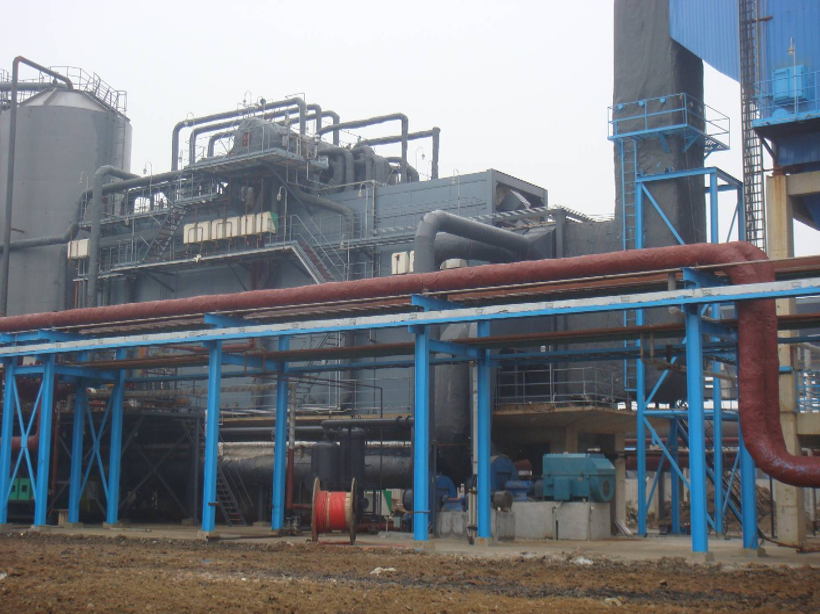
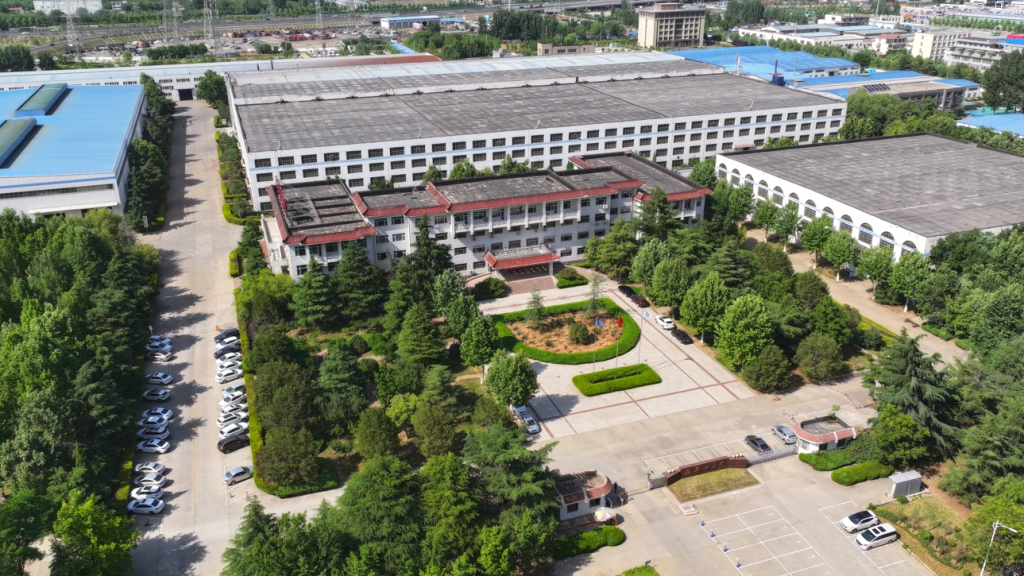
Third-Party Inspection and Client-Nominated Inspectors
Ask which inspection bodies the supplier has an established working relationship with — TÜV Rheinland, Bureau Veritas, Lloyd’s Register, and SGS are all commonly accepted by international EPC contractors and end-user insurance underwriters. The more useful question, though, is whether the supplier can accommodate a client-nominated inspector at hold points: after final weld completion, before hydrotest, and during final dimensional and surface inspection. Some suppliers resist this. In my experience, the ones who resist it hardest are usually the ones with the most to hide in their weld repair logs.
ISO 9001 and In-Process Quality Controls
An ISO 9001 certificate is table stakes, but what you actually want to understand is how the QMS is applied on the floor. Ask for the weld procedure qualification records (WPQRs) and welder qualification certificates relevant to the pressure and material grade of your boiler. Ask how incoming material traceability is maintained — specifically, how steel plate and tube mill test certificates are linked to the as-built record for each pressure part. Ask what the in-process dimensional check protocol looks like for tube-to-header joints. Generic answers here are a sign the system exists on paper only.
Subcontracting: Not Automatically a Problem, but Always a Question
Some reputable boiler manufacturers subcontract pressure part fabrication — heads, nozzles, occasionally drums — to specialist shops, especially for unusual geometries or high-alloy materials like T91 or 310S. This isn’t automatically a disqualifier. But you need to know which components are subcontracted, who the subcontractor is, what qualification that subcontractor holds, and how the prime supplier conducts surveillance at that facility. A supplier who subcontracts drums without any documented incoming inspection protocol for the finished parts is a different risk profile from one who has a structured supplier audit program and maintains the full material traceability chain.
Reference Projects and Documented Fabrication Evidence
Ask for photographs — real factory photos, not renders — showing comparable projects at key fabrication stages: drum rolling and welding, finned tube assembly, completed pressure part hydrotest, and packaged modules ready for shipment. Ask for at minimum one or two case studies that include post-commissioning operating data: actual steam output, flue gas outlet temperature, and availability figures from the first 6–12 months of operation. Vague references to “hundreds of projects” without supporting documentation are not evidence. A supplier with genuine WHRB experience in cement, glass, or steel applications will have this material and won’t hesitate to share it.
How Does the Supplier Integrate Auxiliary Systems — Drums, Deaerators, Blowdown, Steam Separators, and Flue Gas Ducts?
A bare boiler shell delivered to site with no clarity on where the supplier’s scope ends is one of the most common sources of project overruns in WHRB installations. You end up with interface gaps — nobody owns the expansion joint between the boiler outlet and the downstream duct, or the deaerator turns out to be a separate procurement item that arrives three months late with incompatible flange ratings. Ask this question early and ask it bluntly: what exactly is in your scope, and where does your battery limit stop?
Defining Battery Limits Before Anything Else
Get the supplier to mark up a system boundary drawing — not a marketing schematic, an actual P&ID showing inlet flue gas connection, steam outlet, feedwater inlet, blowdown outlets, chemical dosing connections, and instrument signal handoff points. Any reputable supplier with real project experience will have this document or can produce it quickly. If they hesitate or send you a block diagram with vague arrows, that tells you something.
The battery limit question matters most in EPC-type contracts where multiple vendors intersect. In my experience, the single most contested interface on a typical cement or steel plant WHRB project is the flue gas duct connection — specifically, who performs the thermal expansion analysis for the duct section between the process equipment outlet and the boiler inlet flange. Duct runs in high-temperature applications (inlet gases at 400–900°C are common in these industries) expand significantly, and if the expansion joint design is split between two vendors with no shared analysis, you will get leaks at commissioning, or worse, structural loading transferred into the boiler casing.
Steam Drum Internals and Blowdown Provisions
The steam drum is not a simple pressure vessel. Ask the supplier what separation internals they use — cyclone separators, chevron dryers, or a combination — and what steam purity they guarantee at the drum outlet. For process steam applications, carryover of moisture or dissolved solids damages downstream equipment fast. A supplier who can only say “we meet standard design” without citing a guaranteed steam quality figure (typically expressed as total dissolved solids in the steam, µg/kg) probably hasn’t done many installations where steam quality actually mattered to the end user.
Continuous blowdown connections and chemical dosing nozzles should be standard features, not afterthoughts. If the drum design has no provision for a conductivity-based continuous blowdown control system, you’ll be running manual intermittent blowdown, wasting heat and chemical treatment money every shift.
Deaerator and Feedwater Package Matching
A surprisingly large number of WHRB suppliers offer only the boiler proper and leave feedwater system sizing to the buyer. That creates risk. The deaerator needs to be sized and thermally matched to the boiler’s specific feedwater flow rate and the available heating steam conditions — getting this wrong means either dissolved oxygen carryover into the boiler (leading to pitting corrosion on waterwall tubes within a year or two) or a deaerator that’s chronically oversized and unstable at partial load. Ask the supplier whether they can supply the deaerator, feedwater pumps, and interconnecting pipework as a matched package. Even if you don’t ultimately buy it from them, their answer tells you how much system-level engineering thinking they actually apply.
Bypass Dampers and Diverter Valves
For any application where the waste heat source — a kiln, an EAF, a glass furnace — must stay running even when the WHRB is taken offline for maintenance or trips, the bypass damper or diverter valve is critical process infrastructure. Ask the supplier directly whether this is part of their scope. Ask how fast it can divert: some processes need full divert within 30–60 seconds. Ask about the thermal and mechanical design of the valve seat for high-dust, high-temperature flue gas — a poorly specified damper blade will warp or seize within one operating season in cement plant conditions.
Instrumentation, Controls, and DCS Integration
A WHRB supplier offering a fully integrated PLC-based control panel with interlock logic and DCS integration capability reduces commissioning time compared to a bare boiler with field-wired instruments only.True
Integrated control panels with pre-tested interlock logic and defined DCS signal lists allow parallel commissioning and reduce site wiring and loop-check time significantly; this is consistently reported in multi-vendor WHRB project post-mortems.
Ask whether the supplier includes a PLC-based control panel as part of the package, or whether instrumentation is simply mounted and field-wired to terminals for the buyer’s integrator to deal with. There’s a real cost difference — but also a risk difference. A supplier who has engineered the interlock logic (drum level trips, steam temperature high alarms, low feedwater flow shutdown) understands failure modes in their own design. An integrator hired separately to write that logic from scratch will need months of document review to get there.
Check whether the supplier provides a defined DCS interface — a signal list with tag names, I/O types, and alarm setpoints. Remote I/O cabinets located near the boiler that hardwire back to the plant DCS, rather than long individual cable runs, are standard practice on any well-engineered project. A local HMI at the boiler front for maintenance and startup is not a luxury; operators need it during commissioning before full DCS integration is live.
The suppliers who have genuinely delivered integrated WHRB systems will have a standard scope definition document and a reference list of what auxiliary packages they have previously supplied. Ask for both.
What Is the Supplier’s EPC and Overseas Project Delivery Track Record?
Shipping a boiler is not the same as delivering a working system. That distinction sounds obvious, but it catches international buyers off guard more often than it should. A supplier who can manufacture a competent WHRB pressure vessel may have no real capability to manage foundations, interconnecting pipework, control wiring, local authority approvals, and startup — leaving you to stitch together the gaps with local contractors who have never seen the equipment before. For cement, glass, or steel plants in markets like Southeast Asia, the Middle East, or East Africa, that gap between “equipment supplier” and “EPC contractor” can translate directly into 3–9 months of commissioning delay and cost overruns that dwarf any savings from a lower initial price.
Ask for a Verifiable Project Reference List
Request a list of completed overseas WHRB projects from the past five years. Not a brochure, not a capacity range chart — a specific list: country, industry application, steam output and pressure, year of commissioning, and a name and contact at the client. If the supplier hesitates, that tells you something. A genuine EPC contractor with overseas delivery experience will have client references they are willing to provide, even if some require a confidentiality caveat. Roughly 3–5 verifiable references in geographies comparable to yours is a reasonable minimum to expect from a mid-to-large supplier.
When you get those references, actually call them. Ask specifically about schedule adherence, how the supplier handled unexpected site conditions, and whether the commissioning team was technically competent or seemed to be learning on the job.
Engineering Team Depth Matters More Than Headcount
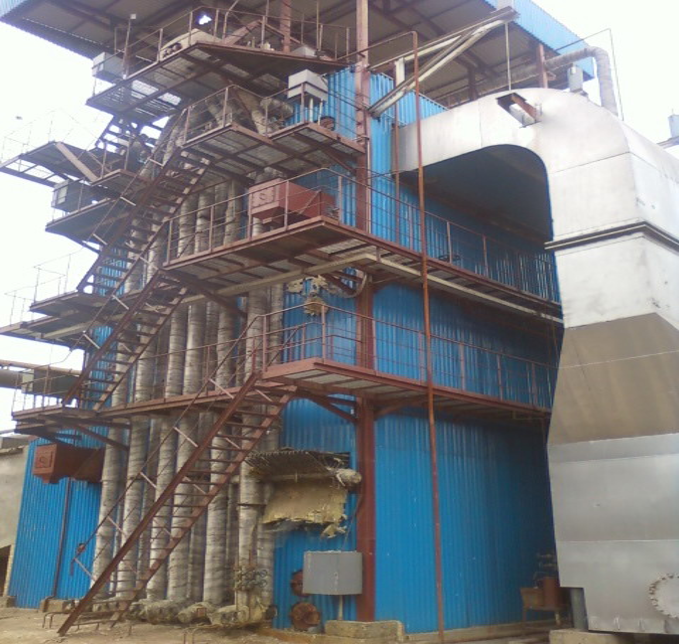
Ask the supplier to describe their engineering department structure. A capable WHRB EPC team needs process engineers who can translate your flue gas data into a heat balance, mechanical engineers who can design pressure parts and piping to the destination-country code, civil and structural engineers for foundations and steel structures, and electrical and instrumentation engineers who can produce loop diagrams, hazardous area classifications, and a DCS/PLC integration package. If the supplier’s “engineering team” is three thermal designers and everyone else is subcontracted, you should know that before the contract is signed — not after the first engineering submission comes back incomplete.
Local Code Compliance Is Not Optional
This is where purely domestic suppliers often fall short. Destination-country requirements vary significantly: ASME Section I or VIII in North America, PED in the EU, locally adapted pressure vessel codes in countries like India (IBR), Vietnam, or Indonesia — each with its own documentation, third-party inspection, and stamping requirements. Seismic zone classification affects structural steel design in ways that are not trivial. Electrical area classification for gas-related installations can require ATEX or IECEx certified instruments. Ask the supplier directly: have they obtained pressure vessel registration or approval from a national authority outside China before? Who manages that process — the supplier’s own team or the buyer? The answer matters enormously.
A WHRB supplier with documented ASME, PED, or equivalent third-country pressure vessel approvals demonstrates a substantially higher level of engineering and documentation discipline than one operating solely under domestic standards.True
Obtaining foreign code compliance requires full traceability of materials, welding procedures, and inspection records to a recognized third-party body, which is structurally different from self-certified domestic production.
Schedule and Cost Control Tools
Ask what project management methodology the supplier follows and what tools they use to track schedule, cost, and quality. A credible EPC contractor should be able to show you a sample Gantt chart or WBS structure, explain how change orders are managed, and tell you who the single point of contact is for the duration of the project. Vague answers here usually mean informal processes that break down under pressure.
Logistics for Oversized Modules
Large WHRB pressure parts — drums, evaporator sections, economizer modules — frequently exceed standard shipping container dimensions. Ask whether the supplier has handled heavy-lift cargo, port-to-site transport, and installation supervision in locations with limited crane access or difficult road infrastructure. The logistics planning for a 45-tonne steam drum arriving at a port 300 km from a remote cement plant is its own engineering problem. Suppliers with genuine overseas delivery experience will have in-house or retained logistics partners and will talk about this fluently. Those without it will redirect the conversation toward the boiler itself.
Commissioning Support and Handover Documentation
Get specific: will senior process or commissioning engineers travel to site, or will the supplier send relatively junior technicians? For a WHRB in the 10–50 t/h range, commissioning typically runs 3–6 weeks from cold startup to stable operation, depending on process stability and the complexity of the control system. Ask what documentation is handed over at completion — at minimum you should expect as-built drawings, O&M manuals, a commissioning report with baseline performance data, and a spare parts list cross-referenced to manufacturer part numbers. Plants that skip demanding this at contract stage often find themselves chasing incomplete documentation years later during a maintenance outage.
In practice, the EPC track record question separates a manufacturing vendor from a genuine project partner. For an international greenfield installation or a major retrofit, the distinction can define whether the project is a success or a prolonged headache.
What Lifecycle Support, Spare Parts Availability, and Maintenance Agreements Does the Supplier Offer?
Capital cost gets most of the attention during procurement. It shouldn’t. A waste heat recovery boiler running in a cement kiln line or a steel electric arc furnace operates under corrosive, dust-laden, thermally cyclic conditions — and over a 15–20 year asset life, the cumulative cost of spare parts, unplanned downtime, and inadequate technical support will dwarf the original purchase price difference between a well-supported supplier and a cheap one.
Ask this section of questions late in the commercial discussion, when you have enough trust to get real answers rather than polished brochure language.
Spare Parts Lists, Lead Times, and Critical Inventory
Any serious supplier should be able to hand you a recommended initial spare parts list without you asking twice. This list needs to go beyond a vague “consumables package.” You want tube quantities by circuit (economizer, evaporator, superheater separately), tube plugs sized to your tube OD and wall thickness, drum manhole gaskets, handhole gaskets, safety valve trim sets, sootblower elements and drive components if your unit has rotary or retractable types, and drum internals — steam separators, scrubbers, feed distribution pipes.
Lead times matter as much as availability. For forged pressure parts and safety valve trim from a reputable manufacturer — a Dresser-Consolidated or an Aquatrol-equivalent seat-and-disc assembly — you might be looking at 8–16 weeks from order. For custom-formed alloy tubes in a high-temperature superheater circuit (say, T91 or TP347H), lead times can stretch to 20–30 weeks or longer depending on mill schedules and whether tube ends need special welding preparations. If your plant is in Southeast Asia, West Africa, or South America and the boiler is manufactured in China or Europe, you need buffer stock on-site. The supplier should tell you honestly which items are long-lead and help you size a first-fill inventory accordingly.
Proprietary Components and Long-Term Supply Commitments
This is where you need to read the fine print carefully. Some suppliers — not all — design control interfaces, sootblower control panels, or drum level measurement assemblies around proprietary protocols or custom-machined parts that are only available through them. That creates leverage on your maintenance budget for the life of the plant.
Ask directly: which components, if any, require sourcing exclusively from you or your sub-suppliers? Get the answer in writing. If the answer is “none,” ask them to confirm that in the contract. If the answer is “yes, items X and Y,” then negotiate a 10-year pricing cap or a licensed drawing arrangement that lets you machine replacements locally. This conversation is uncomfortable, but skipping it costs money later.
Operator Training and Documentation
A WHRB commissioned without proper operator training is a liability. Flue gas inlet conditions in industrial processes fluctuate — a rotary kiln has different waste heat profiles at startup versus steady-state production — and operators who don’t understand furnace draft control, blowdown sequencing, or the response of drum level to sudden load swings will eventually cause a trip or, worse, a waterside damage event.
The contract should specify classroom training hours, on-site commissioning training, and the language of all operating manuals, P&IDs, and maintenance procedures. For an overseas buyer, having documentation only in Mandarin Chinese or only in German is a genuine operational risk. Confirm early.
Remote Monitoring, Diagnostics, and Support Response Time
Modern WHRB control systems — whether a dedicated PLC panel or integration into a plant-wide DCS — can transmit key operating parameters: drum pressure, flue gas inlet and outlet temperatures, feedwater flow, steam output, and key alarm states. Ask whether the supplier’s standard offering includes remote access capability, and if so, what the committed response time is for a technical support inquiry. “24–48 hours” is a reasonable benchmark; “we’ll get back to you” is not.
Remote diagnostics are especially valuable in the first 12–18 months of operation, when unexpected fouling rates, tube metal temperature deviations, or sootblower cycling issues tend to surface.
Inspection Intervals and Warranty Coverage
Planned inspection requirements for a WHRB typically follow national pressure vessel codes — annual external inspections, biennial internal inspections, and a full pressure test at roughly 10-year intervals, though exact intervals depend on operating jurisdiction and insurance requirements. Ask the supplier whether their engineers can provide inspection support in your country, or whether they maintain a regional service partner network.
Warranty terms deserve particular scrutiny. A typical equipment warranty runs 12–18 months from commissioning or 18–24 months from ex-works shipment, whichever comes first — but what matters more is what’s excluded. Most warranties exclude damage from feedwater quality failures, flue gas compositions outside the agreed design envelope, or operator error. Those exclusions are reasonable. What’s not reasonable is a warranty that quietly excludes weld repairs on pressure parts or requires the buyer to ship components back to the factory for assessment before any claim is processed. For an overseas project, that process alone can take 3–4 months.
A well-structured spare parts and maintenance agreement, negotiated before contract signing, typically reduces unplanned downtime costs by a meaningful margin over the boiler's first operational decade.True
Documented maintenance agreements that include scheduled inspections, critical spare inventory, and operator training reduce the frequency and duration of unplanned outages — a well-established principle in industrial asset management, supported by maintenance cost benchmarking across cement, steel, and glass industries.
The bottom line is straightforward: a supplier who hesitates, hedges, or gives vague answers on lifecycle support is telling you something important about how they view the relationship after the shipment leaves their gate.
Frequently Asked Questions About Selecting a Waste Heat Recovery Boiler Supplier
What is the typical lead time for a custom-engineered WHRB, and what factors cause delays?
For a genuinely custom-engineered unit — not a catalog boiler slightly modified — expect somewhere between 16 and 36 weeks from contract signing to ex-works dispatch, depending heavily on the pressure class and whether you need superheating. The engineering freeze is usually the first bottleneck. If your process data keeps changing after order placement (inlet gas temperature revised, flow rate updated, duct routing shifted), the supplier’s thermal and structural design has to chase those changes, and that ripple effect can cost you three to six weeks before a single plate gets cut.
Long-lead materials are the other common culprit. High-alloy tubes — say, TP347H or T91 for high-temperature superheater sections — are not sitting in a stockholder’s warehouse. Lead times from certified mills run 8–14 weeks on their own. Shop capacity matters too; a busy fabrication schedule at the supplier’s plant during peak order seasons (often Q3–Q4 for cement and steel project cycles) can add four to eight weeks. Budget for customs clearance and ocean freight if you are importing to Southeast Asia, the Middle East, or Africa — that alone is typically three to six weeks and can be disrupted by port congestion or documentation errors.
The practical takeaway: lock your process data early, ask the supplier to identify their long-lead items in writing within two weeks of contract award, and build a realistic float into your construction schedule.
How do I compare thermal efficiency claims from different suppliers when their design basis assumptions differ?
You essentially cannot compare them directly unless you standardize the basis. A supplier quoting 92% efficiency with a 150°C flue gas outlet temperature is not offering the same proposition as one quoting 88% with a 200°C outlet, even though the first number looks better. Ask every bidder to provide their efficiency figure on a consistent reference condition: same inlet gas temperature, same mass flow, and — critically — the same stack outlet temperature. Acid dew point is the floor; for sulfur-bearing gases, that is often 130–160°C depending on SO₂ content.
A higher stated thermal efficiency is always better when comparing WHRB bidsFalse
Efficiency figures are only comparable when calculated on identical inlet conditions, outlet temperature basis, and heat loss accounting methodology. A lower outlet gas temperature increases apparent efficiency but risks acid condensation and tube corrosion if it falls below the flue gas dew point for your specific fuel or process gas composition.
Request the full heat balance sheet, not just the headline number.
Should I choose a WHRB with natural circulation or forced circulation?
Natural circulation works well for most industrial WHRBs operating below roughly 6–7 MPa, and it simplifies the system — no circulation pump means one fewer failure point. Forced circulation becomes necessary or strongly advisable when the operating pressure approaches the critical point, when the heat flux is very high and uneven (as in some chemical or metallurgical processes), or when the physical layout makes achieving adequate circulation ratios by gravity impractical. A tall, vertical gas pass favors natural circulation; a low-profile horizontal arrangement sometimes does not. Your supplier should run circulation calculations for your specific geometry and present them — if they cannot, that is a gap worth probing.
What emission controls can be integrated into a WHRB system?
A full-service supplier can coordinate the downstream treatment train as part of the package. SCR (selective catalytic reduction) for NOₓ is typically positioned in the 300–400°C flue gas temperature window — usually after the evaporator but before the economizer — because catalyst activity requires that temperature range. Bag filters or electrostatic precipitators handle particulate. Wet scrubbers address SO₂ and residual acid gases. In practice, integrating these upstream of the ID fan requires careful pressure-drop budgeting across the whole gas path; a supplier who only designs the boiler shell and hands off the duct interface to someone else often leaves this as an unresolved coordination risk.
Can a WHRB generate both process steam and electricity simultaneously?
Yes, and this is a CHP (combined heat and power) configuration that many cement, glass, and steel operations use effectively. The basic arrangement is a WHRB producing superheated steam, which drives a back-pressure turbine; the exhaust steam from the turbine then goes to your process header at the required lower pressure. A condensing turbine extracts more electrical output but sacrifices the process steam, so the choice depends on your heat-to-power ratio. The supplier designing for CHP needs to know your process steam demand profile (steady or variable?), the acceptable pressure and temperature at the process header, and your grid connection or islanding requirements. Get that data gathered before the design basis is set.
What is a reasonable budget range for a medium-sized industrial WHRB project on an EPC basis?
Roughly USD 800,000 to USD 5,000,000 or more covers a wide range of medium-capacity projects — say, 10–80 t/h steam output — but that spread exists for real reasons. Pressure class is a major driver: a 1.3 MPa saturated steam unit is a fundamentally different fabrication and materials proposition compared to a 9.8 MPa superheated unit for power generation. Site conditions (civil foundation complexity, altitude, ambient temperature, local labor costs) can shift the civil and erection portion significantly. Any indicative number given without a full set of process data and site conditions is a rough orientation, not a basis for a business case. Push any supplier offering a firm price without those inputs.
How do I verify that a supplier’s reference projects are genuinely comparable to mine?
Brochure references are easy to print. Ask for the operating data sheets from those projects — actual measured steam output, measured flue gas inlet and outlet temperatures, tube material specifications, and any problems encountered during commissioning. Ask for a client contact you can call directly. A reputable supplier will not hesitate. If they offer only a written testimonial or a factory visit where you see a finished unit but cannot discuss operating history, treat that skeptically. Ideally, visit a reference plant in your industry sector and talk to the plant engineer who runs the unit day-to-day — they will tell you things the sales team never would.
References
2025 ASME Boiler and Pressure Vessel Code
Source: American Society of Mechanical Engineers (ASME)ASME BPVC Section I — Rules for Construction of Power Boilers
Source: American Society of Mechanical Engineers (ASME)National Board Inspection Code — 2025 Edition
Source: The National Board of Boiler and Pressure Vessel InspectorsNational Board Commissioned Inspectors and ASME Authorized Inspectors
Source: The National Board of Boiler and Pressure Vessel InspectorsNational Board Guidance on Inservice Boiler Inspection
Source: The National Board of Boiler and Pressure Vessel InspectorsBoiler Owner and Operator’s Guide
Source: The National Board of Boiler and Pressure Vessel InspectorsHeat Recovery Steam Generators — HRSG Products and Engineering
Source: GE VernovaHeat Recovery Steam Generator Services and Lifecycle Support
Source: GE VernovaHRSG Upgrades for Pressure and Non-Pressure Parts
Source: GE VernovaWaste Heat Recovery Boilers — Industrial Applications and Solutions
Source: Thermax Limited