How long does a waste heat recovery boiler (WHRB) project take from contract award to commissioning?
For a complete industrial WHRB installation, the project schedule is generally planned in months rather than weeks, but there is no universal completion period. The actual duration depends on the boiler configuration, engineering requirements, manufacturing lead time, delivery arrangements, site readiness, and commissioning conditions.
A manufacturer may complete its contracted equipment supply well before the entire system is ready for operation. Conversely, engineering, procurement, and site preparation can sometimes proceed in parallel, shortening the overall schedule.
This guide explains the five major stages of an industrial WHRB project, how to estimate total completion time, and what buyers should confirm before agreeing to a delivery schedule.
How Long Does a Waste Heat Recovery Boiler Project Typically Take?
The first step in estimating a WHRB project timeline is defining what the project actually includes.
An equipment-only contract may conclude at factory release or delivery to an agreed location. A broader contract may also cover installation supervision, site commissioning, performance acceptance, and handover.
These are different completion milestones and should not be compared as if they represent the same scope.
What Does Published Industry Experience Tell Us?
The International Finance Corporation (IFC), part of the World Bank Group, provides a useful industry reference in its report, Waste Heat Recovery in Turkish Cement Industry.
In the report’s discussion of integrated cement-plant waste heat recovery systems:
- Construction periods can be as short as six months.
- Commissioning may take four to six weeks.
- A one- to two-week performance test is recommended before final acceptance.
These figures relate to integrated cement-industry waste heat recovery installations, including broader system requirements. The performance test is part of the commissioning and acceptance planning, not necessarily an additional period to add after commissioning.
They are not standard manufacturing or total project durations for every industrial waste heat recovery boiler. A standalone boiler supply, a process retrofit, and a complete waste heat power generation project may require significantly different schedules.
WHRB Project Timeline by Stage
| Project Stage | Main Activities | Key Schedule Dependency |
|---|---|---|
| Engineering and design approval | Process data verification, equipment design, document approval | Complete technical information and approved design |
| Procurement and manufacturing | Material purchasing, fabrication, inspection, factory release | Design maturity, materials and production capacity |
| Transportation and delivery | Packing, shipping, customs, inland delivery | Factory release and logistics arrangements |
| Site installation and integration | Foundations, erection, piping and process connections | Site readiness, equipment arrival and plant interfaces |
| Commissioning and acceptance | System checks, startup, performance testing, handover | Mechanical completion and process operating conditions |
Table 1. The table identifies the principal activities and dependencies. Project-specific durations must be confirmed through engineering and supplier scheduling.
The overall completion date depends on how these activities interact. Procurement may overlap with engineering, while site preparation may advance during manufacturing. Consequently, simply adding every stage’s duration can overestimate the total project period.
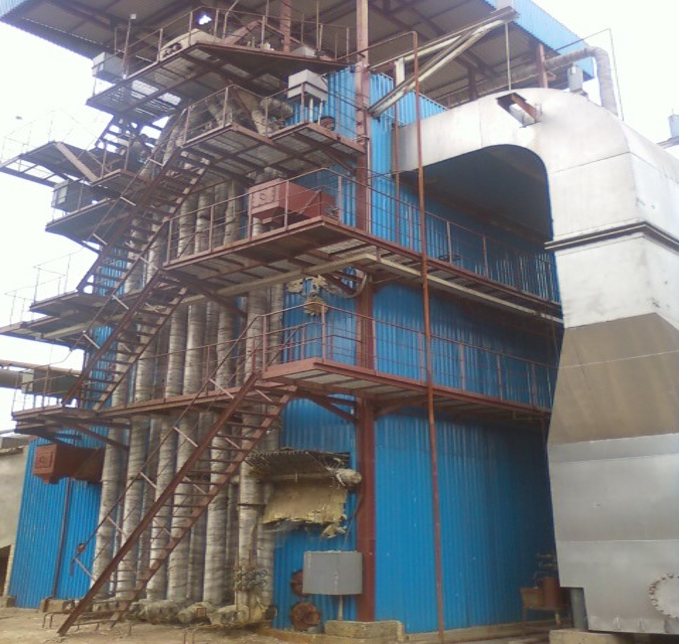
Five Key Stages of a Waste Heat Recovery Boiler Project Timeline
Stage 1: Engineering and Design Approval
Engineering establishes the technical basis for the project and determines when equipment procurement and fabrication can proceed.
Industrial waste heat recovery boilers must be designed around the characteristics of the available heat source and the receiving steam or hot-water system.
Important engineering inputs include:
- Exhaust gas temperature, flow rate, composition, and operating variations.
- Required steam capacity, pressure, and temperature.
- Allowable exhaust-side pressure drop.
- Site layout, structural requirements, and equipment interfaces.
- Existing process connections and operating restrictions.
Depending on the project, engineering deliverables may include equipment arrangements, pressure-part drawings, process and instrumentation diagrams, and interface documentation.
The most important scheduling event is the release of sufficiently approved engineering information for procurement and manufacturing.
Some long-lead items may be ordered before every detailed drawing is finalized, provided their specifications and procurement risks have been appropriately reviewed.
However, incomplete process data or late changes to operating requirements can force design revisions, delay fabrication, and affect downstream delivery commitments.
Scheduling priority: Confirm critical technical parameters, drawing approval responsibilities, and the manufacturing release milestone before establishing a firm delivery commitment.
Stage 2: Material Procurement, Manufacturing, and Factory Inspection
Manufacturing lead time depends on the approved boiler design, material availability, fabrication requirements, workshop scheduling, and applicable inspection procedures.
Depending on the configuration, major pressure components may include steam drums, headers, evaporator tube banks, economizers, and superheaters.
Procurement of selected long-lead materials or components may overlap with detailed engineering once the necessary specifications have been approved.
Manufacturing then proceeds through the applicable fabrication, assembly, and inspection operations.
Pressure-part inspection and testing must be included in the production schedule. Depending on the governing requirements, these activities may involve welding examination, nondestructive testing, pressure testing, and customer or third-party inspection.
For equipment within its scope, the ASME Boiler and Pressure Vessel Code provides requirements applicable to boiler construction and related quality activities. The relevant code section, edition, certification requirements, and local regulations must be determined for the particular project.
Several schedule dependencies deserve attention:
- Long-lead materials: Delayed material availability can postpone the start of critical fabrication.
- Inspection hold points: Production may need to pause until a required inspection or witness activity has been completed.
- Testing and documentation: Factory release may depend on successful completion of specified examinations, tests, and quality records.
- Design changes: Revised pressure-part specifications or interfaces can affect work already scheduled or completed.
Factory acceptance testing, where contractually specified, should also be included in the manufacturing and release plan.
The manufacturer should therefore provide a production schedule showing significant procurement, fabrication, inspection, and dispatch milestones rather than only a final shipment date.
Stage 3: Packing, Transportation, and Site Delivery
After factory release, the equipment enters the transportation stage.
For overseas projects, this may involve export packing, port handling, sea or land transportation, customs clearance, and final inland delivery.
The delivery period is influenced by equipment dimensions, shipment configuration, destination, available transport routes, and any special handling requirements.
For example, a large prefabricated boiler module may require different transport arrangements from separately packed drums, tube bundles, and structural components.
Buyers should distinguish three dates:
- Factory Release Date: The equipment has completed the required factory activities and is released for dispatch.
- Contractual Delivery Date: The agreed delivery obligation is fulfilled at the specified place or point.
- Site Arrival Date: The equipment physically reaches the installation location.
These dates may differ.
The International Chamber of Commerce’s Incoterms® 2020 rules clarify the allocation of delivery-related obligations, costs, and risks. They do not, by themselves, define the entire WHRB construction or commissioning schedule.
Scheduling priority: Align the transportation plan with the site’s lifting capacity, storage conditions, access arrangements, and actual installation readiness.
Stage 4: Site Preparation, Installation, and System Integration
Site preparation can often begin before boiler manufacturing is completed.
Once suitable engineering information is available, the project team may proceed with foundation construction, structural preparation, lifting arrangements, utility connections, and other approved site activities.
This overlap can reduce the overall elapsed project time.
Following equipment arrival, installation may involve:
- Equipment positioning and erection.
- Applicable pressure-part and structural connections.
- Exhaust gas ductwork integration.
- Steam, feedwater, and auxiliary system connections.
- Instrumentation and control interfaces.
The installation schedule depends on site access, work quantities, lifting requirements, and the division of responsibilities between the manufacturer, EPC contractor, and plant owner.
New-build and retrofit installations require different planning approaches.
For a new production facility, the WHRB installation may proceed alongside construction of the upstream process equipment.
For an operating industrial plant, connecting new exhaust gas ductwork or modifying existing systems may require a planned shutdown.
The outage requirement and duration must be established through project-specific engineering, operating, and safety assessments.
The main milestone at the end of this stage is mechanical completion, confirming that the relevant construction and installation work has reached the agreed completion status.
Mechanical completion, however, does not automatically authorize startup or establish final project acceptance.
Stage 5: Commissioning, Performance Acceptance, and Handover
Commissioning verifies that the installed WHRB and associated systems are ready for their intended operation.
The required activities depend on equipment design, operating conditions, applicable regulations, and contractual scope.
They may include instrument and control checks, verification of protective functions, feedwater system readiness, pre-startup inspections, and the completion of applicable cleaning and testing activities.
Hot commissioning introduces a particularly important WHRB scheduling dependency: the upstream industrial process must be capable of providing suitable waste heat conditions.
A boiler may be mechanically complete, yet remain unable to undergo hot commissioning because the furnace, kiln, or other process equipment has not reached the necessary operating conditions.
Performance acceptance may require verification of agreed steam output, pressure, temperature, or other specified parameters under defined test conditions.
The contract should distinguish:
- Mechanical completion.
- Authorization for startup.
- Initial steam generation or hot operation.
- Performance acceptance.
- Final documentation and handover.
These milestones may occur on different dates.
The project schedule should therefore account for commissioning personnel, operating readiness, inspection arrangements, and the conditions required for contractual acceptance.
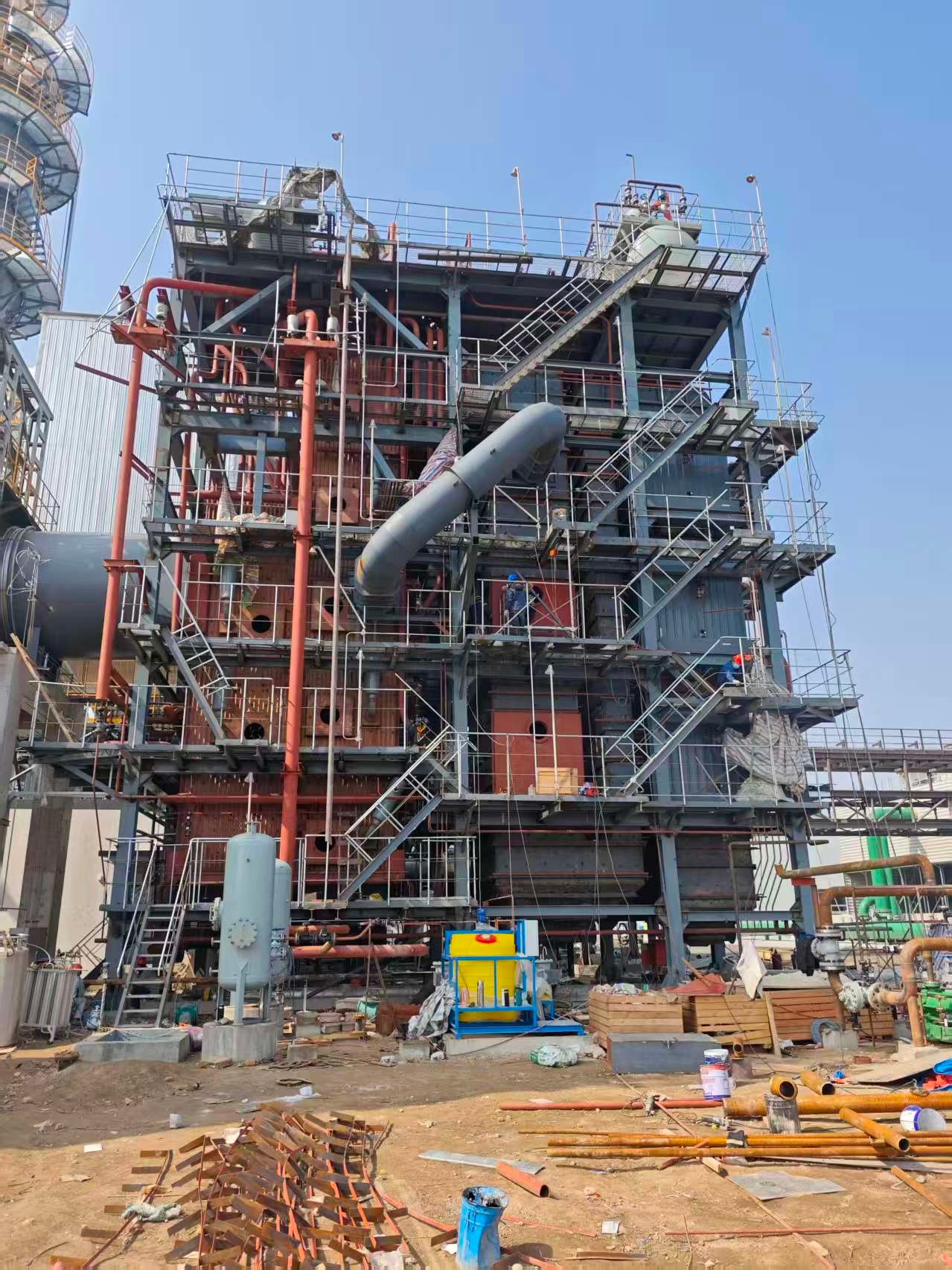
What Determines the Total Duration of a WHRB Project?
Two WHRB projects with similar steam capacities may still have different delivery and completion schedules.
The difference often results from contractual supply boundaries, equipment configuration, existing plant conditions, and approval requirements.
Boiler Configuration and Supply Scope
WHRB designs vary according to their heat sources, pressure conditions, materials, and system arrangements.
These differences affect engineering, procurement, fabrication, and inspection requirements.
Supply scope can be equally important.
For example, Taishan Group’s published project references include the supply of 12 t/h waste heat recovery boilers for EVRAZ and the supply of one high-pressure drum and one low-pressure drum for a 70-ton waste heat boiler at Brazil’s Parnaíba Complex.
These projects illustrate two different supply arrangements: boiler equipment supply and individual pressure-component supply.
The latter may involve only part of the equipment required for a complete WHRB installation.
Neither reference publicly establishes the full engineering-to-commissioning duration. Therefore, they should not be used to claim that complete WHRB projects can be delivered within a particular number of months.
For buyers, the practical lesson is straightforward: a delivery quotation is meaningful only when the included equipment, services, and completion milestone are clearly defined.
New-Build vs. Retrofit Conditions
New-build projects may allow engineering, manufacturing, civil works, and other site activities to progress concurrently.
However, their commissioning dates may still depend on completion of the overall production facility.
Retrofit projects can involve constraints associated with existing equipment, limited installation space, operating restrictions, and planned shutdown windows.
Neither project type is inherently faster in every situation.
Approvals, Inspection, and Logistics
The overall schedule may also be affected by:
- Engineering approval cycles.
- Changes to the waste heat source or steam requirements.
- Applicable inspection and certification requirements.
- Material availability and manufacturing workload.
- International shipping arrangements.
- Site access and construction readiness.
These factors should be assessed when establishing the baseline schedule rather than treated only as unexpected delays.
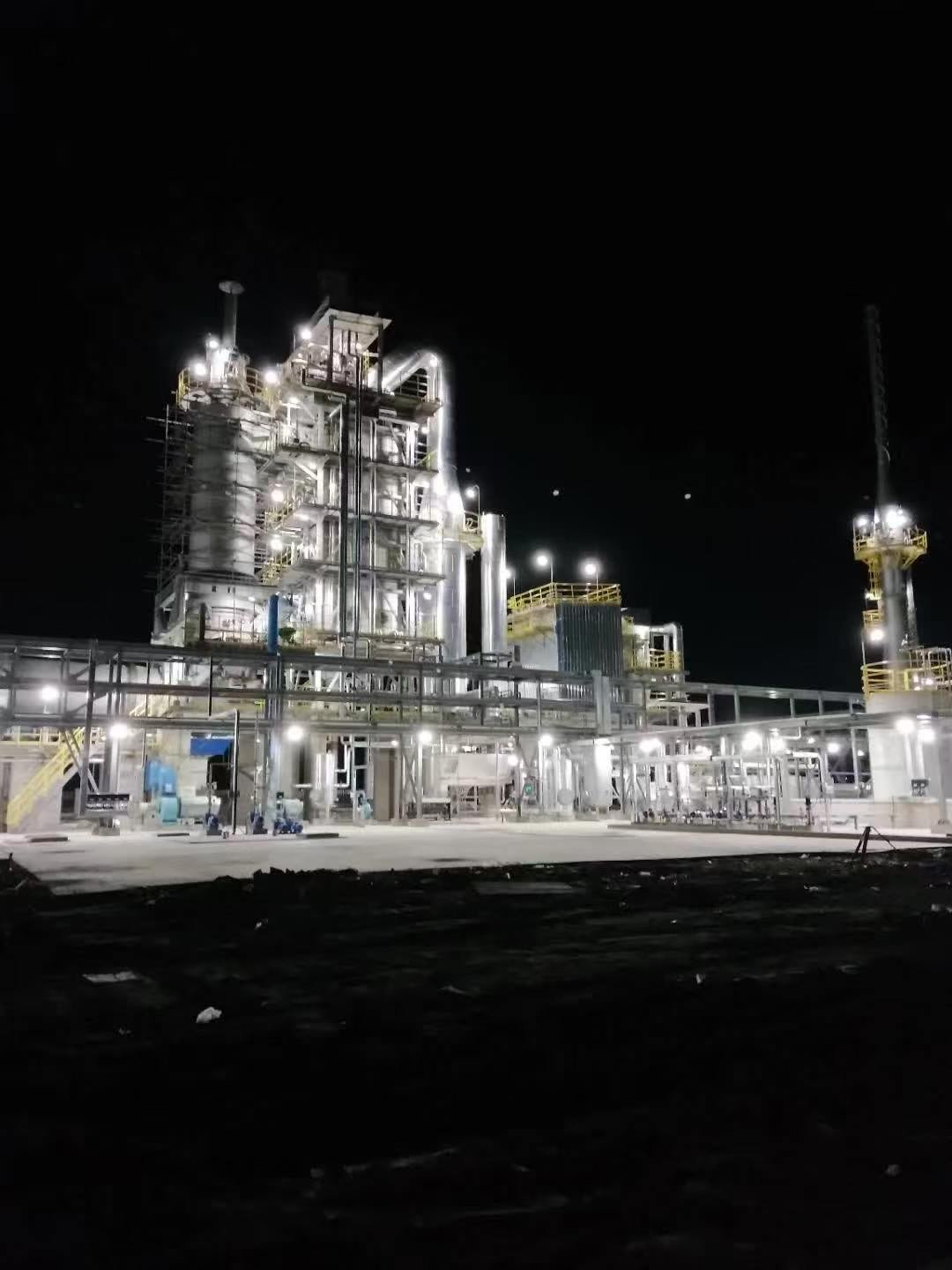
How to Plan a Realistic WHRB Project Schedule
An effective project schedule combines estimated activity durations with clearly defined dependencies and opportunities for parallel work.
Identify Critical Milestones and Parallel Activities
A practical WHRB project plan should identify the following milestones:
Contract Effectiveness → Design Release → Factory Release → Site Delivery → Mechanical Completion → Commissioning → Final Acceptance
Not every activity between these milestones needs to run sequentially.
The following table illustrates how some activities may overlap.
Illustrative WHRB Project Schedule
| Workstream | Initial Engineering | During Manufacturing | After Factory Release | After Site Delivery | After Mechanical Completion |
|---|---|---|---|---|---|
| Engineering and approvals | ● | ||||
| Material procurement and fabrication | ◐ | ● | |||
| Site preparation | ◐ | ● | |||
| Transportation | ● | ||||
| Equipment installation | ● | ||||
| Commissioning and acceptance | ● |
Illustrative sequence only. Symbols indicate possible activity windows or overlap, not proportional durations or a verified project schedule. Procurement and site work can begin only when the necessary engineering information and approvals are available.
This example demonstrates why total project duration cannot be determined by simply summing all activity durations.
The Project Management Institute’s critical path guidance explains how activity dependencies and available scheduling flexibility affect the overall project completion date.
For a WHRB project, the controlling activity might be pressure-component manufacturing, delivery of a long-lead item, completion of a critical site connection, or the availability of the upstream process for commissioning.
Estimate the Completion Date Using Workstream Dependencies
A preliminary schedule can be developed through five steps:
- Define the start and finish milestones. Establish whether the schedule runs from contract effectiveness, notice to proceed, or engineering release through delivery or final acceptance.
- Obtain supplier time allowances. Request the engineering approval period, manufacturing lead time, inspection schedule, and estimated shipping arrangements.
- Prepare the site schedule separately. Identify foundations, utilities, construction access, installation work, and any required shutdown window.
- Connect dependent activities. Determine which tasks must finish before others begin and which can overlap without creating unacceptable technical or construction risk.
- Evaluate uncertainty on the controlling path. Review approval delays, material availability, logistics, and commissioning conditions when setting contingency allowances.
For example, if the foundation and utilities are ready before the boiler arrives, their full preparation period does not need to be added after the equipment delivery date.
However, if site readiness is delayed beyond delivery, the installation start may also be delayed.
This approach is more reliable than applying one generic project-duration figure to every WHRB installation.
Coordinate Shutdowns and Commissioning Readiness
For projects connected to operating industrial facilities, the schedule should identify any process interfaces that require shutdowns.
The project team should confirm the intended outage window, prerequisite work, required personnel, and conditions for returning the process to operation.
Commissioning readiness must be managed separately from construction readiness.
Even when the boiler is installed, unavailable utilities, incomplete control integration, unresolved inspections, or an unsuitable waste heat source may delay startup.
What Should Buyers Confirm Before Accepting a WHRB Project Timeline?
Before accepting a supplier’s proposed delivery period, buyers should request a milestone schedule aligned with the contractual scope.
| Schedule Item | Question to Confirm |
|---|---|
| Project commencement | What event starts the contractual schedule? |
| Engineering approval | Which documents require approval, and by when? |
| Procurement and manufacturing | Which items control fabrication and factory release? |
| Inspection and testing | Which inspections, witness points, or factory tests are required? |
| Equipment delivery | What are the delivery terms and agreed destination? |
| Site readiness | Who is responsible for foundations, utilities, and equipment access? |
| Installation | Which erection and integration activities are included in the supplier’s scope? |
| Commissioning | What services, personnel, and operating conditions are required? |
| Acceptance | Which tests and documents define contractual completion? |
Table 2. WHRB schedule confirmation checklist for project owners and procurement teams.
A single promised shipment date is not a substitute for a coordinated project schedule.
What Information Does a WHRB Manufacturer Need to Estimate Delivery Time?
To obtain a more meaningful preliminary schedule, buyers should prepare the following information:
- Waste heat source: Process type, exhaust gas temperature, flow rate, composition, and operating variation.
- Required output: Steam or hot-water capacity, pressure, temperature, and intended application.
- Project location: Country, installation site, and relevant transportation or access constraints.
- Project type: New-build installation, retrofit, replacement, or capacity expansion.
- Supply scope: Boiler components, complete boiler equipment, associated auxiliaries, and any installation or commissioning services required.
- Target dates: Expected contract commencement, required delivery date, planned shutdown window, and desired commissioning date.
With these inputs, the manufacturer can better evaluate design requirements, manufacturing feasibility, and the relevant delivery milestones.
The resulting schedule should still be treated as preliminary until technical specifications, responsibilities, and project conditions are sufficiently defined.
Frequently Asked Questions About WHRB Project Timelines
How Long Does It Take to Manufacture a Waste Heat Recovery Boiler?
Manufacturing duration depends on the equipment configuration, capacity, pressure conditions, material requirements, and production schedule.
The supplier should confirm whether its quoted lead time begins at contract effectiveness, technical approval, receipt of an advance payment, or another agreed milestone.
A manufacturing quotation should also identify applicable inspection and factory release requirements.
Can Site Preparation Begin Before WHRB Manufacturing Is Completed?
Yes. Foundations, access arrangements, selected structural works, and utility preparation may proceed while fabrication continues.
However, activities that depend on final equipment dimensions, loads, and interface locations require appropriately approved engineering information.
Coordinating these activities can shorten the overall project schedule without compressing mandatory manufacturing or inspection work.
Does WHRB Installation Always Require a Plant Shutdown?
No.
For new facilities, installation may take place before the upstream production equipment enters operation.
Retrofit projects may require planned outages for exhaust duct connections or other modifications to operating process equipment.
The need for a shutdown and its duration depend on the specific plant configuration and approved installation method.
What Can Delay WHRB Commissioning After Mechanical Completion?
Commissioning may be delayed by incomplete inspections, unresolved control-system issues, unavailable utilities, unfinished process connections, or insufficient operator readiness.
Because WHRB operation depends on an external waste heat source, commissioning may also need to wait until the upstream process can provide the required operating conditions.
Conclusion
A waste heat recovery boiler project timeline depends on more than manufacturing lead time. Engineering approval, procurement, fabrication, transportation, site readiness, process integration, and commissioning must all be considered together.
The most reliable approach is to develop a milestone-based schedule that reflects the actual supply scope and project dependencies.
Planning an industrial WHRB project? Contact Taishan Group with your waste heat source conditions, steam requirements, project location, supply scope, and target commissioning date to discuss a preliminary engineering and delivery schedule.