Industry News

Warranty Period for Industrial Boiler Components & Structure
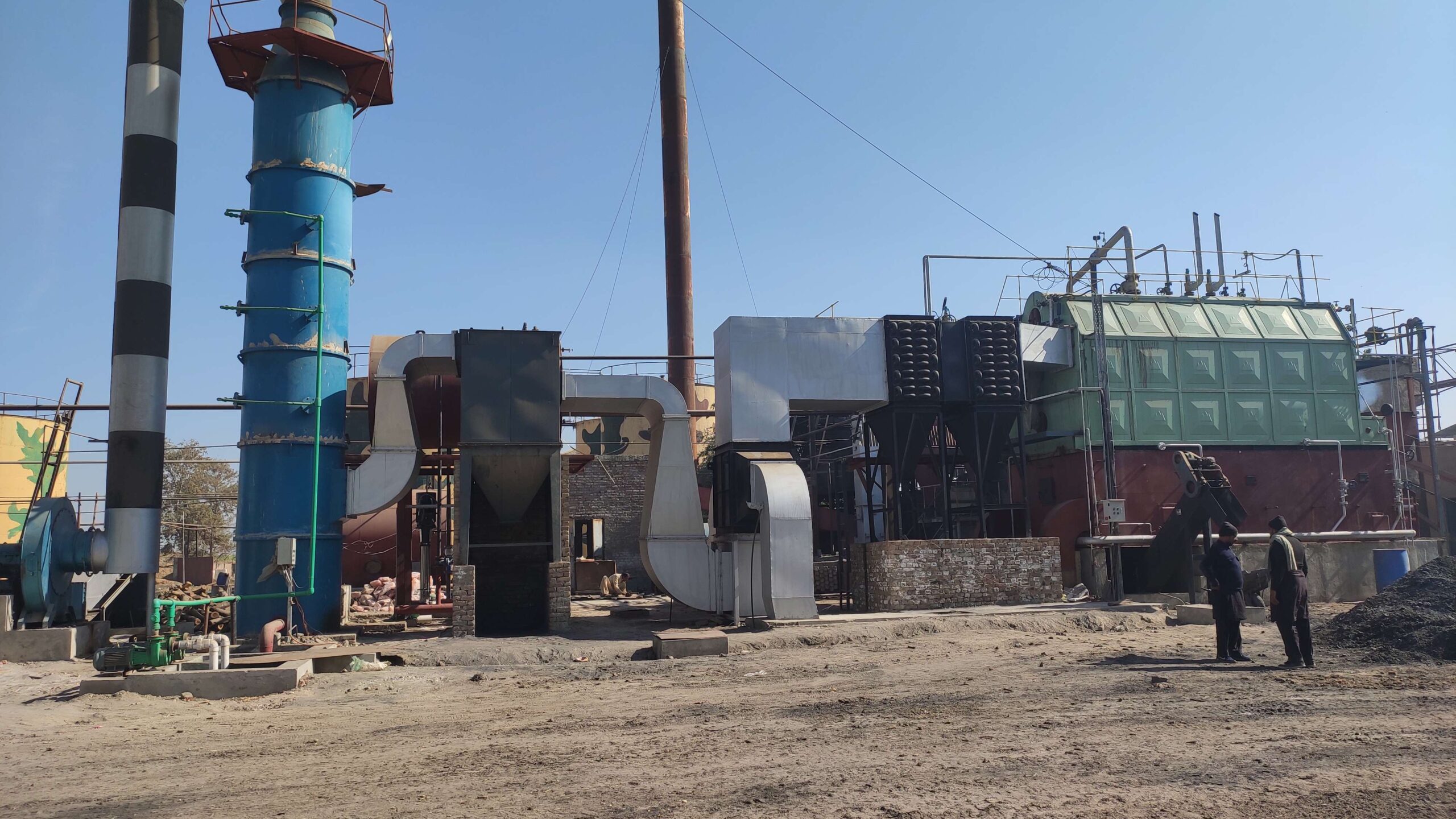
Warranty Period for Industrial Boiler Components & Structure

When investing in an industrial boiler system, warranty coverage is one of the most critical aspects to consider—yet it’s often overlooked. Without a comprehensive and clearly defined warranty, facility owners expose themselves to unexpected repair costs, production downtime, and reduced ROI in the event of structural failure or component malfunction. Understanding the standard warranty periods and their limitations is essential to protecting your equipment and investment.

Typically, the warranty period for industrial boiler pressure parts or structural components ranges from 5 to 10 years, while non-pressure parts and replaceable components such as burners, valves, control systems, and pumps are covered for 12 to 24 months. Some manufacturers offer extended warranties or customized agreements depending on application, environment, and service contract level.

Boiler buyers should carefully review what is and isn’t covered, including exclusions for improper installation, maintenance neglect, or corrosion. Read on to understand how warranty coverage works and what you should expect from a reliable boiler manufacturer.
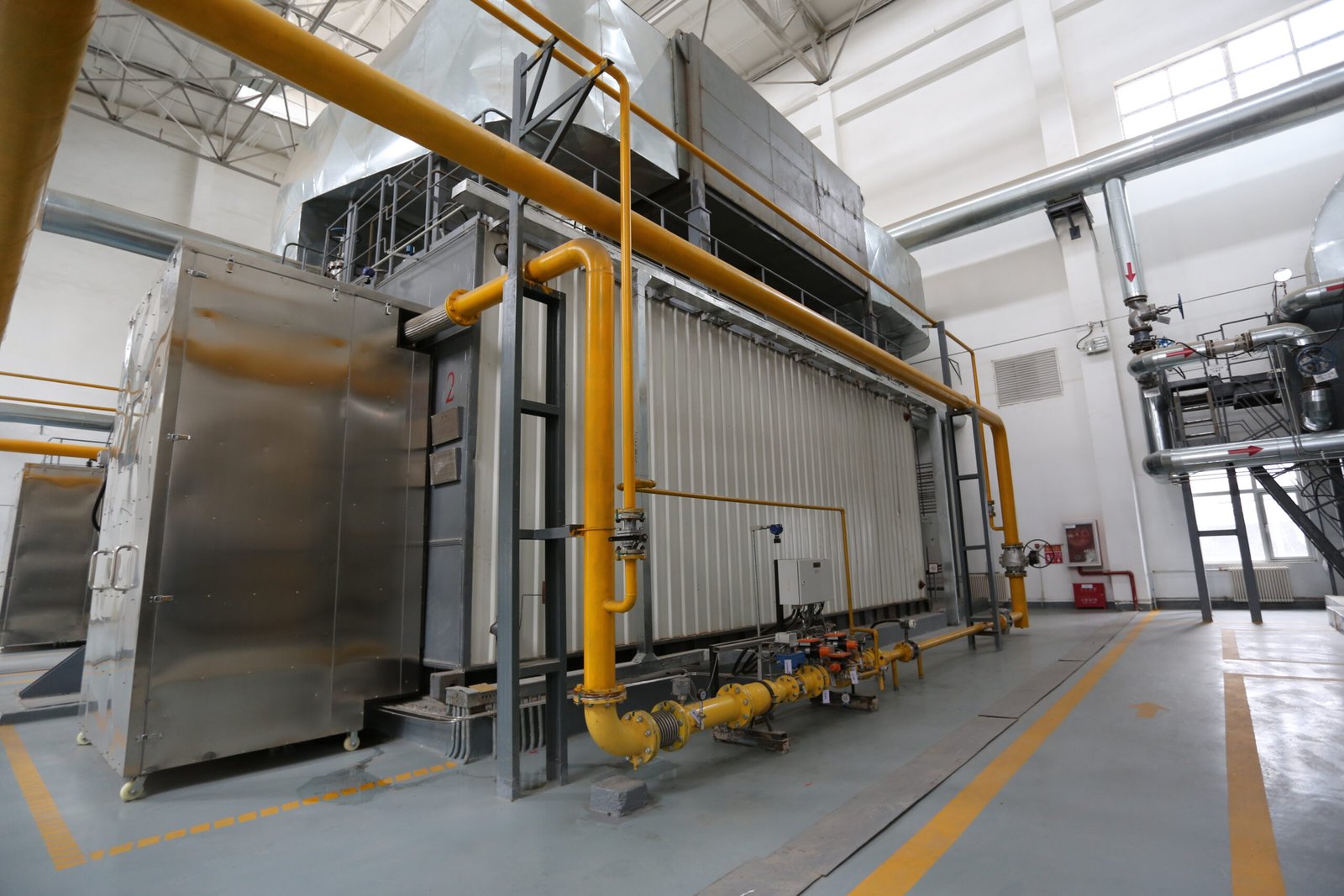
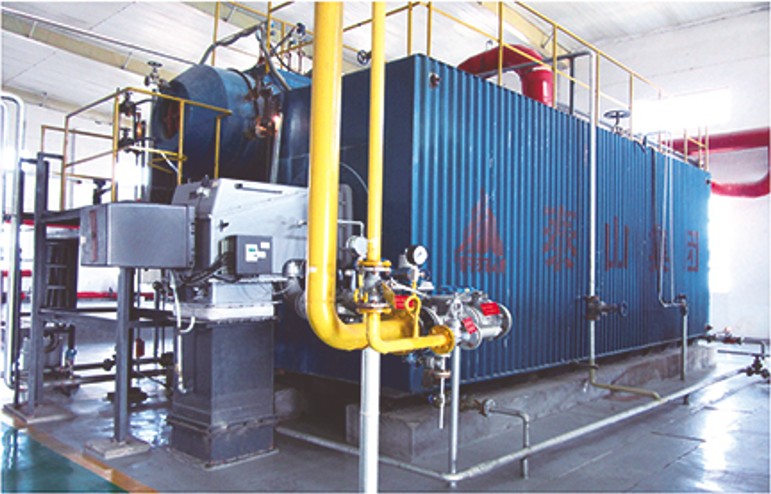
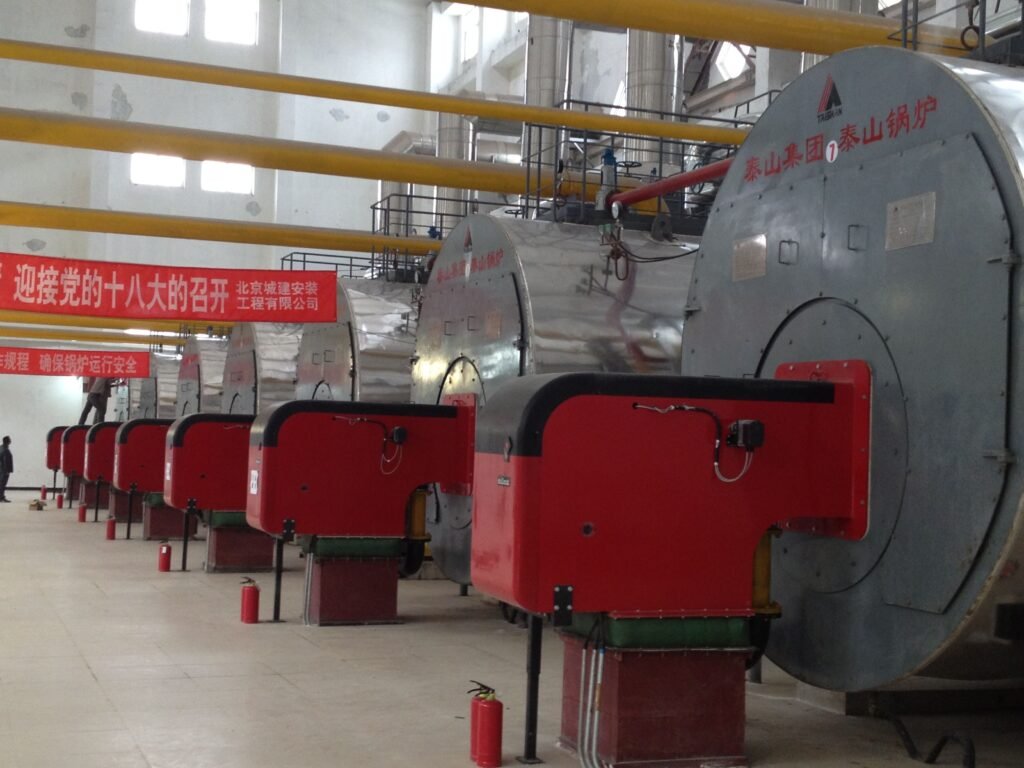
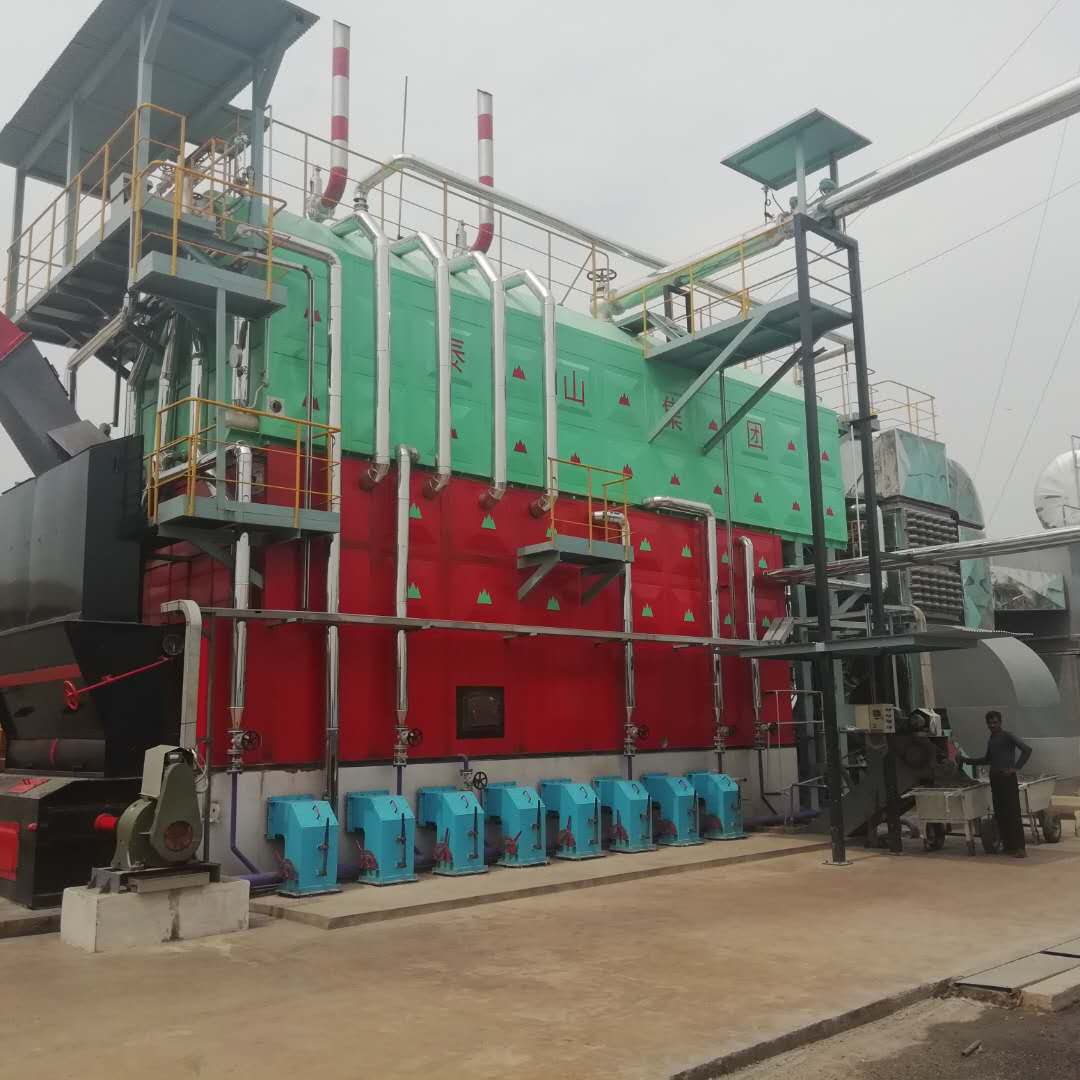
oil gas-fired

What Is the Standard Warranty Period for Industrial Boiler Pressure Vessels and Structural Components?

When you invest in an industrial boiler, one of the most important long-term protections you receive is the manufacturer’s warranty—especially for the pressure vessel and other key structural components. These are the core elements of your system, designed to handle extreme pressure, temperature, and long operational hours. But if they fail prematurely, repairs or replacements can be extremely costly. That’s why understanding the standard warranty coverage period is essential for both budget planning and operational risk management.

The standard warranty period for industrial boiler pressure vessels is typically 5 to 10 years. Structural components—such as the boiler shell, tube sheets, and support frame—usually fall under the same warranty period if integrated, though non-pressure parts may only carry 1–3 years of coverage. Some manufacturers offer extended warranties up to 15 years for pressure-bearing parts under specific conditions.

Warranty durations may vary based on the manufacturer, boiler type (firetube, watertube, electric), and installation or usage environment.

Industrial boiler pressure vessels are typically covered under warranty for 5 to 10 years.True

Most boiler OEMs offer long-term warranty protection for pressure vessels due to their importance and durability under proper operation and maintenance.

Typical Warranty Coverage by Component

ComponentStandard Warranty PeriodExtended Warranty Option
Pressure Vessel5–10 yearsUp to 15 years with conditions
Boiler Shell & Drum5–10 yearsOften same as pressure vessel
Tube Sheets / End Plates5–10 yearsUp to 15 years
Structural Frame / Skid Base1–3 yearsLimited extended coverage
Access Doors / Manways1–2 yearsMay be included in parts plan

Conditions to Keep the Warranty Valid

RequirementReason
Annual inspections & logsVerifies structural and pressure integrity over time
Water treatment program compliancePrevents corrosion or scale inside pressure components
OEM installation certificationEnsures the vessel wasn’t compromised during setup
Proof of non-modificationUnauthorized welding or drilling voids coverage
Proper operating conditionsOverpressure or temperature excursions can disqualify claims

Tip: Always request the pressure vessel warranty document separately—it may differ in duration from warranties on burners, controls, or accessories.

Final Word

Understanding the warranty period for your boiler’s pressure vessel and structural components is key to protecting your operation long-term. Maintain your system properly, follow manufacturer guidelines, and you can rely on this critical coverage for years.
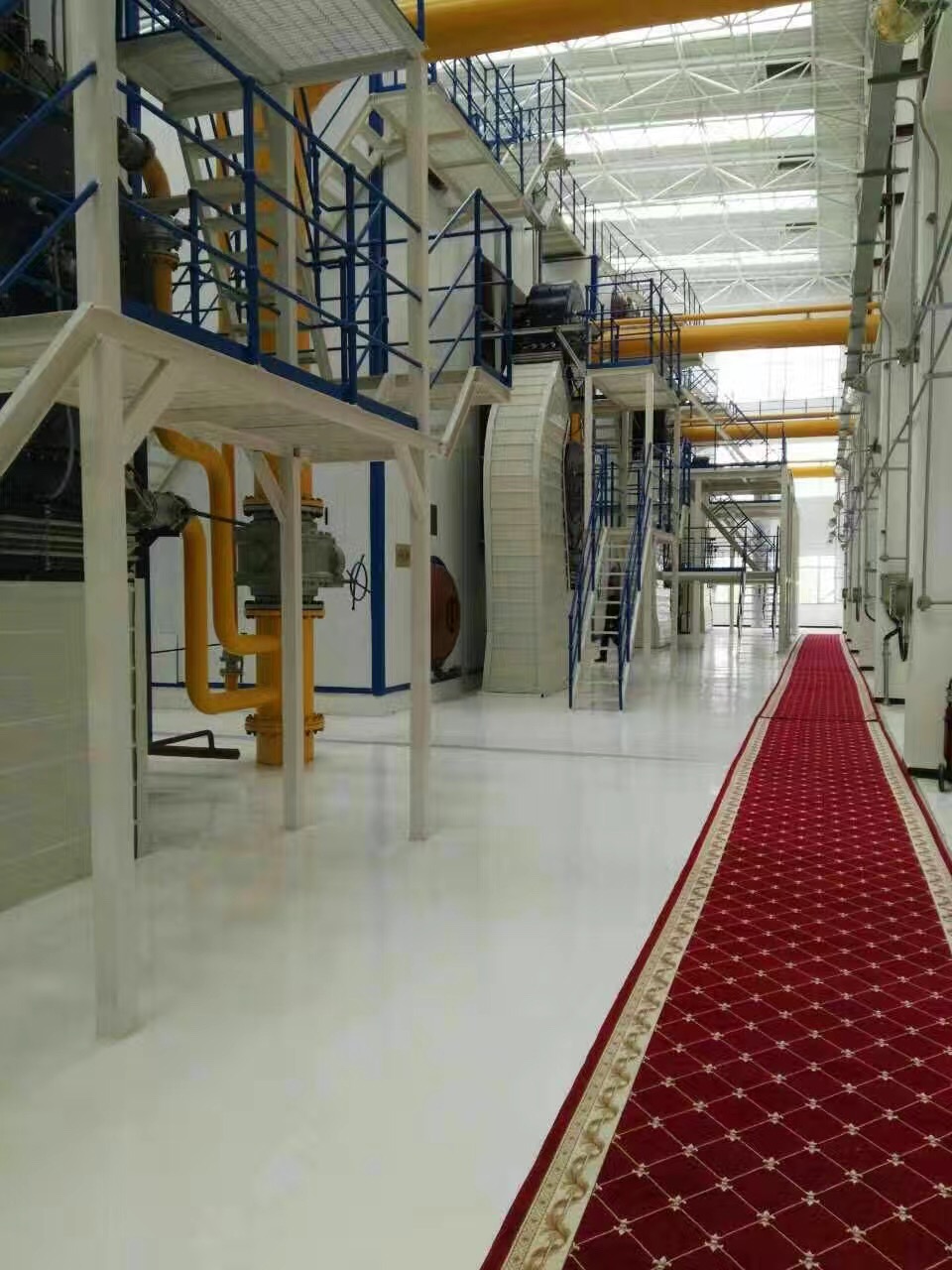
How Long Are Common Components Like Burners, Controllers, and Valves Covered Under Warranty?

When purchasing or maintaining an industrial boiler, it’s easy to focus on the pressure vessel’s long-term coverage. However, components like burners, controllers, and valves play a crucial daily role in your boiler’s performance and safety—and are more likely to fail due to constant use and environmental stress. These parts typically have shorter warranty periods, so it’s important to understand how long you’re protected and what options exist for extending coverage if needed.

Common boiler components such as burners, controllers, and valves are typically covered under warranty for 1 to 2 years. Some premium manufacturers offer up to 3 years, but most electrical and mechanical components are considered wear-prone and are therefore limited to short-term protection.

These shorter warranties reflect real-world usage patterns and the expected service life of frequently replaced parts.

Burners, controllers, and valves usually have shorter warranty periods than the pressure vessel.True

Because these parts experience more frequent wear, exposure, and electrical stress, they are typically only covered for 1 to 2 years.

Standard Warranty Periods for Key Boiler Components

ComponentTypical Warranty PeriodExtended Warranty Options
Burners1–2 yearsUp to 5 years with service plan
Controllers (PLC/BCS)1 yearUp to 3 years (select models)
Valves (gas, steam, water)1–2 yearsUsually 2–3 years max
Sensors & Actuators6–12 monthsOften not covered beyond 1 year
Fans & Motors1–2 yearsMay be extended with registration
Ignition & Flame Rods6–12 monthsConsidered consumables

Factors That Influence Component Warranty Duration

FactorImpact
OEM vs. aftermarketOEM parts typically come with better warranty terms
Environmental conditionsHarsh settings (humidity, heat, dust) may limit warranty coverage
Installation certificationPoor installation can void coverage early
Use frequencyHeavy-use components often have shorter standard terms
Contractual extensionsSome warranties can be lengthened with service agreements

Tip for Facility Managers:

Always check your component warranty start date—it may begin at delivery, commissioning, or invoice date depending on the supplier. Track these dates to avoid missed claims.

Final Word

Components like burners, controllers, and valves keep your boiler running day to day—but they come with shorter warranties than structural parts. Knowing the coverage terms helps you plan replacements, reduce downtime, and avoid costly surprises.
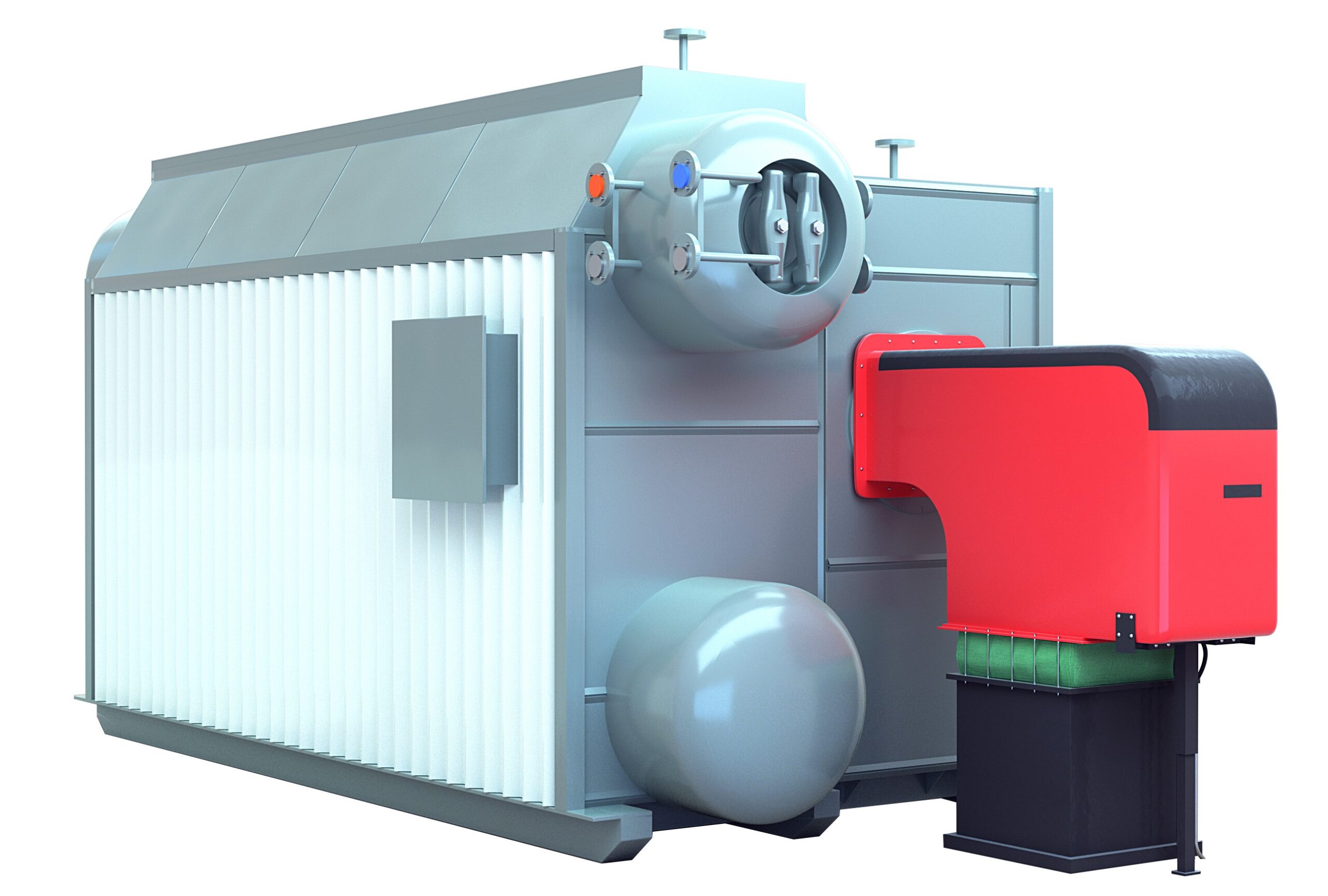
What Conditions, Exclusions, or Limitations Typically Apply to Industrial Boiler Warranties?

![Image Placeholder: Boiler warranty conditions and exclusions]
Prompt: Industrial boiler warranty document on clipboard + technician reviewing terms with warning icons + factory maintenance room + clear and serious mood + well-lit technical environment

An industrial boiler warranty is your financial safety net against premature failure, but not all issues are covered—and many claims get rejected due to overlooked terms. Whether you’re purchasing a new boiler or managing an existing one, it’s critical to understand the conditions, exclusions, and limitations that define what your warranty really protects. If you’re not careful, routine mistakes—like missed maintenance or unauthorized modifications—could void your coverage altogether.

Typical boiler warranties require proper installation, regular maintenance, trained operation, and use of OEM parts. Exclusions often include wear items, corrosion, misuse, modifications, and damage from poor water treatment or operator error. Without meeting these conditions, warranty claims may be denied.

Understanding these rules helps you stay compliant and avoid costly out-of-pocket repairs.

Industrial boiler warranties include exclusions for corrosion, wear, and operator error.True

Manufacturers list these as non-covered items because they are preventable with proper maintenance and operation.

Common Warranty Conditions That Must Be Met

ConditionWhy It Matters
Proper InstallationMust follow OEM guidelines to avoid damage or code violations
Certified Operator UsageEnsures system is not misused or misconfigured
Scheduled MaintenanceRoutine service proves responsible usage and extends equipment life
OEM Part UseUse of third-party components can void part-specific warranties
Water Treatment CompliancePrevents scale and corrosion—typically not covered under warranty
Startup Report SubmissionRequired to initiate some warranties or validate coverage

Key Exclusions Common in Industrial Boiler Warranties

Exclusion TypeWhat’s Not Covered
Consumable or Wear PartsGaskets, igniters, flame rods, filters, fuses, etc.
Corrosion or ScalingDamage from poor water chemistry
Electrical Surges/FailuresPower-related issues, lightning, or unprotected circuits
Negligence or AbuseOverfiring, running dry, operating without trained staff
Unauthorized ModificationsAltering boiler design, controls, or fuel system
Environmental DamageFloods, earthquakes, or improper enclosure exposure

Typical Warranty Limitations

LimitationHow It Affects You
Coverage DurationParts like pressure vessels may be covered for 10 years, while controls may only have 1–2 years
Labor Not Always IncludedMany warranties cover parts only—not technician time
Geographic RestrictionsSome warranties apply only in specific countries or regions
Delayed Reporting PenaltiesWaiting too long to report a failure may lead to denial

Tip: Create a Warranty Compliance Binder

Include:

  • Installation certificate

  • Water treatment logs

  • Maintenance records

  • Operator training certificates

  • Original warranty documents
    This will make any future claims smooth, fast, and more likely to be approved.

Final Word

An industrial boiler warranty is only effective when you follow the rules. Know the conditions, avoid the exclusions, and maintain complete records to ensure you stay covered when it matters.
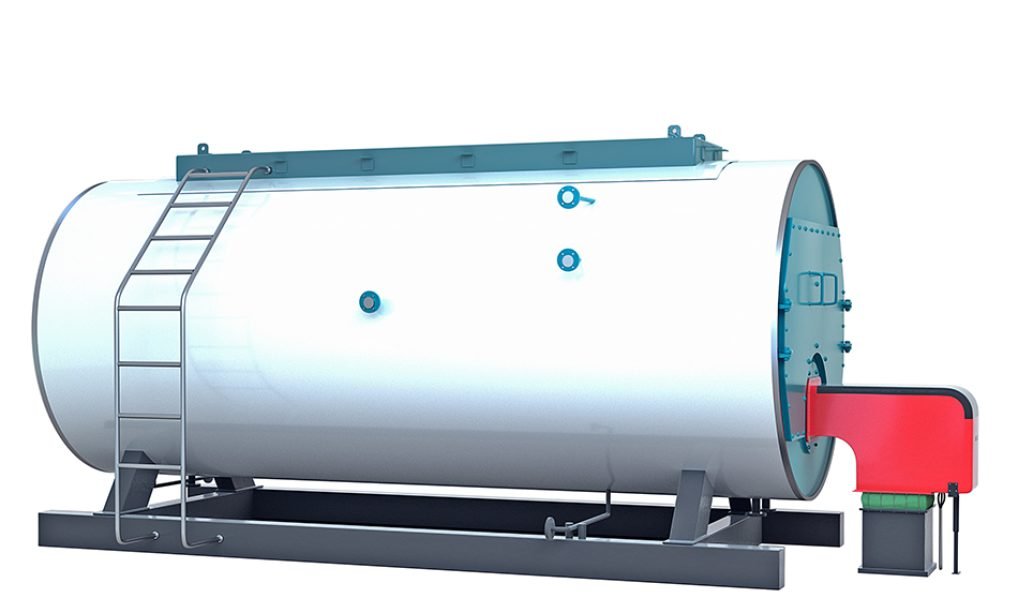
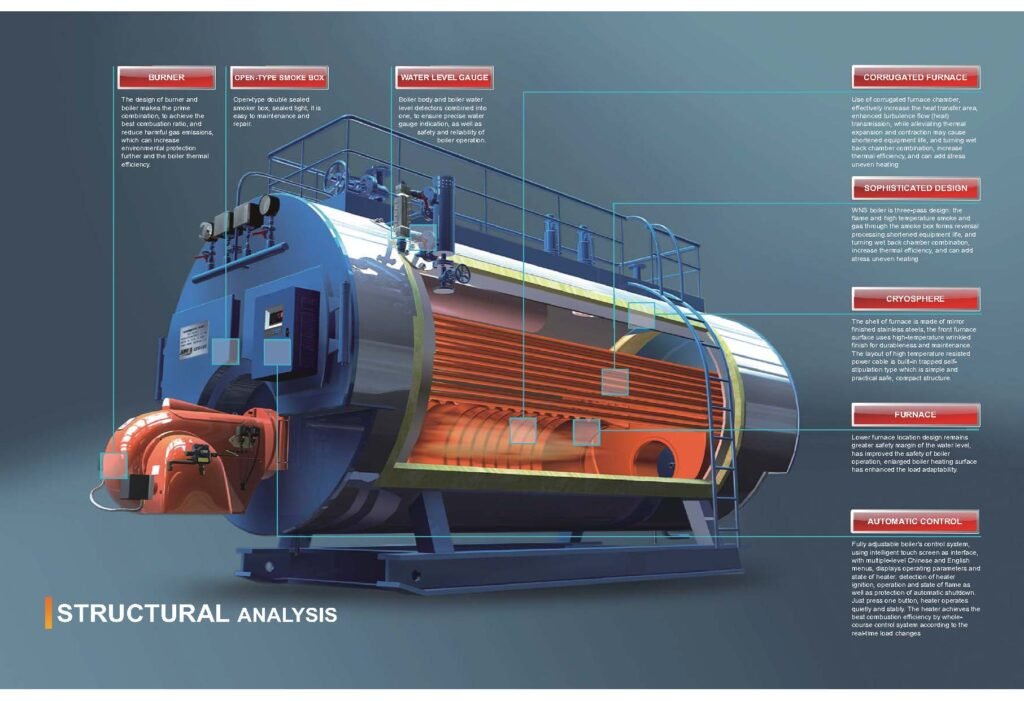
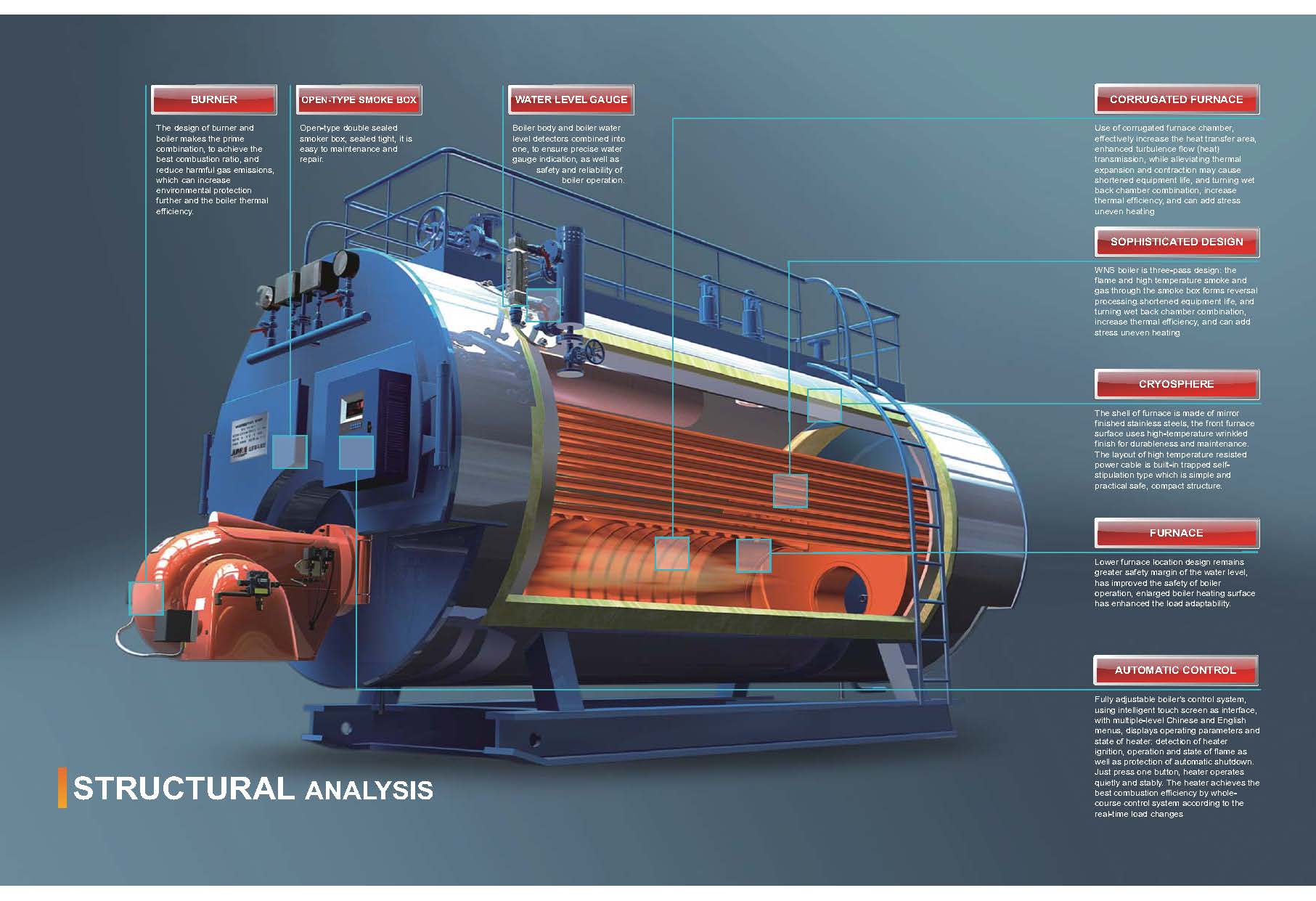
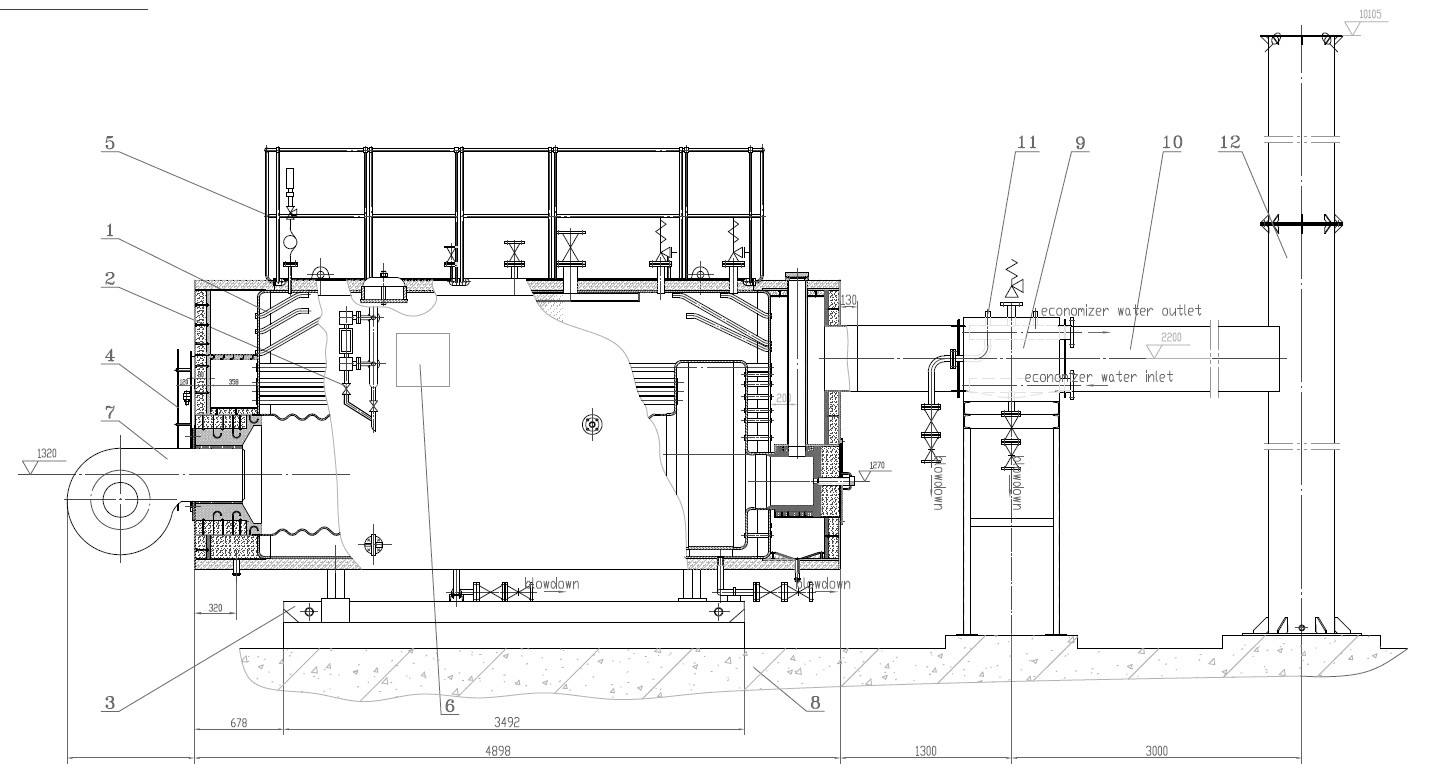
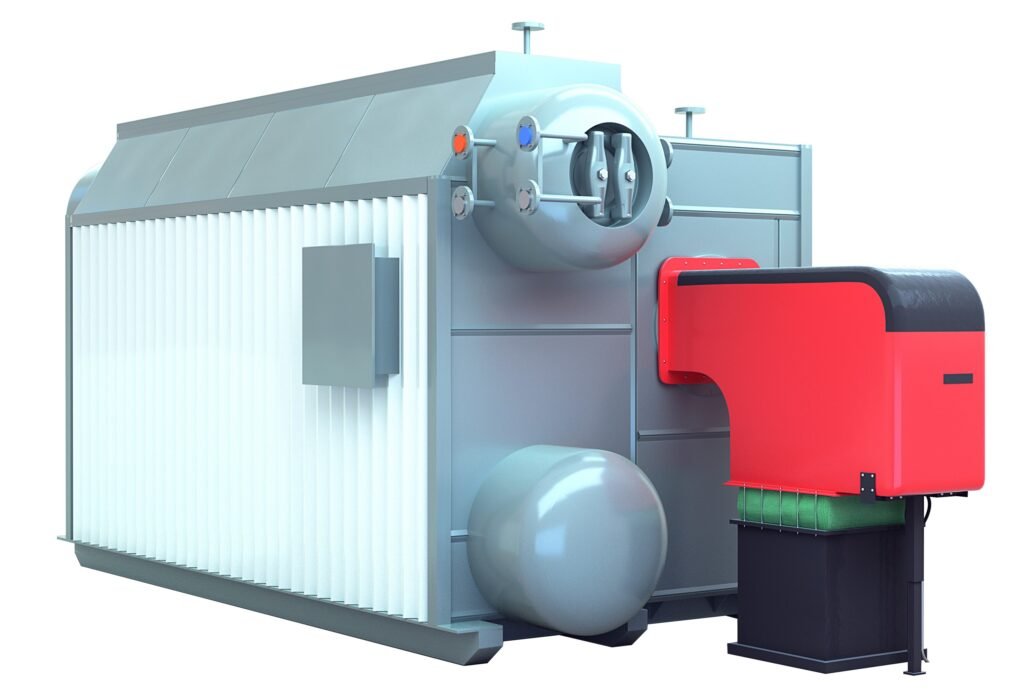
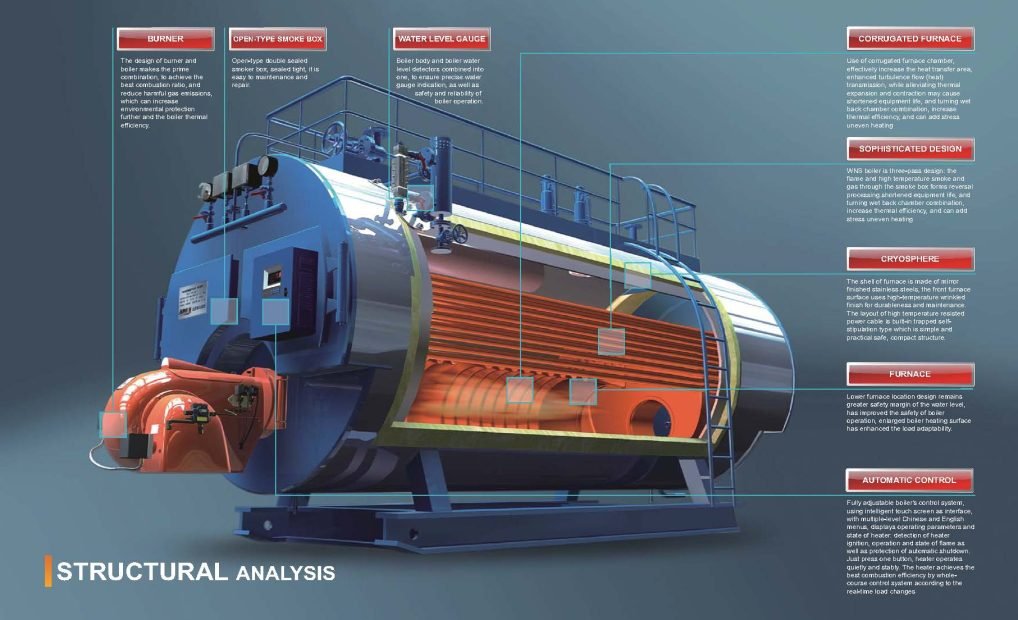
WNS Oil Gas (7)

Can Extended or Customized Warranty Options Be Added for Demanding Industrial Applications?

Industrial applications with heavy daily usage, mission-critical processes, or strict operational regulations cannot afford unpredictable failures or surprise repair costs. In such demanding environments, standard boiler warranties—often 1 to 5 years—might not offer enough protection. The good news? Many leading boiler manufacturers and service providers now offer extended or customized warranty packages tailored for high-stakes operations.

Yes, extended and customized boiler warranties are available for demanding industrial applications. These options typically extend coverage for pressure vessels up to 10–15 years and include additional protection for high-use components like burners, control systems, and pumps. They may also offer priority service, 24/7 support, and guaranteed response times.

These tailored plans give high-demand users confidence, cost predictability, and operational continuity beyond the basic warranty.

Extended boiler warranties can be customized for mission-critical industrial environments.True

Manufacturers and service partners offer optional long-term warranties for customers with continuous operation, safety-critical applications, or strict compliance needs.

What’s Usually Included in Extended or Customized Warranty Plans?

Coverage AreaExtended Warranty DurationOptional Custom Add-Ons
Pressure VesselUp to 10–15 yearsAnnual inspection, water treatment audits
BurnersUp to 5 yearsPriority replacement and calibration service
Control System (PLC, BCS)Up to 3–5 yearsRemote diagnostics and software support
Valves and PumpsUp to 3 yearsOEM-only replacement guarantee
Sensors & ElectricalsUp to 2 years (typically limited)Surge protection service and enhanced replacement
Service Level Agreement (SLA)24/7 response with guaranteed repair timeTechnician on-site guarantee within X hours

Ideal Applications for Extended or Customized Boiler Warranties

Industry/ApplicationWhy Extended Coverage Matters
Power generationUnplanned shutdowns can cause grid failures or massive costs
Pharmaceutical manufacturingStrict uptime, quality, and regulatory compliance required
Food & beverage processingSteam loss disrupts safety and sterilization
Refineries & chemical plantsHeat loss can halt continuous processes or create hazards
Hospitals & critical infrastructureBoiler downtime impacts life support and sterilization systems

What Customizations Are Available?

  • Longer part coverage (e.g., extended to match expected operational life)

  • On-site service guarantees within 4–12 hours

  • Remote monitoring integration for proactive alerts

  • Annual or semi-annual inspections bundled in

  • Fixed-cost maintenance with warranty combination

  • Transferable coverage if asset is sold

Tip: Always negotiate warranty options at the time of purchase or installation—customized packages are most affordable and flexible during procurement.

Final Word

If your boiler system supports a high-value process, extended warranties aren’t just an upgrade—they’re a strategic shield. Customized coverage helps you control long-term costs, reduce downtime risk, and meet compliance with confidence.
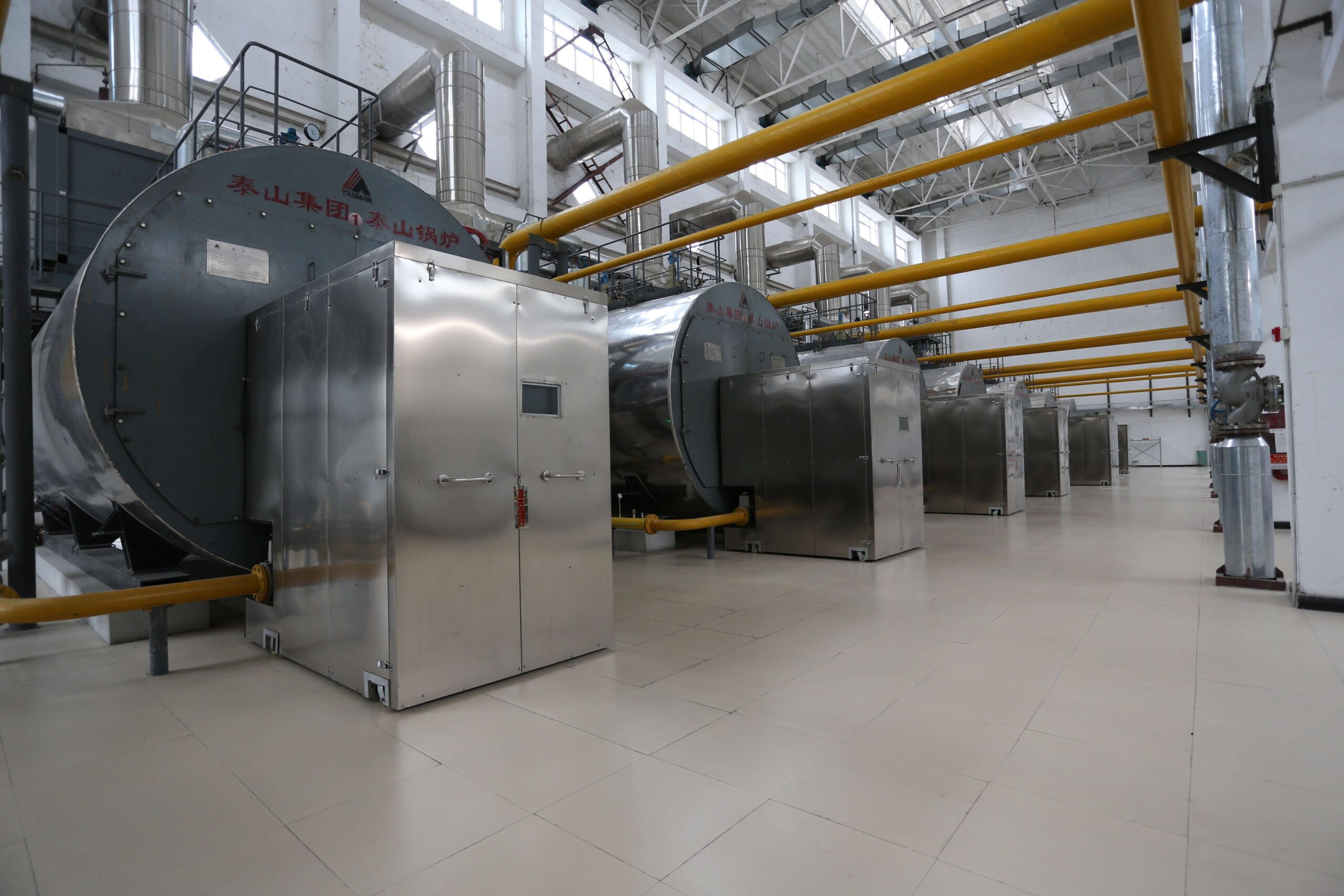
How Can Facilities Maintain Compliance With Warranty Terms Through Inspection and Service?

A boiler warranty can save your facility tens of thousands in repair costs—but only if it remains valid and enforceable. Unfortunately, many warranties are voided due to missed maintenance, poor documentation, or improper service. To avoid costly mistakes, facility managers must treat inspection and service routines not just as best practices, but as warranty compliance requirements. Consistent documentation, certified servicing, and proactive care ensure that, when problems arise, your warranty claim holds up.

Facilities can maintain warranty compliance by following the manufacturer’s inspection schedule, documenting all maintenance activities, using certified technicians, keeping proper water treatment logs, and retaining original part invoices. This ensures that all conditions of the warranty are met and verifiable.

When audits or claims happen, records and routine maintenance are your strongest defense.

Documented service and inspection are required to maintain industrial boiler warranty coverage.True

Most boiler warranties include clauses that require proof of regular inspection, OEM part usage, and technician qualifications to validate claims.

Key Steps to Ensure Warranty Compliance Through Inspection & Maintenance

ActionWhy It’s Important
Follow OEM Inspection ScheduleSkipping required monthly, quarterly, or annual checks can void coverage
Log Every Service VisitClaims may be denied without clear proof of maintenance history
Use OEM or Approved PartsThird-party components often void warranty for related systems
Hire Certified TechniciansService by unqualified personnel may disqualify claims
Maintain Water Treatment LogsPoor feedwater causes corrosion and scale—usually not covered
Report Issues PromptlyDelay in fault reporting may be interpreted as neglect
Keep Purchase & Serial RecordsProves eligibility and simplifies claim validation

Sample Warranty Compliance Maintenance Log

DateTechnicianTaskParts UsedNotes
2025-06-01A. MorganQuarterly valve inspectionOEM valve kit #VBX-102No leaks found, minor alignment adjusted
2025-04-01S. ReyesBurner cleaning & calibrationOEM igniter #IGN-008Flame signal improved by 15%

Pro Tips for Compliance:

  • Digitize your logs: Use a maintenance management system (CMMS) to keep inspection records safe and searchable.

  • Photograph major service actions: This visual proof can support your claim.

  • Audit your own compliance quarterly to catch missing data or lapses in schedule.

  • Store all warranty documents and invoices in a centralized binder or cloud folder.

Final Word

Warranty compliance isn’t just about doing the work—it’s about proving you did the work. With disciplined inspection, service, and documentation practices, your facility stays fully protected and ready to claim coverage if needed.
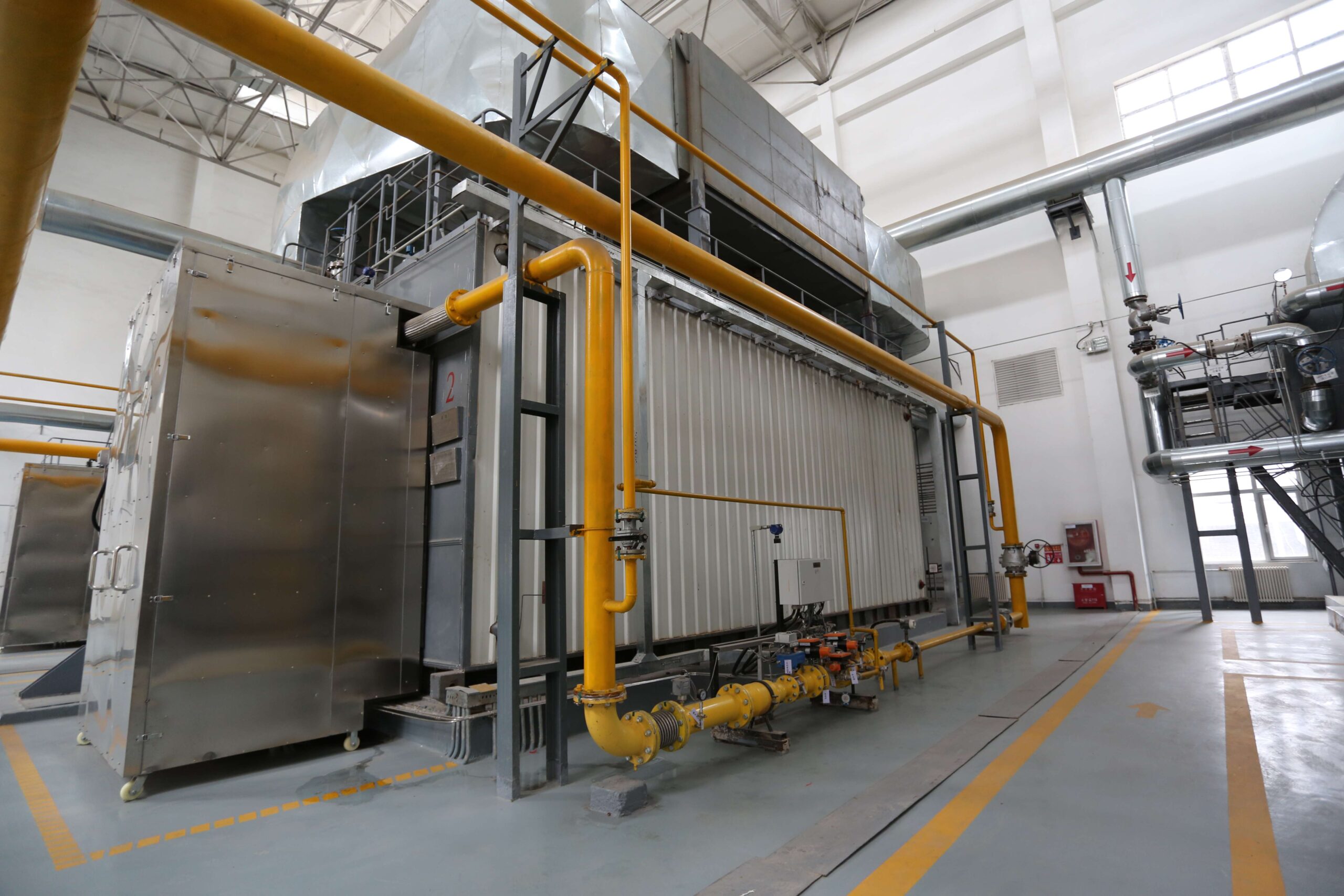
What Is the Process for Filing a Warranty Claim for Boiler Parts or Structural Failure?

When an industrial boiler component fails—whether it’s a burner, controller, or part of the pressure vessel—a valid warranty claim can save your operation substantial repair or replacement costs. But submitting a claim is not as simple as making a phone call. Without proper documentation, evidence, and clear communication, your request could be delayed or rejected. Understanding the correct warranty claim process ensures faster approvals and minimal downtime.

To file a warranty claim for a boiler part or structural failure, you should (1) stop using the affected system, (2) document the issue with photos and service notes, (3) gather required warranty records, (4) contact the supplier or OEM through their claim channel, (5) submit a complete claim form, and (6) cooperate with inspection or service verification.

Timeliness, thorough documentation, and OEM-approved service history are key to a successful claim.

Submitting a warranty claim for boiler parts requires documentation and OEM service records.True

Warranty claims must include evidence of proper use, installation, and maintenance, which is why complete logs and part tracking are essential.

Step-by-Step: How to Submit a Valid Warranty Claim

StepActionPurpose
1Isolate or shut down the failed component or systemPrevent further damage and maintain safety
2Take photos/videos of the damaged or failed areaProvides visual evidence of the failure
3Gather documents: warranty certificate, part number, serial number, service logsVerifies eligibility and proper maintenance
4Contact OEM or supplier through their official warranty claim channelOpens the claim case with the manufacturer
5Fill out the claim form completely with all attachmentsEnsures nothing is missing that might delay approval
6Support inspection or diagnosis by a technician if requiredVerifies cause of failure and confirms claim validity
7Await approval and next steps (repair, replacement, or reimbursement)Typically resolved within 2–10 business days, depending on issue

Required Documentation Checklist

DocumentWhy It’s Needed
Warranty certificate and termsConfirms coverage and dates
Boiler/part serial number and model infoIdentifies the unit and links it to the original purchase
Maintenance and inspection logsProves warranty conditions were followed
Service or repair historyConfirms part failure wasn’t due to negligence
Photos/videos of damageSupports physical evidence of claim
Part invoice or installation recordShows OEM part was used and fitted properly

Tip: Always submit your claim as soon as the issue is discovered. Many warranties require claims to be filed within 7–30 days of the failure.

Example Scenario: Burner Assembly Failure

  • Issue: Burner fails to ignite after recent service

  • Photos: Flame rod and ignition port show carbon buildup

  • Documentation: Burner model CB-RF250, OEM igniter replaced 3 months ago, log of weekly maintenance

  • Claim Filed: Form submitted with images, technician notes, and invoice of OEM part

  • Resolution: OEM approves replacement burner under 1-year parts warranty

Final Word

A successful boiler warranty claim depends on preparation. If your records are clean and your actions are prompt, the process is smooth—and your operation stays protected.

🔍 Conclusion

Industrial boiler warranties vary, but a reliable provider will offer long-term structural coverage (5–10 years) and standard component protection (1–2 years)—along with clear terms and support throughout the equipment’s lifecycle. Understanding these warranties helps buyers mitigate risk and plan for long-term performance.


📞 Contact Us

💡 Want full clarity on warranty terms for your industrial boiler project? We offer customizable warranties, detailed documentation, and responsive support to back your system with confidence.

🔹 Reach out today for tailored warranty options and long-term support. 🛡️🔥📋✅

FAQ

What is the standard warranty period for industrial boiler components?

Most industrial boiler manufacturers offer a 1–2 year warranty on key components, including:

  • Burners

  • Valves and controls

  • Pumps and motors

  • Sensors and gauges

  • Feedwater systems

Component warranties cover manufacturing defects and malfunctions under normal use. Some vendors may provide extended protection plans as an upgrade.


How long is the warranty on the boiler’s structural pressure vessel?

The pressure vessel or shell typically comes with a 5–10 year warranty, depending on the manufacturer and service contract. This warranty usually covers:

  • Material defects in the shell or tubes

  • Weld seam integrity

  • Structural failure under rated conditions

Extended warranties may require routine inspections and maintenance documentation to stay valid.


What is excluded from an industrial boiler warranty?

Typical exclusions include:

  • Improper installation or unauthorized modifications

  • Neglected maintenance or poor water treatment

  • Natural wear-and-tear items (seals, gaskets, filters)

  • Damage from overheating, scaling, or corrosion

  • Third-party accessories not installed by the OEM

Always read the warranty agreement carefully to understand coverage limitations.


Can the boiler warranty be extended?

Yes. Many OEMs and service providers offer extended warranties, which often include:

  • Additional 3–5 years on select parts

  • Priority field service access

  • Inclusion of remote monitoring and diagnostics

  • Requirements for annual maintenance compliance

Extended warranties are ideal for high-use applications or mission-critical plants.


How can I ensure my boiler warranty remains valid?

To maintain warranty coverage:

  • Use OEM-certified technicians for service

  • Follow the manufacturer’s maintenance schedule

  • Document all service and inspections

  • Ensure proper water treatment and system monitoring

  • Avoid overloading or operating outside rated conditions

Failure to meet these requirements can lead to warranty voidance.


References

  1. Cleaver-Brooks Warranty Policyhttps://www.cleaverbrooks.com

  2. Hurst Boiler Warranty Termshttps://www.hurstboiler.com

  3. Thermodyne Boiler Warranty Guidehttps://www.thermodyneboilers.com

  4. Powerhouse Equipment – Warranty Supporthttps://www.powerhouse.com

  5. Spirax Sarco – Service & Warranty Packageshttps://www.spiraxsarco.com

  6. Nationwide Boiler Warranty Overviewhttps://www.nationwideboiler.com

  7. Miura Boilers – Extended Protection Planshttps://www.miuraboiler.com

  8. Boiler Maintenance Best Practices – BioEnergy Consulthttps://www.bioenergyconsult.com

  9. EPA Industrial Equipment Standardshttps://www.epa.gov

  10. ASHRAE Maintenance Compliance Standardshttps://www.ashrae.org

Wade Zhang

CEO of Taishan Group Taian Boao International Trade Co., Ltd. 30 years experience in Global industrial boiler market,  Over 300 boiler projects experience, including 21+ EPC projects. Projects span 30+ countries & regions, involving industries such as nuclear power, energy & electricity, municipal heating, mining, textiles, tires etc.

Warranty Period for Industrial Boiler Components & Structure Read More »

How to Size an Industrial Steam Boiler: Step-by-Step Guide

How to Size an Industrial Steam Boiler: Step-by-Step Guide

Improper sizing of an industrial steam boiler is a critical and costly mistake—one that can lead to inefficiencies, poor steam quality, excessive fuel consumption, or even system failure. Oversized boilers cycle frequently and waste energy, while undersized units can’t meet demand, putting operations and equipment at risk. Unfortunately, many buyers rely on outdated rules of thumb instead of accurate engineering calculations.

To size an industrial steam boiler correctly, you must calculate the total steam load (in lbs/hr or kg/hr) required for all processes, factor in peak demand, include a safety margin (typically 10–20%), and match the boiler output with the correct pressure and temperature requirements. Key inputs include process steam needs, plant layout, operating hours, and steam losses in the system.
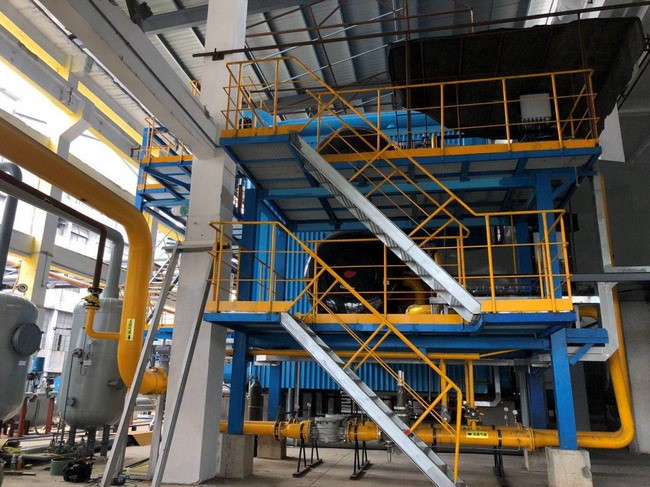
Accurate boiler sizing isn’t just about matching a number—it’s about ensuring performance, reliability, and cost-efficiency across the lifecycle of the system. Read on to understand the step-by-step approach and common pitfalls in boiler sizing.

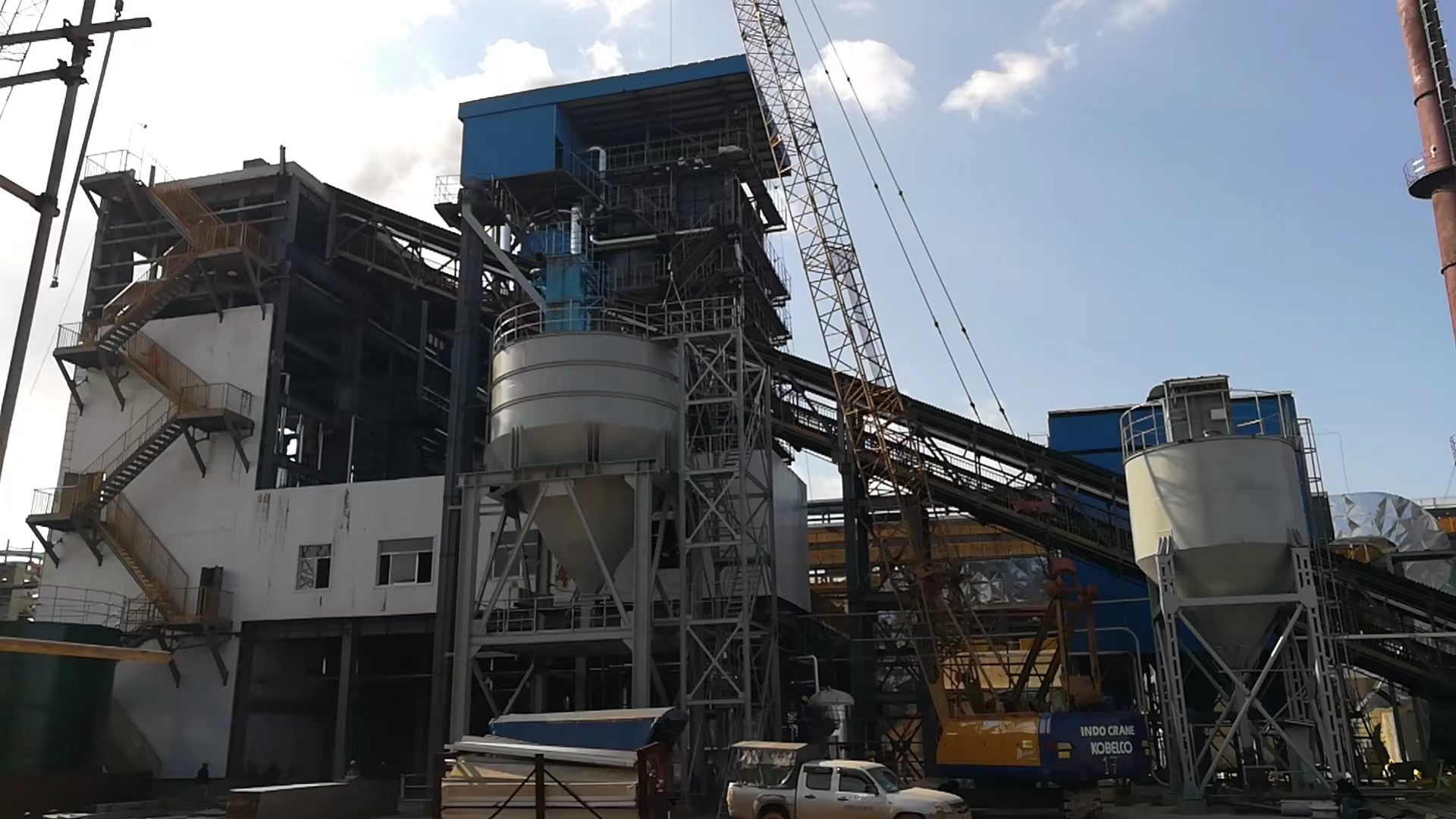
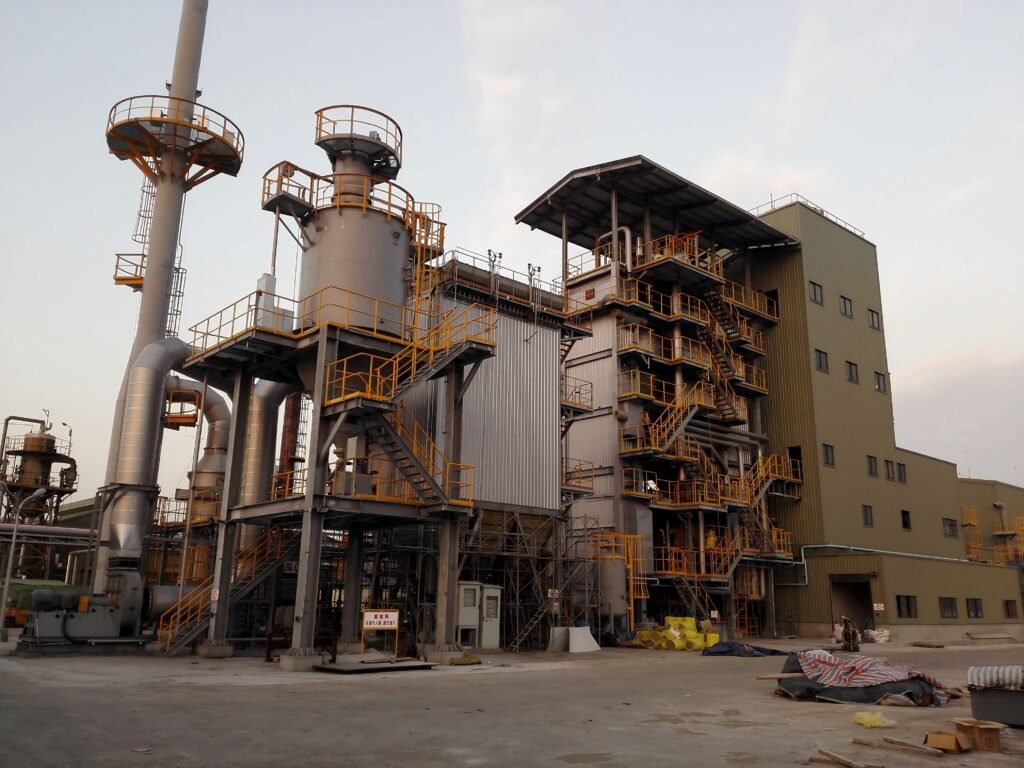
Biomass boiler(5)

What Key Factors Determine the Correct Steam Boiler Size for Industrial Applications?

Choosing the wrong boiler size is one of the most expensive and disruptive mistakes in steam system design. An undersized boiler results in production slowdowns or shutdowns, while an oversized unit suffers from inefficiency, high fuel bills, and cycling fatigue. Whether for a food plant, chemical factory, or power generator, accurately sizing your boiler requires a comprehensive analysis of your steam demand, load profile, system losses, and operating pressure. This ensures safe, reliable, and cost-efficient operation tailored to your process.

The correct size of an industrial steam boiler depends on the required steam load (in kg/hr or TPH), operating pressure, process variability, safety margin, and future expansion needs. Accurate boiler sizing ensures energy efficiency, prevents overloading or short cycling, and aligns with system design and production targets.

This approach helps avoid capacity bottlenecks and maximizes your boiler’s operational value over time.

Boiler oversizing leads to higher fuel consumption and reduced efficiency.True

Oversized boilers short-cycle and operate far from optimal loading conditions, which lowers combustion efficiency and increases maintenance.

You can size a steam boiler using only the pipe diameter.False

Pipe size is not sufficient. Accurate boiler sizing requires calculating steam load, pressure, process cycles, and losses.


1. Core Boiler Sizing Formula

The most common sizing formula is:

Boiler Capacity (kg/hr) = Total Steam Demand (kg/hr) × Safety Factor

Or in tonnes:

Boiler Size (TPH) = Total Steam Load (TPH) × Safety Factor

Where:

  • Total Steam Load = sum of all steam-consuming equipment

  • Safety Factor = typically 1.1 to 1.3 (10–30% buffer)

For example, if your process requires 6,000 kg/hr and you apply a 1.2 safety factor, your boiler should be sized for at least 7,200 kg/hr or 7.2 TPH.


2. Major Factors That Influence Boiler Sizing

Sizing FactorDescription
Steam Load (kg/hr or TPH)Total steam consumption by all equipment
Steam Pressure (bar)Higher pressure may reduce volume but require higher design rating
Load ProfilePeak vs average load, continuous vs batch operation
Boiler EfficiencyHigher efficiency reduces input fuel requirement for same output
Startup Load / Warm-upAdditional steam required during cold starts
Condensate Return %Less make-up water = lower demand on feedwater and energy
Future Expansion MarginAdds capacity for new equipment or load growth (typically 10–20%)
System LossesDistribution line losses, leaks, valve blowdowns
Redundancy RequirementsN+1 or multiple boiler configuration for reliability

3. Steam Load Estimation Table (by Equipment)

Equipment TypeSteam Consumption Estimate
Steam Jacketed Kettle100–300 kg/hr per unit
Autoclave / Sterilizer300–1,000 kg/hr
Corrugator Line800–2,000 kg/hr
Paper Machine (small)2,000–5,000 kg/hr
Brewery (10k L/day)600–1,000 kg/hr
Textile Dyeing Machine200–800 kg/hr
Power Turbine (5 MW)~25,000–30,000 kg/hr

4. Load Profile and Boiler Cycling

Load ProfileSizing Consideration
Constant LoadBase boiler capacity can match demand + safety margin
Variable LoadMay need modulating burner or two smaller boilers
Intermittent (Batch)Consider peak demand + steam accumulator option

A modulating boiler or multiple smaller boilers can respond better to changing demand than a single large fixed-output unit.


5. Boiler Sizing Case Study: Textile Mill

Steam UsersSteam Demand (kg/hr)
Dyeing Machines (5 units)500 × 5 = 2,500
Ironing Stations (3 units)200 × 3 = 600
Boiler Warm-Up800
Piping Losses (10%)390
Total Demand4,290 kg/hr
Safety Factor (1.2)4,290 × 1.2 = 5,148

Recommended Boiler Size: 5.5 – 6 TPH at 10–12 bar


6. Boiler Sizing Chart (Quick Guide)

Steam Load (kg/hr)Recommended Boiler Size (TPH)
Up to 1,0001.0
1,000–3,0002.0 – 3.0
3,000–5,0004.0 – 5.0
5,000–10,0006.0 – 10.0
10,000–20,00012.0 – 20.0
20,000–40,00025.0 – 40.0

Always confirm with detailed steam balance and pressure requirements.


7. Tips for Accurate Sizing

  • Measure actual steam flow data using flow meters if possible

  • Use process P&IDs to tally all steam consumers

  • Work with vendors who offer steam audits or load analysis tools

  • Consider installing a steam accumulator for high-variation loads

  • Design with future scalability in mind (modular boilers or spare connection)


Conclusion

Proper boiler sizing is essential to balance efficiency, performance, and cost. It ensures that your boiler delivers sufficient steam for peak demand without oversizing, which leads to energy waste and increased wear. By analyzing your total steam requirement, pressure rating, process dynamics, and system losses, you can accurately determine the optimal boiler size for your facility—whether it’s a chemical plant, textile mill, or food processing line.

How Do You Calculate Total Steam Demand for Various Industrial Processes?

Whether designing a new boiler system or upgrading an existing one, accurately calculating total steam demand is the foundation for selecting the right boiler size, distribution system, and auxiliary equipment. In industrial environments—from chemical reactors to textile dyeing machines—each process has specific steam requirements based on heat load, temperature, and operating cycle. Underestimating the demand leads to undersized systems and production losses, while overestimation wastes energy and capital. A structured calculation approach ensures safe, cost-efficient steam system design.

Total steam demand is calculated by summing the individual steam requirements of each piece of steam-using equipment, adjusted for operating pressure, thermal load, usage cycle, piping losses, and a safety margin. The demand is typically expressed in kg/hr or tons per hour (TPH).

This method ensures that all process and utility steam loads are accounted for—including peak loads, startup surges, and heat losses.

Total steam demand is the sum of all equipment loads plus allowances for system losses and safety margin.True

Each equipment item’s steam consumption must be calculated or estimated, then corrected for losses and future growth to get an accurate total.

You can size a boiler without calculating individual process steam loads.False

Skipping load breakdown risks either undersized systems or overinvestment in unnecessary capacity.


1. Total Steam Demand Calculation Formula

The standard formula is:

Total Steam Demand (kg/hr) = ∑(Equipment Steam Load) + Distribution Losses + Margin

Or more specifically:

TSD = ΣQi + Qloss + (ΣQi × Safety Factor)

Where:

  • Qi = steam demand of each equipment (kg/hr)

  • Qloss = piping losses (typically 5–10% of total)

  • Safety Factor = 10–30%, depending on load variability and future expansion


2. Typical Steam Consumption Values by Process

IndustryProcess / EquipmentTypical Steam Use
Food & BeverageRetort Sterilizer250–1,000 kg/hr per unit
 Pasteurizer / Cooker100–500 kg/hr per unit
 Steam Kettles / CIP80–300 kg/hr per unit
TextileDyeing Machine300–800 kg/hr per machine
 Calendaring / Finishing Line500–2,000 kg/hr
ChemicalReactor Heating Jacket100–1,500 kg/hr depending on batch
 Distillation Column Reboiler500–3,000 kg/hr
Paper / PulpDryer Section (Paper Machine)4,000–12,000 kg/hr
Power GenerationSteam Turbine (per MW)~5,000–7,000 kg/hr per MW

3. Example: Steam Demand Calculation for a Food Processing Plant

EquipmentUnitsSteam Use per Unit (kg/hr)Subtotal (kg/hr)
Retort Sterilizers37502,250
Kettles4150600
CIP Systems2120240
Flash Pasteurizer1300300
Total Process Load  3,390
Add 10% Piping Losses  339
Add 20% Safety Margin  678
Total Steam Demand  4,407 kg/hr

In this case, the required boiler capacity should be rounded to 4.5 TPH minimum.


4. Load Profiles: Steady vs Batch Steam Demand

Type of LoadDescriptionSizing Impact
ContinuousConstant steam draw from equipmentBoiler can match total steady-state demand
BatchHigh instantaneous demand during short cyclesRequires margin or steam accumulator
PeakOccurs during startup or cleaning processesShould be considered in safety factor or auxiliary load

In batch-heavy industries (e.g., dyeing or food sterilization), peak load planning is essential to avoid pressure drops or cycle delays.


5. Distribution Losses: Often Overlooked

Loss SourceTypical Value
Pipe Heat Loss1–2% per 100 feet (insulated)
Valve & Trap Leakage2–5%
Blowdown / Flash Loss2–4%
Total Estimated Loss5–10% of total demand

Always estimate losses based on pipe layout, insulation, and trap maintenance history.


6. Using Enthalpy for Energy-Based Steam Load Calculations

For heat exchangers or reactors, steam demand can be calculated from energy requirement using:

Steam Flow (kg/hr) = Q / (h_steam - h_water)

Where:

  • Q = heat duty (kJ/hr)

  • h_steam = enthalpy of saturated steam (kJ/kg)

  • h_water = enthalpy of feedwater (kJ/kg)

For example, if your reactor needs 3,000,000 kJ/hr and steam enthalpy is 2,100 kJ/kg with feedwater at 250 kJ/kg:

Steam Flow = 3,000,000 / (2,100 – 250) ≈ 1,765 kg/hr

7. Tools for Accurate Steam Demand Estimation

Tool / MethodApplication
Steam Flow MetersReal-time usage data
Steam Balance WorksheetsManual estimation from process data
Process Simulation Software (e.g. Aspen HYSYS)Advanced thermal calculations
Vendor Sizing ToolsBoiler and utility system configuration
Excel Models (custom)Practical for small/mid-size plants

Conclusion

Accurately calculating total steam demand ensures that your boiler is neither underpowered nor oversized, reducing fuel waste, capital cost, and process risks. By summing the steam usage of each equipment, accounting for losses, and applying an appropriate safety margin, you can size your steam generation system with confidence—whether for food sterilization, chemical reaction heating, or textile finishing.

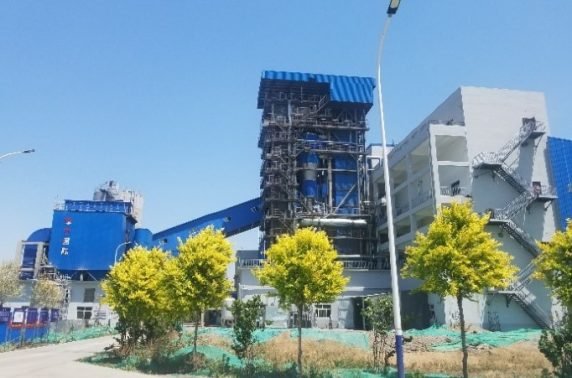
Biomass boiler(13)

Why Is a Safety Margin Important in Boiler Sizing, and How Much Should It Be?

In industrial boiler design, accurate steam load calculation is essential, but even the best projections can’t predict all real-world variables—unexpected surges in demand, process expansions, or operating inefficiencies. This is where the safety margin plays a critical role. Without it, even a momentary increase in steam demand can lead to pressure drops, equipment shutdowns, and production losses. But how much is too much? A well-calculated safety margin ensures operational flexibility without over-sizing the boiler, which would waste energy and capital.

A safety margin in boiler sizing provides extra capacity above calculated steam demand to accommodate process fluctuations, equipment inefficiencies, and future expansion. It is typically 10% to 30% of the total load, depending on industry, load stability, and redundancy strategy.

This buffer prevents pressure instability, protects equipment, and improves long-term operational resilience.

A boiler should always be sized with a safety margin above the calculated steam demand.True

This margin accommodates load variations, warm-up surges, and system losses, ensuring stable and reliable steam supply.

Adding a large safety margin always improves boiler efficiency.False

Oversized boilers operate below optimal firing range, causing cycling, heat loss, and poor fuel efficiency.


1. What Is a Boiler Safety Margin?

A safety margin is a capacity buffer included in boiler sizing to account for:

  • Process variability

  • Peak demands or start-up surges

  • Equipment inefficiencies

  • System losses or leakage

  • Future equipment additions

Formula:

Boiler Capacity = Steam Demand × (1 + Safety Margin %)

For example, a calculated steam load of 5,000 kg/hr with a 20% margin results in a boiler size of 6,000 kg/hr (6 TPH).


2. Recommended Safety Margins by Industry

IndustryLoad PatternRecommended MarginRationale
Food ProcessingModerate Batch Load15–20%For sterilization cycles, kettle start-up surges
Textile DyeingHighly Variable20–30%To handle simultaneous machine operation
Chemical PlantStable Continuous10–15%Process control requires minimal pressure fluctuation
Hospital / HVACVariable Seasonal20–25%Weather-driven spikes, redundancy critical
Power GenerationPredictable Load10–15%Continuous load but requires high availability

3. Effects of Over- and Under-Sizing

ConditionConsequence
No Safety MarginPressure drops, process failures, equipment tripping
Too Small MarginInability to meet peak demand or future expansion
Excessive MarginOversized boiler → low efficiency, frequent cycling
Optimized MarginBalanced performance, flexibility, and cost control

Safety margin should be based on realistic variability, not guesswork.


4. Boiler Cycling Impact from Over-Margin

ParameterCorrectly Sized BoilerOversized Boiler (50% margin)
Boiler Firing Cycles/hr3–510–15
Stack Temperature LossLowHigh (heat wasted)
Combustion EfficiencyOptimalReduced
Maintenance FrequencyNormalIncreased (wear on burner)

5. Sample Calculation: Boiler with Margin

Let’s say your equipment steam demand is:

  • Retort machines: 3 × 800 kg/hr = 2,400

  • Kettles: 4 × 150 kg/hr = 600

  • Cleaning systems: 200

  • Total base load: 3,200 kg/hr

  • Pipe and valve loss (10%): 320 kg/hr

  • Subtotal: 3,520 kg/hr

Now, apply safety margin of 20%:

Boiler Capacity = 3,520 × 1.2 = 4,224 kg/hr → round up to 4.5 TPH

6. Safety Margin vs Redundancy Strategy

Design OptionSafety MarginRedundancy CoverageExample Setup
Single Boiler, Fixed Margin15–25%None (downtime = outage)6 TPH for 5 TPH load
N+1 Redundancy (dual boilers)0–15% per unitFull backup2 × 5 TPH for 5 TPH load
Modular (3+ boilers)Lower marginScalable and flexible3 × 2 TPH for variable 4–5 TPH loads

A well-distributed smaller boiler array can reduce required safety margin while improving reliability.


7. Safety Margin vs Steam Accumulators

In systems with high short-term steam surges, such as dyeing, autoclaves, or sterilizers, a steam accumulator may supplement the boiler:

MethodProsCons
Higher Safety MarginSimple to implementLess efficient, costly to oversize
Steam AccumulatorHandles batch surges efficientlyRequires additional system and controls

Conclusion

A properly calculated safety margin is a non-negotiable element of industrial boiler sizing. It provides the necessary buffer to keep your steam system stable during fluctuations, expansions, and equipment aging—without compromising efficiency. However, excessive margin leads to cycling losses and higher capital costs. A 10–30% safety margin, based on your industry and load variability, strikes the right balance.

How Do Pressure, Temperature, and Load Fluctuations Affect Boiler Size Selection?

When sizing an industrial steam boiler, steam flow rate alone is not enough. The pressure, temperature, and variability of steam demand all significantly influence the right boiler selection. Ignoring these factors can lead to a boiler that can’t maintain output pressure under load, fails during peaks, or burns excess fuel during lulls. Real-world operations are dynamic—understanding how these thermodynamic and load parameters interact ensures the boiler will perform efficiently and reliably in your specific application.

Boiler size must account for operating pressure, steam temperature, and fluctuating steam loads because these factors impact the energy required to produce steam, the design of heat transfer surfaces, the steam flow rate, and the boiler’s ability to respond to peak or transient demands.

Getting boiler sizing wrong due to fluctuating variables results in performance instability, equipment wear, or costly energy waste.

Higher steam pressure increases the energy required per kilogram of steam, affecting boiler capacity.True

Raising pressure means higher enthalpy, requiring more fuel and larger heat exchange surfaces.

Boiler size only depends on maximum steam load and not on load variability.False

Highly variable loads demand sizing strategies or technologies to manage peak, average, and minimum conditions without cycling or shutdowns.


1. Pressure’s Impact on Boiler Sizing

Steam Pressure (bar)Enthalpy of Steam (kJ/kg)Effect on Sizing
5~2,740Low-pressure, smaller heating surface, faster response
10~2,770Medium-pressure, typical for food/textile industries
45~2,800High-pressure water-tube designs, chemical/power sectors
100+~2,850–3,100Supercritical range, massive surface area and safety needs

Higher pressure = greater steam energy per kg, so although mass flow may be lower, thermal input and structural design increase, which affects boiler size, tube thickness, and control complexity.


2. Temperature Influence on Boiler Design

  • Saturated Steam Boilers (typical): Pressure determines temperature directly

  • Superheated Steam Boilers: Require additional heating surface after saturation

  • Higher temperature steam = greater energy transfer per unit mass

  • Superheating needs special alloy materials and larger boilers

Steam TypeTemperature (°C)Sizing Considerations
Saturated at 10 bar~184°CCompact design, standard tubing
Superheated at 40 bar450°CLarger surface, higher grade alloys
Superheated at 100 bar540°C+Heavy-duty water-tube with multiple heat zones

Operating temperature affects not just energy transfer, but also material specification, insulation thickness, and thermal stress design.


3. Load Fluctuation and Dynamic Sizing Challenges

Load ProfileCharacteristicsImpact on Sizing Strategy
Constant LoadLittle variation, e.g., power generationSize for 90–100% capacity
Cyclical LoadPredictable peaks, e.g., food sterilizersSize for peak + accumulator or modulating burner
Random LoadUnpredictable usage, e.g., hospitals, textilesUse multiple small boilers or intelligent modulation

Rapid load changes require boilers with quick response burners, modulation capability, or auxiliary devices like steam accumulators.


4. Load Variation Impact: Sizing Simulation (Textile Plant Example)

TimeLoad (kg/hr)Notes
08:003,500Start-up of dyeing and ironing
10:004,800All machines running
12:003,000Lunch time / partial idle
14:004,800Restart peak
18:002,000End of shift

In this case, a fixed-capacity boiler at 3,500 kg/hr would fail during peaks, while a 5,000 kg/hr boiler may cycle frequently during lulls. Recommended solution: 4 TPH + steam accumulator or dual 3 TPH modular setup.


5. Pressure Drop and Flow Stability

IssueCauseEffect on Boiler Sizing
Pressure DropLoad exceeds boiler’s firing rateRequires higher capacity or faster burner ramp-up
Flashing / SurgingSudden valve opening in process linesNeeds accumulator or fast-reacting controls
Turndown InstabilityBoiler runs too low for sizeConsider multiple smaller units or variable firing

Boilers must be sized not only for max load but also for how fast they can respond to demand changes at different pressures.


6. Sizing Table: Response to Operating Variables

VariableSizing Response Needed
High PressureStronger shell, thicker tubing, increased combustion system power
High TempLarger superheaters, alloy materials, thermal expansion design
Variable LoadTurndown ratio ≥ 6:1 or modular boilers for better responsiveness
Sudden Demand SurgeOversized boiler or steam accumulator for buffering

7. Strategies to Handle Pressure, Temperature & Load Complexity

StrategyPurpose
Steam AccumulatorStores steam for instant availability
Dual or Modular BoilersShare load and improve turndown efficiency
O₂ Trim + Burner ModulationMaintain efficiency during load swings
Superheater Bypass ControlAvoid over-temp during low load
Control Integration (DCS/PLC)Real-time adjustments to fuel, air, and pressure

Conclusion

Boiler sizing is not just about average steam load—it’s deeply influenced by operating pressure, temperature, and load variability. As steam conditions become more demanding or less stable, more responsive and robust sizing strategies are required. Without accounting for these variables, systems will either fail during peaks or waste fuel during lows. A tailored approach—often including accumulators, dual boilers, or modulating controls—ensures optimal performance and energy efficiency.

What Are Common Mistakes to Avoid When Sizing an Industrial Steam Boiler?

Incorrectly sizing an industrial steam boiler is more than a technical error—it’s a costly, long-term operational mistake. Whether it’s oversizing that leads to fuel waste and cycling, or undersizing that triggers pressure drops and downtime, the impact reaches across maintenance, energy bills, and production continuity. Unfortunately, many companies fall into sizing traps like skipping real steam audits, ignoring load variability, or relying on outdated rules of thumb. These mistakes often lead to inefficient operations, equipment damage, or non-compliance with emissions standards.

The most common mistakes when sizing an industrial steam boiler include oversizing due to lack of load analysis, underestimating peak demand or future growth, ignoring pressure and temperature impact, neglecting safety margins, and failing to assess variability in steam loads. Each of these can lead to increased costs, poor efficiency, and system failure.

A properly sized boiler is not just “big enough”—it’s engineered to perform across real-life operating conditions with flexibility and durability.

Oversized boilers often waste energy through short cycling and operate below optimal efficiency.True

Boilers running below their design load tend to cycle frequently, leading to poor combustion, wear, and unnecessary fuel consumption.

Steam load estimation can rely solely on pipe sizes or past boiler nameplate values.False

Accurate steam load estimation must be based on real equipment demand and process requirements, not piping assumptions or legacy systems.


1. Mistake: Sizing for Maximum Load Without Assessing Load Profile

Why It Happens:
Engineers or buyers size the boiler for the maximum observed or expected load without evaluating how often that peak actually occurs.

Consequence:
The boiler ends up operating below its design load most of the time, causing short cycling, poor efficiency, and burner wear.

Solution:
Evaluate average vs. peak demand. Use steam accumulators for short surges and consider modular boilers if load varies greatly.


2. Mistake: Ignoring Load Fluctuation and Startup Demands

Why It Happens:
Designers assume steady-state demand, but many industries (e.g., food, textile, pharmaceutical) have batch or intermittent operations.

Consequence:
Pressure drops, delayed cycle times, and quality issues due to steam supply lag.

Solution:
Analyze the load curve throughout the day. Consider turn-down ratio, control system responsiveness, or multiple smaller boilers.


3. Mistake: No or Incorrect Safety Margin

Why It Happens:
In an effort to minimize cost, no buffer is added above the calculated steam demand.

Consequence:
Any unanticipated spike in demand or process change exceeds capacity, leading to system failure or operational downtime.

Solution:
Add a 10–30% safety margin, tailored to your industry and process load volatility.


4. Mistake: Not Accounting for Operating Pressure and Temperature

Why It Happens:
Boiler is sized using flow (TPH or kg/hr) alone, without considering the enthalpy change at required pressure and temperature.

Consequence:
Underperformance, incorrect fuel input sizing, or even non-compliance with temperature/pressure specs of connected equipment.

Solution:
Use enthalpy-based sizing equations:

Steam Required (kg/hr) = Process Duty (kJ/hr) / (h_steam - h_feedwater)

5. Mistake: Failing to Include Piping and Distribution Losses

Why It Happens:
Designers focus only on steam-consuming equipment and forget about losses in long or poorly insulated distribution lines.

Consequence:
Steam shortfall at process end, low pressure at remote branches, and inefficient boiler cycling.

Solution:
Add 5–10% for distribution losses depending on pipe length, insulation, and valve conditions.


6. Mistake: Reusing Legacy Boiler Size Without Validation

Why It Happens:
Facilities simply replace old boilers with similar capacity, assuming previous sizing was correct.

Consequence:
New system fails to match changed load profile or performs inefficiently due to outdated assumptions.

Solution:
Conduct a fresh steam audit. Use load meters or process logs to recalculate actual demand.


7. Mistake: Not Considering Fuel Type and Efficiency

Why It Happens:
Different fuel types have different calorific values and combustion properties, but boiler capacity isn’t adjusted accordingly.

Consequence:
Incorrect burner sizing, poor emissions control, or unexpected fuel consumption.

Solution:
Adjust boiler sizing based on fuel efficiency (actual) and heating value (HHV/LHV) of fuel:

Fuel TypeTypical Boiler EfficiencyImplication for Sizing
Natural Gas85–94%More compact, faster startup
Biomass65–80%Larger combustion chamber, slower
Fuel Oil80–88%Moderate response, medium cost

8. Mistake: Oversizing to Avoid Downtime

Why It Happens:
Operators “play it safe” by selecting a boiler double the needed size “just in case.”

Consequence:
Wasted capital, overfiring, underloaded operation, and long warm-up cycles.

Solution:
Use N+1 redundancy or backup boiler strategy, not oversizing.


9. Mistake: Ignoring Future Expansion or Scalability

Why It Happens:
Designers focus on current capacity with no consideration for production growth.

Consequence:
Need for early replacement or additional boiler installation.

Solution:
Build in 10–15% growth margin or opt for a modular or expandable boiler system.


10. Mistake: Skipping Simulation or Professional Audit

Why It Happens:
Sizing is rushed, based on rules of thumb or outdated Excel sheets.

Consequence:
Expensive mistakes that affect the entire steam infrastructure.

Solution:
Use steam modeling software, third-party audits, or vendor-assisted sizing tools.


Conclusion

Boiler sizing is both an art and a science. The most costly errors occur when steam systems are sized without fully understanding operational realities—such as variable load, pressure requirements, distribution losses, or growth plans. Avoiding these 10 common mistakes will ensure that your boiler system is cost-efficient, compliant, and operationally stable for years to come.

How Can Software Tools and Expert Consultation Improve Boiler Sizing Accuracy?

Accurate boiler sizing is critical to industrial efficiency, cost control, and safety—but achieving this accuracy is far more complex than plugging numbers into a spreadsheet. Boiler sizing involves thermodynamics, fluctuating process loads, piping losses, combustion efficiency, and future expansion planning. Manual methods often overlook critical details or use assumptions that lead to oversizing or shortfalls. Software tools and expert consultants bridge this gap by delivering data-driven, simulation-backed, and field-proven sizing models that account for all performance variables and real-world dynamics.

Boiler sizing software and expert consultation improve accuracy by combining detailed load modeling, real-time performance simulations, system loss analysis, fuel-efficiency optimization, and industry-specific engineering experience, enabling right-sized boiler selection that minimizes cost, maximizes efficiency, and ensures operational stability.

This integrated approach drastically reduces sizing errors and supports long-term ROI and reliability.

Boiler sizing software helps model real-time and fluctuating steam demand more accurately than manual methods.True

These tools simulate peak load, off-cycle efficiency, and energy balance in complex systems, reducing oversizing or underperformance.

Expert consultation is only necessary for very large power plants.False

Even small industrial systems benefit from expert input to correctly model steam loads, equipment interaction, and load variability.


1. Why Manual Sizing Often Falls Short

Common Manual Sizing IssuesConsequence
Relying on outdated nameplate ratingsOversizing or mismatch with current processes
Skipping load profile analysisUnderperformance during peak or idle cycles
Ignoring real enthalpy valuesEnergy miscalculations
Overlooking piping losses and turn-downSteam instability, inefficiency
Using “rules of thumb” for marginWasted capital and energy

Manual methods are useful for ballpark estimates but lack the precision required for high-performance systems in food, chemical, pharmaceutical, or textile industries.


2. What Boiler Sizing Software Tools Offer

Software FunctionKey Capabilities
Steam Load ModelingSimulates hourly/daily/monthly demand cycles
Thermodynamic CalculationsAccurately calculates steam, fuel, and enthalpy requirements
Heat Balance IntegrationModels entire plant energy flow (boiler + process + condensate)
Multiple Scenarios SimulationTests future load growth, seasonal variability, redundancy strategies
Automatic Sizing RecommendationsSuggests boiler size, type, firing system based on inputs
Fuel Cost ModelingProjects annual energy costs and CO₂ emissions

3. Examples of Industry-Recognized Sizing Software

Tool NameFunctionBest For
RETScreen ExpertClean energy and boiler lifecycle modelFuel savings and economic modeling
Aspen HYSYS/PlusThermodynamic process simulationChemical and refinery steam networks
TLV SteamCalcReal-world steam calculatorUtilities, condensate loads, heat exchangers
Bosch Boiler ConfiguratorOEM-specific steam load matchingEngineering boiler models
Custom Excel ModelsCustomizable load + cost calculatorsSmall to medium steam users

These tools offer data visualization, load variation input, and modular system analysis capabilities that are nearly impossible with static methods.


4. How Expert Consultation Enhances Software Results

Expert ContributionValue Provided
Validate steam loads and lossesDetect errors in assumed or estimated process demands
Adjust sizing for local fuel conditionsCorrect for HHV/LHV, efficiency differences across fuels
Design redundancy and safety marginBased on industry best practices and risk profile
Integrate controls and accessoriesAlign boiler size with burner modulation, feedwater needs
Real-world commissioning experienceEnsures operability matches sizing models

Software provides calculations, but experts provide interpretation, flag risks, and adapt to your specific industry context (textile vs food vs power).


5. Case Study: Improving Sizing Accuracy with Tools + Expert Input

Company: Food Processing Facility
Initial Plan: Manual sizing = 4 TPH fire-tube boiler (based on peak batch load)
Problems Faced:

  • Frequent cycling

  • Inconsistent sterilization temps

  • High gas bills

Consultation + Software Approach:

  • TLV steam load calculator and Aspen energy balance

  • Revealed average load was 2.2 TPH

  • Batch peaks were 4.5 TPH for only 30 mins/hr

Optimized Setup:

  • 3 TPH main boiler + 1.5 TPH modular backup + accumulator

  • 12% fuel savings

  • Better steam stability

  • Payback in under 18 months


6. What Should You Prepare for a Sizing Simulation?

Data NeededWhy It Matters
Equipment steam demandsBasis for total system load
Process cycle durationsReveals demand peaks and valleys
Operating pressure & temperatureInfluences enthalpy and system energy transfer
Existing boiler performanceHelps identify inefficiencies or excess capacity
Fuel type and availabilityImpacts combustion, emissions, and cost assumptions

A steam audit or data logger can provide critical real-time flow and pressure data to calibrate the model.


7. When Should You Use Tools and Consultants?

ScenarioRecommendation
New facility designAlways use modeling and expert guidance
Process expansion or fuel switchNecessary to avoid costly mis-sizing
Replacing old boilerValidate with load data and real-time use
Emissions or fuel optimization requiredUse software to simulate improvement paths
Load fluctuation causing inefficiencyExperts recommend load management strategies

Conclusion

Boiler sizing software tools offer accuracy, speed, and transparency, while expert consultants bring real-world application knowledge, interpretation, and risk mitigation. Together, they form a powerful combination that helps you avoid costly oversizing, inefficient cycling, and missed savings opportunities. Whether you operate in textiles, pharmaceuticals, chemicals, or food processing, this investment in sizing precision pays back many times over.

🔍 Conclusion

Correctly sizing an industrial steam boiler is a strategic engineering task that requires detailed knowledge of process requirements, demand cycles, and system design. By doing the calculations right and considering safety margins, plants can achieve optimal efficiency, steam reliability, and lower operating costs.


📞 Contact Us

💡 Need help determining the right steam boiler size for your facility? We offer process audits, heat load analysis, custom sizing tools, and engineering support to ensure your boiler is perfectly matched to your needs.

🔹 Let us help you size your steam boiler system accurately—for performance, safety, and efficiency. 📐🔥📊✅

FAQ

How do you calculate the right size for an industrial steam boiler?

To size an industrial steam boiler accurately, follow these steps:

  1. Determine steam load (lbs/hr or kg/hr)

    • Add up total equipment steam demand

  2. Account for load variations (peak vs. average usage)

  3. Include a safety margin (typically 10–20%)

  4. Convert to boiler horsepower (BHP):

    1 BHP = 34.5 lbs/hr of steam (at 0 psi and 212°F)
    Example: For 10,000 lbs/hr steam demand → 10,000 ÷ 34.5 = ~290 BHP

Correct sizing ensures efficiency, safety, and cost savings.


What factors affect boiler sizing besides steam demand?

Beyond steam output, consider:

  • Operating pressure and temperature

  • Type of load (continuous vs. fluctuating)

  • Boiler type (fire-tube vs. water-tube)

  • Fuel availability

  • Feedwater temperature

  • System losses and piping distance

Consulting with a boiler engineer ensures precise design for your application.


What are the risks of oversizing or undersizing a boiler?

Oversizing risks:

  • Inefficient fuel use

  • Increased wear-and-tear from cycling

  • Higher upfront cost

Undersizing risks:

  • Inability to meet steam demand

  • Production delays or system failure

  • Increased stress on components

Right-sizing is critical for performance, reliability, and operational efficiency.


What is boiler turndown ratio and why does it matter?

Turndown ratio is the range between a boiler’s maximum and minimum firing capacity.

  • Example: 10:1 turndown = operates efficiently from 10% to 100% load

  • A high turndown ratio = greater load flexibility and better efficiency at partial loads

It helps prevent short-cycling and reduces fuel waste during low-demand periods.


Can software or tools help in boiler sizing?

Yes. Several software tools and calculators are available from:

  • Boiler manufacturers (e.g., Cleaver-Brooks, Hurst, Miura)

  • Engineering consultancies

  • Online sizing tools and simulators

  • SCADA-integrated demand analysis platforms

These tools use input data like steam load curves, utility rates, and system parameters to generate optimized boiler sizing recommendations.


References

  1. Cleaver-Brooks Boiler Sizing Guidehttps://www.cleaverbrooks.com

  2. Spirax Sarco – Sizing Steam Boilershttps://www.spiraxsarco.com

  3. Thermodyne Boilers – Steam Boiler Capacity Calculatorhttps://www.thermodyneboilers.com

  4. Hurst Boiler Engineering Resourceshttps://www.hurstboiler.com

  5. Powerhouse – Boiler Rental Sizing Charthttps://www.powerhouse.com

  6. Miura Boiler Selection Toolhttps://www.miuraboiler.com

  7. EPA Boiler Selection & Sizing Guidehttps://www.epa.gov

  8. BioEnergy Consult – Boiler Design Optimizationhttps://www.bioenergyconsult.com

  9. ASHRAE Boiler Load Guidelineshttps://www.ashrae.org

  10. IEA – Steam Systems Efficiency Reportshttps://www.iea.org

Wade Zhang

CEO of Taishan Group Taian Boao International Trade Co., Ltd. 30 years experience in Global industrial boiler market,  Over 300 boiler projects experience, including 21+ EPC projects. Projects span 30+ countries & regions, involving industries such as nuclear power, energy & electricity, municipal heating, mining, textiles, tires etc.

How to Size an Industrial Steam Boiler: Step-by-Step Guide Read More »

Industrial Boiler Warranty: Coverage for Components & Structure

Industrial Boiler Warranty: Coverage for Components & Structure

When investing in an industrial boiler, many buyers focus on capacity, efficiency, and cost—but warranty coverage is just as critical. Without a clear and reliable warranty, you risk unexpected repair costs, unplanned downtime, and even safety liabilities if structural or component failures occur. A well-defined warranty protects your investment and ensures long-term confidence in your boiler’s performance and durability.

The typical warranty period for industrial boiler components ranges from 12 to 24 months, while the boiler pressure vessel or structural shell is often covered for 5 to 10 years, depending on the manufacturer. Extended warranties may be available for burners, control systems, and critical accessories under customized agreements.

Understanding what’s included—and excluded—in the warranty is key to ensuring your boiler is protected from manufacturing defects, corrosion, weld failure, and component malfunctions. Keep reading to find out how to evaluate and negotiate warranty terms effectively.

What Is the Standard Warranty Period for Industrial Boiler Pressure Vessels?

When investing in an industrial boiler, the pressure vessel is the heart of the system—and also the most expensive and safety-critical component. That’s why understanding the warranty period for the pressure vessel is essential. The warranty protects you against manufacturing defects or early material failure. If you don’t know the coverage length or conditions, you could face costly repairs that should’ve been covered. Let’s look at what’s standard in the industry and what you should confirm before signing a boiler purchase or service agreement.

The standard warranty period for industrial boiler pressure vessels is typically 5 to 10 years, depending on the manufacturer and boiler design. Some suppliers offer base coverage of 5 years with optional extensions up to 15 years, provided maintenance and operating conditions are properly followed.

Warranty terms vary, so it’s critical to check what’s included, what’s excluded, and how to maintain compliance to avoid voiding the coverage.

Industrial boiler pressure vessels are usually covered by a standard 5- to 10-year warranty.True

Most manufacturers offer at least 5 years of coverage for pressure vessels, as they are built to endure high pressure and temperature stresses under normal operating conditions.

Typical Pressure Vessel Warranty Terms by Manufacturer Type

Manufacturer TypeStandard Warranty PeriodExtended Warranty Option
Major OEMs (Cleaver-Brooks, Miura, Hurst)5–10 yearsUp to 15 years
Custom-built Boilers3–5 yearsUp to 10 years (conditional)
Budget/Entry-Level Units1–3 yearsRarely extended

Warranty Conditions to Be Aware Of

RequirementWhy It Matters
Regular Maintenance LogsMust prove the boiler was serviced on schedule
Water Quality ManagementPoor treatment can void the warranty due to corrosion or scaling
Operator Training CertificationUntrained operation may disqualify coverage
Installation by Approved TechniciansEnsures the vessel is installed according to code
Non-modification ClauseAltering the vessel voids the warranty automatically

Tip: Request the Pressure Vessel Warranty Certificate Separately

Many warranty packages bundle controls, burners, and pumps into 1–2 year terms—only the pressure vessel usually carries long-term coverage. Make sure you have clear documentation stating:

  • Start and end date

  • Serial number tied to the pressure vessel

  • Terms of coverage and exclusions

  • Steps to maintain coverage

Final Word

Your pressure vessel warranty is your long-term protection—know it, follow it, and document everything. That way, if a defect ever occurs, your repair costs are covered.

How Long Are Components Like Burners, Controls, and Pumps Typically Covered?

When buying or maintaining an industrial boiler, many customers focus on the pressure vessel warranty—but overlook other key components like burners, controls, and pumps. These parts are critical for safe and efficient operation, and they’re also the ones most likely to wear out first. Knowing how long they’re typically covered under warranty helps you plan ahead, avoid surprise repair costs, and protect your investment more effectively.

Burners, controls, and pumps in industrial boilers are typically covered for 1 to 2 years under standard warranty terms. Some OEMs may offer up to 3 years on select components, while extended coverage is often available through service contracts or warranty upgrades.

These components have shorter coverage than the pressure vessel because they’re exposed to more wear, electrical stress, and environmental changes.

Burners and control systems in industrial boilers usually have shorter warranties than the pressure vessel.True

Due to their complexity and exposure to wear and electronic failure, these components are usually covered for only 1–2 years, unlike the pressure vessel which may be covered for up to 10 years.

Typical Warranty Coverage by Component

ComponentStandard Warranty PeriodExtended Warranty Option
Burners1–2 yearsUp to 5 years (with upgrade)
Control Panels1 yearUp to 3 years (select OEMs)
Sensors & Actuators6–12 monthsOften not covered beyond 1 year
Pumps (Feedwater/Circulation)1–2 yearsUp to 3 years with OEM service plan
Motors & Fans1–2 yearsPossible extension with registration
Valves1 year (standard)Depends on use and type

Important Warranty Conditions

ConditionImpact
Must use OEM-approved partsNon-OEM replacements may void component warranty
Proper installation documentationRequired to validate claims if parts fail early
Scheduled maintenance complianceMissed maintenance can disqualify warranty claims
Operating conditions within specOverheating, dry firing, or voltage issues can void coverage

Tip: Ask for a component-level warranty summary from your supplier when you purchase the boiler or replacement part. Keep all invoices and service logs on file.

Final Word

Burners, controls, and pumps are high-value, high-risk components. Their warranties are shorter, but you can extend coverage with smart planning, service contracts, or early registration.

What Conditions or Limitations Apply to Industrial Boiler Warranties?

Industrial boiler warranties offer essential protection for your investment—but only if you meet the required conditions. Many warranty claims are denied not because of a defect, but because the user didn’t follow the fine print. To protect your coverage and avoid surprise costs, it’s critical to understand what conditions and limitations apply. These vary by manufacturer, but most warranties follow a common structure with clearly defined do’s and don’ts.

Industrial boiler warranties typically require proper installation, regular maintenance, correct water treatment, use of OEM parts, and operation within specified limits. Limitations include exclusions for misuse, neglect, corrosion, or damage caused by unapproved modifications.

Knowing these terms helps you stay in compliance and avoid voiding your warranty—intentionally or not.

Failing to meet maintenance and operation requirements can void your industrial boiler warranty.True

Most boiler warranties require documented routine service, proper water treatment, and trained operation. Failure to comply can lead to denied claims.

Common Conditions Required to Maintain Warranty Coverage

ConditionWhy It Matters
Proper InstallationMust follow OEM guidelines; poor setup may cause system failure
Scheduled MaintenanceService logs are often required to validate any warranty claim
Correct Water TreatmentPrevents corrosion and scale, which are usually not covered
Trained OperationOnly certified personnel should run or adjust the system
OEM Parts UseUsing third-party parts may void coverage
Prompt Reporting of IssuesDelays in reporting a fault may result in denied claims

Typical Warranty Limitations and Exclusions

ExclusionExample
Wear-and-tear itemsGaskets, seals, filters, and igniters are not covered
Corrosion or foulingDamage from untreated or low-quality water
Operator errorOverfiring, dry-firing, or pressure beyond specs
Acts of natureFloods, lightning, or earthquakes often excluded
Unapproved modificationsAdding untested controls or burners without OEM approval
Lack of documentationMissing service records or start-up reports

Tip: Always keep a warranty compliance folder with service records, installation forms, water test results, and part numbers used during maintenance.

Final Word

Industrial boiler warranties offer strong protection—but only if you play by the rules. Understanding and following the conditions ensures you don’t lose coverage when it matters most.

Are Extended Warranties Available for High-Demand or Mission-Critical Applications?

In industries where boiler downtime is not an option—like power generation, pharmaceuticals, food processing, or chemical manufacturing—standard warranties may not offer enough protection. These environments demand long runtimes, tight safety margins, and minimal tolerance for failure. That’s why many boiler manufacturers and service providers offer extended warranties specifically tailored for high-demand or mission-critical operations.

Yes, extended warranties are available for industrial boilers used in mission-critical or high-demand applications. These plans typically extend coverage up to 10–15 years on pressure vessels and 3–5 years on key components such as burners, pumps, and controls. They also include enhanced support, faster response times, and service guarantees.

Extended warranties provide added peace of mind by minimizing the financial and operational risks of failure in high-stakes environments.

Extended boiler warranties are available for critical operations requiring longer coverage periods.True

Many boiler manufacturers offer long-term protection plans that extend beyond standard warranties, specifically for continuous or mission-critical processes.

What’s Typically Covered in Extended Boiler Warranties?

ComponentStandard WarrantyExtended Warranty (Optional)
Pressure Vessel5–10 yearsUp to 15 years
Burner System1–2 yearsUp to 5 years
Control System1 yearUp to 3–5 years
Pumps & Valves1–2 yearsUp to 3 years
Sensors & Ignition6–12 monthsOften extended with service plan

Additional Benefits of Extended Warranty Plans

  • 24/7 priority technical support

  • Guaranteed response time for repairs (e.g., 6–12 hours)

  • Annual inspections included

  • Parts + labor coverage (vs. parts-only in standard warranty)

  • Service discounts on out-of-warranty repairs or upgrades

  • Transferable coverage if the boiler is sold or relocated

When Should You Consider an Extended Warranty?

Ideal for Facilities That…
Operate the boiler 24/7 with minimal downtime tolerance
Are in regulated industries (e.g., pharma, food, energy)
Face long lead times for repairs or replacement parts
Rely on consistent heat/steam for product quality
Require budget predictability for maintenance planning

Tip: Extended warranties are most cost-effective when bundled at the time of purchase or during initial commissioning.

Final Word

In high-demand environments, extended warranties aren’t a luxury—they’re a risk management strategy. They ensure long-term protection, operational reliability, and peace of mind when failure is not an option.

How Can Users Maintain Warranty Validity Through Operation and Maintenance?

A warranty is only as strong as the care you put into maintaining it. While manufacturers offer boiler warranties to protect your investment, they come with conditions—and if you don’t follow them, your claim could be denied. Many boiler users lose warranty coverage not because of faulty equipment, but because of incomplete logs, poor maintenance, or operator mistakes. If you want to keep your warranty active and enforceable, you need to follow specific operational and maintenance practices.

To maintain industrial boiler warranty validity, users must follow manufacturer-recommended maintenance schedules, document all service activities, use trained personnel, operate within specified limits, treat feedwater properly, and use only approved parts. Any deviation can void warranty coverage.

Think of the warranty as a contract—you do your part, the manufacturer covers theirs.

Following maintenance schedules and keeping service records are required to maintain industrial boiler warranty validity.True

Boiler warranties typically include conditions requiring proof of proper use and servicing. Missing logs or using untrained operators can lead to rejected claims.

7 Must-Follow Practices to Keep Your Boiler Warranty Valid

ActionWhy It Matters
Follow OEM Maintenance SchedulesSkipping scheduled checks or cleanings can lead to premature failure
Keep Detailed Maintenance LogsProof of service is often required when filing a warranty claim
Use Certified OperatorsImproper operation voids many warranties due to human error risks
Operate Within Rated LimitsExceeding pressure, temperature, or firing rate can disqualify claims
Maintain Proper Water TreatmentCorrosion and scale damage are not covered under warranty
Use Only OEM or Approved Spare PartsAftermarket components may void the coverage
Report Issues PromptlyDelayed reporting can be interpreted as negligence

Example of a Maintenance Log Entry That Supports Warranty

Date: 2025-07-01
Technician: J. Roberts
Action: Annual burner inspection and recalibration
Notes: Verified flame stability, cleaned flame sensor, adjusted air-fuel ratio
Parts Used: OEM electrode set, part #CB-89235
Next Scheduled Service: 2025-10-01

Tip: Store your service logs, inspection forms, and water test records in a dedicated “warranty binder” or cloud folder for easy access.

Common Mistakes That Void Warranties

  • Forgetting to log monthly or annual maintenance

  • Using untreated feedwater

  • Installing non-OEM valves or sensors

  • Letting untrained staff adjust burner or control settings

  • Modifying system components without manufacturer approval

Final Word

Your boiler’s warranty is a valuable asset—protect it with discipline and documentation. Stay on schedule, operate responsibly, and track everything.

DZL coal-fired boilers(3)

What Steps Should You Take if a Warranty Claim Is Needed for a Boiler Component or Structure?

Even the most reliable industrial boilers can experience failures. When a covered component or structural part fails, submitting a proper warranty claim can save thousands in repair or replacement costs. But boiler warranty claims aren’t automatic—you must follow specific steps to ensure the claim is processed quickly and successfully. Missing documents or poor communication can lead to rejection or long delays. So, what exactly should you do when a warranty-covered issue occurs?

To submit a boiler warranty claim, immediately stop using the affected component, document the issue with photos and detailed notes, gather all required warranty documents (including serial numbers, service logs, and part records), contact the manufacturer or supplier, and follow their formal claims process. Prompt, accurate reporting is essential to approval.

Well-organized paperwork and clear communication make the difference between a fast resolution and a denied claim.

Submitting complete documentation is essential for a valid industrial boiler warranty claim.True

Manufacturers require proof of maintenance, photos, serial numbers, and official service records to validate claims. Missing or incorrect information often leads to denial.

Step-by-Step: How to File a Valid Boiler Warranty Claim

StepAction Required
1. Stop Equipment UsePrevent further damage—shut down the affected component immediately
2. Take Photos or VideoCapture clear images of the failure, damage, or malfunction
3. Gather Key DocumentsWarranty certificate, boiler serial number, service logs, part invoices
4. Contact Manufacturer or DealerReach out through the official support or warranty claim channel
5. Submit Formal Claim FormComplete the supplier’s warranty claim application with required attachments
6. Cooperate with InspectionBe available for technician inspection or diagnostic questions
7. Await Response/ApprovalMost claims are reviewed in 2–10 business days depending on complexity

Required Documentation for a Typical Boiler Claim

Required ItemPurpose
Warranty certificateConfirms coverage and eligibility
Serial number and modelLinks claim to the specific boiler or component
Maintenance/service recordsProves the unit was maintained according to standards
Failure description and timelineDetails what happened, when, and under what conditions
Photos of damaged part or issueVisual evidence to support claim
Part purchase invoice (if replaced)Verifies OEM use and date

Tip: Always file a claim as soon as the issue occurs—delayed reporting can void eligibility.

Final Word

A warranty claim doesn’t have to be stressful. If you gather your records, document the issue, and follow the proper steps, the process is usually smooth and successful.

🔍 Conclusion

Warranty coverage for industrial boilers is a vital aspect of risk management. With standard warranties covering structures for up to 10 years and components for 1–2 years, it’s important to understand the terms, maintain compliance, and know your options for extended coverage. This ensures long-term operational security and minimizes out-of-pocket expenses.


📞 Contact Us

💡 Want detailed warranty information or coverage options tailored to your boiler project? We provide transparent warranty terms, extended coverage plans, and technical support for all industrial boiler components and structures.

🔹 Let us help you protect your boiler investment with reliable coverage and expert support. 🛡️🔥📋✅

FAQ

What is the standard warranty period for industrial boiler components?

Most manufacturers offer a 1–2 year warranty on replaceable or functional components such as:

  • Burners

  • Control panels and instrumentation

  • Valves, sensors, and actuators

  • Feedwater systems

  • Pumps and blowers

Warranty periods can vary depending on manufacturer, contract terms, and operating conditions. Some OEMs provide extended warranties for an additional fee.


How long is the warranty for the boiler’s pressure vessel or structure?

The pressure vessel or boiler shell typically comes with a 5–10 year warranty, depending on the boiler type and usage. High-end manufacturers may offer:

  • 5 years standard, extendable to 10 years with maintenance compliance

  • Coverage for welding seams, corrosion resistance, and material defects

Structural warranties are subject to annual inspections and service records to remain valid.


What is usually excluded from the boiler warranty?

Common exclusions include:

  • Improper installation or unauthorized modifications

  • Damage due to poor water treatment or scaling

  • Operational misuse or exceeding pressure/temperature limits

  • Wear-and-tear parts like gaskets, filters, seals

  • Third-party or aftermarket components

Always review the terms and conditions of your boiler warranty carefully.


Can the boiler warranty be extended?

Yes. Many manufacturers and service providers offer warranty extensions that may include:

  • 3–5 years additional coverage on parts and/or pressure vessels

  • Preventive maintenance contracts tied to the extension

  • Priority technical support and emergency repair inclusion

Extended warranties offer peace of mind and can be bundled with annual service agreements.


How do I ensure the warranty remains valid?

To keep your warranty active:

  • Follow OEM installation guidelines

  • Perform regular preventive maintenance

  • Use authorized service providers

  • Keep a detailed maintenance log

  • Ensure water treatment systems are functioning properly

Failing to comply with these practices may void your warranty prematurely.


References

  1. Cleaver-Brooks Warranty Informationhttps://www.cleaverbrooks.com

  2. Hurst Boiler Warranty Detailshttps://www.hurstboiler.com

  3. Powerhouse Boiler Equipment – Warranty FAQshttps://www.powerhouse.com

  4. Spirax Sarco Boiler Support Planshttps://www.spiraxsarco.com

  5. Thermodyne Boiler Protection Programshttps://www.thermodyneboilers.com

  6. Nationwide Boiler Warranty Guidehttps://www.nationwideboiler.com

  7. Boiler Insurance and Warranty Options – IEAhttps://www.iea.org

  8. BioEnergy Consult – Boiler Risk Managementhttps://www.bioenergyconsult.com

  9. EPA Industrial Boiler Regulations & Warranty Linkshttps://www.epa.gov

  10. Industrial Boiler Maintenance Standards – ISOhttps://www.iso.org

Wade Zhang

CEO of Taishan Group Taian Boao International Trade Co., Ltd. 30 years experience in Global industrial boiler market,  Over 300 boiler projects experience, including 21+ EPC projects. Projects span 30+ countries & regions, involving industries such as nuclear power, energy & electricity, municipal heating, mining, textiles, tires etc.

Industrial Boiler Warranty: Coverage for Components & Structure Read More »

How Much Does an Industrial Steam Boiler Cost? Price Guide

How Much Does an Industrial Steam Boiler Cost? Price Guide

When planning a new industrial facility or upgrading existing steam systems, one of the most pressing questions buyers ask is: How much does an industrial steam boiler cost? The challenge is that prices can vary significantly depending on boiler size, pressure ratings, fuel type, configuration, and custom engineering. Without a clear understanding of the pricing structure, businesses risk overpaying or underbudgeting—leading to costly delays or compromises in system performance.

The cost of an industrial steam boiler generally ranges from $30,000 to over $500,000 depending on capacity (measured in HP or tons), pressure rating, fuel type (gas, oil, biomass, coal, or electric), and whether it is a fire-tube or water-tube design. Installation, shipping, accessories (feedwater system, blowdown tank, economizer), and controls can add another 50–100% to the total project cost.

For any facility planning to purchase a boiler, it’s essential to understand what drives price variation. This knowledge helps in making cost-effective decisions, comparing quotes properly, and ensuring the chosen system matches operational needs.

What Factors Most Affect the Price of an Industrial Steam Boiler?

Choosing an industrial steam boiler is not just a technical decision—it’s a significant investment that varies widely in cost depending on design complexity, operating conditions, and auxiliary needs. Many buyers are surprised when two boilers of the same capacity differ greatly in price. This is because boiler pricing is driven by a combination of engineering parameters, performance requirements, safety standards, and project logistics. Failing to understand these influencing factors can result in underestimating budget, overspending on unnecessary features, or compromising safety and efficiency.

The price of an industrial steam boiler is primarily affected by factors such as boiler capacity, pressure rating, material selection, fuel type, design complexity, auxiliary systems (feedwater, emission control), compliance standards, and installation requirements.

These elements combine to form the total cost of ownership and need to be evaluated based on your specific process demands, location, and regulatory obligations.

Higher-pressure and higher-capacity boilers cost significantly more due to thicker materials, added safety features, and stricter design standards.True

Boilers operating above 100 bar or with outputs above 50 TPH require enhanced structural integrity, certified welds, and control systems.

All boilers of the same steam capacity have similar prices.False

Even with the same output, factors like pressure, material grade, fuel, automation level, and accessories lead to different prices.


1. Boiler Capacity (Steam Output)

Definition:

The steam output (usually in TPH – tons per hour or kg/h) determines the size and heat transfer surface area of the boiler.

Capacity RangeTypical UseCost Impact
0.5–2 TPHSmall industries, labsLow to moderate
3–10 TPHMedium factories (textile, food)Moderate
15–50 TPHLarge process plantsHigh
60–150 TPHUtility, chemical, power boilersVery high (custom-built)

Larger capacity = larger shell or tube banks, more steel, more welding, and more controls.


2. Operating Pressure and Temperature

ParameterCost Driver
High Pressure (>35 bar)Requires thicker pressure vessel materials
Superheated SteamNeeds separate superheater tubes + temperature control
High Temp (500+°C)Requires Cr-Mo alloy steel, insulation upgrades

A boiler rated for 60 bar and 485°C can cost 2× more than one at 10 bar and 180°C of the same capacity due to enhanced materials and testing.


3. Fuel Type and Combustion System

Fuel TypeBurner System ComplexityCost Impact
Natural GasSimple, clean combustionLow to moderate
Diesel / HFORequires atomization and heatingModerate
Coal (stoker/pulverized)Complex feeding, ash handlingHigh
Biomass / RDFCustom grates, moisture controlVery high
Dual-Fuel BurnerRedundant systems, higher logic+20–40% over single-fuel

Biomass-fired or waste-to-energy boilers are often 80–150% more expensive than gas-fired boilers due to mechanical feeding systems, ash handling, and flame control.


4. Material Selection

ComponentMaterial OptionCost Impact
Pressure PartsCarbon Steel vs Cr-Mo AlloyCr-Mo up to 3× more expensive
Tubes (SH, RH)SA192 vs SA213-T91 or InconelT91 is 2–3× more costly than mild steel
Drum & HeadersNormalized vs Quenched/TemperedHeat treatment adds fabrication cost
Firebrick / RefractorySilica vs High-AluminaSpecialized brick for biomass increases cost

The more corrosive, abrasive, or high-temp the process, the more costly the materials become.


5. Automation and Controls

Automation LevelDescriptionCost Factor
Basic Manual ControlSimple valves, gaugesLowest
Semi-Automated (Analog)Pressure switches, relay logicModerate
Fully Automated PLCDrum level control, auto blowdown, O₂ trimHigh
SCADA / Remote AccessNetworked system, cloud monitoringVery high

Automation cost varies from $3,000 to $80,000+, depending on features, integration, and safety levels (e.g., SIL 2/3).


6. Emission and Environmental Compliance

RequirementSystem AddedCost Range
NOₓ RegulationLow-NOₓ Burner or SCR+$20,000 to $300,000
SO₂ Regulation (Coal)FGD or scrubber+$100,000 to $500,000
Dust / PM LimitsBaghouse or ESP+$30,000 to $250,000
CO / VOC ReductionCombustion tuning, catalytic converters+$5,000 to $75,000

For plants in EU, USA, or Tier 1 cities, emission control can account for 15–30% of the boiler budget.


7. Auxiliary Systems and Accessories

Auxiliary SystemPurposeCost Factor
Feedwater Pump SystemPressure delivery to boiler+$5,000 to $100,000 (depending on size)
Water Treatment PlantRemoves hardness, oxygen+$10,000 to $250,000
DeaeratorEliminates O₂, CO₂ from feedwater+$25,000 to $150,000
Blowdown SystemControls TDS buildup+$8,000 to $50,000
Economizer / PreheaterImproves efficiency+$10,000 to $120,000
Chimney / StackSafe flue gas release+$15,000 to $100,000

8. Certification, Compliance & Customization

FactorExample Standards / NeedsImpact on Price
Design CodeASME, EN 12952/12953, IBR, GOSTEngineering time, documentation cost
Inspection & TestingNDT, hydrotest, third-party auditAdds 5–10% to base fabrication
Custom DesignSpace restrictions, mobile boiler+15–50% vs standard models
Explosion-Proof SystemsRequired for hazardous zones+$3,000 to $30,000 extra

9. Installation and Logistics

ElementCost Influence
Freight (international)+$2,000 to $40,000 depending on size
On-site erection5–25% of equipment cost (especially for large units)
Civil FoundationVaries by terrain and boiler type
Crane / Rigging$5,000–$50,000 (for >50 TPH boilers)
Commissioning / TuningOptional or included (2–10% of project)

Real-World Example Cost Comparison (10 TPH Boiler)

Boiler TypeSpecsApprox. Cost
Fire-Tube, 10 bar, gas-firedBasic skid-mounted unit$75,000 – $120,000
Water-Tube, 45 bar, coal-firedWith ESP + auto control + economizer$400,000 – $650,000
Biomass, 10 TPHWith moving grate, ID fan, ash conveyor$500,000 – $800,000
Electric, 10 TPHZero-emission, auto-control, high amperage$300,000 – $450,000

Conclusion

The price of an industrial steam boiler is shaped by more than just its rated output—it’s a complex function of pressure, fuel, materials, environmental requirements, and custom features. Understanding these variables allows plant owners, engineers, and procurement teams to make smarter, more tailored choices that balance budget, safety, efficiency, and regulatory compliance. Whether you’re sourcing a boiler for a textile plant or a biomass unit for power generation, assessing all price-driving factors is essential for ROI success.

How Do Fuel Types and Pressure Ratings Impact Boiler Cost?

When planning a boiler purchase, two of the most influential factors on the final cost are the fuel type and the pressure rating. These two parameters directly dictate the boiler’s design complexity, material requirements, auxiliary equipment needs, and regulatory compliance. Unfortunately, many project budgets underestimate their impact, leading to cost overruns or design revisions. A thorough understanding of how fuel choice and pressure level affect price is key to making the right investment in industrial steam systems.

Fuel types affect boiler cost by influencing combustion system complexity, fuel handling needs, and emissions control requirements, while higher pressure ratings increase cost due to thicker materials, stricter codes, and more advanced fabrication needed to safely handle elevated stress and temperature.

Together, these factors can double or triple the cost of a boiler, even when the output capacity remains unchanged.

Biomass and coal-fired boilers cost more than natural gas systems due to complex feeding, ash handling, and emission control.True

Solid fuel boilers require specialized grates, larger furnaces, and stricter emissions systems compared to clean-burning gas boilers.

High-pressure boilers require significantly more expensive materials and construction than low-pressure ones.True

Higher pressure means thicker pressure parts, stronger welds, and stricter testing, all of which raise material and fabrication costs.


1. Fuel Type: The First Major Cost Multiplier

How Fuel Type Impacts Boiler Design

Fuel TypeCombustion ComplexityBoiler Design ImpactsTypical Add-On Cost
Natural GasSimple, automatedClean combustion, minimal ash or soot, compact furnaceBaseline
Diesel / Light OilSlightly more complexRequires oil heaters, atomization nozzles+10–25%
Heavy Fuel OilComplexPreheaters, soot blowers, thick ash buildup+25–40%
Coal (Stoker or Pulverized)Very complexGrates, fuel bunkers, ash conveyors, ESP or baghouse+60–120%
BiomassVery complexMoisture management, combustion controls, moving grates+80–150%
Electric (resistive/immersion)NoneNo combustion system, but requires massive electrical load+0–30%, depending on amperage

Biomass and coal-fired boilers not only cost more up front but also require larger footprints, more auxiliary systems, and higher maintenance budgets.


2. Fuel Type Comparison Chart: Capital Cost vs Complexity

Fuel TypeCAPEXOPEXEmissions Compliance NeedsBoiler Size Requirement
Natural GasLowMediumLow (sometimes no SCR/ESP)Compact
Diesel / LDOMediumHighMediumMedium
Heavy Fuel OilHighVery HighMedium–HighLarger
BiomassVery HighLowVery High (PM, NOₓ, CO)Largest
CoalHighLow–MediumHigh (SO₂, NOₓ, PM)Large
ElectricityMedium–HighVery HighNoneSmall (no furnace needed)

3. Pressure Rating: The Second Cost Driver

Boiler pressure, measured in bar, MPa, or psi, determines how much internal stress the boiler must withstand. As the pressure increases, so does the need for thicker steel, heat-resistant alloys, precise welding, and rigorous testing.

Pressure ClassRangeImpact on Cost and Complexity
Low Pressure0–10 bar (145 psi)Thin shell, low-code requirements
Medium Pressure11–35 bar (160–500 psi)Thicker shell, more NDT, higher-grade steel
High Pressure36–100 bar (520–1450 psi)Alloy tubes, drum reinforcements, certified welding
Supercritical>221 barNo drum, special alloys, highest design/fab standard

4. Pressure Rating and Material Cost Scaling

Pressure RatingShell Thickness RequiredTypical Material GradeCost Increase Over 10 bar Boiler
10 bar10–14 mmSA516-70 carbon steelBase cost
35 bar22–28 mmSA516 or low-alloy steel+20–30%
60 bar30–36 mmSA387 Cr-Mo (T11)+40–70%
100+ bar38–50 mmSA213 T22 / T91+80–150%

Not only are the materials more expensive, but welding, stress-relieving, and hydrostatic testing also become much more rigorous and expensive.


5. Case Study: Identical Capacity, Different Fuel & Pressure

ScenarioSpec ASpec B
Steam Output20 TPH20 TPH
Pressure Rating10 bar60 bar
Fuel TypeNatural GasBiomass
Estimated Total Boiler Price~$280,000 USD~$720,000 USD
Difference ReasonLower pressure, clean fuelHigh-pressure, complex fuel handling

6. Total Boiler Project Cost Estimate by Pressure & Fuel

Steam Output (TPH)Pressure (Bar)Fuel TypeBase Boiler CostAuxiliary SystemsEmission ControlTotal Project Cost (Est.)
1010Natural Gas$80,000$40,000Minimal~$130,000
1045Natural Gas$140,000$60,000Low-NOₓ Burner~$220,000
1060Biomass$350,000$120,000ESP + Scrubber~$600,000
30100Pulverized Coal$850,000$300,000SCR + FGD + Baghouse~$1.4–1.6 million

Conclusion

Fuel type and pressure rating are two of the most decisive factors when it comes to boiler pricing and selection. Cleaner fuels like natural gas result in lower boiler and emission costs, while solid fuels require large, complex combustion and ash-handling systems. At the same time, higher-pressure boilers demand stronger materials, more fabrication labor, and advanced controls, significantly increasing capital cost. By understanding these factors, operators can align technical requirements with economic feasibility and avoid costly overspecification.

What Are the Cost Differences Between Fire-Tube and Water-Tube Boilers?

Choosing between a fire-tube and a water-tube boiler isn’t just a technical decision—it directly impacts capital investment, operating costs, efficiency, and long-term value. Each boiler type has its own structure, application, and economic footprint. Without understanding these differences, many buyers face unexpected costs due to capacity limits, safety compliance issues, or scalability mismatches. Fire-tube boilers are often favored for smaller, lower-pressure applications, while water-tube boilers dominate high-capacity, high-pressure industrial environments. But how do they compare in actual cost?

Fire-tube boilers generally have lower initial purchase and installation costs compared to water-tube boilers, which are more expensive due to their higher pressure capability, faster response time, and modular design. However, water-tube boilers offer lower lifetime operating costs in large-scale or high-pressure applications, making them more economical in the long term under demanding conditions.

Understanding these distinctions helps facilities choose the right solution based on steam demand, budget, and lifecycle expectations.

Fire-tube boilers are usually less expensive upfront than water-tube boilers of the same capacity.True

Fire-tube boilers have simpler construction and are easier to manufacture, install, and maintain for low- to medium-duty cycles.

Water-tube boilers are always more cost-effective in all applications.False

While water-tube boilers offer better efficiency at scale, their higher capital and maintenance costs make fire-tube boilers more economical in small-scale operations.


1. Initial Equipment Cost Comparison

Boiler TypeTypical Capacity RangePressure LimitInitial Price (Est.)
Fire-Tube Boiler0.5–25 TPHUp to ~25 bar$35,000 – $250,000 USD
Water-Tube Boiler10–150+ TPH30–250+ bar$120,000 – $1.5+ million USD

A 10 TPH, 16 bar fire-tube boiler costs ~$90,000, while a water-tube boiler of the same steam capacity and 45 bar pressure may cost ~$300,000 or more due to alloy materials and pressure design.


2. Installation and Setup Costs

Cost ComponentFire-Tube BoilerWater-Tube Boiler
Skid MountingStandardOften modular/custom
Site FabricationMinimalExtensive piping & structure
Foundation RequirementsLight/medium loadHeavy-duty, reinforced
Installation Time2–4 weeks6–12 weeks
Typical Cost Range10–15% of boiler price15–25% of boiler price

Water-tube boilers often need heavy civil support, specialized erection cranes, and more commissioning effort.


3. Operational Efficiency and Lifecycle Cost

ParameterFire-TubeWater-Tube
Typical Thermal Efficiency82–88%85–92%
Response to Load ChangesSlowerFaster
Downtime (avg/year)~2–3 weeks~1–2 weeks
Operating Pressure RangeUp to 25 barUp to 250+ bar
Annual Maintenance CostLower (~$2k–$10k)Higher (~$5k–$25k)

Though water-tube boilers have higher maintenance costs, they offer better fuel utilization and less downtime over time in high-demand scenarios.


4. Maintenance and Inspection Cost Comparison

ActivityFire-Tube BoilerWater-Tube Boiler
Tube CleaningInternal brush (easy)Requires special water-lancing
Inspection Time~1–2 days~3–5 days
Tube Replacement CostLower (easier access)Higher (complex tube layout)
Annual NDT / CertificationSimpler processMore critical at high pressure

Fire-tube boilers are cheaper and quicker to inspect, which benefits low-staff or smaller facilities.


5. Lifespan and Upgradeability

Boiler TypeAverage LifespanScalabilityField Modifications
Fire-Tube Boiler15–25 yearsLimited (fixed size)Minimal—pre-fabricated
Water-Tube Boiler25–40+ yearsHighly modular and scalableCustomizable piping/tube arrays

Water-tube boilers can grow with the plant—adding capacity or retrofitting with modern burners is more feasible.


6. Real-World Cost Comparison (10 TPH Example)

SpecificationFire-Tube BoilerWater-Tube Boiler
Capacity10 TPH10 TPH
Pressure16 bar45 bar
FuelNatural GasNatural Gas
Base Boiler Price$90,000$280,000
Installation and Commissioning$15,000$60,000
Auxiliary Equipment$40,000$75,000
Total Installed Cost~$145,000~$415,000
Operating Cost (5 years)~$140,000~$110,000
Efficiency (avg)86%90%

7. Application Suitability

Industry / ApplicationPreferred Boiler TypeReason
Food Processing (Low Pressure)Fire-TubeLow cost, compact, easy operation
Chemical Processing (High Load)Water-TubeFast load response, high steam purity
Small Textile UnitsFire-TubeLow capacity, lower investment
Power Generation (50+ TPH)Water-TubeRequired for high pressure & capacity
District Heating PlantWater-TubeModular control, efficiency

Conclusion

When it comes to cost, fire-tube boilers win in upfront investment and simple operations, especially for low-to-medium steam demands. In contrast, water-tube boilers demand higher capital but reward users with better performance, efficiency, and long-term operational savings—particularly in large-scale or high-pressure systems. The right choice depends on your process size, steam requirements, operating budget, and regulatory environment.

How Much Should You Budget for Boiler Accessories and Auxiliary Systems?

When budgeting for an industrial steam boiler, many buyers focus primarily on the core boiler price. However, overlooking the cost of auxiliary systems and accessories—which support feedwater, fuel delivery, emissions, safety, and automation—can lead to severe underbudgeting, project delays, or non-compliance. These auxiliary systems are not optional; they are mandatory for safe, efficient, and regulation-compliant boiler operation. In many installations, the cost of auxiliary systems can equal or even exceed the base boiler price, especially in high-pressure or large-capacity applications.

In a typical industrial steam boiler project, 40–60% of the total budget should be allocated for auxiliary systems and accessories, including feedwater treatment, blowdown control, fuel systems, emission management, safety devices, and automation. The total auxiliary cost can range from $20,000 for small boilers to over $1 million for large, high-pressure units.

This essential cost category must be included in project financial planning from the start.

Boiler auxiliary systems can cost as much or more than the boiler itself in large-scale installations.True

Auxiliary systems like feedwater conditioning, deaerators, blowdown tanks, and emission controls are essential and often complex, increasing overall project cost significantly.

You can operate a boiler without accessories like a deaerator or blowdown tank to save money.False

Omitting these systems can result in scale formation, corrosion, safety hazards, and regulatory non-compliance.


1. Breakdown of Major Auxiliary System Categories

Auxiliary SystemFunctionEstimated Cost Range
Feedwater SystemSupplies and preheats boiler water$10,000 – $150,000
Water Treatment PlantSoftens, demineralizes, or de-aerates feedwater$15,000 – $250,000
DeaeratorRemoves dissolved oxygen and CO₂$25,000 – $180,000
Blowdown SystemRemoves dissolved solids from boiler water$5,000 – $50,000
Fuel Delivery SystemPumps, tanks, heaters for liquid/solid fuels$10,000 – $300,000
Flue Gas Emission ControlsBaghouse, ESP, SCR, FGD$30,000 – $1,000,000+
Economizer / Air PreheaterRecovers waste heat to boost efficiency$10,000 – $120,000
Safety Valves & InstrumentsPrevent overpressure and monitor operations$3,000 – $50,000
Automation & Control PanelPLC, sensors, interlocks, alarms$10,000 – $120,000
Stack / ChimneyReleases treated flue gas to atmosphere$15,000 – $100,000

2. Cost Composition Example by Boiler Size

Example: 10 TPH Natural Gas Boiler (16 bar)

ComponentCost Estimate (USD)
Base Boiler$90,000
Feedwater Pump + Controls$15,000
Water Softener + RO System$30,000
Deaerator$45,000
Continuous Blowdown System$8,000
Economizer$18,000
Safety Valves + Level Controls$12,000
Stack with Silencer$25,000
Control Panel (PLC)$30,000
Total Auxiliary System$183,000
Grand Total (with boiler)$273,000

In this case, the auxiliary systems make up 67% of the total installed cost.


3. Auxiliary Cost Comparison by Boiler Type

Boiler TypeTypical CapacityBoiler CostAuxiliary System Cost (Est.)Total Cost
Fire-Tube (Small Plant)5 TPH, 10 bar$65,000$60,000$125,000
Water-Tube (Mid Plant)20 TPH, 45 bar$280,000$220,000$500,000
Biomass (Large Plant)40 TPH, 60 bar$550,000$600,000$1.15 million
Power Boiler100 TPH, 110 bar$1.2 million$1.4 million$2.6 million

As boiler capacity and pressure increase, auxiliary complexity and cost rise disproportionately.


4. Cost-Saving Tips That Don’t Compromise Safety

  • Standardize components (valves, pumps, instruments) across boiler rooms

  • Use pre-packaged skid systems for water treatment and blowdown

  • Consider used or refurbished economizers if compatible

  • Invest in modular control panels for multi-boiler operation

  • Centralize auxiliary systems when operating multiple boilers on the same site

Auxiliary systems can be integrated across multiple boilers to reduce per-unit cost.True

Shared feedwater systems or blowdown tanks can reduce redundant infrastructure and save money in multi-boiler plants.


5. Typical Auxiliary System Lifespan

ComponentAverage LifespanReplacement Cost Frequency
Feedwater Pumps8–12 yearsMedium
Water Softening Equipment10–15 yearsMedium
Deaerator Tank20–25 yearsRare
Economizer Tubing8–12 years (depends on fuel)Medium–high
Control Systems (PLC)10–15 yearsHigh (if upgraded)

Plan ahead for replacements to avoid unexpected capital expenses.


Conclusion

Boiler auxiliary systems are not optional—they are essential. From feedwater and deaerators to emission controls and blowdown tanks, these components safeguard performance, efficiency, and compliance. Their cost can be equal to or greater than the boiler body itself, especially in large-scale or high-pressure environments. Factoring in a 40–60% auxiliary system budget ensures your project is both realistic and reliable. Skimping on these systems can lead to premature failure, safety risks, and environmental fines.

What Installation and Commissioning Costs Should You Expect for an Industrial Steam Boiler?

After selecting and purchasing an industrial boiler, the next significant expense is installation and commissioning—critical phases where your investment becomes operational. These costs are often underestimated during the early budgeting phase, leading to project delays or cost overruns. From foundation construction, rigging, pipework, and control wiring to final testing and optimization, these activities require skilled labor, specialized equipment, and compliance with safety regulations. Knowing what to expect can help avoid budget shocks and ensure timely commissioning of your boiler system.

Installation and commissioning typically add 15%–30% to the total project cost of an industrial boiler system. For small systems, expect $10,000–$50,000; for large high-pressure boilers, costs may range from $100,000 to over $500,000 depending on site complexity, boiler size, piping length, and required testing.

Understanding these cost factors enables more accurate planning and smoother project execution.

Boiler installation and commissioning can account for up to 30% of the total project cost.True

These phases include foundation work, equipment rigging, electrical wiring, pressure testing, and calibration, all requiring skilled trades and time.

Boiler commissioning only involves starting the burner and turning on the pump.False

Commissioning includes safety checks, instrument calibration, performance tuning, and control system testing to ensure safe and compliant operation.


1. Typical Installation Cost Components

Installation TaskDescriptionCost Estimate (USD)
Foundation / Base ConstructionConcrete base for boiler and support equipment$5,000 – $100,000
Equipment Rigging & Crane HireLifting and placing the boiler and auxiliaries$2,000 – $50,000+
Piping (Steam, Feedwater, Blowdown)Welded or flanged pipe systems$10,000 – $250,000+
Flue / Chimney InstallationFlue gas exhaust ducting and emission stack$5,000 – $100,000
Electrical Cabling & ControlsControl panel wiring, motor feeders, sensors$5,000 – $80,000
Insulation & LaggingThermal protection for pipes, drums, and stacks$3,000 – $50,000
Safety Devices InstallationPressure relief valves, alarms, flame scanners$2,000 – $20,000
Regulatory Inspection SupportCompliance prep, third-party inspection$1,000 – $10,000

2. Commissioning Cost Elements

Commissioning TaskScopeCost Range (USD)
Hydrostatic Pressure TestingVerifies vessel and piping integrity under pressure$1,000 – $8,000
Instrument CalibrationTuning sensors (temp, pressure, level, flow)$2,000 – $20,000
Burner Start-up and AdjustmentFuel tuning, flame stability, and emissions tuning$3,000 – $50,000
Control System Testing (PLC/DCS)Loop checks, interlocks, safety system validation$5,000 – $80,000
Steam Blow / Dry-out (if required)Pipe cleaning and superheater conditioning$4,000 – $40,000
Performance TestingVerifies output, efficiency, emissions$3,000 – $25,000
Training of OperatorsSite training by supplier or integrator$1,000 – $10,000

Large utility or power boilers may require 1–3 weeks of commissioning work, sometimes longer with complex automation.


3. Total Cost Estimates by Boiler Type

Boiler TypeCapacityInstallation CostCommissioning CostTotal (Approx.)
Fire-Tube Boiler5 TPH$25,000 – $50,000$10,000 – $20,000$35,000 – $70,000
Water-Tube Boiler20 TPH$80,000 – $150,000$40,000 – $75,000$120,000 – $225,000
Biomass Boiler30 TPH$120,000 – $250,000$60,000 – $100,000$180,000 – $350,000
Power Boiler (Utility)100+ TPH$400,000 – $800,000$150,000 – $300,000$550,000 – $1.1M+

4. Factors That Influence Installation and Commissioning Cost

FactorImpact on Cost
Boiler Size & WeightLarger equipment needs heavier cranes and bases
Operating Pressure / TemperatureRequires high-quality fittings, pressure testing
Site Location & AccessibilityRemote or tight-access areas raise logistics cost
Fuel Type (coal/biomass)Requires more auxiliary piping and tuning
Automation LevelPLC or DCS adds loop checks and system tuning
Code Compliance NeedsAdds third-party testing and reporting costs

5. Sample Budget Breakdown (20 TPH Water-Tube Boiler, 45 bar)

Budget ItemAmount (USD)
Base Boiler Equipment$280,000
Auxiliary Equipment$200,000
Installation (civil, piping, rigging)$120,000
Commissioning and Testing$55,000
Training, Inspection, Handover$15,000
Total Project Estimate$670,000

Here, installation and commissioning represent ~26% of the total cost—typical for a mid-sized high-pressure boiler system.


Conclusion

Boiler installation and commissioning are crucial cost elements that should be integrated into your financial and project planning from day one. They represent 15–30% of the total budget, depending on boiler type, pressure rating, fuel system complexity, and automation level. From crane hire and concrete foundations to burner tuning and emission calibration, these activities are non-negotiable for a safe and certified startup.

How Can Lifecycle Cost Analysis Help Evaluate the True Cost of a Boiler?

When investing in an industrial steam boiler, many decision-makers focus only on the initial purchase price. This can be a costly mistake. The true cost of owning and operating a boiler spans 15 to 30 years and includes fuel usage, maintenance, downtime, emissions control, utility costs, and eventual replacement. Lifecycle Cost Analysis (LCCA) helps facility managers and engineers compare options more accurately by evaluating the total cost of ownership (TCO) rather than just capital expense. It is essential for making the most economical and sustainable boiler decision.

Lifecycle cost analysis (LCCA) evaluates all costs associated with a boiler over its entire operational life, including capital expenditure, installation, fuel, maintenance, downtime, compliance, and decommissioning, helping businesses select the most cost-effective and efficient boiler solution over the long term.

This strategic approach reveals hidden costs, supports ROI-focused decisions, and helps justify higher initial investments for more efficient or durable systems.

Lifecycle cost analysis helps uncover hidden costs that are not visible in the initial purchase price of a boiler.True

By evaluating long-term fuel, maintenance, downtime, and replacement costs, LCCA identifies boilers with lower total ownership costs.

The cheapest boiler to buy is always the most cost-effective over time.False

Lower upfront cost often leads to higher fuel usage, more frequent maintenance, and shorter lifespan, increasing the total lifecycle cost.


1. Key Elements of Boiler Lifecycle Cost Analysis

Cost ElementDescriptionTypical Share of Total Cost
CapEx (Capital Cost)Initial purchase and installation of boiler and auxiliaries20–35%
Fuel and Energy CostsCost of fuel or electricity to generate steam (most significant over time)40–60%
Maintenance & RepairsRegular servicing, tube replacement, downtime recovery5–15%
Water Treatment & ChemicalsFeedwater conditioning and chemical dosing systems2–5%
Emissions Control / ComplianceCosts to meet regulatory standards (SCR, ESP, etc.)3–10%
Downtime CostsLost production or penalties from unplanned outagesVaries significantly
Decommissioning / ReplacementEnd-of-life disposal or upgrade2–5%

2. Comparative Example: Fire-Tube vs Water-Tube Boiler (10-Year Span)

CategoryFire-Tube Boiler (10 TPH)Water-Tube Boiler (10 TPH)
Capital Cost$120,000$300,000
Installation & Commissioning$45,000$90,000
Fuel Cost (natural gas @ $5/MMBTU)$1.35 million$1.25 million
Maintenance (10 years)$75,000$100,000
Downtime Loss (est. annual)$10,000 × 10 = $100,000$6,000 × 10 = $60,000
Replacement/Upgrade Cost$20,000$15,000
Total Lifecycle Cost$1.71 million$1.82 million

In this case, the fire-tube boiler appears cheaper over 10 years. But in a 20-year analysis with rising fuel costs, the water-tube boiler’s higher efficiency closes the gap or even surpasses it in savings.


3. Cost Composition Over Time

YearCapExFuel & EnergyMaintenanceCumulative Cost
1$165,000$120,000$8,000$293,000
5$600,000$40,000$905,000
10$1.2 million$75,000$1.44 million
15$1.8 million$115,000$2.08 million
20$2.4 million$150,000$2.72 million

4. Fuel Efficiency and Lifecycle Cost Impact

Boiler EfficiencyFuel Usage / hr (for 10 TPH @ 5,000 kcal/kg)Annual Fuel Cost (8,000 hrs)20-Year Fuel Cost (@$5/MMBTU)
80%~7.8 tons/hr~$780,000~$15.6 million
85%~7.3 tons/hr~$730,000~$14.6 million
90%~6.9 tons/hr~$690,000~$13.8 million

A 5% gain in boiler efficiency can save $1.8 million in fuel over 20 years—much more than the initial cost difference between boiler types.


5. LCCA Tools and Methodologies

ApproachTool / MethodPurpose
Net Present Value (NPV)Financial modeling software (Excel, SAP)Converts future costs to today’s value
Internal Rate of Return (IRR)ROI calculatorsMeasures profitability of boiler investment
Sensitivity AnalysisScenario planning toolsEvaluates cost under variable conditions
Software ToolsRETScreen, Homer Energy, custom Excel modelsHolistic energy and lifecycle modeling

6. Hidden Costs Often Missed Without LCCA

  • Unplanned downtime due to poor boiler quality

  • Higher insurance or inspection costs from non-compliant systems

  • Loss of incentives or subsidies without emissions reduction systems

  • Increased maintenance from poorly treated feedwater

  • Operator inefficiency without training modules or automation


7. Benefits of Lifecycle Cost Analysis

BenefitWhy It Matters
Better Budgeting AccuracyAvoid underfunding long-term expenses
Improved Return on Investment (ROI)Reveals real value of higher-efficiency systems
Lower Total Cost of Ownership (TCO)Enables strategic decisions beyond purchase price
Sustainability and Emissions ControlSupports greener technology with clear financial justification
Vendor AccountabilityEnsures transparent bidding with performance-based comparisons

Conclusion

Lifecycle Cost Analysis is essential for anyone investing in industrial boilers. It brings financial clarity to engineering decisions by exposing the true cost over 15–30 years of operation. While a cheaper boiler might save money upfront, it often leads to higher fuel consumption, frequent repairs, and shorter service life. LCCA helps ensure that your boiler investment is economically sound, energy-efficient, and future-ready.

🔍 Conclusion

Industrial steam boiler pricing is highly dependent on system size, complexity, fuel source, and site-specific requirements. By understanding the key cost drivers and hidden expenses, buyers can avoid surprises and invest in a boiler solution that delivers long-term reliability and efficiency.


📞 Contact Us

💡 Looking for a cost estimate tailored to your application? We offer custom quotes, system sizing consultation, turnkey installation services, and total cost-of-ownership guidance for industrial steam boilers.

🔹 Let us help you design and procure a boiler system that fits your budget and performance goals. 💵🔥📈✅

Slug

industrial-steam-boiler-cost

SEO Title

How Much Does an Industrial Steam Boiler Cost? Price Guide

SEO Description

Explore the cost of industrial steam boilers, including price ranges by size, fuel type, and system complexity. Learn about installation, maintenance, and operating expenses.

Keywords

industrial steam boiler cost, boiler price guide, steam boiler installation cost, boiler system pricing, commercial boiler expenses, industrial boiler pricing factors

FAQ

How much does an industrial steam boiler typically cost?

The cost of an industrial steam boiler varies based on size, pressure rating, fuel type, and system design:

  • Small packaged boilers (100–500 HP): $30,000–$150,000

  • Medium-sized boilers (500–1,000 HP): $150,000–$400,000

  • Large industrial boilers (>1,000 HP): $400,000–$1,000,000+

  • Custom or specialized high-efficiency systems: Up to $2 million+

Prices may also vary by manufacturer, materials, and control system features.


What factors influence the cost of an industrial steam boiler?

Several variables affect boiler pricing:

  • Boiler size and capacity (horsepower or lb/hr)

  • Fuel type (natural gas, oil, biomass, coal, electric)

  • Steam pressure and temperature requirements

  • Efficiency rating and emissions compliance

  • Control systems and automation level

  • Installation complexity and shipping distance

Higher-efficiency units may cost more upfront but offer long-term savings.


What are the additional costs beyond the boiler unit?

Additional costs include:

  • Site preparation and foundations

  • Installation and commissioning

  • Piping, valves, and ductwork

  • Water treatment systems

  • Control panels and instrumentation

  • Insulation and housing structures

  • Ongoing maintenance and service contracts

Installation and ancillary systems can add 30%–50% to the base unit price.


How much does boiler maintenance cost annually?

Typical annual maintenance costs range from:

  • $5,000–$15,000 for smaller systems

  • $15,000–$50,000+ for larger or high-pressure boilers

These include inspections, part replacements, calibration, water testing, and preventive servicing. Proper maintenance extends equipment life and improves efficiency.


Is it better to buy or rent an industrial steam boiler?

It depends on your operational needs:

Buy if:

  • You require a permanent solution

  • You want full customization and ownership

  • You need long-term cost efficiency

Rent if:

  • You need a temporary or emergency solution

  • Your project is short-term or seasonal

  • You want to avoid capital investment

Rental units can range from $5,000 to $50,000 per month, depending on size and features.


References

  1. Powerhouse Boiler Equipment – Buy vs. Renthttps://www.powerhouse.com

  2. Thermodyne Boilers Pricing Overviewhttps://www.thermodyneboilers.com

  3. Nationwide Boiler – Industrial Boiler Cost Guidehttps://www.nationwideboiler.com

  4. Hurst Boiler Models and Pricinghttps://www.hurstboiler.com

  5. Cleaver-Brooks Boiler Selection Toolhttps://www.cleaverbrooks.com

  6. Industrial Boiler Installation Costs – IEAhttps://www.iea.org

  7. Boiler Maintenance Cost Analysis – BioEnergy Consulthttps://www.bioenergyconsult.com

  8. Spirax Sarco – Boiler System Considerationshttps://www.spiraxsarco.com

  9. Boiler Rental Pricing & Terms – Indeckhttps://www.indeck.com

  10. Industrial Boiler Efficiency and Cost Savings – DOEhttps://www.energy.gov

  1.  

Wade Zhang

CEO of Taishan Group Taian Boao International Trade Co., Ltd. 30 years experience in Global industrial boiler market,  Over 300 boiler projects experience, including 21+ EPC projects. Projects span 30+ countries & regions, involving industries such as nuclear power, energy & electricity, municipal heating, mining, textiles, tires etc.

How Much Does an Industrial Steam Boiler Cost? Price Guide Read More »

Industrial Boiler Support: Typical Response & Repair Times

Industrial Boiler Support: Typical Response & Repair Times

Industrial boiler breakdowns can bring production to a standstill, resulting in costly downtime, safety risks, and workflow disruptions. In urgent cases, delays in technical support or field repair services can lead to financial loss and reputational damage. Yet, many operators are unaware of what kind of response time to expect, or how to ensure they receive prompt service when emergencies arise.

The response time for industrial boiler technical support is typically within 1–4 hours for remote assistance, while on-site repair services usually take 24–48 hours under standard service agreements. For critical or emergency situations, response times can be expedited to as fast as 4–8 hours, depending on the provider’s resources, contract terms, and site location.

If rapid recovery is vital for your operation, understanding service agreements, provider capabilities, and location factors is essential. Read on to discover how to plan and ensure fast response for your boiler emergencies.

WNS Oil Gas (7)

What Is the Average Response Time for Remote Technical Support for Industrial Boilers?

When your industrial boiler shows signs of trouble, remote technical support is often the first and fastest lifeline. It can resolve many issues without the cost or delay of sending a technician on-site. But how fast can you expect help to arrive when you call? Understanding the average response time for remote support allows you to plan better and reduce downtime.

The average response time for remote technical support for industrial boilers is typically 1 to 4 hours during normal business hours. With premium or 24/7 service plans, response time can drop to under 1 hour—even on nights, weekends, or holidays.

Faster remote support helps diagnose problems early, suggest corrective actions, and keep your boiler running with minimal interruption.

Remote boiler support services usually respond within 1 to 4 hours.True

Most boiler OEMs and service partners offer same-day remote support during business hours, with faster responses available under service agreements.

Response Time Overview by Support Level

Support Plan TypeAverage Response TimeAvailability
Basic (Business Hours Only)2–4 hoursMonday–Friday, 8 AM–5 PM
Standard 24/7 Plan1–2 hoursAnytime, including weekends
Premium / Priority Plan<1 hour24/7, with guaranteed SLA windows
Ad-hoc / Non-Contract Call4–12 hours (variable)Business hours only, no priority

What Affects Response Time?

  • Service contract level (basic vs. premium)

  • Time of contact (weekends and holidays may slow basic plans)

  • Information provided (faster when issue details and error codes are shared up front)

  • Geographic location of support center

Tip: Prepare your support request with boiler model, serial number, fault description, and photos or screenshots. It helps the support team respond faster and more accurately.

Final Word

Remote support is your first line of defense—and with the right plan, help can be available in under an hour.

How Long Does It Typically Take for On-Site Boiler Repair Services to Respond?

When an industrial boiler breaks down, fast on-site repair is critical to avoid extended downtime and production losses. But how soon can you expect a technician to arrive after calling for help? The response time for on-site boiler repair depends on your service contract, location, and issue severity. Knowing the typical timelines helps you plan better, manage emergencies, and protect operations.

On-site boiler repair response times typically range from 6 to 48 hours. Emergency service under a premium contract can be provided the same day, often within 6–12 hours. Standard service without a contract may take 2–5 business days.

Faster response times are available for customers with a service agreement or facilities in major industrial regions.

Having a boiler service contract significantly reduces on-site repair response time.True

Customers with service agreements often receive same-day or priority scheduling, while others may wait several days based on technician availability.

Typical On-Site Repair Response Times by Service Type

Service LevelAverage Response TimeAvailability
Emergency (with contract)6–12 hours (same day)24/7 or guaranteed within 1 day
Standard (with contract)24–48 hoursWithin 1–2 business days
No Contract (ad hoc service)2–5 business daysBased on technician availability
Remote Location Access+1–2 daysTravel time may add delay

What Can Affect Repair Time?

  • Your contract type (emergency, standard, or none)

  • Time and day of request (weekend/holiday delays possible)

  • Location of facility (urban sites get faster access than remote plants)

  • Availability of parts (repairs may be delayed if parts must be ordered)

Tip: To speed up service, provide your boiler’s serial number, detailed fault description, and photos when you make the call.

Final Word

Fast on-site service depends on preparation and planning. With a service contract in place, you can often get a technician on-site the same day to prevent losses and get back online quickly.

What Factors Influence Response Time for Industrial Boiler Service Providers?

![Image Placeholder: Factors affecting boiler service response time]
Prompt: Industrial boiler service scheduling + technician reviewing service request on tablet + visible factory map and clock + analytical and responsive mood + bright operational lighting

When your industrial boiler needs urgent attention, how fast a service provider can respond depends on more than just your phone call. Several key factors determine how quickly help arrives—some within your control, others tied to logistics, contracts, or geography. Knowing what influences boiler service response time helps you make better decisions about service plans, plant readiness, and communication during an emergency.

Response time for industrial boiler service is influenced by factors such as contract type, geographic location, time of request, technician availability, issue severity, and part stock status. Service agreements and clear communication can significantly speed up response.

Planning ahead and choosing the right service partner can turn hours of downtime into minutes of action.

Response time for boiler repairs is shorter with a service agreement in place.True

Service agreements often include guaranteed response windows and priority access to technicians and parts, reducing delays significantly.

Top Factors That Affect Boiler Service Response Time

FactorImpact on Response Time
Service Contract TypeEmergency or premium contracts guarantee faster, often same-day service
Geographic LocationUrban or regional hub = faster; remote sites may wait 1–2 days longer
Time & Day of RequestWeekends/holidays can slow down non-contract service response
Technician AvailabilityLimited staff or high demand periods can delay dispatch
Issue SeverityFull shutdowns or safety risks get prioritized over minor issues
Parts AvailabilityIf replacement parts are on-site or nearby, repairs happen faster
Detail in Service RequestClear fault description speeds up troubleshooting and preparation

Real-World Example:

ScenarioExpected Response Time
Contracted plant near service center6–12 hours (same day)
Remote facility without contract3–5 business days
Emergency call with vague problem info12–24 hours (delayed due to back-and-forth)

Tip: Always include boiler model, fault codes, location, urgency level, and contact info in your service request. This eliminates delays caused by missing details.

Final Word

If you want fast service, make it easy for your provider to respond—have a contract, provide full details, and keep common parts on-site. When seconds count, preparation pays off.

How Do Emergency or Premium Service Contracts Impact Repair Response Time?

When your industrial boiler fails, time is money—and safety. The difference between hours and days in response time can mean lost production, missed deadlines, or regulatory risk. That’s why many facilities choose emergency or premium service contracts, which guarantee fast repair support when it’s needed most. But how much faster are they, really? In this article, we’ll explain how these contracts work and how they directly improve response time compared to ad hoc or standard service calls.

Emergency and premium service contracts typically reduce on-site boiler repair response times to under 12 hours, with some providers offering guaranteed 4–6 hour windows. In contrast, non-contract customers may wait 2–5 business days. These contracts provide priority dispatch, 24/7 availability, and faster access to critical parts and technicians.

The result? Less downtime, faster recovery, and peace of mind during critical failures.

Emergency boiler service contracts provide faster response times than standard service calls.True

Premium service customers receive priority support, often within guaranteed windows, while non-contract clients may face delays depending on technician availability.

Key Differences in Response Time: With vs. Without a Contract

Service TypeWith Emergency/Premium ContractWithout Contract (Standard Call)
Emergency Repair4–12 hours (same day guaranteed)2–5 business days
24/7 Availability✅ Included❌ Limited or not available
Priority Dispatch✅ First in queue❌ Scheduled based on availability
Access to Parts✅ Reserved stock or fast-track❌ Subject to inventory and lead time
Remote Troubleshooting<1 hour response4–12 hour average

Additional Contract Benefits That Speed Up Service

  • Dedicated service hotline for instant access

  • Pre-registered boiler details for faster triage

  • Site familiarization visits so technicians arrive ready

  • Guaranteed service level agreements (SLAs) that protect your operations

Tip: Emergency service contracts often pay for themselves in just one avoided shutdown. Compare the cost of downtime versus the cost of a fast-track agreement.

Final Word

If uptime is critical to your plant, an emergency or premium service contract is not just a convenience—it’s a smart investment. These agreements guarantee response when you need it most.

What Should a Service Level Agreement (SLA) Include Regarding Boiler Support?

A Service Level Agreement (SLA) is more than just a piece of paperwork—it’s your safety net for fast, reliable boiler support. Whether you’re operating a steam plant, a process heating system, or a critical production line, an SLA outlines the exact expectations between you and your service provider. If it’s missing key details, you could face long response times, unclear responsibilities, or uncovered costs when you need help most. In this article, we’ll explain what every boiler support SLA should include to keep your operation protected and your downtime minimized.

A boiler service SLA should include: (1) guaranteed response times, (2) scope of covered services, (3) technician availability (24/7 or business hours), (4) spare parts access terms, (5) escalation procedures, (6) performance metrics, and (7) cost and renewal conditions. These elements ensure clear expectations and fast, accountable support.

With a well-structured SLA, you’re never left guessing what help is available—or when it will arrive.

A clear SLA improves response time and accountability for industrial boiler service.True

Service providers with a formal SLA commit to defined timeframes, support standards, and resource access, reducing downtime and communication delays.

Key Components Every Boiler SLA Should Contain

SLA ComponentWhat It Should Include
Response Time GuaranteesExact hours (e.g., 4 hrs for emergency, 24 hrs for non-urgent calls)
Service Hours24/7 coverage or specific business hours
Scope of ServicesWhat’s included—inspections, emergency repairs, remote support, etc.
Parts AvailabilityAccess to priority inventory, lead time guarantees
Performance Metrics (KPIs)Uptime %, repair resolution time, first-time fix rate
Communication ProtocolsHow to report issues, whom to contact, escalation tiers
Site FamiliarizationInitial boiler review and technician training on-site
Pricing & InclusionsFlat rate, labor hours, travel costs, included vs. billable services
Renewal & Exit ClausesContract length, cancellation terms, renewal process

Example SLA Clause for Emergency Support

“For any critical boiler failure resulting in total shutdown, the service provider shall dispatch a qualified technician on-site within 6 hours of ticket submission. Failure to meet this standard will result in a 10% service credit applied to the monthly invoice.”

Final Word

A strong SLA removes uncertainty and ensures you get what you’re paying for—fast, accountable, expert boiler support when you need it most.

How Can Facilities Optimize Readiness for Faster Boiler Technical Support?

When boiler issues arise, every second counts. But even with 24/7 support on paper, delays often happen because the facility isn’t ready to provide the right information or access. The key to faster boiler technical support isn’t just having a service contract—it’s being fully prepared when the issue occurs. Proper preparation can shave hours off your resolution time, minimize downtime, and help technicians solve problems on the first visit.

Facilities can optimize readiness for faster boiler technical support by maintaining updated documentation, keeping a detailed maintenance log, storing critical spare parts, designating a point-of-contact, and ensuring remote or physical access to key boiler areas. This enables technicians to diagnose and fix problems quickly without unnecessary delays.

Being organized isn’t extra work—it’s a built-in advantage when your operation is on the line.

Facility readiness significantly improves boiler technical support speed and repair efficiency.True

Facilities with proper documentation, access, and part availability allow technicians to work faster and avoid delays in diagnosing or resolving issues.

7 Ways to Optimize Your Facility for Faster Boiler Support

Optimization AreaAction Step
Documentation ReadinessKeep updated boiler manuals, wiring diagrams, and past service reports on hand
Maintenance Log AccessMaintain digital or written records of inspections, errors, and repairs
Spare Parts InventoryStock critical items like sensors, gaskets, and ignition components
Designated Contact PersonAssign someone trained to speak with tech support and provide access
Remote Monitoring SetupUse smart systems to allow technicians to view live data off-site
Clear Physical AccessEnsure boiler rooms and control panels are unlocked and unobstructed
Issue Reporting ProtocolUse a simple form or checklist for quickly describing faults and symptoms

Example: Effective Service Call Starts with Good Info

“We’ve had 3 burner misfires on our Cleaver-Brooks CB700 in the last 24 hours. Sensor readings show fluctuating flame signals. Ignition electrode was replaced 6 months ago. Maintenance log and part numbers are attached.”

That kind of clear report lets support staff act fast, send the right technician, and possibly resolve the issue remotely.

Final Word

Fast support starts with a prepared facility. A few small steps—like keeping good records and stocking key parts—can save hours of downtime when every minute matters.

🔍 Conclusion

Response time is a critical performance factor when it comes to industrial boiler support. Knowing what’s standard—and what’s possible under emergency contracts—allows plant managers to minimize downtime, reduce losses, and protect operational safety. Selecting a service partner with fast, guaranteed response times can make the difference in a crisis.


📞 Contact Us

💡 Need fast and reliable support for your industrial boiler? We provide 24/7 technical assistance, emergency field service, preventive maintenance plans, and SLA customization to keep your operations running smoothly.

🔹 Let us help you reduce downtime and ensure rapid recovery for your boiler system. 🧰🔥📈✅

FAQ

What is the typical response time for industrial boiler technical support?

Response time depends on support agreements, supplier location, and issue severity:

  • Standard remote technical support: 4–24 hours

  • Priority SLA or contract clients: <4 hours response

  • 24/7 emergency hotlines: Immediate call response

  • Email support: 1–2 business days (non-critical)

Most OEMs and service providers offer tiered support plans with guaranteed response windows.


How fast can on-site repair teams arrive for industrial boiler issues?

Arrival times vary based on location, urgency, and service contracts:

  • Urban or industrial zones: 2–6 hours

  • Remote or international sites: 12–48 hours

  • Emergency dispatch (with premium support): Within 2 hours

Many boiler service companies offer rapid deployment teams for critical infrastructure and power plants.


What factors affect technical support response time?

Several elements impact support timing:

  • Service-level agreements (SLAs)

  • Time of request (business hours vs. nights/weekends)

  • Geographical proximity of service centers

  • Availability of technicians

  • Nature of the problem (diagnostics vs. full repair)

High-priority customers often receive guaranteed rapid escalation paths.


Is 24/7 technical support available for industrial boilers?

Yes, most large manufacturers and third-party service providers offer 24/7 technical support for critical systems. This includes:

  • Phone support with live engineers

  • Remote diagnostics and monitoring

  • After-hours dispatch for field service

  • Online support tickets or chat systems

24/7 service is usually part of premium maintenance contracts or long-term boiler service agreements.


How can companies ensure fast repair response times?

To reduce downtime and ensure rapid service:

  • Sign an Annual Maintenance Contract (AMC) with fast-response SLAs

  • Choose local service partners or authorized dealers

  • Use smart boiler monitoring systems with remote alerts

  • Maintain a critical spare parts inventory on-site

  • Conduct regular inspections to identify issues early

Proactive planning helps avoid prolonged outages and boosts operational resilience.


References

  1. Cleaver-Brooks Support Serviceshttps://www.cleaverbrooks.com

  2. Powerhouse Boiler Emergency Serviceshttps://www.powerhouse.com

  3. Hurst Boiler Repair and Supporthttps://www.hurstboiler.com

  4. Nationwide Boiler Field Service Responsehttps://www.nationwideboiler.com

  5. Spirax Sarco Boiler Service Contractshttps://www.spiraxsarco.com

  6. Indeck Power Equipment Technical Supporthttps://www.indeck.com

  7. Thermodyne Boilers AMC & Support Detailshttps://www.thermodyneboilers.com

  8. Boiler Emergency Maintenance Tipshttps://www.bioenergyconsult.com

  9. Boiler Service SLA Guidelines – EPAhttps://www.epa.gov

  10. Remote Boiler Monitoring Systemshttps://www.automation.com

Wade Zhang

CEO of Taishan Group Taian Boao International Trade Co., Ltd. 30 years experience in Global industrial boiler market,  Over 300 boiler projects experience, including 21+ EPC projects. Projects span 30+ countries & regions, involving industries such as nuclear power, energy & electricity, municipal heating, mining, textiles, tires etc.

Industrial Boiler Support: Typical Response & Repair Times Read More »

What’s Inside an Industrial Steam Boiler? Key Parts Explained

What’s Inside an Industrial Steam Boiler? Key Parts Explained

Industrial steam boilers are high-efficiency thermal systems used to generate pressurized steam for applications such as power generation, chemical processing, food sterilization, and textile manufacturing. While they may look like a simple tank from the outside, internally they consist of complex, interdependent systems designed for maximum heat transfer, safe operation, and fuel efficiency.

An industrial steam boiler typically contains a pressure vessel, furnace (combustion chamber), burner assembly, steam drum or headers, heat exchanger tubes, water feed system, blowdown system, control panel, safety valves, and flue gas handling equipment. These components work together to convert fuel energy (gas, oil, biomass, or coal) into usable steam while ensuring pressure regulation, efficient combustion, and emission control.

Let’s explore the core components that make up a complete industrial steam boiler system.

What Is the Function of the Pressure Vessel in a Steam Boiler?

In every steam boiler system, the pressure vessel is the core component where heat energy is transferred to water under pressure to generate steam. This part of the boiler must withstand extreme temperature and pressure conditions safely and reliably over long periods. The consequences of failure—ranging from efficiency losses to catastrophic explosion risks—make understanding its structure and function absolutely critical. Whether in a power station, chemical plant, or food factory, the pressure vessel plays a central role in steam generation and safety.

The pressure vessel in a steam boiler serves as the sealed chamber where water is heated and steam is generated under pressure; it is designed to safely contain high-temperature and high-pressure fluids, providing the necessary environment for efficient phase transformation from water to steam.

It is the structural heart of the boiler, designed to strict engineering codes to ensure safety, efficiency, and long-term durability.

The pressure vessel holds water and steam at high pressure for safe energy transfer in a boiler.True

Its purpose is to contain the phase change from water to steam under controlled pressure and temperature.

The pressure vessel is not important to steam boiler operation.False

The pressure vessel is a critical component that defines the function and safety of any steam boiler system.


Components and Functions of a Steam Boiler Pressure Vessel

PartFunction
Shell or DrumPrimary container for water and steam
Water SpaceLower part where water absorbs heat
Steam SpaceUpper section where steam accumulates
Tubes (fire-tube or water-tube)Facilitate heat transfer from combustion gases
End Plates / HeadsSeal the vessel ends; must resist internal pressure
Nozzles and OpeningsEntry/exit points for steam, feedwater, and safety devices
Safety ValvesRelease excess pressure to prevent rupture
Manholes / Inspection PortsAllow maintenance access without compromising vessel integrity

In fire-tube boilers, the pressure vessel contains the tubes through which hot gases pass.
In water-tube boilers, the pressure vessel contains steam drums and headers, while water circulates in external tubes.


Thermodynamic Role of the Pressure Vessel

  • Maintains pressure typically ranging from 7 to 200 bar, depending on the boiler type.

  • Supports the phase change: Liquid water absorbs heat → becomes saturated steam → optionally superheated.

  • Stores and stabilizes pressure fluctuations during load variations.

  • Allows latent heat accumulation to sustain steam delivery under dynamic load.


Typical Operating Parameters by Boiler Type

Boiler TypePressure Vessel Pressure RangeSteam TemperatureFunction in Vessel
Fire-Tube Boiler7–20 bar170–220°CHot gases pass through tubes in shell
Water-Tube (Subcritical)30–170 bar300–540°CWater in tubes, steam in drum
Supercritical Boiler>221 bar>540°CNo steam drum; entire system acts as pressure vessel

Design Codes: Pressure vessels in boilers are regulated by standards such as ASME Section I, EN 12952, and PED 2014/68/EU, ensuring safe design and fabrication.


Cross-Sectional Diagram: Pressure Vessel Components

LabelDescription
A – ShellOuter steel body rated for pressure
B – Water LineNormal level during operation
C – Steam SpaceArea above water line where steam collects
D – Tube BundleInternal tubes (fire-tube or water-tube) for heat transfer
E – Safety Valve MountPressure relief to avoid explosion
F – ManholeAccess for internal inspection and cleaning

Pressure Vessel Safety Design Features

FeaturePurpose
Material ThicknessDesigned based on internal pressure formula (ASME/EN)
Stress RelievingHeat-treated to remove welding-induced stress
Hydrostatic TestingPressure tested 1.5× design pressure before commissioning
Radiographic/X-ray InspectionChecks for weld defects in shell and heads
Corrosion AllowanceExtra thickness or coatings for long-term durability

Case Study: Power Plant Boiler Drum Failure Analysis

Problem: A thermal power plant experienced fluctuating steam pressure and eventual tube rupture.

Findings:

  • Internal scale build-up in the pressure vessel disrupted heat transfer.

  • Safety valve set point drifted above design pressure.

  • Operating pressure exceeded material limit intermittently.

Solution:

  • Immediate descaling and chemical cleaning.

  • Recalibration of safety valve and drum pressure sensors.

  • Upgrade to ASME Section I-compliant reinforced shell.

Result: Restored safe operations and 4% improvement in thermal output.


Pressure Vessel Monitoring for Efficiency and Safety

Monitoring ToolParameter TrackedPurpose
Pressure TransmitterSteam drum internal pressureEnsures operation within limits
Level TransmitterWater level in vesselAvoids low/high water risks
Temperature SensorSteam temperatureIndicates superheating or overloading
Ultrasonic Thickness GaugeShell wall thickness (offline)Detects corrosion or wear
Acoustic Emission DetectorCrack or stress signatureEarly warning of structural failure

Summary: Why the Pressure Vessel Is Indispensable

BenefitExplanation
Steam GenerationConverts water to steam under controlled pressure
Pressure StabilizationEnsures safe and consistent energy output
Structural IntegrityContains high-pressure water/steam mixture
Heat Transfer FacilitationSupports energy absorption from combustion
Compliance and InspectionMeets mandatory regulatory safety codes

Conclusion

The pressure vessel is the backbone of every steam boiler. It is the chamber where thermal energy becomes mechanical power in the form of pressurized steam. From withstanding extreme internal forces to supporting efficient heat transfer and safe energy storage, the pressure vessel’s design, monitoring, and maintenance are critical for operational success. Whether you’re running a small industrial boiler or a 1,000 MW power plant, the vessel’s performance directly affects boiler efficiency, safety, and longevity.

How Does the Burner and Furnace Generate Heat from Various Fuel Sources?

The burner and furnace are the heart of the boiler system, where chemical energy stored in fuels—such as natural gas, coal, oil, or biomass—is converted into thermal energy through controlled combustion. This intense heat is then transferred to water via radiation and convection, forming high-pressure steam for power generation or industrial processes. The design and behavior of the burner and furnace vary greatly depending on the fuel type, combustion method, flame control, and emissions strategy. Choosing the right combination ensures high combustion efficiency, stable operation, and regulatory compliance.

The burner delivers and mixes fuel with combustion air, while the furnace provides the high-temperature environment where ignition and complete combustion occur; together, they generate heat by oxidizing the fuel, converting chemical energy into thermal energy used to produce steam.

Each fuel type—gas, oil, coal, or biomass—requires a specialized burner-furnace system to ensure optimal combustion, low emissions, and safe thermal delivery.

Burners and furnaces convert the chemical energy of fuels into heat through controlled combustion.True

The burner mixes fuel and air for ignition, and the furnace holds the flame and allows heat transfer.

All fuels can use the same burner and furnace without adjustment.False

Different fuels require customized burners and furnace designs due to varying combustion characteristics and physical forms.


1. Burner Function: Fuel Injection + Air Mixing + Ignition

Burner RoleFunction
Fuel Atomization / InjectionIntroduces gas, oil, or pulverized solid into furnace
Primary Air MixingDelivers oxygen for combustion
Ignition InitiationStarts combustion via spark, pilot, or hot surface
Flame Shaping & ControlControls flame size, shape, stability
Safety Shutdown CapabilityShuts down during flame loss or excess pressure

Burners are classified based on the fuel type:

  • Gas Burners: Use pressure-jet or premix design

  • Oil Burners: Use atomizing nozzles or steam-assisted injection

  • Coal Burners: Use pulverized coal + air injection

  • Biomass Burners: Use stoker, fluidized bed, or rotary grate systems


2. Furnace Function: Heat Holding + Radiation + Convection

Furnace RoleFunction
Combustion ChamberContains flame and radiant heat zone
Refractory / InsulationPrevents heat loss and supports high-temperature zones
Gas Flow ManagementDirects flue gas to tubes or superheater
Residence Time ControlEnsures complete combustion of volatile matter
Ash and Slag ManagementCollects unburned solids (for solid fuels)

The shape, volume, and material of the furnace are tuned based on the fuel used. High-ash fuels like coal and biomass require slag-resistant materials and large volumes for burnout.


3. Combustion Mechanisms by Fuel Type

Fuel TypeCombustion Process in Burner/FurnaceFlame Characteristics
Natural GasMixed with air → ignited in premix or diffusion flame → fast, clean combustionShort, blue or orange flame
Fuel OilAtomized into fine mist → mixed with heated air → burns in suspended droplet formYellow luminous flame
Pulverized CoalFine coal blown with air → ignited by pilot → burns in suspension in radiant zoneLong, luminous flame with sparks
Biomass (Chips, RDF)Solid fuel spread over grate or fluidized with air → burns as char or gasifiesVolatile, unstable flame (orange)

4. Typical Furnace Temperature and Combustion Efficiency

FuelFurnace Temp (°C)Combustion Efficiency (%)Special Considerations
Natural Gas1,000–1,400°C98–99%Minimal ash or residue
Fuel Oil1,100–1,500°C96–98%Requires preheating and atomization
Pulverized Coal1,300–1,700°C94–97%Needs fine grind (60–70% <75 μm)
Biomass (wet)800–1,200°C85–92%Moisture affects ignition & flame quality

Higher temperatures in the furnace zone lead to better heat transfer but increase NOₓ emissions unless controlled.


5. Burner Configurations for Different Applications

ApplicationBurner Type UsedDesign Feature
Power Plant (Gas)Low-NOₓ gas burnersPremixed flame with staged air
Coal-Fired BoilerTangential or swirl burnersCreates vortex for complete combustion
Industrial Oil BoilerPressure jet burnerAtomizes fuel at nozzle under high pressure
Biomass Steam PlantMoving grate or bubbling bed burnerHandles variable size and moisture of solid fuel

6. Emission Control at Burner/Furnace Level

EmissionControl at Combustion Zone
NOₓLow-NOₓ burner, flue gas recirculation
SO₂Fuel selection (e.g., low sulfur coal/oil)
COProper air-fuel mixing, staged combustion
PM (Dust)Furnace temperature, fuel preparation

Combustion efficiency and NOx emissions are heavily influenced by burner design.True

Burner air-fuel mixing, flame temperature, and staging determine the rate of complete combustion and formation of nitrogen oxides.


7. Burner-Furnace Matching Diagram by Fuel

Fuel TypeBurner TypeFurnace DesignAutomation Level
Natural GasPremix / Pressure JetSmall, compact radiant zoneHigh (instant response)
Fuel OilAtomizing burnerLarger for droplet burnoutMedium to high
Pulverized CoalSwirl / Tangential jetLarge radiant + convectionMedium (requires tuning)
Biomass (solid)Grate / Fluidized bed burnerVoluminous, high residenceMedium (moisture responsive)

8. Real-World Case: Burner Retrofit for Efficiency

Industry: Textile mill
Old Burner: Pressure-jet oil burner, 88% efficiency
New Burner: Dual-fuel gas + oil low-NOₓ burner
Upgrade Result:

  • Efficiency increased to 92.5%

  • NOₓ reduced by 60%

  • Fuel savings of $36,000/year


Conclusion

The burner and furnace work in tandem to perform one of the most critical processes in a boiler: heat generation through fuel combustion. While the burner precisely injects and mixes fuel and air, the furnace retains the high-temperature flame and directs the resulting thermal energy to the water walls or tubes. Each fuel type—whether gaseous, liquid, or solid—requires tailored burner geometry, airflow design, and furnace volume to ensure efficient and clean combustion. Optimizing these systems for your fuel and process needs can dramatically improve thermal efficiency, fuel economy, and emissions compliance.

What Are Heat Exchanger Tubes, and How Do They Facilitate Energy Transfer?

In any thermal process—whether in a power boiler, chemical reactor, or HVAC unit—heat exchangers play a central role by allowing energy to move from one fluid to another without mixing them. At the heart of most heat exchangers are tubes, which separate and guide the fluids while maximizing the surface area for energy transfer. These heat exchanger tubes must withstand high temperatures, pressures, and corrosion while delivering efficient, safe, and long-lasting performance. In industrial boilers, they are critical for turning combustion energy into usable steam or hot water.

Heat exchanger tubes are cylindrical components used in boiler and process equipment to separate and transfer thermal energy between two fluids—typically hot gases and water or steam—by providing a large surface area across which heat can flow efficiently via conduction, convection, and sometimes radiation.

Their design, material, and arrangement determine the heat exchanger’s capacity, efficiency, and durability in high-temperature environments.

Heat exchanger tubes are responsible for transferring heat between two separate fluids in a boiler.True

They act as the thermal conduit, allowing energy to pass from hot combustion gases to water or steam without mixing the fluids.

Heat exchanger tubes mix water and flue gas to exchange heat.False

The tubes separate the fluids and transfer heat through solid surfaces, not by mixing.


1. Where Are Heat Exchanger Tubes Used?

ApplicationType of Heat ExchangerTubes CarryHeat Source
Fire-Tube BoilerFire-tubeHot gasesCombustion flame
Water-Tube BoilerWater-tubeWater/steamGases outside tubes
EconomizerTubular bundleFeedwaterFlue gas
Superheater/ReheaterU-tube or straight tubeSteamHigh-temp flue gas
Shell and Tube HXTube bundle inside shellProcess fluidUtility steam/hot oil
Air Preheater (Tubular)Tube bundles (sometimes)AirHot flue gas

2. How Heat Exchanger Tubes Transfer Heat

The thermal energy transfer occurs in three stages:

  1. Convection (Fluid → Tube Wall):

    • Hot fluid (e.g., flue gas or steam) transfers energy to the inside/outside wall of the tube.

  2. Conduction (Through Tube Wall):

    • Heat flows through the metal wall of the tube by conduction.

  3. Convection (Tube Wall → Cooler Fluid):

    • Cooler fluid on the opposite side absorbs the energy from the tube wall.

Energy Transfer ModeMechanismEquation (Simplified)
ConductionThrough tube wallq = k × A × (T₁–T₂)/d
ConvectionFluid-tube interfaceq = h × A × ΔT
Overall TransferCombined rateq = U × A × ΔTₘ

Where:

  • q = heat transfer rate (W)

  • k = thermal conductivity (W/m·K)

  • A = surface area of tubes (m²)

  • h = convective heat transfer coefficient (W/m²·K)

  • U = overall heat transfer coefficient

  • ΔTₘ = log mean temperature difference


3. Tube Types and Arrangements

Tube ArrangementTypical UseCharacteristics
Straight TubesWater-tube boilers, superheatersSimple to fabricate and clean
U-TubesEconomizers, process HXCompact, handles expansion stress
Helical / Spiral TubesWaste heat recovery unitsIncreases surface area in limited space
Fin TubesAir preheaters, economizersEnhanced surface area for gas side
Bundled ArraysShell & tube HXHigher heat exchange density

Most high-efficiency boilers use staggered tube arrays to promote turbulence on the gas/fluid side and increase heat transfer rates.


4. Materials Used for Heat Exchanger Tubes

MaterialCommon UseWhy It’s Chosen
Carbon SteelGeneral-purpose boilersAffordable, good strength, moderate corrosion resistance
Alloy Steel (e.g., SA213 T11, T22)Power boilers, superheatersHigh temperature/pressure resistance
Stainless Steel (304, 316)Food, pharma, marine HXExcellent corrosion resistance
Inconel / HastelloyHigh-temp waste heat recoveryExceptional oxidation and acid resistance
Copper/BrassHVAC and small heat exchangersHigh thermal conductivity, corrosion resistance

Alloy steels like SA213 T22 are commonly used in boiler heat exchanger tubes for high-temperature resistance.True

These materials withstand creep and oxidation under prolonged high-temperature operation.


5. Key Design Parameters of Heat Exchanger Tubes

ParameterTypical RangeEffect on Performance
Outer Diameter (OD)12.7–76.2 mm (0.5–3 inches)Affects surface area and fluid velocity
Wall Thickness (Gauge/Sch)16–10 gauge or Sch 20–Sch 80Impacts pressure capacity and conduction resistance
Length1–12 meters (can vary)Determines heat surface availability
Surface FinishSmooth, ribbed, or finnedAffects fluid turbulence and fouling resistance
Pitch (Tube Spacing)1.25–1.5 × ODInfluences flow distribution and cleaning access

6. Heat Transfer Efficiency Enhancement Techniques

TechniquePurpose
Finned TubesIncrease surface area on gas side
Tube TurbulatorsCreate turbulence to disrupt laminar flow
Water TreatmentPrevent internal scaling and fouling
Regular Soot BlowingMaintain clean external tube surfaces
Baffle Design OptimizationGuides flow for better tube contact

7. Heat Exchanger Tube Failure Modes (and Solutions)

Failure ModeCausePrevention
Erosion/CorrosionHigh-velocity water + dissolved O₂Deaeration, better material, inhibitors
Scaling/FoulingHard water or ash depositionWater softening, sootblowing
Stress Corrosion CrackingTemperature + chloride or acidAlloy selection, pH control
Creep FailureLong-term high temp operationUse of Cr-Mo alloys like SA213 T91
Pitting/Localized CorrosionPoor water qualityBetter chemical dosing, passivation

Real-World Example: Water-Tube Boiler Upgrade

Application: Chemical Plant Steam Boiler
Previous Tubes: Carbon steel SA192 (max 400°C)
Problem: Tube scaling, low efficiency, early creep
Upgrade: Replaced with SA213 T22 alloy steel tubes
Result:

  • Increased boiler outlet temp from 410°C to 520°C

  • Extended tube life by 2×

  • Reduced fuel use by 6% (due to better heat transfer)


Conclusion

Heat exchanger tubes are vital components in the thermal systems of boilers, condensers, economizers, and process heat exchangers. They enable the efficient transfer of heat between two fluids by maximizing surface area while preventing direct contact between them. Their material, geometry, and arrangement dictate the efficiency, durability, and pressure-handling capacity of the overall system. Understanding their function and optimizing their design is key to improving boiler efficiency, reliability, and lifecycle cost.

What Roles Do the Steam Drum, Headers, and Water Circulation Systems Play?

In a water-tube steam boiler, particularly in power generation and high-pressure industrial boilers, three critical components—steam drum, headers, and the water circulation system—work together to manage the flow, phase separation, and pressure integrity of the boiler’s internal fluid cycle. These elements form the backbone of boiler operation, directly influencing steam quality, heat transfer efficiency, and the safety of high-pressure systems. Without proper design and coordination among these elements, the boiler cannot maintain stable and efficient operation.

The steam drum separates steam from water, the headers distribute water and collect steam among the tubes, and the water circulation system ensures continuous fluid movement through the heated and unheated zones, maintaining proper heat transfer, steam production, and pressure balance in the boiler.

This synergy ensures stable steam output, effective phase separation, and safe operation across a wide range of loads and temperatures.

Steam drums separate steam and water in water-tube boilers, enabling high-quality dry steam output.True

Steam drums collect steam from riser tubes and use gravity, baffles, and cyclones to separate it from water.

Headers are not necessary in large boiler systems.False

Headers are essential for distributing water and steam between tubes and controlling flow balance.


1. Steam Drum: The Core Steam-Water Separator

Primary Functions:

  • Phase Separation: Separates saturated steam from the water-steam mixture.

  • Steam Storage: Maintains a reserve of steam to meet load fluctuations.

  • Water Level Management: Ensures enough water volume to feed evaporation tubes.

  • Chemical Dosing: Injects chemicals to control scale, corrosion, and carryover.

  • Blowdown Point: Removes sludge and impurities from the system.

Key Features:

ComponentPurpose
Cyclone SeparatorsMechanical separation of water droplets
Scrubber BafflesReduce moisture carryover into steam line
Feedwater NozzleEven distribution of feedwater
Water Level IndicatorsFor manual and automatic control
Safety ValvesProtect drum from overpressure

A typical subcritical boiler steam drum operates at 60–170 bar pressure and stores steam at temperatures between 300–540°C.


2. Headers: Distribution and Collection Junctions

What Are Headers?

Headers are large, pressurized manifolds that collect or distribute water or steam between the steam drum and the network of water tubes. They are strategically located at various boiler zones, including furnace walls, superheaters, and economizers.

Types of Headers:

Header TypeFunctionLocation
Water Distribution HeaderSends water from downcomers to risersBottom of furnace wall
Steam Collection HeaderCollects steam from risersTop of furnace wall or roof
Intermediate HeadersBalance flow in multi-pass unitsBetween tube banks
Superheater HeadersHandle high-temperature steamSuperheater outlet section

Headers are designed for equal flow distribution, structural support, and pressure integrity at temperatures up to 600°C or more in high-efficiency boilers.


3. Water Circulation System: Driving Thermal Flow

The water circulation system in boilers can be natural, assisted, or forced depending on pressure, temperature, and load requirements.

Circulation TypeDriving ForceUsed In
Natural CirculationDensity difference between hot risers and cool downcomersSubcritical boilers (<180 bar)
Forced CirculationExternal pumps drive flowHigh-pressure or compact units
Once-Through FlowNo recirculation (fluid exits once)Supercritical boilers (>221 bar)

Circulation Loop in Natural Boilers:

  1. Downcomers carry cool, dense water from steam drum to waterwall headers.

  2. Waterwall Tubes absorb radiant heat from the furnace and heat the water.

  3. Risers carry hot water/steam mixture back up to the steam drum.

  4. Steam Drum separates and delivers dry steam to superheater or process line.

This loop ensures uniform heating, avoids hot spots, and maintains stable boiling conditions.


Water Circulation System Diagram (Natural Circulation):

  [Steam Drum]
      ↑     ↓
   [Risers] [Downcomers]
      ↑     ↓
   [Waterwall Headers]
      ↓     ↑
   [Furnace Tube Panels]

4. Integration of Steam Drum, Headers, and Circulation

ComponentConnected ToKey Role
Steam DrumRisers, downcomers, SH inletSeparates steam, stores water
Riser TubesWaterwall headers → Steam drumDeliver hot water-steam mix to drum
Downcomer TubesSteam drum → bottom headersFeed cool water to furnace wall tubes
Waterwall HeadersDowncomers ↔ Furnace tubesSupply and collect fluid for waterwall heating
Superheater HeadersSteam drum outlet → processDeliver dry, high-temp steam downstream

5. Material and Design Considerations

ComponentMaterialDesign Pressure RangeThermal Stress Considerations
Steam DrumAlloy steel (SA516, SA302)60–250 barThermal expansion, pressure retention
HeadersCr-Mo Alloy (T11, T22, T91)Up to 300 barMust tolerate cyclic stresses
Downcomers/RisersSeamless alloy steelBased on load configurationMust prevent flow reversal or stagnation

Downcomers feed cool water to furnace tubes while risers return steam-water mixtures to the steam drum.True

This circulation creates a natural loop that facilitates continuous heat absorption and phase change.


6. Monitoring and Control of Circulation System

ParameterSensor/DevicePurpose
Drum LevelDifferential pressure probeMaintain water-steam interface
Drum PressurePressure transmitterMonitor operating pressure
Steam PuritySilica/Na analyzersPrevent turbine damage from contaminants
Flow in DowncomersUltrasonic/magnetic flowmeterDetect blockage or stagnation
Tube TemperatureThermocouplesPrevent overheating and creep damage

7. Real-World Performance Case: Power Plant Retrofit

Situation: A 300 MW subcritical coal-fired boiler was experiencing drum pressure fluctuations and steam wetness.

Issues Identified:

  • Uneven riser flow due to header imbalance

  • Improper drum water level control

  • Excess carryover of moisture to superheater

Solutions Implemented:

  • Rebalanced steam headers and added internal baffles

  • Installed modern level control system

  • Upgraded separators in the drum

Result:

  • Steam purity improved from 96% to 99.7%

  • Efficiency gain of 2.8%

  • Avoided turbine blade fouling


Conclusion

The steam drum, headers, and circulation system form the circulatory and respiratory system of a water-tube boiler. The steam drum acts as the separation and storage center; the headers serve as fluid junctions; and the circulation system maintains steady phase change and uniform heat absorption. A well-designed and balanced system ensures stable steam production, high purity, and prolonged tube and component life. In high-pressure power boilers and process units alike, their function is both structural and thermodynamic.

How Do Control Systems and Safety Valves Protect Boiler Operation?

In high-pressure steam boilers, safe and stable operation hinges not only on good mechanical design but also on robust control systems and safety devices. From sudden load surges to fuel feed errors or water level loss, boilers face a range of hazards. If not managed instantly, these issues can lead to thermal failure, pressure vessel rupture, or explosion. That’s why every modern boiler is equipped with intelligent automation systems, instrumentation, and mechanical safety valves designed to anticipate, detect, and correct dangerous situations before they escalate.

Control systems regulate fuel, air, water, and steam parameters in real time to maintain safe operating conditions, while safety valves act as mechanical fail-safes that automatically release excess pressure to prevent overpressure and explosion.

Together, these systems form the foundation of boiler safety, ensuring reliable steam generation under all conditions.

Control systems and safety valves are essential for safe boiler operation.True

Control systems manage boiler inputs automatically, while safety valves provide emergency pressure relief if system limits are exceeded.

Boilers can operate safely without control systems or pressure relief devices.False

Without these protections, the risk of overheating, pressure surges, and catastrophic failure increases dramatically.


1. Boiler Control System: The Brain of Safe Operation

Modern boilers are governed by PLC- or DCS-based control systems that automate essential operating parameters. These systems use sensors, actuators, and logic programs to constantly monitor and adjust the boiler’s behavior.

Key Functions:

FunctionMonitored/Controlled ParameterPurpose
Combustion ControlFuel and air flowMaintain efficient and safe flame
Water Level ControlDrum or shell water levelPrevent low/high water incidents
Pressure ControlSteam pressureMatch load demand without overshooting
Feedwater ControlFlow rate and inlet pressureEnsure continuous water supply
Oxygen TrimFlue gas O₂ levelsOptimize combustion and prevent CO formation
Alarm and InterlockAll critical parametersInitiate shutdown if limits are breached

Typical Control System Components:

DeviceFunction
PLC/DCS ControllerExecutes logic, receives sensor data
HMI (Human-Machine Interface)Operator interaction and alerts
Actuators (valves, dampers)Adjust fuel, water, and air flows
Sensors (temperature, pressure, flow)Provide real-time data
Alarm ModulesNotify operators of abnormal events

2. Safety Valves: Mechanical Guardians of Pressure Limits

Safety valves (or relief valves) are spring-loaded devices mounted on steam drums, headers, or superheaters. They are not dependent on control systems and operate purely on pressure physics to vent steam when set limits are exceeded.

Steam Safety Valve Operation:

  • When system pressure exceeds the valve’s set pressure, the internal spring is compressed.

  • The valve pops open, releasing steam rapidly to reduce pressure.

  • Once the pressure falls below the reseating point, the valve closes.

Key Parameters:

ParameterTypical RangeDescription
Set Pressure10–200 barValve opens at this pressure
Blowdown Pressure2–4% below set pointValve reseats at this pressure
CapacitySized in kg/hr or TPHMust handle worst-case steam generation rate
CertificationASME, EN, PED, IBRVerified by 3rd-party testing and stamping

3. Combined Protection System: How They Work Together

ScenarioControl System ActionSafety Valve Role
Sudden Steam Demand DropReduce fuel/air input to maintain pressureVent if pressure spike occurs
Water Level Too LowTrigger alarm, stop burner, initiate feedwaterPrevent dry firing
Fuel Supply SurgeThrottle fuel flow, adjust air/fuel ratioBackup venting if overpressure results
Sensor FailureInterlock shuts down system safelyFinal protection if system logic fails

In many high-integrity boiler setups, redundant safety valves, emergency shutdown solenoids, and multiple control loops are used to comply with SIL (Safety Integrity Level) standards.


4. Real-Time Monitoring Parameters

Control VariableTypical Sensor TypeBoiler Location
Steam PressurePressure transmitterSteam drum or outlet header
Water LevelDP transmitter or conductivity probeSteam drum
Fuel FlowMass flow meter or orifice plateFuel inlet line
Air FlowVortex/thermal flow meterCombustion air duct
Flue Gas OxygenZirconia O₂ analyzerStack or flue gas exit

Safety valves operate independently of the boiler’s electrical control system.True

They are mechanical devices designed to function even in the event of a power failure or system crash.


5. Control & Safety Interlock Examples

Interlock ConditionSystem Response
Low water level alarmShut off fuel valve, stop burner
High steam pressureClose damper, modulate fuel, or trip burner
Flame failure (burner)Shutdown fuel valves, activate purge cycle
Feedwater pump failureAlarm, engage standby pump or stop firing
High flue gas temperatureWarn of tube fouling or incomplete combustion

6. Regular Testing and Calibration

DeviceRecommended FrequencyWhy It Matters
Safety ValvesEvery 12–24 months (code required)Ensures set pressure and reseating reliability
Pressure TransmittersQuarterly or semi-annuallyAvoids false readings or missed trips
Water Level ProbesMonthlyPrevent false alarms or dry firing
PLC System LogicAnnually or after updatesConfirm response sequences and shutdowns
Alarm SystemsMonthlyVerify audible/visible alerts work properly

7. Case Study: Control Failure vs. Safety Valve Action

Scenario: Power boiler at 120 bar suffered PLC logic error; control system failed to reduce firing rate during a drop in load.

  • System Response:
    Steam pressure surged from 118 bar to 129 bar in 3 seconds.
    Control system failed to respond due to software bug.
    Primary and secondary safety valves activated at 130 bar.

  • Outcome:
    Safety valves released steam for 7 seconds, reducing pressure to 117 bar.
    No equipment damage. Control system later patched.

Lesson: Mechanical safety valves provide fail-safe backup to digital control systems in any scenario.


Conclusion

A steam boiler’s safety and reliability depend on intelligent control systems working in tandem with mechanical safety devices. Controls ensure stable and optimized operation under normal conditions by managing fuel, air, water, and steam. Safety valves stand as the final line of defense, protecting the system from overpressure even if sensors or software fail. Together, they form a comprehensive protection architecture that keeps boiler operations safe, efficient, and compliant with global standards.

What Auxiliary Systems Manage Feedwater, Blowdown, and Flue Gas Emissions?

In a high-performance boiler system, the core functions—steam generation and heat transfer—rely heavily on several auxiliary systems to maintain water purity, pressure stability, and emission compliance. These support systems manage critical operations such as feedwater delivery and conditioning, boiler blowdown, and flue gas treatment. Without them, boilers would suffer from corrosion, scaling, thermal inefficiency, or environmental violations. Whether in a power plant or a process facility, these auxiliary units are essential for safe, clean, and continuous boiler operation.

Feedwater systems regulate and purify water entering the boiler, blowdown systems remove concentrated impurities to protect internal components, and flue gas emission systems control pollutants like NOₓ, SO₂, and particulates before releasing combustion gases to the atmosphere.

Together, these systems enable long-term reliability, operational safety, and environmental compliance of steam boiler installations.

Auxiliary systems like feedwater conditioning and blowdown are essential to protect boiler tubes from scale and corrosion.True

These systems manage water purity and remove dissolved solids and gases that can damage the boiler.

Flue gas emissions can be released without treatment in modern boiler systems.False

Environmental laws require boilers to include filtration and chemical systems to reduce air pollution before flue gas discharge.


1. Feedwater System: Supplying Clean, Pressurized Water

Objectives:

  • Deliver high-purity water at the required pressure and temperature

  • Remove dissolved oxygen, CO₂, and hardness-causing minerals

  • Maintain continuous and stable water level in the steam drum

Components:

Feedwater EquipmentFunction
DeaeratorRemoves oxygen and CO₂ using steam stripping
Feedwater Pump (BFP)Pressurizes water (30–250 bar, depending on boiler)
Low-Pressure Heater (LPH)Recovers heat from steam condensate return
High-Pressure Heater (HPH)Heats feedwater using extraction steam
Control ValveRegulates flow based on drum level sensors
Make-up Water TreatmentSoftens or demineralizes raw water

High-pressure boilers typically use multistage centrifugal pumps and thermally conditioned feedwater to avoid shocking boiler tubes.


2. Blowdown System: Managing Solids and Concentration

Purpose:

  • Prevent buildup of dissolved solids, sludge, and corrosion products in the boiler

  • Maintain appropriate Total Dissolved Solids (TDS) to avoid foaming, scaling, and carryover

Types of Blowdown:

Blowdown TypeMethodWhen It Occurs
Continuous BlowdownSmall, constant flow from drumMaintains TDS balance during operation
Intermittent BlowdownManual or automatic valve openingPerformed periodically to remove sludge

Blowdown Equipment:

ComponentFunction
Blowdown ValveControls discharge of water and solids
Blowdown Tank / SeparatorReduces pressure and temperature of blowdown
Flash TankRecovers flash steam for reuse
Cooling Water InjectionCools discharge before sewer or treatment entry

Regulatory codes like ASME and EN require controlled blowdown temperature (typically <60°C at discharge) to protect plumbing and the environment.


3. Flue Gas Emissions System: Pollution Control & Heat Recovery

Purpose:

  • Remove air pollutants before stack release

  • Recover waste heat to improve system efficiency

  • Meet emission regulations (e.g., NOₓ, SO₂, CO, PM, Hg)

Major Equipment:

ComponentFunction
EconomizerRecovers heat from flue gas to preheat feedwater
Air Preheater (APH)Heats combustion air using flue gas
Cyclone SeparatorRemoves coarse particulates from flue gas
Baghouse / Fabric FilterCaptures fine particles (PM2.5, ash)
Electrostatic Precipitator (ESP)Electrically charges and collects dust
SCR (Selective Catalytic Reduction)Reduces NOₓ using ammonia or urea
FGD (Flue Gas Desulfurization)Removes SO₂ via limestone slurry or seawater
ID FanMaintains negative draft in furnace
Stack / ChimneyReleases treated flue gas to atmosphere

Emission Standards for Large Boilers:

PollutantTypical Limit (mg/Nm³)Control Method
NOₓ100–200Low-NOₓ burner, SCR
SO₂200–400FGD scrubber (wet/dry)
Particulates<50Baghouse, ESP
CO<100Combustion tuning

SCR systems reduce NOₓ emissions in boilers by injecting ammonia or urea into flue gas.True

The injected reagent reacts with NOₓ over a catalyst bed to convert it into nitrogen and water.


4. Integration Flow Chart: Auxiliary Systems in Boiler Cycle

[Make-up Water] → [Water Softener] → [Deaerator] → [Feed Pump] → [Boiler Drum]
                                     ↓                                  ↓
                                  [Blowdown] ← [TDS Control]       [Steam Generation]
                                     ↓                                  ↓
                          [Blowdown Separator]                      [Flue Gas Flow]
                                     ↓                                  ↓
                          [Condensate Cooling]             → [Economizer → ESP → Stack]
                                                           → [SCR / FGD if needed]

5. Monitoring and Automation

SystemKey Sensors / InstrumentsControl Logic
FeedwaterFlow meter, pressure sensor, conductivityRegulates drum level and oxygen removal
BlowdownTDS analyzer, temperature probeOpens valves based on concentration setpoints
EmissionNOₓ analyzer, opacity monitor, SO₂ sensorAdjusts reagent flow and triggers alarms

Many auxiliary systems are integrated into the main boiler DCS or PLC system for real-time coordination and alarms.


6. Real Case Example: Power Plant Auxiliary System Optimization

Problem: A 500 MW coal-fired plant experienced high TDS in the boiler, wet steam carryover, and NOₓ emission non-compliance.

Solution:

  • Upgraded to automated continuous blowdown with conductivity sensors

  • Installed new economizer and dual-stage SCR system

  • Integrated feedwater oxygen sensor into deaerator loop

Results:

  • Reduced blowdown rate by 40%, saving water and heat

  • Steam quality increased to 99.6% dryness

  • NOₓ reduced from 350 to 160 mg/Nm³ (within regulatory limits)


Conclusion

The feedwater system, blowdown system, and flue gas emission controls are vital auxiliary subsystems that protect a boiler’s core functions from chemical damage, thermal loss, and environmental penalties. They are as essential as the boiler itself. Ensuring these systems are properly sized, monitored, and maintained is key to achieving long-term boiler efficiency, steam quality, and compliance with global emission standards.

🔍 Conclusion

An industrial steam boiler is a precision-engineered system made up of several key components that together ensure safe, reliable, and efficient steam production. Understanding what’s inside helps operators maintain performance, improve efficiency, and plan maintenance for long-term operational success.


📞 Contact Us

💡 Need a complete steam boiler system or component consultation? We offer technical audits, system design, spare parts sourcing, and lifecycle support for industrial steam boiler operations.

🔹 Let us help you build and manage a steam boiler system that delivers safe, reliable output. ♨️💨📊✅

FAQ

What are the main components of an industrial steam boiler?

An industrial steam boiler consists of several critical parts that work together to generate steam:

  • Burner – Mixes fuel and air to ignite combustion

  • Combustion chamber – Area where fuel burns to produce heat

  • Boiler drum – Collects and separates steam and water

  • Heat exchanger or tubes – Transfers heat from combustion gases to water

  • Economizer – Recovers residual heat from exhaust gases

  • Feedwater system – Supplies treated water to the boiler

  • Steam outlet – Directs steam to the system or process

  • Controls and sensors – Monitor temperature, pressure, and safety

Each part plays a vital role in steam generation and system efficiency.


What is the function of the boiler drum?

The boiler drum acts as a separator, collecting both steam and water. It ensures that:

  • Steam rises to the top and exits to the distribution system

  • Water returns to the tubes for reheating

  • Pressure remains stable during operation

It’s essential for phase separation, pressure regulation, and maintaining safe operations.


What type of burner is used in industrial steam boilers?

Common types include:

  • Gas burners – High-efficiency, low-emission, used with natural gas

  • Oil burners – Often used in dual-fuel systems

  • Combination burners – Allow switching between fuels based on availability and cost

  • Low-NOx burners – Designed to reduce nitrogen oxide emissions

Burner selection impacts fuel efficiency, emission control, and combustion stability.


How does heat transfer happen in a steam boiler?

Heat is transferred through the heat exchanger tubes inside the boiler:

  • Flue gases from combustion travel around or through the tubes

  • Water inside the tubes absorbs the heat

  • As water temperature increases, it turns into steam

  • Efficient heat transfer is crucial for fuel economy and boiler output

Boilers are designed with fire-tube or water-tube configurations to optimize this process.


Why are sensors and control systems important in a steam boiler?

Sensors and controls monitor:

  • Pressure

  • Temperature

  • Water levels

  • Flame detection

  • Fuel-to-air ratios

These systems help prevent accidents, maintain performance, and optimize fuel use. Modern boilers use digital control panels and SCADA systems for real-time monitoring and automation.


References

  1. ASME Boiler & Pressure Vessel Codehttps://www.asme.org

  2. Cleaver-Brooks Boiler Systemshttps://www.cleaverbrooks.com

  3. Spirax Sarco – Steam Boiler Components Explainedhttps://www.spiraxsarco.com

  4. Thermodyne Engineering – Boiler Working Principleshttps://www.thermodyneboilers.com

  5. EPA Industrial Steam Boilers Guidehttps://www.epa.gov

  6. Powerhouse Boiler Equipment – Parts & Systemshttps://www.powerhouse.com

  7. Hurst Boiler Technical Specshttps://www.hurstboiler.com

  8. Indeck Industrial Boiler Designhttps://www.indeck.com

  9. Industrial Boiler Inspection Best Practiceshttps://www.bioenergyconsult.com

  10. Boiler Room Guide – Cleaver-Brookshttps://www.cleaverbrooks.com/boiler-room-guide

Wade Zhang

CEO of Taishan Group Taian Boao International Trade Co., Ltd. 30 years experience in Global industrial boiler market,  Over 300 boiler projects experience, including 21+ EPC projects. Projects span 30+ countries & regions, involving industries such as nuclear power, energy & electricity, municipal heating, mining, textiles, tires etc.

What’s Inside an Industrial Steam Boiler? Key Parts Explained Read More »

How to Get Industrial Boiler Spare Parts & Expected Delivery Times

How to Get Industrial Boiler Spare Parts & Expected Delivery Times

Industrial boilers are complex systems with numerous components—burners, pumps, valves, gauges, refractory, tubes, control modules, and more—all subject to wear and eventual failure. When a part fails, fast replacement is essential to avoid costly downtime, safety issues, or production losses. Knowing how to obtain spare parts efficiently—and understanding expected lead times—helps ensure operational continuity and proper maintenance planning.

To obtain spare parts for an industrial boiler, you should contact the original equipment manufacturer (OEM), authorized distributor, or certified third-party supplier. Most suppliers provide spare parts catalogs or customized BOMs for your specific boiler model. Common parts (e.g., gaskets, thermocouples, nozzles) are often stocked with delivery in 2–5 days. Specialized parts (e.g., control panels, burner assemblies, pressure vessel components) may require custom fabrication or importation, with lead times ranging from 2–10 weeks depending on origin, material, and complexity.

Here’s what you need to know for efficient boiler spare parts procurement.

Where Can You Source Genuine Spare Parts for Your Industrial Boiler System?

When your industrial boiler system goes down, fast access to the right spare parts is critical. But not all parts are created equal—using low-quality or fake components can lead to repeated failures, warranty voids, or even dangerous accidents. That’s why it’s essential to source genuine OEM-approved spare parts from trusted channels. In this article, we’ll show you where to get reliable boiler parts and how to ensure they meet quality and safety standards.

You can source genuine boiler spare parts directly from the boiler manufacturer (OEM), through authorized distributors, or certified service partners. These sources ensure part compatibility, warranty protection, and safe long-term operation. Avoid unverified third-party sellers to prevent quality and compliance risks.

Ordering the wrong or poor-quality part can cause more downtime and unexpected costs. With the right sourcing approach, you protect your system, your staff, and your budget.

Only genuine OEM parts ensure full compatibility and maintain boiler warranty coverage.True

Non-OEM parts may not meet original design specifications, which can cause performance issues and invalidate your warranty.

Trusted Sources for Genuine Boiler Spare Parts

SourceAdvantages
OEM (Original Equipment Manufacturer)Guaranteed compatibility, full technical support, warranty-safe
Authorized DistributorsLocal availability, trained support staff, quick delivery
Certified Service ProvidersProfessional installation, access to correct parts, diagnostics
Official Online Portals24/7 ordering, part numbers match OEM catalogs

Examples of Common Spare Parts Available from Trusted Sources

Part TypeExamples
Burners and NozzlesGas burners, oil injectors
Gaskets and SealsManway gaskets, flange seals
Sensors and ControlsFlame detectors, thermocouples
Valves and ActuatorsSafety valves, feedwater control
Pumps and MotorsFeedwater pumps, combustion fans

What to Avoid

  • Generic parts with no brand or serial number

  • Sellers without certifications or references

  • Used or refurbished parts with no warranty

Tip: Always match part numbers from your boiler’s manual and request a certificate of authenticity when ordering.

Final Word

Sourcing genuine spare parts is an investment in safety, efficiency, and reliability. It prevents rework, keeps warranties intact, and extends the life of your boiler.

What Is the Difference Between OEM Parts and Third-Party Aftermarket Components?

When maintaining or repairing an industrial boiler, the choice between OEM parts and aftermarket components can directly affect safety, efficiency, and warranty coverage. While third-party parts might seem cheaper, they may introduce compatibility issues or hidden risks. Understanding the true differences helps you make smarter, long-term decisions for your boiler’s health and operational stability.

OEM (Original Equipment Manufacturer) parts are made by the boiler’s original maker and are designed to meet exact system specifications. Third-party aftermarket components are made by outside manufacturers and may vary in quality, fit, and performance. OEM parts ensure full compatibility and often preserve warranty coverage, while aftermarket parts can be less expensive but risk failure or voided warranties.

Choosing the wrong part may save upfront cost but can cost much more in system downtime or repairs later.

Using third-party aftermarket parts may void your industrial boiler’s warranty.True

Most OEMs require that only certified parts be used during the warranty period. Non-OEM parts can lead to denial of warranty claims if issues arise.

OEM vs. Aftermarket: Side-by-Side Comparison

FeatureOEM PartsAftermarket Parts
CompatibilityExact fit, guaranteed by the boiler makerMay require adjustments or not fit properly
Quality ControlHigh, tested to original specsVaries by brand—some are low-grade
Warranty ProtectionMaintains boiler warrantyMay void OEM warranty terms
Documentation & SupportComes with manuals and technical assistanceOften limited or none
PricingHigher upfront costTypically 20–40% cheaper
Lifespan & PerformanceOptimized for system longevityMay wear faster or perform inconsistently
AvailabilityThrough OEM or authorized partnersWider availability online or in open market

When to Choose OEM vs Aftermarket?

  • Choose OEM parts if:

    • Your boiler is under warranty

    • You want guaranteed performance and safety

    • You’re replacing critical parts like burners, controls, or sensors

  • Choose high-quality aftermarket parts only if:

    • Warranty has expired

    • You’ve verified compatibility and brand reputation

    • You’re dealing with non-critical components (like generic gaskets)

Tip: Always compare material specs, tolerances, and documentation before using third-party parts.

Final Word

OEM parts offer peace of mind, long-term reliability, and full system protection. While third-party components may lower costs upfront, they carry risks that can lead to greater expenses later.

What Boiler Parts Are Typically In-Stock vs. Made-to-Order Items?

When your industrial boiler needs a replacement part, time is critical. But not all parts are readily available. Some can be shipped the same day, while others require manufacturing lead time. Understanding which boiler parts are typically in-stock and which are made-to-order helps you plan smarter maintenance, reduce downtime, and avoid emergency repair delays.

In-stock boiler parts include high-use items like gaskets, sensors, valves, and burners. Made-to-order parts include large pressure vessels, custom heat exchangers, control panels, and legacy system components. Planning ahead for long-lead items is key to minimizing downtime.

Knowing what’s readily available vs. what needs lead time allows your team to manage inventory more effectively and respond faster during outages.

Most critical boiler components are not immediately available and may require custom fabrication.True

Large or system-specific parts like pressure vessels, economizers, or burner assemblies often require custom manufacturing based on boiler model and specifications.

In-Stock vs. Made-to-Order Boiler Parts

CategoryTypically In-StockTypically Made-to-Order
Seals & GasketsManway gaskets, flange seals, handhole coversNon-standard gasket sizes for legacy or custom boilers
ValvesSafety valves, feedwater valves, blowdown valvesOversized valves, custom trim valves
Burner PartsIgnition electrodes, fuel nozzles, flame rodsFull burner assemblies for large or unique systems
Sensors & ControlsThermocouples, pressure sensors, flame detectorsCustom PLC panels, control racks
Electrical ComponentsRelays, fuses, switches, actuatorsIntegrated control cabinets or OEM logic boards
Heat Transfer UnitsEconomizers, superheaters, boiler tubes
Structural ComponentsShells, doors, tube sheets, custom refractory panels

Lead Time for Made-to-Order Parts (Estimates)

Component TypeTypical Lead Time
Custom burners2–6 weeks
Control panels3–8 weeks
Pressure vessel sections6–12 weeks
Custom tube bundles4–10 weeks
Special-order valves3–6 weeks

How to Avoid Delays

  • Keep in-stock items on-site as part of a preventive maintenance program

  • Identify long-lead parts in advance and create a strategic spare parts plan

  • Work with an authorized supplier who can fast-track critical custom components

Tip: Ask your boiler OEM or service partner for a spare parts forecast based on your model and service history.

Final Word

Some parts can be replaced the same day—others may take months. Understanding this difference is critical for plant reliability.

What Are the Average Delivery Times for Common and Critical Boiler Components?

When your boiler system needs a part—especially during an emergency—delivery time matters. Some components are easy to get within a day or two, while others may take weeks depending on availability, customization, or shipping logistics. Knowing the average delivery times for both common and critical boiler components helps your team plan smarter maintenance, avoid delays, and reduce costly downtime.

Common boiler parts like gaskets, sensors, valves, and burners usually ship within 1–5 business days. Critical or customized components—such as control panels, burner assemblies, or pressure vessels—can take 3–12 weeks. Delivery time depends on stock status, supplier location, and part complexity.

Planning ahead is the best way to avoid production losses when unexpected failures happen.

Critical boiler parts can take several weeks to deliver if not kept in stock.True

Large or custom components often require fabrication, testing, and shipping from the manufacturer, which can take weeks.

Average Delivery Times by Part Type

ComponentCategoryAverage Delivery Time
Gaskets & SealsCommon1–3 business days
Pressure/Temp SensorsCommon2–4 business days
Safety ValvesCommon3–5 business days
Fuel Nozzles & ElectrodesCommon1–3 business days
Flame Detectors & RodsCommon2–4 business days
Burner Assemblies (standard)Critical2–4 weeks
Control Panels (custom/OEM)Critical4–8 weeks
Feedwater Pumps (standard)Semi-critical1–2 weeks
Combustion Blowers or FansSemi-critical2–3 weeks
Tube Bundles / EconomizersCritical/Custom6–12 weeks
Boiler Shell or Drum SectionsCritical/Custom8–14 weeks

Factors That Affect Delivery Time

  • Stock availability (in OEM warehouse vs. made-to-order)

  • Shipping method (standard freight vs. express delivery)

  • Location of supplier (local distributor vs. overseas OEM)

  • Regulatory certifications (e.g., ASME stamped parts require testing and documentation)

  • Holiday or seasonal backlogs (end-of-year often sees delays)

Tip: Build a spare parts inventory for 24–48 hour replacements and get lead time estimates from your supplier for long-lead items.

Final Word

Delivery times vary widely depending on the part. Keeping common items on-site and knowing lead times for critical ones keeps your boiler operation safe, efficient, and prepared.

How Can You Build an On-Site Spare Parts Inventory for Emergency Preparedness?

When a boiler fails unexpectedly, even a small missing part can cause hours—or days—of downtime. Waiting on deliveries, especially for critical components, can cripple production and increase operating costs. That’s why having an on-site spare parts inventory is one of the smartest investments a facility can make. A well-planned inventory ensures you’re ready for emergencies and can respond immediately to system failures, without delay.

To build an effective on-site boiler spare parts inventory, identify critical components, categorize parts by failure risk and delivery time, maintain stock records, and set reorder points. Prioritize high-use and long-lead-time items, and organize them in a clean, accessible storage area.

This simple strategy can drastically reduce downtime, repair costs, and production risks when problems strike.

A well-managed on-site spare parts inventory significantly reduces boiler downtime during emergencies.True

Storing essential components on-site eliminates wait times for delivery and enables immediate repairs when failures occur.

Step-by-Step Guide to Building a Boiler Spare Parts Inventory

StepAction
1. Identify Critical ComponentsList all parts essential for operation (e.g., sensors, valves, gaskets)
2. Classify by PriorityGroup parts by frequency of failure and lead time (A, B, C levels)
3. Use Manufacturer RecommendationsRefer to OEM spare parts lists for your specific boiler model
4. Track Usage HistoryReview past breakdowns and maintenance logs to determine high-use parts
5. Set Stock Levels & Reorder PointsDecide how many units of each part to keep and when to reorder
6. Organize Storage AreaLabel bins and shelves clearly; keep parts dry, clean, and secure
7. Digital Inventory TrackingUse software or spreadsheets to monitor stock, expiration, and serial numbers
8. Review QuarterlyReassess needs based on maintenance trends and update inventory levels

Sample Critical Parts to Keep On-Site

Component TypeRecommended Stock LevelReason
Gaskets & Seals5–10 unitsCommonly replaced during maintenance
Flame Detectors & Rods2–4 unitsProne to wear and must be replaced fast
Ignition Electrodes2–3 unitsFailure leads to burner shutdown
Thermocouples/Sensors3–5 unitsKey to system control
Safety Valves1–2 spare per modelMandatory for pressure safety compliance
Fuel Nozzles4–6 unitsAffected by dirt, heat, and corrosion
Actuators/Relays1–2 per control panelElectrical faults can halt boiler quickly

Tips for Effective Spare Parts Management

  • Label each part with the boiler model, part number, and replacement instructions

  • Conduct mock emergency drills to test inventory readiness

  • Keep high-value parts in locked, access-controlled cabinets

  • Consider consignment inventory agreements with OEMs or service partners

Final Word

A smart spare parts inventory is like insurance—low cost compared to the damage it prevents. With the right items on hand, your team can respond instantly to emergencies, keeping your boiler—and your business—up and running.

What Information Should You Provide When Ordering Spare Parts to Avoid Delays?

Ordering the wrong boiler part—or not giving enough details—can cause frustrating delays, especially during emergency repairs. Suppliers often need specific data to match parts precisely. Missing or incorrect information can lead to wrong shipments, extended downtime, or even damage to your system. To make sure you get the right part the first time, it’s important to provide all necessary details when placing your order.

When ordering boiler spare parts, always include: (1) boiler model and serial number, (2) part name and number, (3) quantity needed, (4) installation location or system reference, and (5) any urgency or delivery preferences. This ensures fast and accurate order processing without delays.

A complete and clear request saves time, reduces mistakes, and helps your supplier deliver exactly what you need.

Providing detailed boiler and part information speeds up spare parts delivery.True

Accurate information allows suppliers to match parts correctly and ship them faster, especially during urgent situations.

Key Information to Include When Ordering Boiler Parts

Information TypeDetails to Provide
Boiler IdentificationBoiler brand, model number, and serial number
Part Name & DescriptionExact name (e.g., flame detector, safety valve) and where it’s used
Part Number (if known)OEM part number or catalog reference
Quantity RequiredNumber of units needed for repair or inventory
System ReferenceLocation in the system (e.g., burner assembly, water line)
Urgency LevelEmergency, standard, or scheduled replacement
Delivery Address & ContactFull shipping details and point of contact for coordination
Special NotesAny previous modifications, installation notes, or handling needs

Example of a Clear Spare Parts Request

“We need 3 ignition electrodes for a Cleaver-Brooks CB-700-100 boiler, serial number CB-193845-09. OEM part number: 89467-A. Located in the main burner chamber. Urgent delivery to Plant A, Receiving Dept. Please confirm stock availability and lead time.”

Tip: Keep a standardized spare parts request form or template on file for fast, consistent communication.

Final Word

The more precise your request, the faster you’ll get the right part. Don’t leave anything out—even small details help avoid big delays.

🔍 Conclusion

Timely access to spare parts is critical for the safe and efficient operation of any industrial boiler. By working with reliable OEMs or certified suppliers, keeping a recommended inventory on-site, and planning for typical lead times, you can significantly reduce unplanned downtime and maintenance disruptions.


📞 Contact Us

💡 Need help sourcing spare parts or building a parts inventory plan? We offer spare parts sourcing, lead time analysis, and emergency support services for industrial boilers of all types.

🔹 Let us help you stay prepared—with the right parts, right when you need them. 🔧📦🕒✅

FAQ

How can I find reliable suppliers for industrial boiler spare parts?

You can find reliable suppliers by checking the original equipment manufacturer (OEM) network or their authorized distributors. Also, explore industrial directories like ThomasNet, platforms like Alibaba, or regional HVAC supply specialists. Look for providers that offer certified parts, technical support, and fast shipping. A good supplier will have a track record, clear return policy, and compatibility guarantees for your specific boiler model.


What is the typical delivery time for industrial boiler spare parts?

Delivery times depend on part availability, origin, and urgency:

  • In-stock local parts: 2–5 business days

  • Special-order or international parts: 2–6 weeks

  • Expedited emergency shipments: 24–72 hours (with premium fees)

Maintaining an on-site critical parts inventory helps avoid long wait times during breakdowns.


What factors affect the lead time for boiler spare parts?

Key factors include:

  • Stock levels (local vs. overseas inventory)

  • Custom fabrication requirements

  • Shipping method (air, sea, or express courier)

  • Customs clearance delays for international orders

  • Supplier processing speed and logistics efficiency

Faster lead times can be secured through service agreements with boiler manufacturers or distributors.


Can I request expedited shipping for urgent boiler components?

Yes. Most professional suppliers offer rush orders, often shipped via overnight courier or same-day freight. You should confirm availability before ordering, as some specialized parts may still require manufacturing time. Emergency delivery services are especially useful for minimizing costly plant shutdowns.


How can I minimize downtime when waiting for boiler spare parts?

To reduce downtime:

  • Keep critical spare parts in inventory (e.g., gaskets, sensors, pumps)

  • Establish a preferred supplier list with fast response times

  • Conduct preventive maintenance to predict failures

  • Invest in digital monitoring tools for early detection

  • Sign service contracts that include priority spare part access

Strategic planning saves time, money, and avoids operational risks during urgent repairs.


References

  1. Cleaver-Brooks Parts & Servicehttps://www.cleaverbrooks.com

  2. Powerhouse Boiler Equipment – Parts & Rentalshttps://www.powerhouse.com

  3. Spirax Sarco Boiler Solutionshttps://www.spiraxsarco.com

  4. Nationwide Boiler Inc.https://www.nationwideboiler.com

  5. Hurst Boiler & Welding Companyhttps://www.hurstboiler.com

  6. ThomasNet Industrial Parts Directoryhttps://www.thomasnet.com

  7. Alibaba Industrial Boiler Partshttps://www.alibaba.com

  8. Indeck Power Equipment Companyhttps://www.indeck.com

  9. McMaster-Carr Boiler Componentshttps://www.mcmaster.com

  10. BioEnergy Consult – Boiler Maintenance Tipshttps://www.bioenergyconsult.com

Andy Zhao

Senior Sales Manager
30+ boiler projects experience, focus on high-end customization, non-standard & special fuel boiler sales. Representative projects include waste heat boilers for Russian EVRAZ Steel, Coal CFB Boiler for Indonesia QMB New Energy Materials, HP drum & LP drum For Italian Nooter/Erisken, MP drum for Korean Hyundai Steel, LP drum for Korean POSCO Steel, 2 sets Air Cooling Coil for Finland Metso. Boiler Sales in Africa, Central Asia, Taiwan, etc.

Wade Zhang

CEO of Taishan Group Taian Boao International Trade Co., Ltd. 30 years experience in Global industrial boiler market,  Over 300 boiler projects experience, including 21+ EPC projects. Projects span 30+ countries & regions, involving industries such as nuclear power, energy & electricity, municipal heating, mining, textiles, tires etc.

How to Get Industrial Boiler Spare Parts & Expected Delivery Times Read More »

How Efficient Is a Power Plant Boiler? Key Metrics Explained

How Efficient Is a Power Plant Boiler? Key Metrics Explained

Efficiency is one of the most critical performance metrics for power plant boilers, as it directly influences fuel consumption, operating costs, and emissions output. In energy-intensive industries or grid-scale power generation, even a small increase in boiler efficiency can lead to significant cost savings and environmental benefits over time. But efficiency levels vary based on technology, fuel type, plant design, and operating practices.

The thermal efficiency of a power plant boiler typically ranges between 35% and 50%, depending on the boiler design, fuel source, and heat recovery systems. Modern supercritical and ultra-supercritical boilers used in coal-fired power plants can reach efficiencies above 45%, while older subcritical units may operate around 35%. Combined-cycle gas turbine (CCGT) plants with heat recovery steam generators (HRSGs) can achieve overall plant efficiencies of 55%–60%, with the boiler itself contributing significantly to that figure.

Let’s explore what influences these efficiency levels and how they are calculated.

What Is Boiler Thermal Efficiency and How Is It Calculated in Power Plants?

Boilers are the heart of any steam-based power generation system. However, not all the heat generated from burning fuel is converted into useful steam energy—some is lost through flue gas, unburned fuel, radiation, and blowdown. This makes boiler thermal efficiency a critical metric for evaluating the effectiveness of heat conversion from fuel to steam. Understanding and optimizing this efficiency is key to reducing fuel costs, lowering emissions, and increasing plant profitability. This article explains what boiler thermal efficiency means in the context of power plants and how it’s calculated using both direct and indirect methods.

Boiler thermal efficiency is the percentage of the total heat energy in the fuel that is actually transferred to the water and converted into steam; it is calculated as the ratio of useful heat output to total heat input, using either direct (input-output) or indirect (losses) methods.

A high-efficiency boiler means less fuel is needed for the same power output, directly affecting operating costs and carbon footprint.

Boiler thermal efficiency measures how effectively the boiler converts fuel energy into usable steam.True

This efficiency indicates the proportion of energy extracted from the fuel that is actually delivered as steam to the turbine or process.

Boiler efficiency can exceed 100% under standard measurement conditions.False

In thermal systems, efficiency cannot exceed 100% because of unavoidable energy losses such as stack heat and radiation.


1. What Is Boiler Thermal Efficiency?

Boiler Thermal Efficiency (%) is defined as:

Boiler Efficiency = (Useful Heat Output / Total Heat Input) × 100

Where:

  • Useful Heat Output = Enthalpy added to feedwater to produce steam

  • Total Heat Input = Heat energy available in the fuel consumed (based on GCV or HHV)

For example, if a boiler receives 100 GJ of energy from fuel and delivers 85 GJ in steam, the efficiency is:

Efficiency = (85 / 100) × 100 = 85%

2. Direct Method of Efficiency Calculation (Input-Output Method)

This is a straightforward approach, often used in on-site assessments.

Formula:

Boiler Efficiency (%) = (Steam Output × (h_steam – h_feedwater)) / (Fuel Consumption × GCV) × 100

Where:

  • h_steam = Enthalpy of steam (kJ/kg)

  • h_feedwater = Enthalpy of feedwater (kJ/kg)

  • GCV = Gross Calorific Value of the fuel (kJ/kg)

  • Units must be consistent

Example:

ParameterValue
Steam Output10,000 kg/hr
Enthalpy of Steam (h_steam)2,800 kJ/kg
Enthalpy of Feedwater300 kJ/kg
Fuel Consumption1,300 kg/hr
Fuel GCV18,000 kJ/kg
Efficiency = [10,000 × (2800 – 300)] / (1300 × 18,000) × 100
           = (25,000,000) / (23,400,000) × 100 ≈ 106.84%

Wait! That looks too high—why?
Because this formula should be based on Lower Calorific Value (LCV) or corrected for superheat, and sometimes overestimates without losses considered. That’s why engineers often prefer the indirect method for more accuracy.


3. Indirect Method (Heat Loss Method)

This method calculates efficiency by subtracting various heat losses from 100%.

Common Heat Losses:

Loss TypeTypical %Cause
Dry Flue Gas Loss5–10%Hot gases leaving the stack
Moisture in Fuel1–2%Latent heat loss
Unburned Carbon0.5–2%Incomplete combustion
Radiation and Convection1–2%Heat loss from boiler walls
Blowdown Loss0.1–1%Hot water discharged from boiler

Formula:

Boiler Efficiency (%) = 100 – (Sum of All Losses)

Example:
If total measured losses = 12.5%, then:

Efficiency = 100 – 12.5 = 87.5%

4. Typical Efficiency Ranges by Boiler Type

Boiler TypeEfficiency Range (%)Comment
Fire-Tube (Package Boiler)75 – 85Lower due to radiation and limited recovery
Water-Tube (Power Boiler)82 – 91Higher due to better heat transfer surfaces
Fluidized Bed Boiler85 – 90Very efficient with biomass or coal
HRSG (Combined Cycle)88 – 95Uses exhaust from gas turbine
Electric BoilerUp to 99Nearly no heat loss, but high electricity cost

5. Boiler Efficiency Monitoring and Optimization

Key Monitoring Parameters:

ParameterOptimal RangeAction if Out of Range
Stack Temperature<200°C (gas-fired)Check excess air, soot fouling
O₂ in Flue Gas3–5% (natural gas)Adjust air-fuel ratio
Blowdown Rate2–5% of steam flowUse heat recovery on blowdown
Soot on TubesClean <0.2 mm sootSchedule soot blower operation
Feedwater Temperature>90°CUse economizer to preheat

Many plants install Boiler Efficiency Management Systems (BEMS) for real-time performance tracking.


6. Real-World Case: 300 MW Coal-Fired Plant

ParameterValue
Steam Flow1,000 TPH
Fuel Input (GCV)2,400 GJ/hr
Useful Heat Output2,064 GJ/hr
Calculated Efficiency86%
Optimization MeasuresEconomizer upgrade, excess air control

Conclusion

Boiler thermal efficiency is the backbone of economic and environmental performance in any power plant. Whether measured directly through steam output or indirectly through energy losses, a deep understanding of this metric enables engineers to optimize combustion, recover heat, reduce emissions, and lower operational costs. High-efficiency boilers deliver more power with less fuel—an advantage in today’s energy-conscious world.

WNS Oil Gas (7)

How Do Subcritical, Supercritical, and Ultra-Supercritical Boilers Compare in Efficiency?

As the demand for higher thermal efficiency and lower emissions intensifies in the power sector, steam power plants have evolved through three major generations of boiler technology: subcritical, supercritical, and ultra-supercritical (USC) systems. Each type operates at progressively higher steam pressure and temperature, thereby improving heat-to-electricity conversion efficiency. Understanding how these boiler types compare in efficiency, as well as their design complexity and cost implications, is crucial for power plant investors, designers, and operators. This article presents a technical comparison of these three systems and explains how boiler efficiency rises with critical pressure design.

Subcritical boilers operate below the thermodynamic critical point of water and typically offer thermal efficiencies of 36–38%, while supercritical boilers operate above the critical point to reach efficiencies of 40–42%, and ultra-supercritical boilers push temperatures and pressures even higher, achieving 43–47% efficiency in modern fossil-fuel power plants.

By increasing the operating pressure and temperature, these advanced boilers significantly reduce fuel consumption per MWh and cut CO₂ emissions.

Boiler efficiency increases as systems transition from subcritical to ultra-supercritical pressure regimes.True

Higher pressure and temperature improve the Rankine cycle's thermodynamic efficiency, reducing fuel use for the same power output.

Subcritical boilers are more efficient than ultra-supercritical systems.False

Ultra-supercritical boilers operate at higher pressures and temperatures, offering significantly better thermal efficiency.


Technical Comparison Table: Boiler Types by Pressure Regime

Boiler TypePressure RangeTemperature RangeEfficiency (%)Typical MW OutputStatus
Subcritical< 22.1 MPa (< 3,200 psi)~540°C36–38%200–500 MWTraditional plants
Supercritical (SC)22.1–25 MPa540–580°C40–42%500–800 MWModern high-output plants
Ultra-Supercritical (USC)>25 MPa600–620°C43–47%600–1,000+ MWAdvanced efficiency plants

Note: Critical pressure of water = 22.1 MPa (3200 psi); beyond this point, water and steam become a single fluid phase.


1. Subcritical Boilers

These are the most common in older coal-fired power plants. In subcritical boilers:

  • Water is boiled in a drum and converted to saturated steam.

  • The separation between water and steam phases is visible and managed mechanically.

  • Thermal efficiency is limited due to lower temperature and pressure limits.

Characteristics:

  • Pressure: <22 MPa

  • Steam: Saturated or mildly superheated

  • Efficiency: 36–38%

  • Fuel: Coal, oil, gas

Example: 500 MW drum-type subcritical plant, operating at 17 MPa and 538°C, efficiency ~37%


2. Supercritical Boilers

Supercritical boilers eliminate the steam drum and operate at pressures above the critical point, where no distinction exists between liquid and vapor. Instead of boiling, water is directly converted into superheated steam in a single phase.

Characteristics:

  • Pressure: 22–25 MPa

  • Steam: Superheated directly

  • Efficiency: 40–42%

  • Faster startup and improved heat rate

Design BenefitExplanation
No latent heat lossNo boiling → all heat goes into increasing temperature
Higher turbine inlet enthalpyBoosts power output per kg of steam
Smaller heat transfer surfaceImproved heat exchange efficiency

Example: 660 MW supercritical unit operating at 24 MPa and 565°C with 41% gross efficiency


3. Ultra-Supercritical Boilers (USC)

USC boilers push the limits of metallurgy and thermodynamics. They operate at even higher pressures and temperatures, often above 600°C, requiring nickel-based alloys and advanced controls.

Characteristics:

  • Pressure: >25 MPa

  • Temperature: 600–620°C (some go to 630°C)

  • Efficiency: 43–47%

  • Fuel: Typically pulverized coal or advanced biomass blends

BenefitImpact
5–10% higher efficiency than subcriticalReduces fuel cost and CO₂ per MWh
Lower water usageLess latent heat = less steam loss
Reduced ash and emissionsDue to better combustion control

Example: Jōyō Plant (Japan), 1,000 MW USC boiler at 600°C, 25.5 MPa, ~46.5% efficiency


Efficiency Gains Over Time (Illustrated)

TechnologyCommissioning PeriodAverage Efficiency (%)
Subcritical1950–200034–38%
Supercritical1990–201038–42%
Ultra-Supercritical2010–present42–47%
Advanced USC (future)In R&D (700°C+)Target >50%

Boiler Efficiency and CO₂ Emission Impact

Boiler TypeEfficiency (%)CO₂ Emission (kg/MWh)
Subcritical37~930
Supercritical41~850
Ultra-Supercritical46~780

Moving from subcritical to USC reduces CO₂ emissions by ~150 kg/MWh, or 16%.


Real-World Case: Efficiency in a 1000 MW Plant

ConfigurationSteam Pressure / TempBoiler EfficiencyCoal Required per Hour
Subcritical17 MPa / 538°C~37%~370 tons
Supercritical24 MPa / 565°C~41%~340 tons
USC26 MPa / 610°C~46%~305 tons

Challenges in USC Design

Engineering ChallengeSolution
High-temperature corrosionNickel-based superalloys, thermal coatings
Material creep at >600°CCreep-resistant steels
High water-side pressure stressAdvanced tube welding, thickness tuning
Expensive capital costHigher ROI through fuel savings over time

Conclusion

Boiler thermal efficiency increases significantly as plants transition from subcritical to supercritical and then to ultra-supercritical technologies. The benefits are clear: reduced coal use, lower CO₂ emissions, improved heat rate, and long-term economic savings. Although USC and advanced materials cost more initially, they offer superior performance and environmental compliance, especially as decarbonization pressures grow.

What Role Does Fuel Type (Coal, Gas, Biomass) Play in Power Boiler Performance?

Fuel type is one of the most critical factors influencing power boiler performance. Whether a boiler burns coal, natural gas, or biomass, the fuel’s chemical composition, heating value, moisture content, ash content, and combustion behavior will affect not only efficiency, but also emissions, maintenance, and design complexity. Selecting the right fuel and optimizing the boiler accordingly is essential for maximizing output, minimizing cost per MWh, and ensuring environmental compliance. This article explores the distinct ways in which coal, gas, and biomass fuels impact power boiler design, combustion performance, thermal efficiency, and operational behavior.

Fuel type determines the boiler’s combustion characteristics, heat transfer efficiency, emissions profile, ash handling requirements, and maintenance needs; coal offers high energy density but high emissions, gas allows cleaner and more efficient operation, while biomass offers renewable benefits but requires specialized fuel handling and combustion controls.

A power boiler must be designed and tuned to match the physical and chemical properties of the fuel to operate efficiently and meet regulatory standards.

Fuel type directly affects a power boiler's thermal efficiency, emissions output, and required auxiliary systems.True

Each fuel has unique combustion and heat transfer behavior, requiring specific burner design, material handling, and emissions controls.

All fuels perform equally in the same boiler design.False

Boilers must be specifically designed or adapted for the fuel's properties; using the wrong fuel degrades efficiency and may damage components.


Key Properties of Fuels and Their Boiler Impact

PropertyCoalNatural GasBiomass
Heating Value (HHV)18–30 MJ/kg38–42 MJ/m³8–18 MJ/kg
Ash Content5–30%~0%1–5%
Moisture Content5–15% (bituminous)Negligible20–60%
Emissions PotentialHigh CO₂, SOx, NOx, particulatesLow CO₂, very low SOx/particulatesModerate CO₂, high NOx/chlorine
Fuel Flow ControlMedium (pulverized)High (pipeline control)Complex (variable size/density)
Boiler Type UsedPulverized coal, CFBHRSG, water-tubeGrate, BFB, CFB
Startup FlexibilitySlow (hours)Fast (minutes)Moderate (requires drying/preheat)

1. Coal-Fired Boilers: High Output, High Complexity

Coal is a high-energy-density solid fuel, but it comes with significant emissions and operational complexity.

Impact on Boiler:

  • Requires pulverizers or fluidized bed systems

  • High slagging/fouling potential due to ash

  • Generates SO₂, NOx, CO₂, and particulates → needs FGD, ESP, SCR

  • Lower flame controllability than gas

Efficiency (Subcritical)36–38%
Efficiency (USC)43–47%

Use Case: 1,000 MW USC coal-fired plant using pulverized coal and FGD achieves ~46% thermal efficiency with advanced emission controls.


2. Gas-Fired Boilers: Cleanest and Most Controllable

Natural gas is clean-burning, consistent, and highly controllable, making it ideal for high-efficiency boiler systems like HRSGs and combined cycle power plants.

Impact on Boiler:

  • Burns uniformly, no ash

  • Allows precise combustion control and O₂ trimming

  • Enables rapid startup/shutdown

  • Very low emissions; NOx can be reduced with low-NOx burners

Efficiency (Simple Cycle)38–42%
Efficiency (Combined Cycle)56–62%

Use Case: 400 MW gas-fired combined cycle plant with 2 HRSGs and one steam turbine achieves 60% plant thermal efficiency.


3. Biomass Boilers: Renewable, but Technically Demanding

Biomass includes wood chips, sawdust, rice husk, straw, and RDF. It’s carbon-neutral, but poses challenges in fuel consistency, moisture, and ash.

Impact on Boiler:

  • High moisture → lower combustion temperature

  • High alkali content → corrosion, slagging

  • Requires fluidized bed or grate-fired designs

  • Emission control required for chlorine and unburned volatiles

Efficiency (Typical)80–88%
Efficiency (With drying/preheat)Up to 90%

Use Case: 150 MW CFB biomass plant co-firing RDF and wood chips at 600°C achieves 87% boiler efficiency with baghouse + SNCR.


Fuel-Specific Boiler Design Parameters

Design ElementCoal BoilerGas BoilerBiomass Boiler
Burner TypeSwirl or tangential burnersLow-NOx, premix burnersMulti-zone air and grate control
Furnace GeometryLarge, tall furnaceCompact (gas expands quickly)Wide for residence time
Ash HandlingBottom ash hopper + ESPNot requiredAsh screw conveyor + cyclone separator
Air-Fuel Ratio ControlLess dynamic (slow response)Real-time, automatedVariable depending on moisture
Feed SystemPulverized feedersGas valves and pipelinesScrew feeders, conveyors

Comparative Table: Boiler Fuel vs. Performance Metrics

MetricCoalNatural GasBiomass
Thermal Efficiency (Gross)36–47%42–62%80–90% (boiler level)
Emissions (CO₂ per MWh)~900–1,100 kg~400–500 kg~0 net (carbon-neutral)
Maintenance DemandHighLowMedium to High
FlexibilityLowVery HighModerate
Fuel Cost VolatilityLow to mediumHighVariable by region

Emission Profiles by Fuel Type

PollutantCoalGasBiomass
CO₂HighMediumNeutral (renewable)
SOxVery HighNegligibleModerate (depends on source)
NOxHighLow to moderateModerate
Particulate MatterVery HighNoneHigh (if uncontrolled)
Mercury, Heavy MetalsPresentNoneTrace (if contaminated)

ClaimReview

Coal combustion produces significantly more particulate matter and SOx than natural gas or biomass.True

Coal contains sulfur and ash-forming minerals, requiring advanced flue gas treatment systems.


Conclusion

Fuel type plays a defining role in the thermal efficiency, emissions performance, and design complexity of a power boiler. Coal offers high capacity but requires extensive emissions controls. Natural gas delivers superior cleanliness and efficiency but at higher fuel costs. Biomass provides renewable, sustainable energy with moderate efficiency—but demands robust fuel handling and emission control strategies. A successful boiler design must be customized to the fuel properties, regulatory requirements, and operational goals of the plant.

How Do Heat Recovery Systems Like Economizers and Air Preheaters Improve Boiler Efficiency?

Boilers are inherently energy-intensive systems, with a large portion of their heat lost in the form of hot flue gases. These losses directly reduce thermal efficiency and increase fuel consumption. However, heat recovery systems like economizers and air preheaters are specifically designed to recapture this waste heat and reuse it—significantly improving boiler efficiency and reducing operating costs. In this article, we’ll explore how these systems work, what efficiency gains they offer, and how they integrate into modern power and process boilers.

Economizers and air preheaters enhance boiler efficiency by recovering waste heat from flue gases to preheat feedwater and combustion air, respectively; this reduces the fuel required to reach steam temperature, thereby improving overall thermal efficiency by up to 5–7%.

These auxiliary systems are critical components in high-efficiency boiler designs and are mandated in most modern thermal power plants.

Economizers and air preheaters reduce boiler fuel consumption by recovering waste heat from flue gases.True

By preheating feedwater and combustion air, these systems reduce the amount of energy the burner must supply.

Adding an economizer has no impact on overall boiler efficiency.False

Economizers significantly improve boiler efficiency by reclaiming heat that would otherwise be lost to the environment.


Understanding Heat Recovery Systems

What Is an Economizer?

An economizer is a heat exchanger installed in the flue gas path after the boiler but before the chimney or stack. It transfers heat from flue gas to feedwater, raising the feedwater temperature before it enters the boiler drum or economizer inlet section.

FunctionPreheat feedwater using flue gas
Temperature RangeFlue gas: 180–350°C → Feedwater: 60–120°C
ResultLess fuel needed to heat water to saturation

What Is an Air Preheater?

An air preheater (APH) recovers heat from exhaust gases to preheat combustion air entering the furnace.

FunctionPreheat air for combustion
Air Inlet Temperature20–25°C ambient → Up to 180–250°C
ResultBetter combustion efficiency, reduced unburned carbon

Schematic of Heat Recovery Integration

[Fuel] → [Burner] → [Boiler Furnace] → [Superheater] → [Economizer] → [Air Preheater] → [Stack]
                                                      ↑                    ↑
                                                  Feedwater ←——        Ambient Air ←——

Efficiency Gains from Heat Recovery Systems

SystemEfficiency Gain (%)Typical Temperature Rise
Economizer2–4%Feedwater increase: +30 to +80°C
Air Preheater1.5–3%Combustion air increase: +100 to +200°C
Combined ImpactUp to 5–7%Varies based on fuel type and load

Example: A 10-ton/hr gas-fired boiler with an economizer can save up to 4–5% on fuel bills, equating to hundreds of tons of fuel annually.


Real-World Case Study: 200 TPH Coal-Fired Boiler

Without Heat RecoveryWith Economizer + APH
Stack Temperature: 250°CStack Temperature: 140°C
Feedwater Temperature: 80°CFeedwater Temperature: 130°C
Boiler Efficiency: 83%Boiler Efficiency: 89%
Annual Coal Use: 180,000 tonsAnnual Coal Use: 165,000 tons
CO₂ Emissions: 480,000 tonsCO₂ Emissions: 440,000 tons

Benefits of Economizers

BenefitExplanation
Improved heat rateIncreases feedwater enthalpy, reducing required heat
Reduced flue gas lossesCooler flue gas → less energy wasted
Better boiler responseShortens time to reach steam temperature
Reduced thermal shockWarmer feedwater avoids abrupt boiler metal expansion
Increased life of componentsReduces cold-end corrosion risks

Benefits of Air Preheaters

BenefitExplanation
Enhanced combustionHigher air temp = better fuel-air mixing and ignition
Reduced unburned carbonImproves burnout of coal or biomass
Emissions reductionMore complete combustion lowers CO and particulate levels
Reduced fuel useWarmer air requires less additional heat

Key Design Considerations

1. Flue Gas Temperature Control

  • Ensure stack temperature remains above dew point (typically ~120–140°C) to avoid condensation and acid corrosion.

2. Feedwater Chemistry

  • Economizers must use deaerated and treated water to prevent scaling and corrosion.

3. Material Selection

  • Stainless steel or alloy tubes are often used in economizers to resist corrosion.

4. Sootblowers Required

  • Especially in coal/biomass systems to remove soot accumulation on tube surfaces.


Comparison Table: Heat Recovery System Efficiency by Fuel Type

Fuel TypeEconomizer Gain (%)APH Gain (%)Total Gain (%)
Natural Gas3–41.5–25–6
Coal3–52–35–7
Biomass2–41–23–5

Conclusion

Economizers and air preheaters are proven technologies that significantly enhance boiler thermal efficiency by recovering waste heat from flue gases. Their combined use in a well-designed boiler can improve fuel economy by up to 7%, reduce greenhouse gas emissions, and increase equipment lifespan. Whether you’re burning gas, coal, or biomass, these heat recovery systems are essential for cost-effective and sustainable steam generation.

What Operational Practices and Automation Technologies Help Maintain Peak Efficiency in Boiler Systems?

Even the most advanced boiler systems can suffer performance loss if operated inefficiently. Real-world data shows that inefficiencies due to poor operations, mismanagement of combustion air, delayed maintenance, and outdated controls can cost facilities thousands of dollars annually in fuel and emissions penalties. To maintain peak boiler efficiency, plant operators must implement disciplined operational practices and leverage modern automation technologies such as smart sensors, PLCs, SCADA, and AI-based optimization systems. This article provides a detailed look at the best operational strategies and control technologies for consistently maintaining high boiler efficiency.

Peak boiler efficiency is maintained through precise fuel-air ratio control, regular maintenance, continuous performance monitoring, and the use of intelligent automation systems such as oxygen trim controllers, variable speed drives, and predictive analytics—all of which minimize losses and maximize steam generation efficiency.

Together, these approaches reduce fuel waste, lower emissions, improve reliability, and help comply with modern energy and environmental standards.

Automation technologies like oxygen trim and variable speed drives improve boiler efficiency by optimizing combustion and equipment load.True

These systems continuously adjust parameters to match real-time process demands, minimizing excess air and energy loss.

Boiler efficiency remains constant once the equipment is installed.False

Boiler efficiency naturally declines without proper operational discipline, cleaning, tuning, and control upgrades.


1. Smart Operational Practices That Boost Efficiency

Operational PracticeEfficiency Benefit
Fuel-Air Ratio OptimizationReduces excess air and stack losses by 2–4%
Steam Demand MatchingMinimizes cycling losses and improves part-load efficiency
Feedwater Temperature ControlReduces energy needed to heat water in boiler
Proper Blowdown ManagementReduces heat loss and water treatment cost
Routine Cleaning (Soot, Scale)Restores heat transfer surface performance
Leak Detection and Insulation RepairPrevents heat and steam losses

Key Performance Indicators to Monitor:

  • Flue gas O₂ and CO levels

  • Stack temperature

  • Feedwater temperature

  • Steam-to-fuel ratio

  • Boiler load vs. capacity


2. Automation Technologies That Improve Efficiency

TechnologyFunctionEfficiency Impact
Oxygen Trim ControllerContinuously adjusts fuel-air ratio based on O₂ readings1.5–2.5% efficiency gain
Variable Frequency Drives (VFDs)Controls motor speeds on pumps/fans2–4% power savings
PLC + SCADA IntegrationMonitors and logs real-time parametersImproved control accuracy
Combustion Optimization SoftwareUses algorithms to improve burner performance1–3% reduction in fuel use
Economizer & APH AutomationAdjusts recovery rates based on flue gas tempsStable recovery system
Predictive Maintenance (AI-based)Anticipates faults before efficiency dropsReduces downtime loss

3. Boiler Efficiency Management System (BEMS)

Modern BEMS platforms integrate hardware sensors, cloud-based dashboards, and real-time alerts for:

  • Fuel usage monitoring

  • Steam output tracking

  • Carbon emissions reporting

  • Load balancing among multiple boilers

  • Energy KPIs for management audits

ComponentFunction
Flow MetersMonitor steam and feedwater rates
Pressure/Temperature SensorsTrack key boiler loop variables
IoT GatewaySends data to cloud for analytics
Dashboard/AlertsReal-time insights for operators and engineers

Example: A dairy plant using BEMS improved average boiler efficiency from 81% to 88%, saving $45,000 annually in gas costs.


4. Real-Time Efficiency Dashboard Example

ParameterCurrent ValueTargetStatus
Stack O₂ (%)6.03.5–4.5❌ High
Steam-to-Fuel Ratio8.2≥ 9.5❌ Below
Flue Gas Temperature (°C)280≤ 180❌ Excess
Blowdown Rate (%)8.02–5❌ Excess
Feedwater Temp (°C)85≥ 105❌ Low

Red indicators trigger system alerts, enabling operators to take immediate action to improve efficiency.


5. Maintenance Scheduling Best Practices

Maintenance TaskFrequencyEfficiency Benefit
Burner tuning & calibrationQuarterlyImproves combustion efficiency
Soot blowing & tube cleaningWeekly (coal/biomass)Restores heat transfer performance
Water treatment & deaerator checkDailyPrevents scaling and oxygen corrosion
Valve leakage checksMonthlyAvoids energy loss from pressure drops
Sensor calibrationQuarterlyEnsures control accuracy

Regular maintenance prevents efficiency decay over time and ensures safe and reliable operations.


6. Boiler House Operator Training

Efficient operation depends on trained personnel who can:

  • Interpret SCADA/HMI dashboards

  • Respond to alerts and trend deviations

  • Perform combustion tuning and excess air testing

  • Understand fuel-specific firing characteristics

  • Log efficiency metrics and analyze patterns

Operator certification programs and performance-based KPIs improve accountability and efficiency outcomes.


Summary Chart: Combined Efficiency Impact of Practices + Technologies

MeasureApprox. Efficiency Improvement (%)
Oxygen Trim + VFD + SCADA5–8%
Maintenance + Cleaning Discipline3–5%
Boiler Load Optimization + Blowdown2–4%
Total (Integrated Program)10–15%

Conclusion

Maintaining peak boiler efficiency is not a one-time setup—it requires active operational discipline and automation intelligence. From O₂ trimming and VFDs to SCADA monitoring and predictive analytics, today’s technologies empower operators to keep fuel costs low, steam quality high, and emissions compliant. Combining smart practices with modern controls can yield up to 15% improvement in boiler efficiency, resulting in major annual savings and better plant sustainability.

How Can You Measure and Optimize the Real-Time Efficiency of a Power Plant Boiler?

In today’s energy-conscious world, where fuel costs, emissions regulations, and operational uptime are critical, real-time boiler efficiency monitoring and optimization have become indispensable for power plants. Traditional efficiency measurements based on periodic manual logs are too slow and reactive. Instead, modern power stations rely on continuous digital instrumentation and intelligent software to monitor and improve boiler performance in real time. This proactive approach enables immediate correction of inefficiencies, enhances thermal output, and reduces carbon footprint. In this article, we’ll break down the technologies, calculations, and control strategies that enable real-time measurement and optimization of boiler efficiency.

Real-time boiler efficiency is measured using continuous data from flow meters, flue gas analyzers, and temperature sensors, and is optimized through digital controls such as oxygen trim, fuel-air ratio modulation, load tracking algorithms, and heat recovery system tuning. This approach allows immediate adjustments that maintain peak efficiency under varying load conditions.

By using live data analytics and automation, power plants can increase thermal efficiency by 5–15% and significantly reduce energy waste.

Real-time efficiency monitoring enables immediate detection and correction of boiler performance deviations.True

By tracking live process variables such as O₂ level, steam output, and stack temperature, engineers can fine-tune operations instantly.

Boiler efficiency cannot be measured during operation and must be calculated offline.False

Modern sensors and software systems continuously calculate real-time boiler efficiency during normal operation.


1. The Formula for Real-Time Boiler Efficiency

In practical applications, efficiency is calculated as:

Boiler Efficiency (%) = (Steam Output × (h_steam – h_feedwater)) / (Fuel Input × GCV) × 100

Where:

  • Steam Output = flow rate (kg/hr or tons/hr)

  • h_steam = enthalpy of steam (kJ/kg)

  • h_feedwater = enthalpy of feedwater (kJ/kg)

  • Fuel Input = mass or volume flow of fuel (kg/hr or m³/hr)

  • GCV = gross calorific value of the fuel (kJ/kg or kJ/m³)

This equation is programmed into boiler efficiency management systems (BEMS) and calculated in real time, updating every few seconds or minutes.


2. Key Instrumentation for Real-Time Measurement

Sensor TypeMonitored ParameterPurpose
Steam Flow MeterSteam output (TPH)Measures useful energy delivered
Feedwater Flow + TempFeedwater enthalpyDetermines energy input to boiler
Fuel Flow MeterGas, coal, oil consumptionMonitors energy input rate
Flue Gas AnalyzerO₂, CO₂, CO, NOx levelsDetects combustion efficiency
Stack ThermocoupleFlue gas temperatureDetects heat loss through exhaust
Drum Pressure SensorBoiler pressureVerifies operating condition baseline

All these are networked to the plant’s SCADA, DCS, or PLC system, and logged into data historians.


3. Live Dashboard: Sample Efficiency Monitoring Layout

ParameterReal-Time ValueTarget RangeStatus
Boiler Efficiency (%)84.5≥ 88.0⚠️
Flue Gas O₂ (%)6.23.5–5.0❌ Too high
Stack Temperature (°C)260≤ 180❌ Excess heat
Steam Flow (TPH)155Match to load
Blowdown Rate (%)7.52–4⚠️
Combustion Air Temp (°C)90≥ 130❌ APH underperforming

4. Control Technologies for Optimization

Oxygen Trim System (OTS)

  • Adjusts burner air/fuel ratio based on flue gas O₂.

  • Keeps combustion at ideal stoichiometric conditions.

  • Benefit: 1–2.5% efficiency improvement.

Variable Frequency Drives (VFDs)

  • Modulates fan, blower, and pump speeds to match real-time demand.

  • Benefit: Up to 4% power saving on auxiliaries.

Model Predictive Control (MPC)

  • Advanced control algorithm that forecasts system response and adjusts preemptively.

  • Benefit: Maintains stable efficiency under load fluctuations.

Heat Recovery Automation

  • Adjusts economizer and air preheater performance based on flue gas temperature.

  • Benefit: Prevents stack temperature from exceeding limits, optimizing heat recovery.

Blowdown Control

  • Automatically modulates blowdown rate based on TDS (Total Dissolved Solids).

  • Benefit: Saves water and reduces energy loss.


5. AI-Based Predictive Optimization Tools

These platforms use machine learning to:

  • Analyze historical boiler performance

  • Detect efficiency degradation trends

  • Recommend maintenance or tuning intervals

  • Predict fuel consumption for future load scenarios

Case Study: A 500 MW coal-fired plant using AI-based boiler optimization reduced fuel consumption by 4% annually, saving over $1.2 million USD.


6. Efficiency Tuning During Load Changes

Boilers rarely operate at full load 24/7. Maintaining efficiency under part-load conditions is key.

Load (%)Common IssueSolution
100%IdealMaintain steady firing
80–90%Slight excess air, temp lossUse OTS and APH tuning
50–70%High cycling, poor combustionUse load-based burner staging
<50%Low efficiency, high standby lossShift to auxiliary boiler or combine units

7. Preventive Maintenance for Sustained Efficiency

Maintenance ActivityRecommended FrequencyEfficiency Role
Burner CalibrationMonthlyMaintains proper air-fuel mix
Soot Blowing / Tube CleaningWeekly (coal/biomass)Restores heat transfer surface
Fuel Meter RecalibrationQuarterlyEnsures accurate efficiency calculation
Flue Gas Analyzer CheckMonthlyEnsures accurate O₂ and CO readings
BEMS Software UpdateAnnuallyKeeps efficiency algorithms current

Efficiency Improvement Summary Chart

Optimization MeasureEfficiency Improvement (%)
Real-time Monitoring + OTS2–3%
VFDs on pumps/fans2–4%
BEMS Dashboard with AI Recommendations3–5%
Blowdown + Water Management Automation1–2%
Heat Recovery Tuning (Eco/APH)3–4%
Combined Impact10–15%+

Conclusion

Measuring and optimizing boiler efficiency in real time is no longer optional—it is essential for competitive, compliant, and sustainable power plant operations. By integrating digital sensors, automated controls, and AI-driven analytics, plants can detect losses, take corrective actions instantly, and maintain optimal thermal performance across all load conditions. The result is better fuel economy, lower emissions, and longer equipment life—a clear win for both the environment and the bottom line.

🔍 Conclusion

Power plant boiler efficiency ranges from 35% to over 50%, depending on design, operating pressure, fuel, and technology. Improving boiler efficiency requires not only advanced engineering but also regular maintenance, monitoring, and performance optimization. A high-efficiency boiler means lower fuel bills, higher output, and a smaller environmental footprint.


📞 Contact Us

💡 Want to evaluate or improve your boiler’s efficiency? We offer thermal audits, combustion tuning, and retrofit consulting for industrial and power plant boilers.

🔹 Let us help you unlock greater efficiency and profitability from your power boiler system. ⚡🔥📈✅

FAQ

How efficient is a typical power plant boiler?

A modern power plant boiler typically achieves thermal efficiencies between 35% and 45%, depending on boiler design, fuel type, and operation conditions.

  • Supercritical and ultra-supercritical boilers: 42%–47%

  • Conventional subcritical boilers: 33%–38%

  • Combined cycle gas turbines with HRSGs: Up to 60%+ system efficiency


What factors affect power plant boiler efficiency?

Several key factors influence efficiency:

  • Fuel type and quality (gas, coal, biomass, etc.)

  • Steam pressure and temperature (higher = better efficiency)

  • Excess air ratio and combustion tuning

  • Heat recovery systems (economizers, air preheaters)

  • Soot, slag, and fouling buildup

  • Maintenance and insulation quality


How is boiler efficiency calculated in power plants?

Two main methods are used:

  • Direct Method:

    Efficiency = (Heat Output / Heat Input) × 100

  • Indirect Method:

    Efficiency = 100 – Sum of heat losses (e.g., flue gas, radiation, blowdown)

Boiler manufacturers and plant operators use both for performance audits and optimization.


Are some power plant boilers more efficient than others?

Yes.

  • Ultra-supercritical (USC) water-tube boilers are the most efficient, operating at high pressures (>25 MPa) and temperatures (>600°C).

  • Circulating Fluidized Bed (CFB) boilers offer fuel flexibility but slightly lower efficiencies (~35–40%).

  • Combined-cycle plants using HRSGs can exceed 60% overall plant efficiency.


How can efficiency be improved in power plant boilers?

Strategies include:

  • Upgrading to supercritical or ultra-supercritical technology

  • Optimizing combustion tuning and air-fuel ratio

  • Installing flue gas economizers and condensate recovery systems

  • Regular maintenance and soot cleaning

  • Using real-time performance monitoring software

Efficiency improvements reduce fuel costs, emissions, and unplanned downtime.


References

  1. DOE Power Plant Efficiency Standardshttps://www.energy.gov

  2. ASME Boiler Performance Metricshttps://www.asme.org

  3. EPA Thermal Efficiency Guidelines for Utility Boilershttps://www.epa.gov

  4. IEA Global Power Plant Efficiency Trendshttps://www.iea.org

  5. Combined Cycle Gas Turbine Efficiency Studieshttps://www.sciencedirect.com

  6. CFB Boiler Technology and Performancehttps://www.bioenergyconsult.com

  7. Heat Loss Analysis in Steam Generatorshttps://www.researchgate.net

  8. Boiler Monitoring and Control Systemshttps://www.automation.com

  9. Fuel and Ash Handling Efficiency Reportshttps://www.iso.org

  10. Boiler Efficiency Auditing Tools and Methodshttps://www.trustpilot.com

Wade Zhang

CEO of Taishan Group Taian Boao International Trade Co., Ltd. 30 years experience in Global industrial boiler market,  Over 300 boiler projects experience, including 21+ EPC projects. Projects span 30+ countries & regions, involving industries such as nuclear power, energy & electricity, municipal heating, mining, textiles, tires etc.

How Efficient Is a Power Plant Boiler? Key Metrics Explained Read More »

Can You Convert an Existing Boiler to Biomass or Gas Firing?

Can You Convert an Existing Boiler to Biomass or Gas Firing?

As industries face growing pressure to reduce carbon emissions and fuel costs, many facilities are exploring fuel conversions for existing boilers. Switching from coal or oil to biomass or gas firing offers improved efficiency, cleaner emissions, and regulatory compliance. But conversion isn’t always straightforward—it involves careful technical, structural, and economic evaluation to determine feasibility.

Yes, it is possible to convert an existing boiler to biomass or gas firing, but it depends on the boiler’s original design, age, condition, and compatibility with new combustion systems. Gas conversions (natural gas, LNG, LPG) are often simpler and more cost-effective, requiring burner replacement and control upgrades. Biomass conversions are more complex due to differences in combustion properties, moisture content, fuel feeding, and ash handling, often requiring major furnace modifications, grate redesign, and emissions controls. A professional feasibility study is essential before proceeding.

Below is a detailed breakdown of what to consider before converting your boiler.

biomass power station

What Types of Boilers Are Most Suitable for Fuel Conversion to Biomass or Gas?

As energy costs rise and emission standards tighten, many industries are switching from coal or oil to cleaner fuels like biomass or natural gas. But not every boiler can handle this transition easily. Some boiler types are better suited for conversion, while others may require major redesigns—or may not be viable at all. Understanding which boiler systems are most compatible with biomass or gas fuel helps companies plan efficient, low-risk upgrades that reduce fuel costs and improve compliance.

Boilers most suitable for fuel conversion to biomass or gas include water tube boilers, hybrid biomass-gas boilers, and modern fire tube boilers with flexible burner configurations. These systems offer structural compatibility, adaptable combustion chambers, and proven retrofit success.

Choosing the right boiler type for conversion saves time, avoids engineering problems, and ensures stable performance with the new fuel. Let’s take a closer look at which systems are ideal and why.

Water tube boilers are well-suited for conversion to biomass or gas fuels.True

Their large combustion chambers, high heat transfer rates, and flexible design allow for effective retrofitting to alternative fuel sources.

Boiler Types and Their Suitability for Fuel Conversion

Boiler TypeBiomass ConversionGas ConversionWhy It’s Suitable or Not
Water Tube Boiler✅ Excellent✅ ExcellentLarge furnace area, strong pressure ratings, and modular designs
Fire Tube Boiler⚠️ Limited (for biomass)✅ GoodGas burners retrofit easily; biomass limited by space/furnace design
Chain Grate Boiler✅ Good❌ PoorAlready solid-fuel-based, ideal for biomass but hard to convert to gas
Fluidized Bed Boiler✅ Excellent (for biomass)⚠️ ModerateDesigned for solid fuels; gas use requires careful modification
Package Boiler (Oil/Coal)⚠️ Costly for biomass✅ GoodCompact design works well with gas burners; biomass needs major mods

Key Factors That Influence Boiler Conversion Feasibility

  1. Combustion Chamber Size and Shape
    Biomass requires more space to burn properly due to lower energy density. Water tube and fluidized bed boilers have large chambers ideal for this. Gas, by contrast, works with smaller chambers and can often use premix burners.

  2. Burner Compatibility
    Fire tube and package boilers can often switch to gas simply by installing new burners. Water tube boilers may need tuning but are still compatible.

  3. Fuel Feed Systems
    Biomass needs augers, hoppers, and air distribution systems. Chain grate and fluidized bed boilers are pre-designed for solid fuel flow.

  4. Ash and Moisture Handling
    Biomass produces ash and often has high moisture. Boilers that allow ash removal and moisture control—like chain grate or fluidized bed types—are better suited.

  5. Emission Compliance
    Gas-fired conversions usually improve emissions, making them easier to permit. Biomass conversions may require filters or scrubbers.

Pro Tip: Always do a feasibility study or fuel conversion audit before starting any retrofit project. It ensures you pick the right boiler, avoid hidden costs, and meet compliance standards.

Switching fuels can cut costs and lower your carbon footprint—but only if your boiler type is up to the task.

What Structural and System Modifications Are Needed for Gas or Biomass Retrofits?

Switching your industrial boiler to run on gas or biomass can lead to lower fuel costs, reduced emissions, and better compliance with modern energy standards. But it’s not as simple as swapping the fuel. Retrofitting a boiler for gas or biomass requires careful structural and system modifications to ensure safe, efficient, and long-lasting performance. Failing to make these changes correctly can lead to combustion problems, equipment damage, or even serious safety risks. In this guide, we explain what structural and system upgrades are typically needed to support a successful fuel conversion.

Retrofitting a boiler to use gas or biomass fuel often requires modifications to the combustion chamber, burner system, fuel feed or piping setup, control systems, emission handling, and ash or condensate removal systems. Structural reinforcements may also be needed to support heavier biomass equipment or to meet new code requirements.

Each retrofit is unique, but understanding the key upgrade areas helps plant managers plan for cost, time, and system compatibility.

Retrofitting a boiler to burn biomass or gas requires changes to both mechanical and control systems.True

These fuels have different combustion characteristics and flow requirements, so boilers must be physically and digitally adjusted to handle them properly.

Key Modifications Required for Biomass or Gas Boiler Retrofits

System AreaModifications for Gas RetrofitModifications for Biomass Retrofit
Combustion ChamberRe-sizing or lining changes to optimize flame geometryEnlarged or reinforced to handle slower, larger biomass burn
Burner SystemNew gas burner installation (low NOx or premix types)Removal of oil/coal burners, install biomass grate or stoker
Fuel Supply SystemGas pipeline installation, regulators, safety shutoff valvesHopper, auger conveyors, fuel feed motors, moisture control
Flue and StackMay need corrosion-resistant materials for gas condensatesLarger ash handling and draft adjustments for biomass exhaust
Emission ControlsAdjust air/fuel ratio via O₂ sensors, optional NOx controlAdd cyclones, bag filters, or ESP to control ash and PM
Control System (PLC/HMI)Retune combustion controls, flame monitoring, interlocksAdd biomass feed rate control, flue temp sensors, flame cams
Ash or Condensate SystemAdd drain traps or neutralizers for condensateInstall ash conveyors, storage bins, and discharge controls
Structural SupportsUsually minor (gas gear is lightweight)May require heavy-duty base for feeders, silos, and stokers

Other Important Considerations

  • Safety Upgrades: Gas systems need explosion-proof valves, leak detectors, and pressure cutoffs. Biomass systems require spark arrestors, flame sensors, and over-temperature alarms.

  • Energy Management Integration: Retrofitted systems should connect to a central energy or SCADA system to track performance and fuel savings.

  • Regulatory Compliance: New fuel types often require updated environmental permits, especially for particulate or NOx emissions.

  • Downtime Planning: Depending on the extent of modifications, the retrofit could take 2–8 weeks, so plan accordingly.

Example: Fire Tube Boiler Converted to Gas

Before RetrofitAfter Retrofit
Oil burner with mechanical linkageFully modulating low-NOx gas burner installed
Manual draft controlDigital O₂ trim added
No condensate trapStainless condensate neutralizer added
Basic analog controlsPLC and touchscreen HMI installed

Final Word

Successful biomass or gas retrofits require more than just changing the fuel source. They involve coordinated upgrades across mechanical, electrical, and control systems. Done correctly, these modifications can extend boiler life, improve energy efficiency, and help meet sustainability goals.

Biomass boilers (9)

How Does Fuel Conversion Affect Thermal Efficiency, Emissions, and Operational Control?

Many companies switch from coal or oil to gas or biomass to lower costs and meet emission regulations—but what does this really mean for your boiler’s performance? Understanding how fuel conversion impacts thermal efficiency, emissions, and operational control helps you make smarter energy decisions and avoid costly surprises. In this article, we explain these three key areas in simple terms.

Fuel conversion can improve thermal efficiency (especially with natural gas), reduce harmful emissions like SOx and NOx, and enhance operational control through modern burners and automation. Biomass can lower emissions but may slightly reduce efficiency without proper design.

Choosing the right fuel doesn’t just affect your energy bill—it changes how your system runs day to day. Here’s what you can expect.

Switching from coal to gas improves boiler thermal efficiency and reduces emissions.True

Natural gas burns cleaner and more completely than coal, improving efficiency and lowering pollutants like CO₂, SOx, and particulates.

Key Impacts of Fuel Conversion

CategoryGas ConversionBiomass Conversion
Thermal Efficiency✅ Improves 3–8% due to cleaner, hotter combustion⚠️ May drop slightly due to lower fuel energy
Emissions✅ Major reductions in CO₂, NOx, SOx, and particulates✅ Lower CO₂ (net-zero), but more ash or PM
Operational Control✅ Enhanced via modern modulating gas burners⚠️ Requires precise feed and air control systems

Conclusion:
Fuel conversion can deliver major gains—but results vary by fuel type and boiler design. Gas typically boosts efficiency and simplifies control. Biomass offers green benefits but needs proper system tuning.

What Are the Regulatory and Safety Considerations in Boiler Fuel Switching?

Switching an industrial boiler from oil or coal to gas or biomass may seem like a smart move for cost savings or environmental goals—but it also brings new regulatory and safety responsibilities. If you overlook compliance rules or skip safety upgrades, your project could face legal penalties, shutdowns, or even accidents. Understanding what authorities require and what safety systems must be updated is key to a smooth and safe fuel switch.

Fuel switching requires compliance with environmental permits, boiler code standards, fire safety regulations, and local utility rules. You must also upgrade safety systems like fuel shutoff valves, gas detectors, flame monitoring, and emissions controls to match the new fuel type.

Whether converting to natural gas or biomass, boiler systems must meet new expectations. These include emission limits, combustion controls, and risk prevention measures.

Switching boiler fuel without updating safety systems can violate code and increase explosion risks.True

Different fuels have unique combustion characteristics and hazards. Codes require proper safety devices to match the fuel used.

Key Regulatory and Safety Considerations

AreaConsideration
Environmental ComplianceUpdate air permits for new emission profiles (NOx, CO, particulates)
Boiler Code StandardsMust meet ASME, NFPA, or EN codes for new burner and fuel system
Fire Safety RequirementsInstall fuel shutoff valves, flame safeguards, gas leak detectors
Utility RegulationsCoordinate with gas suppliers or biomass authorities for supply approval
Operator CertificationTrain staff on new fuel handling procedures and safety protocols
Inspection & ReportingMay require post-conversion safety inspections and documentation

Tip: Always consult with local environmental and safety agencies before starting a conversion. Early planning avoids delays or penalties.

In short, switching boiler fuel is not just a technical project—it’s a compliance and safety challenge. But with proper planning and expert help, it can be done safely and legally.

How Do the Conversion Costs Compare to Full Boiler Replacement?

If you’re looking to switch from coal or oil to natural gas or biomass, you may wonder: is it better to convert the existing boiler or just buy a new one? Both options offer benefits, but the costs—upfront and long-term—can be very different. Making the wrong choice could lead to budget overruns, hidden upgrades, or poor system performance. In this article, we compare the true costs of fuel conversion versus full boiler replacement, so you can decide what’s best for your operation.

Fuel conversion typically costs 40–70% less than full boiler replacement. While retrofitting saves money and time, new boiler installations may offer higher efficiency, better long-term reliability, and easier compliance with modern codes. The right choice depends on the age, condition, and design of your current boiler.

Let’s break down the numbers and trade-offs, so you get the best return on your investment.

Boiler fuel conversion is generally more cost-effective than replacing the entire boiler system.True

Retrofitting allows you to reuse most of the existing boiler structure and systems, significantly reducing material and labor costs.

Cost Comparison: Retrofit vs Replacement

CategoryFuel Conversion (Retrofit)Full Boiler Replacement
Upfront Cost Range$50,000 – $300,000$250,000 – $1,000,000+
Installation Time2 – 8 weeks8 – 16 weeks
Downtime RequiredMinimal (can phase-in during shutdown)Longer (plant shutdown may be required)
New Control SystemsUpgrade existing where neededIncluded in new system
Fuel Efficiency GainModerate (2–8%)High (up to 15–20%)
Compliance LevelMay require additional retrofitsFully code-compliant out of the box
Return on Investment (ROI)1–3 years5–10 years

Key Considerations for Choosing Retrofit or Replacement

  • Boiler Age: If your boiler is under 20 years old and structurally sound, retrofitting is often the better value.

  • Fuel Flexibility: Modern replacement boilers are designed to switch between gas, biomass, or even hydrogen blends.

  • Space Limitations: Retrofitting fits into your current plant layout; replacements may require rework of piping and exhaust systems.

  • Emission Targets: If your plant has strict carbon or NOx goals, newer boilers often achieve lower emissions with less effort.

Example:
A mid-sized manufacturing plant converted its 15-year-old coal-fired water tube boiler to natural gas.

  • Retrofit cost: $180,000

  • Time to complete: 6 weeks

  • Fuel cost savings: $90,000/year

  • ROI: Just 2 years

By contrast, replacing the unit would have cost $650,000 and taken 14 weeks of downtime.

Final Word

If your boiler is in decent condition, fuel conversion offers major savings and faster ROI. But if it’s outdated, inefficient, or near failure, a new boiler may be a smarter long-term investment.

What Steps Are Involved in Assessing the Feasibility of a Boiler Fuel Conversion?

Switching an industrial boiler from oil or coal to natural gas or biomass can cut fuel costs and emissions—but it’s not a plug-and-play change. Before moving forward, it’s critical to conduct a feasibility assessment. This helps determine if your current boiler is compatible, what upgrades are needed, and whether the investment makes sense. Skipping this step can lead to unexpected costs, safety issues, or compliance failures. In this article, we outline the essential steps to assess whether your boiler is a good candidate for fuel conversion.

A boiler fuel conversion feasibility assessment involves: (1) evaluating boiler condition, (2) analyzing fuel compatibility, (3) checking structural and control systems, (4) estimating upgrade requirements and costs, and (5) reviewing regulatory and safety compliance. These steps ensure technical fit, cost-effectiveness, and code approval.

A detailed assessment helps you avoid guesswork, uncover hidden risks, and build a confident case for conversion or replacement.

A fuel conversion feasibility study is essential to determine if an existing boiler can safely switch fuels.True

This evaluation checks system compatibility, engineering requirements, and cost-benefit ratios to avoid performance or compliance issues.

Step-by-Step Feasibility Assessment Process

StepPurpose
1. Boiler Age & Condition CheckInspects pressure vessel, furnace, and components for long-term usability
2. Fuel Compatibility ReviewCompares burner type, chamber size, and design with new fuel properties
3. Structural & Control System AuditAssesses controls, piping, feed systems, sensors, and emissions gear
4. Cost Estimate & ROI AnalysisCalculates upgrade costs, expected savings, and return on investment
5. Regulatory ReviewIdentifies permits, environmental standards, and code requirements
6. Utility and Infrastructure CheckConfirms fuel availability, gas line size, or biomass storage capacity
7. Safety Risk AssessmentEvaluates explosion risk, ventilation, shutdown protocols, and alarms
8. Conversion Plan DevelopmentOutlines timeline, installation plan, and contingency measures

Key Questions to Ask During Assessment

  • Is the boiler structurally sound and under 25 years old?

  • Can the combustion chamber handle the new fuel’s heat release?

  • Will the retrofit meet new NOx, SOx, or CO₂ targets?

  • Is your site ready for new fuel delivery systems (e.g., gas line or biomass silo)?

  • How quickly will the fuel savings cover the conversion costs?

Tip: Involve a certified boiler specialist or OEM engineer during the assessment for technical accuracy and safety assurance.

Final Word

Fuel conversion can be a great move—but only if your boiler is a good fit. A proper feasibility study gives you the data to make a smart, safe, and cost-effective decision.

🔍 Conclusion

Converting an existing boiler to gas or biomass firing is technically possible and often financially advantageous, especially when fuel savings, emissions compliance, and carbon reduction goals are considered. However, each case must be evaluated individually—taking into account engineering constraints, fuel properties, and long-term performance requirements.


📞 Contact Us

💡 Considering a fuel switch for your industrial boiler? We offer technical feasibility studies, conversion engineering, and ROI analysis for gas and biomass retrofit projects.

🔹 Let us help you transition your boiler to a cleaner, more sustainable fuel source. 🌱🔥🔧✅

FAQ

Can an existing boiler be converted to use biomass or gas fuel?

Yes, many industrial boilers can be converted from coal or oil to biomass or gas, but feasibility depends on:

  • Boiler type (water-tube and fire-tube designs vary in adaptability)

  • Age and condition of the boiler

  • Combustion system configuration

  • Space for fuel handling systems (especially for biomass)

  • Regulatory compliance and emissions limits
    A professional retrofit assessment is required to confirm viability.


What modifications are needed to convert a boiler to biomass firing?

Converting to biomass typically requires:

  • Installing fuel storage silos and conveyors or augers

  • Modifying or replacing the burner and grate systems

  • Upgrading the combustion chamber to handle ash and variable fuel quality

  • Enhancing emissions control systems (particulate filters, scrubbers)

  • Adjusting the control and feedwater systems to accommodate new heat profiles


What’s involved in converting a boiler to natural gas?

A gas conversion is often more straightforward than biomass. It typically includes:

  • Burner replacement or modification

  • Installing gas supply lines and pressure regulation systems

  • Updating combustion controls and flame safeguards

  • Boiler tuning for optimum air-to-fuel ratio and efficiency

  • Ensuring compliance with NOx and CO emissions limits


Is it cost-effective to retrofit instead of replacing the boiler?

It can be, especially if:

  • The boiler shell and pressure parts are still in good condition

  • The plant has fuel cost advantages (e.g., local biomass availability)

  • There are incentives or grants for renewable fuel upgrades
    However, in older or heavily worn boilers, replacement may be more economical long-term.


Are there any regulatory or permitting concerns when converting boiler fuels?

Yes. You may need:

  • Air emissions permit revisions

  • Fuel handling and safety compliance upgrades

  • Environmental impact assessments (especially for biomass)

  • Compliance with local fire codes and NFPA standards
    Consult local environmental and building authorities before initiating any retrofit project.


References

  1. EPA Guide to Boiler Fuel Switching and Emissions Compliancehttps://www.epa.gov

  2. DOE Industrial Boiler Retrofit Handbookhttps://www.energy.gov

  3. Biomass Fuel Conversion Case Studies – IEA Bioenergyhttps://www.ieabioenergy.com

  4. Gas Conversion Burner Technology Overviewhttps://www.sciencedirect.com

  5. NFPA Combustion Safety Code for Fuel Conversionshttps://www.nfpa.org

  6. Industrial Boiler Retrofitting Economics – ResearchGatehttps://www.researchgate.net

  7. Biomass Storage and Feeding Design Guidelineshttps://www.bioenergyconsult.com

  8. Emission Standards for Industrial Boilershttps://www.iso.org

  9. Gas Supply Infrastructure and Safety Ruleshttps://www.osha.gov

  10. Retrofitting vs. Replacing Industrial Boilers – Trustpilot Reviewshttps://www.trustpilot.com

Wade Zhang

CEO of Taishan Group Taian Boao International Trade Co., Ltd. 30 years experience in Global industrial boiler market,  Over 300 boiler projects experience, including 21+ EPC projects. Projects span 30+ countries & regions, involving industries such as nuclear power, energy & electricity, municipal heating, mining, textiles, tires etc.

Can You Convert an Existing Boiler to Biomass or Gas Firing? Read More »

How Many Boilers Does a Power Plant Have? Explained by Type & Scale

How Many Boilers Does a Power Plant Have? Explained by Type & Scale

Power plants rely on boilers to generate the high-pressure steam needed to drive turbines and produce electricity. But the number of boilers a plant uses depends on several critical factors, including its size, design, fuel type, redundancy requirements, and operational strategy. Misjudging boiler quantity can lead to insufficient capacity, poor efficiency, or excessive capital investment.

Most utility-scale power plants typically operate with one to four large boilers, each capable of producing hundreds of megawatts of thermal energy. Smaller or modular plants may use multiple smaller boilers to enable load flexibility, redundancy, or multi-fuel capability. The exact number is determined by total power output needs, steam demand, boiler capacity, and the plant’s load management approach.

Here’s a closer look at how boiler quantity is determined and applied in different plant configurations.

What Factors Influence the Number of Boilers Required in a Power Plant?

Designing an efficient and reliable power plant isn’t just about installing high-capacity equipment—it’s about ensuring uninterrupted power generation, optimal thermal efficiency, and load flexibility. One of the most strategic decisions in this process is determining how many boilers are required. Too few, and you risk underproduction and downtime during maintenance. Too many, and you face excessive capital and operating costs. This article explains the key technical, operational, and regulatory factors that determine the number of boilers required in a power plant—so you can balance efficiency, redundancy, and investment intelligently.

The number of boilers required in a power plant depends on factors including total steam load, load variability, redundancy needs, unit capacity, plant configuration (base-load vs. peaking), fuel flexibility, maintenance planning, emission regulations, and operational reliability standards.

Proper boiler sizing and configuration are essential for power plants of all types—whether coal-fired, gas turbine combined cycle, biomass, or waste heat recovery. Read on to understand how each factor affects this crucial decision.

The number of boilers in a power plant is influenced by both load demand and redundancy planning.True

Power plants must size their boiler systems not only to meet peak loads but also to ensure continuous operation during maintenance or unexpected shutdowns.

All power plants require only one boiler to function efficiently.False

Most power plants require multiple boilers to provide load flexibility, ensure redundancy, and meet regulatory and safety requirements.


1. Total Steam Demand

The most basic and critical factor is the total steam flow rate (TPH) required to drive turbines at the desired power output.

ParameterEffect
Plant size (MW)Determines steam requirement per turbine (kg/hr)
Number of turbinesEach turbine may require a dedicated or shared boiler
Boiler rating (TPH)Limits the steam generation per unit
Safety margin (%)Typically 10–20% above peak load

Example: A 500 MW thermal plant may require ~1,600 TPH of steam. If each boiler produces 400 TPH, at least 4 boilers are required, plus 1 standby for redundancy.


2. Redundancy & Reliability Requirements

Power plants must maintain uptime even if one boiler goes offline. This leads to N+1 or N+2 boiler system planning.

Redundancy Strategy Table:

System TypeRecommended RedundancyApplication
Base-load plantsN+124/7 continuous operation
Peaking plantsNActivated during peak demand
Critical systems (hospitals, grids)N+2Zero-downtime tolerance

ClaimReview:

Power plants typically include a spare boiler to ensure continuous steam supply during maintenance or failure.True

Including a standby boiler helps prevent power interruptions and meets operational availability targets.


3. Unit Boiler Capacity vs. Load Profile

Boiler capacity options and the variability in load also determine how many boilers are ideal.

Capacity Distribution Model:

Boiler SetupProsCons
Few large boilersSpace-saving, lower cost per MWLess flexible, higher risk if one fails
Many small boilersHigh flexibility, easy to match loadHigher installation and maintenance costs
Modular boiler systemScalable, redundancy built-inRequires advanced controls

Rule of thumb: Match boiler size with load step increments to optimize steam usage and fuel efficiency.


4. Type of Power Plant Configuration

Each type of power plant has different boiler demand characteristics.

Plant TypeSteam Demand PatternBoiler Configuration Example
Thermal (coal-fired)Base-load, constant4–6 large water-tube boilers
Combined Cycle (CCPP)Varies with gas turbine load2–4 HRSGs (Heat Recovery Steam Generators)
Biomass PlantOften modular, decentralized2–3 medium-capacity boilers
Cogeneration/CHPDepends on steam-to-power ratio3–5 boilers (some shared with process steam)

5. Fuel Flexibility and Dual-Fuel Requirements

Boilers using multiple fuel types or backup fuels may require dedicated units for each fuel stream or specialized multi-fuel configurations.

Fuel TypeBoiler Design Implication
Natural gasSimple, high-efficiency HRSGs
Coal or biomassMultiple furnaces with fuel handling systems
Waste heat recoveryMay use supplemental burners or auxiliary boilers
Dual-fuel systemsMay require separate burners or redundant boiler units

6. Maintenance Downtime and Scheduling

Regular maintenance cycles like tube inspection, burner tuning, hydrotesting, and descaling require offline periods, which must be accounted for in boiler count.

Maintenance Planning Example:

Number of BoilersSpare Required During MaintenanceOperational During Peak
4At least 1 spare3 online
61 or 2 spare depending on schedule4–5 online

Consider overlapping maintenance planning to minimize downtime while ensuring steam availability.


7. Emission and Environmental Constraints

In regions with strict NOₓ, SO₂, and CO₂ limits, the number of boilers may be influenced by emission control system capacity.

StrategyImpact
Selective Catalytic ReductionRequires space per boiler
Flue Gas Recirculation (FGR)May limit boiler size
Multi-boiler emission balancingAllows emission control load sharing

8. Boiler Efficiency and Control Technology

Modern control systems allow tighter load matching with multiple smaller boilers, improving efficiency under part-load conditions.

ScenarioBoiler Count Justification
Variable power demandMore boilers with fast-start capability
Stable base-loadFewer large boilers
Smart grid interactionModular boiler approach to respond to real-time pricing

Sample Boiler Planning Scenario

Case Study: 600 MW Coal-Fired Power Plant

ParameterValue
Required Steam Flow1,800 TPH
Boiler Capacity per Unit400 TPH
Minimum Online Requirement4 boilers
Redundancy PolicyN+1
Total Boilers Required5 units (4 active + 1 standby)

Conclusion

The number of boilers in a power plant is a strategic function of total steam load, operational flexibility, redundancy needs, maintenance cycles, and regulatory compliance. There is no one-size-fits-all answer—but through detailed analysis and system modeling, plant designers can create boiler configurations that maximize uptime, thermal efficiency, and regulatory compliance.

How Many Boilers Are Typically Found in Fossil-Fuel Power Stations (Coal, Gas, Oil)?

The heart of any fossil-fuel power station is its boiler system, where fuel is combusted to generate steam that drives turbines. While some plants operate with a single large boiler, most medium to large power stations use multiple boiler units to ensure operational flexibility, maximize output, and maintain availability during outages. The number of boilers in a fossil-fuel power station depends on several factors—including the total plant capacity, steam load requirements, fuel type, redundancy policies, and maintenance strategy. This article explains how many boilers are typically found in coal, natural gas, and oil-fired power stations—and why.

Most fossil-fuel power stations operate with 2 to 6 boilers depending on plant capacity, redundancy requirements, and fuel type; coal-fired plants often use 4–6 high-capacity boilers, gas-fired combined cycle plants typically operate with 1–3 HRSGs per gas turbine, and oil-fired stations may use 2–4 units depending on load variability and backup needs.

Choosing the right number of boilers is a strategic engineering decision—it affects capital investment, uptime, emission compliance, and energy conversion efficiency.

Fossil-fuel power stations commonly operate with multiple boilers for capacity and redundancy.True

Multiple boilers ensure continuous operation, enable maintenance flexibility, and allow partial loading for higher efficiency.

Gas-fired power plants always require only one boiler per facility.False

Combined cycle gas-fired plants often have multiple HRSGs—one for each gas turbine—and may include auxiliary boilers.


Typical Boiler Counts by Fuel Type

Power Station TypeBoiler Count (Typical Range)Why Multiple Boilers?
Coal-Fired3 – 6High steam demand; modular maintenance; load distribution
Natural Gas (CCPP)1 – 3 HRSGs + 1 auxiliaryOne HRSG per gas turbine; auxiliary boilers for startup/backup
Oil-Fired2 – 4Moderate loads; redundancy; peak and base-load control

1. Coal-Fired Power Stations

Typical Configuration:

  • Boilers: 4–6 large-capacity water-tube boilers

  • Capacity: Each boiler produces 250–800 TPH of steam

  • Operation: Base-load or mid-merit load plant

Why Multiple Boilers?

  • To support steam flows for multiple steam turbines

  • To rotate maintenance without halting operations

  • To balance combustion efficiency across load ranges

Example: A 1,000 MW coal plant may have 5 boilers, each rated at ~600 TPH steam capacity, with 4 running and 1 on standby.


2. Gas-Fired Power Stations (CCPP)

Typical Configuration:

  • Boilers: 1 HRSG per gas turbine + 1 or 2 auxiliary boilers

  • Capacity: HRSGs generate 200–500 TPH steam each

  • Operation: Base-load or peaking mode

Why Multiple Boilers?

  • HRSGs (Heat Recovery Steam Generators) are matched to each gas turbine

  • Auxiliary boilers used for startup, low load, or emergency steam

  • Enhanced load following capability

Example: A combined cycle plant with 2 gas turbines and 1 steam turbine may have 2 HRSGs + 1 auxiliary boiler, totaling 3 boilers.


3. Oil-Fired Power Stations

Typical Configuration:

  • Boilers: 2–4 medium-to-large oil-fired boilers

  • Capacity: 100–400 TPH each

  • Operation: Base-load or backup for grid support

Why Multiple Boilers?

  • Enable fuel switching (e.g., dual-fuel systems)

  • Allow for rapid cycling and redundancy

  • Support intermittent power demand in older grid systems

Example: A 500 MW oil-fired station may have 3 boilers, with 2 in operation and 1 reserved for emergencies.


Factors That Influence Boiler Count in Fossil-Fuel Plants

FactorImpact on Boiler Quantity
Total MW CapacityHigher capacity = more boilers for load distribution
Steam Flow RequirementGreater steam demand = more or larger boilers
Redundancy Planning (N+1)More boilers to ensure availability during downtime
Fuel Handling LimitationsSmall fuel handling systems may require more, smaller units
Maintenance StrategyPlants stagger shutdowns; hence extra boilers are needed
Emission RegulationsSmaller units allow better emission control
Startup BehaviorAuxiliary or quick-start boilers may be added separately

Case Study Comparison

PlantFuel TypeMW OutputBoiler CountNotes
Vindhyachal STPS (India)Coal4,760 MW13 boilers9 operational, 4 reserved for maintenance
Jebel Ali (UAE)Natural Gas2,060 MW4 HRSGs + 2 AuxMulti-stage gas turbines with HRSGs
Wabamun Power Plant (Canada)Oil576 MW3 boilersHeavy oil-fired, older infrastructure

Visual Reference: Boiler Setup by Plant Type

Plant TypeBoiler TypeTypical Boiler Layout
Coal-FiredPulverized coal water-tube4–6 units in parallel feeding turbines
Gas Combined CycleHRSG + auxiliary1 HRSG per GT + 1–2 package boilers
Oil-FiredLarge furnace boiler2–4 units, staggered or parallel-fed

Conclusion

Fossil-fuel power stations typically operate with multiple boilers—from 2 to 6 units depending on their fuel type, plant size, and redundancy strategy. Coal plants require multiple high-capacity boilers for steam reliability and flexibility, gas-fired plants typically pair one HRSG per gas turbine, and oil-fired plants use 2–4 units to manage fuel type and load variation. The right boiler configuration ensures efficient combustion, optimized energy output, and uninterrupted service across maintenance cycles and varying loads.

What Boiler Setups Are Used in Biomass and Waste-to-Energy Power Plants?

As industries and governments move toward renewable and circular energy solutions, biomass and waste-to-energy (WtE) power plants have become vital contributors to sustainable electricity and heat generation. At the core of these facilities is the boiler system—tasked with handling a wide variety of low-calorific, high-moisture, and sometimes corrosive fuels while maintaining high thermal efficiency and emissions compliance. Unlike fossil fuel plants, biomass and WtE boilers require specialized designs, including grate-fired, fluidized bed, and advanced emission control technologies. This article provides a comprehensive guide to the boiler setups used in biomass and waste-to-energy plants, including their configurations, fuel compatibility, design features, and performance profiles.

Biomass and waste-to-energy plants primarily use boiler setups such as grate-fired boilers, bubbling or circulating fluidized bed boilers (BFB/CFB), and waste heat recovery boilers, all tailored for heterogeneous fuel handling, high combustion efficiency, and strict emissions control; the setup chosen depends on fuel type, moisture content, capacity requirements, and environmental regulations.

These boiler systems must strike a balance between fuel flexibility, operational efficiency, and environmental responsibility—all while delivering stable steam output to turbines or district heating systems.

Fluidized bed and grate-fired boilers are the most common boiler types used in biomass and waste-to-energy plants.True

These boiler types offer superior handling of heterogeneous fuels, improved combustion control, and better emissions performance.

Conventional gas or oil-fired boilers can be directly used for biomass or waste combustion without modification.False

Biomass and waste fuels require specially designed combustion systems to manage ash, moisture, and volatile content.


Primary Boiler Types Used in Biomass and WtE Plants

Boiler TypeBest ForFuel Types Supported
Grate-Fired BoilerSmall to mid-scale plants; heterogeneous solid wasteMunicipal solid waste (MSW), RDF, wood chips
Bubbling Fluidized Bed (BFB)Uniform biomass, moderate capacityWood pellets, straw, sawdust
Circulating Fluidized Bed (CFB)Large-scale high-efficiency operationsMSW, RDF, biomass blend, sewage sludge
Waste Heat Recovery BoilerSecondary combustion or incineration recoveryFlue gas from gasifiers or combustors
Hybrid Boiler SystemsPlants using multiple fuels or CHP applicationsBiomass + natural gas, RDF + coal

1. Grate-Fired Boilers – Most Common in WtE Plants

How It Works:

  • Fuel is fed onto a moving or reciprocating grate

  • Air is supplied from below for primary combustion

  • Flue gases rise and burn in a secondary combustion chamber

  • Ash falls into a bottom hopper; flue gases move to heat exchange sections

Design Features:

  • Modular stoker or reciprocating grate design

  • Suited for heterogeneous and high-ash fuels

  • Typically coupled with SNCR or dry scrubbers for emissions

Capacity Range2 – 50 MW Thermal Equivalent
Steam Pressure20 – 60 bar
Fuel Moisture HandlingUp to 55%

Use Case: Municipal waste-to-energy plant in Sweden uses 3 grate-fired boilers, each producing 120 TPH of steam for district heating and power generation.


2. Fluidized Bed Boilers (BFB and CFB) – Preferred for High Efficiency and Uniform Combustion

Bubbling Fluidized Bed (BFB)

  • Operates with fluidizing bed of sand/limestone

  • Bed remains mostly stationary (bubbling)

  • Better for low-density, high-volatile fuels

Circulating Fluidized Bed (CFB)

  • Higher fluidization velocity

  • Particles and fuel circulate through cyclone separator

  • Ideal for large-scale operations with multiple fuel streams

BFB Boiler Typical ParametersCFB Boiler Typical Parameters
Capacity: 10 – 80 MWCapacity: 30 – 300+ MW
Steam Pressure: 40 – 90 barSteam Pressure: 60 – 160 bar
Fuel Flexibility: MediumFuel Flexibility: Very High
Efficiency: ~85–88%Efficiency: ~89–93%

Use Case: A 150 MW CFB boiler in Poland uses 80% RDF + 20% coal dust blend, operating at 110 bar and 535°C.


3. Waste Heat Recovery Boilers (WHRBs)

These systems are installed downstream of:

  • Incinerators

  • Gasifiers

  • Rotary kiln combustors

Characteristics:

  • No direct fuel combustion in boiler chamber

  • Uses flue gas heat to generate steam

  • Often paired with secondary fuel boilers for peak loads

ApplicationWaste-to-Energy Gasification Plants
Steam Output10–100 TPH
Operating Pressure30–100 bar
Boiler TypeFire-tube or vertical water-tube

Biomass/Waste Fuel Considerations and Boiler Implications

Fuel CharacteristicBoiler Design Implication
High Moisture ContentRequires pre-drying or low-temperature combustion zones
Ash ContentRequires efficient ash handling, slag coolers
Chlorine/Sulfur LevelsDemands corrosion-resistant materials and gas treatment
Variable Calorific ValueDemands robust combustion control and air distribution
Fuel Supply IrregularityCalls for fuel silos, metering bins, and backup fuel lines

Environmental Control Systems Integrated with Boilers

Emission ConcernControl System
Particulate Matter (PM)Baghouse filters, electrostatic precipitators
Nitrogen Oxides (NOₓ)SNCR or SCR systems
Acid Gases (HCl, SO₂)Lime injection, dry/wet scrubbers
Dioxins & Heavy MetalsActivated carbon injection, temperature control

Example Multi-Boiler Layout in a WtE Plant

Boiler UnitTypeFuelSteam Output (TPH)Steam Pressure (bar)
Boiler 1Grate-FiredMSW8045
Boiler 2Grate-FiredRDF8045
Boiler 3 (Standby)Auxiliary Gas BoilerNatural Gas4045

Conclusion

Biomass and waste-to-energy plants rely on grate-fired and fluidized bed boilers for their flexibility, efficiency, and ability to handle low-grade, variable fuels. Grate systems dominate municipal waste applications, while fluidized bed boilers are favored for larger, more efficient biomass and RDF-fired plants. Emission control, fuel properties, and operational scale dictate the optimal boiler setup. By selecting the right design, operators can maximize energy recovery, minimize emissions, and contribute to a circular, decarbonized energy future.

Why Do Some Plants Use Multiple Small Boilers Instead of One Large One?

At first glance, it might seem logical to use a single large boiler to meet an industrial facility’s full steam demand. After all, fewer machines might mean simpler control and lower maintenance. However, many modern plants—especially those with variable loads, space constraints, or strict energy efficiency goals—intentionally choose to install multiple small boilers instead. This modular boiler approach brings significant operational, financial, and regulatory benefits. In this article, we explain why some plants opt for multiple small boilers over one large unit, and under what conditions this strategy is most effective.

Plants choose multiple small boilers instead of one large one to improve operational flexibility, increase redundancy, optimize part-load efficiency, minimize downtime during maintenance, simplify installation in space-limited areas, and allow phased capacity expansion—all while maintaining or improving overall system performance.

The decision isn’t just about size—it’s about aligning the boiler setup with production demands, energy management strategies, and lifecycle cost expectations.

Multiple small boilers can improve part-load efficiency and system flexibility in industrial steam systems.True

With multiple boilers, the plant can turn units on or off based on demand, reducing fuel waste and improving energy efficiency.

One large boiler always offers better performance than multiple small ones.False

Multiple boilers can outperform a single large one in flexibility, reliability, and part-load efficiency, especially in variable-load environments.


Key Reasons Plants Choose Multiple Small Boilers

AdvantageExplanation
Load FlexibilityAllows matching boiler output to real-time steam demand
Energy EfficiencyImproves performance at part-load conditions by avoiding low-efficiency cycling
Redundancy & UptimeIf one boiler fails or is under maintenance, others keep the plant running
Faster MaintenanceSmall boilers are easier to shut down, inspect, and restart individually
Installation in Tight SpacesSmall units can be moved through narrow doors, stairways, or modular rooms
ScalabilityCapacity can be expanded later by adding units instead of replacing a large one
Lower Initial CapExSmaller units may offer phased investment compared to a single large boiler
Emissions ManagementMultiple units allow emission distribution or selective operation during audits

Operational Example: Load Management with Multiple Boilers

Let’s consider a facility with a total steam demand of 10,000 kg/h.

SetupScenarioOutcome
1 Large Boiler (10,000 kg/h)Plant demand is only 5,000 kg/hBoiler cycles on/off or runs inefficiently
3 Small Boilers (3,500 + 3,500 + 3,000 kg/h)Same load scenario2 boilers run efficiently at ~70% load each

Result: Multiple small boilers reduce cycling losses and improve fuel-to-steam efficiency under variable loads.


Common Industries That Use Multiple Small Boilers

IndustryReason for Multiple Boilers
Food & BeverageSteam demand fluctuates by shift and process stage
PharmaceuticalsClean steam requirements + redundancy for sterilization
HospitalsBackup capability critical for critical areas
BreweriesDifferent processes (mashing, fermenting, cleaning) need different loads
Commercial LaundryMultiple cycles with fluctuating load
Universities/CampusesDifferent buildings or seasons may require partial steam load

Maintenance and Downtime Benefits

ScenarioMultiple BoilersOne Large Boiler
Boiler tube inspection neededShut down 1 unit, others operateEntire plant steam is halted
Safety valve serviceStagger between unitsRequires full plant shutdown
Unexpected fault or tripOthers pick up loadTotal process interruption

Plants using multiple small boilers often achieve higher uptime and smoother production continuity.


Efficiency Comparison Chart

Load % of Plant DemandEfficiency (One Large Boiler)Efficiency (Modular Boiler System)
100%~90%~88–90%
60%~75%~85% (1 or 2 boilers only)
30%~60%~83% (1 small boiler operating)

Part-load conditions are common in real-world operations, and modular systems handle them much more efficiently.


When to Choose Multiple Small Boilers

If you have:

  • Fluctuating steam demands

  • Limited mechanical space

  • A need for high system availability

  • Budget limitations for phased upgrades

  • Regulatory requirements for standby equipment

  • Future plans to expand production capacity

Avoid if you have:

  • Very high, steady base-load (>100 TPH)

  • No space for multiple units or headers

  • Limited personnel to manage multiple boilers


Technical Case Study

Medium-Sized Dairy Processing Plant

Steam Demand9,000 kg/h peak; 4,000–6,000 kg/h typical
Setup3 x 3,500 kg/h fire-tube boilers
FuelNatural Gas
Boiler ControlAutomated staging via PLC
Benefit15% reduction in fuel consumption vs. 1 large boiler setup

Conclusion

Multiple small boilers offer greater operational agility, better part-load efficiency, easier maintenance, and phased investment opportunities—making them ideal for most medium-sized, variable-load applications. While a large boiler might suit high-volume, continuous-load environments, a modular boiler strategy is often the smarter, more flexible choice for today’s diverse industrial and commercial operations.

What Role Does Redundancy and Maintenance Scheduling Play in Boiler Quantity Planning?

In any industrial or power generation facility, steam reliability is mission-critical. Whether it’s driving turbines, sterilizing products, or heating reactors, any interruption in steam supply can lead to costly downtime, production losses, or safety violations. That’s why the number of boilers in a plant isn’t determined solely by steam demand—it’s also shaped by redundancy requirements and maintenance scheduling. Without proper redundancy and scheduling strategies, even the most advanced boiler can become a single point of failure. This article explains how redundancy and maintenance planning play a vital role in boiler quantity decisions, helping you design resilient and uninterrupted boiler systems.

Redundancy and maintenance scheduling directly influence boiler quantity by ensuring steam continuity during outages or service periods; plants typically adopt N+1 or N+2 boiler configurations to maintain operational reliability, accommodate preventive maintenance, and comply with safety standards without compromising production.

These planning principles ensure that your plant maintains full or partial steam capability—even during inspection, cleaning, repairs, or unforeseen shutdowns.

Boiler redundancy ensures uninterrupted steam supply during maintenance or unexpected boiler failure.True

Redundant boilers provide backup capacity, allowing scheduled maintenance or failure recovery without affecting plant operations.

Boiler quantity planning only considers peak steam load.False

Planning must also include redundancy, maintenance downtime, and partial-load operation scenarios.


What Is Redundancy in Boiler Systems?

Redundancy refers to the inclusion of extra boiler capacity—beyond the calculated peak demand—to ensure steam is always available under various operational scenarios.

Redundancy TypeDescriptionExample
N+1 ConfigurationOne standby boiler beyond the number needed for peak load3 needed, 1 extra = 4 total
N+2 ConfigurationTwo standby boilers for high-availability or safety-critical systems4 needed, 2 extra = 6 total
Rotational StandbyBoilers cycled to allow maintenance without full shutdown2 run at a time, 1 on rotation

Key Idea: Even if your facility needs only 2 boilers to meet peak load, you might install 3 to ensure one can be serviced while two remain active.


The Maintenance Factor: Planned Downtime in Sizing Decisions

All boilers require routine and unscheduled maintenance, including:

  • Tube inspections and descaling

  • Combustion tuning and burner cleaning

  • Safety valve testing and calibration

  • Hydrostatic pressure testing

  • NDT and code compliance reviews

Each of these procedures requires downtime, ranging from a few hours to several days—making it essential to have backup capacity during these periods.

Boiler ComponentMaintenance FrequencyTypical Downtime
Safety valvesQuarterly to annually1–3 hours per unit
Burner assemblyMonthly to semi-annually2–8 hours
Water-side inspectionAnnually1–2 days
Hydrotest (code-required)1–5 years2–3 days
NDT (Ultrasound, RT, MPI)Annually or after repairs4–12 hours

Without redundancy, these tasks must be performed during plant downtime—or worse, be postponed, risking non-compliance or unsafe operation.


Capacity and Redundancy Planning: Practical Scenarios

Scenario A: No Redundancy

  • 2 boilers required for full load

  • Both in operation

  • One fails = 50% steam loss
    Result: Production halts, emergency maintenance needed

Scenario B: N+1 Redundancy

  • 2 boilers needed, 3 installed

  • Run 2, keep 1 on standby or rotate
    Result: Maintenance can proceed, and failure is covered

Scenario C: Rotating Standby (Maintenance Cycle)

  • 4 boilers (3 needed to meet load)

  • Every 3 months, one unit is offline
    Result: Annual maintenance performed without shutting plant down


Chart: Boiler Quantity vs. Redundancy and Maintenance Flexibility

Plant Load RequirementBoilers InstalledRedundancy LevelCan Maintain Full Load During Maintenance?
2 boilers2None❌ No
2 boilers3N+1✅ Yes
4 boilers5N+1 with rotational spare✅ Yes
6 boilers8N+2✅ Yes (even with 2 offline)

Redundancy Design by Industry Type

IndustryTypical Redundancy StrategyReason
Power GenerationN+1 or N+2Avoid grid trip or turbine shutdown
PharmaceuticalsN+2GMP compliance, sterilization backup
Food ProcessingN+1 with rotationPrevent spoilage and meet hygiene audits
HospitalsDual-redundancy or modularLife-support and hot water reliability
TextilesN+1Flexible shift operations

ClaimReview:

Hospitals and pharmaceutical plants require higher boiler redundancy due to critical and regulated processes.True

These facilities must guarantee uninterrupted steam for sterilization, safety, or hygiene purposes.


Maintenance Scheduling and Load Sharing Strategy

Boiler load sharing is often used in tandem with maintenance planning. It involves:

  • Operating each boiler at 70–80% load for optimal efficiency

  • Rotating boilers weekly or monthly to distribute wear

  • Taking one boiler offline on a planned basis

Example Load Management Plan

BoilerWeek 1Week 2Week 3Week 4
Boiler AOnlineOnlineOffline (service)Online
Boiler BOnlineOffline (service)OnlineOnline
Boiler COfflineOnlineOnlineOffline (rotation)

Modularity Enables Redundancy Without Oversizing

Modern modular boilers (smaller units in parallel) allow:

  • Greater granular control over redundancy

  • Easier replacement of single units

  • Seamless maintenance scheduling without system-wide shutdowns

Modular SystemTotal UnitsRedundant UnitsUse Case
Fire-tube Packaged41Food or pharma
Electric Boilers62Laboratory or light industry
Water-tube Utility3 large + 1 aux1 auxiliary standbyPower plant or refinery

Conclusion

Redundancy and maintenance scheduling are critical design factors in determining boiler quantity. By planning for N+1 or N+2 setups, plants can avoid unplanned downtime, meet safety regulations, and sustain steam delivery through all seasons and operating scenarios. With a carefully engineered boiler configuration, you can keep operations running smoothly—even when one or more units are offline for servicing or repair.

How Does Boiler Sizing Relate to Steam Turbine Configuration and Plant Output?

In any steam-based power plant, the boiler and turbine must work in perfect harmony to convert thermal energy into mechanical and then electrical energy. A mismatch between boiler capacity and turbine demand can lead to inefficiency, wasted energy, or even equipment damage. Properly sizing the boiler in relation to the steam turbine configuration and desired plant output (MW) is essential to ensure that the steam flow, pressure, and temperature match what the turbine requires. In this article, we’ll explore how boiler sizing is directly tied to turbine design, output goals, and overall thermal efficiency.

Boiler sizing is determined based on the required steam mass flow, pressure, and temperature needed by the steam turbine to generate a specific plant output; each turbine stage demands specific steam conditions, so the boiler must be configured to deliver these parameters consistently and reliably.

Getting the sizing right ensures optimal plant output, fuel efficiency, and long-term equipment health across a wide range of operating conditions.

The steam output capacity and pressure-temperature profile of the boiler must match the inlet requirements of the turbine for optimal power generation.True

Steam turbines are designed to operate at specific steam parameters; any deviation can cause performance drops or mechanical damage.

Boiler sizing can be done independently of turbine configuration.False

Boiler and turbine systems are tightly coupled; incorrect sizing can result in mismatched flows, poor efficiency, or unstable operation.


1. Steam Turbine Requirements Dictate Boiler Output

Steam turbines operate most efficiently when they receive steam with:

  • Specific flow rate (kg/hr or tons per hour)

  • Specific pressure (e.g., 60, 100, or 160 bar)

  • Specific temperature (usually superheated at 450–540°C)

Turbine Output (MW)Required Steam Flow (TPH)Steam Pressure (bar)Steam Temperature (°C)
50 MW~180 TPH60–90 bar480–520°C
100 MW~330 TPH90–120 bar500–540°C
250 MW~750 TPH120–160 bar540°C
500 MW~1,500 TPH160+ bar540–565°C

Note: These values depend on turbine type (condensing, back-pressure, or extraction-condensing) and cycle configuration (Rankine, reheat, regenerative, etc.).


2. Boiler Capacity = Steam Flow × Enthalpy Required by Turbine

To size the boiler, engineers use energy balance equations, such as:

Boiler Capacity (MW)= m × (h_out – h_in)

Where:

    • m = steam flow rate(kg/s or TPH)

    • h_out = specific enthalpy of the steam leaving the boiler(kJ/kg)

    • h_in = specific enthalpy of the feedwater entering the boiler(kJ/kg)

This capacity is then translated into fuel consumption, heat input, and boiler surface area for heat transfer calculations.


3. Steam Turbine Configurations Affect Boiler Sizing

Turbine TypeEffect on Boiler Design
Condensing TurbineRequires full load steam at high pressure/temperature
Back-Pressure TurbineMay require lower pressure, but consistent mass flow
Extraction-CondensingDemands multiple pressure levels—may need reheaters or split boilers
Reheat CycleRequires main and reheat steam headers—boiler must have reheater bank
Combined Cycle (CCPP)Uses HRSGs; boiler sizing based on gas turbine exhaust heat

ClaimReview

Turbine cycle type (e.g., condensing vs. back-pressure) affects boiler pressure and temperature requirements.True

Each turbine configuration demands specific steam conditions, influencing boiler pressure part design, reheaters, and superheaters.


4. Load Profile Influences Number and Size of Boilers

Instead of using one massive boiler, many plants use multiple boilers sized to match part-load turbine operation. This allows:

  • Better efficiency during off-peak loads

  • Redundancy for turbine downtime

  • Maintenance flexibility

Example: 300 MW Combined Cycle Power Plant

Turbine Type2 x 100 MW Gas Turbines + 1 x 100 MW Steam Turbine
Boilers (HRSGs)2 HRSGs, each tied to one gas turbine
Auxiliary Boiler1 small supplementary boiler for startup & backup
Total Boiler Count3 units

5. Real-World Case Study: 600 MW Coal Power Plant

Configuration:

  • 4 x 150 MW condensing turbines

  • Each requires ~225 TPH superheated steam at 540°C, 150 bar

Boiler System:

  • 4 water-tube boilers, each sized at 240 TPH (includes safety margin)

  • Total Boiler Output: 960 TPH

  • Redundancy strategy: N+1 (1 standby)

Design Considerations:

  • Steam headers designed to evenly split load

  • Common feedwater system

  • Fuel: Pulverized coal with full emission control


6. Boiler Pressure Parts and Their Link to Turbine Ratings

Turbine Rating (bar/°C)Boiler Design Feature Needed
Up to 60 bar / 450°CBasic water-tube + simple superheater
90–120 bar / 500°CHigh-alloy superheaters, reheaters
160+ bar / 540–565°CAdvanced metallurgy, reheating stages, full superheat bank
With reheat turbineDedicated reheater sections in boiler

Matching the boiler metallurgy and pressure vessel design to turbine needs is critical for long life, thermal efficiency, and safety.


Boiler-Turbine Configuration Diagram

  +------------------+        +--------------------+
  |  Boiler 1        |------> |  Steam Turbine 1   |
  |  (300 TPH, 540°C)|        |  (100 MW Condenser)|
  +------------------+        +--------------------+

  +------------------+        +--------------------+
  |  Boiler 2        |------> |  Steam Turbine 2   |
  |  (300 TPH, 540°C)|        |  (100 MW Condenser)|
  +------------------+        +--------------------+

  +------------------+        +--------------------+
  |  Boiler 3        |------> |  Steam Turbine 3   |
  |  (300 TPH, 540°C)|        |  (100 MW Condenser)|
  +------------------+        +--------------------+

Conclusion

Boiler sizing is a precision task tightly linked to steam turbine configuration. It’s not just about capacity—it’s about matching steam flow, pressure, and temperature to the turbine’s thermodynamic requirements. A mismatch can lead to poor efficiency, excessive fuel usage, or mechanical issues. That’s why steam boilers and turbines are always co-engineered as an integrated system. The right configuration ensures maximum energy output, equipment longevity, and safe operation.

🔍 Conclusion

There’s no one-size-fits-all answer: a power plant may have 1 to 4 boilers or more, depending on its design capacity, fuel type, and operational strategy. The key is not the number alone, but how well the boiler configuration matches the plant’s power output, flexibility, and reliability goals.


📞 Contact Us

💡 Need help sizing or configuring boilers for your power project? We provide plant design consulting, boiler capacity planning, and performance optimization services.

🔹 Let us help you engineer a boiler setup that delivers power, performance, and long-term value. ⚡🔥🏗️✅

FAQ

How many boilers does a typical power plant have?

The number of boilers in a power plant depends on its size, capacity, design, and operational strategy.

  • Small to medium power plants (e.g., <200 MW): Typically have 1–2 boilers.

  • Large utility-scale plants (e.g., 500–1,000+ MW): May use multiple large boilers or modular units.

  • Cogeneration or combined heat and power (CHP) plants may use separate process boilers alongside a main power boiler.


Why do some power plants use multiple boilers?

Multiple boilers are used to:

  • Increase load flexibility and redundancy

  • Improve maintenance scheduling without halting generation

  • Allow gradual load sharing during peak demand

  • Support multi-fuel capability (e.g., coal and biomass)

Larger installations often adopt a modular approach with 2–4 units, depending on megawatt output and reliability requirements.


Do nuclear power plants use boilers?

Technically, nuclear plants use steam generators instead of conventional boilers.

  • Pressurized Water Reactors (PWRs) transfer heat from the reactor to secondary-loop steam generators.

  • These units perform the same role as industrial boilers but are not fueled by combustion.


Are boiler numbers different in biomass or CFB plants?

Yes.

  • Biomass power plants often have 1 or 2 specialized boilers, tailored for fuel flexibility.

  • Circulating Fluidized Bed (CFB) power plants usually feature one main boiler per turbine, though large complexes may run multiple CFB units in parallel.


How are boiler systems arranged in large-scale power plants?

Large plants often include:

  • 1 main boiler per steam turbine generator

  • Auxiliary boilers for startup or standby operations

  • Heat recovery steam generators (HRSGs) in combined cycle plants

  • Redundant units for emergency or peak-demand use

These configurations ensure reliability, compliance, and continuous output in high-demand environments.


References

  1. ASME Boiler and Pressure Vessel Standardshttps://www.asme.org

  2. DOE Power Plant Boiler Design Guidelineshttps://www.energy.gov

  3. IEA Global Power Generation Systems Overviewhttps://www.iea.org

  4. Boiler Systems in Thermal Power Plants – ScienceDirecthttps://www.sciencedirect.com

  5. Boiler Redundancy and Load Sharing in Utility Plantshttps://www.researchgate.net

  6. Combined Cycle and HRSG Boiler Configurationhttps://www.energy.gov

  7. Biomass and CFB Boiler Use in Power Generationhttps://www.bioenergyconsult.com

  8. Cogeneration System Boiler Requirementshttps://www.energystar.gov

  9. Power Plant Operational Redundancy Planninghttps://www.iso.org

  10. Boiler Inspection and Lifecycle Reportshttps://www.trustpilot.com

Wade Zhang

CEO of Taishan Group Taian Boao International Trade Co., Ltd. 30 years experience in Global industrial boiler market,  Over 300 boiler projects experience, including 21+ EPC projects. Projects span 30+ countries & regions, involving industries such as nuclear power, energy & electricity, municipal heating, mining, textiles, tires etc.

How Many Boilers Does a Power Plant Have? Explained by Type & Scale Read More »

Scroll to Top

Get Quick Support

Taishan Group
Make an appointment with us to meet at exhibition
Quick Contact